

Awards
Premio Iberoamericano de Letras José Donoso
Premio José Donoso
Description
The Legacy of José Donoso in Ibero-American Literature
The Premio Iberoamericano de Letras José Donoso, established by the University of Talca in Chile, is one of the most prestigious literary awards in Latin America and the Iberian Peninsula. Created in 2001, the award aims to honor the trajectory and work of writers who, through their writing, have enriched Spanish and Portuguese literature, promoting cultural and literary exchange between Ibero-American countries. The award's name is a tribute to José Donoso, one of the most important Chilean novelists of the 20th century, known for his innovative work and his deep exploration of Chilean identity and society. The choice of Donoso as the award's patron underscores his relevance and legacy in contemporary literature.
Selection Criteria and Evaluation Process
The selection criteria for the Premio José Donoso focus on literary excellence, originality, thematic depth, and the impact of the author's work on the Ibero-American literary scene. The award is not limited to a specific genre and can be given to novelists, short story writers, poets, or essayists, provided their literary output demonstrates high artistic value and significant impact. Each edition, a jury composed of renowned international academics, literary critics, and writers evaluates the nominations, which can be proposed by cultural or academic institutions or by the jury members themselves. This diverse jury composition ensures a comprehensive and rigorous evaluation, reflecting different perspectives on literary quality.
Cultural Impact and Relevance
The Premio José Donoso contributes to the visibility and dissemination of the rich literary diversity of the Ibero-American region.
The relevance of the Premio José Donoso lies not only in the recognition it grants to the awarded authors but also in its role in promoting Ibero-American literature globally. By highlighting works and authors from different countries, the award contributes to the visibility and dissemination of the region's rich literary diversity. Over the years, the award has been given to figures of great international projection, whose works continue to inspire and influence new generations of readers and writers.
Ceremony and Institutional Commitment
The award ceremony, held in Talca, is an important cultural event that brings together the literary and academic community and the general public, strengthening cultural and intellectual ties between Ibero-American countries. The University of Talca, through this award, reaffirms its commitment to the promotion of culture and education, consolidating its position as a center of academic and cultural excellence in Latin America. The award's periodicity has been annual, although variations may occur. The award typically includes a monetary prize, a commemorative sculpture, and public recognition of the author's work.
Winners

Carmen Ollé

Carmen Ollé is a Peruvian writer, an important figure in the feminist literature of her country. Her work, often marked by intensity and rawness, addresses themes such as female oppression, sexuality, and the complexities of interpersonal relationships, with a language that challenges conventions.

Mariana EnrÃquez


Lina Meruane


Samanta Schweblin

Cristina Rivera Garza


Cristina Peri Rossi

Mario Bellatin

Mario Bellatin is a Mexican writer recognized for his experimental style and his approach to complex and often disturbing themes. His work is characterized by the breaking of traditional narrative conventions, fragmentation, and the exploration of identity, the body, and marginality. His texts challenge the reader, inviting reflection on the limits of reality and fiction, the human condition, and the complexities of contemporary society. Through precise and often raw language, Bellatin has established himself as one of the most original and influential voices in current Latin American literature.

Raúl Zurita


Pablo Montoya


Rodrigo Rey Rosa


Silviano Santiago

Silviano Santiago is a renowned Brazilian writer, essayist, and literary critic. His work is marked by a deep reflection on cultural identity, language, and power relations in contemporary society. With a consolidated career, he moves between fiction and non-fiction, always with a sharp eye for the complexities of Brazil and Latin America. He is considered one of the most important intellectuals of his generation, influencing debates on literature and critical thinking. His writing, often challenging, invites the reader to immerse themselves in complex themes, exploring the nuances of the human experience and cultural production.
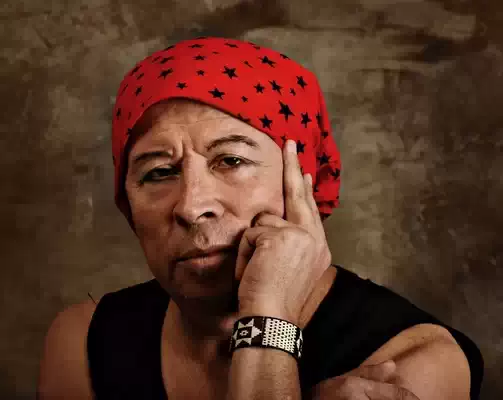
Pedro Lemebel
Pedro Lemebel was a Chilean writer, journalist, chronicler, and cultural activist, known for his work that blends humor, social criticism, and transgressive language, frequently exploring identity, marginality, and queer culture. His vibrant and irreverent writing made him an iconic figure in Latin American literature, challenging social norms and celebrating dissenting voices.

Juan Villoro

Sergio Ramírez


Diamela Eltit

Jorge Volpi

Javier Marías

Miguel Barnet

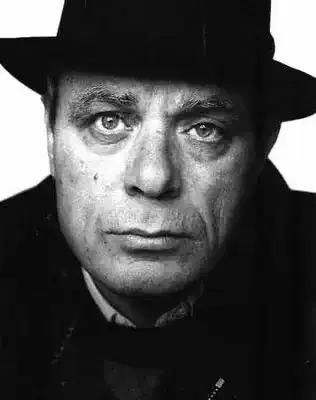
António Lobo Antunes

António Lobo Antunes is one of the most prominent contemporary Portuguese writers, known for his complex work deeply marked by the experiences of the Colonial War in Africa. His writing, characterized by a non-linear narrative structure, the use of multiple points of view, and dense, often fragmented language, explores themes such as memory, madness, violence, guilt, and identity. Lobo Antunes is internationally recognized for his contribution to world literature.

Ricardo Piglia
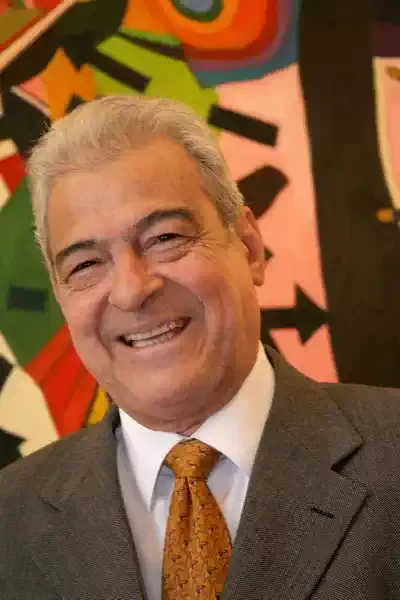
Antonio Cisneros
Antonio Cisneros was a prominent Peruvian poet, whose work stood out for its expressive force, irony, and reflection on social reality and the human condition. His poetry is marked by vibrant language and a critical look at his time, exploring themes such as identity, politics, and the complexities of daily life. Cisneros established himself as one of the most important voices in Latin American poetry of his generation.
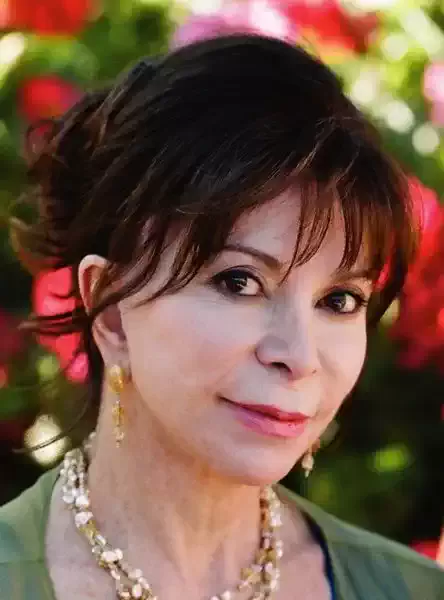
Isabel Allende

Beatriz Sarlo

José Emilio Pacheco
Mexican poet, essayist, narrator, translator, and academic. Known for his introspective lyricism and his sharp reflection on time, memory, and identity. His work is characterized by deep melancholy, precise language, and a constant interconnection between the personal and the social. He reflected on history, popular culture, and the human condition in the modern world. He stood out for his ability to move between high culture and daily life, integrating diverse elements into a unique poetic worldview.