

Awards
Neustadt International Prize for Literature
Neustadt Prize
Description
The Nobel of the Americas: Celebrating Global Literary Achievement
History and Founding of the Prize
The Neustadt International Prize for Literature, often referred to as the 'Nobel of the Americas,' is one of the most important and respected literary awards worldwide. Founded in 1969 by the University of Oklahoma and the magazine World Literature Today (formerly called Books Abroad), the prize is awarded every two years to a living author, in recognition of their complete body of work and significant contribution to world literature.
Objectives and Characteristics
The main objective of the Neustadt Prize is to celebrate literature in all its forms and promote cultural exchange through literature. Unlike many other awards, the Neustadt focuses not on a single work, but on the entire literary output of an author, valuing their unique voice and influence on the global literary landscape.
The Neustadt Prize is notable for its geographical and linguistic scope, having honored authors from diverse parts of the world writing in different languages, reflecting its commitment to literary diversity.
Selection Process
The selection process is rigorous and involves a panel of internationally renowned jurors, composed of writers, critics, and academics. These jurors evaluate the works of nominated authors, considering their originality, thematic depth, stylistic quality, and cultural impact. The biennial nature of the prize allows for careful and in-depth consideration of candidates.
Notable Laureates
The list of laureates includes some of the most influential names in contemporary literature, such as:
- Gabriel García Márquez
- Czesław Miłosz
- Octavio Paz
- Nadine Gordimer
- Wole Soyinka
- Elizabeth Bishop
- and many others who have shaped and continue to shape the literature of the 20th and 21st centuries.
Ceremony and Impact
The award ceremony, which includes a series of academic and cultural events at the University of Oklahoma, serves as a platform for the discussion and celebration of literature, attracting writers, scholars, and literature lovers from around the world. The prize, which includes a significant monetary award (currently $50,000 USD), is a testament to the ongoing commitment to promoting literary excellence and intercultural dialogue. Its longevity and the caliber of its laureates have solidified its position as a cornerstone of international literary recognition, serving as a beacon for the discovery and celebration of literary voices from across the globe.
Winners

Ibrahim Nasrallah


Ananda Devi


Boubacar Boris Diop


Ismail Kadaré

Edwidge Danticat

Dubravka Ugrešić
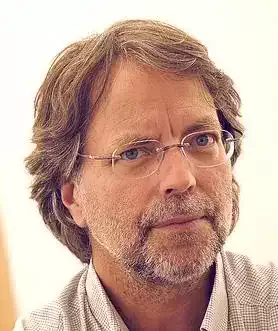
Mia Couto

Mia Couto is a Mozambican writer, whose works explore the complex reality of post-independence Mozambique, blending the real with the fantastic, myth, and African orality. His poetic prose and engaging narratives address themes such as war, reconciliation, cultural identity, and ancestral wisdom, making him one of the most important authors of contemporary Lusophone literature. Internationally recognized, Mia Couto plays a crucial role in the literary representation of Mozambique.

Rohinton Mistry

Duo Duo

Duo Duo is a contemporary Chinese poet. His work is known for exploring themes of individuality, freedom, and the human experience in modern China. He is considered an important figure in post-Mao Chinese poetry, with a style that often challenges literary conventions.

Patricia Grace
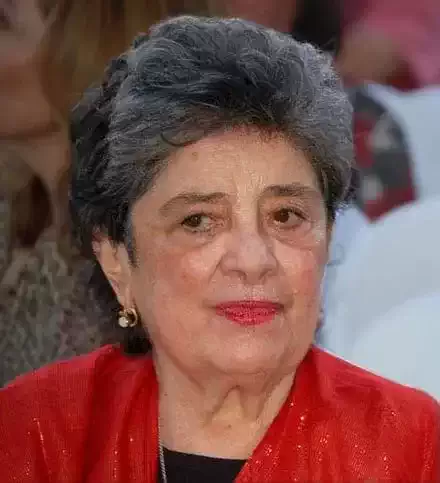
Claribel Alegría

Claribel Alegría was a Nicaraguan poet, essayist, and novelist whose work is characterized by its profound lyricism and social commitment. Throughout her life, she explored universal themes such as love, death, memory, and identity, often intertwining them with the history and politics of Latin America. Her poetry is distinguished by an intimate yet collective voice, capable of evoking intense emotions and deep reflections. Her literary legacy is vast and internationally recognized, having received numerous awards and distinctions. Alegría established herself as one of the most important poetic voices in 20th and 21st-century Spanish-language literature, leaving an indelible mark on the culture and memory of the region.

Adam Zagajewski


Álvaro Mutis
Álvaro Mutis was a Colombian poet and novelist, a central figure in 20th-century Latin American literature. His work, marked by a profound melancholy, the exploration of identity, and reflection on time and memory, is characterized by a refined language and great musicality. He is especially known for his character Maqroll el Gaviero, a globetrotter who embodies the figure of the exile and the eternal traveler, a symbol of the human condition in modernity. Mutis left a literary legacy of great value, internationally recognized for his stylistic mastery and his profound vision of the world.

David Malouf

Nuruddin Farah

Assia Djebar

Kamau Brathwaite

Edward Kamau Brathwaite was a Barbadian poet, historian, and educator, widely regarded as one of the most important voices in Caribbean and post-colonial poetry. His work explores themes of identity, history, culture, and the African diaspora, with a strong emphasis on musicality and the fusion of languages and traditions. Brathwaite is known for his formal innovation, particularly for the development of the "tri-continental" and the "Antillean rhythm," incorporating elements of orality, calypso, and jazz into his poetry. He sought to create an authentic voice that reflected the complexity and richness of the Caribbean experience, challenging colonial structures of language and thought.
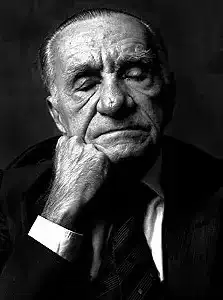
João Cabral de Melo Neto

João Cabral de Melo Neto was one of the most important Brazilian poets of the 20th century. His work is marked by objectivity, formal rigor, and the exploration of language as raw material. He addressed themes such as the Northeastern landscape, the human condition, and poetry itself, with a style often described as concrete and architectural. His poetry seeks precision, clarity, and economy of means, distancing itself from sentimentality and rhetorical excesses.
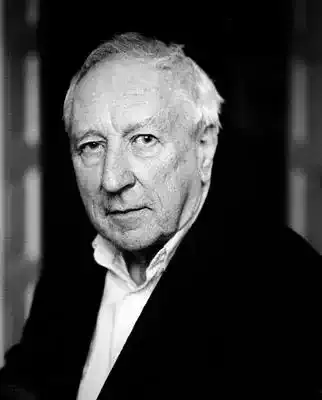
Tomas Tranströmer

Tomas Tranströmer was a Swedish poet and psychologist, widely recognized for his lyrical and introspective work that explores the relationship between nature, the self, and the world. His poetry is characterized by clarity, imagination, and the ability to evoke deep moods through vivid imagery and a contemplative rhythm. He was awarded the Nobel Prize in Literature in 2011, distinguished for his unique voice in contemporary poetry.

Raja Rao

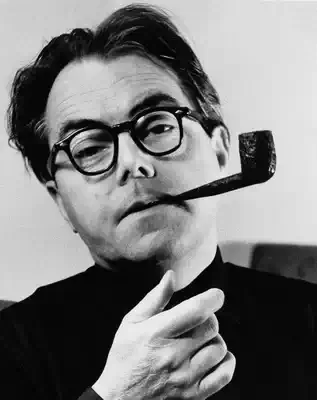
Max Frisch

Paavo Haavikko

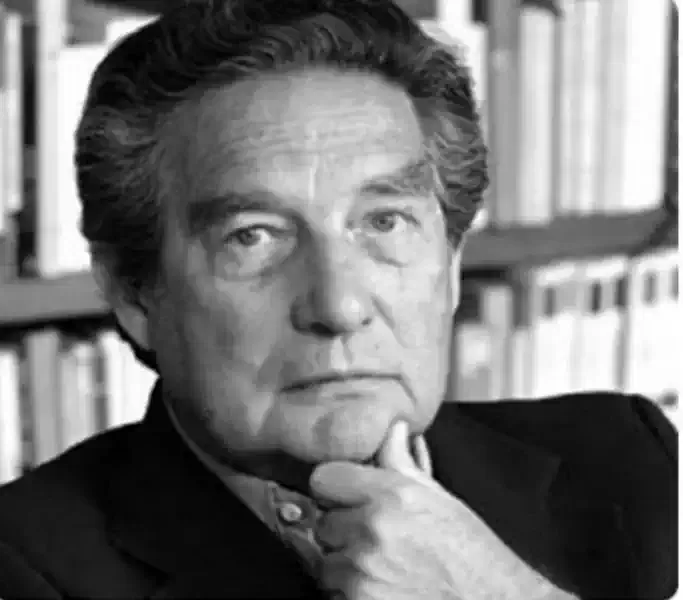
Octavio Paz

Octavio Paz was one of the most important poets and essayists of the 20th century, awarded the Nobel Prize in Literature in 1990. His work is vast and multifaceted, exploring themes such as love, solitude, Mexican identity, the human condition, time, and the search for transcendence. With a rich and innovative language, Paz moved between lyrical poetry, philosophical reflection, and cultural criticism, leaving an invaluable intellectual and artistic legacy.

Josef Škvorecký

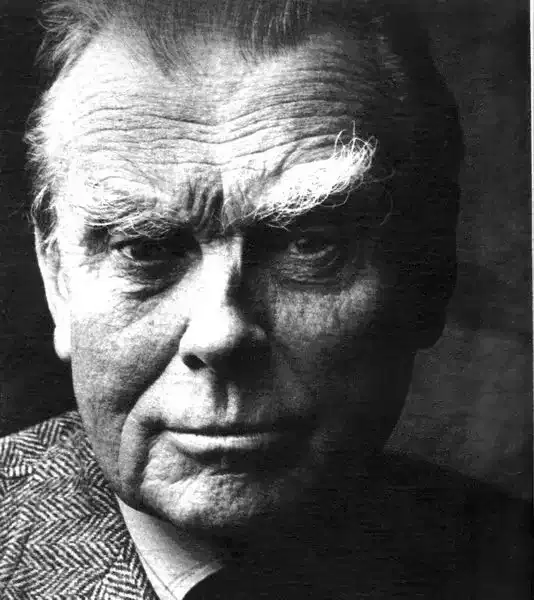
Czesław Miłosz
Czesław Miłosz was a Polish-Lithuanian poet, prose writer, translator, and diplomat, awarded the Nobel Prize in Literature in 1980. Born into a Polish family in Lithuania, then part of the Russian Empire, Miłosz spent most of his adult life in Poland and later in the United States, where he became a university professor.
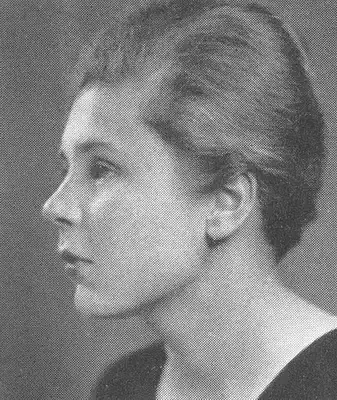
Elizabeth Bishop

Elizabeth Bishop was an American poet renowned for her meticulously crafted, observant, and subtly emotional verse. Her work is characterized by its precise imagery, quiet tone, and profound empathy for the subjects she described, often focusing on landscapes, travel, and the details of everyday life. Despite a relatively small output of published work during her lifetime, she gained significant critical acclaim and is now considered one of the most important American poets of the 20th century. Her poetry is marked by its formal control and deep engagement with the physical world.
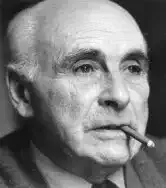
Francis Ponge

Francis Ponge was a French poet and writer, known for his unique and meditative approach to the material world and language. His work, which defies traditional categorizations, explores everyday objects and natural elements with philosophical depth and meticulous attention to the word. Ponge dedicated himself to deconstructing conventional poetry, focusing on sensory experience and the materiality of existence, which earned him a unique place in 20th-century literature.
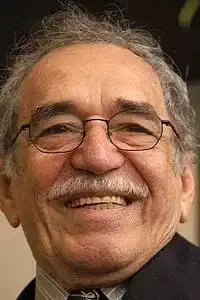
Gabriel García Márquez

Gabriel García Márquez was a renowned Colombian writer, awarded the Nobel Prize in Literature in 1982. Known for his magical and realistic prose, he revolutionized Latin American literature. His work explores universal themes such as love, solitude, power, and death, often set in the fictional Macondo, inspired by his homeland. Works like 'One Hundred Years of Solitude' and 'Love in the Time of Cholera' established him as one of the greatest storytellers of the 20th century, influencing generations of writers and captivating readers worldwide with his engaging narrative and boundless imagination.
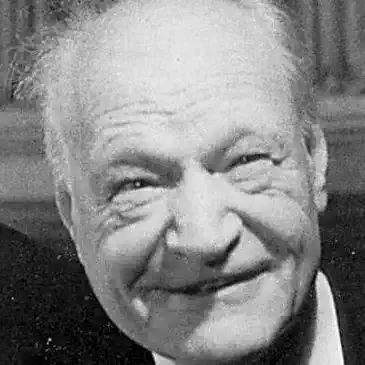
Giuseppe Ungaretti

Giuseppe Ungaretti was an Italian poet, considered one of the most important representatives of Hermeticism and a central figure in 20th-century Italian poetry. His work is marked by the search for the essential word, lyrical intensity, and reflection on the fragility of human existence, especially in times of war. His poetry, concise and profound, explores themes such as solitude, death, memory, and the quest for redemption. With a purified language and fragmented rhythm, Ungaretti innovated poetic form, using short verses and free verse to express the intensity of his emotions and the universality of the human condition. His experience in World War I had a profound impact on his writing, giving it a tone of urgency and a search for a greater meaning in life.