

Awards
Prémio ABL de Poesia
Prémio ABL Poesia
Description
The ABL Poetry Award
The ABL Poetry Award is one of the most prestigious literary distinctions in Brazil, aiming to recognize and encourage high-quality poetic production in the country. Created by the Brazilian Academy of Letters (ABL), the highest institution of Brazilian literature, the award seeks to honor authors who, with their works, contribute significantly to the renewal and consolidation of poetry in the Portuguese language.
The Brazilian Academy of Letters
The Brazilian Academy of Letters, founded in 1897 by Machado de Assis and other intellectuals, has the mission of safeguarding the Portuguese language and national literature. The institution, inspired by the Académie Française, is composed of 40 members elected to perpetual chairs. The awarding of literary prizes is one of its most important activities, aiming not only at the consecration of talents but also at the dissemination and valorization of Brazilian literature.
History and Relevance of the Award
The ABL Poetry Award, although not as old as other Academy awards, such as the Machado de Assis Award, quickly gained significant relevance in the literary scene. Its creation and annual regularity demonstrate the ABL's commitment to poetry, a literary genre that sometimes faces challenges in visibility and commercialization.
Selection Criteria
The selection criteria for the ABL Poetry Award are rigorous and based on the evaluation of the literary quality of the work, including originality, thematic depth, formal excellence, capacity for linguistic innovation, and artistic relevance. Candidate works are generally evaluated by a jury composed of academics, literary critics, and renowned poets, who analyze the books published within the period established by the Academy.
Categories and Scope
The award categories may vary over time, but they generally focus on distinguishing a poetry book published by a Brazilian author. Sometimes, there may be honorable mentions or specific awards for emerging authors or for works that stand out for a particular characteristic. The ABL seeks, with this award, to encompass a diverse range of poetic styles and trends, from more lyrical and introspective poetry to experimental and socially engaged poetry.
Impact and Projection
The relevance of the ABL Poetry Award lies in its ability to project authors and works to a broader audience, conferring upon them a seal of quality recognized by the highest literary authority in Brazil. The winners and finalists of the award often see their works gain greater visibility, be reissued and translated, contributing to their permanence in the literary canon.
Curiosities and Ceremony
Curiosities about the award include its direct link to the history and memory of Brazilian literature, through the Academy. The award ceremony, usually held at the ABL headquarters in Rio de Janeiro, is an important cultural event that brings together writers, academics, publishers, and literature lovers. The choice of jurors is always a point of debate and interest, as it reflects the different currents of thought and literary criticism in vogue in the country. The history of the award is intrinsically linked to the evolution of Brazilian poetry itself, following its transformations and celebrating its masters.
Winners

Gabriel Nascente

Gabriel Nascente is a contemporary poet who stands out for his deep exploration of the human condition and for the way his words weave bridges between the everyday and the transcendent. His poetic work is marked by careful language and a keen sensitivity to the nuances of emotions and life experiences. Through verses that invite reflection, Nascente addresses universal themes such as love, the passage of time, nature, and the search for meaning, presenting a perspective that oscillates between the intimate and the cosmic. His poetry is an invitation to contemplation, encouraging the reader to rediscover the beauty and complexity of the world around them and of themselves.
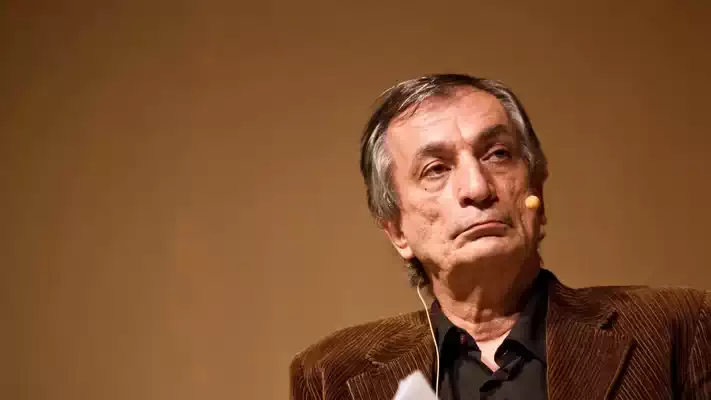
Antonio Cicero
Antonio Cicero was a Brazilian poet, university professor, and literary critic. His poetic work is marked by a profound reflection on language, time, and the human condition, combined with formal rigor and sharp intelligence. His poetry explores the ambiguities of modern experience, the everyday, and the search for meaning in a complex world. He was also an influential intellectual, known for his essays on culture, literature, and philosophy, as well as his work as a professor.
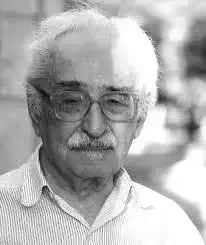
Manoel de Barros
Manoel de Barros was a Brazilian poet whose verses explored childhood, nature, and daily life with a unique and inventive language. His work is marked by a deep sensibility towards the rural world and the simple elements of life, which he elevated to a lyrical and philosophical level. His ability to reinvent words and create surprising images from the mundane made him one of the most beloved and original figures in contemporary Brazilian poetry.
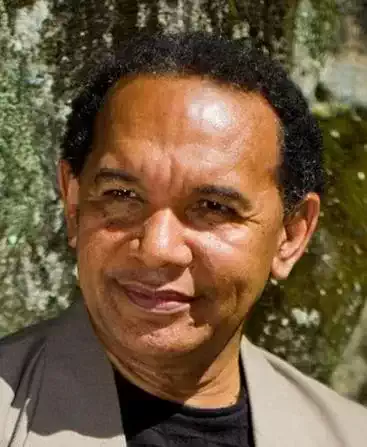
Salgado Maranhão
Salgado Maranhão is an acclaimed Brazilian poet, whose work is distinguished by its strong connection to the Northeastern popular culture, especially that of his native state, Maranhão. His poetry, rich in orality, musicality, and vivid imagery, explores themes such as identity, land, the sacred, and everyday life, often incorporating elements of popular imagination and regional traditions. Maranhão is recognized for his ability to give voice to the landscapes, rhythms, and souls of the Brazilian Northeast, consolidating himself as one of the most important names in contemporary Brazilian poetry.

Ronaldo Costa Fernandes
Ronaldo Costa Fernandes was a Brazilian professor, literary critic, and writer, with a strong involvement in the study of Brazilian literature and popular culture. His work is notable for its in-depth analysis of cultural and literary manifestations, especially those linked to regional traditions.

Denise Emmer
Denise Emmer is a Brazilian writer and historian, known for her work that navigates between fiction and non-fiction, often exploring themes related to history, memory, and identity, with a sharp eye on the complexities of society.

Izacyl Guimarães Ferreira
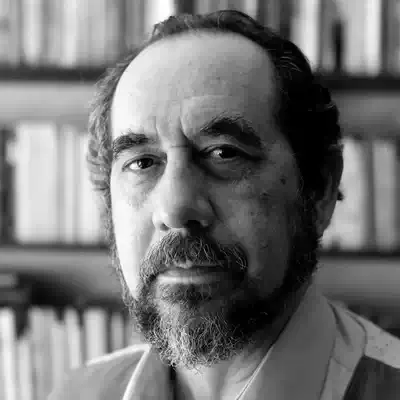
Adriano Espínola
Adriano Espínola is a contemporary poet whose work stands out for its deep exploration of language and its reflection on the human condition in a complex urban and social context. His poetry, marked by a strong lyrical component and, at times, a critical view of reality, addresses themes such as identity, memory, the city, and interpersonal relationships. With a style that transitions between formal experimentalism and confessional expressiveness, Espínola has been consolidating a literary career that positions him as a relevant voice in current Portuguese poetry, exploring the nuances of existence in the 21st century.

Alberto da Cunha Melo

Ruy Pinheiro Filho
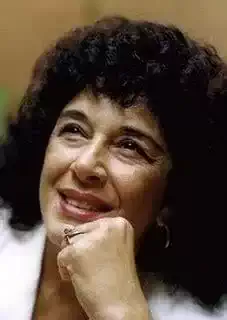
Neide Archanjo
Neide Archanjo is a Brazilian poet whose work is characterized by sensitivity in addressing themes such as nature, the body, time, and the female condition. Her poetry is marked by lyrical and imagistic language, exploring subjectivity and the nuances of human relationships. Archanjo constructs a poetic universe where the everyday intertwines with the transcendental, inviting the reader to a deep reflection on existence and being. With a writing that shifts between the intimate and the universal, Neide Archanjo stands as an important voice in contemporary poetry, offering a delicate and powerful perspective on the world and its mysteries.

Vera Lucia de Oliveira
Vera Lucia de Oliveira is a Brazilian writer, poet, and professor, known for her work spanning various literary genres, with a focus on poetry and fictional prose. Her writing is marked by sensitivity, exploration of social and existential themes, and rich, expressive language. A prolific author, Vera Lucia de Oliveira contributes significantly to contemporary Brazilian literature, deeply addressing issues of identity, memory, and the complexity of human relationships.

Alexei Bueno
Alexei Bueno is a Brazilian poet, essayist, and translator, recognized for his work that navigates between tradition and modernity, with a strong influence of metalanguage and reflection on the art of writing itself. His poetry is marked by formal rigor, exploration of language, and themes that include memory, time, identity, and the search for meaning. With a vast production encompassing poetry books, critical essays, and translations, Alexei Bueno has established himself as a unique voice in contemporary Brazilian literature, engaging with past masters and proposing new aesthetic approaches.

Astrid Cabral
Astrid Cabral is a Brazilian poet known for her work marked by intense and imagistic language, often exploring themes such as ephemerality, memory, and the complexities of the human condition. Her poetry is distinguished by its expressive force and musicality, with a style that shifts between lyricism and a certain colloquialism, but always with great depth.

Fabrício Carpinejar

Antônio Carlos Secchin
Antônio Carlos Secchin is a Brazilian poet, essayist, and literary critic. His poetic work is notable for its erudition, formal sophistication, and exploration of universal themes such as love, death, time, and memory, often with a gaze that transitions between the personal and the universal. As an essayist and critic, he stands out for the depth of his analyses on Brazilian and universal literature, especially poetry.

Afonso Félix de Sousa
Afonso Félix de Sousa was a poet whose work is distinguished by its strong connection to the land and traditions. His poetry, rooted in the landscape and culture of the interior, celebrates simple life, ancestral crafts, and the strength of the people who inhabit it. Through a language that evokes the rural and the popular, Félix de Sousa builds a poetic universe where nature is a confidante and stage for the deepest human emotions. His style, marked by an apparent simplicity that hides profound wisdom, reflects an attentive and tender gaze on existence. His work is an invitation to rediscover the roots and essential values of life, in a continuous dialogue between man and his environment. Afonso Félix de Sousa left a legacy of poetry that honors collective identity and memory.

Fernando Ferreira de Loanda

Luiz de Miranda
Luiz de Miranda was a Portuguese poet and diplomat known for his lyrical poetry and his deep reflection on love, nature, and the human condition. His work, marked by careful language and a unique musicality, explores the nuances of human feeling and the beauty of the world. Throughout his literary career, he demonstrated unparalleled mastery in the art of versification, using classical and experimental forms to express his vision of the universe. His poetry invites introspection and contemplation, leaving a legacy of beauty and depth.
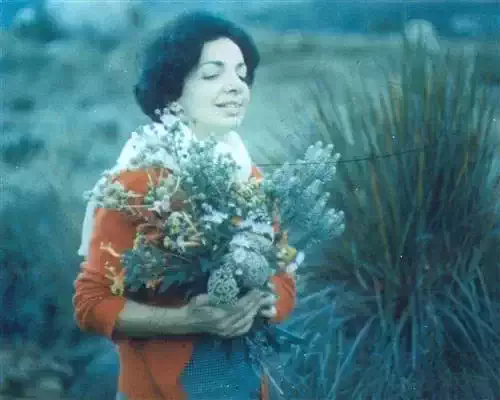
Dora Ferreira da Silva
Dora Ferreira da Silva was a Brazilian poet, known for her lyrical and reflective work. Her poetry explores themes such as love, the ephemerality of time, and the search for meaning, often permeated by a gentle melancholy and profound sensitivity. With refined language and a style marked by musicality and lexical precision, the author left a legacy of poems that continue to resonate with their authenticity and emotional depth. Her contribution to Brazilian poetry is recognized for the originality and strength of her lyrical expression.

Moacyr Scliar
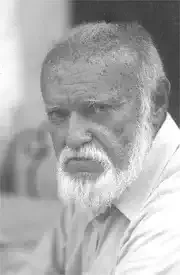
Nauro Machado
Nauro Machado was a Brazilian poet, short story writer, novelist, and essayist, known for his work that explores the complexity of human existence with a rich and imagistic language. His writing spanned various forms, but poetry stood out for its philosophical depth and formal experimentation. Machado addressed universal themes such as love, death, time, and loneliness, always with an introspective gaze and a search for meaning in a constantly changing world. His vast literary output left a significant legacy in Brazilian literature, marked by originality and expressive force.