Quotes in this theme
Faith, Spirituality and Religion
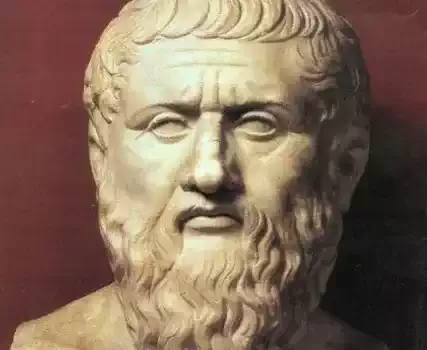
Platão
Beholding beauty with the eye of the mind, he will be enabled to bring forth, not images of beauty, but realities (for he has hold not of an image but of a reality), and bringing forth and nourishing true virtue to become the friend of God and be immortal, if mortal man may.
20
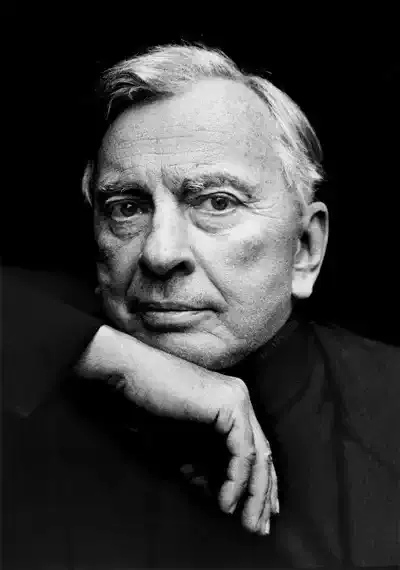
Gore Vidal
Ultimately, totalitarianism is the only sort of politics that can truly serve the sky-god’s purpose. Any movement of a liberal nature endangers his authority and that of his delegates on earth. One God, one King, one Pope, one master in the factory, one father-leader in the family at home.
13
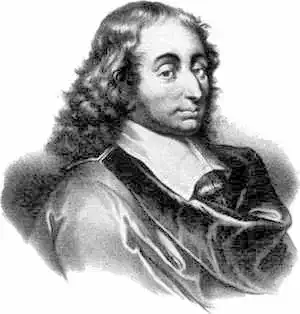
Blaise Pascal
Men never do evil so completely and cheerfully as when they do it from religious conviction.
16
David Hume
Generally speaking, the errors of religion are dangerous; those in philosophy only ridiculous.
18
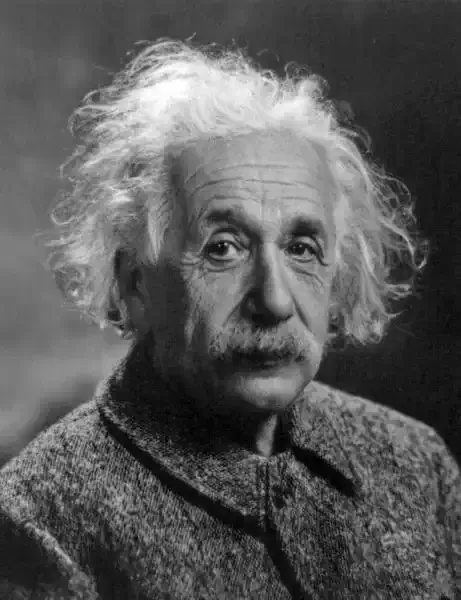
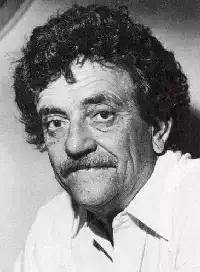
Kurt Vonnegut
It seems to me that the most universal revolutionary wish now or ever is a wish for heaven, a wish by a human being to be honored by angels for something other than beauty or usefulness.
17
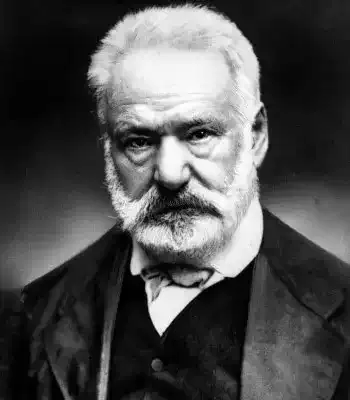
Victor Hugo
There are thoughts which are prayers. There are moments when, whatever the posture of the body, the soul is on its knees.
14

Theodore Roethke
Teaching is an act of love, a spiritual cohabitation, one of the few sacred relationships left in a crass secular world.
24
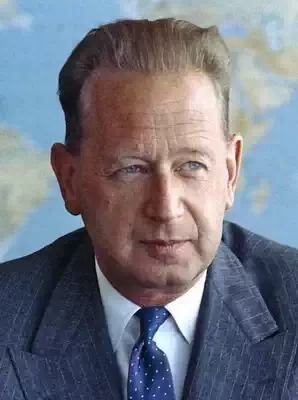
Dag Hammarskjöld
Your cravings as a human animal do not become a prayer just because it is God whom you ask to attend to them.
17
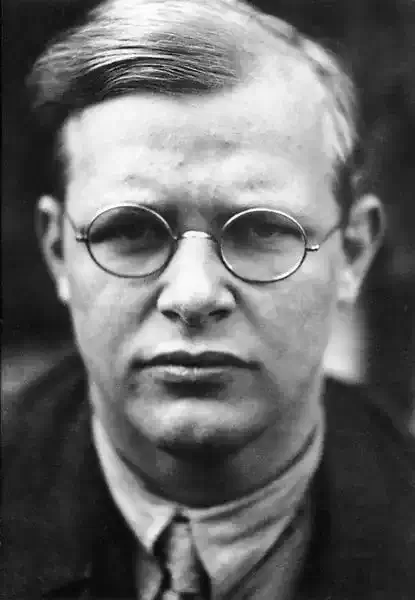

W. H. Auden
To pray is to pay attention to something or someone other than oneself. Whenever a man so concentrates his attention— on a landscape, a poem, a geometrical problem, an idol, or the True God— that he completely forgets his own ego and desires, he is praying.
15
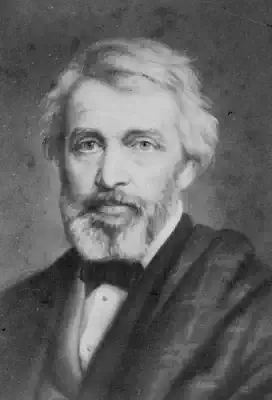
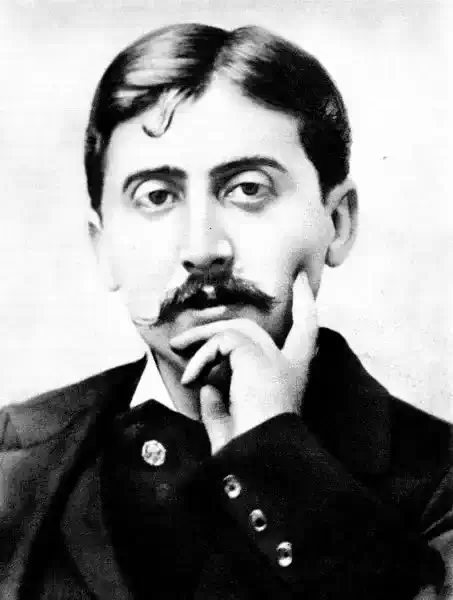
Marcel Proust
Everything we think of as great has come to us from neurotics. It is they and they alone who found religions and create great works of art. The world will never realize how much it owes to them and what they have suffered in order to bestow their gifts on it.
17
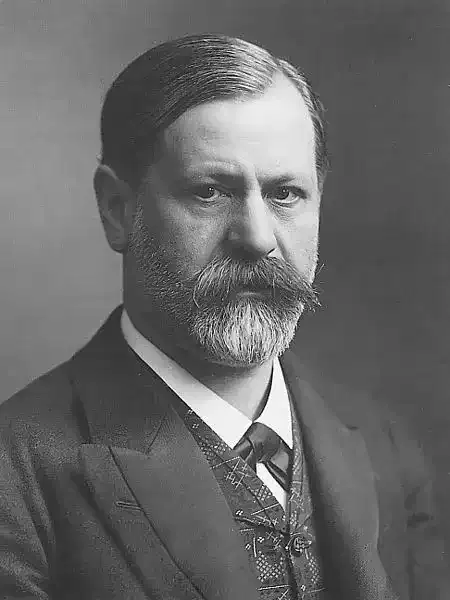
Sigmund Freud
The true believer is in a high degree protected against the danger of certain neurotic afflictions; by accepting the universal neurosis he is spared the task of forming a personal neurosis.
13