
Quotes in this theme
Literature and Words
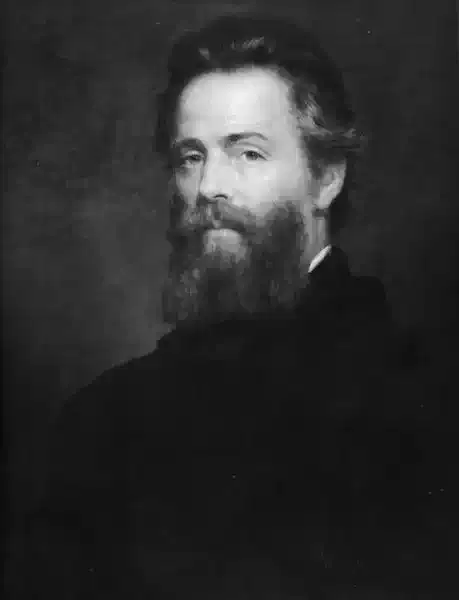
Herman Melville
To produce a mighty book, you must choose a mighty theme. No great and enduring volume can ever be written on the flea, though many there be who have tried it.
19

Katherine Mansfield
Looking back, I imagine I was always writing. Twaddle it was, too. But better far write twaddle or anything, anything, than nothing at all.
22
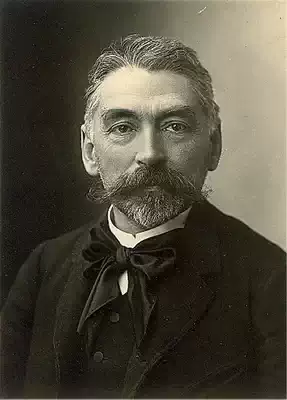
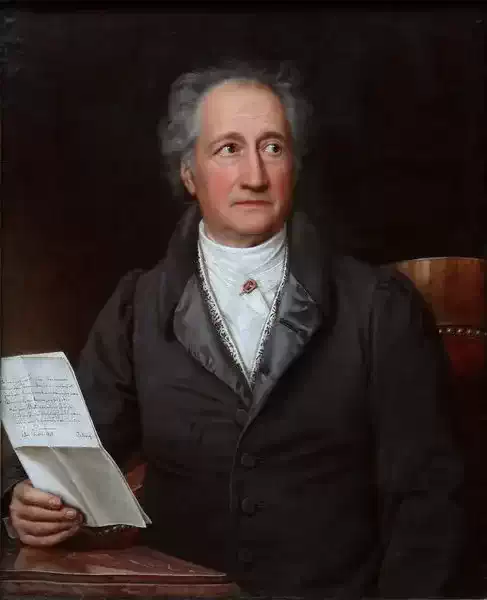
Johann Wolfgang von Goethe
Those who know nothing of foreign languages know nothing of their own.
15
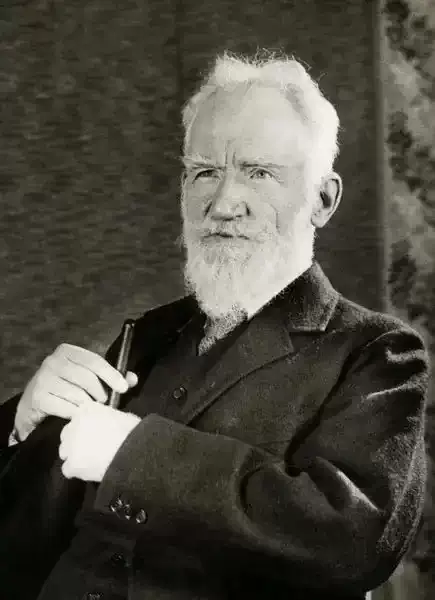
George Bernard Shaw
No man ever believes that the Bible means what it says: He is always convinced that it says what he means.
14
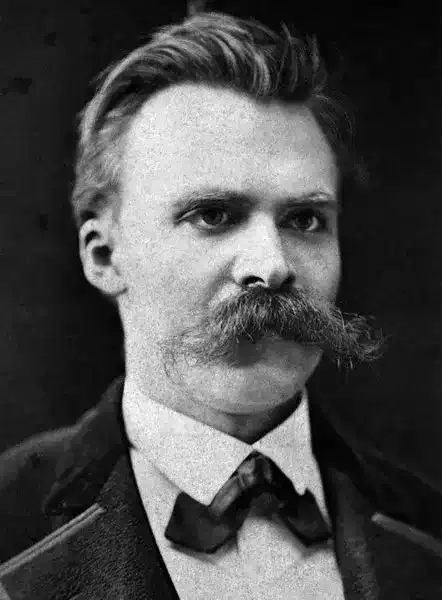
Friedrich Nietzsche
A great value of antiquity lies in the fact that its writings are the only ones that modern men still read with exactness.
16
Friedrich Nietzsche
It is good to express a thing twice right at the outset and so to give it a right foot and also a left one. Truth can surely stand on one leg, but with two it will be able to walk and get around.
18
Friedrich Nietzsche
Belief in form but disbelief in content - that's what makes an aphorism charming.
14
Friedrich Nietzsche
Words are but symbols for the relations of things to one another and to us; nowhere do they touch upon absolute truth.... Through words and concepts we shall never reach beyond the wall off relations, to some sort of fabulous primal ground of things.
19
Friedrich Nietzsche
We have to cease to think, if we refuse to do it in the prison house of language; for we cannot reach further than the doubt which asks whether the limit we see is really a limit.
20
Friedrich Nietzsche
Writers whose thoughts are expressed with clarity and precision are assumed by readers to be superficial. Where the meaning is obscured, then readers give more attention and consider the fruit of their labour more valuable
12
Friedrich Nietzsche
He who writes in blood and aphorisms does not want to be read, he wants to be learned by heart.
19
Friedrich Nietzsche
We suffer from the malady of words, and have no trust in any feeling that is not stamped with its special word.
13
Friedrich Nietzsche
We no longer have a sufficiently high estimate of ourselves when we communicate. Our true experiences are not garrulous. They could not communicate themselves if they wanted to: they lack words. We have already grown beyond whatever we have words for. In all talking there lies a grain of contempt. Speech, it seems, was devised only for the average medium, communicable. The speaker has already vulgarized himself by speaking.
18