
Ethics and Morality

Henry Wadsworth Longfellow
The Norman Baron
et plus profonde, ou l'interet et l'avarice parlent moins haut
que la raison, dans les instants de chagrin domestique, de
maladie, et de peril de mort, les nobles se repentirent de
posseder des serfs, comme d'une chose peu agreable a Dieu, qui
avait cree tous les hommes a son image.--THIERRY, Conquete de
l'Angleterre.
In his chamber, weak and dying,
Was the Norman baron lying;
Loud, without, the tempest thundered
And the castle-turret shook,
In this fight was Death the gainer,
Spite of vassal and retainer,
And the lands his sires had plundered,
Written in the Doomsday Book.
By his bed a monk was seated,
Who in humble voice repeated
Many a prayer and pater-noster,
From the missal on his knee;
And, amid the tempest pealing,
Sounds of bells came faintly stealing,
Bells, that from the neighboring kloster
Rang for the Nativity.
In the hall, the serf and vassal
Held, that night their Christmas wassail;
Many a carol, old and saintly,
Sang the minstrels and the waits;
And so loud these Saxon gleemen
Sang to slaves the songs of freemen,
That the storm was heard but faintly,
Knocking at the castle-gates.
Till at length the lays they chanted
Reached the chamber terror-haunted,
Where the monk, with accents holy,
Whispered at the baron's ear.
Tears upon his eyelids glistened,
As he paused awhile and listened,
And the dying baron slowly
Turned his weary head to hear.
"Wassail for the kingly stranger
Born and cradled in a manger!
King, like David, priest, like Aaron,
Christ is born to set us free!"
And the lightning showed the sainted
Figures on the casement painted,
And exclaimed the shuddering baron,
"Miserere, Domine!"
In that hour of deep contrition
He beheld, with clearer vision,
Through all outward show and fashion,
Justice, the Avenger, rise.
All the pomp of earth had vanished,
Falsehood and deceit were banished,
Reason spake more loud than passion,
And the truth wore no disguise.
Every vassal of his banner,
Every serf born to his manor,
All those wronged and wretched creatures,
By his hand were freed again.
And, as on the sacred missal
He recorded their dismissal,
Death relaxed his iron features,
And the monk replied, "Amen!"
Many centuries have been numbered
Since in death the baron slumbered
By the convent's sculptured portal,
Mingling with the common dust:
But the good deed, through the ages
Living in historic pages,
Brighter grows and gleams immortal,
Unconsumed by moth or rust.
422

Ezra Pound
Homage To Sextus Propertius - X
.Light, light of my eyes, at an exceeding late hour I was wandering,
And intoxicated,
and no servant was leading me,
And a minute crowd of small boys came from opposite,
I do not know what boys,
And I am afraid of numerical estimate,
And some of them shook little torches,
and others held onto arrows,
And the rest laid their chains upon me,
and they were naked, the lot of them,
And one of the lot was given to lust.
'That incensed female has consigned him to our pleasure.'
So spoke. And the noose was over my neck.
And another said 'Get him plumb in the middle!
'Shove along there, shove along!'
And another broke in upon this:
'He thinks that we are not gods,'
'And she has been waiting for the scoundrel,
and in a new Sidonian night cap,
And with more than Arabian odours,
God knows where he has been.
She could scarcely keep her eyes open
enter that much for his bail.
Get along now!'
We were coming near to the house,
and they gave another yank to my cloak,
And it was morning, and I wanted to see if she was alone and resting,
And Cynthia was alone in her bed.
I was stupefied.
I had never seen her looking so beautiful,
No, not when she was tunick'd in purple.
Such aspect was presented to me, me recently emerged from my visions,
You will observe that pure form has its value.
‘You are a very early inspector of mistresses.
‘Do you think I have adopted your habits?'
There were upon the bed no signs of a voluptuous encounter,
No signs of a second incumbent.
She continued:
'No incubus has crushed his body against me,
‘Though spirits are celebrated for adultery.
‘And I am going to the temple of Vesta . . .'
and so on.
Since that day I have had no pleasant nights.
421

Ella Wheeler Wilcox
The Voice
I dreamed a Voice, of one God-authorised,
Cried loudly thro’ the world, ‘Disarm! Disarm! ’
And there was consernation in the camps;
And men who strutted under braid and lace
Beat on their medalled breasts, and wailed,
‘Undone! ’
The word was echoed from a thousand hills,
And shop and mill, and factory and forge,
Where throve the awful industries of death,
Hushed into silence. Scrawled upon the doors,
The passer read, ‘Peace bids her children
Starve.’
But foolish women clasped their little sons
And wept for joy, not reasoning like men.
Again the Voice commanded: ‘Now go forth
And build a world for Progress and for Peace.
This world had waited since the earth was
Shaped;
But men were fighting, and they could not
Toil.
The needs of life outnumbered needs of death.
Leave death with God. Go forth, I say, and
Build.’
And then a sudden comprehensive joy
Shone in the eyes of men; and one who thought
Only of conquests and of victories
Woke from his gloomy reverie and cried,
‘Ay, come and build! I challenge all to try.
And I will make a world more beautiful
Then Eden was before the serpent came.’
And like a running flame on western wilds,
Ambition spread from mind to listening mind,
And lo! the looms were busy once again,
And all the earth resounded with men’s toil.
Vast palaces of Science graced the world;
Their banquet tables spread with feasts of truth
For all who hungered. Music kissed the air,
Once rent with boom of cannons. Statues gleamed
From wooded ways, where ambushed armies hid
In times of old. The sea and air were gay
With shining sails that soared from land to land.
A universal language of the world
Made nations kin, and poverty was known
But as a word marked ‘obsolete, ’ like war.
The arts were kindled with celestial fire;
New poets sang so Homer’s fame grew dim;
And brush and chisel gave the wondering race
Sublimer treasures than old Greece displayed.
Men differed still; fierce argument arose,
For men are human in this human sphere;
But unarmed Arbitration stood between
And Reason settled in a hundred hours
What War disputed for a hundred years.
Oh, that a Voice, of one God-authorised
Might cry to all mankind, Disarm! Disarm!
Remembered
His art was loving; Eres set his sign
Upon that youthful forehead, and he drew
The hearts of women, as the sun draws dew.
Love feeds love’s thirst as wine feeds love of wine;
Nor is there any potion from the vine
Which makes men drunken like the subtle brew
Of kisses crushed by kisses; and he grew
Inebriated with that draught divine.
Yet in his sober moments, when the sun
Of radiant summer paled to lonely fall,
And passion’s sea had grown an ebbing tide,
From out the many, Memory singled one
Full cup that seemed the sweetest of them all –
The warm red mouth that mocked him and denied.
422

Rudyard Kipling
Covenant
We thought we ranked above the chance of ill.
Others might fall, not we, for we were wise--
Merchants in freedom. So, of our free-will
We let our servants drug our strength with lies.
The pleasure and the poison had its way
On us as on the meanest, till we learned
That he who lies will steal, who steals will slay.
Neither God's judgment nor man's heart was turned.
Yet there remains His Mercy--to be sought
Through wrath and peril till we cleanse the wrong
By that last right which our forefathers claimed
When their Law failed them and its stewards were bought.
This is our cause. God help us, and make strong
Our will to meet Him later, unashamed!
420
Ella Wheeler Wilcox
The London 'Bobby'
A Tribute To The Policemen Of Englands Capital
Here in my cosy corner,
Before a blazing log,
I’m thinking of cold London
Wrapped in its killing fog;
And, like a shining beacon
Above the picture grim,
I see the London ‘Bobby, ’
And sing my song for him.
I see his stalwart figure,
I see his kindly face,
I hear his helpful answer
At any hour or place.
For, though you seek some by-way
Long miles from his own beat,
He tells you all about it,
And how to find the street.
He looks like some bold Viking,
This king of earth’s police –
Yet in his voice lies feeling,
And in his eyes lies peace;
He knows and does his duty –
(What higher praise is there?)
And London’s lords and paupers
Alike receive his care.
He has a regal bearing,
Yet one that breathes repose;
It is the look and manner
Of one who thinks and knows.
Oh, men who govern nations,
In old worlds or new,
Turn to the London ‘Bobby’
And learn a thing or two.
419

William Butler Yeats
To A Shade
IF you have revisited the town, thin Shade,
Whether to look upon your monument
(I wonder if the builder has been paid)
Or happier-thoughted when the day is spent
To drink of that salt breath out of the sea
When grey gulls flit about instead of men,
And the gaunt houses put on majesty:
Let these content you and be gone again;
For they are at their old tricks yet.
A man
Of your own passionate serving kind who had brought
In his full hands what, had they only known,
Had given their children's children loftier thought,
Sweeter emotion, working in their veins
Like gentle blood, has been driven from the place,
And instilt heaped upon him for his pains,
And for his open-handedness, disgrace;
Your enemy, an old fotil mouth, had set
The pack upon him.
Go, unquiet wanderer,
And gather the Glasnevin coverlet
About your head till the dust stops your ear,
The time for you to taste of that Salt breath
And listen at the corners has not come;
You had enough of sorrow before death --
Away, away! You are safer in the tomb.
419

John Clare
A World For Love
Oh, the world is all too rude for thee, with much ado and care;
Oh, this world is but a rude world, and hurts a thing so fair;
Was there a nook in which the world had never been to sear,
That place would prove a paradise when thou and Love were near.
And there to pluck the blackberry, and there to reach the sloe,
How joyously and happily would Love thy partner go;
Then rest when weary on a bank, where not a grassy blade
Had eer been bent by Trouble's feet, and Love thy pillow made.
For Summer would be ever green, though sloes were in their prime,
And Winter smile his frowns to Spring, in beauty's happy clime;
And months would come, and months would go, and all in sunny mood,
And everything inspired by thee grow beautifully good.
And there to make a cot unknown to any care and pain,
And there to shut the door alone on singing wind and rain--
Far, far away from all the world, more rude than rain or wind,
Oh, who could wish a sweeter home, or better place to find?
Than thus to love and live with thee, thou beautiful delight!
Than thus to live and love with thee the summer day and night!
The Earth itself, where thou hadst rest, would surely smile to see
Herself grow Eden once again, possest of Love and thee
419

Lord Byron
Were My Bosom As False as Thou Deem'st It To Be
Were my bosom as false as thou deem'st it to be,
I need not have wander'd from far Galilee;
It was but abjuring my creed to efface
The curse which, thou say'st, is the crime of my race.
If the bad never triumph, then God is with thee!
If the slave only sin, thou art spotless and free!
If the Exile on earth is an Outcast on high,
Live on in thy faith, but in mine I will die.
I have lost for that faith more than thou canst bestow,
As the God who permits thee to prosper doth know;
In his hand is my heart and my hope and
in thine
The land and the life which for him I resign.
419

Edna St. Vincent Millay
Apostrophe To Man
(On reflecting that the world
is ready to go to war again)
Detestable race, continue to expunge yourself, die out.
Breed faster, crowd, encroach, sing hymns, build
bombing airplanes;
Make speeches, unveil statues, issue bonds, parade;
Convert again into explosives the bewildered ammonia
and the distracted cellulose;
Convert again into putrescent matter drawing flies
The hopeful bodies of the young; exhort,
Pray, pull long faces, be earnest,
be all but overcome, be photographed;
Confer, perfect your formulae, commercialize
Bacateria harmful to human tissue,
Put death on the market;
Breed, crowd, encroach,
expand, expunge yourself, die out,
Homo called sapiens.
418
William Butler Yeats
Upon A House Shaken By The Land Agitation
HOW should the world be luckier if this house,
Where passion and precision have been one
Time out of mind, became too ruinous
To breed the lidle
Ss eye that loves the sun?
And the sweet laughing eagle thoughts that grow
Where wings have memory of wings, and all
That comes of the best knit to the best? Although
Mean roof-trees were the sturdier for its fall.
How should their luck run high enough to reach
The gifts that govern men, and after these
To gradual Time's last gift, a written speech
Wrought of high laughter, loveliness and ease?
420

Alice Walker
When You Thought Me Poor
When you thought me poor,
my poverty was shaming.
When blackness was unwelcome
we found it best
that I stay home.
When by the miracle
of fierce dreaming and hard work
Life fulfilled our every want
you found me crassly
well off;
not trimly,
inconspicuously wealthy
like your rich friends.
Still black too,
now
I owned too much and too many
of everything.
Woe is me: I became a
success! Blackness, who
knows how?
Became suddenly
in!
What to do?
Now that Fate appears
(for the moment anyhow)
to have dismissed
abject failure
in any case?
Now that moonlight and night
have blessed me.
Now that the sun
unaffected by criticism
of any sort,
implacably beams
the kiss filled magic that creates
the dark and radiant wonder
of my face.
418
Ella Wheeler Wilcox
The Meeting Of The Centuries
A CURIOUS vision, on mine eyes unfurled
In the deep night. I saw, or seemed to see,
Two Centuries meet, and sit down vis-a-vis,
Across the great round table of the world.
One with suggested sorrows in his mien
And on his brow the furrowed lines of thought.
And one whose glad expectant presence brought
A glow and radiance from the realms unseen.
Hand clasped with hand, in silence for a space,
The Centuries sat; the sad old eyes of one
(As grave paternal eyes regard a son)
Gazing upon that other eager face.
And then a voice, as cadenceless and gray
As the sea's monody in winter time,
Mingled with tones melodious, as the chime
Of bird choirs, singing in the dawns of May.
THE OLD CENTURY SPEAKS:
By you, Hope stands. With me, Experience walks.
Like a fair jewel in a faded box,
In my tear-rusted heart, sweet pity lies.
For all the dreams that look forth from your eyes,
And those bright-hued ambitions, which I know
Must fall like leaves and perish in Time's snow,
(Even as my soul's garden stands bereft,)
I give you pity! 'tis the one gift left.
THE NEW CENTURY:
Nay, nay, good friend! not pity, but Godspeed,
Here in the morning of my life I need.
Counsel, and not condolence; smiles, not tears,
To guide me through the channels of the years.
Oh, I am blinded by the blaze of light
That shines upon me from the Infinite.
Blurred is my vision by the close approach
To unseen shores, whereon the times encroach.
THE OLD CENTURY:
Illusion, all illusion. List and hear
The Godless cannons, booming far and near.
Flaunting the flag of Unbelief, with Greed
For pilot, lo! the pirate age in speed
Bears on to ruin. War's most hideous crimes
Besmirch the record of these modern times.
Degenerate is the world I leave to you, --
My happiest speech to earth will be -- adieu.
THE NEW CENTURY:
You speak as one too weary to be just.
I hear the guns-I see the greed and lust.
The death throes of a giant evil fill
The air with riot and confusion. Ill
Ofttimes makes fallow ground for Good; and Wrong
Builds Right's foundation, when it grows too strong.
Pregnant with promise is the hour, and grand
The trust you leave in my all-willing hand.
THE OLD CENTURY:
As one who throws a flickering taper's ray
To light departing feet, my shadowed way
You brighten with your faith. Faith makes the man.
Alas, that my poor foolish age outran
Its early trust in God. The death of art
And progress follows, when the world's hard heart
Casts out religion. 'Tis the human brain
Men worship now, and heaven, to them, means gain.
THE NEW CENTURY:
Faith is not dead, tho' priest and creed may pass,
For thought has leavened the whole unthinking mass.
And man looks now to find the God within.
We shall talk more of love, and less of sin,
In this new era. We are drawing near
Unatlassed boundaries of a larger sphere.
With awe, I wait, till Science leads us on,
Into the full effulgence of its dawn.
418
William Butler Yeats
On Woman
MAY God be praised for woman
That gives up all her mind,
A man may find in no man
A friendship of her kind
That covers all he has brought
As with her flesh and bone,
Nor quarrels with a thought
Because it is not her own.
Though pedantry denies,
It's plain the Bible means
That Solomon grew wise
While talking with his queens.
Yet never could, although
They say he counted grass,
Count all the praises due
When Sheba was his lass,
When she the iron wrought, or
When from the smithy fire
It shuddered in the water:
Harshness of their desire
That made them stretch and yawn,
pleasure that comes with sleep,
Shudder that made them one.
What else He give or keep
God grant me -- no, not here,
For I am not so bold
To hope a thing so dear
Now I am growing old,
But when, if the tale's true,
The Pestle of the moon
That pounds up all anew
Brings me to birth again --
To find what once I had
And know what once I have known,
Until I am driven mad,
Sleep driven from my bed.
By tenderness and care.
pity, an aching head,
Gnashing of teeth, despair;
And all because of some one
perverse creature of chance,
And live like Solomon
That Sheba led a dance.
420

Johann Wolfgang von Goethe
The Maid Of The Mill's Treachery
WHENCE comes our friend so hastily,
When scarce the Eastern sky is grey?
Hath he just ceased, though cold it be,
In yonder holy spot to pray?
The brook appears to hem his path,
Would he barefooted o'er it go?
Why curse his orisons in wrath,
Across those heights beclad with snow?
Alas! his warm bed he bath left,
Where he had look'd for bliss, I ween;
And if his cloak too, had been reft,
How fearful his disgrace had been!
By yonder villain sorely press'd,
His wallet from him has been torn;
Our hapless friend has been undress'd,
Left well nigh naked as when born.
The reason why he came this road,
Is that he sought a pair of eyes,
Which, at the mill, as brightly glow'd
As those that are in Paradise.
He will not soon again be there;
From out the house he quickly hied,
And when he gain'd the open air,
Thus bitterly and loudly cried
'Within her gaze, so dazzling bright,
No word of treachery I could read;
She seem'd to see me with delight,
Yet plann'd e'en then this cruel deed!
Could I, when basking in her smile,
Dream of the treason in her breast?
She bade kind Cupid stay awhile,
And he was there, to make us blest.
'To taste of love's sweet ecstasy
Throughout the night, that endless seem'd,
And for her mother's help to cry
Only when morning sunlight beam'd!
A dozen of her kith and kin,
A very human flood, in-press'd
Her cousins came, her aunts peer'd in,
And uncles, brothers, and the rest.
'Then what a tumult, fierce and loud!
Each seem'd a beast of prey to be;
The maiden's honour all the crowd,
With fearful shout, demand of me.
Why should they, madmen-like, begin
To fall upon a guiltless youth?
For he who such a prize would win,
Far nimbler needs must be, in truth.
'The way to follow up with skill
His freaks, by love betimes is known:
He ne'er will leave, within a mill,
Sweet flowers for sixteen years alone.-
They stole my clothes away,-yes, all!
And tried my cloak besides to steal.
How strange that any house so small
So many rascals could conceal!
'Then I sprang up, and raved, and swore,
To force a passage through them there.
I saw the treacherous maid once more,
And she was still, alas, so fair
They all gave way before my wrath,
Wild outcries flew about pell-mell;
At length I managed to rush forth,
With voice of thunder, from that hell.
'As maidens of the town we fly,
We'll shun you maidens of the village;
Leave it to those of quality
Their humble worshippers to pillage.
Yet if ye are of practised skill,
And of all tender ties afraid,
Exchange your lovers, if ye will,
But never let them be betray'd.'
Thus sings he in the winter-night,
While not a blade of grass was green.
I laugh'd to see his piteous plight,
For it was well-deserved, I ween.
And may this be the fate of all,
Who treat by day their true loves ill,
And, with foolhardy daring, crawl
By night to Cupid's treacherous mill!
417
Ella Wheeler Wilcox
Answered Prayers
I prayed for riches, and achieved success;
All that I touched turned into gold. Alas!
My cares were greater and my peace was less,
When that wish came to pass.
I prayed for glory, and I heard my name
Sung by sweet children and by hoary men.
But ah! the hurts – the hurts that come with fame.
I was not happy then.
I prayed for Love, and had my heart’s desire.
Through quivering heart and body, and through brain,
There swept the flame of its devouring fire,
And but the scars remain.
I prayed for a contented mind. At length
Great light upon my darkened spirit burst.
Great peace fell on me also, and great strength –
Oh, had that prayer been first!
416

John Greenleaf Whittier
The Farewell
Of A Virginia Slave Mother To Her Daughters Sold Into Southern Bondage
Gone, gone, -- sold and gone
To the rice-swamp dank and lone.
Where the slave-whip ceaseless swings
Where the noisome insect stings
Where the fever demon strews
Poison with the falling dews
Where the sickly sunbeams glare
Through the hot and misty air;
Gone, gone, -- sold and gone,
To the rice-swamp dank and lone,
From Virginia's hills and waters;
Woe is me, my stolen daughters!
Gone, gone, -- sold and gone
To the rice-swamp dank and lone
There no mother's eye is near them,
There no mother's ear can hear them;
Never, when the torturing lash
Seams their back with many a gash
Shall a mother's kindness bless them
Or a mother's arms caress them.
Gone, gone, -- sold and gone,
To the rice-swamp dank and lone,
From Virginia's hills and waters;
Woe is me, my stolen daughters!
Gone, gone, -- sold and gone,
To the rice-swamp dank and lone,
Oh, when weary, sad, and slow,
From the fields at night they go
Faint with toil, and racked with pain
To their cheerless homes again,
There no brother's voice shall greet them
There no father's welcome meet them.
Gone, gone, -- sold and gone,
To the rice-swamp dank and lone,
From Virginia's hills and waters;
Woe is me, my stolen daughters!
Gone, gone, -- sold and gone,
To the rice-swamp dank and lone
From the tree whose shadow lay
On their childhood's place of play;
From the cool sprmg where they drank;
Rock, and hill, and rivulet bank;
From the solemn house of prayer,
And the holy counsels there;
Gone, gone, -- sold and gone,
To the rice-swamp dank and lone,
From Virginia's hills and waters;
Woe is me, my stolen daughters!
Gone, gone, -- sold and gone,
To the rice-swamp dank and lone;
Toiling through the weary day,
And at night the spoiler's prey.
Oh, that they had earlier died,
Sleeping calmly, side by side,
Where the tyrant's power is o'er
And the fetter galls no more!
Gone, gone, -- sold and gone,
To the rice-swamp dank and lone;
From Virginia's hills and waters
Woe is me, my stolen daughters!
Gone, gone, -- sold and gone,
To the rice-swamp dank and lone;
By the holy love He beareth;
By the bruised reed He spareth;
Oh, may He, to whom alone
All their cruel wrongs are known,
Still their hope and refuge prove,
With a more than mother's love.
Gone, gone, -- sold and gone,
To the rice-swamp dank and lone,
From Virginia's hills and waters;
Woe is me, my stolen daughters!
Gone, gone, -- sold and gone
To the rice-swamp dank and lone.
Where the slave-whip ceaseless swings
Where the noisome insect stings
Where the fever demon strews
Poison with the falling dews
Where the sickly sunbeams glare
Through the hot and misty air;
Gone, gone, -- sold and gone,
To the rice-swamp dank and lone,
From Virginia's hills and waters;
Woe is me, my stolen daughters!
Gone, gone, -- sold and gone
To the rice-swamp dank and lone
There no mother's eye is near them,
There no mother's ear can hear them;
Never, when the torturing lash
Seams their back with many a gash
Shall a mother's kindness bless them
Or a mother's arms caress them.
Gone, gone, -- sold and gone,
To the rice-swamp dank and lone,
From Virginia's hills and waters;
Woe is me, my stolen daughters!
Gone, gone, -- sold and gone,
To the rice-swamp dank and lone,
Oh, when weary, sad, and slow,
From the fields at night they go
Faint with toil, and racked with pain
To their cheerless homes again,
There no brother's voice shall greet them
There no father's welcome meet them.
Gone, gone, -- sold and gone,
To the rice-swamp dank and lone,
From Virginia's hills and waters;
Woe is me, my stolen daughters!
Gone, gone, -- sold and gone,
To the rice-swamp dank and lone
From the tree whose shadow lay
On their childhood's place of play;
From the cool sprmg where they drank;
Rock, and hill, and rivulet bank;
From the solemn house of prayer,
And the holy counsels there;
Gone, gone, -- sold and gone,
To the rice-swamp dank and lone,
From Virginia's hills and waters;
Woe is me, my stolen daughters!
Gone, gone, -- sold and gone,
To the rice-swamp dank and lone;
Toiling through the weary day,
And at night the spoiler's prey.
Oh, that they had earlier died,
Sleeping calmly, side by side,
Where the tyrant's power is o'er
And the fetter galls no more!
Gone, gone, -- sold and gone,
To the rice-swamp dank and lone;
From Virginia's hills and waters
Woe is me, my stolen daughters!
Gone, gone, -- sold and gone,
To the rice-swamp dank and lone;
By the holy love He beareth;
By the bruised reed He spareth;
Oh, may He, to whom alone
All their cruel wrongs are known,
Still their hope and refuge prove,
With a more than mother's love.
Gone, gone, -- sold and gone,
To the rice-swamp dank and lone,
From Virginia's hills and waters;
Woe is me, my stolen daughters!
416
Ella Wheeler Wilcox
A Man's Repentance
To-night when I came from the club at eleven,
Under the gaslight I saw a face-
A woman's face! and I swear to heaven
It looked like the ghastly ghost of-Grace!
And Grace? why, Grace was fair; and I tarried,
And loved her a season as we men do.
And then-but pshaw! why, of course, she is married,
Has a husband, and doubtless, a babe or two.
She was perfectly calm on the day we parted;
She spared me a scene, to my great surprise.
She wasn't the kind to be broken-hearted,
I remember she said, with a spark in her eyes.
I was tempted, I know, by her proud defiance,
To make good my promises there and then.
But the world would have called it a mésalliance!
I dreaded the comments and sneers of men.
So I left her to grieve for a faithless lover,
And to hide her heart from the cold world's sight
As women do hide them, the wide earth over;
My God! was it Grace that I saw to-night?
I thought of her married, and often with pity,
A poor man's wife in some dull place.
And now to know she is here in the city,
Under the gaslight, and with that face!
Yet I knew it at once, in spite of the daubing
Of paint and powder, and she knew me;
She drew a quick breath that was almost sobbing,
And shrank in the shade so I should not see.
There was hell in her eyes! She was worn and jaded;
Her soul is at war with the life she has led.
As I looked on that face so strangely faded,
I wonder God did not strike me dead.
While I have been happy and gay and jolly,
Received by the very best people in town,
That girl whom I led in the way to folly,
Has gone on recklessly down and down.
Two o'clock, and no sleep has found me.
That face I saw in the street-lamp's light
Peers everywhere out from the shadows around me-
I know how a murderer feels to-night!
415
Johann Wolfgang von Goethe
From Iphigenia In Tauris
ACT IV. SCENE 5.
SONG OF THE FATES.
The deities dread!
The mastery hold they
In hands all-eternal,
And use them, unquestioned,
What manner they like.
Let him fear them doubly,
Whom they have uplifted!
On cliffs and on clouds, oh,
Round tables all-golden,
he seats are made ready.
When rises contention,
The guests are humid downwards
With shame and dishonor
To deep depths of midnight,
And vainly await they,
Bound fast in the darkness,
A just condemnation.
But they remain ever
In firmness unshaken
Round tables all-golden.
On stride they from mountain
To mountain far distant:
From out the abysses'
Dark jaws, the breath rises
Of torment-choked Titans
Up tow'rds them, like incense
In light clouds ascending.
The rulers immortal
Avert from whole peoples
Their blessing-fraught glances,
And shun, in the children,
To trace the once cherish'd,
Still, eloquent features
Their ancestors wore.
Thus chanted the Parae;
The old man, the banish'd,
In gloomy vault lying,
Their song overheareth,
Sons, grandsons remembereth,
And shaketh his head.
416
John Clare
The Shepherd's Calendar - June
Now summer is in flower and natures hum
Is never silent round her sultry bloom
Insects as small as dust are never done
Wi' glittering dance and reeling in the sun
And green wood fly and blossom haunting bee
Are never weary of their melody
Round field hedge now flowers in full glory twine
Large bindweed bells wild hop and streakd woodbine
That lift athirst their slender throated flowers
Agape for dew falls and for honey showers
These round each bush in sweet disorder run
And spread their wild hues to the sultry sun
Where its silk netting lace on twigs and leaves
The mottld spider at eves leisure weaves
That every morning meet the poets eye
Like faireys dew wet dresses hung to dry
The wheat swells into ear and leaves below
The may month wild flowers and their gaudy show
Bright carlock bluecap and corn poppy red
Which in such clouds of colors wid [e] ly spread
That at the sun rise might to fancys eye
Seem to reflect the many colord sky
And leverets seat and lark and partridge nest
It leaves a schoolboys height in snugger rest
And oer the weeders labour overgrows
Who now in merry groups each morning goes
To willow skirted meads wi fork and rake
The scented hay cocks in long rows to make
Where their old visitors in russet brown
The haytime butterflyes dance up and down
And gads that teaze like whasps the timid maid
And drive the herdboys cows to pond and shade
Who when his dogs assistance fails to stop
Is forcd his half made oaten pipes to drop
And start and hallo thro the dancing heat
To keep their gadding tumult from the wheat
Who in their rage will dangers overlook
And leap like hunters oer the pasture brook
Brushing thro blossomd beans in maddening haste
And 'stroying corn they scarce can stop to taste
Labour pursues its toil in weary mood
And feign woud rest wi shadows in the wood
The mowing gangs bend oer the beeded grass
Where oft the gipseys hungry journeying ass
Will turn its wishes from the meadow paths
Listning the rustle of the falling swaths
The ploughman sweats along the fallow vales
And down the suncrackt furrow slowly trails
Oft seeking when athirst the brooks supply
Where brushing eager the brinks bushes bye
For coolest water he oft brakes the rest
Of ring dove brooding oer its idle nest
And there as loath to leave the swaily place
He'll stand to breath and whipe his burning face
The shepherds idle hours are over now
Nor longer leaves him neath the hedgrow bough
On shadow pillowd banks and lolling stile
Wilds looses now their summer friends awhile
Shrill whistles barking dogs and chiding scold
Drive bleating sheep each morn from fallow fold
To wash pits where the willow shadows lean
Dashing them in their fold staind coats to clean
Then turnd on sunning sward to dry agen
They drove them homeward to the clipping pen
In hurdles pent where elm or sycamore
Shut out the sun-or in some threshing floor
There they wi scraps of songs and laugh and tale
Lighten their anual toils while merry ale
Goes round and gladdens old mens hearts to praise
The thread bare customs of old farmers days
Who while the sturting sheep wi trembling fears
Lies neath the snipping of his harmless sheers
Recalls full many a thing by bards unsung
And pride forgot-that reignd when he was young
How the hugh bowl was in the middle set
At breakfast time as clippers yearly met
Filld full of frumity where yearly swum
The streaking sugar and the spotting plumb
Which maids coud never to the table bring
Without one rising from the merry ring
To lend a hand who if twas taen amiss
Woud sell his kindness for a stolen kiss
The large stone pitcher in its homly trim
And clouded pint horn wi its copper rim
Oer which rude healths was drank in spirits high
From the best broach the cellar woud supply
While sung the ancient swains in homly ryhmes
Songs that were pictures of the good old times
When leathern bottles held the beer nut brown
That wakd the sun wi songs and sung him down
Thus will the old man ancient ways bewail
Till toiling sheers gain ground upon the tale
And brakes it off-when from the timid sheep
The fleece is shorn and wi a fearfull leap
He starts-while wi a pressing hand
His sides are printed by the tarry brand
Shaking his naked skin wi wondering joys
And fresh ones are tugd in by sturdy boys
Who when theyre thrown down neath the sheering swain
Will wipe his brow and start his tale again
Tho fashions haughtv frown hath thrown aside
Half the old forms simplicity supplyd
Yet their are some prides winter deigns to spare
Left like green ivy when the trees are bare
And now when sheering of the flocks are done
Some ancient customs mixd wi harmless fun
Crowns the swains merry toils-the timid maid
Pleasd to be praisd and yet of praise affraid
Seeks her best flowers not those of woods and fields
But such as every farmers garden yield
Fine cabbage roses painted like her face
And shining pansys trimmd in golden lace
And tall tuft larkheels featherd thick wi flowers
And woodbines climbing oer the door in bowers
And London tufts of many a mottld hue
And pale pink pea and monkshood darkly blue
And white and purple jiliflowers that stay
Lingering in blossom summer half away
And single blood walls of a lucious smell
Old fashiond flowers which huswives love so well
And columbines stone blue or deep night brown
Their honey-comb-like blossoms hanging down
Each cottage gardens fond adopted child
Tho heaths still claim them where they yet grow wild
Mong their old wild companions summer blooms
Furze brake and mozzling ling and golden broom
Snap dragons gaping like to sleeping clowns
And 'clipping pinks' (which maidens sunday gowns
Full often wear catcht at by tozing chaps)
Pink as the ribbons round their snowy caps
'Bess in her bravery' too of glowing dyes
As deep as sunsets crimson pillowd skyes
And majoram notts sweet briar and ribbon grass
And lavender the choice of every lass
And sprigs of lads love all familiar names
Which every garden thro the village claims
These the maid gathers wi a coy delight
And tyes them up in readiness for night
Giving to every swain tween love and shame
Her 'clipping poseys' as their yearly claim
And turning as he claims the custom kiss
Wi stifld smiles half ankering after bliss
She shrinks away and blushing calls it rude
But turns to smile and hopes to be pursued
While one to whom the seeming hint applied
Follows to claim it and is not denyd
No doubt a lover for within his coat
His nosegay owns each flower of better sort
And when the envious mutter oer their beer
And nodd the secret to his neighbor near
Raising the laugh to make the mutter known
She blushes silent and will not disown
And ale and songs and healths and merry ways
Keeps up a shadow of old farmers days
But the old beachen bowl that once supplyd
Its feast of frumity is thrown aside
And the old freedom that was living then
When masters made them merry wi their men
Whose coat was like his neighbors russet brown
And whose rude speech was vulgar as his clown
Who in the same horn drank the rest among
And joind the chorus while a labourer sung
All this is past-and soon may pass away
The time torn remnant of the holiday
As proud distinction makes a wider space
Between the genteel and the vulgar race
Then must they fade as pride oer custom showers
Its blighting mildew on her feeble flowers
416
John Clare
Farewell And Defiance To Love
Love and thy vain employs, away
From this too oft deluded breast!
No longer will I court thy stay,
To be my bosom's teazing guest.
Thou treacherous medicine, reckoned pure,
Thou quackery of the harassed heart,
That kills what it pretends to cure,
Life's mountebank thou art.
With nostrums vain of boasted powers,
That, ta'en, a worse disorder leave;
An asp hid in a group of flowers,
That bites and stings when few perceive;
Thou mock-truce to the troubled mind,
Leading it more in sorrow's way,
Freedom, that leaves us more confined,
I bid thee hence away.
Dost taunt, and deem thy power beyond
The resolution reason gave?
Tut! Falsity hath snapt each bond,
That kept me once thy quiet slave,
And made thy snare a spider's thread,
Which een my breath can break in twain;
Nor will I be, like Sampson, led
To trust thy wiles again.
I took thee as my staff to guide
Me on the road I did pursue,
And when my weakness most relied
Upon its strength it broke in two.
I took thee as my friendly host
That counsel might in dangers show,
But when I needed thee the most
I found thou wert my foe.
Tempt me no more with rosy cheeks,
Nor daze my reason with bright eyes;
I'm wearied with thy painted freaks,
And sicken at such vanities:
Be roses fine as eer they will,
They, with the meanest, fade and die,
And eyes, though thronged with darts to kill,
Share like mortality.
Feed the young bard, that madly sips
His nectar-draughts from folly's flowers,
Bright eyes, fair cheeks, and ruby lips,
Till muses melt to honey showers;
Lure him to thrum thy empty lays,
While flattery listens to the chimes,
Till words themselves grow sick with praise
And stop for want of rhymes.
Let such be still thy paramours,
And chaunt love's old and idle tune,
Robbing the spring of all its flowers,
And heaven of all her stars and moon,
To gild with dazzling similes
Blind folly's vain and empty lay:
I'm sobered from such phantasies,
So get thee hence away.
Nor bid me sigh for mine own cost,
Nor count its loss, for mine annoy,
Nor say my stubbornness hath lost
A paradise of dainty joy:
I'll not believe thee, till I know
That sober reason turns an ape,
And acts the harlequin, to show
That cares in every shape,
Heart-achings, sighs, and grief-wrung tears,
Shame-blushes at betrayed distress,
Dissembled smiles, and jealous fears,
Are nought but real happiness:
Then will I mourn what now I brave,
And suffer Celia's quirks to be
(Like a poor fate-bewilder'd slave,)
The rulers of my destiny.
I'll weep and sigh wheneer she wills
To frown, and when she deigns to smile
It shall be cure for all my ills,
And, foolish still, I'll laugh the while;
But till that comes, I'll bless the rules
Experience taught, and deem it wise
To hold thee as the game of fools,
And all thy tricks despise.
417
Johann Wolfgang von Goethe
The Critic
I HAD a fellow as my guest,
Not knowing he was such a pest,
And gave him just my usual fare;
He ate his fill of what was there,
And for desert my best things swallow'd,
Soon as his meal was o'er, what follow'd?
Led by the Deuce, to a neighbour he went,
And talk'd of my food to his heart's content:
"The soup might surely have had more spice,
The meat was ill-brown'd, and the wine wasn't nice."
A thousand curses alight on his head!
'Tis a critic, I vow! Let the dog be struck dead!
416
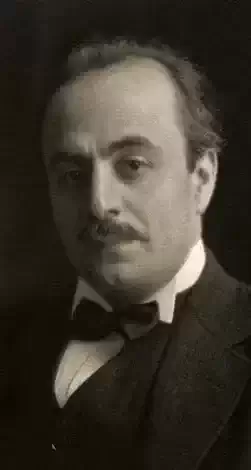
Khalil Gibran
The Creation I
The God separated a spirit from Himself and fashioned it into Beauty. He showered
upon her all the blessings of gracefulness and kindness. He gave her the cup of
happiness and said, "Drink not from this cup unless you forget the past and the future,
for happiness is naught but the moment." And He also gave her a cup of sorrow and
said, "Drink from this cup and you will understand the meaning of the fleeting instants
of the joy of life, for sorrow ever abounds."
And the God bestowed upon her a love that would desert he forever upon her first sigh
of earthly satisfaction, and a sweetness that would vanish with her first awareness of
flattery.
And He gave her wisdom from heaven to lead to the all-righteous path, and placed in
the depth of her heart and eye that sees the unseen, and created in he an affection
and goodness toward all things. He dressed her with raiment of hopes spun by the
angels of heaven from the sinews of the rainbow. And He cloaked her in the shadow of
confusion, which is the dawn of life and light.
Then the God took consuming fire from the furnace of anger, and searing wind from
the desert of ignorance, and sharp- cutting sands from the shore of selfishness, and
coarse earth from under the feet of ages, and combined them all and fashioned Man.
He gave to Man a blind power that rages and drives him into a madness which
extinguishes only before gratification of desire, and placed life in him which is the
specter of death.
And the god laughed and cried. He felt an overwhelming love and pity for Man, and
sheltered him beneath His guidance.
416

Anonymous
the hapless wight a while had kept
since the Creator his exile doomed.
On kin of Cain was the killing avenged
by sovran God for slaughtered Abel.
Ill fared his feud, and far was he driven,
for the slaughter's sake, from sight of men.
Of Cain awoke all that woful breed,
Etins and elves and evil-spirits,
as well as the giants that warred with God
weary while: but their wage was paid them!
413
Ella Wheeler Wilcox
The Belle's Soliloquy
Heigh Ho! Well, the season’s over!
Once again we’ve come to Lent!
Programme’s changes from balls and parties –
Now we’re ordered to repent.
Forty days of self-denial!
Tell you what, I think it pays –
Know’t’l freshen my complexion
Going slow for forty days.
No more savoury French suppers –
Such as Madame R- can give.
Well, I need a little thinning –
Just a trifle – sure’s you live!
Sometimes been afraid my plumpness
Might grow into downright fat.
Rector urges need of fasting –
Think there’s lot of truth in that.
We must meditate, he tells us,
On our several acts of sin,
And repent them. Let me see now –
Whereabouts shall I begin!
Flirting – yes, they say ‘tis wicked;
Well, I’m awful penitent.
(Wonder if my handsome major
Goes to early Mass though Lent?)
Love of dress! I’m guilty there too –
Guess it’s my besetting sin.
Still I’m somewhat like the lillies,
For I neither toil or spin.
Forty days I’ll wear my plainest –
Could repentance be more true?
What a saving on my dresses!
They’ll make over just like new.
Pride, and worldliness and all that,
Rector bade us pray about
Every day through Lenten season,
And I mean to be devout!
Papa always talks entrenchment –
Lent is just the very thing.
Hope he’ll get enough in pocket
So we’ll move up town next spring.
413