
Destiny and Overcoming

Rudyard Kipling
Romulus and Remus
Canadian
Oh, little did the Wolf-Child care--
When first he planned his home,
What City should arise and bear
The weight and state of Rome.
A shiftless, westward-wandering tramp,
Checked by the Tiber flood,
He reared a wall around his camp
Of uninspired mud.
But when his brother leaped the Wall
And mocked its height and make,
He guessed the future of it all
And slew him for its sake.
Swift was the blow--swift as the thought
Which showed him in that hour
How unbelief may bring to naught
The early steps of Power.
Foreseeing Time's imperilled hopes
Of Glory, Grace, and Love--
All singers, Caesars, artists, Popes--
Would fail if Remus throve,
He sent his brother to the Gods,
And, when the fit was o'er,
Went on collecting turves and clods
To build the Wall once more!
472

William Butler Yeats
Chosen
The lot of love is chosen. I learnt that much
Struggling for an image on the track
Of the whirling Zodiac.
Scarce did he my body touch,
Scarce sank he from the west
Or found a subtetranean rest
On the maternal midnight of my breast
Before I had marked him on his northern way,
And seemed to stand although in bed I lay.
I struggled with the horror of daybreak,
I chose it for my lot! If questioned on
My utmost pleasure with a man
By some new-married bride, I take
That stillness for a theme
Where his heart my heart did seem
And both adrift on the miraculous stream
Where -- wrote a learned astrologer --
The Zodiac is changed into a sphere.
467
Rudyard Kipling
Untimely
Nothing in life has been made by man for man's using
But it was shown long since to man in ages
Lost as the name of the maker of it,
Who received oppression and shame for his wages--
Hate, avoidance, and scorn in his daily dealings--
Until he perished, wholly confounded
More to be pitied than he are the wise
Souls which foresaw the evil of loosing
Knowledge or Art before time, and aborted
Noble devices and deep-wrought healings,
Lest offense should arise.
Heaven delivers on earth the Hour that cannot be
thwarted,
Neither advanced, at the price of a world nor a soul,
and its Prophet
Comes through the blood of the vanguards who
dreamed--too soon--it had sounded.
466
Rudyard Kipling
The Only Son
She dropped the bar, she shot the bolt, she fed the fire anew
For she heard a whimper under the sill and a great grey paw came through.
The fresh flame comforted the hut and shone on the roof-beam,
And the Only Son lay down again and dreamed that he dreamed a dream.
The last ash fell from the withered log with the click of a falling spark,
And the Only Son woke up again, and called across the dark:--
"Now was I born of womankind and laid in a mother's breast?
For I have dreamed of a shaggy hide whereon I went to rest.
And was I born of womankind and laid on a father's arm?
For I have dreamed of clashing teeth that guarded me from harm.
And was I born an Only Son and did I play alone?
For I have dreamed of comrades twain that bit me to the bone.
And did I break the barley-cake and steep it in the tyre?
For I have dreamed of a youngling kid new-riven from the byre:
For I have dreamed of a midnight sky and a midnight call to blood
And red-mouthed shadows racing by, that thrust me from my food.
'Tis an hour yet and an hour yet to the rising of the moon,
But I can see the black roof-tree as plain as it were noon.
'Tis a league and a league to the Lena Falls where the trooping blackbuck go;
But I can hear the little fawn that bleats behind the doe.
'Tis a league and a league to the Lena Falls where the crop and the upland meet,
But I Can smell the wet dawn-wind that wakes the sprouting wheat.
Unbar the door. I may not bide, but I must out and see
If those are wolves that wait outside or my own kin to me!"
. . . . .
She loosed the bar, she slid the bolt, she opened the door anon,
And a grey bitch-wolf came out of the dark and fawned on the Only Son!
462
Rudyard Kipling
The Long Trail
There's a whisper down the field where the year has shot her yield,
And the ricks stand grey to the sun,
Singing: "Over then, come over, for the bee has quit the dover,
"And your English summer's done."
You have heard the beat of the off-shore wind,
And the thresh of the deep-sea rain;
You have heard the song -- how long? how long?
Pull out on the trail again!
Ha' done with the Tents of Shem, dear lass,
We've seen the seasons through,
And it's time to turn the old trail, our own trail, the out trail,
Pull out, pull out, on the Long Trail-the trail that is always new!
It's North you may run to the rime-ringed sun
Or South to the blind Hom's hate;
Or East all the way into Mississippi Bay,
Or West to the Golden Gate --
Where the blindest bluffs hold good, dear lass,
And the wildest tales are true,
And the men bulk big on the old trail, our own trail, the out trail,
And life runs large on the Long Trail -- the trail that is always new.
The days are sick and cold, and the skies are grey and old
And the twice-breathed airs blow damp;
And I'd sell my tired soul for the bucking beam-sea roll
Of a black Bilbao tramp,
With her load-line over her hatch, dear lass,
And a drunken Dago crew,
And her nose held down on the old trail, our own trail, the out trail
From Cadiz south on the Long Trail-the trail that is always new.
There be triple ways to take, of the eagle or the snake,
Or the way of a man with a maid;
But the sweetest way to me is a ship's upon the sea
In the heel of the North-East Trade.
Can you hear the crash on her brows, dear lass.
And the drum of the racing screw,
As she ships it green on the old trail, our own trail, the out trail,
As she lifts and 'scends on the Long Trail -- the trail that is always new?
See the shaking funnels roar, with the Peter at the fore,
And the fenders grind and heave,
And the derricks clack and grate, as the tackle hooks the crate,
And the fall-rope whines through the sheave;
It's "Gang-plank up and in," dear lass,
It's "Hawsers warp her through!"
And it's "All clear aft" on the old trail, our own trail, the out trail,
We're backing down on the Long Trail -- the trail that is always new.
O the mutter overside, when the port-fog holds us tied,
And the sirens hoot their dread,
When foot by foot we creep o'er the hueless, viewless deep
To the sob of the questing lead!
It's down by the Lower Hope, dear lass,
With the Grinfleet Sands in view,
Till the Mouse swings green on the old trail, our own trail, the out trail,
And the Gull Light lifts on the Long Trail -- the trail that is always new.
O the blazing tropic night, when the wake's a welt of light
That holds the hot sky tame,
And the steady fore-foot snores through the planet-powdered floors
Where the scared whale flukes in flame!
Her plates are flaked by the sun, dear lass
And her ropes are taut with the dew,
For we're booming down on the old trail, our own trail, the out trail,
We're sagging south on the Long Trail -- the trail that is always new.
Then home, get her home, where the drunken rollers comb,
And the shouting seas drive by,
And the engines stamp and ring, and the wet bows reel and swing,
And the Southern Cross rides high!
Yes, the old lost stars wheel back, dear lass,
That blaze in the velvet blue.
They're all old friends on the old trail, our own trail, the out trail,
They're God's own guides on the Long Trail -- the trail that is always new.
Fly forward, O my heart, from the Foreland to the Start
We're steaming all too slow,
And it's twenty thousand mile to our little lazy isle
Where the trumpet-orchids blow!
You have heard the call of the off-shore wind
And the voice of the deep-sea rain;
You have heard the song-how long? how long?
Pull out on the trail again!
The Lord knows what we may find, dear lass,
And The Deuce knows we may do
But we're back once more on the old trail, our own trail, the out trail,
We're down, hull-down, on the Long Trail -- the trail that is always new!
464

Henry Wadsworth Longfellow
Loss And Gain
When I compare
What I have lost with what I have gained,
What I have missed with what attained,
Little room do I find for pride.
I am aware
How many days have been idly spent;
How like an arrow the good intent
Has fallen short or been turned aside.
But who shall dare
To measure loss and gain in this wise?
Defeat may be victory in disguise;
The lowest ebb is the turn of the tide.
461
Rudyard Kipling
The Inventor
R. W. Emerson
Time and Space decreed his lot,
But little Man was quick to note:
When Time and Space said Man might not,
Bravely he answered, "Nay! I mote."
I looked on old New England.
Time and Space stood fast.
Men built altars to Distance
At every mile they passed.
Yet sleek with oil, a Force was hid
Making mock of all they did,
Ready at the appointed hour
To yield up to Prometheus
The secular and well-drilled Power
The Gods secreted thus.
And over high Wantastiquer
Emulous my lightnings ran,
Unregarded but after,
To fall in with my plan.
I beheld two ministries,
One of air and one of earth--
At a thought I married these,
And my New Age came to birth!
For rarely my purpose errs
Though oft it seems to pause,
And rods and cylinders
Obey my planets' laws.
Oil I drew from the well,
And Franklin's spark from its blue;
Time and Distance fell,
And Man went forth anew.
On the prairie and in the street
So long as my chariots roll
I bind wings to Adam's feet,
And, presently, to his soul!
451

Robert Browning
Childe Roland To The Dark Tower Came
I.
My first thought was, he lied in every word,
That hoary cripple, with malicious eye
Askance to watch the working of his lie
On mine, and mouth scarce able to afford
Suppression of the glee, that pursed and scored
Its edge, at one more victim gained thereby.
II.
What else should he be set for, with his staff?
What, save to waylay with his lies, ensnare
All travellers who might find him posted there,
And ask the road? I guessed what skull-like laugh
Would break, what crutch 'gin write my epitaph
For pastime in the dusty thoroughfare,
III.
If at his counsel I should turn aside
Into that ominous tract which, all agree,
Hides the Dark Tower. Yet acquiescingly
I did turn as he pointed: neither pride
Nor hope rekindling at the end descried,
So much as gladness that some end might be.
IV.
For, what with my whole world-wide wandering,
What with my search drawn out thro' years, my hope
Dwindled into a ghost not fit to cope
With that obstreperous joy success would bring,
I hardly tried now to rebuke the spring
My heart made, finding failure in its scope.
V.
As when a sick man very near to death
Seems dead indeed, and feels begin and end
The tears and takes the farewell of each friend,
And hears one bid the other go, draw breath
Freelier outside, (``since all is o'er,'' he saith,
``And the blow fal
Ien no grieving can amend;'')
VI.
While some discuss if near the other graves
Be room enough for this, and when a day
Suits best for carrying the corpse away,
With care about the banners, scarves and staves:
And still the man hears all, and only craves
He may not shame such tender love and stay.
VII.
Thus, I had so long suffered in this quest,
Heard failure prophesied so oft, been writ
So many times among ``The Band''---to wit,
The knights who to the Dark Tower's search addressed
Their steps---that just to fail as they, seemed best,
And all the doubt was now---should I be fit?
VIII.
So, quiet as despair, I turned from him,
That hateful cripple, out of his highway
Into the path he pointed. All the day
Had been a dreary one at best, and dim
Was settling to its close, yet shot one grim
Red leer to see the plain catch its estray.
IX.
For mark! no sooner was I fairly found
Pledged to the plain, after a pace or two,
Than, pausing to throw backward a last view
O'er the safe road, 'twas gone; grey plain all round:
Nothing but plain to the horizon's bound.
I might go on; nought else remained to do.
X.
So, on I went. I think I never saw
Such starved ignoble nature; nothing throve:
For flowers---as well expect a cedar grove!
But cockle, spurge, according to their law
Might propagate their kind, with none to awe,
You'd think; a burr had been a treasure-trove.
XI.
No! penury, inertness and grimace,
In some strange sort, were the land's portion. ``See
``Or shut your eyes,'' said nature peevishly,
``It nothing skills: I cannot help my case:
``'Tis the Last judgment's fire must cure this place,
``Calcine its clods and set my prisoners free.''
XII.
If there pushed any ragged thistle-stalk
Above its mates, the head was chopped; the bents
Were jealous else. What made those holes and rents
In the dock's harsh swarth leaves, bruised as to baulk
All hope of greenness?'tis a brute must walk
Pashing their life out, with a brute's intents.
XIII.
As for the grass, it grew as scant as hair
In leprosy; thin dry blades pricked the mud
Which underneath looked kneaded up with blood.
One stiff blind horse, his every bone a-stare,
Stood stupefied, however he came there:
Thrust out past service from the devil's stud!
XIV.
Alive? he might be dead for aught I know,
With that red gaunt and colloped neck a-strain,
And shut eyes underneath the rusty mane;
Seldom went such grotesqueness with such woe;
I never saw a brute I hated so;
He must be wicked to deserve such pain.
XV.
I shut my eyes and turned them on my heart.
As a man calls for wine before he fights,
I asked one draught of earlier, happier sights,
Ere fitly I could hope to play my part.
Think first, fight afterwards---the soldier's art:
One taste of the old time sets all to rights.
XVI.
Not it! I fancied Cuthbert's reddening face
Beneath its garniture of curly gold,
Dear fellow, till I almost felt him fold
An arm in mine to fix me to the place,
That way he used. Alas, one night's disgrace!
Out went my heart's new fire and left it cold.
XVII.
Giles then, the soul of honour---there he stands
Frank as ten years ago when knighted first.
What honest man should dare (he said) he durst.
Good---but the scene shifts---faugh! what hangman hands
Pin to his breast a parchment? His own bands
Read it. Poor traitor, spit upon and curst!
XVIII.
Better this present than a past like that;
Back therefore to my darkening path again!
No sound, no sight as far as eye could strain.
Will the night send a howlet or a bat?
I asked: when something on the dismal flat
Came to arrest my thoughts and change their train.
XIX.
A sudden little river crossed my path
As unexpected as a serpent comes.
No sluggish tide congenial to the glooms;
This, as it frothed by, might have been a bath
For the fiend's glowing hoof---to see the wrath
Of its black eddy bespate with flakes and spumes.
XX.
So petty yet so spiteful! All along,
Low scrubby alders kneeled down over it;
Drenched willows flung them headlong in a fit
Of route despair, a suicidal throng:
The river which had done them all the wrong,
Whate'er that was, rolled by, deterred no whit.
XXI.
Which, while I forded,---good saints, how I feared
To set my foot upon a dead man's cheek,
Each step, or feel the spear I thrust to seek
For hollows, tangled in his hair or beard!
---It may have been a water-rat I speared,
But, ugh! it sounded like a baby's shriek.
XXII.
Glad was I when I reached the other bank.
Now for a better country. Vain presage!
Who were the strugglers, what war did they wage,
Whose savage trample thus could pad the dank
Soil to a plash? Toads in a poisoned tank,
Or wild cats in a red-hot iron cage---
XXIII.
The fight must so have seemed in that fell cirque.
What penned them there, with all the plain to choose?
No foot-print leading to that horrid mews,
None out of it. Mad brewage set to work
Their brains, no doubt, like galley-slaves the Turk
Pits for his pastime, Christians against Jews.
XXIV.
And more than that---a furlong on---why, there!
What bad use was that engine for, that wheel,
Or brake, not wheel---that harrow fit to reel
Men's bodies out like silk? with all the air
Of Tophet's tool, on earth left unaware,
Or brought to sharpen its rusty teeth of steel.
XXV.
Then came a bit of stubbed ground, once a wood,
Next a marsh, it would seem, and now mere earth
Desperate and done with; (so a fool finds mirth,
Makes a thing and then mars it, till his mood
Changes and off he goes!) within a rood---
Bog, clay and rubble, sand and stark black dearth.
XXVI.
Now blotches rankling, coloured gay and grim,
Now patches where some leanness of the soil's
Broke into moss or substances like boils;
Then came some palsied oak, a cleft in him
Like a distorted mouth that splits its rim
Gaping at death, and dies while it recoils.
XXVII.
And just as far as ever from the end!
Nought in the distance but the evening, nought
To point my footstep further! At the thought,
great black bird, Apollyon's bosom-friend,
Sailed past, nor beat his wide wing dragon-penned
That brushed my cap---perchance the guide I sought.
XXVIII.
For, looking up, aware I somehow grew,
'Spite of the dusk, the plain had given place
All round to mountains---with such name to grace
Mere ugly heights and heaps now stolen in view.
How thus they had surprised me,---solve it, you!
How to get from them was no clearer case.
XXIX.
Yet half I seemed to recognize some trick
Of mischief happened to me, God knows when---
In a bad dream perhaps. Here ended, then,
Progress this way. When, in the very nick
Of giving up, one time more, came a click
As when a trap shuts---you're inside the den!
XXX.
Burningly it came on me all at once,
This was the place! those two hills on the right,
Crouched like two bulls locked horn in horn in fight;
While to the left, a tall scalped mountain ... Dunce,
Dotard, a-dozing at the very nonce,
After a life spent training for the sight!
XXXI.
What in the midst lay but the Tower itself?
The round squat turret, blind as the fool's heart,
Built of brown stone, without a counter-part
In the whole world. The tempest's mocking elf
Points to the shipman thus the unseen shelf
He strikes on, only when the timbers start.
XXXII.
Not see? because of night perhaps?---why, day
Came back again for that! before it left,
The dying sunset kindled through a cleft:
The hills, like giants at a hunting, lay,
Chin upon hand, to see the game at bay,---
``Now stab and end the creature---to the heft!''
XXXIII.
Not hear? when noise was everywhere! it tolled
Increasing like a bell. Names in my ears
Of all the lost adventurers my peers,---
How such a one was strong, and such was bold,
And such was fortunate, yet, each of old
Lost, lost! one moment knelled the woe of years.
XXXIV.
There they stood, ranged along the hill-sides, met
To view the last of me, a living frame
For one more picture! in a sheet of flame
I saw them and I knew them all. And yet
Dauntless the slug-horn to my lips I set,
And blew. ``_Childe Roland to the Dark Tower came._''
448
Rudyard Kipling
Two Kopjes
(Made Yeomanry towards End of Boer War)
Only two African kopjes,
Only the cart-tracks that wind
Empty and open between 'em,
Only the Transvaal behind;
Only an Aldershot column
Marching to conquer the land . . .
Only a sudden and solemn
Visit, unarmed, to the Rand.
Then scorn not the African kopje,
The kopje that smiles in the heat,
The wholly unoccupied kopje,
The home of Cornelius and Piet.
You can never be sure of your kopje,
But of this be you blooming well sure,
A kopje is always a kopje,
And a Boojer is always a Boer!
Only two African kopjes,
Only the vultures above,
Only baboons--at the bottom,
Only some buck on the move;
Only a Kensington draper
Only pretending to scout . . .
.Only bad news for the paper,
Only another knock-out.
Then mock not the African kopje,
And rub not your flank on its side,
The silent and simmering kopje,
The kopje beloved by the guide.
You can never be, etc.
Only two African kopjes,
Only the dust of their wheels,
Only a bolted commando,
Only our guns at their heels . . .
Only a little barb-wire,
Only a natural fort,
Only "by sections retire,"
Only "regret to report! "
Then mock not the .African kopje,
Especially when it is twins,
One sharp and one table-topped kopje
For that's where the trouble begins.
You never can be, etc.
Only two African kopjes
Baited the same as before--
Only we've had it so often,
Only we're taking no more . . .
Only a wave to our troopers,
Only our flanks swinging past,
Only a dozen voorloopers,.
Only we've learned it at last!
Then mock not the African kopje,
But take off your hat to the same,
The patient, impartial old kopje,
The kopje that taught us the game!
For all that we knew in the Columns,
And all they've forgot on the Staff,
We learned at the Fight o' Two Kopjes,
Which lasted two years an' a half.
mock not the African kopje,
Not even when peace has been signed--
The kopje that isn't a kopje--
The kopje that copies its kind.
You can never be sure of your kopje,
But of this be you blooming well sure,
That a kopje is always a kopje,
And a Boojer is always a Boer!
Only two African kopjes,
Only the cart-tracks that wind
Empty and open between 'em,
Only the Transvaal behind;
Only an Aldershot column
Marching to conquer the land . . .
Only a sudden and solemn
Visit, unarmed, to the Rand.
Then scorn not the African kopje,
The kopje that smiles in the heat,
The wholly unoccupied kopje,
The home of Cornelius and Piet.
You can never be sure of your kopje,
But of this be you blooming well sure,
A kopje is always a kopje,
And a Boojer is always a Boer!
Only two African kopjes,
Only the vultures above,
Only baboons--at the bottom,
Only some buck on the move;
Only a Kensington draper
Only pretending to scout . . .
.Only bad news for the paper,
Only another knock-out.
Then mock not the African kopje,
And rub not your flank on its side,
The silent and simmering kopje,
The kopje beloved by the guide.
You can never be, etc.
Only two African kopjes,
Only the dust of their wheels,
Only a bolted commando,
Only our guns at their heels . . .
Only a little barb-wire,
Only a natural fort,
Only "by sections retire,"
Only "regret to report! "
Then mock not the .African kopje,
Especially when it is twins,
One sharp and one table-topped kopje
For that's where the trouble begins.
You never can be, etc.
Only two African kopjes
Baited the same as before--
Only we've had it so often,
Only we're taking no more . . .
Only a wave to our troopers,
Only our flanks swinging past,
Only a dozen voorloopers,.
Only we've learned it at last!
Then mock not the African kopje,
But take off your hat to the same,
The patient, impartial old kopje,
The kopje that taught us the game!
For all that we knew in the Columns,
And all they've forgot on the Staff,
We learned at the Fight o' Two Kopjes,
Which lasted two years an' a half.
mock not the African kopje,
Not even when peace has been signed--
The kopje that isn't a kopje--
The kopje that copies its kind.
You can never be sure of your kopje,
But of this be you blooming well sure,
That a kopje is always a kopje,
And a Boojer is always a Boer!
446

William Ernest Henley
I. M. R. T. Hamilton Bruce (-)
Out of the night that covers me,
Black as the Pit from pole to pole,
I thank whatever gods may be
For my unconquerable soul.
In the fell clutch of circumstance
I have not winced nor cried aloud.
Under the bludgeonings of chance
My head is bloody, but unbowed.
Beyond this place of wrath and tears
Looms but the Horror of the shade,
And yet the menace of the years
Finds, and shall find, me unafraid.
It matters not how strait the gate,
How charged with punishments the scroll,
I am the master of my fate:
I am the captain of my soul.
448
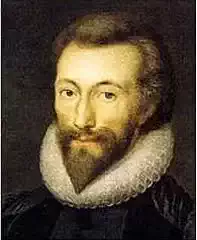
John Donne
Crucifying
By miracles exceeding power of man,
He faith in some, envy in some begat,
For, what weak spirits admire, ambitious hate :
In both affections many to Him ran.
But O ! the worst are most, they will and can,
Alas ! and do, unto th' Immaculate,
Whose creature Fate is, now prescribe a fate,
Measuring self-life's infinity to span,
Nay to an inch. Lo ! where condemned He
Bears His own cross, with pain, yet by and by
When it bears him, He must bear more and die.
Now Thou art lifted up, draw me to Thee,
And at Thy death giving such liberal dole,
Moist with one drop of Thy blood my dry soul.
446
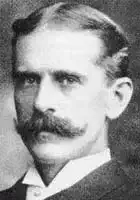
Henry Van Dyke
The Vain King
In robes of Tyrian blue the King was drest,
A jewelled collar shone upon his breast,
A giant ruby glittered in his crown -----
Lord of rich lands and many a splendid town.
In him the glories of an ancient line
Of sober kings, who ruled by right divine,
Were centred; and to him with loyal awe
The people looked for leadership and law.
Ten thousand knights, the safeguard of the land,
Lay like a single sword within his hand;
A hundred courts, with power of life and death,
Proclaimed decrees justice by his breath;
And all the sacred growths that men had known
Of order and of rule upheld his throne.
Proud was the King: yet not with such a heart
As fits a man to play a royal part.
Not his the pride that honours as a trust
The right to rule, the duty to be just:
Not his the dignity that bends to bear
The monarch's yoke, the master's load of care,
And labours like the peasant at his gate,
To serve the people and protect the State.
Another pride was his, and other joys:
To him the crown and sceptre were but toys,
With which he played at glory's idle game,
To please himself and win the wreaths of fame.
The throne his fathers held from age to age
Built for King Martin to diplay at will,
His mighty strength and universal skill.
No conscious child, that, spoiled with praising, tries
At every step to win admiring eyes, ----
No favourite mountebank, whose acting draws
From gaping crowds loud thunder of applause,
Was vainer than the King: his only thirst
Was to be hailed, in every race, the first.
When tournament was held, in knightly guise
The King would ride the lists and win the prize;
When music charmed the court, with golden lyre
The King would take the stage and lead the choir;
In hunting, his the lance to slay the boar;
In hawking, see his falcon highest soar;
In painting, he would wield the master's brush;
In high debate, -----"the King is speaking! Hush!"
Thus, with a restless heart, in every field
He sought renown, and found his subjects yield
As if he were a demi-god revealed.
But while he played the petty games of life
His kingdom fell a prey to inward strife;
Corruption through the court unheeded crept,
And on the seat of honour justice slept.
The strong trod down the weak; the helpless poor
Groaned under burdens grievous to endure.
The nation's wealth was spent in vain display,
And weakness wore the nation's heart away.
Yet think not Earth is blind to human woes ---
Man has more friends and helpers than he knows;
And when a patient people are oppressed,
The land that bore them feels it in her breast.
Spirits of field and flood, of heath and hill,
Are grieved and angry at the spreading ill;
The trees complain together in the night,
Voices of wrath are heard along the height,
And secret vows are sworn, by stream and strand,
To bring the tyrant low and liberate the land.
But little recked the pampered King of these;
He heard no voice but such as praise and please.
Flattered and fooled, victor in every sport,
One day he wandered idly with his court
Beside the river, seeking to devise
New ways to show his skill to wondering eyes.
There in the stream a patient fisher stood,
And cast his line across the rippling flood.
His silver spoil lay near him on the green:
"Such fish," the courtiers cried, "were never seen!"
"Three salmon larger than a cloth-yard shaft--"
This man must be the master of his craft!"
"An easy art!" the jealous King replied:
"Myself could learn it better, if I tried,
"And catch a hundred larger fish a week--"
Wilt thou accept the challenge, fellow? Speak!"
The fisher turned, came near, and bent his knee:
"'Tis not for kings to strive with such as me;
"Yet if the King commands it, I obey.
"But one condition of the strife I pray:
"The fisherman who brings the least to land
"Shall do whate'er the other may command."
Loud laughed the King: "A foolish fisher thou!
"For I shall win and rule thee then as now."
So to Prince John, a sober soul, sedate
And slow, King Martin left the helm of state,
While to the novel game with eager zest
He all his time and all his powers addrest.
Sure such a sight was never seen before!
For robed and crowned the monarch trod the shore;
His golden hooks were decked with feathers fine,
His jewelled reel ran out a silken line.
With kingly strokes he flogged the crystal stream,
Far-off the salmon saw his tackle gleam;
Careless of kings, they eyed with calm disdain
The gaudy lure, and Martin fished in vain.
On Friday, when the week was almost spent,
He scanned his empty creel with discontent,
Called for a net, and cast it far and wide,
And drew --- a thousand minnows from the tide!
Then came the fisher to conclude the match,
And at the monarch's feet spread out his catch ---
A hundred salmon, greater than before --"
I win!" he cried: "the King must pay the score."
Then Martin, angry, threw his tackle down:
"Rather than lose this game I'd lose me crown!"
"Nay, thou has lost them both," the fisher said;
And as he spoke a wondrous light was shed
Around his form; he dropped his garments mean,
And in his place the River-god was seen.
"Thy vanity hast brought thee in my power,
"And thou shalt pay the forfeit at this hour:
"For thou hast shown thyself a royal fool,
"Too proud to angle, and too vain to rule.
"Eager to win in every trivial strife, --"
Go! Thou shalt fish for minnows all thy life!"
Wrathful, the King the scornful sentence heard;
He strove to answer, but he only chirr-r-ed:
His Tyrian robe was changed to wings of blue,
His crown became a crest, --- away he flew!
And still, along the reaches of the stream,
The vain King-fisher flits, an azure gleam, ---
You see his ruby crest, you hear his jealous scream.
440
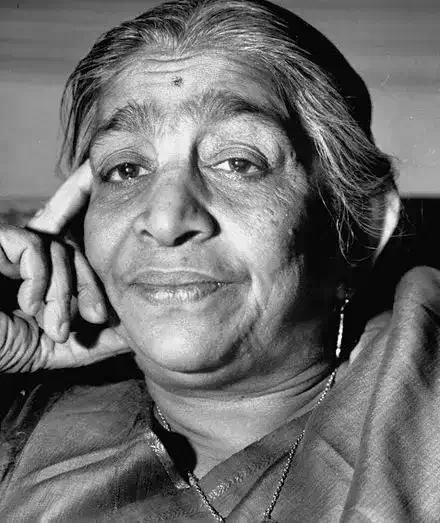
Sarojini Naidu
Past and Future
The new hath come and now the old retires:
And so the past becomes a mountain-cell,
Where lone, apart, old hermit-memories dwell
In consecrated calm, forgotten yet
Of the keen heart that hastens to forget
Old longings in fulfilling new desires.
And now the Soul stands in a vague, intense
Expectancy and anguish of suspense,
On the dim chamber-threshold . . . lo! he sees
Like a strange, fated bride as yet unknown,
His timid future shrinking there alone,
Beneath her marriage-veil of mysteries.
435
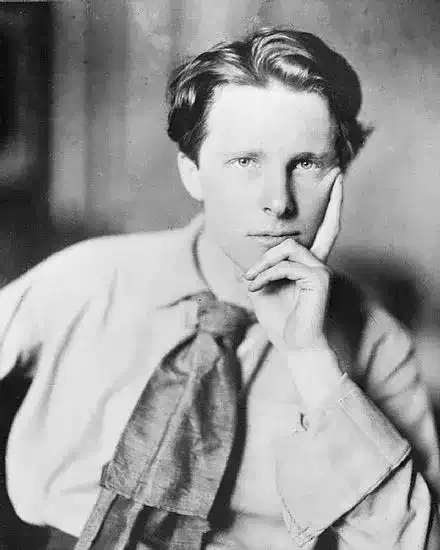
Rupert Brooke
The Hill
Breathless, we flung us on the windy hill,
Laughed in the sun, and kissed the lovely grass.
You said, “Through glory and ecstasy we pass;
Wind, sun, and earth remain, the birds sing still,
When we are old, are old.…” “And when we die
All’s over that is ours; and life burns on
Through other lovers, other lips,” said I,
—“Heart of my heart, our heaven is now, is won!”
“We are Earth’s best, that learnt her lesson here.
Life is our cry. We have kept the faith!” we said;
“We shall go down with unreluctant tread
Rose-crowned into the darkness!”… Proud we were,
And laughed, that had such brave true things to say.
—And then you suddenly cried, and turned away.
432
Rudyard Kipling
The Hour of the Angel
Sooner or late--in earnest or in jest--
(But the stakes are no jest) Ithuriel's Hour
Will spring on us, for the first time, the test
Of our sole unbacked competence and power
Up to the limit of our years and dower
Of judgment--or beyond. But here we have
Prepared long since our garland or our grave.
For, at that hour, the sum of all our past,
Act, habit, thought, and passion, shall be cast
In one addition, be it more or less,
And as that reading runs so shall we do;
Meeting, astounded, victory at the last,
Or, first and last, our own unworthiness.
And none can change us though they die to save!
433
Henry Wadsworth Longfellow
Hiawatha And The Pearl-Feather
On the shores of Gitche Gumee,
Of the shining Big-Sea-Water,
Stood Nokomis, the old woman,
Pointing with her finger westward,
O'er the water pointing westward,
To the purple clouds of sunset.
Fiercely the red sun descending
Burned his way along the heavens,
Set the sky on fire behind him,
As war-parties, when retreating,
Burn the prairies on their war-trail;
And the moon, the Night-sun, eastward,
Suddenly starting from his ambush,
Followed fast those bloody footprints,
Followed in that fiery war-trail,
With its glare upon his features.
And Nokomis, the old woman,
Pointing with her finger westward,
Spake these words to Hiawatha:
"Yonder dwells the great Pearl-Feather,
Megissogwon, the Magician,
Manito of Wealth and Wampum,
Guarded by his fiery serpents,
Guarded by the black pitch-water.
You can see his fiery serpents,
The Kenabeek, the great serpents,
Coiling, playing in the water;
You can see the black pitch-water
Stretching far away beyond them,
To the purple clouds of sunset!
"He it was who slew my father,
By his wicked wiles and cunning,
When he from the moon descended,
When he came on earth to seek me.
He, the mightiest of Magicians,
Sends the fever from the marshes,
Sends the pestilential vapors,
Sends the poisonous exhalations,
Sends the white fog from the fen-lands,
Sends disease and death among us!
"Take your bow, O Hiawatha,
Take your arrows, jasper-headed,
Take your war-club, Puggawaugun,
And your mittens, Minjekahwun,
And your birch-canoe for sailing,
And the oil of Mishe-Nahma,
So to smear its sides, that swiftly
You may pass the black pitch-water;
Slay this merciless magician,
Save the people from the fever
That he breathes across the fen-lands,
And avenge my father's murder!"
Straightway then my Hiawatha
Armed himself with all his war-gear,
Launched his birch-canoe for sailing;
With his palm its sides he patted,
Said with glee, "Cheemaun, my darling,
O my Birch-canoe! leap forward,
Where you see the fiery serpents,
Where you see the black pitch-water!"
Forward leaped Cheemaun exulting,
And the noble Hiawatha
Sang his war-song wild and woful,
And above him the war-eagle,
The Keneu, the great war-eagle,
Master of all fowls with feathers,
Screamed and hurtled through the heavens.
Soon he reached the fiery serpents,
The Kenabeek, the great serpents,
Lying huge upon the water,
Sparkling, rippling in the water,
Lying coiled across the passage,
With their blazing crests uplifted,
Breathing fiery fogs and vapors,
So that none could pass beyond them.
But the fearless Hiawatha
Cried aloud, and spake in this wise,
"Let me pass my way, Kenabeek,
Let me go upon my journey!"
And they answered, hissing fiercely,
With their fiery breath made answer:
"Back, go back! O Shaugodaya!
Back to old Nokomis, Faint-heart!"
Then the angry Hiawatha
Raised his mighty bow of ash-tree,
Seized his arrows, jasper-headed,
Shot them fast among the serpents;
Every twanging of the bow-string
Was a war-cry and a death-cry,
Every whizzing of an arrow
Was a death-song of Kenabeek.
Weltering in the bloody water,
Dead lay all the fiery serpents,
And among them Hiawatha
Harmless sailed, and cried exulting:
"Onward, O Cheemaun, my darling!
Onward to the black pitch-water!"
Then he took the oil of Nahma,
And the bows and sides anointed,
Smeared them well with oil, that swiftly
He might pass the black pitch-water.
All night long he sailed upon it,
Sailed upon that sluggish water,
Covered with its mould of ages,
Black with rotting water-rushes,
Rank with flags and leaves of lilies,
Stagnant, lifeless, dreary, dismal,
Lighted by the shimmering moonlight,
And by will-o'-the-wisps illumined,
Fires by ghosts of dead men kindled,
In their weary night-encampments.
All the air was white with moonlight,
All the water black with shadow,
And around him the Suggema,
The mosquito, sang his war-song,
And the fire-flies, Wah-wah-taysee,
Waved their torches to mislead him;
And the bull-frog, the Dahinda,
Thrust his head into the moonlight,
Fixed his yellow eyes upon him,
Sobbed and sank beneath the surface;
And anon a thousand whistles,
Answered over all the fen-lands,
And the heron, the Shuh-shuh-gah,
Far off on the reedy margin,
Heralded the hero's coming.
Westward thus fared Hiawatha,
Toward the realm of Megissogwon,
Toward the land of the Pearl-Feather,
Till the level moon stared at him
In his face stared pale and haggard,
Till the sun was hot behind him,
Till it burned upon his shoulders,
And before him on the upland
He could see the Shining Wigwam
Of the Manito of Wampum,
Of the mightiest of Magicians.
Then once more Cheemaun he patted,
To his birch-canoe said, "Onward!"
And it stirred in all its fibres,
And with one great bound of triumph
Leaped across the water-lilies,
Leaped through tangled flags and rushes,
And upon the beach beyond them
Dry-shod landed Hiawatha.
Straight he took his bow of ash-tree,
On the sand one end he rested,
With his knee he pressed the middle,
Stretched the faithful bow-string tighter,
Took an arrow, jasperheaded,
Shot it at the Shining Wigwam,
Sent it singing as a herald,
As a bearer of his message,
Of his challenge loud and lofty:
"Come forth from your lodge, Pearl-Feather!
Hiawatha waits your coming!"
Straightway from the Shining Wigwam
Came the mighty Megissogwon,
Tall of stature, broad of shoulder,
Dark and terrible in aspect,
Clad from head to foot in wampum,
Armed with all his warlike weapons,
Painted like the sky of morning,
Streaked with crimson, blue, and yellow,
Crested with great eagle-feathers,
Streaming upward, streaming outward.
"Well I know you, Hiawatha!"
Cried he in a voice of thunder,
In a tone of loud derision.
"Hasten back, O Shaugodaya!
Hasten back among the women,
Back to old Nokomis, Faint-heart!
I will slay you as you stand there,
As of old I slew her father!"
But my Hiawatha answered,
Nothing daunted, fearing nothing:
"Big words do not smite like war-clubs,
Boastful breath is not a bow-string,
Taunts are not so sharp as arrows,
Deeds are better things than words are,
Actions mightier than boastings!"
Then began the greatest battle
That the sun had ever looked on,
That the war-birds ever witnessed.
All a Summer's day it lasted,
From the sunrise to the sunset;
For the shafts of Hiawatha
Harmless hit the shirt of wampum,
Harmless fell the blows he dealt it
With his mittens, Minjekahwun,
Harmless fell the heavy war-club;
It could dash the rocks asunder,
But it could not break the meshes
Of that magic shirt of wampum.
Till at sunset Hiawatha,
Leaning on his bow of ash-tree,
Wounded, weary, and desponding,
With his mighty war-club broken,
With his mittens torn and tattered,
And three useless arrows only,
Paused to rest beneath a pine-tree,
From whose branches trailed the mosses,
And whose trunk was coated over
With the Dead-man's Moccasin-leather,
With the fungus white and yellow.
Suddenly from the boughs above him
Sang the Mama, the woodpecker:
"Aim your arrows, Hiawatha,
At the head of Megissogwon,
Strike the tuft of hair upon it,
At their roots the long black tresses;
There alone can he be wounded!"
Winged with feathers, tipped with jasper,
Swift flew Hiawatha's arrow,
Just as Megissogwon, stooping,
Raised a heavy stone to throw it.
Full upon the crown it struck him,
At the roots of his long tresses,
And he reeled and staggered forward,
Plunging like a wounded bison,
Yes, like Pezhekee, the bison,
When the snow is on the prairie.
Swifter flew the second arrow,
In the pathway of the other,
Piercing deeper than the other,
Wounding sorer than the other;
And the knees of Megissogwon
Shook like windy reeds beneath him,
Bent and trembled like the rushes.
But the third and latest arrow
Swiftest flew, and wounded sorest,
And the mighty Megissogwon
Saw the fiery eyes of Pauguk,
Saw the eyes of Death glare at him,
Heard his voice call in the darkness;
At the feet of Hiawatha
Lifeless lay the great Pearl-Feather,
Lay the mightiest of Magicians.
Then the grateful Hiawatha
Called the Mama, the woodpecker,
From his perch among the branches
Of the melancholy pine-tree,
And, in honor of his service,
Stained with blood the tuft of feathers
On the little head of Mama;
Even to this day he wears it,
Wears the tuft of crimson feathers,
As a symbol of his service.
Then he stripped the shirt of wampum
From the back of Megissogwon,
As a trophy of the battle,
As a signal of his conquest.
On the shore he left the body,
Half on land and half in water,
In the sand his feet were buried,
And his face was in the water.
And above him, wheeled and clamored
The Keneu, the great war-eagle,
Sailing round in narrower circles,
Hovering nearer, nearer, nearer.
From the wigwam Hiawatha
Bore the wealth of Megissogwon,
All his wealth of skins and wampum,
Furs of bison and of beaver,
Furs of sable and of ermine,
Wampum belts and strings and pouches,
Quivers wrought with beads of wampum,
Filled with arrows, silver-headed.
Homeward then he sailed exulting,
Homeward through the black pitch-water,
Homeward through the weltering serpents,
With the trophies of the battle,
With a shout and song of triumph.
On the shore stood old Nokomis,
On the shore stood Chibiabos,
And the very strong man, Kwasind,
Waiting for the hero's coming,
Listening to his songs of triumph.
And the people of the village
Welcomed him with songs and dances,
Made a joyous feast, and shouted:
'Honor be to Hiawatha!
He has slain the great Pearl-Feather,
Slain the mightiest of Magicians,
Him, who sent the fiery fever,
Sent the white fog from the fen-lands,
Sent disease and death among us!"
Ever dear to Hiawatha
Was the memory of Mama!
And in token of his friendship,
As a mark of his remembrance,
He adorned and decked his pipe-stem
With the crimson tuft of feathers,
With the blood-red crest of Mama.
But the wealth of Megissogwon,
All the trophies of the battle,
He divided with his people,
Shared it equally among them.
429

Ella Wheeler Wilcox
In France I Saw A Hill
In France I saw a hill-a gentle slope
Rising above old tombs to greet the gleam
From soft spring skies. Beyond these skies dwells hope,
But those green graves bespeak a broken dream.
There was a row of narrow beds, new-made;
Each bore a starry banner and a cross.
And each the name of one who, ere he played
His rôle of warrior, met earth's final loss.
They were so young, so eager for the fray!
And thoughts of glory filled each boyish heart,
When over dangerous seas they sailed away
To face the foe and play some splendid part.
But in the tedious toil, the dull routine
Which must precede achievement on the field,
Disease, that secret enemy with mean
Sly tactics, forced them to disarm and yield.
So they were buried on that hill in France,
Before their ears had heard the battle din;
Before life gave them its dramatic chance-
A lasting fame, or glorious death to win.
Yet, looking up beyond their graves of green,
I seem to see them wearing band and star;
Men are rewarded in the Worlds Unseen
Not for the way they die, but what they are.
430
Henry Wadsworth Longfellow
The Song Of Hiawatha IV: Hiawatha And Mudjekeewis
Out of childhood into manhood
Now had grown my Hiawatha,
Skilled in all the craft of hunters,
Learned in all the lore of old men,
In all youthful sports and pastimes,
In all manly arts and labors.
Swift of foot was Hiawatha;
He could shoot an arrow from him,
And run forward with such fleetness,
That the arrow fell behind him!
Strong of arm was Hiawatha;
He could shoot ten arrows upward,
Shoot them with such strength and swiftness,
That the tenth had left the bow-string
Ere the first to earth had fallen!
He had mittens, Minjekahwun,
Magic mittens made of deer-skin;
When upon his hands he wore them,
He could smite the rocks asunder,
He could grind them into powder.
He had moccasins enchanted,
Magic moccasins of deer-skin;
When he bound them round his ankles,
When upon his feet he tied them,
At each stride a mile he measured!
Much he questioned old Nokomis
Of his father Mudjekeewis;
Learned from her the fatal secret
Of the beauty of his mother,
Of the falsehood of his father;
And his heart was hot within him,
Like a living coal his heart was.
Then he said to old Nokomis,
'I will go to Mudjekeewis,
See how fares it with my father,
At the doorways of the West-Wind,
At the portals of the Sunset!'
From his lodge went Hiawatha,
Dressed for travel, armed for hunting;
Dressed in deer-skin shirt and leggings,
Richly wrought with quills and wampum;
On his head his eagle-feathers,
Round his waist his belt of wampum,
In his hand his bow of ash-wood,
Strung with sinews of the reindeer;
In his quiver oaken arrows,
Tipped with jasper, winged with feathers;
With his mittens, Minjekahwun,
With his moccasins enchanted.
Warning said the old Nokomis,
'Go not forth, O Hiawatha!
To the kingdom of the West-Wind,
To the realms of Mudjekeewis,
Lest he harm you with his magic,
Lest he kill you with his cunning!'
But the fearless Hiawatha
Heeded not her woman's warning;
Forth he strode into the forest,
At each stride a mile he measured;
Lurid seemed the sky above him,
Lurid seemed the earth beneath him,
Hot and close the air around him,
Filled with smoke and fiery vapors,
As of burning woods and prairies,
For his heart was hot within him,
Like a living coal his heart was.
So he journeyed westward, westward,
Left the fleetest deer behind him,
Left the antelope and bison;
Crossed the rushing Esconaba,
Crossed the mighty Mississippi,
Passed the Mountains of the Prairie,
Passed the land of Crows and Foxes,
Passed the dwellings of the Blackfeet,
Came unto the Rocky Mountains,
To the kingdom of the West-Wind,
Where upon the gusty summits
Sat the ancient Mudjekeewis,
Ruler of the winds of heaven.
Filled with awe was Hiawatha
At the aspect of his father.
On the air about him wildly
Tossed and streamed his cloudy tresses,
Gleamed like drifting snow his tresses,
Glared like Ishkoodah, the comet,
Like the star with fiery tresses.
Filled with joy was Mudjekeewis
When he looked on Hiawatha,
Saw his youth rise up before him
In the face of Hiawatha,
Saw the beauty of Wenonah
From the grave rise up before him.
'Welcome!' said he, 'Hiawatha,
To the kingdom of the West-Wind
Long have I been waiting for you
Youth is lovely, age is lonely,
Youth is fiery, age is frosty;
You bring back the days departed,
You bring back my youth of passion,
And the beautiful Wenonah!'
Many days they talked together,
Questioned, listened, waited, answered;
Much the mighty Mudjekeewis
Boasted of his ancient prowess,
Of his perilous adventures,
His indomitable courage,
His invulnerable body.
Patiently sat Hiawatha,
Listening to his father's boasting;
With a smile he sat and listened,
Uttered neither threat nor menace,
Neither word nor look betrayed him,
But his heart was hot within him,
Like a living coal his heart was.
Then he said, 'O Mudjekeewis,
Is there nothing that can harm you?
Nothing that you are afraid of?'
And the mighty Mudjekeewis,
Grand and gracious in his boasting,
Answered, saying, 'There is nothing,
Nothing but the black rock yonder,
Nothing but the fatal Wawbeek!'
And he looked at Hiawatha
With a wise look and benignant,
With a countenance paternal,
Looked with pride upon the beauty
Of his tall and graceful figure,
Saying, 'O my Hiawatha!
Is there anything can harm you?
Anything you are afraid of?'
But the wary Hiawatha
Paused awhile, as if uncertain,
Held his peace, as if resolving,
And then answered, 'There is nothing,
Nothing but the bulrush yonder,
Nothing but the great Apukwa!'
And as Mudjekeewis, rising,
Stretched his hand to pluck the bulrush,
Hiawatha cried in terror,
Cried in well-dissembled terror,
'Kago! kago! do not touch it!'
'Ah, kaween!' said Mudjekeewis,
'No indeed, I will not touch it!'
Then they talked of other matters;
First of Hiawatha's brothers,
First of Wabun, of the East-Wind,
Of the South-Wind, Shawondasee,
Of the North, Kabibonokka;
Then of Hiawatha's mother,
Of the beautiful Wenonah,
Of her birth upon the meadow,
Of her death, as old Nokomis
Had remembered and related.
And he cried, 'O Mudjekeewis,
It was you who killed Wenonah,
Took her young life and her beauty,
Broke the Lily of the Prairie,
Trampled it beneath your footsteps;
You confess it! you confess it!'
And the mighty Mudjekeewis
Tossed upon the wind his tresses,
Bowed his hoary head in anguish,
With a silent nod assented.
Then up started Hiawatha,
And with threatening look and gesture
Laid his hand upon the black rock,
On the fatal Wawbeek laid it,
With his mittens, Minjekahwun,
Rent the jutting crag asunder,
Smote and crushed it into fragments,
Hurled them madly at his father,
The remorseful Mudjekeewis,
For his heart was hot within him,
Like a living coal his heart was.
But the ruler of the West-Wind
Blew the fragments backward from him,
With the breathing of his nostrils,
With the tempest of his anger,
Blew them back at his assailant;
Seized the bulrush, the Apukwa,
Dragged it with its roots and fibres
From the margin of the meadow,
From its ooze the giant bulrush;
Long and loud laughed Hiawatha!
Then began the deadly conflict,
Hand to hand among the mountains;
From his eyry screamed the eagle,
The Keneu, the great war-eagle,
Sat upon the crags around them,
Wheeling flapped his wings above them.
Like a tall tree in the tempest
Bent and lashed the giant bulrush;
And in masses huge and heavy
Crashing fell the fatal Wawbeek;
Till the earth shook with the tumult
And confusion of the battle,
And the air was full of shoutings,
And the thunder of the mountains,
Starting, answered, 'Baim-wawa!'
Back retreated Mudjekeewis,
Rushing westward o'er the mountains,
Stumbling westward down the mountains,
Three whole days retreated fighting,
Still pursued by Hiawatha
To the doorways of the West-Wind,
To the portals of the Sunset,
To the earth's remotest border,
Where into the empty spaces
Sinks the sun, as a flamingo
Drops into her nest at nightfall
In the melancholy marshes.
'Hold!' at length cried Mudjekeewis,
'Hold, my son, my Hiawatha!
'T is impossible to kill me,
For you cannot kill the immortal
I have put you to this trial,
But to know and prove your courage;
Now receive the prize of valor!
'Go back to your home and people,
Live among them, toil among them,
Cleanse the earth from all that harms it,
Clear the fishing-grounds and rivers,
Slay all monsters and magicians,
All the Wendigoes, the giants,
All the serpents, the Kenabeeks,
As I slew the Mishe-Mokwa,
Slew the Great Bear of the mountains.
'And at last when Death draws near you,
When the awful eyes of Pauguk
Glare upon you in the darkness,
I will share my kingdom with you,
Ruler shall you be thenceforward
Of the Northwest-Wind, Keewaydin,
Of the home-wind, the Keewaydin.'
Thus was fought that famous battle
In the dreadful days of Shah-shah,
In the days long since departed,
In the kingdom of the West-Wind.
Still the hunter sees its traces
Scattered far o'er hill and valley;
Sees the giant bulrush growing
By the ponds and water-courses,
Sees the masses of the Wawbeek
Lying still in every valley.
Homeward now went Hiawatha;
Pleasant was the landscape round him,
Pleasant was the air above him,
For the bitterness of anger
Had departed wholly from him,
From his brain the thought of vengeance,
From his heart the burning fever.
Only once his pace he slackened,
Only once he paused or halted,
Paused to purchase heads of arrows
Of the ancient Arrow-maker,
In the land of the Dacotahs,
Where the Falls of Minnehaha
Flash and gleam among the oak-trees,
Laugh and leap into the valley.
There the ancient Arrow-maker
Made his arrow-heads of sandstone,
Arrow-heads of chalcedony,
Arrow-heads of flint and jasper,
Smoothed and sharpened at the edges,
Hard and polished, keen and costly.
With him dwelt his dark-eyed daughter,
Wayward as the Minnehaha,
With her moods of shade and sunshine,
Eyes that smiled and frowned alternate,
Feet as rapid as the river,
Tresses flowing like the water,
And as musical a laughter:
And he named her from the river,
From the water-fall he named her,
Minnehaha, Laughing Water.
Was it then for heads of arrows,
Arrow-heads of chalcedony,
Arrow-heads of flint and jasper,
That my Hiawatha halted
In the land of the Dacotahs?
Was it not to see the maiden,
See the face of Laughing Water
Peeping from behind the curtain,
Hear the rustling of her garments
From behind the waving curtain,
As one sees the Minnehaha
Gleaming, glancing through the branches,
As one hears the Laughing Water
From behind its screen of branches?
Who shall say what thoughts and visions
Fill the fiery brains of young men?
Who shall say what dreams of beauty
Filled the heart of Hiawatha?
All he told to old Nokomis,
When he reached the lodge at sunset,
Was the meeting with his father,
Was his fight with Mudjekeewis;
Not a word he said of arrows,
Not a word of Laughing Water.
424
Ella Wheeler Wilcox
One By One
Little by little and one by one,
Out of the ether, were worlds created;
Star and planet and sea and sun,
All in the nebulous Nothing waited
Till the Nameless One Who has many a name
Called them to being and forth they came.
All things mighty and all things small,
Stone and flower and sentient being,
Each is an answer to that one call,
A part of Himself that His will is freeing-
Freeing to go on the long, long way
That winds back home at the end of the day.
Little by little does mortal man
Build his castles for joy and glory,
And one by one time shatters each plan
And lowers his palaces, story by story-
Story by story, till earth is just
A row of graves in the lowly dust.
One by one, whatever was called,
Must be called back to the primal Centre.
Let no soul tremble or be appalled,
For the heart of the Maker is where we enter-
Is where we enter to gain new force
Before we are sent on another course.
And one by one, as He calls us back,
We shall find the souls that we loved with passion,
In the great way-stations along the track,
And clasp them again in the old, sweet fashion-
In the old, sweet fashion when earth we trod-
And journey along with them up to God.
423
William Butler Yeats
Fergus And The Druid
Fergus. This whole day have I followed in the rocks,
And you have changed and flowed from shape to shape,
First as a raven on whose ancient wings
Scarcely a feather lingered, then you seemed
A weasel moving on from stone to stone,
And now at last you wear a human shape,
A thin grey man half lost in gathering night.
Druid. What would you, king of the proud Red Branch kings?
Fergus. This would I Say, most wise of living souls:
Young subtle Conchubar sat close by me
When I gave judgment, and his words were wise,
And what to me was burden without end,
To him seemed easy, So I laid the crown
Upon his head to cast away my sorrow.
Druid. What would you, king of the proud Red Branch kings?
Fergus. A king and proud! and that is my despair.
I feast amid my people on the hill,
And pace the woods, and drive my chariot-wheels
In the white border of the murmuring sea;
And still I feel the crown upon my head
Druid. What would you, Fergus?
Fergus. Be no more a king
But learn the dreaming wisdom that is yours.
Druid. Look on my thin grey hair and hollow cheeks
And on these hands that may not lift the sword,
This body trembling like a wind-blown reed.
No woman's loved me, no man sought my help.
Fergus. A king is but a foolish labourer
Who wastes his blood to be another's dream.
Druid. Take, if you must, this little bag of dreams;
Unloose the cord, and they will wrap you round.
Fergus. I See my life go drifting like a river
From change to change; I have been many things --
A green drop in the surge, a gleam of light
Upon a sword, a fir-tree on a hill,
An old slave grinding at a heavy quern,
A king sitting upon a chair of gold --
And all these things were wonderful and great;
But now I have grown nothing, knowing all.
Ah! Druid, Druid, how great webs of sorrow
Lay hidden in the small slate-coloured thing!
424

Alfred Lord Tennyson
The Princess: A Medley: Our Enemies have Fall'n
Our enemies have fall'n, have fall'n: the seed,
The little seed they laugh'd at in the dark,
Has risen and cleft the soil, and grown a bulk
Of spanless girth, that lays on every side
A thousand arms and rushes to the Sun.
Our enemies have fall'n, have fall'n: they came;
The leaves were wet with women's tears: they heard
A noise of songs they would not understand:
They mark'd it with the red cross to the fall,
And would have strown it, and are fall'n themselves.
Our enemies have fall'n, have fall'n: they came,
The woodmen with their axes: lo the tree!
But we will make it faggots for the hearth,
And shape it plank and beam for roof and floor,
And boats and bridges for the use of men.
Our enemies have fall'n, have fall'n: they struck;
With their own blows they hurt themselves, nor knew
There dwelt an iron nature in the grain:
The glittering axe was broken in their arms,
Their arms were shatter'd to the shoulder blade.
Our enemies have fall'n, but this shall grow
A night of Summer from the heat, a breadth
Of Autumn, dropping fruits of power; and roll'd
With music in the growing breeze of Time,
The tops shall strike from star to star, the fangs
Shall move the stony bases of the world.
418
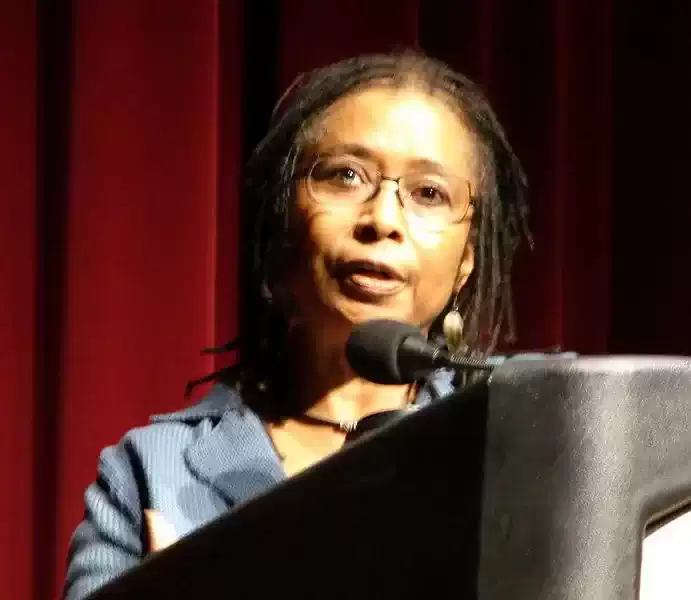
Alice Walker
When You Thought Me Poor
When you thought me poor,
my poverty was shaming.
When blackness was unwelcome
we found it best
that I stay home.
When by the miracle
of fierce dreaming and hard work
Life fulfilled our every want
you found me crassly
well off;
not trimly,
inconspicuously wealthy
like your rich friends.
Still black too,
now
I owned too much and too many
of everything.
Woe is me: I became a
success! Blackness, who
knows how?
Became suddenly
in!
What to do?
Now that Fate appears
(for the moment anyhow)
to have dismissed
abject failure
in any case?
Now that moonlight and night
have blessed me.
Now that the sun
unaffected by criticism
of any sort,
implacably beams
the kiss filled magic that creates
the dark and radiant wonder
of my face.
418

Walt Whitman
Thick-Sprinkled Bunting
THICK-SPRINKLED bunting! Flag of stars!
Long yet your road, fateful flag!--long yet your road, and lined with
bloody death!
For the prize I see at issue, at last is the world!
All its ships and shores I see, interwoven with your threads, greedy
banner!
--Dream'd again the flags of kings, highest born, to flaunt
unrival'd?
O hasten, flag of man! O with sure and steady step, passing highest
flags of kings,
Walk supreme to the heavens, mighty symbol--run up above them all,
Flag of stars! thick-sprinkled bunting!
417

Johann Wolfgang von Goethe
From Iphigenia In Tauris
ACT IV. SCENE 5.
SONG OF THE FATES.
The deities dread!
The mastery hold they
In hands all-eternal,
And use them, unquestioned,
What manner they like.
Let him fear them doubly,
Whom they have uplifted!
On cliffs and on clouds, oh,
Round tables all-golden,
he seats are made ready.
When rises contention,
The guests are humid downwards
With shame and dishonor
To deep depths of midnight,
And vainly await they,
Bound fast in the darkness,
A just condemnation.
But they remain ever
In firmness unshaken
Round tables all-golden.
On stride they from mountain
To mountain far distant:
From out the abysses'
Dark jaws, the breath rises
Of torment-choked Titans
Up tow'rds them, like incense
In light clouds ascending.
The rulers immortal
Avert from whole peoples
Their blessing-fraught glances,
And shun, in the children,
To trace the once cherish'd,
Still, eloquent features
Their ancestors wore.
Thus chanted the Parae;
The old man, the banish'd,
In gloomy vault lying,
Their song overheareth,
Sons, grandsons remembereth,
And shaketh his head.
416