

Poems in this topic
Faith, Spirituality and Religion
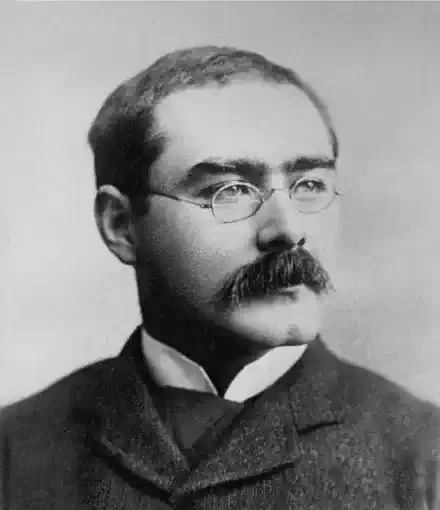
Rudyard Kipling
Covenant
Covenant
We thought we ranked above the chance of ill.
Others might fall, not we, for we were wise--
Merchants in freedom. So, of our free-will
We let our servants drug our strength with lies.
The pleasure and the poison had its way
On us as on the meanest, till we learned
That he who lies will steal, who steals will slay.
Neither God's judgment nor man's heart was turned.
Yet there remains His Mercy--to be sought
Through wrath and peril till we cleanse the wrong
By that last right which our forefathers claimed
When their Law failed them and its stewards were bought.
This is our cause. God help us, and make strong
Our will to meet Him later, unashamed!
We thought we ranked above the chance of ill.
Others might fall, not we, for we were wise--
Merchants in freedom. So, of our free-will
We let our servants drug our strength with lies.
The pleasure and the poison had its way
On us as on the meanest, till we learned
That he who lies will steal, who steals will slay.
Neither God's judgment nor man's heart was turned.
Yet there remains His Mercy--to be sought
Through wrath and peril till we cleanse the wrong
By that last right which our forefathers claimed
When their Law failed them and its stewards were bought.
This is our cause. God help us, and make strong
Our will to meet Him later, unashamed!
416
Rudyard Kipling
Buddha at Kamakura
Buddha at Kamakura
Oye who treated the Narrow Way
By Tophet-flare to Judgment Day,
Be gentle when "the heathen" pray
To Buddha at Kamakura!
To him the Way, the Law, apart,
Whom Maya held beneath her heart,
Ananda's Lord, the Bodhisat,
The Buddha of Kamakura.
For though he neither burns nor sees,
Nor hears ye thank your Deities,
Ye have not sinned with such as these,
His children at Kamakura,
Yet spare us still the Western joke
When joss-sticks turn to scented smoke
The little sins of little folk
That worship at Kamakura --
The grey-robed, gay-sashed butterflies
That flit beneath the Master's eyes.
He is beyond the Mysteries
But loves them at Kamakura.
And whoso will, from Pride released,
Contemning neither creed nor priest,
May feel the Soul of all the East
About him at Kamakura.
Yea, every tale Ananda heard,
Of birth as fish or beast or bird,
While yet in lives the Master stirred,
The warm wind brings Kamakura.
Till drowsy eyelids seem to see
A-flower 'neath her golden htee
The Shwe-Dagon flare easterly
From Burmah to Kamakura,
And down the loaded air there comes
The thunder of Thibetan drums,
And droned -- "Om mane padme hums" --
A world's-width from Kamakura.
Yet Brahmans rule Benares still,
Buddh-Gaya's ruins pit the hill,
And beef-fed zealots threaten ill
To Buddha and Kamakura.
A tourist-show, a legend told,
A rusting bulk of bronze and gold,
So much, and scarce so much, ye hold
The meaning of Kamakura?
But when the morning prayer is prayed,
Think, ere ye pass to strife and trade,
Is God in human image made
No nearer than Kamakura?
Oye who treated the Narrow Way
By Tophet-flare to Judgment Day,
Be gentle when "the heathen" pray
To Buddha at Kamakura!
To him the Way, the Law, apart,
Whom Maya held beneath her heart,
Ananda's Lord, the Bodhisat,
The Buddha of Kamakura.
For though he neither burns nor sees,
Nor hears ye thank your Deities,
Ye have not sinned with such as these,
His children at Kamakura,
Yet spare us still the Western joke
When joss-sticks turn to scented smoke
The little sins of little folk
That worship at Kamakura --
The grey-robed, gay-sashed butterflies
That flit beneath the Master's eyes.
He is beyond the Mysteries
But loves them at Kamakura.
And whoso will, from Pride released,
Contemning neither creed nor priest,
May feel the Soul of all the East
About him at Kamakura.
Yea, every tale Ananda heard,
Of birth as fish or beast or bird,
While yet in lives the Master stirred,
The warm wind brings Kamakura.
Till drowsy eyelids seem to see
A-flower 'neath her golden htee
The Shwe-Dagon flare easterly
From Burmah to Kamakura,
And down the loaded air there comes
The thunder of Thibetan drums,
And droned -- "Om mane padme hums" --
A world's-width from Kamakura.
Yet Brahmans rule Benares still,
Buddh-Gaya's ruins pit the hill,
And beef-fed zealots threaten ill
To Buddha and Kamakura.
A tourist-show, a legend told,
A rusting bulk of bronze and gold,
So much, and scarce so much, ye hold
The meaning of Kamakura?
But when the morning prayer is prayed,
Think, ere ye pass to strife and trade,
Is God in human image made
No nearer than Kamakura?
494
Rudyard Kipling
Beast and Man in India
Beast and Man in India
They killed a Child to please the Gods
In Earth's young penitence,
And I have bled in that Babe's stead
Because of innocence.
I bear the sins of sinful men
That have no sin of my own,
They drive me forth to Heaven's wrath
Unpastured and alone.
I am the meat of sacrifice,
The ransom of man's guilt,
For they give my life to the altar-knife
Wherever shrine is built.
The Goat.
Between the waving tufts of jungle-grass,
Up from the river as the twilight falls,
Across the dust-beclouded plain they pass
On to the village walls.
Great is the sword and mighty is the pen,
But over all the labouring ploughman's blade--
For on its oxen and its husbandmen
An Empire's strength is laid.
The Oxen.
The torn boughs trailing o'er the tusks aslant,
The saplings reeling in the path he trod,
Declare his might--our lord the Elephant,
Chief of the ways of God.
The black bulk heaving where the oxen pant,
The bowed head toiling where the guns careen,
Declare our might--our slave the Elephant,
And servant of the Queen.
The Elephant.
Dark children of the mere and marsh,
Wallow and waste and lea,
Outcaste they wait at the village gate
With folk of low degree.
Their pasture is in no man's land,
Their food the cattle's scorn;
Their rest is mire and their desire
The thicket and the thorn.
But woe to those that break their sleep,
And woe to those that dare
To rouse the herd-bull from his keep,
The wild boar from his lair!
Pigs and Buffaloes.
The beasts are very wise,
Their mouths are clean of lies,
They talk one to the other,
Bullock to bullock's brother
Resting after their labours,
Each in stall with his neighbours.
But man with goad and whip,
Breaks up their fellowship,
Shouts in their silky ears
Filling their soul with fears.
When he has ploughed the land,
He says: "They understand."
But the beasts in stall together,
Freed from the yoke and tether,
Say as the torn flanks smoke:
"Nay, 'twas the whip that spoke."
They killed a Child to please the Gods
In Earth's young penitence,
And I have bled in that Babe's stead
Because of innocence.
I bear the sins of sinful men
That have no sin of my own,
They drive me forth to Heaven's wrath
Unpastured and alone.
I am the meat of sacrifice,
The ransom of man's guilt,
For they give my life to the altar-knife
Wherever shrine is built.
The Goat.
Between the waving tufts of jungle-grass,
Up from the river as the twilight falls,
Across the dust-beclouded plain they pass
On to the village walls.
Great is the sword and mighty is the pen,
But over all the labouring ploughman's blade--
For on its oxen and its husbandmen
An Empire's strength is laid.
The Oxen.
The torn boughs trailing o'er the tusks aslant,
The saplings reeling in the path he trod,
Declare his might--our lord the Elephant,
Chief of the ways of God.
The black bulk heaving where the oxen pant,
The bowed head toiling where the guns careen,
Declare our might--our slave the Elephant,
And servant of the Queen.
The Elephant.
Dark children of the mere and marsh,
Wallow and waste and lea,
Outcaste they wait at the village gate
With folk of low degree.
Their pasture is in no man's land,
Their food the cattle's scorn;
Their rest is mire and their desire
The thicket and the thorn.
But woe to those that break their sleep,
And woe to those that dare
To rouse the herd-bull from his keep,
The wild boar from his lair!
Pigs and Buffaloes.
The beasts are very wise,
Their mouths are clean of lies,
They talk one to the other,
Bullock to bullock's brother
Resting after their labours,
Each in stall with his neighbours.
But man with goad and whip,
Breaks up their fellowship,
Shouts in their silky ears
Filling their soul with fears.
When he has ploughed the land,
He says: "They understand."
But the beasts in stall together,
Freed from the yoke and tether,
Say as the torn flanks smoke:
"Nay, 'twas the whip that spoke."
569
Rudyard Kipling
At His Execution
At His Execution
I am made all things to all men--
Hebrew, Roman, and Greek--
In each one's tongue I speak,
Suiting to each my word,
That some may be drawn to the Lord!
I am made all things to all men--
In City or Wilderness
Praising the crafts they profess
That some may be drawn to the Lord--
By any means to my Lord!
Since I was overcome
By that great Light and Word,
I have forgot or forgone
The self men call their own
(Being made all things to all men)
So that I might save some
At such small price to the Lord,
As being all things to all men.
I was made all things to all men,
But now my course is done--
And now is my reward...
Ah, Christ, when I stand at Thy Throne
With those I have drawn to the Lord,
Restore me my self again!
I am made all things to all men--
Hebrew, Roman, and Greek--
In each one's tongue I speak,
Suiting to each my word,
That some may be drawn to the Lord!
I am made all things to all men--
In City or Wilderness
Praising the crafts they profess
That some may be drawn to the Lord--
By any means to my Lord!
Since I was overcome
By that great Light and Word,
I have forgot or forgone
The self men call their own
(Being made all things to all men)
So that I might save some
At such small price to the Lord,
As being all things to all men.
I was made all things to all men,
But now my course is done--
And now is my reward...
Ah, Christ, when I stand at Thy Throne
With those I have drawn to the Lord,
Restore me my self again!
480
Rudyard Kipling
A Song of Kabir
A Song of Kabir
Oh, light was the world that he weighed in his hands!
Oh, heavy the tale of his fiefs and his lands!
He has gone from the guddee and put on the shroud,
And departed in guise of bairagi avowed!
Now the white road to Delhi is mat for his feet.
The sal and the kikar must guard him from heat.
His home is the camp, and waste, and the crowd --
He is seeking the Way as bairagi avowed!
He has looked upon Man, and his eyeballs are clear --
(There was One; there is One, and but One, saith Kabir);
The Red Mist of Doing has thinned to a cloud --
He has taken the Path for bairagi avowed!
To learn and discern of his brother the clod,
Of his brother the brute, and his brother the God,
He has gone from the council and put on the shroud
("Can ye hear?" saith Kabir), a bairagi avowed!
Oh, light was the world that he weighed in his hands!
Oh, heavy the tale of his fiefs and his lands!
He has gone from the guddee and put on the shroud,
And departed in guise of bairagi avowed!
Now the white road to Delhi is mat for his feet.
The sal and the kikar must guard him from heat.
His home is the camp, and waste, and the crowd --
He is seeking the Way as bairagi avowed!
He has looked upon Man, and his eyeballs are clear --
(There was One; there is One, and but One, saith Kabir);
The Red Mist of Doing has thinned to a cloud --
He has taken the Path for bairagi avowed!
To learn and discern of his brother the clod,
Of his brother the brute, and his brother the God,
He has gone from the council and put on the shroud
("Can ye hear?" saith Kabir), a bairagi avowed!
466
Rudyard Kipling
A Pilgrim's Way
A Pilgrim's Way
I do not look for holy saints to guide me on my way,
Or male and female devilkins to lead my feet astray.
If these are added, I rejoice---if not, I shall not mind,
So long as I have leave and choice to meet my fellow-kind.
For as we come and as we go (and deadly-soon go we!)
The people, Lord, Thy people, are good enough for me!
Thus I will honour pious men whose virtue shines so bright
(Though none are more amazed than I when I by chance do right),
And I will pity foolish men for woe their sins have bred
(Though ninety-nine per cent. of mine I brought on my own head).
And, Amorite or Eremite, or General Averagee,
The people, Lord, Thy people, are good enough for me!
And when they bore me overmuch, I will not shake mine ears,
Recalling many thousand such whom I have bored to tears.
And when they labour to impress, I will not doubt nor scoff;
Since I myself have done no less and---sometimes pulled it off.
Yea, as we are and we are not, and we pretend to be,
The people, Lord, Thy people, are good enough for me!
And when they work me random wrong, as oftentimes hath been,
I will not cherish hate too long (my hands are none too clean).
And when they do me random good I will not feign surprise.
No more than those whom I have cheered with wayside charities.
But, as we give and as we take---whate'er our takings be---
The people, Lord, Thy people, are good enough for me!
But when I meet with frantic folk who sinfully declare
There is no pardon for their sin, the same I will not spare
Till I have proved that Heaven and Hell which in our hearts we have
Show nothing irredeemable on either side of the grave.
For as we live and as we die---if utter Death there be---
The people, Lord, Thy people, are good enough for me!
Deliver me from every pride---the Middle, High, and Low---
That bars me from a brother's side, whatever pride he show.
And purge me from all heresies of thought and speech and pen
That bid me judge him otherwise than I am judged. Amen!
That I may sing of Crowd or King or road-borne company,
That I may labour in my day, vocation and degree,
To prove the same in deed and name, and hold unshakenly
(Where'er I go, whate'er I know, whoe'er my neighbor be)
This single faith in Life and Death and to Eternity:
``The people, Lord, Thy people, are good enough for me!''
I do not look for holy saints to guide me on my way,
Or male and female devilkins to lead my feet astray.
If these are added, I rejoice---if not, I shall not mind,
So long as I have leave and choice to meet my fellow-kind.
For as we come and as we go (and deadly-soon go we!)
The people, Lord, Thy people, are good enough for me!
Thus I will honour pious men whose virtue shines so bright
(Though none are more amazed than I when I by chance do right),
And I will pity foolish men for woe their sins have bred
(Though ninety-nine per cent. of mine I brought on my own head).
And, Amorite or Eremite, or General Averagee,
The people, Lord, Thy people, are good enough for me!
And when they bore me overmuch, I will not shake mine ears,
Recalling many thousand such whom I have bored to tears.
And when they labour to impress, I will not doubt nor scoff;
Since I myself have done no less and---sometimes pulled it off.
Yea, as we are and we are not, and we pretend to be,
The people, Lord, Thy people, are good enough for me!
And when they work me random wrong, as oftentimes hath been,
I will not cherish hate too long (my hands are none too clean).
And when they do me random good I will not feign surprise.
No more than those whom I have cheered with wayside charities.
But, as we give and as we take---whate'er our takings be---
The people, Lord, Thy people, are good enough for me!
But when I meet with frantic folk who sinfully declare
There is no pardon for their sin, the same I will not spare
Till I have proved that Heaven and Hell which in our hearts we have
Show nothing irredeemable on either side of the grave.
For as we live and as we die---if utter Death there be---
The people, Lord, Thy people, are good enough for me!
Deliver me from every pride---the Middle, High, and Low---
That bars me from a brother's side, whatever pride he show.
And purge me from all heresies of thought and speech and pen
That bid me judge him otherwise than I am judged. Amen!
That I may sing of Crowd or King or road-borne company,
That I may labour in my day, vocation and degree,
To prove the same in deed and name, and hold unshakenly
(Where'er I go, whate'er I know, whoe'er my neighbor be)
This single faith in Life and Death and to Eternity:
``The people, Lord, Thy people, are good enough for me!''
551
Rudyard Kipling
A Carol
A Carol
Our Lord Who did the Ox command
To kneel to Judah's King,
He binds His frost upon the land
To ripen it for Spring --
To ripen it for Spring, good sirs,
According to His Word.
Which well must be as ye can see --
And who shall judge the Lord?
When we poor fenmen skate the ice
Or shiver on the wold,
We hear the cry of a single tree
That breaks her heart in the cold --
That breaks her heart in the cold, good sirs,
And rendeth by the board.
Which well must be as ye can see --
And who shall judge the Lord?
Her wood is crazed and little worth
Excepting as to burn,
That we may warm and make our mirth
Until the Spring return --
Until the Spring return, good sirs,
When Christians walk abroad;
When well must be as ye can see --
And who shall judge the Lord?
God bless the master of this house,
And all who sleep therein!
And guard the fens from pirate folk,
And keep us all from sin,
To walk in honesty, good sirs,
Of thought and deed ad word!
Which shall befriend our latter end....
And who shall judge the Lord?
Our Lord Who did the Ox command
To kneel to Judah's King,
He binds His frost upon the land
To ripen it for Spring --
To ripen it for Spring, good sirs,
According to His Word.
Which well must be as ye can see --
And who shall judge the Lord?
When we poor fenmen skate the ice
Or shiver on the wold,
We hear the cry of a single tree
That breaks her heart in the cold --
That breaks her heart in the cold, good sirs,
And rendeth by the board.
Which well must be as ye can see --
And who shall judge the Lord?
Her wood is crazed and little worth
Excepting as to burn,
That we may warm and make our mirth
Until the Spring return --
Until the Spring return, good sirs,
When Christians walk abroad;
When well must be as ye can see --
And who shall judge the Lord?
God bless the master of this house,
And all who sleep therein!
And guard the fens from pirate folk,
And keep us all from sin,
To walk in honesty, good sirs,
Of thought and deed ad word!
Which shall befriend our latter end....
And who shall judge the Lord?
545
Rudyard Kipling
By the Hoof of the Wild Goat
"By the Hoof of the Wild Goat"
By the Hoof of the Wild Goat uptossed
From the cliff where she lay in the Sun
Fell the Stone
To the Tarn where the daylight is lost,
So she fell from the light of the Sun
And alone!
Now the fall was ordained from the first
With the Goat and the Cliff and the Tarn,
But the Stone
Knows only her life is accursed
As she sinks from the light of the Sun
And alone!
Oh Thou Who hast builded the World,
Oh Thou Who hast lighted the Sun,
Oh Thou Who hast darkened the Tarn,
Judge Thou
The sin of the Stone that was hurled
By the goat from the light of the Sun,
As she sinks in the mire of the Tarn,
Even now--even now--even now!
By the Hoof of the Wild Goat uptossed
From the cliff where she lay in the Sun
Fell the Stone
To the Tarn where the daylight is lost,
So she fell from the light of the Sun
And alone!
Now the fall was ordained from the first
With the Goat and the Cliff and the Tarn,
But the Stone
Knows only her life is accursed
As she sinks from the light of the Sun
And alone!
Oh Thou Who hast builded the World,
Oh Thou Who hast lighted the Sun,
Oh Thou Who hast darkened the Tarn,
Judge Thou
The sin of the Stone that was hurled
By the goat from the light of the Sun,
As she sinks in the mire of the Tarn,
Even now--even now--even now!
466

Robert W. Service
Two Words
Two Words
'God' is composed of letters three,
But if you put an 'l'
Before the last it seems to me
A synonym for Hell.
For all of envy, greed and hate
The human heart can hold
Respond unto the devil's bait
Of Gold.
When God created Gold to be
For our adorning fit,
I little think he dreamed that we
Would come to worship it.
But when you ruefully have scanned
The chronicles of Time,
You'll find that lucre lends a hand
To Crime.
So if you are a millionaire,
To be of Heaven sure,
Give every penny you can spare
Unto the sick and poor.
From Gold strike out the evil 'ell,'
And so with letters odd
You can with peace of spirit spell
Just GOD.
'God' is composed of letters three,
But if you put an 'l'
Before the last it seems to me
A synonym for Hell.
For all of envy, greed and hate
The human heart can hold
Respond unto the devil's bait
Of Gold.
When God created Gold to be
For our adorning fit,
I little think he dreamed that we
Would come to worship it.
But when you ruefully have scanned
The chronicles of Time,
You'll find that lucre lends a hand
To Crime.
So if you are a millionaire,
To be of Heaven sure,
Give every penny you can spare
Unto the sick and poor.
From Gold strike out the evil 'ell,'
And so with letters odd
You can with peace of spirit spell
Just GOD.
222
Robert W. Service
Tri-Colour
Tri-Colour
Poppies, you try to tell me, glowing there in the wheat;
Poppies! Ah no! You mock me: It's blood, I tell you, it's blood.
It's gleaming wet in the grasses; it's glist'ning warm in the wheat;
It dabbles the ferns and the clover; it brims in an angry flood;
It leaps to the startled heavens; it smothers the sun; it cries
With scarlet voices of triumph from blossom and bough and blade.
See the bright horror of it! It's roaring out of the skies,
And the whole red world is a-welter. . . . Oh God! I'm afraid! I'm afraid!
Cornflowers, you say, just cornflowers, gemming the golden grain;
Ah no! You can't deceive me. Can't I believe my eyes?
Look! It's the dead, my comrades, stark on the dreadful plain,
All in their dark-blue blouses, staring up at the skies.
Comrades of canteen laughter, dumb in the yellow wheat.
See how they sprawl and huddle! See how their brows are white!
Goaded on to the shambles, there in death and defeat. . . .
Father of Pity, hide them! Hasten, O God, Thy night!
Lillies (the light is waning), only lilies you say,
Nestling and softly shining there where the spear-grass waves.
No, my friend, I know better; brighter I see than day:
It's the poor little wooden crosses over their quiet graves.
Oh, how they're gleaming, gleaming! See! Each cross has a crown.
Yes, it's true I am dying; little will be the loss. . . .
Darkness . . . but look! In Heaven a light, and it's shining down. . . .
God's accolade! Lift me up, friends. I'm going to win -- my Cross.
Poppies, you try to tell me, glowing there in the wheat;
Poppies! Ah no! You mock me: It's blood, I tell you, it's blood.
It's gleaming wet in the grasses; it's glist'ning warm in the wheat;
It dabbles the ferns and the clover; it brims in an angry flood;
It leaps to the startled heavens; it smothers the sun; it cries
With scarlet voices of triumph from blossom and bough and blade.
See the bright horror of it! It's roaring out of the skies,
And the whole red world is a-welter. . . . Oh God! I'm afraid! I'm afraid!
Cornflowers, you say, just cornflowers, gemming the golden grain;
Ah no! You can't deceive me. Can't I believe my eyes?
Look! It's the dead, my comrades, stark on the dreadful plain,
All in their dark-blue blouses, staring up at the skies.
Comrades of canteen laughter, dumb in the yellow wheat.
See how they sprawl and huddle! See how their brows are white!
Goaded on to the shambles, there in death and defeat. . . .
Father of Pity, hide them! Hasten, O God, Thy night!
Lillies (the light is waning), only lilies you say,
Nestling and softly shining there where the spear-grass waves.
No, my friend, I know better; brighter I see than day:
It's the poor little wooden crosses over their quiet graves.
Oh, how they're gleaming, gleaming! See! Each cross has a crown.
Yes, it's true I am dying; little will be the loss. . . .
Darkness . . . but look! In Heaven a light, and it's shining down. . . .
God's accolade! Lift me up, friends. I'm going to win -- my Cross.
210
Robert W. Service
To A Tycoon
To A Tycoon
Since much has been your mirth
And fair your fate,
Friend, leave your lot of earth
Less desolate.
With frailing overdue,
Why don't you try
The bit of God in you
To justify?
Try to discern the grace
All greed above,
That may uplift the race
To realm of love.
For in you is a spark,
A heaven-glow,
That will illume the dark
Before you go.
Aye, though it be that you
To Faith are blind,
There's one thing you can do,
It's--just be kind.
The anguish understand,
Of hearts that bleed:
Friends, lend a helping hand
To those in need.
Since much has been your mirth
And fair your fate,
Friend, leave your lot of earth
Less desolate.
With frailing overdue,
Why don't you try
The bit of God in you
To justify?
Try to discern the grace
All greed above,
That may uplift the race
To realm of love.
For in you is a spark,
A heaven-glow,
That will illume the dark
Before you go.
Aye, though it be that you
To Faith are blind,
There's one thing you can do,
It's--just be kind.
The anguish understand,
Of hearts that bleed:
Friends, lend a helping hand
To those in need.
222
Robert W. Service
The Woman And The Angel
The Woman And The Angel
An angel was tired of heaven, as he lounged in the golden street;
His halo was tilted sideways, and his harp lay mute at his feet;
So the Master stooped in His pity, and gave him a pass to go,
For the space of a moon, to the earth-world, to mix with the men below.
He doffed his celestial garments, scarce waiting to lay them straight;
He bade good by to Peter, who stood by the golden gate;
The sexless singers of heaven chanted a fond farewell,
And the imps looked up as they pattered on the red-hot flags of hell.
Never was seen such an angel -- eyes of heavenly blue,
Features that shamed Apollo, hair of a golden hue;
The women simply adored him; his lips were like Cupid's bow;
But he never ventured to use them -- and so they voted him slow.
Till at last there came One Woman, a marvel of loveliness,
And she whispered to him: "Do you love me?" And he answered that woman, "Yes."
And she said: "Put your arms around me, and kiss me, and hold me -- so --"
But fiercely he drew back, saying: "This thing is wrong, and I know."
Then sweetly she mocked his scruples, and softly she him beguiled:
"You, who are verily man among men, speak with the tongue of a child.
We have outlived the old standards; we have burst, like an over-tight thong,
The ancient, outworn, Puritanic traditions of Right and Wrong."
Then the Master feared for His angel, and called him again to His side,
For oh, the woman was wondrous, and oh, the angel was tried!
And deep in his hell sang the Devil, and this was the strain of his song:
"The ancient, outworn, Puritanic traditions of Right and Wrong."
An angel was tired of heaven, as he lounged in the golden street;
His halo was tilted sideways, and his harp lay mute at his feet;
So the Master stooped in His pity, and gave him a pass to go,
For the space of a moon, to the earth-world, to mix with the men below.
He doffed his celestial garments, scarce waiting to lay them straight;
He bade good by to Peter, who stood by the golden gate;
The sexless singers of heaven chanted a fond farewell,
And the imps looked up as they pattered on the red-hot flags of hell.
Never was seen such an angel -- eyes of heavenly blue,
Features that shamed Apollo, hair of a golden hue;
The women simply adored him; his lips were like Cupid's bow;
But he never ventured to use them -- and so they voted him slow.
Till at last there came One Woman, a marvel of loveliness,
And she whispered to him: "Do you love me?" And he answered that woman, "Yes."
And she said: "Put your arms around me, and kiss me, and hold me -- so --"
But fiercely he drew back, saying: "This thing is wrong, and I know."
Then sweetly she mocked his scruples, and softly she him beguiled:
"You, who are verily man among men, speak with the tongue of a child.
We have outlived the old standards; we have burst, like an over-tight thong,
The ancient, outworn, Puritanic traditions of Right and Wrong."
Then the Master feared for His angel, and called him again to His side,
For oh, the woman was wondrous, and oh, the angel was tried!
And deep in his hell sang the Devil, and this was the strain of his song:
"The ancient, outworn, Puritanic traditions of Right and Wrong."
178
Robert W. Service
The Under-Dogs
The Under-Dogs
What have we done, Oh Lord, that we
Are evil starred?
How have we erred and sinned to be
So scourged and scarred?
Lash us, Oh Lord, with scorpion whips,
We can but run;
But harken to our piteous lips:
What have we done?
How have we sinned to rouse your wrath,
To earn your scorn?
Stony and steep has been our path
Since we were born.
Oh for a sign, a hope, a word,
A heaven glance;
Why is your hand against us, Lord?
Give us a chance.
What shall we do, Oh God, to gain
Your mercy seat?
Shall we live out our lives in pain
And dark defeat?
Shall we in servitude bow low
Unto the end?
How we would hope, could we but know
You are our friend!
We are the disinherited,
The doomed, the lost.
For breath with dust and ashes fed,
We pay the cost.
Dumb mouths! Yet though we bleed, with prayer
We kiss the sword;
Aye, even dying we forbear
To curse Thee, Lord.
What have we done, Oh Lord, that we
Are evil starred?
How have we erred and sinned to be
So scourged and scarred?
Lash us, Oh Lord, with scorpion whips,
We can but run;
But harken to our piteous lips:
What have we done?
How have we sinned to rouse your wrath,
To earn your scorn?
Stony and steep has been our path
Since we were born.
Oh for a sign, a hope, a word,
A heaven glance;
Why is your hand against us, Lord?
Give us a chance.
What shall we do, Oh God, to gain
Your mercy seat?
Shall we live out our lives in pain
And dark defeat?
Shall we in servitude bow low
Unto the end?
How we would hope, could we but know
You are our friend!
We are the disinherited,
The doomed, the lost.
For breath with dust and ashes fed,
We pay the cost.
Dumb mouths! Yet though we bleed, with prayer
We kiss the sword;
Aye, even dying we forbear
To curse Thee, Lord.
166
Robert W. Service
The Three Voices
The Three Voices
The waves have a story to tell me,
As I lie on the lonely beach;
Chanting aloft in the pine-tops,
The wind has a lesson to teach;
But the stars sing an anthem of glory
I cannot put into speech.
The waves tell of ocean spaces,
Of hearts that are wild and brave,
Of populous city places,
Of desolate shores they lave,
Of men who sally in quest of gold
To sink in an ocean grave.
The wind is a mighty roamer;
He bids me keep me free,
Clean from the taint of the gold-lust,
Hardy and pure as he;
Cling with my love to nature,
As a child to the mother-knee.
But the stars throng out in their glory,
And they sing of the God in man;
They sing of the Mighty Master,
Of the loom his fingers span,
Where a star or a soul is a part of the whole,
And weft in the wondrous plan.
Here by the camp-fire's flicker,
Deep in my blanket curled,
I long for the peace of the pine-gloom,
When the scroll of the Lord is unfurled,
And the wind and the wave are silent,
And world is singing to world.
The waves have a story to tell me,
As I lie on the lonely beach;
Chanting aloft in the pine-tops,
The wind has a lesson to teach;
But the stars sing an anthem of glory
I cannot put into speech.
The waves tell of ocean spaces,
Of hearts that are wild and brave,
Of populous city places,
Of desolate shores they lave,
Of men who sally in quest of gold
To sink in an ocean grave.
The wind is a mighty roamer;
He bids me keep me free,
Clean from the taint of the gold-lust,
Hardy and pure as he;
Cling with my love to nature,
As a child to the mother-knee.
But the stars throng out in their glory,
And they sing of the God in man;
They sing of the Mighty Master,
Of the loom his fingers span,
Where a star or a soul is a part of the whole,
And weft in the wondrous plan.
Here by the camp-fire's flicker,
Deep in my blanket curled,
I long for the peace of the pine-gloom,
When the scroll of the Lord is unfurled,
And the wind and the wave are silent,
And world is singing to world.
253
Robert W. Service
The Shorter Catechism
The Shorter Catechism
I burned my fingers on the stove
And wept with bitterness;
But poor old Auntie Maggie strove
To comfort my distress.
Said she: 'Think, lassie, how you'll burn
Like any wicked besom
In fires of hell if you don't learn
Your Shorter Catechism.'
A man's chief end is it began,
(No mention of a woman's),
To glorify--I think it ran,
The God who made poor humans.
And as I learned, I thought: if this-(
My distaste growing stronger),
The Shorter Catechism is,
Lord save us from the longer.
The years have passed and I begin
(Although I'm far from clever),
To doubt if when we die in sin
Our bodies grill forever.
Now I've more surface space to burn,
Since I am tall and lissom,
I think it's hell enough to learn
The Shorter Catechism.
I burned my fingers on the stove
And wept with bitterness;
But poor old Auntie Maggie strove
To comfort my distress.
Said she: 'Think, lassie, how you'll burn
Like any wicked besom
In fires of hell if you don't learn
Your Shorter Catechism.'
A man's chief end is it began,
(No mention of a woman's),
To glorify--I think it ran,
The God who made poor humans.
And as I learned, I thought: if this-(
My distaste growing stronger),
The Shorter Catechism is,
Lord save us from the longer.
The years have passed and I begin
(Although I'm far from clever),
To doubt if when we die in sin
Our bodies grill forever.
Now I've more surface space to burn,
Since I am tall and lissom,
I think it's hell enough to learn
The Shorter Catechism.
257
Robert W. Service
The Scribe's Prayer
The Scribe's Prayer
When from my fumbling hand the tired pen falls,
And in the twilight weary droops my head;
While to my quiet heart a still voice calls,
Calls me to join my kindred of the Dead:
Grant that I may, O Lord, ere rest be mine,
Write to Thy praise one radiant, ringing line.
For all of worth that in this clay abides,
The leaping rapture and the ardent flame,
The hope, the high resolve, the faith that guides:
All, all is Thine, and liveth in Thy name:
Lord, have I dallied with the sacred fire!
Lord, have I trailed Thy glory in the mire!
E'en as a toper from the dram-shop reeling,
Sees in his garret's blackness, dazzling fair,
All that he might have been, and, heart-sick, kneeling,
Sobs in the passion of a vast despair:
So my ideal self haunts me alway --
When the accounting comes, how shall I pay?
For in the dark I grope, nor understand;
And in my heart fight selfishness and sin:
Yet, Lord, I do not seek Thy helping hand;
Rather let me my own salvation win:
Let me through strife and penitential pain
Onward and upward to the heights attain.
Yea, let me live my life, its meaning seek;
Bear myself fitly in the ringing fight;
Strive to be strong that I may aid the weak;
Dare to be true -- O God! the Light, the Light!
Cometh the Dark so soon. I've mocked Thy Word;
Yet do I know Thy Love: have mercy, Lord. . . .
FINIS
When from my fumbling hand the tired pen falls,
And in the twilight weary droops my head;
While to my quiet heart a still voice calls,
Calls me to join my kindred of the Dead:
Grant that I may, O Lord, ere rest be mine,
Write to Thy praise one radiant, ringing line.
For all of worth that in this clay abides,
The leaping rapture and the ardent flame,
The hope, the high resolve, the faith that guides:
All, all is Thine, and liveth in Thy name:
Lord, have I dallied with the sacred fire!
Lord, have I trailed Thy glory in the mire!
E'en as a toper from the dram-shop reeling,
Sees in his garret's blackness, dazzling fair,
All that he might have been, and, heart-sick, kneeling,
Sobs in the passion of a vast despair:
So my ideal self haunts me alway --
When the accounting comes, how shall I pay?
For in the dark I grope, nor understand;
And in my heart fight selfishness and sin:
Yet, Lord, I do not seek Thy helping hand;
Rather let me my own salvation win:
Let me through strife and penitential pain
Onward and upward to the heights attain.
Yea, let me live my life, its meaning seek;
Bear myself fitly in the ringing fight;
Strive to be strong that I may aid the weak;
Dare to be true -- O God! the Light, the Light!
Cometh the Dark so soon. I've mocked Thy Word;
Yet do I know Thy Love: have mercy, Lord. . . .
FINIS
206
Robert W. Service
The Sceptic
The Sceptic
My Father Christmas passed away
When I was barely seven.
At twenty-one, alack-a-day,
I lost my hope of heaven.
Yet not in either lies the curse:
The hell of it's because
I don't know which loss hurt the worse --
My God or Santa Claus.
My Father Christmas passed away
When I was barely seven.
At twenty-one, alack-a-day,
I lost my hope of heaven.
Yet not in either lies the curse:
The hell of it's because
I don't know which loss hurt the worse --
My God or Santa Claus.
199
Robert W. Service
The Quest
The Quest
I sought Him on the purple seas,
I sought Him on the peaks aflame;
Amid the gloom of giant trees
And canyons lone I called His name;
The wasted ways of earth I trod:
In vain! In vain! I found not God.
I sought Him in the hives of men,
The cities grand, the hamlets gray,
The temples old beyond my ken,
The tabernacles of to-day;
All life that is, from cloud to clod
I sought. . . . Alas! I found not God.
Then after roamings far and wide,
In streets and seas and deserts wild,
I came to stand at last beside
The death-bed of my little child.
Lo! as I bent beneath the rod
I raised my eyes . . . and there was God.
I sought Him on the purple seas,
I sought Him on the peaks aflame;
Amid the gloom of giant trees
And canyons lone I called His name;
The wasted ways of earth I trod:
In vain! In vain! I found not God.
I sought Him in the hives of men,
The cities grand, the hamlets gray,
The temples old beyond my ken,
The tabernacles of to-day;
All life that is, from cloud to clod
I sought. . . . Alas! I found not God.
Then after roamings far and wide,
In streets and seas and deserts wild,
I came to stand at last beside
The death-bed of my little child.
Lo! as I bent beneath the rod
I raised my eyes . . . and there was God.
242
Robert W. Service
The Outlaw
The Outlaw
A wild and woeful race he ran
Of lust and sin by land and sea;
Until, abhorred of God and man,
They swung him from the gallows-tree.
And then he climbed the Starry Stair,
And dumb and naked and alone,
With head unbowed and brazen glare,
He stood before the Judgment Throne.
The Keeper of the Records spoke:
"This man, O Lord, has mocked Thy Name.
The weak have wept beneath his yoke,
The strong have fled before his flame.
The blood of babes is on his sword;
His life is evil to the brim:
Look down, decree his doom, O Lord!
Lo! there is none will speak for him."
The golden trumpets blew a blast
That echoed in the crypts of Hell,
For there was Judgment to be passed,
And lips were hushed and silence fell.
The man was mute; he made no stir,
Erect before the Judgment Seat . . .
When all at once a mongrel cur
Crept out and cowered and licked his feet.
It licked his feet with whining cry.
Come Heav'n, come Hell, what did it care?
It leapt, it tried to catch his eye;
Its master, yea, its God was there.
Then, as a thrill of wonder sped
Through throngs of shining seraphim,
The Judge of All looked down and said:
"Lo! here is ONE who pleads for him.
"And who shall love of these the least,
And who by word or look or deed
Shall pity show to bird or beast,
By Me shall have a friend in need.
Aye, though his sin be black as night,
And though he stand 'mid men alone,
He shall be softened in My sight,
And find a pleader by My Throne.
"So let this man to glory win;
From life to life salvation glean;
By pain and sacrifice and sin,
Until he stand before Me -- clean.
For he who loves the least of these
(And here I say and here repeat)
Shall win himself an angel's pleas
For Mercy at My Judgment Seat."
A wild and woeful race he ran
Of lust and sin by land and sea;
Until, abhorred of God and man,
They swung him from the gallows-tree.
And then he climbed the Starry Stair,
And dumb and naked and alone,
With head unbowed and brazen glare,
He stood before the Judgment Throne.
The Keeper of the Records spoke:
"This man, O Lord, has mocked Thy Name.
The weak have wept beneath his yoke,
The strong have fled before his flame.
The blood of babes is on his sword;
His life is evil to the brim:
Look down, decree his doom, O Lord!
Lo! there is none will speak for him."
The golden trumpets blew a blast
That echoed in the crypts of Hell,
For there was Judgment to be passed,
And lips were hushed and silence fell.
The man was mute; he made no stir,
Erect before the Judgment Seat . . .
When all at once a mongrel cur
Crept out and cowered and licked his feet.
It licked his feet with whining cry.
Come Heav'n, come Hell, what did it care?
It leapt, it tried to catch his eye;
Its master, yea, its God was there.
Then, as a thrill of wonder sped
Through throngs of shining seraphim,
The Judge of All looked down and said:
"Lo! here is ONE who pleads for him.
"And who shall love of these the least,
And who by word or look or deed
Shall pity show to bird or beast,
By Me shall have a friend in need.
Aye, though his sin be black as night,
And though he stand 'mid men alone,
He shall be softened in My sight,
And find a pleader by My Throne.
"So let this man to glory win;
From life to life salvation glean;
By pain and sacrifice and sin,
Until he stand before Me -- clean.
For he who loves the least of these
(And here I say and here repeat)
Shall win himself an angel's pleas
For Mercy at My Judgment Seat."
211
Robert W. Service
The Lure Of Little Voices
The Lure Of Little Voices
There's a cry from out the loneliness -- oh, listen, Honey, listen!
Do you hear it, do you fear it, you're a-holding of me so?
You're a-sobbing in your sleep, dear, and your lashes, how they glisten -Do
you hear the Little Voices all a-begging me to go?
All a-begging me to leave you. Day and night they're pleading, praying,
On the North-wind, on the West-wind, from the peak and from the plain;
Night and day they never leave me -- do you know what they are saying?
"He was ours before you got him, and we want him once again."
Yes, they're wanting me, they're haunting me, the awful lonely places;
They're whining and they're whimpering as if each had a soul;
They're calling from the wilderness, the vast and God-like spaces,
The stark and sullen solitudes that sentinel the Pole.
They miss my little camp-fires, ever brightly, bravely gleaming
In the womb of desolation, where was never man before;
As comradeless I sought them, lion-hearted, loving, dreaming,
And they hailed me as a comrade, and they loved me evermore.
And now they're all a-crying, and it's no use me denying;
The spell of them is on me and I'm helpless as a child;
My heart is aching, aching, but I hear them, sleeping, waking;
It's the Lure of Little Voices, it's the mandate of the Wild.
I'm afraid to tell you, Honey, I can take no bitter leaving;
But softly in the sleep-time from your love I'll steal away.
Oh, it's cruel, dearie, cruel, and it's God knows how I'm grieving;
But His loneliness is calling, and He knows I must obey.
There's a cry from out the loneliness -- oh, listen, Honey, listen!
Do you hear it, do you fear it, you're a-holding of me so?
You're a-sobbing in your sleep, dear, and your lashes, how they glisten -Do
you hear the Little Voices all a-begging me to go?
All a-begging me to leave you. Day and night they're pleading, praying,
On the North-wind, on the West-wind, from the peak and from the plain;
Night and day they never leave me -- do you know what they are saying?
"He was ours before you got him, and we want him once again."
Yes, they're wanting me, they're haunting me, the awful lonely places;
They're whining and they're whimpering as if each had a soul;
They're calling from the wilderness, the vast and God-like spaces,
The stark and sullen solitudes that sentinel the Pole.
They miss my little camp-fires, ever brightly, bravely gleaming
In the womb of desolation, where was never man before;
As comradeless I sought them, lion-hearted, loving, dreaming,
And they hailed me as a comrade, and they loved me evermore.
And now they're all a-crying, and it's no use me denying;
The spell of them is on me and I'm helpless as a child;
My heart is aching, aching, but I hear them, sleeping, waking;
It's the Lure of Little Voices, it's the mandate of the Wild.
I'm afraid to tell you, Honey, I can take no bitter leaving;
But softly in the sleep-time from your love I'll steal away.
Oh, it's cruel, dearie, cruel, and it's God knows how I'm grieving;
But His loneliness is calling, and He knows I must obey.
267
Robert W. Service
The Host
The Host
I never could imagine God:
I don't suppose I ever will.
Beside His altar fire I nod
With senile drowsiness but still
In old of age as sight grows dim
I have a sense of Him.
For when I count my sum of days
I find so many sweet and good,
My mind is full of peace and praise,
My heart aglow with gratitude.
For my long living in the sun
I want to thank someone.
Someone who has been kind to me;
Some power within, if not on high,
Who shaped my gentle destiny,
And led me pleasant pastures by:
Who taught me, whether gay or grave,
To love the life He gave.
A Host of charity and cheer,
Within a Tavern warm and bright;
Who smiles and bids me have no fear
As forth I fare into the night:
From whom I beg no Heav'n, but bless
For earthly happiness.
I never could imagine God:
I don't suppose I ever will.
Beside His altar fire I nod
With senile drowsiness but still
In old of age as sight grows dim
I have a sense of Him.
For when I count my sum of days
I find so many sweet and good,
My mind is full of peace and praise,
My heart aglow with gratitude.
For my long living in the sun
I want to thank someone.
Someone who has been kind to me;
Some power within, if not on high,
Who shaped my gentle destiny,
And led me pleasant pastures by:
Who taught me, whether gay or grave,
To love the life He gave.
A Host of charity and cheer,
Within a Tavern warm and bright;
Who smiles and bids me have no fear
As forth I fare into the night:
From whom I beg no Heav'n, but bless
For earthly happiness.
244
Robert W. Service
The Hand
The Hand
Throughout my life I see
A guiding hand;
The pitfalls set for me
Were grimly planned.
But always when and where
They opened wide,
Someone who seemed to care
Stood by my side.
When up the pathway dark
I stumbled on,
Afar, ahead a spark
Of guidance shone.
When forked the tragic trail
And sad my plight,
My guardian without fail
Would lead me right.
How merciful a Mind
my life has planned!
Aye, though mine eyes were blind
I touched the Hand;
Though weary ways and wan
My feet have trod,
Always it led me on,
Starways to God.
Throughout my life I see
A guiding hand;
The pitfalls set for me
Were grimly planned.
But always when and where
They opened wide,
Someone who seemed to care
Stood by my side.
When up the pathway dark
I stumbled on,
Afar, ahead a spark
Of guidance shone.
When forked the tragic trail
And sad my plight,
My guardian without fail
Would lead me right.
How merciful a Mind
my life has planned!
Aye, though mine eyes were blind
I touched the Hand;
Though weary ways and wan
My feet have trod,
Always it led me on,
Starways to God.
238
Robert W. Service
The Great Recall
The Great Recall
I've wearied of so many things
Adored in youthful days;
Music no more my spirit wings,
E'en when Master play.
For stage and screen I have no heart,
Great paintings leave me cold;
Alas! I've lost the love of Art
That raptured me of old.
Only my love of books is left,
Yet that begins to pall;
And if of it I am bereft,
I'll read no more at all.
Then when I am too frail to walk
I'll sit out in the sun,
And there with Nature I will talk . . .
Last friend and dearest one.
For Nature's all in all to me;
My other loves are vain;
Her bosom brought me forth and she
Will take me back again.
So I will let her have her way,
For I've a feeling odd,
Whatever wiser men may say,
That she herself is GOD.
I've wearied of so many things
Adored in youthful days;
Music no more my spirit wings,
E'en when Master play.
For stage and screen I have no heart,
Great paintings leave me cold;
Alas! I've lost the love of Art
That raptured me of old.
Only my love of books is left,
Yet that begins to pall;
And if of it I am bereft,
I'll read no more at all.
Then when I am too frail to walk
I'll sit out in the sun,
And there with Nature I will talk . . .
Last friend and dearest one.
For Nature's all in all to me;
My other loves are vain;
Her bosom brought me forth and she
Will take me back again.
So I will let her have her way,
For I've a feeling odd,
Whatever wiser men may say,
That she herself is GOD.
189
Robert W. Service
The Contented Man
The Contented Man
"How good God is to me," he said;
"For have I not a mansion tall,
With trees and lawns of velvet tread,
And happy helpers at my call?
With beauty is my life abrim,
With tranquil hours and dreams apart;
You wonder that I yield to Him
That best of prayers, a grateful heart?"
"How good God is to me," he said;
"For look! though gone is all my wealth,
How sweet it is to earn one's bread
With brawny arms and brimming health.
Oh, now I know the joy of strife!
To sleep so sound, to wake so fit.
Ah yes, how glorious is life!
I thank Him for each day of it."
"How good God is to me," he said;
"Though health and wealth are gone, it's true;
Things might be worse, I might be dead,
And here I'm living, laughing too.
Serene beneath the evening sky
I wait, and every man's my friend;
God's most contented man am I . . .
He keeps me smiling to the End."
"How good God is to me," he said;
"For have I not a mansion tall,
With trees and lawns of velvet tread,
And happy helpers at my call?
With beauty is my life abrim,
With tranquil hours and dreams apart;
You wonder that I yield to Him
That best of prayers, a grateful heart?"
"How good God is to me," he said;
"For look! though gone is all my wealth,
How sweet it is to earn one's bread
With brawny arms and brimming health.
Oh, now I know the joy of strife!
To sleep so sound, to wake so fit.
Ah yes, how glorious is life!
I thank Him for each day of it."
"How good God is to me," he said;
"Though health and wealth are gone, it's true;
Things might be worse, I might be dead,
And here I'm living, laughing too.
Serene beneath the evening sky
I wait, and every man's my friend;
God's most contented man am I . . .
He keeps me smiling to the End."
208