
Gratitude

William Wordsworth
The Rainbow
My heart leaps up when I behold
A Rainbow in the sky:
So was it when my life began;
So is it now I am a man;
So be it when I shall grow old,
Or let me die!
The Child is father of the man;
And I wish my days to be
Bound each to each by natural piety.
A Rainbow in the sky:
So was it when my life began;
So is it now I am a man;
So be it when I shall grow old,
Or let me die!
The Child is father of the man;
And I wish my days to be
Bound each to each by natural piety.
588

Lord Byron
To George, Earl Delwarr
Oh! yes, I will own we were dear to each other;
The friendships of childhood, though fleeting are true;
The love which you felt was the love of a brother,
Nor less the affection I cherish'd for you.
But Friendship can vary her gentle dominion;
The attachment of years in a moment expires:
Like Love, too, she moves on a swiftwaving
pinion,
But glows not, like Love, with unquenchable fires.
Full oft have we wander'd through Ida together,
And blest were the scenes of our youth, I allow:
In the spring of our life, how serene is the weather!
But winter's rude tempests are gathering now.
No more with affection shall memory blending,
The wonted delights of our childhood retrace:
When pride steels the bosom, the heart is unbending,
And what would be Justice appears a disgrace.
However, dear George, for I still must esteem you;
The few whom I love I can never upbraid:
The chance which has lost may in future redeem you,
Repentance will cancel the vow you have made.
I will not complain, and though chill'd is affection,
With me no corroding resentment shall live:
My bosom is calm'd by the simple reflection,
That both may be wrong, and that both should forgive.
You knew that my soul, that my heart, my existence,
If danger demanded, were wholly your own.
You knew me unalter'd by years or by distance
Devoted to love and to friendship alone.
You knew but
away with the vain retropection!
The bond of affection no longer endures;
Too late you may droop o'er the fond recollection,
And sigh for the friend who was formerly yours.
For the present, we part,
I
will hope not for ever;
For time and regret will restore you at last:
To forget our dimension we both should endeavour,
I ask no atonement, but days like the past.
571

Rabindranath Tagore
Free Love
By all means they try to hold me secure who love me in this world.
But it is otherwise with thy love which is greater than theirs,
and thou keepest me free.
Lest I forget them they never venture to leave me alone.
But day passes by after day and thou art not seen.
If I call not thee in my prayers, if I keep not thee in my heart,
thy love for me still waits for my love.
571
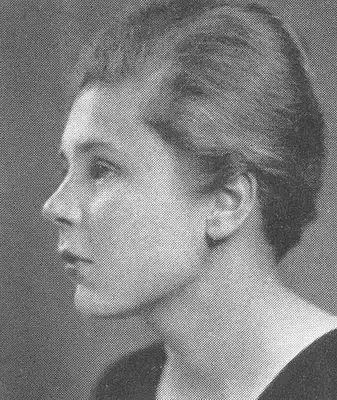
Elizabeth Bishop
Filling Station
Oh, but it is dirty!
--this little filling station,
oil-soaked, oil-permeated
to a disturbing, over-all
black translucency.
Be careful with that match!
Father wears a dirty,
oil-soaked monkey suit
that cuts him under the arms,
and several quick and saucy
and greasy sons assist him
(it's a family filling station),
all quite thoroughly dirty.
Do they live in the station?
It has a cement porch
behind the pumps, and on it
a set of crushed and greaseimpregnated
wickerwork;
on the wicker sofa
a dirty dog, quite comfy.
Some comic books provide
the only note of color-of
certain color. They lie
upon a big dim doily
draping a taboret
(part of the set), beside
a big hirsute begonia.
Why the extraneous plant?
Why the taboret?
Why, oh why, the doily?
(Embroidered in daisy stitch
with marguerites, I think,
and heavy with gray crochet.)
Somebody embroidered the doily.
Somebody waters the plant,
or oils it, maybe. Somebody
arranges the rows of cans
so that they softly say:
ESSO--SO--SO--SO
to high-strung automobiles.
Somebody loves us all.
571
William Wordsworth
The Wishing Gate
[In the vale of Grasmere, by the side of an old highway
leading to Ambleside, is a gate, which, from time out of
mind, has been called the Wishing-gate, from a belief that
wishes formed or indulged there have a favorable issue.]
HOPE rules a land forever green:
All powers that serve the bright-eyed Queen
Are confident and gay;
Clouds at her bidding disappear;
Points she to aught?---the bliss draws near,
And Fancy smooths the way.
Not such the land of Wishes---there
Dwell fruitless day-dreams, lawless prayer,
And thoughts with things at strife;
Yet how forlorn, should ye depart
Ye superstitions of the heart,
How poor, were human life!
When magic lore abjured its might,
Ye did not forfeit one dear right,
One tender claim abate;
Witness this symbol of your sway,
Surnving near the public way,
The rustic Wishing-gate!
Inquire not if the faery race
Shed kindly influence on the place,
Ere northward they retired;
If here a warrior left a spell,
Panting for glory as he fell;
Or here a saint expired.
Enough that all arouud is fair,
Composed with Nature's finest care,
And in her fondest love---
Peace to embosom and content---
To overawe the turbulent,
The selfish to reprove.
Yea! even the Stranger from afar,
Reclining on this moss-grown bar,
Unknowing, and unknown,
The infection of the ground partakes,
Longing for his Beloved---who maker
All happiness her own.
Then why should conscious Spirits fear
The mystic stirrings that are here,
The ancient faith disclaim?
The local Genius ne'er befriends
Desires whose course in folly ends,
Whose just reward is shame.
Smile if thou wilt, but not in scorn,
If some, by ceaseless pains outworn,
Here crave an easier lot;
If some have thirsted to renew
A broken vow, or bind a true,
With firmer, holier knot.
And not in vain, when thoughts are cast
Upon the irrevocable past,
Some Penitent sincere
May for a worthier future sigh,
While trickles from his downcast eye
No unavailing tear.
The Worldling, pining to be freed
From turmoil, who would turn or speed
The current of his fate,
Might stop before this favored scene,
At Nature's call, nor blush to lean
Upon the Wishing-gate.
The Sage, who feels how blind, how weak
Is man, though loth such help to seek,
Yet, passing, here might pause,
And thirst for insight to allay
Misgiving, while the crimson day
In quietness withdraws;
Or when the church-clock's knell profound
To Time's first step across the bound
Of midnight makes reply;
Time pressing on with starry crest,
To filial sleep upon the breast
Of dread eternity.
573

Rudyard Kipling
Sestina Of The Tramp-Royal
Speakin' in general, I 'ave tried 'em all,
The 'appy roads that take you o'er the world.
Speakin' in general, I 'ave found them good
For such as cannot use one bed too long,
But must get 'ence, the same as I 'ave done,
An' go observin' matters till they die.
What do it matter where or 'ow we die,
So long as we've our 'ealth to watch it all --
The different ways that different things are done,
An' men an' women lovin' in this world --
Takin' our chances as they come along,
An' when they ain't, pretendin' they are good?
In cash or credit -- no, it aren't no good;
You 'ave to 'ave the 'abit or you'd die,
Unless you lived your life but one day long,
Nor didn't prophesy nor fret at all,
But drew your tucker some'ow from the world,
An' never bothered what you might ha' done.
But, Gawd, what things are they I 'aven't done?
I've turned my 'and to most, an' turned it good,
In various situations round the world --
For 'im that doth not work must surely die;
But that's no reason man should labour all
'Is life on one same shift; life's none so long.
Therefore, from job to job I've moved along.
Pay couldn't 'old me when my time was done,
For something in my 'ead upset me all,
Till I 'ad dropped whatever 'twas for good,
An', out at sea, be'eld the dock-lights die,
An' met my mate -- the wind that tramps the world!
It's like a book, I think, this bloomin' world,
Which you can read and care for just so long,
But presently you feel that you will die
Unless you get the page you're readin' done,
An' turn another -- likely not so good;
But what you're after is to turn 'em all.
Gawd bless this world! Whatever she 'ath done --
Excep' when awful long -- I've found it good.
So write, before I die, "'E liked it all!"
572

Ella Wheeler Wilcox
Three Friends
Of all the blessings which my life has known,
I value most, and most praise God for three:
Want, Loneliness and Pain, those comrades true,
Who, masquerade in the garb of foes
For many a year, and filled my heart with dread.
Yet fickle joys, like false, pretentious friends,
Have proved less worthy than this trio. First,
Want taught me labor, led me up the steep
And toilsome paths to hills of pure delight,
Trod only by the feet that know fatigue,
And yet press on until the heights appear.
Then loneliness and hunger of the heart
Sent me upreaching to the realms of space,
Till all the silences grew eloquent,
And all their loving forces hailed me friend.
Last, pain taught me prayer! placed in my hand the staff
Of close communion with the over-soul,
That I might lean upon it to the end,
And find myself made strong for any strife.
And then these three who had pursued my steps
Like stern, relentless foes, year after year,
Unmasked, and turned their faces full on me,
And lo! they were divinely beautiful,
For through them shone the lustrous eyes of Love.
565
Lord Byron
Epistle To Augusta
I.
My sister! my sweet sister! if a name
Dearer and purer were, it should be thine;
Mountains and seas divide us, but I claim
No tears, but tenderness to answer mine:
Go where I will, to me thou art the same
A
loved regret which I would not resign,
There yet are two things in my destiny,
A
world to roam through, and a home with thee.
II.
The first were nothinghad
I still the last,
It were the haven of my happiness;
But other claims and other ties thou hast,
And mine is not the wish to make them less.
A strange doom is thy father's son's, and past
Recalling, as it lies beyond redress;
Reversed for him our grandsire's fate of yore,
He had no rest at sea, nor I on shore.
III.
If my inheritance of storms hath been
In other elements, and on the rocks
Of perils, overlook'd or unforeseen,
I have sustain'd my share of worldly shocks,
The fault was mine; nor do I seek to screen
My errors with defensive paradox;
I have been cunning in mine overthrow,
The careful pilot of my proper woe.
IV.
Mine were my faults, and mine be their reward.
My whole life was a contest, since the day
That gave me being, gave me that which marr'd
The gift,a
fate, or will, that walk'd astray;
And I at times have found the struggle hard,
And thought of shaking off my bonds of clay:
But now I fain would for a time survive,
If but to see what next can well arrive.
V.
Kingdoms and empires in my little day
I have outlived, and yet I am not old;
And when I look on this, the petty spray
Of my own years of trouble, which have roll'd
Like a wild bay of breakers, melts away
SomethingI
know not whatdoes
still uphold
A spirit of slight patience; not in vain,
Even for its own sake, do we purchase pain.
VI.
Perhaps the workings of defiance stir
Within me or
perhaps a cold despair,
Brought on when ills habitually recur,
Perhaps a kinder clime, or purer air,
(For even to this may change of soul refer,
And with light armour we may learn to bear,)
Have taught me a strange quiet, which was not
The chief companion of a calmer lot.
VII.
I feel almost at times as I have felt
In happy childhood; trees, and flowers, and brooks,
Which do remember me of where I dwelt
Ere my young mind was sacrificed to books,
Come as of yore upon me, and can melt
My heart with recognition of their looks;
And even at moments I could think I see
Some living thing to lovebut
none like thee.
VIII.
Here are the Alpine landscapes which create
A fund for contemplation;to
admire
Is a brief feeling of a trivial date;
But something worthier do such scenes inspire:
Here to be lonely is not desolate'
For much I view which I could most desire,
And, above all, a lake I can behold
Lovelier, not dearer, than our own of old.
IX.
Oh that thou wert but with me! but
I grow
The fool of my own wishes, and forget
The solitude which I have vaunted so
Has lost its praise in this but one regret;
There may be others which I less may show
I am not of the plaintive mood, and yet
I feel an ebb in my philosophy,
And the tide rising in my alter'd eye.
X.
I did remind thee of our own dear Lake,
By the old Hall which may be mine no more.
Leman's is fair; but think not I forsake
The sweet remembrance of a dearer shore:
Sad havoc Time must with my memory make,
Ere that or thou can fade these eyes before;
Though, like all things which I have loved they are
Resign 'd For ever, or divided far.
XI.
The world is all before me; I but ask
Of Nature that with which she will comply
It is but in her summer's sun to bask,
To mingle with the quiet of her sky,
To see her gentle face without a mask,
And never gaze on it with apathy.
She was my early friend, and now shall be
My sister till
I look again on thee.
XII.
I can reduce all feelings but this one;
And that I would not; for at length I see
Such scenes as those wherein my life begun.
The earliest even
the only paths for me Had
I but sooner learnt the crowd to shun,
I had been better than I now can be;
The passions which have torn me would have slept;
I had not suffer'd, and thou hadst not wept.
XIII.
With false Ambition what had I to do?
Little with Love, and least of all with Fame;
And yet they came unsought, and with me grew,
And made me all which they can make a
name.
Yet this was not the end I did pursue;
Surely I once beheld a nobler aim.
But all is over I
am one the more
To baffled millions which have gone before.
XIV.
And for the future, this world's future may
From me demand but little of my care;
I have outlived myself by many a day;
Having survived so many things that were;
My years have been no slumber, but the prey
Of ceaseless vigils; for I had the share
Of life which might have fill'd a century,
Before its fourth in time had pass'd me by.
XV.
And for the remnant which may be to come
I am content; and for the past I feel
Not thankless,for
within the crowded sum
Of struggles, happiness at times would steal,
And for the present, I would not benumb
My feelings further. Nor
shall I conceal
That with all this I still can look around,
And worship Nature with a thought profound.
XVI.
For thee, my own sweet sister, in thy heart
I know myself secure, as thou in mine;
We were and are I
am, even as thou art
Beings who ne'er each other can resign;
It is the same, together or apart,
From life's commencement to its slow decline
We are entwinedlet
death come slow or fast,
The tie which bound the first endures the last!
564

Walt Whitman
Song Of The Redwood-Tree
A CALIFORNIA song!
A prophecy and indirection--a thought impalpable, to breathe, as air;
A chorus of dryads, fading, departing--or hamadryads departing;
A murmuring, fateful, giant voice, out of the earth and sky,
Voice of a mighty dying tree in the Redwood forest dense.
Farewell, my brethren,
Farewell, O earth and sky--farewell, ye neighboring waters;
My time has ended, my term has come.
Along the northern coast,
Just back from the rock-bound shore, and the caves,
In the saline air from the sea, in the Mendocino country,
With the surge for bass and accompaniment low and hoarse,
With crackling blows of axes, sounding musically, driven by strong
arms,
Riven deep by the sharp tongues of the axes--there in the Redwood
forest dense,
I heard the mighty tree its death-chant chanting.
The choppers heard not--the camp shanties echoed not;
The quick-ear'd teamsters, and chain and jack-screw men, heard not,
As the wood-spirits came from their haunts of a thousand years, to
join the refrain;
But in my soul I plainly heard.
Murmuring out of its myriad leaves,
Down from its lofty top, rising two hundred feet high,
Out of its stalwart trunk and limbs--out of its foot-thick bark,
That chant of the seasons and time--chant, not of the past only, but
the future.
You untold life of me,
And all you venerable and innocent joys,
Perennial, hardy life of me, with joys, 'mid rain, and many a summer
sun,
And the white snows, and night, and the wild winds;
O the great patient, rugged joys! my soul's strong joys, unreck'd by
man;
(For know I bear the soul befitting me--I too have consciousness,
identity,
And all the rocks and mountains have--and all the earth;)
Joys of the life befitting me and brothers mine,
Our time, our term has come.
Nor yield we mournfully, majestic brothers,
We who have grandly fill'd our time;
With Nature's calm content, and tacit, huge delight,
We welcome what we wrought for through the past,
And leave the field for them.
For them predicted long,
For a superber Race--they too to grandly fill their time,
For them we abdicate--in them ourselves, ye forest kings!
In them these skies and airs--these mountain peaks--Shasta--Nevadas,
These huge, precipitous cliffs--this amplitude--these valleys grand-Yosemite,
To be in them absorb'd, assimilated.
Then to a loftier strain,
Still prouder, more ecstatic, rose the chant,
As if the heirs, the Deities of the West,
Joining, with master-tongue, bore part.
Not wan from Asia's fetishes,
Nor red from Europe's old dynastic slaughter-house,
(Area of murder-plots of thrones, with scent left yet of wars and
scaffolds every where,)
But come from Nature's long and harmless throes--peacefully builded
thence,
These virgin lands--Lands of the Western Shore,
To the new Culminating Man--to you, the Empire New,
You, promis'd long, we pledge, we dedicate.
You occult, deep volitions,
You average Spiritual Manhood, purpose of all, pois'd on yourself-giving,
not taking law,
You Womanhood divine, mistress and source of all, whence life and
love, and aught that comes from life and love,
You unseen Moral Essence of all the vast materials of America, (age
upon age, working in Death the same as Life,)
You that, sometimes known, oftener unknown, really shape and mould
the New World, adjusting it to Time and Space,
You hidden National Will, lying in your abysms, conceal'd, but ever
alert,
You past and present purposes, tenaciously pursued, may-be
unconscious of yourselves,
Unswerv'd by all the passing errors, perturbations of the surface;
You vital, universal, deathless germs, beneath all creeds, arts,
statutes, literatures,
Here build your homes for good--establish here--These areas entire,
Lands of the Western Shore,
We pledge, we dedicate to you.
For man of you--your characteristic Race,
Here may be hardy, sweet, gigantic grow--here tower, proportionate to
Nature,
Here climb the vast, pure spaces, unconfined, uncheck'd by wall or
roof,
Here laugh with storm or sun--here joy--here patiently inure,
Here heed himself, unfold himself (not others' formulas heed)--here
fill his time,
To duly fall, to aid, unreck'd at last,
To disappear, to serve.
Thus, on the northern coast,
In the echo of teamsters' calls, and the clinking chains, and the
music of choppers' axes,
The falling trunk and limbs, the crash, the muffled shriek, the
groan,
Such words combined from the Redwood-tree--as of wood-spirits' voices
ecstatic, ancient and rustling,
The century-lasting, unseen dryads, singing, withdrawing,
All their recesses of forests and mountains leaving,
From the Cascade range to the Wasatch--or Idaho far, or Utah,
To the deities of the Modern henceforth yielding,
The chorus and indications, the vistas of coming humanity--the
settlements, features all,
In the Mendocino woods I caught.
The flashing and golden pageant of California!
The sudden and gorgeous drama--the sunny and ample lands;
The long and varied stretch from Puget Sound to Colorado south;
Lands bathed in sweeter, rarer, healthier air--valleys and mountain
cliffs;
The fields of Nature long prepared and fallow--the silent, cyclic
chemistry;
The slow and steady ages plodding--the unoccupied surface ripening-
the rich ores forming beneath;
At last the New arriving, assuming, taking possession,
A swarming and busy race settling and organizing every where;
Ships coming in from the whole round world, and going out to the
whole world,
To India and China and Australia, and the thousand island paradises
of the Pacific;
Populous cities--the latest inventions--the steamers on the rivers-the
railroads--with many a thrifty farm, with machinery,
And wool, and wheat, and the grape--and diggings of yellow gold.
But more in you than these, Lands of the Western Shore!
(These but the means, the implements, the standing-ground,)
I see in you, certain to come, the promise of thousands of years,
till now deferr'd,
Promis'd, to be fulfill'd, our common kind, the Race.
The New Society at last, proportionate to Nature,
In Man of you, more than your mountain peaks, or stalwart trees
imperial,
In Woman more, far more, than all your gold, or vines, or even vital
air.
Fresh come, to a New World indeed, yet long prepared,
I see the Genius of the Modern, child of the Real and Ideal,
Clearing the ground for broad humanity, the true America, heir of the
past so grand,
To build a grander future.
570

Anonymous
Cleanness
Clannesse who so kyndly cowþe comende
& rekken vp alle þe resounz þat ho by rit askez,
Fayre formez myt he fynde in for[þ]ering his speche
& in þe contrare kark & combraunce huge.
For wonder wroth is þe Wyþat wrot alle þinges
Wyth þe freke þat in fylþe foles Hym after,
As renkez of relygioun þat reden & syngen
& aprochen to hys presens & prestez arn called;
Thay teen vnto his temmple & temen to hym seluen,
Reken with reuerence þay rychen His auter;
Þay hondel þer his aune body & vsen hit boþe.
If þay in clannes be clos þay cleche gret mede;
Bot if þay conterfete crafte & cortaysye wont,
As be honest vtwyth & inwith alle fylþez,
Þen ar þay synful hemself & sulped altogeder
Boþe God & His gere, & hym to greme cachen.
He is so clene in His courte, þe Kyng þat al weldez,
& honeste in His housholde & hagherlych serued
With angelez enourled in alle þat is clene,
Boþ withine & withouten in wedez ful bryt;
Nif he nere scoymus & skyg & non scaþe louied,
Hit were a meruayl to much, hit mot not falle.
Kryst kydde hit Hymself in a carp onez,
Þeras He heuened at happez & hyt hem her medez.
Me mynez on one amonge oþer, as Maþew recordez,
Þat þus clanness vnclosez a ful cler speche:
Þe haþel clene of his hert hapenez ful fayre,
For he schal loke on oure Lorde with a bone chere';
As so saytz, to þat syt seche schal he neuer
Þat any vnclannesse hatz on, auwhere abowte;
For He þat flemus vch fylþe fer fro His hert
May not byde þat burre þat hit His body neen.
Forþy hynot to heuen in haterez totorne,
Ne in þe harlatez hod, & handez vnwaschen.
For what vrþly haþel þat hyhonour haldez
Wolde lyke if a ladde com lyþerly attyred,
When he were sette solempnely in a sete ryche,
Abof dukez on dece, with dayntys serued?
Þen þe harlot with haste helded to þe table,
With rent cokrez at þe kne & his clutte traschez,
& his tabarde totorne, & his totez oute,
Oþer ani on of alle þyse, he schulde be halden vtter,
With mony blame ful bygge, a boffet peraunter,
Hurled to þe halle dore & harde þeroute schowued,
& be forboden þat bore to bowe þider neuer,
On payne of enprysonment & puttyng in stokkez;
& þus schal he be schent for his schrowde feble,
Þaneuer in talle ne in tuch he trespas more.
& if vnwelcum he were to a worþlych prynce,
et hym is þe hye Kyng harder in her euen;
As Maþew melez in his masse of þat man ryche,
Þat made þe mukel mangerye to marie his here dere,
& sende his sonde þen to say þat þay samne schulde,
& in comly quoyntis to com to his feste:
'For my boles & my borez arn bayted & slayne,
& my fedde foulez fatted with sclat,
My polyle þat is penne-fed & partrykez boþe,
Wyth scheldez of wylde swyn, swanez & cronez,
Al is roþeled & rosted ryt to þe sete;
Comez cof to my corte, er hit colde worþe.'
When þay knewen his cal þat þider com schulde,
Alle excused hem by þe skyly he scape by mot.
On hade bot hym a bor, he sayde, by hys trawþe:
'Now turne I þeder als tyd þe toun to byholde.'
Anoþer nayed also & nurned þis cawse:
'I haf erned & at okkez of oxen,
& for my hyez hem bot; to bowe haf I mester,
To see hem pulle in þe plow aproche me byhouez.'
'& I haf wedded a wyf,' so wer hym þe þryd;
'Excuse me at þe court, I may not com þere.'
Þus þay drohem adrewith daunger vchone,
Þat non passed to þe plate þahe prayed were.
Thenne þe ludych lorde lyked ful ille,
& hade dedayn of þat dede; ful dryly he carpez.
He saytz: 'Now for her owne sore þay forsaken habbez;
More to wyte is her wrange þen any wylle gentyl.
Þenne gotz forth, my gomez, þe grete streetez,
& forsettz on vche a syde þe cete aboute;
Þe wayferande frekez, on fote & on hors,
Boþe burnez & burdez, þe better & þe wers,
Laþez hem alle luflyly to lenge at my fest,
& bryngez hem blyþly to bore as barounez þay were,
So þat my palays plat ful be pyt al aboute;
Þise oþer wrechez iwysse worþy not wern.'
Þen þay cayred & com þat þe cost waked,
Broten bachlerez hem wyth þat þay by bonkez metten,
Swyerez þat swyftly swyed on blonkez,
& als fele vpon fote, of fre & of bonde.
When þay com to þe courte keppte weren þay fayre,
Stytled with þe stewarde, stad in þe halle,
Ful manerly with marchal mad for to sitte,
As he watz dere of degre dressed his seete.
Þenne seggez to þe souerayn sayden þerafter:
'Lo! Lorde, with your leue, at your lege heste
& at þi banne we haf brot, as þou beden habbez,
Mony renischsche renkez, & et is roum more.'
Sayde þe lorde to þo ledez, 'Laytez et ferre,
Ferre out in þe felde, & fechez mo gestez;
Waytez gorstez & greuez, if ani gomez lyggez;
Whatkyn folk so þer fare, fechez hem hider;
Be þay fers, be þay feble, forlotez none,
Be þay hol, be þay halt, be þay onyed,
& þaþay ben boþe blynde & balterande cruppelez,
Þat my hous may holly by halkez by fylled.
For, certez, þyse ilk renkez þat me renayed habbe,
& denounced me not now at þis tyme,
Schul neuer sitte in my sale my soper to fele,
Ne suppe on sope of my seve, þaþaþay swelt schulde.'
Thenne þe sergauntez, at þat sawe, swengen þeroute,
& diden þe dede þat [watz] demed, as he deuised hade,
& with peple of alle plytez þe palays þay fyllen;
Hit weren not alle on wyuez sunez, wonen with on fader.
Wheþer þay wern worþy oþer wers, wel wern þay
stowed,
Ay þe best byfore & brytest atyred,
Þe derrest at þe hye dese, þat dubbed wer fayrest,
& syþen on lenþe bilooghe ledez inogh.
& ay a[s] segge[s] [serly] semed by her wedez,
So with marschal at her mete mensked þay were.
Clene men in compaynye forknowen wern lyte,
& et þe symplest in þat sale watz serued to þe fulle,
Boþe with menske & with mete & mynstrasy noble,
& alle þe laykez þat a lorde at in londe schewe.
& þay bigonne to be glad þat god drink haden.
& vch mon with his mach made hym at ese.
Now inmyddez þe mete þe mayster hym biþot
Þat he wolde se þe semble þat samned was þere,
& rehayte rekenly þe riche & þe pou[eren],
& cherisch hem alle with his cher, & chaufen her joye.
Þen he bowez fro his bour into þe brode halle
& to þe best on þe bench, & bede hym be myry,
Solased hem with semblaunt & syled fyrre,
Tron fro table to table & talkede ay myrþe.
Bot as he ferked ouer þe flor, he fande with his ye,
Hit watz not for a halyday honestly arayed,
A þral þryt in þe þrong vnþryuandely cloþed,
Ne no festiual frok, bot fyled with werkkez;
Þe gome watz vngarnyst with god men to dele.
& gremed þerwith þe grete lorde, & greue hym he þot.
'Say me, frende,' quoþ þe freke with a felle chere,
'Hov wan þou into þis won in wedez so fowle?
Þe abyt þat þou hatz vpon, no halyday hit menskez;
Þou, burne, for no brydale art busked in wedez.
How watz þou hardy þis hous for þyn vnhap [to] nee
In on so ratted a robe & rent at þe sydez?
Þow art a gome vngoderly in þat goun febele;
Þou praysed me & my place ful pouer & ful [g]nede,
Þat watz so prest to aproche my presens hereinne.
Hopez þou I be a harlot þi erigaut to prayse?'
Þat oper burne watz abayst of his broþe wordez,
& hurkelez doun with his hede, þe vrþe he biholdez;
He watz so scoumfit of his scylle, lest he skaþe hent,
Þat he ne wyst on worde what he warp schulde.
Þen þe lorde wonder loude laled & cryed,
& talkez to his tormenttourez: 'Takez hym,' he biddez,
'Byndez byhynde, at his bak, boþe two his handez,
& felle fetterez to his fete festenez bylyue;
Stik hym stifly in stokez, & stekez hym þerafter
Depe in my doungoun þer doel euer dwellez,
Greuing & gretyng & gryspyng harde
Of teþe tenfully togeder, to teche hym be quoynt.'
Thus comparisunez Kryst þe kyndom of heuen
To þis frelych feste þat fele arn to called;
For alle arn laþed luflyly, þe luþer & þe better,
Þat euer wern fuled in font, þat fest to haue.
Bot war þe wel, if þou wylt, þy wedez ben clene
& honest for þe halyday, lest þou harme lache,
For aproch þou to þat Prynce of parage noble,
He hates helle no more þen hem þat ar sowle.
Wich arn þenne þy wedez þou wrappez þe inne,
Þat schal schewe hem so schene schrowde of þe best?
Hit arn þy werkez, wyterly, þat þou wrot hauez,
& lyued with þe lykyng þat lye in þyn hert;
Þat þo be frely & fresch fonde in þy lyue,
& fetyse of a fayr forme to fote & to honde,
& syþen alle þyn oþer lymez lapped ful clene;
Þenne may þou se þy Sauior & His sete ryche.
For fele[r] fautez may a freke forfete his blysse,
Þat he þe Souerayn ne se, þen for slauþe one;
As for bobaunce & bost & bolnande priyde
Þroly into þe deuelez þrote man þryngez bylyue.
For couetyse & colwarde & croked dedez,
For monsworne & mensclat & to much drynk,
For þefte & for þrepyng, vnþonk may mon haue;
For roborrye & riboudrye & resounez vntrwe,
& dsyheriete & depryue dowrie of wydoez,
For marryng of maryagez & mayntnaunce of schrewez,
For traysoun & trichcherye & tyrauntyre boþe,
& for fals famacions & fayned lawez;
Man may mysse þe myrþe þat much is to prayse
For such vnþewez as þise, & þole much payne,
& in þe Creatores cort com neuermore,
Ne neuer see Hym with syt for such sour tournez.
Bot I haue herkned & herde of mony hye clerkez,
& als in resounez of ryt red hit myseluen,
Þat þat ilk proper Prynce þat paradys weldez
Is displesed at vch a poynt þat plyes to scaþe;
Bot neuer et in no boke breued I herde
Þat euer He wrek so wyþerly on werk þat He made,
Ne venged for no vilte of vice ne synne,
Ne so hastyfly watz hot for hatel of His wylle,
Ne neuer so sodenly sot vnsoundely to weng,
As for fylþe of þe flesch þat foles han vsed;
For, as I fynde, þer He foret alle His fre þewez,
& wex wod to þe wrache for wrath at His hert.
For þe fyrste felonye þe falce fende wrot
Whyl he watz hye in þe heuen houen vpon lofte,
Of alle þyse aþel aungelez attled þe fayrest:
& he vnkyndely, as a karle, kydde a reward.
He senot bot hymself how semly he were,
Bot his Souerayn he forsoke & sade þyse wordez:
`I schal telde vp my trone in þe tramountayne,
& by lyke to þat Lorde þat þe lyft made.'
With þis worde þat he warp, þe wrake on hym lyt:
Drytyn with His dere dom hym drof to þe abyme,
In þe mesure of His mode, His metz neuer þe lasse.
Bot þer He tynt þe tyþe dool of His tour ryche:
Þaþe feloun were so fers for his fayre wedez
& his glorious glem þat glent so bryt,
As sone as Drytynez dome drof to hymseluen,
Þikke þowsandez þro þrwen þeroute,
Fellen fro þe frymament fendez ful blake,
Sweued at þe fryst swap as þe snaw þikke,
Hurled into helle-hole as þe hyue swarmez.
Fylter fenden folk forty dayez lencþe,
Er þat styngande storme stynt ne myt;
Bot as smylt mele vnder smal siue smokez forþikke.
So fro heuen to helle þat hatel schor laste,
On vche syde of þe worlde aywhere ilyche.
is, hit watz a brem brest & a byge wrache,
& et wrathed not þe Wy; ne þe wrech satled,
Ne neuer wolde, for wyl[fulnes], his worþy God knawe,
Ne pray Hym for no pite, so proud watz his wylle.
Forþy þaþe rape were rank, þe rawþe watz lytt[el];
Þahe be kest into kare, he kepes no better.
Bot þat oper wrake þat wex, on wyez hit lyt
Þurþe faut of a freke þat fayled in trawþe,
Adam inobedyent, ordaynt to blysse.
Þer pryuely in paradys his place watz devised,
To lyue þer in lykyng þe lenþe of a terme,
& þenne enherite þat home þat aungelez forgart;
Bot þurþe eggyng of Eue he ete of an apple
Þat enpoysened alle peplez þat parted fro hem boþe,
For a defence þat watz dyt of Drytyn Seluen,
& a payne þeron put & pertly halden.
Þe defence watz þe fryt þat þe freke towched,
& þe dom is þe deþe þat drepez vus alle;
Al in mesure & meþe watz mad þe vengiaunce,
& efte amended with a mayden þat make had neuer.
Bot in þe þryd watz forþrast al þat þryue schuld:
Þer watz malys mercyles & mawgre much scheued,
Þat watz for fylþe vpon folde þat þe folk vsed,
Þat þen wonyed in þe worlde withouten any maysterz.
Hit wern þe fayrest of forme & of face als,
Þe most & þe myriest þat maked wern euer,
Þe styfest, þe stalworþest þat stod euer on fete,
& lengest lyf in hem lent of ledez alle oþer.
For hit was þe forme foster þat þe folde bred,
Þe aþel aunceterez sunez pat Adam watz called,
To wham God hade geuen alle þat gayn were,
Alle þe blysse boute blame þat bodi myt haue;
& þose lykkest to þe lede, þat lyued next after;
Forþy so semly to see syþen wern none.
Þer watz no law to hem layd bot loke to kynde,
& kepe to hit, & alle hit cors clanly fulfylle.
& þenne founden þay fylþe in fleschlych dedez,
& controeued agayn kynde contrare werkez,
& vsed hem vnþryftyly vchon on oþer,
& als with oþer, wylsfully, upon a wrange wyse:
So ferly fowled her flesch þat þe fende loked
How þe deter of þe douþe wern derelych fayre,
& fallen in felaschyp with hem on folken wyse,
& engendered on hem jeauntez with her japez ille.
Þose wern men meþelez & maty on vrþe,
Þat for her lodlych laykez alosed þay were;
He watz famed for fre þat fet loued best,
& ay þe bigest in bale þe best watz halden.
& þenne euelez on erþe ernestly grewen
& multyplyed monyfolde inmongez mankynde,
For þat þe maty on molde so marre þise oþer
Þat þe Wye þat al wrot ful wroþly bygynnez.
When He knew vche contre coruppte in hitseluen,
& vch freke forloyned fro þe ryt wayez,
Felle temptande tene towched His hert.
As wye wo hym withinne, werp to Hymseluen:
'Me forþynkez ful much þat euer I mon made,
Bot I schal delyuer & do away þat doten on þis molde,
& fleme out of þe folde al þat flesch werez,
Fro þe burne to þe best, fro bryddez to fyschez;
Al schal doun & be ded & dryuen out of erþe
Þat euer I sette saule inne; & sore hit Me rwez
Þat euer I made hem Myself; bot if I may herafter,
I schal wayte to be war her wrenchez to kepe.'
Þenne in worlde watz a wye wonyande on lyue,
Ful redy & ful rytwys, & rewled hym fayre,
In þe drede of Drytyn his dayez he vsez,
& ay glydande wyth his God, his grace watz þe more.
Hym watz þe nome Noe, as is innoghe knawen.
He had þre þryuen sunez, & þay þre wyuez:
Sem soþly þat on, þat oþer hyt Cam,
& þe jolef Japheth watz gendered þe þryd.
Now God in nwy to Noe con speke
Wylde wrakful wordez, in His wylle greued:
'Þe ende of alle kynez flesch þat on vrþe meuez
Is fallen forþwyth My face, & forþer hit I þenk.
With her vnworþelych werk Me wlatez withinne;
Þe gore þerof Me hatz greued & þe glette nwyed.
I schal strenkle My distresse, & strye al togeder,
Boþe ledez & londe & alle þat lyf habbez.
Bot make to þe a mancioun, & þat is My wylle,
A cofer closed of tres, clanlych planed.
Wyrk wonez þerinne for wylde & for tame,
& þenne cleme hit with clay comly within[n]e,
& alle þe endentur dryuen daube withouten.
& þus of lenþe & of large þat lome þou make:
Þre hundred of cupydez þou holde to þe lenþe,
Of fyfty fayre ouerþwert forme þe brede;
& loke euen þat þyn ark haue of heþe þrette,
& a wyndow wyd vpon[ande] wrot vpon lo[f]te,
In þe compas of a cubit kyndely sware;
A wel dutande dor, don on þe syde;
Haf hallez þerinne & halkez ful mony,
Boþe boske[n]z & bourez & wel bounden penez.
For I schal waken vp a water to wasch alle þe worlde,
& quelle alle þat is quik with quauende flodez,
Alle þat glydez & gotz & gost of lyf habbez;
I schal wast with My wrath þat wons vpon vrþe.
Bot My forwarde with þe I festen on þis wyse,
For þou in reysoun hatz rengned & rytwys ben euer:
Þou schal enter þis ark with þyn aþel barnez
& þy wedded wyf; with þe þou take
Þe makez of þy myry sunez; þis meyny of ate
I schal saue of monnez saulez, & swelt þose oþer.
Of vche best þat berez lyf busk þe a cupple,
Of vche clene comly kynde enclose seuen makez,
Of vche horwed in ark halde bot a payre,
For to saue Me þe sede of alle ser kyndez.
& ay þou meng with þe malez þe mete ho-bestez,
Vche payre by payre to plese ayþer oþer;
With alle þe fode þat may be founde frette þy cofer,
For sustnaunce to yowself & also þose oþer.'
Ful grayþely gotz þis god man & dos Godez hestes,
In drydred & daunger þat durst do non oþer.
Wen hit watz fettled & forged & to þe fulle grayþed,
Þenn con Dryttyn hym dele dryly þyse wordez.
'Now Noe,' quoþ oure Lorde, 'art þou al redy?
Hatz þou closed þy kyst with clay alle aboute?'
'e, Lorde, with þy leue,' sayde þe lede þenne,
Al is wrot at Þi worde, as Þou me wyt lantez.'
'Enter in, þenn,' quoþ He, & haf þi wyf with þe,
Þy þre sunez, withouten þrep, & her þre wyuez;
Bestez, as I bedene haue, bosk þerinne als,
& when e arn staued, styfly stekez yow þerinne.
Fro seuen dayez ben seyed I sende out bylyue
Such a rowtande ryge þat rayne schal swyþe
Þat schal wasch alle þe worlde of werkez of fylþe;
Schal no flesch vpon folde by fonden onlyue,
Outtaken yow at in þis ark staued
& sed þat I wyl saue of þyse ser bestez.'
Now Noe neuer sty[n]tez, þat niy[t] he bygynnez,
Er al wer stawed & stoken as þe steuen wolde.
Thenne sone com þe seuenþe day, when samned wern alle,
& alle woned in þe whichche, þe wylde & þe tame.
Þen bolned þe abyme, & bonkez con ryse,
Waltes out vch walle-heued in ful wode stremez;
Watz no brymme þat abod vnbrosten bylyue;
Þe mukel lauande loghe to þe lyfte rered.
Mony clustered clowde clef alle in clowtez;
Torent vch a rayn-ryfte & rusched to þe vrþe,
Fon neuer in forty dayez. & þen þe flod ryses,
Ouerwaltez vche a wod & þe wyde feldez.
For when þe water of þe welkyn with þe worlde mette,
Alle þat deth mot drye drowned þerinne.
Þer watz moon for to make when meschef was cnowen,
Þat not dowed bot þe deth in þe depe stremez;
Water wylger ay wax, wonez þat stryede,
Hurled into vch hous, hent þat þer dowelled.
Fryst feng to þe flyt alle þat fle myt;
Vuche burde with her barne þe byggyng þay leuez
& bowed to þe hybonk þer brentest hit wern,
& heterly to þe hye hyllez þay [h]aled on faste.
Bot al watz nedlez her note, for neuer cowþe stynt
Þe roe raynande ryg, þe raykande wawez,
Er vch boþom watz brurdful to þe bonkez eggez,
& vche a dale so depe þat demmed at þe brynkez.
Þe moste mountaynez on mor þenne watz no more drye,
& þeron flokked þe folke, for ferde of þe wrake.
Syþen þe wylde of þe wode on þe water flette;
Summe swymmed þeron þat saue hemself trawed,
Summe stye to a stud & stared to þe heuen,
Rwly wyth a loud rurd rored for drede.
Harez, herttez also, to þe hye runnen;
Bukkez, bausenez, & bulez to þe bonkkez hyed;
& alle cryed for care to þe Kyng of heuen,
Recouerer of þe Creator þay cryed vchone,
Þat amounted þe masse, þe mase His mercy watz passed,
& alle His pyte departed fro peple þat He hated.
Bi þat þe flod to her fete floed & waxed,
Þen vche a segge sewel þat synk hym byhoued.
Frendez fellen in fere & faþmed togeder,
To dryher delful deystyne & dyen alle samen;
Luf lokez to luf & his leue takez,
For to ende alle at onez & for euer twynne.
By forty dayez wern faren, on folde no flesch styryed
Þat þe flod nade al freten with fetande waez;
For hit clam vche a clyffe, cubites fyftene
Ouer þe hyest hylle þat hurkled on erþe.
Þenne mourkne in þe mudde most ful nede
Alle þat spyrakle inspranc, no sprawlyng awayled,
Saue þe haþel vnder hach & his here straunge,
Noe þat ofte neuened þe name of oure Lorde,
Hym atsum in þat ark, as aþel God lyked,
Þer alle ledez in lome lenged druye.
Þe arc houen watz on hye with hurlande gotez,
Kest to kythez vncouþe þe clowdez ful nere.
Hit waltered on þe wylde flod, went as hit lyste,
Drof vpon þe depe dam, in daunger hit semed,
Withouten mast, oþer myke, oþer myry bawelyne,
Kable, oþer capstan to clyppe to her ankrez,
Hurrok, oþer hande-helme hasped on roþer,
Oþer any sweande sayl to seche after hauen,
Bot flote forthe with þe flyt of þe felle wyndez.
Whederwarde so þe water wafte, hit rebounde;
Ofte hit roled on rounde & rered on ende;
Nyf oure Lorde hade ben her lodezmon hem had lumpen harde.
Of þe lenþe of Noe lyf to lay a lel date,
Þe sex hundreth of his age & none odde erez,
Of secounde monyth þe seuen[ten]þe day rytez,
Towalten alle þyse welle-hedez & þe water flowed;
& þryez fyfty þe flod of folwande dayez;
Vche hille watz þer hidde with y[þ]ez ful graye.
Al watz wasted þat þer wonyed þe worlde withinne,
Þ[at] euer flote, oþer flwe, oþer on fote ede,
That roly watz þe remnaunt þat þe rac dryuez
Þat alle gendrez so joyst wern joyned wythinne
Bot quen þe Lorde of þe lyfte lyked Hymseluen
For to mynne on His mon His meth þat abydez,
Þen He wakened a wynde on watterez to blowe;
Þenne lasned þe llak þat large watz are.
Þen He stac vp þe stangez, stoped þe wellez,
Bed blynne of þe rayn: hit batede as faste;
Þenne lasned þe lolowkande togeder.
After harde dayez wern out an hundreth & fyfte,
As þat lyftande lome luged aboute.
Where þe wynde & þe weder warpen hit wolde,
Hit satled on a softe day, synkande to grounde;
On a rasse of a rok hit rest at þe laste,
On þe mounte of Mararach of Armene hilles.
Þat oþerwayez on Ebrv hit hat þe Thanes.
Bot þaþe kyste in þe cragez wern closed to byde,
et fyned not þe flod ne fel to þe boþemez,
Bot þe hyest of þe eggez vnhuled weren a lyttel,
Þat þe burne bynne borde byhelde þe bare erþe.
Þenne wafte he vpon his wyndowe, & wysed þeroute
A message fro þat meyny hem moldez to seche:
Þat watz þe rauen so ronk, þat rebel watz euer;
He watz colored as þe cole, corbyal vntrwe.
& he fongez to þe flyt & fannez on þe wyndez,
Halez hye vpon hyt to herken tyþyngez.
He croukez for comfort when carayne he fyndez
Kast vp on a clyffe þer costese lay drye;
He hade þe smelle of þe smach & smoltes þeder sone,
Fallez on þe foule flesch & fyllez his wombe,
& sone ederly forete isterday steuen,
How þe cheuetayn hym charged þat þe kyst emed.
Þe rauen raykez hym forth, þat reches ful lyttel
How alle fodez þer fare, ellez he fynde mete;
Bot þe burne bynne borde þat bod to hys come
Banned hym ful bytterly with bestes alle samen.
He sechez anoþer sondezmon, & settez on þe dou[u]e,
Bryngez þat bryt vpon borde, blessed, & sayde:
'Wende, worþelych wyt, vus wonez to seche;
Dryf ouer þis dymme water; if þou druye fyndez
Bryng bodworde to bot blysse to vus alle.
Þaþat fowle be false, fre be þou euer.'
Ho wyrle out on þe weder on wyngez ful scharpe,
Drely alle alonge day þat dorst neuer lyt;
& when ho fyndez no folde her fote on to pyche,
Ho vmbekestez þe coste & þe kyst sechez.
Ho hittez on þe euentyde & on þe ark sittez;
Noe nymmes hir anon & naytly hir stauez.
Noe on anoþer day nymmez efte þe doveue,
& byddez hir bowe ouer þe borne efte bonkez to seche;
& ho skyrmez vnder skwe & skowtez aboute,
Tyl hit watz nye at þe nat, & Noe þen sechez.
On ark on an euentyde houez þe dowue;
On stamyn ho stod & stylle hym abydez.
What! ho brot in hir beke a bronch of olyue,
Gracyously vmbegrouen al with grene leuez;
Þat watz þe syngne of sauyte þat sende hem oure Lorde,
& þe satlyng of Hymself with þo sely bestez.
Þen watz þer joy on þat gyn where jumpred er dryed,
& much comfort in þat cofer þat watz clay-daubed.
Myryly on a fayr morn, monyth þe fyrst,
Þat fallez formast in þe er, & þe fyrst day,
Ledez loen in þat lome & loked þeroute,
How þat watterez wern woned & þe worlde dryed.
Vchon loued oure Lorde, bot lenged ay stylle
Tyl þay had tyþyng fro þe Tolke þat tyned hem
þerinne.
Þen Godez glam to hem glod þat gladed hem alle,
Bede hem drawe to þe dor: delyuer hem He wolde.
Þen went þay to þe wykket, hit walt vpon sone;
Boþe þe burne & his barnez bowed þeroute,
Her wyuez walkez hem wyth & þe wylde after,
Þroly þrublande in þronge, þrowen ful þykke.
Bot Noe of vche honest kynde nem out an odde,
& heuened vp an auter & haled hit fayre,
& sette a sakerfyse þeron of vch a ser kynde
Þat watz comly & clene: God kepez non oþer.
When bremly brened þose bestez, & þe breþe rysed,
Þe sauour of his sacrafyse sot to Hym euen
Þat al spedez & spyllez; He spekes with þat ilke
In comly comfort ful clos & cortays wordez:
'Now, Noe, no more nel I neuer wary
Alle þe mukel mayny [on] molde for no mannez synnez,
For I se wel þat hit is sothe þat alle mannez wyttez
To vnþryfte arn alle þrawen with þot of her herttez,
& ay hatz ben, & wyl be et; fro her barnage
Al is þe mynde of þe man to malyce enclyned.
Forþy schal I neuer schende so schortly at ones
As dysstrye al for manez synne, dayez of þis erþe.
Bot waxez now & wendez forth & worþez to monye,
Multyplyez on þis molde, & menske yow bytyde.
Sesounez schal yow neuer sese of sede ne of heruest,
Ne hete, ne no harde forst, vmbre ne droþe,
Ne þe swetnesse of somer, ne þe sadde wynter,
Ne þe nyt, ne þe day, ne þe newe erez,
Bot euer renne restlez: rengnez e þerinne.'
Þerwyth He blessez vch a best, & bytat hem þis erþe.
Þen watz a skylly skyualde, quen scaped alle þe wylde,
Vche fowle to þe flyt þat fyþerez myt serue,
Vche fysch to þe flod þat fynne couþe nayte.
Vche beste to þe bent þat þat bytes on erbez;
Wylde wormez to her won wryþez in þe erþe,
Þe fox & þe folmarde to þe fryth wyndez,
Herttes to hye heþe, harez to gorstez,
& lyounez & lebardez to þe lake-ryftes:
Hernez & hauekez to þe hye rochez,
Þe hole-foted fowle to þe flod hyez,
& vche best at a brayde þer hym best lykez;
Þe fowre frekez of þe folde fongez þe empyre.
Lo! suche a wrakful wo for wlatsum dedez
Parformed þe hye Fader on folke þat He made;
Þat He chysly hade cherisched He chastysed ful hardee,
In devoydynge þe vylanye þat venkquyst His þewez.
Forþy war þe now, wye þat worschyp desyres
In His comlych courte þat Kyng is of blysse,
In þe fylþe of þe flesch þat þou be founden neuer,
Tyl any water in þe worlde to wasche þe fayly.
For is no segge vnder sunne so seme of his craftez,
If he be sulped in synne, þat syttez vnclene;
On spec of spote may spede to mysse
Of þe syte of þe Souerayn þat syttez so hye;
For þat schewe me schale in þo schyre howsez,
As þe beryl bornyst byhouez be clene.
Þat is sounde on vche a syde & no sem habes,
Withouten maskle oþer mote, as margerye-perle.
Syþen þe Souerayn in sete so sore forþot
Þat euer He man vpon molde merked to lyuy,
For he in fylþe watz fallen, felly He uenged,
Quen fourferde alle þe flesch þat He formed hade.
Hym rwed þat He hem vprerde & rat hem lyflode;
& efte þat He hem vndyd, hard hit Hym þot.
For quen þe swemande sore sot to His hert,
He knyt a couenaunde cortaysly with monkynde þere,
In þe mesure of His mode & meþe of His wylle,
Þat He schulde neuer for no syt smyte al at onez,
As to quelle alle quykez for qued þat myt falle,
Whyl of þe lenþe of þe londe lastez þe terme.
Þat ilke skyl for no scaþe ascaped Hym neuer.
Wheder wonderly He wrak on wykked men after,
Ful felly for þat ilk faute forferde a kyth ryche,
In þe anger of His ire, þat ared mony;
& al watz for þis ilk euel, þat vnhappen glette,
Þe venym & þe vylanye & þe vycios fylþe
Þat bysulpez mannez saule in vnsounde hert,
Þat he his Saueour ne see with syt of his yen.
Alle illez He hates as helle þat alle stynkkez;
Bot non nuyez Hym on nat ne neuer vpon dayez
As harlottrye vnhonest, heþyng of seluen:
Þat schamez for no schrewedschyp, schent mot he worþe.
Bot sauyour, mon, in þyself, þaþou a sotte lyuie,
Þaþou bere þyself babel, byþenk þe sumtyme
Wheþer He þat stykked vche a stare in vche steppe ye,
if Hymsel[f] be bore blynde hit is a brod wonder;
& He þat fetly in face fettled alle eres,
If he hatz losed þe lysten hit lyftez meruayle:
Trave þou neuer þat tale, vntrwe þou hit fyndez.
Þer is no dede so derne þat dittez His yen;
Þer is no wye in his werk so war ne so stylle
Þat hit ne þrawez to Hym þr[o] er he hit þot haue.
For He is þe gropande God, þe grounde of alle dedez,
Rypande of vche a ring þe reynyez & hert.
& þere He fyndez al fayre a freke wythinne,
Þat hert honest & hol, þat haþel He honourez,
Sendez hym a sad syt: to se His auen face,
& harde honysez þise oþer, & of His erde flemez.
Bot of þe dome of þe douþe for dedez of schame,
He is so skoymos of þat skaþe, He scarrez bylyue;
He may not drye to draw allyt, bot drepez in hast:
& þat watz schewed schortly by a scaþe onez.
Olde Abraham in erde onez he syttez
Euen byfore his hous-dore, vnder an oke grene;
Bryt blykked þe bem of þe brode heuen;
In þe hye hete þerof Abraham bidez:
He watz schunt to þe schadow vnder schyre leuez.
Þenne watz he war on þe waye of wlonk Wyez þrynne;
If þay wer farande & fre & fayre to beholde
Hit is eþe to leue by þe last ende.
For þe lede þat þer laye þe leuez anvnder,
When he hade of Hem syt he hyez bylyue,
& as to God þe goodmon gos Hem agaynez
& haylsed Hem in onhede, & sayde: 'Hende Lorde,
if euer Þy mon vpon molde merit disserued,
Lenge a lyttel with Þy lede, I loly biseche;
Passe neuer fro Þi pouere, if I hit pray durst,
Er Þou haf biden with Þi burne & vnder boe restted,
& I schal wynne Yow wyt of water a lyttel,
& fast aboute schal I fare Your fette wer waschene.
Resttez here on þis rote & I schal rachche after
& brynge a morsel of bred to banne Your hertte.'
'Fare forthe,' quoþ þe Frekez, '& fech as þou seggez;
By bole of þis brode tre We byde þe here.'
Þenne orppedly into his hous he hyed to Sare,
Commaunded hir to be cof & quyk at þis onez:
'Þre mettez of mele menge & ma kakez;
Vnder askez ful hote happe hem byliue;
Quyl I fete sumquat fat, þou þe fyr bete,
Prestly at þis ilke poynte sum polment to make.'
He cached to his covhous & a calf bryngez,
Þat watz tender & not toe, bed tyrue of þe hyde,
& sayde to his seruaunt þat hit seþe faste;
& he deruely at his dome dyt hit bylyue.
Þe burne to be bare-heued buskez hym þenne,
Clechez to a clene cloþe & kestez on þe grene,
Þrwe þryftyly þeron þo þre þerue kakez,
& bryngez butter wythal & by þe bred settez;
Mete messez of mylke he merkkez bytwene,
Syþen potage & polment in plater honest.
As sewer in a god assyse he serued Hem fayre,
Wyth sadde semblaunt & swete of such as he hade;
& God as a glad gest mad god chere
Þat watz fayn of his frende, & his fest praysed.
Abraham, al hodlez, with armez vp-folden,
Mynystred mete byfore þo Men þat mytes al weldez.
Þenne Þay sayden as Þay sete samen alle þrynne,
When þe mete watz remued & Þay of mensk speken,
'I schal efte hereaway, Abram,' Þay sayden,
'et er þy lyuez lyt leþe vpon erþe,
& þenne schal Sare consayue & a sun bere,
Þat schal be Abrahamez ayre & after hym wynne
With wele & wyth worschyp þe worþely peple
Þat schal halde in heritage þat I haf men ark[ed].'
Þenne þe burde byhynde þe dor for busmar laed;
& sayde sothly to hirself Sare þe madde:
'May þou traw for tykle þat þou tonne motez,
& I so hye out of age, & also my lorde?'
For soþely, as says þe wryt, he wern of sadde elde,
Boþe þe wye & his wyf, such werk watz hem fayled
Fro mony a brod day byfore; ho barayn ay byene,
Þat selue Sare, withouten sede into þat same tyme.
Þenne sayde oure Syre þer He sete: 'Se! so Sare laes,
Not trawande þe tale þat I þe to schewed.
Hopez ho ot may be harde My hondez to work?
& et I avow verayly þe avaunt þat I made;
I schal eply aayn & elde þat I hyt,
& sothely send to Sare a soun & an hayre.'
Þenne swenged forth Sare & swer by hir trawþe
Þat for lot þat Þay laused ho laed neuer.
'Now innoghe: hit is not so,' þenne nurned þe Drytyn,
'For þou laed alo, bot let we hit one.'
With þat Þay ros vp radly, as Þay rayke schulde,
& setten toward Sodamas Her syt alle at onez;
For þat cite þerbysyde watz sette in a vale,
No mylez fro Mambre mo þen tweyne,
Whereso wonyed þis ilke wy, þat wendez with oure Lorde
For to tent Hym with tale & teche Hym þe gate.
Þen glydez forth God; þe godmon Hym folez;
Abraham heldez Hem wyth, Hem to conueye
In towarde þe cety of Sodamas þat synned had þenne
In þe faute of þis fylþe. Þe Fader hem þretes,
& sayde þus to þe segg þat sued Hym after:
'How myt I hyde Myn hert fro Habraham þe trwe,
Þat I ne dyscouered to his corse My counsayl so dere,
Syþen he is chosen to be chef chyldryn fader,
Þat so folk schal falle fro to flete alle þe worlde,
& vche blod in þat burne blessed schal worþe?
Me bos telle to þat tolk þe tene of My wylle,
& alle Myn atlyng to Abraham vnhaspe bilyue.
The grete soun of Sodamas synkkez in Myn erez,
& þe gult of Gomorre garez Me to wrath.
I schal lyt into þat led & loke Myseluen
[If] þay haf don as þe dyne dryuez on lofte.
Þay han lerned a lyst þat lykez me ille,
Þat þay han founden in her flesch of fautez þe werst:
Vch male matz his mach a man as hymseluen,
& fylter folyly in fere on femmalez wyse.
I compast hem a kynde crafte & kende hit hem derne,
& amed hit in Myn ordenaunce oddely dere,
& dyt drwry þerinne, doole alþer-swettest,
& þe play of paramorez I portrayed Myseluen,
& made þerto a maner myriest of oþer:
When two true togeder had tyed hemseluen,
Bytwene a male & his make such merþe schulde conne,
Welnye pure paradys mot preue no better;
Ellez þay mot honestly ayþer oþer welde,
At a stylle stollen steuen, vnstered wyth syt,
Luf-lowe hem bytwene lasched so hote
Þat alle þe meschefez on mold mot hit not sleke.
Now haf þay skyfted My skyl & scorned natwre,
& henttez hem in heþyng an vsage vnclene.
Hem to smyte for þat smod smartly I þenk,
Þat wyez schal be by hem war, worlde withouten ende.'
Þenne ared Abraham & alle his mod chaunge[d],
For hope of þe harde hate þat hyt hatz oure Lorde.
Al sykande he sayde: 'Sir, with Yor leue,
Schal synful & saklez suffer al on payne?
Weþer euer hit lyke my Lorde to lyfte such domez
Þat þe wykked & þe worþy schal on wrake suffer,
& weye vpon þe worre half þat wrathed Þe neuer?
Þat watz neuer Þy won þat wrotez vus alle.
Now fyfty fyn frendez wer founde in onde toune,
In þe cety of Sodamas & also Gomorre,
Þat neuer lakked Þy laue, bot loued ay trauþe,
& retful wern & resounable & redy Þe to serue,
Schal þay falle in þe faute þat oþer frekez wrot,
& joyne to her juggement, her juise to haue?
Þat nas neuer Þyn note, vnneuened hit worþe,
Þat art so gaynly a God & of goste mylde.'
'Nay, for fyfty,' quoþ þe Fader, '& þy fayre speche,
& þay be founden in þat folk of her fylþe clene,
I schal forgyue alle þe gylt þurMy grace one,
& let hem smolt al unsmyten smoþely at onez.'
'Aa! blessed be Þow,' quoþ þe burne, 'so boner & þewed,
& al haldez in Þy honde, þe heuen & þe erþe;
Bot, for I haf þis talke tatz to non ille
if I mele a lyttel more þat mul am & askez.
What if fyue faylen of fyfty þe noumbre,
& þe remnaunt be reken, how restes Þy wylle?'
'And fyue wont of fyfty,' quoþ God, 'I schal forete alle
& wythhalde My honde for hortyng on lede.'
'& quat if faurty be fre & fauty þyse oþer:
Schalt Þow schortly al schende & schape non oþer?'
'Nay, þafaurty forfete, et fryst I a whyle,
& voyde away My vengaunce, þaMe vyl þynk.'
Þen Abraham obeched Hym & loly Him þonkkez:
'Now sayned be Þou, Sauiour, so symple in Þy wrath!
I am bot erþe ful euel & vsle so blake,
For to mele wyth such a Mayster as mytez hatz alle.
Bot I haue bygonnen wyth my God, & He hit gayn þynkez;
if I forloyne as a fol Þy fraunchyse may serue.
What if þretty þryuande be þrad in on tounez,
What schal I leue of my Lorde, [i]f He hem leþe wolde?'
Þenne þe godlych God gef hym onsware:
'et for þretty in þrong I schal My þro steke,
& spare spakly of spyt in space of My þewez,
& My rankor refrayne four þy reken wordez.'
'What for twenty,' quoþ þe tolke, 'vntwynez Þou hem
þenne?'
'Nay, if þou ernez hit et, ark I hem grace;
If þat twenty be trwe, I tene hem no more,
Bot relece alle þat regioun of her ronk werkkez.'
'Now, aþel Lorde,' quoþ Abraham, 'onez a speche,
& I schal schape no more þo schalkkez to helpe.
If ten trysty in toune be tan in Þi werkkez,
Wylt Þou mese Þy mode & menddyng abyde?'
'I graunt,' quoþ þe grete God, 'Graunt mercy,' þat oþer;
& þenne arest þe renk & rat no fyrre.
& Godde glydez His gate by þose grene wayez,
& he conueyen Hym con with cast of his ye;
& als he loked along þereas oure Lorde passed,
et he cryed Hym after with careful steuen:
'Meke Mayster, on Þy mon to mynne if Þe lyked,
Loth lengez in on leede þat is my lef broþer;
He syttez þer in Sodomis, þy seruaunt so pouere,
Among þo mansed men þat han Þe much greued.
if Þou tynez þat toun, tempre Þyn yre,
As Þy mersy may malte, Þy meke to spare.'
Þen he wendez, wendez his way, wepande for care,
Towarde þe mere of Mambre, wepande for sorewe;
& þere in longyng al nyt he lengez in wones,
Whyl þe Souerayn to Sodamas sende to spye.
His sondes into Sodamas watz sende in þat tyme,
In þat ilk euentyde, by aungels tweyne,
Meuand meuande mekely togeder as myry men onge,
As Loot in a loge dor lened hym alone,
In a porche of þat place pyt to þe ates,
Þat watz ryal & ryche so watz þe renkes seluen.
As he stared into þe strete þer stout men played,
He sye þer swey in asent swete men tweyne;
Bolde burnez wer þay boþe with berdles chynnez,
Ryol rollande fax to raw sylk lyke,
Of ble as þe brere-flour whereso þe bare scheweed.
Ful clene watz þe countenaunce of her cler yen;
Wlonk whit watz her wede & wel hit hem semed.
Of alle feturez ful fyn & fautlez boþe;
Watz non autly in ouþer, for aungels hit wern,
& þat þe ep vnderede þat in þe ate syttez;
He ros vp ful radly & ran hem to mete,
& loe he loutez hem to, Loth, to þe grounde,
& syþen soberly: 'Syrez, I yow byseche
Þat e wolde lyt at my loge & lenge þerinne.
Comez to your knaues kote, I craue at þis onez;
I schal fette yow a fatte your fette for to wasche;
I norne yow bot for on nyt nee me to lenge,
& in þe myry mornyng e may your waye take.'
& þay nay þat þay nolde neno howsez,
Bot stylly þer in þe strete as þay stadde wern
Þay wolde lenge þe long nat & logge þeroute:
Hit watz hous innoe to hem þe heuen vpon lofte.
Loth laþed so longe wyth luflych wordez
Þat þay hym graunted to go & grut no lenger.
Þe bolde to his byggyng bryngez hem bylyue,
Þat [watz] ryally arayed, for he watz ryche euer.
Þe wyez wern welcom as þe wyf couþe;
His two dere doterez deuoutly hem haylsed,
Þat wer maydenez ful meke, maryed not et,
& þay wer semly & swete, & swyþe wel arayed.
Loth þenne ful lytly lokez hym aboute,
& his men amonestes mete for to dyt:
'Bot þenkkez on hit be þrefte what þynk so e make,
For wyth no sour no no salt seruez hym neuer.'
Bot et I wene þat þe wyf hit wroth to dyspyt,
& sayde softely to hirself: 'Þis vn[s]auere hyne
Louez no salt in her sauce; et hit no skyl were
Þat oþer burne be boute, þaboþe be nyse.'
Þenne ho sauerez with salt her seuez vchone,
Agayne þe bone of þe burne þat hit forboden hade,
& als ho scelt hem in scorne þat wel her skyl knewen.
Why watz ho, wrech, so wod? Ho wrathed oure Lorde.
Þenne seten þay at þe soper, wern serued bylyue,
Þe gestes gay & ful glad, of glam debonere,
Welawynnely wlonk, tyl þay waschen hade,
Þe trestes tylt to þe woe & þe table boþe.
Fro þe seggez haden souped & seten bot a whyle,
Er euer þay bosked to bedde, þe borwatz al vp,
Alle þat weppen myt welde, þe wakker & þe stronger,
To vmbelye Lothez hous þe ledez to take.
In grete flokkez of folk þay fallen to his atez;
As a scowte-wach scarred so þe asscry rysed;
With kene clobbez of þat clos þay clatz on þe wowez,
& wyth a schrylle scarp schout þay schewe þyse worde[z]:
'If þou louyez þy lyf, Loth, in þyse wones,
ete vus out þose ong men þat ore-whyle here entred,
Þat we may lere hym of lof, as oure lyst biddez,
As is þe asyse of Sodomas to seggez þat passen.'
Whatt! þay sputen & speken of so spitous fylþe,
What! þay eed & olped of estande sore,
Þat et þe wynd & þe weder & þe worlde stynkes
Of þe brych þat vpbraydez þose broþelych wordez.
Þe godman glyfte with þat glam & gloped for noyse;
So scharpe schame to hym schot, he schrank at þe hert.
For he knew þe costoum þat kyþed þose wrechez,
He doted neuer for no doel so depe in his mynde.
'Allas!' sayd hym þenne Loth, & lytly he rysez,
& bowez forth fro þe bench into þe brode ates.
What! he wonded no woþe of wekked knauez,
Þat he ne passed þe port þe p[er]il to abide.
He went forthe at þe wyket & waft hit hym after,
Þat a clyket hit clet clos hym byhynde.
Þenne he meled to þo men mesurable wordez,
For harlotez with his hendelayk he hoped to chast:
'Oo, my frendez so fre, your fare is to strange;
Dotz away your derf dyn & derez neuer my gestes.
Avoy! hit is your vylaynye, e vylen yourseluen;
& e are jolyf gentylmen, your japez ar ille
Bot I schal kenne yow by kynde a crafte þat is better:
I haf a tresor in my telde of tow my fayre deter,
Þat ar maydenez vnmard for alle men ette;
In Sodamas, þaI hit say, non semloker burdes;
Hit arn ronk, hit arn rype, & redy to manne;
To samen wyth þo semly þe solace is better.
I schal biteche yow þo two þat tayt arn & quoynt,
& laykez wyth hem as yow lyst, & letez my gestes one.'
Þenne þe rebaudez so ronk rerd such a noyse
Þat aly hurled in his erez her harlotez speche:
'Wost þou not wel þat þou wonez here a wye strange,
An outcomlyng, a carle? We kylle of þyn heued!
Who joyned þe be jostyse oure japez to blame,
Þat com a boy to þis bor, þaþou be burne ryche?'
Þus þay þrobled & þrong & þrwe vmbe his erez,
& distresed hym wonder strayt with strenkþe in þe prece,
Bot þat þe onge men, so epe, ornen þeroute,
Wapped vpon þe wyket & wonnen hem tylle,
& by þe hondez hym hent & horyed hym withinne,
& steken þe ates ston-harde wyth stalworth barrez.
Þay blwe a boffet inblande þat banned peple,
Þat þay blustered, as blynde as Bayard watz euer;
Þay lest of Lotez logging any lysoun to fynde,
Bot nyteled þer alle þe nyt for not at þe last.
Þenne vch tolke tyt hem, þat hade of tayt fayled,
& vchon roþeled to þe rest þat he reche mot;
Bot þay wern wakned al wrank þat þer in won lenged,
Of on þe vglokest vnhap þat euer on erd suffred.
Ruddon of þe day-rawe ros vpon vten,
When merk of þe mydnyt mot no more last.
Ful erly þose aungelez þis haþel þay ruþen,
& glopnedly on Godez halue gart hym vpryse;
Fast þe freke ferkez vp ful ferd at his hert;
Þay comaunded hym cof to cach þat he hade,
'Wyth þy wyf & þy wyez & þy wlonc detters,
For we laþe þe, sir Loth, þat þou þy lyf haue.
Cayre tid of þis kythe er combred þou worþe,
With alle þi here vpon haste, tyl þou a hil fynde;
Foundez faste on your fete; bifore your face lokes,
Bot bes neuer so bolde to blusch yow bihynde,
& loke e stemme no stepe, bot strechez on faste;
Til e reche to a reset, rest e neuer.
For we schal tyne þis toun & trayþely disstrye,
Wyth alle þise wyez so wykke wytly devoyde,
& alle þe londe with þise ledez we losen at onez;
Sodomas schal ful sodenly synk into grounde,
& þe grounde of Gomorre gorde into helle,
& vche a koste of þis kythe clater vpon hepes.'
Þen laled Loth: 'Lorde, what is best?
If I me fele vpon fote þat I fle mot,
Hov schulde I huyde me fro H[y]m þat hatz His hate kynned
In þe brath of His breth þat brennez alle þinkez?
To crepe fro my Creatour & know not wheder,
Ne wheþer His fooschip me folez bifore oþer bihynde.'
Þe freke sayde: 'No foschip oure Fader hatz þe schewed,
Bot hily heuened þi hele fro hem þat arn combred.
Nov wale þe a wonnyng þat þe warisch myt,
& He schal saue hit for þy sake þat hatz vus sende hider,
For þou art oddely þyn one out of þis fylþe,
& als Abraham þyn eme hit at Himself asked.'
'Lorde, loued He worþe,' quoþ Loth, 'vpon erþe!
Þen is a cite herbisyde þat Segor hit hatte,
Here vtter on a rounde hil hit houez hit one.
I wolde, if His wylle wore, to þat won scape.'
'Þenn fare forth,' quoþ þat fre, '& fyne þou neuer,
With þose ilk þat þow wylt þat þrenge þe after,
& ay goande on your gate, wythouten agayn-tote,
For alle þis londe schal be lorne longe er þe sonne rise.'
Þe wye wakened his wyf & his wlonk deteres,
& oþer two myri men þo maydenez schulde wedde;
& þay token hit as tyt & tented hit lyttel;
Þafast laþed hem Loth, þay leen ful stylle.
Þe aungelez hasted þise oþer & aly hem þratten,
& enforsed alle fawre forth at þe atez:
Þo wern Loth & his lef, his luflyche deter;
Þer sot no mo to sauement of cities aþel fyue.
Þise aungelez hade hem by hande out at þe atez,
Prechande hem þe perile, & beden hem passe fast:
'Lest e be taken in þe teche of tyrauntez here,
Loke e bowe now bi bot; bowez fast hence!'
& þay kayre ne con, & kenely flowen.
Erly, er any heuen-glem, þay to a hil comen.
Þe grete God in His greme bygynnez on lofte
To wakan wederez so wylde; þe wyndez He callez,
& þay wroþely vpwafte & wrastled togeder,
Fro fawre half of þe folde flytande loude.
Clowdez clustered bytwene kesten vp torres,
Þat þe þik þunder-þrast þirled hem ofte.
Þe rayn rueled adoun, ridlande þikke
Of felle flaunkes of fyr & flakes of soufre,
Al in smolderande smoke smachande ful ille,
Swe aboute Sodamas & hit sydez alle,
Gorde to Gomorra, þat þe grounde laused,
Abdama & Syboym, þise ceteis alle faure
Al birolled wyth þe rayn, rostted & brenned,
& ferly flayed þat folk þat in þose fees lenged.
For when þat þe Helle herde þe houndez of heuen,
He watz ferlyly fayn, vnfolded bylyue;
Þe grete barrez of þe abyme he barst vp at onez,
Þat alle þe regioun torof in riftes ful grete,
& clouen alle in lyttel cloutes þe clyffez aywhere,
As lauce leuez of þe boke þat lepes in twynne.
Þe brethe of þe brynston bi þat hit blende were,
Al þo citees & her sydes sunkken to helle.
Rydelles wern þo grete rowtes of renkkes withinne,
When þay wern war of þe wrake þat no wye achaped;
Such a omerly arm of ellyng þer rysed,
Þerof clatered þe cloudes, þat Kryst myt haf rawþe.
Þe segge herde þat soun to Segor þat ede,
& þe wenches hym wyth þat by þe way foled;
Ferly ferde watz her flesch þat flowen ay ilyche,
Trynande ay a hye trot, þat torne neuer dorsten.
Loth & þo luly-whit, his lefly two deter,
Ay foled here face, bifore her boþe yen;
Bot þe balleful burde, þat neuer bode keped,
Blusched byhynden her bak þat bale for to herkken.
Hit watz lusty Lothes wyf þat ouer he[r] lyfte schulder
Ones ho bluschet to þe bure, bot bod ho no lenger
Þat ho nas stadde a stiffe ston, a stalworth image,
Al so salt as ani se, & so ho et standez.
Þay slypped bi & sye hir not þat wern hir samen-feres,
Tyl þay in Segor wern sette, & sayned our Lorde;
Wyth lyt louez vplyfte þay loued Hym swyþe,
Þat so His seruauntes wolde see & saue of such woþe.
Al watz dampped & don & drowned by þenne;
Þe ledez of þat lyttel toun wern lopen out for drede
Into þat malscrande mere, marred bylyue,
Þat not saued watz bot Segor, þat sat on a lawe.
Þe þre ledez þerin, Loth & his deter;
For his make watz myst, þat on þe mount lenged
In a stonen statue þat salt sauor habbes,
For two fautes þat þe fol watz founde in mistrauþe:
On, ho serued at þe soper salt bifore Drytyn,
& syþen, ho blusched hir bihynde, þahir forboden were;
For on ho standes a ston, & salt for þat oþer,
& alle lyst on hir lik þat arn on launde bestes.
Abraham ful erly watz vp on þe morne,
Þat alle nat much niye hade no mon in his hert,
Al in longing for Loth leyen in a wache;
Þer he lafte hade oure Lorde he is on lofte wonnen;
He sende toward Sodomas þe syt of his yen,
Þat euer hade ben an erde of erþe þe swettest,
As aparaunt to paradis, þat plantted þe Drytyn;
Nov is hit plunged in a pit like of pich fylled.
Suche a roþun of a reche ros fro þe blake,
Askez vpe in þe arye & vsellez þer flowen,
As a fornes ful of flot þat vpon fyr boyles
When bryt brennande brondez ar bet þeranvnder.
Þis watz a uengaunce violent þat voyded þise places,
Þat foundered hatz so fayr a folk & þe folde sonkken.
Þer þe fyue citees wern set nov is a see called,
Þat ay is drouy & dym, & ded in hit kynde,
Blo, blubrande, & blak, vnblyþe to nee;
As a stynkande stanc þat stryed synne,
Þat euer of synne & of smach smart is to fele.
Forþy þe derk Dede See hit is demed euermore,
For hit dedez of deþe duren þere et;
For hit is brod & boþemlez, & bitter as þe galle,
& not may lenge in þat lake þat any lyf berez,
& alle þe costez of kynde hit combrez vchone.
For lay þeron a lump of led, & hit on loft fletez,
& folde þeron a lyt fyþer, & hit to founs synkkez;
& þer water may walter to wete any erþe
Schal neuer grene þeron growe, gresse ne wod nawþer.
If any schalke to be schent wer schowued þerinne,
Þahe bode in þat boþem broþely a monyth,
He most ay lyue in þat loe in losyng euermore,
& neuer drye no dethe to dayes of ende.
& as hit is corsed of kynde & hit coostez als,
Þe clay þat clenges þerby arn corsyes strong,
As alum & alkaran, þat angre arn boþe,
Soufre sour & saundyuer, & oþer such mony;
& þer waltez of þat water in waxlokes grete
Þe spuniande aspaltoun þat spyserez sellen;
& suche is alle þe soyle by þat se halues,
Þat fel fretes þe flesch & festred bones.
& þer ar tres by þat terne of traytoures,
& þay borgounez & beres blomez ful fayre,
& þe fayrest fryt þat may on folde growe,
As orenge & oþer fryt & apple-garnade,
Also red & so ripe & rychely hwed
As any dom myt deuice of dayntyez oute;
Bot quen hit is brused oþer broken, oþer byten in twynne,
No worldez goud hit wythinne, bot wyndowande askes.
Alle þyse ar teches & tokenes to trow vpon et,
& wittnesse of þat wykked werk, & þe wrake after
Þat oure Fader forferde for fylþe of þose ledes.
Þenne vch wye may wel wyt þat He þe wlonk louies;
& if He louyes clene layk þat is oure Lorde ryche,
& to be couþe in His courte þou coueytes þenne,
To se þat Semly in sete & His swete face,
Clerrer counseyl, counseyl con I non, bot þat þou clene
worþe.
For Clopyngnel in þe compas of his clene Rose,
Þer he expounez a speche to hym þat spede wolde
Of a lady to be loued: 'Loke to hir sone
Of wich beryng þat ho be, & wych ho best louyes,
& be ryt such in vch a bore of body & of dedes,
& folþe fet of þat fere þat þou fre haldes;
& if þou wyrkkes on þis wyse, þaho wyk were,
Hir schal lyke þat layk þat lyknes hir tylle.'
If þou wyl dele drwrye wyth Drytyn þenne,
& lelly louy þy Lorde & His leef worþe,
Þenne confourme þe to Kryst, & þe clene make,
Þat euer is polyced als playn as þe perle seluen.
For, loke, fro fyrst þat He lyt withinne þe lel mayden,
By how comly a kest He watz clos þere,
When venkkyst watz no vergynyte, ne vyolence maked,
Bot much clener watz hir corse, God kynned þerinne.
& efte when He borne watz in Beþelen þe ryche,
In wych puryte þay departed; þaþay pouer were,
Watz neuer so blysful a bour as watz a bos þenne,
Ne no schroude hous so schene as a schepon þare,
Ne non so glad vnder God as ho þat grone schulde.
For þer watz seknesse al sounde þat sarrest is halden,
& þer watz rose reflayr where rote hatz ben euer,
& þer watz solace & songe wher sorhatz ay cryed;
For aungelles with instrumentes of organes & pypes,
& rial ryngande rotes & þe reken fyþel,
& alle hende þat honestly mot an hert glade,
Aboutte my lady watz lent quen ho delyuer were.
Þenne watz her blyþe Barne burnyst so clene
Þat boþe þe ox & þe asse Hym hered at ones;
Þay knewe Hym by His clannes for Kyng of nature,
For non so clene of such a clos com neuer er þenne.
& if clanly He þenne com, ful cortays þerafter,
Þat alle þat longed to luþer ful lodly He hated,
By nobleye of His norture He nolde neuer towche
Ot þat watz vngoderly oþer ordure watz inne.
et comen lodly to þat Lede, as lazares monye,
Summe lepre, summe lome, & lomerande blynde,
Poysened, & parlatyk, & pyned in fyres,
Drye folk & ydropike, & dede at þe laste,
Alle called on þat Cortayse & claymed His grace.
He heled hem wyth hynde speche of þat þay ask after,
For whatso He towched also tyd tourned to hele,
Wel clanner þen any crafte cowþe devyse.
So clene watz His hondelyng vche ordure hit schonied,
& þe gropyng so goud of God & Man boþe,
Þat for fetys of His fyngeres fonded He neuer
Nauþer to cout ne to kerue with knyf ne wyth egge;
Forþy brek He þe bred blades wythouten,
For hit ferde freloker in fete in His fayre honde,
Displayed more pryuyly when He hit part schulde,
Þenne alle þe toles of Tolowse mot tyt hit to kerue.
Þus is He kyryous & clene þat þou His cort askes:
Hov schulde þou com to His kyth bot if þou clene were?
Nov ar we sore & synful & sovly vchone;
How schulde we se, þen may we say, þat Syre vpon throne?
is, þat Mayster is mercyable, þaþou be man fenny,
& al tomarred in myre whyle þou on molde lyuyes;
Þou may schyne þurschryfte, þaþou haf
schome serued,
& pure þe with penaunce tyl þou a perle worþe.
Perle praysed is prys þer perre is schewed,
Þahym not derrest be demed to dele for penies.
Quat may þe cause be called bot for hir clene hwes,
Þat wynnes worschyp abof alle whyte stones?
For ho schynes so schyr þat is of schap rounde,
Wythouten faut oþer fylþe if ho fyn were,
& wax euer in þe worlde in weryng so olde,
et þe perle payres not whyle ho in pyese lasttes;
& if hit cheue þe chaunce vncheryst ho worþe,
Þat ho blyndes of ble in bour þer ho lygges,
Nobot wasch hir wyth wourchyp in wyn as ho askes,
Ho by kynde schal becom clerer þen are.
So if folk be defowled by vnfre chaunce,
Þat he be sulped in sawle, seche to schryfte,
& he may polyce hym at þe prest, by penaunce taken,
Wel bryter þen þe beryl oþer browden perles.
Bot war þe wel, if þou be waschen wyth water of schryfte,
& polysed als playn as parchmen schauen,
Sulp no more þenne in synne þy saule þerafter,
For þenne þou Drytyn dyspleses with dedes ful sore,
& entyses Hym to tene more trayþly þen euer,
& wel hatter to hate þen hade þou no waschen.
For when a sawele is satled & sakred to Drytyn,
He holly haldes hit His & haue hit He wolde;
Þenne efte lastes hit likkes, He loses hit ille,
As hit were rafte wyth vnryt & robbed wyth þewes.
War þe þenne for þe wrake: His wrath is achaufed
For þat þat ones watz His schulde efte be vnclene,
Þahit be bot a bassyn, a bolle oþer a scole,
A dysche oþer a dobler, þat Drytyn onez serued.
To defowle hit euer vpon folde fast He forbedes,
So is He scoymus of scaþe þat scylful is euer.
& þat watz bared in Babyloyn in Baltazar tyme,
Hov harde vnhap þer hym hent & hastyly sone,
For he þe vesselles avyled þat vayled in þe temple
In seruyse of þe Souerayn sumtyme byfore.
if e wolde tyt me a tom telle hit I wolde,
Hov charged more watz his chaunce þat hem cherych nolde
Þen his fader forloyne þat feched hem wyth strenþe,
& robbed þe relygioun of relykes alle.
Danyel in his dialokez devysed sumtyme,
As et is proued expresse in his profecies,
Hov þe gentryse of Juise & Jherusalem þe ryche
Watz disstryed wyth distres, & drawen to þe erþe.
For þat folke in her fayth watz founden vntrwe,
Þat haden hyt þe hye God to halde of Hym euer;
& He hem haled for His & help at her nede
In mukel meschefes mony, þat meruayl [is] to here.
& þay forloyne her fayth & foled oþer goddes,
& þat wakned His wrath & wrast hit so hye
Þat He fylsened þe faythful in þe falce lawe
To forfare þe falce in þe faythe trwe.
Hit watz sen in þat syþe þat Zedethyas rengned
In Juda, þat justised þe Juyne kynges.
He sete on Salamones solie on solemne wyse,
Bot of leaute he watz lat to his Lorde hende:
He vsed abominaciones of idolatrye,
& lette lyt bi þe lawe þat he watz lege tylle.
Forþi oure Fader vpon folde a foman hym wakned:
Nabigodenozar nuyed hym swyþe.
He pursued into Palastyn with proude men mony,
& þer he wast wyth with werre þe wones of þorpes;
He hered vp alle Israel & hent of þe beste,
& þe gentylest of Judee in Jerusalem biseged,
Vmbewalt alle þe walles wyth wyes ful stronge,
At vche a dor a doty duk, & dutte hem wythinne;
For þe borwatz so bygge baytayled alofte,
& stoffed wythinne with stout men to stalle hem þeroute.
Þenne watz þe sege sette þe cete aboute,
Skete skarmoch skelt, much skaþe lached;
At vch brugge a berfray on basteles wyse
Þat seuen syþe vch a day asayled þe ates;
Trwe tulkkes in toures teueled wythinne,
In bigge brutage of borde bulde on þe walles;
Þay fet & þay fende of, & fylter togeder
Til two er ouertorned, et tok þay hit neuer.
At þe laste, vpon longe, þo ledes wythinne,
Faste fayled hem þe fode, enfannined monie;
Þe hote hunger wythinne hert hem wel sarre
Þen any dunt of þat douthe þat dowelled þeroute.
Þenne wern þo rowtes redles in þo ryche wones;
Fro þat mete watz myst, megre þay wexen,
& þay stoken so strayt þat þay ne stray myt
A fote fro þat forselet to forray no goudes.
Þenne þe kyng of þe kyth a counsayl hym takes
Wyth þe best of his burnes, a blench for to make;
Þay stel out on a stylle nyt er any steuen rysed,
& harde hurles þurþe oste er enmies hit wyste.
Bot er þay atwappe ne mot þe wach wythoute
Hie skelt watz þe askry þe skewes anvnder.
Loude alarom vpon launde lulted watz þenne;
Ryche, ruþed of her rest, ran to here wedes,
Hard hattes þay hent & on hors lepes;
Cler claryoun crak cryed on lofte.
By þat watz alle on a hepe hurlande swyþee,
Folande þat oþer flote, & fonde hem bilyue,
Ouertok hem as tyd, tult hem of sadeles,
Tyl vche prynce hade his per put to þe grounde.
& þer watz þe kyng kat wyth Calde prynces,
& alle hise gentyle forjusted on Jerico playnes,
& presented wern as presoneres to þe prynce rychest,
Nabigodenozar, noble in his chayer;
& he þe faynest freke þat he his fo hade,
& speke spitously hem to, & spylt þerafter.
Þe kynges sunnes in his syt he slow euervch one,
& holkked out his auen yen heterly boþe,
& bede þe burne to be brot to Babyloyn þe ryche,
& þere in dongoun be don to dree þer his wyrdes.
Now se, so þe Soueray[n] set hatz His wrake:
Nas hit not for Nabugo ne his noble nauþer
Þat oþer depryued watz of pryde with paynes stronge,
Bot for his beryng so badde agayn his blyþe Lorde;
For hade þe Fader ben his frende, þat hym bifore keped,
Ne neuer trespast to Him in teche of mysseleue,
To colde wer alle Calde & kythes of Ynde,
et take Torkye hem wyth, her tene hade ben little.
et nolde neuer Nabugo þis ilke note leue
Er he hade tuyred þis toun & torne hit to grounde.
He joyned vnto Jerusalem a gentyle duc þenne,
His name watz Nabuzardan, to noye þe Jues;
He watz mayster of his men & myty himseluen,
Þe chef of his cheualrye his chekkes to make;
He brek þe bareres as bylyue, & þe burafter,
& enteres in ful ernestly, in yre of his hert.
What! þe maysterry watz mene: þe men wern away,
Þe best boed wyth þe burne þat þe boremed,
& þo þat byden wer [s]o biten with þe bale hunger
Þat on wyf hade ben worþe þe welgest fourre.
Nabizardan not forþy nolde not spare,
Bot bede al to þe bronde vnder bare egge;
Þay slowen of swettest semlych burdes,
Baþed barnes in blod & her brayn spylled;
Prestes & prelates þay presed to deþe,
Wyues & wenches her wombes tocoruen,
Þat her boweles outborst aboute þe diches,
& al watz carfully kylde þat þay cach myt.
And alle swypped, vnswoled of þe sworde kene,
Þay wer cagged & kat on capeles al bare,
Festned fettres to her fete vnder fole wombes,
& broþely brot to Babyloyn þer bale to suffer,
To sytte in seruage & syte, þat sumtyme wer gentyle.
Now ar chaunged to chorles & charged wyth werkkes,
Boþe to cayre at þe kart & þe kuy mylke,
Þat sumtyme sete in her sale syres & burdes.
& et Nabuzardan nyl neuer stynt
Er he to þe tempple tee wyth his tulkkes alle;
Betes on þe barers, brestes vp þe ates,
Slouen alle at a slyp þat serued þerinne,
Pulden prestes bi þe polle & plat of her hedes,
Diten dekenes to deþe, dungen doun clerkkes,
& alle þe maydenes of þe munster matyly hokyllen
Wyth þe swayf of þe sworde þat swoled hem alle.
Þenne ran þay to þe relykes as robbors wylde,
& pyled alle þe apparement þat pented to þe kyrke,
Þe pure pyleres of bras pourtrayd in golde,
& þe chef chaundeler charged with þe lyt,
Þat ber þe lamp vpon lofte þat lemed euermore
Bifore þ[e] sancta sanctorumþer
selcouth watz ofte.
Þay cat away þat condelstik, & þe crowne als
Þat þe auter hade vpon, of aþel golde ryche,
Þe gredirne & þe goblotes garnyst of syluer,
Þe bases of þe bryt postes & bassynes so schyre,
Dere disches of golde & dubleres fayre,
Þe vyoles & þe vesselment of vertuous stones.
Now hatz Nabuzardan nomen alle þyse noble þynges,
& pyled þat precious place & pakked þose godes;
Þe golde of þe gazafylace to swyþe gret noumbre,
Wyth alle þe vrnmentes of þat hous, he hamppred togeder;
Alle he spoyled spitously in a sped whyle
Þat Salomon so mony a sadde er sot to make.
Wyth alle þe coyntyse þat he cowþe clene to wyrke,
Deuised he þe vesselment, þe vestures clene;
Wyth slyt of his ciences, his Souerayn to loue,
Þe hous & þe anournementes he hytled togedere.
Now hatz Nabuzardan numnend hit al samen,
& syþen bet doun þe bur& brend hit in askes.
Þenne wyth legiounes of ledes ouer londes he rydes,
Herez of Israel þe hyrne aboute;
Wyth charged chariotes þe cheftayn he fynde,
Bikennes þe catel to þe kyng, þat he cat hade;
Presented him þe prisoneres in pray þat þay token,
Moni a worþly wye whil her worlde laste,
Moni semly syre soun, & swyþe rych maydenes,
Þe pruddest of þe prouince, & prophetes childer,
As Ananie & Azarie & als Mizael,
& dere Daniel also, þat watz deuine noble,
With moni a modey moder-chylde mo þen innoghe.
& Nabugo_de_nozar makes much joye,
Nov he þe kyng hatz conquest & þe kyth wunnen,
& dreped alle þe dotyest & derrest in armes,
& þe lederes of her lawe layd to þe grounde,
& þe pryce of þe profetie prisoners maked.
Bot þe joy of þe juelrye so gentyle & ryche,
When hit watz schewed hym so schene, scharp watz his wonder;
Of such vessel auayed, þat vayled so huge,
Neuer et nas Nabugo_de_nozar er þenne.
He sesed hem with solemnete, þe Souerayn he praysed
Þat watz aþel ouer alle, Israel Drytyn:
Such god, such gomes, such gay vesselles,
Comen neuer out of kyth to Caldee reames.
He trussed hem in his tresorye in a tryed place,
Rekenly, wyth reuerens, as he ryt hade;
& þer he wrot as þe wyse, as e may wyt hereafter,
For hade he let of hem lyt, hym mot haf lumpen worse.
Þat ryche in gret rialte rengned his lyue,
As conquerour of vche a cost he cayser watz hatte,
Emperour of alle þe erþe & also þe saudan,
& als þe god of þe grounde watz grauen his name.
& al þurdome of Daniel, fro he deuised hade
Þat alle goudes com of God, & gef hit hym bi samples,
Þat he ful clanly bicnv his carp bi þe laste,
& ofte hit mekned his mynde, his maysterful werkkes.
Bot al drawes to dye with doel vp[o]n ende:
Bi a haþel neuer so hye, he heldes to grounde.
& so Nabugo_de_nozar, as he nedes moste,
For alle his empire so hie in erþe is he grauen.
Bot þenn þe bolde Baltazar, þat watz his barn aldest,
He watz stalled in his stud, & stabled þe rengne
In þe burof Babiloyne, þe biggest he trawed,
Þat nauþer in heuen ne [on] erþe hade no pere;
For he bigan in alle þe glori þat hym þe gome lafte,
Nabugo_de_nozar, þat watz his noble fader.
So kene a kyng in Caldee com neu[er] er þenne;
Bot honoured he not Hym þat in heuen wonies.
Bot fals fantummes of fendes, formed with handes,
Wyth tool out of harde tre, & telded on lofte,
& of stokkes & stones, he stoute goddes callz,
When þay ar gilde al with golde & gered wyth syluer;
& þere he kneles & callez & clepes after help.
& þay reden him ryt rewarde he hem hetes,
& if þay gruchen him his grace, to gremen his hert,
He cleches to a gret klubbe & knokkes hem to peces.
Þus in pryde & olipraunce his empyre he haldes,
In lust & in lecherye & loþelych werkkes,
& hade a wyf for to welde, a worþelych quene,
& mony a lemman, neuer þe later, þat ladis wer called.
In þe clernes of his concubines & curious wedez,
In notyng of nwe metes & of nice gettes,
Al watz þe mynde of þat man on misschapen þinges,
Til þe Lorde of þe lyfte liste hit abate.
Thenne þis bolde Baltazar biþenkkes hym ones
To vouche on avayment of his vayne g[l]orie;
Hit is not innoghe to þe nice al noty þink vse
Bot if alle þe worlde wyt his wykked dedes.
Baltazar þurBabiloyn his banne gart crye,
& þurþe cuntre of Caldee his callyng con spryng,
Þat alle þe grete vpon grounde schulde geder hem samen
& assemble at a set day at þe saudans fest.
Such a mangerie to make þe man watz auised,
Þat vche a kythyn kyng schuld com þider,
Vche duk wyth his duthe, & oþer dere lordes,
Schulde com to his court to kyþe hym for lege,
& to reche hym reuerens, & his reuel herkken,
To loke on his lemanes & ladis hem calle.
To rose hym in his rialty rych men sotten,
& mony a baroun ful bolde, to Babyloyn þe noble.
Þer bowed toward Babiloyn burnes so mony,
Kynges, cayseres ful kene, to þe court wonnen,
Mony ludisch lordes þat ladies broten,
Þat to neuen þe noumbre to much nye were.
For þe bourwatz so brod & so bigge alce,
Stalled in þe fayrest stud þe sterrez anvnder,
Prudly on a plat playn, plek alþer-fayrest,
Vmbesweyed on vch a syde with seuen grete wateres,
With a wonder wrot walle wruxeled ful hie,
With koynt carneles aboue, coruen ful clene,
Troched toures bitwene, twenty spere lenþe,
& þiker þrowen vmbeþour with ouerþwert palle.
Þe place þat plyed þe pursaunt wythinne
Watz longe & ful large & euer ilych sware,
& vch a syde vpon soyle helde seuen myle,
& þe saudans sete sette in þe myddes.
Þat watz a palayce of pryde passande alle oþer,
Boþe of werk & of wunder, & walle[d] al aboute;
Hee houses withinne, þe halle to hit med,
So brod bilde in a bay þat blonkkes myt renne.
When þe terme of þe tyde watz towched of þe feste,
Dere droen þerto & vpon des metten,
& Baltazar vpon bench was busked to sete,
Stepe stayred stones of his stoute throne.
Þenne watz alle þe halle flor hiled with knytes,
& barounes at þe sidebordes bounet aywhere,
For non watz dressed vpon dece bot þe dere seluen,
& his clere concubynes in cloþes ful bryt.
When alle segges were þet set þen seruyse bygynnes,
Sturnen trumpen strake steuen in halle,
Aywhere by þe wowes wrasten krakkes,
& brode baneres þerbi blusnande of gold,
Burnes berande þe bredes vpon brode skeles
Þat were of sylueren syt, & served þerwyth,
Lyfte logges þerouer & on lofte coruen,
Pared out of paper & poynted of golde,
Broþe baboynes abof, besttes anvnder,
Foles in foler flakerande bitwene,
& al in asure & ynde enaumayld ryche;
& al on blonkken bak bere hit on honde.
& ay þe nakeryn noyse, notes of pipes,
Tymbres & tabornes, tulket among,
Symbales & sonetez sware þe noyse,
& bougounz busch batered so þikke.
So watz serued fele syþe þe sale alle aboute,
With solace at þe sere course, bifore þe self lorde,
Þer þe lede & alle his loue lenged at þe table:
So faste þay weed to him wyne hit warmed his hert
& breyþed vppe into his brayn & blemyst his mynde,
& al waykned his wyt, & welnee he foles;
For he waytez on wyde, his wenches he byholdes,
& his bolde baronage aboute bi þe woes.
Þenne a dotage ful depe drof to his hert,
& a caytif counsayl he cat bi hymseluen;
Maynly his marschal þe mayster vpon calles,
& comaundes hym cofly coferes to lauce,
& fech forþ þe vessel þat his fader brot,
Nabugo_de_nozar, noble in his strenþe,
Conquered with his knytes & of kyrk rafte
In Jude, in Jerusalem, in gentyle wyse:
'Bryng hem now to my borde, of beuerage hem fylles,
Let þise ladyes of hem lape, I luf hem in hert;
Þat schal I cortaysly kyþe, & þay schin knawe sone,
Þer is no bounte in burne lyk Baltazar þewes.'
Þenne towched to þe tresour þis tale watz sone,
& he with keyes vncloses kystes ful mony;
Mony burþen ful bryt watz brot into halle,
& couered mony a cupborde with cloþes ful quite.
Þe jueles out of Jerusalem with gemmes ful bryt
Bi þe syde of þe sale were semely arayed;
Þe aþel auter of brasse watz hade into place,
Þe gay coroun of golde gered on lofte.
Þat hade ben blessed bifore wyth bischopes hondes
& wyth besten blod busily anoynted,
In þe solempne sacrefyce þat goud sauor hade
Bifore þe Lorde of þe lyfte in louyng Hymseluen,
Now is sette, for to serue Satanas þe blake,
Bifore þe bolde Baltazar wyth bost & wyth pryde;
Houen vpon þis auter watz aþel vessel
Þat wyth [s]o curious a crafte coruen watz wyly.
Salamon sete him s[eue]n ere & a syþe more,
With alle þe syence þat hym sende þe souerayn Lorde,
For to compas & kest to haf hem clene wrot.
For þer wer bassynes ful bryt of brende golde clere,
Enaumaylde with azer, & eweres of sute,
Couered cowpes foul clene, as casteles arayed,
Enbaned vnder batelment with bantelles quoynt,
& fyled out of fygures of ferlyle schappes.
Þe coperounes of þe canacles þat on þe cuppe reres
Wer fetysely formed out in fylyoles longe;
Pinacles pyt þer apert þat profert bitwene,
& al bolled abof with braunches & leues,
Pyes & papejayes purtrayed withinne,
As þay prudly hade piked of pomgarnades;
For alle þe blomes of þe boes wer blyknande perles,
& alle þe fruyt in þo formes of flaumbeande gemmes,
Ande safyres, & sardiners, & semely topace,
Alabaundarynes, & amaraunz, & amaffised stones,
Casydoynes, & crysolytes, & clere rubies,
Penitotes, & pynkardines, ay perles bitwene;
So trayled & tryfled atrauerce wer alle,
Bi vche bekyrande þe bolde, þe brurdes al vmbe;
Þe gobelotes of golde grauen aboute,
& fyoles fretted with flores & fleez of golde;
Vpon þat avter watz al aliche dresset.
Þe candelstik bi a cost watz cayred þider sone,
Vpon þe pyleres apyked, þat praysed hit mony,
Vpon hit basez of brasse þat ber vp þe werkes,
Þe boes bryt þerabof, brayden of golde,
Braunches bredande þeron, & bryddes þer seten
Of mony kyndes, of fele kyn hues,
As þay with wynge vpon wynde hade waged her fyþeres.
Inmong þe leues of þe lampes wer grayþed,
& oþer louflych lyt þat lemed ful fayre,
As mony morteres of wax merkked withoute
With mony a borlych best al of brende golde.
Hit watz not wonte in þat wone to wast no serges,
Bot in temple of þe trauþe trwly to stonde
Bifore þe sancta sanctorum, soþefast Drytyn
Expouned His speche spiritually to special prophetes.
Leue þou wel þat þe Lorde þat þe lyfte emes
Displesed much at þat play in þat plyt stronge,
Þat His jueles so gent wyth jaueles wer fouled,
Þat presyous in His presens wer proued sumwhyle.
Soberly in His sacrafyce summe wer anoynted,
Þurþe somones of Himselfe þat syttes so hye;
Now a boster on benche bibbes þerof
Tyl he be dronkken as þe deuel, & dotes þer he syttes.
So þe Worcher of þis worlde wlates þerwyth
Þat in þe poynt of her play He poruayes a mynde;
Bot er harme hem He wolde in haste of His yre,
He wayned hem a warnyng þat wonder hem þot.
Nov is alle þis guere geten glotounes to serue,
Stad in a ryche stal, & stared ful bryt[e];
Baltazar in a brayd: 'Bede vus þerof!
Wee wyn in þis won! Wassayl!' he cryes.
Swyfte swaynes ful swyþe swepen þertylle,
Kyppe kowpes in honde kyngez to serue;
In bryt bollez ful bayn birlen þise oþer,
& vche mon for his mayster machches alone.
Þer watz rynging, on ryt, of ryche metalles,
Quen renkkes in þat ryche rok rennen hit to cache;
Clatering of couaclez þat kesten þo burdes
As sonet out of sau[t]eray songe als myry.
Þen þe dotel on dece drank þat he myt;
& þenne arn dressed dukez & prynces,
Concubines & knytes, bi cause of þat merthe;
As vchon hade hym inhelde he haled of þe cuppe.
So long likked þise lordes þise lykores swete,
& gloryed on her falce goddes, & her grace calles,
Þat were of stokkes & stones, stille euermore,
Neuer steuen hem astel, so stoken [is] hor tonge.
Alle þe goude golden goddes þe gaulez et neuenen,
Belfagor & Belyal, & Belssabub als,
Heyred hem as hyly as heuen wer þayres,
Bot Hym þat alle goudes giues, þat God þay foreten.
For þer a ferly bifel þat fele folk seen;
Fryst knew hit þe kyng & alle þe cort after:
In þe palays pryncipale, vpon þe playn wowe,
In contrary of þe candelstik, þat clerest hit schyned,
Þer apered a paume, with poyntel in fyngres,
Þat watz grysly & gret, & grymly he wrytes;
Non oþer forme bot a fust faylande þe wryste
Pared on þe parget, purtrayed lettres.
When þat bolde Baltazar blusched to þat neue,
Such a dasande drede dusched to his hert
Þat al falewed his face & fayled þe chere;
Þe stronge strok of þe stonde strayned his joyntes,
His cnes cachches toclose, & cluchches his hommes,
& he with plattyng his paumes displayes his ler[e]s,
& romyes as a rad ryth þat rorez for drede,
Ay biholdand þe honde til hit hade al grauen
& rasped on þe rowoe runisch sauez.
When hit þe scrypture hade scraped wyth a strof penne,
As a coltour in clay cerues þo fores,
Þenne hit vanist verayly & voyded of syt,
Bt þe lettres bileued ful large vpon plaster.
Sone so þe kynge for his care carping myt wynne,
He bede his burnes boto þat were bok-lered,
To wayte þe wryt þat hit wolde, & wyter hym to say,
'For al hit frayes my flesche, þe fyngres so grymme.'
Scoleres skelten þeratte þe skyl for to fynde,
Bot þer watz neuer on so wyse couþe on worde rede,
Ne what ledisch lore ne langage nauþer,
What tyþyng ne tale tokened þo drates.
Þenne þe bolde Baltazar bred ner wode,
& ede þe cete to seche segges þurout
Þat wer wyse of wychecrafte, & warlaes oþer
Þat con dele wyth demerlayk & deuine lettres.
'Calle hem alle to my cort, þo Calde clerkkes,
Vnfolde hem alle þis ferly þat is bifallen here,
& calle wyth a hie cry: "He þat þe kyng wysses,
In expounyng of speche þat spredes in þise lettres,
& make þe mater to malt my mynde wythinne,
Þat I may wyterly wyt what þat wryt menes,
He schal be gered ful gaye in gounes of porpre,
& a coler of cler golde clos vmbe his þrote;
He schal be prymate & prynce of pure clergye,
& of my þreuenest lordez þe þrydde he schal,
& of my reme þe rychest to ryde wyth myseluen,
Outtaken bare two, & þenne he þe þrydde."'
Þis cry watz vpcaste, & þer comen mony
Clerkes out of Caldye þat kennest wer knauen,
As þe sage sathrapas þat sorsory couþe,
Wychez & walkyries wonnen to þat sale,
Deuinores of demorlaykes þat dremes cowþe rede,
Sorsers & exorsismus & fele such clerkes;
& alle þat loked on þat letter as lewed þay were
As þay had loked in þe leþer of my lyft bote.
Þenne cryes þe kyng & kerues his wedes.
What! he corsed his clerkes & calde hem chorles;
To henge þe harlotes he heed ful ofte:
So watz þe wye wytles he wed wel ner.
Ho herde hym chyde to þe chambre þat watz þe chef quene.
When ho watz wytered bi wyes what watz þe cause,
Suche a chaungande chaunce in þe chef halle,
Þe lady, to lauce þat los þat þe lorde hade,
Glydes doun by þe grece & gos to þe kyng.
Ho kneles on þe colde erþe & carpes to hymseluen
Wordes of worchyp wyth a wys speche.
'Kene kyng,' quoþ þe quene, 'kayser of vrþe,
Euer laste þy lyf in lenþe of dayes!
Why hatz þou rended þy robe for redles hereinne,
Þaþose ledes ben lewed lettres to rede,
& hatz a haþel in þy holde, as I haf herde ofte,
Þat hatz þe gostes of God þat gyes alle soþes?
His sawle is ful of syence, saes to schawe,
To open vch a hide þyng of aunteres vncowþe.
Þat is he þat ful ofte hatz heuened þy fader
Of mony anger ful hote with his holy speche.
When Nabugo_de_nozar watz nyed in stoundes,
He devysed his dremes to þe dere trawþe;
He keuered hym with his counsayl of caytyf wyrdes;
Alle þat he spured hym, in space he expowned clene,
Þurþe sped of þe spyryt, þat sprad hym withinne,
Of þe godelest goddez þat gaynes aywhere.
For his depe diuinite & his dere sawes,
Þy bolde fader Baltazar bede by his name,
Þat now is demed Danyel, of derne coninges,
Þat cat watz in þe captyuide in cuntre of Jues;
Nabuzardan hym nome, & now is he here,
A prophete of þat prouince & pryce of þe worlde.
Sende into þe cete to seche hym bylyue,
& wynne hym with þe worchyp to wayne þe bote;
& þaþe mater be merk þat merked is ender,
He schal declar hit also as hit on clay stande.'
Þat gode counseyl at þe quene watz cached as swyþe;
Þe burne byfore Baltazar watz brot in a whyle.
When he com bifore þe kyng & clanly had halsed,
Baltazar vmbebrayde hym, & 'Leue sir,' he sayde,
'Hit is tolde me bi tulkes þat þou trwe were
Profete of þat prouynce þat prayed my fader,
Ande þat þou hatz in þy hert holy connyng,
Of sapyence þi sawle ful, soþes to schawe;
Goddes gost is þe geuen þat gyes alle þynges,
& þou vnhyles vch hidde þat Heuen-Kyng myntes.
& here is a ferly byfallen, & I fayn wolde
Wyt þe wytte of þe wryt þat on þe wowe clyues,
For alle Calde clerkes han cowwardely fayled.
If þou with quayntyse con quere hit, I quyte þe þy mede:
For if þou redes hit by ryt & hit to resoun brynges,
Fyrst telle me þe tyxte of þe tede lettres,
& syþen þe mater of þe mode mene me þerafter,
& I schal halde þe þe hest þat I þe hyt haue,
Apyke þe in porpre cloþe, palle alþer-fynest,
& þe bye of bryt golde abowte þyn nekke,
& þe þryd þryuenest þat þrynges me after,
Þou schal be baroun vpon benche, bede I þe no lasse.'
Derfly þenne Danyel deles þyse wordes:
'Ryche kyng of þis rengne, rede þe oure Lorde!
Hit is surely soth þe Souerayn of heuen
Fylsened euer þy fader & vpon folde cheryched,
Gart hym grattest to be of gouernores alle,
& alle þe worlde in his wylle welde as hym lykes.
Whoso wolde wel do, wel hym bityde,
& quos deth so he dezyre, he dreped als fast;
Whoso hym lyked to lyft, on lofte watz he sone,
& quoso hym lyked to lay watz loed bylyue.
So watz noted þe note of Nabugo_de_nozar,
Styfly stabled þe rengne bi þe stronge Drytyn,
For of þe Hyest he hade a hope in his hert,
Þat vche pouer past out of þat Prynce euen.
& whyle þat watz clet clos in his hert
Þere watz no mon vpon molde of myt as hymseluen;
Til hit bitide on a tyme towched hym pryde
For his lordeschyp so large & his lyf ryche;
He hade so huge an insyt to his aune dedes
Þat þe power of þe hye Prynce he purely foretes.
Þenne blynnes he not of blasfemy on to blame þe Drytyn;
His myt mete to Goddes he made with his wordes:
"I am god of þe grounde, to gye as me lykes.
As He þat hye is in heuen, His aungeles þat weldes.
If He hatz formed þe folde & folk þervpone,
I haf bigged Babiloyne, buralþer-rychest,
Stabled þerinne vche a ston in strenkþe of myn armes;
Mot neuer myt bot myn make such anoþer."
Watz not þis ilke worde wonnen of his mowþe one
Er þenne þe Souerayn sae souned in his eres:
"Now Nabugo_de_nozar innoe hatz spoken,
Now is alle þy pryncipalte past at ones,
& þou, remued fro monnes sunes, on mor most abide
& in wasturne walk & wyth þe wylde dowelle,
As best, byte on þe bent of braken & erbes,
With wroþe wolfes to won & wyth wylde asses."
Inmydde þe poynt of his pryde departed he þere
Fro þe soly of his solempnete; his solace he leues,
& carfully is outkast to contre vnknawen,
Fer into a fyr fryth þere frekes neuer comen.
His hert heldet vnhole; he hoped non oþer
Bot a best þat he be, a bol oþer an oxe.
He fares forth on alle faure, fogge watz his mete,
& ete ay as a horce when erbes were fallen;
Þus he countes hym a kow þat watz a kyng ryche,
Quyle seuen syþez were ouerseyed, someres I trawe.
By þat mony þik thye þryt vmbe his lyre,
Þat alle watz dubbed & dyt in þe dew of heuen;
Faxe, fyltered & felt, flosed hym vmbe,
Þat schad fro his schulderes to his schyre wykes,
& twenty-folde twynande hit to his tos rat,
Þer mony clyuy as clyde hit clyt togeder.
His berde ibrad alle his brest to þe bare vrþe,
His browes bresed as breres aboute his brode chekes;
Hole were his yen & vnder campe hores,
& al watz gray as þe glede, with ful grymme clawres
Þat were croked & kene as þe kyte paune;
Erne-hwed he watz & al ouerbrawden,
Til he wyst ful wel who wrot alle mytes,
& cowþe vche kyndam tokerue & keuer when Hym lyked.
Þenne He wayned hym his wyt, þat hade wo soffered,
Þat he com to knawlach & kenned hymseluen;
Þenne he loued þat Lorde & leued in trawþe
Hit watz non oþer þen He þat hade al in honde.
Þenne sone watz he sende agayn, his sete restored;
His barounes boed hym to, blyþe of his come,
Haerly in his aune hwe his heued watz couered,
& so eply watz arked & olden his state.
Bot þou, Baltazar, his barne & his bolde ayre,
Seþese syngnes with syt & set hem at lyttel,
Bot ay hatz hofen þy hert agaynes þe hye Dryt[y]n,
With bobaunce & with blasfamye bost at Hym kest,
& now His vessayles avyled in vanyte vnclene,
Þat in His hows Hym to honour were heuened of fyrst;
Bifore þe barounz hatz hom brot, & byrled þerinne
Wale wyne to þy wenches in waryed stoundes;
Bifore þy borde hatz þou brot beuerage in þede,
Þat blyþely were fyrst blest with bischopes hondes,
Louande þeron lese goddez þat lyf haden neuer,
Made of stokkes & stonez þat neuer styry mot.
& for þat froþande fylþe, þe Fader of heuen
Hatz sende into þis sale þise sytes vncowþe,
Þe fyste with þe fyngeres þat flayed þi hert,
Þat rasped renyschly þe woe with þe ropenne.
Þise ar þe wordes here wryten, withoute werk more,
By vch fygure, as I fynde, as oure Fader lykes:
Mane, Techal, Phares: merked in þrynne,
Þat þretes þe of þyn vnþryfte vpon þre wyse.
Now expowne þe þis speche spedly I þenk:
Manemenes als much as "Maynful Gode
Hatz counted þy kyndam bi a clene noumbre,
& fulfylled hit in fayth to þe fyrre ende".
To teche þe of Techal, þat terme þus menes:
"þy wale rengne is walt in wetes to heng,
& is funde ful fewe of hit fayth-dedes."
& Pharesfoles for þose fawtes, to frayst þe trawþe;
In Phares fynde
I forsoþe þise felle saes:
"Departed is þy pryncipalte, depryued þou worpes,
Þy rengne rafte is þe fro, & rat is þe Perses;
Þe Medes schal be maysteres here, & þou of menske schowued."'
Þe kyng comaunded anon to cleþe þat wyse
In frokkes of fyn cloþ, as forward hit asked;
Þenne sone watz Danyel dubbed in ful dere porpor,
& a coler of cler golde kest vmbe his swyre.
Þen watz demed a decre bi þe duk seluen:
Bolde Baltazar bed þat hym bowe schulde
Þe comynes al of Calde þat to þe kyng longed,
As to þe prynce pryuyest preued þe þrydde,
Heest of alle oþer saf onelych tweyne,
To boafter Baltazar in bore & in felde.
Þys watz cryed & knawen in cort als fast,
& alle þe folk þerof fayn þat foled hym tylle.
Bot howso Danyel watz dyt, þat day ouerede;
Nyt need ryt now with nyes fol mony,
For daed neuer anoþer day, þat ilk derk after,
Er dalt were þat ilk dome þat Danyel deuysed.
Þe solace of þe solempnete in þat sale dured
Of þat farand fest, tyl fayled þe sunne;
Þenne blykned þe ble of þe bryt skwes,
Mourkenes þe mery weder, & þe myst dryues
Þorþe lyst of þe lyfte, bi þe lomedoes.
Vche haþel to his home hyes ful fast,
Seten at her soper & songen þerafter;
Þen foundez vch a felaschyp fyrre at forþ nates.
Baltazar to his bedd with blysse watz caryed;
Reche þe rest as hym lyst: he ros neuer þerafter.
For his foes in þe felde in flokkes ful grete,
Þat longe hade layted þat lede his londes to strye,
Now ar þay sodenly assembled at þe self tyme.
Of hem wyst no wye þat in þat won dowelled.
Hit watz þe dere Daryus, þe duk of þise Medes,
Þe prowde prynce of Perce, & Porros of Ynde,
With mony a legioun ful large, with ledes of armes,
Þat now hatz spyed a space to spoyle Caldeez.
Þay þrongen þeder in þe þester on þrawen
hepes,
Asscaped ouer þe skyre watteres & scaþed þe walles,
Lyfte laddres ful longe & vpon lofte wonen,
Stelen stylly þe toun er any steuen rysed.
Withinne an oure of þe niyt an entre þay hade,
et afrayed þay no freke. Fyrre þay passen,
& to þe palays pryncipal þay aproched ful stylle,
Þenne ran þay in on a res on rowtes ful grete;
Blastes out of bryt brasse brestes so hye,
Ascry scarred on þe scue, þat scomfyted mony.
Segges slepande were slayne er þay slyppe myt;
Vche hous heyred watz withinne a hondewhyle.
Baltazar in his bed watz beten to deþe,
Þat boþe his blod & his brayn blende on þe cloþes;
The kyng in his cortyn watz kat bi þe heles,
Feryed out bi þe fete & fowle dispysed.
Þat watz so doty þat day & drank of þe vessayl
Now is a dogge also dere þat in a dych lygges.
For þe mayster of þyse Medes on þe morne ryses,
Dere Daryous þat day dyt vpon trone,
Þat cete seses ful sounde, & satlyng makes
Wyth alle þe barounz þeraboute, þat bowed hym after.
& þus watz þat londe lost for þe lordes synne,
& þe fylþe of þe freke þat defowled hade
Þe ornementes of Goddez hous þat holy were maked.
He watz corsed for his vnclannes, & cached þerinne,
Done doun of his dyngnete for dedez vnfayre,
& of þyse worldes worchyp wrast out for euer,
& et of lykynges on lofte letted, I trowe:
To loke on oure lofly Lorde late bitydes.
Þus vpon þrynne wyses I haf yow þro schewed
Þat vnclannes tocleues in corage dere
Of þat wynnelych Lorde þat wonyes in heuen,
Entyses Hym to be tene, telled vp His wrake;
Ande clannes is His comfort, & coyntyse He louyes,
& þose þat seme arn & swete schyn se His face.
Þat we gon gay in oure gere þat grace He vus sende,
Þat we may serue in His syt, þer solace neuer blynnez.
Amen.
568
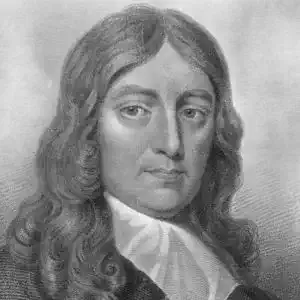
John Milton
On the Religious Memory of Mrs. Catherine Thomson, my Christian Friend
Deceased Dec. 16, 1646
When Faith and Love, which parted from thee never,
Had ripened thy just soul to dwell with God,
Meekly thou didst resign this earthly load
Of death, called life, which us from life doth sever.
Thy works, and alms, and all thy good endeavour,
Stayed not behind, nor in the grave were trod;
But, as Faith pointed with her golden rod,
Followed thee up to joy and bliss for ever.
Love led them on; and Faith, who knew them best
Thy handmaids, clad them o’er with purple beams
And azure wings, that up they flew so drest,
And speak the truth of thee on glorious themes
Before the Judge; who henceforth bid thee rest,
And drink thy fill of pure immortal streams.
568

William Shakespeare
Sonnet 122: Thy gift, thy tables, are within my brain
Thy gift, thy tables, are within my brain
Full charactered with lasting memory,
Which shall above that idle rank remain
Beyond all date even to eternity—
Or at the least, so long as brain and heart
Have faculty by nature to subsist;
Till each to razed oblivion yield his part
Of thee, thy record never can be missed.
That poor retention could not so much hold,
Nor need I tallies thy dear love to score;
Therefore to give them from me was I bold,
To trust those tables that receive thee more.
To keep an adjunct to remember thee
Were to import forgetfulness in me.
566
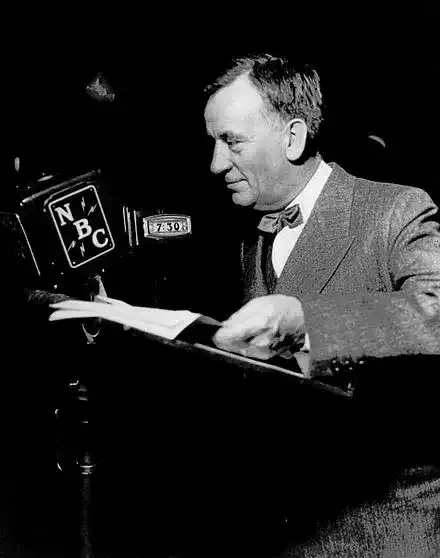
Edgar Albert Guest
Grace At Evening
For all the beauties of the day,
The innocence of childhood’s play,
For health and strength and laughter sweet,
Dear Lord, our thanks we now repeat.
For this our daily gift of food
We offer now our gratitude,
For all the blessings we have known
Our debt of gratefulness we own.
Here at the table now we pray,
Keep us together down the way;
May this, our family circle, be
Held fast by love and unity.
Grant, when the shades of night shall fall,
Sweet be the dreams of one and all;
And when another day shall break
Unto Thy service may we wake.
559

William Blake
Blind Man's Buff
When silver snow decks Susan's clothes,
And jewel hangs at th' shepherd's nose,
The blushing bank is all my care,
With hearth so red, and walls so fair;
`Heap the sea-coal, come, heap it higher,
The oaken log lay on the fire.'
The well-wash'd stools, a circling row,
With lad and lass, how fair the show!
The merry can of nut-brown ale,
The laughing jest, the love-sick tale,
Till, tir'd of chat, the game begins.
The lasses prick the lads with pins;
Roger from Dolly twitch'd the stool,
She, falling, kiss'd the ground, poor fool!
She blush'd so red, with sidelong glance
At hob-nail Dick, who griev'd the chance.
But now for Blind man's Buff they call;
Of each encumbrance clear the hall--
Jenny her silken 'kerchief folds,
And blear-eyed Will the black lot holds.
Now laughing stops, with `Silence! hush!'
And Peggy Pout gives Sam a push.
The Blind man's arms, extended wide,
Sam slips between:--`O woe betide
Thee, clumsy Will!'--but titt'ring Kate
Is penn'd up in the corner straight!
And now Will's eyes beheld the play;
He thought his face was t'other way.
`Now, Kitty, now! what chance hast thou,
Roger so near thee!--Trips, I vow!'
She catches him--then Roger ties
His own head up--but not his eyes;
For thro' the slender cloth he sees,
And runs at Sam, who slips with ease
His clumsy hold; and, dodging round,
Sukey is tumbled on the ground!--
`See what it is to play unfair!
Where cheating is, there's mischief there.'
But Roger still pursues the chase,--
`He sees! he sees!' cries, softly, Grace;
`O Roger, thou, unskill'd in art,
Must, surer bound, go thro' thy part!'
Now Kitty, pert, repeats the rimes,
And Roger turns him round three times,
Then pauses ere he starts--but Dick
Was mischief bent upon a trick;
Down on his hands and knees he lay
Directly in the Blind man's way,
Then cries out `Hem!' Hodge heard, and ran
With hood-wink'd chance--sure of his man;
But down he came. -- Alas, how frail
Our best of hopes, how soon they fail!
With crimson drops he stains the ground;
Confusion startles all around.
Poor piteous Dick supports his head,
And fain would cure the hurt he made.
But Kitty hasted with a key,
And down his back they straight convey
The cold relief; the blood is stay'd,
And Hodge again holds up his head.
Such are the fortunes of the game,
And those who play should stop the same
By wholesome laws; such as all those
Who on the blinded man impose
Stand in his stead; as, long a-gone,
When men were first a nation grown,
Lawless they liv'd, till wantonness
A nd liberty began t' increase,
And one man lay in another's way;
Then laws were made to keep fair play.
554

Kazi Nazrul Islam
Talk to Me, Javas, Talk to Me
Talk to me, javas, talk to me --
What austerities did you do to get Syama Ma's feet?
Torn from your stems on illusion's plants,
Falling scattered to the ground at Her feet,
You got liberation
Bursting open
Beside yourselves with joy.
If only I could learn from your example
My life might bear fruit.
Thousands of sweet-smelling flowers bloom in the woods,
And they're all such beauties! So how come
You got Ma's feet?
You're just ignoran't javas!
Crimson like you at the Mother's feet,
When will they be flowers
Offered to Her, blessed by Her?
When will they turn red
At the touch of Her feet?
When will they, just like you, blush scarlet -These
dull petals of my mind?
555

Alfred Lord Tennyson
Dedication
Dedication
These to His Memory--since he held them dear,
Perchance as finding there unconsciously
Some image of himself--I dedicate,
I dedicate, I consecrate with tears--
These Idylls.
And indeed He seems to me
Scarce other than my king's ideal knight,
`Who reverenced his conscience as his king;
Whose glory was, redressing human wrong;
Who spake no slander, no, nor listened to it;
Who loved one only and who clave to her--'
Her--over all whose realms to their last isle,
Commingled with the gloom of imminent war,
The shadow of His loss drew like eclipse,
Darkening the world. We have lost him: he is gone:
We know him now: all narrow jealousies
Are silent; and we see him as he moved,
How modest, kindly, all-accomplished, wise,
With what sublime repression of himself,
And in what limits, and how tenderly;
Not swaying to this faction or to that;
Not making his high place the lawless perch
Of winged ambitions, nor a vantage-ground
For pleasure; but through all this tract of years
Wearing the white flower of a blameless life,
Before a thousand peering littlenesses,
In that fierce light which beats upon a throne,
And blackens every blot: for where is he,
Who dares foreshadow for an only son
A lovelier life, a more unstained, than his?
Or how should England dreaming of HIS sons
Hope more for these than some inheritance
Of such a life, a heart, a mind as thine,
Thou noble Father of her Kings to be,
Laborious for her people and her poor--
Voice in the rich dawn of an ampler day-
Far-sighted summoner of War and Waste
To fruitful strifes and rivalries of peace--
Sweet nature gilded by the gracious gleam
Of letters, dear to Science, dear to Art,
Dear to thy land and ours, a Prince indeed,
Beyond all titles, and a household name,
Hereafter, through all times, Albert the Good.
Break not, O woman's-heart, but still endure;
Break not, for thou art Royal, but endure,
Remembering all the beauty of that star
Which shone so close beside Thee that ye made
One light together, but has past and leaves
The Crown a lonely splendour.
May all love,
His love, unseen but felt, o'ershadow Thee,
The love of all Thy sons encompass Thee,
The love of all Thy daughters cherish Thee,
The love of all Thy people comfort Thee,
Till God's love set Thee at his side again!
556

Robert Browning
Home Thoughts, from the Sea
Nobly, nobly Cape Saint Vincent to the North-west died away;
Sunset ran, one glorious blood-red, reeking into Cadiz Bay;
Bluish 'mid the burning water, full in face Trafalgar lay;
In the dimmest North-east distance dawned Gibraltar grand and grey;
"Here and here did England help me: how can I help England?" -say,
Whoso turns as I, this evening, turn to God to praise and pray,
While Jove's planet rises yonder, silent over Africa.
560
Kazi Nazrul Islam
The Run-Away
O Chakravaki! What distant melodious
call of a known flute hast thou heard?
O my fugitive Bird!
What lost abode dost thou remember?
What paradise of thy dream?
O my Fugitive!
Tears flood thy unsteady eyes,
Tell, O tell me hat long-lost mother
calleth thee?
There under the shades of dusk from
the distant horizon some deep magic
spell beckoneth thee
Dost thou know who it is? O my wayward one!
Out of the fullness of heart and from the
depths of love it seems to call, Come,
Come, O Come,
Be in my lap, O my tyrant child,
O my fugitive Bird!
The south wind blowing over the forest,
Dose thy mother call thee now by raising
her hand, O Dear?
Dost thou, after all, distinguish thy kin
from one who isn't thy kin?
So, at the very peep of dawn descends
dusk on my low-roofed house!
The sheaves of paddy, or the secret call of Shyama
Dear! prey, tell me
What startled thee and made thee break thy bonds?
The eyes are overflowed with tears,
Who hath made thee drink Hemlock
. of evergreen tender love?
It seems of a sudden some young hare
startles and cries
'O Come, come, come
Come, O my dear Child,'
To the forest come back, O thou
Chakrabaki of the wood!
O Fickle Fugitive! . ,
[Translation: Abdul Hakim]
549
John Milton
Sonnet 22
XXII
Cyriac, this three years' day these eyes, though clear,
To outward view, of blemish or of spot,
Bereft of light, their seeing have forgot;
Nor to their idle orbs doth sight appear
Of sun, or moon, or star, throughout the year,
Or man, or woman. Yet I argue not
Against Heav'n's hand or will, nor bate a jot
Of heart or hope; but still bear up and steer
Right onward. What supports me, dost thou ask?
The conscience, Friend, t' have lost them overplied
In liberty's defence, my noble task,
Of which all Europe rings from side to side.
This thought might lead me through the world's vain mask
Content, though blind, had I no better guide.
548
Rabindranath Tagore
Flower
Pluck this little flower and take it, delay not! I fear lest it
droop and drop into the dust.
I may not find a place in thy garland, but honour it with a touch of
pain from thy hand and pluck it. I fear lest the day end before I am
aware, and the time of offering go by.
Though its colour be not deep and its smell be faint, use this flower
in thy service and pluck it while there is time.
549
Rudyard Kipling
The Last of the Light Brigade
There were thirty million English who talked of England's might,
There were twenty broken troopers who lacked a bed for the night.
They had neither food nor money, they had neither service nor trade;
They were only shiftless soldiers, the last of the Light Brigade.
They felt that life was fleeting; they knew not that art was long,
That though they were dying of famine, they lived in deathless song.
They asked for a little money to keep the wolf from the door;
And the thirty million English sent twenty pounds and four!
They laid their heads together that were scarred and lined and grey;
Keen were the Russian sabres, but want was keener than they;
And an old Troop-Sergeant muttered, "Let us go to the man who writes
The things on Balaclava the kiddies at school recites."
They went without bands or colours, a regiment ten-file strong,
To look for the Master-singer who had crowned them all in his song;
And, waiting his servant's order, by the garden gate they stayed,
A desolate little cluster, the last of the Light Brigade.
They strove to stand to attention, to straighten the toil-bowed back;
They drilled on an empty stomach, the loose-knit files fell slack;
With stooping of weary shoulders, in garments tattered and frayed,
They shambled into his presence, the last of the Light Brigade.
The old Troop-Sergeant was spokesman, and "Beggin' your pardon," he said,
"You wrote o' the Light Brigade, sir. Here's all that isn't dead.
An' it's all come true what you wrote, sir, regardin' the mouth of hell;
For we're all of us nigh to the workhouse, an, we thought we'd call an' tell.
"No, thank you, we don't want food, sir; but couldn't you take an' write
A sort of 'to be continued' and 'see next page' o' the fight?
We think that someone has blundered, an' couldn't you tell 'em how?
You wrote we were heroes once, sir. Please, write we are starving now."
The poor little army departed, limping and lean and forlorn.
And the heart of the Master-singer grew hot with "the scorn of scorn."
And he wrote for them wonderful verses that swept the land like flame,
Till the fatted souls of the English were scourged with the thing called Shame.
O thirty million English that babble of England's might,
Behold there are twenty heroes who lack their food to-night;
Our children's children are lisping to "honour the charge they made-"
And we leave to the streets and the workhouse the charge of the Light Brigade!
552
John Milton
Arcades
Part of an entertainment presented to the Countess Dowager of
Darby at Harefield, by som Noble persons of her Family, who
appear on the Scene in pastoral habit, moving toward the seat
of State with this Song.
I. SONG.
Look Nymphs, and Shepherds look,
What sudden blaze of majesty
Is that which we from hence descry
Too divine to be mistook:
This this is she
To whom our vows and wishes bend,
Heer our solemn search hath end.
Fame that her high worth to raise,
Seem'd erst so lavish and profuse,
We may justly now accuse
Of detraction from her praise,
Less then half we find exprest,
Envy bid conceal the rest.
Mark what radiant state she spreds,
In circle round her shining throne,
Shooting her beams like silver threds,
This this is she alone,
Sitting like a Goddes bright,
In the center of her light.
Might she the wise Latona be,
Or the towred Cybele,
Mother of a hunderd gods;
Juno dare's not give her odds;
Who had thought this clime had held
A deity so unparalel'd?
As they com forward, the genius of the Wood appears, and
turning toward them, speaks.
GEN. Stay gentle Swains, for though in this disguise,
I see bright honour sparkle through your eyes,
Of famous Arcady ye are, and sprung
Of that renowned flood, so often sung,
Divine Alpheus, who by secret sluse,
Stole under Seas to meet his Arethuse;
And ye the breathing Roses of the Wood,
Fair silver-buskind Nymphs as great and good,
I know this quest of yours, and free intent
Was all in honour and devotion ment
To the great Mistres of yon princely shrine,
Whom with low reverence I adore as mine,
And with all helpful service will comply
To further this nights glad solemnity;
And lead ye where ye may more neer behold
What shallow-searching Fame hath left untold;
Which I full oft amidst these shades alone
Have sate to wonder at, and gaze upon:
For know by lot from Jove I am the powr
Of this fair wood, and live in Oak'n bowr,
To nurse the Saplings tall, and curl the grove
With Ringlets quaint, and wanton windings wove.
And all my Plants I save from nightly ill,
Of noisom winds, and blasting vapours chill.
And from the Boughs brush off the evil dew,
And heal the harms of thwarting thunder blew,
Or what the cross dire-looking Planet smites,
Or hurtfull Worm with canker'd venom bites.
When Eev'ning gray doth rise, I fetch my round
Over the mount, and all this hallow'd ground,
And early ere the odorous breath of morn
Awakes the slumbring leaves, or tasseld horn
Shakes the high thicket, haste I all about,
Number my ranks, and visit every sprout
With puissant words, and murmurs made to bless,
But els in deep of night when drowsines
Hath lockt up mortal sense, then listen I
To the celestial Sirens harmony,
That sit upon the nine enfolded Sphears,
And sing to those that hold the vital shears,
And turn the Adamantine spindle round,
On which the fate of gods and men is wound.
Such sweet compulsion doth in musick ly,
To lull the daughters of Necessity,
And keep unsteddy Nature to her law,
And the low world in measur'd motion draw
After the heavenly tune, which none can hear
Of human mould with grosse unpurged ear;
And yet such musick worthiest were to blaze
The peerles height of her immortal praise,
Whose lustre leads us, and for her most fit,
If my inferior hand or voice could hit
Inimitable sounds, yet as we go,
What ere the skill of lesser gods can show,
I will assay, her worth to celebrate,
And so attend ye toward her glittering state;
Where ye may all that are of noble stemm
Approach, and kiss her sacred vestures hemm.
2. SONG.
O're the smooth enameld green
Where no print of step hath been,
Follow me as I sing,
And touch the warbled string.
Under the shady roof
Of branching Elm Star-proof,
Follow me,
I will bring you where she sits
Clad in splendor as befits
Her deity.
Such a rural Queen
All Arcadia hath not seen.
3. SONG.
Nymphs and Shepherds dance no more
By sandy Ladons Lillied banks.
On old Lycaeus or Cyllene hoar,
Trip no more in twilight ranks,
Though Erynanth your loss deplore,
A better soyl shall give ye thanks.
From the stony Maenalus,
Bring your Flocks, and live with us,
Here ye shall have greater grace,
To serve the Lady of this place.
Though Syrinx your Pans Mistres were,
Yet Syrinx well might wait on her.
Such a rural Queen
All Arcadia hath not seen.
Note: 22 hunderd] Milton's own spelling here is hundred. But in
the Errata to Paradise Lost (i. 760) he corrects hundred to hunderd.
549
Rabindranath Tagore
Old And New
Thou hast made me known to friends whom I knew not.
Thou hast given me seats in homes not my own.
Thou hast brought the distant near and made a brother of the stranger.
I am uneasy at heart when I have to leave my accustomed shelter;
I forget that there abides the old in the new,
and that there also thou abidest.
Through birth and death, in this world or in others,
wherever thou leadest me it is thou, the same,
the one companion of my endless life
who ever linkest my heart with bonds of joy to the unfamiliar.
When one knows thee, then alien there is none, then no door is shut.
Oh, grant me my prayer that I may never lose
the bliss of the touch of the one
in the play of many.
541
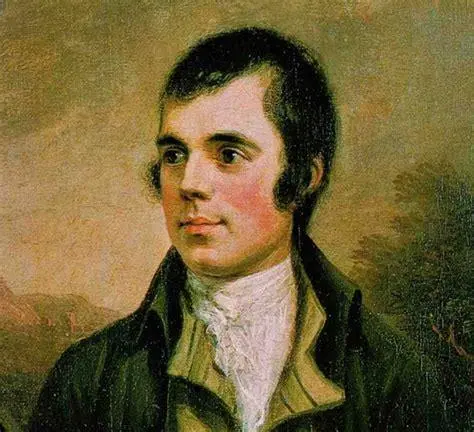
Robert Burns
The Lass That Made the Bed to Me
When Januar' wind was blawing cauld,
As to the north I took my way,
The mirksome night did me enfauld,
I knew na whare to lodge till day:
By my gude luck a maid I met,
Just in the middle o' my care,
And Kindly she did me invite
To walk into a chamber fair.
I bow'd fu' low unto this maid,
And thank'd her for her courtesie;
I bow'd fu' low unto this maid,
An bade her make a bed to me;
She made the bed baith large and wide,
Wi' twa white hands she spread it doun;
She put the cup to her rosy lips,
And drank - "Young man, now sleep ye soun'."
Chorus - The bonie lass made the bed to me,
The braw lass made the bed to me,
I'll ne'er forget till the day I die,
The lass that made the bed to me.
She snatch'd the candle in her hand,
And frae my chamber went wi' speed;
But I call'd her quickly back again,
To lay some mair below my head:
A cod she laid below my head,
And served me with due respect,
And, to salute her wi' a kis,
I put my arms about her neck.
Chorus: -...
"Haud aff your hands, young man! she said,
"And dinna sae uncivil be;
Gif ye hae ony luve for me,
O wrang ma my virginitie."
Her hair was like the links o' gowd,
Her teeth were like the ivorie,
Her cheeks like lilies dipt in wine,
The lass that made the bed to me.
Chorus: -...
Her bosom was the driven snaw,
Twa drifted heaps sae fair to see;
Her limbs the polish'd marble stane,
The lass that made the bed to me.
I kiss'd her o'er and o'er again,
And aye she wist na what to say:
I laid her 'tween me and the wa';
The lassie thocht na lang till day.
Chorus: -...
Upon the morrow when we raise,
I thank'd her for her courtesie;
But aye she blush'd and aye she sigh'd,
And said, "Alas, ye've ruin'd me."
I clasp'd her waist, and kiss'd her syne,
While the tear stood twinklin' in her e'e;
I said, "My lassie, dinna cry,
For ye aye shall make the bed to me."
Chorus: - ...
She took her mither's holland sheets,
An' made them a' in sarks to me;
Blythe and merry may she be,
The lass that made the bed to me.
Chorus: -...
545