
Platonic Love

Emily Dickinson
Come slowly—Eden!
Come slowly—Eden!
Lips unused to Thee—
Bashful—sip thy Jessamines—
As the fainting Bee—
Reaching late his flower,
Round her chamber hums—
Counts his nectars—
Enters—and is lost in Balms.
Lips unused to Thee—
Bashful—sip thy Jessamines—
As the fainting Bee—
Reaching late his flower,
Round her chamber hums—
Counts his nectars—
Enters—and is lost in Balms.
269

Christina Rossetti
Maiden-Song
Long ago and long ago,
And long ago still,
There dwelt three merry maidens
Upon a distant hill.
One was tall Megan,
And one was dainty May,
But one was fair Margaret,
More fair than I can say,
Long ago and long ago.
When Megan plucked the thorny rose,
And when May pulled the brier,
Half the birds would swoop to see,
Half the beasts draw nigher;
Half the fishes of the streams
Would dart up to admire:
But when Margaret plucked a flag-flower,
Or poppy hot aflame,
All the beasts and all the birds
And all the fishes came
To her hand more soft than snow.
Strawberry leaves and May-dew
In brisk morning air,
Strawberry leaves and May-dew
Make maidens fair.
'I go for strawberry leaves,'
Megan said one day:
'Fair Margaret can bide at home,
But you come with me, May;
Up the hill and down the hill,
Along the winding way 30
You and I are used to go.'
So these two fair sisters
Went with innocent will
Up the hill and down again,
And round the homestead hill:
While the fairest sat at home,
Margaret like a queen,
Like a blush-rose, like the moon
In her heavenly sheen,
Fragrant-breathed as milky cow
Or field of blossoming bean,
Graceful as an ivy bough
Born to cling and lean;
Thus she sat to sing and sew.
When she raised her lustrous eyes
A beast peeped at the door;
When she downward cast her eyes
A fish gasped on the floor;
When she turned away her eyes
A bird perched on the sill,
Warbling out its heart of love,
Warbling warbling still,
With pathetic pleadings low.
Light-foot May with Megan
Sought the choicest spot,
Clothed with thyme-alternate grass:
Then, while day waxed hot,
Sat at ease to play and rest,
A gracious rest and play;
The loveliest maidens near or far,
When Margaret was away,
Who sat at home to sing and sew.
Sun-glow flushed their comely cheeks,
Wind-play tossed their hair,
Creeping things among the grass
Stroked them here and there;
Megan piped a merry note,
A fitful wayward lay,
While shrill as bird on topmost twig
Piped merry May;
Honey-smooth the double flow.
Sped a herdsman from the vale,
Mounting like a flame,
All on fire to hear and see,
With floating locks he came.
Looked neither north nor south,
Neither east nor west,
But sat him down at Megan's feet
As love-bird on his nest,
And wooed her with a silent awe,
With trouble not expressed;
She sang the tears into his eyes,
The heart out of his breast:
So he loved her, listening so.
She sang the heart out of his breast,
The words out of his tongue;
Hand and foot and pulse he paused
Till her song was sung.
Then he spoke up from his place
Simple words and true:
'Scanty goods have I to give,
Scanty skill to woo;
But I have a will to work,
And a heart for you:
Bid me stay or bid me go.'
Then Megan mused within herself:
'Better be first with him,
Than dwell where fairer Margaret sits,
Who shines my brightness dim,
For ever second where she sits,
However fair I be:
I will be lady of his love,
And he shall worship me;
I will be lady of his herds
And stoop to his degree,
At home where kids and fatlings grow.'
Sped a shepherd from the height
Headlong down to look,
(White lambs followed, lured by love
Of their shepherd's crook):
He turned neither east nor west,
Neither north nor south,
But knelt right down to May, for love
Of her sweet-singing mouth;
Forgot his flocks, his panting flocks
In parching hill-side drouth;
Forgot himself for weal or woe.
Trilled her song and swelled her song
With maiden coy caprice
In a labyrinth of throbs,
Pauses, cadences;
Clear-noted as a dropping brook,
Soft-noted like the bees,
Wild-noted as the shivering wind
Forlorn through forest trees:
Love-noted like the wood-pigeon
Who hides herself for love,
Yet cannot keep her secret safe,
But coos and coos thereof:
Thus the notes rang loud or low.
He hung breathless on her breath;
Speechless, who listened well;
Could not speak or think or wish
Till silence broke the spell.
Then he spoke, and spread his hands,
Pointing here and there:
'See my sheep and see the lambs,
Twin lambs which they bare.
All myself I offer you,
All my flocks and care,
Your sweet song hath moved me so.'
In her fluttered heart young May
Mused a dubious while:
'If he loves me as he says'--
Her lips curved with a smile:
'Where Margaret shines like the sun
I shine but like a moon;
If sister Megan makes her choice
I can make mine as soon;
At cockcrow we were sister-maids,
We may be brides at noon.'
Said Megan, 'Yes;' May said not 'No.'
Fair Margaret stayed alone at home,
Awhile she sang her song,
Awhile sat silent, then she thought:
'My sisters loiter long.'
That sultry noon had waned away,
Shadows had waxen great:
'Surely,' she thought within herself,
'My sisters loiter late.'
She rose, and peered out at the door,
With patient heart to wait,
And heard a distant nightingale
Complaining of its mate;
Then down the garden slope she walked,
Down to the garden gate,
Leaned on the rail and waited so.
The slope was lightened by her eyes
Like summer lightning fair,
Like rising of the haloed moon
Lightened her glimmering hair,
While her face lightened like the sun
Whose dawn is rosy white.
Thus crowned with maiden majesty
She peered into the night,
Looked up the hill and down the hill,
To left hand and to right,
Flashing like fire-flies to and fro.
Waiting thus in weariness
She marked the nightingale
Telling, if any one would heed,
Its old complaining tale.
Then lifted she her voice and sang,
Answering the bird:
Then lifted she her voice and sang,
Such notes were never heard
From any bird when Spring's in blow.
The king of all that country
Coursing far, coursing near,
Curbed his amber-bitted steed,
Coursed amain to hear;
All his princes in his train,
Squire, and knight, and peer,
With his crown upon his head,
His sceptre in his hand,
Down he fell at Margaret's knees
Lord king of all that land,
To her highness bending low.
Every beast and bird and fish
Came mustering to the sound,
Every man and every maid
From miles of country round:
Megan on her herdsman's arm,
With her shepherd May,
Flocks and herds trooped at their heels
Along the hill-side way;
No foot too feeble for the ascent,
Not any head too grey;
Some were swift and none were slow.
So Margaret sang her sisters home
In their marriage mirth;
Sang free birds out of the sky,
Beasts along the earth,
Sang up fishes of the deep--
All breathing things that move
Sang from far and sang from near
To her lovely love;
Sang together friend and foe;
Sang a golden-bearded king
Straightway to her feet,
Sang him silent where he knelt
In eager anguish sweet.
But when the clear voice died away,
When longest echoes died,
He stood up like a royal man
And claimed her for his bride.
So three maids were wooed and won
In a brief May-tide,
Long ago and long ago.
269
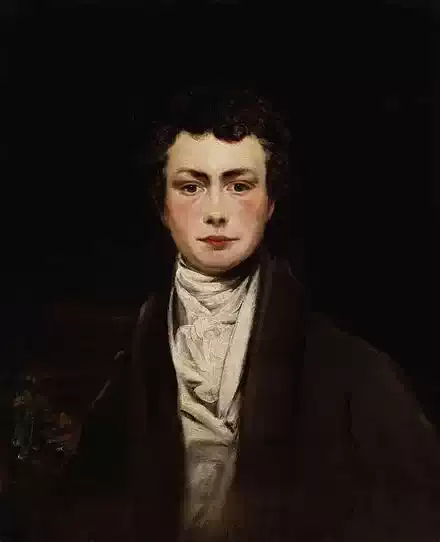
Thomas Moore
Drink To Her
Drink to her who long
Hath waked the poet's sigh,
The girl who gave to song
What gold could never buy.
Oh! woman's heart was made
For minstrel hands alone;
By other fingers play'd,
It yields not half the tone.
Then here's to her who long
Hath waked the poet's sigh,
The girl who gave to song
What gold could never buy.
At Beauty's door of glass,
When Wealth and Wit once stood,
They ask'd her, "which might pass?"
She answer'd, "he who could."
With golden key Wealth thought
To pass -- but 'twould not do:
While Wit a diamond brought,
Which cut his bright way through.
So here's to her who long
Hath waked the poet's sigh,
The girl who gave to song
What gold could never buy.
The love that seeks a home
Where wealth or grandeur shines,
Is like the gloomy gnome,
That dwells in dark mines.
But oh! the poet's love
Can boast a brighter sphere;
Its native home's above,
Though woman keeps it here.
Then drink to her who long
Hath waked the poet's sigh,
The girl who gave to song
What gold could never buy.
Hath waked the poet's sigh,
The girl who gave to song
What gold could never buy.
Oh! woman's heart was made
For minstrel hands alone;
By other fingers play'd,
It yields not half the tone.
Then here's to her who long
Hath waked the poet's sigh,
The girl who gave to song
What gold could never buy.
At Beauty's door of glass,
When Wealth and Wit once stood,
They ask'd her, "which might pass?"
She answer'd, "he who could."
With golden key Wealth thought
To pass -- but 'twould not do:
While Wit a diamond brought,
Which cut his bright way through.
So here's to her who long
Hath waked the poet's sigh,
The girl who gave to song
What gold could never buy.
The love that seeks a home
Where wealth or grandeur shines,
Is like the gloomy gnome,
That dwells in dark mines.
But oh! the poet's love
Can boast a brighter sphere;
Its native home's above,
Though woman keeps it here.
Then drink to her who long
Hath waked the poet's sigh,
The girl who gave to song
What gold could never buy.
270
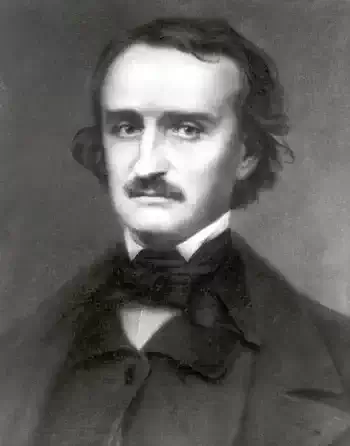
Edgar Allan Poe
Impromptu - To Kate Carol
When from your gems of thought I turn
To those pure orbs, your heart to learn,
I scarce know which to prize most high —
The bright i-dea, or the bright dear-eye.
To those pure orbs, your heart to learn,
I scarce know which to prize most high —
The bright i-dea, or the bright dear-eye.
268
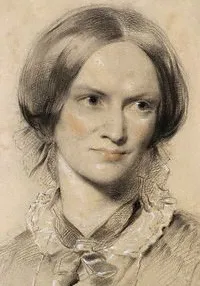
Charlotte Brontë
Preference
NOT in scorn do I reprove thee,
Not in pride thy vows I waive,
But, believe, I could not love thee,
Wert thou prince, and I a slave.
These, then, are thine oaths of passion ?
This, thy tenderness for me ?
Judged, even, by thine own confession,
Thou art steeped in perfidy.
Having vanquished, thou wouldst leave me !
Thus I read thee long ago;
Therefore, dared I not deceive thee,
Even with friendship's gentle show.
Therefore, with impassive coldness
Have I ever met thy gaze;
Though, full oft, with daring boldness,
Thou thine eyes to mine didst raise.
Why that smile ? Thou now art deeming
This my coldness all untrue,
But
a mask of frozen seeming,
Hiding secret fires from view.
Touch my hand, thou selfdeceiver,
Naybe
calm, for I am so:
Does it burn ? Does my lip quiver ?
Has mine eye a troubled glow ?
Canst thou call a moment's colour
To my foreheadto
my cheek ?
Canst thou tinge their tranquil pallor
With one flattering, feverish streak?
Am I marble ? What ! no woman
Could so calm before thee stand ?
Nothing living, sentient, human,
Could so coldly take thy hand ?
Yesa
sister might, a mother:
My goodwill
is sisterly:
Dream not, then, I strive to smother
Fires that inly burn for thee.
Rave not, rage not, wrath is fruitless,
Fury cannot change my mind;
I but deem the feeling rootless
Which so whirls in passion's wind.
Can I love ? Oh, deeplytruly
Warmlyfondlybut
not thee;
And my love is answered duly,
With an equal energy.
Wouldst thou see thy rival ? Hasten,
Draw that curtain soft aside,
Look where yon thick branches chasten
Noon, with shades of eventide.
In that glade, where foliage blending
Forms a green arch overhead,
Sits thy rival thoughtful bending
O'er a stand with papers spread
Motionless, his fingers plying
That untired, unresting pen;
Time and tide unnoticed flying,
There he sitsthe
first of men !
Man of conscienceman
of reason;
Stern, perchance, but ever just;
Foe to falsehood, wrong, and treason,
Honour's shield, and virtue's trust !
Worker, thinker, firm defender
Of Heaven's truthman's
liberty;
Soul of ironproof
to slander,
Rock where founders tyranny.
Fame he seeks notbut
full surely
She will seek him, in his home;
This I know, and wait securely
For the atoning hour to come.
To that man my faith is given,
Therefore, soldier, cease to sue;
While God reigns in earth and heaven,
I to him will still be true !
268

D.H. Lawrence
The Hands of the Betrothed
Her tawny eyes are onyx of thoughtlessness,
Hardened they are like gems in ancient modesty;
Yea, and her mouth’s prudent and crude caress
Means even less than her many words to me.
Though her kiss betrays me also this, this only
Consolation, that in her lips her blood at climax clips
Two wild, dumb paws in anguish on the lonely
Fruit of my heart, ere down, rebuked, it slips.
I know from her hardened lips that still her heart is
Hungry for me, yet if I put my hand in her breast
She puts me away, like a saleswoman whose mart is
Endangered by the pilferer on his quest.
But her hands are still the woman, the large, strong hands
Heavier than mine, yet like leverets caught in steel
When I hold them; my still soul understands
Their dumb confession of what her sort must feel.
For never her hands come nigh me but they lift
Like heavy birds from the morning stubble, to settle
Upon me like sleeping birds, like birds that shift
Uneasily in their sleep, disturbing my mettle.
How caressingly she lays her hand on my knee,
How strangely she tries to disown it, as it sinks
In my flesh and bone and forages into me,
How it stirs like a subtle stoat, whatever she thinks!
And often I see her clench her fingers tight
And thrust her fists suppressed in the folds of her skirt;
And sometimes, how she grasps her arms with her bright
Big hands, as if surely her arms did hurt.
And I have seen her stand all unaware
Pressing her spread hands over her breasts, as she
Would crush their mounds on her heart, to kill in there
The pain that is her simple ache for me.
Her strong hands take my part, the part of a man
To her; she crushes them into her bosom deep
Where I should lie, and with her own strong span
Closes her arms, that should fold me in sleep.
Ah, and she puts her hands upon the wall,
Presses them there, and kisses her bright hands,
Then lets her black hair loose, the darkness fall
About her from her maiden-folded bands.
And sits in her own dark night of her bitter hair
Dreaming—God knows of what, for to me she’s the same
Betrothed young lady who loves me, and takes care
Of her womanly virtue and of my good name.
268
Emily Dickinson
A Mien to move a Queen
A Mien to move a Queen-
Half Child-Half Heroine-
An Orleans in the Eye
That puts its manner by
For humbler Company
When none are near
Even a Tear-
Its frequent Visitor-
A Bonnet like a Duke-
And yet a Wren's Peruke
Were not so shy
Of Goer by-
And Hands-so slight-
They would elate a Sprite
With Merriment-
A Voice that Alters-Low
And on the Ear can go
Like Let of Snow-
Or shift supreme-
As tone of Realm
On Subjects Diadem-
Too small-to fear-
Too distant-to endear-
And so Men Compromise
And just-revere-
267
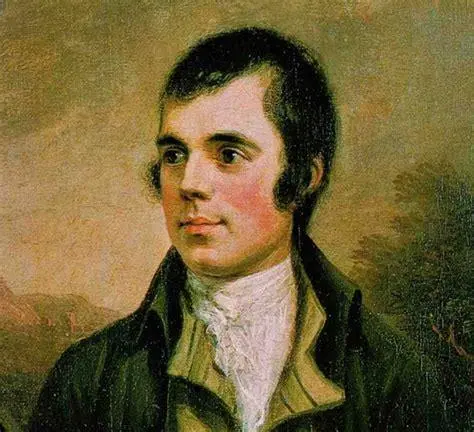
Robert Burns
Bonnie Lesley
O SAW ye bonnie Lesley
As she gaed o'er the Border?
She 's gane, like Alexander,
To spread her conquests farther.
To see her is to love her,
And love but her for ever;
For Nature made her what she is,
And ne'er made sic anither!
Thou art a queen, fair Lesley,
Thy subjects we, before thee:
Thou art divine, fair Lesley,
The hearts o' men adore thee.
The Deil he couldna scaith thee,
Or aught that wad belang thee;
He'd look into thy bonnie face
And say, 'I canna wrang thee!'
The Powers aboon will tent thee,
Misfortune sha'na steer thee:
Thou'rt like themsel' sae lovely,
That ill they'll ne'er let near thee.
Return again, fair Lesley,
Return to Caledonie!
That we may brag we hae a lass
There 's nane again sae bonnie!
262

Thomas Hardy
Let Me Enjoy
Minor Key
I
Let me enjoy the earth no less
Because the all-enacting Might
That fashioned forth its loveliness
Had other aims than my delight.
II
About my path there flits a Fair,
Who throws me not a word or sign;
I'll charm me with her ignoring air,
And laud the lips not meant for mine.
III
From manuscripts of moving song
Inspired by scenes and dreams unknown
I'll pour out raptures that belong
To others, as they were my own.
IV
And some day hence, towards Paradise
And all its blest -- if such should be --
I will lift glad, afar-off eyes
Though it contain no place for me.
249
Emily Dickinson
Because the Bee may blameless hum
Because the Bee may blameless hum
For Thee a Bee do I become
List even unto Me.
Because the Flowers unafraid
May lift a look on thine, a Maid
Alway a Flower would be.
Nor Robins, Robins need not hide
When Thou upon their Crypts intrude
So Wings bestow on Me
Or Petals, or a Dower of Buzz
That Bee to ride, or Flower of Furze
I that way worship Thee.
246
Edgar Allan Poe
To --
The bowers whereat, in dreams, I see
The wantonest singing birds,
Are lips- and all thy melody
Of lip-begotten words
Thine eyes, in Heaven of heart enshrined,
Then desolately fall,
O God! on my funereal mind
Like starlight on a pall
Thy heart- thy heart!- I wake and sigh,
And sleep to dream till day
Of the truth that gold can never buy
Of
the baubles that it may.
246
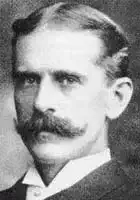
Henry Van Dyke
Shelley
Knight-errant of the Never-ending Quest,
And Minstrel of the Unfulfilled Desire;
For ever tuning thy frail earthly lyre
To some unearthly music, and possessed
With painful passionate longing to invest
The golden dream of Love's immortal fire
In mortal robes of beautiful attire,
And fold perfection to thy throbbing breast!
What wonder, Shelley, if the restless wave
Should claim thee and the leaping flame consume
Thy drifted form on Viareggio's beach?
Fate to thy body gave a fitting grave,
And bade thy soul ride on with fiery plume,
Thy wild song ring in ocean's yearning speech!
243

Anonymous
Love not me for comely grace, John Wilbye's Second Set of Madrigals
LOVE not me for comely grace,
For my pleasing eye or face,
Nor for any outward part,
No, nor for a constant heart:
For these may fail or turn to ill,
So thou and I shall sever:
Keep, therefore, a true woman's eye,
And love me still but know not why--
So hast thou the same reason still
To doat upon me ever!
For my pleasing eye or face,
Nor for any outward part,
No, nor for a constant heart:
For these may fail or turn to ill,
So thou and I shall sever:
Keep, therefore, a true woman's eye,
And love me still but know not why--
So hast thou the same reason still
To doat upon me ever!
242

James Whitcomb Riley
Orlie Wilde
A goddess, with a siren's grace,--
A sun-haired girl on a craggy place
Above a bay where fish-boats lay
Drifting about like birds of prey.
Wrought was she of a painter's dream,--
Wise only as are artists wise,
My artist-friend, Rolf Herschkelhiem,
With deep sad eyes of oversize,
And face of melancholy guise.
I pressed him that he tell to me
This masterpiece's history.
He turned--REturned--and thus beguiled
Me with the tale of Orlie Wilde:-
"We artists live ideally:
We breed our firmest facts of air;
We make our own reality--
We dream a thing and it is so.
The fairest scenes we ever see
Are mirages of memory;
The sweetest thoughts we ever know
We plagiarize from Long Ago:
And as the girl on canvas there
Is marvelously rare and fair,
'Tis only inasmuch as she
Is dumb and may not speak to me!"
He tapped me with his mahlstick--then
The picture,--and went on again:
"Orlie Wilde, the fisher's child--
I see her yet, as fair and mild
As ever nursling summer day
Dreamed on the bosom of the bay:
For I was twenty then, and went
Alone and long-haired--all content
With promises of sounding name
And fantasies of future fame,
And thoughts that now my mind discards
As editor a fledgling bard's.
"At evening once I chanced to go,
With pencil and portfolio,
Adown the street of silver sand
That winds beneath this craggy land,
To make a sketch of some old scurf
Of driftage, nosing through the surf
A splintered mast, with knarl and strand
Of rigging-rope and tattered threads
Of flag and streamer and of sail
That fluttered idly in the gale
Or whipped themselves to sadder shreds.
The while I wrought, half listlessly,
On my dismantled subject, came
A sea-bird, settling on the same
With plaintive moan, as though that he
Had lost his mate upon the sea;
And--with my melancholy trend--
It brought dim dreams half understood--
It wrought upon my morbid mood,--
I thought of my own voyagings
That had no end--that have no end.--
And, like the sea-bird, I made moan
That I was loveless and alone.
And when at last with weary wings
It went upon its wanderings,
With upturned face I watched its flight
Until this picture met my sight:
A goddess, with a siren's grace,--
A sun-haired girl on a craggy place
Above a bay where fish-boats lay
Drifting about like birds of prey.
"In airy poise she, gazing, stood
A machless form of womanhood,
That brought a thought that if for me
Such eyes had sought across the sea,
I could have swum the widest tide
That ever mariner defied,
And, at the shore, could on have gone
To that high crag she stood upon,
To there entreat and say, 'My Sweet,
Behold thy servant at thy feet.'
And to my soul I said: 'Above,
There stands the idol of thy love!'
"In this rapt, awed, ecstatic state
I gazed--till lo! I was aware
A fisherman had joined her there--
A weary man, with halting gait,
Who toiled beneath a basket's weight:
Her father, as I guessed, for she
Had run to meet him gleefully
And ta'en his burden to herself,
That perched upon her shoulder's shelf
So lightly that she, tripping, neared
A jutting crag and disappeared;
But she left the echo of a song
That thrills me yet, and will as long
As I have being! . . .
. . . "Evenings came
And went,--but each the same--the same:
She watched above, and even so
I stood there watching from below;
Till, grown so bold at last, I sung,-(
What matter now the theme thereof!)--
It brought an answer from her tongue--
Faint as the murmur of a dove,
Yet all the more the song of love. . . .
"I turned and looked upon the bay,
With palm to forehead--eyes a-blur
In the sea's smile--meant but for her!--
I saw the fish-boats far away
In misty distance, lightly drawn
In chalk-dots on the horizon--
Looked back at her, long, wistfully;--
And, pushing off an empty skiff,
I beckoned her to quit the cliff
And yield me her rare company
Upon a little pleasure-cruise.--
She stood, as loathful to refuse,
To muse for full a moment's time,--
Then answered back in pantomime
'She feared some danger from the sea
Were she discovered thus with me.'
I motioned then to ask her if
I might not join her on the cliff
And back again, with graceful wave
Of lifted arm, she anwer gave
'She feared some danger from the sea.'
"Impatient, piqued, impetuous, I
Sprang in the boat, and flung 'Good-by'
From pouted mouth with angry hand,
And madly pulled away from land
With lusty stroke, despite that she
Held out her hands entreatingly:
And when far out, with covert eye
I shoreward glanced, I saw her fly
In reckless haste adown the crag,
Her hair a-flutter like a flag
Of gold that danced across the strand
In little mists of silver sand.
All curious I, pausing, tried
To fancy what it all implied,--
When suddenly I found my feet
Were wet; and, underneath the seat
On which I sat, I heard the sound
Of gurgling waters, and I found
The boat aleak alarmingly. . . .
I turned and looked upon the sea,
Whose every wave seemed mocking me;
I saw the fishers' sails once more--
In dimmer distance than before;
I saw the sea-bird wheeling by,
With foolish wish that _I_ could fly:
I thought of firm earth, home and friends--
I thought of everything that tends
To drive a man to frenzy and
To wholly lose his own command;
I thought of all my waywardness--
Thought of a mother's deep distress;
Of youthful follies yet unpurged--
Sins, as the seas, about me surged--
Thought of the printer's ready pen
To-morrow drowning me again;--
A million things without a name--
I thought of everything but--Fame. . . .
"A memory yet is in my mind,
So keenly clear and sharp-defined,
I picture every phase and line
Of life and death, and neither mine,--
While some fair seraph, golden-haired,
Bends over me,--with white arms bared,
That strongly plait themselves about
My drowning weight and lift me out--
With joy too great for words to state
Or tongue to dare articulate!
"And this seraphic ocean-child
And heroine was Orlie Wilde:
And thus it was I came to hear
Her voice's music in my ear--
Ay, thus it was Fate paved the way
That I walk desolate to-day!" . . .
The artist paused and bowed his face
Within his palms a little space,
While reverently on his form
I bent my gaze and marked a storm
That shook his frame as wrathfully
As some typhoon of agony,
And fraught with sobs--the more profound
For that peculiar laughing sound
We hear when strong men weep. . . . I leant
With warmest sympathy--I bent
To stroke with soothing hand his brow,
He murmuring--"Tis over now!--
And shall I tie the silken thread
Of my frail romance?" "Yes," I said.--
He faintly smiled; and then, with brow
In kneading palm, as one in dread-
His tasseled cap pushed from his head
" 'Her voice's music,' I repeat,"
He said,--" 'twas sweet--O passing sweet!--
Though she herself, in uttering
Its melody, proved not the thing
Of loveliness my dreams made meet
For me--there, yearning, at her feet--
Prone at her feet--a worshiper,--
For lo! she spake a tongue," moaned he,
"Unknown to me;--unknown to me
As mine to her--as mine to her."
A sun-haired girl on a craggy place
Above a bay where fish-boats lay
Drifting about like birds of prey.
Wrought was she of a painter's dream,--
Wise only as are artists wise,
My artist-friend, Rolf Herschkelhiem,
With deep sad eyes of oversize,
And face of melancholy guise.
I pressed him that he tell to me
This masterpiece's history.
He turned--REturned--and thus beguiled
Me with the tale of Orlie Wilde:-
"We artists live ideally:
We breed our firmest facts of air;
We make our own reality--
We dream a thing and it is so.
The fairest scenes we ever see
Are mirages of memory;
The sweetest thoughts we ever know
We plagiarize from Long Ago:
And as the girl on canvas there
Is marvelously rare and fair,
'Tis only inasmuch as she
Is dumb and may not speak to me!"
He tapped me with his mahlstick--then
The picture,--and went on again:
"Orlie Wilde, the fisher's child--
I see her yet, as fair and mild
As ever nursling summer day
Dreamed on the bosom of the bay:
For I was twenty then, and went
Alone and long-haired--all content
With promises of sounding name
And fantasies of future fame,
And thoughts that now my mind discards
As editor a fledgling bard's.
"At evening once I chanced to go,
With pencil and portfolio,
Adown the street of silver sand
That winds beneath this craggy land,
To make a sketch of some old scurf
Of driftage, nosing through the surf
A splintered mast, with knarl and strand
Of rigging-rope and tattered threads
Of flag and streamer and of sail
That fluttered idly in the gale
Or whipped themselves to sadder shreds.
The while I wrought, half listlessly,
On my dismantled subject, came
A sea-bird, settling on the same
With plaintive moan, as though that he
Had lost his mate upon the sea;
And--with my melancholy trend--
It brought dim dreams half understood--
It wrought upon my morbid mood,--
I thought of my own voyagings
That had no end--that have no end.--
And, like the sea-bird, I made moan
That I was loveless and alone.
And when at last with weary wings
It went upon its wanderings,
With upturned face I watched its flight
Until this picture met my sight:
A goddess, with a siren's grace,--
A sun-haired girl on a craggy place
Above a bay where fish-boats lay
Drifting about like birds of prey.
"In airy poise she, gazing, stood
A machless form of womanhood,
That brought a thought that if for me
Such eyes had sought across the sea,
I could have swum the widest tide
That ever mariner defied,
And, at the shore, could on have gone
To that high crag she stood upon,
To there entreat and say, 'My Sweet,
Behold thy servant at thy feet.'
And to my soul I said: 'Above,
There stands the idol of thy love!'
"In this rapt, awed, ecstatic state
I gazed--till lo! I was aware
A fisherman had joined her there--
A weary man, with halting gait,
Who toiled beneath a basket's weight:
Her father, as I guessed, for she
Had run to meet him gleefully
And ta'en his burden to herself,
That perched upon her shoulder's shelf
So lightly that she, tripping, neared
A jutting crag and disappeared;
But she left the echo of a song
That thrills me yet, and will as long
As I have being! . . .
. . . "Evenings came
And went,--but each the same--the same:
She watched above, and even so
I stood there watching from below;
Till, grown so bold at last, I sung,-(
What matter now the theme thereof!)--
It brought an answer from her tongue--
Faint as the murmur of a dove,
Yet all the more the song of love. . . .
"I turned and looked upon the bay,
With palm to forehead--eyes a-blur
In the sea's smile--meant but for her!--
I saw the fish-boats far away
In misty distance, lightly drawn
In chalk-dots on the horizon--
Looked back at her, long, wistfully;--
And, pushing off an empty skiff,
I beckoned her to quit the cliff
And yield me her rare company
Upon a little pleasure-cruise.--
She stood, as loathful to refuse,
To muse for full a moment's time,--
Then answered back in pantomime
'She feared some danger from the sea
Were she discovered thus with me.'
I motioned then to ask her if
I might not join her on the cliff
And back again, with graceful wave
Of lifted arm, she anwer gave
'She feared some danger from the sea.'
"Impatient, piqued, impetuous, I
Sprang in the boat, and flung 'Good-by'
From pouted mouth with angry hand,
And madly pulled away from land
With lusty stroke, despite that she
Held out her hands entreatingly:
And when far out, with covert eye
I shoreward glanced, I saw her fly
In reckless haste adown the crag,
Her hair a-flutter like a flag
Of gold that danced across the strand
In little mists of silver sand.
All curious I, pausing, tried
To fancy what it all implied,--
When suddenly I found my feet
Were wet; and, underneath the seat
On which I sat, I heard the sound
Of gurgling waters, and I found
The boat aleak alarmingly. . . .
I turned and looked upon the sea,
Whose every wave seemed mocking me;
I saw the fishers' sails once more--
In dimmer distance than before;
I saw the sea-bird wheeling by,
With foolish wish that _I_ could fly:
I thought of firm earth, home and friends--
I thought of everything that tends
To drive a man to frenzy and
To wholly lose his own command;
I thought of all my waywardness--
Thought of a mother's deep distress;
Of youthful follies yet unpurged--
Sins, as the seas, about me surged--
Thought of the printer's ready pen
To-morrow drowning me again;--
A million things without a name--
I thought of everything but--Fame. . . .
"A memory yet is in my mind,
So keenly clear and sharp-defined,
I picture every phase and line
Of life and death, and neither mine,--
While some fair seraph, golden-haired,
Bends over me,--with white arms bared,
That strongly plait themselves about
My drowning weight and lift me out--
With joy too great for words to state
Or tongue to dare articulate!
"And this seraphic ocean-child
And heroine was Orlie Wilde:
And thus it was I came to hear
Her voice's music in my ear--
Ay, thus it was Fate paved the way
That I walk desolate to-day!" . . .
The artist paused and bowed his face
Within his palms a little space,
While reverently on his form
I bent my gaze and marked a storm
That shook his frame as wrathfully
As some typhoon of agony,
And fraught with sobs--the more profound
For that peculiar laughing sound
We hear when strong men weep. . . . I leant
With warmest sympathy--I bent
To stroke with soothing hand his brow,
He murmuring--"Tis over now!--
And shall I tie the silken thread
Of my frail romance?" "Yes," I said.--
He faintly smiled; and then, with brow
In kneading palm, as one in dread-
His tasseled cap pushed from his head
" 'Her voice's music,' I repeat,"
He said,--" 'twas sweet--O passing sweet!--
Though she herself, in uttering
Its melody, proved not the thing
Of loveliness my dreams made meet
For me--there, yearning, at her feet--
Prone at her feet--a worshiper,--
For lo! she spake a tongue," moaned he,
"Unknown to me;--unknown to me
As mine to her--as mine to her."
242
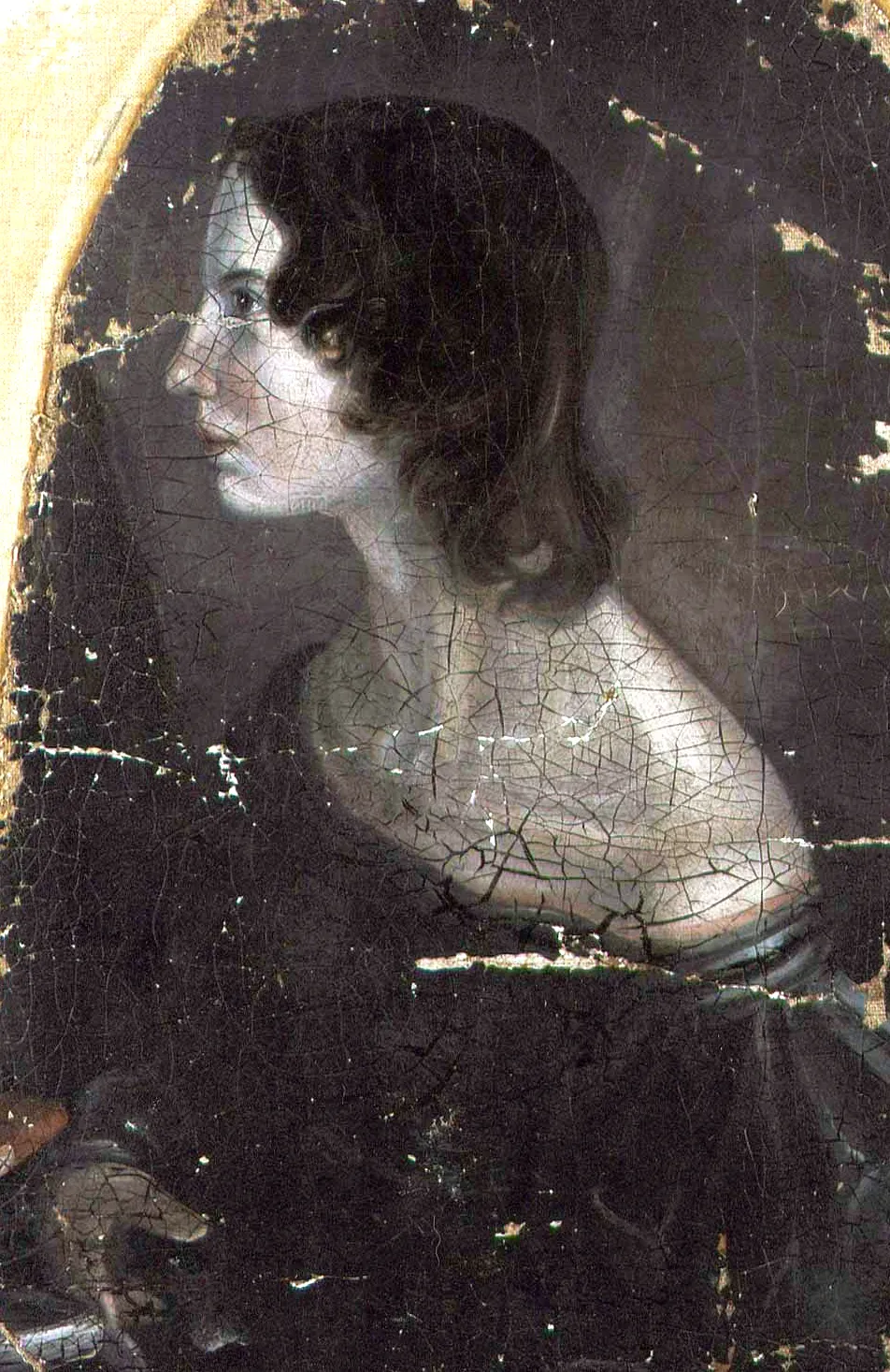
Emily Jane Brontë
The Visionary
Silent is the house: all are laid asleep:
One alone looks out o’er the snow-wreaths deep,
Watching every cloud, dreading every breeze
That whirls the wildering drift, and bends the groaning trees.
Cheerful is the hearth, soft the matted floor;
Not one shivering gust creeps through pane or door;
The little lamp burns straight, its rays shoot strong and far:
I trim it well, to be the wanderer’s guiding-star.
Frown, my haughty sire! chide, my angry dame!
Set your slaves to spy; threaten me with shame:
But neither sire nor dame nor prying serf shall know,
What angel nightly tracks that waste of frozen snow.
What I love shall come like visitant of air,
Safe in secret power from lurking human snare;
What loves me, no word of mine shall e’er betray,
Though for faith unstained my life must forfeit pay.
Burn, then, little lamp; glimmer straight and clear—
Hush! a rustling wing stirs, methinks, the air:
He for whom I wait, thus ever comes to me;
Strange Power! I trust thy might; trust thou my constancy.
239

John Greenleaf Whittier
The
Weary of jangling noises never stilled,
The skeptic's sneer, the bigot's hate, the din
Of clashing texts, the webs of creed men spin
Round simple truth, the children grown who build
With gilded cards their new Jerusalem,
Busy, with sacerdotal tailorings
And tinsel gauds, bedizening holy things,
I turn, with glad and grateful heart, from them
To the sweet story of the Florentine
Immortal in her blameless maidenhood,
Beautiful as God's angels and as good;
Feeling that life, even now, may be divine
With love no wrong can ever change to hate,
No sin make less than all-compassionate!
238
Edgar Allan Poe
To The River --
Fair river! in thy bright, clear flow
Of crystal, wandering water,
Thou art an emblem of the glow
Of beauty- the unhidden heart
The
playful maziness of art
In old Alberto's daughter;
But when within thy wave she looks
Which
glistens then, and trembles
Why,
then, the prettiest of brooks
Her worshipper resembles;
For in his heart, as in thy stream,
Her image deeply lies
His
heart which trembles at the beam
Of her soul-searching eyes.
238
John Greenleaf Whittier
The Henchman
My lady walks her morning round,
My lady's page her fleet greyhound,
My lady's hair the fond winds stir,
And all the birds make songs for her.
Her thrushes sing in Rathburn bowers,
And Rathburn side is gay with flowers;
But ne'er like hers, in flower or bird,
Was beauty seen or music heard.
The distance of the stars is hers;
The least of all her worshippers,
The dust beneath her dainty heel,
She knows not that I see or feel.
Oh, proud and calm!-she cannot know
Where'er she goes with her I go;
Oh, cold and fair!-she cannot guess
I kneel to share her hound's caress!
Gay knights beside her hunt and hawk,
I rob their ears of her sweet talk;
Her suitors come from east and west,
I steal her smiles from every guest.
Unheard of her, in loving words,
I greet her with the song of birds;
I reach her with her green-armed bowers,
I kiss her with the lips of flowers.
The hound and I are on her trail,
The wind and I uplift her veil;
As if the calm, cold moon she were,
And I the tide, I follow her.
As unrebuked as they, I share
The license of the sun and air,
And in a common homage hide
My worship from her scorn and pride.
World-wide apart, and yet so near,
I breathe her charmed atmosphere,
Wherein to her my service brings
The reverence due to holy things.
Her maiden pride, her haughty name,
My dumb devotion shall not shame;
The love that no return doth crave
To knightly levels lifts the slave,
No lance have I, in joust or fight,
To splinter in my lady's sight
But, at her feet, how blest were I
For any need of hers to die!
235
Emily Dickinson
Ah, Moon—and Star!
Ah, Moon—and Star!
You are very far—
But were no one
Farther than you—
Do you think I'd stop
For a Firmament—
Or a Cubit—or so?
I could borrow a Bonnet
Of the Lark—
And a Chamois' Silver Boot—
And a stirrup of an Antelope—
And be with you—Tonight!
But, Moon, and Star,
Though you're very far—
There is one—farther than you—
He—is more than a firmament—from Me—
So I can never go!
235
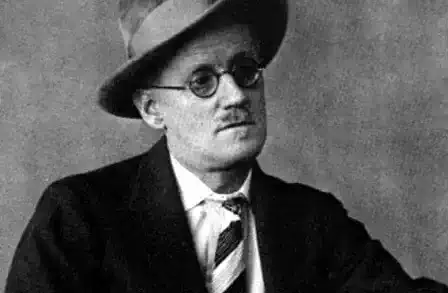
James Joyce
I Would in That Sweet Bosom Be
I would in that sweet bosom be
(O sweet it is and fair it is!)
Where no rude wind might visit me.
Because of sad austerities
I would in that sweet bosom be.
I would be ever in that heart
(O soft I knock and soft entreat her!)
Where only peace might be my part.
Austerities were all the sweeter
So I were ever in that heart.
(O sweet it is and fair it is!)
Where no rude wind might visit me.
Because of sad austerities
I would in that sweet bosom be.
I would be ever in that heart
(O soft I knock and soft entreat her!)
Where only peace might be my part.
Austerities were all the sweeter
So I were ever in that heart.
234
Thomas Moore
Lesbia Hath a Beaming Eye
Lesbia hath a beaming eye,
But no one knows for whom it beameth;
Right and left its arrows fly,
But what they aim at no one dreameth.
Sweeter 'tis to gaze upon
My Nora's lid that seldom rises;
Few its looks, but every one,
Like unexpected light, surprises!
Oh, my Nora Creina, dear,
My gentle, bashful Nora Creina,
Beauty lies
In many eyes,
But Love in yours, my Nora Creina.
Lesbia wears a robe of gold,
But all so close the nymph hath laced it,
Not a charm of beauty's mould
Presumes to stay where Nature placed it.
Oh! my Nora's gown for me,
That floats as wild as mountain breezes,
Leaving every beauty free
To sink or swell as Heaven pleases.
Yes, my Nora Creina, dear,
My simple, graceful Nora Creina,
Nature's dress
Is loveliness --
The dress you wear, my Nora Creina.
Lesbia hath a wit refined,
But, when its points are gleaning round us,
Who can tell if they're design'd
To dazzle merely, or to wound us?
Pillow'd on my Nora's heart,
In safer slumber Love reposes --
Bed of peace! whose roughest part
Is but the crumpling of the roses.
Oh! my Nora Creina, dear,
My mild, my artless Nora Creina!
Wit, though bright,
Hath no such light
As warms your eyes, my Nora Creina.
231

Robert W. Service
The Mountain And The Lake
I know a mountain thrilling to the stars,
Peerless and pure, and pinnacled with snow;
Glimpsing the golden dawn o'er coral bars,
Flaunting the vanisht sunset's garnet glow;
Proudly patrician, passionless, serene;
Soaring in silvered steeps where cloud-surfs break;
Virgin and vestal -- Oh, a very Queen!
And at her feet there dreams a quiet lake.
My lake adores my mountain -- well I know,
For I have watched it from its dawn-dream start,
Stilling its mirror to her splendid snow,
Framing her image in its trembling heart;
Glassing her graciousness of greening wood,
Kissing her throne, melodiously mad,
Thrilling responsive to her every mood,
Gloomed with her sadness, gay when she is glad.
My lake has dreamed and loved since time was born;
Will love and dream till time shall cease to be;
Gazing to Her in worship half forlorn,
Who looks towards the stars and will not see --
My peerless mountain, splendid in her scorn. . . .
Alas! poor little lake! Alas! poor me!
220
Emily Dickinson
Not in this world to see his face
Not in this world to see his face
Sounds long, until I read the place
Where this is said to be
But just the primer to a life
Unopened, rare, upon the shelf,
Clasped yet to him and me.
And yet, my primer suits me so
I would not choose a book to know
Than that, be sweeter wise;
Might some one else so learned be.
And leave me just my A B C,
Himself could have the skies.
212
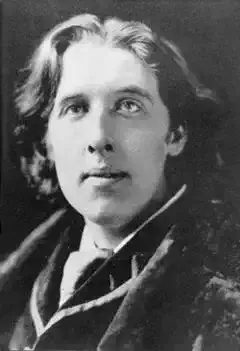
Oscar Wilde
Phedre
(To Sarah Bernhardt)
How vain and dull this common world must seem
To such a One as thou, who should'st have talked
At Florence with Mirandola, or walked
Through the cool olives of the Academe:
Thou should'st have gathered reeds from a green stream
For Goat-foot Pan's shrill piping, and have played
With the white girls in that Phaeacian glade
Where grave Odysseus wakened from his dream.
Ah! surely once some urn of Attic clay
Held thy wan dust, and thou hast come again
Back to this common world so dull and vain,
For thou wert weary of the sunless day,
The heavy fields of scentless asphodel,
The loveless lips with which men kiss in Hell.
207