
Justice and Equality

Claude Mckay
Rest in Peace
No more for you the city's thorny ways,
The ugly corners of the Negro belt;
The miseries and pains of these harsh days
By you will never, never again be felt.
No more, if still you wander, will you meet
With nights of unabating bitterness;
They cannot reach you in your safe retreat,
The city's hate, the city's prejudice!
'Twas sudden--but your menial task is done,
The dawn now breaks on you, the dark is over,
The sea is crossed, the longed-for port is won;
Farewell, oh, fare you well! my friend and lover.
Read more →
474
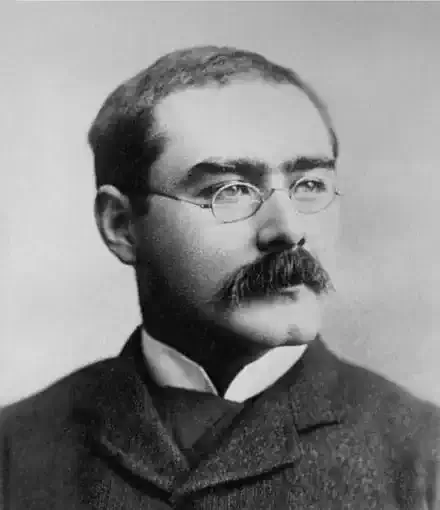
Rudyard Kipling
Gehazi
Whence comest thou, Gehazi,
So reverend to behold,
In scarlet and in ermines
And chain of England's gold?"
"From following after Naaman
To tell him all is well,
Whereby my zeal hath made me
A Judge in Israel."
Well done; well done, Gehazi!
Stretch forth thy ready hand,
Thou barely 'scaped from judgment,
Take oath to judge the land
Unswayed by gift of money
Or privy bribe, more base,
Of knowledge which is profit
In any market-place.
Search out and probe, Gehazi,
As thou of all carist try,
The truthful, well-weighed answer
That tells the blacker lie --
The loud, uneasy virtue
The anger feigned at will,
To overbear a witness
And make the Court keep still.
Take order now, Gehazi,
That no man talk aside
In secret with his judges
The while his case is tried.
Lest he should show them -- reason
To keep a matter hid,
And subtly lead the questions
Away from what he did.
Thou mirror of uprightness,
What ails thee at thy vows?
What means the risen whiteness
Of the skin between thy brows?
The boils that shine and burrow,
The sores that slough and bleed --
The leprosy of Naaman
On thee and all thy seed?
Stand up, stand up, Gehazi,
Draw close thy robe and go,
Gehazi, Judge in Israel,
A leper white as snow!
Read more →
477
Rudyard Kipling
The Ballad Of The King's Mercy
Abdhur Rahman, the Durani Chief, of him is the story told.
His mercy fills the Khyber hills -- his grace is manifold;
He has taken toll of the North and the South --
his glory reacheth far,
And they tell the tale of his charity from Balkh to Kandahar.
Before the old Peshawur Gate, where Kurd and Kaffir meet,
The Governor of Kabul dealt the Justice of the Street,
And that was strait as running noose and swift as plunging knife,
Tho' he who held the longer purse might hold the longer life.
There was a hound of Hindustan had struck a Euzufzai,
Wherefore they spat upon his face and led him out to die.
It chanced the King went forth that hour when throat was bared to knife;
The Kaffir grovelled under-hoof and clamoured for his life.
Then said the King: "Have hope, O friend! Yea, Death disgraced is hard;
Much honour shall be thine"; and called the Captain of the Guard,
Yar Khan, a bastard of the Blood, so city-babble saith,
And he was honoured of the King -- the which is salt to Death;
And he was son of Daoud Shah, the Reiver of the Plains,
And blood of old Durani Lords ran fire in his veins;
And 'twas to tame an Afghan pride nor Hell nor Heaven could bind,
The King would make him butcher to a yelping cur of Hind.
"Strike!" said the King. "King's blood art thou --
his death shall be his pride!"
Then louder, that the crowd might catch: "Fear not -- his arms are tied!"
Yar Khan drew clear the Khyber knife, and struck, and sheathed again.
"O man, thy will is done," quoth he; "a King this dog hath slain."
Abdhur Rahman, the Durani Chief, to the North and the South is sold.
The North and the South shall open their mouth
to a Ghilzai flag unrolled,
When the big guns speak to the Khyber peak, and his dog-Heratis fly:
Ye have heard the song -- How long? How long?
Wolves of the Abazai!
That night before the watch was set, when all the streets were clear,
The Governor of Kabul spoke: "My King, hast thou no fear?
Thou knowest -- thou hast heard," -- his speech died at his master's face.
And grimly said the Afghan King: "I rule the Afghan race.
My path is mine -- see thou to thine -- to-night upon thy bed
Think who there be in Kabul now that clamour for thy head."
That night when all the gates were shut to City and to throne,
Within a little garden-house the King lay down alone.
Before the sinking of the moon, which is the Night of Night,
Yar Khan came softly to the King to make his honour white.
The children of the town had mocked beneath his horse's hoofs,
The harlots of the town had hailed him "butcher!" from their roofs.
But as he groped against the wall, two hands upon him fell,
The King behind his shoulder spake: "Dead man, thou dost not well!
'Tis ill to jest with Kings by day and seek a boon by night;
And that thou bearest in thy hand is all too sharp to write.
But three days hence, if God be good, and if thy strength remain,
Thou shalt demand one boon of me and bless me in thy pain.
For I am merciful to all, and most of all to thee.
My butcher of the shambles, rest -- no knife hast thou for me!"
Abdhur Rahman, the Durani Chief,
holds hard by the South and the North;
But the Ghilzai knows, ere the melting snows,
when the swollen banks break forth,
When the red-coats crawl to the sungar wall,
and his Usbeg lances fail:
Ye have heard the song -- How long? How long?
Wolves of the Zuka Kheyl!
They stoned him in the rubbish-field when dawn was in the sky,
According to the written word, "See that he do not die."
They stoned him till the stones were piled above him on the plain,
And those the labouring limbs displaced they tumbled back again.
One watched beside the dreary mound that veiled the battered thing,
And him the King with laughter called the Herald of the King.
It was upon the second night, the night of Ramazan,
The watcher leaning earthward heard the message of Yar Khan.
From shattered breast through shrivelled lips broke forth the rattling breath,
"Creature of God, deliver me from agony of Death."
They sought the King among his girls, and risked their lives thereby:
"Protector of the Pitiful, give orders that he die!"
"Bid him endure until the day," a lagging answer came;
"The night is short, and he can pray and learn to bless my name."
Before the dawn three times he spoke, and on the day once more:
"Creature of God, deliver me, and bless the King therefor!"
They shot him at the morning prayer, to ease him of his pain,
And when he heard the matchlocks clink, he blessed the King again.
Which thing the singers made a song for all the world to sing,
So that the Outer Seas may know the mercy of the King.
Abdhur Rahman, the Durani Chief, of him is the story told,
He has opened his mouth to the North and the South,
they have stuffed his mouth with gold.
Ye know the truth of his tender ruth -- and sweet his favours are:
Ye have heard the song -- How long? How long?
from Balkh to Kandahar.
Read more →
476
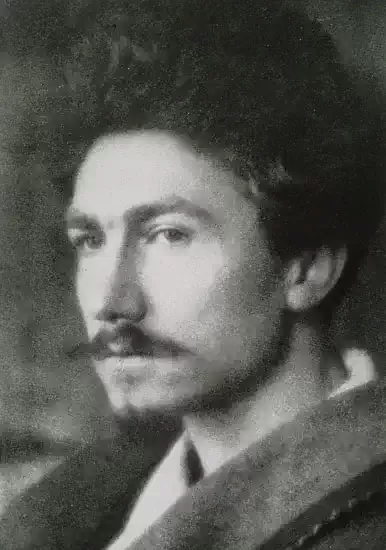
Ezra Pound
Song Of The Six Hundred M.P.'S
‘We are 'ere met together
in this momentous hower,
Ter lick th' bankers' dirty boots
an' keep the Bank in power.’
We are 'ere met together
ter grind the same old axes
And keep the people in its place
a'payin' us the taxes.
We are six hundred beefy men
(but mostly gas and suet)
An’ every year we meet to let
some other feller do it.'
I see their 'igh 'ats on the seats
an' them sprawling on the benches
And thinks about a Rowton 'ouse
and a lot of small street stenches.
'O Britain, muvver of parliaments,
'ave you seen yer larst sweet litter?
Could yeh swap th' brains of orl this lot
fer 'arft a pint o' bitter?'
‘I couldn't,' she sez, ‘an' I aint tried,
They're me own,' she sez to me,
‘As footlin' a lot as was ever spawned
to defend democracy.'
Read more →
469

Kazi Nazrul Islam
Resurrection
Wake up
You captives of hunger, arise.
You harassed, down-trodden masses,
Spell thunder at the oppressors -
The stirred voices of the sufferers cry.
A new world reborn is soon to dawn.
These fetters of ancient scriptures
Wrought this utter ruin;
Come, let us break in,
Shattering the devil's dungeon.
Wake up,
Ye, hapless masses, arise,
So that no 'one beneath
The feet of others lies.
On a new foundation
A young world shall dawn.
Listen, you tyrant!
Listen, you rich!
Though destitute,
Through the war,
Our rights
We shall recover
With the unity of sufferers
All the world over.
[Translation: Syed Mujibul Huq]
Read more →
460
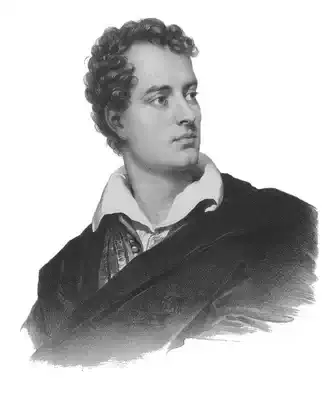
Lord Byron
On The Death Of Mr. Fox
The following iiliberal impromptu appeared in a morning papaer:
'Our nation's foes lament on Fox's death,
But bless the hour when PITT resign'd his breath:
These feelings wide, let sense and truth unclue,
We give the palm where Justice points its due.'
To which the author of these pieces sent the following reply :
Oh factious viper! whose envenom'd tooth
Would mangle still the dead, perverting truth;
What though our 'nation's foes' lament the fate
With generous' feeling, of the good and great'
Shall dastard tongues essay to blast the name
Of him whose meed exists in endless fame?
When PITT expired in plenitude of power,
Though Ilisuccess obscured his dying hour,
Pity her dewy wings before him spread,
For noble spirits 'war not with the dead:'
His friends, in tears, a last sad requiem gave,
As all his errors slumber'd in the grave;
He sunk, an Atlas bending 'neath the weight
Of cares o'erwhelmlng our conflicting state:
When, lo! a Hercules in FOX appear'd
Who for a time the ruin'd fabric rear'd:
He, too, is fall'n, who Britain's loss supplied,
With him our fast reviving hopes have died;
Not one great people only raise his urn,
All Europe's farextended
regions mourn.
'These feelings wide, let sense and truth unclue,
To give the palm where Justice points its due;'
Yet let not canker'd Calumny assail,
Or round our statesman wind her gloomy veil.
FOX o'er whose corse a mourning world must weep,
Whose dear remains in honour'd marble sleep;
For whom, at last, e'en hostile nations groan,
While friends and foes alike his talents own;
FOX shall in Britain's future annals shine,
Nor e'en to PITT the patriot's palm resign;
Which Envy, wearing Candour's sacred mask,
For PITT, and PITT alone, has dared to ask.
Read more →
457
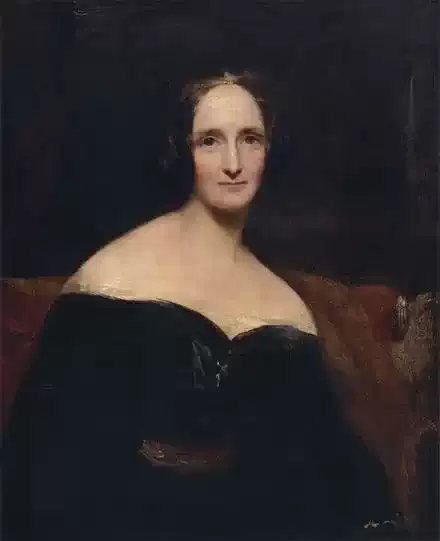
Percy Bysshe Shelley
To The Men Of England
Men of England, wherefore plough
For the lords who lay ye low?
Wherefore weave with toil and care
The rich robes your tyrants wear?
Wherefore feed and clothe and save,
From the cradle to the grave,
Those ungrateful drones who would
Drain your sweat -- nay, drink your blood?
Wherefore, Bees of England, forge
Many a weapon, chain, and scourge,
That these stingless drones may spoil
The forced produce of your toil?
Have ye leisure, comfort, calm,
Shelter, food, love's gentle balm?
Or what is it ye buy so dear
With your pain and with your fear?
The seed ye sow another reaps;
The wealth ye find another keeps;
The robes ye weave another wears;
The arms ye forge another bears.
Sow seed, -- but let no tyrant reap;
Find wealth, -- let no imposter heap;
Weave robes, -- let not the idle wear;
Forge arms, in your defence to bear.
Shrink to your cellars, holes, and cells;
In halls ye deck another dwells.
Why shake the chains ye wrought? Ye see
The steel ye tempered glance on ye.
With plough and spade and hoe and loom,
Trace your grave, and build your tomb,
And weave your winding-sheet, till fair
England be your sepulchre!
Read more →
449

Ella Wheeler Wilcox
Independence Ode
Columbia, fair queen in your glory!
Columbia, the pride of the earth!
We crown you with song- wreath and story;
We honour the day of your birth!
The wrath of a king and his minions
You braved, to be free, on that day;
And the eagle sailed up on strong pinions,
And frightened the lion at bay.
Since the chains and the shackles are broken,
And citizens now replace slaves,
Since the hearts of your heros have spoken
How dear they held freedom - by graves.
Your beautiful banner is blotless
As it floats to the breezes unfurled,
And but for one blemish, all spotless
Is the record you show to the world.
Like a scar on the features of beauty,
Lies Utah, sin-cursed to the west.
Columbia! Columbia! your duty
Is to wipe out that stain with the rest!
Not only in freedom, and science,
And letters, should you lead the earth;
But let the earth learn your reliance
In honour and true moral worth.
When Liberty's torch shall be lighted,
Let her brightest most far-reaching rays
Discover no wrong thats unrighted Go
challenge the jealous world's gaze!
Columbia, your star is ascending!
Columbia, all lands own your sway!
May your reign be as proud and unrending
As your glory is brilliant today.
Read more →
438
Claude Mckay
Enslaved
Oh when I think of my long-suffering race,
For weary centuries despised, oppressed,
Enslaved and lynched, denied a human place
In the great life line of the Christian West;
And in the Black Land disinherited,
Robbed in the ancient country of its birth,
My heart grows sick with hate, becomes as lead,
For this my race that has no home on earth.
Then from the dark depths of my soul I cry
To the avenging angel to consume
The white man's world of wonders utterly:
Let it be swallowed up in earth's vast womb,
Or upward roll as sacrificial smoke
To liberate my people from its yoke!
Read more →
435

Henry Wadsworth Longfellow
To William E. Channing
The pages of thy book I read,
And as I closed each one,
My heart, responding, ever said,
"Servant of God! well done!"
Well done! Thy words are great and bold;
At times they seem to me,
Like Luther's, in the days of old,
Half-battles for the free.
Go on, until this land revokes
The old and chartered Lie,
The feudal curse, whose whips and yokes
Insult humanity.
A voice is ever at thy side
Speaking in tones of might,
Like the prophetic voice, that cried
To John in Patmos, "Write!"
Write! and tell out this bloody tale;
Record this dire eclipse,
This Day of Wrath, this Endless Wail,
This dread Apocalypse!
Read more →
435
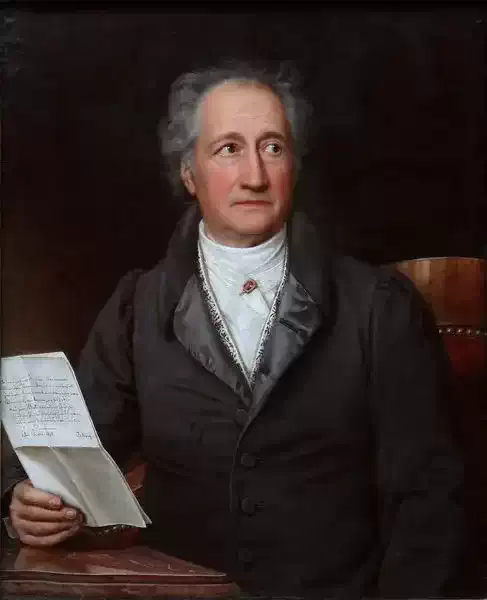
Johann Wolfgang von Goethe
The Pariah - Legend
WATER-FETCHING goes the noble
Brahmin's wife, so pure and lovely;
He is honour'd, void of blemish.
And of justice rigid, stern.
Daily from the sacred river
Brings she back refreshments precious;--
But where is the pail and pitcher?
She of neither stands in need.
For with pure heart, hands unsullied,
She the water lifts, and rolls it
To a wondrous ball of crystal
This she bears with gladsome bosom,
Modestly, with graceful motion,
To her husband in the house.
She to-day at dawn of morning
Praying comes to Ganges' waters,
Bends her o'er the glassy surface--
Sudden, in the waves reflected,
Flying swiftly far above her,
From the highest heavens descending,
She discerns the beauteous form
Of a youth divine, created
By the God's primeval wisdom
In his own eternal breast.
When she sees him, straightway feels she
Wondrous, new, confused sensations
In her inmost, deepest being;
Fain she'd linger o'er the vision,
Then repels it,--it returneth,--
And, perplex'd, she bends her flood-wards
With uncertain hands to draw it;
But, alas, she draws no more!
For the water's sacred billows
Seem to fly, to hasten from her;
She but sees the fearful chasm
Of a whirlpool black disclosed.
Arms drop down, and footsteps stumble,
Can this be the pathway homewards?
Shall she fly, or shall she tarry?
Can she think, when thought and counsel,
When assistance all are lost?
So before her spouse appears she--
On her looks he--look is judgment--
Proudly on the sword he seizes,
To the hill of death he drags her,
Where delinquents' blood pays forfeit.
What resistance could she offer?
What excuses could she proffer,
Guilty, knowing not her guilt?
And with bloody sword returns he,
Musing, to his silent dwelling,
When his son before him stands:
"Whose this blood? Oh, father! father!"
"The delinquent woman's!"--"Never!
For upon the sword it dries not,
Like the blood of the delinquent;
Fresh it flows, as from the wound.
Mother! mother! hither hasten!
Unjust never was my father,
Tell me what he now hath done."-"
Silence! silence! hers the blood is!"
"Whose, my father?"--"Silence! Silence!"
"What! oh what! my mother's blood!
What her crime? What did she? Answer!
Now, the sword! the sword now hold I;
Thou thy wife perchance might'st slaughter,
But my mother might'st not slay!
Through the flames the wife is able
Her beloved spouse to follow,
And his dear and only mother
Through the sword her faithful son."
"Stay! oh stay!" exclaim'd the father:
"Yet 'tis time, so hasten, hasten!
Join the head upon the body,
With the sword then touch the figure,
And, alive she'll follow thee."
Hastening, he, with breathless wonder,
Sees the bodies of two women
Lying crosswise, and their heads too;
Oh, what horror! which to choose!
Then his mother's head he seizes,--
Does not kiss it, deadly pale 'tis,--
On the nearest headless body
Puts it quickly, and then blesses
With the sword the pious work.
Then the giant form uprises,--
From the dear lips of his mother,
Lips all god-like--changeless--blissful,
Sound these words with horror fraught:
"Son, oh son! what overhast'ning!
Yonder is thy mother's body,
Near it lies the impious head
Of the woman who hath fallen
Victim to the judgment-sword!
To her body I am grafted
By thy hand for endless ages;
Wise in counsel, wild in action,
I shall be amongst the gods.
E'en the heav'nly boy's own image,
Though in eye and brow so lovely,
Sinking downwards to the bosom
Mad and raging lust will stir.
"'Twill return again for ever,
Ever rising, ever sinking,
Now obscured, and now transfigur'd,--
So great Brama hath ordain'd.
He 'twas sent the beauteous pinions,
Radiant face and slender members
Of the only God-begotten,
That I might be proved and tempted;
For from high descends temptation,
When the gods ordain it so.
And so I, the Brahmin woman,
With my head in Heaven reclining,
Must experience, as a Pariah,
The debasing power of earth.
Son, I send thee to thy father!
Comfort him! Let no sad penance,
Weak delay, or thought of merit,
Hold thee in the desert fast
Wander on through ev'ry nation,
Roam abroad throughout all ages,
And proclaim to e'en the meanest,
That great Brama hears his cry!
"None is in his eyes the meanest--
He whose limbs are lame and palsied,
He whose soul is wildly riven,
Worn with sorrow, hopeless, helpless,
Be he Brahmin, be he Pariah,
If tow'rd heaven he turns his gaze,
Will perceive, will learn to know it:
Thousand eyes are glowing yonder,
Thousand ears are calmly list'ning,
From which nought below is hid.
"If I to his throne soar upward,
If he sees my fearful figure
By his might transform'd to horror,
He for ever will lament it,--
May it to your good be found!
And I now will kindly warn him,
And I now will madly tell him
Whatsoe'er my mind conceiveth,
What within my bosom heaveth.
But my thoughts, my inmost feelings--
Those a secret shall remain."
Read more →
433
Henry Wadsworth Longfellow
The Norman Baron
et plus profonde, ou l'interet et l'avarice parlent moins haut
que la raison, dans les instants de chagrin domestique, de
maladie, et de peril de mort, les nobles se repentirent de
posseder des serfs, comme d'une chose peu agreable a Dieu, qui
avait cree tous les hommes a son image.--THIERRY, Conquete de
l'Angleterre.
In his chamber, weak and dying,
Was the Norman baron lying;
Loud, without, the tempest thundered
And the castle-turret shook,
In this fight was Death the gainer,
Spite of vassal and retainer,
And the lands his sires had plundered,
Written in the Doomsday Book.
By his bed a monk was seated,
Who in humble voice repeated
Many a prayer and pater-noster,
From the missal on his knee;
And, amid the tempest pealing,
Sounds of bells came faintly stealing,
Bells, that from the neighboring kloster
Rang for the Nativity.
In the hall, the serf and vassal
Held, that night their Christmas wassail;
Many a carol, old and saintly,
Sang the minstrels and the waits;
And so loud these Saxon gleemen
Sang to slaves the songs of freemen,
That the storm was heard but faintly,
Knocking at the castle-gates.
Till at length the lays they chanted
Reached the chamber terror-haunted,
Where the monk, with accents holy,
Whispered at the baron's ear.
Tears upon his eyelids glistened,
As he paused awhile and listened,
And the dying baron slowly
Turned his weary head to hear.
"Wassail for the kingly stranger
Born and cradled in a manger!
King, like David, priest, like Aaron,
Christ is born to set us free!"
And the lightning showed the sainted
Figures on the casement painted,
And exclaimed the shuddering baron,
"Miserere, Domine!"
In that hour of deep contrition
He beheld, with clearer vision,
Through all outward show and fashion,
Justice, the Avenger, rise.
All the pomp of earth had vanished,
Falsehood and deceit were banished,
Reason spake more loud than passion,
And the truth wore no disguise.
Every vassal of his banner,
Every serf born to his manor,
All those wronged and wretched creatures,
By his hand were freed again.
And, as on the sacred missal
He recorded their dismissal,
Death relaxed his iron features,
And the monk replied, "Amen!"
Many centuries have been numbered
Since in death the baron slumbered
By the convent's sculptured portal,
Mingling with the common dust:
But the good deed, through the ages
Living in historic pages,
Brighter grows and gleams immortal,
Unconsumed by moth or rust.
Read more →
423

John Greenleaf Whittier
The Farewell
Of A Virginia Slave Mother To Her Daughters Sold Into Southern Bondage
Gone, gone, -- sold and gone
To the rice-swamp dank and lone.
Where the slave-whip ceaseless swings
Where the noisome insect stings
Where the fever demon strews
Poison with the falling dews
Where the sickly sunbeams glare
Through the hot and misty air;
Gone, gone, -- sold and gone,
To the rice-swamp dank and lone,
From Virginia's hills and waters;
Woe is me, my stolen daughters!
Gone, gone, -- sold and gone
To the rice-swamp dank and lone
There no mother's eye is near them,
There no mother's ear can hear them;
Never, when the torturing lash
Seams their back with many a gash
Shall a mother's kindness bless them
Or a mother's arms caress them.
Gone, gone, -- sold and gone,
To the rice-swamp dank and lone,
From Virginia's hills and waters;
Woe is me, my stolen daughters!
Gone, gone, -- sold and gone,
To the rice-swamp dank and lone,
Oh, when weary, sad, and slow,
From the fields at night they go
Faint with toil, and racked with pain
To their cheerless homes again,
There no brother's voice shall greet them
There no father's welcome meet them.
Gone, gone, -- sold and gone,
To the rice-swamp dank and lone,
From Virginia's hills and waters;
Woe is me, my stolen daughters!
Gone, gone, -- sold and gone,
To the rice-swamp dank and lone
From the tree whose shadow lay
On their childhood's place of play;
From the cool sprmg where they drank;
Rock, and hill, and rivulet bank;
From the solemn house of prayer,
And the holy counsels there;
Gone, gone, -- sold and gone,
To the rice-swamp dank and lone,
From Virginia's hills and waters;
Woe is me, my stolen daughters!
Gone, gone, -- sold and gone,
To the rice-swamp dank and lone;
Toiling through the weary day,
And at night the spoiler's prey.
Oh, that they had earlier died,
Sleeping calmly, side by side,
Where the tyrant's power is o'er
And the fetter galls no more!
Gone, gone, -- sold and gone,
To the rice-swamp dank and lone;
From Virginia's hills and waters
Woe is me, my stolen daughters!
Gone, gone, -- sold and gone,
To the rice-swamp dank and lone;
By the holy love He beareth;
By the bruised reed He spareth;
Oh, may He, to whom alone
All their cruel wrongs are known,
Still their hope and refuge prove,
With a more than mother's love.
Gone, gone, -- sold and gone,
To the rice-swamp dank and lone,
From Virginia's hills and waters;
Woe is me, my stolen daughters!
Read more →
416

William Butler Yeats
Colonel Martin
THE Colonel went out sailing,
He spoke with Turk and Jew,
With Christian and with Infidel,
For all tongues he knew.
'O what's a wifeless man?' said he,
And he came sailing home.
He rose the latch and went upstairS
And found an empty room.
The Colonel went out sailing.
'I kept her much in the country
And she was much alone,
And though she may be there,' he said,
'She may be in the town.
She may be all alone there,
For who can say?' he said.
'I think that I shall find her
In a young man's bed.'
The Colonel went out sailing.
III
The Colonel met a pedlar,
Agreed their clothes to swop,
And bought the grandest jewelry
In a Galway shop,
Instead of thread and needle
put jewelry in the pack,
Bound a thong about his hand,
Hitched it on his back.
The Colonel wcnt out sailing.
The Colonel knocked on the rich man's door,
'I am sorry,' said the maid,
'My mistress cannot see these things,
But she is still abed,
And never have I looked upon
Jewelry so grand.'
'Take all to your mistress,'
And he laid them on her hand.
The Colonel went out sailing.
And he went in and she went on
And both climbed up the stair,
And O he was a clever man,
For he his slippers wore.
And when they came to the top stair
He ran on ahead,
His wife he found and the rich man
In the comfort of a bed.
The Colonel went out sailing.
The Judge at the Assize Court,
When he heard that story told,
Awarded him for damages
Three kegs of gold.
The Colonel said to Tom his man,
'Harness an ass and cart,
Carry the gold about the town,
Throw it in every patt.'
The Colonel went out sailing.
VII
And there at all street-corners
A man with a pistol stood,
And the rich man had paid them well
To shoot the Colonel dead;
But they threw down their pistols
And all men heard them swear
That they could never shoot a man
Did all that for the poor.
The Colonel went out sailing.
VIII
'And did you keep no gold, Tom?
You had three kegs,' said he.
'I never thought of that, Sir.'
'Then want before you die.'
And want he did; for my own grand-dad
Saw the story's end,
And Tom make out a living
From the seaweed on the strand.
The Colonel went out sailing.
Read more →
413
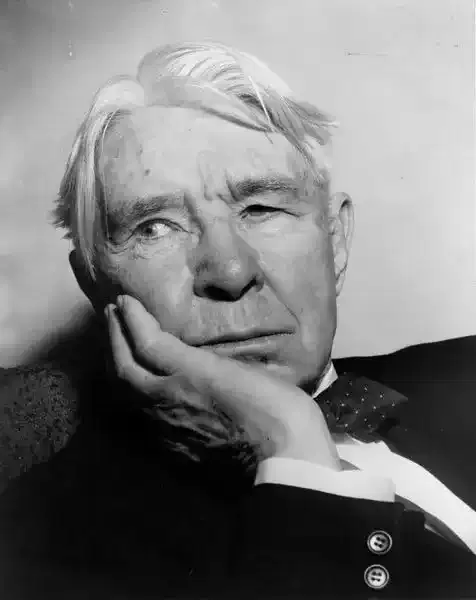
Carl Sandburg
Lawyer
When the jury files in to deliver a verdict after weeks of direct and cross examinations,
hot clashes
of lawyers and cool decisions of the judge,
There are points of high silence--twiddling of thumbs is at an end--bailiffs near
cuspidors take fresh
chews of tobacco and wait--and the clock has a chance for its ticking to be heard.
A lawyer for the defense clears his throat and holds himself ready if the word is "Guilty"
to enter
motion for a new trial, speaking in a soft voice, speaking in a voice slightly colored with
bitter wrongs
mingled with monumental patience, speaking with mythic Atlas shoulders of many
preposterous,
unjust circumstances.
Read more →
413
William Butler Yeats
To A Wealthy Man Who Promised A Second Subscription To The Dublin
You gave, but will not give again
Until enough of paudeen's pence
By Biddy's halfpennies have lain
To be 'some sort of evidence',
Before you'll put your guineas down,
That things it were a pride to give
Are what the blind and ignorant town
Imagines best to make it thrive.
What cared Duke Ercole, that bid
His mummers to the market-place,
What th' onion-sellers thought or did
So that his plautus set the pace
For the Italian comedies?
And Guidobaldo, when he made
That grammar school of courtesies
Where wit and beauty learned their trade
Upon Urbino's windy hill,
Had sent no runners to and fro
That he might learn the shepherds' will
And when they drove out Cosimo,
Indifferent how the rancour ran,
He gave the hours they had set free
To Michelozzo's latest plan
For the San Marco Library,
Whence turbulent Italy should draw
Delight in Art who
Se end is peace,
In logic and in natural law
By sucking at the dugs of Greece.
Your open hand but shows our loss,
For he knew better how to live.
Let paudeens play at pitch and toss,
Look up in the sun's eye and give
What the exultant heart calls good
That some new day may breed the best
Because you gave, not what they would,
But the right twigs for an eagle's nest!
Read more →
400
Rudyard Kipling
The Idiot Boy
Wordsworth
He wandered down the moutain grade
Beyond the speed assigned--
A youth whom Justice often stayed
And generally fined.
He went alone, that none might know
If he could drive or steer.
Now he is in the ditch, and Oh!
The differential gear!
Read more →
393
Carl Sandburg
'Boes
I waited today for a freight train to pass.
Cattle cars with steers butting their horns against the
bars, went by.
And a half a dozen hoboes stood on bumpers between
cars.
Well, the cattle are respectable, I thought.
Every steer has its transportation paid for by the farmer
sending it to market,
While the hoboes are law-breakers in riding a railroad
train without a ticket.
It reminded me of ten days I spent in the Allegheny
County jail in Pittsburgh.
I got ten days even though I was a veteran of the
Spanish-American war.
Cooped in the same cell with me was an old man, a
bricklayer and a booze-fighter.
But it just happened he, too, was a veteran soldier, and
he had fought to preserve the Union and free the
niggers.
We were three in all, the other being a Lithuanian who
got drunk on pay day at the steel works and got to
fighting a policeman;
All the clothes he had was a shirt, pants and shoes-somebody
got his hat and coat and what money he
had left over when he got drunk.
Read more →
385
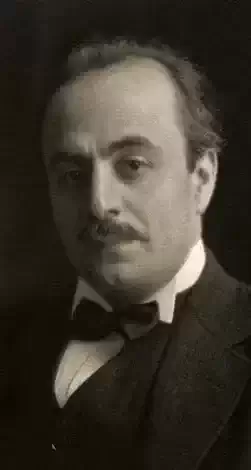
Khalil Gibran
Laws XIII
Then a lawyer said, "But what of our Laws, master?"
And he answered:
You delight in laying down laws,
Yet you delight more in breaking them.
Like children playing by the ocean who build sand-towers with constancy and then
destroy them with laughter.
But while you build your sand-towers the ocean brings more sand to the shore,
And when you destroy them, the ocean laughs with you.
Verily the ocean laughs always with the innocent.
But what of those to whom life is not an ocean, and man-made laws are not
sand-towers,
But to whom life is a rock, and the law a chisel with which they would carve it in their
own likeness?
What of the cripple who hates dancers?
What of the ox who loves his yoke and deems the elk and deer of the forest stray and
vagrant things?
What of the old serpent who cannot shed his skin, and calls all others naked and
shameless?
And of him who comes early to the wedding-feast, and when over-fed and tired goes
his way saying that all feasts are violation and all feasters law-breakers?
What shall I say of these save that they too stand in the sunlight, but with their backs
to the sun?
They see only their shadows, and their shadows are their laws.
And what is the sun to them but a caster of shadows?
And what is it to acknowledge the laws but to stoop down and trace their shadows
upon the earth?
But you who walk facing the sun, what images drawn on the earth can hold you?
You who travel with the wind, what weathervane shall direct your course?
What man's law shall bind you if you break your yoke but upon no man's prison door?
What laws shall you fear if you dance but stumble against no man's iron chains?
And who is he that shall bring you to judgment if you tear off your garment yet leave it
in no man's path?
People of Orphalese, you can muffle the drum, and you can loosen the strings of the
lyre, but who shall command the skylark not to sing?
Read more →
380
Claude Mckay
The Lynching
His Spirit in smoke ascended to high heaven.
His father, by the cruelest way of pain,
Had bidden him to his bosom once again;
The awful sin remained still unforgiven.
All night a bright and solitary star
(Perchance the one that ever guided him,
Yet gave him up at last to Fate's wild whim)
Hung pitifully o'er the swinging char.
Day dawned, and soon the mixed crowds came to view
The ghastly body swaying in the sun
The women thronged to look, but never a one
Showed sorrow in her eyes of steely blue;
And little lads, lynchers that were to be,
Danced round the dreadful thing in fiendish glee.
Read more →
377
Johann Wolfgang von Goethe
The Reckoning
LEADER.
LET no cares now hover o'er us
Let the wine unsparing run!
Wilt thou swell our merry chorus?
Hast thou all thy duty done?
SOLO.
Two young folks--the thing is curious--
Loved each other; yesterday
Both quite mild, to-day quite furious,
Next day, quite the deuce to pay!
If her neck she there was stooping,
He must here needs pull his hair.
I revived their spirits drooping,
And they're now a happy pair.
CHORUS.
Surely we for wine may languish!
Let the bumper then go round!
For all sighs and groans of anguish
Thou to-day in joy hast drown'd.
SOLO.
Why, young orphan, all this wailing?
"Would to heaven that I were dead!
For my guardian's craft prevailing
Soon will make me beg my bread."
Knowing well the rascal genus,
Into court I dragg'd the knave;
Fair the judges were between us,
And the maiden's wealth did save.
CHORUS.
Surely we for wine may languish!
Let the bumper then go round!
For all sighs and groans of anguish
Thou to-day in joy hast drown'd.
SOLO.
To a little fellow, quiet,
Unpretending and subdued,
Has a big clown, running riot,
Been to-day extremely rude.
I bethought me of my duty,
And my courage swell'd apace,
So I spoil'd the rascal's beauty,
Slashing him across the face.
CHORUS.
Surely we for wine may languish!
Let the bumper then go round!
For all sighs and groans of anguish
Thou to-day in joy hast drown'd.
SOLO.
Brief must be my explanation,
For I really have done nought.
Free from trouble and vexation,
I a landlord's business bought.
There I've done, with all due ardour,
All that duty order'd me;
Each one ask'd me for the larder,
And there was no scarcity.
CHORUS.
Surely we for wine may languish!
Let the bumper then go round!
For all sighs and groans of anguish
Thou to-day in joy hast drown'd.
LEADER.
Each should thus make proclamation
Of what he did well to-day!
That's the match whose conflagration
Should inflame our tuneful lay.
Let it be our precept ever
To admit no waverer here!
For to act the good endeavour,
None but rascals meek appear.
CHORUS.
Surely we for wine may languish!
Let the bumper then go round!
For all sighs and groans of anguish
We have now in rapture drown'd.
TRIO.
Let each merry minstrel enter,
He's right welcome to our hall!
'Tis but with the selfÄtormentor
That we are not liberal;
For we fear that his caprices,
That his eye-brows dark and sad,
That his grief that never ceases
Hide an empty heart, or bad.
CHORUS.
No one now for wine shall languish!
Here no minstrel shall be found,
Who all sighs and groans of anguish,
Has not first in rapture drown'd!
Read more →
379
John Greenleaf Whittier
Moloch In State Street
THE moon has set: while yet the dawn
Breaks cold and gray,
Between the midnight and the morn
Bear off your prey!
On, swift and still! the conscious street
Is panged and stirred;
Tread light! that fall of serried feet
The dead have heard!
The first drawn blood of Freedom's veins
Gushed where ye tread;
Lo! through the dusk the martyr-stains
Blush darkly red!
Beneath the slowly waning stars
And whitening day,
What stern and awful presence bars
That sacred way?
What faces frown upon ye, dark
With shame and pain?
Come these from Plymouth's Pilgrim bark?
Is that young Vane?
Who, dimly beckoning, speed ye on
With mocking cheer?
Lo! spectral Andros, Hutchinson,
And Gage are here!
For ready mart or favoring blast
Through Moloch's fire,
Flesh of his flesh, unsparing, passed
The Tyrian sire.
Ye make that ancient sacrifice
Of Man to Gain,
Your traffic thrives, where freedom dies,
Beneath the chain.
Ye sow to-day; your harvest, scorn
And hate, is near;
How think ye freemen, mountain-born,
The tale will hear?
Thank God! our mother State can yet
Her fame retrieve;
To you and to your children let
The scandal cleave.
Chain Hall and Pulpit, Court and Press,
Make gods of gold;
Let honor, truth, and manliness
Like wares be sold.
Your hoards are great, your walls are strong,
But God is just;
The gilded chambers built by wrong
Invite the rust.
What! know ye not the gains of Crime
Are dust and dross;
Its ventures on the waves of time
Foredoomed to loss!
And still the Pilgrim State remains
What she hath been;
Her inland hills, her seaward plains,
Still nurture men!
Nor wholly lost the fallen mart;
Her olden blood
Through many a free and generous heart
Still pours its flood.
That brave old blood, quick-flowing yet,
Shall know no check,
Till a free people's foot is set
On Slavery's neck.
Even now, the peal of bell and gun,
And hills aflame,
Tell of the first great triumph won
In Freedom's name.
The long night dies: the welcome gray
Of dawn we see;
Speed up the heavens thy perfect day,
God of the free!
Read more →
375
Henry Van Dyke
A Scrap of Paper
"Will you go to war just for a scrap of paper?" -- Question
of the German Chancellor to the British Ambassador,
August 5, 1914.
A mocking question! Britain's answer came
Swift as the light and searching as the flame.
"Yes, for a scrap of paper we will fight
Till our last breath, and God defend the right!
"A scrap of paper where a name is set
Is strong as duty's pledge and honor's debt.
"A scrap of paper holds for man and wife
The sacrament of love, the bond of life.
"A scrap of paper may be Holy Writ
With God's eternal word to hallow it.
"A scrap of paper binds us both to stand
Defenders of a neutral neighbor land.
"By God, by faith, by honor, yes! We fight
To keep our name upon that paper white."
Read more →
371

Robert Browning
Count Gismond--Aix in Provence
Christ God who savest man, save most
Of men Count Gismond who saved me!
Count Gauthier, when he chose his post,
Chose time and place and company
To suit it; when he struck at length
My honour, 't was with all his strength.
And doubtlessly, ere he could draw
All points to one, he must have schemed!
That miserable morning saw
Few half so happy as I seemed,
While being dressed in queen's array
To give our tourney prize away.
I thought they loved me, did me grace
To please themselves; 't was all their deed;
God makes, or fair or foul, our face;
If showing mine so caused to bleed
My cousins' hearts, they should have dropped
A word, and straight the play had stopped.
They, too, so beauteous! Each a queen
By virtue of her brow and breast;
Not needing to be crowned, I mean,
As I do. E'en when I was dressed,
Had either of them spoke, instead
Of glancing sideways with still head!
But no: they let me laugh, and sing
My birthday song quite through, adjust
The last rose in my garland, fling
A last look on the mirror, trust
My arms to each an arm of theirs,
And so descend the castle-stairs-
And come out on the morning troop
Of merry friends who kissed my cheek,
And called me queen, and made me stoop
Under the canopy-(a streak
That pierced it, of the outside sun,
Powdered with gold its gloom's soft dun)-
And they could let me take my state
And foolish throne amid applause
Of all come there to celebrate
My queen's-day-Oh I think the cause
Of much was, they forgot no crowd
Makes up for parents in their shroud!
However that be, all eyes were bent
Upon me, when my cousins cast
Theirs down; 't was time I should present
The victor's crown, but ... there, 't will last
No long time ... the old mist again
Blinds me as then it did. How vain!
See! Gismond's at the gate, in talk
With his two boys: I can proceed.
Well, at that moment, who should stalk
Forth boldly-to my face, indeed-
But Gauthier? and he thundered "Stay!"
And all stayed. "Bring no crowns, I say!
"Bring torches! Wind the penance-sheet
"About her! Let her shun the chaste,
"Or lay herself before their feet!
"Shall she, whose body I embraced
"A night long, queen it in the day?
"For honour's sake no crowns, I say!"
I? What I answered? As I live,
I never fancied such a thing
As answer possible to give.
What says the body when they spring
Some monstrous torture-engine's whole
Strength on it? No more says the soul.
Till out strode Gismond; then I knew
That I was saved. I never met
His face before, but, at first view,
I felt quite sure that God had set
Himself to Satan; would who spend
A minute's mistrust on the end?
He strode to Gauthier, in his throat
Gave him the lie, then struck his mouth
With one back-handed blow that wrote
In blood men's verdict there. North, South,
East, West, I looked. The lie was dead,
And damned, and truth stood up instead.
This glads me most, that I enjoyed
The heart o' the joy, with my content
In watching Gismond unalloyed
By any doubt of the event:
God took that on him-I was bid
Watch Gismond for my part: I did.
Did I not watch him while he let
His armourer just brace his greaves,
Rivet his hauberk, on the fret
The while! His foot ... my memory leaves
No least stamp out nor how anon
He pulled his ringing gauntlets on.
And e'en before the trumpet's sound
Was finished, prone lay the false knight,
Prone as his lie, upon the ground:
Gismond flew at him, used no sleight
O' the sword, but open-breasted drove,
Cleaving till out the truth he clove.
Which done, he dragged him to my feet
And said, "Here die, but end thy breath
"In full confession, lest thou fleet
"From my first, to God's second death!
"Say, hast thou lied? "And, "I have lied
"To God and her,"he said, and died.
Then Gismond, kneeling to me, asked
-What safe my heart holds, though no word
Could I repeat now, if I tasked
My powers for ever, to a third
Dear even as you are. Pass the rest
Until I sank upon his breast.
Over my head his arm he flung
Against the world; and scarce I felt
His sword (that dripped by me and swung)
A little shifted in its belt:
For he began to say the while
How South our home lay many a mile.
So, 'mid the shouting multitude
We two walked forth to never more
Return. My cousins have pursued
Their life, untroubled as before
I vexed them. Gauthier's dwelling-place
God lighten! May his soul find grace!
Our elder boy has got the clear
Great brow, tho' when his brother's black
Full eye shows scorn, it ... Gismond here?
And have you brought my tercel back?
I was just telling Adela
How many birds it struck since May.
Read more →
369