
Freedom
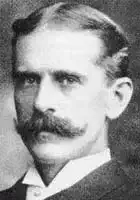
Henry Van Dyke
Victor Hugo
Heart of France for a hundred years,
Passionate, sensitive, proud, and strong,
Quick to throb with her hopes and fears,
Fierce to flame with her sense of wrong!
You, who hailed with a morning song
Dream-light gilding a throne of old:
You, who turned when the dream grew cold,
Singing still, to the light that shone
Pure from Liberty's ancient throne,
Over the human throng!
You, who dared in the dark eclipse,--
When the pygmy heir of a giant name
Dimmed the face of the land with shame,--
Speak the truth with indignant lips,
Call him little whom men called great,
Scoff at him, scorn him, deny him,
Point to the blood on his robe of state,
Fling back his bribes and defy him!
You, who fronted the waves of fate
As you faced the sea from your island home,
Exiled, yet with a soul elate,
Sending songs o'er the rolling foam,
Bidding the heart of man to wait
For the day when all should see
Floods of wrath from the frowning skies
Fall on an Empire founded in lies,
And France again be free!
You, who came in the Terrible Year
Swiftly back to your broken land,
Now to your heart a thousand times more dear,--
Prayed for her, sung to her, fought for her,
Patiently, fervently wrought for her,
Till once again,
After the storm of fear and pain,
High in the heavens the star of France stood clear!
You, who knew that a man must take
Good and ill with a steadfast soul,
Holding fast, while the billows roll
Over his head, to the things that make
Life worth living for great and small,--
Honour and pity and truth,
The heart and the hope of youth,
And the good God over all!
You, to whom work was rest,
Dauntless Toiler of the Sea,
Following ever the joyful quest
Of beauty on the shores of old Romance,
Bard of the poor of France,
And warrior-priest of world-wide charity!
You who loved little children best
Of all the poets that ever sung,
Great heart, golden heart,
Old, and yet ever young,
Minstrel of liberty,
Lover of all free, winged things,
Now at last you are free,--
Your soul has its wings!
Heart of France for a hundred years,
Floating far in the light that never fails you,
Over the turmoil of mortal hopes and fears
Victor, forever victor, the whole world hails you!
384

John Greenleaf Whittier
After Election
THE day's sharp strife is ended now,
Our work is done, God knoweth how!
As on the thronged, unrestful town
The patience of the moon looks down,
I wait to hear, beside the wire,
The voices of its tongues of fire.
Slow, doubtful, faint,they seem at first:
Be strong, my heart, to know the worst!
Hark! there the Alleghanies spoke;
That sound from lake and prairie broke,
That sunset-gun of triumph rent
The silence of a continent!
That signal from Nebraska sprung,
This, from Nevada's mountain tongue!
Is that thy answer, strong and free,
O loyal heart of Tennessee?
What strange, glad voice is that which calls
From Wagner's grave and Sumter's walls?
From Mississippi's fountain-head
A sound as of the hisoh's tread!
There rustled freedom's Charter Oak!
In that wild burst the Ozarks spoke!
Cheer answers cheer from rise to set
Of sun. We have a country yet!
The praise, O God, be thine alone!
Thou givest not for bread a stone;
Thou hast not led us through the night
To blind us with returning light;
Not through the furnace have we passed,
To perish at its mouth at last.
O night of peace, thy flight restrain!
November's moon, be slow to wane!
Shine on the freedman's cabin floor,
On brows of prayer a blessing pour;
And give, with full assurance blest,
The weary heart of Freedom rest!
386

Johann Wolfgang von Goethe
Hermann And Dorothea - VI. Klio
THE AGE.
WHEN the pastor ask'd the foreign magistrate questions,
What the people had suffer'd, how long from their homes they had wander'd,
Then the man replied:--'By no means short are our sorrows,
For we have drunk the bitters of many a long year together,
All the more dreadful, because our fairest hopes have been blighted.
Who can deny that his heart beat wildly and high in his bosom
And that with purer pulses his breast more freely was throbbing,
When the newborn sun first rose in the whole of its glory,
When we heard of the right of man, to have all things in common,
Heard of noble Equality, and of inspiriting Freedom!
Each man then hoped to attain new life for himself, and the fetters
Which had encircled many a land appear'd to be broken,
Fetters held by the hands of sloth and selfish indulgence.
Did not all nations turn their gaze, in those days of emotion,
Tow'rds the world's capital, which so many a long year had been so,
And then more than ever deserved a name so distinguish'd?
Were not the men, who first proclaim'd so noble a message,
Names that are worthy to rank with the highest the sun ever shone on,
Did not each give to mankind his courage and genius and language?
'And we also, as neighbours, at first were warmly excited.
Presently after began the war, and the train of arm'd Frenchmen
Nearer approach'd; at first they appear'd to bring with them friendship,
And they brought it in fact; for all their souls were exalted.
And the gay trees of liberty ev'rywhere gladly they planted,
Promising unto each his own, and the government long'd for.
Greatly at this was youth, and greatly old age was delighted,
And the joyous dance began round the newly-raised standards.
In this manner the overpowering Frenchmen soon conquer'd
First the minds of the men, with their fiery lively proceedings,
Then the hearts of the women, with irresistible graces.
Even the strain of the war, with its many demands, seem'd but trifling,
For before our eyes the distance by hope was illumined,
Luring our gaze far ahead into paths now first open'd before us.
'O how joyful the time, when with his bride the glad bridegroom
Whirls in the dance, awaiting the day that will join them for ever
But more glorious far was the time when the Highest of all things
Which man's mind can conceive, close by and attainable seemed.
Then were the tongues of all loosen'd, and words of wisdom and feeling
Not by greybeards alone, but by men and by striplings were utter'd.
'But the heavens soon clouded became. For the sake of the mast'ry
Strove a contemptible crew, unfit to accomplish good actions.
Then they murder'd each other, and took to oppressing their new-found
Neighbours and brothers, and sent on missions whole herds of selfÄseekers
And the superiors took to carousing and robbing by wholesale,
And the inferiors down to the lowest caroused and robb'd also.
Nobody thought of aught else than having enough for tomorrow.
Terrible was the distress, and daily increased the oppression.
None the cry understood, that they of the day were the masters.
Then even temperate minds were attack'd by sorrow and fury;
Each one reflected, and swore to avenge all the injuries suffer'd,
And to atone for the hitter loss of hopes twice defrauded.
Presently Fortune declared herself on the side of the Germans,
And the French were compell'd to retreat by forced marches before them.
Ah! the sad fate of the war we then for the first time experienced.
For the victor is kind and humane, at least he appears so,
And he spares the man he has vanquish'd, as if he his own were,
When he employs him daily, and with his property helps him.
But the fugitive knows no law; he wards off death only,
And both quickly and recklessly all that he meets with, consumes he.
Then his mind becomes heated apace; and soon desperation
Fills his heart, and impels him to all kinds of criminal actions.
Nothing then holds he respected, he steals It. With furious longing
On the woman he rushes; his lust becomes awful to think of.
Death all around him he sees, his last minutes in cruelty spends he,
Wildly exulting in blood, and exulting in howls and in anguish.
'Then in the minds of our men arose a terrible yearning
That which was lost to avenge, and that which remain'd to defend still.
All of them seized upon arms, lured on by the fugitives' hurry,
By their pale faces, and by their shy, uncertain demeanour.
There was heard the sound of alarm-bells unceasingly ringing,
And the approach of danger restrain'd not their violent fury.
Soon into weapons were turn'd the implements peaceful of tillage,
And with dripping blood the scythe and the pitchfork were cover'd.
Every foeman without distinction was ruthlessly slaughter'd,
Fury was ev'rywhere raging, and artful, cowardly weakness.
May I never again see men in such wretched confusion!
Even the raging wild beast is a better object to gaze on.
Ne'er let them speak of freedom, as if themselves they could govern!
All the evil which Law has driven farback in the corner
Seems to escape, as soon as the fetters which bound it are loosen'd.'
'Excellent man,' replied the pastor, with emphasis speaking
'If you're mistaken in man, 'tis not for me to reprove you.
Evil enough have you suffer'd indeed from his cruel proceedings!
Would you but look back, however, on days so laden with sorrow,
You would yourself confess how much that is good you have witness'd,
Much that is excellent, which remains conceald in the bossom
Till by danger 'tis stirr'd, and till necessity makes man
Show himself as an angel, a tutelar God unto others.'
Then with a smile replied the worthy old magistrate, saying
'Your reminder is wise, like that which they give to the suff'rer
Who has had his dwelling burnt down, that under the ruins,
Gold and silver are lying, though melted and cover'd with ashes.
Little, indeed, it may be, and yet that little is precious,
And the poor man digs it up, and rejoices at finding the treasure.
Gladly, therefore, I turn my thoughts to those few worthy actions
Which my memory still is able to dwell on with pleasure.
Yes, I will not deny it, I saw late foemen uniting
So as to save the town from harm; I saw with devotion
Parents, children and friends impossible actions attempting,
Saw how the youth of a sudden became a man, how the greybeard
Once more was young, how the child as a stripling appear'd in a moment.
Aye, and the weaker sex, as people commonly call it,
Show'd itself brave and daring, with presence of mind all-unwonted.
Let me now, in the first place, describe a deed of rare merit
By a high-spirited girl accomplish'd, an excellent maiden,
Who in the great farmhouse remain'd behind with the servants,
When the whole of the men had departed, to fight with the strangers.
Well, there fell on the court a troop of vagabond scoundrels,
Plund'ring and forcing their way inside the rooms of the women.
Soon they cast their eyes on the forms of the grown-up fair maiden
And of the other dear girls, in age little more than mere children.
Hurried away by raging desire, unfeelingly rush'd they
On the trembling band, and on the high-spirited maiden.
But she instantly seized the sword from the side of a ruffian,
Hew'd him down to the ground; at her feet straight fell he, all bleeding,
Then with doughty strokes the maidens she bravely deliver'd.
Wounded four more of the robbers; with life, however, escaped they.
Then she lock'd up the court, and, arm'd still, waited for succour.
When the pastor heard the praise of the maiden thus utter'd
Feelings of hope for his friend forthwith arose in his bosom,
And he prepared to ask what had been the fate of the damsel,
Whether she, in the sorrowful flight, form'd one of the people?
At this moment, however, the druggist nimbly approach'd them,
Pull'd the sleeve of the pastor, and whisper'd to him as follows
'I have at last pick'd out the maiden from many a hundred
By her description! Pray come and judge for yourself with your own eyes;
Bring the magistrate with you, that we may learn the whole story.'
So they turn'd themselves round; but the magistrate found himself summon'd
By his own followers, who had need of his presence and counsel.
But the pastor forthwith the druggist accompanied, till they
Came to a gap in the hedge, when the latter pointed with slyness,
'See you,' exclaim'd he, 'the maiden? The child's clothes she has been changing.
And I recognise well the old calico--also the cushion--
Cover of blue, which Hermann took in the bundle and gave her.
Quickly and well, of a truth, she has used the presents left with her.
These are evident proofs; and all the rest coincide too;
For a bodice red her well-arch'd bosom upraises,
Prettily tied, while black are the stays fitting close around her.
Then the seams of the ruff she has carefully plaited and folded,
Which, with modest grace, her chin so round is encircling;
Free and joyously rises her head, with its elegant oval,
Strongly round bodkins of silver her back-hair is many times twisted.
When she is sitting, we plainly see her noble proportions,
And the blue well-plaited gown which begins from close to her bosom,
And in rich folds descending, her well-turn'd ankles envelops.
'Tis she, beyond all doubt. So come, that we may examine
Whether she be both a good and a frugal and virtuous maiden.'
Then the pastor rejoin'd, the sitting damsel inspecting
'That she enchanted the youth, I confess is no matter of wonder,
For she stands the test of the gaze of a man of experience.
Happy the person to whom Mother Nature the right face has given!
She recommends him at all times, he never appears as a stranger,
Each one gladly approaches, and each one beside him would linger,
If with his face is combined a pleasant and courteous demeanour.
Yes, I assure you the youth has indeed discover'd a maiden
Who the whole of the days of his life will enliven with gladness,
And with her womanly strength assist him at all times and truly.
Thus a perfect body preserves the soul also in pureness,
And a vigorous youth of a happy old age gives assurance.
After reflecting a little, the druggist made answer as follows:-'
Yet appearances oft are deceitful. I trust not the outside.
Often, indeed, have I found the truth of the proverb which tells us
Ere you share a bushel of salt with a new-found acquaintance,
Do not trust him too readily; time will make you more certain
How you and he will get on, and whether your friendship is lasting.
Let us then, in the first place, inquire amongst the good people
Unto whom the maiden is known, who can tell us about her.'
'Well, of a truth I commend your prudence,' the pastor continued
'Not for ourselves are we wooing! To woo for others is serious.'
So they started to meet the worthy magistrate seeing
How in the course of his business he was ascending the main street.
And the wise pastor straightway address'd him with foresight as follows
'We, by-the-bye, have just seen a girl in the neighbouring garden
Under an apple-tree sitting, and clothes for the children preparing,
Made of worn calico, which for the purpose was doubtless presented.
We were pleased by her face; she appears to be one of the right sort.
Tell us, what know you about her? We ask from a laudable motive.'
When the magistrate came to the garden and peep'd in, exclaimed he
'Well do I know her, in truth; for when I told you the story
Of that noble deed which was done by the maiden I spoke of,
How she seized on the sword, and defended herself, and the servants,
She the heroine was! You can see how active her nature.
But she's as good as she's strong; for her aged kinsman she tended
Until the time of his death, for he died overwhelm'd by affliction
At the distress of his town, and the danger his goods were exposed to.
Also with mute resignation she bore the grievous affliction
Of her betroth'd's sad death, a noble young man who, incited
By the first fire of noble thoughts to struggle for freedom,
Went himself to Paris, and soon found a terrible death there.
For, as at home, so there, he fought 'gainst intrigue and oppression.'
Thus the magistrate spoke. The others departed and thanked him,
And the pastor produced a gold piece (the silver his purse held
He some hours before had with genuine kindness expended
When he saw the fugitives passing in sorrowful masses).
And to the magistrate handed it, saying:--' Divide it, I pray you,
'Mongst those who need it the most. May God give it prosperous increase.'
But the man refused to accept it, and said:--'I assure you,
Many a dollar we've saved, and plenty of clothing and such things,
And I trust we may reach our homes before they are finish'd.'
Then continued the pastor, the gold in his hand once more placing
'None should delay to give in days like the present, and no one
Ought to refuse to receive what is offer'd with liberal kindness.
No one can tell how long he will keep what in peace he possesses,
No one, how long he is doom'd in foreign countries to wander,
While he's deprived of the field and the garden by which he is nurtured.'
'Bravo!' added in turn the druggist, with eagerness speaking
'Had I but money to spare in my pocket, you surely should have it,
Silver and gold alike; for your followers certainly need it.
Yet I'll not leave you without a present, if only to show you
My good will, and I hope you will take the will for the action.'
Thus he spoke, and pull'd out by the strings the leather embroider'd
Pouch, in which he was wont his stock of tobacco to carry,
Daintily open'd and shared its contents--some two or three pipes' full.
'Small in truth is the gift,' he added. The magistrate answered:
'Good tobacco is always a welcome present to trav'llers.'
Then the druggist began his canister to praise very highly.
But the pastor drew him away, and the magistrate left them.
'Come, let us hasten!' exclaimed the sensible man, 'for our young friend
Anxiously waits; without further delay let him hear the good tidings.'
So they hasten'd and came, and found that the youngster was leaning
'Gainst his carriage under the lime-trees. The horses were pawing
Wildly the turf; he held them in check and stood there all pensive,
Silently gazing in front, and saw not his friends coming near him,
Till, as they came, they called him and gave him signals of triumph.
Some way off the druggist already began to address him,
But they approach'd the youth still nearer, and then the good pastor
Seized his hand and spoke and took the word from his comrade
'Friend, I wish you joy! Your eye so true and your true heart
Rightly have chosen! May you and the wife of your young days be happy!
She is full worthy of you; so come and turn around the carriage,
That we may reach without delay the end of the village,
So as to woo her, and shortly escort the dear creature home with us.'
But the youth stood still, and without any token of pleasure
Heard the words of the envoy, though sounding consoling and heav'nly,
Deeply sigh'd and said:--'We came full speed in the carriage
And shall probably go back home ashamed and but slowly;
For, since I have been waiting care has fallen upon me,
Doubt and suspicion and all that a heart full of love is exposed to.
Do you suppose we have only to come, for the maiden to follow,
Just because we are rich, and she poor and wandering in exile?
Poverty, when undeserved, itself makes proud. The fair maiden
Seems to be active and frugal; the world she may claim as her portion.
Do you suppose that a woman of such great beauty and manners
Can have grown up without exciting love in man's bosom?
Do you suppose that her heart until now has to love been fast closed?
Do not drive thither in haste, for perchance to our shame and confusion
We shall have slowly to turn towards home the heads of our horses.
Yes, some youth, I fear me, possesses her heart, and already
She has doubtless promised her hand and her solemn troth plighted,
And I shall stand all ashamed before her, When making my offer.'
Then the pastor proceeded to cheer him with words of good comfort,
But his companion broke in, in his usual talkative manner
'As things used to be, this embarrassment would not have happened,
When each matter was brought to a close in an orthodox fashion.
Then for their son themselves the bride the parents selected,
And a friend of the house was secretly call'd in the first place.
He was then quietly sent as a suitor to visit the parents
Of the selected bride; and, dress'd in his gayest apparel,
Went after dinner some Sunday to visit the excellent burgher,
And began by exchanging polite remarks on all subjects,
Cleverly turning and bending the talk in the proper direction.
After long beating about the bush, he flatter'd the daughter,
And spoke well of the man and the house that gave his commission.
Sensible people soon saw his drift, and the sensible envoy
Watch'd how the notion was taken, and then could explain himself farther.
If they declined the proposal, why then the refusal cost nothing,
But if all prosper'd, why then the suitor for ever thereafter
Play'd the first fiddle at every family feast and rejoicing.
For the married couple remember'd the whole of their lifetime
Whose was the skilful hand by which the marriage knot tied was.
All this now is chang'd, and with many an excellent custom
Has gone quite out of fashion. Each person woos for himself now.
Everyone now must bear the weight of a maiden's refusal
On his own shoulders, and stand all ashamed before her, if needs be.'
'Let that be as it may,' then answered the young man who scarcely
Heard what was said, and his mind had made up already in silence
'I will go myself, and out of the mouth of the maiden
Learn my own fate, for towards her I cherish the most trustful feelings
That any man ever cherish'd towards any woman whatever.
That which she says will be good and sensible,--this I am sure of.
If I am never to see her again, I must once more behold her,
And the ingenuous gaze of her black eyes must meet for the last time.
If to my heart I may clasp her never, her bosom and shoulders
I would once more see, which my arm so longs to encircle:
Once more the mouth I would see, from which one kiss and a Yes will
Make me happy for ever, a No for ever undo me.
But now leave me alone! Wait here no longer. Return you
Straight to my father and mother, in order to tell them in person
That their son was right, and that the maiden is worthy.
And so leave me alone! I myself shall return by the footpath
Over the hill by the pear-tree and then descend through the vineyard,
Which is the shortest way back. Oh may I soon with rejoicing
Take the beloved one home! But perchance all alone I must slink back
By that path to our house and tread it no more with a light heart.'
Thus he spoke, and then placed the reins in the hands of the pastor,
Who, in a knowing way both the foaming horses restraining,
Nimbly mounted the carriage, and took the seat of the driver.
But you still delay'd, good cautious neighbour, and spoke thus
Friend, I will gladly entrust to you soul, and spirit, and mind too,
But my body and bones are not preserved in the best way
When the hand of a parson such worldly matters as reins grasps!'
But you smiled in return, you sensible pastor, replying
'Pray jump in, nor fear with both body and spirit to trust me,
For this hand to hold the reins has long been accustom'd,
And these eyes are train'd to turn the corner with prudence.
For we were wont to drive the carriage, when living at Strasburg,
At the time when with the young baron I went there, for daily,
Driven by me, through the echoing gateway thunder'd the carriage
By the dusty roads to distant meadows and lindens,
Through the crowds of the people who spend their lifetime in walking.'
Partially comforted, then his neighbour mounted the carriage,
Sitting like one prepared to make a wise jump, if needs be,
And the stallions, eager to reach their stables, coursed homewards,
While beneath their powerful hoofs the dust rose in thick clouds.
Long there stood the youth, and saw the dust rise before him,
Saw the dust disperse; but still he stood there, unthinking.
380

Nazim Hikmet
A Sad State Of Freedom
You waste the attention of your eyes,
the glittering labour of your hands,
and knead the dough enough for dozens of loaves
of which you'll taste not a morsel;
you are free to slave for others--
you are free to make the rich richer.
The moment you're born
they plant around you
mills that grind lies
lies to last you a lifetime.
You keep thinking in your great freedom
a finger on your temple
free to have a free conscience.
Your head bent as if half-cut from the nape,
your arms long, hanging,
your saunter about in your great freedom:
you're free
with the freedom of being unemployed.
You love your country
as the nearest, most precious thing to you.
But one day, for example,
they may endorse it over to America,
and you, too, with your great freedom--
you have the freedom to become an air-base.
You may proclaim that one must live
not as a tool, a number or a link
but as a human being--
then at once they handcuff your wrists.
You are free to be arrested, imprisoned
and even hanged.
There's neither an iron, wooden
nor a tulle curtain
in your life;
there's no need to choose freedom:
you are free.
But this kind of freedom
is a sad affair under the stars.
Translated by Taner Baybars
381
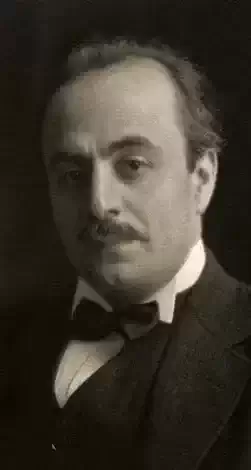
Khalil Gibran
Laws XIII
Then a lawyer said, "But what of our Laws, master?"
And he answered:
You delight in laying down laws,
Yet you delight more in breaking them.
Like children playing by the ocean who build sand-towers with constancy and then
destroy them with laughter.
But while you build your sand-towers the ocean brings more sand to the shore,
And when you destroy them, the ocean laughs with you.
Verily the ocean laughs always with the innocent.
But what of those to whom life is not an ocean, and man-made laws are not
sand-towers,
But to whom life is a rock, and the law a chisel with which they would carve it in their
own likeness?
What of the cripple who hates dancers?
What of the ox who loves his yoke and deems the elk and deer of the forest stray and
vagrant things?
What of the old serpent who cannot shed his skin, and calls all others naked and
shameless?
And of him who comes early to the wedding-feast, and when over-fed and tired goes
his way saying that all feasts are violation and all feasters law-breakers?
What shall I say of these save that they too stand in the sunlight, but with their backs
to the sun?
They see only their shadows, and their shadows are their laws.
And what is the sun to them but a caster of shadows?
And what is it to acknowledge the laws but to stoop down and trace their shadows
upon the earth?
But you who walk facing the sun, what images drawn on the earth can hold you?
You who travel with the wind, what weathervane shall direct your course?
What man's law shall bind you if you break your yoke but upon no man's prison door?
What laws shall you fear if you dance but stumble against no man's iron chains?
And who is he that shall bring you to judgment if you tear off your garment yet leave it
in no man's path?
People of Orphalese, you can muffle the drum, and you can loosen the strings of the
lyre, but who shall command the skylark not to sing?
380
Johann Wolfgang von Goethe
The Freebooter
No door has my house,
No house has my door;
And in and out ever
I carry my store.
No grate has my kitchen,
No kitchen my grate;
Yet roasts it and boils it
Both early and late.
My bed has no trestles,
My trestles no bed;
Yet merrier moments
No mortal e'er led.
My cellar is lofty,
My barn is full deep,
From top to the bottom,--
There lie I and sleep.
And soon as I waken,
All moves on its race;
My place has no fixture,
My fixture no place.
375
John Greenleaf Whittier
Moloch In State Street
THE moon has set: while yet the dawn
Breaks cold and gray,
Between the midnight and the morn
Bear off your prey!
On, swift and still! the conscious street
Is panged and stirred;
Tread light! that fall of serried feet
The dead have heard!
The first drawn blood of Freedom's veins
Gushed where ye tread;
Lo! through the dusk the martyr-stains
Blush darkly red!
Beneath the slowly waning stars
And whitening day,
What stern and awful presence bars
That sacred way?
What faces frown upon ye, dark
With shame and pain?
Come these from Plymouth's Pilgrim bark?
Is that young Vane?
Who, dimly beckoning, speed ye on
With mocking cheer?
Lo! spectral Andros, Hutchinson,
And Gage are here!
For ready mart or favoring blast
Through Moloch's fire,
Flesh of his flesh, unsparing, passed
The Tyrian sire.
Ye make that ancient sacrifice
Of Man to Gain,
Your traffic thrives, where freedom dies,
Beneath the chain.
Ye sow to-day; your harvest, scorn
And hate, is near;
How think ye freemen, mountain-born,
The tale will hear?
Thank God! our mother State can yet
Her fame retrieve;
To you and to your children let
The scandal cleave.
Chain Hall and Pulpit, Court and Press,
Make gods of gold;
Let honor, truth, and manliness
Like wares be sold.
Your hoards are great, your walls are strong,
But God is just;
The gilded chambers built by wrong
Invite the rust.
What! know ye not the gains of Crime
Are dust and dross;
Its ventures on the waves of time
Foredoomed to loss!
And still the Pilgrim State remains
What she hath been;
Her inland hills, her seaward plains,
Still nurture men!
Nor wholly lost the fallen mart;
Her olden blood
Through many a free and generous heart
Still pours its flood.
That brave old blood, quick-flowing yet,
Shall know no check,
Till a free people's foot is set
On Slavery's neck.
Even now, the peal of bell and gun,
And hills aflame,
Tell of the first great triumph won
In Freedom's name.
The long night dies: the welcome gray
Of dawn we see;
Speed up the heavens thy perfect day,
God of the free!
375

Emily Dickinson
No Rack can torture me
No Rack can torture me-
My Soul-at Liberty-
Behind this mortal Bone
There knits a bolder One-
You cannot prick with saw-
Nor pierce with Scimitar-
Two Bodies-therefore be-
Bind One-The Other fly-
The Eagle of his Nest
No easier divest-
And gain the Sky
Than mayest Thou-
Except Thyself may be
Thine Enemy-
Captivity is ConsciousnessSo's
Liberty.
374

Carl Sandburg
The Noon Hour
She sits in the dust at the walls
And makes cigars,
Bending at the bench
With fingers wage-anxious,
Changing her sweat for the day’s pay.
Now the noon hour has come,
And she leans with her bare arms
On the window-sill over the river,
Leans and feels at her throat
Cool-moving things out of the free open ways:
At her throat and eyes and nostrils
The touch and the blowing cool
Of great free ways beyond the walls.
373
John Greenleaf Whittier
A Word for the Hour
The firmament breaks up. In black eclipse
Light after light goes out. One evil star,
Luridly glaring through the smoke of war,
As in the dream of the Apocalypse,
Drags others down. Let us not weakly weep
Nor rashly threaten. Give us grace to keep
Our faith and patience; wherefore should we leap
On one hand into fratricidal fight,
Or, on the other, yield eternal right,
Frame lies of laws, and good and ill confound?
What fear we? Safe on freedom's vantage ground
Our feet are planted; let us there remain
In unrevengeful calm, no means untried
Which truth can sanction, no just claim denied,
The sad spectators of a suicide!
They break the lines of Union: shall we light
The fires of hell to weld anew the chain
On that red anvil where each blow is pain?
Draw we not even now a freer breath,
As from our shoulders falls a load of death
Loathsome as that the Tuscan's victim bore
When keen with life to a dead horror bound?
Why take we up the accursed thing again?
Pity, forgive, but urge them back no more
Who, drunk with passion, flaunt disunion's rag
With its vile reptile blazon. Let us press
The golden cluster on our brave old flag
In closer union, and, if numbering less,
Brighter shall shine the stars which still remain.
369
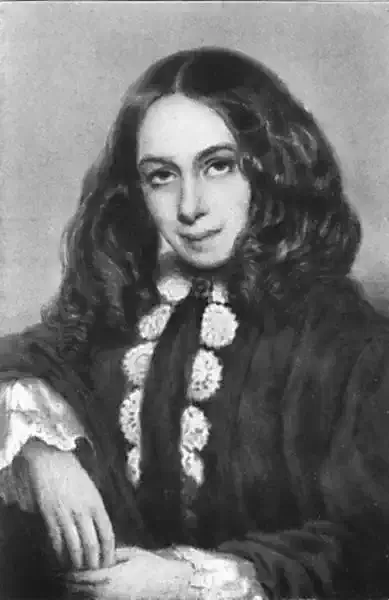
Elizabeth Barrett Browning
The Lady's Yes
'Yes,' I answered you last night;
'No,' this morning, Sir, I say.
Colours seen by candlelight,
Will not look the same by day.
When the viols played their best,
Lamps above, and laughs below---
Love me sounded like a jest,
Fit for Yes or fit for No.
Call me false, or call me free--Vow,
whatever light may shine,
No man on your face shall see
Any grief for change on mine.
Yet the sin is on us both--Time
to dance is not to woo---
Wooer light makes fickle troth--Scorn
of me recoils on you.
Learn to win a lady's faith
Nobly, as the thing is high;
Bravely, as for life and death--With
a loyal gravity.
Lead her from the festive boards,
Point her to the starry skies,
Guard her, by your truthful words,
Pure from courtship's flatteries.
By your truth she shall be true--Ever
true, as wives of yore---
And her Yes, once said to you,
SHALL be Yes for evermore.
369
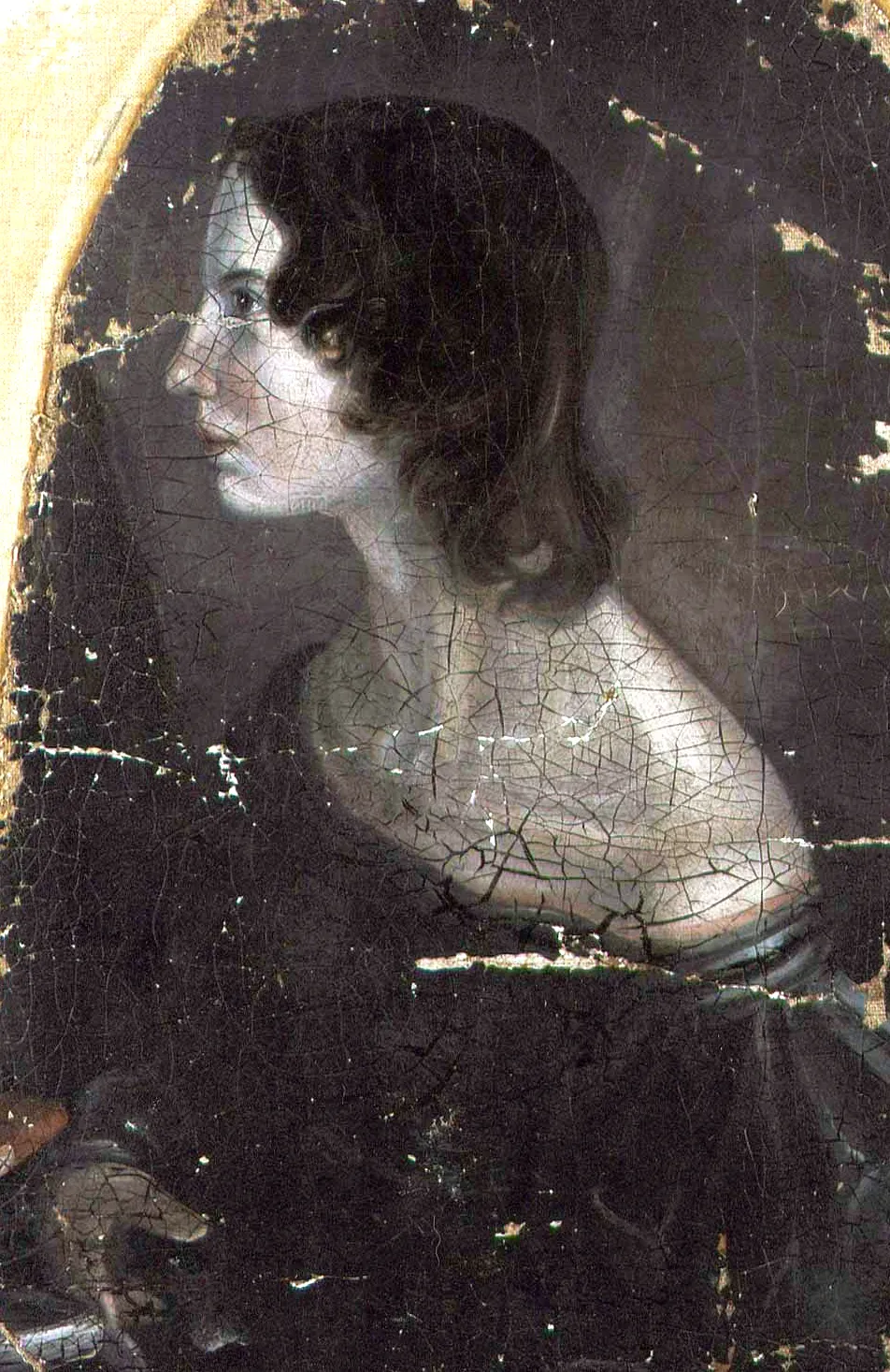
Emily Jane Brontë
The Prisoner
Still let my tyrants know, I am not doomed to wear
Year after year in gloom and desolate despair;
A messenger of Hope comes every night to me,
And offers for short life, eternal liberty.
He comes with western winds, with evening's wandering airs,
With that clear dusk of heaven that brings the thickest stars:
Winds take a pensive tone, and stars a tender fire,
And visions rise, and change, that kill me with desire.
Desire for nothing known in my maturer years,
When Joy grew mad with awe, at counting future tears:
When, if my spirit's sky was full of flashes warm,
I knew not whence they came, from sun or thunderstorm.
But first, a hush of peace -a soundless calm descends;
The struggle of distress and fierce impatience ends;
Mute music soothes my breast -unuttered harmony
That I could never dream, till Earth was lost to me.
Then dawns the Invisible; the Unseen its truth reveals;
My outward sense is gone, my inward essence feels;
Its wings are almost free -its home, its harbour found;
Measuring the gulf, it stoops, and dares the final bound.
O dreadful is the check -intense the agony -
When the ear begins to hear, and the eye begins to see;
When the pulse begins to throb, the brain to think again,
The soul to feel the flesh, and the flesh to feel the chain.
Yet I would lose no sting, would wish no torture less;
The more that anguish racks, the earlier it will bless;
And robed in fires of hell, or bright with heavenly shine,
If it but herald Death, the vision is divine.
371

Robert Louis Stevenson
A Valentine's Song
MOTLEY I count the only wear
That suits, in this mixed world, the truly wise,
Who boldly smile upon despair
And shake their bells in Grandam Grundy's eyes.
Singers should sing with such a goodly cheer
That the bare listening should make strong like wine,
At this unruly time of year,
The Feast of Valentine.
We do not now parade our "oughts"
And "shoulds" and motives and beliefs in God.
Their life lies all indoors; sad thoughts
Must keep the house, while gay thoughts go abroad,
Within we hold the wake for hopes deceased;
But in the public streets, in wind or sun,
Keep open, at the annual feast,
The puppet-booth of fun.
Our powers, perhaps, are small to please,
But even negro-songs and castanettes,
Old jokes and hackneyed repartees
Are more than the parade of vain regrets.
Let Jacques stand Wert(h)ering by the wounded deer -
We shall make merry, honest friends of mine,
At this unruly time of year,
The Feast of Valentine.
I know how, day by weary day,
Hope fades, love fades, a thousand pleasures fade.
I have not trudged in vain that way
On which life's daylight darkens, shade by shade.
And still, with hopes decreasing, griefs increased,
Still, with what wit I have shall I, for one,
Keep open, at the annual feast,
The puppet-booth of fun.
I care not if the wit be poor,
The old worn motley stained with rain and tears,
If but the courage still endure
That filled and strengthened hope in earlier years;
If still, with friends averted, fate severe,
A glad, untainted cheerfulness be mine
To greet the unruly time of year,
The Feast of Valentine.
Priest, I am none of thine, and see
In the perspective of still hopeful youth
That Truth shall triumph over thee -
Truth to one's self - I know no other truth.
I see strange days for thee and thine, O priest,
And how your doctrines, fallen one by one,
Shall furnish at the annual feast
The puppet-booth of fun.
Stand on your putrid ruins - stand,
White neck-clothed bigot, fixedly the same,
Cruel with all things but the hand,
Inquisitor in all things but the name.
Back, minister of Christ and source of fear -
We cherish freedom - back with thee and thine
From this unruly time of year,
The Feast of Valentine.
Blood thou mayest spare; but what of tears?
But what of riven households, broken faith -
Bywords that cling through all men's years
And drag them surely down to shame and death?
Stand back, O cruel man, O foe of youth,
And let such men as hearken not thy voice
Press freely up the road to truth,
The King's highway of choice.
367
Emily Dickinson
They put Us far apart
They put Us far apart-
As separate as Sea
And Her unsown Peninsula-
We signified "These see"-
They took away our Eyes-
They thwarted Us with Guns"
I see Thee" each responded straight
Through Telegraphic Signs-
With Dungeons-They devised-
But through their thickest skill-
And their opaquest Adamant-
Our Souls saw-just as well-
They summoned Us to die-
With sweet alacrity
We stood upon our stapled feet
Condemned-
but just-to see-
Permission to recant-
Permission to forget-
We turned our backs upon the Sun
For perjury of that-
Not Either-noticed Death-
Of Paradise-aware-
Each other's Face-was all the Disc
Each other's setting-saw-
367
Emily Dickinson
Exultation is the going
Exultation is the going
Of an inland soul to sea,
Past the houses-past the headlands-
Into deep Eternity-
Bred as we, among the mountains,
Can the sailor understand
The divine intoxication
Of the first league out from land?
Of an inland soul to sea,
Past the houses-past the headlands-
Into deep Eternity-
Bred as we, among the mountains,
Can the sailor understand
The divine intoxication
Of the first league out from land?
365
Khalil Gibran
Vision X
There in the middle of the field, by the side of a crystalline stream, I saw a bird-cage
whose rods and hinges were fashioned by an expert's hands. In one corner lay a dead
bird, and in another were two basins -- one empty of water and the other of seeds. I
stood there reverently, as if the lifeless bird and the murmur of the water were worthy
of deep silence and respect -- something worth of examination and meditation by the
heard and conscience.
As I engrossed myself in view and thought, I found that the poor creature had died of
thirst beside a stream of water, and of hunger in the midst of a rich field, cradle of life;
like a rich man locked inside his iron safe, perishing from hunger amid heaps of gold.
Before my eyes I saw the cage turned suddenly into a human skeleton, and the dead
bird into a man's heart which was bleeding from a deep wound that looked like the lips
of a sorrowing woman. A voice came from that wound saying, "I am the human heart,
prisoner of substance and victim of earthly laws.
"In God's field of Beauty, at the edge of the stream of life, I was imprisoned in the cage
of laws made by man.
"In the center of beautiful Creation I died neglected because I was kept from enjoying
the freedom of God's bounty.
"Everything of beauty that awakens my love and desire is a disgrace, according to
man's conceptions; everything of goodness that I crave is but naught, according to his
judgment.
"I am the lost human heart, imprisoned in the foul dungeon of man's dictates, tied with
chains of earthly authority, dead and forgotten by laughing humanity whose tongue is
tied and whose eyes are empty of visible tears."
All these words I heard, and I saw them emerging with a stream of ever thinning blood
from that wounded heart.
More was said, but my misted eyes and crying should prevented further sight or
hearing.
366
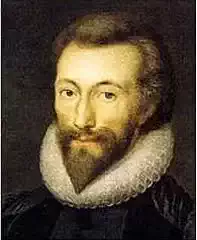
John Donne
Valediction to his Book
I'LL tell thee now (dear love) what thou shalt do
To anger destiny, as she doth us ;
How I shall stay, though she eloign me thus,
And how posterity shall know it too ;
How thine may out-endure
Sibyl's glory, and obscure
Her who from Pindar could allure,
And her, through whose help Lucan is not lame,
And her, whose book (they say) Homer did find, and name.
Study our manuscripts, those myriads
Of letters, which have past 'twixt thee and me ;
Thence write our annals, and in them will be
To all whom love's subliming fire invades,
Rule and example found ;
There the faith of any ground
No schismatic will dare to wound,
That sees, how Love this grace to us affords,
To make, to keep, to use, to be these his records.
This book, as long-lived as the elements,
Or as the world's form, this all-gravèd tome
In cypher writ, or new made idiom ;
We for Love's clergy only are instruments ;
When this book is made thus,
Should again the ravenous
Vandals and Goths invade us,
Learning were safe ; in this our universe,
Schools might learn sciences, spheres music, angels verse.
Here Love's divines—since all divinity
Is love or wonder—may find all they seek,
Whether abstract spiritual love they like,
Their souls exhaled with what they do not see ;
Or, loth so to amuse
Faith's infirmity, they choose
Something which they may see and use ;
For, though mind be the heaven, where love doth sit,
Beauty a convenient type may be to figure it.
Here more than in their books may lawyers find,
Both by what titles mistresses are ours,
And how prerogative these states devours,
Transferr'd from Love himself, to womankind ;
Who, though from heart and eyes,
They exact great subsidies,
Forsake him who on them relies ;
And for the cause, honour, or conscience give ;
Chimeras vain as they or their prerogative.
Here statesmen—or of them, they which can read—
May of their occupation find the grounds ;
Love, and their art, alike it deadly wounds,
If to consider what 'tis, one proceed.
In both they do excel
Who the present govern well,
Whose weakness none doth, or dares tell ;
In this thy book, such will there something see,
As in the Bible some can find out alchemy.
Thus vent thy thoughts ; abroad I'll study thee,
As he removes far off, that great heights takes ;
How great love is, presence best trial makes,
But absence tries how long this love will be ;
To take a latitude
Sun, or stars, are fitliest view'd
At their brightest, but to conclude
Of longitudes, what other way have we,
But to mark when and where the dark eclipses be?
364
John Greenleaf Whittier
Ritner
THANK God for the token! one lip is still free,
One spirit untrammelled, unbending one knee!
Like the oak of the mountain, deep-rooted and firm,
Erect, when the multitude bends to the storm;
When traitors to Freedom, and Honor, and God,
Are bowed at an Idol polluted with blood;
When the recreant North has forgotten her trust,
And the lip of her honor is low in the dust, —
Thank God, that one arm from the shackle has broken!
Thank God, that one man as a freeman has spoken!
O'er thy crags, Alleghany, a blast has been blown!
Down thy tide, Susquehanna, the murmur has gone!
To the land of the South, of the charter and chain,
Of Liberty sweetened with Slavery's pain;
Where the cant of Democracy dwells on the lips
Of the forgers of fetters, and wielders of whips!
Where 'chivalric' honor means really no more
Than scourging of women, and robbing the poor!
Where the Moloch of Slavery sitteth on high,
And the words which he utters, are — Worship, or die!
Right onward, oh, speed it! Wherever the blood
Of the wronged and the guiltless is crying to God;
Wherever a slave in his fetters is pining;
Wherever the lash of the driver is twining;
Wherever from kindred, torn rudely apart,
Comes the sorrowful wail of the broken of heart;
Wherever the shackles of tyranny bind,
In silence and darkness, the God-given mind;
There, God speed it onward! its truth will be felt,
The bonds shall be loosened, the iron shall melt!
And oh, will the land where the free soul of Penn
Still lingers and breathes over mountain and glen;
Will the land where a Benezet's spirit went forth
To the peeled and the meted, and outcast of Earth;
Where the words of the Charter of Liberty first
From the soul of the sage and the patriot burst;
Where first for the wronged and the weak of their kind,
The Christian and statesman their efforts combined;
Will that land of the free and the good wear a chain?
Will the call to the rescue of Freedom be vain?
No, Ritner! her 'Friends' at thy warning shall stand
Erect for the truth, like their ancestral band;
Forgetting the feuds and the strife of past time,
Counting coldness injustice, and silence a crime;
Turning back from the cavil of creeds, to unite
Once again for the poor in defence of the Right;
Breasting calmly, but firmly, the full tide of Wrong,
Overwhelmed, but not borne on its surges along;
Unappalled by the danger, the shame, and the pain,
And counting each trial for Truth as their gain!
And that bold-hearted yeomanry, honest and true,
Who, haters of fraud, give to labor its due;
Whose fathers, of old, sang in concert with thine,
On the banks of Swetara, the songs of the Rhine, —
The German-born pilgrims, who first dared to brave
The scorn of the proud in the cause of the slave;
Will the sons of such men yield the lords of the South
One brow for the brand, for the padlock one mouth?
They cater to tyrants? They rivet the chain,
Which their fathers smote off, on the negro again?
No, never! one voice, like the sound in the cloud,
When the roar of the storm waxes loud and more loud,
Wherever the foot of the freeman hath pressed
From the Delaware's marge to the Lake of the West,
On the South-going breezes shall deepen and grow
Till the land it sweeps over shall tremble below!
The voice of a people, uprisen, awake,
Pennsylvania's watchword, with Freedom at stake,
Thrilling up from each valley, flung down from each height,
'Our Country and Liberty! God for the Right!'
363
John Greenleaf Whittier
Kossuth
Type of two mighty continents!--combining
The strength of Europe with the warmth and glow
Of Asian song and prophecy,--the shining
Of Orient splendors over Northern snow!
Who shall receive him? Who, unblushing, speak
Welcome to him, who, while he strove to break
The Austrian yoke from Magyar necks, smote off
At the same blow the fetters of the serf,
Rearing the altar of his Fatherland
On the firm base of freedom, and thereby
Lifting to Heaven a patriot's stainless hand,
Mocked not the God of Justice with a lie!
Who shall be Freedom's mouthpiece? Who shall give
Her welcoming cheer to the great fugitive?
Not he who, all her sacred trusts betraying,
Is scourging back to slavery's hell of pain
The swarthy Kossuths of our land again!
Not he whose utterance now from lips designed
The bugle-march of Liberty to wind,
And call her hosts beneath the breaking light,
The keen reveille of her morn of fight,
Is but the hoarse note of the blood-hound's baying,
The wolf's long howl behind the bondman's flight!
Oh for the tongue of him who lies at rest
In Quincy's shade of patrimonial trees,
Last of the Puritan tribunes and the best,
To lend a voice to Freedom's sympathies,
And hail the coming of the noblest guest
The Old World's wrong has given the New World of the West!
363

Alexander Pope
Chorus of Athenians
Strophe I.
Ye shades, where sacred truth is sought;
Groves, where immortal Sages taught;
Where heav'nly visions of Plato fir'd,
And Epicurus lay inspir'd!
In vain your guiltless laurels stood
Unspotted long with human blood.
War, horrid war, your thoughtful walks invades,
And steel now glitters in the Muses' shades.
Antistrophe I.
Oh heav'n-born sisters! source of art!
Who charm the sense, or mend the heart;
Who lead fair Virtue's train along,
Moral Truth, and mystic Song!
To what new clime, what distant sky,
Forsaken, friendless, shall ye fly?
Say, will you bless the bleak Atlantic shore?
Or bid the furious Gaul be rude no more?
Strophe II.
When Athens sinks by fates unjust,
When wild Barbarians spurn her dust;
Perhaps ev'n Britain's utmost shore,
Shall cease to blush with strager's gore.
See Arts her savage sons control,
And Athens rising near the pole!
'Till some new Tyrant lifts his purple hand,
And civil madness tears them from this land.
Antistrophe II.
Ye Gods! what justice rules the ball?
Freedom and Arts together fall;
Fools grant whate'er Ambition craves,
And men, once ignorant, are slaves.
Oh curs'd effects of civil hate,
In ev'ry age, in ev'ry state!
Still, when the lust of tyrant power succeeds,
Some Athens perishes, some Tully bleeds.
361

Henry Wadsworth Longfellow
The Saga of King Olaf: XIII. The Building Of The Long Serpent
Thorberg Skafting, master-builder,
In his ship-yard by the sea,
Whistling, said, 'It would bewilder
Any man but Thorberg Skafting,
Any man but me!'
Near him lay the Dragon stranded,
Built of old by Raud the Strong,
And King Olaf had commanded
He should build another Dragon,
Twice as large and long.
Therefore whistled Thorberg Skafting,
As he sat with half-closed eyes,
And his head turned sideways, drafting
That new vessel for King Olaf
Twice the Dragon's size.
Round him busily hewed and hammered
Mallet huge and heavy axe;
Workmen laughed and sang and clamored;
Whirred the wheels, that into rigging
Spun the shining flax!
All this tumult heard the master,--
It was music to his ear;
Fancy whispered all the faster,
'Men shall hear of Thorberg Skafting
For a hundred year!'
Workmen sweating at the forges
Fashioned iron bolt and bar,
Like a warlock's midnight orgies
Smoked and bubbled the black caldron
With the boiling tar.
Did the warlocks mingle in it,
Thorberg Skafting, any curse?
Could you not be gone a minute
But some mischief must be doing,
Turning bad to worse?
'T was an ill wind that came wafting,
From his homestead words of woe;
To his farm went Thorberg Skafting,
Oft repeating to his workmen,
Build ye thus and so.
After long delays returning
Came the master back by night;
To his ship-yard longing, yearning,
Hurried he, and did not leave it
Till the morning's light.
'Come and see my ship, my darling!?
On the morrow said the King;
'Finished now from keel to carling;
Never yet was seen in Norway
Such a wondrous thing!'
In the ship-yard, idly talking,
At the ship the workmen stared:
Some one, all their labor balking,
Down her sides had cut deep gashes,
Not a plank was spared!
'Death be to the evil-doer!'
With an oath King Olaf spoke;
'But rewards to his pursuer!?
And with wrath his face grew redder
Than his scarlet cloak.
Straight the master-builder, smiling,
Answered thus the angry King:
'Cease blaspheming and reviling,
Olaf, it was Thorberg Skafting
Who has done this thing!'
Then he chipped and smoothed the planking,
Till the King, delighted, swore,
With much lauding and much thanking,
'Handsomer is now my Dragon
Than she was before!'
Seventy ells and four extended
On the grass the vessel's keel;
High above it, gilt and splendid,
Rose the figure-head ferocious
With its crest of steel.
Then they launched her from the tressels,
In the ship-yard by the sea;
She was the grandest of all vessels,
Never ship was built in Norway
Half so fine as she!
The Long Serpent was she christened,
'Mid the roar of cheer on cheer!
They who to the Saga listened
Heard the name of Thorberg Skafting
For a hundred year!
361
John Greenleaf Whittier
The Shoemakers
Ho! workers of the old time styled
The Gentle Craft of Leather!
Young brothers of the ancient guild,
Stand forth once more together!
Call out again your long array,
In the olden merry manner!
Once more, on gay St. Crispin's day,
Fling out your blazoned banner!
Rap, rap! upon the well-worn stone
How falls the polished hammer!
Rap, rap! the measured sound has grown
A quick and merry clamor.
Now shape the sole! now deftly curl
The glossy vamp around it,
And bless the while the bright-eyed girl
Whose gentle fingers bound it!
For you, along the Spanish main
A hundred keels are ploughing;
For you, the Indian on the plain
His lasso-coil is throwing;
For you, deep glens with hemlock dark
The woodman's fire is lighting;
For you, upon the oak's gray bark,
The woodman's axe is smiting.
For you, from Carolina's pine
The rosin-gum is stealing;
For you, the dark-eyed Florentine
Her silken skein is reeling;
For you, the dizzy goatherd roams
His rugged Alpine ledges;
For you, round all her shepherd homes,
Bloom England's thorny hedges.
The foremost still, by day or night,
On moated mound or heather,
Whete'er the need of trampled right
Brought toiling men together;
Where the free burghers from the wall
Defied the mail-clad master,
Than yours, at Freedom's trumpet-call,
No craftsmen rallied faster.
Let foplings sneer, let fools deride,
Ye heed no idle scorner;
Free hands and hearts are still your pride,
And duty done, your honor.
Ye dare to trust, for honest fame,
The jury Time empanels,
And leave to truth each noble name
Which glorifies your annals.
Thy songs, Han Sachs, are living yet,
In strong and hearty German;
And Bloomfield's lay, and Gifford's wit,
And patriot fame of Sherman;
Still from his book, a mystic seer,
The soul of Behmen teaches,
And England's priestcraft shakes to hear
Of Fox's leathern breeches.
The foot is yours; where'er it falls,
It treads your well-wrought leather,
On earthen floor, in marble halls,
On carpet, or on heather.
Still there the sweetest charm is found
Of matron grace or vestal's,
As Hebe's foot bore nectar round
Among the old celestials!
Rap, rap! — your stout and bluff brogan,
With footsteps slow and weary,
May wander where the sky's blue span
Shuts down upon the prairie.
On Beauty's foot your slippers glance,
By Saratoga's fountains,
Or twinkle down the summer dance
Beneath the Crystal Mountains!
The red brick to the mason's hand,
The brown earth to the tiller's,
The shoe in yours shall wealth command,
Like fairy Cinderella's!
As they who shunned the household maid
Beheld the crown upon her,
So all shall see your toil repaid
With hearth and home and honor.
Then let the toast be freely quaffed,
In water cool and brimming,
'All honor to the good old Craft,
Its merry men and women!'
Call out again your long array,
In the old time's pleasant manner:
Once more, on gay St. Crispin's day,
Fling out his blazoned banner!
358
Henry Van Dyke
Milton
I
Lover of beauty, walking on the height
Of pure philosophy and tranquil song;
Born to behold the visions that belong
To those who dwell in melody and light;
Milton, thou spirit delicate and bright!
What drew thee down to join the Roundhead throng
Of iron-sided warriors, rude and strong,
Fighting for freedom in a world half night?
Lover of Liberty at heart wast thou,
Above all beauty bright, all music clear:
To thee she bared her bosom and her brow,
Breathing her virgin promise in thine ear,
And bound thee to her with a double vow, --
Exquisite Puritan, grave Cavalier!
II
The cause, the cause for which thy soul resigned
Her singing robes to battle on the plain,
Was won, O poet, and was lost again;
And lost the labour of thy lonely mind
On weary tasks of prose. What wilt thou find
To comfort thee for all the toil and pain?
What solace, now thy sacrifice is vain
And thou art left forsaken, poor, and blind?
Like organ-music comes the deep reply:
"The cause of truth looks lost, but shall be won.
For God hath given to mine inward eye
Vision of England soaring to the sun.
And granted me great peace before I die,
In thoughts of lowly duty bravely done."
III
O bend again above thine organ-board,
Thou blind old poet longing for repose!
Thy Master claims thy service not with those
Who only stand and wait for his reward.
He pours the heavenly gift of song restored
Into thy breast, and bids thee nobly close
A noble life, with poetry that flows
In mighty music of the major chord.
Where hast thou learned this deep, majestic strain,
Surpassing all thy youthful lyric grace,
To sing of Paradise? Ah, not in vain
The griefs that won at Dante's side thy place,
And made thee, Milton, by thy years of pain,
The loftiest poet of the Saxon race!
356