
Literature and Words

Ezra Pound
Mr. Nixon
Mr. Nixon
In the cream gilded cabin of his steam yacht
Mr. Nixon advised me kindly, to advance with fewer
Dangers of delay. 'Consider
Carefully the reviewer.
'I was as poor as you are;
'When I began I got, of course,
'Advance on royalties, fifty at first,' said Mr. Nixon,
'Follow me, and take a column,
'Even if you have to work free.
'Butter reviewers. From fifty to three hundred
'I rose in eighteen months;
'The hardest nut I had to crack
'Was Dr. Dundas.
'I never mentioned a man but with the view
'Of selling my own works.
'The tip's a good one, as for literature
'It gives no man a sinecure.
'And no one knows, at sight, a masterpiece.
'And give up verse, my boy,
'There's nothing in it.'
Likewise a friend of Bloughram's once advised me:
Don't kick against the pricks,
Accept opinion. The 'Nineties' tried your game
And died, there's nothing in it.
X
Beneath the sagging roof
The stylist has taken shelter,
Unpaid, uncelebrated,
At last from the world's welter
Nature receives him;
With a placid and uneducated mistress
He exercises his talents
And the soil meets his distress.
The haven from sophistications and contentions
Leaks through its thatch;
He offers succulent cooking;
The door has a creaking latch.
XI
Conservatrix of Milésien'
Habits of mind and feeling,
Possibly. But in Ealing
With the most bank-clerkly of Englishmen ?
No, 'Milésian' is an exaggeration.
No instinct has survived in her
Older than those her grandmother
Told her would fit her station.
XII
‘Daphne with her thighs in bark
Stretches toward me her leafy hands,'
Subjectively. In the stuffed-satin drawing-room
I await The Lady Valentine's commands,
Knowing my coat has never been
Of precisely the fashion
To stimulate, in her,
A durable passion;
Doubtful, somewhat, of the value
Of well-gowned approbation
Of literary effort,
But never of The Lady Valentine's vocation:
Poetry, her border of ideas,
The edge, uncertain, but a means of blending
With other strata
Where the lower and higher have ending;
A hook to catch the Lady Jane's attention,
A modulation toward the theatre,
Also, in the case of revolution,
A possible friend and comforter.
Conduct, on the other hand, the soul
‘Which the highest cultures have nourished'
To Fleet St. where
Dr. Johnson flourished;
Beside this thoroughfare
The sale of half-hose has
Long since superseded the cultivation
Of Pierian roses.
523
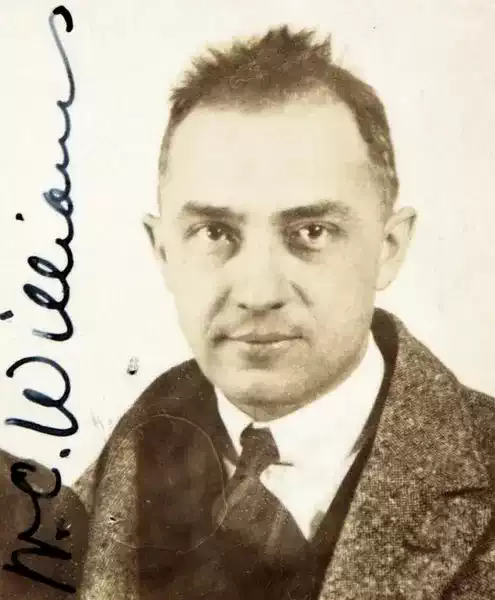
William Carlos Williams
A Sort of a Song
A Sort of a Song
Let the snake wait under
his weed
and the writing
be of words, slow and quick, sharp
to strike, quiet to wait,
sleepless.
-- through metaphor to reconcile
the people and the stones.
Compose. (No ideas
but in things) Invent!
Saxifrage is my flower that splits
the rocks.
Let the snake wait under
his weed
and the writing
be of words, slow and quick, sharp
to strike, quiet to wait,
sleepless.
-- through metaphor to reconcile
the people and the stones.
Compose. (No ideas
but in things) Invent!
Saxifrage is my flower that splits
the rocks.
526

Henry Wadsworth Longfellow
Arrow and the Song, The
Arrow and the Song, The
I shot an arrow into the air,
It fell to earth, I knew not where;
For, so swiftly it flew, the sight
Could not follow it in its flight.
I breathed a song into the air,
It fell to earth, I knew not where;
For who has sight so keen and strong,
That it can follow the flight of song?
Long, long afterward, in an oak
I found the arrow, still unbroke;
And the song, from beginning to end,
I found again in the heart of a friend.
524
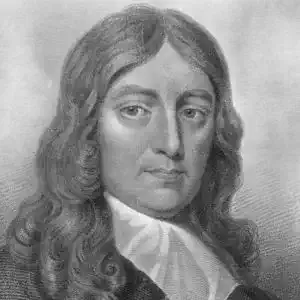
John Milton
An Epitaph on the Admirable Dramatic Poet W. Shakespeare
An Epitaph on the Admirable Dramatic Poet W. Shakespeare
What needs my Shakespeare for his honored bones
The labor of an age in piled stones?
Or that his hallowed reliques should be hid
Under a star-ypointing pyramid?
Dear son of Memory, great heir of Fame,
What need'st thou such weak witness of thy name?
Thou in our wonder and astonishment
Hast built thy self a livelong monument.
For whilst, to th' shame of slow-endeavoring art,
Thy easy numbers flow, and that each heart
Hath from the leaves of thy unvalued book
Those Delphic lines with deep impression took,
Then thou, our fancy of itself bereaving,
Dost make us marble with too much conceiving,
And so sepulchred in such pomp dost lie
That kings for such a tomb would wish to die.
521

Lord Byron
To Lord Thurlow
To Lord Thurlow
'I lay my branch of laurel down.
Then thus to form Apollo's crown.
Let every other bring his own.'~Lord Thurlow's lines to Mr. Rogers
'I lay my branch of laurel down.'
Thou 'lay thy branch of laurel down!'
Why, what thou'st stole is not enow;
And, were it lawfully thine own,
Does Rogers want it most, or thou?
Keep to thyself thy wither'd bough,
Or send it back to Doctor Donne:
Were justice done to both, I trow,
He'd have but little, and thounone.
'Then thus to form Apollo's crown.'
A crown! why, twist it how you will,
Thy chaplet must be foolscap still.
When next you visit Delphi's town,
Inquire amongst your fellowlodgers,
They'll tell you Phoebus gave his crown,
Some years before your birth, to Rogers.
'Let every other bring his own.'
When coals to Newcastle are carried,
And owls sent to Athens, as wonders,
From his spouse when the R egent's unmarried,
Or Liverpool weeps o'er his blunders;
When Tories and Whigs cease to quarrel,
When Castlereagh's wife has an heir,
Then Rogers shall ask us for laurel,
And thou shalt have plenty to spare.
524

John Keats
Ode
Ode
Bards of Passion and of Mirth,
Ye have left your souls on earth!
Have ye souls in heaven too,
Double lived in regions new?
Yes, and those of heaven commune
With the spheres of sun and moon;
With the noise of fountains wound'rous,
And the parle of voices thund'rous;
With the whisper of heaven's trees
And one another, in soft ease.
Seated on Elysian lawns
Brows'd by none but Dian's fawns;
Underneath large blue-bells tented,
Where the daisies are rose-scented,
And the rose herself has got
Perfume which on earth is not;
Where the nightingale doth sing
Not a senseless, tranced thing,
But divine melodious truth;
Philosophic numbers smooth;
Tales and golden histories
Of heaven and its mysteries.
Thus ye live on high, and then
On the earth ye live again;
And the souls ye left behind you
Teach us, here, the way to find you,
Where your other souls are joying,
Never slumber'd, never cloying.
Here, your earth-born souls still speak
To mortals, of their little week;
Of their sorrows and delights;
Of their passions and their spites;
Of their glory and their shame;
What doth strengthen and what maim.
Thus ye teach us, every day,
Wisdom, though fled far away.
Bards of Passion and of Mirth,
Ye have left your souls on earth!
Ye have souls in heaven too,
Double-lived in regions new!
Bards of Passion and of Mirth,
Ye have left your souls on earth!
Have ye souls in heaven too,
Double lived in regions new?
Yes, and those of heaven commune
With the spheres of sun and moon;
With the noise of fountains wound'rous,
And the parle of voices thund'rous;
With the whisper of heaven's trees
And one another, in soft ease.
Seated on Elysian lawns
Brows'd by none but Dian's fawns;
Underneath large blue-bells tented,
Where the daisies are rose-scented,
And the rose herself has got
Perfume which on earth is not;
Where the nightingale doth sing
Not a senseless, tranced thing,
But divine melodious truth;
Philosophic numbers smooth;
Tales and golden histories
Of heaven and its mysteries.
Thus ye live on high, and then
On the earth ye live again;
And the souls ye left behind you
Teach us, here, the way to find you,
Where your other souls are joying,
Never slumber'd, never cloying.
Here, your earth-born souls still speak
To mortals, of their little week;
Of their sorrows and delights;
Of their passions and their spites;
Of their glory and their shame;
What doth strengthen and what maim.
Thus ye teach us, every day,
Wisdom, though fled far away.
Bards of Passion and of Mirth,
Ye have left your souls on earth!
Ye have souls in heaven too,
Double-lived in regions new!
520

Robert Browning
Fra Lippo Lippi
Fra Lippo Lippi
I am poor brother Lippo, by your leave!
You need not clap your torches to my face.
Zooks, what's to blame? you think you see a monk!
What, 'tis past midnight, and you go the rounds,
And here you catch me at an alley's end
Where sportive ladies leave their doors ajar?
The Carmine's my cloister: hunt it up,
Do,--harry out, if you must show your zeal,
Whatever rat, there, haps on his wrong hole,
And nip each softling of a wee white mouse,
Weke, weke, that's crept to keep him company!
Aha, you know your betters! Then, you'll take
Your hand away that's fiddling on my throat,
And please to know me likewise. Who am I?
Why, one, sir, who is lodging with a friend
Three streets off--he's a certain . . . how d'ye call?
Master--a ...Cosimo of the Medici,
I' the house that caps the corner. Boh! you were best!
Remember and tell me, the day you're hanged,
How you affected such a gullet's-gripe!
But you, sir, it concerns you that your knaves
Pick up a manner nor discredit you:
Zooks, are we pilchards, that they sweep the streets
And count fair price what comes into their net?
He's Judas to a tittle, that man is!
Just such a face! Why, sir, you make amends.
Lord, I'm not angry! Bid your hang-dogs go
Drink out this quarter-florin to the health
Of the munificent House that harbours me
(And many more beside, lads! more beside!)
And all's come square again. I'd like his face--
His, elbowing on his comrade in the door
With the pike and lantern,--for the slave that holds
John Baptist's head a-dangle by the hair
With one hand ("Look you, now," as who should say)
And his weapon in the other, yet unwiped!
It's not your chance to have a bit of chalk,
A wood-coal or the like? or you should see!
Yes, I'm the painter, since you style me so.
What, brother Lippo's doings, up and down,
You know them and they take you? like enough!
I saw the proper twinkle in your eye--
'Tell you, I liked your looks at very first.
Let's sit and set things straight now, hip to haunch.
Here's spring come, and the nights one makes up bands
To roam the town and sing out carnival,
And I've been three weeks shut within my mew,
A-painting for the great man, saints and saints
And saints again. I could not paint all night--
Ouf! I leaned out of window for fresh air.
There came a hurry of feet and little feet,
A sweep of lute strings, laughs, and whifts of song, --
Flower o' the broom,
Take away love, and our earth is a tomb!
Flower o' the quince,
I let Lisa go, and what good in life since?
Flower o' the thyme--and so on. Round they went.
Scarce had they turned the corner when a titter
Like the skipping of rabbits by moonlight,--three slim shapes,
And a face that looked up . . . zooks, sir, flesh and blood,
That's all I'm made of! Into shreds it went,
Curtain and counterpane and coverlet,
All the bed-furniture--a dozen knots,
There was a ladder! Down I let myself,
Hands and feet, scrambling somehow, and so dropped,
And after them. I came up with the fun
Hard by Saint Laurence, hail fellow, well met,--
Flower o' the rose,
If I've been merry, what matter who knows?
And so as I was stealing back again
To get to bed and have a bit of sleep
Ere I rise up to-morrow and go work
On Jerome knocking at his poor old breast
With his great round stone to subdue the flesh,
You snap me of the sudden. Ah, I see!
Though your eye twinkles still, you shake your head--
Mine's shaved--a monk, you say--the sting 's in that!
If Master Cosimo announced himself,
Mum's the word naturally; but a monk!
Come, what am I a beast for? tell us, now!
I was a baby when my mother died
And father died and left me in the street.
I starved there, God knows how, a year or two
On fig-skins, melon-parings, rinds and shucks,
Refuse and rubbish. One fine frosty day,
My stomach being empty as your hat,
The wind doubled me up and down I went.
Old Aunt Lapaccia trussed me with one hand,
(Its fellow was a stinger as I knew)
And so along the wall, over the bridge,
By the straight cut to the convent. Six words there,
While I stood munching my first bread that month:
"So, boy, you're minded," quoth the good fat father
Wiping his own mouth, 'twas refection-time,--
"To quit this very miserable world?
Will you renounce" . . . "the mouthful of bread?" thought I;
By no means! Brief, they made a monk of me;
I did renounce the world, its pride and greed,
Palace, farm, villa, shop, and banking-house,
Trash, such as these poor devils of Medici
Have given their hearts to--all at eight years old.
Well, sir, I found in time, you may be sure,
'T#was not for nothing--the good bellyful,
The warm serge and the rope that goes all round,
And day-long blessed idleness beside!
"Let's see what the urchin's fit for"--that came next.
Not overmuch their way, I must confess.
Such a to-do! They tried me with their books:
Lord, they'd have taught me Latin in pure waste!
Flower o' the clove.
All the Latin I construe is, "amo" I love!
But, mind you, when a boy starves in the streets
Eight years together, as my fortune was,
Watching folk's faces to know who will fling
The bit of half-stripped grape-bunch he desires,
And who will curse or kick him for his pains,--
Which gentleman processional and fine,
Holding a candle to the Sacrament,
Will wink and let him lift a plate and catch
The droppings of the wax to sell again,
Or holla for the Eight and have him whipped,--
How say I?--nay, which dog bites, which lets drop
His bone from the heap of offal in the street,--
Why, soul and sense of him grow sharp alike,
He learns the look of things, and none the less
For admonition from the hunger-pinch.
I had a store of such remarks, be sure,
Which, after I found leisure, turned to use.
I drew men's faces on my copy-books,
Scrawled them within the antiphonary's marge,
Joined legs and arms to the long music-notes,
Found eyes and nose and chin for A's and B's,
And made a string of pictures of the world
Betwixt the ins and outs of verb and noun,
On the wall, the bench, the door. The monks looked black.
"Nay," quoth the Prior, "turn him out, d'ye say?
In no wise. Lose a crow and catch a lark.
What if at last we get our man of parts,
We Carmelites, like those Camaldolese
And Preaching Friars, to do our church up fine
And put the front on it that ought to be!"
And hereupon he bade me daub away.
Thank you! my head being crammed, the walls a blank,
Never was such prompt disemburdening.
First, every sort of monk, the black and white,
I drew them, fat and lean: then, folk at church,
From good old gossips waiting to confess
Their cribs of barrel-droppings, candle-ends,--
To the breathless fellow at the altar-foot,
Fresh from his murder, safe and sitting there
With the little children round him in a row
Of admiration, half for his beard and half
For that white anger of his victim's son
Shaking a fist at him with one fierce arm,
Signing himself with the other because of Christ
(Whose sad face on the cross sees only this
After the passion of a thousand years)
Till some poor girl, her apron o'er her head,
(Which the intense eyes looked through) came at eve
On tiptoe, said a word, dropped in a loaf,
Her pair of earrings and a bunch of flowers
(The brute took growling), prayed, and so was gone.
I painted all, then cried " `T#is ask and have;
Choose, for more's ready!"--laid the ladder flat,
And showed my covered bit of cloister-wall.
The monks closed in a circle and praised loud
Till checked, taught what to see and not to see,
Being simple bodies,--"That's the very man!
Look at the boy who stoops to pat the dog!
That woman's like the Prior's niece who comes
To care about his asthma: it's the life!''
But there my triumph's straw-fire flared and funked;
Their betters took their turn to see and say:
The Prior and the learned pulled a face
And stopped all that in no time. "How? what's here?
Quite from the mark of painting, bless us all!
Faces, arms, legs, and bodies like the true
As much as pea and pea! it's devil's-game!
Your business is not to catch men with show,
With homage to the perishable clay,
But lift them over it, ignore it all,
Make them forget there's such a thing as flesh.
Your business is to paint the souls of men--
Man's soul, and it's a fire, smoke . . . no, it's not . . .
It's vapour done up like a new-born babe--
(In that shape when you die it leaves your mouth)
It's . . . well, what matters talking, it's the soul!
Give us no more of body than shows soul!
Here's Giotto, with his Saint a-praising God,
That sets us praising--why not stop with him?
Why put all thoughts of praise out of our head
With wonder at lines, colours, and what not?
Paint the soul, never mind the legs and arms!
Rub all out, try at it a second time.
Oh, that white smallish female with the breasts,
She's just my niece . . . Herodias, I would say,--
Who went and danced and got men's heads cut off!
Have it all out!" Now, is this sense, I ask?
A fine way to paint soul, by painting body
So ill, the eye can't stop there, must go further
And can't fare worse! Thus, yellow does for white
When what you put for yellow's simply black,
And any sort of meaning looks intense
When all beside itself means and looks nought.
Why can't a painter lift each foot in turn,
Left foot and right foot, go a double step,
Make his flesh liker and his soul more like,
Both in their order? Take the prettiest face,
The Prior's niece . . . patron-saint--is it so pretty
You can't discover if it means hope, fear,
Sorrow or joy? won't beauty go with these?
Suppose I've made her eyes all right and blue,
Can't I take breath and try to add life's flash,
And then add soul and heighten them three-fold?
Or say there's beauty with no soul at all--
(I never saw it--put the case the same--)
If you get simple beauty and nought else,
You get about the best thing God invents:
That's somewhat: and you'll find the soul you have missed,
Within yourself, when you return him thanks.
"Rub all out!" Well, well, there's my life, in short,
And so the thing has gone on ever since.
I'm grown a man no doubt, I've broken bounds:
You should not take a fellow eight years old
And make him swear to never kiss the girls.
I'm my own master, paint now as I please--
Having a friend, you see, in the Corner-house!
Lord, it's fast holding by the rings in front--
Those great rings serve more purposes than just
To plant a flag in, or tie up a horse!
And yet the old schooling sticks, the old grave eyes
Are peeping o'er my shoulder as I work,
The heads shake still--"It's art's decline, my son!
You're not of the true painters, great and old;
Brother Angelico's the man, you'll find;
Brother Lorenzo stands his single peer:
Fag on at flesh, you'll never make the third!"
Flower o' the pine,
You keep your mistr ... manners, and I'll stick to mine!
I'm not the third, then: bless us, they must know!
Don't you think they're the likeliest to know,
They with their Latin? So, I swallow my rage,
Clench my teeth, suck my lips in tight, and paint
To please them--sometimes do and sometimes don't;
For, doing most, there's pretty sure to come
A turn, some warm eve finds me at my saints--
A laugh, a cry, the business of the world--
(Flower o' the peach
Death for us all, and his own life for each!)
And my whole soul revolves, the cup runs over,
The world and life's too big to pass for a dream,
And I do these wild things in sheer despite,
And play the fooleries you catch me at,
In pure rage! The old mill-horse, out at grass
After hard years, throws up his stiff heels so,
Although the miller does not preach to him
The only good of grass is to make chaff.
What would men have? Do they like grass or no--
May they or mayn't they? all I want's the thing
Settled for ever one way. As it is,
You tell too many lies and hurt yourself:
You don't like what you only like too much,
You do like what, if given you at your word,
You find abundantly detestable.
For me, I think I speak as I was taught;
I always see the garden and God there
A-making man's wife: and, my lesson learned,
The value and significance of flesh,
I can't unlearn ten minutes afterwards.
You understand me: I'm a beast, I know.
But see, now--why, I see as certainly
As that the morning-star's about to shine,
What will hap some day. We've a youngster here
Comes to our convent, studies what I do,
Slouches and stares and lets no atom drop:
His name is Guidi--he'll not mind the monks--
They call him Hulking Tom, he lets them talk--
He picks my practice up--he'll paint apace.
I hope so--though I never live so long,
I know what's sure to follow. You be judge!
You speak no Latin more than I, belike;
However, you're my man, you've seen the world
--The beauty and the wonder and the power,
The shapes of things, their colours, lights and shades,
Changes, surprises,--and God made it all!
--For what? Do you feel thankful, ay or no,
For this fair town's face, yonder river's line,
The mountain round it and the sky above,
Much more the figures of man, woman, child,
These are the frame to? What's it all about?
To be passed over, despised? or dwelt upon,
Wondered at? oh, this last of course!--you say.
But why not do as well as say,--paint these
Just as they are, careless what comes of it?
God's works--paint any one, and count it crime
To let a truth slip. Don't object, "His works
Are here already; nature is complete:
Suppose you reproduce her--(which you can't)
There's no advantage! you must beat her, then."
For, don't you mark? we're made so that we love
First when we see them painted, things we have passed
Perhaps a hundred times nor cared to see;
And so they are better, painted--better to us,
Which is the same thing. Art was given for that;
God uses us to help each other so,
Lending our minds out. Have you noticed, now,
Your cullion's hanging face? A bit of chalk,
And trust me but you should, though! How much more,
If I drew higher things with the same truth!
That were to take the Prior's pulpit-place,
Interpret God to all of you! Oh, oh,
It makes me mad to see what men shall do
And we in our graves! This world's no blot for us,
Nor blank; it means intensely, and means good:
To find its meaning is my meat and drink.
"Ay, but you don't so instigate to prayer!"
Strikes in the Prior: "when your meaning's plain
It does not say to folk--remember matins,
Or, mind you fast next Friday!" Why, for this
What need of art at all? A skull and bones,
Two bits of stick nailed crosswise, or, what's best,
A bell to chime the hour with, does as well.
I painted a Saint Laurence six months since
At Prato, splashed the fresco in fine style:
"How looks my painting, now the scaffold's down?"
I ask a brother: "Hugely," he returns--
"Already not one phiz of your three slaves
Who turn the Deacon off his toasted side,
But's scratched and prodded to our heart's content,
The pious people have so eased their own
With coming to say prayers there in a rage:
We get on fast to see the bricks beneath.
Expect another job this time next year,
For pity and religion grow i' the crowd--
Your painting serves its purpose!" Hang the fools!
--That is--you'll not mistake an idle word
Spoke in a huff by a poor monk, God wot,
Tasting the air this spicy night which turns
The unaccustomed head like Chianti wine!
Oh, the church knows! don't misreport me, now!
It's natural a poor monk out of bounds
Should have his apt word to excuse himself:
And hearken how I plot to make amends.
I have bethought me: I shall paint a piece
... There's for you! Give me six months, then go, see
Something in Sant' Ambrogio's! Bless the nuns!
They want a cast o' my office. I shall paint
God in the midst, Madonna and her babe,
Ringed by a bowery, flowery angel-brood,
Lilies and vestments and white faces, sweet
As puff on puff of grated orris-root
When ladies crowd to Church at midsummer.
And then i' the front, of course a saint or two--
Saint John' because he saves the Florentines,
Saint Ambrose, who puts down in black and white
The convent's friends and gives them a long day,
And Job, I must have him there past mistake,
The man of Uz (and Us without the z,
Painters who need his patience). Well, all these
Secured at their devotion, up shall come
Out of a corner when you least expect,
As one by a dark stair into a great light,
Music and talking, who but Lippo! I!--
Mazed, motionless, and moonstruck--I'm the man!
Back I shrink--what is this I see and hear?
I, caught up with my monk's-things by mistake,
My old serge gown and rope that goes all round,
I, in this presence, this pure company!
Where's a hole, where's a corner for escape?
Then steps a sweet angelic slip of a thing
Forward, puts out a soft palm--"Not so fast!"
--Addresses the celestial presence, "nay--
He made you and devised you, after all,
Though he's none of you! Could Saint John there draw--
His camel-hair make up a painting brush?
We come to brother Lippo for all that,
Iste perfecit opus! So, all smile--
I shuffle sideways with my blushing face
Under the cover of a hundred wings
Thrown like a spread of kirtles when you're gay
And play hot cockles, all the doors being shut,
Till, wholly unexpected, in there pops
The hothead husband! Thus I scuttle off
To some safe bench behind, not letting go
The palm of her, the little lily thing
That spoke the good word for me in the nick,
Like the Prior's niece . . . Saint Lucy, I would say.
And so all's saved for me, and for the church
A pretty picture gained. Go, six months hence!
Your hand, sir, and good-bye: no lights, no lights!
The street's hushed, and I know my own way back,
Don't fear me! There's the grey beginning. Zooks!
511
John Keats
Sonnet IX. Keen, Fitful Gusts Are
Sonnet IX. Keen, Fitful Gusts Are
Keen, fitful gusts are whisp'ring here and there
Among the bushes half leafless, and dry;
The stars look very cold about the sky,
And I have many miles on foot to fare.
Yet feel I little of the cool bleak air,
Or of the dead leaves rustling drearily,
Or of those silver lamps that burn on high,
Or of the distance from home's pleasant lair:
For I am brimfull of the friendliness
That in a little cottage I have found;
Of fair-hair'd Milton's eloquent distress,
And all his love for gentle Lycid drown'd;
Of lovely Laura in her light green dress,
And faithful Petrarch gloriously crown'd.
507

Alfred Lord Tennyson
Hendecasyllabics
Hendecasyllabics
O you chorus of indolent reviewers,
Irresponsible, indolent reviewers,
Look, I come to the test, a tiny poem
All composed in a metre of Catullus,
All in quantity, careful of my motion,
Like the skater on ice that hardly bears him,
Lest I fall unawares before the people,
Waking laughter in indolent reviewers.
Should I flounder awhile without a tumble
Thro' this metrification of Catullus,
They should speak to me not without a welcome,
All that chorus of indolent reviewers.
Hard, hard, hard it is, only not to tumble,
So fantastical is the dainty meter.
Wherefore slight me not wholly, nor believe me
Too presumptuous, indolent reviewers.
O blatant Magazines, regard me rather Since
I blush to belaud myself a moment As
some rare little rose, a piece of inmost
Horticultural art, or half-coquette-like
Maiden, not to be greeted unbenignly.
508
Lord Byron
Don Juan: Dedication
Don Juan: Dedication
Difficile est proprie communia dicere
HOR. Epist. ad PisonI
Bob Southey! You're a poetPoetlaureate,
And representative of all the race;
Although 'tis true that you turn'd out a Tory at
Lastyours
has lately been a common case;
And now, my Epic Renegade! what are ye at?
With all the Lakers, in and out of place?
A nest of tuneful persons, to my eye
Like "four and twenty Blackbirds in a pye;II
"Which pye being open'd they began to sing"
(This old song and new simile holds good),
"A dainty dish to set before the King,"
Or Regent, who admires such kind of food;
And Coleridge, too, has lately taken wing,
But like a hawk encumber'd with his hood,
Explaining Metaphysics to the nationI
wish he would explain his Explanation.III
You, Bob! are rather insolent, you know,
At being disappointed in your wish
To supersede all warblers here below,
And be the only Blackbird in the dish;
And then you overstrain yourself, or so,
And tumble downward like the flying fish
Gasping on deck, because you soar too high, Bob,
And fall, for lack of moisture quite adry,
Bob!IV
And Wordsworth, in a rather long "Excursion"
(I think the quarto holds five hundred pages),
Has given a sample from the vasty version
Of his new system to perplex the sages;
'Tis poetryat
least by his assertion,
And may appear so when the dogstar
ragesAnd
he who understands it would be able
To add a story to the Tower of Babel.V
YouGentlemen!
by dint of long seclusion
From better company, have kept your own
At Keswick, and, through still continu'd fusion
Of one another's minds, at last have grown
To deem as a most logical conclusion,
That Poesy has wreaths for you alone:
There is a narrowness in such a notion,
Which makes me wish you'd change your lakes for Ocean.VI
I would not imitate the petty thought,
Nor coin my selflove
to so base a vice,
For all the glory your conversion brought,
Since gold alone should not have been its price.
You have your salary; was't for that you wrought?
And Wordsworth has his place in the Excise.
You're shabby fellowstruebut
poets still,
And duly seated on the Immortal Hill.VII
Your bays may hide the baldness of your browsPerhaps
some virtuous blusheslet
them goTo
you I envy neither fruit nor boughsAnd
for the fame you would engross below,
The field is universal, and allows
Scope to all such as feel the inherent glow:
Scott, Rogers, Campbell, Moore and Crabbe, will try
'Gainst you the question with posterity.VIII
For me, who, wandering with pedestrian Muses,
Contend not with you on the winged steed,
I wish your fate may yield ye, when she chooses,
The fame you envy, and the skill you need;
And, recollect, a poet nothing loses
In giving to his brethren their full meed
Of merit, and complaint of present days
Is not the certain path to future praise.IX
He that reserves his laurels for posterity
(Who does not often claim the bright reversion)
Has generally no great crop to spare it, he
Being only injur'd by his own assertion;
And although here and there some glorious rarity
Arise like Titan from the sea's immersion,
The major part of such appellants go
ToGod
knows wherefor
no one else can know.X
If, fallen in evil days on evil tongues,
Milton appeal'd to the Avenger, Time,
If Time, the Avenger, execrates his wrongs,
And makes the word "Miltonic" mean " sublime ,"
He deign'd not to belie his soul in songs,
Nor turn his very talent to a crime;
He did not loathe the Sire to laud the Son,
But clos'd the tyranthater
he begun.XI
Think'st thou, could hethe
blind Old Manarise
Like Samuel from the grave, to freeze once more
The blood of monarchs with his prophecies
Or be alive againagain
all hoar
With time and trials, and those helpless eyes,
And heartless daughterswornand
paleand
poor;
Would he adore a sultan? he obey
The intellectual eunuch Castlereagh?XII
Coldblooded,
smoothfac'd,
placid miscreant!
Dabbling its sleek young hands in Erin's gore,
And thus for wider carnage taught to pant,
Transferr'd to gorge upon a sister shore,
The vulgarest tool that Tyranny could want,
With just enough of talent, and no more,
To lengthen fetters by another fix'd,
And offer poison long already mix'd.XIII
An orator of such set trash of phrase
Ineffablylegitimately
vile,
That even its grossest flatterers dare not praise,
Nor foesall
nationscondescend
to smile,
Not even a sprightly blunder's spark can blaze
From that Ixion grindstone's ceaseless toil,
That turns and turns to give the world a notion
Of endless torments and perpetual motion.XIV
A bungler even in its disgusting trade,
And botching, patching, leaving still behind
Something of which its masters are afraid,
States to be curb'd, and thoughts to be confin'd,
Conspiracy or Congress to be made
Cobbling at manacles for all mankindA
tinkering slavemaker,
who mends old chains,
With God and Man's abhorrence for its gains.XV
If we may judge of matter by the mind,
Emasculated to the marrow It
Hath but two objects, how to serve, and bind,
Deeming the chain it wears even men may fit,
Eutropius of its many masters, blind
To worth as freedom, wisdom as to Wit,
Fearlessbecause
no feeling dwells in ice,
Its very courage stagnates to a vice.XVI
Where shall I turn me not to view its bonds,
For I will never feel them?Italy!
Thy late reviving Roman soul desponds
Beneath the lie this Statething
breath'd o'er theeThy
clanking chain, and Erin's yet green wounds,
Have voicestongues
to cry aloud for me.
Europe has slavesallieskingsarmies
still,
And Southey lives to sing them very ill.XVII
MeantimeSir
LaureateI
proceed to dedicate,
In honest simple verse, this song to you,
And, if in flattering strains I do not predicate,
'Tis that I still retain my "buff and blue";
My politics as yet are all to educate:
Apostasy's so fashionable, too,
To keep one creed's a task grown quite Herculean;
Is it not so, my Tory, ultraJulian?
509
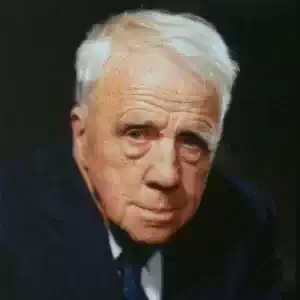
Robert Frost
The Aim Was Song
The Aim Was Song
Before man to blow to right
The wind once blew itself untaught,
And did its loudest day and night
In any rough place where it caught.
Man came to tell it what was wrong:
It hadn't found the place to blow;
It blew too hard - the aim was song.
And listen - how it ought to go!
He took a little in his mouth,
And held it long enough for north
To be converted into south,
And then by measure blew it forth.
By measure. It was word and note,
The wind the wind had meant to be -
A little through the lips and throat.
The aim was song - the wind could see.
510

William Butler Yeats
To The Rose Upon The Rood Of Time
To The Rose Upon The Rood Of Time
Red Rose, proud Rose, sad Rose of all my days!
Come near me, while I sing the ancient ways:
Cuchulain battling with the bitter tide;
The Druid, grey, wood-nurtured, quiet-eyed,
Who cast round Fergus dreams, and ruin untold;
And thine own sadness, where of stars, grown old
In dancing silver-sandalled on the sea,
Sing in their high and lonely melody.
Come near, that no more blinded hy man's fate,
I find under the boughs of love and hate,
In all poor foolish things that live a day,
Eternal beauty wandering on her way.
Come near, come near, come near -- Ah, leave me still
A little space for the rose-breath to fill!
Lest I no more bear common things that crave;
The weak worm hiding down in its small cave,
The field-mouse running by me in the grass,
And heavy mortal hopes that toil and pass;
But seek alone to hear the strange things said
By God to the bright hearts of those long dead,
And learn to chaunt a tongue men do not know.
Come near; I would, before my time to go,
Sing of old Eire and the ancient ways:
Red Rose, proud Rose, sad Rose of all my days.
502
John Keats
Ode To Apollo
Ode To Apollo
1.
In thy western halls of gold
When thou sittest in thy state,
Bards, that erst sublimely told
Heroic deeds, and sang of fate,
With fervour seize their adamantine lyres,
Whose chords are solid rays, and twinkle radiant fires.
2.
Here Homer with his nervous arms
Strikes the twanging harp of war,
And even the western splendour warms,
While the trumpets sound afar:
But, what creates the most intense surprise,
His soul looks out through renovated eyes.
3.
Then, through thy Temple wide, melodious swells
The sweet majestic tone of Maro's lyre:
The soul delighted on each accent dwells,-Enraptur'd
dwells,--not daring to respire,
The while he tells of grief around a funeral pyre.
4.
'Tis awful silence then again;
Expectant stand the spheres;
Breathless the laurell'd peers,
Nor move, till ends the lofty strain,
Nor move till Milton's tuneful thunders cease,
And leave once more the ravish'd heavens in peace.
5.
Thou biddest Shakespeare wave his hand,
And quickly forward spring
The Passions--a terrific band--
And each vibrates the string
That with its tyrant temper best accords,
While from their Master's lips pour forth the inspiring words.
6.
A silver trumpet Spenser blows,
And, as its martial notes to silence flee,
From a virgin chorus flows
A hymn in praise of spotless Chastity.
'Tis still! Wild warblings from the Aeolian lyre
Enchantment softly breathe, and tremblingly expire.
7.
Next thy Tasso's ardent numbers
Float along the pleased air,
Calling youth from idle slumbers,
Rousing them from Pleasure's lair:-www.
PoemHunter.com - The World's Poetry Archive
Then o'er the strings his fingers gently move,
And melt the soul to pity and to love.
8.
But when Thou joinest with the Nine,
And all the powers of song combine,
We listen here on earth:
Thy dying tones that fill the air,
And charm the ear of evening fair,
From thee, great God of Bards, receive their heavenly birth.
504
Lord Byron
To Mr. Murray
To Mr. Murray
To hook the reader, you, John Murray,
Have publish'd 'Anjou's Margaret,
Which won't be sold off in a hurry
(At least, it has not been as yet);
And then, still further to bewilder em,
Without remorse, you set up 'Ilderim;'
So mind you don't get into debt,
Because as how, if you should fail,
These books would he but baddish bail.
And mind you do not let escape
These rhymes to Morning Post or Parry,
Which would be very treacherousvery,
And get me into such a scrape!
For, firstly, I should have to sally,
All in my little boat, against a Galley;
And, should I chance to slay the Assyrian wight,
Have next to combat with the female knight.
March 25, 1817.
504
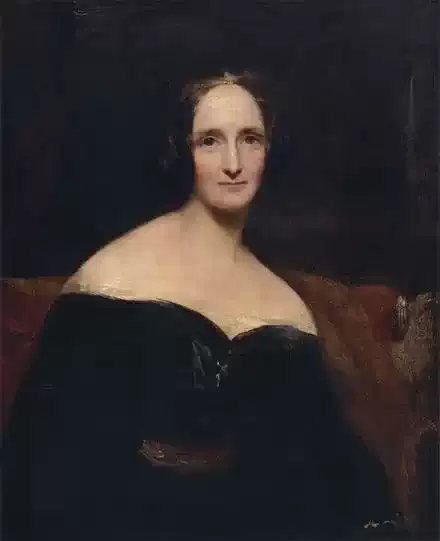
Percy Bysshe Shelley
To Wordsworth
To Wordsworth
Poet of Nature, thou hast wept to know
That things depart which never may return:
Childhood and youth, friendship and love's first glow,
Have fled like sweet dreams, leaving thee to mourn.
These common woes I feel. One loss is mine
Which thou too feel'st, yet I alone deplore.
Thou wert as a lone star, whose light did shine
On some frail bark in winter's midnight roar:
Thou hast like to a rock-built refuge stood
Above the blind and battling multitude:
In honoured poverty thy voice did weave
Songs consecrate to truth and liberty,--
Deserting these, thou leavest me to grieve,
Thus having been, that thou shouldst cease to be.
497
John Keats
When I Have Fears
When I Have Fears
When I have fears that I may cease to be
Before my pen has glean'd my teeming brain,
Before high-piled books, in charactery,
Hold like rich garners the full ripen'd grain;
When I behold, upon the night's starr'd face,
Huge cloudy symbols of a high romance,
And think that I may never live to trace
Their shadows, with the magic hand of chance;
And when I feel, fair creature of an hour,
That I shall never look upon thee more,
Never have relish in the faery power
Of unreflecting love;--then on the shore
Of the wide world I stand alone, and think
Till love and fame to nothingness do sink.
497
Henry Wadsworth Longfellow
The Broken Oar
The Broken Oar
Once upon Iceland's solitary strand
A poet wandered with his book and pen,
Seeking some final word, some sweet Amen,
Wherewith to close the volume in his hand.
The billows rolled and plunged upon the sand,
The circling sea-gulls swept beyond his ken,
And from the parting cloud-rack now and then
Flashed the red sunset over sea and land.
Then by the billows at his feet was tossed
A broken oar; and carved thereon he read,
'Oft was I weary, when I toiled at thee';
And like a man, who findeth what was lost,
He wrote the words, then lifted up his head,
And flung his useless pen into the sea.
499
William Butler Yeats
The Song Of The Happy Shepherd
The Song Of The Happy Shepherd
THE woods of Arcady are dead,
And over is their antique joy;
Of old the world on dreaming fed;
Grey Truth is now her painted toy;
Yet still she turns her restless head:
But O, sick children of the world,
Of all the many changing things
In dreary dancing past us whirled,
To the cracked tune that Chronos sings,
Words alone are certain good.
Where are now the warring kings,
Word be-mockers? -- By the Rood,
Where are now the watring kings?
An idle word is now their glory,
By the stammering schoolboy said,
Reading some entangled story:
The kings of the old time are dead;
The wandering earth herself may be
Only a sudden flaming word,
In clanging space a moment heard,
Troubling the endless reverie.
Then nowise worship dusty deeds,
Nor seek, for this is also sooth,
To hunger fiercely after truth,
Lest all thy toiling only breeds
New dreams, new dreams; there is no truth
Saving in thine own heart. Seek, then,
No learning from the starry men,
Who follow with the optic glass
The whirling ways of stars that pass --
Seek, then, for this is also sooth,
No word of theirs -- the cold star-bane
Has cloven and rent their hearts in twain,
And dead is all their human truth.
Go gather by the humming sea
Some twisted, echo-harbouring shell.
And to its lips thy story tell,
And they thy comforters will be.
Rewording in melodious guile
Thy fretful words a little while,
Till they shall singing fade in ruth
And die a pearly brotherhood;
For words alone are certain good:
Sing, then, for this is also sooth.
I must be gone: there is a grave
Where daffodil and lily wave,
And I would please the hapless faun,
Buried under the sleepy ground,
With mirthful songs before the dawn.
His shouting days with mirth were crowned;
And still I dream he treads the lawn,
Walking ghostly in the dew,
Pierced by my glad singing through,
My songs of old earth's dreamy youth:
But ah! she dreams not now; dream thou!
For fair are poppies on the brow:
Dream, dream, for this is also sooth.
498

Walt Whitman
To Oratists
To Oratists
TO ORATISTS--to male or female,
Vocalism, measure, concentration, determination, and the divine power
to use words.
Are you full-lung'd and limber-lipp'd from long trial? from vigorous
practice? from physique?
Do you move in these broad lands as broad as they?
Come duly to the divine power to use words?
For only at last, after many years--after chastity, friendship,
procreation, prudence, and nakedness;
After treading ground and breasting river and lake;
After a loosen'd throat--after absorbing eras, temperaments, races-
after knowledge, freedom, crimes;
After complete faith--after clarifyings, elevations, and removing
obstructions;
After these, and more, it is just possible there comes to a man, a
woman, the divine power to use words. 10
Then toward that man or that woman, swiftly hasten all--None refuse,
all attend;
Armies, ships, antiquities, the dead, libraries, paintings, machines,
cities, hate, despair, amity, pain, theft, murder, aspiration,
form in close ranks;
They debouch as they are wanted to march obediently through the mouth
of that man, or that woman.
.... O I see arise orators fit for inland America;
And I see it is as slow to become an orator as to become a man;
And I see that all power is folded in a great vocalism.
Of a great vocalism, the merciless light thereof shall pour, and the
storm rage,
Every flash shall be a revelation, an insult,
The glaring flame on depths, on heights, on suns, on stars,
On the interior and exterior of man or woman, 20
On the laws of Nature--on passive materials,
On what you called death--(and what to you therefore was death,
As far as there can be death.)
497
William Butler Yeats
Alternative Song For The Severd head In The King Of The Great Clock Tower
Alternative Song For The Severd head In "The King Of The Great Clock Tower"
SADDLE and ride, I heard a man say,
Out of Ben Bulben and Knocknarea,
i{What says the Clock in the Great Clock Tower?}
All those tragic characters ride
But turn from Rosses' crawling tide,
The meet's upon the mountain-side.
i{A slow low note and an iron bell.}
What brought them there so far from their home.
Cuchulain that fought night long with the foam,
i{What says the Clock in the Great Clock Tower?}
Niamh that rode on it; lad and lass
That sat so still and played at the chess?
What but heroic wantonness?
i{A slow low note and an iron bell.}
Aleel, his Countess; Hanrahan
That seemed but a wild wenching man;
i{What says the Clock in the Great Clock Tower?}
And all alone comes riding there
The King that could make his people stare,
Because he had feathers instead of hair.
i{A slow low note and an iron bell.}
495

William Blake
An Imitation of Spenser
An Imitation of Spenser
Golden Apollo, that thro' heaven wide
Scatter'st the rays of light, and truth's beams,
In lucent words my darkling verses dight,
And wash my earthy mind in thy clear streams,
That wisdom may descend in fairy dreams,
All while the jocund hours in thy train
Scatter their fancies at thy poet's feet;
And when thou yields to night thy wide domain,
Let rays of truth enlight his sleeping brain.
For brutish Pan in vain might thee assay
With tinkling sounds to dash thy nervous verse,
Sound without sense; yet in his rude affray,
(For ignorance is Folly's leasing nurse
And love of Folly needs none other's curse)
Midas the praise hath gain'd of lengthen'd ears,
For which himself might deem him ne'er the worse
To sit in council with his modern peers,
And judge of tinkling rimes and elegances terse.
And thou, Mercurius, that with wingèd brow
Dost mount aloft into the yielding sky,
And thro' Heav'n's halls thy airy flight dost throw,
Entering with holy feet to where on high
Jove weighs the counsel of futurity;
Then, laden with eternal fate, dost go
Down, like a falling star, from autumn sky,
And o'er the surface of the silent deep dost fly:
If thou arrivest at the sandy shore
Where nought but envious hissing adders dwell,
Thy golden rod, thrown on t he dusty floor,
Can charm to harmony with potent spell.
Such is sweet Eloquence, that does dispel
Envy and Hate that thirst for human gore;
And cause in sweet society to dwell
Vile savage minds that lurk in lonely cell
O Mercury, assist my lab'ring sense
That round the circle of the world would fly,
As the wing'd eagle scorns the tow'ry fence
Of Alpine hills round his high aëry,
And searches thro' the corners of the sky,
Sports in the clouds to hear the thunder's sound,
And see the wingèd lightnings as they fly;
Then, bosom'd in an amber cloud, around
Plumes his wide wings, and seeks Sol's palace high.
And thou, O warrior maid invincible,
Arm'd with the terrors of Almighty Jove,
Pallas, Minerva, maiden terrible,
Lov'st thou to walk the peaceful solemn grove,
In solemn gloom of branches interwove?
Or bear'st thy AEgis o'er the burning field,
Where, like the sea, the waves of battle move?
Or have thy soft piteous eyes beheld
The weary wanderer thro' the desert rove?
Or does th' afflicted man thy heav'nly bosom move?
490
Lord Byron
Dear Doctor, I have Read your Play
Dear Doctor, I have Read your Play
Dear Doctor, I have read your play,
Which is a good one in its way,
Purges the eyes, and moves the bowels,
And drenches handkerchiefs like towels
With tears that, in a flux of grief,
Afford hysterical relief
To shatter'd nerves and quicken'd pulses,
Which your catastrophe convulses.
I like your moral and machinery;
Your plot, too, has such scope for scenery!
Your dialogue is apt and smart;
The play's concoction full of art;
Your hero raves, your heroine cries,
All stab, and everybody dies;
In short, your tragedy would be
The very thing to hear and see;
And for a piece of publication,
If I decline on this occasion,
It is not that I am not sensible
To merits in themselves ostensible,
Butand
I grieve to speak itplays
Are drugsmere
drugs, Sir, nowadays.
I had a heavy loss by Manuel Too
lucky if it prove not annualAnd
Sotheby, with his damn'd Orestes
(Which, by the way, the old bore's best is),
Has lain so very long on hand
That I despair of all demand;
I've advertis'dbut
see my books,
Or only watch my shopman's looks;
Still Ivan , Ina and such lumber
My backshop
glut, my shelves encumber.
There's Byron too, who once did better,
Has sent mefolded
in a letterA
sort ofit's
no more a drama
Than Darnley , Ivan or Kehama :
So alter'd since last year his pen is,
I think he's lost his wits at Venice,
Or drain'd his brains away as stallion
To some darkeyed
and warm Italian;
In short, Sir, what with one and t'other,
I dare not venture on another.
I write in haste; excuse each blunder;
The coaches through the street so thunder!
My room's so full; we've Gifford here
Reading MSS with Hookham Frere,
Pronouncing on the nouns and particles
Of some of our forthcoming articles,
The Quarterly ah,
Sir, if you
Had but the genius to review!
A smart critique upon St. Helena,
Or if you only would but tell in a
Short compass whatbut,
to resume;
As I was saying, Sir, the roomThe
room's so full of wits and bards,
Crabbes, Campbells, Crokers, Freres and Wards,
And others, neither bards nor witsMy
humble tenement admits
All persons in the dress of Gent.,
From Mr. Hammond to Dog Dent.
A party dines with me today,
All clever men who make their way:
Crabbe, Malcolm, Hamilton and Chantrey
Are all partakers of my pantry.
They're at this moment in discussion
On poor De Sta{:e}l's late dissolution.
Her book, they say, was in advancePray
Heaven she tell the truth of France!
'Tis said she certainly was married
To Rocca, and had twice miscarried,
Nonot
miscarried, I opineBut
brought to bed at forty nine.
Some say she died a Papist; some
Are of opinion that's a hum;
I don't know thatthe
fellow, Schlegel,
Was very likely to inveigle
A dying person in compunction
To try the extremity of unction.
But peace be with her! for a woman
Her talents surely were uncommon.
Her publisher (and public too)
The hour of her demise may rue,
For never more within his shop hePraywas
she not interr'd at Coppet?
Thus run our time and tongues away;
But, to return, Sir, to your play;
Sorry, Sir, but I cannot deal,
Unless 'twere acted by O'Neill.
My hands are fullmy
head so busy,
I'm almost deadand
always dizzy;
And so, with endless truth and hurry,
Dear Doctor, I am yours,
JOHN MURRAY
488
Ezra Pound
Surgit Fama
Surgit Fama
There is a truce among the gods,
Kore is seen in the North
Skirting the blue-gray sea
In gilded and russet mantle.
The corn has again it's mother and she, Leuconoe,
That failed never women,
Fails not the earth now.
The tricksome Hermes is here;
He moves behind me
Eager to catch my words,
Eager to spread them with rumour;
To set upon them his change
Crafty and subtle;
To alter them to his purpose;
But do thou speak true, even to the letter:
‘Once more in Delos, once more is the altar a-quiver.
Once more is the chant heard.
Once more are the never abandoned gardens
Full of gossip and old tales.’
486
William Butler Yeats
The Wanderings of Oisin: Book I
The Wanderings of Oisin: Book I
S. Patrick. You who are bent, and bald, and blind,
With a heavy heart and a wandering mind,
Have known three centuries, poets sing,
Of dalliance with a demon thing.
Oisin. Sad to remember, sick with years,
The swift innumerable spears,
The horsemen with their floating hair,
And bowls of barley, honey, and wine,
Those merry couples dancing in tune,
And the white body that lay by mine;
But the tale, though words be lighter than air.
Must live to be old like the wandering moon.
Caoilte, and Conan, and Finn were there,
When we followed a deer with our baying hounds.
With Bran, Sceolan, and Lomair,
And passing the Firbolgs' burial-motmds,
Came to the cairn-heaped grassy hill
Where passionate Maeve is stony-still;
And found On the dove-grey edge of the sea
A pearl-pale, high-born lady, who rode
On a horse with bridle of findrinny;
And like a sunset were her lips,
A stormy sunset on doomed ships;
A citron colour gloomed in her hair,
But down to her feet white vesture flowed,
And with the glimmering crimson glowed
Of many a figured embroidery;
And it was bound with a pearl-pale shell
That wavered like the summer streams,
As her soft bosom rose and fell.
S. Patrick. You are still wrecked among heathen dreams.
Oisin. 'Why do you wind no horn?' she said
'And every hero droop his head?
The hornless deer is not more sad
That many a peaceful moment had,
More sleek than any granary mouse,
In his own leafy forest house
Among the waving fields of fern:
The hunting of heroes should be glad.'
'O pleasant woman,' answered Finn,
'We think on Oscar's pencilled urn,
And on the heroes lying slain
On Gabhra's raven-covered plain;
But where are your noble kith and kin,
And from what country do you ride?'
'My father and my mother are
Aengus and Edain, my own name
Niamh, and my country far
Beyond the tumbling of this tide.'
'What dream came with you that you came
Through bitter tide on foam-wet feet?
Did your companion wander away
From where the birds of Aengus wing?'
Thereon did she look haughty and sweet:
'I have not yet, war-weary king,
Been spoken of with any man;
Yet now I choose, for these four feet
Ran through the foam and ran to this
That I might have your son to kiss.'
'Were there no better than my son
That you through all that foam should run?'
'I loved no man, though kings besought,
Until the Danaan poets brought
Rhyme that rhymed upon Oisin's name,
And now I am dizzy with the thought
Of all that wisdom and the fame
Of battles broken by his hands,
Of stories builded by his words
That are like coloured Asian birds
At evening in their rainless lands.'
O Patrick, by your brazen bell,
There was no limb of mine but fell
Into a desperate gulph of love!
'You only will I wed,' I cried,
'And I will make a thousand songs,
And set your name all names above,
And captives bound with leathern thongs
Shall kneel and praise you, one by one,
At evening in my western dun.'
'O Oisin, mount by me and ride
To shores by the wash of the tremulous tide,
Where men have heaped no burial-mounds,
And the days pass by like a wayward tune,
Where broken faith has never been known
And the blushes of first love never have flown;
And there I will give you a hundred hounds;
No mightier creatures bay at the moon;
And a hundred robes of murmuring silk,
And a hundred calves and a hundred sheep
Whose long wool whiter than sea-froth flows,
And a hundred spears and a hundred bows,
And oil and wine and honey and milk,
And always never-anxious sleep;
While a hundred youths, mighty of limb,
But knowing nor tumult nor hate nor strife,
And a hundred ladies, merry as birds,
Who when they dance to a fitful measure
Have a speed like the speed of the salmon herds,
Shall follow your horn and obey your whim,
And you shall know the Danaan leisure;
And Niamh be with you for a wife.'
Then she sighed gently, 'It grows late.
Music and love and sleep await,
Where I would be when the white moon climbs,
The red sun falls and the world grows dim.'
And then I mounted and she bound me
With her triumphing arms around me,
And whispering to herself enwound me;
He shook himself and neighed three times:
Caoilte, Conan, and Finn came near,
And wept, and raised their lamenting hands,
And bid me stay, with many a tear;
But we rode out from the human lands.
In what far kingdom do you go'
Ah Fenians, with the shield and bow?
Or are you phantoms white as snow,
Whose lips had life's most prosperous glow?
O you, with whom in sloping vallcys,
Or down the dewy forest alleys,
I chased at morn the flying deer,
With whom I hurled the hurrying spear,
And heard the foemen's bucklers rattle,
And broke the heaving ranks of battle!
And Bran, Sceolan, and Lomair,
Where are you with your long rough hair?
You go not where the red deer feeds,
Nor tear the foemen from their steeds.
S. Patrick. Boast not, nor mourn with drooping head
Companions long accurst and dead,
And hounds for centuries dust and air.
Oisin. We galloped over the glossy sea:
I know not if days passed or hours,
And Niamh sang continually
Danaan songs, and their dewy showers
Of pensive laughter, unhuman sound,
Lulled weariness, and softly round
My human sorrow her white arms wound.
We galloped; now a hornless deer
Passed by us, chased by a phantom hound
All pearly white, save one red ear;
And now a lady rode like the wind
With an apple of gold in her tossing hand;
And a beautiful young man followed behind
With quenchless gaze and fluttering hair.
'Were these two born in the Danaan land,
Or have they breathed the mortal air?'
'Vex them no longer,' Niamh said,
And sighing bowed her gentle head,
And sighing laid the pearly tip
Of one long finger on my lip.
But now the moon like a white rose shone
In the pale west, and the sun'S rim sank,
And clouds atrayed their rank on rank
About his fading crimson ball:
The floor of Almhuin's hosting hall
Was not more level than the sea,
As, full of loving fantasy,
And with low murmurs, we rode on,
Where many a trumpet-twisted shell
That in immortal silence sleeps
Dreaming of her own melting hues,
Her golds, her ambers, and her blues,
Pierced with soft light the shallowing deeps.
But now a wandering land breeze came
And a far sound of feathery quires;
It seemed to blow from the dying flame,
They seemed to sing in the smouldering fires.
The horse towards the music raced,
Neighing along the lifeless waste;
Like sooty fingers, many a tree
Rose ever out of the warm sea;
And they were trembling ceaselessly,
As though they all were beating time,
Upon the centre of the sun,
To that low laughing woodland rhyme.
And, now our wandering hours were done,
We cantered to the shore, and knew
The reason of the trembling trees:
Round every branch the song-birds flew,
Or clung thereon like swarming bees;
While round the shore a million stood
Like drops of frozen rainbow light,
And pondered in a soft vain mood
Upon their shadows in the tide,
And told the purple deeps their pride,
And murmured snatches of delight;
And on the shores were many boats
With bending sterns and bending bows,
And carven figures on their prows
Of bitterns, and fish-eating stoats,
And swans with their exultant throats:
And where the wood and waters meet
We tied the horse in a leafy clump,
And Niamh blew three merry notes
Out of a little silver trump;
And then an answering whispering flew
Over the bare and woody land,
A whisper of impetuous feet,
And ever nearer, nearer grew;
And from the woods rushed out a band
Of men and ladies, hand in hand,
And singing, singing all together;
Their brows were white as fragrant milk,
Their cloaks made out of yellow silk,
And trimmed with many a crimson feather;
And when they saw the cloak I wore
Was dim with mire of a mortal shore,
They fingered it and gazed on me
And laughed like murmurs of the sea;
But Niamh with a swift distress
Bid them away and hold their peace;
And when they heard her voice they ran
And knelt there, every girl and man,
And kissed, as they would never cease,
Her pearl-pale hand and the hem of her dress.
She bade them bring us to the hall
Where Aengus dreams, from sun to sun,
A Druid dream of the end of days
When the stars are to wane and the world be done.
They led us by long and shadowy ways
Where drops of dew in myriads fall,
And tangled creepers every hour
Blossom in some new crimson flower,
And once a sudden laughter sprang
From all their lips, and once they sang
Together, while the dark woods rang,
And made in all their distant parts,
With boom of bees in honey-marts,
A rumour of delighted hearts.
And once a lady by my side
Gave me a harp, and bid me sing,
And touch the laughing silver string;
But when I sang of human joy
A sorrow wrapped each merry face,
And, patrick! by your beard, they wept,
Until one came, a tearful boy;
'A sadder creature never stept
Than this strange human bard,' he cried;
And caught the silver harp away,
And, weeping over the white strings, hurled
It down in a leaf-hid, hollow place
That kept dim waters from the sky;
And each one said, with a long, long sigh,
'O saddest harp in all the world,
Sleep there till the moon and the stars die!'
And now, still sad, we came to where
A beautiful young man dreamed within
A house of wattles, clay, and skin;
One hand upheld his beardless chin,
And one a sceptre flashing out
Wild flames of red and gold and blue,
Like to a merry wandering rout
Of dancers leaping in the air;
And men and ladies knelt them there
And showed their eyes with teardrops dim,
And with low murmurs prayed to him,
And kissed the sceptre with red lips,
And touched it with their finger-tips.
He held that flashing sceptre up.
'Joy drowns the twilight in the dew,
And fills with stars night's purple cup,
And wakes the sluggard seeds of corn,
And stirs the young kid's budding horn,
And makes the infant ferns unwrap,
And for the peewit paints his cap,
And rolls along the unwieldy sun,
And makes the little planets run:
And if joy were not on the earth,
There were an end of change and birth,
And Earth and Heaven and Hell would die,
And in some gloomy barrow lie
Folded like a frozen fly;
Then mock at Death and Time with glances
And wavering arms and wandering dances.
'Men's hearts of old were drops of flame
That from the saffron morning came,
Or drops of silver joy that fell
Out of the moon's pale twisted shell;
But now hearts cry that hearts are slaves,
And toss and turn in narrow caves;
But here there is nor law nor rule,
Nor have hands held a weary tool;
And here there is nor Change nor Death,
But only kind and merry breath,
For joy is God and God is joy.'
With one long glance for girl and boy
And the pale blossom of the moon,
He fell into a Druid swoon.
And in a wild and sudden dance
We mocked at Time and Fate and Chance
And swept out of the wattled hall
And came to where the dewdrops fall
Among the foamdrops of the sea,
And there we hushed the revelry;
And, gathering on our brows a frown,
Bent all our swaying bodies down,
And to the waves that glimmer by
That sloping green De Danaan sod
Sang, 'God is joy and joy is God,
And things that have grown sad are wicked,
And things that fear the dawn of the morrow
Or the grey wandering osprey Sorrow.'
We danced to where in the winding thicket
The damask roses, bloom on bloom,
Like crimson meteors hang in the gloom.
And bending over them softly said,
Bending over them in the dance,
With a swift and friendly glance
From dewy eyes: 'Upon the dead
Fall the leaves of other roses,
On the dead dim earth encloses:
But never, never on our graves,
Heaped beside the glimmering waves,
Shall fall the leaves of damask roses.
For neither Death nor Change comes near us,
And all listless hours fear us,
And we fear no dawning morrow,
Nor the grey wandering osprey Sorrow.'
The dance wound through the windless woods;
The ever-summered solitudes;
Until the tossing arms grew still
Upon the woody central hill;
And, gathered in a panting band,
We flung on high each waving hand,
And sang unto the starry broods.
In our raised eyes there flashed a glow
Of milky brightness to and fro
As thus our song arose: 'You stars,
Across your wandering ruby cars
Shake the loose reins: you slaves of God.
He rules you with an iron rod,
He holds you with an iron bond,
Each one woven to the other,
Each one woven to his brother
Like bubbles in a frozen pond;
But we in a lonely land abide
Unchainable as the dim tide,
With hearts that know nor law nor rule,
And hands that hold no wearisome tool,
Folded in love that fears no morrow,
Nor the grey wandering osprey Sorrow.'
O Patrick! for a hundred years
I chased upon that woody shore
The deer, the badger, and the boar.
O patrick! for a hundred years
At evening on the glimmering sands,
Beside the piled-up hunting spears,
These now outworn and withered hands
Wrestled among the island bands.
O patrick! for a hundred years
We went a-fishing in long boats
With bending sterns and bending bows,
And carven figures on their prows
Of bitterns and fish-eating stoats.
O patrick! for a hundred years
The gentle Niamh was my wife;
But now two things devour my life;
The things that most of all I hate:
Fasting and prayers.
S. Patrick. Tell on.
Oisin. Yes, yes,
For these were ancient Oisin's fate
Loosed long ago from Heaven's gate,
For his last days to lie in wait.
When one day by the tide I stood,
I found in that forgetfulness
Of dreamy foam a staff of wood
From some dead warrior's broken lance:
I tutned it in my hands; the stains
Of war were on it, and I wept,
Remembering how the Fenians stept
Along the blood-bedabbled plains,
Equal to good or grievous chance:
Thereon young Niamh softly came
And caught my hands, but spake no word
Save only many times my name,
In murmurs, like a frighted bird.
We passed by woods, and lawns of clover,
And found the horse and bridled him,
For we knew well the old was over.
I heard one say, 'His eyes grow dim
With all the ancient sorrow of men';
And wrapped in dreams rode out again
With hoofs of the pale findrinny
Over the glimmering purple sea.
Under the golden evening light,
The Immortals moved among thc fountains
By rivers and the woods' old night;
Some danced like shadows on the mountains
Some wandered ever hand in hand;
Or sat in dreams on the pale strand,
Each forehead like an obscure star
Bent down above each hooked knee,
And sang, and with a dreamy gaze
Watched where the sun in a saffron blaze
Was slumbering half in the sea-ways;
And, as they sang, the painted birds
Kept time with their bright wings and feet;
Like drops of honey came their words,
But fainter than a young lamb's bleat.
'An old man stirs the fire to a blaze,
In the house of a child, of a friend, of a brother.
He has over-lingered his welcome; the days,
Grown desolate, whisper and sigh to each other;
He hears the storm in the chimney above,
And bends to the fire and shakes with the cold,
While his heart still dreams of battle and love,
And the cry of the hounds on the hills of old.
But We are apart in the grassy places,
Where care cannot trouble the least of our days,
Or the softness of youth be gone from our faces,
Or love's first tenderness die in our gaze.
The hare grows old as she plays in the sun
And gazes around her with eyes of brightness;
Before the swift things that she dreamed of were done
She limps along in an aged whiteness;
A storm of birds in the Asian trees
Like tulips in the air a-winging,
And the gentle waves of the summer seas,
That raise their heads and wander singing,
Must murmur at last, "Unjust, unjust";
And "My speed is a weariness," falters the mouse,
And the kingfisher turns to a ball of dust,
And the roof falls in of his tunnelled house.
But the love-dew dims our eyes till the day
When God shall come from the Sea with a sigh
And bid the stars drop down from the sky,
And the moon like a pale rose wither away.'
487