
Memories and Recollections
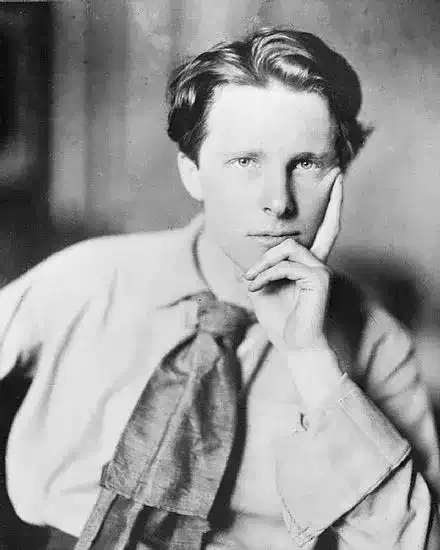
Rupert Brooke
Day That I Have Loved
Tenderly, day that I have loved, I close your eyes,
And smooth your quiet brow, and fold your thin dead hands.
The grey veils of the half-light deepen; colour dies.
I bear you, a light burden, to the shrouded sands,
Where lies your waiting boat, by wreaths of the sea's making
Mist-garlanded, with all grey weeds of the water crowned.
There you'll be laid, past fear of sleep or hope of waking;
And over the unmoving sea, without a sound,
Faint hands will row you outward, out beyond our sight,
Us with stretched arms and empty eyes on the far-gleaming
And marble sand. . . .
Beyond the shifting cold twilight,
Further than laughter goes, or tears, further than dreaming,
There'll be no port, no dawn-lit islands! But the drear
Waste darkening, and, at length, flame ultimate on the deep.
Oh, the last fire -- and you, unkissed, unfriended there!
Oh, the lone way's red ending, and we not there to weep!
(We found you pale and quiet, and strangely crowned with flowers,
Lovely and secret as a child. You came with us,
Came happily, hand in hand with the young dancing hours,
High on the downs at dawn!) Void now and tenebrous,
The grey sands curve before me. . . .
From the inland meadows,
Fragrant of June and clover, floats the dark, and fills
The hollow sea's dead face with little creeping shadows,
And the white silence brims the hollow of the hills.
Close in the nest is folded every weary wing,
Hushed all the joyful voices; and we, who held you dear,
Eastward we turn and homeward, alone, remembering . . .
Day that I loved, day that I loved, the Night is here!
172

Henry Lawson
Joseph’s Dreams and Reuben's Brethren [A Recital in Six Chapters]
CHAPTER I
I cannot blame old Israel yet,
For I am not a sage—
I shall not know until I get
The son of my old age.
The mysteries of this Vale of Tears
We will perchance explain
When we have lived a thousand years
And died and come again.
No doubt old Jacob acted mean
Towards his father’s son;
But other hands were none too clean,
When all is said and done.
There were some things that had to be
In those old days, ’tis true—
But with old Jacob’s history
This tale has nought to do.
(They had to keep the birth-rate up,
And populate the land—
They did it, too, by simple means
That we can’t understand.
The Patriarchs’ way of fixing things
Would make an awful row,
And Sarah’s plain, straightforward plan
Would never answer now.)
his is a tale of simple men
And one precocious boy—
A spoilt kid, and, as usual,
His father’s hope and joy
(It mostly is the way in which
The younger sons behave
That brings the old man’s grey hairs down
In sorrow to the grave.)
Old Jacob loved the whelp, and made,
While meaning to be kind,
A coat of many colours that
Would strike a nigger blind!
It struck the brethren green, ’twas said—
I’d take a pinch of salt
Their coats had coloured patches too—
But that was not their fault.
Young Joseph had a soft thing on,
And, humbugged from his birth,
You may depend he worked the thing
For all that it was worth.
And that he grafted not but crowed,
You don’t need to be told,
And he was mighty cocky, with
His “Lo!” and his “Behold!”
He took in all his brothers said,
And went and told his Dad,
And then, when someone split on him,
No wonder they were mad.
But still he wasn’t satisfied,
And it would almost seem
He itched to rile his brethren, for
He went and dreamed a dream,
And told it to his brothers straight
(So Genesis believes):—
“Lo! we were working in the field,
And we were binding sheaves,
And my sheaf rose and stood upright,
And, straightway, for a sign,
Your sheaves came round about and made
Obeisance to mine!”
The brethren stared and made comment
In words that were not mild,
And when the meaning dawned on them
You bet that they were wild!
And Joseph left those angry men
To boil and blow off steam,
And ambled, chuckling, home agen
To dream another dream.
“Behold! I’ve dreamed a dream once more!”
He told ’em, frank and free—
“The sun, moon, and eleven stars
Have likewise bowed to me!”
(Perhaps Astronomy has changed
Since Joseph saw the light,
But I have wondered what the sun
Was doing out at night.)
And when they dropped!—you never heard,
In sheds or shanty bars,
Such awful language as escaped
From those eleven stars.
You know how Jacob-Israel loved
His hopeful youngest pup;
But, when he heard the latest dream,
It shook the old man up.
But Joseph talked his father round,
Who humoured every whim
(Perhaps old Jacob half-believed
They would bow down to him):
But, anyway, as always was,
He backed the youngest son,
And sent the others with the sheep
Out to the Check-’em run.
CHAPTER II
Now Jacob, with that wondrous tact
That doting parents show,
Or, anxious for his sons out back,
Sent, of all others, Joe!
To see if it was well with them
(And they were not asleep),
With one eye on his brothers’ camp,
And one eye on the sheep.
He drew a blank on Check-’em run—
Got bushed, too, you’ll be bound.
A certain cove—there’s always one—
Saw Joseph mooning round.
He asked him how it came to pass,
And what it was about,
And said, “They’re trav-lin’ now for grass
In Doothen—further out.”
He also muttered, “Strike me blue!”
While staring at the clothes—
He’d never seen a jackaroo
With such a coat as Joe’s.
He set the nameless on the track,
And scratched his head to think,
But gave it best, and, riding back,
Said firmly, “Strike me pink!”
’Twas blazing hot in Doothen then,
The sweat ran down in streams—
It melted out the memory
Of even Joseph’s dreams!
They’d had some trouble with the sheep,
Some Arabs and a “shirk”—
It was a favourable time
For Joe to get to work.
They saw him coming, “afar off”—
In this case, you might note,
Their eyesight wasn’t wonderful,
Considering the coat.
And what with sheep, and dust, and flies,
And damned shirks in the swim
With sheep stealers, the brethren were
For absenteeing him.
And, add to that, he scared the kine
With his infernal coat—
They trampled on the sheep and swine
And startled every goat.
The brethren had to round up then
As fast as ass could go,
And when they got to camp agen
They’d fixed it up for Joe.
Save poor old Rube—he had the blight,
But, grafting all the same,
He only looked on family rows
As just a blooming shame.
Like many an easy-going man,
He had a cunning soul.
He said, “We will not kill the kid,
But shove him in a hole,
And leave him there to dream o’ things”—
There’s not the slightest doubt
He meant to slip round after dark
And pull the youngster out,
And fill his gourd and tucker-bag,
And tell him “Not to mind”,
And start him on the back-track with
A gentle kick behind.
Some ’Tothersider prospectors
Had been there poking round;
You may depend that Reuben knew
’Twas “dry and shallow ground”.
They dropped young Joseph in a hole—
The giddy little goat—
And left him there, to cool his heels,
Without his overcoat.
(Don’t think that Moses, such a whale
On dry facts, thought it wet
To say, when they’d chucked Joseph in,
It was an empty pit!
So many things are preached and said
Where’er the Bible is
To prove that Moses never read
The “proofs” of Genesis.)
But let’s get on. While having grub,
A brethren sniffed and “seen”
Some Ishmaelites pass through the scrub—
Or O-asses, I mean.
They’d been right out to Gilead—
A rather longish trip—
For camel-loads of balm, and myrrh,
And spicery for ’Gyp.
(I’ve often seen the Afghans pass
With camel strings out back,
And thought ’twas somewhat similar
On that old Bible track.
I don’t know much of balm and myrrh,
Whatever they may be,
But e’en when sheepskins were not there,
I’ve smelt the spicery.)
It was the same in Canaan then
As it is here to-day:
A sudden thought jerked Judah up
For “brofit “ straight away.
The brethren got on one end too
When Judah jumped and said,
“We’ll sell the kid for what he brings!
He’s no good when he’s dead.”
And, to be short, they being Jews—
The “chosing” of the earth—
They sold him to the Ishmaelites
For more than twice his worth.
(Some Midianitish auctioneers
Were also on the job.)
’Twas “twenty bits of silver”, which
I s’pose was twenty bob.
So they most comfortably got
Young Joseph off their hands,
For Ishmael never bothered much
About receipts or brands.
(They spake not of his dreams and cheek,
His laziness, or “skite”;
No doubt they thought the Ishmaelites
Would see to that all right.)
Then Reuben came; he’d been around
To watch the sheep a bit,
And on his way back to the camp
He slipped round by the pit
To give young Joe a drink. He stared,
And, thinking Joe was dead,
He rent his gown like mad, and ran
For ashes for his head.
(As if that would do any good!
I only know that I
Cannot afford to rend my clothes
When my relations die.
I don’t suppose they would come back,
Or that the world would care,
If I went howling for a year
With ashes in my hair.)
You say he counted on a new
Rig-out? Yes? And you know
That Jacob tore his garment too,
So that old cock won’t crow.
Look here! You keep your smart remarks
Till after I am gone.
I won’t have Reuben silver-tailed—
Nor Pharaoh, later on.
The brethren humbugged Reuben well,
For fear he’d take the track,
And sneak in on the Ishmaelites,
And steal young Joseph back,
Or fight it out if he was caught,
And die—as it might be—
Or, at the best, go down with Joe
And into slavery.
Young Simeon slipped into the scrub,
To where the coat was hid,
And Judah stayed and wept with Rube,
While Levi killed a kid.
So they fixed up the wild-beast yarn,
And Hebrews sadly note—
Considering the price of cloth—
They had to spoil the coat.
(There was a yam about old Rube
That all true men despise,
Spread by his father’s concubines—
A vicious strumpet’s lies.
But I believe old Moses was,
As we are, well aware
That Reuben stood in this last scene
The central figure there.)
I feel for poor old Israel’s grief,
Believing all the same
(And not with atheist unbelief)
That Jacob was to blame.
’Twas ever so, and shall be done,
While one fond fool has breath—
Fond folly drives the youngest son
To ruin and to death.
The caravan went jogging on
To Pharaoh’s royal town,
But Genesis gives no account
Of Joseph’s journey down.
I wouldn’t be surprised to hear
He found it pretty rough,
But there’s a bare chance that his hide,
As well as cheek, was tough.
I see them toiling through the heat,
In patches and in dirt,
With sand-grooved sandals on their feet,
And slaves without a shirt—
The dust-caked thirst, the burning ground,
The mad and maddening flies,
That gathered like black goggles round
The piccaninnies’ eyes.
The Ishmaelites had tempers brief,
And whips of hide and gut,
And sometimes, p’raps, for Hagar’s sake,
Gave Joe an extra cut.
When, fainting by the way, he felt
The stimulating touch,
I have no doubt he often wished
He hadn’t dreamed so much.
He didn’t dream much on that trip,
Although he thought a lot.
However, they got down to ’Gyp
In good time, where he got
A wash and rest—he needed both—
And in the old slave-yard
Was sold to Captain Potiphar,
Of Pharaoh’s body-guard.
INTERLUDE
I PAUSE to state that later on
(And it seems worth the halt)
Smart Judah gat into a mess,
Though it was not his fault.
And I would only like to say,
In this most thankless task,
Wives sell to husbands every day,
And that without a mask.
But, what with family rows and drought,
And blessed women too,
The fathers of terrestrial tribes
Had quite enough to do.
They had to graft both day and night,
With no rest, save the last,
For when they were not grafting they
Were populating fast.
CHAPTER III
The Captain was a casual man,
But seemed a shrewd one too;
He got young Joseph’s measure soon,
And saw what he could do.
The Lord was with Joe, Moses said—
I know that Joe had pluck—
But I believe ’twas mostly check,
And his infernal luck.
The Captain made him manager,
Housekeeper, overseer,
And found that this arrangement paid—
That much at least is clear.
And what with merchants, clerks, and slaves,
Joe led a busy life,
With one eye on the maid-servants,
And “Jeames” and Potty’s wife.
The Captain seemed a casual man,
And “’Gyp” was on the glide:
There was a growing tendency
To live and let things slide.
He left all things in Joseph’s hands—
According to old Mose—
And knew not what he had besides
His tucker and his clothes.
I guess he had a shrewd idea,
For it is now, as then—
The world most often makes mistakes
With easy-going men.
The Captain often went away
For quietness and rest,
And, maybe, for some other things—
Well, Potiphar knew best.
Perhaps the missus knew it too—
At least, she should have known—
And Joe was handsome, strange, and new,
And she was much alone.
It seems a funny business now,
But I was never there—
Perhaps so long as cheques came in
The Captain didn’t care.
’Tis strange that Moses, such a whale
On details out of joint,
Should always come, in such a case,
So bluntly to the point.
He says Joe had a goodly form—
Or person it should be—
He says that she cast eyes on Joe,
And she said, “Lie with me.”
It took young Joseph sudden like.
He’d heard, while on the run,
Of other women who could lie,
And in more ways than one;
Of men who had been gaoled or hanged—
As they are here to-day—
(Likewise of lovers who were banged),
And so he edged away.
She never moved, and so he stayed
While she was there to hear,
For his infernal vanity
Was stronger than his fear.
He bragged his opportunity,
His strength, and godliness:
“There is no greater in the house
Than I.” (She made him less.)
’Twas cant to brag of purity
And right in that household,
For what was he if not a slave,
And basely bought and sold?
Unmanly for a man to treat
A love-starved woman so,
And cowardly to humiliate
A spirit thrust so low.
She knew that Joseph was a spy
On her and all the rest,
And this, with his outspoken “scorn”,
Made reasons manifest.
She had her passions (don’t be shocked,
For you have yours, no doubt),
And meant to take young Joseph down
And pay her husband out.
He was a slave, and bought and sold,
And I will say right here
His preaching was too manifold
And glib to be sincere,
When youth and “looks” turn goody-good—
You’ll see it at a glance—
They have one eye to woman’s help
And both on the main chance.
Now, had old Rube been in his place
(All honour to his name),
I’ll swear he would have taken things
Exactly as they came,
And kept it dark—or fought it out,
As the ungodly can—
But, whatsoe’er he might have done,
He would have been a man!
Howbeit, the missus stuck to Joe,
Vindictive, vicious, grim,
And bore his sermons and rebuffs
Until she cornered him. . . .
He left his garment in her hand,
And gat him out of that. . . .
About the merits of the case
I’ll say no more—that’s flat.
(He knew all right what she was at,
And Potiphar was out,
He went alone into the house
When no one was about.
He may have been half-drunk or mad,
He certainly was blind,
To run no further than the yard,
And leave his coat behind!)
But, seeing how our laws are fixed,
If I get in such dirt,
I’ll straightway get me out of that
If—I’ve to leave my shirt.
But I will keep the running up,
If I have common-sense,
Nor stop this side of Jericho
To think of my defence.
Joe should have streaked for Suez straight,
And tried his luck in flight
For Canaan, where they looked on things
In quite another light.
Old Jacob had experience,
And he’d have stuck to Joe.
He was a match for women’s lies
That flabbergast us so.
The missus told the self-same tale,
And in the self-same way,
As our enfranchised females do
In police courts every day.
Too cowardly to breathe a breath
Against the vilest rip,
We send straight men to gaol or death,
Just as they did in ’Gyp.
Now, Potiphar was wondrous mild—
Suspiciously, to say
The least. He didn’t operate
On Joseph straight away.
Perhaps he knew his wife no less
Than Joe, yet had regard
For his own peace and quietness—
So Joe got two years’ hard.
CHAPTER IV
The Lord was with him, Moses said,
Yet his luck didn’t fail,
For he got on the right side of
The governor of the gaol.
Perhaps he’d heard of Mrs P.,
And cases like to Joe’s,
And knew as much of woman’s work
As anybody knows.
He made Joe super-lag—a sort
Of deputy-retained
(The easy-going tendency
In Egypt seemed ingrained)—
Left everything in Joseph’s hands,
Except, maybe, the keys;
And thereafter he let things slide,
And smoked his pipe in peace.
Now Pharaoh had some trouble with
His butler and his cook,
But Pharaoh seemed most lenient
With asses bought to book—
He didn’t cut the weak end off
Each absent-minded wretch,
But mostly sent the idiots up
To “chokey” for a “stretch”.
They found themselves in Joseph’s care,
And it would almost seem
They’d got wind of his weaknesses,
For each one dreamed a dream.
“They dreamed a dream; both of them. Each
Man his dream in one night:
Each man according to his dream”
(And his own dream)—that’s right.
Next morning they made up their “mugs”,
And Joseph, passing through,
Asked them if they were feeling cronk,
And why they looked so blue?
They told him they had dreamed two dreams
(One each), and any dunce
Can understand how such remarks
Would int’rest Joe at once.
And there was no interpreter,
They said—and that was why
Joe said that that belonged to God—
But he would have a try.
I’ve noticed this with “Christians” since,
And often thought it odd—
They cannot keep their hands from things
They say belong to God.
The butler dreamed—or, anyway,
He said so (understand)—
He’d made some wine in Pharaoh’s cup,
And placed it in his hand—
And Pharaoh placed the wine inside,
I s’pose. But, anyways,
There were three branches in the dream,
Which were, of course, three days.
The butler might have one again,
And Joseph, going strong,
By evil chance get wind of it,
And diagnose it wrong!
The cook had been the butler’s mate,
And he thought (was it odd?)
That nightmare students such as Joe
Were safer far in quod.
He did repent him of his fault—
Though it was rather late—
For Pharaoh’s dreams had called a halt,
A reason of some weight.
The butler hoped to score, but ’twas
A risky thing to do,
And you will wonder, later on,
If Joe “forgat” him too.
’Twas plain to any fool, so Joe
Said: “Yet within three days
Shall Pharaoh lift thine head up, and
Restore thee to thy place.
Thou shalt deliver Pharaoh’s cup
Into his hand once more.
(And he shall drink the liquor down
Just as it was before.)
“But promise, when thou art all right,
And nothing is amiss,
To speak to Pharaoh of my case,
And get me out of this.
For I was kidnapped, likewise gaoled,
For nothing that I know.”
(And, granting his celibacy,
’Twould seem that that was so.)
The cook, he was a godless cook,
But quietly he stood,
’Til Joseph’s inspiration came—
And he saw it was good.
And then his dream he did unfold,
All straight and unrehearsed
(Without a “Lo!” or a “Behold!”
Or windmill business first):
“I’d three old baskets on me ’ed—
Now I ain’t tellin’ lies!—
The top ’un full of fancy bread
An’ pork ’n’ kidney pies.
I didn’t bother looking up,
For it was blazin’ ’ot—
There come a flock of crimson crows
And scoffed the bleedin’ lot.”
The cook he was a clever cook,
But he’d been on the spree—
He put the case as man to man,
And put it frank and free.
He patted Joseph on the back,
Told him to go ahead,
And Joseph met the cook half way,
And (man to man) he said:
“Within three days shall Pharaoh lift
Thine head from off of thee,
And he shall hang thee by the heels
To the most handy tree.
A flock of crows shall pick thy bones
(And, to be trebly sure,
His slaves shall pound them up with stones
And use them for manure).”
The butler passed an anxious night—
He wanted matters fixed—
For what if Joe’s prescriptions should
By some fool chance get mixed?
The cook—who was a careless cook—
Wrote scoff words on the wall,
But, when the time was up, he wished
He hadn’t dreamed at all.
And Pharaoh gave a feast—he’d got
Another chef this trip—
And his old butler he restored
Unto his butlership;
But hanged the cook. And after that—
Or this is how it seems—
The butler straight away forgat
Young Joseph and his dreams.
And maybe he was wise, for all
That anybody knows,
He’d seen the headless baker hanged,
And picked clean by the crows.
It struck him, too, when looking back
While calm and free from cares,
That Joseph had an off hand way
Of fixing up nightmares.
CHAPTER V
The gaol did Joseph little good,
Except by starts and fits,
But saved old Egypt for a while,
And brightened up his wits.
And, lest you thought me most unjust
In matters lately gone,
You read and know how holy Joe
Sold Egypt later on.
Her weather prophets were as good
As ours are, every bit,
But Pharaoh took to dreaming dreams,
And made a mess of it.
(And but for that—I do not care
What anybody thinks—
I’d not have lost my overcoat,
And watch and chain, and links.)
Now Joseph’s and the prisoners’ dreams
Were plain as dreams could be,
And more especially Pharaoh’s dreams,
As far as I can see—
The same man who invented them
Could well have read them too,
But any third-rate showman knows
That that would never do.
There must be “Lo’s”, “Beholds”, and “Yets”,
And “It must come to pass”,
’Til floods are gone, and tanks are dry,
And there’s no crops nor grass.
And “Likewise”, “Alsoes”, “Says unto”,
And countless weary “Ands”,
Until Japan sends Chinamen
To irrigate the lands.
And Pharaoh must take off his ring
(The one from off his hand),
To put upon Joe’s little fin,
That all might understand.
And they must ride in chariots,
Have banquets everywhere,
And launch trips up the Hawkesbury,
To see Australia there.
(I dreamed last night that cattle fed
Along the river flats,
They bore the brands of all the States,
And looked like “Queensland fats”.
And lo! a mob of strangers came,
All bones, from horn to heel,
But they had nostrils breathing flame,
And they had horns of steel.
I dreamed that seven sheep were shorn
That went by seven tracks,
And strove to live the winter through
With sackcloth on their backs.
And lo! I dreamed, from east and west
There came two blades of heat—
One blackened all the towns like fire,
Like drought one burnt the wheat.
A black slave and a white slave laid
A golden carpet down,
And yellow guards stood round about,
And he that came was brown.
Men slaved beneath the whip in pits,
Who now slave willingly—
They sold their birthright for a “score”.
Now read those dreams for me!)
But Joseph fixed up Pharaoh’s dreams
As quick as I can tell—
And, for Australia’s sake, I wish
That mine were fixed as well,
And nationalized from trusts and rings
And shady covenants;
But—we have thirteen little kings
Of thirteen Parliaments.
The years of plenty soon run out,
And, from the cricket score,
We’ll turn to face the years of drought
And might-be years of war.
With neither money, men, nor guns,
With nothing but despair—
But I get tired of printing truths
For use—no matter where.
Joe said to seek a wise man out,
And Pharaoh took the Jew—
Adventurers fix up our dreams,
And we elect them too.
I mean no slur on any tribe
(My best friend was a Yid),
But we let boodlers shape our ends,
And just as Pharaoh did.
But Joseph did spy out the land,
If not for his own good
(He only boodled on the grand,
It must be understood).
He made a corner first in wheat,
And did it thoroughly—
No “trust” has ever seen since then
So great a shark as he.
And when the fearful famine came,
And corn was in demand,
He grabbed, in God’s and Pharaoh’s name,
The money, stock, and land.
(He knew the drought was very bad
In Canaan; crops were gone;
But never once inquired how his
Old Dad was getting on.)
CHAPTER VI
And after many barren years
Of spirit-breaking work,
I see the brethren journeying down
From Canaan’s West-o’-Bourke
And into Egypt to buy corn—
As, at this very hour,
My brethren toil through blazing heat
The weary miles for flour.
’Twas noble of our Joseph then,
The Governor of the land,
To bait those weary, simple men,
With “monies” in their hand;
To gratify his secret spite,
As only cowards can;
And preen his blasted vanity,
And strike through Benjamin.
He put a cup in Benny’s sack,
And sent them on their way,
And sent the Pleece to bring ’em back
Before they’d gone a day.
The constable was well aware
Of Joseph’s little plan,
And most indignant when he caught
The wretched caravan.
He yelped: “Have such things come to pass?
Howld hard there! Jerk ’em up!
Put down yer packs from every ass,
And fork out Phairey’s cup!
It makes me sick, upon my soul,
The gratichood of man!
Ye had the feast, and then ye shtole
His silver billy-can.”
They swore that they had seen no cup,
And after each had sworn
They said the sandstorm coming up
Would simply spoil the corn.
They begged that he would wait until
They reached the nearest barn.
He said, “O that’s a wind that shook
The barley sort of yarn!
“(Now I’m no sergeant, understand—
Ye needn’t call me that—
Oi want no sugar wid me sand
Whin Joseph smells a rat.)
Take down yer sacks from off yer backs—
The other asses too—
And rip the neck of every sack—
The boys will see yer through.”
The cup was found in Benjamin’s,
As all the world’s aware—
The constable seemed most surprised,
Because he’d put it there.
“A greenhorn raised on asses’ milk!
Well, this beats all I know!”
And then, when he had cautioned them,
He took the gang in tow.
And when they started out to rend
Their turbans and their skirts,
He said, “Ye drunken lunatics,
Ye needn’t tear yer shirts—
Ye’re goin’ where there’s ladies now,
So keep yer shirts on, mind.
(The Guvnor got in trouble wanst
For leavin’ his behind.)”
And Joseph gaoled and frightened them.
(The “feast” was not amiss:
It showed him most magnanimous
With all that wasn’t his.)
He took some extra graveyard pulls
At his old Dad’s grey hairs,
’Til Judah spoke up like a man—
And spoke up unawares.
Then Joseph said that he was Joe,
With Egypt in his clutch—
You will not be surprised to know
It didn’t cheer them much.
And when he saw they were afraid,
And bowed beneath the rod,
He summoned snuffle to his aid,
And put it all on God.
And now the brethren understood,
With keen regret, no doubt,
That sin is seldom any good
Unless it’s carried out.
For after that heart-breaking trip
Across the scorching sands
They found themselves in Joseph’s grip,
With Benny on their hands.
(Poor Reuben, to persuade his dad
To let the youngster come,
Had left his own sons’ lives in pledge
For Benjamin, at home.
But life is made of many fires
And countless frying-pans—
As fast as we get rid of Joe’s
We’re plagued by Benjamin’s.)
Joe had a use for them, so he
Bade them to have no fear.
He said to them, “It was not you,
But God, who sent me here.
He sent me on to save your lives;
He hath sent you to me,
To see to you and all your wives,
And your posterity.
“The Lord God hath exalted me,
And made me His right hand—
A father unto Pharaoh, and
A ruler in the land,
And likewise lord of Egypt”—
He said a few things more,
And then he got to business straight—
I’ve heard such cant before.
Those who have read will understand
I never mean to scoff,
But I hate all hypocrisy
And blasted showing-off.
How cunningly our holy Joe
Fixed up his tribe’s affairs
For his own ends, and sprang the job
On Pharaoh unawares.
“The fame was heard in Pharaoh’s house,”
Where peace and kindness thrived,
Saying, “Joseph’s brethren are come”
(Joe’s brothers have arrived).
And Pharaoh heard, and was well pleased,
For he was white all through.
(And Moses says, without remark,
It pleased the servants too.)
But Pharaoh promptly put an end
To Joseph’s mummery.
He said, “Send waggons up, and bid
Thy people come to me.
Thou art commanded! Furnish them
With money and with food;
And say that I will give them land,
And see that it is good.”
And Jacob’s sons chucked up their runs
With blessings short and grim,
And Jacob took the stock and gear
And all his seed with him.
They sent the family tree ahead,
And Pharaoh read that same
(They found him very tired, ’twas said,
And misty when they came).
And Pharaoh unto Joseph spake
Most kind, though wearily:
“Thy father and thy brethren all
Are now come unto thee;
And Egypt is before thee now,
So in the best land make
Thy father and thy brethren dwell—
The land of Goshen take;
“And there, unhindered, let them thrive,
In comfort let them dwell,
Apart and free. My people love
All shepherds none too well—
But if thou knowest amongst them men
Of proved activity,
Then make them rulers over all
My flocks and herds for me.”
They brought five brethren unto him,
And he was very kind—
Perhaps he looked those brethren through,
And saw what lay behind.
His head he rested on his hand,
And smoothed his careworn brow,
He gazed on Israel thoughtfully,
And asked, “How old art thou?”
And Jacob told him, and was touched.
He said his days were few
And evil. They had not attained
To those his father knew.
But Jacob only had himself,
And no one else, to thank
If Joe had given his grey hairs
A second graveyard yank.
I think that Pharaoh was a man
Who always understood,
But was content to stand aside
If for his people’s good,
And seem not missed the while. He knew
His merits—and no pride—
And ’twas a grievous day for Jew
And Gentile when he died.
You know the rest of Joseph’s tale,
And well the poor Egyptians knew—
House agent on the grand old scale,
He boodled till the land was blue.
He squeezed them tight, and bled them white—
. . . . .
Until a Pharaoh came in sight
Who didn’t know him from a crow.
The Patriarchs, right back from Dad
To where the line begins,
Were great at passing “blessings” on,
Together with their sins.
Old Noah was about the first—
Cursed Ham till all was blue,
But ’twas with some effect he cursed,
And with good reason too.
And when the time had come to pass
For Jacob to be gone,
He polished up his father’s sins
And calmly passed them on.
He called his twelve sons round his bed
(Lest some good might befall),
He called his twelve sons to be blessed,
And cursed them, one and all
Save Joseph; and the rest had cause
To curse him ere they got
The English, who have every day
More cause to damn the lot.
And if they crossed the Red Sea now,
I guess we’d let them go,
With “Satan hurry Kohenstein”
And “God speed Ikey Mo!”
And lest my Jewish friends be wroth—
As they won’t be with me—
I’ll say that there is Jewish blood
In my posterity.
This verse, I trust, shall profit him
When he has ceased to grow—
My firstborn, who was known as “Jim”,
But whose true name is “Joe”.
AFTERWORD
I’ve written much that is to blame,
But I have only sought to show
That hearts of men were just the same
Some forty centuries ago.
All kindness comes with woman’s love—
That which she claims is due to her—
Not man! not man! but God above
Dare judge the wife of Potiphar.
And Jacob shall be ever blind
To reason and posterity,
In that “fond folly” of mankind
That is born of impotency.
No parents’ love or parents’ wealth
Shall ever fairly portioned be,
Faith shall not come, except by stealth,
Nor justice in one family.
And Joseph proved unto this hour—
Just what he was in Holy Writ—
A selfish tyrant in his power,
And, up or down, a hypocrite.
And Joseph still, whate’er befall,
But gives his place to Benjamin,
And Reuben bears the brunt of all,
Though Judah does the best he can.
The hearts of men shall never change
While one man dies and one is born,
We journey yet, though ways seem strange,
Down into Egypt to buy corn.
Some prosper there, and they forget;
And some go down, and are forgot;
And Pride and Self betray us yet,
Till Pharaohs rise that know us not.
But kindliness shall live for aye,
And, though we well our fate deserve,
Samaritans shall pass that way,
And kings like Pharaoh rule to serve.
We’re fighting out of Egypt’s track—
And, ah! the fight is ever grand—
Although, in Canaan or Out Back,
We never reach the Promised Land.
170

Robert W. Service
The Record
Fearing that she might go one day
With some fine fellow of her choice,
I called her from her childish play,
And made a record of her voice.
And now that she is truly gone,
I hear it sweet and crystal clear
From out my wheezy gramophone:
"I love you, Daddy dear."
Indeed it's true she went away,
But Oh she went all, all alone;
Into the dark she went for aye,
Poor little mite! ere girlhood grown.
Ah that I could with her have gone!
But this is all I have to show -
A ghost voice on a gramophone:
"Dear Dad, I love you so."
The saddest part of loss 'tis said,
Is that time tempers our regret;
But that is treason to the dead I'll
not forget, I'll not forget.
Sole souvenir of golden years,
'Twas best to break this disc in two,
And spare myself a spate of tears . . .
But this I cannot do.
So I will play it every day,
And it will seem that she is near,
And once again I'll hear her say:
I love you so, Oh Daddy dear."
And then her kiss - a stab of woe.
The record ends . . . I breathe a plea:
"Oh God, speed me to where I know
Wee lass, you wait for me."
178

Siegfried Sassoon
Prelude to an Unwritten Masterpiece
You like my bird-sung gardens: wings and flowers;
Calm landscapes for emotion; star-lit lawns;
And Youth against the sun-rise ... ‘Not profound;
‘But such a haunting music in the sound:
‘Do it once more; it helps us to forget’.
Last night I dreamt an old recurring scene—
Some complex out of childhood; (sex, of course!)
I can’t remember how the trouble starts;
And then I’m running blindly in the sun
Down the old orchard, and there’s something cruel
Chasing me; someone roused to a grim pursuit
Of clumsy anger ... Crash! I’m through the fence
And thrusting wildly down the wood that’s dense
With woven green of safety; paths that wind
Moss-grown from glade to glade; and far behind,
One thwarted yell; then silence. I’ve escaped.
That’s where it used to stop. Last night I went
Onward until the trees were dark and huge,
And I was lost, cut off from all return
By swamps and birdless jungles. I’d no chance
Of getting home for tea. I woke with shivers,
And thought of crocodiles in crawling rivers.
Some day I’ll build (more ruggedly than Doughty)
A dark tremendous song you’ll never hear.
My beard will be a snow-storm, drifting whiter
On bowed, prophetic shoulders, year by year.
And some will say, ‘His work has grown so dreary.’
Others, ‘He used to be a charming writer’.
And you, my friend, will query—
‘Why can’t you cut it short, you pompous blighter?’
149
Siegfried Sassoon
Falling Asleep
Voices moving about in the quiet house:
Thud of feet and a muffled shutting of doors:
Everyone yawning. Only the clocks are alert.
Out in the night there’s autumn-smelling gloom
Crowded with whispering trees; across the park
A hollow cry of hounds like lonely bells:
And I know that the clouds are moving across the moon;
The low, red, rising moon. Now herons call
And wrangle by their pool; and hooting owls
Sail from the wood above pale stooks of oats.
Waiting for sleep, I drift from thoughts like these;
And where to-day was dream-like, build my dreams.
Music ... there was a bright white room below,
And someone singing a song about a soldier,
One hour, two hours ago: and soon the song
Will be ‘last night’: but now the beauty swings
Across my brain, ghost of remembered chords
Which still can make such radiance in my dream
That I can watch the marching of my soldiers,
And count their faces; faces; sunlit faces.
Falling asleep ... the herons, and the hounds....
September in the darkness; and the world
I’ve known; all fading past me into peace.
151
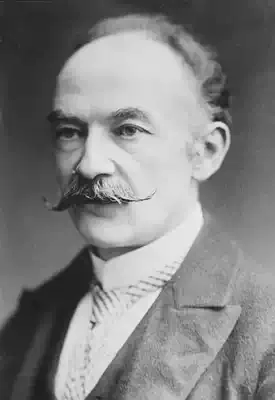
Thomas Hardy
Her Initals
UPON a poet's page I wrote
Of old two letters of her name;
Part seemed she of the effulgent thought
Whence that high singer's rapture came.
--When now I turn the leaf the same
Immortal light illumes the lay
But from the letters of her name
The radiance has died away.
Of old two letters of her name;
Part seemed she of the effulgent thought
Whence that high singer's rapture came.
--When now I turn the leaf the same
Immortal light illumes the lay
But from the letters of her name
The radiance has died away.
155
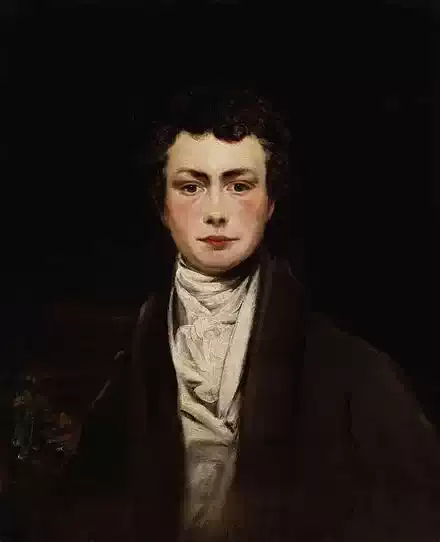
Thomas Moore
Oh! Breathe Not His Name
Oh! breathe not his name, let it sleep in the shade,
Where cold and unhonour'd his relics are laid:
Sad, silent, and dark, be the tears that we shed,
As the night-dew that falls on the grass o'er his head.
But the night-dew that falls, though in silence it weeps,
Shall brighten with verdure the grave where he sleeps;
And the tear that we shed, though in secret it rolls,
Shall long keep his memory green in our souls.
168

Wilfred Owen
Uriconium: an Ode
It lieth low near merry England's heart
Like a long-buried sin; and Englishmen
Forget that in its death their sires had part.
And, like a sin, Time lays it bare again
To tell of races wronged,
And ancient glories suddenly overcast,
And treasures flung to fire and rabble wrath.
If thou hast ever longed
To lift the gloomy curtain of Time Past,
And spy the secret things that Hades hath,
Here through this riven ground take such a view.
The dust, that fell unnoted as a dew,
Wrapped the dead city's face like mummy-cloth:
All is as was: except for worm and moth.
Since Jove was worshipped under Wrekin's shade
Or Latin phrase was writ in Shropshire stone,
Since Druid chaunts desponded in this glade
Or Tuscan general called that field his own,
How long ago? How long?
How long since wanderers in the Stretton Hills
Met men of shaggy hair and savage jaw,
With flint and copper prong,
Aiming behind their dikes and thorny grilles?
Ah! those were days before the axe and saw,
Then were the nights when this mid-forest town
Held breath to hear the wolves come yelping down,
And ponderous bears 'long Severn lifted paw,
And nuzzling boars ran grunting through the shaw.
Ah me! full fifteen hundred times the wheat
Hath risen, and bowed, and fallen to human hunger
Since those imperial days were made complete.
The weary moon hath waxen old and younger
These eighteen thousand times
Without a shrine to greet her gentle ray.
And other temples rose; to Power and Pelf,
And chimed centurial chimes
Until their very bells are worn away.
While King by King lay cold on vaulted shelf
And wars closed wars, and many a Marmion fell,
And dearths and plagues holp sire and son to hell;
And old age stiffened many a lively elf
And many a poet's heart outdrained itself.
I had forgot that so remote an age
Beyond the horizon of our little sight,
Is far from us by no more spanless gauge
Than day and night, succeeding day and night,
Until I looked on Thee,
Thou ghost of a dead city, or its husk!
But even as we could walk by field and hedge
Hence to the distant sea
So, by the rote of common dawn and dusk,
We travel back to history's utmost edge.
Yea, when through thy old streets I took my way,
And recked a thousand years as yesterday,
Methought sage fancy wrought a sacrilege
To steal for me such godly privilege!
For here lie remnants from a banquet table -
Oysters and marrow-bones, and seeds of grape -
The statement of whose age must sound a fable;
And Samian jars, whose sheen and flawless shape
Look fresh from potter's mould.
Plasters with Roman finger-marks impressed;
Bracelets that from the warm Italian arm
Might seem to be scarce cold;
And spears - the same that pushed the Cymry west-
Unblunted yet; with tools of forge and farm
Abandoned, as a man in sudden fear
Drops what he holds to help his swift career:
For sudden was Rome's flight, and wild the alarm.
The Saxon shock was like Vesuvius' qualm.
O ye who prate of modern art and craft .
Mark well that Gaulish brooch, and test that screw!
Art's fairest buds on antique stem are graft.
Under the sun is nothing wholly new!
At Viricon today
The village anvil rests on Roman base
And in a garden, may be seen a bower
With pillars for its stay
That anciently in basilic had place.
The church's font is but a pagan dower:
A Temple's column, hollowed into this.
So is the glory of our artifice,
Our pleasure and our worship, but the flower
Of Roman custom and of Roman power.
O ye who laugh and, living as if Time
Meant but the twelve hours ticking round your dial,
Find it too short for thee, watch the sublime,
Slow, epochal time-registers awhile,
Which are Antiquities.
O ye who weep and call all your life too long
And moan: Was ever sorrow like to mine?
Muse on the memories
That sad sepulchral stones and ruins prolong.
Here might men drink of wonder like strong wine
And feel ephemeral troubles soothed and curbed.
Yet farmers, wroth to have their laws disturbed,
Are sooner roused for little loss to pine
Than we are moved by mighty woes long syne.
Above this reverend ground, what traveller checks?
Yet cities such as these one time would breed
Apocalyptic visions of world-wrecks.
Let Saxon men return to them, and heed!
They slew and burnt,
But after, prized what Rome had given away
Out of her strength and her prosperity.
Have they yet learnt
The precious truth distilled from Rome's decay?
Ruins! On England's heart press heavily!
For Rome hath left us more than walls and words
And better yet shall leave; and more than herds
Or land or gold gave the Celts to us in fee;
E'en Blood, which makes poets sing and prophets see.
162
Thomas Hardy
The Tenant-For-Life
The sun said, watching my watering-pot
"Some morn you'll pass away;
These flowers and plants I parch up hot -
Who'll water them that day?
"Those banks and beds whose shape your eye
Has planned in line so true,
New hands will change, unreasoning why
Such shape seemed best to you.
"Within your house will strangers sit,
And wonder how first it came;
They'll talk of their schemes for improving it,
And will not mention your name.
"They'll care not how, or when, or at what
You sighed, laughed, suffered here,
Though you feel more in an hour of the spot
Than they will feel in a year
"As I look on at you here, now,
Shall I look on at these;
But as to our old times, avow
No knowledge--hold my peace! . . .
"O friend, it matters not, I say;
Bethink ye, I have shined
On nobler ones than you, and they
Are dead men out of mind!"
169
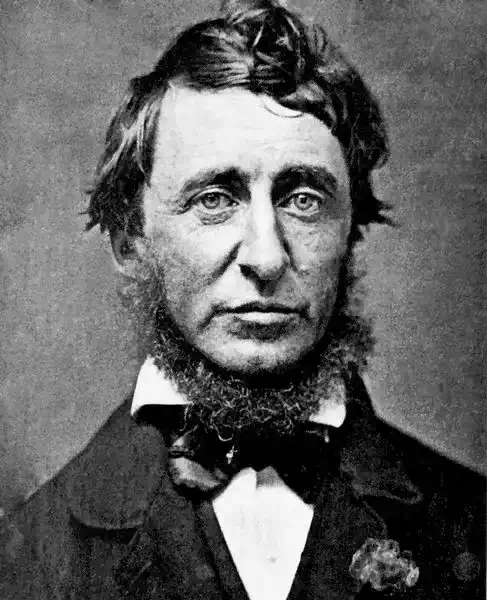
Henry David Thoreau
They Who Prepare My Evening Meal Below
They who prepare my evening meal below
Carelessly hit the kettle as they go
With tongs or shovel,
And ringing round and round,
Out of this hovel
It makes an eastern temple by the sound.
At first I thought a cow bell right at hand
Mid birches sounded o'er the open land,
Where I plucked flowers
Many years ago,
Spending midsummer hours
With such secure delight they hardly seemed to flow.
162
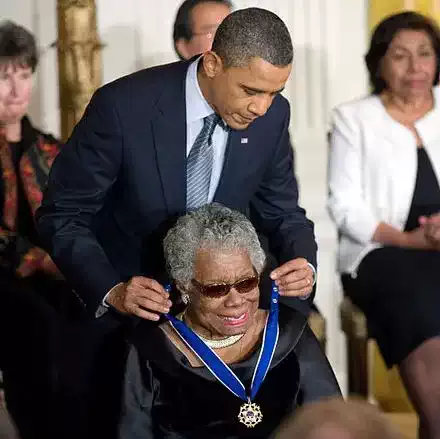
Maya Angelou
When You Come
When you come to me, unbidden,
Beckoning me
To long-ago rooms,
Where memories lie.
Offering me, as to a child, an attic,
Gatherings of days too few.
Baubles of stolen kisses.
Trinkets of borrowed loves.
Trunks of secret words,
I CRY.
Beckoning me
To long-ago rooms,
Where memories lie.
Offering me, as to a child, an attic,
Gatherings of days too few.
Baubles of stolen kisses.
Trinkets of borrowed loves.
Trunks of secret words,
I CRY.
164

William Ernest Henley
Ballade of Dead Actors
Where are the passions they essayed,
And where the tears they made to flow?
Where the wild humours they portrayed
For laughing worlds to see and know?
Othello's wrath and Juliet's woe?
Sir Peter's whims and Timon's gall?
And Millamant and Romeo?
Into the night go one and all.
Where are the braveries, fresh or frayed?
The plumes, the armours -- friend and foe?
The cloth of gold, the rare brocade,
The mantles glittering to and fro?
The pomp, the pride, the royal show?
The cries of war and festival?
The youth, the grace, the charm, the glow?
Into the night go one and all.
The curtain falls, the play is played:
The Beggar packs beside the Beau;
The Monarch troops, and troops the Maid;
The Thunder huddles with the Snow.
Where are the revellers high and low?
The clashing swords? The lover's call?
The dancers gleaming row on row?
Into the night go one and all.
144

Joyce Kilmer
Waverley
-
When, on a novel's newly printed page
We find a maudlin eulogy of sin,
And read of ways that harlots wander in,
And of sick souls that writhe in helpless rage;
Or when Romance, bespectacled and sage,
Taps on her desk and bids the class begin
To con the problems that have always been
Perplexed mankind's unhappy heritage;
Then in what robes of honor habited
The laureled wizard of the North appears!
Who raised Prince Charlie's cohorts from the dead,
Made Rose's mirth and Flora's noble tears,
And formed that shining legion at whose head
Rides Waverley, triumphant o'er the years!
139
Joyce Kilmer
Main Street
(For S.M.L.)
I like to look at the blossomy track of the moon upon the sea,
But it isn't half so fine a sight as Main Street used to be
When it all was covered over with a couple of feet of snow,
And over the crisp and radiant road the ringing sleighs would go.
Now, Main Street bordered with autumn leaves, it was a pleasant thing,
And its gutters were gay with dandelions early in the Spring;
I like to think of it white with frost or dusty in the heat,
Because I think it is humaner than any other street.
A city street that is busy and wide is ground by a thousand wheels,
And a burden of traffic on its breast is all it ever feels:
It is dully conscious of weight and speed and of work that never ends,
But it cannot be human like Main Street, and recognise its friends.
There were only about a hundred teams on Main Street in a day,
And twenty or thirty people, I guess, and some children out to play.
And there wasn't a wagon or buggy, or a man or a girl or a boy
That Main Street didn't remember, and somehow seem to enjoy.
The truck and the motor and trolley car and the elevated train
They make the weary city street reverberate with pain:
But there is yet an echo left deep down within my heart
Of the music the Main Street cobblestones made beneath a butcher's cart.
God be thanked for the Milky Way that runs across the sky,
That's the path that my feet would tread whenever I have to die.
Some folks call it a Silver Sword, and some a Pearly Crown,
But the only thing I think it is, is Main Street, Heaventown.
136
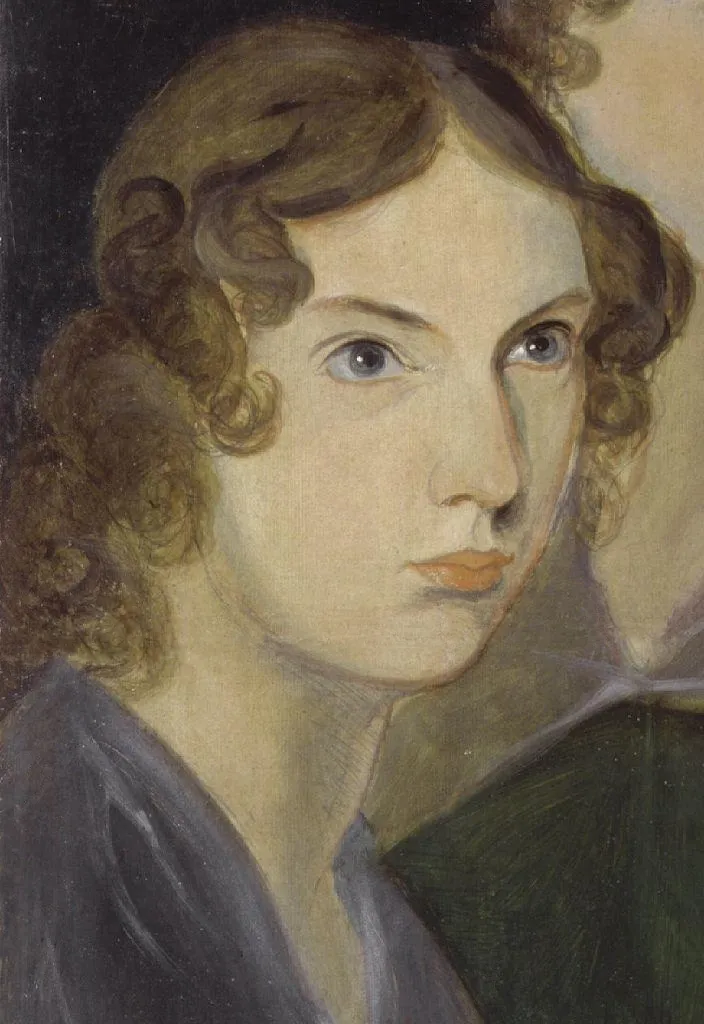
Anne Brontë
Memory
Brightly the sun of summer shone,
Green fields and waving woods upon,
And soft winds wandered by;
Above, a sky of purest blue,
Around, bright flowers of loveliest hue,
Allured the gazer's eye.
But what were all these charms to me,
When one sweet breath of memory
Came gently wafting by?
I closed my eyes against the day,
And called my willing soul away,
From earth, and air, and sky;
That I might simply fancy there
One little flower a
primrose fair,
Just opening into sight;
As in the days of infancy,
An opening primrose seemed to me
A source of strange delight.
Sweet Memory! ever smile on me;
Nature's chief beauties spring from thee,
Oh, still thy tribute bring!
Still make the golden crocus shine
Among the flowers the most divine,
The glory of the spring.
Still in the wallflower's
fragrance dwell;
And hover round the slight blue bell,
My childhood's darling flower.
Smile on the little daisy still,
The buttercup's bright goblet fill
With all thy former power.
For ever hang thy dreamy spell
Round mountain star and heather bell,
And do not pass away
From sparkling frost, or wreathed snow,
And whisper when the wild winds blow,
Or rippling waters play.
Is childhood, then, so all divine?
Or Memory, is the glory thine,
That haloes thus the past?
Not all divine; its pangs of grief,
(Although, perchance, their stay be brief,)
Are bitter while they last.
Nor is the glory all thine own,
For on our earliest joys alone
That holy light is cast.
With such a ray, no spell of thine
Can make our later pleasures shine,
Though long ago they passed.
Acton
120
Anne Brontë
Self Communion
'The mist is resting on the hill;
The smoke is hanging in the air;
The very clouds are standing still:
A breathless calm broods everywhere.
Thou pilgrim through this vale of tears,
Thou, too, a little moment cease
Thy anxious toil and fluttering fears,
And rest thee, for a while, in peace.'
'I would, but Time keeps working still
And moving on for good or ill:
He will not rest or stay.
In pain or ease, in smiles or tears,
He still keeps adding to my years
And stealing life away.
His footsteps in the ceaseless sound
Of yonder clock I seem to hear,
That through this stillness so profound
Distinctly strikes the vacant ear.
For ever striding on and on,
He pauses not by night or day;
And all my life will soon be gone
As these past years have slipped away.
He took my childhood long ago,
And then my early youth; and lo,
He steals away my prime!
I cannot see how fast it goes,
But well my inward spirit knows
The wasting power of time.'
'Time steals thy moments, drinks thy breath,
Changes and wastes thy mortal frame;
But though he gives the clay to death,
He cannot touch the inward flame.
Nay, though he steals thy years away,
Their memory is left thee still,
And every month and every day
Leaves some effect of good or ill.
The wise will find in Memory's store
A help for that which lies before
To guide their course aright;
Then, hush thy plaints and calm thy fears;
Look back on these departed years,
And, say, what meets thy sight?'
'I see, far back, a helpless child,
Feeble and full of causeless fears,
Simple and easily beguiled
To credit all it hears.
More timid than the wild wooddove,
Yet trusting to another's care,
And finding in protecting love
Its only refuge from despair, Its
only balm for every woe,
The only bliss its soul can know;
Still hiding in its breast.
A tender heart too prone to weep,
A love so earnest, strong, and deep
It could not be expressed.
Poor helpless thing! what can it do
Life's stormy cares and toils among; How
tread this weary desert through
That awes the brave and tires the strong?
Where shall it centre so much trust
Where truth maintains so little sway,
Where seeming fruit is bitter dust,
And kisses oft to death betray?
How oft must sin and falsehood grieve
A heart so ready to believe,
And willing to admire!
With strength so feeble, fears so strong,
Amid this selfish bustling throng,
How will it faint and tire!
That tender love so warm and deep,
How can it flourish here below?
What bitter floods of tears must steep
The stony soil where it would grow!
O earth! a rocky breast is thine A
hard soil and a cruel clime,
Where tender plants must droop and pine,
Or alter with transforming time.
That soul, that clings to sympathy,
As ivy clasps the forest tree,
How can it stand alone?
That heart so prone to overflow
E'en at the thought of others' woe,
How will it bear its own?
How, if a sparrow's death can wring
Such bitter tearfloods
from the eye,
Will it behold the suffering
Of struggling, lost humanity?
The torturing pain, the pining grief,
The sindegraded
misery,
The anguish that defies relief?'
'Look back again What
dost thou see?'
'I see one kneeling on the sod,
With infant hands upraised to Heaven,
A young heart feeling after God,
Oft baffled, never backward driven.
Mistaken oft, and oft astray,
It strives to find the narrow way,
But gropes and toils alone:
That inner life of strife and tears,
Of kindling hopes and lowering fears
To none but God is known.
'Tis better thus; for man would scorn
Those childish prayers, those artless cries,
That darkling spirit tossed and torn,
But God will not despise!
We may regret such waste of tears
Such darkly toiling misery,
Such 'wildering doubts and harrowing fears,
Where joy and thankfulness should be;
But wait, and Heaven will send relief.
Let patience have her perfect work:
Lo, strength and wisdom spring from grief,
And joys behind afflictions lurk!
It asked for light, and it is heard;
God grants that struggling soul repose
And, guided by His holy word,
It wiser than its teachers grows.
It gains the upward path at length,
And passes on from strength to strength,
Leaning on Heaven the while:
Night's shades departing one by one,
It sees at last the rising sun,
And feels his cheering smile.
In all its darkness and distress
For light it sought, to God it cried;
And through the pathless wilderness,
He was its comfort and its guide.'
'So was it, and so will it be:
Thy God will guide and strengthen thee;
His goodness cannot fail.
The sun that on thy morning rose
Will light thee to the evening's close,
Whatever storms assail.'
'God alters not; but Time on me
A wide and wondrous change has wrought:
And in these parted years I see
Cause for grave care and saddening thought.
I see that time, and toil, and truth,
An inward hardness can impart, Can
freeze the generous blood of youth,
And steel full fast the tender heart.'
'Bless God for that divine decree! That
hardness comes with misery,
And suffering deadens pain;
That at the frequent sight of woe
E'en Pity's tears forget to flow,
If reason still remain!
Reason, with conscience by her side,
But gathers strength from toil and truth;
And she will prove a surer guide
Than those sweet instincts of our youth.
Thou that hast known such anguish sore
In weeping where thou couldst not bless,
Canst thou that softness so deplore That
suffering, shrinking tenderness?
Thou that hast felt what cankering care
A loving heart is doomed to bear,
Say, how canst thou regret
That fires unfed must fall away,
Long droughts can dry the softest clay,
And cold will cold beget?'
'Nay, but 'tis hard to feel that chill
Come creeping o'er the shuddering heart.
Love may be full of pain, but still,
'Tis sad to see it so depart, To
watch that fire whose genial glow
Was formed to comfort and to cheer,
For want of fuel, fading so,
Sinking to embers dull and drear, To
see the soft soil turned to stone
For lack of kindly showers, To
see those yearnings of the breast,
Pining to bless and to be blessed,
Drop withered, frozen one by one,
Till, centred in itself alone,
It wastes its blighted powers.
Oh, I have known a wondrous joy
In early friendship's pure delight, A
genial bliss that could not cloy My
sun by day, my moon by night.
Absence, indeed, was sore distress,
And thought of death was anguish keen,
And there was cruel bitterness
When jarring discords rose between;
And sometimes it was grief to know
My fondness was but half returned.
But this was nothing to the woe
With which another truth was learned: That
I must check, or nurse apart,
Full many an impulse of the heart
And many a darling thought:
What my soul worshipped, sought, and prized,
Were slighted, questioned, or despised;
This pained me more than aught.
And as my love the warmer glowed
The deeper would that anguish sink,
That this dark stream between us flowed,
Though both stood bending o'er its brink;
Until, as last, I learned to bear
A colder heart within my breast;
To share such thoughts as I could share,
And calmly keep the rest.
I saw that they were sundered now,
The trees that at the root were one:
They yet might mingle leaf and bough,
But still the stems must stand alone.
O love is sweet of every kind!
'Tis sweet the helpless to befriend,
To watch the young unfolding mind,
To guide, to shelter, and defend:
To lavish tender toil and care,
And ask for nothing back again,
But that our smiles a blessing bear
And all our toil be not in vain.
And sweeter far than words can tell
Their love whose ardent bosoms swell
With thoughts they need not hide;
Where fortune frowns not on their joy,
And Prudence seeks not to destroy,
Nor Reason to deride.
Whose love may freely gush and flow,
Unchecked, unchilled by doubt or fear,
For in their inmost hearts they know
It is not vainly nourished there.
They know that in a kindred breast
Their long desires have found a home,
Where heart and soul may kindly rest,
Weary and lorn no more to roam.
Their dreams of bliss were not in vain,
As they love they are loved again,
And they can bless as they are blessed.
O vainly might I seek to show
The joys from happy love that flow!
The warmest words are all too cold
The secret transports to unfold
Of simplest word or softest sigh,
Or from the glancing of an eye
To say what rapture beams;
One look that bids our fears depart,
And well assures the trusting heart.
It beats not in the world alone Such
speechless rapture I have known,
But only in my dreams.
My life has been a morning sky
Where Hope her rainbow glories cast
O'er kindling vapours far and nigh:
And, if the colours faded fast,
Ere one bright hue had died away
Another o'er its ashes gleamed;
And if the lower clouds were grey,
The mists above more brightly beamed.
But not for long; at
length behold,
Those tints less warm, less radiant grew;
Till but one streak of paly gold
Glimmered through clouds of saddening hue.
And I am calmly waiting, now,
To see that also pass away,
And leave, above the dark hill's brow,
A rayless arch of sombre grey.'
'So must it fare with all thy race
Who seek in earthly things their joy:
So fading hopes lost hopes shall chase
Till Disappointment all destroy.
But they that fix their hopes on high
Shall, in the bluerefulgent
sky,
The sun's transcendent light,
Behold a purer, deeper glow
Than these uncertain gleams can show,
However fair or bright.
O weak of heart! why thus deplore
That Truth will Fancy's dreams destroy?
Did I not tell thee, years before,
Life was for labour, not for joy?
Cease, selfish spirit, to repine;
O'er thine own ills no longer grieve;
Lo, there are sufferings worse than thine,
Which thou mayst labour to relieve.
If Time indeed too swiftly flies,
Gird on thine armour, haste, arise,
For thou hast much to do; To
lighten woe, to trample sin,
And foes without and foes within
To combat and subdue.
Earth hath too much of sin and pain:
The bitter cup the
binding chain
Dost thou indeed lament?
Let not thy weary spirit sink;
But strive not
by one drop or link
The evil to augment.
Strive rather thou, by peace and joy,
The bitter poison to destroy,
The cruel chain to break.
O strive! and if thy strength be small,
Strive yet the more, and spend it all
For Love and Wisdom's sake!'
'O I have striven both hard and long
But many are my foes and strong.
My gains are light my
progress slow;
For hard's the way I have to go,
And my worst enemies, I know,
Are these within my breast;
And it is hard to toil for aye, Through
sultry noon and twilight grey
To toil and never rest.'
'There is a rest beyond the grave,
A lasting rest from pain and sin,
Where dwell the faithful and the brave;
But they must strive who seek to win.'
"Show me that rest I
ask no more.
Oh, drive these misty doubts away;
And let me see that sunny shore,
However far away!
However wide this rolling sea,
However wild my passage be,
Howe'er my bark be tempest tossed,
May it but reach that haven fair,
May I but land and wander there,
With those that I have loved and lost:
With such a glorious hope in view,
I'll gladly toil and suffer too.
Rest without toil I would not ask;
I would not shun the hardest task:
Toil is my glory Grief
my gain,
If God's approval they obtain.
Could I but hear my Saviour say, "
I know thy patience and thy love;
How thou hast held the narrow way,
For my sake laboured night and day,
And watched, and striven with them that strove;
And still hast borne, and didst not faint," Oh,
this would be reward indeed!'
'Press forward, then, without complaint;
Labour and love and
such shall be thy meed.'
103
Anne Brontë
The Arbour
I'll rest me in this sheltered bower,
And look upon the clear blue sky
That smiles upon me through the trees,
Which stand so thickly clustering by;
And view their green and glossy leaves,
All glistening in the sunshine fair;
And list the rustling of their boughs,
So softly whispering through the air.
And while my ear drinks in the sound,
My winged soul shall fly away;
Reviewing long departed years
As one mild, beaming, autumn day;
And soaring on to future scenes,
Like hills and woods, and valleys green,
All basking in the summer's sun,
But distant still, and dimly seen.
Oh, list! 'tis summer's very breath
That gently shakes the rustling trees But
look! the snow is on the ground How
can I think of scenes like these?
'Tis but the frost that clears the air,
And gives the sky that lovely blue;
They're smiling in a winter's sun,
Those evergreens of sombre hue.
And winter's chill is on my heart How
can I dream of future bliss?
How can my spirit soar away,
Confined by such a chain as this?
113
Anne Brontë
Severed and Gone
Severed and gone, so many years!
And art thou still so dear to me,
That throbbing heart and burning tears
Can witness how I cling to thee?
I know that in the narrow tomb
The form I loved was buried deep,
And left, in silence and in gloom,
To slumber out its dreamless sleep.
I know the corner where it lies,
Is but a dreary place of rest:
The charnel moisture never dries
From the dark flagstones o'er its breast,
For there the sunbeams never shine,
Nor ever breathes the freshening air,
But
not for this do I repine;
For my beloved is not there.
O, no! I do not think of thee
As festering there in slow decay: '
Tis this sole thought oppresses me,
That thou art gone so far away.
For ever gone; for I, by night,
Have prayed, within my silent room,
That Heaven would grant a burst of light
Its cheerless darkness to illume;
And give thee to my longing eyes,
A moment, as thou shinest now,
Fresh from thy mansion in the skies,
With all its glories on thy brow.
Wild was the wish, intense the gaze
I fixed upon the murky air,
Expecting, half, a kindling blaze
Would strike my raptured vision there,
A shape these human nerves would thrill,
A majesty that might appal,
Did not thy earthly likeness, still,
Gleam softly, gladly, through it all.
False hope! vain prayer! it might not be
That thou shouldst visit earth again.
I called on Heaven I
called on thee,
And watched, and waited all
in vain.
Had I one shining tress of thine,
How it would bless these longing eyes!
Or if thy pictured form were mine,
What gold should rob me of the prize?
A few cold words on yonder stone,
A corpse as cold as they can be Vain
words, and mouldering dust, alone Can
this be all that's left of thee?
O, no! thy spirit lingers still
Where'er thy sunny smile was seen:
There's less of darkness, less of chill
On earth, than if thou hadst not been.
Thou breathest in my bosom yet,
And dwellest in my beating heart;
And, while I cannot quite forget,
Thou, darling, canst not quite depart.
Though, freed from sin, and grief, and pain
Thou drinkest now the bliss of Heaven,
Thou didst not visit earth in vain;
And from us, yet, thou art not riven.
Life seems more sweet that thou didst live,
And men more true that thou wert one:
Nothing is lost that thou didst give,
Nothing destroyed that thou hast done.
Earth hath received thine earthly part;
Thine heavenly flame has heavenward flown;
But both still linger in my heart,
Still live, and not in mine alone.
102
Siegfried Sassoon
Morning-Land
Old English songs, you bring to me
A simple sweetness somewhat kin
To birds that through the mystery
Of earliest morn make tuneful din,
While hamlet steeples sleepily
At cock-crow chime out three and four,
Till maids get up betime and go
With faces like the red sun low
Clattering about the dairy floor.
A simple sweetness somewhat kin
To birds that through the mystery
Of earliest morn make tuneful din,
While hamlet steeples sleepily
At cock-crow chime out three and four,
Till maids get up betime and go
With faces like the red sun low
Clattering about the dairy floor.
111
Siegfried Sassoon
The Last Meeting
I
Because the night was falling warm and still
Upon a golden day at April’s end,
I thought; I will go up the hill once more
To find the face of him that I have lost,
And speak with him before his ghost has flown
Far from the earth that might not keep him long.
So down the road I went, pausing to see
How slow the dusk drew on, and how the folk
Loitered about their doorways, well-content
With the fine weather and the waxing year.
The miller’s house, that glimmered with grey walls,
Turned me aside; and for a while I leaned
Along the tottering rail beside the bridge
To watch the dripping mill-wheel green with damp.
The miller peered at me with shadowed eyes
And pallid face: I could not hear his voice
For sound of the weir’s plunging. He was old.
His days went round with the unhurrying wheel.
Moving along the street, each side I saw
The humble, kindly folk in lamp-lit rooms;
Children at table; simple, homely wives;
Strong, grizzled men; and soldiers back from war,
Scaring the gaping elders with loud talk.
Soon all the jumbled roofs were down the hill,
And I was turning up the grassy lane
That goes to the big, empty house that stands
Above the town, half-hid by towering trees.
I looked below and saw the glinting lights:
I heard the treble cries of bustling life,
And mirth, and scolding; and the grind of wheels.
An engine whistled, piercing-shrill, and called
High echoes from the sombre slopes afar;
Then a long line of trucks began to move.
It was quite still; the columned chestnuts stood
Dark in their noble canopies of leaves.
I thought: ‘A little longer I’ll delay,
And then he’ll be more glad to hear my feet,
And with low laughter ask me why I’m late.
The place will be too dim to show his eyes,
But he will loom above me like a tree,
With lifted arms and body tall and strong.’
There stood the empty house; a ghostly hulk
Becalmed and huge, massed in the mantling dark,
As builders left it when quick-shattering war
Leapt upon France and called her men to fight.
Lightly along the terraces I trod,
Crunching the rubble till I found the door
That gaped in twilight, framing inward gloom.
An owl flew out from under the high eaves
To vanish secretly among the firs,
Where lofty boughs netted the gleam of stars.
I stumbled in; the dusty floors were strewn
With cumbering piles of planks and props and beams;
Tall windows gapped the walls; the place was free
To every searching gust and jousting gale;
But now they slept; I was afraid to speak,
And heavily the shadows crowded in.
I called him, once; then listened: nothing moved:
Only my thumping heart beat out the time.
Whispering his name, I groped from room to room.
Quite empty was that house; it could not hold
His human ghost, remembered in the love
That strove in vain to be companioned still.
II
Blindly I sought the woods that I had known
So beautiful with morning when I came
Amazed with spring that wove the hazel twigs
With misty raiment of awakening green.
I found a holy dimness, and the peace
Of sanctuary, austerely built of trees,
And wonder stooping from the tranquil sky.
Ah! but there was no need to call his name.
He was beside me now, as swift as light.
I knew him crushed to earth in scentless flowers,
And lifted in the rapture of dark pines.
‘For now,’ he said, ‘my spirit has more eyes
Than heaven has stars; and they are lit by love.
My body is the magic of the world,
And dawn and sunset flame with my spilt blood.
My breath is the great wind, and I am filled
With molten power and surge of the bright waves
That chant my doom along the ocean’s edge.
‘Look in the faces of the flowers and find
The innocence that shrives me; stoop to the stream
That you may share the wisdom of my peace.
For talking water travels undismayed.
The luminous willows lean to it with tales
Of the young earth; and swallows dip their wings
Where showering hawthorn strews the lanes of light.
‘I can remember summer in one thought
Of wind-swept green, and deeps of melting blue,
And scent of limes in bloom; and I can hear
Distinct the early mower in the grass,
Whetting his blade along some morn of June.
‘For I was born to the round world’s delight,
And knowledge of enfolding motherhood,
Whose tenderness, that shines through constant toil,
Gathers the naked children to her knees.
In death I can remember how she came
To kiss me while I slept; still I can share
The glee of childhood; and the fleeting gloom
When all my flowers were washed with rain of tears.
‘I triumph in the choruses of birds,
Bursting like April buds in gyres of song.
My meditations are the blaze of noon
On silent woods, where glory burns the leaves.
I have shared breathless vigils; I have slaked
The thirst of my desires in bounteous rain
Pouring and splashing downward through the dark.
Loud storm has roused me with its winking glare,
And voice of doom that crackles overhead.
I have been tired and watchful, craving rest,
Till the slow-footed hours have touched my brows
And laid me on the breast of sundering sleep.’
III
I know that he is lost among the stars,
And may return no more but in their light.
Though his hushed voice may call me in the stir
Of whispering trees, I shall not understand.
Men may not speak with stillness; and the joy
Of brooks that leap and tumble down green hills
Is faster than their feet; and all their thoughts
Can win no meaning from the talk of birds.
My heart is fooled with fancies, being wise;
For fancy is the gleaming of wet flowers
When the hid sun looks forth with golden stare.
Thus, when I find new loveliness to praise,
And things long-known shine out in sudden grace,
Then will I think: ‘He moves before me now.’
So he will never come but in delight,
And, as it was in life, his name shall be
Wonder awaking in a summer dawn,
And youth, that dying, touched my lips to song.
Flixécourt. May .
113
Siegfried Sassoon
Aftermath
Have you forgotten yet?...
For the world's events have rumbled on since those gagged days,
Like traffic checked while at the crossing of city-ways:
And the haunted gap in your mind has filled with thoughts that flow
Like clouds in the lit heaven of life; and you're a man reprieved to go,
Taking your peaceful share of Time, with joy to spare.
But the past is just the same--and War's a bloody game...
Have you forgotten yet?...
Look down, and swear by the slain of the War that you'll never forget.
Do you remember the dark months you held the sector at Mametz--
The nights you watched and wired and dug and piled sandbags on parapets?
Do you remember the rats; and the stench
Of corpses rotting in front of the front-line trench--
And dawn coming, dirty-white, and chill with a hopeless rain?
Do you ever stop and ask, 'Is it all going to happen again?'
Do you remember that hour of din before the attack--
And the anger, the blind compassion that seized and shook you then
As you peered at the doomed and haggard faces of your men?
Do you remember the stretcher-cases lurching back
With dying eyes and lolling heads--those ashen-grey
Masks of the lads who once were keen and kind and gay?
Have you forgotten yet?...
Look up, and swear by the green of the spring that you'll never forget.
111
Siegfried Sassoon
At Daybreak
I listen for him through the rain,
And in the dusk of starless hours
I know that he will come again;
Loth was he ever to forsake me:
He comes with glimmering of flowers
And stir of music to awake me.
Spirit of purity, he stands
As once he lived in charm and grace:
I may not hold him with my hands,
Nor bid him stay to heal my sorrow;
Only his fair, unshadowed face
Abides with me until to-morrow.
98
Anne Brontë
Farewell
Farewell to thee! but not farewell
To all my fondest thoughts of thee:
Within my heart they still shall dwell;
And they shall cheer and comfort me.
O, beautiful, and full of grace!
If thou hadst never met mine eye,
I had not dreamed a living face
Could fancied charms so far outvie.
If I may ne'er behold again
That form and face so dear to me,
Nor hear thy voice, still would I fain
Preserve, for aye, their memory.
That voice, the magic of whose tone
Can wake an echo in my breast,
Creating feelings that, alone,
Can make my tranced spirit blest.
That laughing eye, whose sunny beam
My memory would not cherish less; And
oh, that smile! whose joyous gleam
Nor mortal language can express.
Adieu, but let me cherish, still,
The hope with which I cannot part.
Contempt may wound, and coldness chill,
But still it lingers in my heart.
And who can tell but Heaven, at last,
May answer all my thousand prayers,
And bid the future pay the past
With joy for anguish, smiles for tears?
93
Alice Walker
Turning Madness Into Flowers #1
If my sorrow were deeper
I'd be, along with you, under
the ocean's floor;
but today I learn that the oil
that pools beneath the ocean floor
is essence
residue
remains
of all our
relations
all
our ancestors who have died and turned to oil
without our witness
eons ago.
We've always belonged to them.
Speaking for you, hanging, weeping, over the water's edge
as well as for myself.
It is our grief
heavy, relentless,
trudging
us, however resistant,
to the decaying and rotten
bottom of things:
our grief bringing
us home.
18