
Death and Mourning

Siegfried Sassoon
Twelve Months After
Hullo! here’s my platoon, the lot I had last year.
‘The war’ll be over soon.’
‘What ’opes?’
‘No bloody fear!’
Then, ‘Number Seven, ’shun! All present and correct.’
They’re standing in the sun, impassive and erect.
Young Gibson with his grin; and Morgan, tired and white;
Jordan, who’s out to win a D.C.M. some night;
And Hughes that’s keen on wiring; and Davies (’),
Who always must be firing at the Boche front line.
. . . .
‘Old soldiers never die; they simply fide a-why!’
That’s what they used to sing along the roads last spring;
That’s what they used to say before the push began;
That’s where they are to-day, knocked over to a man.
Read more →
129

William Ernest Henley
Ballade of Dead Actors
Where are the passions they essayed,
And where the tears they made to flow?
Where the wild humours they portrayed
For laughing worlds to see and know?
Othello's wrath and Juliet's woe?
Sir Peter's whims and Timon's gall?
And Millamant and Romeo?
Into the night go one and all.
Where are the braveries, fresh or frayed?
The plumes, the armours -- friend and foe?
The cloth of gold, the rare brocade,
The mantles glittering to and fro?
The pomp, the pride, the royal show?
The cries of war and festival?
The youth, the grace, the charm, the glow?
Into the night go one and all.
The curtain falls, the play is played:
The Beggar packs beside the Beau;
The Monarch troops, and troops the Maid;
The Thunder huddles with the Snow.
Where are the revellers high and low?
The clashing swords? The lover's call?
The dancers gleaming row on row?
Into the night go one and all.
Read more →
144
Siegfried Sassoon
Counter-Attack
We’d gained our first objective hours before
While dawn broke like a face with blinking eyes,
Pallid, unshaved and thirsty, blind with smoke.
Things seemed all right at first. We held their line,
With bombers posted, Lewis guns well placed,
And clink of shovels deepening the shallow trench.
The place was rotten with dead; green clumsy legs
High-booted, sprawled and grovelled along the saps
And trunks, face downward, in the sucking mud,
Wallowed like trodden sand-bags loosely filled;
And naked sodden buttocks, mats of hair,
Bulged, clotted heads slept in the plastering slime.
And then the rain began,—the jolly old rain!
A yawning soldier knelt against the bank,
Staring across the morning blear with fog;
He wondered when the Allemands would get busy;
And then, of course, they started with five-nines
Traversing, sure as fate, and never a dud.
Mute in the clamour of shells he watched them burst
Spouting dark earth and wire with gusts from hell,
While posturing giants dissolved in drifts of smoke.
He crouched and flinched, dizzy with galloping fear,
Sick for escape,—loathing the strangled horror
And butchered, frantic gestures of the dead.
An officer came blundering down the trench:
‘Stand-to and man the fire-step!’ On he went...
Gasping and bawling, ‘Fire-step ... counter-attack!’
Then the haze lifted. Bombing on the right
Down the old sap: machine-guns on the left;
And stumbling figures looming out in front.
‘O Christ, they’re coming at us!’ Bullets spat,
And he remembered his rifle ... rapid fire...
And started blazing wildly ... then a bang
Crumpled and spun him sideways, knocked him out
To grunt and wriggle: none heeded him; he choked
And fought the flapping veils of smothering gloom,
Lost in a blurred confusion of yells and groans...
Down, and down, and down, he sank and drowned,
Bleeding to death. The counter-attack had failed.
Read more →
116
Siegfried Sassoon
The Rear-Guard
Groping along the tunnel, step by step,
He winked his prying torch with patching glare
From side to side, and sniffed the unwholesome air.
Tins, boxes, bottles, shapes too vague to know,
A mirror smashed, the mattress from a bed;
And he, exploring fifty feet below
The rosy gloom of battle overhead.
Tripping, he grapped the wall; saw someone lie
Humped at his feet, half-hidden by a rug,
And stooped to give the sleeper's arm a tug.
"I'm looking for headquarters." No reply.
"God blast your neck!" (For days he'd had no sleep.)
"Get up and guide me through this stinking place."
Savage, he kicked a soft, unanswering heap,
And flashed his beam across the livid face
Terribly glaring up, whose eyes yet wore
Agony dying hard ten days before;
And fists of fingers clutched a blackening wound.
Alone he staggered on until he found
Dawn's ghost that filtered down a shafted stair
To the dazed, muttering creatures underground
Who hear the boom of shells in muffled sound.
At last, with sweat of horror in his hair,
He climbed through darkness to the twilight air,
Unloading hell behind him step by step.
Read more →
113
Siegfried Sassoon
Ancient History
Adam, a brown old vulture in the rain,
Shivered below his wind-whipped olive-trees;
Huddling sharp chin on scarred and scraggy knees,
He moaned and mumbled to his darkening brain;
‘He was the grandest of them all was Cain!
‘A lion laired in the hills, that none could tire:
‘Swift as a stag: a stallion of the plain,
‘Hungry and fierce with deeds of huge desire.’
Grimly he thought of Abel, soft and fair
A lover with disaster in his face,
And scarlet blossom twisted in bright hair.
‘Afraid to fight; was murder more disgrace?’
‘God always hated Cain’ He bowed his head
The gaunt wild man whose lovely sons were dead.
Read more →
120
Siegfried Sassoon
The Last Meeting
I
Because the night was falling warm and still
Upon a golden day at April’s end,
I thought; I will go up the hill once more
To find the face of him that I have lost,
And speak with him before his ghost has flown
Far from the earth that might not keep him long.
So down the road I went, pausing to see
How slow the dusk drew on, and how the folk
Loitered about their doorways, well-content
With the fine weather and the waxing year.
The miller’s house, that glimmered with grey walls,
Turned me aside; and for a while I leaned
Along the tottering rail beside the bridge
To watch the dripping mill-wheel green with damp.
The miller peered at me with shadowed eyes
And pallid face: I could not hear his voice
For sound of the weir’s plunging. He was old.
His days went round with the unhurrying wheel.
Moving along the street, each side I saw
The humble, kindly folk in lamp-lit rooms;
Children at table; simple, homely wives;
Strong, grizzled men; and soldiers back from war,
Scaring the gaping elders with loud talk.
Soon all the jumbled roofs were down the hill,
And I was turning up the grassy lane
That goes to the big, empty house that stands
Above the town, half-hid by towering trees.
I looked below and saw the glinting lights:
I heard the treble cries of bustling life,
And mirth, and scolding; and the grind of wheels.
An engine whistled, piercing-shrill, and called
High echoes from the sombre slopes afar;
Then a long line of trucks began to move.
It was quite still; the columned chestnuts stood
Dark in their noble canopies of leaves.
I thought: ‘A little longer I’ll delay,
And then he’ll be more glad to hear my feet,
And with low laughter ask me why I’m late.
The place will be too dim to show his eyes,
But he will loom above me like a tree,
With lifted arms and body tall and strong.’
There stood the empty house; a ghostly hulk
Becalmed and huge, massed in the mantling dark,
As builders left it when quick-shattering war
Leapt upon France and called her men to fight.
Lightly along the terraces I trod,
Crunching the rubble till I found the door
That gaped in twilight, framing inward gloom.
An owl flew out from under the high eaves
To vanish secretly among the firs,
Where lofty boughs netted the gleam of stars.
I stumbled in; the dusty floors were strewn
With cumbering piles of planks and props and beams;
Tall windows gapped the walls; the place was free
To every searching gust and jousting gale;
But now they slept; I was afraid to speak,
And heavily the shadows crowded in.
I called him, once; then listened: nothing moved:
Only my thumping heart beat out the time.
Whispering his name, I groped from room to room.
Quite empty was that house; it could not hold
His human ghost, remembered in the love
That strove in vain to be companioned still.
II
Blindly I sought the woods that I had known
So beautiful with morning when I came
Amazed with spring that wove the hazel twigs
With misty raiment of awakening green.
I found a holy dimness, and the peace
Of sanctuary, austerely built of trees,
And wonder stooping from the tranquil sky.
Ah! but there was no need to call his name.
He was beside me now, as swift as light.
I knew him crushed to earth in scentless flowers,
And lifted in the rapture of dark pines.
‘For now,’ he said, ‘my spirit has more eyes
Than heaven has stars; and they are lit by love.
My body is the magic of the world,
And dawn and sunset flame with my spilt blood.
My breath is the great wind, and I am filled
With molten power and surge of the bright waves
That chant my doom along the ocean’s edge.
‘Look in the faces of the flowers and find
The innocence that shrives me; stoop to the stream
That you may share the wisdom of my peace.
For talking water travels undismayed.
The luminous willows lean to it with tales
Of the young earth; and swallows dip their wings
Where showering hawthorn strews the lanes of light.
‘I can remember summer in one thought
Of wind-swept green, and deeps of melting blue,
And scent of limes in bloom; and I can hear
Distinct the early mower in the grass,
Whetting his blade along some morn of June.
‘For I was born to the round world’s delight,
And knowledge of enfolding motherhood,
Whose tenderness, that shines through constant toil,
Gathers the naked children to her knees.
In death I can remember how she came
To kiss me while I slept; still I can share
The glee of childhood; and the fleeting gloom
When all my flowers were washed with rain of tears.
‘I triumph in the choruses of birds,
Bursting like April buds in gyres of song.
My meditations are the blaze of noon
On silent woods, where glory burns the leaves.
I have shared breathless vigils; I have slaked
The thirst of my desires in bounteous rain
Pouring and splashing downward through the dark.
Loud storm has roused me with its winking glare,
And voice of doom that crackles overhead.
I have been tired and watchful, craving rest,
Till the slow-footed hours have touched my brows
And laid me on the breast of sundering sleep.’
III
I know that he is lost among the stars,
And may return no more but in their light.
Though his hushed voice may call me in the stir
Of whispering trees, I shall not understand.
Men may not speak with stillness; and the joy
Of brooks that leap and tumble down green hills
Is faster than their feet; and all their thoughts
Can win no meaning from the talk of birds.
My heart is fooled with fancies, being wise;
For fancy is the gleaming of wet flowers
When the hid sun looks forth with golden stare.
Thus, when I find new loveliness to praise,
And things long-known shine out in sudden grace,
Then will I think: ‘He moves before me now.’
So he will never come but in delight,
And, as it was in life, his name shall be
Wonder awaking in a summer dawn,
And youth, that dying, touched my lips to song.
Flixécourt. May .
Read more →
113
Siegfried Sassoon
I Stood With the Dead
I Stood with the Dead, so forsaken and still:
When dawn was grey I stood with the Dead.
And my slow heart said, 'You must kill, you must kill:
'Soldier, soldier, morning is red'.
On the shapes of the slain in their crumpled disgrace
I stared for a while through the thin cold rain...
'O lad that I loved, there is rain on your face,
'And your eyes are blurred and sick like the plain.'
I stood with the Dead ... They were dead; they were dead;
My heart and my head beat a march of dismay:
And gusts of the wind came dulled by the guns.
'Fall in!' I shouted; 'Fall in for your pay!'
Read more →
122
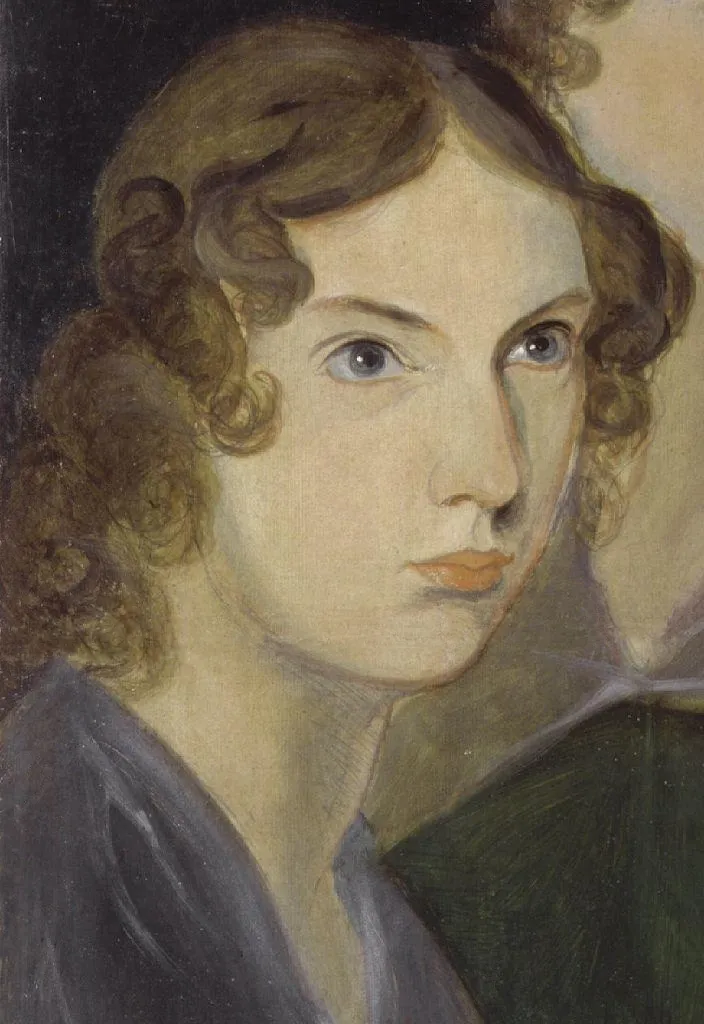
Anne Brontë
An Orphan's Lament
She's gone and
twice the summer's sun
Has gilt Regina's towers,
And melted wild Angora's snows,
And warmed Exina's bowers.
The flowerets twice on hill and dale
Have bloomed and died away,
And twice the rustling forest leaves
Have fallen to decay,
And thrice stern winter's icy hand
Has checked the river's flow,
And three times o'er the mountains thrown
His spotless robe of snow.
Two summers springs and autumns sad
Three winters cold and grey And
is it then so long ago
That wild November day!
They say such tears as children weep
Will soon be dried away,
That childish grief however strong
Is only for a day,
And parted friends how dear soe'er
Will soon forgotten be;
It may be so with other hearts,
It is not thus with me.
My mother, thou wilt weep no more
For thou art gone above,
But can I ever cease to mourn
Thy good and fervent love?
While that was mine the world to me
Was sunshine bright and fair;
No feeling rose within my heart
But thou couldst read it there.
And thou couldst feel for all my joys
And all my childish cares
And never weary of my play
Or scorn my foolish fears.
Beneath thy sweet maternal smile
All pain and sorrow fled,
And even the very tears were sweet
Upon thy bosom shed.
Thy loss can never be repaired;
I shall not know again
While life remains, the peaceful joy
That filled my spirit then.
Where shall I find a heart like thine
While life remains to me,
And where shall I bestow the love
I ever bore for thee?
A.H.
Read more →
112
Siegfried Sassoon
To His Dead Body
When roaring gloom surged inward and you cried,
Groping for friendly hands, and clutched, and died,
Like racing smoke, swift from your lolling head
phantoms of thought and memory thinned and fled.
Yet, though my dreams that throng the darkened stair
Can bring me no report of how you fare,
Safe quit of wars, I speed you on your way
Up lonely, glimmering fields to find new day,
Slow-rising, saintless, confident and kind—
Dear, red-faced father God who lit your mind.
Read more →
121
Siegfried Sassoon
Aftermath
Have you forgotten yet?...
For the world's events have rumbled on since those gagged days,
Like traffic checked while at the crossing of city-ways:
And the haunted gap in your mind has filled with thoughts that flow
Like clouds in the lit heaven of life; and you're a man reprieved to go,
Taking your peaceful share of Time, with joy to spare.
But the past is just the same--and War's a bloody game...
Have you forgotten yet?...
Look down, and swear by the slain of the War that you'll never forget.
Do you remember the dark months you held the sector at Mametz--
The nights you watched and wired and dug and piled sandbags on parapets?
Do you remember the rats; and the stench
Of corpses rotting in front of the front-line trench--
And dawn coming, dirty-white, and chill with a hopeless rain?
Do you ever stop and ask, 'Is it all going to happen again?'
Do you remember that hour of din before the attack--
And the anger, the blind compassion that seized and shook you then
As you peered at the doomed and haggard faces of your men?
Do you remember the stretcher-cases lurching back
With dying eyes and lolling heads--those ashen-grey
Masks of the lads who once were keen and kind and gay?
Have you forgotten yet?...
Look up, and swear by the green of the spring that you'll never forget.
Read more →
111
Anne Brontë
The Penitent
I mourn with thee and yet rejoice
That thou shouldst sorrow so;
With Angel choirs I join my voice
To bless the sinner's woe.
Though friends and kindred turn away
And laugh thy grief to scorn,
I hear the great Redeemer say
'Blessed are ye that mourn'.
Hold on thy course nor deem it strange
That earthly cords are riven.
Man may lament the wondrous change
But 'There is joy in Heaven'!
Read more →
110
Anne Brontë
Severed and Gone
Severed and gone, so many years!
And art thou still so dear to me,
That throbbing heart and burning tears
Can witness how I cling to thee?
I know that in the narrow tomb
The form I loved was buried deep,
And left, in silence and in gloom,
To slumber out its dreamless sleep.
I know the corner where it lies,
Is but a dreary place of rest:
The charnel moisture never dries
From the dark flagstones o'er its breast,
For there the sunbeams never shine,
Nor ever breathes the freshening air,
But
not for this do I repine;
For my beloved is not there.
O, no! I do not think of thee
As festering there in slow decay: '
Tis this sole thought oppresses me,
That thou art gone so far away.
For ever gone; for I, by night,
Have prayed, within my silent room,
That Heaven would grant a burst of light
Its cheerless darkness to illume;
And give thee to my longing eyes,
A moment, as thou shinest now,
Fresh from thy mansion in the skies,
With all its glories on thy brow.
Wild was the wish, intense the gaze
I fixed upon the murky air,
Expecting, half, a kindling blaze
Would strike my raptured vision there,
A shape these human nerves would thrill,
A majesty that might appal,
Did not thy earthly likeness, still,
Gleam softly, gladly, through it all.
False hope! vain prayer! it might not be
That thou shouldst visit earth again.
I called on Heaven I
called on thee,
And watched, and waited all
in vain.
Had I one shining tress of thine,
How it would bless these longing eyes!
Or if thy pictured form were mine,
What gold should rob me of the prize?
A few cold words on yonder stone,
A corpse as cold as they can be Vain
words, and mouldering dust, alone Can
this be all that's left of thee?
O, no! thy spirit lingers still
Where'er thy sunny smile was seen:
There's less of darkness, less of chill
On earth, than if thou hadst not been.
Thou breathest in my bosom yet,
And dwellest in my beating heart;
And, while I cannot quite forget,
Thou, darling, canst not quite depart.
Though, freed from sin, and grief, and pain
Thou drinkest now the bliss of Heaven,
Thou didst not visit earth in vain;
And from us, yet, thou art not riven.
Life seems more sweet that thou didst live,
And men more true that thou wert one:
Nothing is lost that thou didst give,
Nothing destroyed that thou hast done.
Earth hath received thine earthly part;
Thine heavenly flame has heavenward flown;
But both still linger in my heart,
Still live, and not in mine alone.
Read more →
102
Siegfried Sassoon
Enemies
He stood alone in some queer sunless place
Where Armageddon ends. Perhaps he longed
For days he might have lived; but his young face
Gazed forth untroubled: and suddenly there thronged
Round him the hulking Germans that I shot
When for his death my brooding rage was hot.
He stared at them, half-wondering; and then
They told him how I’d killed them for his sake—
Those patient, stupid, sullen ghosts of men;
And still there seemed no answer he could make.
At last he turned and smiled. One took his hand
Because his face could make them understand.
Read more →
114
Siegfried Sassoon
The Heritage
Cry out on Time that he may take away
Your cold philosophies that give no hint
Of spirit-quickened flesh; fall down and pray
That Death come never with a face of flint:
Death is our heritage; with Life we share
The sunlight that must own his darkening hour:
Within his very presence yet we dare
To gather gladness like a fading flower.
For even as this, our joy not long may live
Perfect; and most in change the heart can trace
The miracle of life and human things:
All we have held to destiny we give;
Dawn glimmers on the soul-forsaken face;
Not we, but others, hear the bird that sings.
Read more →
121
Siegfried Sassoon
The Dug-out
Why do you lie with your legs ungainly huddled,
And one arm bent across your sullen, cold,
Exhausted face? It hurts my heart to watch you,
Deep-shadowed from the candle's guttering gold;
And you wonder why I shake you by the shoulder;
Drowsy, you mumble and sigh and turn your head...
You are too young to fall asleep for ever;
And when you sleep you remind me of the dead.
Read more →
84
Anne Brontë
To Cowper
Sweet are thy strains, celestial Bard;
And oft, in childhood's years,
I've read them o'er and o'er again,
With floods of silent tears.
The language of my inmost heart,
I traced in every line;
My sins, my sorrows, hopes, and fears,
Were there and
only mine.
All for myself the sigh would swell,
The tear of anguish start;
I little knew what wilder woe
Had filled the Poet's heart.
I did not know the nights of gloom,
The days of misery;
The long, long years of dark despair,
That crushed and tortured thee.
But, they are gone; from earth at length
Thy gentle soul is pass'd,
And in the bosom of its God
Has found its home at last.
It must be so, if God is love,
And answers fervent prayer;
Then surely thou shalt dwell on high,
And I may meet thee there.
Is he the source of every good,
The spring of purity?
Then in thine hours of deepest woe,
Thy God was still with thee.
How else, when every hope was fled,
Couldst thou so fondly cling
To holy things and holy men?
And how so sweetly sing,
Of things that God alone could teach?
And whence that purity,
That hatred of all sinful ways That
gentle charity?
Are these the symptoms of a heart
Of heavenly grace bereft:
For ever banished from its God,
To Satan's fury left?
Yet, should thy darkest fears be true,
If Heaven be so severe,
That such a soul as thine is lost,
Oh! how shall I appear?
Acton
Read more →
101
Siegfried Sassoon
The Death-Bed
He drowsed and was aware of silence heaped
Round him, unshaken as the steadfast walls;
Aqueous like floating rays of amber light,
Soaring and quivering in the wings of sleep.
Silence and safety; and his mortal shore
Lipped by the inward, moonless waves of death.
Someone was holding water to his mouth.
He swallowed, unresisting; moaned and dropped
Through crimson gloom to darkness; and forgot
The opiate throb and ache that was his wound.
Water—calm, sliding green above the weir.
Water—a sky-lit alley for his boat,
Bird- voiced, and bordered with reflected flowers
And shaken hues of summer; drifting down,
He dipped contented oars, and sighed, and slept.
Night, with a gust of wind, was in the ward,
Blowing the curtain to a glimmering curve.
Night. He was blind; he could not see the stars
Glinting among the wraiths of wandering cloud;
Queer blots of colour, purple, scarlet, green,
Flickered and faded in his drowning eyes.
Rain—he could hear it rustling through the dark;
Fragrance and passionless music woven as one;
Warm rain on drooping roses; pattering showers
That soak the woods; not the harsh rain that sweeps
Behind the thunder, but a trickling peace,
Gently and slowly washing life away.
He stirred, shifting his body; then the pain
Leapt like a prowling beast, and gripped and tore
His groping dreams with grinding claws and fangs.
But someone was beside him; soon he lay
Shuddering because that evil thing had passed.
And death, who'd stepped toward him, paused and stared.
Light many lamps and gather round his bed.
Lend him your eyes, warm blood, and will to live.
Speak to him; rouse him; you may save him yet.
He's young; he hated War; how should he die
When cruel old campaigners win safe through?
But death replied: 'I choose him.' So he went,
And there was silence in the summer night;
Silence and safety; and the veils of sleep.
Then, far away, the thudding of the guns.
Read more →
90
Anne Brontë
Night
I love the silent hour of night,
For blissful dreams may then arise,
Revealing to my charmed sight
What may not bless my waking eyes!
And then a voice may meet my ear
That death has silenced long ago;
And hope and rapture may appear
Instead of solitude and woe.
Cold in the grave for years has lain
The form it was my bliss to see,
And only dreams can bring again
The darling of my heart to me.
Read more →
97
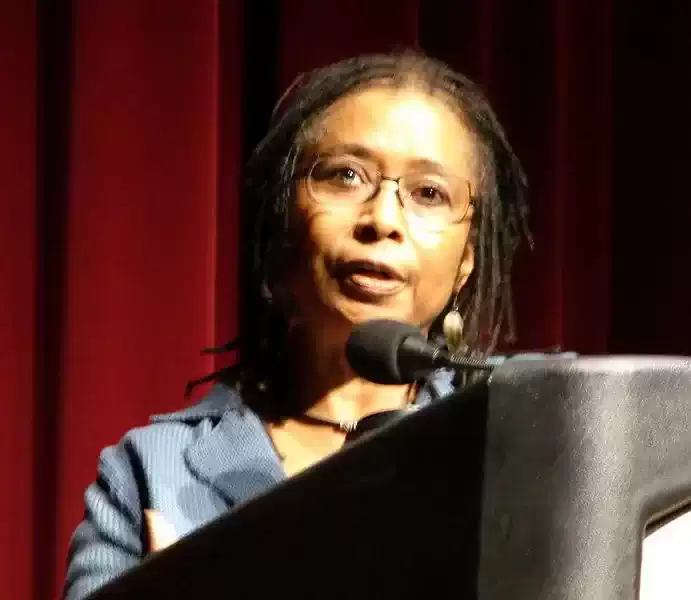
Alice Walker
Turning Madness Into Flowers #1
If my sorrow were deeper
I'd be, along with you, under
the ocean's floor;
but today I learn that the oil
that pools beneath the ocean floor
is essence
residue
remains
of all our
relations
all
our ancestors who have died and turned to oil
without our witness
eons ago.
We've always belonged to them.
Speaking for you, hanging, weeping, over the water's edge
as well as for myself.
It is our grief
heavy, relentless,
trudging
us, however resistant,
to the decaying and rotten
bottom of things:
our grief bringing
us home.
Read more →
19
Previous
Page 34