
Nation and Patriotism

Henry Lawson
In The Day's When We Are Dead
Listen! The end draws nearer,
Nearer the morning—or night—
And I see with a vision clearer
That the beginning was right!
These shall be words to remember
When all has been done and said,
And my fame is a dying ember
In the days when I am dead.
Listen! We wrote in sorrow,
And we wrote by candle light;
We took no heed of the morrow,
And I think that we were right—
(To-morrow, but not the day after,
And I think that we were right).
We wrote of a world that was human
And we wrote of blood that was red,
For a child, or a man, or a woman—
Remember when we are dead.
Listen! We wrote not for money,
And listen! We wrote not for fame—
We wrote for the milk and the honey
Of Kindness, and not for a name.
We paused not, nor faltered for any,
Though many fell back where we led;
We wrote of the few for the many—
Remember when we are dead.
We suffered as few men suffer,
Yet laughed as few men laugh;
We grin as the road grows rougher,
And a bitterer cup we quaff.
We lived for Right and for Laughter,
And we fought for a Nation ahead—
Remember it, friends, hereafter,
In the years when I am dead—
For to-morrow and not the day after,
For ourselves, and a Nation ahead.
Read more →
225
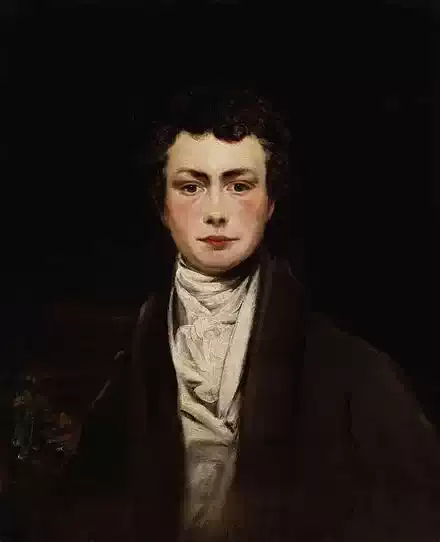
Thomas Moore
Oh, the Shamrock
Through Erin's Isle
To sport awhile
As Love and Valour wander'd,
With Wit, the sprite,
Whose quiver bright
A thousand arrows squander'd;
Where'er they pass,
A triple grass
Shoots up, with dew-drops streaming,
As softly green
As emeralds seen
Through purest crystal gleaming.
Oh the Shamrock, the green, immortal Shamrock!
Chosen leaf
Of Bard and Chief,
Old Erin's native Shamrock!
Says Valour, "See,
They spring for me,
Those leafy gems of morning!" --
Says Love, "No, no,
For me they grow,
My fragrant path adorning."
But Wit perceives
The triple leaves,
And cries, "Oh! do not sever
A type that blends
Three godlike friends,
Love, Valour, Wit, for ever!"
Oh, the Shamrock, the green, immortal Shamrock!
Chosen leaf, etc.
So firmly fond
May last the bond
They wove that morn together,
And ne'er may fall
One drop of gall
On Wit's celestial feather.
May Love, as twine
His flowers divine,
Of thorny falsehood weed 'em:
May Valour ne'er
His standard rear
Against the cause of Freedom!
Oh the Shamrock, the green, immortal Shamrock!
Chosen leaf, etc.
Read more →
226
Henry Lawson
The Star of Australasia
We boast no more of our bloodless flag, that rose from a nation's slime;
Better a shred of a deep-dyed rag from the storms of the olden time.
From grander clouds in our `peaceful skies' than ever were there before
I tell you the Star of the South shall rise -- in the lurid clouds of war.
It ever must be while blood is warm and the sons of men increase;
For ever the nations rose in storm, to rot in a deadly peace.
There comes a point that we will not yield, no matter if right or wrong,
And man will fight on the battle-field
while passion and pride are strong --
So long as he will not kiss the rod, and his stubborn spirit sours,
And the scorn of Nature and curse of God are heavy on peace like ours.
. . . . .
There are boys out there by the western creeks, who hurry away from school
To climb the sides of the breezy peaks or dive in the shaded pool,
Who'll stick to their guns when the mountains quake
to the tread of a mighty war,
And fight for Right or a Grand Mistake as men never fought before;
When the peaks are scarred and the sea-walls crack
till the furthest hills vibrate,
And the world for a while goes rolling back in a storm of love and hate.
. . . . .
There are boys to-day in the city slum and the home of wealth and pride
Who'll have one home when the storm is come, and fight for it side by side,
Who'll hold the cliffs 'gainst the armoured hells
that batter a coastal town,
Or grimly die in a hail of shells when the walls come crashing down.
And many a pink-white baby girl, the queen of her home to-day,
Shall see the wings of the tempest whirl the mist of our dawn away --
Shall live to shudder and stop her ears to the thud of the distant gun,
And know the sorrow that has no tears when a battle is lost and won, --
As a mother or wife in the years to come, will kneel, wild-eyed and white,
And pray to God in her darkened home for the `men in the fort to-night'.
. . . . .
But, oh! if the cavalry charge again as they did when the world was wide,
'Twill be grand in the ranks of a thousand men
in that glorious race to ride
And strike for all that is true and strong,
for all that is grand and brave,
And all that ever shall be, so long as man has a soul to save.
He must lift the saddle, and close his `wings', and shut his angels out,
And steel his heart for the end of things,
who'd ride with a stockman scout,
When the race they ride on the battle track, and the waning distance hums,
And the shelled sky shrieks or the rifles crack
like stockwhip amongst the gums -
And the `straight' is reached and the field is `gapped'
and the hoof-torn sward grows red
With the blood of those who are handicapped with iron and steel and lead;
And the gaps are filled, though unseen by eyes,
with the spirit and with the shades
Of the world-wide rebel dead who'll rise and rush with the Bush Brigades.
. . . . .
All creeds and trades will have soldiers there -
give every class its due --
And there'll be many a clerk to spare for the pride of the jackeroo.
They'll fight for honour and fight for love, and a few will fight for gold,
For the devil below and for God above, as our fathers fought of old;
And some half-blind with exultant tears, and some stiff-lipped, stern-eyed,
For the pride of a thousand after-years and the old eternal pride;
The soul of the world they will feel and see
in the chase and the grim retreat -They'll
know the glory of victory -- and the grandeur of defeat.
The South will wake to a mighty change ere a hundred years are done
With arsenals west of the mountain range and every spur its gun.
And many a rickety son of a gun, on the tides of the future tossed,
Will tell how battles were really won that History says were lost,
Will trace the field with his pipe, and shirk
the facts that are hard to explain,
As grey old mates of the diggings work the old ground over again --
How `this was our centre, and this a redoubt,
and that was a scrub in the rear,
And this was the point where the guards held out,
and the enemy's lines were here.'
. . . . .
They'll tell the tales of the nights before
and the tales of the ship and fort
Till the sons of Australia take to war as their fathers took to sport,
Their breath come deep and their eyes grow bright
at the tales of our chivalry,
And every boy will want to fight, no matter what cause it be --
When the children run to the doors and cry:
`Oh, mother, the troops are come!'
And every heart in the town leaps high at the first loud thud of the drum.
They'll know, apart from its mystic charm, what music is at last,
When, proud as a boy with a broken arm, the regiment marches past.
And the veriest wreck in the drink-fiend's clutch,
no matter how low or mean,
Will feel, when he hears the march, a touch
of the man that he might have been.
And fools, when the fiends of war are out and the city skies aflame,
Will have something better to talk about than an absent woman's shame,
Will have something nobler to do by far than jest at a friend's expense,
Or blacken a name in a public bar or over a backyard fence.
And this you learn from the libelled past,
though its methods were somewhat rude --
A nation's born where the shells fall fast, or its lease of life renewed.
We in part atone for the ghoulish strife,
and the crimes of the peace we boast,
And the better part of a people's life in the storm comes uppermost.
The self-same spirit that drives the man to the depths of drink and crime
Will do the deeds in the heroes' van that live till the end of time.
The living death in the lonely bush, the greed of the selfish town,
And even the creed of the outlawed push is chivalry -- upside down.
'Twill be while ever our blood is hot, while ever the world goes wrong,
The nations rise in a war, to rot in a peace that lasts too long.
And southern nation and southern state, aroused from their dream of ease,
Must sign in the Book of Eternal Fate their stormy histories.
Read more →
226
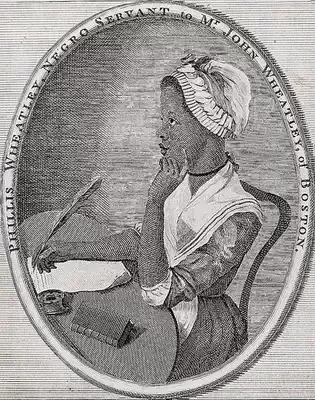
Phillis Wheatley
To the King's Most Excellent Majesty
Your subjects hope, dread Sire--
The crown upon your brows may flourish long,
And that your arm may in your God be strong!
O may your sceptre num'rous nations sway,
And all with love and readiness obey!
But how shall we the British king reward!
Rule thou in peace, our father, and our lord!
Midst the remembrance of thy favours past,
The meanest peasants most admire the last
May George, beloved by all the nations round,
Live with heav'ns choicest constant blessings crown'd!
Great God, direct, and guard him from on high,
And from his head let ev'ry evil fly!
And may each clime with equal gladness see
A monarch's smile can set his subjects free!
Read more →
222

Robert W. Service
Men Of The High North
Men of the High North, the wild sky is blazing;
Islands of opal float on silver seas;
Swift splendors kindle, barbaric, amazing;
Pale ports of amber, golden argosies.
Ringed all around us the proud peaks are glowing;
Fierce chiefs in council, their wigwam the sky;
Far, far below us the big Yukon flowing,
Like threaded quicksilver, gleams to the eye.
Men of the High North, you who have known it;
You in whose hearts its splendors have abode;
Can you renounce it, can you disown it?
Can you forget it, its glory and its goad?
Where is the hardship, where is the pain of it?
Lost in the limbo of things you've forgot;
Only remain the guerdon and gain of it;
Zest of the foray, and God, how you fought!
You who have made good, you foreign faring;
You money magic to far lands has whirled;
Can you forget those days of vast daring,
There with your soul on the Top o' the World?
Nights when no peril could keep you awake on
Spruce boughs you spread for your couch in the snow;
Taste all your feasts like the beans and the bacon
Fried at the camp-fire at forty below?
Can you remember your huskies all going,
Barking with joy and their brushes in air;
You in your parka, glad-eyed and glowing,
Monarch, your subjects the wolf and the bear?
Monarch, your kingdom unravisht and gleaming;
Mountains your throne, and a river your car;
Crash of a bull moose to rouse you from dreaming;
Forest your couch, and your candle a star.
You who this faint day the High North is luring
Unto her vastness, taintlessly sweet;
You who are steel-braced, straight-lipped, enduring,
Dreadless in danger and dire in defeat:
Honor the High North ever and ever,
Whether she crown you, or whether she slay;
Suffer her fury, cherish and love her-He
who would rule he must learn to obey.
Men of the High North, fierce mountains love you;
Proud rivers leap when you ride on their breast.
See, the austere sky, pensive above you,
Dons all her jewels to smile on your rest.
Children of Freedom, scornful of frontiers,
We who are weaklings honor your worth.
Lords of the wilderness, Princes of Pioneers,
Let's have a rouse that will ring round the earth.
Read more →
222

Jack Kerouac
Mexico City Blues (The great hanging weak teat of India)
The great hanging weak teat of India
on the map
The Fingernail of Malaya
The Wall of China
The Korea Ti-Pousse Thumb
The Salamander Japan
the Okinawa Moon Spot
The Pacific
The Back of Hawaiian Mountains
coconuts
Kines, balconies, Ah Tarzan-
And D W Griffith
the great American Director
Strolling down disgruntled
Hollywood Lane
-to toot Nebraska,
Indian Village New York,
Atlantis, Rome,
Peleus and Melisander,
And
swans of Balls
Spots of foam on the ocean
223

William Ernest Henley
England, My England
WHAT have I done for you,
England, my England?
What is there I would not do,
England, my own?
With your glorious eyes austere,
As the Lord were walking near,
Whispering terrible things and dear
As the Song on your bugles blown,
England--
Round the world on your bugles blown!
Where shall the watchful sun,
England, my England,
Match the master-work you've done,
England, my own?
When shall he rejoice agen
Such a breed of mighty men
As come forward, one to ten,
To the Song on your bugles blown,
England--
Down the years on your bugles blown?
Ever the faith endures,
England, my England:--
'Take and break us: we are yours,
England, my own!
Life is good, and joy runs high
Between English earth and sky:
Death is death; but we shall die
To the Song on your bugles blown,
England--
To the stars on your bugles blown!'
They call you proud and hard,
England, my England:
You with worlds to watch and ward,
England, my own!
You whose mail'd hand keeps the keys
Of such teeming destinies,
You could know nor dread nor ease
Were the Song on your bugles blown,
England,
Round the Pit on your bugles blown!
Mother of Ships whose might,
England, my England,
Is the fierce old Sea's delight,
England, my own,
Chosen daughter of the Lord,
Spouse-in-Chief of the ancient Sword,
There 's the menace of the Word
In the Song on your bugles blown,
England--
Out of heaven on your bugles blown!
Read more →
222
Henry Lawson
How the Land was Won
The future was dark and the past was dead
As they gazed on the sea once more –
But a nation was born when the immigrants said
"Good-bye!" as they stepped ashore!
In their loneliness they were parted thus
Because of the work to do,
A wild wide land to be won for us
By hearts and hands so few.
The darkest land 'neath a blue sky's dome,
And the widest waste on earth;
The strangest scenes and the least like home
In the lands of our fathers' birth;
The loneliest land in the wide world then,
And away on the furthest seas,
A land most barren of life for men –
And they won it by twos and threes!
With God, or a dog, to watch, they slept
By the camp-fires' ghastly glow,
Where the scrubs were dark as the blacks that crept
With "nulla" and spear held low;
Death was hidden amongst the trees,
And bare on the glaring sand
They fought and perished by twos and threes –
And that's how they won the land!
It was two that failed by the dry creek bed,
While one reeled on alone –
The dust of Australia's greatest dead
With the dust of the desert blown!
Gaunt cheek-bones cracking the parchment skin
That scorched in the blazing sun,
Black lips that broke in a ghastly grin –
And that's how the land was won!
Starvation and toil on the tracks they went,
And death by the lonely way;
The childbirth under the tilt or tent,
The childbirth under the dray!
The childbirth out in the desolate hut
With a half-wild gin for nurse –
That's how the first were born to bear
The brunt of the first man's curse!
They toiled and they fought through the shame of it –
Through wilderness, flood, and drought;
They worked, in the struggles of early days,
Their sons' salvation out.
The white girl-wife in the hut alone,
The men on the boundless run,
The miseries suffered, unvoiced, unknown –
And that's how the land was won.
No armchair rest for the old folk then –
But, ruined by blight and drought,
They blazed the tracks to the camps again
In the big scrubs further out.
The worn haft, wet with a father's sweat,
Gripped hard by the eldest son,
The boy's back formed to the hump of toil –
And that's how the land was won!
And beyond Up Country, beyond Out Back,
And the rainless belt, they ride,
The currency lad and the ne'er-do-well
And the black sheep, side by side;
In wheeling horizons of endless haze
That disk through the Great North-west,
They ride for ever by twos and by threes –
And that's how they win the rest.
Read more →
221
Phillis Wheatley
A Rebus
I.
A bird delicious to the taste,
On which an army once did feast,
Sent by an hand unseen;
A creature of the horned race,
Which Britain's royal standards grace;
A gem of vivid green;
II.
A town of gaiety and sport,
Where beaux and beauteous nymphs resort,
And gallantry doth reign;
A Dardan hero fam'd of old
For youth and beauty, as we're told,
And by a monarch slain;
III.
A peer of popular applause,
Who doth our violated laws,
And grievances proclaim.
Th' initials show a vanquish'd town,
That adds fresh glory and renown
To old Britannia's fame.
Read more →
222
Henry Lawson
The Distant Drum
Republicans! the time is coming!
Listen to the distant drumming!
Hearken to the whispers humming
In the troubled atmosphere.
Ye are born to do the toiling;
On and on—and no recoiling!
To the fighting, to the foiling
Of the wrongs that wrong us here.
Let the Loyal laugh and jeer you;
Let them in derision cheer you.
Still the cowards show they fear you
By their deeds and all they say.
Let Britannia rule for ever
O’er the wave; but never, never!
Rule a land great oceans sever
Fifteen thousand miles away.
Stained by persecution’s fires
Thinned of homes and thick with spires,
They love the land that bred their sires,
Ye the Land that breeds your sons.
And your sons shall have the reaping,
And your sons shall have the keeping
Of your honour while you’re sleeping,
Freedom’s vanguard, in your graves.
Read more →
219
Robert W. Service
The Younger Son
If you leave the gloom of London and you seek a glowing land,
Where all except the flag is strange and new,
There's a bronzed and stalwart fellow who will grip you by the hand,
And greet you with a welcome warm and true;
For he's your younger brother, the one you sent away
Because there wasn't room for him at home;
And now he's quite contented, and he's glad he didn't stay,
And he's building Britain's greatness o'er the foam.
When the giant herd is moving at the rising of the sun,
And the prairie is lit with rose and gold,
And the camp is all abustle, and the busy day's begun,
He leaps into the saddle sure and bold.
Through the round of heat and hurry, through the racket and the rout,
He rattles at a pace that nothing mars;
And when the night-winds whisper and camp-fires flicker out,
He is sleeping like a child beneath the stars.
When the wattle-blooms are drooping in the sombre she-oak glade,
And the breathless land is lying in a swoon,
He leaves his work a moment, leaning lightly on his spade,
And he hears the bell-bird chime the Austral noon.
The parrakeets are silent in the gum-tree by the creek;
The ferny grove is sunshine-steeped and still;
But the dew will gem the myrtle in the twilight ere he seek
His little lonely cabin on the hill.
Around the purple, vine-clad slope the argent river dreams;
The roses almost hide the house from view;
A snow-peak of the Winterberg in crimson splendor gleams;
The shadow deepens down on the karroo.
He seeks the lily-scented dusk beneath the orange tree;
His pipe in silence glows and fades and glows;
And then two little maids come out and climb upon his knee,
And one is like the lily, one the rose.
He sees his white sheep dapple o'er the green New Zealand plain,
And where Vancouver's shaggy ramparts frown,
When the sunlight threads the pine-gloom he is fighting might and main
To clinch the rivets of an Empire down.
You will find him toiling, toiling, in the south or in the west,
A child of nature, fearless, frank, and free;
And the warmest heart that beats for you is beating in his breast,
And he sends you loyal greeting o'er the sea.
You've a brother in the army, you've another in the Church;
One of you is a diplomatic swell;
You've had the pick of everything and left him in the lurch,
And yet I think he's doing very well.
I'm sure his life is happy, and he doesn't envy yours;
I know he loves the land his pluck has won;
And I fancy in the years unborn, while England's fame endures,
She will come to bless with pride -- The Younger Son.
Read more →
217

John Greenleaf Whittier
A Song Inscribed To The Fremont Clubs
BENEATH thy skies, November!
Thy skies of cloud and rain,
Around our blazing camp-fires
We close our ranks again.
Then sound again the bugles,
Call the muster-roll anew;
If months have well-nigh won the field,
What may not four years do?
For God be praised! New England
Takes once more her ancient place;
Again the Pilgrim's banner
Leads the vanguard of the race.
Then sound again the bugles, etc.
Along the lordly Hudson,
A shout of triumph breaks;
The Empire State is speaking,
From the ocean to the lakes.
Then sound again the bugles, etc.
The Northern hills are blazing,
The Northern skies are bright;
And the fair young West is turning
Her forehead to the light!
Then sound again the bugles,. etc.
Push every outpost nearer,
Press hard the hostile towers!
Another Balaklava,
And the Malakoff is ours!
Then sound again the bugles,
Call the muster-roll anew;
If months have well-nigh won the field,
What may not four years do?
Read more →
212
John Greenleaf Whittier
The World’s Convention Of The Friends Of Emancipation, Held In London In
YES, let them gather! Summon forth
The pledged philanthropy of Earth.
From every land, whose hills have heard
The bugle blast of Freedom waking;
Or shrieking of her symbol-bird
From out his cloudy eyrie breaking:
Where Justice hath one worshipper,
Or truth one altar built to her;
Where'er a human eye is weeping
O'er wrongs which Earth's sad children know;
Where'er a single heart is keeping
Its prayerful watch with human woe:
Thence let them come, and greet each other,
And know in each a friend and brother!
Yes, let them come! from each green vale
Where England's old baronial halls
Still bear upon their storied walls
The grim crusader's rusted mail,
Battered by Paynim spear and brand
On Malta's rock or Syria's sand.!
And mouldering pennon-staves once set
Within the soil of Palestine,
By Jordan and Gennesaret;
Or, borne with England's battle line,
O'er Acre's shattered turrets stooping,
Or, midst the camp their banners drooping,
With dews from hallowed Hermon wet,
A holier summons now is given
Than that gray herinit's voice of old,
Which unto all the winds of heaven
The banners of the Cross unrolled!
Not for the long-deserted shrine;
Not for the dull unconscious sod,
Which tells not by one lingering sign
That there the hope of Israel trod;
But for that truth, for which alone
In pilgrim eyes are sanctified
The garden moss, the mountain stone,
Whereon His holy sandals pressed, —
The fountain which His lip hath blessed, —
Whate'er hath touched His garment's hem
At Bethany or Bethlehem,
Or Jordan's river-side.
For Freedom in the name of Him
Who came to raise Earth's drooping poor,
To break the chain from every limb,
The bolt from every prison door!
For these, o'er all the earth hath passed
An ever-deepening trumpet blast,
As if an angel's breath had lent
Its vigor to the instrument.
And Wales, from Snowrich's mountain wall,
Shall startle at that thrilling call,
As if she heard her bards again;
And Erin's 'harp on Tara's wall'
Give out its ancient strain,
Mirthful and sweet, yet sad withal, —
The melody which Erin loves,
When o'er that harp, 'mid bursts of gladness
And slogan cries and lyke-wake sadness,
The hand of her O'Connell moves!
Scotland, from lake and tarn and rill,
And mountain hold, and heathery hill,
Shall catch and echo back the note,
As if she heard upon the air
Once more her Cameronian's prayer.
And song of Freedom float.
And cheering echoes shall reply
From each remote dependency,
Where Britain's mighty sway is known,
In tropic sea or frozen zone;
Where'er her sunset flag is furling,
Or morning gun-fire's smoke is curling;
From Indian Bengal's groves of palm
And rosy fields and gales of balm,
Where Eastern pomp and power are rolled
Through regal Ava's gates of gold;
And from the lakes and ancient woods
And dim Canadian solitudes,
Whence, sternly from her rocky throne,
Queen of the North, Quebec looks down;
And from those bright and ransomed Isles
Where all unwonted Freedom smiles,
And the dark laborer still retains
The scar of slavery's broken chains!
From the hoar Alps, which sentinel
The gateways of the land of Tell,
Where morning's keen and earliest glance
On Jura's rocky wall is thrown,
And from the olive bowers of France
And vine groves garlanding the Rhone, —
'Friends of the Blacks,' as true and tried
As those who stood by Oge's side,
And heard the Haytien's tale of wrong,
Shall gather at that summons strong;
Broglie, Passy, and he whose song
Breathed over Syria's holy sod,
And in the paths which Jesus trod,
And murmured midst the hills which hem
Crownless and sad Jerusalem,
Hath echoes whereso'er the tone
Of Israel's prophey-lyre is known.
Still let them come; from Quito's walls,
And from the Orinoco's tide,
From Lima's Inca-haunted halls,
From Santa Fe and Yucatan, —
Men who by swart Guerrero's side
Proclaimed the deathless rights of man,
Broke every bond and fetter off,
And hailed in every sable serf
A free and brother Mexican!
Chiefs who across the Andes' chain
Have followed Freedom's flowing pennon,
And seen on Junin's fearful plain,
Glare o'er the broken ranks of Spain
The fire-burst of Bolivar's cannon!
And Hayti, from her mountain land,
Shall send the sons of those who hurled
Defiance from her blazing strand,
The war-gage from her Petition's hand,
Alone against a hostile world.
Nor all unmindful, thou, the while,
Land of the dark and mystic Nile!
Thy Moslem mercy yet may shame
All tyrants of a Christian name,
When in the shade of Gizeh's pile,
Or, where, from Abyssinian hills
El Gerek's upper fountain fills,
Or where from Mountains of the Moon
El Abiad bears his watery boon,
Where'er thy lotus blossoms swim
Within their ancient hallowed waters;
Where'er is heard the Coptic hymn,
Or song of Nubia's sable daughters;
The curse of slavery and the crime,
Thy bequest from remotest time,
At thy dark Mehemet's decree
Forevermore shall pass from thee;
And chains forsake each captive's limb
Of all those tribes, whose hills around
Have echoed back the cymbal sound
And victor horn of Ibrahim.
And thou whose glory and whose crime
To earth's remotest bound and clime,
In mingled tones of awe and scorn,
The echoes of a world have borne,
My country! glorious at thy birth,
A day-star flashing brightly forth,
The herald-sign of Freedom's dawn!
Oh, who could dream that saw thee then,
And watched thy rising from afar,
That vapors from oppression's fen
Would cloud the upward tending star?
Or, that earth's tyrant powers, which heard,
Awe-struck, the shout which hailed thy dawning,
Would rise so soon, prince, peer, and king,
To mock thee with their welcoming,
Like Hades when her thrones were stirred
To greet the down-east Star of Morning!
'Aha! and art thou fallen thus?
Art thou become as one of us?'
Land of my fathers! there will stand,
Amidst that world-assembled band,
Those owning thy maternal claim
Unweakened by thy crime and shame;
The sad reprovers of thy wrong;
The children thou hast spurned so long.
Still with affection's fondest yearning
To their unnatural mother turning.
No traitors they! but tried and leal,
Whose own is but thy general weal,
Still blending with the patriot's zeal
The Christian's love for human kind,
To caste and climate unconfined.
A holy gathering! peaceful all:
No threat of war, no savage call
For vengeance on an erring brother!
But in their stead the godlike plan
To teach the brotherhood of man
To love and reverence one another,
As sharers of a common blood,
The children of a common God!
Yet, even at its lightest word,
Shall Slavery's darkest depths be stirred:
Spain, watching from her Moro's keep
Her slave-ships traversing the deep,
And Rio, in her strength and pride,
Lifting, along her mountain-side,
Her snowy battlements and towers,
Her lemon-groves and tropic bowers,
With bitter hate and sullen fear
Its freedom-giving voice shall hear;
And where my country's flag is flowing,
On breezes from Mount Vernon blowing,
Above the Nation's council halls,
Where Freedom's praise is loud and long,
While close beneath the outward walls
The driver plies his reeking thong;
The hammer of the man-thief falls,
O'er hypocritic cheek and brow
The crimson flush of shame shall glow
And all who for their native land
Are pledging life and heart and hand,
Worn watchers o'er her changing weal,
Who for her tarnished honor feel,
Through cottage door and council-hall
Shall thunder an awakening call.
The pen along its page shall burn
With all intolerable scorn;
An eloquent rebuke shall go
On all the winds that Southward blow;
From priestly lips, now sealed and dumb,
Warning and dread appeal shall come,
Like those which Israel heard from him,
The Prophet of the Cherubim;
Or those which sad Esaias hurled
Against a sin-accursed world!
Its wizard leaves the Press shall fling
Unceasing from its iron wing,
With characters inscribed thereon,
As fearful in the despot's hall
As to the pomp of Babylon
The fire-sign on the palace wall!
And, from her dark iniquities,
Methinks I see my country rise:
Not challenging the nations round
To note her tardy justice done;
Her captives from their chains unbound,
Her prisons opening to the sun:
But tearfully her arms extending
Over the poor and unoffending;
Her regal emblem now no longer
A bird of prey with talons reeking,
Above the dying captive shrieking,
But, spreading out her ample wing,
A broad, impartial covering,
The weaker sheltered by the stronger!
Oh, then to Faith's anointed eyes
The promised token shall be given;
And on a nation's sacrifice,
Atoning for the sin of years,
And wet with penitential tears,
The fire shall fall from Heaven!
Read more →
210
Thomas Moore
Sublime Was the Warning
Sublime was the warning that liberty spoke,
And grand was the moment when Spaniards awoke
Into life and revenge from the conqueror's chain.
Oh, Liberty! let not this spirit have rest,
Till it move, like a breeze, o'er the waves of the west --
Give the light of your look to each sorrowing spot,
Nor, oh, be the Shamrock of Erin forgot
While you add to your garland the Olive of Spain.
If the fame of our fathers, bequeathed with their rights,
Give to country its charm, and to home its delights;
If deceit be a wound, and suspicion a stain,
Then, ye men of Iberia, our cause is the same!
And oh! may his tomb want a tear and a name,
Who would ask for a nobler, a holier death,
Than to turn his last sigh into victory's breath,
For the Shamrock of Erin and the Olive of Spain!
Ye Blakes and O'Donnels, whose fathers resign'd
The green hills of their youth, among strangers to find
That repose which, at home, they had sigh'd for in vain,
Join, join in our hope that the flame, which you light,
May be felt yet in Erin, as calm and as bright,
And forgive even Albion while blushing she draws,
Like a truant, her sword, in the long-slighted cause
Of the Shamrock of Erin and Olive of Spain!
God prosper the cause! -- oh, it cannot but thrive,
While the pulse of one patriot heart is alive,
Its devotion to feel, and its rights to maintain;
Then, how sainted by sorrow its martyrs will die!
The finger of Glory shall point where they lie;
While, far from the footstep of coward or slave,
The young spirit of Freedom shall shelter their grave,
Beneath Shamrocks of Erin and Olives of Spain!
Read more →
209
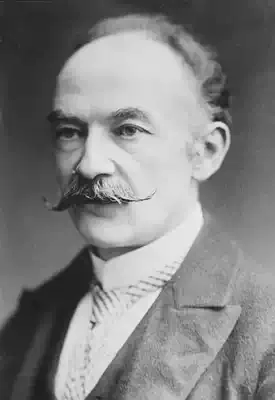
Thomas Hardy
Departure (Southampton Docks: October, )
While the far farewell music thins and fails,
And the broad bottoms rip the bearing brine -
All smalling slowly to the gray sea line -
And each significant red smoke-shaft pales,
Keen sense of severance everywhere prevails,
Which shapes the late long tramp of mounting men
To seeming words that ask and ask again:
"How long, O striving Teutons, Slavs, and Gaels
Must your wroth reasonings trade on lives like these,
That are as puppets in a playing hand? -
When shall the saner softer polities
Whereof we dream, have play in each proud land,
And patriotism, grown Godlike, scorn to stand
Bondslave to realms, but circle earth and seas?"
Read more →
209
Thomas Moore
The Song of O'Ruark, Prince of Breffni
The valley lay smiling before me,
Where lately I left her behind;
Yet I trembled, and something hung o'er me,
That sadden'd the joy of my mind.
I look'd for the lamp which, she told me,
Should shine when her Pilgrim return'd;
But, though darkness began to infold me,
No lamp from the battlements burn'd!
I flew to her chamber -- 'twas lonely,
As if the loved tenant lay dead; --
Ah, would it were death, and death only!
But no, the young false one had fled.
And there hung the lute that could soften
My very worst pains into bliss;
While the hand that had waked it so often
Now throbb'd to a proud rival's kiss.
There was a time, falsest of women,
When Breffni's good sword would have sought
That man, through a million of foemen,
Who dared but to wrong thee in thought!
While now -- oh degenerate daughter
Of Erin, how fallen is thy fame!
And through ages of bondage and slaughter,
Our country shall bleed for thy shame.
Already the curse is upon her,
And strangers her valleys profane;
They come to divide, to dishonour,
And tyrants they long will remain.
But onward! --- the green banner rearing,
Go, flesh every sword to the hilt;
On our side is Virtue and Erin,
On theirs is the Saxon and Guilt.
Read more →
210

Jonathan Swift
Parody On The Recorder’s Speech To His Grace The Duke Of Ormond, 4th July
THE RECORDER'S SPEECH EXPLAINED BY THE TORIES
An ancient metropolis, famous of late
For opposing the Church, and for nosing the State,
For protecting sedition and rejecting order,
Made the following speech by their mouth, the Recorder:
First, to tell you the name of this place of renown,
Some still call it Dublin, but most Forster's town.
THE SPEECH
May it please your Grace,
We cannot omit this occasion to tell,
That we love the Queen's person and government well;
Then next, to your Grace we this compliment make,
That our worships regard you, but 'tis for her sake:
Though our mouth be a Whig, and our head a Dissenter,
Yet salute you we must, 'cause you represent her:
Nor can we forget, sir, that some of your line
Did with mildness and peace in this government shine.
But of all your exploits, we'll allow but one fact,
That your Grace has procured us a Popery Act.
By this you may see that the least of your actions
Does conduce still the most to our satisfactions.
And lastly, because in the year eighty-eight
You did early appear in defence of our right,
We give no other proof of your zeal to your Prince;
So we freely forget all your services since.
It's then only we hope, that whilst you rule o'er us,
You'll tread in the steps of King William the glorious,
Whom we're always adoring, tho' hand over head,
For we owe him allegiance, although he be dead;
Which shows that good zeal may be founded in spleen,
Since a dead Prince we worship, to lessen the Queen.
And as for her Majesty, we will defend her
Against our hobgoblin, the Popish Pretender.
Our valiant militia will stoutly stand by her,
Against the sly Jack, and the sturdy High-flier.
She is safe when thus guarded, if Providence bless her,
And Hanover's sure to be next her successor.
Thus ended the speech, but what heart would not pity
His Grace, almost choked with the breath of the City!
Read more →
206
Thomas Moore
The Wine-Cup is Circling
The wine-cup is circling in Almhin's hall,
And its Chief, 'mid his heroes reclining,
Looks up, with a sigh to the trophied wall,
Where his sword hangs idly shining.
When, hark, that shout
From the vale without --
"Arm ye quick, the Dane, the Dane is nigh!"
Every Chief starts up
From his foaming cup,
And "To battle, to battle!" is the Finian's cry.
The minstrels have seized their harps of gold,
And they sing such thrilling numbers --
'Tis like the voice of the Brave, of old,
Breaking forth from their place of slumber!
Spear to buckler rang,
As the minstrels sang,
And the Sun-burst o'er them floated wide;
While remembering the yoke
Which their fathers broke,
"On for liberty, for liberty!" the Finians cried.
Like clouds of the night the Northmen came,
O'er the valley of Almhin lowering;
While onward moved, in the light of its fame,
That banner of Erin, towering.
With the mingling shock
Rung cliff and rock,
While, rank on rank, the invaders die:
And the shout, that last
O'er the dying pass'd,
Was "victory! victory!" -- the Finian's cry.
Read more →
200
Thomas Moore
Song of the Battle Eve
(Time -- the Ninth Century)
To-morrow, comrade, we
On the battle-plain must be,
There to conquer, or both lie low!
The morning star is up --
But there's wine still in the cup,
And we'll take another quaff, ere we go, boy, go;
We'll take another quaff, ere we go.
'Tis true, in manliest eyes
A passing tear will rise,
When we think of the friends we leave lone;
But what can wailing do?
See, our goblet's weeping too!
With its tears we'll chase away our own, boy, our own;
With its tears we'll chase away our own.
But daylight's stealing on;
The last that o'er us shone
Saw our children around us play;
The next -- ah! where shall we
And those rosy urchins be?
But -- no matter -- grasp thy sword and away, boy, away;
No matter -- grasp thy sword and away!
Let those, who brook the chain
Of Saxon or of Dane,
Ignobly by their fire-sides stay;
One sigh to home be given,
One heartfelt prayer to heaven,
Then, for Erin and her cause, boy, hurra! hurra! hurra!
Then, for Erin and her cause, hurra!
Read more →
200
Thomas Moore
Twas One of Those Dreams
'TWAS one of those dreams, that by music are brought,
Like a bright summer haze, o'er the poet's warm thought --
When, lost in the future, his soul wanders on,
And all of this life, but its sweetness, is gone.
The wild notes he heard o'er the water were those
He had taught to sing Erin's dark bondage and woes,
And the breath of the bugle now wafted them o'er
From Dinis' green isle, to Glena's wooded shore.
He listen'd -- while, high o'er the eagle's rude nest,
The lingering sounds on their way loved to rest;
And the echoes sung back from their full mountain quire,
As if loath to let song to enchanting expire.
It seem'd as if every sweet note that died here
Was again brought to life in some airier sphere,
Some heaven in those hills, where the soul of the strain
That had ceased upon earth was awaking again!
Oh forgive, if, while listening to music, whose breath
Seem'd to circle his name with a charm against death,
He should feel a proud spirit within him proclaim,
"Even so shalt thou live in the echoes of Fame:
"Even so, though thy memory should now die away,
'Twill be caught up again in some happier day,
And the hearts and the voices of Erin prolong,
Through the answering Future, thy name and thy song."
Read more →
202
Henry Lawson
That Great Waiting Silence
Where shall we go for prophecy? Where shall we go for proof?
The holiday street is crowded, pavement, window and roof;
Band and banner pass by us, and the old tunes rise and fall—
But that great waiting silence is on the people all!
Where is the cheering and laughter of the eight-hour days gone by?
When the holiday heart was careless, and the holiday spirit high—
The friendly jostling and banter, the wit and the jovial call?
But that great waiting silence is over the people all.
Oh! but my heart beats faster—and a gush that was nearly tears:
Clatter of hammers on iron! and Australian Engineers!
Goods from Australian workshops—proud to the world at last
(And I see, in a flash from the future, Australian guns go past).
The morning sun-glare, softened by a veil, like frosted glass—
There is no breath of a head-breeze as the Labour banners pass,
There seems no sign of a danger or a change for the workers now—
But for some great, new-born spirit the banners seem to bow.
Where shall we go for our platforms? Where shall we go, indeed?
Shall we follow the cackle of women that follow the jesting Reid,
Through indifferent-seeming cities—and the browned men straight and tall?
But that great waiting silence is on the people all.
Twist and tangle and mystify, bully, and weep and bluff;
Marry the truth to a glaring lie, and say it is good enough;
Boast of your vice and villainy—in your virtue rant and bawl—
But that great waiting silence is over the people all!
Brothers, who work with shovel or pen, labour by day and night:
Brothers, who think of the hearts of men, ponder and speak and write;
Work for Australia’s destiny, content till you hear the call,
For the spirit that builds a nation is over the people all.
Read more →
196
Thomas Moore
Erin, Oh Erin
Like the bright lamp, that shone in Kildare's holy fane,
And burn'd through long ages of darkness and storm,
Is the heart that sorrows have frown'd on in vain,
Whose spirit outlives them, unfading and warm.
Erin, oh Erin, thus bright through the tears
Of a long night of bondage, thy spirit appears.
The nations have fallen, and thou still art young,
Thy sun is but rising, when others are set;
And though slavery's cloud o'er thy morning hath hung,
The full noon of freedom shall beam round thee yet.
Erin, oh Erin, though long in the shade,
Thy star will shine out when the proudest shall fade.
Unchill'd by the rain, and unwaked by the wind,
The lily lies sleeping through winter's cold hour,
Till Spring's light touch her fetters unbind,
And daylight and liberty bless the young flower.
Thus Erin, oh Erin, thy winter is past,
And the hope that lived through it shall blossom at last.
Read more →
190
Thomas Moore
Silence is in Our Festal Halls
Silence is in our festal halls --
Sweet son of song! thy course is o'er;
In vain on thee sad Erin calls,
Her minstrel's voice responds no more; --
All silent as the Eolian shell
Sleeps at the close of some bright day,
When the sweet breeze, that waked its swell
At sunny morn, hath died away.
Yet, at our feasts, thy spirit long,
Awaked by music's spell, shall rise;
For, name so link'd with deathless song
Partakes its charm and never dies;
And even within the holy fane,
When music wafts the soul to heaven,
One thought to him, whose earliest strain
Was echoed there, shall long be given.
But where is now the cheerful day,
The social night, when by thy side,
He who now weaves this parting lay
His skilless voice with thine allied;
And sung those songs whose every tone,
When bard and minstrel long have past,
Shall still, in sweetness all their own,
Embalm'd by fame, undying last.
Yes, Erin, shine alone the fame --
Or, if thy bard have shared the crown,
From thee the borrow'd glory came,
And at thy feet is now laid down.
Enough, if Freedom still inspire,
His latest song, and still there be,
As evening closes round his lyre,
One ray upon its chords from thee.
Read more →
192
Thomas Moore
Forget Not the Field
Forget not the field where they perish'd,
The truest, the last of the brave,
All gone -- and the bright hope we cherish'd
Gone with them, and quench'd in their grave!
Oh! could we from death but recover
Those hearts as they bounded before,
In the face of high heaven to fight over
That combat for freedom once more; --
Could the chain for an instant be riven
Which Tyranny flung round us then,
No, 'tis not in Man, nor in Heaven,
To let Tyranny bind it again!
But 'tis past -- and, though blazon'd in story
The name of our Victor may be,
Accurst is the march of that glory
Which treads o'er the hearts of the free.
For dearer the grave or the prison,
Illumed by one patriot name,
Than the trophies of all who have risen
On Liberty's ruins to fame.
Read more →
191