
Old Age and Ageing
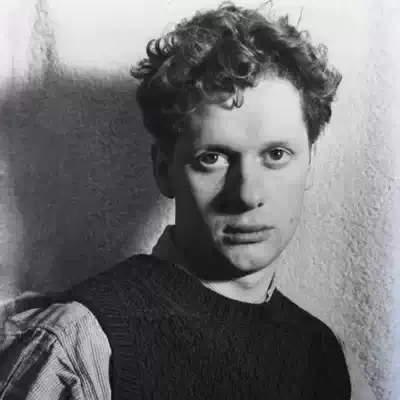
Dylan Thomas
Do Not Go Gentle Into That Good Night
Do not go gentle into that good night,
Old age should burn and rave at close of day;
Rage, rage against the dying of the light.
Though wise men at their end know dark is right,
Because their words had forked no lightning they
Do not go gentle into that good night.
Good men, the last wave by, crying how bright
Their frail deeds might have danced in a green bay,
Rage, rage against the dying of the light.
Wild men who caught and sang the sun in flight,
And learn, too late, they grieved it on its way,
Do not go gentle into that good night.
Grave men, near death, who see with blinding sight
Blind eyes could blaze like meteors and be gay,
Rage, rage against the dying of the light.
And you, my father, there on that sad height,
Curse, bless, me now with your fierce tears, I pray.
Do not go gentle into that good night.
Rage, rage against the dying of the light.
3,470
126
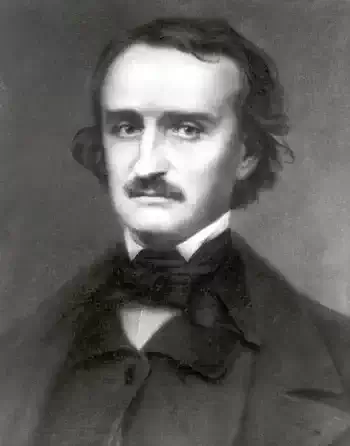
Edgar Allan Poe
Eldorado
Gaily bedight,
A gallant knight,
In sunshine and in shadow,
Had journeyed long,
Singing a song,
In search of Eldorado.
But he grew old—
This knight so bold—
And o'er his heart a shadow
Fell as he found
No spot of ground
That looked like Eldorado.
And, as his strength
Failed him at length,
He met a pilgrim shadow—
"Shadow," said he,
"Where can it be—
This land of Eldorado?"
"Over the Mountains
Of the Moon,
Down the Valley of the Shadow,
Ride, boldly ride,"
The shade replied—
"If you seek for Eldorado!"
1849
2,197
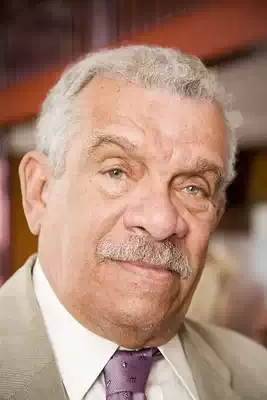
Derek Walcott
The Saddhu Of Couva
The Saddhu Of Couva
When sunset, a brass gong,
vibrate through Couva,
is then I see my soul, swiftly unsheathed,
like a white cattle bird growing more small
over the ocean of the evening canes,
and I sit quiet, waiting for it to return
like a hog-cattle blistered with mud,
because, for my spirit, India is too far.
And to that gong
sometimes bald clouds in saffron robes assemble
sacred to the evening,
sacred even to Ramlochan,
singing Indian hits from his jute hammock
while evening strokes the flanks
and silver horns of his maroon taxi,
as the mosquitoes whine their evening mantras,
my friend Anopheles, on the sitar,
and the fireflies making every dusk Divali.
I knot my head with a cloud,
my white mustache bristle like horns,
my hands are brittle as the pages of Ramayana.
Once the sacred monkeys multiplied like branches
in the ancient temples: I did not miss them,
because these fields sang of Bengal,
behind Ramlochan Repairs there was Uttar Pradesh;
but time roars in my ears like a river,
old age is a conflagration
as fierce as the cane fires of crop time.
I will pass through these people like a cloud,
they will see a white bird beating the evening sea
of the canes behind Couva,
and who will point it as my soul unsheathed?
Naither the bridegroom in beads,
nor the bride in her veils,
their sacred language on the cinema hoardings.
I talked too damn much on the Couva Village Council.
I talked too softly, I was always drowned
by the loudspeakers in front of the stores
or the loudspeakers with the greatest pictures.
I am best suited to stalk like a white cattle bird
on legs like sticks, with sticking to the Path
between the canes on a district road at dusk.
Playing the Elder. There are no more elders.
Is only old people.
My friends spit on the government.
I do not think is just the government.
Suppose all the gods too old,
Suppose they dead and they burning them,
supposing when some cane cutter
start chopping up snakes with a cutlass
he is severing the snake-armed god,
and suppose some hunter has caught
Hanuman in his mischief in a monkey cage.
Suppose all the gods were killed by electric light?
Sunset, a bonfire, roars in my ears;
embers of brown swallows dart and cry,
like women distracted,
around its cremation.
I ascend to my bed of sweet sandalwood.
1,235
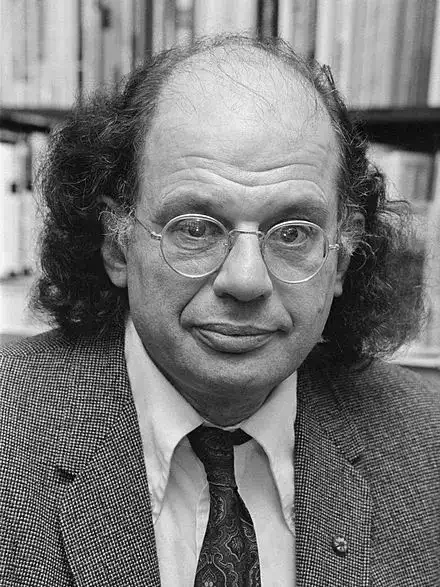
Allen Ginsberg
To Aunt Rose
To Aunt Rose
Aunt Rose—now—might I see you
with your thin face and buck tooth smile and pain
of rheumatism—and a long black heavy shoe
for your bony left leg
limping down the long hall in Newark on the running carpet
past the black grand piano
in the day room
where the parties were
and I sang Spanish loyalist songs
in a high squeaky voice
(hysterical) the committee listening
while you limped around the room
collected the money—
Aunt Honey, Uncle Sam, a stranger with a cloth arm
in his pocket
and huge young bald head
of Abraham Lincoln Brigade
—your long sad face
your tears of sexual frustration
(what smothered sobs and bony hips
under the pillows of Osborne Terrace)
—the time I stood on the toilet seat naked
and you powdered my thighs with calamine
against the poison ivy—my tender
and shamed first black curled hairs
what were you thinking in secret heart then
knowing me a man already—
and I an ignorant girl of family silence on the thin pedestal
of my legs in the bathroom—Museum of Newark.
Aunt Rose
Hitler is dead, Hitler is in Eternity; Hitler is with
Tamburlane and Emily Brontë
Though I see you walking still, a ghost on Osborne Terrace
down the long dark hall to the front door
limping a little with a pinched smile
in what must have been a silken
flower dress
welcoming my father, the Poet, on his visit to Newark
—see you arriving in the living room
dancing on your crippled leg
and clapping hands his book
had been accepted by Liveright
Hitler is dead and Liveright’s gone out of business
The Attic of the Past and Everlasting Minute are out of print
Uncle Harry sold his last silk stocking
Claire quit interpretive dancing school
Buba sits a wrinkled monument in Old
Ladies Home blinking at new babies
last time I saw you was the hospital
pale skull protruding under ashen skin
blue veined unconscious girl
in an oxygen tent
the war in Spain has ended long ago
Aunt Rose
800
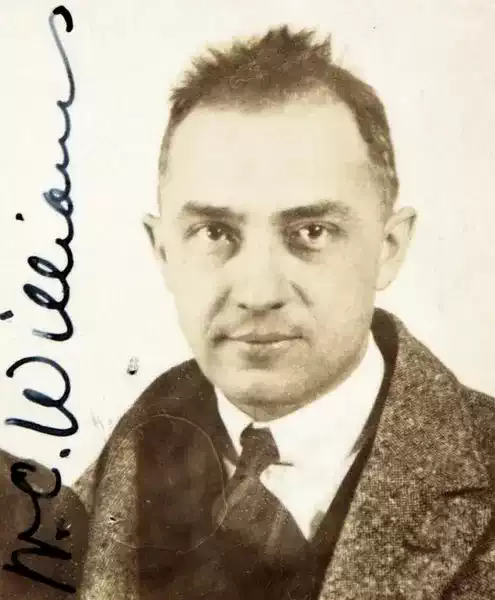
William Carlos Williams
The Last Words of My English Grandmother
The Last Words of My English Grandmother
There were some dirty plates
and a glass of milk
beside her on a small table
near the rank, disheveled bed--
Wrinkled and nearly blind
she lay and snored
rousing with anger in her tones
to cry for food,
Gimme something to eat--
They're starving me--
I'm all right--I won't go
to the hospital.No, no, no
Give me something to eat!
Let me take you
to the hospital, I said
and after you are well
you can do as you please.
She smiled, Yes
you do what you please first
then I can do what I please--
Oh, oh, oh! she cried
as the ambulance men lifted
her to the stretcher--
Is this what you call
making me comfortable?
By now her mind was clear--
Oh you think you're smart
you young people,
she said, but I'll tell you
you don't know anything.
Then we started.
On the way
we passed a long row
of elms. She looked at them
awhile out of
the ambulance window and said,
What are all those
fuzzy looking things out there?
Trees?Well, I'm tired
of them and rolled her head away.
723
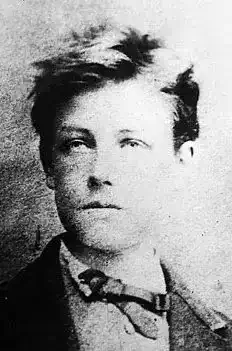
Arthur Rimbaud
Those Who Sit
Those Who Sit
Dark with knobbed growths,
peppered with pock-marks like hail,
their eyes ringed with green,
their swollen fingers clenched on their thigh-bones,
their skulls caked with indeterminate crusts
like the leprous growths on old walls;
in amorous seizures they have grafted
their weird bone structures
to the great dark skeletons of their chairs;
their feet are entwined, morning and evening,
on the rickety rails!
These old men have always been one flesh with their seats,
feeling bright suns drying their skins to the texture of calico,
or else, looking at the window-panes
where the snow is turning grey,
shivering with the painful shiver of the toad.
And their Seats are kind to them;
coloured brown with age, the straw yields
to the angularities of their buttocks;
the spirit of ancient suns lights up,
bound in these braids of ears in which the corn fermented.
And the Seated Ones, knees drawn up to their teeth,
green pianists whose ten fingers keep drumming under their seats,
listen to the tapping of each other's melancholy barcolles;
and their heads nod back and forth as in the act of love.
-Oh don't make them get up! It's a catastrophe!
They rear up like growling tom-cats when struck,
slowly spreading their shoulders... What rage!
Their trousers puff out at their swelling backsides.
And you listen to them as they bump
their bald head is against the dark walls,
stamping and stamping with their crooked feet;
and their coat-buttons are the eyes of wild beasts
which fix yours from the end of the corridors!
And then they have an invisible weapon which can kill:
returning, their eyes seep the black poison
with which the beaten bitch's eye is charged,
and you sweat, trapped in the horrible funnel.
Reseated, their fists retreating into soiled cuffs,
they think about those that have made them
get up and, from dawn until dusk,
their tonsils in bunches tremble
under their meagre chins, fir to burst.
When austere slumbers have lowered their lids
they dream on their arms of seats become fertile;
of perfect little loves of open-work chairs surrounding dignified desks.
Flowers of ink dropping pollen like commas lull them asleep
in their rows of squat flower-cups like dragonflies
threading their flight along the flags
-and their membra virilia are aroused by barbed ears of wheat.
725

John Keats
Hyperion. Book I
Hyperion. Book I
Deep in the shady sadness of a vale
Far sunken from the healthy breath of morn,
Far from the fiery noon, and eve's one star,
Sat gray-hair'd Saturn, quiet as a stone,
Still as the silence round about his lair;
Forest on forest hung above his head
Like cloud on cloud. No stir of air was there,
Not so much life as on a summer's day
Robs not one light seed from the feather'd grass,
But where the dead leaf fell, there did it rest.
A stream went voiceless by, still deadened more
By reason of his fallen divinity
Spreading a shade: the Naiad 'mid her reeds
Press'd her cold finger closer to her lips.
Along the margin-sand large foot-marks went,
No further than to where his feet had stray'd,
And slept there since. Upon the sodden ground
His old right hand lay nerveless, listless, dead,
Unsceptred; and his realmless eyes were closed;
While his bow'd head seem'd list'ning to the Earth,
His ancient mother, for some comfort yet.
It seem'd no force could wake him from his place;
But there came one, who with a kindred hand
Touch'd his wide shoulders, after bending low
With reverence, though to one who knew it not.
She was a Goddess of the infant world;
By her in stature the tall Amazon
Had stood a pigmy's height: she would have ta'en
Achilles by the hair and bent his neck;
Or with a finger stay'd Ixion's wheel.
Her face was large as that of Memphian sphinx,
Pedestal'd haply in a palace court,
When sages look'd to Egypt for their lore.
But oh! how unlike marble was that face:
How beautiful, if sorrow had not made
Sorrow more beautiful than Beauty's self.
There was a listening fear in her regard,
As if calamity had but begun;
As if the vanward clouds of evil days
Had spent their malice, and the sullen rear
Was with its stored thunder labouring up.
One hand she press'd upon that aching spot
Where beats the human heart, as if just there,
Though an immortal, she felt cruel pain:
The other upon Saturn's bended neck
She laid, and to the level of his ear
Leaning with parted lips, some words she spake
In solemn tenor and deep organ tone:
Some mourning words, which in our feeble tongue
Would come in these like accents; O how frail
To that large utterance of the early Gods!
'Saturn, look up!--though wherefore, poor old King?
I have no comfort for thee, no not one:
I cannot say, 'O wherefore sleepest thou?'
For heaven is parted from thee, and the earth
Knows thee not, thus afflicted, for a God;
And ocean too, with all its solemn noise,
Has from thy sceptre pass'd; and all the air
Is emptied of thine hoary majesty.
Thy thunder, conscious of the new command,
Rumbles reluctant o'er our fallen house;
And thy sharp lightning in unpractised hands
Scorches and burns our once serene domain.
O aching time! O moments big as years!
All as ye pass swell out the monstrous truth,
And press it so upon our weary griefs
That unbelief has not a space to breathe.
Saturn, sleep on:--O thoughtless, why did I
Thus violate thy slumbrous solitude?
Why should I ope thy melancholy eyes?
Saturn, sleep on! while at thy feet I weep.'
As when, upon a tranced summer-night,
Those green-rob'd senators of mighty woods,
Tall oaks, branch-charmed by the earnest stars,
Dream, and so dream all night without a stir,
Save from one gradual solitary gust
Which comes upon the silence, and dies off,
As if the ebbing air had but one wave;
So came these words and went; the while in tears
She touch'd her fair large forehead to the ground,
Just where her fallen hair might be outspread
A soft and silken mat for Saturn's feet.
One moon, with alteration slow, had shed
Her silver seasons four upon the night,
And still these two were postured motionless,
Like natural sculpture in cathedral cavern;
The frozen God still couchant on the earth,
And the sad Goddess weeping at his feet:
Until at length old Saturn lifted up
His faded eyes, and saw his kingdom gone,
And all the gloom and sorrow ofthe place,
And that fair kneeling Goddess; and then spake,
As with a palsied tongue, and while his beard
Shook horrid with such aspen-malady:
'O tender spouse of gold Hyperion,
Thea, I feel thee ere I see thy face;
Look up, and let me see our doom in it;
Look up, and tell me if this feeble shape
Is Saturn's; tell me, if thou hear'st the voice
Of Saturn; tell me, if this wrinkling brow,
Naked and bare of its great diadem,
Peers like the front of Saturn? Who had power
To make me desolate? Whence came the strength?
How was it nurtur'd to such bursting forth,
While Fate seem'd strangled in my nervous grasp?
But it is so; and I am smother'd up,
And buried from all godlike exercise
Of influence benign on planets pale,
Of admonitions to the winds and seas,
Of peaceful sway above man's harvesting,
And all those acts which Deity supreme
Doth ease its heart of love in.--I am gone
Away from my own bosom: I have left
My strong identity, my real self,
Somewhere between the throne, and where I sit
Here on this spot of earth. Search, Thea, search!
Open thine eyes eterne, and sphere them round
Upon all space: space starr'd, and lorn of light;
Space region'd with life-air; and barren void;
Spaces of fire, and all the yawn of hell.--
Search, Thea, search! and tell me, if thou seest
A certain shape or shadow, making way
With wings or chariot fierce to repossess
A heaven he lost erewhile: it must--it must
Be of ripe progress--Saturn must be King.
Yes, there must be a golden victory;
There must be Gods thrown down, and trumpets blown
Of triumph calm, and hymns of festival
Upon the gold clouds metropolitan,
Voices of soft proclaim, and silver stir
Of strings in hollow shells; and there shall be
Beautiful things made new, for the surprise
Of the sky-children; I will give command:
Thea! Thea! Thea! where is Saturn?'
This passion lifted him upon his feet,
And made his hands to struggle in the air,
His Druid locks to shake and ooze with sweat,
His eyes to fever out, his voice to cease.
He stood, and heard not Thea's sobbing deep;
A little time, and then again he snatch'd
Utterance thus.--'But cannot I create?
Cannot I form? Cannot I fashion forth
Another world, another universe,
To overbear and crumble this to nought?
Where is another Chaos? Where?'--That word
Found way unto Olympus, and made quake
The rebel three.--Thea was startled up,
And in her bearing was a sort of hope,
As thus she quick-voic'd spake, yet full of awe.
'This cheers our fallen house: come to our friends,
O Saturn! come away, and give them heart;
I know the covert, for thence came I hither.'
Thus brief; then with beseeching eyes she went
With backward footing through the shade a space:
He follow'd, and she turn'd to lead the way
Through aged boughs, that yielded like the mist
Which eagles cleave upmounting from their nest.
Meanwhile in other realms big tears were shed,
More sorrow like to this, and such like woe,
Too huge for mortal tongue or pen of scribe:
The Titans fierce, self-hid, or prison-bound,
Groan'd for the old allegiance once more,
And listen'd in sharp pain for Saturn's voice.
But one of the whole mammoth-brood still kept
His sov'reigny, and rule, and majesy;--
Blazing Hyperion on his orbed fire
Still sat, still snuff'd the incense, teeming up
From man to the sun's God: yet unsecure:
For as among us mortals omens drear
Fright and perplex, so also shuddered he--
Not at dog's howl, or gloom-bird's hated screech,
Or the familiar visiting of one
Upon the first toll of his passing-bell,
Or prophesyings of the midnight lamp;
But horrors, portion'd to a giant nerve,
Oft made Hyperion ache. His palace bright,
Bastion'd with pyramids of glowing gold,
And touch'd with shade of bronzed obelisks,
Glar'd a blood-red through all its thousand courts,
Arches, and domes, and fiery galleries;
And all its curtains of Aurorian clouds
Flush'd angerly: while sometimes eagles' wings,
Unseen before by Gods or wondering men,
Darken'd the place; and neighing steeds were heard
Not heard before by Gods or wondering men.
Also, when he would taste the spicy wreaths
Of incense, breath'd aloft from sacred hills,
Instead of sweets, his ample palate took
Savor of poisonous brass and metal sick:
And so, when harbor'd in the sleepy west,
After the full completion of fair day,--
For rest divine upon exalted couch,
And slumber in the arms of melody,
He pac'd away the pleasant hours of ease
With stride colossal, on from hall to hall;
While far within each aisle and deep recess,
His winged minions in close clusters stood,
Amaz'd and full offear; like anxious men
Who on wide plains gather in panting troops,
When earthquakes jar their battlements and towers.
Even now, while Saturn, rous'd from icy trance,
Went step for step with Thea through the woods,
Hyperion, leaving twilight in the rear,
Came slope upon the threshold of the west;
Then, as was wont, his palace-door flew ope
In smoothest silence, save what solemn tubes,
Blown by the serious Zephyrs, gave of sweet
And wandering sounds, slow-breathed melodies;
And like a rose in vermeil tint and shape,
In fragrance soft, and coolness to the eye,
That inlet to severe magnificence
Stood full blown, for the God to enter in.
He enter'd, but he enter'd full of wrath;
His flaming robes stream'd out beyond his heels,
And gave a roar, as if of earthly fire,
That scar'd away the meek ethereal Hours
And made their dove-wings tremble. On he flared
From stately nave to nave, from vault to vault,
Through bowers of fragrant and enwreathed light,
And diamond-paved lustrous long arcades,
Until he reach'd the great main cupola;
There standing fierce beneath, he stampt his foot,
And from the basements deep to the high towers
Jarr'd his own golden region; and before
The quavering thunder thereupon had ceas'd,
His voice leapt out, despite of godlike curb,
To this result: 'O dreams of day and night!
O monstrous forms! O effigies of pain!
O spectres busy in a cold, cold gloom!
O lank-eared phantoms of black-weeded pools!
Why do I know ye? why have I seen ye? why
Is my eternal essence thus distraught
To see and to behold these horrors new?
Saturn is fallen, am I too to fall?
Am I to leave this haven of my rest,
This cradle of my glory, this soft clime,
This calm luxuriance of blissful light,
These crystalline pavilions, and pure fanes,
Of all my lucent empire? It is left
Deserted, void, nor any haunt of mine.
The blaze, the splendor, and the symmetry,
I cannot see but darkness, death, and darkness.
Even here, into my centre of repose,
The shady visions come to domineer,
Insult, and blind, and stifle up my pomp.-Fall!--
No, by Tellus and her briny robes!
Over the fiery frontier of my realms
I will advance a terrible right arm
Shall scare that infant thunderer, rebel Jove,
And bid old Saturn take his throne again.'--
He spake, and ceas'd, the while a heavier threat
Held struggle with his throat but came not forth;
For as in theatres of crowded men
Hubbub increases more they call out 'Hush!'
So at Hyperion's words the phantoms pale
Bestirr'd themselves, thrice horrible and cold;
And from the mirror'd level where he stood
A mist arose, as from a scummy marsh.
At this, through all his bulk an agony
Crept gradual, from the feet unto the crown,
Like a lithe serpent vast and muscular
Making slow way, with head and neck convuls'd
From over-strained might. Releas'd, he fled
To the eastern gates, and full six dewy hours
Before the dawn in season due should blush,
He breath'd fierce breath against the sleepy portals,
Clear'd them of heavy vapours, burst them wide
Suddenly on the ocean's chilly streams.
The planet orb of fire, whereon he rode
Each day from east to west the heavens through,
Spun round in sable curtaining of clouds;
Not therefore veiled quite, blindfold, and hid,
But ever and anon the glancing spheres,
Circles, and arcs, and broad-belting colure,
Glow'd through, and wrought upon the muffling dark
Sweet-shaped lightnings from the nadir deep
Up to the zenith,--hieroglyphics old,
Which sages and keen-eyed astrologers
Then living on the earth, with laboring thought
Won from the gaze of many centuries:
Now lost, save what we find on remnants huge
Of stone, or rnarble swart; their import gone,
Their wisdom long since fled.--Two wings this orb
Possess'd for glory, two fair argent wings,
Ever exalted at the God's approach:
And now, from forth the gloom their plumes immense
Rose, one by one, till all outspreaded were;
While still the dazzling globe maintain'd eclipse,
Awaiting for Hyperion's command.
Fain would he have commanded, fain took throne
And bid the day begin, if but for change.
He might not:--No, though a primeval God:
The sacred seasons might not be disturb'd.
Therefore the operations of the dawn
Stay'd in their birth, even as here 'tis told.
Those silver wings expanded sisterly,
Eager to sail their orb; the porches wide
Open'd upon the dusk demesnes of night
And the bright Titan, phrenzied with new woes,
Unus'd to bend, by hard compulsion bent
His spirit to the sorrow of the time;
And all along a dismal rack of clouds,
Upon the boundaries of day and night,
He stretch'd himself in grief and radiance faint.
There as he lay, the Heaven with its stars
Look'd down on him with pity, and the voice
Of Coelus, from the universal space,
Thus whisper'd low and solemn in his ear:
'O brightest of my children dear, earth-born
And sky-engendered, son of mysteries
All unrevealed even to the powers
Which met at thy creating; at whose joys
And palpitations sweet, and pleasures soft,
I, Coelus, wonder, how they came and whence;
And at the fruits thereof what shapes they be,
Distinct, and visible; symbols divine,
Manifestations of that beauteous life
Diffus'd unseen throughout eternal space:
Of these new-form'd art thou, O brightest child!
Of these, thy brethren and the Goddesses!
There is sad feud among ye, and rebellion
Of son against his sire. I saw him fall,
I saw my first-born tumbled from his throne!
To me his arms were spread, to me his voice
Found way from forth the thunders round his head!
Pale wox I, and in vapours hid my face.
Art thou, too, near such doom? vague fear there is:
For I have seen my sons most unlike Gods.
Divine ye were created, and divine
In sad demeanour, solemn, undisturb'd,
Unruffled, like high Gods, ye liv'd and ruled:
Now I behold in you fear, hope, and wrath;
Actions of rage and passion; even as
I see them, on the mortal world beneath,
In men who die.--This is the grief, O son!
Sad sign of ruin, sudden dismay, and fall!
Yet do thou strive; as thou art capable,
As thou canst move about, an evident God;
And canst oppose to each malignant hour
Ethereal presence:--I am but a voice;
My life is but the life of winds and tides,
No more than winds and tides can I avail:--
But thou canst.--Be thou therefore in the van
Of circumstance; yea, seize the arrow's barb
Before the tense string murmur.--To the earth!
For there thou wilt find Saturn, and his woes.
Meantime I will keep watch on thy bright sun,
And of thy seasons be a careful nurse.'--
Ere half this region-whisper had come down,
Hyperion arose, and on the stars
Lifted his curved lids, and kept them wide
Until it ceas'd; and still he kept them wide:
And still they were the same bright, patient stars.
Then with a slow incline of his broad breast,
Like to a diver in the pearly seas,
Forward he stoop'd over the airy shore,
And plung'd all noiseless into the deep night.
671

William Butler Yeats
Sailing To Byzantium
Sailing To Byzantium
I
That is no country for old men. The young
In one another's arms, birds in the trees
---Those dying generations---at their song,
The salmon-falls, the mackerel-crowded seas,
Fish, flesh, or fowl commend all summer long
Whatever is begotten, born, and dies.
Caught in that sensual music all neglect
Monuments of unaging intellect.
II
An aged man is but a paltry thing,
A tattered coat upon a stick, unless
Soul clap its hands and sing, and louder sing
For every tatter in its mortal dress,
Nor is there singing school but studying
Monuments of its own magnificence;
And therefore I have sailed the seas and come
To the holy city of Byzantium.
III
O sages standing in God's holy fire
As in the gold mosaic of a wall,
Come from the holy fire, perne in a gyre,
And be the singing-masters of my soul.
Consume my heart away; sick with desire
And fastened to a dying animal
It knows not what it is; and gather me
Into the artifice of eternity.
IV
Once out of nature I shall never take
My bodily form from any natural thing,
But such a form as Grecian goldsmiths make
Of hammered gold and gold enamelling
To keep a drowsy Emperor awake;
Or set upon a golden bough to sing
To lords and ladies of Byzantium
Of what is past, or passing, or to come.
580

Ezra Pound
Piere Vidal Old
Piere Vidal Old
When I but think upon the great dead days
And turn my mind upon that splendid madness,
Lo! I do curse my strength
And blame the sun his gladness;
For that the one is dead
And the red sun mocks my sadness.
Behold me, Vidal, that was fool of fools!
Swift as the king wolf was I and as strong
When tall stags fled me through the alder brakes,
And every jongleur knew me in his song,
And the hounds fled and the deer fled
And none fled over long.
Even the grey pack knew me and knew fear.
God! how the swiftest hind's blood spurted hot
Over the sharpened teeth and purpling lips!
Hot was that hind's blood yet it scorched me not
As did first scorn, then lips of the Penautier!
Aye ye are fools, if ye think time can blot
From Piere Vidal’s remembrance that blue night.
God! but the purple of the sky was deep!
Clear, deep, translucent, so the stars me seemed
Set deep in crystal; and because my sleep
Rare visitor came not, the Saints I guerdon
For that restlessness Piere set to keep
One more fool's vigil with the hollyhocks.
Swift came the Loba, as a branch that's caught,
Torn, green and silent in the swollen Rhone,
Green was her mantle, close, and wrought
Of some thin silk stuff that's scarce stuff at all,
But like a mist wherethrough her white form fought,
And conquered! Ah God! conquered!
Silent my mate came as the night was still.
Speech? Words? Faugh! Who talks of words and love?!
Hot is such love and silent,
Silent as fate is, and as strong until
It faints in taking and in giving all.
Stark, keen, triumphant, till it plays at death.
God! she was white then, splendid as some tomb
High wrought of marble, and the panting breath
Ceased utterly. Well, then I waited, drew,
Half-sheathed, then naked from its saffron sheath
Drew full this dagger that doth tremble here.
Just then she woke and mocked the less keen blade.
Ah God, the Loba! and my only mate!
Was there such flesh made ever and unmade!
God curse the years that turn such women grey!
Behold here Vidal, that was hunted, flayed,
Shamed and yet bowed not and that won at last.
And yet I curse the sun for his red gladness,
I that have known strath, garth, brake, dale,
And every run-away of the wood through that great
madness,
Behold me shrivelled as an old oak's trunk
And made men's mock'ry in my rotten sadness!
No man hath heard the glory of my days:
No man hath dared and won his dare as I:
One night, one body and one welding flame!
What do ye own, ye niggards! that can buy
Such glory of the earth? Or who will win
Such battle-guerdon with his 'prowesse high' ?
O age gone lax! O stunted followers,
That mask at passions and desire desires,
Behold me shrivelled, and your mock of mocks;
And yet I mock you by the mighty fires
That burnt me to this ash.
Ah! Cabaret! Ah Cabaret, thy hills again!
Take your hands off me! . . . [Sniffing the air.
Ha! this scent is hot!
566
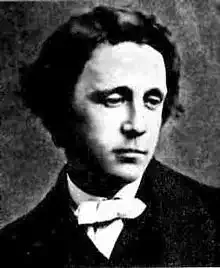
Lewis Carroll
You Are Old Father William
You Are Old Father William
"You are old, father William," the young man said,
"And your hair has become very white;
And yet you incessantly stand on your head Do
you think, at your age, it is right?
"In my youth," father William replied to his son,
"I feared it might injure the brain;
But, now that I'm perfectly sure I have none,
Why, I do it again and again."
"You are old," said the youth, "as I mentioned before,
And you have grown most uncommonly fat;
Yet you turned a backsomersault
in at the door Pray
what is the reason for that?"
"In my youth," said the sage, as he shook his grey locks,
"I kept all my limbs very supple
By the use of this ointment one
shilling a box Allow
me to sell you a couple?"
"You are old," said the youth, "and your jaws are too weak
For anything tougher than suet;
Yet you finished the goose, with the bones and the beak Pray,
how did you mange to do it?"
"In my youth," said his fater, "I took to the law,
And argued each case with my wife;
And the muscular strength, which it gave to my jaw,
Has lasted the rest of my life."
"You are old," said the youth, "one would hardly suppose
That your eye was as steady as every;
Yet you balanced an eel on the tend of your nose What
made you so awfully clever?"
"I have answered three questions, and that is enough,"
Said his father. "Don't give yourself airs!
Do you think I can listen all day to such stuff?
Be off, or I'll kick you down stairs.
533

William Shakespeare
Fidele
Fidele
FEAR no more the heat o' the sun,
Nor the furious winter's rages;
Thou thy worldly task hast done,
Home art gone, and ta'en thy wages:
Golden lads and girls all must,
As chimney-sweepers, come to dust.
Fear no more the frown o' the great,
Thou art past the tyrant's stroke;
Care no more to clothe and eat;
To thee the reed is as the oak:
The sceptre, learning, physic, must
All follow this, and come to dust.
Fear no more the lightning-flash,
Nor the all-dreaded thunder-stone;
Fear not slander, censure rash;
Thou hast finish'd joy and moan:
All lovers young, all lovers must
Consign to thee, and come to dust.
No exorciser harm thee!
Nor no witchcraft charm thee!
Ghost unlaid forbear thee!
Nothing ill come near thee!
Quiet consummation have;
And renowned be thy grave!
510

Rudyard Kipling
Shillin' A Day
Shillin' A Day
My name is O'Kelly, I've heard the Revelly
From Birr to Bareilly, from Leeds to Lahore,
Hong-Kong and Peshawur,
Lucknow and Etawah,
And fifty-five more all endin' in "pore".
Black Death and his quickness, the depth and the thickness,
Of sorrow and sickness I've known on my way,
But I'm old and I'm nervis,
I'm cast from the Service,
And all I deserve is a shillin' a day.
(~Chorus~) Shillin' a day,
Bloomin' good pay --
Lucky to touch it, a shillin' a day!
Oh, it drives me half crazy to think of the days I
Went slap for the Ghazi, my sword at my side,
When we rode Hell-for-leather
Both squadrons together,
That didn't care whether we lived or we died.
But it's no use despairin', my wife must go charin'
An' me commissairin' the pay-bills to better,
So if me you be'old
In the wet and the cold,
By the Grand Metropold, won't you give me a letter?
(~Full chorus~) Give 'im a letter --
'Can't do no better,
Late Troop-Sergeant-Major an' -- runs with a letter!
Think what 'e's been,
Think what 'e's seen,
Think of his pension an' ----
GAWD SAVE THE QUEEN.
482
Ezra Pound
In Tempore Senectutis
In Tempore Senectutis
When I am old
I will not have you look apart
From me, into the cold,
Friend of my heart,
Nor be sad in your remembrance
Of the careless, mad-heart semblance
That the wind hath blown away
When I am old.
When I am old
And the white hot wonder-fire
Unto the world seem cold,
My soul's desire
Know you then that all life's shower,
The rain of the years, that hour
Shall make blow for us one flower,
Including all, when we are old.
When I am old
If you remember
Any love save what is then
Hearth light unto life's December
Be your joy of past sweet chalices
To know then naught but this
"How many wonders are less sweet
Than love I bear to thee
When I am old."
When I am old
I will not have you look apart
From me, into the cold,
Friend of my heart,
Nor be sad in your remembrance
Of the careless, mad-heart semblance
That the wind hath blown away
When I am old.
When I am old
And the white hot wonder-fire
Unto the world seem cold,
My soul's desire
Know you then that all life's shower,
The rain of the years, that hour
Shall make blow for us one flower,
Including all, when we are old.
When I am old
If you remember
Any love save what is then
Hearth light unto life's December
Be your joy of past sweet chalices
To know then naught but this
"How many wonders are less sweet
Than love I bear to thee
When I am old."
480

Alfred Lord Tennyson
By an Evolutionist
By an Evolutionist
By an Evolutionist
The Lord let the house of a brute to the soul of a man,
And the man said, ‘Am I your debtor?’
And the Lord–‘Not yet; but make it as clean as you can,
And then I will let you a better.’
I.
If my body come from brutes, my soul uncertain or a fable,
Why not bask amid the senses while the sun of morning shines,
I, the finer brute rejoicing in my hounds, and in my stable,
Youth and health, and birth and wealth, and choice of women and of wines?
II.
What hast thou done for me, grim Old Age, save breaking my bones on the rack?
Would I had past in the morning that looks so bright from afar!
OLD AGE
Done for thee? starved the wild beast that was linkt with thee eighty years back.
Less weight now for the ladder-of-heaven that hangs on a star.
I.
If my body come from brutes, tho’ somewhat finer than their own,
I am heir, and this my kingdom. Shall the royal voice be mute?
No, but if the rebel subject seek to drag me from the throne,
Hold the sceptre, Human Soul, and rule thy province of the brute.
II.
I have climb’d to the snows of Age, and I gaze at a field in the Past.
Where I sank with the body at times in the sloughs of a low desire,
But I hear no yelp of the beast, and the Man is quiet at last,
As he stands on the heights of his life with a glimpse of a height that is higher.
476

Robert Frost
They Were Welcome To Their Belief
They Were Welcome To Their Belief
Grief may have thought it was grief.
Care may have thought it was care.
They were welcome to their belief,
The overimportant pair.
No, it took all the snows that clung
To the low roof over his bed,
Beginning when he was young,
To induce the one snow on his head.
But whenever the roof camme white
The head in the dark below
Was a shade less the color of night,
A shade more the color of snow.
Grief may have thought it was grief.
Care may have thought it was care.
But neither one was the thief
Of his raven color of hair.
Grief may have thought it was grief.
Care may have thought it was care.
They were welcome to their belief,
The overimportant pair.
No, it took all the snows that clung
To the low roof over his bed,
Beginning when he was young,
To induce the one snow on his head.
But whenever the roof camme white
The head in the dark below
Was a shade less the color of night,
A shade more the color of snow.
Grief may have thought it was grief.
Care may have thought it was care.
But neither one was the thief
Of his raven color of hair.
475
Ezra Pound
The Social Order
The Social Order
I
This government official
Whose wife is several years his senior,
Has such a caressing air
When he shakes hands with young ladies.
II
(Pompes Funèbres)
This old lady,
Who was fcso old that she was an atheist',
Is now surrounded
By six candles and a crucifix,
While the second wife of a nephew
Makes hay with the things in her house.
Her two cats
Go before her into Avernus;
A sort of chloroformed suttee,
And it is to be hoped that their spirits will walk
With their tails up,
And with a plaintive, gentle mewing,
For it is certain that she has left on this earth
No sound
Save a squabble of female connections,
469
Rudyard Kipling
The Undertaker's Horse
The Undertaker's Horse
The eldest son bestrides him,
And the pretty daughter rides him,
And I meet him oft o' mornings on the Course;
And there kindles in my bosom
An emotion chill and gruesome
As I canter past the Undertaker's Horse.
Neither shies he nor is restive,
But a hideously suggestive
Trot, professional and placid, he affects;
And the cadence of his hoof-beats
To my mind this grim reproof beats: --
"Mend your pace, my friend, I'm coming. Who's the next?"
Ah! stud-bred of ill-omen,
I have watched the strongest go -- men
Of pith and might and muscle -- at your heels,
Down the plantain-bordered highway,
(Heaven send it ne'er be my way!)
In a lacquered box and jetty upon wheels.
Answer, sombre beast and dreary,
Where is Brown, the young, the cheery,
Smith, the pride of all his friends and half the Force?
You were at that last dread dak
We must cover at a walk,
Bring them back to me, O Undertaker's Horse!
With your mane unhogged and flowing,
And your curious way of going,
And that businesslike black crimping of your tail,
E'en with Beauty on your back, Sir,
Pacing as a lady's hack, Sir,
What wonder when I meet you I turn pale?
It may be you wait your time, Beast,
Till I write my last bad rhyme, Beast --
Quit the sunlight, cut the rhyming, drop the glass --
Follow after with the others,
Where some dusky heathen smothers
Us with marigolds in lieu of English grass.
Or, perchance, in years to follow,
I shall watch your plump sides hollow,
See Carnifex (gone lame) become a corse --
See old age at last o'erpower you,
And the Station Pack devour you,
I shall chuckle then, O Undertaker's Horse!
But to insult, jibe, and quest, I've
Still the hideously suggestive
Trot that hammers out the unrelenting text,
And I hear it hard behind me
In what place soe'er I find me: --
"'Sure to catch you sooner or later. Who's the next?"
469
William Butler Yeats
An Acre Of Grass
An Acre Of Grass
PICTURE and book remain,
An acre of green grass
For air and exercise,
Now strength of body goes;
Midnight, an old house
Where nothing stirs but a mouse.
My temptation is quiet.
Here at life's end
Neither loose imagination,
Nor the mill of the mind
Consuming its rag and bonc,
Can make the truth known.
Grant me an old man's frenzy,
Myself must I remake
Till I am Timon and Lear
Or that William Blake
Who beat upon the wall
Till Truth obeyed his call;
A mind Michael Angelo knew
That can pierce the clouds,
Or inspired by frenzy
Shake the dead in their shrouds;
Forgotten else by mankind,
An old man's eagle mind.
453

Henry Wadsworth Longfellow
Old Age. (Sonnet IV.)
Old Age. (Sonnet IV.)
The course of my long life hath reached at last,
In fragile bark o'er a tempestuous sea,
The common harbor, where must rendered be
Account of all the actions of the past.
The impassioned phantasy, that, vague and vast,
Made art an idol and a king to me,
Was an illusion, and but vanity
Were the desires that lured me and harassed.
The dreams of love, that were so sweet of yore,
What are they now, when two deaths may be mine,--
One sure, and one forecasting its alarms?
Painting and sculpture satisfy no more
The soul now turning to the Love Divine,
That oped, to embrace us, on the cross its arms.
447
William Butler Yeats
The Lamentation Of The Old Pensioner
The Lamentation Of The Old Pensioner
ALTHOUGH I shelter from the rain
Under a broken tree,
My chair was nearest to the fire
In every company
That talked of love or politics,
Ere Time transfigured me.
Though lads are making pikes again
For some conspiracy,
And crazy rascals rage their fill
At human tyranny,
My contemplations are of Time
That has transfigured me.
There's not a woman turns her face
Upon a broken tree,
And yet the beauties that I loved
Are in my memory;
I spit into the face of Time
That has transfigured me.
439

Walt Whitman
To Old Age
To Old Age
I SEE in you the estuary that enlarges and spreads itself grandly as
it pours in the great Sea.
I SEE in you the estuary that enlarges and spreads itself grandly as
it pours in the great Sea.
432
Henry Wadsworth Longfellow
Youth And Age. (Sonnet III.)
Youth And Age. (Sonnet III.)
Oh give me back the days when loose and free
To my blind passion were the curb and rein,
Oh give me back the angelic face again,
With which all virtue buried seems to be!
Oh give my panting footsteps back to me,
That are in age so slow and fraught with pain,
And fire and moisture in the heart and brain,
If thou wouldst have me burn and weep for thee!
If it be true thou livest alone, Amor,
On the sweet-bitter tears of human hearts,
In an old man thou canst not wake desire;
Souls that have almost reached the other shore
Of a diviner love should feel the darts,
And be as tinder to a holier fire.
428

William Blake
Ah! Sunflower
Ah! Sunflower
Ah Sunflower, weary of time,
Who countest the steps of the sun;
Seeking after that sweet golden clime
Where the traveller's journey is done;
Where the Youth pined away with desire,
And the pale virgin shrouded in snow,
Arise from their graves, and aspire
Where my Sunflower wishes to go!
Ah Sunflower, weary of time,
Who countest the steps of the sun;
Seeking after that sweet golden clime
Where the traveller's journey is done;
Where the Youth pined away with desire,
And the pale virgin shrouded in snow,
Arise from their graves, and aspire
Where my Sunflower wishes to go!
426

Page 1
Next