
Soul
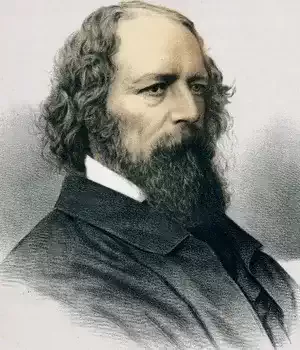
Alfred Lord Tennyson
Come down, O Maid
COME down, O maid, from yonder mountain height:
What pleasure lives in height (the shepherd sang),
In height and cold, the splendour of the hills?
But cease to move so near the Heavens, and cease
To glide a sunbeam by the blasted Pine,
To sit a star upon the sparkling spire;
And come, for Love is of the valley, come,
For Love is of the valley, come thou down
And find him; by the happy threshold, he,
Or hand in hand with Plenty in the maize,
Or red with spirted purple of the vats,
Or foxlike in the vine; nor cares to walk
With Death and Morning on the silver horns,
Nor wilt thou snare him in the white ravine,
Nor find him dropt upon the firths of ice,
That huddling slant in furrow-cloven falls
To roll the torrent out of dusky doors:
But follow; let the torrent dance thee down
To find him in the valley; let the wild
Lean-headed Eagles yelp alone, and leave
The monstrous ledges there to slope, and spill
Their thousand wreaths of dangling water-smoke,
That like a broken purpose waste in air:
So waste not thou; but come; for all the vales
Await thee; azure pillars of the hearth
Arise to thee; the children call, and I
Thy shepherd pipe, and sweet is every sound,
Sweeter thy voice, but every sound is sweet;
Myriads of rivulets hurrying thro' the lawn,
The moan of doves in immemorial elms,
And murmuring of innumerable bees.
Read more →
What pleasure lives in height (the shepherd sang),
In height and cold, the splendour of the hills?
But cease to move so near the Heavens, and cease
To glide a sunbeam by the blasted Pine,
To sit a star upon the sparkling spire;
And come, for Love is of the valley, come,
For Love is of the valley, come thou down
And find him; by the happy threshold, he,
Or hand in hand with Plenty in the maize,
Or red with spirted purple of the vats,
Or foxlike in the vine; nor cares to walk
With Death and Morning on the silver horns,
Nor wilt thou snare him in the white ravine,
Nor find him dropt upon the firths of ice,
That huddling slant in furrow-cloven falls
To roll the torrent out of dusky doors:
But follow; let the torrent dance thee down
To find him in the valley; let the wild
Lean-headed Eagles yelp alone, and leave
The monstrous ledges there to slope, and spill
Their thousand wreaths of dangling water-smoke,
That like a broken purpose waste in air:
So waste not thou; but come; for all the vales
Await thee; azure pillars of the hearth
Arise to thee; the children call, and I
Thy shepherd pipe, and sweet is every sound,
Sweeter thy voice, but every sound is sweet;
Myriads of rivulets hurrying thro' the lawn,
The moan of doves in immemorial elms,
And murmuring of innumerable bees.
919
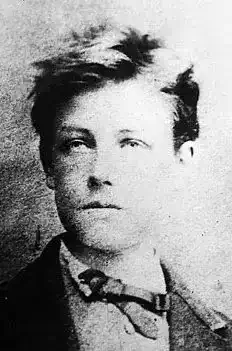
Arthur Rimbaud
Being Beauteous
Against a fall of snow, a Being Beauiful, and very tall.
Whistlings of death and circles of faint music
Make this adored body, swelling and trembling
Like a specter, rise...
Black and scarlet gashes burst in the gleaming flesh.
The true colors of life grow dark,
Shimmering and sperate
In the scaffolding, around the Vision.
Shiverings mutter and rise,
And the furious taste of these effects is charged
With deadly whistlings and the raucous music
That the world, far behind us, hurls at our mother of beauty...
She retreats, she rises up...
Oh! Our bones have put on new flesh, for love.
Oh ash-white face
Oh tousled hair
O crystal arms!
On this cannot I mean to destroy myself
In a swirling of trees and soft air!
Read more →
Whistlings of death and circles of faint music
Make this adored body, swelling and trembling
Like a specter, rise...
Black and scarlet gashes burst in the gleaming flesh.
The true colors of life grow dark,
Shimmering and sperate
In the scaffolding, around the Vision.
Shiverings mutter and rise,
And the furious taste of these effects is charged
With deadly whistlings and the raucous music
That the world, far behind us, hurls at our mother of beauty...
She retreats, she rises up...
Oh! Our bones have put on new flesh, for love.
Oh ash-white face
Oh tousled hair
O crystal arms!
On this cannot I mean to destroy myself
In a swirling of trees and soft air!
896
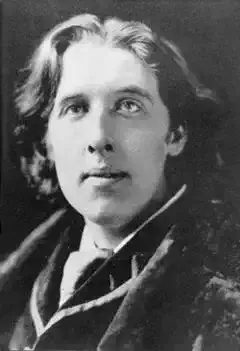
Oscar Wilde
On the Sale by Auction of Keat's Love-Letters
These are the letters which Endymion wrote
To one he loved in secret and apart,
And now the brawlers of the auction-mart
Bargain and bid for each poor blotted note,
Aye! for each separate pulse of passion quote
The merchant's price! I think they love not art
Who break the crystal of a poet's heart,
That small and sickly eyes may glare or gloat.
Is it not said, that many years ago,
In a far Eastern town some soldiers ran
With torches through the midnight, and began
To wrangle for mean raiment, and to throw
Dice for the garments of a wretched man,
Not knowing the God's wonder, or his woe?
Read more →
To one he loved in secret and apart,
And now the brawlers of the auction-mart
Bargain and bid for each poor blotted note,
Aye! for each separate pulse of passion quote
The merchant's price! I think they love not art
Who break the crystal of a poet's heart,
That small and sickly eyes may glare or gloat.
Is it not said, that many years ago,
In a far Eastern town some soldiers ran
With torches through the midnight, and began
To wrangle for mean raiment, and to throw
Dice for the garments of a wretched man,
Not knowing the God's wonder, or his woe?
888

William Butler Yeats
Introductory Lines (The Shadowy Waters)
I walked among the seven woods of Coole:
Shan-walla, where a willow-hordered pond
Gathers the wild duck from the winter dawn;
Shady Kyle-dortha; sunnier Kyle-na-no,
Where many hundred squirrels are as happy
As though they had been hidden by green bough's
Where old age cannot find them; Paire-na-lee,
Where hazel and ash and privet blind the paths:
Dim Paire-na-carraig, where the wild bees fling
Their sudden fragrances on the green air;
Dim Paire-na-tarav, where enchanted eyes
Have seen immortal, mild, proud shadows walk;
Dim Inchy wood, that hides badger and fox
And marten-cat, and borders that old wood
Wise Buddy Early called the wicked wood:
Seven odours, seven murmurs, seven woods.
I had not eyes like those enchanted eyes,
Yet dreamed that beings happier than men
Moved round me in the shadows, and at night
My dreams were clown by voices and by fires;
And the images I have woven in this story
Of Forgael and Dectora and the empty waters
Moved round me in the voices and the fires,
And more I may not write of, for they that cleave
The waters of sleep can make a chattering tongue
Heavy like stone, their wisdom being half silence.
How shall I name you, immortal, mild, proud shadows?
I only know that all we know comes from you,
And that you come from Eden on flying feet.
Is Eden far away, or do you hide
From human thought, as hares and mice and coneys
That run before the reaping-hook and lie
In the last ridge of the barley? Do our woods
And winds and ponds cover more quiet woods,
More shining winds, more star-glimmering ponds?
Is Eden out of time and out of space?
And do you gather about us when pale light
Shining on water and fallen among leaves,
And winds blowing from flowers, and whirr of feathers
And the green quiet, have uplifted the heart?
I have made this poem for you, that men may read it
Before they read of Forgael and Dectora,
As men in the old times, before the harps began,
Poured out wine for the high invisible ones.
Read more →
Shan-walla, where a willow-hordered pond
Gathers the wild duck from the winter dawn;
Shady Kyle-dortha; sunnier Kyle-na-no,
Where many hundred squirrels are as happy
As though they had been hidden by green bough's
Where old age cannot find them; Paire-na-lee,
Where hazel and ash and privet blind the paths:
Dim Paire-na-carraig, where the wild bees fling
Their sudden fragrances on the green air;
Dim Paire-na-tarav, where enchanted eyes
Have seen immortal, mild, proud shadows walk;
Dim Inchy wood, that hides badger and fox
And marten-cat, and borders that old wood
Wise Buddy Early called the wicked wood:
Seven odours, seven murmurs, seven woods.
I had not eyes like those enchanted eyes,
Yet dreamed that beings happier than men
Moved round me in the shadows, and at night
My dreams were clown by voices and by fires;
And the images I have woven in this story
Of Forgael and Dectora and the empty waters
Moved round me in the voices and the fires,
And more I may not write of, for they that cleave
The waters of sleep can make a chattering tongue
Heavy like stone, their wisdom being half silence.
How shall I name you, immortal, mild, proud shadows?
I only know that all we know comes from you,
And that you come from Eden on flying feet.
Is Eden far away, or do you hide
From human thought, as hares and mice and coneys
That run before the reaping-hook and lie
In the last ridge of the barley? Do our woods
And winds and ponds cover more quiet woods,
More shining winds, more star-glimmering ponds?
Is Eden out of time and out of space?
And do you gather about us when pale light
Shining on water and fallen among leaves,
And winds blowing from flowers, and whirr of feathers
And the green quiet, have uplifted the heart?
I have made this poem for you, that men may read it
Before they read of Forgael and Dectora,
As men in the old times, before the harps began,
Poured out wine for the high invisible ones.
873
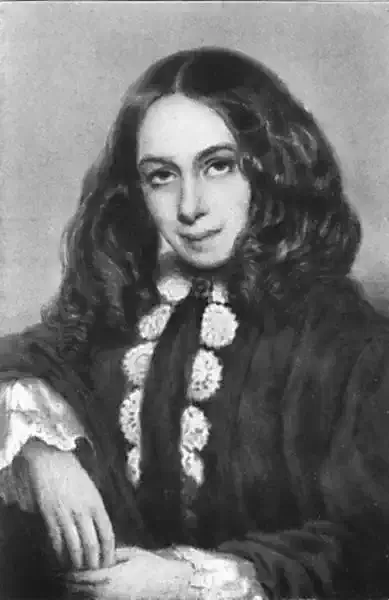
Elizabeth Barrett Browning
Sonnet 16 - And yet, because thou overcomest so
XVI
And yet, because thou overcomest so,
Because thou art more noble and like a king,
Thou canst prevail against my fears and fling
Thy purple round me, till my heart shall grow
Too close against thine heart henceforth to know
How it shook when alone. Why, conquering
May prove as lordly and complete a thing
In lifting upward, as in crushing low!
And as a vanquished soldier yields his sword
To one who lifts him from the bloody earth,
Even so, Beloved, I at last record,
Here ends my strife. If thou invite me forth,
I rise above abasement at the word.
Make thy love larger to enlarge my worth.
Read more →
And yet, because thou overcomest so,
Because thou art more noble and like a king,
Thou canst prevail against my fears and fling
Thy purple round me, till my heart shall grow
Too close against thine heart henceforth to know
How it shook when alone. Why, conquering
May prove as lordly and complete a thing
In lifting upward, as in crushing low!
And as a vanquished soldier yields his sword
To one who lifts him from the bloody earth,
Even so, Beloved, I at last record,
Here ends my strife. If thou invite me forth,
I rise above abasement at the word.
Make thy love larger to enlarge my worth.
884
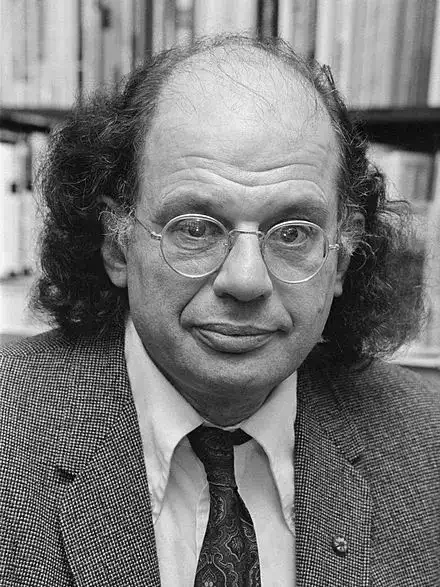
Allen Ginsberg
Sunflower Sutra
I walked on the banks of the tincan banana dock and sat down under the huge shade
of a Southern Pacific locomotive to look for the sunset over the box house hills and cry.
Jack Kerouac sat beside me on a busted rusty iron pole, companion, we thought the
same thoughts of the soul, bleak and blue and sad-eyed, surrounded by the gnarled
steel roots of trees of machinery.
The only water on the river mirrored the red sky, sun sank on top of final Frisco peaks,
no fish in that stream, no hermit in those mounts, just ourselves rheumy-eyed and
hung-over like old bums on the riverbank, tired and wily.
Look at the Sunflower, he said, there was a dead gray shadow against the sky, big as a
man, sitting dry on top of a pile of ancient sawdust-
--I rushed up enchanted--it was my first sunflower, memories of Blake--my
visions--Harlem
and Hells of the Eastern rivers, bridges clanking Joes greasy Sandwiches, dead baby
carriages, black treadless tires forgotten and unretreaded, the poem of the riverbank,
condoms & pots, steel knives, nothing stainless, only the dank muck and the
razor-sharp artifacts passing into the past-
and the gray Sunflower poised against the sunset, crackly bleak and dusty with the
smut and smog and smoke of olden locomotives in its eye-
corolla of bleary spikes pushed down and broken like a battered crown, seeds fallen out
of its face, soon-to-be-toothless mouth of sunny air, sunrays obliterated on its hairy
head like a dried wire spiderweb,
leaves stuck out like arms out of the stem, gestures from the sawdust root, broke
pieces of plaster fallen out of the black twigs, a dead fly in its ear,
Unholy battered old thing you were, my sunflower O my soul, I loved you then!
The grime was no man's grime but death and human locomotives,
all that dress of dust, that veil of darkened railroad skin, that smog of cheek, that
eyelid of black mis'ry, that sooty hand or phallus or protuberance of artificial
worse-than-dirt--industrial--modern--all that civilization spotting your crazy golden
crown-
and those blear thoughts of death and dusty loveless eyes and ends and withered roots
below, in the home-pile of sand and sawdust, rubber dollar bills, skin of machinery, the
guts and innards of the weeping coughing car, the empty lonely tincans with their rusty
tongues alack, what more could I name, the smoked ashes of some cock cigar, the
cunts of wheelbarrows and the milky breasts of cars, wornout asses out of chairs &
sphincters of dynamos--all these
entangled in your mummied roots--and you standing before me in the sunset, all your
glory in your form!
A perfect beauty of a sunflower! a perfect excellent lovely sunflower existence! a sweet
natural eye to the new hip moon, woke up alive and excited grasping in the sunset
shadow sunrise golden monthly breeze!
How many flies buzzed round you innocent of your grime, while you cursed the
heavens of your railroad and your flower soul?
Poor dead flower? when did you forget you were a flower? when did you look at your
skin and decide you were an impotent dirty old locomotive? the ghost of a locomotive?
the specter and shade of a once powerful mad American locomotive?
You were never no locomotive, Sunflower, you were a sunflower!
And you Locomotive, you are a locomotive, forget me not!
So I grabbed up the skeleton thick sunflower and stuck it at my side like a scepter,
and deliver my sermon to my soul, and Jack's soul too, and anyone who'll listen,
--We're not our skin of grime, we're not our dread bleak dusty imageless locomotive,
we're all golden sunflowers inside, blessed by our own seed & hairy naked
accomplishment-bodies growing into mad black formal sunflowers in the sunset, spied
on by our eyes under the shadow of the mad locomotive riverbank sunset Frisco hilly
tincan evening sitdown vision.
Read more →
of a Southern Pacific locomotive to look for the sunset over the box house hills and cry.
Jack Kerouac sat beside me on a busted rusty iron pole, companion, we thought the
same thoughts of the soul, bleak and blue and sad-eyed, surrounded by the gnarled
steel roots of trees of machinery.
The only water on the river mirrored the red sky, sun sank on top of final Frisco peaks,
no fish in that stream, no hermit in those mounts, just ourselves rheumy-eyed and
hung-over like old bums on the riverbank, tired and wily.
Look at the Sunflower, he said, there was a dead gray shadow against the sky, big as a
man, sitting dry on top of a pile of ancient sawdust-
--I rushed up enchanted--it was my first sunflower, memories of Blake--my
visions--Harlem
and Hells of the Eastern rivers, bridges clanking Joes greasy Sandwiches, dead baby
carriages, black treadless tires forgotten and unretreaded, the poem of the riverbank,
condoms & pots, steel knives, nothing stainless, only the dank muck and the
razor-sharp artifacts passing into the past-
and the gray Sunflower poised against the sunset, crackly bleak and dusty with the
smut and smog and smoke of olden locomotives in its eye-
corolla of bleary spikes pushed down and broken like a battered crown, seeds fallen out
of its face, soon-to-be-toothless mouth of sunny air, sunrays obliterated on its hairy
head like a dried wire spiderweb,
leaves stuck out like arms out of the stem, gestures from the sawdust root, broke
pieces of plaster fallen out of the black twigs, a dead fly in its ear,
Unholy battered old thing you were, my sunflower O my soul, I loved you then!
The grime was no man's grime but death and human locomotives,
all that dress of dust, that veil of darkened railroad skin, that smog of cheek, that
eyelid of black mis'ry, that sooty hand or phallus or protuberance of artificial
worse-than-dirt--industrial--modern--all that civilization spotting your crazy golden
crown-
and those blear thoughts of death and dusty loveless eyes and ends and withered roots
below, in the home-pile of sand and sawdust, rubber dollar bills, skin of machinery, the
guts and innards of the weeping coughing car, the empty lonely tincans with their rusty
tongues alack, what more could I name, the smoked ashes of some cock cigar, the
cunts of wheelbarrows and the milky breasts of cars, wornout asses out of chairs &
sphincters of dynamos--all these
entangled in your mummied roots--and you standing before me in the sunset, all your
glory in your form!
A perfect beauty of a sunflower! a perfect excellent lovely sunflower existence! a sweet
natural eye to the new hip moon, woke up alive and excited grasping in the sunset
shadow sunrise golden monthly breeze!
How many flies buzzed round you innocent of your grime, while you cursed the
heavens of your railroad and your flower soul?
Poor dead flower? when did you forget you were a flower? when did you look at your
skin and decide you were an impotent dirty old locomotive? the ghost of a locomotive?
the specter and shade of a once powerful mad American locomotive?
You were never no locomotive, Sunflower, you were a sunflower!
And you Locomotive, you are a locomotive, forget me not!
So I grabbed up the skeleton thick sunflower and stuck it at my side like a scepter,
and deliver my sermon to my soul, and Jack's soul too, and anyone who'll listen,
--We're not our skin of grime, we're not our dread bleak dusty imageless locomotive,
we're all golden sunflowers inside, blessed by our own seed & hairy naked
accomplishment-bodies growing into mad black formal sunflowers in the sunset, spied
on by our eyes under the shadow of the mad locomotive riverbank sunset Frisco hilly
tincan evening sitdown vision.
885

Henry Wadsworth Longfellow
The Arrow and the Song
I shot an arrow into the air,
It fell to earth, I knew not where;
For, so swiftly it flew, the sight
Could not follow it in its flight.
I breathed a song into the air,
It fell to earth, I knew not where;
For who has sight so keen and strong,
That it can follow the flight of song?
Long, long afterward, in an oak
I found the arrow, still unbroke;
And the song, from beginning to end,
I found again in the heart of a friend.
Read more →
It fell to earth, I knew not where;
For, so swiftly it flew, the sight
Could not follow it in its flight.
I breathed a song into the air,
It fell to earth, I knew not where;
For who has sight so keen and strong,
That it can follow the flight of song?
Long, long afterward, in an oak
I found the arrow, still unbroke;
And the song, from beginning to end,
I found again in the heart of a friend.
854
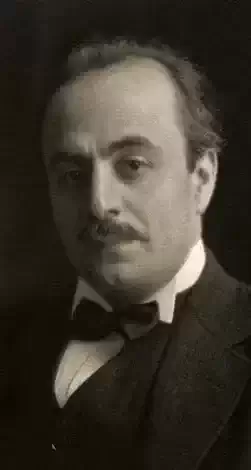
Khalil Gibran
Sail your smile into the air; it will reach and enliven me!
Breathe your fragrance into the air; it will sustain me!
Where are you, me beloved?
Oh, how great is Love!
And how little am I!
Read more →
Where are you, me beloved?
Oh, how great is Love!
And how little am I!
877

John Keats
Sonnet. Written In Disgust Of Vulgar Superstition
The church bells toll a melancholy round,
Calling the people to some other prayers,
Some other gloominess, more dreadful cares,
More hearkening to the sermon's horrid sound.
Surely the mind of man is closely bound
In some black spell; seeing that each one tears
Himself from fireside joys, and Lydian airs,
And converse high of those with glory crown'd.
Still, still they toll, and I should feel a damp,--
A chill as from a tomb, did I not know
That they are dying like an outburnt lamp;
That 'tis their sighing, wailing ere they go
Into oblivion; -- that fresh flowers will grow,
And many glories of immortal stamp.
Read more →
Calling the people to some other prayers,
Some other gloominess, more dreadful cares,
More hearkening to the sermon's horrid sound.
Surely the mind of man is closely bound
In some black spell; seeing that each one tears
Himself from fireside joys, and Lydian airs,
And converse high of those with glory crown'd.
Still, still they toll, and I should feel a damp,--
A chill as from a tomb, did I not know
That they are dying like an outburnt lamp;
That 'tis their sighing, wailing ere they go
Into oblivion; -- that fresh flowers will grow,
And many glories of immortal stamp.
884
Alfred Lord Tennyson
In Memoriam A. H. H. 116
Is it, then, regret for buried time
That keenlier in sweet April wakes,
And meets the year, and gives and takes
The colours of the crescent prime?
Not all: the songs, the stirring air,
The life re-orient out of dust,
Cry thro' the sense to hearten trust
In that which made the world so fair.
Not all regret: the face will shine
Upon me, while I muse alone;
And that dear voice, I once have known,
Still speak to me of me and mine:
Yet less of sorrow lives in me
For days of happy commune dead;
Less yearning for the friendship fled,
Than some strong bond which is to be.
Read more →
That keenlier in sweet April wakes,
And meets the year, and gives and takes
The colours of the crescent prime?
Not all: the songs, the stirring air,
The life re-orient out of dust,
Cry thro' the sense to hearten trust
In that which made the world so fair.
Not all regret: the face will shine
Upon me, while I muse alone;
And that dear voice, I once have known,
Still speak to me of me and mine:
Yet less of sorrow lives in me
For days of happy commune dead;
Less yearning for the friendship fled,
Than some strong bond which is to be.
844
John Keats
Sonnet I. To My Brother George
Many the wonders I this day have seen:
The sun, when first he kissed away the tears
That filled the eyes of Morn;—the laurelled peers
Who from the feathery gold of evening lean;—
The ocean with its vastness, its blue green,
Its ships, its rocks, its caves, its hopes, its fears,
Its voice mysterious, which whoso hears
Must think on what will be, and what has been.
E'en now, dear George, while this for you I write,
Cynthia is from her silken curtains peeping
So scantly, that it seems her bridal night,
And she her half-discovered revels keeping.
But what, without the social thought of thee,
Would be the wonders of the sky and sea?
Read more →
The sun, when first he kissed away the tears
That filled the eyes of Morn;—the laurelled peers
Who from the feathery gold of evening lean;—
The ocean with its vastness, its blue green,
Its ships, its rocks, its caves, its hopes, its fears,
Its voice mysterious, which whoso hears
Must think on what will be, and what has been.
E'en now, dear George, while this for you I write,
Cynthia is from her silken curtains peeping
So scantly, that it seems her bridal night,
And she her half-discovered revels keeping.
But what, without the social thought of thee,
Would be the wonders of the sky and sea?
894
Elizabeth Barrett Browning
Sonnet XXXVI: When We Met First
When we met first and loved, I did not build
Upon the event with marble. Could it mean
To last, a love set pendulous between
Sorrow and sorrow? Nay, I rather thrilled,
Distrusting every light that seemed to gild
The onward path, and feared to overlean
A finger even. And, though I have grown serene
And strong since then, I think that God has willed
A still renewable fear ... O love, O troth ...
Lest these enclasped hands should never hold,
This mutual kiss drop down between us both
As an unowned thing, once the lips being cold.
And Love, be false! if he, to keep one oath,
Must lose one joy, by his life's star foretold.
Read more →
Upon the event with marble. Could it mean
To last, a love set pendulous between
Sorrow and sorrow? Nay, I rather thrilled,
Distrusting every light that seemed to gild
The onward path, and feared to overlean
A finger even. And, though I have grown serene
And strong since then, I think that God has willed
A still renewable fear ... O love, O troth ...
Lest these enclasped hands should never hold,
This mutual kiss drop down between us both
As an unowned thing, once the lips being cold.
And Love, be false! if he, to keep one oath,
Must lose one joy, by his life's star foretold.
859
Elizabeth Barrett Browning
Sonnet XVIII: I Never Gave a Lock of Hair
I never gave a lock of hair away
To a man, dearest, except this to thee,
Which now upon my fingers thoughtfully,
I ring out to the full brown length and say
Take it. My day of youth went yesterday;
My hair no longer bounds to my foot's glee,
Nor plant I it from rose or myrtle-tree,
As girls do, any more: it only may
Now shade on two pale cheeks the mark of tears,
Taught drooping from the head that hangs aside
Through sorrow's trick. I thought the funeral-shears
Would take this first, but Love is justified,--
Take it thou,--finding pure, from all those years,
The kiss my mother left here when she died.
Read more →
To a man, dearest, except this to thee,
Which now upon my fingers thoughtfully,
I ring out to the full brown length and say
Take it. My day of youth went yesterday;
My hair no longer bounds to my foot's glee,
Nor plant I it from rose or myrtle-tree,
As girls do, any more: it only may
Now shade on two pale cheeks the mark of tears,
Taught drooping from the head that hangs aside
Through sorrow's trick. I thought the funeral-shears
Would take this first, but Love is justified,--
Take it thou,--finding pure, from all those years,
The kiss my mother left here when she died.
840
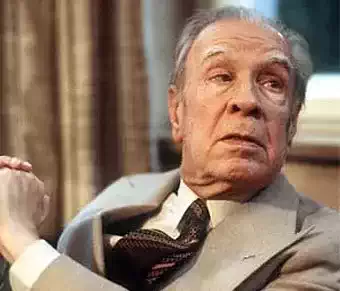
Jorge Luis Borges
Adam Cast Forth
Was there a Garden or was the Garden a dream?
Amid the fleeting light, I have slowed myself and queried,
Almost for consolation, if the bygone period
Over which this Adam, wretched now, once reigned supreme,
Might not have been just a magical illusion
Of that God I dreamed. Already it's imprecise
In my memory, the clear Paradise,
But I know it exists, in flower and profusion,
Although not for me. My punishment for life
Is the stubborn earth with the incestuous strife
Of Cains and Abels and their brood; I await no pardon.
Yet, it's much to have loved, to have known true joy,
To have had -- if only for just one day --
The experience of touching the living Garden.
Translated by Genia Gurarie.
Read more →
Amid the fleeting light, I have slowed myself and queried,
Almost for consolation, if the bygone period
Over which this Adam, wretched now, once reigned supreme,
Might not have been just a magical illusion
Of that God I dreamed. Already it's imprecise
In my memory, the clear Paradise,
But I know it exists, in flower and profusion,
Although not for me. My punishment for life
Is the stubborn earth with the incestuous strife
Of Cains and Abels and their brood; I await no pardon.
Yet, it's much to have loved, to have known true joy,
To have had -- if only for just one day --
The experience of touching the living Garden.
Translated by Genia Gurarie.
839

Kazi Nazrul Islam
You Are So Handsome
You are so handsome that I can't take my eye off you,
is that my crime?
The bird that cries beholding the moon doesn't bother the moon.
I watch the flower's gradual unfolding, but the flower
doesn't mind
Nor does the cloud when the admiring bird circles round it.
The sun-flower knows it will never get the sun, and yet
undismay'd
It watches its sovereign, it is content just watching
I've got the gift of vision so that I may see you,
you beautiful being
Let this wish of mine be realized, my dearest one.
[Original: Tumi shundor tai cheye thaki; Translation: Abu Rushd]
Read more →
is that my crime?
The bird that cries beholding the moon doesn't bother the moon.
I watch the flower's gradual unfolding, but the flower
doesn't mind
Nor does the cloud when the admiring bird circles round it.
The sun-flower knows it will never get the sun, and yet
undismay'd
It watches its sovereign, it is content just watching
I've got the gift of vision so that I may see you,
you beautiful being
Let this wish of mine be realized, my dearest one.
[Original: Tumi shundor tai cheye thaki; Translation: Abu Rushd]
859
John Keats
On Sitting Down to Read King Lear Once Again
O golden-tongued Romance with serene lute!
Fair plumed Syren! Queen of far away!
Leave melodizing on this wintry day,
Shut up thine olden pages, and be mute:
Adieu! for once again the fierce dispute,
Betwixt damnation and impassion'd clay
Must I burn through; once more humbly assay
The bitter-sweet of this Shakespearian fruit.
Chief Poet! and ye clouds of Albion,
Begetters of our deep eternal theme,
When through the old oak forest I am gone,
Let me not wander in a barren dream,
But when I am consumed in the fire,
Give me new Phoenix wings to fly at my desire.
Read more →
Fair plumed Syren! Queen of far away!
Leave melodizing on this wintry day,
Shut up thine olden pages, and be mute:
Adieu! for once again the fierce dispute,
Betwixt damnation and impassion'd clay
Must I burn through; once more humbly assay
The bitter-sweet of this Shakespearian fruit.
Chief Poet! and ye clouds of Albion,
Begetters of our deep eternal theme,
When through the old oak forest I am gone,
Let me not wander in a barren dream,
But when I am consumed in the fire,
Give me new Phoenix wings to fly at my desire.
863
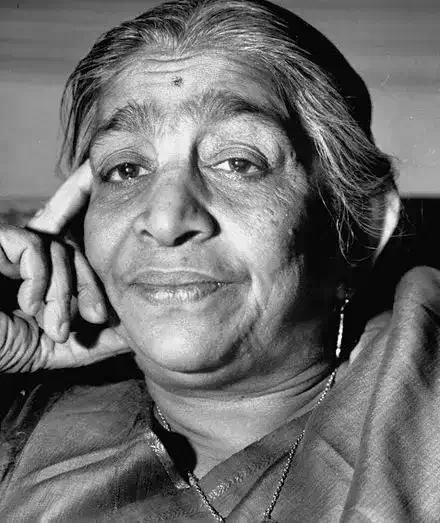
Sarojini Naidu
Indian Love Song
She
LIKE a serpent to the calling voice of flutes,
Glides my heart into thy fingers, O my Love!
Where the night-wind, like a lover, leans above
His jasmine-gardens and sirisha-bowers;
And on ripe boughs of many-coloured fruits
Bright parrots cluster like vermilion flowers.
He
Like the perfume in the petals of a rose,
Hides thy heart within my bosom, O my love!
Like a garland, like a jewel, like a dove
That hangs its nest in the asoka-tree.
Lie still, O love, until the morning sows
Her tents of gold on fields of ivory.
Read more →
LIKE a serpent to the calling voice of flutes,
Glides my heart into thy fingers, O my Love!
Where the night-wind, like a lover, leans above
His jasmine-gardens and sirisha-bowers;
And on ripe boughs of many-coloured fruits
Bright parrots cluster like vermilion flowers.
He
Like the perfume in the petals of a rose,
Hides thy heart within my bosom, O my love!
Like a garland, like a jewel, like a dove
That hangs its nest in the asoka-tree.
Lie still, O love, until the morning sows
Her tents of gold on fields of ivory.
883
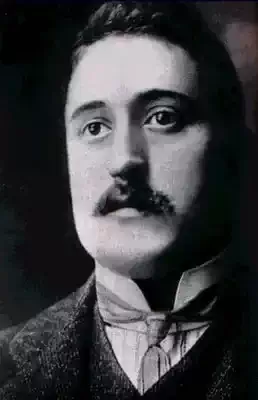
Guillaume Apollinaire
Moonlight
Mellifluent moon on the lips of the maddened
The orchards and towns are greedy tonight
The stars appear like the image of bees
Of this luminous honey that offends the vines
For now all sweet in their fall from the sky
Each ray of moonlight’s a ray of honey
Now hid I conceive the sweetest adventure
I fear stings of fire from this Polar bee
that sets these deceptive rays in my hands
And takes its moon-honey to the rose of the winds
Read more →
The orchards and towns are greedy tonight
The stars appear like the image of bees
Of this luminous honey that offends the vines
For now all sweet in their fall from the sky
Each ray of moonlight’s a ray of honey
Now hid I conceive the sweetest adventure
I fear stings of fire from this Polar bee
that sets these deceptive rays in my hands
And takes its moon-honey to the rose of the winds
884

Kabir
It Is Needless To Ask Of A Saint
It is needless to ask of a saint the caste to which he belongs;
For the priest, the warrior. the tradesman, and all the
thirty-six castes, alike are seeking for God.
It is but folly to ask what the caste of a saint may be;
The barber has sought God, the washerwoman, and the carpenter-
Even Raidas was a seeker after God.
The Rishi Swapacha was a tanner by caste.
Hindus and Moslems alike have achieved that End, where remains no mark of
distinction.
Read more →
For the priest, the warrior. the tradesman, and all the
thirty-six castes, alike are seeking for God.
It is but folly to ask what the caste of a saint may be;
The barber has sought God, the washerwoman, and the carpenter-
Even Raidas was a seeker after God.
The Rishi Swapacha was a tanner by caste.
Hindus and Moslems alike have achieved that End, where remains no mark of
distinction.
850
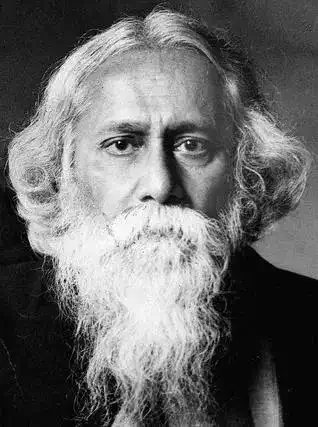
Rabindranath Tagore
The Flower-School
When storm-clouds rumble in the sky and June showers come down.
The moist east wind comes marching over the heath to blow its
bagpipes among the bamboos.
Then crowds of flowers come out of a sudden, from nobody knows
where, and dance upon the grass in wild glee.
Mother, I really think the flowers go to school underground.
They do their lessons with doors shut, and if they want to
come out to play before it is time, their master makes them stand
in a corner.
When the rain come they have their holidays.
Branches clash together in the forest, and the leaves rustle
in the wild wind, the thunder-clouds clap their giant hands and the
flower children rush out in dresses of pink and yellow and white.
Do you know, mother, their home is in the sky, where the stars
are.
Haven't you see how eager they are to get there? Don't you
know why they are in such a hurry?
Of course, I can guess to whom they raise their arms; they
have their mother as I have my own.
Read more →
The moist east wind comes marching over the heath to blow its
bagpipes among the bamboos.
Then crowds of flowers come out of a sudden, from nobody knows
where, and dance upon the grass in wild glee.
Mother, I really think the flowers go to school underground.
They do their lessons with doors shut, and if they want to
come out to play before it is time, their master makes them stand
in a corner.
When the rain come they have their holidays.
Branches clash together in the forest, and the leaves rustle
in the wild wind, the thunder-clouds clap their giant hands and the
flower children rush out in dresses of pink and yellow and white.
Do you know, mother, their home is in the sky, where the stars
are.
Haven't you see how eager they are to get there? Don't you
know why they are in such a hurry?
Of course, I can guess to whom they raise their arms; they
have their mother as I have my own.
861
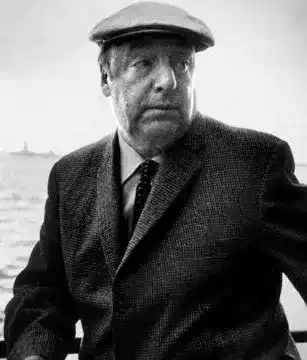
Pablo Neruda
We Are Many
Of the many men whom I am, whom we are,
I cannot settle on a single one.
They are lost to me under the cover of clothing
They have departed for another city.
When everything seems to be set
to show me off as a man of intelligence,
the fool I keep concealed on my person
takes over my talk and occupies my mouth.
On other occasions, I am dozing in the midst
of people of some distinction,
and when I summon my courageous self,
a coward completely unknown to me
swaddles my poor skeleton
in a thousand tiny reservations.
When a stately home bursts into flames,
instead of the fireman I summon,
an arsonist bursts on the scene,
and he is I. There is nothing I can do.
What must I do to distinguish myself?
How can I put myself together?
All the books I read
lionize dazzling hero figures,
brimming with self-assurance.
I die with envy of them;
and, in films where bullets fly on the wind,
I am left in envy of the cowboys,
left admiring even the horses.
But when I call upon my DASHING BEING,
out comes the same OLD LAZY SELF,
and so I never know just WHO I AM,
nor how many I am, nor WHO WE WILL BE BEING.
I would like to be able to touch a bell
and call up my real self, the truly me,
because if I really need my proper self,
I must not allow myself to disappear.
While I am writing, I am far away;
and when I come back, I have already left.
I should like to see if the same thing happens
to other people as it does to me,
to see if as many people are as I am,
and if they seem the same way to themselves.
When this problem has been thoroughly explored,
I am going to school myself so well in things
that, when I try to explain my problems,
I shall speak, not of self, but of geography.
Read more →
I cannot settle on a single one.
They are lost to me under the cover of clothing
They have departed for another city.
When everything seems to be set
to show me off as a man of intelligence,
the fool I keep concealed on my person
takes over my talk and occupies my mouth.
On other occasions, I am dozing in the midst
of people of some distinction,
and when I summon my courageous self,
a coward completely unknown to me
swaddles my poor skeleton
in a thousand tiny reservations.
When a stately home bursts into flames,
instead of the fireman I summon,
an arsonist bursts on the scene,
and he is I. There is nothing I can do.
What must I do to distinguish myself?
How can I put myself together?
All the books I read
lionize dazzling hero figures,
brimming with self-assurance.
I die with envy of them;
and, in films where bullets fly on the wind,
I am left in envy of the cowboys,
left admiring even the horses.
But when I call upon my DASHING BEING,
out comes the same OLD LAZY SELF,
and so I never know just WHO I AM,
nor how many I am, nor WHO WE WILL BE BEING.
I would like to be able to touch a bell
and call up my real self, the truly me,
because if I really need my proper self,
I must not allow myself to disappear.
While I am writing, I am far away;
and when I come back, I have already left.
I should like to see if the same thing happens
to other people as it does to me,
to see if as many people are as I am,
and if they seem the same way to themselves.
When this problem has been thoroughly explored,
I am going to school myself so well in things
that, when I try to explain my problems,
I shall speak, not of self, but of geography.
881
Rabindranath Tagore
Stream Of Life
The same stream of life that runs through my veins night and day
runs through the world and dances in rhythmic measures.
It is the same life that shoots in joy through the dust of the earth
in numberless blades of grass
and breaks into tumultuous waves of leaves and flowers.
It is the same life that is rocked in the ocean-cradle of birth
and of death, in ebb and in flow.
I feel my limbs are made glorious by the touch of this world of life.
And my pride is from the life-throb of ages dancing in my blood this moment.
Read more →
runs through the world and dances in rhythmic measures.
It is the same life that shoots in joy through the dust of the earth
in numberless blades of grass
and breaks into tumultuous waves of leaves and flowers.
It is the same life that is rocked in the ocean-cradle of birth
and of death, in ebb and in flow.
I feel my limbs are made glorious by the touch of this world of life.
And my pride is from the life-throb of ages dancing in my blood this moment.
888

William Wordsworth
To A Butterfly ()
I'VE watched you now a full half-hour,
Self-poised upon that yellow flower;
And, little Butterfly! indeed
I know not if you sleep or feed.
How motionless!---not frozen seas
More motionless! and then
What joy awaits you, when the breeze
Hath found you out among the trees,
And calls you forth again !
This plot of orchard-ground is ours;
My trees they are, my Sister's flowers;
Here rest your wing when they are weary;
Here lodge as in a sanctuary!
Come often to us, fear no wrong;
Sit near us on the bough!
We'll talk of sunshine and of song,
And summer days, when we were young;
Sweet childish days, that were as long
As twenty days are now.
Read more →
Self-poised upon that yellow flower;
And, little Butterfly! indeed
I know not if you sleep or feed.
How motionless!---not frozen seas
More motionless! and then
What joy awaits you, when the breeze
Hath found you out among the trees,
And calls you forth again !
This plot of orchard-ground is ours;
My trees they are, my Sister's flowers;
Here rest your wing when they are weary;
Here lodge as in a sanctuary!
Come often to us, fear no wrong;
Sit near us on the bough!
We'll talk of sunshine and of song,
And summer days, when we were young;
Sweet childish days, that were as long
As twenty days are now.
839
Elizabeth Barrett Browning
Sonnet XIII: And Wilt Thou Have Me
And wilt thou have me fashion into speech
The love I bear thee, finding words enough,
And hold the torch out, while the winds are rough,
Between our faces, to cast light upon each?
I drop it at thy feet. I cannot teach
My hand to hold my spirit so far off
From myself.. me.. that I should bring thee proof,
In words of love hid in me...out of reach.
Nay, let the silence of my womanhood
Commend my woman-love to thy belief,
Seeing that I stand unwon (however wooed)
And rend the garment of my life in brief
By a most dauntless, voiceless fortitude,
Lest one touch of this heart convey its grief.
Read more →
The love I bear thee, finding words enough,
And hold the torch out, while the winds are rough,
Between our faces, to cast light upon each?
I drop it at thy feet. I cannot teach
My hand to hold my spirit so far off
From myself.. me.. that I should bring thee proof,
In words of love hid in me...out of reach.
Nay, let the silence of my womanhood
Commend my woman-love to thy belief,
Seeing that I stand unwon (however wooed)
And rend the garment of my life in brief
By a most dauntless, voiceless fortitude,
Lest one touch of this heart convey its grief.
875