
Soul
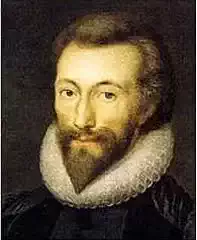
John Donne
Holy Sonnet XIV: Batter my heart
Batter my heart, three-personed God; for You
As yet but knock, breathe, shine, and seek to mend;
That I may rise and stand, o'erthrow me,'and bend
Your force to break, blow, burn, and make me new.
I, like an usurped town, to'another due,
Labor to'admit You, but O, to no end;
Reason, Your viceroy'in me, me should defend,
But is captived, and proves weak or untrue.
Yet dearly'I love You,'and would be loved fain,
But am betrothed unto Your enemy.
Divorce me,'untie or break that knot again;
Take me to You, imprison me, for I
Except You'enthrall me, never shall be free,
Nor ever chaste, except You ravish me.
Read more →
As yet but knock, breathe, shine, and seek to mend;
That I may rise and stand, o'erthrow me,'and bend
Your force to break, blow, burn, and make me new.
I, like an usurped town, to'another due,
Labor to'admit You, but O, to no end;
Reason, Your viceroy'in me, me should defend,
But is captived, and proves weak or untrue.
Yet dearly'I love You,'and would be loved fain,
But am betrothed unto Your enemy.
Divorce me,'untie or break that knot again;
Take me to You, imprison me, for I
Except You'enthrall me, never shall be free,
Nor ever chaste, except You ravish me.
268
John Donne
The Canonization
For God's sake hold your tongue, and let me love,
Or chide my palsy, or my gout,
My five grey hairs, or ruin'd fortune flout,
With wealth your state, your mind with arts improve,
Take you a course, get you a place,
Observe his Honour, or his Grace,
Or the King's real, or his stamped face
Contemplate, what you will, approve,
So you will let me love.
Alas, alas, who's injur'd by my love?
What merchant's ships have my sighs drown'd?
Who says my tears have overflow'd his ground?
When did my colds a forward spring remove?
When did the heats which my veins fill
Add one more to the plaguy bill?
Soldiers find wars, and lawyers find out still
Litigious men, which quarrels move,
Though she and I do love.
Call us what you will, we are made such by love;
Call her one, me another fly,
We are tapers too, and at our own cost die,
And we in us find th' eagle and the dove.
The phoenix riddle hath more wit
By us; we two being one, are it.
So, to one neutral thing both sexes fit,
We die and rise the same, and prove
Mysterious by this love.
We can die by it, if not live by love,
And if unfit for tombs and hearse
Our legend be, it will be fit for verse;
And if no piece of chronicle we prove,
We'll build in sonnets pretty rooms;
As well a well-wrought urn becomes
The greatest ashes, as half-acre tombs,
And by these hymns all shall approve
Us canoniz'd for love;
And thus invoke us: "You, whom reverend love
Made one another's hermitage;
You, to whom love was peace, that now is rage;
Who did the whole world's soul contract, and drove
Into the glasses of your eyes
(So made such mirrors, and such spies,
That they did all to you epitomize)
Countries, towns, courts: beg from above
A pattern of your love!"
Read more →
Or chide my palsy, or my gout,
My five grey hairs, or ruin'd fortune flout,
With wealth your state, your mind with arts improve,
Take you a course, get you a place,
Observe his Honour, or his Grace,
Or the King's real, or his stamped face
Contemplate, what you will, approve,
So you will let me love.
Alas, alas, who's injur'd by my love?
What merchant's ships have my sighs drown'd?
Who says my tears have overflow'd his ground?
When did my colds a forward spring remove?
When did the heats which my veins fill
Add one more to the plaguy bill?
Soldiers find wars, and lawyers find out still
Litigious men, which quarrels move,
Though she and I do love.
Call us what you will, we are made such by love;
Call her one, me another fly,
We are tapers too, and at our own cost die,
And we in us find th' eagle and the dove.
The phoenix riddle hath more wit
By us; we two being one, are it.
So, to one neutral thing both sexes fit,
We die and rise the same, and prove
Mysterious by this love.
We can die by it, if not live by love,
And if unfit for tombs and hearse
Our legend be, it will be fit for verse;
And if no piece of chronicle we prove,
We'll build in sonnets pretty rooms;
As well a well-wrought urn becomes
The greatest ashes, as half-acre tombs,
And by these hymns all shall approve
Us canoniz'd for love;
And thus invoke us: "You, whom reverend love
Made one another's hermitage;
You, to whom love was peace, that now is rage;
Who did the whole world's soul contract, and drove
Into the glasses of your eyes
(So made such mirrors, and such spies,
That they did all to you epitomize)
Countries, towns, courts: beg from above
A pattern of your love!"
374

William Butler Yeats
The Wild Swans At Coole
THE trees are in their autumn beauty,
The woodland paths are dry,
Under the October twilight the water
Mirrors a still sky;
Upon the brimming water among the stones
Are nine-and-fifty Swans.
The nineteenth autumn has come upon me
Since I first made my count;
I saw, before I had well finished,
All suddenly mount
And scatter wheeling in great broken rings
Upon their clamorous wings.
I have looked upon those brilliant creatures,
And now my heart is sore.
All's changed since I, hearing at twilight,
The first time on this shore,
The bell-beat of their wings above my head,
Trod with a lighter tread.
Unwearied still, lover by lover,
They paddle in the cold
Companionable streams or climb the air;
Their hearts have not grown old;
Passion or conquest, wander where they will,
Attend upon them still.
But now they drift on the still water,
Mysterious, beautiful;
Among what rushes will they build,
By what lake's edge or pool
Delight men's eyes when I awake some day
To find they have flown away?
Read more →
The woodland paths are dry,
Under the October twilight the water
Mirrors a still sky;
Upon the brimming water among the stones
Are nine-and-fifty Swans.
The nineteenth autumn has come upon me
Since I first made my count;
I saw, before I had well finished,
All suddenly mount
And scatter wheeling in great broken rings
Upon their clamorous wings.
I have looked upon those brilliant creatures,
And now my heart is sore.
All's changed since I, hearing at twilight,
The first time on this shore,
The bell-beat of their wings above my head,
Trod with a lighter tread.
Unwearied still, lover by lover,
They paddle in the cold
Companionable streams or climb the air;
Their hearts have not grown old;
Passion or conquest, wander where they will,
Attend upon them still.
But now they drift on the still water,
Mysterious, beautiful;
Among what rushes will they build,
By what lake's edge or pool
Delight men's eyes when I awake some day
To find they have flown away?
375

George Herbert
Love (III)
Love bade me welcome: yet my soul drew back,
Guilty of dust and sin.
But quick-ey'd Love, observing me grow slack,
From my first entrance in,
Drew nearer to me, sweetly questioning,
If I lack'd anything.
A guest, I answer'd, worthy to be here:
Love said, You shall be he.
I the unkind, ungrateful? Ah my dear,
I cannot look on thee.
Love took my hand, and smiling did reply,
Who made the eyes but I?
Truth Lord, but I have marr'd them: let my shame
Go where it doth deserve.
And know you not, says Love, who bore the blame?
My dear, then I will serve.
You must sit down, says Love, and tast me meat:
So I did sit and eat.
Read more →
Guilty of dust and sin.
But quick-ey'd Love, observing me grow slack,
From my first entrance in,
Drew nearer to me, sweetly questioning,
If I lack'd anything.
A guest, I answer'd, worthy to be here:
Love said, You shall be he.
I the unkind, ungrateful? Ah my dear,
I cannot look on thee.
Love took my hand, and smiling did reply,
Who made the eyes but I?
Truth Lord, but I have marr'd them: let my shame
Go where it doth deserve.
And know you not, says Love, who bore the blame?
My dear, then I will serve.
You must sit down, says Love, and tast me meat:
So I did sit and eat.
331
John Donne
The Sun Rising
Busy old fool, unruly Sun,
Why dost thou thus,
Through windows, and through curtains, call on
us?
Must to thy motions lovers' seasons run?
Saucy pedantic wretch, go chide
Late schoolboys, and sour prentices,
Go tell court-huntsmen that the king will ride,
Call country ants to harvest offices,
Love, all alike, no season knows, nor clime,
Nor hours, days, months, which are the rags of
time.
Thy beams, so reverend and strong
Why shouldst thou think?
I could eclipse and cloud them with a wink,
But that I would not lose her sight so long:
If her eyes have not blinded thine,
Look, and tomorrow late, tell me
Whether both the'Indias of spice and mine
Be where thou leftst them, or lie here with me.
Ask for those kings whom thou saw'st yesterday,
And thou shalt hear: 'All here in one bed lay.'
She'is all states, and all princes I,
Nothing else is.
Princes do but play us; compar'd to this,
All honour's mimic, all wealth alchemy.
Thou, sun, art half as happy'as we,
In that the world's contracted thus;
Thine age asks ease, and since thy duties be
To warm the world, that's done in warming us.
Shine here to us, and thou art everywhere;
This bed thy centre is, these walls, thy sphere.
Read more →
Why dost thou thus,
Through windows, and through curtains, call on
us?
Must to thy motions lovers' seasons run?
Saucy pedantic wretch, go chide
Late schoolboys, and sour prentices,
Go tell court-huntsmen that the king will ride,
Call country ants to harvest offices,
Love, all alike, no season knows, nor clime,
Nor hours, days, months, which are the rags of
time.
Thy beams, so reverend and strong
Why shouldst thou think?
I could eclipse and cloud them with a wink,
But that I would not lose her sight so long:
If her eyes have not blinded thine,
Look, and tomorrow late, tell me
Whether both the'Indias of spice and mine
Be where thou leftst them, or lie here with me.
Ask for those kings whom thou saw'st yesterday,
And thou shalt hear: 'All here in one bed lay.'
She'is all states, and all princes I,
Nothing else is.
Princes do but play us; compar'd to this,
All honour's mimic, all wealth alchemy.
Thou, sun, art half as happy'as we,
In that the world's contracted thus;
Thine age asks ease, and since thy duties be
To warm the world, that's done in warming us.
Shine here to us, and thou art everywhere;
This bed thy centre is, these walls, thy sphere.
463
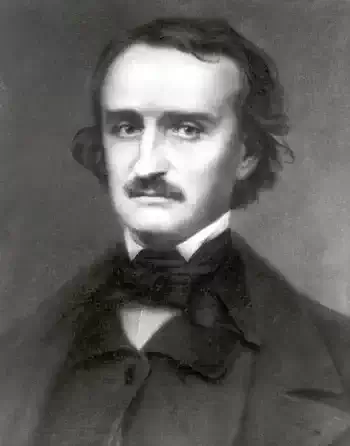
Edgar Allan Poe
The Raven
Once upon a midnight dreary, while I pondered, weak and weary,
Over many a quaint and curious volume of forgotten lore,
While I nodded, nearly napping, suddenly there came a tapping,
As of some one gently rapping, rapping at my chamber door.
''Tis some visitor,' I muttered, 'tapping at my chamber door
Only
this, and nothing more.'
Ah, distinctly I remember it was in the bleak December,
And each separate dying ember wrought its ghost upon the floor.
Eagerly I wished the morrow;- vainly I had sought to borrow
From my books surcease of sorrow- sorrow for the lost Lenore
For the rare and radiant maiden whom the angels name LenoreNameless
here for evermore.
And the silken sad uncertain rustling of each purple curtain
Thrilled me- filled me with fantastic terrors never felt before;
So that now, to still the beating of my heart, I stood repeating,
''Tis some visitor entreating entrance at my chamber door
Some late visitor entreating entrance at my chamber door;
This
it is, and nothing more.'
Presently my soul grew stronger; hesitating then no longer,
'Sir,' said I, 'or Madam, truly your forgiveness I implore;
But the fact is I was napping, and so gently you came rapping,
And so faintly you came tapping, tapping at my chamber door,
That I scarce was sure I heard you'- here I opened wide the door;
Darkness
there, and nothing more.
Deep into that darkness peering, long I stood there wondering,
fearing,
Doubting, dreaming dreams no mortals ever dared to dream before;
But the silence was unbroken, and the stillness gave no token,
And the only word there spoken was the whispered word, 'Lenore!'
This I whispered, and an echo murmured back the word, 'Lenore!'Merely
this, and nothing more.
Back into the chamber turning, all my soul within me burning,
Soon again I heard a tapping somewhat louder than before.
'Surely,' said I, 'surely that is something at my window lattice:
Let me see, then, what thereat is, and this mystery explore
Let my heart be still a moment and this mystery explore;'
Tis the wind and nothing more.'
Open here I flung the shutter, when, with many a flirt and
flutter,
In there stepped a stately raven of the saintly days of yore;
Not the least obeisance made he; not a minute stopped or stayed
he;
But, with mien of lord or lady, perched above my chamber door
Perched
upon a bust of Pallas just above my chamber door
Perched,
and sat, and nothing more.
Then this ebony bird beguiling my sad fancy into smiling,
By the grave and stern decorum of the countenance it wore.
'Though thy crest be shorn and shaven, thou,' I said, 'art sure no
craven,
Ghastly grim and ancient raven wandering from the Nightly shore
Tell
me what thy lordly name is on the Night's Plutonian shore!'
Quoth the Raven, 'Nevermore.'
Much I marvelled this ungainly fowl to hear discourse so plainly,
Though its answer little meaning- little relevancy bore;
For we cannot help agreeing that no living human being
Ever yet was blest with seeing bird above his chamber door
Bird or beast upon the sculptured bust above his chamber door,
With such name as 'Nevermore.'
But the raven, sitting lonely on the placid bust, spoke only
That one word, as if his soul in that one word he did outpour.
Nothing further then he uttered- not a feather then he fluttered
Till
I scarcely more than muttered, 'other friends have flown
before
On
the morrow he will leave me, as my hopes have flown before.'
Then the bird said, 'Nevermore.'
Startled at the stillness broken by reply so aptly spoken,
'Doubtless,' said I, 'what it utters is its only stock and store,
Caught from some unhappy master whom unmerciful Disaster
Followed fast and followed faster till his songs one burden bore
Till the dirges of his Hope that melancholy burden bore
Of 'Never- nevermore'.'
But the Raven still beguiling all my fancy into smiling,
Straight I wheeled a cushioned seat in front of bird, and bust and
door;
Then upon the velvet sinking, I betook myself to linking
Fancy unto fancy, thinking what this ominous bird of yore
What this grim, ungainly, ghastly, gaunt and ominous bird of yore
Meant in croaking 'Nevermore.'
This I sat engaged in guessing, but no syllable expressing
To the fowl whose fiery eyes now burned into my bosom's core;
This and more I sat divining, with my head at ease reclining
On the cushion's velvet lining that the lamplight gloated o'er,
But whose velvet violet lining with the lamplight gloating o'er,
She shall press, ah, nevermore!
Then methought the air grew denser, perfumed from an unseen censer
Swung by Seraphim whose footfalls tinkled on the tufted floor.
'Wretch,' I cried, 'thy God hath lent thee- by these angels he
hath sent thee
Respite- respite and nepenthe, from thy memories of Lenore!
Quaff, oh quaff this kind nepenthe and forget this lost Lenore!'
Quoth the Raven, 'Nevermore.'
'Prophet!' said I, 'thing of evil!- prophet still, if bird or
devil!
Whether Tempter sent, or whether tempest tossed thee here ashore,
Desolate yet all undaunted, on this desert land enchanted
On
this home by horror haunted- tell me truly, I implore
Is there- is there balm in Gilead?- tell me- tell me, I implore!'
Quoth the Raven, 'Nevermore.'
'Prophet!' said I, 'thing of evil- prophet still, if bird or
devil!
By that Heaven that bends above us- by that God we both adore
Tell
this soul with sorrow laden if, within the distant Aidenn,
It shall clasp a sainted maiden whom the angels name Lenore
Clasp a rare and radiant maiden whom the angels name Lenore.'
Quoth the Raven, 'Nevermore.'
'Be that word our sign in parting, bird or fiend,' I shrieked,
upstarting
'Get thee back into the tempest and the Night's Plutonian shore!
Leave no black plume as a token of that lie thy soul hath spoken!
Leave my loneliness unbroken!- quit the bust above my door!
Take thy beak from out my heart, and take thy form from off my
door!'
Quoth the Raven, 'Nevermore.'
And the Raven, never flitting, still is sitting, still is sitting
On the pallid bust of Pallas just above my chamber door;
And his eyes have all the seeming of a demon's that is dreaming,
And the lamplight o'er him streaming throws his shadow on the
floor;
And my soul from out that shadow that lies floating on the floor
Shall be lifted- nevermore!
Read more →
Over many a quaint and curious volume of forgotten lore,
While I nodded, nearly napping, suddenly there came a tapping,
As of some one gently rapping, rapping at my chamber door.
''Tis some visitor,' I muttered, 'tapping at my chamber door
Only
this, and nothing more.'
Ah, distinctly I remember it was in the bleak December,
And each separate dying ember wrought its ghost upon the floor.
Eagerly I wished the morrow;- vainly I had sought to borrow
From my books surcease of sorrow- sorrow for the lost Lenore
For the rare and radiant maiden whom the angels name LenoreNameless
here for evermore.
And the silken sad uncertain rustling of each purple curtain
Thrilled me- filled me with fantastic terrors never felt before;
So that now, to still the beating of my heart, I stood repeating,
''Tis some visitor entreating entrance at my chamber door
Some late visitor entreating entrance at my chamber door;
This
it is, and nothing more.'
Presently my soul grew stronger; hesitating then no longer,
'Sir,' said I, 'or Madam, truly your forgiveness I implore;
But the fact is I was napping, and so gently you came rapping,
And so faintly you came tapping, tapping at my chamber door,
That I scarce was sure I heard you'- here I opened wide the door;
Darkness
there, and nothing more.
Deep into that darkness peering, long I stood there wondering,
fearing,
Doubting, dreaming dreams no mortals ever dared to dream before;
But the silence was unbroken, and the stillness gave no token,
And the only word there spoken was the whispered word, 'Lenore!'
This I whispered, and an echo murmured back the word, 'Lenore!'Merely
this, and nothing more.
Back into the chamber turning, all my soul within me burning,
Soon again I heard a tapping somewhat louder than before.
'Surely,' said I, 'surely that is something at my window lattice:
Let me see, then, what thereat is, and this mystery explore
Let my heart be still a moment and this mystery explore;'
Tis the wind and nothing more.'
Open here I flung the shutter, when, with many a flirt and
flutter,
In there stepped a stately raven of the saintly days of yore;
Not the least obeisance made he; not a minute stopped or stayed
he;
But, with mien of lord or lady, perched above my chamber door
Perched
upon a bust of Pallas just above my chamber door
Perched,
and sat, and nothing more.
Then this ebony bird beguiling my sad fancy into smiling,
By the grave and stern decorum of the countenance it wore.
'Though thy crest be shorn and shaven, thou,' I said, 'art sure no
craven,
Ghastly grim and ancient raven wandering from the Nightly shore
Tell
me what thy lordly name is on the Night's Plutonian shore!'
Quoth the Raven, 'Nevermore.'
Much I marvelled this ungainly fowl to hear discourse so plainly,
Though its answer little meaning- little relevancy bore;
For we cannot help agreeing that no living human being
Ever yet was blest with seeing bird above his chamber door
Bird or beast upon the sculptured bust above his chamber door,
With such name as 'Nevermore.'
But the raven, sitting lonely on the placid bust, spoke only
That one word, as if his soul in that one word he did outpour.
Nothing further then he uttered- not a feather then he fluttered
Till
I scarcely more than muttered, 'other friends have flown
before
On
the morrow he will leave me, as my hopes have flown before.'
Then the bird said, 'Nevermore.'
Startled at the stillness broken by reply so aptly spoken,
'Doubtless,' said I, 'what it utters is its only stock and store,
Caught from some unhappy master whom unmerciful Disaster
Followed fast and followed faster till his songs one burden bore
Till the dirges of his Hope that melancholy burden bore
Of 'Never- nevermore'.'
But the Raven still beguiling all my fancy into smiling,
Straight I wheeled a cushioned seat in front of bird, and bust and
door;
Then upon the velvet sinking, I betook myself to linking
Fancy unto fancy, thinking what this ominous bird of yore
What this grim, ungainly, ghastly, gaunt and ominous bird of yore
Meant in croaking 'Nevermore.'
This I sat engaged in guessing, but no syllable expressing
To the fowl whose fiery eyes now burned into my bosom's core;
This and more I sat divining, with my head at ease reclining
On the cushion's velvet lining that the lamplight gloated o'er,
But whose velvet violet lining with the lamplight gloating o'er,
She shall press, ah, nevermore!
Then methought the air grew denser, perfumed from an unseen censer
Swung by Seraphim whose footfalls tinkled on the tufted floor.
'Wretch,' I cried, 'thy God hath lent thee- by these angels he
hath sent thee
Respite- respite and nepenthe, from thy memories of Lenore!
Quaff, oh quaff this kind nepenthe and forget this lost Lenore!'
Quoth the Raven, 'Nevermore.'
'Prophet!' said I, 'thing of evil!- prophet still, if bird or
devil!
Whether Tempter sent, or whether tempest tossed thee here ashore,
Desolate yet all undaunted, on this desert land enchanted
On
this home by horror haunted- tell me truly, I implore
Is there- is there balm in Gilead?- tell me- tell me, I implore!'
Quoth the Raven, 'Nevermore.'
'Prophet!' said I, 'thing of evil- prophet still, if bird or
devil!
By that Heaven that bends above us- by that God we both adore
Tell
this soul with sorrow laden if, within the distant Aidenn,
It shall clasp a sainted maiden whom the angels name Lenore
Clasp a rare and radiant maiden whom the angels name Lenore.'
Quoth the Raven, 'Nevermore.'
'Be that word our sign in parting, bird or fiend,' I shrieked,
upstarting
'Get thee back into the tempest and the Night's Plutonian shore!
Leave no black plume as a token of that lie thy soul hath spoken!
Leave my loneliness unbroken!- quit the bust above my door!
Take thy beak from out my heart, and take thy form from off my
door!'
Quoth the Raven, 'Nevermore.'
And the Raven, never flitting, still is sitting, still is sitting
On the pallid bust of Pallas just above my chamber door;
And his eyes have all the seeming of a demon's that is dreaming,
And the lamplight o'er him streaming throws his shadow on the
floor;
And my soul from out that shadow that lies floating on the floor
Shall be lifted- nevermore!
355

John Keats
Bright Star
Bright star, would I were stedfast as thou art-Not
in lone splendour hung aloft the night
And watching, with eternal lids apart,
Like nature's patient, sleepless Eremite,
The moving waters at their priestlike task
Of pure ablution round earth's human shores,
Or gazing on the new soft-fallen mask
Of snow upon the mountains and the moors-No--
yet still stedfast, still unchangeable,
Pillow'd upon my fair love's ripening breast,
To feel for ever its soft fall and swell,
Awake for ever in a sweet unrest,
Still, still to hear her tender-taken breath,
And so live ever--or else swoon to death.
Read more →
in lone splendour hung aloft the night
And watching, with eternal lids apart,
Like nature's patient, sleepless Eremite,
The moving waters at their priestlike task
Of pure ablution round earth's human shores,
Or gazing on the new soft-fallen mask
Of snow upon the mountains and the moors-No--
yet still stedfast, still unchangeable,
Pillow'd upon my fair love's ripening breast,
To feel for ever its soft fall and swell,
Awake for ever in a sweet unrest,
Still, still to hear her tender-taken breath,
And so live ever--or else swoon to death.
348
Edgar Allan Poe
A Dream Within A Dream
Take this kiss upon the brow!
And, in parting from you now,
Thus much let me avow
You
are not wrong, who deem
That my days have been a dream;
Yet if hope has flown away
In a night, or in a day,
In a vision, or in none,
Is it therefore the less gone?
All that we see or seem
Is but a dream within a dream.
I stand amid the roar
Of a surf-tormented shore,
And I hold within my hand
Grains of the golden sand
How
few! yet how they creep
Through my fingers to the deep,
While I weep- while I weep!
O God! can I not grasp
Them with a tighter clasp?
O God! can I not save
One from the pitiless wave?
Is all that we see or seem
But a dream within a dream?
Read more →
And, in parting from you now,
Thus much let me avow
You
are not wrong, who deem
That my days have been a dream;
Yet if hope has flown away
In a night, or in a day,
In a vision, or in none,
Is it therefore the less gone?
All that we see or seem
Is but a dream within a dream.
I stand amid the roar
Of a surf-tormented shore,
And I hold within my hand
Grains of the golden sand
How
few! yet how they creep
Through my fingers to the deep,
While I weep- while I weep!
O God! can I not grasp
Them with a tighter clasp?
O God! can I not save
One from the pitiless wave?
Is all that we see or seem
But a dream within a dream?
288

Walt Whitman
When Lilacs Last in the Dooryard Bloom'd
from Memories of President Lincoln
1
When lilacs last in the dooryard bloom'd,
And the great star early droop'd in the western sky in the night,
I mourn'd, and yet shall mourn with ever-returning spring.
Ever-returning spring, trinity sure to me you bring,
Lilac blooming perennial and drooping star in the west,
And thought of him I love.
2
O powerful western fallen star!
O shades of night -- O moody, tearful night!
O great star disappear'd -- O the black murk that hides the star!
O cruel hands that hold me powerless -- O helpless soul of me!
O harsh surrounding cloud that will not free my soul.
3
In the dooryard fronting an old farm-house near the white-wash'd palings,
Stands the lilac-bush tall-growing with heart-shaped leaves of rich green,
With many a pointed blossom rising delicate, with the perfume strong I love,
With every leaf a miracle -- and from this bush in the dooryard,
With delicate-color'd blossoms and heart-shaped leaves of rich green,
A sprig with its flower I break.
4
In the swamp in secluded recesses,
A shy and hidden bird is warbling a song.
Solitary the thrush,
The hermit withdrawn to himself, avoiding the settlements,
Sings by himself a song.
Song of the bleeding throat,
Death's outlet song of life, (for well dear brother I know,
If thou wast not granted to sing, thou would'st surely die.)
5
Over the breast of the spring, the land, amid cities,
Amid lanes and through old woods, where lately the violets peep'd from the ground,
spotting the gray debris,
Amid the grass in the fields each side of the lanes, passing the endless grass,
Passing the yellow-spear'd wheat, every grain from its shroud in the dark-brown fields
uprisen,
Passing the apple-tree blows of white and pink in the orchards,
Carrying a corpse to where it shall rest in the grave,
Night and day journeys a coffin.
6
Coffin that passes through lanes and streets,
Through day and night with the great cloud darkening the land,
With the pomp of the inloop'd flags with the cities draped in black,
With the show of the States themselves as of crepe-veil'd women standing,
With processions long and winding and the flambeaus of the night,
With the countless torches lit, with the silent sea of faces and the unbared heads,
With the waiting depot, the arriving coffin, and the sombre faces,
With dirges through the night, with the thousand voices rising strong and solemn,
With all the mournful voices of the dirges pour'd around the coffin,
The dim-lit churches and the shuddering organs -- where amid these you journey,
With the tolling bells' perpetual clang,
Here, coffin that slowly passes,
I give you a sprig of lilac.
7
(Nor for you, for one alone,
Blossoms and branches green to coffins all I bring,
For fresh as the morning, thus would I chant a song for you O sane and sacred death.
All over bouquets of roses,
O death, I cover you with roses and early lilies,
But mostly and now the lilac that blooms the first,
Copious I break, I break the sprigs from the bushes,
With loaded arms I come, pouring for you,
For you and the coffins all of you, O death.)
8
O western orb sailing the heaven,
Now I know what you must have meant as a month since I walk'd,
As I walk'd in silence the transparent shadowy night,
As I saw you had something to tell as you bent to me night after night,
As you droop'd from the sky low down as if to my side, (while the other stars all look'd
on,)
As we wander'd together the solemn night, (for something I know not what kept me
from sleep,)
As the night advanced, and I saw on the rim of the west how full you were of woe,
As I stood on the rising ground in the breeze in the cool transparent night,
As I watch'd where you pass'd and was lost in the netherward black of the night,
As my soul in its trouble dissatisfied sank, as where you sad orb,
Concluded, dropt in the night, and was gone.
9
Sing on there in the swamp,
O singer bashful and tender, I hear your notes, I hear your call,
I hear, I come presently, I understand you,
But a moment I linger, for the lustrous star has detain'd me,
The star my departing comrade holds and detains me.
10
O how shall I warble myself for the dead one there I loved?
And how shall I deck my soul for the large sweet soul that has gone?
And what shall my perfume be for the grave of him I love?
Sea-winds blown from the east and west,
Blown from the Eastern sea and blown from the Western sea, till there on the prairies
meeting,
These and with these and the breath of my chant,
I'll perfume the grave of him I love.
11
O what shall I hang on the chamber walls?
And what shall the pictures be that I hang on the walls,
To adorn the burial-house of him I love?
Pictures of growing spring and farms and homes,
With the Fourth-month eve at sundown, and the gray smoke lucid and bright,
With floods of the yellow gold of the gorgeous, indolent, sinking sun, burning,
expanding the air,
With the fresh sweet herbage under foot, and the pale green leaves of the trees
prolific,
In the distance of the flowing glaze, the breast of the river, with a wind-dapple here
and there,
With ranging hills on the banks, with many a line against the sky, and shadows,
And the city at hand with dwellings so dense, and stacks of chimneys,
And all the scenes of life and the workshops, and the workmen homeward returning.
12
Lo, body and soul -- this land,
My own Manhattan with spires, and the sparkling and hurrying tides, and the ships,
The varied and ample land, the South and the North in the light, Ohio's shores and
flashing Missouri,
And ever the far-spreading prairies cover'd with grass and corn.
Lo, the most excellent sun so calm and haughty,
The violet and purple morn with just-felt breezes,
The gentle soft-born measureless light,
The miracle spreading bathing all, the fulfill'd noon,
The coming eve delicious, the welcome night and the stars,
Over my cities shining all, enveloping man and land.
13
Sing on, sing on, you gray-brown bird,
Sing from the swamps, the recesses, pour your chant from the bushes,
Limitless out of the dusk, out of the cedars and pines.
Sing on dearest brother, warble your reedy song,
Loud human song, with voice of uttermost woe.
O liquid and free and tender!
O wild and loose to my soul -- O wondrous singer!
You only I hear -- yet the star holds me, (but will soon depart,)
Yet the lilac with mastering odor holds me.
14
Now while I sat in the day and look'd forth,
In the close of the day with its light and the fields of spring, and the farmers preparing
their crops,
In the large unconscious scenery of my land with its lakes and forests,
In the heavenly aerial beauty, (after the perturb'd winds and storms,)
Under the arching heavens of the afternoon swift passing, and the voices of children
and women,
The many-moving sea-tides, and I saw the ships how they sail'd,
And the summer approaching with richness, and the fields all busy with labor,
And the infinite separate houses, how they all went on, each with its meals and minutia
of daily usages,
And the streets how their throbbings throbb'd, and the cities pent -- lo, then and there,
Falling upon them all and among them all, enveloping me with the rest,
Appear'd the cloud, appear'd the long black trail,
And I knew death, its thought, and the sacred knowledge of death.
Then with the knowledge of death as walking one side of me,
And the thought of death close-walking the other side of me,
And I in the middle as with companions, and as holding the hands of companions,
I fled forth to the hiding receiving night that talks not,
Down to the shores of the water, the path by the swamp in the dimness,
To the solemn shadowy cedars and the ghostly pines so still.
And the singer so shy to the rest receiv'd me,
The gray-brown bird I know received us comrades three,
And he sang the carol of death, and a verse for him I love.
>From deep secluded recesses,
>From the fragrant cedars and the ghostly pines so still,
Came the carol of the bird.
And the charm of the carol rapt me,
As I held as if by their hands my comrades in the night,
And the voice of my spirit tallied the song of the bird.
Come lovely and soothing death,
Undulate round the world, serenely arriving, arriving,
In the day, in the night, to all, to each,
Sooner or later delicate death.
Prais'd be the fathomless universe,
For life and joy, and for objects and knowledge curious,
And for love, sweet love -- but praise! praise! praise!
For the sure-enwinding arms of cool-enfolding death.
Dark mother always gliding near with soft feet,
Have none chanted for thee a chant of fullest welcome?
Then I chant it for thee, I glorify thee above all,
I bring thee a song that when thou must indeed come, come unfalteringly.
Approach strong deliveress,
When it is so, when you have taken them I joyously sing the dead,
Lost in the loving floating ocean of thee,
Laved in the flood of thy bliss, O death.
From me to thee glad serenades,
Dances for thee I propose saluting thee, adornments and feastings for thee,
And the sights of the open landscape and the high-spread sky are fitting,
And life and the fields, and the huge and thoughtful night.
The night in silence under many a star,
The ocean shore and the husky whispering wave whose voice I know,
And the soul turning to thee O vast and well-veil'd death,
And the body gratefully nestling close to thee.
Over the treetops I float thee a song,
Over the rising and sinking waves, over the myriad fields and the prairies wide,
Over the dense-packed cities and all the teeming wharves and ways,
I float this carol with joy, with joy to thee O death.
15
To the tally of my soul,
Loud and strong kept up the gray-brown bird,
With pure deliberate notes spreading filling the night.
Loud in the pines and cedars dim,
Clear in the freshness moist and the swamp-perfume,
And I with my comrades there in the night.
While my sight that was bound in my eyes unclosed,
As to long panoramas of visions.
And I saw askant the armies,
I saw as in noiseless dreams hundreds of battle-flags,
Borne through the smoke of the battles and pierced with missiles I saw them,
And carried hither and yon through the smoke and torn and bloody,
And at last but a few shreds left on the staffs, (all in silence,)
And the staffs all splinter'd and broken.
I saw battle-corpses, myriads of them,
And the white skeletons of young men, I saw them,
I saw the debris and debris of all the dead soldiers of the war,
But I saw they were not as was thought,
They themselves were fully at rest, they suffer'd not,
The living remain'd and suffer'd, the mother suffer'd,
And the wife and the child and the musing comrade suffer'd,
And the armies that remain'd suffer'd.
16
Passing the visions, passing the night,
Passing, unloosing the hold of my comrades' hands,
Passing the song of the hermit bird and the tallying song of my soul,
Victorious song, death's outlet song, yet varying ever-altering song,
As low and wailing, yet clear the notes, rising and falling, flooding the night,
Sadly sinking and fainting, as warning and warning, and yet again bursting with joy,
Covering the earth and filling the spread of the heaven,
As that powerful psalm in the night I heard from recesses,
Passing, I leave thee lilac with heart-shaped leaves,
I leave thee there in the door-yard, blooming, returning with spring.
I cease from my song for thee,
From my gaze on thee in the west, fronting the west, communing with thee,
O comrade lustrous with silver face in the night.
Yet each to keep and all, retrievements out of the night,
The song, the wondrous chant of the gray-brown bird,
And the tallying chant, the echo arous'd in my soul,
With the lustrous and drooping star with the countenance full of woe,
With the holders holding my hand nearing the call of the bird,
Comrades mine and I in the midst, and their memory ever to keep for the dead I loved
so well,
For the sweetest, wisest soul of all my days and lands -- and this for his dear sake,
Lilac and star and bird twined with the chant of my soul,
There in the fragrant pines and the cedars dusk and dim.
Read more →
1
When lilacs last in the dooryard bloom'd,
And the great star early droop'd in the western sky in the night,
I mourn'd, and yet shall mourn with ever-returning spring.
Ever-returning spring, trinity sure to me you bring,
Lilac blooming perennial and drooping star in the west,
And thought of him I love.
2
O powerful western fallen star!
O shades of night -- O moody, tearful night!
O great star disappear'd -- O the black murk that hides the star!
O cruel hands that hold me powerless -- O helpless soul of me!
O harsh surrounding cloud that will not free my soul.
3
In the dooryard fronting an old farm-house near the white-wash'd palings,
Stands the lilac-bush tall-growing with heart-shaped leaves of rich green,
With many a pointed blossom rising delicate, with the perfume strong I love,
With every leaf a miracle -- and from this bush in the dooryard,
With delicate-color'd blossoms and heart-shaped leaves of rich green,
A sprig with its flower I break.
4
In the swamp in secluded recesses,
A shy and hidden bird is warbling a song.
Solitary the thrush,
The hermit withdrawn to himself, avoiding the settlements,
Sings by himself a song.
Song of the bleeding throat,
Death's outlet song of life, (for well dear brother I know,
If thou wast not granted to sing, thou would'st surely die.)
5
Over the breast of the spring, the land, amid cities,
Amid lanes and through old woods, where lately the violets peep'd from the ground,
spotting the gray debris,
Amid the grass in the fields each side of the lanes, passing the endless grass,
Passing the yellow-spear'd wheat, every grain from its shroud in the dark-brown fields
uprisen,
Passing the apple-tree blows of white and pink in the orchards,
Carrying a corpse to where it shall rest in the grave,
Night and day journeys a coffin.
6
Coffin that passes through lanes and streets,
Through day and night with the great cloud darkening the land,
With the pomp of the inloop'd flags with the cities draped in black,
With the show of the States themselves as of crepe-veil'd women standing,
With processions long and winding and the flambeaus of the night,
With the countless torches lit, with the silent sea of faces and the unbared heads,
With the waiting depot, the arriving coffin, and the sombre faces,
With dirges through the night, with the thousand voices rising strong and solemn,
With all the mournful voices of the dirges pour'd around the coffin,
The dim-lit churches and the shuddering organs -- where amid these you journey,
With the tolling bells' perpetual clang,
Here, coffin that slowly passes,
I give you a sprig of lilac.
7
(Nor for you, for one alone,
Blossoms and branches green to coffins all I bring,
For fresh as the morning, thus would I chant a song for you O sane and sacred death.
All over bouquets of roses,
O death, I cover you with roses and early lilies,
But mostly and now the lilac that blooms the first,
Copious I break, I break the sprigs from the bushes,
With loaded arms I come, pouring for you,
For you and the coffins all of you, O death.)
8
O western orb sailing the heaven,
Now I know what you must have meant as a month since I walk'd,
As I walk'd in silence the transparent shadowy night,
As I saw you had something to tell as you bent to me night after night,
As you droop'd from the sky low down as if to my side, (while the other stars all look'd
on,)
As we wander'd together the solemn night, (for something I know not what kept me
from sleep,)
As the night advanced, and I saw on the rim of the west how full you were of woe,
As I stood on the rising ground in the breeze in the cool transparent night,
As I watch'd where you pass'd and was lost in the netherward black of the night,
As my soul in its trouble dissatisfied sank, as where you sad orb,
Concluded, dropt in the night, and was gone.
9
Sing on there in the swamp,
O singer bashful and tender, I hear your notes, I hear your call,
I hear, I come presently, I understand you,
But a moment I linger, for the lustrous star has detain'd me,
The star my departing comrade holds and detains me.
10
O how shall I warble myself for the dead one there I loved?
And how shall I deck my soul for the large sweet soul that has gone?
And what shall my perfume be for the grave of him I love?
Sea-winds blown from the east and west,
Blown from the Eastern sea and blown from the Western sea, till there on the prairies
meeting,
These and with these and the breath of my chant,
I'll perfume the grave of him I love.
11
O what shall I hang on the chamber walls?
And what shall the pictures be that I hang on the walls,
To adorn the burial-house of him I love?
Pictures of growing spring and farms and homes,
With the Fourth-month eve at sundown, and the gray smoke lucid and bright,
With floods of the yellow gold of the gorgeous, indolent, sinking sun, burning,
expanding the air,
With the fresh sweet herbage under foot, and the pale green leaves of the trees
prolific,
In the distance of the flowing glaze, the breast of the river, with a wind-dapple here
and there,
With ranging hills on the banks, with many a line against the sky, and shadows,
And the city at hand with dwellings so dense, and stacks of chimneys,
And all the scenes of life and the workshops, and the workmen homeward returning.
12
Lo, body and soul -- this land,
My own Manhattan with spires, and the sparkling and hurrying tides, and the ships,
The varied and ample land, the South and the North in the light, Ohio's shores and
flashing Missouri,
And ever the far-spreading prairies cover'd with grass and corn.
Lo, the most excellent sun so calm and haughty,
The violet and purple morn with just-felt breezes,
The gentle soft-born measureless light,
The miracle spreading bathing all, the fulfill'd noon,
The coming eve delicious, the welcome night and the stars,
Over my cities shining all, enveloping man and land.
13
Sing on, sing on, you gray-brown bird,
Sing from the swamps, the recesses, pour your chant from the bushes,
Limitless out of the dusk, out of the cedars and pines.
Sing on dearest brother, warble your reedy song,
Loud human song, with voice of uttermost woe.
O liquid and free and tender!
O wild and loose to my soul -- O wondrous singer!
You only I hear -- yet the star holds me, (but will soon depart,)
Yet the lilac with mastering odor holds me.
14
Now while I sat in the day and look'd forth,
In the close of the day with its light and the fields of spring, and the farmers preparing
their crops,
In the large unconscious scenery of my land with its lakes and forests,
In the heavenly aerial beauty, (after the perturb'd winds and storms,)
Under the arching heavens of the afternoon swift passing, and the voices of children
and women,
The many-moving sea-tides, and I saw the ships how they sail'd,
And the summer approaching with richness, and the fields all busy with labor,
And the infinite separate houses, how they all went on, each with its meals and minutia
of daily usages,
And the streets how their throbbings throbb'd, and the cities pent -- lo, then and there,
Falling upon them all and among them all, enveloping me with the rest,
Appear'd the cloud, appear'd the long black trail,
And I knew death, its thought, and the sacred knowledge of death.
Then with the knowledge of death as walking one side of me,
And the thought of death close-walking the other side of me,
And I in the middle as with companions, and as holding the hands of companions,
I fled forth to the hiding receiving night that talks not,
Down to the shores of the water, the path by the swamp in the dimness,
To the solemn shadowy cedars and the ghostly pines so still.
And the singer so shy to the rest receiv'd me,
The gray-brown bird I know received us comrades three,
And he sang the carol of death, and a verse for him I love.
>From deep secluded recesses,
>From the fragrant cedars and the ghostly pines so still,
Came the carol of the bird.
And the charm of the carol rapt me,
As I held as if by their hands my comrades in the night,
And the voice of my spirit tallied the song of the bird.
Come lovely and soothing death,
Undulate round the world, serenely arriving, arriving,
In the day, in the night, to all, to each,
Sooner or later delicate death.
Prais'd be the fathomless universe,
For life and joy, and for objects and knowledge curious,
And for love, sweet love -- but praise! praise! praise!
For the sure-enwinding arms of cool-enfolding death.
Dark mother always gliding near with soft feet,
Have none chanted for thee a chant of fullest welcome?
Then I chant it for thee, I glorify thee above all,
I bring thee a song that when thou must indeed come, come unfalteringly.
Approach strong deliveress,
When it is so, when you have taken them I joyously sing the dead,
Lost in the loving floating ocean of thee,
Laved in the flood of thy bliss, O death.
From me to thee glad serenades,
Dances for thee I propose saluting thee, adornments and feastings for thee,
And the sights of the open landscape and the high-spread sky are fitting,
And life and the fields, and the huge and thoughtful night.
The night in silence under many a star,
The ocean shore and the husky whispering wave whose voice I know,
And the soul turning to thee O vast and well-veil'd death,
And the body gratefully nestling close to thee.
Over the treetops I float thee a song,
Over the rising and sinking waves, over the myriad fields and the prairies wide,
Over the dense-packed cities and all the teeming wharves and ways,
I float this carol with joy, with joy to thee O death.
15
To the tally of my soul,
Loud and strong kept up the gray-brown bird,
With pure deliberate notes spreading filling the night.
Loud in the pines and cedars dim,
Clear in the freshness moist and the swamp-perfume,
And I with my comrades there in the night.
While my sight that was bound in my eyes unclosed,
As to long panoramas of visions.
And I saw askant the armies,
I saw as in noiseless dreams hundreds of battle-flags,
Borne through the smoke of the battles and pierced with missiles I saw them,
And carried hither and yon through the smoke and torn and bloody,
And at last but a few shreds left on the staffs, (all in silence,)
And the staffs all splinter'd and broken.
I saw battle-corpses, myriads of them,
And the white skeletons of young men, I saw them,
I saw the debris and debris of all the dead soldiers of the war,
But I saw they were not as was thought,
They themselves were fully at rest, they suffer'd not,
The living remain'd and suffer'd, the mother suffer'd,
And the wife and the child and the musing comrade suffer'd,
And the armies that remain'd suffer'd.
16
Passing the visions, passing the night,
Passing, unloosing the hold of my comrades' hands,
Passing the song of the hermit bird and the tallying song of my soul,
Victorious song, death's outlet song, yet varying ever-altering song,
As low and wailing, yet clear the notes, rising and falling, flooding the night,
Sadly sinking and fainting, as warning and warning, and yet again bursting with joy,
Covering the earth and filling the spread of the heaven,
As that powerful psalm in the night I heard from recesses,
Passing, I leave thee lilac with heart-shaped leaves,
I leave thee there in the door-yard, blooming, returning with spring.
I cease from my song for thee,
From my gaze on thee in the west, fronting the west, communing with thee,
O comrade lustrous with silver face in the night.
Yet each to keep and all, retrievements out of the night,
The song, the wondrous chant of the gray-brown bird,
And the tallying chant, the echo arous'd in my soul,
With the lustrous and drooping star with the countenance full of woe,
With the holders holding my hand nearing the call of the bird,
Comrades mine and I in the midst, and their memory ever to keep for the dead I loved
so well,
For the sweetest, wisest soul of all my days and lands -- and this for his dear sake,
Lilac and star and bird twined with the chant of my soul,
There in the fragrant pines and the cedars dusk and dim.
395

Emily Dickinson
Exclusion (The soul selects her own society)
The soul selects her own society,
Then shuts the door;
On her divine majority
Obtrude no more.
Unmoved, she notes the chariot's pausing
At her low gate;
Unmoved, an emperor is kneeling
Upon her mat.
I've known her from an ample nation
Choose one
Then close the valves of her attention
Like stone.
Read more →
Then shuts the door;
On her divine majority
Obtrude no more.
Unmoved, she notes the chariot's pausing
At her low gate;
Unmoved, an emperor is kneeling
Upon her mat.
I've known her from an ample nation
Choose one
Then close the valves of her attention
Like stone.
299
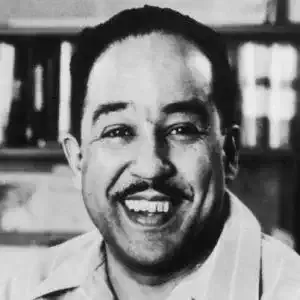
Langston Hughes
Negro Speaks of Rivers
I've known rivers:
I've known rivers ancient as the world and older than the
flow of human blood in human veins
My soul has grown deep like the rivers.
I bathed in the Euphrates when dawns were young
I built my hut near the Congo and it lulled me to sleep.
I looked upon the Nile and raised the pyramids above it.
I heard the singing of the Mississippi when Abe Lincoln
went down to New Orleans, and I've seen its muddy
bosom turn all golden in the sunset
I've known rivers:
Ancient, dusky rivers.
My soul has grown deep like the rivers.
Read more →
I've known rivers ancient as the world and older than the
flow of human blood in human veins
My soul has grown deep like the rivers.
I bathed in the Euphrates when dawns were young
I built my hut near the Congo and it lulled me to sleep.
I looked upon the Nile and raised the pyramids above it.
I heard the singing of the Mississippi when Abe Lincoln
went down to New Orleans, and I've seen its muddy
bosom turn all golden in the sunset
I've known rivers:
Ancient, dusky rivers.
My soul has grown deep like the rivers.
473

William Shakespeare
Sonnet 55: Not marble, nor the gilded monuments
Not marble, nor the gilded monuments
Of princes shall outlive this powerful rhyme,
But you shall shine more bright in these contents
Than unswept stone besmeared with sluttish time.
When wasteful war shall statues overturn,
And broils root out the work of masonry,
Nor Mars his sword, nor war's quick fire shall burn
The living record of your memory.
'Gainst death and all-oblivious enmity
Shall you pace forth; your praise shall still find room
Even in the eyes of all posterity
That wear this world out to the ending doom.
So, till the judgment that yourself arise,
You live in this, and dwell in lovers' eyes.
Read more →
Of princes shall outlive this powerful rhyme,
But you shall shine more bright in these contents
Than unswept stone besmeared with sluttish time.
When wasteful war shall statues overturn,
And broils root out the work of masonry,
Nor Mars his sword, nor war's quick fire shall burn
The living record of your memory.
'Gainst death and all-oblivious enmity
Shall you pace forth; your praise shall still find room
Even in the eyes of all posterity
That wear this world out to the ending doom.
So, till the judgment that yourself arise,
You live in this, and dwell in lovers' eyes.
372

D.H. Lawrence
Piano
Softly, in the dusk, a woman is singing to me;
Taking me back down the vista of years, till I see
A child sitting under the piano, in the boom of the tingling strings
And pressing the small, poised feet of a mother who smiles as she sings.
In spite of myself, the insidious mastery of song
Betrays me back, till the heart of me weeps to belong
To the old Sunday evenings at home, with winter outside
And hymns in the cosy parlour, the tinkling piano our guide.
So now it is vain for the singer to burst into clamour
With the great black piano appassionato. The glamour
Of childish days is upon me, my manhood is cast
Down in the flood of remembrance, I weep like a child for the past.
Read more →
Taking me back down the vista of years, till I see
A child sitting under the piano, in the boom of the tingling strings
And pressing the small, poised feet of a mother who smiles as she sings.
In spite of myself, the insidious mastery of song
Betrays me back, till the heart of me weeps to belong
To the old Sunday evenings at home, with winter outside
And hymns in the cosy parlour, the tinkling piano our guide.
So now it is vain for the singer to burst into clamour
With the great black piano appassionato. The glamour
Of childish days is upon me, my manhood is cast
Down in the flood of remembrance, I weep like a child for the past.
294
Emily Dickinson
Wild Nights-Wild Nights!
Wild Nights-Wild Nights!
Were I with thee
Wild Nights should be
Our luxury!
Futile-the Winds-
To a Heart in port-
Done with the Compass-
Done with the Chart!
Rowing in Eden-
Ah, the Sea!
Might I but moor-Tonight-
In Thee!
Read more →
Were I with thee
Wild Nights should be
Our luxury!
Futile-the Winds-
To a Heart in port-
Done with the Compass-
Done with the Chart!
Rowing in Eden-
Ah, the Sea!
Might I but moor-Tonight-
In Thee!
261
D.H. Lawrence
Snake
A snake came to my water-trough
On a hot, hot day, and I in pyjamas for the heat,
To drink there.
In the deep, strange-scented shade of the great dark carob-tree
I came down the steps with my pitcher
And must wait, must stand and wait, for there he was at the trough before
me.
He reached down from a fissure in the earth-wall in the gloom
And trailed his yellow-brown slackness soft-bellied down, over the edge of
the stone trough
And rested his throat upon the stone bottom,
And where the water had dripped from the tap, in a small clearness,
He sipped with his straight mouth,
Softly drank through his straight gums, into his slack long body,
Silently.
Someone was before me at my water-trough,
And I, like a second comer, waiting.
He lifted his head from his drinking, as cattle do,
And looked at me vaguely, as drinking cattle do,
And flickered his two-forked tongue from his lips, and mused a moment,
And stooped and drank a little more,
Being earth-brown, earth-golden from the burning bowels of the earth
On the day of Sicilian July, with Etna smoking.
The voice of my education said to me
He must be killed,
For in Sicily the black, black snakes are innocent, the gold are venomous.
And voices in me said, If you were a man
You would take a stick and break him now, and finish him off.
But must I confess how I liked him,
How glad I was he had come like a guest in quiet, to drink at my water-trough
And depart peaceful, pacified, and thankless,
Into the burning bowels of this earth?
Was it cowardice, that I dared not kill him? Was it perversity, that I longed to talk to
him? Was it humility, to feel so honoured?
I felt so honoured.
And yet those voices:
If you were not afraid, you would kill him!
And truly I was afraid, I was most afraid, But even so, honoured still more
That he should seek my hospitality
From out the dark door of the secret earth.
He drank enough
And lifted his head, dreamily, as one who has drunken,
And flickered his tongue like a forked night on the air, so black,
Seeming to lick his lips,
And looked around like a god, unseeing, into the air,
And slowly turned his head,
And slowly, very slowly, as if thrice adream,
Proceeded to draw his slow length curving round
And climb again the broken bank of my wall-face.
And as he put his head into that dreadful hole,
And as he slowly drew up, snake-easing his shoulders, and entered farther,
A sort of horror, a sort of protest against his withdrawing into that horrid black hole,
Deliberately going into the blackness, and slowly drawing himself after,
Overcame me now his back was turned.
I looked round, I put down my pitcher,
I picked up a clumsy log
And threw it at the water-trough with a clatter.
I think it did not hit him,
But suddenly that part of him that was left behind convulsed in undignified haste.
Writhed like lightning, and was gone
Into the black hole, the earth-lipped fissure in the wall-front,
At which, in the intense still noon, I stared with fascination.
And immediately I regretted it.
I thought how paltry, how vulgar, what a mean act!
I despised myself and the voices of my accursed human education.
And I thought of the albatross
And I wished he would come back, my snake.
For he seemed to me again like a king,
Like a king in exile, uncrowned in the underworld,
Now due to be crowned again.
And so, I missed my chance with one of the lords
Of life.
And I have something to expiate:
A pettiness.
Read more →
On a hot, hot day, and I in pyjamas for the heat,
To drink there.
In the deep, strange-scented shade of the great dark carob-tree
I came down the steps with my pitcher
And must wait, must stand and wait, for there he was at the trough before
me.
He reached down from a fissure in the earth-wall in the gloom
And trailed his yellow-brown slackness soft-bellied down, over the edge of
the stone trough
And rested his throat upon the stone bottom,
And where the water had dripped from the tap, in a small clearness,
He sipped with his straight mouth,
Softly drank through his straight gums, into his slack long body,
Silently.
Someone was before me at my water-trough,
And I, like a second comer, waiting.
He lifted his head from his drinking, as cattle do,
And looked at me vaguely, as drinking cattle do,
And flickered his two-forked tongue from his lips, and mused a moment,
And stooped and drank a little more,
Being earth-brown, earth-golden from the burning bowels of the earth
On the day of Sicilian July, with Etna smoking.
The voice of my education said to me
He must be killed,
For in Sicily the black, black snakes are innocent, the gold are venomous.
And voices in me said, If you were a man
You would take a stick and break him now, and finish him off.
But must I confess how I liked him,
How glad I was he had come like a guest in quiet, to drink at my water-trough
And depart peaceful, pacified, and thankless,
Into the burning bowels of this earth?
Was it cowardice, that I dared not kill him? Was it perversity, that I longed to talk to
him? Was it humility, to feel so honoured?
I felt so honoured.
And yet those voices:
If you were not afraid, you would kill him!
And truly I was afraid, I was most afraid, But even so, honoured still more
That he should seek my hospitality
From out the dark door of the secret earth.
He drank enough
And lifted his head, dreamily, as one who has drunken,
And flickered his tongue like a forked night on the air, so black,
Seeming to lick his lips,
And looked around like a god, unseeing, into the air,
And slowly turned his head,
And slowly, very slowly, as if thrice adream,
Proceeded to draw his slow length curving round
And climb again the broken bank of my wall-face.
And as he put his head into that dreadful hole,
And as he slowly drew up, snake-easing his shoulders, and entered farther,
A sort of horror, a sort of protest against his withdrawing into that horrid black hole,
Deliberately going into the blackness, and slowly drawing himself after,
Overcame me now his back was turned.
I looked round, I put down my pitcher,
I picked up a clumsy log
And threw it at the water-trough with a clatter.
I think it did not hit him,
But suddenly that part of him that was left behind convulsed in undignified haste.
Writhed like lightning, and was gone
Into the black hole, the earth-lipped fissure in the wall-front,
At which, in the intense still noon, I stared with fascination.
And immediately I regretted it.
I thought how paltry, how vulgar, what a mean act!
I despised myself and the voices of my accursed human education.
And I thought of the albatross
And I wished he would come back, my snake.
For he seemed to me again like a king,
Like a king in exile, uncrowned in the underworld,
Now due to be crowned again.
And so, I missed my chance with one of the lords
Of life.
And I have something to expiate:
A pettiness.
224
John Donne
The Flea
Mark but this flea, and mark in this,
How little that which thou deny'st me is;
It sucked me first, and now sucks thee,
And in this flea, our two bloods mingled be;
Thou knowest that this cannot be said
A sin, nor shame, nor loss of maidenhead.
Yet this enjoys before it woo,
And pampered, swells with one blood made of two,
And this, alas, is more than we would do.
Oh stay, three lives in one flea spare,
Where we almost, yea, more than married are.
This flea is you and I, and this
Our marriage bed, and marriage temple is;
Though parents grudge, and you, we are met
And cloistered in these living walls of jet.
Though use make you apt to kill me,
Let not to that self murder added be,
And sacrilege, three sins in killing three.
Cruel and sudden, hast thou since
Purpled thy nail in blood of innocence?
Wherein could this flea guilty be
Except in that drop which it sucked from thee?
Yet thou triumph'st, and sayest that thou
Find'st not thyself, nor me, the weaker now.
'Tis true, then learn how false fears be;
Just so much honor, when thou yieldst to me,
Will waste, as this flea's death took life from thee.
Read more →
How little that which thou deny'st me is;
It sucked me first, and now sucks thee,
And in this flea, our two bloods mingled be;
Thou knowest that this cannot be said
A sin, nor shame, nor loss of maidenhead.
Yet this enjoys before it woo,
And pampered, swells with one blood made of two,
And this, alas, is more than we would do.
Oh stay, three lives in one flea spare,
Where we almost, yea, more than married are.
This flea is you and I, and this
Our marriage bed, and marriage temple is;
Though parents grudge, and you, we are met
And cloistered in these living walls of jet.
Though use make you apt to kill me,
Let not to that self murder added be,
And sacrilege, three sins in killing three.
Cruel and sudden, hast thou since
Purpled thy nail in blood of innocence?
Wherein could this flea guilty be
Except in that drop which it sucked from thee?
Yet thou triumph'st, and sayest that thou
Find'st not thyself, nor me, the weaker now.
'Tis true, then learn how false fears be;
Just so much honor, when thou yieldst to me,
Will waste, as this flea's death took life from thee.
285
William Shakespeare
Sonnet 60: Like as the waves make towards the pebbled shore
Like as the waves make towards the pebbled shore,
So do our minutes hasten to their end;
Each changing place with that which goes before,
In sequent toil all forwards do contend.
Nativity once in the main of light,
Crawls to maturity, wherewith being crowned,
Crookèd eclipses 'gainst his glory fight,
And Time that gave doth now his gift confound.
Time doth transfix the flourish set on youth,
And delves the parallels in beauty's brow,
Feeds on the rarities of nature's truth,
And nothing stands but for his scythe to mow.
And yet to times in hope my verse shall stand,
Praising thy worth despite his cruel hand.
Read more →
So do our minutes hasten to their end;
Each changing place with that which goes before,
In sequent toil all forwards do contend.
Nativity once in the main of light,
Crawls to maturity, wherewith being crowned,
Crookèd eclipses 'gainst his glory fight,
And Time that gave doth now his gift confound.
Time doth transfix the flourish set on youth,
And delves the parallels in beauty's brow,
Feeds on the rarities of nature's truth,
And nothing stands but for his scythe to mow.
And yet to times in hope my verse shall stand,
Praising thy worth despite his cruel hand.
377

William Ernest Henley
I. M. R. T. Hamilton Bruce (-)
Out of the night that covers me,
Black as the Pit from pole to pole,
I thank whatever gods may be
For my unconquerable soul.
In the fell clutch of circumstance
I have not winced nor cried aloud.
Under the bludgeonings of chance
My head is bloody, but unbowed.
Beyond this place of wrath and tears
Looms but the Horror of the shade,
And yet the menace of the years
Finds, and shall find, me unafraid.
It matters not how strait the gate,
How charged with punishments the scroll,
I am the master of my fate:
I am the captain of my soul.
Read more →
Black as the Pit from pole to pole,
I thank whatever gods may be
For my unconquerable soul.
In the fell clutch of circumstance
I have not winced nor cried aloud.
Under the bludgeonings of chance
My head is bloody, but unbowed.
Beyond this place of wrath and tears
Looms but the Horror of the shade,
And yet the menace of the years
Finds, and shall find, me unafraid.
It matters not how strait the gate,
How charged with punishments the scroll,
I am the master of my fate:
I am the captain of my soul.
451
Emily Dickinson
There's a certain Slant of light (258)
There's a certain Slant of light,
Winter Afternoons--
That oppresses, like the Heft
Of Cathedral Tunes--
Heavenly Hurt, it gives us--
We can find no scar,
But internal difference,
Where the Meanings, are--
None may teach it--Any-'
Tis the Seal Despair--
An imperial affliction
Sent us of the air--
When it comes, the Landscape listens-Shadows--
hold their breath--
When it goes, 'tis like the Distance
On the look of Death--
Read more →
Winter Afternoons--
That oppresses, like the Heft
Of Cathedral Tunes--
Heavenly Hurt, it gives us--
We can find no scar,
But internal difference,
Where the Meanings, are--
None may teach it--Any-'
Tis the Seal Despair--
An imperial affliction
Sent us of the air--
When it comes, the Landscape listens-Shadows--
hold their breath--
When it goes, 'tis like the Distance
On the look of Death--
204

Ezra Pound
Dum Capitolium Scandet
How many will come after me
singing as well as I sing, none better;
Telling the heart of their truth
as I have taught them to tell it;
Fruit of my seed,
O my unnameable children.
Know then that I loved you from afore-time,
Clear speakers, naked in the sun, untrammelled.
Read more →
singing as well as I sing, none better;
Telling the heart of their truth
as I have taught them to tell it;
Fruit of my seed,
O my unnameable children.
Know then that I loved you from afore-time,
Clear speakers, naked in the sun, untrammelled.
1,193
7

Oscar Wilde
A Vision
Two crowned Kings, and One that stood alone
With no green weight of laurels round his head,
But with sad eyes as one uncomforted,
And wearied with man's never-ceasing moan
For sins no bleating victim can atone,
And sweet long lips with tears and kisses fed.
Girt was he in a garment black and red,
And at his feet I marked a broken stone
Which sent up lilies, dove-like, to his knees.
Now at their sight, my heart being lit with flame,
I cried to Beatrice, 'Who are these?'
And she made answer, knowing well each name,
'AEschylos first, the second Sophokles,
And last (wide stream of tears!) Euripides.'
Read more →
With no green weight of laurels round his head,
But with sad eyes as one uncomforted,
And wearied with man's never-ceasing moan
For sins no bleating victim can atone,
And sweet long lips with tears and kisses fed.
Girt was he in a garment black and red,
And at his feet I marked a broken stone
Which sent up lilies, dove-like, to his knees.
Now at their sight, my heart being lit with flame,
I cried to Beatrice, 'Who are these?'
And she made answer, knowing well each name,
'AEschylos first, the second Sophokles,
And last (wide stream of tears!) Euripides.'
2,324
6
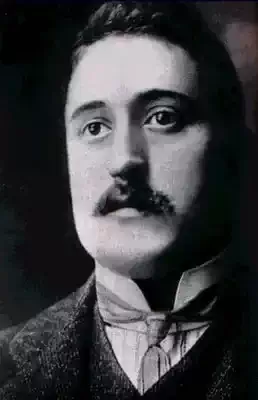
Guillaume Apollinaire
Shadow
Here you are beside me again
Memories of my companions killed in the war
The olive-branch of time
Memories that make only a single memory
As a hundred skins make only a single coat
As these thousands of wounds make only a single
newspaper article
Impalpable and ark presence who have assumed
the changing shape of my shadow
an Indian on the watch through all Eternity
shadow you creep beside me
but you do not hear me any more
you will not know any more the divine poems I sing
but I hear you still and see you still
Destinies
Multiple shadows may the sun preserve you
You who love me so much that you will never leave me
And who dance in the sun without stirring the dust
Shadow ink of the sun
Signature of my light
Holder of sorrows
A god that condescends.
Read more →
Memories of my companions killed in the war
The olive-branch of time
Memories that make only a single memory
As a hundred skins make only a single coat
As these thousands of wounds make only a single
newspaper article
Impalpable and ark presence who have assumed
the changing shape of my shadow
an Indian on the watch through all Eternity
shadow you creep beside me
but you do not hear me any more
you will not know any more the divine poems I sing
but I hear you still and see you still
Destinies
Multiple shadows may the sun preserve you
You who love me so much that you will never leave me
And who dance in the sun without stirring the dust
Shadow ink of the sun
Signature of my light
Holder of sorrows
A god that condescends.
1,282
8
John Donne
Ascension
Salute the last and everlasting day,
Joy at th' uprising of this Sun, and Son,
Ye whose true tears, or tribulation
Have purely wash'd, or burnt your drossy clay.
Behold, the Highest, parting hence away,
Lightens the dark clouds, which He treads upon ;
Nor doth He by ascending show alone,
But first He, and He first enters the way.
O strong Ram, which hast batter'd heaven for me !
Mild Lamb, which with Thy Blood hast mark'd the path !
Bright Torch, which shinest, that I the way may see !
O, with Thy own Blood quench Thy own just wrath ;
And if Thy Holy Spirit my Muse did raise,
Deign at my hands this crown of prayer and praise.
Read more →
Joy at th' uprising of this Sun, and Son,
Ye whose true tears, or tribulation
Have purely wash'd, or burnt your drossy clay.
Behold, the Highest, parting hence away,
Lightens the dark clouds, which He treads upon ;
Nor doth He by ascending show alone,
But first He, and He first enters the way.
O strong Ram, which hast batter'd heaven for me !
Mild Lamb, which with Thy Blood hast mark'd the path !
Bright Torch, which shinest, that I the way may see !
O, with Thy own Blood quench Thy own just wrath ;
And if Thy Holy Spirit my Muse did raise,
Deign at my hands this crown of prayer and praise.
410
8

Elizabeth Barrett Browning
XXIV
Let the world's sharpness, like a clasping knife,
Shut in upon itself and do no harm
In this close hand of Love, now soft and warm,
And let us hear no sound of human strife
After the click of the shutting. Life to life--
I lean upon thee, Dear, without alarm,
And feel as safe as guarded by a charm
Against the stab of worldlings, who if rife
Are weak to injure. Very whitely still
The lilies of our lives may reassure
Their blossoms from their roots, accessible
Alone to heavenly dews that drop not fewer,
Growing straight, out of man's reach, on the hill.
God only, who made us rich, can make us poor.
Read more →
Shut in upon itself and do no harm
In this close hand of Love, now soft and warm,
And let us hear no sound of human strife
After the click of the shutting. Life to life--
I lean upon thee, Dear, without alarm,
And feel as safe as guarded by a charm
Against the stab of worldlings, who if rife
Are weak to injure. Very whitely still
The lilies of our lives may reassure
Their blossoms from their roots, accessible
Alone to heavenly dews that drop not fewer,
Growing straight, out of man's reach, on the hill.
God only, who made us rich, can make us poor.
1,838
8