
Soul

Walt Whitman
I Hear America Singing
I Hear America singing, the varied carols I hear;
Those of mechanics--each one singing his, as it should be, blithe and strong;
The carpenter singing his, as he measures his plank or beam,
The mason singing his, as he makes ready for work, or leaves off work;
The boatman singing what belongs to him in his boat--the deckhand singing on the
steamboat deck;
The shoemaker singing as he sits on his bench--the hatter singing as he stands;
The wood-cutter's song--the ploughboy's, on his way in the morning, or at the noon
intermission, or at sundown;
The delicious singing of the mother--or of the young wife at work--or of the girl
sewing or washing--Each singing what belongs to her, and to none else;
The day what belongs to the day--At night, the party of young fellows, robust,
friendly,
Singing, with open mouths, their strong melodious songs.
Read more →
Those of mechanics--each one singing his, as it should be, blithe and strong;
The carpenter singing his, as he measures his plank or beam,
The mason singing his, as he makes ready for work, or leaves off work;
The boatman singing what belongs to him in his boat--the deckhand singing on the
steamboat deck;
The shoemaker singing as he sits on his bench--the hatter singing as he stands;
The wood-cutter's song--the ploughboy's, on his way in the morning, or at the noon
intermission, or at sundown;
The delicious singing of the mother--or of the young wife at work--or of the girl
sewing or washing--Each singing what belongs to her, and to none else;
The day what belongs to the day--At night, the party of young fellows, robust,
friendly,
Singing, with open mouths, their strong melodious songs.
576

Henry Wadsworth Longfellow
A Psalm of Life
Tell me not in mournful numbers,
Life is but an empty dream!
For the soul is dead that slumbers,
And things are not what they seem.
Life is real! Life is earnest!
And the grave is not its goal;
Dust thou are, to dust thou returnest,
Was not spoken of the soul.
Not enjoyment, and not sorrow,
Is our destined end or way;
But to act, that each tomorrow
Find us farther than today.
Art is long, and Time is fleeting,
And our hearts, though stout and brave,
Still, like muffled drums, are beating
Funeral marches to the grave.
In the world's broad field of battle,
In the bivouac of Life,
Be not like dumb, driven cattle!
Be a hero in the strife!
Trust no Future, howe'er pleasant!
Let the dead Past bury its dead!
Act, - act in the living Present!
Heart within, and God o'erhead!
Lives of great men all remind us
We can make our lives sublime,
And, departing, leave behind us
Footprints on the sand of time;
Footprints, that perhaps another,
Sailing o'er life's solenm main,
A forlorn and shipwrecked brother,
Seeing, shall take heart again.
Let us then be up and doing,
With a heart for any fate;
Still achieving, still pursuing,
Learn to labor and to wait.
Read more →
Life is but an empty dream!
For the soul is dead that slumbers,
And things are not what they seem.
Life is real! Life is earnest!
And the grave is not its goal;
Dust thou are, to dust thou returnest,
Was not spoken of the soul.
Not enjoyment, and not sorrow,
Is our destined end or way;
But to act, that each tomorrow
Find us farther than today.
Art is long, and Time is fleeting,
And our hearts, though stout and brave,
Still, like muffled drums, are beating
Funeral marches to the grave.
In the world's broad field of battle,
In the bivouac of Life,
Be not like dumb, driven cattle!
Be a hero in the strife!
Trust no Future, howe'er pleasant!
Let the dead Past bury its dead!
Act, - act in the living Present!
Heart within, and God o'erhead!
Lives of great men all remind us
We can make our lives sublime,
And, departing, leave behind us
Footprints on the sand of time;
Footprints, that perhaps another,
Sailing o'er life's solenm main,
A forlorn and shipwrecked brother,
Seeing, shall take heart again.
Let us then be up and doing,
With a heart for any fate;
Still achieving, still pursuing,
Learn to labor and to wait.
1,423

John Milton
Sonnet 16
XVI
When I consider how my light is spent,
E're half my days, in this dark world and wide,
And that one Talent which is death to hide,
Lodg'd with me useless, though my Soul more bent
To serve therewith my Maker, and present
My true account, least he returning chide,
Doth God exact day-labour, light deny'd,
I fondly ask; But patience to prevent
That murmur, soon replies, God doth not need
Either man's work or his own gifts, who best
Bear his milde yoak, they serve him best, his State
Is Kingly. Thousands at his bidding speed
And post o're Land and Ocean without rest:
They also serve who only stand and waite.
Read more →
When I consider how my light is spent,
E're half my days, in this dark world and wide,
And that one Talent which is death to hide,
Lodg'd with me useless, though my Soul more bent
To serve therewith my Maker, and present
My true account, least he returning chide,
Doth God exact day-labour, light deny'd,
I fondly ask; But patience to prevent
That murmur, soon replies, God doth not need
Either man's work or his own gifts, who best
Bear his milde yoak, they serve him best, his State
Is Kingly. Thousands at his bidding speed
And post o're Land and Ocean without rest:
They also serve who only stand and waite.
596

John Keats
Ode on Melancholy
No, no! go not to Lethe, neither twist
Wolf's-bane, tight-rooted, for its poisonous wine;
Nor suffer thy pale forehead to be kissed
By nightshade, ruby grape of Proserpine;
Make not your rosary of yew-berries,
Nor let the beetle nor the death-moth be
Your mournful Psyche, nor the downy owl
A partner in your sorrow's mysteries;
For shade to shade will come too drowsily,
And drown the wakeful anguish of the soul.
But when the melancholy fit shall fall
Sudden from heaven like a weeping cloud,
That fosters the droop-headed flowers all,
And hides the green hill in an April shroud;
Then glut thy sorrow on a morning rose,
Or on the rainbow of the salt sand-wave,
Or on the wealth of globed peonies;
Or if thy mistress some rich anger shows,
Emprison her soft hand, and let her rave,
And feed deep, deep upon her peerless eyes.
She dwells with Beauty -- Beauty that must die;
And Joy, whose hand is ever at his lips
Bidding adieu; and aching Pleasure nigh,
Turning to poison while the bee-mouth sips;
Ay, in the very temple of delight
Veiled Melancholy has her sovran shrine,
Though seen of none save him whose strenuous
tongue
Can burst Joy's grape against his palate fine;
His soul shall taste the sadness of her might,
And be among her cloudy trophies hung.
Read more →
Wolf's-bane, tight-rooted, for its poisonous wine;
Nor suffer thy pale forehead to be kissed
By nightshade, ruby grape of Proserpine;
Make not your rosary of yew-berries,
Nor let the beetle nor the death-moth be
Your mournful Psyche, nor the downy owl
A partner in your sorrow's mysteries;
For shade to shade will come too drowsily,
And drown the wakeful anguish of the soul.
But when the melancholy fit shall fall
Sudden from heaven like a weeping cloud,
That fosters the droop-headed flowers all,
And hides the green hill in an April shroud;
Then glut thy sorrow on a morning rose,
Or on the rainbow of the salt sand-wave,
Or on the wealth of globed peonies;
Or if thy mistress some rich anger shows,
Emprison her soft hand, and let her rave,
And feed deep, deep upon her peerless eyes.
She dwells with Beauty -- Beauty that must die;
And Joy, whose hand is ever at his lips
Bidding adieu; and aching Pleasure nigh,
Turning to poison while the bee-mouth sips;
Ay, in the very temple of delight
Veiled Melancholy has her sovran shrine,
Though seen of none save him whose strenuous
tongue
Can burst Joy's grape against his palate fine;
His soul shall taste the sadness of her might,
And be among her cloudy trophies hung.
671

William Butler Yeats
The Stolen Child
Where dips the rocky highland
Of Sleuth Wood in the lake,
There lies a leafy island
Where flapping herons wake
The drowsy water rats;
There we've hid our faery vats,
Full of berrys
And of reddest stolen cherries.
Come away, O human child!
To the waters and the wild
With a faery, hand in hand,
For the world's more full of weeping than you can understand.
Where the wave of moonlight glosses
The dim gray sands with light,
Far off by furthest Rosses
We foot it all the night,
Weaving olden dances
Mingling hands and mingling glances
Till the moon has taken flight;
To and fro we leap
And chase the frothy bubbles,
While the world is full of troubles
And anxious in its sleep.
Come away, O human child!
To the waters and the wild
With a faery, hand in hand,
For the world's more full of weeping than you can understand.
Where the wandering water gushes
From the hills above Glen-Car,
In pools among the rushes
That scarce could bathe a star,
We seek for slumbering trout
And whispering in their ears
Give them unquiet dreams;
Leaning softly out
From ferns that dropp their tears
Over the young streams.
Come away, O human child!
To the waters and the wild
With a faery, hand in hand,
For the world's more full of weeping than you can understand.
Away with us he's going,
The solemn-eyed:
He'll hear no more the lowing
Of the calves on the warm hillside
Or the kettle on the hob
Sing peace into his breast,
Or see the brown mice bob
Round and round the oatmeal chest.
For he comes, the human child,
To the waters and the wild
With a faery, hand in hand,
For the world's more full of weeping than he can understand.
Read more →
Of Sleuth Wood in the lake,
There lies a leafy island
Where flapping herons wake
The drowsy water rats;
There we've hid our faery vats,
Full of berrys
And of reddest stolen cherries.
Come away, O human child!
To the waters and the wild
With a faery, hand in hand,
For the world's more full of weeping than you can understand.
Where the wave of moonlight glosses
The dim gray sands with light,
Far off by furthest Rosses
We foot it all the night,
Weaving olden dances
Mingling hands and mingling glances
Till the moon has taken flight;
To and fro we leap
And chase the frothy bubbles,
While the world is full of troubles
And anxious in its sleep.
Come away, O human child!
To the waters and the wild
With a faery, hand in hand,
For the world's more full of weeping than you can understand.
Where the wandering water gushes
From the hills above Glen-Car,
In pools among the rushes
That scarce could bathe a star,
We seek for slumbering trout
And whispering in their ears
Give them unquiet dreams;
Leaning softly out
From ferns that dropp their tears
Over the young streams.
Come away, O human child!
To the waters and the wild
With a faery, hand in hand,
For the world's more full of weeping than you can understand.
Away with us he's going,
The solemn-eyed:
He'll hear no more the lowing
Of the calves on the warm hillside
Or the kettle on the hob
Sing peace into his breast,
Or see the brown mice bob
Round and round the oatmeal chest.
For he comes, the human child,
To the waters and the wild
With a faery, hand in hand,
For the world's more full of weeping than he can understand.
739

William Shakespeare
Sonnet 29: When in disgrace with fortune and men's eyes
When in disgrace with fortune and men's eyes,
I all alone beweep my outcast state,
And trouble deaf heaven with my bootless cries,
And look upon myself and curse my fate,
wishing me like to one more rich in hope,
Featured like him, like him with friends possessed,
Desiring this man's art, and that man's scope,
With what I most enjoy contented least;
Yet in these thoughts myself almost despising,
Haply I think on thee--and then my state,
Like to the lark at break of day arising
From sullen earth sings hymns at heaven's gate;
For thy sweet love remembered such wealth brings,
That then I scorn to change my state with kings.
Read more →
I all alone beweep my outcast state,
And trouble deaf heaven with my bootless cries,
And look upon myself and curse my fate,
wishing me like to one more rich in hope,
Featured like him, like him with friends possessed,
Desiring this man's art, and that man's scope,
With what I most enjoy contented least;
Yet in these thoughts myself almost despising,
Haply I think on thee--and then my state,
Like to the lark at break of day arising
From sullen earth sings hymns at heaven's gate;
For thy sweet love remembered such wealth brings,
That then I scorn to change my state with kings.
1,348

William Wordsworth
I Wandered Lonely as a Cloud
I wandered lonely as a cloud
That floats on high o'er vales and hills,
When all at once I saw a crowd,
A host, of golden daffodils;
Beside the lake, beneath the trees,
Fluttering and dancing in the breeze.
Continuous as the stars that shine
And twinkle on the milky way,
They stretched in never-ending line
Along the margin of a bay:
Ten thousand saw I at a glance,
Tossing their heads in sprightly dance.
The waves beside them danced; but they
Out-did the sparkling waves in glee:
A poet could not but be gay,
In such a jocund company:
I gazed---and gazed---but little thought
What wealth the show to me had brought:
For oft, when on my couch I lie
In vacant or in pensive mood,
They flash upon that inward eye
Which is the bliss of solitude;
And then my heart with pleasure fills,
And dances with the daffodils.
Read more →
That floats on high o'er vales and hills,
When all at once I saw a crowd,
A host, of golden daffodils;
Beside the lake, beneath the trees,
Fluttering and dancing in the breeze.
Continuous as the stars that shine
And twinkle on the milky way,
They stretched in never-ending line
Along the margin of a bay:
Ten thousand saw I at a glance,
Tossing their heads in sprightly dance.
The waves beside them danced; but they
Out-did the sparkling waves in glee:
A poet could not but be gay,
In such a jocund company:
I gazed---and gazed---but little thought
What wealth the show to me had brought:
For oft, when on my couch I lie
In vacant or in pensive mood,
They flash upon that inward eye
Which is the bliss of solitude;
And then my heart with pleasure fills,
And dances with the daffodils.
1,089

Philip Larkin
Aubade
I work all day, and get half-drunk at night.
Waking at four to soundless dark, I stare.
In time the curtain-edges will grow light.
Till then I see whats really always there:
Unresting death, a whole day nearer now,
Making all thought impossible but how
And where and when I shall myself die.
Arid interrogation: yet the dread
Of dying, and being dead,
Flashes afresh to hold and horrify.
The mind blanks at the glare. Not in remorse
-- The good not done, the love not givenn, time
Torn off unused -- nor wretchedly because
An only life can take so long to climb
Clear of its wrong beginnings, and may never;
But the total emptiness for ever,
The sure extinction that we travel to
And shall be lost in always. Not to be here,
Not to be anywhere,
And soon; nothing more terrible, nothing more true.
This is a special way of being afraid
No trick dispels. Religion used to try,
That vast moth-eaten musical brocade
Created to pretend we never die,
And specious stuff that says No rational being
Can fear a thing it will not feel, not seeing
That this is what we fear -- no sight, no sound,
No touch or taste or smell, nothing to think with,
Nothing to love or link with,
The anaesthetic from which none come round.
And so it stays just on the edge of vision,
A small unfocused blur, a standing chill
That slows each impulse down to indecision.
Most things may never happen: this one will,
And realisation of its rages out
In furnace-fear when we are caught without
People or drink. Courage is no good:
It means not scaring others. Being brave
Lets no one off the grave.
Death is no different whined at than withstood.
Slowly light strengthens, and the room takes shape.
It stands plain as a wardrobe, what we know,
Have always known, know that we cant escape,
Yet cant accept. One side will have to go.
Meanwhile telephones crouch, getting ready to ring
In locked-up offices, and all the uncaring
Intricate rented world beings to rouse.
The sky is white as clay, with no sun.
Work has to be done.
Postmen like doctors go from house to house.
Read more →
Waking at four to soundless dark, I stare.
In time the curtain-edges will grow light.
Till then I see whats really always there:
Unresting death, a whole day nearer now,
Making all thought impossible but how
And where and when I shall myself die.
Arid interrogation: yet the dread
Of dying, and being dead,
Flashes afresh to hold and horrify.
The mind blanks at the glare. Not in remorse
-- The good not done, the love not givenn, time
Torn off unused -- nor wretchedly because
An only life can take so long to climb
Clear of its wrong beginnings, and may never;
But the total emptiness for ever,
The sure extinction that we travel to
And shall be lost in always. Not to be here,
Not to be anywhere,
And soon; nothing more terrible, nothing more true.
This is a special way of being afraid
No trick dispels. Religion used to try,
That vast moth-eaten musical brocade
Created to pretend we never die,
And specious stuff that says No rational being
Can fear a thing it will not feel, not seeing
That this is what we fear -- no sight, no sound,
No touch or taste or smell, nothing to think with,
Nothing to love or link with,
The anaesthetic from which none come round.
And so it stays just on the edge of vision,
A small unfocused blur, a standing chill
That slows each impulse down to indecision.
Most things may never happen: this one will,
And realisation of its rages out
In furnace-fear when we are caught without
People or drink. Courage is no good:
It means not scaring others. Being brave
Lets no one off the grave.
Death is no different whined at than withstood.
Slowly light strengthens, and the room takes shape.
It stands plain as a wardrobe, what we know,
Have always known, know that we cant escape,
Yet cant accept. One side will have to go.
Meanwhile telephones crouch, getting ready to ring
In locked-up offices, and all the uncaring
Intricate rented world beings to rouse.
The sky is white as clay, with no sun.
Work has to be done.
Postmen like doctors go from house to house.
1,135
William Shakespeare
Sonnet 73: That time of year thou mayst in me behold
That time of year thou mayst in me behold
When yellow leaves, or none, or few, do hang
Upon those boughs which shake against the cold,
Bare ruin'd choirs, where late the sweet birds sang.
In me thou seest the twilight of such day
As after sunset fadeth in the west,
Which by and by black night doth take away,
Death's second self, that seals up all in rest.
In me thou see'st the glowing of such fire
That on the ashes of his youth doth lie,
As the death-bed whereon it must expire
Consumed with that which it was nourish'd by.
This thou perceivest, which makes thy love more strong,
To love that well which thou must leave ere long.
Read more →
When yellow leaves, or none, or few, do hang
Upon those boughs which shake against the cold,
Bare ruin'd choirs, where late the sweet birds sang.
In me thou seest the twilight of such day
As after sunset fadeth in the west,
Which by and by black night doth take away,
Death's second self, that seals up all in rest.
In me thou see'st the glowing of such fire
That on the ashes of his youth doth lie,
As the death-bed whereon it must expire
Consumed with that which it was nourish'd by.
This thou perceivest, which makes thy love more strong,
To love that well which thou must leave ere long.
790

Alfred Lord Tennyson
The Eagle
He clasps the crag with crooked hands;
Close to the sun in lonely lands,
Ring'd with the azure world, he stands.
The wrinkled sea beneath him crawls;
He watches from his mountain walls,
And like a thunderbolt he falls.
Read more →
Close to the sun in lonely lands,
Ring'd with the azure world, he stands.
The wrinkled sea beneath him crawls;
He watches from his mountain walls,
And like a thunderbolt he falls.
1,212
William Butler Yeats
Easter, 1916
I have met them at close of day
Coming with vivid faces
From counter or desk among grey
Eighteenth-century houses.
I have passed with a nod of the head
Or polite meaningless words,
Or have lingered awhile and said
Polite meaningless words,
And thought before I had done
Of a mocking tale or a gibe
To please a companion
Around the fire at the club,
Being certain that they and I
But lived where motley is worn:
All changed, changed utterly:
A terrible beauty is born.
That woman's days were spent
In ignorant good-will,
Her nights in argument
Until her voice grew shrill.
What voice more sweet than hers
When, young and beautiful,
She rode to harriers?
This man had kept a school
And rode our winged horse;
This other his helper and friend
Was coming into his force;
He might have won fame in the end,
So sensitive his nature seemed,
So daring and sweet his thought.
This other man I had dreamed
A drunken, vainglorious lout.
He had done most bitter wrong
To some who are near my heart,
Yet I number him in the song;
He, too, has resigned his part
In the casual comedy;
He, too, has been changed in his turn,
Transformed utterly:
A terrible beauty is born.
Hearts with one purpose alone
Through summer and winter seem
Enchanted to a stone
To trouble the living stream.
The horse that comes from the road.
The rider, the birds that range
From cloud to tumbling cloud,
Minute by minute they change;
A shadow of cloud on the stream
Changes minute by minute;
A horse-hoof slides on the brim,
And a horse plashes within it;
The long-legged moor-hens dive,
And hens to moor-cocks call;
Minute by minute they live:
The stone's in the midst of all.
Too long a sacrifice
Can make a stone of the heart.
O when may it suffice?
That is Heaven's part, our part
To murmur name upon name,
As a mother names her child
When sleep at last has come
On limbs that had run wild.
What is it but nightfall?
No, no, not night but death;
Was it needless death after all?
For England may keep faith
For all that is done and said.
We know their dream; enough
To know they dreamed and are dead;
And what if excess of love
Bewildered them till they died?
I write it out in a verse -
MacDonagh and MacBride
And Connolly and pearse
Now and in time to be,
Wherever green is worn,
Are changed, changed utterly:
A terrible beauty is born.
Read more →
Coming with vivid faces
From counter or desk among grey
Eighteenth-century houses.
I have passed with a nod of the head
Or polite meaningless words,
Or have lingered awhile and said
Polite meaningless words,
And thought before I had done
Of a mocking tale or a gibe
To please a companion
Around the fire at the club,
Being certain that they and I
But lived where motley is worn:
All changed, changed utterly:
A terrible beauty is born.
That woman's days were spent
In ignorant good-will,
Her nights in argument
Until her voice grew shrill.
What voice more sweet than hers
When, young and beautiful,
She rode to harriers?
This man had kept a school
And rode our winged horse;
This other his helper and friend
Was coming into his force;
He might have won fame in the end,
So sensitive his nature seemed,
So daring and sweet his thought.
This other man I had dreamed
A drunken, vainglorious lout.
He had done most bitter wrong
To some who are near my heart,
Yet I number him in the song;
He, too, has resigned his part
In the casual comedy;
He, too, has been changed in his turn,
Transformed utterly:
A terrible beauty is born.
Hearts with one purpose alone
Through summer and winter seem
Enchanted to a stone
To trouble the living stream.
The horse that comes from the road.
The rider, the birds that range
From cloud to tumbling cloud,
Minute by minute they change;
A shadow of cloud on the stream
Changes minute by minute;
A horse-hoof slides on the brim,
And a horse plashes within it;
The long-legged moor-hens dive,
And hens to moor-cocks call;
Minute by minute they live:
The stone's in the midst of all.
Too long a sacrifice
Can make a stone of the heart.
O when may it suffice?
That is Heaven's part, our part
To murmur name upon name,
As a mother names her child
When sleep at last has come
On limbs that had run wild.
What is it but nightfall?
No, no, not night but death;
Was it needless death after all?
For England may keep faith
For all that is done and said.
We know their dream; enough
To know they dreamed and are dead;
And what if excess of love
Bewildered them till they died?
I write it out in a verse -
MacDonagh and MacBride
And Connolly and pearse
Now and in time to be,
Wherever green is worn,
Are changed, changed utterly:
A terrible beauty is born.
641

Elizabeth Barrett Browning
Sonnet XLIII: How Do I Love Thee?
How do I love thee? Let me count the ways.
I love thee to the depth and breadth and height
My soul can reach, when feeling out of sight
For the ends of being and ideal grace.
I love thee to the level of every day's
Most quiet need, by sun and candle-light.
I love thee freely, as men strive for right.
I love thee purely, as they turn from praise.
I love thee with the passion put to use
In my old griefs, and with my childhood's faith.
I love thee with a love I seemed to lose
With my lost saints. I love thee with the breath,
Smiles, tears, of all my life; and, if God choose,
I shall but love thee better after death.
Read more →
I love thee to the depth and breadth and height
My soul can reach, when feeling out of sight
For the ends of being and ideal grace.
I love thee to the level of every day's
Most quiet need, by sun and candle-light.
I love thee freely, as men strive for right.
I love thee purely, as they turn from praise.
I love thee with the passion put to use
In my old griefs, and with my childhood's faith.
I love thee with a love I seemed to lose
With my lost saints. I love thee with the breath,
Smiles, tears, of all my life; and, if God choose,
I shall but love thee better after death.
1,685
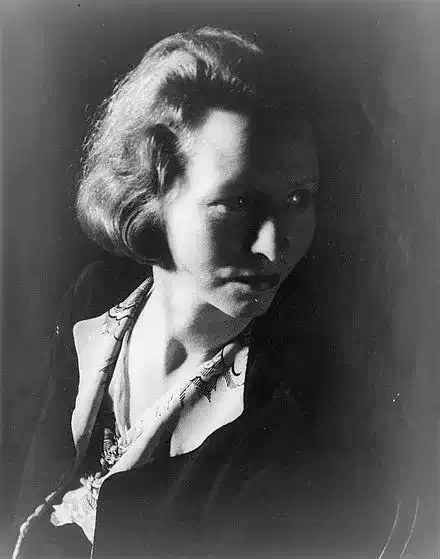
Edna St. Vincent Millay
Renascence
All I could see from where I stood
Was three long mountains and a wood;
I turned and looked another way,
And saw three islands in a bay.
So with my eyes I traced the line
Of the horizon, thin and fine,
Straight around till I was come
Back to where I'd started from;
And all I saw from where I stood
Was three long mountains and a wood.
Over these things I could not see;
These were the things that bounded me;
And I could touch them with my hand,
Almost, I thought, from where I stand.
And all at once things seemed so small
My breath came short, and scarce at all.
But, sure, the sky is big, I said;
Miles and miles above my head;
So here upon my back I'll lie
And look my fill into the sky.
And so I looked, and, after all,
The sky was not so very tall.
The sky, I said, must somewhere stop,
And -- sure enough! -- I see the top!
The sky, I thought, is not so grand;
I 'most could touch it with my hand!
And, reaching up my hand to try,
I screamed to feel it touch the sky.
I screamed, and -- lo! -- Infinity
Came down and settled over me;
And, pressing of the Undefined
The definition on my mind,
Held up before my eyes a glass
Through which my shrinking sight did pass
Until it seemed I must behold
Immensity made manifold;
Whispered to me a word whose sound
Deafened the air for worlds around,
And brought unmuffled to my ears
The gossiping of friendly spheres,
The creaking of the tented sky,
The ticking of Eternity.
I saw and heard, and knew at last
The How and Why of all things, past,
And present, and forevermore.
The universe, cleft to the core,
Lay open to my probing sense
That, sick'ning, I would fain pluck thence
But could not, -- nay! But needs must suck
At the great wound, and could not pluck
My lips away till I had drawn
All venom out. -- Ah, fearful pawn!
For my omniscience paid I toll
In infinite remorse of soul.
All sin was of my sinning, all
Atoning mine, and mine the gall
Of all regret. Mine was the weight
Of every brooded wrong, the hate
That stood behind each envious thrust,
Mine every greed, mine every lust.
And all the while for every grief,
Each suffering, I craved relief
With individual desire, --
Craved all in vain! And felt fierce fire
About a thousand people crawl;
Perished with each, -- then mourned for all!
A man was starving in Capri;
He moved his eyes and looked at me;
I felt his gaze, I heard his moan,
And knew his hunger as my own.
I saw at sea a great fog-bank
Between two ships that struck and sank;
A thousand screams the heavens smote;
And every scream tore through my throat.
No hurt I did not feel, no death
That was not mine; mine each last breath
That, crying, met an answering cry
From the compassion that was I.
All suffering mine, and mine its rod;
Mine, pity like the pity of God.
Ah, awful weight! Infinity
Pressed down upon the finite Me!
My anguished spirit, like a bird,
Beating against my lips I heard;
Yet lay the weight so close about
There was no room for it without.
And so beneath the Weight lay I
And suffered death, but could not die.
Long had I lain thus, craving death,
When quietly the earth beneath
Gave way, and inch by inch, so great
At last had grown the crushing weight,
Into the earth I sank till I
Full six feet under ground did lie,
And sank no more, -- there is no weight
Can follow here, however great.
From off my breast I felt it roll,
And as it went my tortured soul
Burst forth and fled in such a gust
That all about me swirled the dust.
Deep in the earth I rested now;
Cool is its hand upon the brow
And soft its breast beneath the head
Of one who is so gladly dead.
And all at once, and over all,
The pitying rain began to fall;
I lay and heard each pattering hoof
Upon my lowly, thatched roof,
And seemed to love the sound far more
Than ever I had done before.
For rain it hath a friendly sound
To one who's six feet underground;
And scarce the friendly voice or face:
A grave is such a quiet place.
The rain, I said, is kind to come
And speak to me in my new home.
I would I were alive again
To kiss the fingers of the rain,
To drink into my eyes the shine
Of every slanting silver line,
To catch the freshened, fragrant breeze
From drenched and dripping apple-trees.
For soon the shower will be done,
And then the broad face of the sun
Will laugh above the rain-soaked earth
Until the world with answering mirth
Shakes joyously, and each round drop
Rolls, twinkling, from its grass-blade top.
How can I bear it; buried here,
While overhead the sky grows clear
And blue again after the storm?
O, multi-colored, multiform,
Beloved beauty over me,
That I shall never, never see
Again! Spring-silver, autumn-gold,
That I shall never more behold!
Sleeping your myriad magics through,
Close-sepulchred away from you!
O God, I cried, give me new birth,
And put me back upon the earth!
Upset each cloud's gigantic gourd
And let the heavy rain, down-poured
In one big torrent, set me free,
Washing my grave away from me!
I ceased; and, through the breathless hush
That answered me, the far-off rush
Of herald wings came whispering
Like music down the vibrant string
Of my ascending prayer, and -- crash!
Before the wild wind's whistling lash
The startled storm-clouds reared on high
And plunged in terror down the sky,
And the big rain in one black wave
Fell from the sky and struck my grave.
I know not how such things can be
I only know there came to me
A fragrance such as never clings
To aught save happy living things;
A sound as of some joyous elf
Singing sweet songs to please himself,
And, through and over everything,
A sense of glad awakening.
The grass, a-tiptoe at my ear,
Whispering to me I could hear;
I felt the rain's cool finger-tips
Brushed tenderly across my lips,
Laid gently on my sealed sight,
And all at once the heavy night
Fell from my eyes and I could see, --
A drenched and dripping apple-tree,
A last long line of silver rain,
A sky grown clear and blue again.
And as I looked a quickening gust
Of wind blew up to me and thrust
Into my face a miracle
Of orchard-breath, and with the smell, --
I know not how such things can be! --
I breathed my soul back into me.
Ah! Up then from the ground sprang I
And hailed the earth with such a cry
As is not heard save from a man
Who has been dead, and lives again.
About the trees my arms I wound;
Like one gone mad I hugged the ground;
I raised my quivering arms on high;
I laughed and laughed into the sky,
Till at my throat a strangling sob
Caught fiercely, and a great heart-throb
Sent instant tears into my eyes;
O God, I cried, no dark disguise
Can e'er hereafter hide from me
Thy radiant identity!
Thou canst not move across the grass
But my quick eyes will see Thee pass,
Nor speak, however silently,
But my hushed voice will answer Thee.
I know the path that tells Thy way
Through the cool eve of every day;
God, I can push the grass apart
And lay my finger on Thy heart!
The world stands out on either side
No wider than the heart is wide;
Above the world is stretched the sky, --
No higher than the soul is high.
The heart can push the sea and land
Farther away on either hand;
The soul can split the sky in two,
And let the face of God shine through.
But East and West will pinch the heart
That cannot keep them pushed apart;
And he whose soul is flat -- the sky
Will cave in on him by and by.
Read more →
Was three long mountains and a wood;
I turned and looked another way,
And saw three islands in a bay.
So with my eyes I traced the line
Of the horizon, thin and fine,
Straight around till I was come
Back to where I'd started from;
And all I saw from where I stood
Was three long mountains and a wood.
Over these things I could not see;
These were the things that bounded me;
And I could touch them with my hand,
Almost, I thought, from where I stand.
And all at once things seemed so small
My breath came short, and scarce at all.
But, sure, the sky is big, I said;
Miles and miles above my head;
So here upon my back I'll lie
And look my fill into the sky.
And so I looked, and, after all,
The sky was not so very tall.
The sky, I said, must somewhere stop,
And -- sure enough! -- I see the top!
The sky, I thought, is not so grand;
I 'most could touch it with my hand!
And, reaching up my hand to try,
I screamed to feel it touch the sky.
I screamed, and -- lo! -- Infinity
Came down and settled over me;
And, pressing of the Undefined
The definition on my mind,
Held up before my eyes a glass
Through which my shrinking sight did pass
Until it seemed I must behold
Immensity made manifold;
Whispered to me a word whose sound
Deafened the air for worlds around,
And brought unmuffled to my ears
The gossiping of friendly spheres,
The creaking of the tented sky,
The ticking of Eternity.
I saw and heard, and knew at last
The How and Why of all things, past,
And present, and forevermore.
The universe, cleft to the core,
Lay open to my probing sense
That, sick'ning, I would fain pluck thence
But could not, -- nay! But needs must suck
At the great wound, and could not pluck
My lips away till I had drawn
All venom out. -- Ah, fearful pawn!
For my omniscience paid I toll
In infinite remorse of soul.
All sin was of my sinning, all
Atoning mine, and mine the gall
Of all regret. Mine was the weight
Of every brooded wrong, the hate
That stood behind each envious thrust,
Mine every greed, mine every lust.
And all the while for every grief,
Each suffering, I craved relief
With individual desire, --
Craved all in vain! And felt fierce fire
About a thousand people crawl;
Perished with each, -- then mourned for all!
A man was starving in Capri;
He moved his eyes and looked at me;
I felt his gaze, I heard his moan,
And knew his hunger as my own.
I saw at sea a great fog-bank
Between two ships that struck and sank;
A thousand screams the heavens smote;
And every scream tore through my throat.
No hurt I did not feel, no death
That was not mine; mine each last breath
That, crying, met an answering cry
From the compassion that was I.
All suffering mine, and mine its rod;
Mine, pity like the pity of God.
Ah, awful weight! Infinity
Pressed down upon the finite Me!
My anguished spirit, like a bird,
Beating against my lips I heard;
Yet lay the weight so close about
There was no room for it without.
And so beneath the Weight lay I
And suffered death, but could not die.
Long had I lain thus, craving death,
When quietly the earth beneath
Gave way, and inch by inch, so great
At last had grown the crushing weight,
Into the earth I sank till I
Full six feet under ground did lie,
And sank no more, -- there is no weight
Can follow here, however great.
From off my breast I felt it roll,
And as it went my tortured soul
Burst forth and fled in such a gust
That all about me swirled the dust.
Deep in the earth I rested now;
Cool is its hand upon the brow
And soft its breast beneath the head
Of one who is so gladly dead.
And all at once, and over all,
The pitying rain began to fall;
I lay and heard each pattering hoof
Upon my lowly, thatched roof,
And seemed to love the sound far more
Than ever I had done before.
For rain it hath a friendly sound
To one who's six feet underground;
And scarce the friendly voice or face:
A grave is such a quiet place.
The rain, I said, is kind to come
And speak to me in my new home.
I would I were alive again
To kiss the fingers of the rain,
To drink into my eyes the shine
Of every slanting silver line,
To catch the freshened, fragrant breeze
From drenched and dripping apple-trees.
For soon the shower will be done,
And then the broad face of the sun
Will laugh above the rain-soaked earth
Until the world with answering mirth
Shakes joyously, and each round drop
Rolls, twinkling, from its grass-blade top.
How can I bear it; buried here,
While overhead the sky grows clear
And blue again after the storm?
O, multi-colored, multiform,
Beloved beauty over me,
That I shall never, never see
Again! Spring-silver, autumn-gold,
That I shall never more behold!
Sleeping your myriad magics through,
Close-sepulchred away from you!
O God, I cried, give me new birth,
And put me back upon the earth!
Upset each cloud's gigantic gourd
And let the heavy rain, down-poured
In one big torrent, set me free,
Washing my grave away from me!
I ceased; and, through the breathless hush
That answered me, the far-off rush
Of herald wings came whispering
Like music down the vibrant string
Of my ascending prayer, and -- crash!
Before the wild wind's whistling lash
The startled storm-clouds reared on high
And plunged in terror down the sky,
And the big rain in one black wave
Fell from the sky and struck my grave.
I know not how such things can be
I only know there came to me
A fragrance such as never clings
To aught save happy living things;
A sound as of some joyous elf
Singing sweet songs to please himself,
And, through and over everything,
A sense of glad awakening.
The grass, a-tiptoe at my ear,
Whispering to me I could hear;
I felt the rain's cool finger-tips
Brushed tenderly across my lips,
Laid gently on my sealed sight,
And all at once the heavy night
Fell from my eyes and I could see, --
A drenched and dripping apple-tree,
A last long line of silver rain,
A sky grown clear and blue again.
And as I looked a quickening gust
Of wind blew up to me and thrust
Into my face a miracle
Of orchard-breath, and with the smell, --
I know not how such things can be! --
I breathed my soul back into me.
Ah! Up then from the ground sprang I
And hailed the earth with such a cry
As is not heard save from a man
Who has been dead, and lives again.
About the trees my arms I wound;
Like one gone mad I hugged the ground;
I raised my quivering arms on high;
I laughed and laughed into the sky,
Till at my throat a strangling sob
Caught fiercely, and a great heart-throb
Sent instant tears into my eyes;
O God, I cried, no dark disguise
Can e'er hereafter hide from me
Thy radiant identity!
Thou canst not move across the grass
But my quick eyes will see Thee pass,
Nor speak, however silently,
But my hushed voice will answer Thee.
I know the path that tells Thy way
Through the cool eve of every day;
God, I can push the grass apart
And lay my finger on Thy heart!
The world stands out on either side
No wider than the heart is wide;
Above the world is stretched the sky, --
No higher than the soul is high.
The heart can push the sea and land
Farther away on either hand;
The soul can split the sky in two,
And let the face of God shine through.
But East and West will pinch the heart
That cannot keep them pushed apart;
And he whose soul is flat -- the sky
Will cave in on him by and by.
405
Walt Whitman
Song of Myself, I, II, VI & LII
I Celebrate myself, and sing myself,
And what I assume you shall assume,
For every atom belonging to me as good belongs to you.
I loafe and invite my soul,
I lean and loafe at my ease observing a spear of summer grass.
My tongue, every atom of my blood, form'd from this soil,
this air,
Born here of parents born here from parents the same, and
their parents the same,
I, now thirty-seven years old in perfect health begin,
Hoping to cease not till death.
Creeds and schools in abeyance,
Retiring back a while sufficed at what they are, but never
forgotten,
I harbor for good or bad, I permit to speak at every hazard,
Nature without check with original energy.
Read more →
And what I assume you shall assume,
For every atom belonging to me as good belongs to you.
I loafe and invite my soul,
I lean and loafe at my ease observing a spear of summer grass.
My tongue, every atom of my blood, form'd from this soil,
this air,
Born here of parents born here from parents the same, and
their parents the same,
I, now thirty-seven years old in perfect health begin,
Hoping to cease not till death.
Creeds and schools in abeyance,
Retiring back a while sufficed at what they are, but never
forgotten,
I harbor for good or bad, I permit to speak at every hazard,
Nature without check with original energy.
506
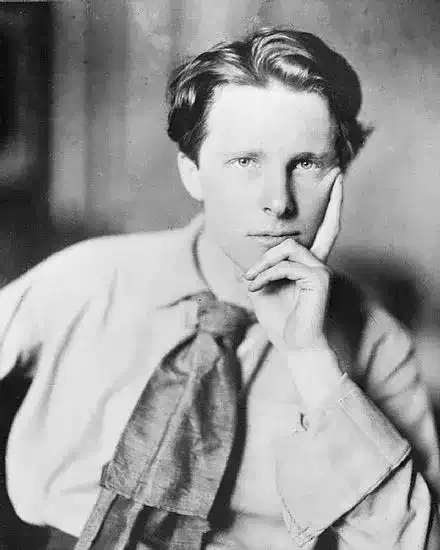
Rupert Brooke
V. The Soldier
If I should die, think only this of me:
That there's some corner of a foreign field
That is for ever England. There shall be
In that rich earth a richer dust concealed;
A dust whom England bore, shaped, made aware,
Gave, once, her flowers to love, her ways to roam,
A body of England's, breathing English air,
Washed by the rivers, blest by suns of home.
And think, this heart, all evil shed away,
A pulse in the eternal mind, no less
Gives somewhere back the thoughts by England given;
Her sights and sounds; dreams happy as her day;
And laughter, learnt of friends; and gentleness,
In hearts at peace, under an English heaven.
Read more →
That there's some corner of a foreign field
That is for ever England. There shall be
In that rich earth a richer dust concealed;
A dust whom England bore, shaped, made aware,
Gave, once, her flowers to love, her ways to roam,
A body of England's, breathing English air,
Washed by the rivers, blest by suns of home.
And think, this heart, all evil shed away,
A pulse in the eternal mind, no less
Gives somewhere back the thoughts by England given;
Her sights and sounds; dreams happy as her day;
And laughter, learnt of friends; and gentleness,
In hearts at peace, under an English heaven.
443
Wallace Stevens
The Snow Man
One must have a mind of winter
To regard the frost and the boughs
Of the pine-trees crusted with snow;
And have been cold a long time
To behold the junipers shagged with ice,
The spruces rough in the distant glitter
Of the January sun; and not to think
Of any misery in the sound of the wind,
In the sound of a few leaves,
Which is the sound of the land
Full of the same wind
That is blowing in the same bare place
For the listener, who listens in the snow,
And, nothing himself, beholds
Nothing that is not there and the nothing that is.
Read more →
To regard the frost and the boughs
Of the pine-trees crusted with snow;
And have been cold a long time
To behold the junipers shagged with ice,
The spruces rough in the distant glitter
Of the January sun; and not to think
Of any misery in the sound of the wind,
In the sound of a few leaves,
Which is the sound of the land
Full of the same wind
That is blowing in the same bare place
For the listener, who listens in the snow,
And, nothing himself, beholds
Nothing that is not there and the nothing that is.
360

Christina Rossetti
A Birthday
My heart is like a singing bird
Whose nest is in a water'd shoot;
My heart is like an apple-tree
Whose boughs are bent with thickset fruit;
My heart is like a rainbow shell
That paddles in a halcyon sea;
My heart is gladder than all these
Because my love is come to me.
Raise me a dais of silk and down;
Hang it with vair and purple dyes;
Carve it in doves and pomegranates,
And peacocks with a hundred eyes;
Work it in gold and silver grapes,
In leaves and silver fleurs-de-lys;
Because the birthday of my life
Is come, my love is come to me.
Read more →
Whose nest is in a water'd shoot;
My heart is like an apple-tree
Whose boughs are bent with thickset fruit;
My heart is like a rainbow shell
That paddles in a halcyon sea;
My heart is gladder than all these
Because my love is come to me.
Raise me a dais of silk and down;
Hang it with vair and purple dyes;
Carve it in doves and pomegranates,
And peacocks with a hundred eyes;
Work it in gold and silver grapes,
In leaves and silver fleurs-de-lys;
Because the birthday of my life
Is come, my love is come to me.
268
William Butler Yeats
When You Are Old
WHEN you are old and grey and full of sleep,
And nodding by the fire, take down this book,
And slowly read, and dream of the soft look
Your eyes had once, and of their shadows deep;
How many loved your moments of glad grace,
And loved your beauty with love false or true,
But one man loved the pilgrim Soul in you,
And loved the sorrows of your changing face;
And bending down beside the glowing bars,
Murmur, a little sadly, how Love fled
And paced upon the mountains overhead
And hid his face amid a crowd of stars.
Read more →
And nodding by the fire, take down this book,
And slowly read, and dream of the soft look
Your eyes had once, and of their shadows deep;
How many loved your moments of glad grace,
And loved your beauty with love false or true,
But one man loved the pilgrim Soul in you,
And loved the sorrows of your changing face;
And bending down beside the glowing bars,
Murmur, a little sadly, how Love fled
And paced upon the mountains overhead
And hid his face amid a crowd of stars.
377
Alfred Lord Tennyson
The Lady of Shalott
On either side the river lie
Long fields of barley and of rye,
That clothe the wold and meet the sky;
And through the field the road run by
To many-tower'd Camelot;
And up and down the people go,
Gazing where the lilies blow
Round an island there below,
The island of Shalott.
Willows whiten, aspens quiver,
Little breezes dusk and shiver
Through the wave that runs for ever
By the island in the river
Flowing down to Camelot.
Four grey walls, and four grey towers,
Overlook a space of flowers,
And the silent isle imbowers
The Lady of Shalott.
Only reapers, reaping early,
In among the beared barley
Hear a song that echoes cheerly
From the river winding clearly;
Down to tower'd Camelot;
And by the moon the reaper weary,
Piling sheaves in uplands airy,
Listening, whispers, " 'Tis the fairy
The Lady of Shalott."
There she weaves by night and day
A magic web with colours gay.
She has heard a whisper say,
A curse is on her if she stay
To look down to Camelot.
She knows not what the curse may be,
And so she weaveth steadily,
And little other care heat she,
The Lady of Shalott.
And moving through a mirror clear
That hangs before her all the year,
Shadows of the world appear.
There she sees the highway near
Winding down to Camelot;
And sometimes through the mirror blue
The knights come riding two and two.
She hath no loyal Knight and true,
The Lady of Shalott.
But in her web she still delights
To weave the mirror's magic sights,
For often through the silent nights
A funeral, with plumes and lights
And music, went to Camelot;
Or when the Moon was overhead,
Came two young lovers lately wed.
"I am half sick of shadows," said
The Lady of Shalott.
A bow-shot from her bower-eaves,
He rode between the barley sheaves,
The sun came dazzling thro' the leaves,
And flamed upon the brazen greaves
Of bold Sir Lancelot.
A red-cross knight for ever kneel'd
To a lady in his shield,
That sparkled on the yellow field,
Beside remote Shalott.
His broad clear brow in sunlight glow'd;
On burnish'd hooves his war-horse trode;
From underneath his helmet flow'd
His coal-black curls as on he rode,
As he rode down to Camelot.
From the bank and from the river
He flashed into the crystal mirror,
"Tirra lirra," by the river
Sang Sir Lancelot.
She left the web, she left the loom,
She made three paces through the room,
She saw the helmet and the plume,
She look'd down to Camelot.
Out flew the web and floated wide;
The mirror crack'd from side to side;
"The curse is come upon me," cried
The Lady of Shalott.
In the stormy east-wind straining,
The pale yellow woods were waning,
The broad stream in his banks complaining.
Heavily the low sky raining
Over tower'd Camelot;
Down she came and found a boat
Beneath a willow left afloat,
And around about the prow she wrote
The Lady of Shalott.
And down the river's dim expanse
Like some bold seer in a trance,
Seeing all his own mischance -
With a glassy countenance
Did she look to Camelot.
And at the closing of the day
She loosed the chain, and down she lay;
The broad stream bore her far away,
The Lady of Shalott.
Heard a carol, mournful, holy,
Chanted loudly, chanted lowly,
Till her blood was frozen slowly,
And her eyes were darkened wholly,
Turn'd to tower'd Camelot.
For ere she reach'd upon the tide
The first house by the water-side,
Singing in her song she died,
The Lady of Shalott.
Under tower and balcony,
By garden-wall and gallery,
A gleaming shape she floated by,
Dead-pale between the houses high,
Silent into Camelot.
Out upon the wharfs they came,
Knight and Burgher, Lord and Dame,
And around the prow they read her name,
The Lady of Shalott.
Who is this? And what is here?
And in the lighted palace near
Died the sound of royal cheer;
And they crossed themselves for fear,
All the Knights at Camelot;
But Lancelot mused a little space
He said, "She has a lovely face;
God in his mercy lend her grace,
The Lady of Shalott."
.
Read more →
Long fields of barley and of rye,
That clothe the wold and meet the sky;
And through the field the road run by
To many-tower'd Camelot;
And up and down the people go,
Gazing where the lilies blow
Round an island there below,
The island of Shalott.
Willows whiten, aspens quiver,
Little breezes dusk and shiver
Through the wave that runs for ever
By the island in the river
Flowing down to Camelot.
Four grey walls, and four grey towers,
Overlook a space of flowers,
And the silent isle imbowers
The Lady of Shalott.
Only reapers, reaping early,
In among the beared barley
Hear a song that echoes cheerly
From the river winding clearly;
Down to tower'd Camelot;
And by the moon the reaper weary,
Piling sheaves in uplands airy,
Listening, whispers, " 'Tis the fairy
The Lady of Shalott."
There she weaves by night and day
A magic web with colours gay.
She has heard a whisper say,
A curse is on her if she stay
To look down to Camelot.
She knows not what the curse may be,
And so she weaveth steadily,
And little other care heat she,
The Lady of Shalott.
And moving through a mirror clear
That hangs before her all the year,
Shadows of the world appear.
There she sees the highway near
Winding down to Camelot;
And sometimes through the mirror blue
The knights come riding two and two.
She hath no loyal Knight and true,
The Lady of Shalott.
But in her web she still delights
To weave the mirror's magic sights,
For often through the silent nights
A funeral, with plumes and lights
And music, went to Camelot;
Or when the Moon was overhead,
Came two young lovers lately wed.
"I am half sick of shadows," said
The Lady of Shalott.
A bow-shot from her bower-eaves,
He rode between the barley sheaves,
The sun came dazzling thro' the leaves,
And flamed upon the brazen greaves
Of bold Sir Lancelot.
A red-cross knight for ever kneel'd
To a lady in his shield,
That sparkled on the yellow field,
Beside remote Shalott.
His broad clear brow in sunlight glow'd;
On burnish'd hooves his war-horse trode;
From underneath his helmet flow'd
His coal-black curls as on he rode,
As he rode down to Camelot.
From the bank and from the river
He flashed into the crystal mirror,
"Tirra lirra," by the river
Sang Sir Lancelot.
She left the web, she left the loom,
She made three paces through the room,
She saw the helmet and the plume,
She look'd down to Camelot.
Out flew the web and floated wide;
The mirror crack'd from side to side;
"The curse is come upon me," cried
The Lady of Shalott.
In the stormy east-wind straining,
The pale yellow woods were waning,
The broad stream in his banks complaining.
Heavily the low sky raining
Over tower'd Camelot;
Down she came and found a boat
Beneath a willow left afloat,
And around about the prow she wrote
The Lady of Shalott.
And down the river's dim expanse
Like some bold seer in a trance,
Seeing all his own mischance -
With a glassy countenance
Did she look to Camelot.
And at the closing of the day
She loosed the chain, and down she lay;
The broad stream bore her far away,
The Lady of Shalott.
Heard a carol, mournful, holy,
Chanted loudly, chanted lowly,
Till her blood was frozen slowly,
And her eyes were darkened wholly,
Turn'd to tower'd Camelot.
For ere she reach'd upon the tide
The first house by the water-side,
Singing in her song she died,
The Lady of Shalott.
Under tower and balcony,
By garden-wall and gallery,
A gleaming shape she floated by,
Dead-pale between the houses high,
Silent into Camelot.
Out upon the wharfs they came,
Knight and Burgher, Lord and Dame,
And around the prow they read her name,
The Lady of Shalott.
Who is this? And what is here?
And in the lighted palace near
Died the sound of royal cheer;
And they crossed themselves for fear,
All the Knights at Camelot;
But Lancelot mused a little space
He said, "She has a lovely face;
God in his mercy lend her grace,
The Lady of Shalott."
.
515

Thomas Hardy
The Darkling Thrush
The Darkling Thrush
I leant upon a coppice gate,
When Frost was spectre-gray,
And Winter's dregs made desolate
The weakening eye of day.
The tangled vine-stems scored the sky
Like strings of broken lyres,
And all mankind that haunted nigh
Had sought their household fires.
The land's sharp features seemed to me
The Century's corpse outleant,
Its crypt the cloudy canopy,
The wind its death-lament.
The ancient pulse of germ and birth
Was shrunken hard and dry,
And every spirit upon earth
Seemed fervorless as I.
At once a voice arose among
The bleak twigs overhead,
In a full-throated evensong
Of joy illimited.
An ancient thrush, frail, gaunt and small,
With blast-beruffled plume,
Had chosen thus to fling his soul
Upon the growing gloom.
So little cause for carolings
Of such ecstatic sound
Was written on terrestrial things
Afar or nigh around,
That I could think there trembled through
His happy good-night air
Some blessed Hope, whereof he knew,
And I was unaware.
Read more →
I leant upon a coppice gate,
When Frost was spectre-gray,
And Winter's dregs made desolate
The weakening eye of day.
The tangled vine-stems scored the sky
Like strings of broken lyres,
And all mankind that haunted nigh
Had sought their household fires.
The land's sharp features seemed to me
The Century's corpse outleant,
Its crypt the cloudy canopy,
The wind its death-lament.
The ancient pulse of germ and birth
Was shrunken hard and dry,
And every spirit upon earth
Seemed fervorless as I.
At once a voice arose among
The bleak twigs overhead,
In a full-throated evensong
Of joy illimited.
An ancient thrush, frail, gaunt and small,
With blast-beruffled plume,
Had chosen thus to fling his soul
Upon the growing gloom.
So little cause for carolings
Of such ecstatic sound
Was written on terrestrial things
Afar or nigh around,
That I could think there trembled through
His happy good-night air
Some blessed Hope, whereof he knew,
And I was unaware.
254
Robert Frost
Birches
When I see birches bend to left and right
Across the lines of straighter darker trees,
I like to think some boy's been swinging them.
But swinging doesn't bend them down to stay.
Ice-storms do that. Often you must have seen them
Loaded with ice a sunny winter morning
After a rain. They click upon themselves
As the breeze rises, and turn many-coloured
As the stir cracks and crazes their enamel.
Soon the sun's warmth makes them shed crystal shells
Shattering and avalanching on the snow-crust
Such heaps of broken glass to sweep away
You'd think the inner dome of heaven had fallen.
They are dragged to the withered bracken by the load,
And they seem not to break; though once they are bowed
So low for long, they never right themselves:
You may see their trunks arching in the woods
Years afterwards, trailing their leaves on the ground,
Like girls on hands and knees that throw their hair
Before them over their heads to dry in the sun.
But I was going to say when Truth broke in
With all her matter-of-fact about the ice-storm,
I should prefer to have some boy bend them
As he went out and in to fetch the cows--
Some boy too far from town to learn baseball,
Whose only play was what he found himself,
Summer or winter, and could play alone.
One by one he subdued his father's trees
By riding them down over and over again
Until he took the stiffness out of them,
And not one but hung limp, not one was left
For him to conquer. He learned all there was
To learn about not launching out too soon
And so not carrying the tree away
Clear to the ground. He always kept his poise
To the top branches, climbing carefully
With the same pains you use to fill a cup
Up to the brim, and even above the brim.
Then he flung outward, feet first, with a swish,
Kicking his way down through the air to the ground.
So was I once myself a swinger of birches.
And so I dream of going back to be.
It's when I'm weary of considerations,
And life is too much like a pathless wood
Where your face burns and tickles with the cobwebs
Broken across it, and one eye is weeping
From a twig's having lashed across it open.
I'd like to get away from earth awhile
And then come back to it and begin over.
May no fate willfully misunderstand me
And half grant what I wish and snatch me away
Not to return. Earth's the right place for love:
I don't know where it's likely to go better.
I'd like to go by climbing a birch tree
And climb black branches up a snow-white trunk
Toward heaven, till the tree could bear no more,
But dipped its top and set me down again.
That would be good both going and coming back.
One could do worse than be a swinger of birches.
Read more →
Across the lines of straighter darker trees,
I like to think some boy's been swinging them.
But swinging doesn't bend them down to stay.
Ice-storms do that. Often you must have seen them
Loaded with ice a sunny winter morning
After a rain. They click upon themselves
As the breeze rises, and turn many-coloured
As the stir cracks and crazes their enamel.
Soon the sun's warmth makes them shed crystal shells
Shattering and avalanching on the snow-crust
Such heaps of broken glass to sweep away
You'd think the inner dome of heaven had fallen.
They are dragged to the withered bracken by the load,
And they seem not to break; though once they are bowed
So low for long, they never right themselves:
You may see their trunks arching in the woods
Years afterwards, trailing their leaves on the ground,
Like girls on hands and knees that throw their hair
Before them over their heads to dry in the sun.
But I was going to say when Truth broke in
With all her matter-of-fact about the ice-storm,
I should prefer to have some boy bend them
As he went out and in to fetch the cows--
Some boy too far from town to learn baseball,
Whose only play was what he found himself,
Summer or winter, and could play alone.
One by one he subdued his father's trees
By riding them down over and over again
Until he took the stiffness out of them,
And not one but hung limp, not one was left
For him to conquer. He learned all there was
To learn about not launching out too soon
And so not carrying the tree away
Clear to the ground. He always kept his poise
To the top branches, climbing carefully
With the same pains you use to fill a cup
Up to the brim, and even above the brim.
Then he flung outward, feet first, with a swish,
Kicking his way down through the air to the ground.
So was I once myself a swinger of birches.
And so I dream of going back to be.
It's when I'm weary of considerations,
And life is too much like a pathless wood
Where your face burns and tickles with the cobwebs
Broken across it, and one eye is weeping
From a twig's having lashed across it open.
I'd like to get away from earth awhile
And then come back to it and begin over.
May no fate willfully misunderstand me
And half grant what I wish and snatch me away
Not to return. Earth's the right place for love:
I don't know where it's likely to go better.
I'd like to go by climbing a birch tree
And climb black branches up a snow-white trunk
Toward heaven, till the tree could bear no more,
But dipped its top and set me down again.
That would be good both going and coming back.
One could do worse than be a swinger of birches.
435
Wallace Stevens
Sunday Morning
Complacencies of the peignoir, and late
Coffee and oranges in a sunny chair,
And the green freedom of a cockatoo
Upon a rug mingle to dissipate
The holy hush of ancient sacrifice.
She dreams a little, and she feels the dark
Encroachment of that old catastrophe,
As a calm darkens among water-lights.
The pungent oranges and bright, green wings
Seem things in some procession of the dead,
Winding across wide water, without sound.
The day is like wide water, without sound.
Stilled for the passing of her dreaming feet
Over the seas, to silent Palestine,
Dominion of the blood and sepulchre.
Why should she give her bounty to the dead?
What is divinity if it can come
Only in silent shadows and in dreams?
Shall she not find in comforts of the sun,
In pungent fruit and bright green wings, or else
In any balm or beauty of the earth,
Things to be cherished like the thought of heaven?
Divinity must live within herself:
Passions of rain, or moods in falling snow;
Grievings in loneliness, or unsubdued
Elations when the forest blooms; gusty
Emotions on wet roads on autumn nights;
All pleasures and all pains, remembering
The bough of summer and the winter branch.
These are the measure destined for her soul.
Jove in the clouds had his inhuman birth.
No mother suckled him, no sweet land gave
Large-mannered motions to his mythy mind.
He moved among us, as a muttering king,
Magnificent, would move among his hinds,
Until our blood, commingling, virginal,
With heaven, brought such requital to desire
The very hinds discerned it, in a star.
Shall our blood fail? Or shall it come to be
The blood of paradise? And shall the earth
Seem all of paradise that we shall know?
The sky will be much friendlier then than now,
A part of labor and a part of pain,
And next in glory to enduring love,
Not this dividing and indifferent blue.
She says, "I am content when wakened birds,
Before they fly, test the reality
Of misty fields, by their sweet questionings;
But when the birds are gone, and their warm fields
Return no more, where, then, is paradise?"
There is not any haunt of prophecy,
Nor any old chimera of the grave,
Neither the golden underground, nor isle
Melodious, where spirits gat them home,
Nor visionary south, nor cloudy palm
Remote on heaven's hill, that has endured
As April's green endures; or will endure
Like her remembrance of awakened birds,
Or her desire for June and evening, tipped
By the consummation of the swallow's wings.
She says, "But in contentment I still feel
The need of some imperishable bliss."
Death is the mother of beauty; hence from her,
Alone, shall come fulfillment to our dreams
And our desires. Although she strews the leaves
Of sure obliteration on our paths,
The path sick sorrow took, the many paths
Where triumph rang its brassy phrase, or love
Whispered a little out of tenderness,
She makes the willow shiver in the sun
For maidens who were wont to sit and gaze
Upon the grass, relinquished to their feet.
She causes boys to pile new plums and pears
On disregarded plate. The maidens taste
And stray impassioned in the littering leaves.
Is there no change of death in paradise?
Does ripe fruit never fall? Or do the boughs
Hang always heavy in that perfect sky,
Unchanging, yet so like our perishing earth,
With rivers like our own that seek for seas
They never find, the same receding shores
That never touch with inarticulate pang?
Why set pear upon those river-banks
Or spice the shores with odors of the plum?
Alas, that they should wear our colors there,
The silken weavings of our afternoons,
And pick the strings of our insipid lutes!
Death is the mother of beauty, mystical,
Within whose burning bosom we devise
Our earthly mothers waiting, sleeplessly.
Supple and turbulent, a ring of men
Shall chant in orgy on a summer morn
Their boisterous devotion to the sun,
Not as a god, but as a god might be,
Naked among them, like a savage source.
Their chant shall be a chant of paradise,
Out of their blood, returning to the sky;
And in their chant shall enter, voice by voice,
The windy lake wherein their lord delights,
The trees, like serafin, and echoing hills,
That choir among themselves long afterward.
They shall know well the heavenly fellowship
Of men that perish and of summer morn.
And whence they came and whither they shall go
The dew upon their feel shall manifest.
She hears, upon that water without sound,
A voice that cries, "The tomb in Palestine
Is not the porch of spirits lingering.
It is the grave of Jesus, where he lay."
We live in an old chaos of the sun,
Or old dependency of day and night,
Or island solitude, unsponsored, free,
Of that wide water, inescapable.
Deer walk upon our mountains, and the quail
Whistle about us their spontaneous cries;
Sweet berries ripen in the wilderness;
And, in the isolation of the sky,
At evening, casual flocks of pigeons make
Ambiguous undulations as they sink,
Downward to darkness, on extended wings.
Read more →
Coffee and oranges in a sunny chair,
And the green freedom of a cockatoo
Upon a rug mingle to dissipate
The holy hush of ancient sacrifice.
She dreams a little, and she feels the dark
Encroachment of that old catastrophe,
As a calm darkens among water-lights.
The pungent oranges and bright, green wings
Seem things in some procession of the dead,
Winding across wide water, without sound.
The day is like wide water, without sound.
Stilled for the passing of her dreaming feet
Over the seas, to silent Palestine,
Dominion of the blood and sepulchre.
Why should she give her bounty to the dead?
What is divinity if it can come
Only in silent shadows and in dreams?
Shall she not find in comforts of the sun,
In pungent fruit and bright green wings, or else
In any balm or beauty of the earth,
Things to be cherished like the thought of heaven?
Divinity must live within herself:
Passions of rain, or moods in falling snow;
Grievings in loneliness, or unsubdued
Elations when the forest blooms; gusty
Emotions on wet roads on autumn nights;
All pleasures and all pains, remembering
The bough of summer and the winter branch.
These are the measure destined for her soul.
Jove in the clouds had his inhuman birth.
No mother suckled him, no sweet land gave
Large-mannered motions to his mythy mind.
He moved among us, as a muttering king,
Magnificent, would move among his hinds,
Until our blood, commingling, virginal,
With heaven, brought such requital to desire
The very hinds discerned it, in a star.
Shall our blood fail? Or shall it come to be
The blood of paradise? And shall the earth
Seem all of paradise that we shall know?
The sky will be much friendlier then than now,
A part of labor and a part of pain,
And next in glory to enduring love,
Not this dividing and indifferent blue.
She says, "I am content when wakened birds,
Before they fly, test the reality
Of misty fields, by their sweet questionings;
But when the birds are gone, and their warm fields
Return no more, where, then, is paradise?"
There is not any haunt of prophecy,
Nor any old chimera of the grave,
Neither the golden underground, nor isle
Melodious, where spirits gat them home,
Nor visionary south, nor cloudy palm
Remote on heaven's hill, that has endured
As April's green endures; or will endure
Like her remembrance of awakened birds,
Or her desire for June and evening, tipped
By the consummation of the swallow's wings.
She says, "But in contentment I still feel
The need of some imperishable bliss."
Death is the mother of beauty; hence from her,
Alone, shall come fulfillment to our dreams
And our desires. Although she strews the leaves
Of sure obliteration on our paths,
The path sick sorrow took, the many paths
Where triumph rang its brassy phrase, or love
Whispered a little out of tenderness,
She makes the willow shiver in the sun
For maidens who were wont to sit and gaze
Upon the grass, relinquished to their feet.
She causes boys to pile new plums and pears
On disregarded plate. The maidens taste
And stray impassioned in the littering leaves.
Is there no change of death in paradise?
Does ripe fruit never fall? Or do the boughs
Hang always heavy in that perfect sky,
Unchanging, yet so like our perishing earth,
With rivers like our own that seek for seas
They never find, the same receding shores
That never touch with inarticulate pang?
Why set pear upon those river-banks
Or spice the shores with odors of the plum?
Alas, that they should wear our colors there,
The silken weavings of our afternoons,
And pick the strings of our insipid lutes!
Death is the mother of beauty, mystical,
Within whose burning bosom we devise
Our earthly mothers waiting, sleeplessly.
Supple and turbulent, a ring of men
Shall chant in orgy on a summer morn
Their boisterous devotion to the sun,
Not as a god, but as a god might be,
Naked among them, like a savage source.
Their chant shall be a chant of paradise,
Out of their blood, returning to the sky;
And in their chant shall enter, voice by voice,
The windy lake wherein their lord delights,
The trees, like serafin, and echoing hills,
That choir among themselves long afterward.
They shall know well the heavenly fellowship
Of men that perish and of summer morn.
And whence they came and whither they shall go
The dew upon their feel shall manifest.
She hears, upon that water without sound,
A voice that cries, "The tomb in Palestine
Is not the porch of spirits lingering.
It is the grave of Jesus, where he lay."
We live in an old chaos of the sun,
Or old dependency of day and night,
Or island solitude, unsponsored, free,
Of that wide water, inescapable.
Deer walk upon our mountains, and the quail
Whistle about us their spontaneous cries;
Sweet berries ripen in the wilderness;
And, in the isolation of the sky,
At evening, casual flocks of pigeons make
Ambiguous undulations as they sink,
Downward to darkness, on extended wings.
338
Robert Frost
Acquainted with the Night
I have been one acquainted with the night.
I have walked out in rain -- and back in rain.
I have outwalked the furthest city light.
I have looked down the saddest city lane.
I have passed by the watchman on his beat
And dropped my eyes, unwilling to explain.
I have stood still and stopped the sound of feet
When far away an interrupted cry
Came over houses from another street,
But not to call me back or say good-bye;
And further still at an unearthly height,
A luminary clock against the sky
Proclaimed the time was neither wrong nor right.
I have been one acquainted with the night.
Read more →
I have walked out in rain -- and back in rain.
I have outwalked the furthest city light.
I have looked down the saddest city lane.
I have passed by the watchman on his beat
And dropped my eyes, unwilling to explain.
I have stood still and stopped the sound of feet
When far away an interrupted cry
Came over houses from another street,
But not to call me back or say good-bye;
And further still at an unearthly height,
A luminary clock against the sky
Proclaimed the time was neither wrong nor right.
I have been one acquainted with the night.
498
Christina Rossetti
Remember
Remember me when I am gone away,
Gone far away into the silent land;
When you can no more hold me by the hand,
Nor I half turn to go yet turning stay.
Remember me when no more day by day
You tell me of our future that you plann'd:
Only remember me; you understand
It will be late to counsel then or pray.
Yet if you should forget me for a while
And afterwards remember, do not grieve:
For if the darkness and corruption leave
A vestige of the thoughts that once I had,
Better by far you should forget and smile
Than that you should remember and be sad.
Read more →
Gone far away into the silent land;
When you can no more hold me by the hand,
Nor I half turn to go yet turning stay.
Remember me when no more day by day
You tell me of our future that you plann'd:
Only remember me; you understand
It will be late to counsel then or pray.
Yet if you should forget me for a while
And afterwards remember, do not grieve:
For if the darkness and corruption leave
A vestige of the thoughts that once I had,
Better by far you should forget and smile
Than that you should remember and be sad.
229