
Soul

John Milton
Psalm 81
To God our strength sing loud, and clear,
Sing loud to God our King,
To Jacobs God, that all may hear
Loud acclamations ring.
Prepare a Hymn, prepare a Song
The Timbrel hither bring
The cheerfull Psaltry bring along
And Harp with pleasant string.
Blow, as is wont, in the new Moon
With Trumpets lofty sound,
Th'appointed time, the day wheron
Our solemn Feast comes round.
This was a Statute giv'n of old
For Israel to observe
A Law of Jacobs God, to hold
From whence they might not swerve.
This he a Testimony ordain'd
In Joseph, not to change,
When as he pass'd through Aegypt land;
The Tongue I heard, was strange.
From burden, and from slavish toyle
I set his shoulder free;
His hands from pots, and mirie soyle
Deliver'd were by me.
When trouble did thee sore assaile,
On me then didst thou call,
And I to free thee did not faile,
And led thee out of thrall.
I answer'd thee in *thunder deep *Be Sether ragnam.
With clouds encompass'd round;
I tri'd thee at the water steep
Of Meriba renown'd.
Hear O my people, heark'n well,
I testifie to thee
Thou antient flock of Israel,
If thou wilt list to mee,
Through out the land of thy abode
No alien God shall be
Nor shalt thou to a forein God
In honour bend thy knee.
I am the Lord thy God which brought
Thee out of Aegypt land
Ask large enough, and I, besought,
Will grant thy full demand.
And yet my people would not hear,
Nor hearken to my voice;
And Israel whom I lov'd so dear
Mislik'd me for his choice.
Then did I leave them to their will
And to their wandring mind;
Their own conceits they follow'd still
Their own devises blind
O that my people would be wise
To serve me all their daies,
And O that Israel would advise
To walk my righteous waies.
Then would I soon bring down their foes
That now so proudly rise,
And turn my hand against all those
That are their enemies.
Who hate the Lord should then be fain
To bow to him and bend,
But they, His should remain,
Their time should have no end.
And he would free them from the shock
With flower of finest wheat,
And satisfie them from the rock
With Honey for their Meat.
Read more →
Sing loud to God our King,
To Jacobs God, that all may hear
Loud acclamations ring.
Prepare a Hymn, prepare a Song
The Timbrel hither bring
The cheerfull Psaltry bring along
And Harp with pleasant string.
Blow, as is wont, in the new Moon
With Trumpets lofty sound,
Th'appointed time, the day wheron
Our solemn Feast comes round.
This was a Statute giv'n of old
For Israel to observe
A Law of Jacobs God, to hold
From whence they might not swerve.
This he a Testimony ordain'd
In Joseph, not to change,
When as he pass'd through Aegypt land;
The Tongue I heard, was strange.
From burden, and from slavish toyle
I set his shoulder free;
His hands from pots, and mirie soyle
Deliver'd were by me.
When trouble did thee sore assaile,
On me then didst thou call,
And I to free thee did not faile,
And led thee out of thrall.
I answer'd thee in *thunder deep *Be Sether ragnam.
With clouds encompass'd round;
I tri'd thee at the water steep
Of Meriba renown'd.
Hear O my people, heark'n well,
I testifie to thee
Thou antient flock of Israel,
If thou wilt list to mee,
Through out the land of thy abode
No alien God shall be
Nor shalt thou to a forein God
In honour bend thy knee.
I am the Lord thy God which brought
Thee out of Aegypt land
Ask large enough, and I, besought,
Will grant thy full demand.
And yet my people would not hear,
Nor hearken to my voice;
And Israel whom I lov'd so dear
Mislik'd me for his choice.
Then did I leave them to their will
And to their wandring mind;
Their own conceits they follow'd still
Their own devises blind
O that my people would be wise
To serve me all their daies,
And O that Israel would advise
To walk my righteous waies.
Then would I soon bring down their foes
That now so proudly rise,
And turn my hand against all those
That are their enemies.
Who hate the Lord should then be fain
To bow to him and bend,
But they, His should remain,
Their time should have no end.
And he would free them from the shock
With flower of finest wheat,
And satisfie them from the rock
With Honey for their Meat.
533

Rudyard Kipling
To James Whitcomb Riley
Your trail runs to the westward,
And mine to my own place;
There is water between our lodges,
And I have not seen your face.
But since I have read your verses
'Tis easy to guess the rest,--
Because in the hearts of the children
There is neither East nor West.
Born to a thousand fortunes
Of good or evil hap,
Once they were kings together,
Throned in a mother's lap.
Surely they know that secret--
Yellow and black and white--
When they meet as kings together
In innocent dreams at night.
By a moon they all can play with--
Grubby and grimed and unshod,
Very happy together,
And very near to God.
Your trail runs to the westward,
And mine to my own place:
There is water between our lodges,
And you cannot see my face.--
And that is well--for crying
Should neither be written nor seen,
But if I call you Smoke-in-the-Eyes,
I know you will know what I mean.
Read more →
And mine to my own place;
There is water between our lodges,
And I have not seen your face.
But since I have read your verses
'Tis easy to guess the rest,--
Because in the hearts of the children
There is neither East nor West.
Born to a thousand fortunes
Of good or evil hap,
Once they were kings together,
Throned in a mother's lap.
Surely they know that secret--
Yellow and black and white--
When they meet as kings together
In innocent dreams at night.
By a moon they all can play with--
Grubby and grimed and unshod,
Very happy together,
And very near to God.
Your trail runs to the westward,
And mine to my own place:
There is water between our lodges,
And you cannot see my face.--
And that is well--for crying
Should neither be written nor seen,
But if I call you Smoke-in-the-Eyes,
I know you will know what I mean.
530

Ella Wheeler Wilcox
The Traveller
Reply to Rudyard Kipling’s ‘He travels the fastest who travels alone.’
Who travels alone with his eye on the heights,
Though he laughs in the day time oft weeps on the nights;
For courage goes down at the set of the sun,
When the toil of the journey is all borne by one.
He speeds but to grief though full gaily he ride
Who travels alone without love at his side.
Who travels alone without lover of friend
But hurries from nothing, to naught at the end.
Though great be his winnings and high be his goal,
He is bankrupt in wisdom and beggared in soul.
Life’s one gift of value to him is denied
Who travels alone without love at his side.
It is easy enough in this world to make haste
If one live for that purpose – but think of the waste;
For life is a poem to leisurely read,
And the joy of the journey lies not in its speed.
Oh! vain his achievement and petty his pride
Who travels alone without love at his side.
Read more →
Who travels alone with his eye on the heights,
Though he laughs in the day time oft weeps on the nights;
For courage goes down at the set of the sun,
When the toil of the journey is all borne by one.
He speeds but to grief though full gaily he ride
Who travels alone without love at his side.
Who travels alone without lover of friend
But hurries from nothing, to naught at the end.
Though great be his winnings and high be his goal,
He is bankrupt in wisdom and beggared in soul.
Life’s one gift of value to him is denied
Who travels alone without love at his side.
It is easy enough in this world to make haste
If one live for that purpose – but think of the waste;
For life is a poem to leisurely read,
And the joy of the journey lies not in its speed.
Oh! vain his achievement and petty his pride
Who travels alone without love at his side.
530

Walt Whitman
On The Beach At Night
ON the beach, at night,
Stands a child, with her father,
Watching the east, the autumn sky.
Up through the darkness,
While ravening clouds, the burial clouds, in black masses spreading,
Lower, sullen and fast, athwart and down the sky,
Amid a transparent clear belt of ether yet left in the east,
Ascends, large and calm, the lord-star Jupiter;
And nigh at hand, only a very little above,
Swim the delicate brothers, the Pleiades.
From the beach, the child, holding the hand of her father,
Those burial-clouds that lower, victorious, soon to devour all,
Watching, silently weeps.
Weep not, child,
Weep not, my darling,
With these kisses let me remove your tears;
The ravening clouds shall not long be victorious,
They shall not long possess the sky--shall devour the stars only in
apparition:
Jupiter shall emerge--be patient--watch again another night--the
Pleiades shall emerge,
They are immortal--all those stars, both silvery and golden, shall
shine out again,
The great stars and the little ones shall shine out again--they
endure;
The vast immortal suns, and the long-enduring pensive moons, shall
again shine.
Then, dearest child, mournest thou only for Jupiter?
Considerest thou alone the burial of the stars?
Something there is,
(With my lips soothing thee, adding, I whisper,
I give thee the first suggestion, the problem and indirection,)
Something there is more immortal even than the stars,
(Many the burials, many the days and nights, passing away,)
Something that shall endure longer even than lustrous Jupiter,
Longer than sun, or any revolving satellite,
Or the radiant brothers, the Pleiades.
Read more →
Stands a child, with her father,
Watching the east, the autumn sky.
Up through the darkness,
While ravening clouds, the burial clouds, in black masses spreading,
Lower, sullen and fast, athwart and down the sky,
Amid a transparent clear belt of ether yet left in the east,
Ascends, large and calm, the lord-star Jupiter;
And nigh at hand, only a very little above,
Swim the delicate brothers, the Pleiades.
From the beach, the child, holding the hand of her father,
Those burial-clouds that lower, victorious, soon to devour all,
Watching, silently weeps.
Weep not, child,
Weep not, my darling,
With these kisses let me remove your tears;
The ravening clouds shall not long be victorious,
They shall not long possess the sky--shall devour the stars only in
apparition:
Jupiter shall emerge--be patient--watch again another night--the
Pleiades shall emerge,
They are immortal--all those stars, both silvery and golden, shall
shine out again,
The great stars and the little ones shall shine out again--they
endure;
The vast immortal suns, and the long-enduring pensive moons, shall
again shine.
Then, dearest child, mournest thou only for Jupiter?
Considerest thou alone the burial of the stars?
Something there is,
(With my lips soothing thee, adding, I whisper,
I give thee the first suggestion, the problem and indirection,)
Something there is more immortal even than the stars,
(Many the burials, many the days and nights, passing away,)
Something that shall endure longer even than lustrous Jupiter,
Longer than sun, or any revolving satellite,
Or the radiant brothers, the Pleiades.
531

Lord Byron
Fare Thee Well
Fare thee well! and if for ever,
Still for ever, fare thee well:
Even though unforgiving, never
'Gainst thee shall my heart rebel.
Would that breast were bared before thee
Where thy head so oft hath lain.
While that placid sleep came o'er thee
Which thou ne'er canst know again;
Would that breast, by thee glanced over,
Every inmost thought could show!
Then thou wouldst at last discover
'Twas not well to spurn it so.
Though the world for this commend thee
Though
it smile upon the blow,
Even its praises must offend thee,
Founded on another's woe:
Though my many faults defaced me,
Could no other arm be found,
Than the one which once embraced me,
To inflict a cureless wound?
Yet, oh yet, thyself deceive not;
Love may sink by slow decay,
But by sudden wrench, believe not
Hearts can thus be torn away:
Still thine own its life retaineth,
Still must mine, though bleeding, beat;
And the undying thought which paineth
Is that
we no more may meet.
These are words of deeper sorrow
Than the wail above the dead;
Both shall live, but every morrow
Wake us from a widow'd bed.
And when thou wouldst solace gather,
When our child's first accents flow,
Wilt thou teach her to say 'Father!'
Though his care she must forego?
When her little hands shall press thee,
When her lip to thine is press'd
Think of him whose prayer shall bless thee,
Think of him thy love had bless'd!
Should her lineaments resemble
Those thou never more may'st see,
Then thy heart will softly tremble
With a pulse yet true to me.
All my faults perchance thou knowest,
All my madness none can know;
All my hopes where'er thou goest,
Wither, yet with thee they go.
Every feeling hath been shaken;
Pride, which not a world could bow,
Bows to theeby
thee forsaken,
Even my soul forsakes me now:
But 'tis doneall
words are idle
Words
from me are vainer still;
But the thoughts we cannot bridle
Force their way without the will.
Fare thee well! thus disunited,
Torn from every nearer tie
Sear 'd in heart, and lone, and blighted,
More than this I scarce can die.
Read more →
Still for ever, fare thee well:
Even though unforgiving, never
'Gainst thee shall my heart rebel.
Would that breast were bared before thee
Where thy head so oft hath lain.
While that placid sleep came o'er thee
Which thou ne'er canst know again;
Would that breast, by thee glanced over,
Every inmost thought could show!
Then thou wouldst at last discover
'Twas not well to spurn it so.
Though the world for this commend thee
Though
it smile upon the blow,
Even its praises must offend thee,
Founded on another's woe:
Though my many faults defaced me,
Could no other arm be found,
Than the one which once embraced me,
To inflict a cureless wound?
Yet, oh yet, thyself deceive not;
Love may sink by slow decay,
But by sudden wrench, believe not
Hearts can thus be torn away:
Still thine own its life retaineth,
Still must mine, though bleeding, beat;
And the undying thought which paineth
Is that
we no more may meet.
These are words of deeper sorrow
Than the wail above the dead;
Both shall live, but every morrow
Wake us from a widow'd bed.
And when thou wouldst solace gather,
When our child's first accents flow,
Wilt thou teach her to say 'Father!'
Though his care she must forego?
When her little hands shall press thee,
When her lip to thine is press'd
Think of him whose prayer shall bless thee,
Think of him thy love had bless'd!
Should her lineaments resemble
Those thou never more may'st see,
Then thy heart will softly tremble
With a pulse yet true to me.
All my faults perchance thou knowest,
All my madness none can know;
All my hopes where'er thou goest,
Wither, yet with thee they go.
Every feeling hath been shaken;
Pride, which not a world could bow,
Bows to theeby
thee forsaken,
Even my soul forsakes me now:
But 'tis doneall
words are idle
Words
from me are vainer still;
But the thoughts we cannot bridle
Force their way without the will.
Fare thee well! thus disunited,
Torn from every nearer tie
Sear 'd in heart, and lone, and blighted,
More than this I scarce can die.
533
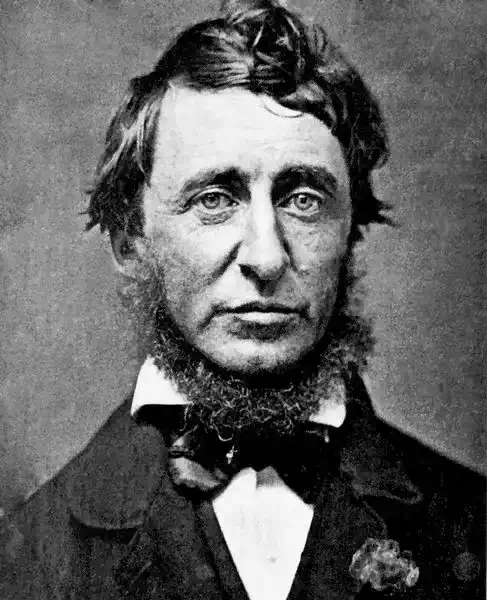
Henry David Thoreau
Mist
Low-anchored cloud,
Newfoundland air,
Fountain head and source of rivers,
Dew-cloth, dream drapery,
And napkin spread by fays;
Drifting meadow of the air,
Where bloom the dasied banks and violets,
And in whose fenny labyrinth
The bittern booms and heron wades;
Spirit of the lake and seas and rivers,
Bear only purfumes and the scent
Of healing herbs to just men's fields!
Read more →
Newfoundland air,
Fountain head and source of rivers,
Dew-cloth, dream drapery,
And napkin spread by fays;
Drifting meadow of the air,
Where bloom the dasied banks and violets,
And in whose fenny labyrinth
The bittern booms and heron wades;
Spirit of the lake and seas and rivers,
Bear only purfumes and the scent
Of healing herbs to just men's fields!
531
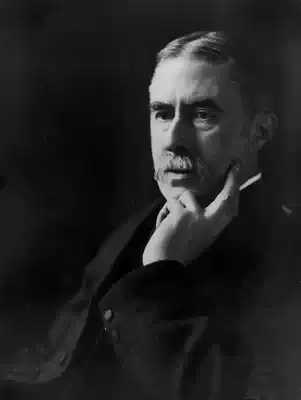
Alfred Edward Housman
The Merry Guide
Once in the wind of morning
I ranged the thymy wold;
The world-wide air was azure
And all the brooks ran gold.
There through the dews beside me
Behold a youth that trod,
With feathered cap on forehead,
And poised a golden rod.
With mien to match the morning
And gay delightful guise
And friendly brows and laughter
He looked me in the eyes.
Oh whence, I asked, and whither?
He smiled and would not say.
And looked at me and beckoned,
And laughed and led the way.
And with kind looks and laughter
And nought to say beside,
We two went on together,
I and my happy guide.
Across the glittering pastures
And empty upland still
And solitude of shepherds
High in the folded hill,
By hanging woods and hamlets
That gaze through orchards down
On many a windmill turning
And far-discovered town,
With gay regards of promise
And sure unslackened stride
And smiles and nothing spoken
Led on my merry guide.
By blowing realms of woodland
With sunstruck vanes afield
And cloud-led shadows sailing
About the windy weald,
By valley-guarded granges
And silver waters wide,
Content at heart I followed
With my delightful guide.
And like the cloudy shadows
Across the country blown
We two fare on for ever,
But not we two alone.
With the great gale we journey
That breathes from gardens thinned,
Borne in the drift of blossoms
Whose petals throng the wind;
Buoyed on the heaven-ward whisper
Of dancing leaflets whirled
From all the woods that autumn
Bereaves in all the world.
And midst the fluttering legion
Of all that ever died
I follow, and before us
Goes the delightful guide,
With lips that brim with laughter
But never once respond,
And feet that fly on feathers,
And serpent-circled wand.
Read more →
I ranged the thymy wold;
The world-wide air was azure
And all the brooks ran gold.
There through the dews beside me
Behold a youth that trod,
With feathered cap on forehead,
And poised a golden rod.
With mien to match the morning
And gay delightful guise
And friendly brows and laughter
He looked me in the eyes.
Oh whence, I asked, and whither?
He smiled and would not say.
And looked at me and beckoned,
And laughed and led the way.
And with kind looks and laughter
And nought to say beside,
We two went on together,
I and my happy guide.
Across the glittering pastures
And empty upland still
And solitude of shepherds
High in the folded hill,
By hanging woods and hamlets
That gaze through orchards down
On many a windmill turning
And far-discovered town,
With gay regards of promise
And sure unslackened stride
And smiles and nothing spoken
Led on my merry guide.
By blowing realms of woodland
With sunstruck vanes afield
And cloud-led shadows sailing
About the windy weald,
By valley-guarded granges
And silver waters wide,
Content at heart I followed
With my delightful guide.
And like the cloudy shadows
Across the country blown
We two fare on for ever,
But not we two alone.
With the great gale we journey
That breathes from gardens thinned,
Borne in the drift of blossoms
Whose petals throng the wind;
Buoyed on the heaven-ward whisper
Of dancing leaflets whirled
From all the woods that autumn
Bereaves in all the world.
And midst the fluttering legion
Of all that ever died
I follow, and before us
Goes the delightful guide,
With lips that brim with laughter
But never once respond,
And feet that fly on feathers,
And serpent-circled wand.
526

Elizabeth Barrett Browning
Patience Taught By Nature
'O DREARY life,' we cry, ' O dreary life ! '
And still the generations of the birds
Sing through our sighing, and the flocks and herds
Serenely live while we are keeping strife
With Heaven's true purpose in us, as a knife
Against which we may struggle ! Ocean girds
Unslackened the dry land, savannah-swards
Unweary sweep, hills watch unworn, and rife
Meek leaves drop year]y from the forest-trees
To show, above, the unwasted stars that pass
In their old glory: O thou God of old,
Grant me some smaller grace than comes to these !--
But so much patience as a blade of grass
Grows by, contented through the heat and cold.
Read more →
And still the generations of the birds
Sing through our sighing, and the flocks and herds
Serenely live while we are keeping strife
With Heaven's true purpose in us, as a knife
Against which we may struggle ! Ocean girds
Unslackened the dry land, savannah-swards
Unweary sweep, hills watch unworn, and rife
Meek leaves drop year]y from the forest-trees
To show, above, the unwasted stars that pass
In their old glory: O thou God of old,
Grant me some smaller grace than comes to these !--
But so much patience as a blade of grass
Grows by, contented through the heat and cold.
526

Johann Wolfgang von Goethe
Apparent Death
WEEP, maiden, weep here o'er the tomb of Love;
He died of nothing--by mere chance was slain.
But is he really dead?--oh, that I cannot prove:
A nothing, a mere chance, oft gives him life again.
Read more →
He died of nothing--by mere chance was slain.
But is he really dead?--oh, that I cannot prove:
A nothing, a mere chance, oft gives him life again.
528
Elizabeth Barrett Browning
Futurity
AND, O beloved voices, upon which
Ours passionately call because erelong
Ye brake off in the middle of that song
We sang together softly, to enrich
The poor world with the sense of love, and witch,
The heart out of things evil,--I am strong,
Knowing ye are not lost for aye among
The hills, with last year's thrush. God keeps a niche
In Heaven to hold our idols; and albeit
He brake them to our faces and denied
That our close kisses should impair their white,
I know we shall behold them raised, complete,
The dust swept from their beauty,--glorified
New Memnons singing in the great God-light.
Read more →
Ours passionately call because erelong
Ye brake off in the middle of that song
We sang together softly, to enrich
The poor world with the sense of love, and witch,
The heart out of things evil,--I am strong,
Knowing ye are not lost for aye among
The hills, with last year's thrush. God keeps a niche
In Heaven to hold our idols; and albeit
He brake them to our faces and denied
That our close kisses should impair their white,
I know we shall behold them raised, complete,
The dust swept from their beauty,--glorified
New Memnons singing in the great God-light.
525
Rudyard Kipling
Mother o' Mine
If I were hanged on the highest hill,
Mother o' mine, O mother o' mine!
I know whose love would follow me still,
Mother o' mine, O mother o' mine!
If I were drowned in the deepest sea,
Mother o' mine, O mother o' mine!
I know whose tears would come down to me,
Mother o' mine, O mother o' mine!
If I were damned of body and soul,
I know whose prayers would make me whole,
Mother o' mine, O mother o' mine!
Read more →
Mother o' mine, O mother o' mine!
I know whose love would follow me still,
Mother o' mine, O mother o' mine!
If I were drowned in the deepest sea,
Mother o' mine, O mother o' mine!
I know whose tears would come down to me,
Mother o' mine, O mother o' mine!
If I were damned of body and soul,
I know whose prayers would make me whole,
Mother o' mine, O mother o' mine!
528

William Blake
Fair Elanor
The bell struck one, and shook the silent tower;
The graves give up their dead: fair Elenor
Walk'd by the castle gate, and lookèd in.
A hollow groan ran thro' the dreary vaults.
She shriek'd aloud, and sunk upon the steps,
On the cold stone her pale cheeks. Sickly smells
Of death issue as from a sepulchre,
And all is silent but the sighing vaults.
Chill Death withdraws his hand, and she revives;
Amaz'd, she finds herself upon her feet,
And, like a ghost, thro' narrow passages
Walking, feeling the cold walls with her hands.
Fancy returns, and now she thinks of bones
And grinning skulls, and corruptible death
Wrapp'd in his shroud; and now fancies she hears
Deep sighs, and sees pale sickly ghosts gliding.
At length, no fancy but reality
Distracts her. A rushing sound, and the feet
Of one that fled, approaches--Ellen stood
Like a dumb statue, froze to stone with fear.
The wretch approaches, crying: `The deed is done;
Take this, and send it by whom thou wilt send;
It is my life--send it to Elenor:--
He's dead, and howling after me for blood!
`Take this,' he cried; and thrust into her arms
A wet napkin, wrapp'd about; then rush'd
Past, howling: she receiv'd into her arms
Pale death, and follow'd on the wings of fear.
They pass'd swift thro' the outer gate; the wretch,
Howling, leap'd o'er the wall into the moat,
Stifling in mud. Fair Ellen pass'd the bridge,
And heard a gloomy voice cry `Is it done?'
As the deer wounded, Ellen flew over
The pathless plain; as the arrows that fly
By night, destruction flies, and strikes in darkness.
She fled from fear, till at her house arriv'd.
Her maids await her; on her bed she falls,
That bed of joy, where erst her lord hath press'd:
`Ah, woman's fear!' she cried; `ah, cursèd duke!
Ah, my dear lord! ah, wretched Elenor!
`My lord was like a flower upon the brows
Of lusty May! Ah, life as frail as flower!
O ghastly death! withdraw thy cruel hand,
Seek'st thou that flow'r to deck thy horrid temples?
`My lord was like a star in highest heav'n
Drawn down to earth by spells and wickedness;
My lord was like the opening eyes of day
When western winds creep softly o'er the flowers;
`But he is darken'd; like the summer's noon
Clouded; fall'n like the stately tree, cut down;
The breath of heaven dwelt among his leaves.
O Elenor, weak woman, fill'd with woe!'
Thus having spoke, she raisèd up her head,
And saw the bloody napkin by her side,
Which in her arms she brought; and now, tenfold
More terrifièd, saw it unfold itself.
Her eyes were fix'd; the bloody cloth unfolds,
Disclosing to her sight the murder'd head
Of her dear lord, all ghastly pale, clotted
With gory blood; it groan'd, and thus it spake:
`O Elenor, I am thy husband's head,
Who, sleeping on the stones of yonder tower,
Was 'reft of life by the accursèd duke!
A hirèd villain turn'd my sleep to death!
`O Elenor, beware the cursèd duke;
O give not him thy hand, now I am dead;
He seeks thy love; who, coward, in the night,
Hirèd a villain to bereave my life.'
She sat with dead cold limbs, stiffen'd to stone;
She took the gory head up in her arms;
She kiss'd the pale lips; she had no tears to shed;
She hugg'd it to her breast, and groan'd her last.
Read more →
The graves give up their dead: fair Elenor
Walk'd by the castle gate, and lookèd in.
A hollow groan ran thro' the dreary vaults.
She shriek'd aloud, and sunk upon the steps,
On the cold stone her pale cheeks. Sickly smells
Of death issue as from a sepulchre,
And all is silent but the sighing vaults.
Chill Death withdraws his hand, and she revives;
Amaz'd, she finds herself upon her feet,
And, like a ghost, thro' narrow passages
Walking, feeling the cold walls with her hands.
Fancy returns, and now she thinks of bones
And grinning skulls, and corruptible death
Wrapp'd in his shroud; and now fancies she hears
Deep sighs, and sees pale sickly ghosts gliding.
At length, no fancy but reality
Distracts her. A rushing sound, and the feet
Of one that fled, approaches--Ellen stood
Like a dumb statue, froze to stone with fear.
The wretch approaches, crying: `The deed is done;
Take this, and send it by whom thou wilt send;
It is my life--send it to Elenor:--
He's dead, and howling after me for blood!
`Take this,' he cried; and thrust into her arms
A wet napkin, wrapp'd about; then rush'd
Past, howling: she receiv'd into her arms
Pale death, and follow'd on the wings of fear.
They pass'd swift thro' the outer gate; the wretch,
Howling, leap'd o'er the wall into the moat,
Stifling in mud. Fair Ellen pass'd the bridge,
And heard a gloomy voice cry `Is it done?'
As the deer wounded, Ellen flew over
The pathless plain; as the arrows that fly
By night, destruction flies, and strikes in darkness.
She fled from fear, till at her house arriv'd.
Her maids await her; on her bed she falls,
That bed of joy, where erst her lord hath press'd:
`Ah, woman's fear!' she cried; `ah, cursèd duke!
Ah, my dear lord! ah, wretched Elenor!
`My lord was like a flower upon the brows
Of lusty May! Ah, life as frail as flower!
O ghastly death! withdraw thy cruel hand,
Seek'st thou that flow'r to deck thy horrid temples?
`My lord was like a star in highest heav'n
Drawn down to earth by spells and wickedness;
My lord was like the opening eyes of day
When western winds creep softly o'er the flowers;
`But he is darken'd; like the summer's noon
Clouded; fall'n like the stately tree, cut down;
The breath of heaven dwelt among his leaves.
O Elenor, weak woman, fill'd with woe!'
Thus having spoke, she raisèd up her head,
And saw the bloody napkin by her side,
Which in her arms she brought; and now, tenfold
More terrifièd, saw it unfold itself.
Her eyes were fix'd; the bloody cloth unfolds,
Disclosing to her sight the murder'd head
Of her dear lord, all ghastly pale, clotted
With gory blood; it groan'd, and thus it spake:
`O Elenor, I am thy husband's head,
Who, sleeping on the stones of yonder tower,
Was 'reft of life by the accursèd duke!
A hirèd villain turn'd my sleep to death!
`O Elenor, beware the cursèd duke;
O give not him thy hand, now I am dead;
He seeks thy love; who, coward, in the night,
Hirèd a villain to bereave my life.'
She sat with dead cold limbs, stiffen'd to stone;
She took the gory head up in her arms;
She kiss'd the pale lips; she had no tears to shed;
She hugg'd it to her breast, and groan'd her last.
527

Rabindranath Tagore
Lamp Of Love
Light, oh where is the light?
Kindle it with the burning fire of desire!
There is the lamp but never a flicker of a flame--is such thy fate, my heart?
Ah, death were better by far for thee!
Misery knocks at thy door,
and her message is that thy lord is wakeful,
and he calls thee to the love-tryst through the darkness of night.
The sky is overcast with clouds and the rain is ceaseless.
I know not what this is that stirs in me--I know not its meaning.
A moment's flash of lightning drags down a deeper gloom on my sight,
and my heart gropes for the path to where the music of the night calls me.
Light, oh where is the light!
Kindle it with the burning fire of desire!
It thunders and the wind rushes screaming through the void.
The night is black as a black stone.
Let not the hours pass by in the dark.
Kindle the lamp of love with thy life.
Read more →
Kindle it with the burning fire of desire!
There is the lamp but never a flicker of a flame--is such thy fate, my heart?
Ah, death were better by far for thee!
Misery knocks at thy door,
and her message is that thy lord is wakeful,
and he calls thee to the love-tryst through the darkness of night.
The sky is overcast with clouds and the rain is ceaseless.
I know not what this is that stirs in me--I know not its meaning.
A moment's flash of lightning drags down a deeper gloom on my sight,
and my heart gropes for the path to where the music of the night calls me.
Light, oh where is the light!
Kindle it with the burning fire of desire!
It thunders and the wind rushes screaming through the void.
The night is black as a black stone.
Let not the hours pass by in the dark.
Kindle the lamp of love with thy life.
527
Lord Byron
To-- : From The French
Must thou go, my glorious Chief,
Sever'd from thy faithful few?
Who can tell thy warrior's grief,
Maddening o'er that long adieu?
Woman's love, and friendship's zeal,
Dear as both have been to me
What
are they to all I feel,
With a soldier's faith for thee?
Idol of the soldier's soul!
First in fight, but mightiest now;
Many could a world control;
Thee alone no doom can bow.
By thy side for years I dared
Death; and envied those who fell,
When their dying shout was heard,
Blessing him they served so well.
Would that I were cold with those,
Since this hour I live to see;
When the doubts of coward foes
Scarce dare trust a man with thee,
Dreading each should set thee free!
Oh! although in dungeons pent,
All their chains were light to me,
Gazing on thy soul unbent.
Would the sycophants of him
Now so deaf to duty's prayer,
Were his borrow'd glories dim,
In his native darkness share?
Were that world this hour his own,
All thou calmly dost resign,
Could he purchase with that throne
Hearts like those which still are thine?
My chief, my king, my friend, adieu!
Never did I droop before;
Never to my sovereign sue,
As his foes I now implore:
All I ask is to divide
Every peril he must brave;
Sharing by the hero's side
His fall, his exile, and his grave.
Read more →
Sever'd from thy faithful few?
Who can tell thy warrior's grief,
Maddening o'er that long adieu?
Woman's love, and friendship's zeal,
Dear as both have been to me
What
are they to all I feel,
With a soldier's faith for thee?
Idol of the soldier's soul!
First in fight, but mightiest now;
Many could a world control;
Thee alone no doom can bow.
By thy side for years I dared
Death; and envied those who fell,
When their dying shout was heard,
Blessing him they served so well.
Would that I were cold with those,
Since this hour I live to see;
When the doubts of coward foes
Scarce dare trust a man with thee,
Dreading each should set thee free!
Oh! although in dungeons pent,
All their chains were light to me,
Gazing on thy soul unbent.
Would the sycophants of him
Now so deaf to duty's prayer,
Were his borrow'd glories dim,
In his native darkness share?
Were that world this hour his own,
All thou calmly dost resign,
Could he purchase with that throne
Hearts like those which still are thine?
My chief, my king, my friend, adieu!
Never did I droop before;
Never to my sovereign sue,
As his foes I now implore:
All I ask is to divide
Every peril he must brave;
Sharing by the hero's side
His fall, his exile, and his grave.
528

Boris Pasternak
Stars were racing; waves were washing headlands.
Salt went blind, and tears were slowly drying.
Darkened were the bedrooms; thoughts were racing,
And the Sphinx was listening to the desert.
Candles swam. It seemed that the Colossus'
Blood grew cold; upon his lips was spreading
The blue shadow smile of the Sahara.
With the turning tide the night was waning.
Sea-breeze from Morocco touched the water.
Simooms blew. In snowdrifts snored Archangel.
Candles swam; the rough draft of 'The Prophet'
Slowly dried, and dawn broke on the Ganges
Мчались
звезды. В
море
мылись
мысы.
Слепла
соль. И
слезы
высыхали.
Были темны
спальни.
Мчались
мысли,
И
прислушивk
2;лся сфинкс
к Сахаре.
Плыли
свечи. И
казалось,
стынет
Кровь
колосса.
Заплывали
губы
Голубой
улыбкою
пустыни.
В час
отлива
ночь пошла
на убыль.
Море
тронул
ветерок с
Марокко.
Шел самум.
Храпел в
снегах
Архангельl
9;к.
Плыли
свечи.
Черновик
'Пророка'
Просыхал, и
брезжил
день на
Ганге.
Read more →
Darkened were the bedrooms; thoughts were racing,
And the Sphinx was listening to the desert.
Candles swam. It seemed that the Colossus'
Blood grew cold; upon his lips was spreading
The blue shadow smile of the Sahara.
With the turning tide the night was waning.
Sea-breeze from Morocco touched the water.
Simooms blew. In snowdrifts snored Archangel.
Candles swam; the rough draft of 'The Prophet'
Slowly dried, and dawn broke on the Ganges
Мчались
звезды. В
море
мылись
мысы.
Слепла
соль. И
слезы
высыхали.
Были темны
спальни.
Мчались
мысли,
И
прислушивk
2;лся сфинкс
к Сахаре.
Плыли
свечи. И
казалось,
стынет
Кровь
колосса.
Заплывали
губы
Голубой
улыбкою
пустыни.
В час
отлива
ночь пошла
на убыль.
Море
тронул
ветерок с
Марокко.
Шел самум.
Храпел в
снегах
Архангельl
9;к.
Плыли
свечи.
Черновик
'Пророка'
Просыхал, и
брезжил
день на
Ганге.
525

William Shakespeare
Sonnet 149: Canst thou, O cruel, say I love thee not
Canst thou, O cruel, say I love thee not,
When I against my self with thee partake?
Do I not think on thee when I forgot
Am of my self, all tyrant, for thy sake?
Who hateth thee that I do call my friend?
On whom frown'st thou that I do fawn upon?
Nay, if thou lour'st on me, do I not spend
Revenge upon my self with present moan?
What merit do I in my self respect,
That is so proud thy service to despise,
When all my best doth worship thy defect,
Commanded by the motion of thine eyes?
But, love, hate on, for now I know thy mind:
Those that can see thou lov'st, and I am blind.
Read more →
When I against my self with thee partake?
Do I not think on thee when I forgot
Am of my self, all tyrant, for thy sake?
Who hateth thee that I do call my friend?
On whom frown'st thou that I do fawn upon?
Nay, if thou lour'st on me, do I not spend
Revenge upon my self with present moan?
What merit do I in my self respect,
That is so proud thy service to despise,
When all my best doth worship thy defect,
Commanded by the motion of thine eyes?
But, love, hate on, for now I know thy mind:
Those that can see thou lov'st, and I am blind.
525

Muhammad Iqbal
A Longing
O Lord! I have become weary of human assemblages!
When the heart is sad no pleasure in assemblages can be
I seek escape from tumult, my heart desires
The silence which speech may ardently love!
I vehemently desire silence, I strongly long that
A small hut in the mountain's side may there be
Freed from worry I may live in retirement
Freed from the cares of the world I may be
Birds chirping may give the pleasure of the lyre
In the spring's noise may the orchestra's melody be
The flower bud bursting may give God's message to me
Showing the whole world 1 to me this small wine-cup may be
My arm may be my pillow, and the green grass my bed be
Putting the congregation to shame my solitude's quality be
The nightingale be so familiar with my face that
Her little heart harboring no fear from me may be
Avenues of green trees standing on both sides be
The spring's clear water providing a beautiful picture be
The view of the mountain range may be so beautiful
To see it the waves of water again and again rising be
The verdure may be asleep in the lap of the earth
Water running through the bushes may glistening be
Again and again the flowered boughs touching the water be
As if some beauty looking at itself in mirror be
When the sun apply myrtle to the evening's bride
The tunic of every flower may pinkish golden be
When night's travellers falter behind with fatigue
Their only hope my broken earthenware lamp may be
May the lightning lead them to my hut
When clouds hovering over the whole sky be.
The early dawn's cuckoo, that morning's mu'adhdhin2
May my confidante he be, and may his confidante I be
May I not be obligated to the temple or to the mosque
May the hut's hole alone herald of morning's arrival be
When the dew may come to perform the flowers' ablution
May wailing my supplication, weeping my ablution be
In this silence may my heart's wailing rise so high
That for stars' caravan the clarion's call my wailing be
May every compassionate heart weeping with me be
Perhaps it may awaken those who may unconscious be
Read more →
When the heart is sad no pleasure in assemblages can be
I seek escape from tumult, my heart desires
The silence which speech may ardently love!
I vehemently desire silence, I strongly long that
A small hut in the mountain's side may there be
Freed from worry I may live in retirement
Freed from the cares of the world I may be
Birds chirping may give the pleasure of the lyre
In the spring's noise may the orchestra's melody be
The flower bud bursting may give God's message to me
Showing the whole world 1 to me this small wine-cup may be
My arm may be my pillow, and the green grass my bed be
Putting the congregation to shame my solitude's quality be
The nightingale be so familiar with my face that
Her little heart harboring no fear from me may be
Avenues of green trees standing on both sides be
The spring's clear water providing a beautiful picture be
The view of the mountain range may be so beautiful
To see it the waves of water again and again rising be
The verdure may be asleep in the lap of the earth
Water running through the bushes may glistening be
Again and again the flowered boughs touching the water be
As if some beauty looking at itself in mirror be
When the sun apply myrtle to the evening's bride
The tunic of every flower may pinkish golden be
When night's travellers falter behind with fatigue
Their only hope my broken earthenware lamp may be
May the lightning lead them to my hut
When clouds hovering over the whole sky be.
The early dawn's cuckoo, that morning's mu'adhdhin2
May my confidante he be, and may his confidante I be
May I not be obligated to the temple or to the mosque
May the hut's hole alone herald of morning's arrival be
When the dew may come to perform the flowers' ablution
May wailing my supplication, weeping my ablution be
In this silence may my heart's wailing rise so high
That for stars' caravan the clarion's call my wailing be
May every compassionate heart weeping with me be
Perhaps it may awaken those who may unconscious be
524
Walt Whitman
We Two-How Long We Were Fool'd
WE two--how long we were fool'd!
Now transmuted, we swiftly escape, as Nature escapes;
We are Nature--long have we been absent, but now we return;
We become plants, leaves, foliage, roots, bark;
We are bedded in the ground--we are rocks;
We are oaks--we grow in the openings side by side;
We browse--we are two among the wild herds, spontaneous as any;
We are two fishes swimming in the sea together;
We are what the locust blossoms are--we drop scent around the lanes,
mornings and evenings;
We are also the coarse smut of beasts, vegetables, minerals;
We are two predatory hawks--we soar above, and look down;
We are two resplendent suns--we it is who balance ourselves, orbic
and stellar--we are as two comets;
We prowl fang'd and four-footed in the woods--we spring on prey;
We are two clouds, forenoons and afternoons, driving overhead;
We are seas mingling--we are two of those cheerful waves, rolling
over each other, and interwetting each other;
We are what the atmosphere is, transparent, receptive, pervious,
impervious:
We are snow, rain, cold, darkness--we are each product and influence
of the globe;
We have circled and circled till we have arrived home again--we two
have;
We have voided all but freedom, and all but our own joy.
Read more →
Now transmuted, we swiftly escape, as Nature escapes;
We are Nature--long have we been absent, but now we return;
We become plants, leaves, foliage, roots, bark;
We are bedded in the ground--we are rocks;
We are oaks--we grow in the openings side by side;
We browse--we are two among the wild herds, spontaneous as any;
We are two fishes swimming in the sea together;
We are what the locust blossoms are--we drop scent around the lanes,
mornings and evenings;
We are also the coarse smut of beasts, vegetables, minerals;
We are two predatory hawks--we soar above, and look down;
We are two resplendent suns--we it is who balance ourselves, orbic
and stellar--we are as two comets;
We prowl fang'd and four-footed in the woods--we spring on prey;
We are two clouds, forenoons and afternoons, driving overhead;
We are seas mingling--we are two of those cheerful waves, rolling
over each other, and interwetting each other;
We are what the atmosphere is, transparent, receptive, pervious,
impervious:
We are snow, rain, cold, darkness--we are each product and influence
of the globe;
We have circled and circled till we have arrived home again--we two
have;
We have voided all but freedom, and all but our own joy.
529
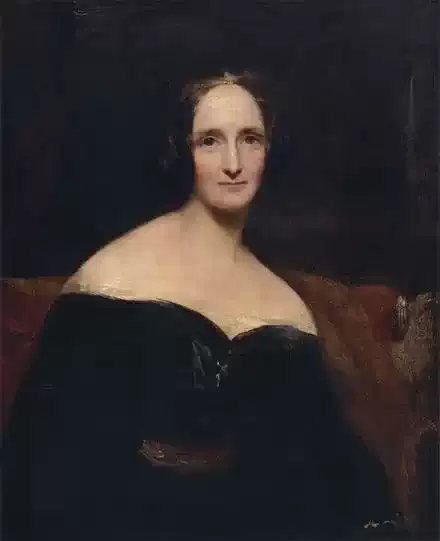
Percy Bysshe Shelley
Lines: The cold earth slept below
The cold earth slept below;
Above the cold sky shone;
And all around,
With a chilling sound,
From caves of ice and fields of snow
The breath of night like death did flow
Beneath the sinking moon.
The wintry hedge was black;
The green grass was not seen;
The birds did rest
On the bare thorn's breast,
Whose roots, beside the pathway track,
Had bound their folds o'er many a crack
Which the frost had made between.
Thine eyes glow'd in the glare
Of the moon's dying light;
As a fen-fire's beam
On a sluggish stream
Gleams dimly--so the moon shone there,
And it yellow'd the strings of thy tangled hair,
That shook in the wind of night.
The moon made thy lips pale, belov{`e}d;
The wind made thy bosom chill;
The night did shed
On thy dear head
Its frozen dew, and thou didst lie
Where the bitter breath of the naked sky
Might visit thee at will.
Read more →
Above the cold sky shone;
And all around,
With a chilling sound,
From caves of ice and fields of snow
The breath of night like death did flow
Beneath the sinking moon.
The wintry hedge was black;
The green grass was not seen;
The birds did rest
On the bare thorn's breast,
Whose roots, beside the pathway track,
Had bound their folds o'er many a crack
Which the frost had made between.
Thine eyes glow'd in the glare
Of the moon's dying light;
As a fen-fire's beam
On a sluggish stream
Gleams dimly--so the moon shone there,
And it yellow'd the strings of thy tangled hair,
That shook in the wind of night.
The moon made thy lips pale, belov{`e}d;
The wind made thy bosom chill;
The night did shed
On thy dear head
Its frozen dew, and thou didst lie
Where the bitter breath of the naked sky
Might visit thee at will.
526
Rudyard Kipling
Helen All Alone
There was darkness under Heaven
For an hour's space--
Darkness that we knew was given
Us for special grace.
Sun and noon and stars were hid,
God had left His Throne,
When Helen came to me, she did,
Helen all alone!
Side by side (because our fate
Damned us ere our birth)
We stole out of Limbo Gate
Looking for the Earth.
Hand in pulling hand amid
Fear no dreams have known,
Helen ran with me, she did,
Helen all alone!
When the Horror passing speech
Hunted us along,
Each laid hold on each, and each
Found the other strong.
In the teeth of Things forbid
And Reason overthrown,
Helen stood by me, she did,
Helen all alone!
When, at last, we heard those Fires
Dull and die away,
When, at last, our linked desires
Dragged us up to day;
When, at last, our souls were rid
Of what that Night had shown,
Helen passed from me, she did,
Helen all alone!
Let her go and find a mate,
As I will find a bride,
Knowing naught of Limbo Gate
Or Who are penned inside.
There is knowledge God forbid
More than one should own.
So Helen went from me, she did,
Oh, my soul, be glad she did!
Helen all alone!
Read more →
For an hour's space--
Darkness that we knew was given
Us for special grace.
Sun and noon and stars were hid,
God had left His Throne,
When Helen came to me, she did,
Helen all alone!
Side by side (because our fate
Damned us ere our birth)
We stole out of Limbo Gate
Looking for the Earth.
Hand in pulling hand amid
Fear no dreams have known,
Helen ran with me, she did,
Helen all alone!
When the Horror passing speech
Hunted us along,
Each laid hold on each, and each
Found the other strong.
In the teeth of Things forbid
And Reason overthrown,
Helen stood by me, she did,
Helen all alone!
When, at last, we heard those Fires
Dull and die away,
When, at last, our linked desires
Dragged us up to day;
When, at last, our souls were rid
Of what that Night had shown,
Helen passed from me, she did,
Helen all alone!
Let her go and find a mate,
As I will find a bride,
Knowing naught of Limbo Gate
Or Who are penned inside.
There is knowledge God forbid
More than one should own.
So Helen went from me, she did,
Oh, my soul, be glad she did!
Helen all alone!
528
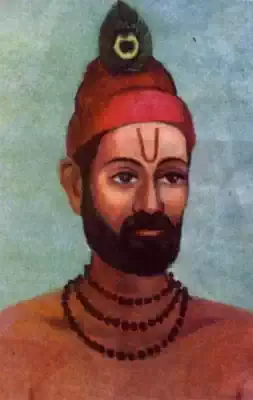
Kabir
Friend, Wake Up! Why Do You Go On Sleeping?
Friend, wake up! Why do you go on sleeping?
The night is over— do you want to lose the day
the same way?
Other women who managed to get up early have
already found an elephant or a jewel...
so much was lost already while you slept...
and that was so unnecessary!
The one who loves you understood, but you did not.
You forgot to make a place in your bed next to you.
Instead you spent your life playing.
In your twenties you did not grow
because you did not know who your Lord was.
Wake up! Wake up! There's no one in your bed—
He left you during the long night.
Kabir says: The only woman awake is the woman
who has heard the flute!
Read more →
The night is over— do you want to lose the day
the same way?
Other women who managed to get up early have
already found an elephant or a jewel...
so much was lost already while you slept...
and that was so unnecessary!
The one who loves you understood, but you did not.
You forgot to make a place in your bed next to you.
Instead you spent your life playing.
In your twenties you did not grow
because you did not know who your Lord was.
Wake up! Wake up! There's no one in your bed—
He left you during the long night.
Kabir says: The only woman awake is the woman
who has heard the flute!
526

Dorothy Parker
Symptom Recital
I do not like my state of mind;
I'm bitter, querulous, unkind.
I hate my legs, I hate my hands,
I do not yearn for lovelier lands.
I dread the dawn's recurrent light;
I hate to go to bed at night.
I snoot at simple, earnest folk.
I cannot take the gentlest joke.
I find no peace in paint or type.
My world is but a lot of tripe.
I'm disillusioned, empty-breasted.
For what I think, I'd be arrested.
I am not sick, I am not well.
My quondam dreams are shot to hell.
My soul is crushed, my spirit sore;
I do not like me any more.
I cavil, quarrel, grumble, grouse.
I ponder on the narrow house.
I shudder at the thought of men....
I'm due to fall in love again.
Read more →
I'm bitter, querulous, unkind.
I hate my legs, I hate my hands,
I do not yearn for lovelier lands.
I dread the dawn's recurrent light;
I hate to go to bed at night.
I snoot at simple, earnest folk.
I cannot take the gentlest joke.
I find no peace in paint or type.
My world is but a lot of tripe.
I'm disillusioned, empty-breasted.
For what I think, I'd be arrested.
I am not sick, I am not well.
My quondam dreams are shot to hell.
My soul is crushed, my spirit sore;
I do not like me any more.
I cavil, quarrel, grumble, grouse.
I ponder on the narrow house.
I shudder at the thought of men....
I'm due to fall in love again.
524
Boris Pasternak
Beloved, with the spent and sickly fumes...
Beloved, with the spent and sickly fumes
Of rumour's cinders all the air is filled,
But you are the engrossing lexicon
Of fame mysterious and unrevealed,
And fame it is the soil's strong pull.
Would that I more erect were sprung!
But even so I shall be called
The native son of my own native tongue.
The poets' age no longer sets their rhyme,
Now, in the sweep of country plots and roads,
Lermontov is rhymed with summertime,
And Pushkin rhymes with geese and snow.
And my wish is that when we die,
Our circle closed, and hence depart,
We shall be set in closer rhyme
Than binds the auricle and the heart.
And may our harmony unified
Some listener's muffled ear caress
With all that we do now imbibe,
And shall draw in through mouths of grass.
Read more →
Of rumour's cinders all the air is filled,
But you are the engrossing lexicon
Of fame mysterious and unrevealed,
And fame it is the soil's strong pull.
Would that I more erect were sprung!
But even so I shall be called
The native son of my own native tongue.
The poets' age no longer sets their rhyme,
Now, in the sweep of country plots and roads,
Lermontov is rhymed with summertime,
And Pushkin rhymes with geese and snow.
And my wish is that when we die,
Our circle closed, and hence depart,
We shall be set in closer rhyme
Than binds the auricle and the heart.
And may our harmony unified
Some listener's muffled ear caress
With all that we do now imbibe,
And shall draw in through mouths of grass.
527
Walt Whitman
Carol Of Occupations
COME closer to me;
Push close, my lovers, and take the best I possess;
Yield closer and closer, and give me the best you possess.
This is unfinish'd business with me--How is it with you?
(I was chill'd with the cold types, cylinder, wet paper between us.)
Male and Female!
I pass so poorly with paper and types, I must pass with the contact
of bodies and souls.
American masses!
I do not thank you for liking me as I am, and liking the touch of
me--I know that it is good for you to do so.
This is the carol of occupations;
In the labor of engines and trades, and the labor of fields, I find the developments,
And find the eternal meanings.
Workmen and Workwomen!
Were all educations, practical and ornamental, well display'd out of
me, what would it amount to?
Were I as the head teacher, charitable proprietor, wise statesman,
what would it amount to?
Were I to you as the boss employing and paying you, would that
satisfy you?
The learn'd, virtuous, benevolent, and the usual terms;
A man like me, and never the usual terms.
Neither a servant nor a master am I;
I take no sooner a large price than a small price--I will have my
own, whoever enjoys me;
I will be even with you, and you shall be even with me.
If you stand at work in a shop, I stand as nigh as the nighest in the
same shop;
If you bestow gifts on your brother or dearest friend, I demand as
good as your brother or dearest friend;
If your lover, husband, wife, is welcome by day or night, I must be
personally as welcome;
If you become degraded, criminal, ill, then I become so for your
sake;
If you remember your foolish and outlaw'd deeds, do you think I
cannot remember my own foolish and outlaw'd deeds?
If you carouse at the table, I carouse at the opposite side of the
table;
If you meet some stranger in the streets, and love him or her--why I
often meet strangers in the street, and love them.
Why, what have you thought of yourself?
Is it you then that thought yourself less?
Is it you that thought the President greater than you?
Or the rich better off than you? or the educated wiser than you?
Because you are greasy or pimpled, or that you were once drunk, or a
thief,
Or diseas'd, or rheumatic, or a prostitute--or are so now;
Or from frivolity or impotence, or that you are no scholar, and never
saw your name in print,
Do you give in that you are any less immortal?
Souls of men and women! it is not you I call unseen, unheard,
untouchable and untouching;
It is not you I go argue pro and con about, and to settle whether you
are alive or no;
I own publicly who you are, if nobody else owns.
Grown, half-grown, and babe, of this country and every country, indoors
and out-doors, one just as much as the other, I see,
And all else behind or through them.
The wife--and she is not one jot less than the husband;
The daughter--and she is just as good as the son;
The mother--and she is every bit as much as the father.
Offspring of ignorant and poor, boys apprenticed to trades,
Young fellows working on farms, and old fellows working on farms,
Sailor-men, merchant-men, coasters, immigrants,
All these I see--but nigher and farther the same I see;
None shall escape me, and none shall wish to escape me.
I bring what you much need, yet always have,
Not money, amours, dress, eating, but as good;
I send no agent or medium, offer no representative of value, but
offer the value itself.
There is something that comes home to one now and perpetually;
It is not what is printed, preach'd, discussed--it eludes discussion
and print;
It is not to be put in a book--it is not in this book;
It is for you, whoever you are--it is no farther from you than your
hearing and sight are from you;
It is hinted by nearest, commonest, readiest--it is ever provoked by
them.
You may read in many languages, yet read nothing about it;
You may read the President's Message, and read nothing about it
there;
Nothing in the reports from the State department or Treasury
department, or in the daily papers or the weekly papers,
Or in the census or revenue returns, prices current, or any accounts
of stock.
The sun and stars that float in the open air;
The apple-shaped earth, and we upon it--surely the drift of them is
something grand!
I do not know what it is, except that it is grand, and that it is
happiness,
And that the enclosing purport of us here is not a speculation, or
bon-mot, or reconnoissance,
And that it is not something which by luck may turn out well for us,
and without luck must be a failure for us,
And not something which may yet be retracted in a certain
contingency.
The light and shade, the curious sense of body and identity, the
greed that with perfect complaisance devours all things, the
endless pride and out-stretching of man, unspeakable joys and
sorrows,
The wonder every one sees in every one else he sees, and the wonders
that fill each minute of time forever,
What have you reckon'd them for, camerado?
Have you reckon'd them for a trade, or farm-work? or for the profits
of a store?
Or to achieve yourself a position? or to fill a gentleman's leisure,
or a lady's leisure?
Have you reckon'd the landscape took substance and form that it might
be painted in a picture?
Or men and women that they might be written of, and songs sung?
Or the attraction of gravity, and the great laws and harmonious
combinations, and the fluids of the air, as subjects for the
savans?
Or the brown land and the blue sea for maps and charts?
Or the stars to be put in constellations and named fancy names?
Or that the growth of seeds is for agricultural tables, or
agriculture itself?
Old institutions--these arts, libraries, legends, collections, and
the practice handed along in manufactures--will we rate them so
high?
Will we rate our cash and business high?--I have no objection;
I rate them as high as the highest--then a child born of a woman and
man I rate beyond all rate.
We thought our Union grand, and our Constitution grand;
I do not say they are not grand and good, for they are;
I am this day just as much in love with them as you;
Then I am in love with you, and with all my fellows upon the earth.
We consider bibles and religions divine--I do not say they are not
divine;
I say they have all grown out of you, and may grow out of you still;
It is not they who give the life--it is you who give the life;
Leaves are not more shed from the trees, or trees from the earth,
than they are shed out of you.
When the psalm sings instead of the singer;
When the script preaches instead of the preacher;
When the pulpit descends and goes, instead of the carver that carved
the supporting desk;
When I can touch the body of books, by night or by day, and when they
touch my body back again;
When a university course convinces, like a slumbering woman and child
convince;
When the minted gold in the vault smiles like the night-watchman's
daughter;
When warrantee deeds loafe in chairs opposite, and are my friendly
companions;
I intend to reach them my hand, and make as much of them as I do of
men and women like you.
The sum of all known reverence I add up in you, whoever you are;
The President is there in the White House for you--it is not you who
are here for him;
The Secretaries act in their bureaus for you--not you here for
them;
The Congress convenes every Twelfth-month for you;
Laws, courts, the forming of States, the charters of cities, the
going and coming of commerce and mails, are all for you.
List close, my scholars dear!
All doctrines, all politics and civilization, exurge from you;
All sculpture and monuments, and anything inscribed anywhere, are
tallied in you;
The gist of histories and statistics as far back as the records
reach, is in you this hour, and myths and tales the same;
If you were not breathing and walking here, where would they all be?
The most renown'd poems would be ashes, orations and plays would be
vacuums.
All architecture is what you do to it when you look upon it;
(Did you think it was in the white or gray stone? or the lines of the
arches and cornices?)
All music is what awakes from you when you are reminded by the
instruments;
It is not the violins and the cornets--it is not the oboe nor the
beating drums, nor the score of the baritone singer singing
his sweet romanza--nor that of the men's chorus, nor that of
the women's chorus,
It is nearer and farther than they.
Will the whole come back then?
Can each see signs of the best by a look in the looking-glass? is
there nothing greater or more?
Does all sit there with you, with the mystic, unseen Soul?
Strange and hard that paradox true I give;
Objects gross and the unseen Soul are one.
House-building, measuring, sawing the boards;
Blacksmithing, glass-blowing, nail-making, coopering, tin-roofing,
shingle-dressing,
Ship-joining, dock-building, fish-curing, ferrying, flagging of sidewalks
by flaggers,
The pump, the pile-driver, the great derrick, the coal-kiln and
brick-kiln,
Coal-mines, and all that is down there,--the lamps in the darkness,
echoes, songs, what meditations, what vast native thoughts
looking through smutch'd faces,
Iron-works, forge-fires in the mountains, or by the river-banks--men
around feeling the melt with huge crowbars--lumps of ore, the
due combining of ore, limestone, coal--the blast-furnace and
the puddling-furnace, the loup-lump at the bottom of the melt
at last--the rolling-mill, the stumpy bars of pig-iron, the
strong, clean-shaped T-rail for railroads;
Oil-works, silk-works, white-lead-works, the sugar-house, steam-saws,
the great mills and factories;
Stone-cutting, shapely trimmings for façades, or window or doorlintels--
the mallet, the tooth-chisel, the jib to protect the
thumb,
Oakum, the oakum-chisel, the caulking-iron--the kettle of boiling
vault-cement, and the fire under the kettle,
The cotton-bale, the stevedore's hook, the saw and buck of the
sawyer, the mould of the moulder, the working-knife of the
butcher, the ice-saw, and all the work with ice,
The implements for daguerreotyping--the tools of the rigger,
grappler, sail-maker, block-maker,
Goods of gutta-percha, papier-maché, colors, brushes, brush-making,
glazier's implements,
O you robust, sacred!
I cannot tell you how I love you;
All I love America for, is contained in men and women like you.
The veneer and glue-pot, the confectioner's ornaments, the decanter
and glasses, the shears and flat-iron,
The awl and knee-strap, the pint measure and quart measure, the
counter and stool, the writing-pen of quill or metal--the
making of all sorts of edged tools,
The brewery, brewing, the malt, the vats, every thing that is done by
brewers, also by wine-makers, also vinegar-makers,
Leather-dressing, coach-making, boiler-making, rope-twisting,
distilling, sign-painting, lime-burning, cotton-picking-electro-
plating, electrotyping, stereotyping,
Stave-machines, planing-machines, reaping-machines, ploughing
machines, thrashing-machines, steam wagons,
The cart of the carman, the omnibus, the ponderous dray;
Pyrotechny, letting off color'd fire-works at night, fancy figures
and jets;
Beef on the butcher's stall, the slaughter-house of the butcher, the
butcher in his killing-clothes,
The pens of live pork, the killing-hammer, the hog-hook, the
scalder's tub, gutting, the cutter's cleaver, the packer's
maul, and the plenteous winter-work of pork-packing;
Flour-works, grinding of wheat, rye, maize, rice--the barrels and the
half and quarter barrels, the loaded barges, the high piles on
wharves and levees;
The men, and the work of the men, on railroads, coasters, fish-boats,
canals;
The daily routine of your own or any man's life--the shop, yard,
store, or factory;
These shows all near you by day and night--workman! whoever you are,
your daily life!
In that and them the heft of the heaviest--in them far more than you
estimated, and far less also;
In them realities for you and me--in them poems for you and me;
In them, not yourself--you and your Soul enclose all things,
regardless of estimation;
In them the development good--in them, all themes and hints.
I do not affirm what you see beyond is futile--I do not advise you to
stop;
I do not say leadings you thought great are not great;
But I say that none lead to greater, than those lead to.
Will you seek afar off? you surely come back at last,
In things best known to you, finding the best, or as good as the
best,
In folks nearest to you finding the sweetest, strongest, lovingest;
Happiness, knowledge, not in another place, but this place--not for
another hour, but this hour;
Man in the first you see or touch--always in friend, brother, nighest
neighbor--Woman in mother, lover, wife;
The popular tastes and employments taking precedence in poems or any
where,
You workwomen and workmen of These States having your own divine and
strong life,
And all else giving place to men and women like you.
Read more →
Push close, my lovers, and take the best I possess;
Yield closer and closer, and give me the best you possess.
This is unfinish'd business with me--How is it with you?
(I was chill'd with the cold types, cylinder, wet paper between us.)
Male and Female!
I pass so poorly with paper and types, I must pass with the contact
of bodies and souls.
American masses!
I do not thank you for liking me as I am, and liking the touch of
me--I know that it is good for you to do so.
This is the carol of occupations;
In the labor of engines and trades, and the labor of fields, I find the developments,
And find the eternal meanings.
Workmen and Workwomen!
Were all educations, practical and ornamental, well display'd out of
me, what would it amount to?
Were I as the head teacher, charitable proprietor, wise statesman,
what would it amount to?
Were I to you as the boss employing and paying you, would that
satisfy you?
The learn'd, virtuous, benevolent, and the usual terms;
A man like me, and never the usual terms.
Neither a servant nor a master am I;
I take no sooner a large price than a small price--I will have my
own, whoever enjoys me;
I will be even with you, and you shall be even with me.
If you stand at work in a shop, I stand as nigh as the nighest in the
same shop;
If you bestow gifts on your brother or dearest friend, I demand as
good as your brother or dearest friend;
If your lover, husband, wife, is welcome by day or night, I must be
personally as welcome;
If you become degraded, criminal, ill, then I become so for your
sake;
If you remember your foolish and outlaw'd deeds, do you think I
cannot remember my own foolish and outlaw'd deeds?
If you carouse at the table, I carouse at the opposite side of the
table;
If you meet some stranger in the streets, and love him or her--why I
often meet strangers in the street, and love them.
Why, what have you thought of yourself?
Is it you then that thought yourself less?
Is it you that thought the President greater than you?
Or the rich better off than you? or the educated wiser than you?
Because you are greasy or pimpled, or that you were once drunk, or a
thief,
Or diseas'd, or rheumatic, or a prostitute--or are so now;
Or from frivolity or impotence, or that you are no scholar, and never
saw your name in print,
Do you give in that you are any less immortal?
Souls of men and women! it is not you I call unseen, unheard,
untouchable and untouching;
It is not you I go argue pro and con about, and to settle whether you
are alive or no;
I own publicly who you are, if nobody else owns.
Grown, half-grown, and babe, of this country and every country, indoors
and out-doors, one just as much as the other, I see,
And all else behind or through them.
The wife--and she is not one jot less than the husband;
The daughter--and she is just as good as the son;
The mother--and she is every bit as much as the father.
Offspring of ignorant and poor, boys apprenticed to trades,
Young fellows working on farms, and old fellows working on farms,
Sailor-men, merchant-men, coasters, immigrants,
All these I see--but nigher and farther the same I see;
None shall escape me, and none shall wish to escape me.
I bring what you much need, yet always have,
Not money, amours, dress, eating, but as good;
I send no agent or medium, offer no representative of value, but
offer the value itself.
There is something that comes home to one now and perpetually;
It is not what is printed, preach'd, discussed--it eludes discussion
and print;
It is not to be put in a book--it is not in this book;
It is for you, whoever you are--it is no farther from you than your
hearing and sight are from you;
It is hinted by nearest, commonest, readiest--it is ever provoked by
them.
You may read in many languages, yet read nothing about it;
You may read the President's Message, and read nothing about it
there;
Nothing in the reports from the State department or Treasury
department, or in the daily papers or the weekly papers,
Or in the census or revenue returns, prices current, or any accounts
of stock.
The sun and stars that float in the open air;
The apple-shaped earth, and we upon it--surely the drift of them is
something grand!
I do not know what it is, except that it is grand, and that it is
happiness,
And that the enclosing purport of us here is not a speculation, or
bon-mot, or reconnoissance,
And that it is not something which by luck may turn out well for us,
and without luck must be a failure for us,
And not something which may yet be retracted in a certain
contingency.
The light and shade, the curious sense of body and identity, the
greed that with perfect complaisance devours all things, the
endless pride and out-stretching of man, unspeakable joys and
sorrows,
The wonder every one sees in every one else he sees, and the wonders
that fill each minute of time forever,
What have you reckon'd them for, camerado?
Have you reckon'd them for a trade, or farm-work? or for the profits
of a store?
Or to achieve yourself a position? or to fill a gentleman's leisure,
or a lady's leisure?
Have you reckon'd the landscape took substance and form that it might
be painted in a picture?
Or men and women that they might be written of, and songs sung?
Or the attraction of gravity, and the great laws and harmonious
combinations, and the fluids of the air, as subjects for the
savans?
Or the brown land and the blue sea for maps and charts?
Or the stars to be put in constellations and named fancy names?
Or that the growth of seeds is for agricultural tables, or
agriculture itself?
Old institutions--these arts, libraries, legends, collections, and
the practice handed along in manufactures--will we rate them so
high?
Will we rate our cash and business high?--I have no objection;
I rate them as high as the highest--then a child born of a woman and
man I rate beyond all rate.
We thought our Union grand, and our Constitution grand;
I do not say they are not grand and good, for they are;
I am this day just as much in love with them as you;
Then I am in love with you, and with all my fellows upon the earth.
We consider bibles and religions divine--I do not say they are not
divine;
I say they have all grown out of you, and may grow out of you still;
It is not they who give the life--it is you who give the life;
Leaves are not more shed from the trees, or trees from the earth,
than they are shed out of you.
When the psalm sings instead of the singer;
When the script preaches instead of the preacher;
When the pulpit descends and goes, instead of the carver that carved
the supporting desk;
When I can touch the body of books, by night or by day, and when they
touch my body back again;
When a university course convinces, like a slumbering woman and child
convince;
When the minted gold in the vault smiles like the night-watchman's
daughter;
When warrantee deeds loafe in chairs opposite, and are my friendly
companions;
I intend to reach them my hand, and make as much of them as I do of
men and women like you.
The sum of all known reverence I add up in you, whoever you are;
The President is there in the White House for you--it is not you who
are here for him;
The Secretaries act in their bureaus for you--not you here for
them;
The Congress convenes every Twelfth-month for you;
Laws, courts, the forming of States, the charters of cities, the
going and coming of commerce and mails, are all for you.
List close, my scholars dear!
All doctrines, all politics and civilization, exurge from you;
All sculpture and monuments, and anything inscribed anywhere, are
tallied in you;
The gist of histories and statistics as far back as the records
reach, is in you this hour, and myths and tales the same;
If you were not breathing and walking here, where would they all be?
The most renown'd poems would be ashes, orations and plays would be
vacuums.
All architecture is what you do to it when you look upon it;
(Did you think it was in the white or gray stone? or the lines of the
arches and cornices?)
All music is what awakes from you when you are reminded by the
instruments;
It is not the violins and the cornets--it is not the oboe nor the
beating drums, nor the score of the baritone singer singing
his sweet romanza--nor that of the men's chorus, nor that of
the women's chorus,
It is nearer and farther than they.
Will the whole come back then?
Can each see signs of the best by a look in the looking-glass? is
there nothing greater or more?
Does all sit there with you, with the mystic, unseen Soul?
Strange and hard that paradox true I give;
Objects gross and the unseen Soul are one.
House-building, measuring, sawing the boards;
Blacksmithing, glass-blowing, nail-making, coopering, tin-roofing,
shingle-dressing,
Ship-joining, dock-building, fish-curing, ferrying, flagging of sidewalks
by flaggers,
The pump, the pile-driver, the great derrick, the coal-kiln and
brick-kiln,
Coal-mines, and all that is down there,--the lamps in the darkness,
echoes, songs, what meditations, what vast native thoughts
looking through smutch'd faces,
Iron-works, forge-fires in the mountains, or by the river-banks--men
around feeling the melt with huge crowbars--lumps of ore, the
due combining of ore, limestone, coal--the blast-furnace and
the puddling-furnace, the loup-lump at the bottom of the melt
at last--the rolling-mill, the stumpy bars of pig-iron, the
strong, clean-shaped T-rail for railroads;
Oil-works, silk-works, white-lead-works, the sugar-house, steam-saws,
the great mills and factories;
Stone-cutting, shapely trimmings for façades, or window or doorlintels--
the mallet, the tooth-chisel, the jib to protect the
thumb,
Oakum, the oakum-chisel, the caulking-iron--the kettle of boiling
vault-cement, and the fire under the kettle,
The cotton-bale, the stevedore's hook, the saw and buck of the
sawyer, the mould of the moulder, the working-knife of the
butcher, the ice-saw, and all the work with ice,
The implements for daguerreotyping--the tools of the rigger,
grappler, sail-maker, block-maker,
Goods of gutta-percha, papier-maché, colors, brushes, brush-making,
glazier's implements,
O you robust, sacred!
I cannot tell you how I love you;
All I love America for, is contained in men and women like you.
The veneer and glue-pot, the confectioner's ornaments, the decanter
and glasses, the shears and flat-iron,
The awl and knee-strap, the pint measure and quart measure, the
counter and stool, the writing-pen of quill or metal--the
making of all sorts of edged tools,
The brewery, brewing, the malt, the vats, every thing that is done by
brewers, also by wine-makers, also vinegar-makers,
Leather-dressing, coach-making, boiler-making, rope-twisting,
distilling, sign-painting, lime-burning, cotton-picking-electro-
plating, electrotyping, stereotyping,
Stave-machines, planing-machines, reaping-machines, ploughing
machines, thrashing-machines, steam wagons,
The cart of the carman, the omnibus, the ponderous dray;
Pyrotechny, letting off color'd fire-works at night, fancy figures
and jets;
Beef on the butcher's stall, the slaughter-house of the butcher, the
butcher in his killing-clothes,
The pens of live pork, the killing-hammer, the hog-hook, the
scalder's tub, gutting, the cutter's cleaver, the packer's
maul, and the plenteous winter-work of pork-packing;
Flour-works, grinding of wheat, rye, maize, rice--the barrels and the
half and quarter barrels, the loaded barges, the high piles on
wharves and levees;
The men, and the work of the men, on railroads, coasters, fish-boats,
canals;
The daily routine of your own or any man's life--the shop, yard,
store, or factory;
These shows all near you by day and night--workman! whoever you are,
your daily life!
In that and them the heft of the heaviest--in them far more than you
estimated, and far less also;
In them realities for you and me--in them poems for you and me;
In them, not yourself--you and your Soul enclose all things,
regardless of estimation;
In them the development good--in them, all themes and hints.
I do not affirm what you see beyond is futile--I do not advise you to
stop;
I do not say leadings you thought great are not great;
But I say that none lead to greater, than those lead to.
Will you seek afar off? you surely come back at last,
In things best known to you, finding the best, or as good as the
best,
In folks nearest to you finding the sweetest, strongest, lovingest;
Happiness, knowledge, not in another place, but this place--not for
another hour, but this hour;
Man in the first you see or touch--always in friend, brother, nighest
neighbor--Woman in mother, lover, wife;
The popular tastes and employments taking precedence in poems or any
where,
You workwomen and workmen of These States having your own divine and
strong life,
And all else giving place to men and women like you.
524