
Soul
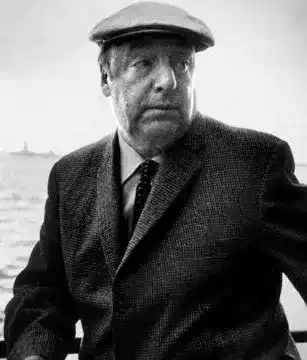
Pablo Neruda
The Queen
I have named you queen.
There are taller than you, taller.
There are purer than you, purer.
There are lovelier than you, lovelier.
But you are the queen.
When you go through the streets
No one recognizes you.
No one sees your crystal crown, no one looks
At the carpet of red gold
That you tread as you pass,
The nonexistent carpet.
And when you appear
All the rivers sound
In my body, bells
Shake the sky,
And a hymn fills the world.
Only you and I,
Only you and I, my love,
Listen to me.
LA REINA
Yo te he nombrado reina.
Hay más altas que tú, más altas.
Hay más puras que tú, más puras.
Hay más bellas que tú, hay más bellas.
Pero tú eres la reina.
Cuando vas por las calles
nadie te reconoce.
Nadie ve tu corona de cristal, nadie mira
la alfombra de oro rojo
que pisas donde pasas,
la alfombra que no existe.
Y cuando asomas
suenan todos los ríos
en mi cuerpo, sacuden
el cielo las campanas,
y un himno llena el mundo.
Sólo tú y yo,
sólo tú y yo, amor mío,
lo escuchamos.
Read more →
There are taller than you, taller.
There are purer than you, purer.
There are lovelier than you, lovelier.
But you are the queen.
When you go through the streets
No one recognizes you.
No one sees your crystal crown, no one looks
At the carpet of red gold
That you tread as you pass,
The nonexistent carpet.
And when you appear
All the rivers sound
In my body, bells
Shake the sky,
And a hymn fills the world.
Only you and I,
Only you and I, my love,
Listen to me.
LA REINA
Yo te he nombrado reina.
Hay más altas que tú, más altas.
Hay más puras que tú, más puras.
Hay más bellas que tú, hay más bellas.
Pero tú eres la reina.
Cuando vas por las calles
nadie te reconoce.
Nadie ve tu corona de cristal, nadie mira
la alfombra de oro rojo
que pisas donde pasas,
la alfombra que no existe.
Y cuando asomas
suenan todos los ríos
en mi cuerpo, sacuden
el cielo las campanas,
y un himno llena el mundo.
Sólo tú y yo,
sólo tú y yo, amor mío,
lo escuchamos.
543

Kazi Nazrul Islam
Save Me From All Pettiness
Save me from all smallness
O my Lord, the Graciousness!
Teach me, O Lord, no sin is worse
than the sin of pettiness.
Even if I am a sinner over hundred births,
even if for eons I sojourn in hell,
Even then, I know Lord, there is forgiveness from you.
But is there forgiveness for pettiness? My Lord, Pray tell!
Please, my Lord, in my heart
don't constrict the space.
Friends, foes or strangers alike
Let my heart be able to embrace.
Let me not speak ill of others, nor harbor envy;
At others' joy, let be lustrous my soul,
Let me weep for that wretched-hapless
whose heart is like a wormhole!
[Original: Bengali, Translator: Dr. Mohammad Omar Farooq ]
Read more →
O my Lord, the Graciousness!
Teach me, O Lord, no sin is worse
than the sin of pettiness.
Even if I am a sinner over hundred births,
even if for eons I sojourn in hell,
Even then, I know Lord, there is forgiveness from you.
But is there forgiveness for pettiness? My Lord, Pray tell!
Please, my Lord, in my heart
don't constrict the space.
Friends, foes or strangers alike
Let my heart be able to embrace.
Let me not speak ill of others, nor harbor envy;
At others' joy, let be lustrous my soul,
Let me weep for that wretched-hapless
whose heart is like a wormhole!
[Original: Bengali, Translator: Dr. Mohammad Omar Farooq ]
537

Lord Byron
To Anne: Oh, Say Not, Sweet Anne
Oh, say not, sweet Anne, that the Fates have decreed
The heart which adores you should wish to dissever;
Such Fates were to me most unkind ones indeed,
To bear me from love and from beauty for ever.
Your frowns, lovely girl, are the Fates which alone
Could bid me from fond admiration refrain;
By these, every hope, every wish were o'erthrown,
Till smiles should restore me to rapture again.
As the ivy and oak, in the forest entwined,
The rage of the tempest united must weather;
My love and my life were by nature design'd
To flourish alike, or to perish together.
Then say not, sweet Anne, that the Fates have decreed
Your lover should bid you a lasting adieu;
Till Fate can ordain that his bosom shall bleed,
His soul, his existence, are centred in you.
Read more →
The heart which adores you should wish to dissever;
Such Fates were to me most unkind ones indeed,
To bear me from love and from beauty for ever.
Your frowns, lovely girl, are the Fates which alone
Could bid me from fond admiration refrain;
By these, every hope, every wish were o'erthrown,
Till smiles should restore me to rapture again.
As the ivy and oak, in the forest entwined,
The rage of the tempest united must weather;
My love and my life were by nature design'd
To flourish alike, or to perish together.
Then say not, sweet Anne, that the Fates have decreed
Your lover should bid you a lasting adieu;
Till Fate can ordain that his bosom shall bleed,
His soul, his existence, are centred in you.
540
Kazi Nazrul Islam
Help me do the crossing
Help me do the crossing,
Oh Lord of the Universe.
The boat is rocking on the waves of pity; endless is the crossing.
My boat is battered and there is no oarsman and the hope is
remote to get to the shore.
If you spurn me because I am helpless, whom shall I rely on.
In this unfeeling world those who were my companions
Have one after the other left me as this night of darkness approached.
You be my pole star and lit up the immense darkness.
Without your kindness, you universal friend,
I can't make the crossing.
[Original: Jagoter nath, karo par; Translation: Abu Rushd]
Read more →
Oh Lord of the Universe.
The boat is rocking on the waves of pity; endless is the crossing.
My boat is battered and there is no oarsman and the hope is
remote to get to the shore.
If you spurn me because I am helpless, whom shall I rely on.
In this unfeeling world those who were my companions
Have one after the other left me as this night of darkness approached.
You be my pole star and lit up the immense darkness.
Without your kindness, you universal friend,
I can't make the crossing.
[Original: Jagoter nath, karo par; Translation: Abu Rushd]
532

Claude Mckay
Summer Morn in New Hampshire
All yesterday it poured, and all night long
I could not sleep; the rain unceasing beat
Upon the shingled roof like a weird song,
Upon the grass like running children's feet.
And down the mountains by the dark cloud kissed,
Like a strange shape in filmy veiling dressed,
Slid slowly, silently, the wraith-like mist,
And nestled soft against the earth's wet breast.
But lo, there was a miracle at dawn!
The still air stirred at touch of the faint breeze,
The sun a sheet of gold bequeathed the lawn,
The songsters twittered in the rustling trees.
And all things were transfigured in the day,
But me whom radiant beauty could not move;
For you, more wonderful, were far away,
And I was blind with hunger for your love.
Read more →
I could not sleep; the rain unceasing beat
Upon the shingled roof like a weird song,
Upon the grass like running children's feet.
And down the mountains by the dark cloud kissed,
Like a strange shape in filmy veiling dressed,
Slid slowly, silently, the wraith-like mist,
And nestled soft against the earth's wet breast.
But lo, there was a miracle at dawn!
The still air stirred at touch of the faint breeze,
The sun a sheet of gold bequeathed the lawn,
The songsters twittered in the rustling trees.
And all things were transfigured in the day,
But me whom radiant beauty could not move;
For you, more wonderful, were far away,
And I was blind with hunger for your love.
529

Rabindranath Tagore
My Dependence
I like to be dependent, and so for ever
with warmth and care of my mother
my father , to love, kiss and embrace
wear life happily in all their grace.
I like to be dependent, and so for ever
on my kith and kin, for they all shower
harsh and warm advices, complaints
full wondering ,true and info giants.
I like to be dependent, and so for ever
for my friends, chat and want me near
with domestic,family and romantic tips
colleagues as well , guide me work at risks.
I like to be dependent, and so for ever
for my neighbours too, envy at times
when at my rise of fortune like to hear
my daily steps , easy and odd things too.
Read more →
with warmth and care of my mother
my father , to love, kiss and embrace
wear life happily in all their grace.
I like to be dependent, and so for ever
on my kith and kin, for they all shower
harsh and warm advices, complaints
full wondering ,true and info giants.
I like to be dependent, and so for ever
for my friends, chat and want me near
with domestic,family and romantic tips
colleagues as well , guide me work at risks.
I like to be dependent, and so for ever
for my neighbours too, envy at times
when at my rise of fortune like to hear
my daily steps , easy and odd things too.
533
Rabindranath Tagore
Still Heart
When I give up the helm
I know that the time has come for thee to take it.
What there is to do will be instantly done.
Vain is this struggle.
Then take away your hands
and silently put up with your defeat, my heart,
and think it your good fortune to sit perfectly still
where you are placed.
These my lamps are blown out at every little puff of wind,
and trying to light them I forget all else again and again.
But I shall be wise this time and wait in the dark,
spreading my mat on the floor;
and whenever it is thy pleasure, my lord,
come silently and take thy seat here.
Read more →
I know that the time has come for thee to take it.
What there is to do will be instantly done.
Vain is this struggle.
Then take away your hands
and silently put up with your defeat, my heart,
and think it your good fortune to sit perfectly still
where you are placed.
These my lamps are blown out at every little puff of wind,
and trying to light them I forget all else again and again.
But I shall be wise this time and wait in the dark,
spreading my mat on the floor;
and whenever it is thy pleasure, my lord,
come silently and take thy seat here.
530
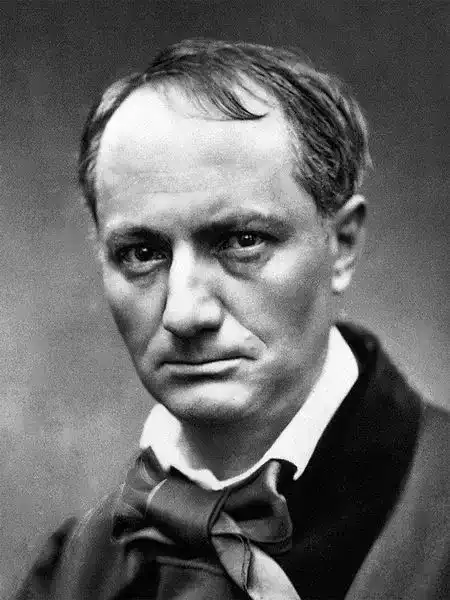
Charles Baudelaire
Correspondences
Nature is a temple whose living colonnades
Breathe forth a mystic speech in fitful sighs;
Man wanders among symbols in those glades
Where all things watch him with familiar eyes.
Like dwindling echoes gathered far away
Into a deep and thronging unison
Huge as the night or as the light of day,
All scents and sounds and colors meet as one.
Perfumes there are as sweet as the oboe's sound,
Green as the prairies, fresh as a child's caress,
- And there are others, rich, corrupt, profound
And of an infinite pervasiveness,
Like myrrh, or musk, or amber, the excite
The ecstasies of sense, the soul's delight.
Read more →
Breathe forth a mystic speech in fitful sighs;
Man wanders among symbols in those glades
Where all things watch him with familiar eyes.
Like dwindling echoes gathered far away
Into a deep and thronging unison
Huge as the night or as the light of day,
All scents and sounds and colors meet as one.
Perfumes there are as sweet as the oboe's sound,
Green as the prairies, fresh as a child's caress,
- And there are others, rich, corrupt, profound
And of an infinite pervasiveness,
Like myrrh, or musk, or amber, the excite
The ecstasies of sense, the soul's delight.
533
Boris Pasternak
Without A Title
So aloof, so meek in your ways,
Now you're fire, you're pure combustion.
Only let me lock up your beauty
Deep, deep down in a poem's dungeon.
See how wholly transformed they are
By the fire in the glowing lampshade;
Edge of wall, edge of window-pane,
Our own figures and our own shadows.
There you sit on cushions, apart,
Legs tucked under you, Turkish fashion.
In the light or in the shadow,
Childlike, always, the way you reason.
Dreaming, now you thread on a string
Beads that lie on your lap in profusion.
Far too sad is your mien, too artless
Is the drift of your conversation.
Yes, love's truly a vulgar word.
I'll invent something else to supplant it,
Just for you, the whole world, all words
I will gladly rename, if you want it.
Can your sorrowful mien convey
All your hidden orebearing richness,
All that radiant seam of your heart?
Why d'you fill your eyes with such sadness?
Read more →
Now you're fire, you're pure combustion.
Only let me lock up your beauty
Deep, deep down in a poem's dungeon.
See how wholly transformed they are
By the fire in the glowing lampshade;
Edge of wall, edge of window-pane,
Our own figures and our own shadows.
There you sit on cushions, apart,
Legs tucked under you, Turkish fashion.
In the light or in the shadow,
Childlike, always, the way you reason.
Dreaming, now you thread on a string
Beads that lie on your lap in profusion.
Far too sad is your mien, too artless
Is the drift of your conversation.
Yes, love's truly a vulgar word.
I'll invent something else to supplant it,
Just for you, the whole world, all words
I will gladly rename, if you want it.
Can your sorrowful mien convey
All your hidden orebearing richness,
All that radiant seam of your heart?
Why d'you fill your eyes with such sadness?
534
Boris Pasternak
Feasts
I drink the gall of skies in autumn, tuberoses'
Sweet bitterness in your betrayals burning stream;
I drink the gall of nights, of crowded parties' noises,
Of sobbing virgin verse, and of a throbbing dream.
We fiends of studious fight a battle everlasting
Against our daily bread - can't stand the sober mood.
The troubled wind of nights is merely a toastmaster
Whose toasts, as like as not, will do no one much good.
Heredity and death are our guests at table.
A quiet dawn will paint bright-red the tops of trees.
An anapaest, like mice, will on the bread-plate scrabble,
And Cinderella will rush in to change her dress.
The floors have all been swept, and everything is dainty,
And like a child's sweet kiss, breathes quietly my verse,
And Cinderella flees-by cab on days of plenty,
And on shanks' pony when the last small coin is lost.
Read more →
Sweet bitterness in your betrayals burning stream;
I drink the gall of nights, of crowded parties' noises,
Of sobbing virgin verse, and of a throbbing dream.
We fiends of studious fight a battle everlasting
Against our daily bread - can't stand the sober mood.
The troubled wind of nights is merely a toastmaster
Whose toasts, as like as not, will do no one much good.
Heredity and death are our guests at table.
A quiet dawn will paint bright-red the tops of trees.
An anapaest, like mice, will on the bread-plate scrabble,
And Cinderella will rush in to change her dress.
The floors have all been swept, and everything is dainty,
And like a child's sweet kiss, breathes quietly my verse,
And Cinderella flees-by cab on days of plenty,
And on shanks' pony when the last small coin is lost.
529

William Blake
Sleep! Sleep! Beauty Bright
Sleep! sleep! beauty bright,
Dreaming o'er the joys of night;
Sleep! sleep! in thy sleep
Little sorrows sit and weep.
Sweet Babe, in thy face
Soft desires I can trace,
Secret joys and secret smiles,
Little pretty infant wiles.
As thy softest limbs I feel,
Smiles as of the morning steal
O'er thy cheek, and o'er thy breast
Where thy little heart does rest.
O! the cunning wiles that creep
In thy little heart asleep.
When thy little heart does wake
Then the dreadful lightnings break,
From thy cheek and from thy eye,
O'er the youthful harvests nigh.
Infant wiles and infant smiles
Heaven and Earth of peace beguiles.
Read more →
Dreaming o'er the joys of night;
Sleep! sleep! in thy sleep
Little sorrows sit and weep.
Sweet Babe, in thy face
Soft desires I can trace,
Secret joys and secret smiles,
Little pretty infant wiles.
As thy softest limbs I feel,
Smiles as of the morning steal
O'er thy cheek, and o'er thy breast
Where thy little heart does rest.
O! the cunning wiles that creep
In thy little heart asleep.
When thy little heart does wake
Then the dreadful lightnings break,
From thy cheek and from thy eye,
O'er the youthful harvests nigh.
Infant wiles and infant smiles
Heaven and Earth of peace beguiles.
530
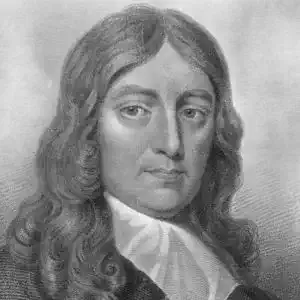
John Milton
Psalm 83
Be not thou silent now at length
O God hold not thy peace,
Sit not thou still O God of strength
We cry and do not cease.
For lo thy furious foes now *swell
And *storm outrageously, *Jehemajun.
And they that hate thee proud and fill
Exalt their heads full hie.
Against thy people they *contrive *Jagnarimu.
*Their Plots and Counsels deep, *Sod.
*Them to ensnare they chiefly strive *Jithjagnatsu gnal.
*Whom thou dost hide and keep. *Tsephuneca.
Come let us cut them off say they,
Till they no Nation be
That Israels name for ever may
Be lost in memory.
For they consult *with all their might, *Lev jachdau.
And all as one in mind
Themselves against thee they unite
And in firm union bind.
The tents of Edom, and the brood
Of scornful Ishmael,
Moab, with them of Hagars blood
That in the Desart dwell,
Gebal and Ammon there conspire,
And hateful Amalec,
The Philistims, and they of Tyre
Whose bounds the sea doth check.
With them great Asshur also bands
And doth confirm the knot,
All these have lent their armed hands
To aid the Sons of Lot.
Do to them as to Midian bold
That wasted all the Coast.
To Sisera, and as is told
Thou didst to Jabins hoast,
When at the brook of Kishon old
They were repulst and slain,
At Endor quite cut off, and rowl'd
As dung upon the plain.
As Zeb and Oreb evil sped
So let their Princes speed
As Zeba, and Zalmunna bled
So let their Princes bleed.
For they amidst their pride have said
By right now shall we seize
Gods houses, and will now invade
*Their stately Palaces. *Neoth Elohim bears both.
My God, oh make them as a wheel
No quiet let them find,
Giddy and restless let them reel
Like stubble from the wind.
As when an aged wood takes fire
Which on a sudden straies,
The greedy flame runs hier and hier
Till all the mountains blaze,
So with thy whirlwind them pursue,
And with thy tempest chase;
*And till they *yield thee honour due,
Lord fill with shame their face.
*They seek thy
Name. Heb.
Asham'd and troubl'd let them be,
Troubl'd and sham'd for ever,
Ever confounded, and so die
With shame, and scape it never.
Then shall they know that thou whose name
Jehova is alone,
Art the most high, and thou the same
O're all the earth art one.
Read more →
O God hold not thy peace,
Sit not thou still O God of strength
We cry and do not cease.
For lo thy furious foes now *swell
And *storm outrageously, *Jehemajun.
And they that hate thee proud and fill
Exalt their heads full hie.
Against thy people they *contrive *Jagnarimu.
*Their Plots and Counsels deep, *Sod.
*Them to ensnare they chiefly strive *Jithjagnatsu gnal.
*Whom thou dost hide and keep. *Tsephuneca.
Come let us cut them off say they,
Till they no Nation be
That Israels name for ever may
Be lost in memory.
For they consult *with all their might, *Lev jachdau.
And all as one in mind
Themselves against thee they unite
And in firm union bind.
The tents of Edom, and the brood
Of scornful Ishmael,
Moab, with them of Hagars blood
That in the Desart dwell,
Gebal and Ammon there conspire,
And hateful Amalec,
The Philistims, and they of Tyre
Whose bounds the sea doth check.
With them great Asshur also bands
And doth confirm the knot,
All these have lent their armed hands
To aid the Sons of Lot.
Do to them as to Midian bold
That wasted all the Coast.
To Sisera, and as is told
Thou didst to Jabins hoast,
When at the brook of Kishon old
They were repulst and slain,
At Endor quite cut off, and rowl'd
As dung upon the plain.
As Zeb and Oreb evil sped
So let their Princes speed
As Zeba, and Zalmunna bled
So let their Princes bleed.
For they amidst their pride have said
By right now shall we seize
Gods houses, and will now invade
*Their stately Palaces. *Neoth Elohim bears both.
My God, oh make them as a wheel
No quiet let them find,
Giddy and restless let them reel
Like stubble from the wind.
As when an aged wood takes fire
Which on a sudden straies,
The greedy flame runs hier and hier
Till all the mountains blaze,
So with thy whirlwind them pursue,
And with thy tempest chase;
*And till they *yield thee honour due,
Lord fill with shame their face.
*They seek thy
Name. Heb.
Asham'd and troubl'd let them be,
Troubl'd and sham'd for ever,
Ever confounded, and so die
With shame, and scape it never.
Then shall they know that thou whose name
Jehova is alone,
Art the most high, and thou the same
O're all the earth art one.
532

William Wordsworth
Character of the Happy Warrior
. Who is the happy Warrior? Who is he
That every man in arms should wish to be?
--It is the generous Spirit, who, when brought
Among the tasks of real life, hath wrought
Upon the plan that pleased his boyish thought:
Whose high endeavours are an inward light
That makes the path before him always bright;
Who, with a natural instinct to discern
What knowledge can perform, is diligent to learn;
Abides by this resolve, and stops not there,
But makes his moral being his prime care;
Who, doomed to go in company with Pain,
And Fear, and Bloodshed, miserable train!
Turns his necessity to glorious gain;
In face of these doth exercise a power
Which is our human nature's highest dower:
Controls them and subdues, transmutes, bereaves
Of their bad influence, and their good receives:
By objects, which might force the soul to abate
Her feeling, rendered more compassionate;
Is placable--because occasions rise
So often that demand such sacrifice;
More skilful in self-knowledge, even more pure,
As tempted more; more able to endure,
As more exposed to suffering and distress;
Thence, also, more alive to tenderness.
--'Tis he whose law is reason; who depends
Upon that law as on the best of friends;
Whence, in a state where men are tempted still
To evil for a guard against worse ill,
And what in quality or act is best
Doth seldom on a right foundation rest,
He labours good on good to fix, and owes
To virtue every triumph that he knows:
--Who, if he rise to station of command,
Rises by open means; and there will stand
On honourable terms, or else retire,
And in himself possess his own desire;
Who comprehends his trust, and to the same
Keeps faithful with a singleness of aim;
And therefore does not stoop, nor lie in wait
For wealth, or honours, or for worldly state;
Whom they must follow; on whose head must fall,
Like showers of manna, if they come at all:
Whose powers shed round him in the common strife,
Or mild concerns of ordinary life,
A constant influence, a peculiar grace;
But who, if he be called upon to face
Some awful moment to which Heaven has joined
Great issues, good or bad for human kind,
Is happy as a Lover; and attired
With sudden brightness, like a Man inspired;
And, through the heat of conflict, keeps the law
In calmness made, and sees what he foresaw;
Or if an unexpected call succeed,
Come when it will, is equal to the need:
--He who, though thus endued as with a sense
And faculty for storm and turbulence,
Is yet a Soul whose master-bias leans
To homefelt pleasures and to gentle scenes;
Sweet images! which, wheresoe'er he be,
Are at his heart; and such fidelity
It is his darling passion to approve;
More brave for this, that he hath much to love:--
'Tis, finally, the Man, who, lifted high,
Conspicuous object in a Nation's eye,
Or left unthought-of in obscurity,--
Who, with a toward or untoward lot,
Prosperous or adverse, to his wish or not--
Plays, in the many games of life, that one
Where what he most doth value must be won:
Whom neither shape or danger can dismay,
Nor thought of tender happiness betray;
Who, not content that former worth stand fast,
Looks forward, persevering to the last,
From well to better, daily self-surpast:
Who, whether praise of him must walk the earth
For ever, and to noble deeds give birth,
Or he must fall, to sleep without his fame,
And leave a dead unprofitable name--
Finds comfort in himself and in his cause;
And, while the mortal mist is gathering, draws
His breath in confidence of Heaven's applause:
This is the happy Warrior; this is he
That every man in arms should wish to be.
Read more →
That every man in arms should wish to be?
--It is the generous Spirit, who, when brought
Among the tasks of real life, hath wrought
Upon the plan that pleased his boyish thought:
Whose high endeavours are an inward light
That makes the path before him always bright;
Who, with a natural instinct to discern
What knowledge can perform, is diligent to learn;
Abides by this resolve, and stops not there,
But makes his moral being his prime care;
Who, doomed to go in company with Pain,
And Fear, and Bloodshed, miserable train!
Turns his necessity to glorious gain;
In face of these doth exercise a power
Which is our human nature's highest dower:
Controls them and subdues, transmutes, bereaves
Of their bad influence, and their good receives:
By objects, which might force the soul to abate
Her feeling, rendered more compassionate;
Is placable--because occasions rise
So often that demand such sacrifice;
More skilful in self-knowledge, even more pure,
As tempted more; more able to endure,
As more exposed to suffering and distress;
Thence, also, more alive to tenderness.
--'Tis he whose law is reason; who depends
Upon that law as on the best of friends;
Whence, in a state where men are tempted still
To evil for a guard against worse ill,
And what in quality or act is best
Doth seldom on a right foundation rest,
He labours good on good to fix, and owes
To virtue every triumph that he knows:
--Who, if he rise to station of command,
Rises by open means; and there will stand
On honourable terms, or else retire,
And in himself possess his own desire;
Who comprehends his trust, and to the same
Keeps faithful with a singleness of aim;
And therefore does not stoop, nor lie in wait
For wealth, or honours, or for worldly state;
Whom they must follow; on whose head must fall,
Like showers of manna, if they come at all:
Whose powers shed round him in the common strife,
Or mild concerns of ordinary life,
A constant influence, a peculiar grace;
But who, if he be called upon to face
Some awful moment to which Heaven has joined
Great issues, good or bad for human kind,
Is happy as a Lover; and attired
With sudden brightness, like a Man inspired;
And, through the heat of conflict, keeps the law
In calmness made, and sees what he foresaw;
Or if an unexpected call succeed,
Come when it will, is equal to the need:
--He who, though thus endued as with a sense
And faculty for storm and turbulence,
Is yet a Soul whose master-bias leans
To homefelt pleasures and to gentle scenes;
Sweet images! which, wheresoe'er he be,
Are at his heart; and such fidelity
It is his darling passion to approve;
More brave for this, that he hath much to love:--
'Tis, finally, the Man, who, lifted high,
Conspicuous object in a Nation's eye,
Or left unthought-of in obscurity,--
Who, with a toward or untoward lot,
Prosperous or adverse, to his wish or not--
Plays, in the many games of life, that one
Where what he most doth value must be won:
Whom neither shape or danger can dismay,
Nor thought of tender happiness betray;
Who, not content that former worth stand fast,
Looks forward, persevering to the last,
From well to better, daily self-surpast:
Who, whether praise of him must walk the earth
For ever, and to noble deeds give birth,
Or he must fall, to sleep without his fame,
And leave a dead unprofitable name--
Finds comfort in himself and in his cause;
And, while the mortal mist is gathering, draws
His breath in confidence of Heaven's applause:
This is the happy Warrior; this is he
That every man in arms should wish to be.
535

Rudyard Kipling
Mowgli's Song
THAT HE SANG AT THE COUNCIL ROCK WHEN HE DANCED ON SHERE KHAN'S
HIDE
The Song of Mowgli -- I, Mowgli, am singing. Let
the jungle listen to the things I have done.
Shere Khan said he would kill -- would kill! At the
gates in the twilight he would kill Mowgli, the
Frog!
He ate and he drank. Drink deep, Shere Khan, for
when wilt thou drink again? Sleep and dream
of the kill.
I am alone on the grazing-grounds. Gray Brother,
come to me! Come to me, Lone Wolf, for there
is big game afoot.
Bring up the great bull-buffaloes, the blue-skinned
herd-bulls with the angry eyes. Drive them to
and fro as I order.
Sleepest thou still, Shere Khan? Wake, O wake!
Here come I, and the bulls are behind.
Rama, the King of the Buffaloes, stamped with his
foot. Waters of the Waingunga, whither went
Shere Khan?
He is not Ikki to dig holes, nor Mao, the Peacock, that
he should fly. He is not Mang, the Bat, to hang
in the branches. Little bamboos that creak together,
tell me where he ran?
Ow! He is there. Ahoo! He is there. Under the
feet of Rama lies the Lame One! Up, Shere
Khan! Up and kill! Here is meat; break the
necks of the bulls!
Hsh! He is asleep. We will not wake him, for his
strength is very great. The kites have come down
to see it. The black ants have come up to know
it. There is a great assembly in his honour.
Alala! I have no cloth to wrap me. The kites will
see that I am naked. I am ashamed to meet all
these people.
Lend me thy coat, Shere Khan. Lend me thy gay
striped coat that I may go to the Council Rock.
By the Bull that bought me I have made a promise --
a little promise. Only thy coat is lacking before I
keep my word.
With the knife -- with the knife that men use -- with
the knife of the hunter, the man, I will stoop down
for my gift.
Waters of the Waingunga, bear witness that Shere
Khan gives me his coat for the love that he bears
me. Pull, Gray Brother! Pull, Akela! Heavy is
the hide of Shere Khan.
The Man Pack are angry. They throw stones and talk
child's talk. My mouth is bleeding. Let us run
away.
Through the night, through the hot night, run swiftly
with me, my brothers. We will leave the lights
of the village and go to the low moon.
Waters of the Waingunga, the Man Pack have cast me
out. I did them no harm, but they were afraid of
me. Why?
Wolf Pack, ye have cast me out too. The jungle is
shut to me and the village gates are shut. Why?
As Mang flies between the beasts and the birds so fly
I between the village and the jungle. Why?
I dance on the hide of Shere Khan, but my heart is
very heavy. My mouth is cut and wounded with
the stones from the village, but my heart is very
light because I have come back to the jungle.
Why?
These two things fight together in me as the snakes
fight in the spring. The water comes out of my
eyes; yet I laugh while it falls. Why?
I am two Mowglis, but the hide of Shere Khan is under
my feet.
All the jungle knows that I have killed Shere Khan.
Look -- look well, O Wolves!
Ahae! My heart is heavy with the things that I do
not understand.
Oh! hush thee, my baby, the night is behind us,
And black are the waters that sparkled so green.
The moon, o'er the combers, looks downward to find us
At rest in the hollows that rustle between.
Where billow meets billow, there soft be thy pillow;
Ah, weary wee flipperling, curl at thy ease!
The storm shall not wake thee, nor shark overtake thee,
Asleep in the arms of the slow-swinging seas.
Read more →
HIDE
The Song of Mowgli -- I, Mowgli, am singing. Let
the jungle listen to the things I have done.
Shere Khan said he would kill -- would kill! At the
gates in the twilight he would kill Mowgli, the
Frog!
He ate and he drank. Drink deep, Shere Khan, for
when wilt thou drink again? Sleep and dream
of the kill.
I am alone on the grazing-grounds. Gray Brother,
come to me! Come to me, Lone Wolf, for there
is big game afoot.
Bring up the great bull-buffaloes, the blue-skinned
herd-bulls with the angry eyes. Drive them to
and fro as I order.
Sleepest thou still, Shere Khan? Wake, O wake!
Here come I, and the bulls are behind.
Rama, the King of the Buffaloes, stamped with his
foot. Waters of the Waingunga, whither went
Shere Khan?
He is not Ikki to dig holes, nor Mao, the Peacock, that
he should fly. He is not Mang, the Bat, to hang
in the branches. Little bamboos that creak together,
tell me where he ran?
Ow! He is there. Ahoo! He is there. Under the
feet of Rama lies the Lame One! Up, Shere
Khan! Up and kill! Here is meat; break the
necks of the bulls!
Hsh! He is asleep. We will not wake him, for his
strength is very great. The kites have come down
to see it. The black ants have come up to know
it. There is a great assembly in his honour.
Alala! I have no cloth to wrap me. The kites will
see that I am naked. I am ashamed to meet all
these people.
Lend me thy coat, Shere Khan. Lend me thy gay
striped coat that I may go to the Council Rock.
By the Bull that bought me I have made a promise --
a little promise. Only thy coat is lacking before I
keep my word.
With the knife -- with the knife that men use -- with
the knife of the hunter, the man, I will stoop down
for my gift.
Waters of the Waingunga, bear witness that Shere
Khan gives me his coat for the love that he bears
me. Pull, Gray Brother! Pull, Akela! Heavy is
the hide of Shere Khan.
The Man Pack are angry. They throw stones and talk
child's talk. My mouth is bleeding. Let us run
away.
Through the night, through the hot night, run swiftly
with me, my brothers. We will leave the lights
of the village and go to the low moon.
Waters of the Waingunga, the Man Pack have cast me
out. I did them no harm, but they were afraid of
me. Why?
Wolf Pack, ye have cast me out too. The jungle is
shut to me and the village gates are shut. Why?
As Mang flies between the beasts and the birds so fly
I between the village and the jungle. Why?
I dance on the hide of Shere Khan, but my heart is
very heavy. My mouth is cut and wounded with
the stones from the village, but my heart is very
light because I have come back to the jungle.
Why?
These two things fight together in me as the snakes
fight in the spring. The water comes out of my
eyes; yet I laugh while it falls. Why?
I am two Mowglis, but the hide of Shere Khan is under
my feet.
All the jungle knows that I have killed Shere Khan.
Look -- look well, O Wolves!
Ahae! My heart is heavy with the things that I do
not understand.
Oh! hush thee, my baby, the night is behind us,
And black are the waters that sparkled so green.
The moon, o'er the combers, looks downward to find us
At rest in the hollows that rustle between.
Where billow meets billow, there soft be thy pillow;
Ah, weary wee flipperling, curl at thy ease!
The storm shall not wake thee, nor shark overtake thee,
Asleep in the arms of the slow-swinging seas.
530

William Butler Yeats
A Dialogue Of Self And Soul
My Soul. I summon to the winding ancient stair;
Set all your mind upon the steep ascent,
Upon the broken, crumbling battlement,
Upon the breathless starlit air,
'Upon the star that marks the hidden pole;
Fix every wandering thought upon
That quarter where all thought is done:
Who can distinguish darkness from the soul
My Self. The consecretes blade upon my knees
Is Sato's ancient blade, still as it was,
Still razor-keen, still like a looking-glass
Unspotted by the centuries;
That flowering, silken, old embroidery, torn
From some court-lady's dress and round
The wodden scabbard bound and wound
Can, tattered, still protect, faded adorn
My Soul. Why should the imagination of a man
Long past his prime remember things that are
Emblematical of love and war?
Think of ancestral night that can,
If but imagination scorn the earth
And interllect is wandering
To this and that and t'other thing,
Deliver from the crime of death and birth.
My self. Montashigi, third of his family, fashioned it
Five hundred years ago, about it lie
Flowers from I know not what embroidery -Heart's
purple -- and all these I set
For emblems of the day against the tower
Emblematical of the night,
And claim as by a soldier's right
A charter to commit the crime once more.
My Soul. Such fullness in that quarter overflows
And falls into the basin of the mind
That man is stricken deaf and dumb and blind,
For intellect no longer knows
Is from the Ought, or knower from the Known --
That is to say, ascends to Heaven;
Only the dead can be forgiven;
But when I think of that my tongue's a stone.
My Self. A living man is blind and drinks his drop.
What matter if the ditches are impure?
What matter if I live it all once more?
Endure that toil of growing up;
The ignominy of boyhood; the distress
Of boyhood changing into man;
The unfinished man and his pain
Brought face to face with his own clumsiness;
The finished man among his enemies? --
How in the name of Heaven can he escape
That defiling and disfigured shape
The mirror of malicious eyes
Casts upon his eyes until at last
He thinks that shape must be his shape?
And what's the good of an escape
If honour find him in the wintry blast?
I am content to live it all again
And yet again, if it be life to pitch
Into the frog-spawn of a blind man's ditch,
A blind man battering blind men;
Or into that most fecund ditch of all,
The folly that man does
Or must suffer, if he woos
A proud woman not kindred of his soul.
I am content to follow to its source
Every event in action or in thought;
Measure the lot; forgive myself the lot!
When such as I cast out remorse
So great a sweetness flows into the breast
We must laugh and we must sing,
We are blest by everything,
Everything we look upon is blest.
Read more →
Set all your mind upon the steep ascent,
Upon the broken, crumbling battlement,
Upon the breathless starlit air,
'Upon the star that marks the hidden pole;
Fix every wandering thought upon
That quarter where all thought is done:
Who can distinguish darkness from the soul
My Self. The consecretes blade upon my knees
Is Sato's ancient blade, still as it was,
Still razor-keen, still like a looking-glass
Unspotted by the centuries;
That flowering, silken, old embroidery, torn
From some court-lady's dress and round
The wodden scabbard bound and wound
Can, tattered, still protect, faded adorn
My Soul. Why should the imagination of a man
Long past his prime remember things that are
Emblematical of love and war?
Think of ancestral night that can,
If but imagination scorn the earth
And interllect is wandering
To this and that and t'other thing,
Deliver from the crime of death and birth.
My self. Montashigi, third of his family, fashioned it
Five hundred years ago, about it lie
Flowers from I know not what embroidery -Heart's
purple -- and all these I set
For emblems of the day against the tower
Emblematical of the night,
And claim as by a soldier's right
A charter to commit the crime once more.
My Soul. Such fullness in that quarter overflows
And falls into the basin of the mind
That man is stricken deaf and dumb and blind,
For intellect no longer knows
Is from the Ought, or knower from the Known --
That is to say, ascends to Heaven;
Only the dead can be forgiven;
But when I think of that my tongue's a stone.
My Self. A living man is blind and drinks his drop.
What matter if the ditches are impure?
What matter if I live it all once more?
Endure that toil of growing up;
The ignominy of boyhood; the distress
Of boyhood changing into man;
The unfinished man and his pain
Brought face to face with his own clumsiness;
The finished man among his enemies? --
How in the name of Heaven can he escape
That defiling and disfigured shape
The mirror of malicious eyes
Casts upon his eyes until at last
He thinks that shape must be his shape?
And what's the good of an escape
If honour find him in the wintry blast?
I am content to live it all again
And yet again, if it be life to pitch
Into the frog-spawn of a blind man's ditch,
A blind man battering blind men;
Or into that most fecund ditch of all,
The folly that man does
Or must suffer, if he woos
A proud woman not kindred of his soul.
I am content to follow to its source
Every event in action or in thought;
Measure the lot; forgive myself the lot!
When such as I cast out remorse
So great a sweetness flows into the breast
We must laugh and we must sing,
We are blest by everything,
Everything we look upon is blest.
531
William Wordsworth
Ode, Composed On A May Morning
While from the purpling east departs
The star that led the dawn,
Blithe Flora from her couch upstarts,
For May is on the lawn.
A quickening hope, a freshening glee,
Foreran the expected Power,
Whose first-drawn breath, from bush and tree,
Shakes off that pearly shower.
All Nature welcomes Her whose sway
Tempers the year's extremes;
Who scattereth lustres o'er noon-day,
Like morning's dewy gleams;
While mellow warble, sprightly trill,
The tremulous heart excite;
And hums the balmy air to still
The balance of delight.
Time was, blest Power! when youth and maids
At peep of dawn would rise,
And wander forth, in forest glades
Thy birth to solemnize.
Though mute the song---to grace the rite
Untouched the hawthorn bough,
Thy Spirit triumphs o'er the slight;
Man changes, but not Thou!
Thy feathered Lieges bill and wings
In love's disport employ;
Warmed by thy influence, creeping things
Awake to silent joy:
Queen art thou still for each gay plant
Where the slim wild deer roves;
And served in depths where fishes haunt
Their own mysterious groves.
Cloud-piercing peak, and trackless heath,
Instinctive homage pay;
Nor wants the dim-lit cave a wreath
To honor thee, sweet May!
Where cities fanned by thy brisk airs
Behold a smokeless sky,
Their puniest flower-pot-nursling dares
To open a bright eye.
And if, on this thy natal morn,
The pole, from which thy name
Hath not departed, stands forlorn
Of song and dance and game;
Still from the village-green a vow
Aspires to thee addrest,
Wherever peace is on the brow,
Or love within the breast.
Yes! where Love nestles thou canst teach
The soul to love the more;
Hearts also shall thy lessons reach
That never loved before.
Stript is the haughty one of pride,
The bashful freed from fear,
While rising, like the ocean-tide,
In flow the joyous year.
Hush, feeble lyre! weak words refuse
The service to prolong!
To yon exulting thrush the Muse
Entrusts the imperfect song;
His voice shall chant, in accents clear,
Throughout the live-long day,
Till the first silver star appear,
The sovereignty of May.
Read more →
The star that led the dawn,
Blithe Flora from her couch upstarts,
For May is on the lawn.
A quickening hope, a freshening glee,
Foreran the expected Power,
Whose first-drawn breath, from bush and tree,
Shakes off that pearly shower.
All Nature welcomes Her whose sway
Tempers the year's extremes;
Who scattereth lustres o'er noon-day,
Like morning's dewy gleams;
While mellow warble, sprightly trill,
The tremulous heart excite;
And hums the balmy air to still
The balance of delight.
Time was, blest Power! when youth and maids
At peep of dawn would rise,
And wander forth, in forest glades
Thy birth to solemnize.
Though mute the song---to grace the rite
Untouched the hawthorn bough,
Thy Spirit triumphs o'er the slight;
Man changes, but not Thou!
Thy feathered Lieges bill and wings
In love's disport employ;
Warmed by thy influence, creeping things
Awake to silent joy:
Queen art thou still for each gay plant
Where the slim wild deer roves;
And served in depths where fishes haunt
Their own mysterious groves.
Cloud-piercing peak, and trackless heath,
Instinctive homage pay;
Nor wants the dim-lit cave a wreath
To honor thee, sweet May!
Where cities fanned by thy brisk airs
Behold a smokeless sky,
Their puniest flower-pot-nursling dares
To open a bright eye.
And if, on this thy natal morn,
The pole, from which thy name
Hath not departed, stands forlorn
Of song and dance and game;
Still from the village-green a vow
Aspires to thee addrest,
Wherever peace is on the brow,
Or love within the breast.
Yes! where Love nestles thou canst teach
The soul to love the more;
Hearts also shall thy lessons reach
That never loved before.
Stript is the haughty one of pride,
The bashful freed from fear,
While rising, like the ocean-tide,
In flow the joyous year.
Hush, feeble lyre! weak words refuse
The service to prolong!
To yon exulting thrush the Muse
Entrusts the imperfect song;
His voice shall chant, in accents clear,
Throughout the live-long day,
Till the first silver star appear,
The sovereignty of May.
532
Kazi Nazrul Islam
You Burn Me in the Sorrow's Fire
However intensely you burn me in sorrow's fire.
If l am constantly burnt my heart will get purified and I will get closer to you.
After the drought shall I come the rain and
my heart will get touched by your kindness.
The drought will not remain and the dry tree
will again smile with flowers.
Once I've got your forehead's fire,
you beautiful one
I am sure to get the caressing Ganges' touch
the cool moon's feel.
Oh beneficent one! You remind me time and again
with the shock of a blow
You have thought of me again after all these days.
[Original: Tumi jotoi doho na; Translation: Abu Rushd]
Read more →
If l am constantly burnt my heart will get purified and I will get closer to you.
After the drought shall I come the rain and
my heart will get touched by your kindness.
The drought will not remain and the dry tree
will again smile with flowers.
Once I've got your forehead's fire,
you beautiful one
I am sure to get the caressing Ganges' touch
the cool moon's feel.
Oh beneficent one! You remind me time and again
with the shock of a blow
You have thought of me again after all these days.
[Original: Tumi jotoi doho na; Translation: Abu Rushd]
529
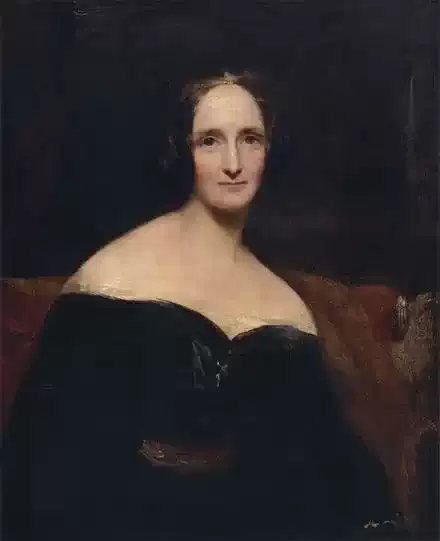
Percy Bysshe Shelley
Invocation
Rarely, rarely, comest thou,
Spirit of Delight!
Wherefore hast thou left me now
Many a day and night?
Many a weary night and day
'Tis since thou art fled away.
How shall ever one like me
Win thee back again?
With the joyous and the free
Thou wilt scoff at pain.
Spirit false! thou hast forgot
All but those who need thee not.
As a lizard with the shade
Of a trembling leaf,
Thou with sorrow art dismayed;
Even the sighs of grief
Reproach thee, that thou art not near,
And reproach thou wilt not hear.
Let me set my mournful ditty
To a merry measure;
Thou wilt never come for pity,
Thou wilt come for pleasure; -
Pity then will cut away
Those cruel wings, and thou wilt stay.
I love all that thou lovest,
Spirit of Delight!
The fresh Earth in new leaves dressed,
And the starry night;
Autumn evening, and the morn
When the golden mists are born.
I love snow and all the forms
Of the radiant frost;
I love waves, and winds, and storms,
Everything almost
Which is Nature's, and may be
Untainted by man's misery.
I love tranquil solitude,
And such society
As is quiet, wise, and good: -
Between thee and me
What diff'rence? but thou dost possess
The things I seek, not love them less.
I love Love -though he has wings,
And like light can flee,
But above all other things,
Spirit, I love thee -
Thou art love and life! O come!
Make once more my heart thy home!
Read more →
Spirit of Delight!
Wherefore hast thou left me now
Many a day and night?
Many a weary night and day
'Tis since thou art fled away.
How shall ever one like me
Win thee back again?
With the joyous and the free
Thou wilt scoff at pain.
Spirit false! thou hast forgot
All but those who need thee not.
As a lizard with the shade
Of a trembling leaf,
Thou with sorrow art dismayed;
Even the sighs of grief
Reproach thee, that thou art not near,
And reproach thou wilt not hear.
Let me set my mournful ditty
To a merry measure;
Thou wilt never come for pity,
Thou wilt come for pleasure; -
Pity then will cut away
Those cruel wings, and thou wilt stay.
I love all that thou lovest,
Spirit of Delight!
The fresh Earth in new leaves dressed,
And the starry night;
Autumn evening, and the morn
When the golden mists are born.
I love snow and all the forms
Of the radiant frost;
I love waves, and winds, and storms,
Everything almost
Which is Nature's, and may be
Untainted by man's misery.
I love tranquil solitude,
And such society
As is quiet, wise, and good: -
Between thee and me
What diff'rence? but thou dost possess
The things I seek, not love them less.
I love Love -though he has wings,
And like light can flee,
But above all other things,
Spirit, I love thee -
Thou art love and life! O come!
Make once more my heart thy home!
534
Lord Byron
If That High World
If that high world, which lies beyond
Our own, surviving Love endears;
If there the cherish'd heart be fond,
The eye the same, except in tears How
welcome those untrodden spheres!
How sweet this very your to die!
To soar from earth and find all fears
Lost in thy light Eternity!
It must be so: 'tis not for self
That we so tremble on the brink;
And striving to o'erleap the gulf,
Yet cling to Being's severing link.
Oh! in that future let us think
To hold each heart the heart that shares;
With them the immortal waters drink,
And soul in soul grow deathless theirs
Read more →
Our own, surviving Love endears;
If there the cherish'd heart be fond,
The eye the same, except in tears How
welcome those untrodden spheres!
How sweet this very your to die!
To soar from earth and find all fears
Lost in thy light Eternity!
It must be so: 'tis not for self
That we so tremble on the brink;
And striving to o'erleap the gulf,
Yet cling to Being's severing link.
Oh! in that future let us think
To hold each heart the heart that shares;
With them the immortal waters drink,
And soul in soul grow deathless theirs
533
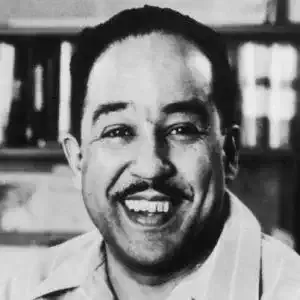
Langston Hughes
To Artina
I will take you heart.
I will take your soul out of your body
As though I were God.
I will not be satisfied
With the touch of your hand
Nor the sweet of your lips alone.
I will take your heart for mine.
I will take your soul.
I will be God when it comes to you.
Read more →
I will take your soul out of your body
As though I were God.
I will not be satisfied
With the touch of your hand
Nor the sweet of your lips alone.
I will take your heart for mine.
I will take your soul.
I will be God when it comes to you.
530
Pablo Neruda
Love
What's wrong with you, with us,
what's happening to us?
Ah our love is a harsh cord
that binds us wounding us
and if we want
to leave our wound,
to separate,
it makes a new knot for us and condemns us
to drain our blood and burn together.
What's wrong with you? I look at you
and I find nothing in you but two eyes
like all eyes, a mouth
lost among a thousand mouths that I have kissed, more beautiful,
a body just like those that have slipped
beneath my body without leaving any memory.
And how empty you went through the world
like a wheat-colored jar
without air, without sound, without substance!
I vainly sought in you
depth for my arms
that dig, without cease, beneath the earth:
beneath your skin, beneath your eyes,
nothing,
beneath your double breast scarcely
raised
a current of crystalline order
that does not know why it flows singing.
Why, why, why,
my love, why?
Read more →
what's happening to us?
Ah our love is a harsh cord
that binds us wounding us
and if we want
to leave our wound,
to separate,
it makes a new knot for us and condemns us
to drain our blood and burn together.
What's wrong with you? I look at you
and I find nothing in you but two eyes
like all eyes, a mouth
lost among a thousand mouths that I have kissed, more beautiful,
a body just like those that have slipped
beneath my body without leaving any memory.
And how empty you went through the world
like a wheat-colored jar
without air, without sound, without substance!
I vainly sought in you
depth for my arms
that dig, without cease, beneath the earth:
beneath your skin, beneath your eyes,
nothing,
beneath your double breast scarcely
raised
a current of crystalline order
that does not know why it flows singing.
Why, why, why,
my love, why?
531
Boris Pasternak
Storm-Wind
I am finished, but you live on.
And the wind, crying and moaning,
rocks the house and the clearing,
not each pine alone,
but all the trees together,
with the vast distance, whole,
like the hulls of vessels,
moored in a bay, storm-blown.
And it shakes them not from mischief,
and not with an aimless tone,
but to find, for you, from its grief,
the words of a cradle-song.
Read more →
And the wind, crying and moaning,
rocks the house and the clearing,
not each pine alone,
but all the trees together,
with the vast distance, whole,
like the hulls of vessels,
moored in a bay, storm-blown.
And it shakes them not from mischief,
and not with an aimless tone,
but to find, for you, from its grief,
the words of a cradle-song.
533
Rabindranath Tagore
O Fool
O Fool, try to carry thyself upon thy own shoulders!
O beggar, to come beg at thy own door!
Leave all thy burdens on his hands who can bear all,
and never look behind in regret.
Thy desire at once puts out the light from the lamp it touches with its breath.
It is unholy---take not thy gifts through its unclean hands.
Accept only what is offered by sacred love.
Read more →
O beggar, to come beg at thy own door!
Leave all thy burdens on his hands who can bear all,
and never look behind in regret.
Thy desire at once puts out the light from the lamp it touches with its breath.
It is unholy---take not thy gifts through its unclean hands.
Accept only what is offered by sacred love.
530
Rabindranath Tagore
Lover's Gifts LIV: In the Beginning of Time
In the beginning of time, there rose from the churning of God's
dream two women. One is the dancer at the court of paradise, the
desired of men, she who laughs and plucks the minds of the wise
from their cold meditations and of fools from their emptiness; and
scatters them like seeds with careless hands in the extravagant
winds of March, in the flowering frenzy of May.
The other is the crowned queen of heaven, the mother, throned
on the fullness of golden autumn; she who in the harvest-time
brings straying hearts to the smile sweet as tears, the beauty deep
as the sea of silence, -brings them to the temple of the Unknown,
at the holy confluence of Life and Death.
Read more →
dream two women. One is the dancer at the court of paradise, the
desired of men, she who laughs and plucks the minds of the wise
from their cold meditations and of fools from their emptiness; and
scatters them like seeds with careless hands in the extravagant
winds of March, in the flowering frenzy of May.
The other is the crowned queen of heaven, the mother, throned
on the fullness of golden autumn; she who in the harvest-time
brings straying hearts to the smile sweet as tears, the beauty deep
as the sea of silence, -brings them to the temple of the Unknown,
at the holy confluence of Life and Death.
529