
Soul

Lord Byron
Lachin Y Gair
Away, ye gay landscapes, ye garden of roses!
In you let the minions of luxury rove;
Restore me to the rocks, where the snowflake reposes,
Though still they are sacred to freedom and love:
Yet, Caledonia, beloved are thy mountains,
Round their white summits though elements war;
Though cataracts foam 'stead of smoothflowing
fountains,
I sigh for the valley of dark Loch na Garr.
Ah! there my young footsteps in infancy wandered;
My cap was teh bonnet, my cloak was the plaid;
On chieftains long perished my memory pondered,
As daily I strode through the pinecovered
glade;
I sought not my home till the day's dying glory
Gave place to the rays of the bright polar star;
For fancy was cheered by traditional story,
Disclosed by the natives of dark Loch na Garr.
"Shades of the dead! have I not heard your voices
Rise on the nightrolling
breath of the gale?"
Surely the soul of the hero rejoices,
And rides on the wind, o'er his own Highland vale.
Rouch Loch na Garr while the stormy mist gathers,
Winter presides in his cold icy car:
Clouds there encircle the forms of my fathers;
They dwell in the tempests of dark Loch na Garr.
"Illstarred,
though brave, did no visions foreboding
Tell you that fate had forsaken your cause?"
Ah! were you destined to die at Culloden,
Victory crowned not your fall with applause:
Still were you happy in death's earthy slumber,
You rest with your clan in the caves of Braemar;
The pibroch resounds, to the piper's loud number,
Your deeds on the echoes of dark Loch na Garr.
Years have rolled on, Loch na Garr, since I left you,
Years must elapse ere I tread you again:
Nature of verdure and flowers has bereft you,
Yet still are you dearer than Albion's plain.
England! thy beauties are tame and domestic
To one who has roved o'er the mountains afar:
Oh for the crags that are wild and majestic!
The steep frowning glories of the dark Loch na Garr.
Read more →
In you let the minions of luxury rove;
Restore me to the rocks, where the snowflake reposes,
Though still they are sacred to freedom and love:
Yet, Caledonia, beloved are thy mountains,
Round their white summits though elements war;
Though cataracts foam 'stead of smoothflowing
fountains,
I sigh for the valley of dark Loch na Garr.
Ah! there my young footsteps in infancy wandered;
My cap was teh bonnet, my cloak was the plaid;
On chieftains long perished my memory pondered,
As daily I strode through the pinecovered
glade;
I sought not my home till the day's dying glory
Gave place to the rays of the bright polar star;
For fancy was cheered by traditional story,
Disclosed by the natives of dark Loch na Garr.
"Shades of the dead! have I not heard your voices
Rise on the nightrolling
breath of the gale?"
Surely the soul of the hero rejoices,
And rides on the wind, o'er his own Highland vale.
Rouch Loch na Garr while the stormy mist gathers,
Winter presides in his cold icy car:
Clouds there encircle the forms of my fathers;
They dwell in the tempests of dark Loch na Garr.
"Illstarred,
though brave, did no visions foreboding
Tell you that fate had forsaken your cause?"
Ah! were you destined to die at Culloden,
Victory crowned not your fall with applause:
Still were you happy in death's earthy slumber,
You rest with your clan in the caves of Braemar;
The pibroch resounds, to the piper's loud number,
Your deeds on the echoes of dark Loch na Garr.
Years have rolled on, Loch na Garr, since I left you,
Years must elapse ere I tread you again:
Nature of verdure and flowers has bereft you,
Yet still are you dearer than Albion's plain.
England! thy beauties are tame and domestic
To one who has roved o'er the mountains afar:
Oh for the crags that are wild and majestic!
The steep frowning glories of the dark Loch na Garr.
522
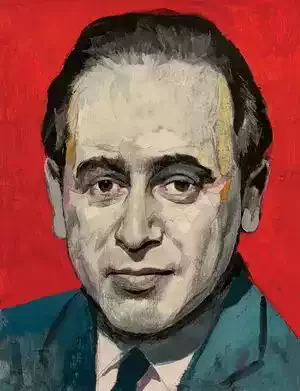
Paul Celan
Psalm
No-man kneads us again out of Earth and Loam,
no-man spirits our Dust.
No-man.
Praise to you, No-man.
For love of you
we will flower.
Moving
towards you.
A Nothing
we were, we are, we shall
be still, flowering:
the Nothing-, the
No-man’s-rose.
With
our Pistil soul-bright,
our Stamen heaven-torn,
our Corolla red
with the Violet-Word that we sang
over, O over
the thorn.
Read more →
no-man spirits our Dust.
No-man.
Praise to you, No-man.
For love of you
we will flower.
Moving
towards you.
A Nothing
we were, we are, we shall
be still, flowering:
the Nothing-, the
No-man’s-rose.
With
our Pistil soul-bright,
our Stamen heaven-torn,
our Corolla red
with the Violet-Word that we sang
over, O over
the thorn.
518

Claude Mckay
Tormented
I will not reason, wrestle here with you,
Though you pursue and worry me about;
As well put forth my swarthy arm to stop
The wild wind howling, darkly mad without.
The night is yours for revels; day will light.
I will not fight you, bold and tigerish,
For I am weak, while you are gaining strength;
Peace! cease tormenting me to have your wish.
But when you're filled and sated with the flesh,
I shall go swiftly to the silver stream,
To cleanse my body for the spirit's sake,
And sun my limbs, and close my eyes to dream.
Read more →
Though you pursue and worry me about;
As well put forth my swarthy arm to stop
The wild wind howling, darkly mad without.
The night is yours for revels; day will light.
I will not fight you, bold and tigerish,
For I am weak, while you are gaining strength;
Peace! cease tormenting me to have your wish.
But when you're filled and sated with the flesh,
I shall go swiftly to the silver stream,
To cleanse my body for the spirit's sake,
And sun my limbs, and close my eyes to dream.
522

William Wordsworth
Nutting
---------------------It seems a day
(I speak of one from many singled out)
One of those heavenly days that cannot die;
When, in the eagerness of boyish hope,
I left our cottage-threshold, sallying forth
With a huge wallet o'er my shoulders slung,
A nutting-crook in hand; and turned my steps
Tow'rd some far-distant wood, a Figure quaint,
Tricked out in proud disguise of cast-off weeds
Which for that service had been husbanded,
By exhortation of my frugal Dame--
Motley accoutrement, of power to smile
At thorns, and brakes, and brambles,--and, in truth,
More ragged than need was! O'er pathless rocks,
Through beds of matted fern, and tangled thickets,
Forcing my way, I came to one dear nook
Unvisited, where not a broken bough
Drooped with its withered leaves, ungracious sign
Of devastation; but the hazels rose
Tall and erect, with tempting clusters hung,
A virgin scene!--A little while I stood,
Breathing with such suppression of the heart
As joy delights in; and, with wise restraint
Voluptuous, fearless of a rival, eyed
The banquet;--or beneath the trees I sate
Among the flowers, and with the flowers I played;
A temper known to those, who, after long
And weary expectation, have been blest
With sudden happiness beyond all hope.
Perhaps it was a bower beneath whose leaves
The violets of five seasons re-appear
And fade, unseen by any human eye;
Where fairy water-breaks do murmur on
For ever; and I saw the sparkling foam,
And--with my cheek on one of those green stones
That, fleeced with moss, under the shady trees,
Lay round me, scattered like a flock of sheep--
I heard the murmur and the murmuring sound,
In that sweet mood when pleasure loves to pay
Tribute to ease; and, of its joy secure,
The heart luxuriates with indifferent things,
Wasting its kindliness on stocks and stones,
And on the vacant air. Then up I rose,
And dragged to earth both branch and bough, with crash
And merciless ravage: and the shady nook
Of hazels, and the green and mossy bower,
Deformed and sullied, patiently gave up
Their quiet being: and, unless I now
Confound my present feelings with the past;
Ere from the mutilated bower I turned
Exulting, rich beyond the wealth of kings,
I felt a sense of pain when I beheld
The silent trees, and saw the intruding sky--
Then, dearest Maiden, move along these shades
In gentleness of heart; with gentle hand
Touch--for there is a spirit in the woods.
Read more →
(I speak of one from many singled out)
One of those heavenly days that cannot die;
When, in the eagerness of boyish hope,
I left our cottage-threshold, sallying forth
With a huge wallet o'er my shoulders slung,
A nutting-crook in hand; and turned my steps
Tow'rd some far-distant wood, a Figure quaint,
Tricked out in proud disguise of cast-off weeds
Which for that service had been husbanded,
By exhortation of my frugal Dame--
Motley accoutrement, of power to smile
At thorns, and brakes, and brambles,--and, in truth,
More ragged than need was! O'er pathless rocks,
Through beds of matted fern, and tangled thickets,
Forcing my way, I came to one dear nook
Unvisited, where not a broken bough
Drooped with its withered leaves, ungracious sign
Of devastation; but the hazels rose
Tall and erect, with tempting clusters hung,
A virgin scene!--A little while I stood,
Breathing with such suppression of the heart
As joy delights in; and, with wise restraint
Voluptuous, fearless of a rival, eyed
The banquet;--or beneath the trees I sate
Among the flowers, and with the flowers I played;
A temper known to those, who, after long
And weary expectation, have been blest
With sudden happiness beyond all hope.
Perhaps it was a bower beneath whose leaves
The violets of five seasons re-appear
And fade, unseen by any human eye;
Where fairy water-breaks do murmur on
For ever; and I saw the sparkling foam,
And--with my cheek on one of those green stones
That, fleeced with moss, under the shady trees,
Lay round me, scattered like a flock of sheep--
I heard the murmur and the murmuring sound,
In that sweet mood when pleasure loves to pay
Tribute to ease; and, of its joy secure,
The heart luxuriates with indifferent things,
Wasting its kindliness on stocks and stones,
And on the vacant air. Then up I rose,
And dragged to earth both branch and bough, with crash
And merciless ravage: and the shady nook
Of hazels, and the green and mossy bower,
Deformed and sullied, patiently gave up
Their quiet being: and, unless I now
Confound my present feelings with the past;
Ere from the mutilated bower I turned
Exulting, rich beyond the wealth of kings,
I felt a sense of pain when I beheld
The silent trees, and saw the intruding sky--
Then, dearest Maiden, move along these shades
In gentleness of heart; with gentle hand
Touch--for there is a spirit in the woods.
519
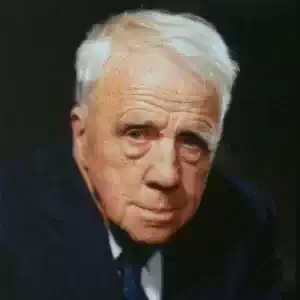
Robert Frost
Rose Pogonias
A saturated meadow,
Sun-shaped and jewel-small,
A circle scarcely wider
Than the trees around were tall;
Where winds were quite excluded,
And the air was stifling sweet
With the breath of many flowers, --
A temple of the heat.
There we bowed us in the burning,
As the sun's right worship is,
To pick where none could miss them
A thousand orchises;
For though the grass was scattered,
yet every second spear
Seemed tipped with wings of color,
That tinged the atmosphere.
We raised a simple prayer
Before we left the spot,
That in the general mowing
That place might be forgot;
Or if not all so favored,
Obtain such grace of hours,
that none should mow the grass there
While so confused with flowers.
Read more →
Sun-shaped and jewel-small,
A circle scarcely wider
Than the trees around were tall;
Where winds were quite excluded,
And the air was stifling sweet
With the breath of many flowers, --
A temple of the heat.
There we bowed us in the burning,
As the sun's right worship is,
To pick where none could miss them
A thousand orchises;
For though the grass was scattered,
yet every second spear
Seemed tipped with wings of color,
That tinged the atmosphere.
We raised a simple prayer
Before we left the spot,
That in the general mowing
That place might be forgot;
Or if not all so favored,
Obtain such grace of hours,
that none should mow the grass there
While so confused with flowers.
520

Robert Browning
By The Fire-Side
I.
How well I know what I mean to do
When the long dark autumn-evenings come:
And where, my soul, is thy pleasant hue?
With the music of all thy voices, dumb
In life's November too!
II.
I shall be found by the fire, suppose,
O'er a great wise book as beseemeth age,
While the shutters flap as the cross-wind blows
And I turn the page, and I turn the page,
Not verse now, only prose!
III.
Till the young ones whisper, finger on lip,
``There he is at it, deep in Greek:
``Now then, or never, out we slip
``To cut from the hazels by the creek
``A mainmast for our ship!''
IV.
I shall be at it indeed, my friends:
Greek puts already on either side
Such a branch-work forth as soon extends
To a vista opening far and wide,
And I pass out where it ends.
V.
The outside-frame, like your hazel-trees:
But the inside-archway widens fast,
And a rarer sort succeeds to these,
And we slope to Italy at last
And youth, by green degrees.
VI.
I follow wherever I am led,
Knowing so well the leader's hand:
Oh woman-country, wooed not wed,
Loved all the more by earth's male-lands,
Laid to their hearts instead!
VII.
Look at the ruined chapel again
Half-way up in the Alpine gorge!
Is that a tower, I point you plain,
Or is it a mill, or an iron-forge
Breaks solitude in vain?
VIII.
A turn, and we stand in the heart of things:
The woods are round us, heaped and dim;
From slab to slab how it slips and springs,
The thread of water single and slim,
Through the ravage some torrent brings!
IX.
Does it feed the little lake below?
That speck of white just on its marge
Is Pella; see, in the evening-glow,
How sharp the silver spear-heads charge
When Alp meets heaven in snow!
X.
On our other side is the straight-up rock;
And a path is kept 'twixt the gorge and it
By boulder-stones where lichens mock
The marks on a moth, and small ferns fit
Their teeth to the polished block.
XI.
Oh the sense of the yellow mountain-flowers,
And thorny balls, each three in one,
The chestnuts throw on our path in showers!
For the drop of the woodland fruit's begun,
These early November hours,
XII.
That crimson the creeper's leaf across
Like a splash of blood, intense, abrupt,
O'er a shield else gold from rim to boss,
And lay it for show on the fairy-cupped
Elf-needled mat of moss,
XIII.
By the rose-flesh mushrooms, undivulged
Last evening---nay, in to-day's first dew
Yon sudden coral nipple bulged,
Where a freaked fawn-coloured flaky crew
Of toadstools peep indulged.
XIV.
And yonder, at foot of the fronting ridge
That takes the turn to a range beyond,
Is the chapel reached by the one-arched bridge
Where the water is stopped in a stagnant pond
Danced over by the midge.
XV.
The chapel and bridge are of stone alike,
Blackish-grey and mostly wet;
Cut hemp-stalks steep in the narrow dyke.
See here again, how the lichens fret
And the roots of the ivy strike!
XVI.
Poor little place, where its one priest comes
On a festa-day, if he comes at all,
To the dozen folk from their scattered homes,
Gathered within that precinct small
By the dozen ways one roams---
XVII.
To drop from the charcoal-burners' huts,
Or climb from the hemp-dressers' low shed,
Leave the grange where the woodman stores his nuts,
Or the wattled cote where the fowlers spread
Their gear on the rock's bare juts.
XVIII.
It has some pretension too, this front,
With its bit of fresco half-moon-wise
Set over the porch, Art's early wont:
'Tis John in the Desert, I surmise,
But has borne the weather's brunt---
XIX.
Not from the fault of the builder, though,
For a pent-house properly projects
Where three carved beams make a certain show,
Dating---good thought of our architect's---
'Five, six, nine, he lets you know.
XX.
And all day long a bird sings there,
And a stray sheep drinks at the pond at times;
The place is silent and aware;
It has had its scenes, its joys and crimes,
But that is its own affair.
XXI.
My perfect wife, my Leonor,
Oh heart, my own, oh eyes, mine too,
Whom else could I dare look backward for,
With whom beside should I dare pursue
The path grey heads abhor?
XXII.
For it leads to a crag's sheer edge with them;
Youth, flowery all the way, there stops---
Not they; age threatens and they contemn,
Till they reach the gulf wherein youth drops,
One inch from life's safe hem!
XXIII.
With me, youth led ... I will speak now,
No longer watch you as you sit
Reading by fire-light, that great brow
And the spirit-small hand propping it,
Mutely, my heart knows how---
XXIV.
When, if I think but deep enough,
You are wont to answer, prompt as rhyme;
And you, too, find without rebuff
Response your soul seeks many a time
Piercing its fine flesh-stuff.
XXV.
My own, confirm me! If I tread
This path back, is it not in pride
To think how little I dreamed it led
To an age so blest that, by its side,
Youth seems the waste instead?
XXVI.
My own, see where the years conduct!
At first, 'twas something our two souls
Should mix as mists do; each is sucked
In each now: on, the new stream rolls,
Whatever rocks obstruct.
XXVII.
Think, when our one soul understands
The great Word which makes all things new,
When earth breaks up and heaven expands,
How will the change strike me and you
ln the house not made with hands?
XXVIII.
Oh I must feel your brain prompt mine,
Your heart anticipate my heart,
You must be just before, in fine,
See and make me see, for your part,
New depths of the divine!
XXIX.
But who could have expected this
When we two drew together first
Just for the obvious human bliss,
To satisfy life's daily thirst
With a thing men seldom miss?
XXX.
Come back with me to the first of all,
Let us lean and love it over again,
Let us now forget and now recall,
Break the rosary in a pearly rain,
And gather what we let fall!
XXXI.
What did I say?---that a small bird sings
All day long, save when a brown pair
Of hawks from the wood float with wide wings
Strained to a bell: 'gainst noon-day glare
You count the streaks and rings.
XXXII.
But at afternoon or almost eve
'Tis better; then the silence grows
To that degree, you half believe
It must get rid of what it knows,
Its bosom does so heave.
XXXIII.
Hither we walked then, side by side,
Arm in arm and cheek to cheek,
And still I questioned or replied,
While my heart, convulsed to really speak,
Lay choking in its pride.
XXXIV.
Silent the crumbling bridge we cross,
And pity and praise the chapel sweet,
And care about the fresco's loss,
And wish for our souls a like retreat,
And wonder at the moss.
XXXV.
Stoop and kneel on the settle under,
Look through the window's grated square:
Nothing to see! For fear of plunder,
The cross is down and the altar bare,
As if thieves don't fear thunder.
XXXVI.
We stoop and look in through the grate,
See the little porch and rustic door,
Read duly the dead builder's date;
Then cross the bridge that we crossed before,
Take the path again---but wait!
XXXVII.
Oh moment, one and infinite!
The water slips o'er stock and stone;
The West is tender, hardly bright:
How grey at once is the evening grown---
One star, its chrysolite!
XXXVIII.
We two stood there with never a third,
But each by each, as each knew well:
The sights we saw and the sounds we heard,
The lights and the shades made up a spell
Till the trouble grew and stirred.
XXXIX.
Oh, the little more, and how much it is!
And the little less, and what worlds away!
How a sound shall quicken content to bliss,
Or a breath suspend the blood's best play,
And life be a proof of this!
XL.
Had she willed it, still had stood the screen
So slight, so sure, 'twixt my love and her:
I could fix her face with a guard between,
And find her soul as when friends confer,
Friends---lovers that might have been.
XLI.
For my heart had a touch of the woodland-time,
Wanting to sleep now over its best.
Shake the whole tree in the summer-prime,
But bring to the Iast leaf no such test!
``Hold the last fast!'' runs the rhyme.
XLII.
For a chance to make your little much,
To gain a lover and lose a friend,
Venture the tree and a myriad such,
When nothing you mar but the year can mend:
But a last leaf---fear to touch!
XLIII.
Yet should it unfasten itself and fall
Eddying down till it find your face
At some slight wind---best chance of all!
Be your heart henceforth its dwelling-place
You trembled to forestall!
XLIV.
Worth how well, those dark grey eyes,
That hair so dark and dear, how worth
That a man should strive and agonize,
And taste a veriest hell on earth
For the hope of such a prize!
XIIV.
You might have turned and tried a man,
Set him a space to weary and wear,
And prove which suited more your plan,
His best of hope or his worst despair,
Yet end as he began.
XLVI.
But you spared me this, like the heart you are,
And filled my empty heart at a word.
If two lives join, there is oft a scar,
They are one and one, with a shadowy third;
One near one is too far.
XLVII.
A moment after, and hands unseen
Were hanging the night around us fast
But we knew that a bar was broken between
Life and life: we were mixed at last
In spite of the mortal screen.
XLVIII.
The forests had done it; there they stood;
We caught for a moment the powers at play:
They had mingled us so, for once and good,
Their work was done---we might go or stay,
They relapsed to their ancient mood.
XLIX.
How the world is made for each of us!
How all we perceive and know in it
Tends to some moment's product thus,
When a soul declares itself---to wit,
By its fruit, the thing it does
L.
Be hate that fruit or love that fruit,
It forwards the general deed of man,
And each of the Many helps to recruit
The life of the race by a general plan;
Each living his own, to boot.
LI.
I am named and known by that moment's feat;
There took my station and degree;
So grew my own small life complete,
As nature obtained her best of me---
One born to love you, sweet!
LII.
And to watch you sink by the fire-side now
Back again, as you mutely sit
Musing by fire-light, that great brow
And the spirit-small hand propping it,
Yonder, my heart knows how!
LIII.
So, earth has gained by one man the more,
And the gain of earth must be heaven's gain too;
And the whole is well worth thinking o'er
When autumn comes: which I mean to do
One day, as I said before.
Read more →
How well I know what I mean to do
When the long dark autumn-evenings come:
And where, my soul, is thy pleasant hue?
With the music of all thy voices, dumb
In life's November too!
II.
I shall be found by the fire, suppose,
O'er a great wise book as beseemeth age,
While the shutters flap as the cross-wind blows
And I turn the page, and I turn the page,
Not verse now, only prose!
III.
Till the young ones whisper, finger on lip,
``There he is at it, deep in Greek:
``Now then, or never, out we slip
``To cut from the hazels by the creek
``A mainmast for our ship!''
IV.
I shall be at it indeed, my friends:
Greek puts already on either side
Such a branch-work forth as soon extends
To a vista opening far and wide,
And I pass out where it ends.
V.
The outside-frame, like your hazel-trees:
But the inside-archway widens fast,
And a rarer sort succeeds to these,
And we slope to Italy at last
And youth, by green degrees.
VI.
I follow wherever I am led,
Knowing so well the leader's hand:
Oh woman-country, wooed not wed,
Loved all the more by earth's male-lands,
Laid to their hearts instead!
VII.
Look at the ruined chapel again
Half-way up in the Alpine gorge!
Is that a tower, I point you plain,
Or is it a mill, or an iron-forge
Breaks solitude in vain?
VIII.
A turn, and we stand in the heart of things:
The woods are round us, heaped and dim;
From slab to slab how it slips and springs,
The thread of water single and slim,
Through the ravage some torrent brings!
IX.
Does it feed the little lake below?
That speck of white just on its marge
Is Pella; see, in the evening-glow,
How sharp the silver spear-heads charge
When Alp meets heaven in snow!
X.
On our other side is the straight-up rock;
And a path is kept 'twixt the gorge and it
By boulder-stones where lichens mock
The marks on a moth, and small ferns fit
Their teeth to the polished block.
XI.
Oh the sense of the yellow mountain-flowers,
And thorny balls, each three in one,
The chestnuts throw on our path in showers!
For the drop of the woodland fruit's begun,
These early November hours,
XII.
That crimson the creeper's leaf across
Like a splash of blood, intense, abrupt,
O'er a shield else gold from rim to boss,
And lay it for show on the fairy-cupped
Elf-needled mat of moss,
XIII.
By the rose-flesh mushrooms, undivulged
Last evening---nay, in to-day's first dew
Yon sudden coral nipple bulged,
Where a freaked fawn-coloured flaky crew
Of toadstools peep indulged.
XIV.
And yonder, at foot of the fronting ridge
That takes the turn to a range beyond,
Is the chapel reached by the one-arched bridge
Where the water is stopped in a stagnant pond
Danced over by the midge.
XV.
The chapel and bridge are of stone alike,
Blackish-grey and mostly wet;
Cut hemp-stalks steep in the narrow dyke.
See here again, how the lichens fret
And the roots of the ivy strike!
XVI.
Poor little place, where its one priest comes
On a festa-day, if he comes at all,
To the dozen folk from their scattered homes,
Gathered within that precinct small
By the dozen ways one roams---
XVII.
To drop from the charcoal-burners' huts,
Or climb from the hemp-dressers' low shed,
Leave the grange where the woodman stores his nuts,
Or the wattled cote where the fowlers spread
Their gear on the rock's bare juts.
XVIII.
It has some pretension too, this front,
With its bit of fresco half-moon-wise
Set over the porch, Art's early wont:
'Tis John in the Desert, I surmise,
But has borne the weather's brunt---
XIX.
Not from the fault of the builder, though,
For a pent-house properly projects
Where three carved beams make a certain show,
Dating---good thought of our architect's---
'Five, six, nine, he lets you know.
XX.
And all day long a bird sings there,
And a stray sheep drinks at the pond at times;
The place is silent and aware;
It has had its scenes, its joys and crimes,
But that is its own affair.
XXI.
My perfect wife, my Leonor,
Oh heart, my own, oh eyes, mine too,
Whom else could I dare look backward for,
With whom beside should I dare pursue
The path grey heads abhor?
XXII.
For it leads to a crag's sheer edge with them;
Youth, flowery all the way, there stops---
Not they; age threatens and they contemn,
Till they reach the gulf wherein youth drops,
One inch from life's safe hem!
XXIII.
With me, youth led ... I will speak now,
No longer watch you as you sit
Reading by fire-light, that great brow
And the spirit-small hand propping it,
Mutely, my heart knows how---
XXIV.
When, if I think but deep enough,
You are wont to answer, prompt as rhyme;
And you, too, find without rebuff
Response your soul seeks many a time
Piercing its fine flesh-stuff.
XXV.
My own, confirm me! If I tread
This path back, is it not in pride
To think how little I dreamed it led
To an age so blest that, by its side,
Youth seems the waste instead?
XXVI.
My own, see where the years conduct!
At first, 'twas something our two souls
Should mix as mists do; each is sucked
In each now: on, the new stream rolls,
Whatever rocks obstruct.
XXVII.
Think, when our one soul understands
The great Word which makes all things new,
When earth breaks up and heaven expands,
How will the change strike me and you
ln the house not made with hands?
XXVIII.
Oh I must feel your brain prompt mine,
Your heart anticipate my heart,
You must be just before, in fine,
See and make me see, for your part,
New depths of the divine!
XXIX.
But who could have expected this
When we two drew together first
Just for the obvious human bliss,
To satisfy life's daily thirst
With a thing men seldom miss?
XXX.
Come back with me to the first of all,
Let us lean and love it over again,
Let us now forget and now recall,
Break the rosary in a pearly rain,
And gather what we let fall!
XXXI.
What did I say?---that a small bird sings
All day long, save when a brown pair
Of hawks from the wood float with wide wings
Strained to a bell: 'gainst noon-day glare
You count the streaks and rings.
XXXII.
But at afternoon or almost eve
'Tis better; then the silence grows
To that degree, you half believe
It must get rid of what it knows,
Its bosom does so heave.
XXXIII.
Hither we walked then, side by side,
Arm in arm and cheek to cheek,
And still I questioned or replied,
While my heart, convulsed to really speak,
Lay choking in its pride.
XXXIV.
Silent the crumbling bridge we cross,
And pity and praise the chapel sweet,
And care about the fresco's loss,
And wish for our souls a like retreat,
And wonder at the moss.
XXXV.
Stoop and kneel on the settle under,
Look through the window's grated square:
Nothing to see! For fear of plunder,
The cross is down and the altar bare,
As if thieves don't fear thunder.
XXXVI.
We stoop and look in through the grate,
See the little porch and rustic door,
Read duly the dead builder's date;
Then cross the bridge that we crossed before,
Take the path again---but wait!
XXXVII.
Oh moment, one and infinite!
The water slips o'er stock and stone;
The West is tender, hardly bright:
How grey at once is the evening grown---
One star, its chrysolite!
XXXVIII.
We two stood there with never a third,
But each by each, as each knew well:
The sights we saw and the sounds we heard,
The lights and the shades made up a spell
Till the trouble grew and stirred.
XXXIX.
Oh, the little more, and how much it is!
And the little less, and what worlds away!
How a sound shall quicken content to bliss,
Or a breath suspend the blood's best play,
And life be a proof of this!
XL.
Had she willed it, still had stood the screen
So slight, so sure, 'twixt my love and her:
I could fix her face with a guard between,
And find her soul as when friends confer,
Friends---lovers that might have been.
XLI.
For my heart had a touch of the woodland-time,
Wanting to sleep now over its best.
Shake the whole tree in the summer-prime,
But bring to the Iast leaf no such test!
``Hold the last fast!'' runs the rhyme.
XLII.
For a chance to make your little much,
To gain a lover and lose a friend,
Venture the tree and a myriad such,
When nothing you mar but the year can mend:
But a last leaf---fear to touch!
XLIII.
Yet should it unfasten itself and fall
Eddying down till it find your face
At some slight wind---best chance of all!
Be your heart henceforth its dwelling-place
You trembled to forestall!
XLIV.
Worth how well, those dark grey eyes,
That hair so dark and dear, how worth
That a man should strive and agonize,
And taste a veriest hell on earth
For the hope of such a prize!
XIIV.
You might have turned and tried a man,
Set him a space to weary and wear,
And prove which suited more your plan,
His best of hope or his worst despair,
Yet end as he began.
XLVI.
But you spared me this, like the heart you are,
And filled my empty heart at a word.
If two lives join, there is oft a scar,
They are one and one, with a shadowy third;
One near one is too far.
XLVII.
A moment after, and hands unseen
Were hanging the night around us fast
But we knew that a bar was broken between
Life and life: we were mixed at last
In spite of the mortal screen.
XLVIII.
The forests had done it; there they stood;
We caught for a moment the powers at play:
They had mingled us so, for once and good,
Their work was done---we might go or stay,
They relapsed to their ancient mood.
XLIX.
How the world is made for each of us!
How all we perceive and know in it
Tends to some moment's product thus,
When a soul declares itself---to wit,
By its fruit, the thing it does
L.
Be hate that fruit or love that fruit,
It forwards the general deed of man,
And each of the Many helps to recruit
The life of the race by a general plan;
Each living his own, to boot.
LI.
I am named and known by that moment's feat;
There took my station and degree;
So grew my own small life complete,
As nature obtained her best of me---
One born to love you, sweet!
LII.
And to watch you sink by the fire-side now
Back again, as you mutely sit
Musing by fire-light, that great brow
And the spirit-small hand propping it,
Yonder, my heart knows how!
LIII.
So, earth has gained by one man the more,
And the gain of earth must be heaven's gain too;
And the whole is well worth thinking o'er
When autumn comes: which I mean to do
One day, as I said before.
522
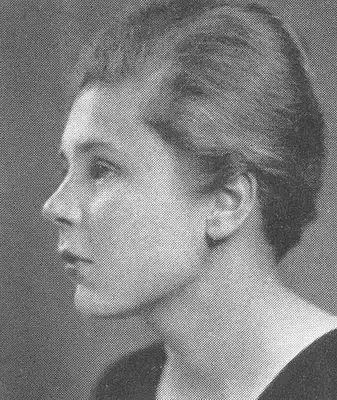
Elizabeth Bishop
Sleeping on the Ceiling
It is so peaceful on the ceiling!
It is the Place de la Concorde.
The little crystal chandelier
is off, the fountain is in the dark.
Not a soul is in the park.
Below, where the wallpaper is peeling,
the Jardin des Plantes has locked its gates.
Those photographs are animals.
The mighty flowers and foliage rustle;
under the leaves the insects tunnel.
We must go under the wallpaper
to meet the insect-gladiator,
to battle with a net and trident,
and leave the fountain and the square
But oh, that we could sleep up there...
Read more →
It is the Place de la Concorde.
The little crystal chandelier
is off, the fountain is in the dark.
Not a soul is in the park.
Below, where the wallpaper is peeling,
the Jardin des Plantes has locked its gates.
Those photographs are animals.
The mighty flowers and foliage rustle;
under the leaves the insects tunnel.
We must go under the wallpaper
to meet the insect-gladiator,
to battle with a net and trident,
and leave the fountain and the square
But oh, that we could sleep up there...
513

Muhammad Iqbal
The Morning Sun
Far from the ignoble strife of Man's tavern you are
The wine-cup adorning the sky's assemblage you are
The jewel which should be the pearl of the morning's bride's ear you are
The ornament which would be the pride of horizon's forehead you are
The blot of night's ink from time's page has been removed!
The star from sky like a spurious picture has been removed!
When from the roof of the sky your beauty appears
Effect of sleep's wine suddenly from eyes disappears
Perception's expanse gets filled with light
Though opens only the material eye your light
The spectacle which the eyes seek is desired
The effulgence which would open the insight is desired
The desires for freedom were not fulfilled in this life
We remained imprisoned in chains of dependence all life
The high and the low are alike for your eye
I too have longing for such a discerning eye
May my eye shedding tears in sympathy for others' woes be!
May my heart free from the prejudice of nation and customs be!
May my tongue be not bound with discrimination of color
May mankind be my nation, the whole world my country be
May secret of Nature's organization clear to my insight be
May smoke of my imagination's candle rising to the sky be
May search for secrets of opposites not make me restless!
May the Love-creating Beauty in everything appear to me!
If the rose petals get damaged by the breeze
May its pain dropping from my eye as a tear be
May the heart contain that little spark of Love's fire
The light of which may contain the secret of the Truth
May my heart not mine but the Beloved's mirror be!
May no thought in my mind except human sympathy be!
If you cannot endure the hardships of the tumultuous world
O the Great Luminary that is not the mark of greatness!
As you are not aware of your world-decorating beauty
You cannot be equal to a speck of dust at the Man's door!
The light of Man eager for the Spectacle ever remained
And you obligated to the tomorrow's morning ever remained
Longing for the Light of the Truth is only in our hearts
Abode of Lailah of desire for search is only in this litter
Opening of the difficult knot, Oh what a pleasure it is!
The pleasure of universal gain in our endless effort is!
Your bosom is unacquainted with the pain of investigation
You are not familiar with searching of the secrets of Nature
Read more →
The wine-cup adorning the sky's assemblage you are
The jewel which should be the pearl of the morning's bride's ear you are
The ornament which would be the pride of horizon's forehead you are
The blot of night's ink from time's page has been removed!
The star from sky like a spurious picture has been removed!
When from the roof of the sky your beauty appears
Effect of sleep's wine suddenly from eyes disappears
Perception's expanse gets filled with light
Though opens only the material eye your light
The spectacle which the eyes seek is desired
The effulgence which would open the insight is desired
The desires for freedom were not fulfilled in this life
We remained imprisoned in chains of dependence all life
The high and the low are alike for your eye
I too have longing for such a discerning eye
May my eye shedding tears in sympathy for others' woes be!
May my heart free from the prejudice of nation and customs be!
May my tongue be not bound with discrimination of color
May mankind be my nation, the whole world my country be
May secret of Nature's organization clear to my insight be
May smoke of my imagination's candle rising to the sky be
May search for secrets of opposites not make me restless!
May the Love-creating Beauty in everything appear to me!
If the rose petals get damaged by the breeze
May its pain dropping from my eye as a tear be
May the heart contain that little spark of Love's fire
The light of which may contain the secret of the Truth
May my heart not mine but the Beloved's mirror be!
May no thought in my mind except human sympathy be!
If you cannot endure the hardships of the tumultuous world
O the Great Luminary that is not the mark of greatness!
As you are not aware of your world-decorating beauty
You cannot be equal to a speck of dust at the Man's door!
The light of Man eager for the Spectacle ever remained
And you obligated to the tomorrow's morning ever remained
Longing for the Light of the Truth is only in our hearts
Abode of Lailah of desire for search is only in this litter
Opening of the difficult knot, Oh what a pleasure it is!
The pleasure of universal gain in our endless effort is!
Your bosom is unacquainted with the pain of investigation
You are not familiar with searching of the secrets of Nature
514
Safo
Like the gods. . .
In my eyes he matches the gods, that man who
sits there facing you--any man whatever--
listening from closeby to the sweetness of your
voice as you talk, the
sweetness of your laughter: yes, that--I swear it--
sets the heart to shaking inside my breast, since
once I look at you for a moment, I can't
speak any longer,
but my tongue breaks down, and then all at once a
subtle fire races inside my skin, my
eyes can't see a thing and a whirring whistle
thrums at my hearing,
cold sweat covers me and a trembling takes
ahold of me all over: I'm greener than the
grass is and appear to myself to be little
short of dying.
But all must be endured, since even a poor [
Read more →
sits there facing you--any man whatever--
listening from closeby to the sweetness of your
voice as you talk, the
sweetness of your laughter: yes, that--I swear it--
sets the heart to shaking inside my breast, since
once I look at you for a moment, I can't
speak any longer,
but my tongue breaks down, and then all at once a
subtle fire races inside my skin, my
eyes can't see a thing and a whirring whistle
thrums at my hearing,
cold sweat covers me and a trembling takes
ahold of me all over: I'm greener than the
grass is and appear to myself to be little
short of dying.
But all must be endured, since even a poor [
518

Rabindranath Tagore
Face To Face
Day after day, O lord of my life,
shall I stand before thee face to face.
With folded hands, O lord of all worlds,
shall I stand before thee face to face.
Under thy great sky in solitude and silence,
with humble heart shall I stand before thee face to face.
In this laborious world of thine, tumultuous with toil
and with struggle, among hurrying crowds
shall I stand before thee face to face.
And when my work shall be done in this world,
O King of kings, alone and speechless
shall I stand before thee face to face.
Read more →
shall I stand before thee face to face.
With folded hands, O lord of all worlds,
shall I stand before thee face to face.
Under thy great sky in solitude and silence,
with humble heart shall I stand before thee face to face.
In this laborious world of thine, tumultuous with toil
and with struggle, among hurrying crowds
shall I stand before thee face to face.
And when my work shall be done in this world,
O King of kings, alone and speechless
shall I stand before thee face to face.
518
Safo
Ode to a Loved One
LEST as the immortal gods is he,
The youth who fondly sits by thee,
And hears and sees thee, all the while,
Softly speaks and sweetly smile.
'Twas this deprived my soul of rest,
And raised such tumults in my breast;
For, while I gazed, in transport tossed,
My breath was gone, my voice was lost;
My bosom glowed; the subtle flame
Ran quick through all my vital frame;
O'er my dim eyes a darkness hung;
My ears with hollow murmurs rung;
In dewy damps my limbs were chilled;
My blood with gentle horrors thrilled:
My feeble pulse forgot to play;
I fainted, sunk, and died away.
Read more →
The youth who fondly sits by thee,
And hears and sees thee, all the while,
Softly speaks and sweetly smile.
'Twas this deprived my soul of rest,
And raised such tumults in my breast;
For, while I gazed, in transport tossed,
My breath was gone, my voice was lost;
My bosom glowed; the subtle flame
Ran quick through all my vital frame;
O'er my dim eyes a darkness hung;
My ears with hollow murmurs rung;
In dewy damps my limbs were chilled;
My blood with gentle horrors thrilled:
My feeble pulse forgot to play;
I fainted, sunk, and died away.
514
Lord Byron
The Adieu
Written Under The Impression That The Author Would Soon Die.
Adieu, thou Hill! where early joy
Spread roses o'er my brow;
Where Science seeks each loitering boy
With knowledge to endow.
Adieu, my youthful friends or foes,
Partners of former bliss or woes;
No more through Ida's paths we stray;
Soon must I share the gloomy cell,
Whose ever‑slumbering inmates dwell
Unconscious of the day.
Adieu, ye hoary Regal Fanes,
Ye spires of Granta's vale,
Where Learning robed in sable reigns,
And Melancholy pale.
Ye comrades of the jovial hour,
Ye tenants of the classic bower,
On Cama's verdant margin placed,
Adieu! while memory still is mine,
For, offerings on Oblivion's shrine,
These scenes must be effaced.
Adieu, ye mountains of the clime
Where grew my youthful years;
Where Loch na Garr in snows sublime
His giant summit rears.
Why did my childhood wander forth
From you, ye regions of the North,
With sons of pride to roam?
Why did I quit my Highland cave,
Mar's dusky heath, and Dee's clear wave,
To seek a Sotheron home!
Hall of my Sires! a long farewell
Yet
why to thee adieu?
Thy vaults will echo back my knell,
Thy towers my tomb will view:
The faltering tongue which sung thy fall,
And former glories of thy Hall,
Forgets its wonted simple note
But
yet the Lyre retains the strings,
And sometimes, on Æolian wings,
In dying strains may float.
Fields which surround yon rustic cot,
While yet I linger here,
Adieu! you are not now forgot,
To retrospection dear.
Streamlet! along whose rippling surge
My youthful limbs were wont to urge,
At noontide heat, their pliant course;
Plunging with ardour from the shore,
Thy springs will lave these limbs no more,
Deprived of active force.
And shall I here forget the scene,
Still nearest to my breast?
Rocks rise and rivers roll between
The spot which passion blest;
Yet, Mary, all thy beauties seem
Fresh as in Love's bewitching dream,
To me in smiles display'd;
Till slow disease resigns his prey
To Death, the parent of decay,
Thine image cannot fade.
And thou, my Friend! whose gentle love
Yet thrills my bosom's chords,
How much thy friendship was above
Description's power of words!
Still near my breast thy gift I wear
Which sparkled once with Feeling's tear,
Of Love the pure, the sacred gem;
Our souls were equal, and our lot
In that dear moment quite forgot;
Let Pride alone condemn!
All, all is dark and cheerless now!
No smile of Love's deceit
Can warm my veins with wonted glow,
Can bid Life's pulses beat:
Not e'en the hope of future fame
Can wake my faint, exhausted frame,
Or crown with fancied wreaths my head.
Mine is a short inglorious race,
To
humble in the dust my face,
And mingle with the dead.
Oh Fame! thou goddess of my heart;
On him who gains thy praise,
Pointless must fall the Spectre's dart,
Consumed in Glory's blaze;
But me she beckons from the earth,
My name obscure, unmark'd my birth,
My life a short and vulgar dream:
Lost in the dull, ignoble crowd,
My hopes recline within a shroud,
My fate is Lathe's stream.
When I repose beneath the sod,
Unheeded in the clay,
Where once my playful footsteps trod,
Where now my head must lay,
The weed of Pity will be shed
In dewdrops
o'er my narrow bed,
By nightly skies, and storms alone;
No mortal eye will deign to steep
With tears the dark sepulchral deep
Which hides a name unknown.
Forget this world, my restless sprite,
Turn, turn thy thoughts to Heaven:
There must thou soon direct thy flight,
If errors are forgiven.
To bigots and to sects unknown,
Bow down beneath the Almighty's Throne;
To Him address thy trembling prayer:
He, who is merciful and just,
Will not reject a child of dust,
Although his meanest care.
Father of Light! to Thee I call;
My soul is dark within:
Thou who canst mark the sparrow's fall,
Avert the death of sin.
Thou, who canst guide the wandering star,
Who calm'st the elemental war,
Whose mantle is yon boundless sky,
My thoughts, my words, my crimes forgive:
And, since I soon must cease to live,
Instruct me how to die.
Read more →
Adieu, thou Hill! where early joy
Spread roses o'er my brow;
Where Science seeks each loitering boy
With knowledge to endow.
Adieu, my youthful friends or foes,
Partners of former bliss or woes;
No more through Ida's paths we stray;
Soon must I share the gloomy cell,
Whose ever‑slumbering inmates dwell
Unconscious of the day.
Adieu, ye hoary Regal Fanes,
Ye spires of Granta's vale,
Where Learning robed in sable reigns,
And Melancholy pale.
Ye comrades of the jovial hour,
Ye tenants of the classic bower,
On Cama's verdant margin placed,
Adieu! while memory still is mine,
For, offerings on Oblivion's shrine,
These scenes must be effaced.
Adieu, ye mountains of the clime
Where grew my youthful years;
Where Loch na Garr in snows sublime
His giant summit rears.
Why did my childhood wander forth
From you, ye regions of the North,
With sons of pride to roam?
Why did I quit my Highland cave,
Mar's dusky heath, and Dee's clear wave,
To seek a Sotheron home!
Hall of my Sires! a long farewell
Yet
why to thee adieu?
Thy vaults will echo back my knell,
Thy towers my tomb will view:
The faltering tongue which sung thy fall,
And former glories of thy Hall,
Forgets its wonted simple note
But
yet the Lyre retains the strings,
And sometimes, on Æolian wings,
In dying strains may float.
Fields which surround yon rustic cot,
While yet I linger here,
Adieu! you are not now forgot,
To retrospection dear.
Streamlet! along whose rippling surge
My youthful limbs were wont to urge,
At noontide heat, their pliant course;
Plunging with ardour from the shore,
Thy springs will lave these limbs no more,
Deprived of active force.
And shall I here forget the scene,
Still nearest to my breast?
Rocks rise and rivers roll between
The spot which passion blest;
Yet, Mary, all thy beauties seem
Fresh as in Love's bewitching dream,
To me in smiles display'd;
Till slow disease resigns his prey
To Death, the parent of decay,
Thine image cannot fade.
And thou, my Friend! whose gentle love
Yet thrills my bosom's chords,
How much thy friendship was above
Description's power of words!
Still near my breast thy gift I wear
Which sparkled once with Feeling's tear,
Of Love the pure, the sacred gem;
Our souls were equal, and our lot
In that dear moment quite forgot;
Let Pride alone condemn!
All, all is dark and cheerless now!
No smile of Love's deceit
Can warm my veins with wonted glow,
Can bid Life's pulses beat:
Not e'en the hope of future fame
Can wake my faint, exhausted frame,
Or crown with fancied wreaths my head.
Mine is a short inglorious race,
To
humble in the dust my face,
And mingle with the dead.
Oh Fame! thou goddess of my heart;
On him who gains thy praise,
Pointless must fall the Spectre's dart,
Consumed in Glory's blaze;
But me she beckons from the earth,
My name obscure, unmark'd my birth,
My life a short and vulgar dream:
Lost in the dull, ignoble crowd,
My hopes recline within a shroud,
My fate is Lathe's stream.
When I repose beneath the sod,
Unheeded in the clay,
Where once my playful footsteps trod,
Where now my head must lay,
The weed of Pity will be shed
In dewdrops
o'er my narrow bed,
By nightly skies, and storms alone;
No mortal eye will deign to steep
With tears the dark sepulchral deep
Which hides a name unknown.
Forget this world, my restless sprite,
Turn, turn thy thoughts to Heaven:
There must thou soon direct thy flight,
If errors are forgiven.
To bigots and to sects unknown,
Bow down beneath the Almighty's Throne;
To Him address thy trembling prayer:
He, who is merciful and just,
Will not reject a child of dust,
Although his meanest care.
Father of Light! to Thee I call;
My soul is dark within:
Thou who canst mark the sparrow's fall,
Avert the death of sin.
Thou, who canst guide the wandering star,
Who calm'st the elemental war,
Whose mantle is yon boundless sky,
My thoughts, my words, my crimes forgive:
And, since I soon must cease to live,
Instruct me how to die.
514

Elizabeth Barrett Browning
To George Sand: A Recognition
TRUE genius, but true woman ! dost deny
The woman's nature with a manly scorn
And break away the gauds and armlets worn
By weaker women in captivity?
Ah, vain denial ! that revolted cry
Is sobbed in by a woman's voice forlorn, _
Thy woman's hair, my sister, all unshorn
Floats back dishevelled strength in agony
Disproving thy man's name: and while before
The world thou burnest in a poet-fire,
We see thy woman-heart beat evermore
Through the large flame. Beat purer, heart, and higher,
Till God unsex thee on the heavenly shore
Where unincarnate spirits purely aspire !
Read more →
The woman's nature with a manly scorn
And break away the gauds and armlets worn
By weaker women in captivity?
Ah, vain denial ! that revolted cry
Is sobbed in by a woman's voice forlorn, _
Thy woman's hair, my sister, all unshorn
Floats back dishevelled strength in agony
Disproving thy man's name: and while before
The world thou burnest in a poet-fire,
We see thy woman-heart beat evermore
Through the large flame. Beat purer, heart, and higher,
Till God unsex thee on the heavenly shore
Where unincarnate spirits purely aspire !
513

Rudyard Kipling
The Derelict
And reports the derelict Mary Pollock still at sea.
SHIPPING NEWS.
I was the staunchest of our fleet
Till the sea rose beneath our feet
Unheralded, in hatred past all measure.
Into his pits he stamped my crew,
Buffeted, blinded, bound and threw,
Bidding me eyeless wait upon his pleasure.
Man made me, and my will
Is to my maker still,
Whom now the currents con, the rollers steer --
Lifting forlorn to spy
Trailed smoke along the sky,
Falling afraid lest any keel come near!
Wrenched as the lips of thirst,
Wried, dried, and split and burst,
Bone-bleached my decks, wind-scoured to the graining;
And jarred at every roll
The gear that was my soul
Answers the anguish of my beams' complaining.
For life that crammed me full,
Gangs of the prying gull
That shriek and scrabble on the riven hatches!
For roar that dumbed the gale,
My hawse-pipes guttering wail,
Sobbing my heart out through the uncounted watches!
Blind in the hot blue ring
Through all my points I swing --
Swing and return to shift the sun anew.
Blind in my well-known sky
I hear the stars go by,
Mocking the prow that cannot hold one true!
White on my wasted path
Wave after wave in wrath
Frets 'gainst his fellow, warring where to send me.
Flung forward, heaved aside,
Witless and dazed I bide
The mercy of the comber that shall end me.
North where the bergs careen,
The spray of seas unseen
Smokes round my head and freezes in the falling;
South where the corals breed,
The footless, floating weed
Folds me and fouls me, strake on strake upcrawling.
I that was clean to run
My race against the sun --
Strength on the deep, am bawd to all disaster --
Whipped forth by night to meet
My sister's careless feet,
And with a kiss betray her to my master!
Man made me, and my will
Is to my maker still --
To him and his, our peoples at their pier:
Lifting in hope to spy
Trailed smoke along the sky,
Falling afraid lest any keel come near!
Read more →
SHIPPING NEWS.
I was the staunchest of our fleet
Till the sea rose beneath our feet
Unheralded, in hatred past all measure.
Into his pits he stamped my crew,
Buffeted, blinded, bound and threw,
Bidding me eyeless wait upon his pleasure.
Man made me, and my will
Is to my maker still,
Whom now the currents con, the rollers steer --
Lifting forlorn to spy
Trailed smoke along the sky,
Falling afraid lest any keel come near!
Wrenched as the lips of thirst,
Wried, dried, and split and burst,
Bone-bleached my decks, wind-scoured to the graining;
And jarred at every roll
The gear that was my soul
Answers the anguish of my beams' complaining.
For life that crammed me full,
Gangs of the prying gull
That shriek and scrabble on the riven hatches!
For roar that dumbed the gale,
My hawse-pipes guttering wail,
Sobbing my heart out through the uncounted watches!
Blind in the hot blue ring
Through all my points I swing --
Swing and return to shift the sun anew.
Blind in my well-known sky
I hear the stars go by,
Mocking the prow that cannot hold one true!
White on my wasted path
Wave after wave in wrath
Frets 'gainst his fellow, warring where to send me.
Flung forward, heaved aside,
Witless and dazed I bide
The mercy of the comber that shall end me.
North where the bergs careen,
The spray of seas unseen
Smokes round my head and freezes in the falling;
South where the corals breed,
The footless, floating weed
Folds me and fouls me, strake on strake upcrawling.
I that was clean to run
My race against the sun --
Strength on the deep, am bawd to all disaster --
Whipped forth by night to meet
My sister's careless feet,
And with a kiss betray her to my master!
Man made me, and my will
Is to my maker still --
To him and his, our peoples at their pier:
Lifting in hope to spy
Trailed smoke along the sky,
Falling afraid lest any keel come near!
518

Alfred Lord Tennyson
OEnone
. There lies a vale in Ida, lovelier
Than all the valleys of Ionian hills.
The swimming vapour slopes athwart the glen,
Puts forth an arm, and creeps from pine to pine,
And loiters, slowly drawn. On either hand
The lawns and meadow-ledges midway down
Hang rich in flowers, and far below them roars
The long brook falling thro' the clov'n ravine
In cataract after cataract to the sea.
Behind the valley topmost Gargarus
Stands up and takes the morning: but in front
The gorges, opening wide apart, reveal
Troas and Ilion's column'd citadel,
The crown of Troas. Hither came at noon
Mournful OEnone, wandering forlorn
Of Paris, once her playmate on the hills.
Her cheek had lost the rose, and round her neck
Floated her hair or seem'd to float in rest.
She, leaning on a fragment twined with vine,
Sang to the stillness, till the mountain-shade
Sloped downward to her seat from the upper cliff.
'O mother Ida, many-fountain'd Ida,
Dear mother Ida, harken ere I die.
For now the noonday quiet holds the hill:
The grasshopper is silent in the grass:
The lizard, with his shadow on the stone,
Rests like a shadow, and the winds are dead.
The purple flower droops: the golden bee
Is lily-cradled: I alone awake.
My eyes are full of tears, my heart of love,
My heart is breaking, and my eyes are dim,
And I am all aweary of my life.
'O mother Ida, many-fountain'd Ida,
Dear mother Ida, harken ere I die.
Hear me, O Earth, hear me, O Hills, O Caves
That house the cold crown'd snake! O mountain brooks,
I am the daughter of a River-God,
Hear me, for I will speak, and build up all
My sorrow with my song, as yonder walls
Rose slowly to a music slowly breathed,
A cloud that gather'd shape: for it may be
That, while I speak of it, a little while
My heart may wander from its deeper woe.
'O mother Ida, many-fountain'd Ida,
Dear mother Ida, harken ere I die.
I waited underneath the dawning hills,
Aloft the mountain lawn was dewy-dark,
And dewy-dark aloft the mountain pine:
Beautiful Paris, evil-hearted Paris,
Leading a jet-black goat white-horn'd, white-hooved,
Came up from reedy Simois all alone.
'O mother Ida, harken ere I die.
Far-off the torrent call'd me from the cleft:
Far up the solitary morning smote
The streaks of virgin snow. With down-dropt eyes
I sat alone: white-breasted like a star
Fronting the dawn he moved; a leopard skin
Droop'd from his shoulder, but his sunny hair
Cluster'd about his temples like a God's:
And his cheek brighten'd as the foam-bow brightens
When the wind blows the foam, and all my heart
Went forth to embrace him coming ere he came.
'Dear mother Ida, harken ere I die.
He smiled, and opening out his milk-white palm
Disclosed a fruit of pure Hesperian gold,
That smelt ambrosially, and while I look'd
And listen'd, the full-flowing river of speech
Came down upon my heart. `My own OEnone,
Beautiful-brow'd OEnone, my own soul,
Behold this fruit, whose gleaming rind ingrav'n
'For the most fair,' would seem to award it thine,
As lovelier than whatever Oread haunt
The knolls of Ida, loveliest in all grace
Of movement, and the charm of married brows.'
'Dear mother Ida, harken ere I die.
He prest the blossom of his lips to mine,
And added 'This was cast upon the board,
When all the full-faced presence of the Gods
Ranged in the halls of Peleus; whereupon
Rose feud, with question unto whom 'twere due:
But light-foot Iris brought it yester-eve,
Delivering that to me, by common voice
Elected umpire, Herè comes to-day,
Pallas and Aphroditè, claiming each
This meed of fairest. Thou, within the cave
Behind yon whispering tuft of oldest pine,
Mayst well behold them unbeheld, unheard
Hear all, and see thy Paris judge of Gods.'
'Dear mother Ida, harken ere I die.
It was the deep midnoon: one silvery cloud
Had lost his way between the piney sides
Of this long glen. Then to the bower they came,
Naked they came to that smooth-swarded bower,
And at their feet the crocus brake like fire,
Violet, amaracus, and asphodel,
Lotos and lilies: and a wind arose,
And overhead the wandering ivy and vine,
This way and that, in many a wild festoon
Ran riot, garlanding the gnarled boughs
With bunch and berry and flower thro' and thro'.
'O mother Ida, harken ere I die.
On the tree-tops a crested peacock lit,
And o'er him flow'd a golden cloud, and lean'd
Upon him, slowly dropping fragrant dew.
Then first I heard the voice of her, to whom
Coming thro' Heaven, like a light that grows
Larger and clearer, with one mind the Gods
Rise up for reverence. She to Paris made
Proffer of royal power, ample rule
Unquestion'd, overflowing revenue
Wherewith to embellish state, 'from many a vale
And river-sunder'd champaign clothed with corn,
Or labour'd mine undrainable of ore.
Honour,' she said, 'and homage, tax and toll,
From many an inland town and haven large,
Mast-throng'd beneath her shadowing citadel
In glassy bays among her tallest towers.'
'O mother Ida, harken ere I die.
Still she spake on and still she spake of power,
'Which in all action is the end of all;
Power fitted to the season; wisdom-bred
And throned of wisdom-from all neighbour crowns
Alliance and allegiance, till thy hand
Fail from the sceptre-staff. Such boon from me,
From me, Heaven's Queen, Paris, to thee king-born,
A shepherd all thy life but yet king-born,
Should come most welcome, seeing men, in power
Only, are likest Gods, who have attain'd
Rest in a happy place and quiet seats
Above the thunder, with undying bliss
In knowledge of their own supremacy.'
'Dear mother Ida, harken ere I die.
She ceased, and Paris held the costly fruit
Out at arm's-length, so much the thought of power
Flatter'd his spirit; but Pallas where she stood
Somewhat apart, her clear and bared limbs
O'erthwarted with the brazen-headed spear
Upon her pearly shoulder leaning cold,
The while, above, her full and earnest eye
Over her snow-cold breast and angry cheek
Kept watch, waiting decision, made reply.
'`Self-reverence, self-knowledge, self-control,
These three alone lead life to sovereign power.
Yet not for power (power of herself
Would come uncall'd for) but to live by law,
Acting the law we live by without fear;
And, because right is right, to follow right
Were wisdom in the scorn of consequence.'
'Dear mother Ida, harken ere I die.
Again she said: 'I woo thee not with gifts.
Sequel of guerdon could not alter me
To fairer. Judge thou me by what I am,
So shalt thou find me fairest. Yet, indeed,
If gazing on divinity disrobed
Thy mortal eyes are frail to judge of fair,
Unbias'd by self-profit, oh! rest thee sure
That I shall love thee well and cleave to thee,
So that my vigour, wedded to thy blood,
Shall strike within thy pulses, like a God's,
To push thee forward thro' a life of shocks,
Dangers, and deeds, until endurance grow
Sinew'd with action, and the full-grown will,
Circled thro' all experiences, pure law,
Commeasure perfect freedom.' Here she ceas'd
And Paris ponder'd, and I cried, 'O Paris,
Give it to Pallas!' but he heard me not,
Or hearing would not hear me, woe is me!
'O mother Ida, many-fountain'd Ida,
Dear mother Ida, harken ere I die.
Italian Aphroditè beautiful,
Fresh as the foam, new-bathed in Paphian wells,
With rosy slender fingers backward drew
From her warm brows and bosom her deep hair
Ambrosial, golden round her lucid throat
And shoulder: from the violets her light foot
Shone rosy-white, and o'er her rounded form
Between the shadows of the vine-bunches
Floated the glowing sunlights, as she moved.
'Dear mother Ida, harken ere I die.
She with a subtle smile in her mild eyes,
The herald of her triumph, drawing nigh
Half-whisper'd in his ear, 'I promise thee
The fairest and most loving wife in Greece.'
She spoke and laugh'd: I shut my sight for fear:
But when I look'd, Paris had raised his arm,
And I beheld great Herè's angry eyes,
As she withdrew into the golden cloud,
And I was left alone within the bower;
And from that time to this I am alone,
And I shall be alone until I die.
'Yet, mother Ida, harken ere I die.
Fairest-why fairest wife? am I not fair?
My love hath told me so a thousand times.
Methinks I must be fair, for yesterday,
When I past by, a wild and wanton pard,
Eyed like the evening star, with playful tail
Crouch'd fawning in the weed. Most loving is she?
Ah me, my mountain shepherd, that my arms
Were wound about thee, and my hot lips prest
Close, close to thine in that quick-falling dew
Of fruitful kisses, thick as Autumn rains
Flash in the pools of whirling Simois!
'O mother, hear me yet before I die.
They came, they cut away my tallest pines,
My tall dark pines, that plumed the craggy ledge
High over the blue gorge, and all between
The snowy peak and snow-white cataract
Foster'd the callow eaglet-from beneath
Whose thick mysterious boughs in the dark morn
The panther's roar came muffled, while I sat
Low in the valley. Never, never more
Shall lone OEnone see the morning mist
Sweep thro' them; never see them overlaid
With narrow moon-lit slips of silver cloud,
Between the loud stream and the trembling stars.
'O mother, hear me yet before I die.
I wish that somewhere in the ruin'd folds,
Among the fragments tumbled from the glens,
Or the dry thickets, I could meet with her
The Abominable, that uninvited came
Into the fair Pele{:i}an banquet-hall,
And cast the golden fruit upon the board,
And bred this change; that I might speak my mind,
And tell her to her face how much I hate
Her presence, hated both of Gods and men.
'O mother, hear me yet before I die.
Hath he not sworn his love a thousand times,
In this green valley, under this green hill,
Ev'n on this hand, and sitting on this stone?
Seal'd it with kisses? water'd it with tears?
O happy tears, and how unlike to these!
O happy Heaven, how canst thou see my face?
O happy earth, how canst thou bear my weight?
O death, death, death, thou ever-floating cloud,
There are enough unhappy on this earth,
Pass by the happy souls, that love to live:
I pray thee, pass before my light of life,
And shadow all my soul, that I may die.
Thou weighest heavy on the heart within,
Weigh heavy on my eyelids: let me die.
'O mother, hear me yet before I die.
I will not die alone, for fiery thoughts
Do shape themselves within me, more and more,
Whereof I catch the issue, as I hear
Dead sounds at night come from the inmost hills,
Like footsteps upon wool. I dimly see
My far-off doubtful purpose, as a mother
Conjectures of the features of her child
Ere it is born: her child!-a shudder comes
Across me: never child be born of me,
Unblest, to vex me with his father's eyes!
'O mother, hear me yet before I die.
Hear me, O earth. I will not die alone,
Lest their shrill happy laughter come to me
Walking the cold and starless road of death
Uncomforted, leaving my ancient love
With the Greek woman. I will rise and go
Down into Troy, and ere the stars come forth
Talk with the wild Cassandra, for she says
A fire dances before her, and a sound
Rings ever in her ears of armed men.
What this may be I know not, but I know
That, wheresoe'er I am by night and day,
All earth and air seem only burning fire.'
Read more →
Than all the valleys of Ionian hills.
The swimming vapour slopes athwart the glen,
Puts forth an arm, and creeps from pine to pine,
And loiters, slowly drawn. On either hand
The lawns and meadow-ledges midway down
Hang rich in flowers, and far below them roars
The long brook falling thro' the clov'n ravine
In cataract after cataract to the sea.
Behind the valley topmost Gargarus
Stands up and takes the morning: but in front
The gorges, opening wide apart, reveal
Troas and Ilion's column'd citadel,
The crown of Troas. Hither came at noon
Mournful OEnone, wandering forlorn
Of Paris, once her playmate on the hills.
Her cheek had lost the rose, and round her neck
Floated her hair or seem'd to float in rest.
She, leaning on a fragment twined with vine,
Sang to the stillness, till the mountain-shade
Sloped downward to her seat from the upper cliff.
'O mother Ida, many-fountain'd Ida,
Dear mother Ida, harken ere I die.
For now the noonday quiet holds the hill:
The grasshopper is silent in the grass:
The lizard, with his shadow on the stone,
Rests like a shadow, and the winds are dead.
The purple flower droops: the golden bee
Is lily-cradled: I alone awake.
My eyes are full of tears, my heart of love,
My heart is breaking, and my eyes are dim,
And I am all aweary of my life.
'O mother Ida, many-fountain'd Ida,
Dear mother Ida, harken ere I die.
Hear me, O Earth, hear me, O Hills, O Caves
That house the cold crown'd snake! O mountain brooks,
I am the daughter of a River-God,
Hear me, for I will speak, and build up all
My sorrow with my song, as yonder walls
Rose slowly to a music slowly breathed,
A cloud that gather'd shape: for it may be
That, while I speak of it, a little while
My heart may wander from its deeper woe.
'O mother Ida, many-fountain'd Ida,
Dear mother Ida, harken ere I die.
I waited underneath the dawning hills,
Aloft the mountain lawn was dewy-dark,
And dewy-dark aloft the mountain pine:
Beautiful Paris, evil-hearted Paris,
Leading a jet-black goat white-horn'd, white-hooved,
Came up from reedy Simois all alone.
'O mother Ida, harken ere I die.
Far-off the torrent call'd me from the cleft:
Far up the solitary morning smote
The streaks of virgin snow. With down-dropt eyes
I sat alone: white-breasted like a star
Fronting the dawn he moved; a leopard skin
Droop'd from his shoulder, but his sunny hair
Cluster'd about his temples like a God's:
And his cheek brighten'd as the foam-bow brightens
When the wind blows the foam, and all my heart
Went forth to embrace him coming ere he came.
'Dear mother Ida, harken ere I die.
He smiled, and opening out his milk-white palm
Disclosed a fruit of pure Hesperian gold,
That smelt ambrosially, and while I look'd
And listen'd, the full-flowing river of speech
Came down upon my heart. `My own OEnone,
Beautiful-brow'd OEnone, my own soul,
Behold this fruit, whose gleaming rind ingrav'n
'For the most fair,' would seem to award it thine,
As lovelier than whatever Oread haunt
The knolls of Ida, loveliest in all grace
Of movement, and the charm of married brows.'
'Dear mother Ida, harken ere I die.
He prest the blossom of his lips to mine,
And added 'This was cast upon the board,
When all the full-faced presence of the Gods
Ranged in the halls of Peleus; whereupon
Rose feud, with question unto whom 'twere due:
But light-foot Iris brought it yester-eve,
Delivering that to me, by common voice
Elected umpire, Herè comes to-day,
Pallas and Aphroditè, claiming each
This meed of fairest. Thou, within the cave
Behind yon whispering tuft of oldest pine,
Mayst well behold them unbeheld, unheard
Hear all, and see thy Paris judge of Gods.'
'Dear mother Ida, harken ere I die.
It was the deep midnoon: one silvery cloud
Had lost his way between the piney sides
Of this long glen. Then to the bower they came,
Naked they came to that smooth-swarded bower,
And at their feet the crocus brake like fire,
Violet, amaracus, and asphodel,
Lotos and lilies: and a wind arose,
And overhead the wandering ivy and vine,
This way and that, in many a wild festoon
Ran riot, garlanding the gnarled boughs
With bunch and berry and flower thro' and thro'.
'O mother Ida, harken ere I die.
On the tree-tops a crested peacock lit,
And o'er him flow'd a golden cloud, and lean'd
Upon him, slowly dropping fragrant dew.
Then first I heard the voice of her, to whom
Coming thro' Heaven, like a light that grows
Larger and clearer, with one mind the Gods
Rise up for reverence. She to Paris made
Proffer of royal power, ample rule
Unquestion'd, overflowing revenue
Wherewith to embellish state, 'from many a vale
And river-sunder'd champaign clothed with corn,
Or labour'd mine undrainable of ore.
Honour,' she said, 'and homage, tax and toll,
From many an inland town and haven large,
Mast-throng'd beneath her shadowing citadel
In glassy bays among her tallest towers.'
'O mother Ida, harken ere I die.
Still she spake on and still she spake of power,
'Which in all action is the end of all;
Power fitted to the season; wisdom-bred
And throned of wisdom-from all neighbour crowns
Alliance and allegiance, till thy hand
Fail from the sceptre-staff. Such boon from me,
From me, Heaven's Queen, Paris, to thee king-born,
A shepherd all thy life but yet king-born,
Should come most welcome, seeing men, in power
Only, are likest Gods, who have attain'd
Rest in a happy place and quiet seats
Above the thunder, with undying bliss
In knowledge of their own supremacy.'
'Dear mother Ida, harken ere I die.
She ceased, and Paris held the costly fruit
Out at arm's-length, so much the thought of power
Flatter'd his spirit; but Pallas where she stood
Somewhat apart, her clear and bared limbs
O'erthwarted with the brazen-headed spear
Upon her pearly shoulder leaning cold,
The while, above, her full and earnest eye
Over her snow-cold breast and angry cheek
Kept watch, waiting decision, made reply.
'`Self-reverence, self-knowledge, self-control,
These three alone lead life to sovereign power.
Yet not for power (power of herself
Would come uncall'd for) but to live by law,
Acting the law we live by without fear;
And, because right is right, to follow right
Were wisdom in the scorn of consequence.'
'Dear mother Ida, harken ere I die.
Again she said: 'I woo thee not with gifts.
Sequel of guerdon could not alter me
To fairer. Judge thou me by what I am,
So shalt thou find me fairest. Yet, indeed,
If gazing on divinity disrobed
Thy mortal eyes are frail to judge of fair,
Unbias'd by self-profit, oh! rest thee sure
That I shall love thee well and cleave to thee,
So that my vigour, wedded to thy blood,
Shall strike within thy pulses, like a God's,
To push thee forward thro' a life of shocks,
Dangers, and deeds, until endurance grow
Sinew'd with action, and the full-grown will,
Circled thro' all experiences, pure law,
Commeasure perfect freedom.' Here she ceas'd
And Paris ponder'd, and I cried, 'O Paris,
Give it to Pallas!' but he heard me not,
Or hearing would not hear me, woe is me!
'O mother Ida, many-fountain'd Ida,
Dear mother Ida, harken ere I die.
Italian Aphroditè beautiful,
Fresh as the foam, new-bathed in Paphian wells,
With rosy slender fingers backward drew
From her warm brows and bosom her deep hair
Ambrosial, golden round her lucid throat
And shoulder: from the violets her light foot
Shone rosy-white, and o'er her rounded form
Between the shadows of the vine-bunches
Floated the glowing sunlights, as she moved.
'Dear mother Ida, harken ere I die.
She with a subtle smile in her mild eyes,
The herald of her triumph, drawing nigh
Half-whisper'd in his ear, 'I promise thee
The fairest and most loving wife in Greece.'
She spoke and laugh'd: I shut my sight for fear:
But when I look'd, Paris had raised his arm,
And I beheld great Herè's angry eyes,
As she withdrew into the golden cloud,
And I was left alone within the bower;
And from that time to this I am alone,
And I shall be alone until I die.
'Yet, mother Ida, harken ere I die.
Fairest-why fairest wife? am I not fair?
My love hath told me so a thousand times.
Methinks I must be fair, for yesterday,
When I past by, a wild and wanton pard,
Eyed like the evening star, with playful tail
Crouch'd fawning in the weed. Most loving is she?
Ah me, my mountain shepherd, that my arms
Were wound about thee, and my hot lips prest
Close, close to thine in that quick-falling dew
Of fruitful kisses, thick as Autumn rains
Flash in the pools of whirling Simois!
'O mother, hear me yet before I die.
They came, they cut away my tallest pines,
My tall dark pines, that plumed the craggy ledge
High over the blue gorge, and all between
The snowy peak and snow-white cataract
Foster'd the callow eaglet-from beneath
Whose thick mysterious boughs in the dark morn
The panther's roar came muffled, while I sat
Low in the valley. Never, never more
Shall lone OEnone see the morning mist
Sweep thro' them; never see them overlaid
With narrow moon-lit slips of silver cloud,
Between the loud stream and the trembling stars.
'O mother, hear me yet before I die.
I wish that somewhere in the ruin'd folds,
Among the fragments tumbled from the glens,
Or the dry thickets, I could meet with her
The Abominable, that uninvited came
Into the fair Pele{:i}an banquet-hall,
And cast the golden fruit upon the board,
And bred this change; that I might speak my mind,
And tell her to her face how much I hate
Her presence, hated both of Gods and men.
'O mother, hear me yet before I die.
Hath he not sworn his love a thousand times,
In this green valley, under this green hill,
Ev'n on this hand, and sitting on this stone?
Seal'd it with kisses? water'd it with tears?
O happy tears, and how unlike to these!
O happy Heaven, how canst thou see my face?
O happy earth, how canst thou bear my weight?
O death, death, death, thou ever-floating cloud,
There are enough unhappy on this earth,
Pass by the happy souls, that love to live:
I pray thee, pass before my light of life,
And shadow all my soul, that I may die.
Thou weighest heavy on the heart within,
Weigh heavy on my eyelids: let me die.
'O mother, hear me yet before I die.
I will not die alone, for fiery thoughts
Do shape themselves within me, more and more,
Whereof I catch the issue, as I hear
Dead sounds at night come from the inmost hills,
Like footsteps upon wool. I dimly see
My far-off doubtful purpose, as a mother
Conjectures of the features of her child
Ere it is born: her child!-a shudder comes
Across me: never child be born of me,
Unblest, to vex me with his father's eyes!
'O mother, hear me yet before I die.
Hear me, O earth. I will not die alone,
Lest their shrill happy laughter come to me
Walking the cold and starless road of death
Uncomforted, leaving my ancient love
With the Greek woman. I will rise and go
Down into Troy, and ere the stars come forth
Talk with the wild Cassandra, for she says
A fire dances before her, and a sound
Rings ever in her ears of armed men.
What this may be I know not, but I know
That, wheresoe'er I am by night and day,
All earth and air seem only burning fire.'
516
Lord Byron
Remind Me Not, Remind Me Not
Remind me not, remind me not,
Of those beloved, those vanish'd hours,
When all my soul was given to thee;
Hours that may never be forgot,
Till Time unnerves our vital powers,
And thou and I shall cease to be.
Can I forgetcanst
thou forget,
When playing with thy golden hair,
How quick thy fluttering heart did move?
Oh! by my soul, I see thee yet,
With eyes so languid, breast so fair,
And lips, though silent, breathing love.
When thus reclining on my breast,
Those eyes threw back a glance so sweet,
As half reproach'd yet rais'd desire,
And still we near and nearer prest,
And still our glowing lips would meet,
As if in kisses to expire.
And then those pensive eyes would close,
And bid their lids each other seek,
Veiling the azure orbs below;
While their long lashes' darken'd gloss
Seem'd stealing o'er thy brilliant cheek,
Like raven's plumage smooth'd on snow.
I dreamt last night our love return'd,
And, sooth to say, that very dream
Was sweeter in its phantasy,
Than if for other hearts I burn'd,
For eyes that ne'er like thine could beam
In Rapture's wild reality.
Then tell me not, remind me not,
Of hours which, though for ever gone,
Can still a pleasing dream restore,
Till Thou and I shall be forgot,
And senseless, as the mouldering stone
Which tells that we shall be no more.
Read more →
Of those beloved, those vanish'd hours,
When all my soul was given to thee;
Hours that may never be forgot,
Till Time unnerves our vital powers,
And thou and I shall cease to be.
Can I forgetcanst
thou forget,
When playing with thy golden hair,
How quick thy fluttering heart did move?
Oh! by my soul, I see thee yet,
With eyes so languid, breast so fair,
And lips, though silent, breathing love.
When thus reclining on my breast,
Those eyes threw back a glance so sweet,
As half reproach'd yet rais'd desire,
And still we near and nearer prest,
And still our glowing lips would meet,
As if in kisses to expire.
And then those pensive eyes would close,
And bid their lids each other seek,
Veiling the azure orbs below;
While their long lashes' darken'd gloss
Seem'd stealing o'er thy brilliant cheek,
Like raven's plumage smooth'd on snow.
I dreamt last night our love return'd,
And, sooth to say, that very dream
Was sweeter in its phantasy,
Than if for other hearts I burn'd,
For eyes that ne'er like thine could beam
In Rapture's wild reality.
Then tell me not, remind me not,
Of hours which, though for ever gone,
Can still a pleasing dream restore,
Till Thou and I shall be forgot,
And senseless, as the mouldering stone
Which tells that we shall be no more.
516
Rabindranath Tagore
Lover's Gifts XVI: She Dwelt Here by the Pool
She dwelt here by the pool with its landing-stairs in ruins. Many
an evening she had watched the moon made dizzy by the shaking of
bamboo leaves, and on many a rainy day the smell of the wet earth
had come to her over the young shoots of rice.
Her pet name is known here among those date-palm groves and
in the courtyards where girls sit and talk while stitching their
winter quilts. The water in this pool keeps in its depth the memory
of her swimming limbs, and her wet feet had left their marks, day
after day, on the footpath leading to the village.
The women who come to-day with their vessels to the water have
all seen her smile over simple jests, and the old peasant, taking
his bullocks to their bath, used to stop at her door every day to
greet her.
Many a sailing-boat passes by this village; many a traveller
takes rest beneath that banyan tree; the ferry-boat crosses to
yonder ford carrying crowds to the market; but they never notice
this spot by the village road, near the pool with its ruined
landing-stairs,-where dwelt she whom I love.
Read more →
an evening she had watched the moon made dizzy by the shaking of
bamboo leaves, and on many a rainy day the smell of the wet earth
had come to her over the young shoots of rice.
Her pet name is known here among those date-palm groves and
in the courtyards where girls sit and talk while stitching their
winter quilts. The water in this pool keeps in its depth the memory
of her swimming limbs, and her wet feet had left their marks, day
after day, on the footpath leading to the village.
The women who come to-day with their vessels to the water have
all seen her smile over simple jests, and the old peasant, taking
his bullocks to their bath, used to stop at her door every day to
greet her.
Many a sailing-boat passes by this village; many a traveller
takes rest beneath that banyan tree; the ferry-boat crosses to
yonder ford carrying crowds to the market; but they never notice
this spot by the village road, near the pool with its ruined
landing-stairs,-where dwelt she whom I love.
517
Lord Byron
Farewell To The Muse
Thou Power! who hast ruled me through Infancy's days,
Young offspring of Fancy, 'tis time we should part;
Then rise on the gale this the last of my lays,
The coldest effusion which springs from my heart.
This bosom, responsive to rapture no more,
Shall hush thy wild notes, nor implore thee to sing;
The feelings of childhood, which taught thee to soar,
Are wafted far distant on Apathy's wing.
Though simple the themes of my rude flowing Lyre,
Yet even these themes are departed for ever;
No more beam the eyes which my dream could inspire,
My visions are flown, to return, alas, never!
When drain'd is the nectar which gladdens the bowl,
How vain is the effort delight to prolong!
When cold is the beauty which dwelt in my soul,
What magic of Fancy can lengthen my song?
Can the lips sing of Love in the desert alone,
Of kisses and smiles which they now must resign?
Or dwell with delight on the hours that are flown?
Ah, no! for those hours can no longer be mine.
Can they speak of the friends that I lived but to love?
Ah, surely Affection ennobles the strain!
But how can my numbers in sympathy move,
When I scarcely can hope to behold them again?
Can I sing of the deeds which my Fathers have done,
And raise my loud harp to the fame of my Sires?
For glories like theirs, oh, how faint is my tone!
For Heroes' exploits how unequal my fires!
Untouch'd, then, my Lyre shall reply to the blast'
Tis hush'd; and my feeble endeavors are o'er;
And those who have heard it will pardon the past,
When they know that its murmurs shall vibrate no more.
And soon shall its wild erring notes be forgot,
Since early affection and love is o'ercast:
Oh! blest had my Fate been, and happy my lot,
Had the first strain of love been the dearest, the last.
Farewell, my young Muse! since we now can ne'er meet;
If our songs have been languid, they surely are few:
Let us hope that the present at least will be sweet
The
presentwhich
seals our eternal Adieu.
Read more →
Young offspring of Fancy, 'tis time we should part;
Then rise on the gale this the last of my lays,
The coldest effusion which springs from my heart.
This bosom, responsive to rapture no more,
Shall hush thy wild notes, nor implore thee to sing;
The feelings of childhood, which taught thee to soar,
Are wafted far distant on Apathy's wing.
Though simple the themes of my rude flowing Lyre,
Yet even these themes are departed for ever;
No more beam the eyes which my dream could inspire,
My visions are flown, to return, alas, never!
When drain'd is the nectar which gladdens the bowl,
How vain is the effort delight to prolong!
When cold is the beauty which dwelt in my soul,
What magic of Fancy can lengthen my song?
Can the lips sing of Love in the desert alone,
Of kisses and smiles which they now must resign?
Or dwell with delight on the hours that are flown?
Ah, no! for those hours can no longer be mine.
Can they speak of the friends that I lived but to love?
Ah, surely Affection ennobles the strain!
But how can my numbers in sympathy move,
When I scarcely can hope to behold them again?
Can I sing of the deeds which my Fathers have done,
And raise my loud harp to the fame of my Sires?
For glories like theirs, oh, how faint is my tone!
For Heroes' exploits how unequal my fires!
Untouch'd, then, my Lyre shall reply to the blast'
Tis hush'd; and my feeble endeavors are o'er;
And those who have heard it will pardon the past,
When they know that its murmurs shall vibrate no more.
And soon shall its wild erring notes be forgot,
Since early affection and love is o'ercast:
Oh! blest had my Fate been, and happy my lot,
Had the first strain of love been the dearest, the last.
Farewell, my young Muse! since we now can ne'er meet;
If our songs have been languid, they surely are few:
Let us hope that the present at least will be sweet
The
presentwhich
seals our eternal Adieu.
516

Walt Whitman
Full Of Life, Now
FULL of life, now, compact, visible,
I, forty years old the Eighty-third Year of The States,
To one a century hence, or any number of centuries hence,
To you, yet unborn, these, seeking you.
When you read these, I, that was visible, am become invisible;
Now it is you, compact, visible, realizing my poems, seeking me;
Fancying how happy you were, if I could be with you, and become your
comrade;
Be it as if I were with you. (Be not too certain but I am now with
you.)
Read more →
I, forty years old the Eighty-third Year of The States,
To one a century hence, or any number of centuries hence,
To you, yet unborn, these, seeking you.
When you read these, I, that was visible, am become invisible;
Now it is you, compact, visible, realizing my poems, seeking me;
Fancying how happy you were, if I could be with you, and become your
comrade;
Be it as if I were with you. (Be not too certain but I am now with
you.)
515
Kabir
I said to the wanting-creature inside me
I said to the wanting-creature inside me:
What is this river you want to cross?
There are no travelers on the river-road, and no road.
Do you see anyone moving about on that bank, or resting?
There is no river at all, and no boat, and no boatman.
There is no towrope either, and no one to pull it.
There is no ground, no sky, no time, no bank, no ford!
And there is no body, and no mind!
Do you believe there is some place that will
make the soul less thirsty?
In that great absence you will find nothing.
Be strong then, and enter into your own body;
there you have a solid place for your feet.
Think about it carefully!
Don't go off somewhere else!
Kabir says this: just throw away all thoughts
of imaginary things.
and stand firm in that which you are.
Read more →
What is this river you want to cross?
There are no travelers on the river-road, and no road.
Do you see anyone moving about on that bank, or resting?
There is no river at all, and no boat, and no boatman.
There is no towrope either, and no one to pull it.
There is no ground, no sky, no time, no bank, no ford!
And there is no body, and no mind!
Do you believe there is some place that will
make the soul less thirsty?
In that great absence you will find nothing.
Be strong then, and enter into your own body;
there you have a solid place for your feet.
Think about it carefully!
Don't go off somewhere else!
Kabir says this: just throw away all thoughts
of imaginary things.
and stand firm in that which you are.
516
Alfred Lord Tennyson
Duet
1. Is it the wind of the dawn that I hear
in the pine overhead?
2. No; but the voice of the deep as it hollows
the cliffs of the land.
1. Is there a voice coming up with the
voice of the deep from the strand,
Once coming up with a Song in the
flush of the glimmering red?
2. Love that is born of the deep coming
up with the sun from the sea.
1. Love that can shape or can shatter a
life till the life shall have fled?
2. Nay, let us welcome him, Love that
can lift up a life from the dead.
1. Keep him away from the lone little isle.
Let us be, let us be.
2. Nay, let him make it his own, let him
reign in it - he, it is he,
Love that is born of the deep coming
up with the sun from the sea.
Read more →
in the pine overhead?
2. No; but the voice of the deep as it hollows
the cliffs of the land.
1. Is there a voice coming up with the
voice of the deep from the strand,
Once coming up with a Song in the
flush of the glimmering red?
2. Love that is born of the deep coming
up with the sun from the sea.
1. Love that can shape or can shatter a
life till the life shall have fled?
2. Nay, let us welcome him, Love that
can lift up a life from the dead.
1. Keep him away from the lone little isle.
Let us be, let us be.
2. Nay, let him make it his own, let him
reign in it - he, it is he,
Love that is born of the deep coming
up with the sun from the sea.
515
Sara Teasdale
At Sea
In the pull of the wind I stand, lonely,
On the deck of a ship, rising, falling,
Wild night around me, wild water under me,
Whipped by the storm, screaming and calling.
Earth is hostile and the sea hostile,
Why do I look for a place to rest?
I must fight always and die fighting
With fear an unhealing wound in my breast.
Read more →
On the deck of a ship, rising, falling,
Wild night around me, wild water under me,
Whipped by the storm, screaming and calling.
Earth is hostile and the sea hostile,
Why do I look for a place to rest?
I must fight always and die fighting
With fear an unhealing wound in my breast.
514
Rabindranath Tagore
The Gardener XXII: When She Passed by Me
When she passed by me with quick
steps, the end of her skirt touched
me.
From the unknown island of a
heart came a sudden warm breath of
spring.
A flutter of a flitting touch brushed
me and vanished in a moment, like a
torn flower petal blown in the breeze.
It fell upon my heart like a sigh of
her body and whisper of her heart.
Read more →
steps, the end of her skirt touched
me.
From the unknown island of a
heart came a sudden warm breath of
spring.
A flutter of a flitting touch brushed
me and vanished in a moment, like a
torn flower petal blown in the breeze.
It fell upon my heart like a sigh of
her body and whisper of her heart.
517

Anonymous
Waly, Waly
O WALY, waly, up the bank,
And waly, waly, doun the brae,
And waly, waly, yon burn-side,
Where I and my Love wont to gae!
I lean'd my back unto an aik,
I thocht it was a trustie tree;
But first it bow'd and syne it brak--
Sae my true love did lichtlie me.
O waly, waly, gin love be bonnie
A little time while it is new!
But when 'tis auld it waxeth cauld,
And fades awa' like morning dew.
O wherefore should I busk my heid,
Or wherefore should I kame my hair?
For my true Love has me forsook,
And says he'll never lo'e me mair.
Now Arthur's Seat sall be my bed,
The sheets sall ne'er be 'filed by me;
Saint Anton's well sall be my drink;
Since my true Love has forsaken me.
Marti'mas wind, when wilt thou blaw,
And shake the green leaves aff the tree?
O gentle Death, when wilt thou come?
For of my life I am wearìe.
'Tis not the frost, that freezes fell,
Nor blawing snaw's inclemencie,
'Tis not sic cauld that makes me cry;
But my Love's heart grown cauld to me.
When we cam in by Glasgow toun,
We were a comely sicht to see;
My Love was clad in the black velvet,
And I mysel in cramasie.
But had I wist, before I kist,
That love had been sae ill to win,
I had lock'd my heart in a case o' gowd,
And pinn'd it wi' a siller pin.
And O! if my young babe were born,
And set upon the nurse's knee;
And I mysel were dead and gane,
And the green grass growing over me!
Read more →
And waly, waly, doun the brae,
And waly, waly, yon burn-side,
Where I and my Love wont to gae!
I lean'd my back unto an aik,
I thocht it was a trustie tree;
But first it bow'd and syne it brak--
Sae my true love did lichtlie me.
O waly, waly, gin love be bonnie
A little time while it is new!
But when 'tis auld it waxeth cauld,
And fades awa' like morning dew.
O wherefore should I busk my heid,
Or wherefore should I kame my hair?
For my true Love has me forsook,
And says he'll never lo'e me mair.
Now Arthur's Seat sall be my bed,
The sheets sall ne'er be 'filed by me;
Saint Anton's well sall be my drink;
Since my true Love has forsaken me.
Marti'mas wind, when wilt thou blaw,
And shake the green leaves aff the tree?
O gentle Death, when wilt thou come?
For of my life I am wearìe.
'Tis not the frost, that freezes fell,
Nor blawing snaw's inclemencie,
'Tis not sic cauld that makes me cry;
But my Love's heart grown cauld to me.
When we cam in by Glasgow toun,
We were a comely sicht to see;
My Love was clad in the black velvet,
And I mysel in cramasie.
But had I wist, before I kist,
That love had been sae ill to win,
I had lock'd my heart in a case o' gowd,
And pinn'd it wi' a siller pin.
And O! if my young babe were born,
And set upon the nurse's knee;
And I mysel were dead and gane,
And the green grass growing over me!
516