
Soul
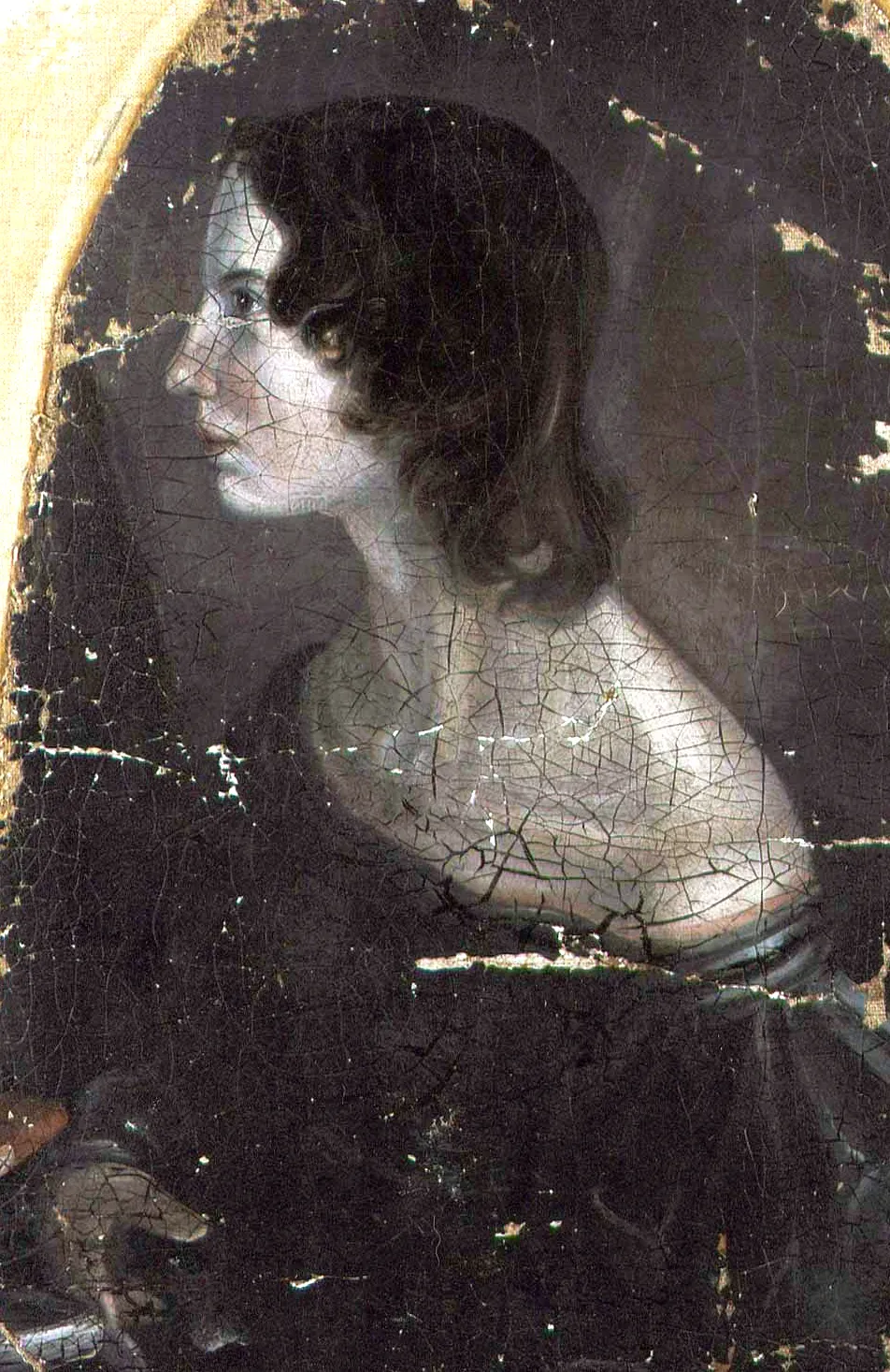
Emily Jane Brontë
No Coward Soul Is Mine
No coward soul is mine,
No trembler in the world,s storm-troubled sphere:
I see Heaven's glories shine,
And Faith shines equal arming me from Fear.
O God within my breast.
Almighty ever-present Deity!
Life , that in me has rest,
As I Undying Life, have power in thee!
Vain are the thousand creeds
That move men's hearts, unutterably vain;
Worthless as withered weeds,
Or idlest froth amid the boundless main,
To waken doubt in one
Holding so fast by Thy infinity;
So surely anchored on
The steadfast rock of Immortality.
With wide-embracing love
Thy Spirit animates eternal years,
Pervades and broods above,
Changes, sustains, dissolves, creates, and rears.
Though Earth and moon were gone,
And suns and universes ceased to be,
And Thou wert left alone,
Every Existence would exist in thee.
There is not room for Death,
Nor atom that his might could render void:
Since thou art Being and Breath,
And what thou art may never be destroyed.
Read more →
No trembler in the world,s storm-troubled sphere:
I see Heaven's glories shine,
And Faith shines equal arming me from Fear.
O God within my breast.
Almighty ever-present Deity!
Life , that in me has rest,
As I Undying Life, have power in thee!
Vain are the thousand creeds
That move men's hearts, unutterably vain;
Worthless as withered weeds,
Or idlest froth amid the boundless main,
To waken doubt in one
Holding so fast by Thy infinity;
So surely anchored on
The steadfast rock of Immortality.
With wide-embracing love
Thy Spirit animates eternal years,
Pervades and broods above,
Changes, sustains, dissolves, creates, and rears.
Though Earth and moon were gone,
And suns and universes ceased to be,
And Thou wert left alone,
Every Existence would exist in thee.
There is not room for Death,
Nor atom that his might could render void:
Since thou art Being and Breath,
And what thou art may never be destroyed.
514

John Keats
Ode to Fanny
Physician Nature! Let my spirit blood!
O ease my heart of verse and let me rest;
Throw me upon thy Tripod, till the flood
Of stifling numbers ebbs from my full breast.
A theme! a theme! great nature! give a theme;
Let me begin my dream.
I come -- I see thee, as thou standest there,
Beckon me not into the wintry air.
Ah! dearest love, sweet home of all my fears,
And hopes, and joys, and panting miseries, -To-
night, if I may guess, thy beauty wears
A smile of such delight,
As brilliant and as bright,
As when with ravished, aching, vassal eyes,
Lost in soft amaze,
I gaze, I gaze!
Who now, with greedy looks, eats up my feast?
What stare outfaces now my silver moon!
Ah! keep that hand unravished at the least;
Let, let, the amorous burn --
But pr'ythee, do not turn
The current of your heart from me so soon.
O! save, in charity,
The quickest pulse for me.
Save it for me, sweet love! though music breathe
Voluptuous visions into the warm air;
Though swimming through the dance's dangerous wreath,
Be like an April day,
Smiling and cold and gay,
A temperate lilly, temperate as fair;
Then, Heaven! there will be
A warmer June for me.
Why, this, you'll say, my Fanny! is not true:
Put your soft hand upon your snowy side,
Where the heart beats: confess -- 'tis nothing new --
Must not a woman be
A feather on the sea,
Sway'd to and fro by every wind and tide?
Of as uncertain speed
As blow-ball from the mead?
I know it -- and to know it is despair
To one who loves you as I love, sweet Fanny!
Whose heart goes fluttering for you every where,
Nor, when away you roam,
Dare keep its wretched home,
Love, love alone, his pains severe and many:
Then, loveliest! keep me free,
From torturing jealousy.
Ah! if you prize my subdued soul above
The poor, the fading, brief, pride of an hour;
Let none profane my Holy See of love,
Or with a rude hand break
The sacramental cake:
Let none else touch the just new-budded flower;
If not -- may my eyes close,
Love! on their lost repose.
Read more →
O ease my heart of verse and let me rest;
Throw me upon thy Tripod, till the flood
Of stifling numbers ebbs from my full breast.
A theme! a theme! great nature! give a theme;
Let me begin my dream.
I come -- I see thee, as thou standest there,
Beckon me not into the wintry air.
Ah! dearest love, sweet home of all my fears,
And hopes, and joys, and panting miseries, -To-
night, if I may guess, thy beauty wears
A smile of such delight,
As brilliant and as bright,
As when with ravished, aching, vassal eyes,
Lost in soft amaze,
I gaze, I gaze!
Who now, with greedy looks, eats up my feast?
What stare outfaces now my silver moon!
Ah! keep that hand unravished at the least;
Let, let, the amorous burn --
But pr'ythee, do not turn
The current of your heart from me so soon.
O! save, in charity,
The quickest pulse for me.
Save it for me, sweet love! though music breathe
Voluptuous visions into the warm air;
Though swimming through the dance's dangerous wreath,
Be like an April day,
Smiling and cold and gay,
A temperate lilly, temperate as fair;
Then, Heaven! there will be
A warmer June for me.
Why, this, you'll say, my Fanny! is not true:
Put your soft hand upon your snowy side,
Where the heart beats: confess -- 'tis nothing new --
Must not a woman be
A feather on the sea,
Sway'd to and fro by every wind and tide?
Of as uncertain speed
As blow-ball from the mead?
I know it -- and to know it is despair
To one who loves you as I love, sweet Fanny!
Whose heart goes fluttering for you every where,
Nor, when away you roam,
Dare keep its wretched home,
Love, love alone, his pains severe and many:
Then, loveliest! keep me free,
From torturing jealousy.
Ah! if you prize my subdued soul above
The poor, the fading, brief, pride of an hour;
Let none profane my Holy See of love,
Or with a rude hand break
The sacramental cake:
Let none else touch the just new-budded flower;
If not -- may my eyes close,
Love! on their lost repose.
515
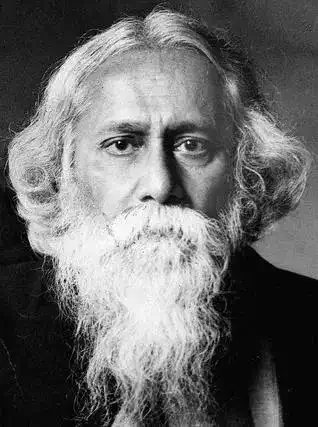
Rabindranath Tagore
The Gardener LXXXIII: She Dwelt on the Hillside
She dwelt on the hillside by edge
of a maize-field, near the spring that
flows in laughing rills through the
solemn shadows of ancient trees. The
women came there to fill their jars,
and travellers would sit there to rest
and talk. She worked and dreamed
daily to the tune of the bubbling
stream.
One evening the stranger came down
from the cloud-hidden peak; his locks
were tangled like drowsy snakes. We
asked in wonder, "Who are you?"
He answered not but sat by the
garrulous stream and silently gazed at
the hut where she dwelt. Our hearts
quaked in fear and we came back home
when it was night.
Next morning when the women
came to fetch water at the spring by
the deodar trees, they found the doors
open in her hut, but her voice was gone
and where was her smiling face?
The empty jar lay on the floor and her
lamp had burnt itself out in the
corner. No one knew where she had
fled to before it was morning--and the
stranger had gone.
In the month of May the sun grew
strong and the snow melted, and we
sat by the spring and wept. We
wondered in our mind, "Is there a
spring in the land where she has gone
and where she can fill her vessel in
these hot thirsty days?" And we
asked each other in dismay, "Is there
a land beyond these hills where we
live?"
It was a summer night; the breeze
blew from the south; and I sat in her
deserted room where the lamp stood
still unlit. When suddenly from
before my eyes the hills vanished like
curtains drawn aside. "Ah, it is
she who comes. How are you, my
child? Are you happy? But where
can you shelter under this open sky?
And, alas! our spring is not here to
allay your thirst."
"Here is the same sky," she said,
"only free from the fencing hills,-this
is the same stream grown into a
river,--the same earth widened into
a plain." "Everything is here," I
sighed, "only we are not." She
smiled sadly and said, "You are in
my heart." I woke up and heard the
babbling of the stream and the rustling
of the deodars at night.
Read more →
of a maize-field, near the spring that
flows in laughing rills through the
solemn shadows of ancient trees. The
women came there to fill their jars,
and travellers would sit there to rest
and talk. She worked and dreamed
daily to the tune of the bubbling
stream.
One evening the stranger came down
from the cloud-hidden peak; his locks
were tangled like drowsy snakes. We
asked in wonder, "Who are you?"
He answered not but sat by the
garrulous stream and silently gazed at
the hut where she dwelt. Our hearts
quaked in fear and we came back home
when it was night.
Next morning when the women
came to fetch water at the spring by
the deodar trees, they found the doors
open in her hut, but her voice was gone
and where was her smiling face?
The empty jar lay on the floor and her
lamp had burnt itself out in the
corner. No one knew where she had
fled to before it was morning--and the
stranger had gone.
In the month of May the sun grew
strong and the snow melted, and we
sat by the spring and wept. We
wondered in our mind, "Is there a
spring in the land where she has gone
and where she can fill her vessel in
these hot thirsty days?" And we
asked each other in dismay, "Is there
a land beyond these hills where we
live?"
It was a summer night; the breeze
blew from the south; and I sat in her
deserted room where the lamp stood
still unlit. When suddenly from
before my eyes the hills vanished like
curtains drawn aside. "Ah, it is
she who comes. How are you, my
child? Are you happy? But where
can you shelter under this open sky?
And, alas! our spring is not here to
allay your thirst."
"Here is the same sky," she said,
"only free from the fencing hills,-this
is the same stream grown into a
river,--the same earth widened into
a plain." "Everything is here," I
sighed, "only we are not." She
smiled sadly and said, "You are in
my heart." I woke up and heard the
babbling of the stream and the rustling
of the deodars at night.
516

Rudyard Kipling
A Dedication
And they were stronger hands than mine
That digged the Ruby from the earth--
More cunning brains that made it worth
The large desire of a king,
And stouter hearts that through the brine
Went down the perfect Pearl to bring.
Lo, I have wrought in common clay
Rude figures of a rough-hewn race,
Since pearls strew not the market-place
In this my town of banishment,
Where with the shifting dust I play,
And eat the bread of discontent.
Yet is there life in that I make.
thou who knowest, turn and see--
As thou hast power over me
So have I power over these,
Because I wrought them for thy sake,
And breathed in them mine agonies.
Small mirth was in the making--now
I lift the cloth that cloaks the clay,
And, wearied, at thy feet I lay
My wares, ere I go forth to sell.
The long bazar will praise, but thou--
Heart of my heart--have I done well?
Read more →
That digged the Ruby from the earth--
More cunning brains that made it worth
The large desire of a king,
And stouter hearts that through the brine
Went down the perfect Pearl to bring.
Lo, I have wrought in common clay
Rude figures of a rough-hewn race,
Since pearls strew not the market-place
In this my town of banishment,
Where with the shifting dust I play,
And eat the bread of discontent.
Yet is there life in that I make.
thou who knowest, turn and see--
As thou hast power over me
So have I power over these,
Because I wrought them for thy sake,
And breathed in them mine agonies.
Small mirth was in the making--now
I lift the cloth that cloaks the clay,
And, wearied, at thy feet I lay
My wares, ere I go forth to sell.
The long bazar will praise, but thou--
Heart of my heart--have I done well?
514
John Keats
Sonnet. To A Lady Seen For A Few Moments At Vauxhall
Time's sea hath been five years at its slow ebb,
Long hours have to and fro let creep the sand,
Since I was tangled in thy beauty's web,
And snared by the ungloving of thine hand.
And yet I never look on midnight sky,
But I behold thine eyes' well memory'd light;
I cannot look upon the rose's dye,
But to thy cheek my soul doth take its flight.
I cannot look on any budding flower,
But my fond ear, in fancy at thy lips
And hearkening for a love-sound, doth devour
Its sweets in the wrong sense: -- Thou dost eclipse
Every delight with sweet remembering,
And grief unto my darling joys dost bring.
Read more →
Long hours have to and fro let creep the sand,
Since I was tangled in thy beauty's web,
And snared by the ungloving of thine hand.
And yet I never look on midnight sky,
But I behold thine eyes' well memory'd light;
I cannot look upon the rose's dye,
But to thy cheek my soul doth take its flight.
I cannot look on any budding flower,
But my fond ear, in fancy at thy lips
And hearkening for a love-sound, doth devour
Its sweets in the wrong sense: -- Thou dost eclipse
Every delight with sweet remembering,
And grief unto my darling joys dost bring.
517
Rabindranath Tagore
The Gardener LXIX: I Hunt for the Golden Stag
I hunt for the golden stag.
You may smile, my friends, but I
pursue the vision that eludes me.
I run across hills and dales, I wander
through nameless lands, because I am
hunting for the golden stag.
You come and buy in the market
and go back to your homes laden with
goods, but the spell of the homeless
winds has touched me I know not when
and where.
I have no care in my heart; all my
belongings I have left far behind me.
I run across hills and dales, I wander
through nameless lands--because I am
hunting for the golden stag.
Read more →
You may smile, my friends, but I
pursue the vision that eludes me.
I run across hills and dales, I wander
through nameless lands, because I am
hunting for the golden stag.
You come and buy in the market
and go back to your homes laden with
goods, but the spell of the homeless
winds has touched me I know not when
and where.
I have no care in my heart; all my
belongings I have left far behind me.
I run across hills and dales, I wander
through nameless lands--because I am
hunting for the golden stag.
513

William Shakespeare
Sonnet 143: Lo, as a careful huswife runs to catch
Lo, as a careful huswife runs to catch
One of her feathered creatures broke away,
Sets down her babe and makes all swift dispatch
In pursuit of the thing she would have stay,
Whilst her neglected child holds her in chase,
Cries to catch her whose busy care is bent
To follow that which flies before her face,
Not prizing her poor infant's discontent:
So runn'st thou after that which flies from thee,
Whilst I, thy babe, chase thee afar behind;
But if thou catch thy hope turn back to me,
And play the mother's part: kiss me, be kind.
So will I pray that thou mayst have thy Will,
If thou turn back and my loud crying still.
Read more →
One of her feathered creatures broke away,
Sets down her babe and makes all swift dispatch
In pursuit of the thing she would have stay,
Whilst her neglected child holds her in chase,
Cries to catch her whose busy care is bent
To follow that which flies before her face,
Not prizing her poor infant's discontent:
So runn'st thou after that which flies from thee,
Whilst I, thy babe, chase thee afar behind;
But if thou catch thy hope turn back to me,
And play the mother's part: kiss me, be kind.
So will I pray that thou mayst have thy Will,
If thou turn back and my loud crying still.
518
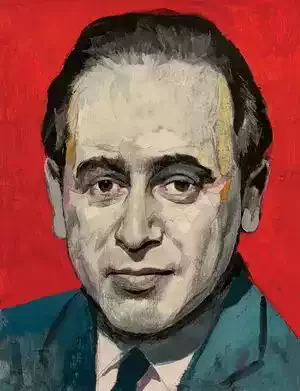
Paul Celan
There Was Earth
There was Earth in them, and
they dug.
They dug and they dug, and so
their Day went by, and their Night. And they did not praise God,
who, so they heard, wanted all this,
who, so they heard, knew of all this.
They dug and they heard nothing more;
did not grow wise, invented no Song,
thought up for themselves no Language.
They dug.
There came a Silence, there came a Storm,
There came every Ocean.
I dig, you dig, and it digs, the Worm,
and the Singing, there, says: They dig.
O someone, o none, o no one, o you:
Where did it lead to, that nowhere-leading?
O you dig and I dig, and I dig towards you,
and on our finger awakens the Ring.
Read more →
they dug.
They dug and they dug, and so
their Day went by, and their Night. And they did not praise God,
who, so they heard, wanted all this,
who, so they heard, knew of all this.
They dug and they heard nothing more;
did not grow wise, invented no Song,
thought up for themselves no Language.
They dug.
There came a Silence, there came a Storm,
There came every Ocean.
I dig, you dig, and it digs, the Worm,
and the Singing, there, says: They dig.
O someone, o none, o no one, o you:
Where did it lead to, that nowhere-leading?
O you dig and I dig, and I dig towards you,
and on our finger awakens the Ring.
513

Walt Whitman
Over The Carnage
OVER the carnage rose prophetic a voice,
Be not dishearten'd--Affection shall solve the problems of Freedom
yet;
Those who love each other shall become invincible--they shall yet
make Columbia victorious.
Sons of the Mother of All! you shall yet be victorious!
You shall yet laugh to scorn the attacks of all the remainder of the
earth.
No danger shall balk Columbia's lovers;
If need be, a thousand shall sternly immolate themselves for one.
One from Massachusetts shall be a Missourian's comrade;
From Maine and from hot Carolina, and another, an Oregonese, shall be
friends triune,
More precious to each other than all the riches of the earth.
To Michigan, Florida perfumes shall tenderly come;
Not the perfumes of flowers, but sweeter, and wafted beyond death.
It shall be customary in the houses and streets to see manly
affection;
The most dauntless and rude shall touch face to face lightly;
The dependence of Liberty shall be lovers,
The continuance of Equality shall be comrades.
These shall tie you and band you stronger than hoops of iron;
I, extatic, O partners! O lands! with the love of lovers tie you.
(Were you looking to be held together by the lawyers?
Or by an agreement on a paper? or by arms?
--Nay--nor the world, nor any living thing, will so cohere.)
Read more →
Be not dishearten'd--Affection shall solve the problems of Freedom
yet;
Those who love each other shall become invincible--they shall yet
make Columbia victorious.
Sons of the Mother of All! you shall yet be victorious!
You shall yet laugh to scorn the attacks of all the remainder of the
earth.
No danger shall balk Columbia's lovers;
If need be, a thousand shall sternly immolate themselves for one.
One from Massachusetts shall be a Missourian's comrade;
From Maine and from hot Carolina, and another, an Oregonese, shall be
friends triune,
More precious to each other than all the riches of the earth.
To Michigan, Florida perfumes shall tenderly come;
Not the perfumes of flowers, but sweeter, and wafted beyond death.
It shall be customary in the houses and streets to see manly
affection;
The most dauntless and rude shall touch face to face lightly;
The dependence of Liberty shall be lovers,
The continuance of Equality shall be comrades.
These shall tie you and band you stronger than hoops of iron;
I, extatic, O partners! O lands! with the love of lovers tie you.
(Were you looking to be held together by the lawyers?
Or by an agreement on a paper? or by arms?
--Nay--nor the world, nor any living thing, will so cohere.)
514
Paul Celan
Count The Almonds
Count the Almonds,
count, what was bitter, watched for you,
count me in:
I sought your Eye, as it opened and no one announced
you,
I spun that hidden Thread,
on which the Dew, of your thought,
slid down to the Pitchers,
that a Speech, which no one’s Heart found, guarded.
Only there did you enter wholly the Name, that is yours,
stepping sure-footedly into yourself,
the Hammers swung free in the Bell-Cradle of Silences,
yours,
the Listened-For reached you,
the Dead put its arm round you too,
and the three of you walked through the Evening.
Make me bitter.
Count me among the Almonds.
Read more →
count, what was bitter, watched for you,
count me in:
I sought your Eye, as it opened and no one announced
you,
I spun that hidden Thread,
on which the Dew, of your thought,
slid down to the Pitchers,
that a Speech, which no one’s Heart found, guarded.
Only there did you enter wholly the Name, that is yours,
stepping sure-footedly into yourself,
the Hammers swung free in the Bell-Cradle of Silences,
yours,
the Listened-For reached you,
the Dead put its arm round you too,
and the three of you walked through the Evening.
Make me bitter.
Count me among the Almonds.
514
Rabindranath Tagore
The Gardener LXXIX: I Often Wonder
I often wonder where lie hidden
the boundaries of recognition between
man and the beast whose heart knows
no spoken language.
Through what primal paradise in a
remote morning of creation ran the
simple path by which their hearts
visited each other.
Those marks of their constant tread
have not been effaced though their
kinship has been long forgotten.
Yet suddenly in some wordless
music the dim memory wakes up
and the beast gazes into the man's
face with a tender trust, and the
man looks down into its eyes with
amused affection.
It seems that the two friends meet
masked, and vaguely know each other
through the disguise.
Read more →
the boundaries of recognition between
man and the beast whose heart knows
no spoken language.
Through what primal paradise in a
remote morning of creation ran the
simple path by which their hearts
visited each other.
Those marks of their constant tread
have not been effaced though their
kinship has been long forgotten.
Yet suddenly in some wordless
music the dim memory wakes up
and the beast gazes into the man's
face with a tender trust, and the
man looks down into its eyes with
amused affection.
It seems that the two friends meet
masked, and vaguely know each other
through the disguise.
516

Lord Byron
Translation Of The Romaic Song
I enter thy garden of roses,
Beloved and fair Haidée,
Each morning where Flora reposes,
For surely I see her in thee.
Oh, Lovely! thus low I implore thee,
Receive this fond truth from my tongue,
Which utters its song to adore thee,
Yet trembles for what it has sung;
As the branch, at the bidding of Nature,
Adds fragrance and fruit to the tree,
Through her eyes, through her every feature,
Shines the soul of the young Haidée.
But the loveliest garden grows hateful
When Love has abandon'd the bowers;
Bring me hemlock since
mine is ungrateful,
That herb is more fragrant than flowers.
The poison, when pour 'd from the chalice,
Will deeply embitter the bowl;
But when drunk to escape from thy malice,
The draught shall be sweet to my soul.
Too cruel! in vain I implore thee
My heart from these horrors to save:
Will nought to my bosom restore thee?
Then open the gates of the grave.
As the chief who to combat advances
Secure of his conquest before,
Thus thou, with those eyes for thy lances,
Halt pierced through my heart to its core.
Ah, tell me, my soul! must I perish
By pangs which a smile would dispel?
Would the hope, which thou once bad'st me cherish,
For torture repay me too well?
Now sad is the garden of roses,
Beloved but false Haidée!
There Flora all wither'd reposes,
And mourns o'er thing absence with me.
Read more →
Beloved and fair Haidée,
Each morning where Flora reposes,
For surely I see her in thee.
Oh, Lovely! thus low I implore thee,
Receive this fond truth from my tongue,
Which utters its song to adore thee,
Yet trembles for what it has sung;
As the branch, at the bidding of Nature,
Adds fragrance and fruit to the tree,
Through her eyes, through her every feature,
Shines the soul of the young Haidée.
But the loveliest garden grows hateful
When Love has abandon'd the bowers;
Bring me hemlock since
mine is ungrateful,
That herb is more fragrant than flowers.
The poison, when pour 'd from the chalice,
Will deeply embitter the bowl;
But when drunk to escape from thy malice,
The draught shall be sweet to my soul.
Too cruel! in vain I implore thee
My heart from these horrors to save:
Will nought to my bosom restore thee?
Then open the gates of the grave.
As the chief who to combat advances
Secure of his conquest before,
Thus thou, with those eyes for thy lances,
Halt pierced through my heart to its core.
Ah, tell me, my soul! must I perish
By pangs which a smile would dispel?
Would the hope, which thou once bad'st me cherish,
For torture repay me too well?
Now sad is the garden of roses,
Beloved but false Haidée!
There Flora all wither'd reposes,
And mourns o'er thing absence with me.
512
William Shakespeare
A Lover's Complaint
FROM off a hill whose concave womb reworded
A plaintful story from a sistering vale,
My spirits to attend this double voice accorded,
And down I laid to list the sad-tuned tale;
Ere long espied a fickle maid full pale,
Tearing of papers, breaking rings a-twain,
Storming her world with sorrow's wind and rain.
Upon her head a platted hive of straw,
Which fortified her visage from the sun,
Whereon the thought might think sometime it saw
The carcass of beauty spent and done:
Time had not scythed all that youth begun,
Nor youth all quit; but, spite of heaven's fell rage,
Some beauty peep'd through lattice of sear'd age.
Oft did she heave her napkin to her eyne,
Which on it had conceited characters,
Laundering the silken figures in the brine
That season'd woe had pelleted in tears,
And often reading what contents it bears;
As often shrieking undistinguish'd woe,
In clamours of all size, both high and low.
Sometimes her levell'd eyes their carriage ride,
As they did battery to the spheres intend;
Sometime diverted their poor balls are tied
To the orbed earth; sometimes they do extend
Their view right on; anon their gazes lend
To every place at once, and, nowhere fix'd,
The mind and sight distractedly commix'd.
Her hair, nor loose nor tied in formal plat,
Proclaim'd in her a careless hand of pride
For some, untuck'd, descended her sheaved hat,
Hanging her pale and pined cheek beside;
Some in her threaden fillet still did bide,
And true to bondage would not break from thence,
Though slackly braided in loose negligence.
A thousand favours from a maund she drew
Of amber, crystal, and of beaded jet,
Which one by one she in a river threw,
Upon whose weeping margent she was set;
Like usury, applying wet to wet,
Or monarch's hands that let not bounty fall
Where want cries some, but where excess begs all.
Of folded schedules had she many a one,
Which she perused, sigh'd, tore, and gave the flood;
Crack'd many a ring of posied gold and bone
Bidding them find their sepulchres in mud;
Found yet moe letters sadly penn'd in blood,
With sleided silk feat and affectedly
Enswathed, and seal'd to curious secrecy.
These often bathed she in her fluxive eyes,
And often kiss'd, and often 'gan to tear:
Cried 'O false blood, thou register of lies,
What unapproved witness dost thou bear!
Ink would have seem'd more black and damned here!'
This said, in top of rage the lines she rents,
Big discontent so breaking their contents.
A reverend man that grazed his cattle nigh-Sometime
a blusterer, that the ruffle knew
Of court, of city, and had let go by
The swiftest hours, observed as they flew-Towards
this afflicted fancy fastly drew,
And, privileged by age, desires to know
In brief the grounds and motives of her woe.
So slides he down upon his grained bat,
And comely-distant sits he by her side;
When he again desires her, being sat,
Her grievance with his hearing to divide:
If that from him there may be aught applied
Which may her suffering ecstasy assuage,
'Tis promised in the charity of age.
'Father,' she says, 'though in me you behold
The injury of many a blasting hour,
Let it not tell your judgment I am old;
Not age, but sorrow, over me hath power:
I might as yet have been a spreading flower,
Fresh to myself, If I had self-applied
Love to myself and to no love beside.
'But, woe is me! too early I attended
A youthful suit--it was to gain my grace-Of
one by nature's outwards so commended,
That maidens' eyes stuck over all his face:
Love lack'd a dwelling, and made him her place;
And when in his fair parts she did abide,
She was new lodged and newly deified.
'His browny locks did hang in crooked curls;
And every light occasion of the wind
Upon his lips their silken parcels hurls.
What's sweet to do, to do will aptly find:
Each eye that saw him did enchant the mind,
For on his visage was in little drawn
What largeness thinks in Paradise was sawn.
'Small show of man was yet upon his chin;
His phoenix down began but to appear
Like unshorn velvet on that termless skin
Whose bare out-bragg'd the web it seem'd to wear:
Yet show'd his visage by that cost more dear;
And nice affections wavering stood in doubt
If best were as it was, or best without.
'His qualities were beauteous as his form,
For maiden-tongued he was, and thereof free;
Yet, if men moved him, was he such a storm
As oft 'twixt May and April is to see,
When winds breathe sweet, untidy though they be.
His rudeness so with his authorized youth
Did livery falseness in a pride of truth.
'Well could he ride, and often men would say
'That horse his mettle from his rider takes:
Proud of subjection, noble by the sway,
What rounds, what bounds, what course, what stop
he makes!'
And controversy hence a question takes,
Whether the horse by him became his deed,
Or he his manage by the well-doing steed.
'But quickly on this side the verdict went:
His real habitude gave life and grace
To appertainings and to ornament,
Accomplish'd in himself, not in his case:
All aids, themselves made fairer by their place,
Came for additions; yet their purposed trim
Pieced not his grace, but were all graced by him.
'So on the tip of his subduing tongue
All kinds of arguments and question deep,
All replication prompt, and reason strong,
For his advantage still did wake and sleep:
To make the weeper laugh, the laugher weep,
He had the dialect and different skill,
Catching all passions in his craft of will:
'That he did in the general bosom reign
Of young, of old; and sexes both enchanted,
To dwell with him in thoughts, or to remain
In personal duty, following where he haunted:
Consents bewitch'd, ere he desire, have granted;
And dialogued for him what he would say,
Ask'd their own wills, and made their wills obey.
'Many there were that did his picture get,
To serve their eyes, and in it put their mind;
Like fools that in th' imagination set
The goodly objects which abroad they find
Of lands and mansions, theirs in thought assign'd;
And labouring in moe pleasures to bestow them
Than the true gouty landlord which doth owe them:
'So many have, that never touch'd his hand,
Sweetly supposed them mistress of his heart.
My woeful self, that did in freedom stand,
And was my own fee-simple, not in part,
What with his art in youth, and youth in art,
Threw my affections in his charmed power,
Reserved the stalk and gave him all my flower.
'Yet did I not, as some my equals did,
Demand of him, nor being desired yielded;
Finding myself in honour so forbid,
With safest distance I mine honour shielded:
Experience for me many bulwarks builded
Of proofs new-bleeding, which remain'd the foil
Of this false jewel, and his amorous spoil.
'But, ah, who ever shunn'd by precedent
The destined ill she must herself assay?
Or forced examples, 'gainst her own content,
To put the by-past perils in her way?
Counsel may stop awhile what will not stay;
For when we rage, advice is often seen
By blunting us to make our wits more keen.
'Nor gives it satisfaction to our blood,
That we must curb it upon others' proof;
To be forbod the sweets that seem so good,
For fear of harms that preach in our behoof.
O appetite, from judgment stand aloof!
The one a palate hath that needs will taste,
Though Reason weep, and cry, 'It is thy last.'
'For further I could say 'This man's untrue,'
And knew the patterns of his foul beguiling;
Heard where his plants in others' orchards grew,
Saw how deceits were gilded in his smiling;
Knew vows were ever brokers to defiling;
Thought characters and words merely but art,
And bastards of his foul adulterate heart.
'And long upon these terms I held my city,
Till thus he gan besiege me: 'Gentle maid,
Have of my suffering youth some feeling pity,
And be not of my holy vows afraid:
That's to ye sworn to none was ever said;
For feasts of love I have been call'd unto,
Till now did ne'er invite, nor never woo.
''All my offences that abroad you see
Are errors of the blood, none of the mind;
Love made them not: with acture they may be,
Where neither party is nor true nor kind:
They sought their shame that so their shame did find;
And so much less of shame in me remains,
By how much of me their reproach contains.
''Among the many that mine eyes have seen,
Not one whose flame my heart so much as warm'd,
Or my affection put to the smallest teen,
Or any of my leisures ever charm'd:
Harm have I done to them, but ne'er was harm'd;
Kept hearts in liveries, but mine own was free,
And reign'd, commanding in his monarchy.
''Look here, what tributes wounded fancies sent me,
Of paled pearls and rubies red as blood;
Figuring that they their passions likewise lent me
Of grief and blushes, aptly understood
In bloodless white and the encrimson'd mood;
Effects of terror and dear modesty,
Encamp'd in hearts, but fighting outwardly.
''And, lo, behold these talents of their hair,
With twisted metal amorously impleach'd,
I have received from many a several fair,
Their kind acceptance weepingly beseech'd,
With the annexions of fair gems enrich'd,
And deep-brain'd sonnets that did amplify
Each stone's dear nature, worth, and quality.
''The diamond,--why, 'twas beautiful and hard,
Whereto his invised properties did tend;
The deep-green emerald, in whose fresh regard
Weak sights their sickly radiance do amend;
The heaven-hued sapphire and the opal blend
With objects manifold: each several stone,
With wit well blazon'd, smiled or made some moan.
''Lo, all these trophies of affections hot,
Of pensived and subdued desires the tender,
Nature hath charged me that I hoard them not,
But yield them up where I myself must render,
That is, to you, my origin and ender;
For these, of force, must your oblations be,
Since I their altar, you enpatron me.
''O, then, advance of yours that phraseless hand,
Whose white weighs down the airy scale of praise;
Take all these similes to your own command,
Hallow'd with sighs that burning lungs did raise;
What me your minister, for you obeys,
Works under you; and to your audit comes
Their distract parcels in combined sums.
''Lo, this device was sent me from a nun,
Or sister sanctified, of holiest note;
Which late her noble suit in court did shun,
Whose rarest havings made the blossoms dote;
For she was sought by spirits of richest coat,
But kept cold distance, and did thence remove,
To spend her living in eternal love.
''But, O my sweet, what labour is't to leave
The thing we have not, mastering what not strives,
Playing the place which did no form receive,
Playing patient sports in unconstrained gyves?
She that her fame so to herself contrives,
The scars of battle 'scapeth by the flight,
And makes her absence valiant, not her might.
''O, pardon me, in that my boast is true:
The accident which brought me to her eye
Upon the moment did her force subdue,
And now she would the caged cloister fly:
Religious love put out Religion's eye:
Not to be tempted, would she be immured,
And now, to tempt, all liberty procured.
''How mighty then you are, O, hear me tell!
The broken bosoms that to me belong
Have emptied all their fountains in my well,
And mine I pour your ocean all among:
I strong o'er them, and you o'er me being strong,
Must for your victory us all congest,
As compound love to physic your cold breast.
''My parts had power to charm a sacred nun,
Who, disciplined, ay, dieted in grace,
Believed her eyes when they to assail begun,
All vows and consecrations giving place:
O most potential love! vow, bond, nor space,
In thee hath neither sting, knot, nor confine,
For thou art all, and all things else are thine.
''When thou impressest, what are precepts worth
Of stale example? When thou wilt inflame,
How coldly those impediments stand forth
Of wealth, of filial fear, law, kindred, fame!
Love's arms are peace, 'gainst rule, 'gainst sense,
'gainst shame,
And sweetens, in the suffering pangs it bears,
The aloes of all forces, shocks, and fears.
''Now all these hearts that do on mine depend,
Feeling it break, with bleeding groans they pine;
And supplicant their sighs to you extend,
To leave the battery that you make 'gainst mine,
Lending soft audience to my sweet design,
And credent soul to that strong-bonded oath
That shall prefer and undertake my troth.'
'This said, his watery eyes he did dismount,
Whose sights till then were levell'd on my face;
Each cheek a river running from a fount
With brinish current downward flow'd apace:
O, how the channel to the stream gave grace!
Who glazed with crystal gate the glowing roses
That flame through water which their hue encloses.
'O father, what a hell of witchcraft lies
In the small orb of one particular tear!
But with the inundation of the eyes
What rocky heart to water will not wear?
What breast so cold that is not warmed here?
O cleft effect! cold modesty, hot wrath,
Both fire from hence and chill extincture hath.
'For, lo, his passion, but an art of craft,
Even there resolved my reason into tears;
There my white stole of chastity I daff'd,
Shook off my sober guards and civil fears;
Appear to him, as he to me appears,
All melting; though our drops this difference bore,
His poison'd me, and mine did him restore.
'In him a plenitude of subtle matter,
Applied to cautels, all strange forms receives,
Of burning blushes, or of weeping water,
Or swooning paleness; and he takes and leaves,
In either's aptness, as it best deceives,
To blush at speeches rank to weep at woes,
Or to turn white and swoon at tragic shows.
'That not a heart which in his level came
Could 'scape the hail of his all-hurting aim,
Showing fair nature is both kind and tame;
And, veil'd in them, did win whom he would maim:
Against the thing he sought he would exclaim;
When he most burn'd in heart-wish'd luxury,
He preach'd pure maid, and praised cold chastity.
'Thus merely with the garment of a Grace
The naked and concealed fiend he cover'd;
That th' unexperient gave the tempter place,
Which like a cherubin above them hover'd.
Who, young and simple, would not be so lover'd?
Ay me! I fell; and yet do question make
What I should do again for such a sake.
'O, that infected moisture of his eye,
O, that false fire which in his cheek so glow'd,
O, that forced thunder from his heart did fly,
O, that sad breath his spongy lungs bestow'd,
O, all that borrow'd motion seeming owed,
Would yet again betray the fore-betray'd,
And new pervert a reconciled maid!'
Read more →
A plaintful story from a sistering vale,
My spirits to attend this double voice accorded,
And down I laid to list the sad-tuned tale;
Ere long espied a fickle maid full pale,
Tearing of papers, breaking rings a-twain,
Storming her world with sorrow's wind and rain.
Upon her head a platted hive of straw,
Which fortified her visage from the sun,
Whereon the thought might think sometime it saw
The carcass of beauty spent and done:
Time had not scythed all that youth begun,
Nor youth all quit; but, spite of heaven's fell rage,
Some beauty peep'd through lattice of sear'd age.
Oft did she heave her napkin to her eyne,
Which on it had conceited characters,
Laundering the silken figures in the brine
That season'd woe had pelleted in tears,
And often reading what contents it bears;
As often shrieking undistinguish'd woe,
In clamours of all size, both high and low.
Sometimes her levell'd eyes their carriage ride,
As they did battery to the spheres intend;
Sometime diverted their poor balls are tied
To the orbed earth; sometimes they do extend
Their view right on; anon their gazes lend
To every place at once, and, nowhere fix'd,
The mind and sight distractedly commix'd.
Her hair, nor loose nor tied in formal plat,
Proclaim'd in her a careless hand of pride
For some, untuck'd, descended her sheaved hat,
Hanging her pale and pined cheek beside;
Some in her threaden fillet still did bide,
And true to bondage would not break from thence,
Though slackly braided in loose negligence.
A thousand favours from a maund she drew
Of amber, crystal, and of beaded jet,
Which one by one she in a river threw,
Upon whose weeping margent she was set;
Like usury, applying wet to wet,
Or monarch's hands that let not bounty fall
Where want cries some, but where excess begs all.
Of folded schedules had she many a one,
Which she perused, sigh'd, tore, and gave the flood;
Crack'd many a ring of posied gold and bone
Bidding them find their sepulchres in mud;
Found yet moe letters sadly penn'd in blood,
With sleided silk feat and affectedly
Enswathed, and seal'd to curious secrecy.
These often bathed she in her fluxive eyes,
And often kiss'd, and often 'gan to tear:
Cried 'O false blood, thou register of lies,
What unapproved witness dost thou bear!
Ink would have seem'd more black and damned here!'
This said, in top of rage the lines she rents,
Big discontent so breaking their contents.
A reverend man that grazed his cattle nigh-Sometime
a blusterer, that the ruffle knew
Of court, of city, and had let go by
The swiftest hours, observed as they flew-Towards
this afflicted fancy fastly drew,
And, privileged by age, desires to know
In brief the grounds and motives of her woe.
So slides he down upon his grained bat,
And comely-distant sits he by her side;
When he again desires her, being sat,
Her grievance with his hearing to divide:
If that from him there may be aught applied
Which may her suffering ecstasy assuage,
'Tis promised in the charity of age.
'Father,' she says, 'though in me you behold
The injury of many a blasting hour,
Let it not tell your judgment I am old;
Not age, but sorrow, over me hath power:
I might as yet have been a spreading flower,
Fresh to myself, If I had self-applied
Love to myself and to no love beside.
'But, woe is me! too early I attended
A youthful suit--it was to gain my grace-Of
one by nature's outwards so commended,
That maidens' eyes stuck over all his face:
Love lack'd a dwelling, and made him her place;
And when in his fair parts she did abide,
She was new lodged and newly deified.
'His browny locks did hang in crooked curls;
And every light occasion of the wind
Upon his lips their silken parcels hurls.
What's sweet to do, to do will aptly find:
Each eye that saw him did enchant the mind,
For on his visage was in little drawn
What largeness thinks in Paradise was sawn.
'Small show of man was yet upon his chin;
His phoenix down began but to appear
Like unshorn velvet on that termless skin
Whose bare out-bragg'd the web it seem'd to wear:
Yet show'd his visage by that cost more dear;
And nice affections wavering stood in doubt
If best were as it was, or best without.
'His qualities were beauteous as his form,
For maiden-tongued he was, and thereof free;
Yet, if men moved him, was he such a storm
As oft 'twixt May and April is to see,
When winds breathe sweet, untidy though they be.
His rudeness so with his authorized youth
Did livery falseness in a pride of truth.
'Well could he ride, and often men would say
'That horse his mettle from his rider takes:
Proud of subjection, noble by the sway,
What rounds, what bounds, what course, what stop
he makes!'
And controversy hence a question takes,
Whether the horse by him became his deed,
Or he his manage by the well-doing steed.
'But quickly on this side the verdict went:
His real habitude gave life and grace
To appertainings and to ornament,
Accomplish'd in himself, not in his case:
All aids, themselves made fairer by their place,
Came for additions; yet their purposed trim
Pieced not his grace, but were all graced by him.
'So on the tip of his subduing tongue
All kinds of arguments and question deep,
All replication prompt, and reason strong,
For his advantage still did wake and sleep:
To make the weeper laugh, the laugher weep,
He had the dialect and different skill,
Catching all passions in his craft of will:
'That he did in the general bosom reign
Of young, of old; and sexes both enchanted,
To dwell with him in thoughts, or to remain
In personal duty, following where he haunted:
Consents bewitch'd, ere he desire, have granted;
And dialogued for him what he would say,
Ask'd their own wills, and made their wills obey.
'Many there were that did his picture get,
To serve their eyes, and in it put their mind;
Like fools that in th' imagination set
The goodly objects which abroad they find
Of lands and mansions, theirs in thought assign'd;
And labouring in moe pleasures to bestow them
Than the true gouty landlord which doth owe them:
'So many have, that never touch'd his hand,
Sweetly supposed them mistress of his heart.
My woeful self, that did in freedom stand,
And was my own fee-simple, not in part,
What with his art in youth, and youth in art,
Threw my affections in his charmed power,
Reserved the stalk and gave him all my flower.
'Yet did I not, as some my equals did,
Demand of him, nor being desired yielded;
Finding myself in honour so forbid,
With safest distance I mine honour shielded:
Experience for me many bulwarks builded
Of proofs new-bleeding, which remain'd the foil
Of this false jewel, and his amorous spoil.
'But, ah, who ever shunn'd by precedent
The destined ill she must herself assay?
Or forced examples, 'gainst her own content,
To put the by-past perils in her way?
Counsel may stop awhile what will not stay;
For when we rage, advice is often seen
By blunting us to make our wits more keen.
'Nor gives it satisfaction to our blood,
That we must curb it upon others' proof;
To be forbod the sweets that seem so good,
For fear of harms that preach in our behoof.
O appetite, from judgment stand aloof!
The one a palate hath that needs will taste,
Though Reason weep, and cry, 'It is thy last.'
'For further I could say 'This man's untrue,'
And knew the patterns of his foul beguiling;
Heard where his plants in others' orchards grew,
Saw how deceits were gilded in his smiling;
Knew vows were ever brokers to defiling;
Thought characters and words merely but art,
And bastards of his foul adulterate heart.
'And long upon these terms I held my city,
Till thus he gan besiege me: 'Gentle maid,
Have of my suffering youth some feeling pity,
And be not of my holy vows afraid:
That's to ye sworn to none was ever said;
For feasts of love I have been call'd unto,
Till now did ne'er invite, nor never woo.
''All my offences that abroad you see
Are errors of the blood, none of the mind;
Love made them not: with acture they may be,
Where neither party is nor true nor kind:
They sought their shame that so their shame did find;
And so much less of shame in me remains,
By how much of me their reproach contains.
''Among the many that mine eyes have seen,
Not one whose flame my heart so much as warm'd,
Or my affection put to the smallest teen,
Or any of my leisures ever charm'd:
Harm have I done to them, but ne'er was harm'd;
Kept hearts in liveries, but mine own was free,
And reign'd, commanding in his monarchy.
''Look here, what tributes wounded fancies sent me,
Of paled pearls and rubies red as blood;
Figuring that they their passions likewise lent me
Of grief and blushes, aptly understood
In bloodless white and the encrimson'd mood;
Effects of terror and dear modesty,
Encamp'd in hearts, but fighting outwardly.
''And, lo, behold these talents of their hair,
With twisted metal amorously impleach'd,
I have received from many a several fair,
Their kind acceptance weepingly beseech'd,
With the annexions of fair gems enrich'd,
And deep-brain'd sonnets that did amplify
Each stone's dear nature, worth, and quality.
''The diamond,--why, 'twas beautiful and hard,
Whereto his invised properties did tend;
The deep-green emerald, in whose fresh regard
Weak sights their sickly radiance do amend;
The heaven-hued sapphire and the opal blend
With objects manifold: each several stone,
With wit well blazon'd, smiled or made some moan.
''Lo, all these trophies of affections hot,
Of pensived and subdued desires the tender,
Nature hath charged me that I hoard them not,
But yield them up where I myself must render,
That is, to you, my origin and ender;
For these, of force, must your oblations be,
Since I their altar, you enpatron me.
''O, then, advance of yours that phraseless hand,
Whose white weighs down the airy scale of praise;
Take all these similes to your own command,
Hallow'd with sighs that burning lungs did raise;
What me your minister, for you obeys,
Works under you; and to your audit comes
Their distract parcels in combined sums.
''Lo, this device was sent me from a nun,
Or sister sanctified, of holiest note;
Which late her noble suit in court did shun,
Whose rarest havings made the blossoms dote;
For she was sought by spirits of richest coat,
But kept cold distance, and did thence remove,
To spend her living in eternal love.
''But, O my sweet, what labour is't to leave
The thing we have not, mastering what not strives,
Playing the place which did no form receive,
Playing patient sports in unconstrained gyves?
She that her fame so to herself contrives,
The scars of battle 'scapeth by the flight,
And makes her absence valiant, not her might.
''O, pardon me, in that my boast is true:
The accident which brought me to her eye
Upon the moment did her force subdue,
And now she would the caged cloister fly:
Religious love put out Religion's eye:
Not to be tempted, would she be immured,
And now, to tempt, all liberty procured.
''How mighty then you are, O, hear me tell!
The broken bosoms that to me belong
Have emptied all their fountains in my well,
And mine I pour your ocean all among:
I strong o'er them, and you o'er me being strong,
Must for your victory us all congest,
As compound love to physic your cold breast.
''My parts had power to charm a sacred nun,
Who, disciplined, ay, dieted in grace,
Believed her eyes when they to assail begun,
All vows and consecrations giving place:
O most potential love! vow, bond, nor space,
In thee hath neither sting, knot, nor confine,
For thou art all, and all things else are thine.
''When thou impressest, what are precepts worth
Of stale example? When thou wilt inflame,
How coldly those impediments stand forth
Of wealth, of filial fear, law, kindred, fame!
Love's arms are peace, 'gainst rule, 'gainst sense,
'gainst shame,
And sweetens, in the suffering pangs it bears,
The aloes of all forces, shocks, and fears.
''Now all these hearts that do on mine depend,
Feeling it break, with bleeding groans they pine;
And supplicant their sighs to you extend,
To leave the battery that you make 'gainst mine,
Lending soft audience to my sweet design,
And credent soul to that strong-bonded oath
That shall prefer and undertake my troth.'
'This said, his watery eyes he did dismount,
Whose sights till then were levell'd on my face;
Each cheek a river running from a fount
With brinish current downward flow'd apace:
O, how the channel to the stream gave grace!
Who glazed with crystal gate the glowing roses
That flame through water which their hue encloses.
'O father, what a hell of witchcraft lies
In the small orb of one particular tear!
But with the inundation of the eyes
What rocky heart to water will not wear?
What breast so cold that is not warmed here?
O cleft effect! cold modesty, hot wrath,
Both fire from hence and chill extincture hath.
'For, lo, his passion, but an art of craft,
Even there resolved my reason into tears;
There my white stole of chastity I daff'd,
Shook off my sober guards and civil fears;
Appear to him, as he to me appears,
All melting; though our drops this difference bore,
His poison'd me, and mine did him restore.
'In him a plenitude of subtle matter,
Applied to cautels, all strange forms receives,
Of burning blushes, or of weeping water,
Or swooning paleness; and he takes and leaves,
In either's aptness, as it best deceives,
To blush at speeches rank to weep at woes,
Or to turn white and swoon at tragic shows.
'That not a heart which in his level came
Could 'scape the hail of his all-hurting aim,
Showing fair nature is both kind and tame;
And, veil'd in them, did win whom he would maim:
Against the thing he sought he would exclaim;
When he most burn'd in heart-wish'd luxury,
He preach'd pure maid, and praised cold chastity.
'Thus merely with the garment of a Grace
The naked and concealed fiend he cover'd;
That th' unexperient gave the tempter place,
Which like a cherubin above them hover'd.
Who, young and simple, would not be so lover'd?
Ay me! I fell; and yet do question make
What I should do again for such a sake.
'O, that infected moisture of his eye,
O, that false fire which in his cheek so glow'd,
O, that forced thunder from his heart did fly,
O, that sad breath his spongy lungs bestow'd,
O, all that borrow'd motion seeming owed,
Would yet again betray the fore-betray'd,
And new pervert a reconciled maid!'
511
Rabindranath Tagore
The Gardener XIX: You Walked
You walked by the riverside path
with the full pitcher upon your hip.
Why did you swiftly turn your face
and peep at me through your fluttering
veil?
That gleaming look from the dark
came upon me like a breeze that sends
a shiver through the rippling water
and sweeps away to the shadowy
shore.
It came to me like the bird of the
evening that hurriedly flies across the
lampless room from the one open
window to the other, and disappears
in the night.
You are hidden as a star behind the
hills, and I am a passer-by upon the
road.
But why did you stop for a moment
and glance at my face through your
veil while you walked by the riverside
path with the full pitcher upon
your hip?
Read more →
with the full pitcher upon your hip.
Why did you swiftly turn your face
and peep at me through your fluttering
veil?
That gleaming look from the dark
came upon me like a breeze that sends
a shiver through the rippling water
and sweeps away to the shadowy
shore.
It came to me like the bird of the
evening that hurriedly flies across the
lampless room from the one open
window to the other, and disappears
in the night.
You are hidden as a star behind the
hills, and I am a passer-by upon the
road.
But why did you stop for a moment
and glance at my face through your
veil while you walked by the riverside
path with the full pitcher upon
your hip?
506

Kazi Nazrul Islam
Let's Meet Hereafter!
We will meet again in the life Hereafter;
Here, please, forget me with a simple laughter.
Anything that remained unsaid,
I won't say; Let you also keep silence;
If I offer my love, turn me away;
If I persist, hurt me, in pretense.
Dream is broken abruptly here,
The evening's bud sheds in the dawn;
The heart dries up before love is savored;
The ambrosia here has the taste of poison.
In separation here, heart longs in agony;
When together, quickly we go apart;
Where the fountain of love is never dry,
In that everlasting Garden, remember to seek my heart.
[Translation: Mohammad Omar Farooq]
Read more →
Here, please, forget me with a simple laughter.
Anything that remained unsaid,
I won't say; Let you also keep silence;
If I offer my love, turn me away;
If I persist, hurt me, in pretense.
Dream is broken abruptly here,
The evening's bud sheds in the dawn;
The heart dries up before love is savored;
The ambrosia here has the taste of poison.
In separation here, heart longs in agony;
When together, quickly we go apart;
Where the fountain of love is never dry,
In that everlasting Garden, remember to seek my heart.
[Translation: Mohammad Omar Farooq]
510
Rabindranath Tagore
Lover's Gifts XL: A Message Came
A message came from my youth of vanished days, saying, " I wait for
you among the quivering of unborn May, where smiles ripen for tears
and hours ache with songs unsung."
It says, "Come to me across the worn-out track of age, through
the gates of death. For dreams fade, hopes fail, the fathered
fruits of the year decay, but I am the eternal truth, and you shall
meet me again and again in your voyage of life from shore to
shore."
Read more →
you among the quivering of unborn May, where smiles ripen for tears
and hours ache with songs unsung."
It says, "Come to me across the worn-out track of age, through
the gates of death. For dreams fade, hopes fail, the fathered
fruits of the year decay, but I am the eternal truth, and you shall
meet me again and again in your voyage of life from shore to
shore."
510
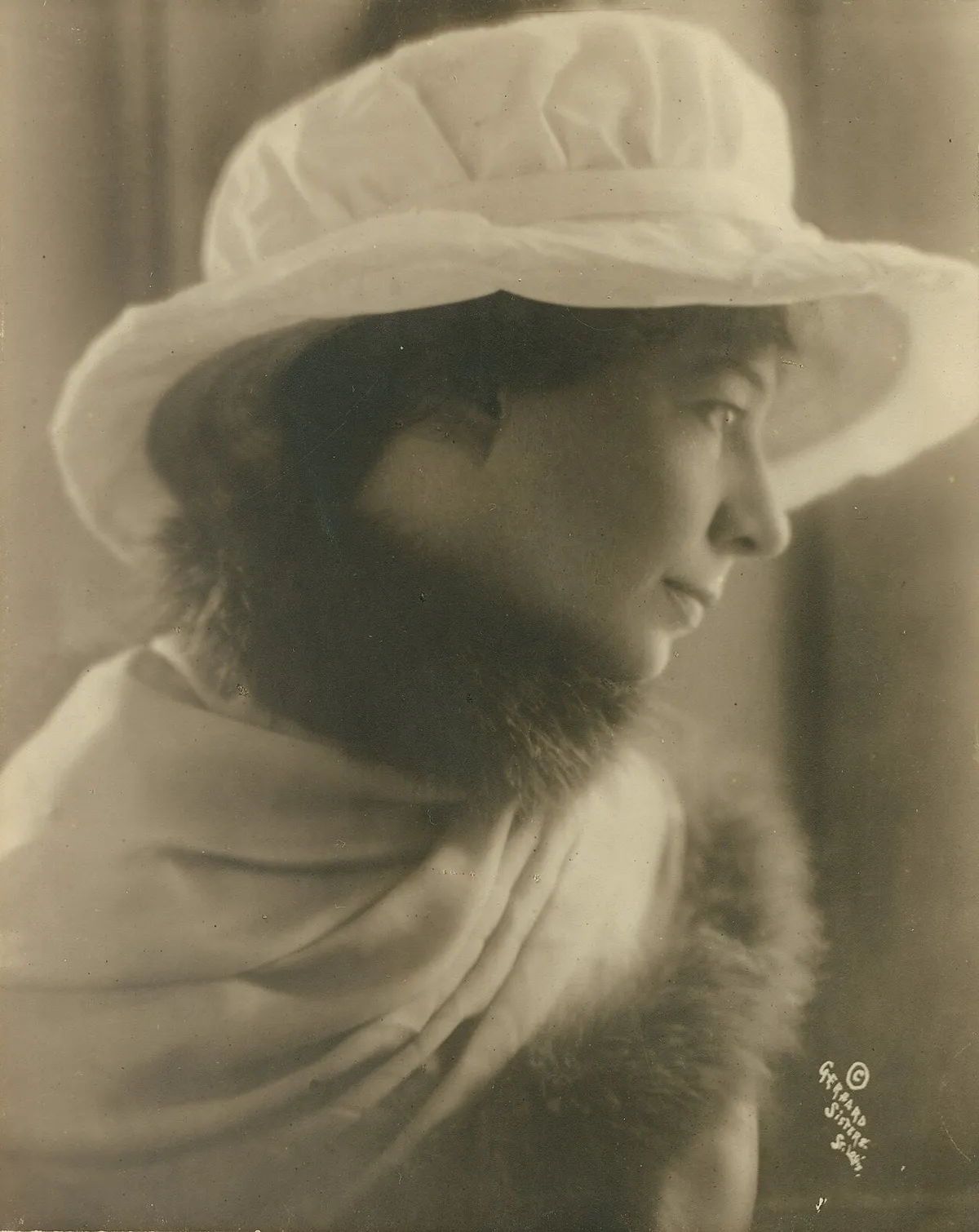
Sara Teasdale
Oh You Are Coming
Oh you are coming, coming, coming,
How will hungry Time put by the hours till then? --
But why does it anger my heart to long so
For one man out of the world of men?
Oh I would live in myself only
And build my life lightly and still as a dream --
Are not my thoughts clearer than your thoughts
And colored like stones in a running stream?
Now the slow moon brightens in heaven,
The stars are ready, the night is here --
Oh why must I lose myself to love you,
My dear?
Read more →
How will hungry Time put by the hours till then? --
But why does it anger my heart to long so
For one man out of the world of men?
Oh I would live in myself only
And build my life lightly and still as a dream --
Are not my thoughts clearer than your thoughts
And colored like stones in a running stream?
Now the slow moon brightens in heaven,
The stars are ready, the night is here --
Oh why must I lose myself to love you,
My dear?
508
Rabindranath Tagore
We Are To Play The Game Of Death
WE are to play the game of death to-night, my bride and I.
The night is black, the clouds in the sky are capricious, and the waves are raving at
sea.
We have left our bed of dreams, flung open the door and come out, my bride and I.
We sit upon a swing, and the storm winds give us a wild push from behind.
My bride starts up with fear and delight, she trembles and clings to my breast.
Long have I served her tenderly.
I made for her a bed of flowers and I closed the doors to shut out the rude light from
her eyes.
I kissed her gently on her lips and whispered softly in her ears till she half swooned in
languor.
She was lost in the endless mist of vague sweetness.
She answered not to my touch, my songs failed to arouse her.
To-night has come to us the call of the storm from the wild.
My bride has shivered and stood up, she has clasped my hand and come out.
Her hair is flying in the wind, her veil is fluttering, her garland rustles over her breast.
The push of death has swung her into life.
We are face to face and heart to heart, my bride and I.
Read more →
The night is black, the clouds in the sky are capricious, and the waves are raving at
sea.
We have left our bed of dreams, flung open the door and come out, my bride and I.
We sit upon a swing, and the storm winds give us a wild push from behind.
My bride starts up with fear and delight, she trembles and clings to my breast.
Long have I served her tenderly.
I made for her a bed of flowers and I closed the doors to shut out the rude light from
her eyes.
I kissed her gently on her lips and whispered softly in her ears till she half swooned in
languor.
She was lost in the endless mist of vague sweetness.
She answered not to my touch, my songs failed to arouse her.
To-night has come to us the call of the storm from the wild.
My bride has shivered and stood up, she has clasped my hand and come out.
Her hair is flying in the wind, her veil is fluttering, her garland rustles over her breast.
The push of death has swung her into life.
We are face to face and heart to heart, my bride and I.
508
Sara Teasdale
The Wind
A wind is blowing over my soul,
I hear it cry the whole night through --
Is there no peace for me on earth
Except with you?
Alas, the wind has made me wise,
Over my naked soul it blew, --
There is no peace for me on earth
Even with you.
Read more →
I hear it cry the whole night through --
Is there no peace for me on earth
Except with you?
Alas, the wind has made me wise,
Over my naked soul it blew, --
There is no peace for me on earth
Even with you.
507

Ella Wheeler Wilcox
Fame
If I should die, to-day,
To-morrow, maybe, the world would see
Would waken from sleep, and say,
"Why here was talent! why here was worth!
Why here was a luminous light o' the earth.
A soul as free
As the winds of the sea:
To whom was given
A dower of heaven.
And fame, and name, and glory belongs
To this dead singer of living songs.
Bring hither a wreath, for the bride of death!"
And so they would praise me, and so they would raise me
Mayhap, a column, high over the bed
Where I should be lying, all cold and dead.
But I am a living poet!
Walking abroad in the sunlight of God,
Not lying asleep, where the clay worms creep,
And the cold world will not show it,
E'en when it sees that my song should please;
But sneering says: "Avaunt, with thy lays
Do not sing them, and do not bring them
Into this rustling, bustling life.
We have no time, for a jingling rhyme,
In this scene of hurrying, worrying strife."
And so I say, there is but one way
To win me a name, and bring me fame.
And that is, to die, and be buried low,
When the world would praise me, an hour or so.
Read more →
To-morrow, maybe, the world would see
Would waken from sleep, and say,
"Why here was talent! why here was worth!
Why here was a luminous light o' the earth.
A soul as free
As the winds of the sea:
To whom was given
A dower of heaven.
And fame, and name, and glory belongs
To this dead singer of living songs.
Bring hither a wreath, for the bride of death!"
And so they would praise me, and so they would raise me
Mayhap, a column, high over the bed
Where I should be lying, all cold and dead.
But I am a living poet!
Walking abroad in the sunlight of God,
Not lying asleep, where the clay worms creep,
And the cold world will not show it,
E'en when it sees that my song should please;
But sneering says: "Avaunt, with thy lays
Do not sing them, and do not bring them
Into this rustling, bustling life.
We have no time, for a jingling rhyme,
In this scene of hurrying, worrying strife."
And so I say, there is but one way
To win me a name, and bring me fame.
And that is, to die, and be buried low,
When the world would praise me, an hour or so.
508
John Keats
Character Of Charles Brown
I.
He is to weet a melancholy carle:
Thin in the waist, with bushy head of hair
As hath the seeded thistle when in parle
It holds the Zephyr, ere it sendeth fair
Its light balloons into the summer air;
Therto his beard had not begun to bloom,
No brush had touch'd his chin or razor sheer;
No care had touch'd his cheek with mortal doom,
But new he was and bright as scarf from Persian loom.
II.
Ne cared he for wine, or half-and-half;
Ne cared he for fish or flesh or fowl,
And sauces held he worthless as the chaff,
He 'sdeigned the swine-head at the wassail-bowl;
Ne with lewd ribbalds sat he cheek by jowl,
Ne with sly Lemans in the scorner's chair;
But after water-brooks this Pilgrim's soul
Panted, and all his food was woodland air
Though he would oft-times feast on gilliflowers rare.
III.
The slang of cities in no wise he knew,
Tipping the wink to him was heathen Greek;
He sipp'd no olden Tom or ruin blue,
Or nantz or cherry-brandy drank full meek
By many a damsel hoarse and rouge of cheek;
Nor did he know each aged watchman's beat,
Nor in obscured purlieus would he seek
For curled Jewesses with ankles neat,
Who as they walk abroad make tinkling with their feet.
Read more →
He is to weet a melancholy carle:
Thin in the waist, with bushy head of hair
As hath the seeded thistle when in parle
It holds the Zephyr, ere it sendeth fair
Its light balloons into the summer air;
Therto his beard had not begun to bloom,
No brush had touch'd his chin or razor sheer;
No care had touch'd his cheek with mortal doom,
But new he was and bright as scarf from Persian loom.
II.
Ne cared he for wine, or half-and-half;
Ne cared he for fish or flesh or fowl,
And sauces held he worthless as the chaff,
He 'sdeigned the swine-head at the wassail-bowl;
Ne with lewd ribbalds sat he cheek by jowl,
Ne with sly Lemans in the scorner's chair;
But after water-brooks this Pilgrim's soul
Panted, and all his food was woodland air
Though he would oft-times feast on gilliflowers rare.
III.
The slang of cities in no wise he knew,
Tipping the wink to him was heathen Greek;
He sipp'd no olden Tom or ruin blue,
Or nantz or cherry-brandy drank full meek
By many a damsel hoarse and rouge of cheek;
Nor did he know each aged watchman's beat,
Nor in obscured purlieus would he seek
For curled Jewesses with ankles neat,
Who as they walk abroad make tinkling with their feet.
507
Kazi Nazrul Islam
Like a Lost Bird
At the end of the rol
Iing road, my dearest, I await alone;
Rolling in the dust of the path you have traveled.
The way you have walked on the bright ground of the mountains
I wish you could rub your feet on my breast making me forget my pain
I do not desire anything, no slumber in my eyes;
Wandering aimlessly in the street, the neighborhood laughs at me.
I cannot go to the pond, how have you enchanted me!
In the black water of the pond, I see your black beauty
You have scandalized me and left me alone!
[Original: Pothhara Pakhi; Translation: Kashfia Billah]
Read more →
Iing road, my dearest, I await alone;
Rolling in the dust of the path you have traveled.
The way you have walked on the bright ground of the mountains
I wish you could rub your feet on my breast making me forget my pain
I do not desire anything, no slumber in my eyes;
Wandering aimlessly in the street, the neighborhood laughs at me.
I cannot go to the pond, how have you enchanted me!
In the black water of the pond, I see your black beauty
You have scandalized me and left me alone!
[Original: Pothhara Pakhi; Translation: Kashfia Billah]
511
Ella Wheeler Wilcox
Go Plant a Tree
God, what a joy it is to plant a tree,
And from the sallow earth to watch it rise,
Lifting its emerald branches to the skies
In silent adoration; and to see
Its strength and glory waxing with each spring.
Yes, 'tis a goodly, and a gladsome thing
To plant a tree.
Nature has many marvels; but a tree
Seems more than marvellous. It is divine.
So generous, so tender, so benign.
Not garrulous like the rivers; and yet free
In pleasant converse with the winds and birds;
Oh! privilege beyond explaining words,
To plant a tree.
Rocks are majestic; but, unlike a tree,
They stand aloof, and silent. In the roar
Of ocean billows breaking on the shore
There sounds the voice of turmoil. But a tree
Speaks ever of companionship and rest.
Yea, of all righteous acts, this, this is best,
To plant a tree.
There is an oak (oh! how I love that tree)
Which has been thriving for a hundred years;
Each day I send my blessing through the spheres
To one who gave this triple boon to me,
Of growing beauty, singing birds, and shade.
Wouldst thou win laurels that shall never fade?
Read more →
And from the sallow earth to watch it rise,
Lifting its emerald branches to the skies
In silent adoration; and to see
Its strength and glory waxing with each spring.
Yes, 'tis a goodly, and a gladsome thing
To plant a tree.
Nature has many marvels; but a tree
Seems more than marvellous. It is divine.
So generous, so tender, so benign.
Not garrulous like the rivers; and yet free
In pleasant converse with the winds and birds;
Oh! privilege beyond explaining words,
To plant a tree.
Rocks are majestic; but, unlike a tree,
They stand aloof, and silent. In the roar
Of ocean billows breaking on the shore
There sounds the voice of turmoil. But a tree
Speaks ever of companionship and rest.
Yea, of all righteous acts, this, this is best,
To plant a tree.
There is an oak (oh! how I love that tree)
Which has been thriving for a hundred years;
Each day I send my blessing through the spheres
To one who gave this triple boon to me,
Of growing beauty, singing birds, and shade.
Wouldst thou win laurels that shall never fade?
512
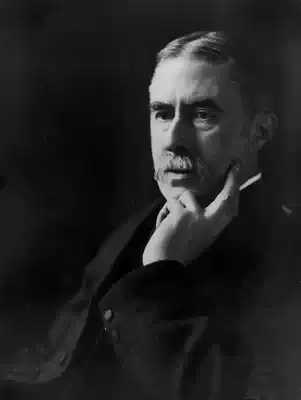
Alfred Edward Housman
Diffugere Nives
Horace, Odes, iv, 7
The snows are fled away, leaves on the shaws
And grasses in the mead renew their birth,
The river to the river-bed withdraws,
And altered is the fashion of the earth.
The Nymphs and Graces three put off their fear
And unapparelled in the woodland play.
The swift hour and the brief prime of the year
Say to the soul, Thou wast not born for aye.
Thaw follows frost; hard on the heel of spring
Treads summer sure to die, for hard on hers
Comes autumn with his apples scattering;
Then back to wintertide, when nothing stirs.
But oh, whate'er the sky-led seasons mar,
Moon upon moon rebuilds it with her beams;
Come we where Tullus and where Ancus are
And good Aeneas, we are dust and dreams.
Torquatus, if the gods in heaven shall add
The morrow to the day, what tongue has told?
Feast then thy heart, for what thy heart has had
The fingers of no heir will ever hold.
When thou descendest once the shades among,
The stern assize and equal judgment o'er,
Not thy long lineage nor thy golden tongue,
No, nor thy righteousness, shall friend thee more.
Night holds Hippolytus the pure of stain,
Diana steads him nothing, he must stay;
And Theseus leafves Pirithous in the chain
The love of comrades cannot take away.
Read more →
The snows are fled away, leaves on the shaws
And grasses in the mead renew their birth,
The river to the river-bed withdraws,
And altered is the fashion of the earth.
The Nymphs and Graces three put off their fear
And unapparelled in the woodland play.
The swift hour and the brief prime of the year
Say to the soul, Thou wast not born for aye.
Thaw follows frost; hard on the heel of spring
Treads summer sure to die, for hard on hers
Comes autumn with his apples scattering;
Then back to wintertide, when nothing stirs.
But oh, whate'er the sky-led seasons mar,
Moon upon moon rebuilds it with her beams;
Come we where Tullus and where Ancus are
And good Aeneas, we are dust and dreams.
Torquatus, if the gods in heaven shall add
The morrow to the day, what tongue has told?
Feast then thy heart, for what thy heart has had
The fingers of no heir will ever hold.
When thou descendest once the shades among,
The stern assize and equal judgment o'er,
Not thy long lineage nor thy golden tongue,
No, nor thy righteousness, shall friend thee more.
Night holds Hippolytus the pure of stain,
Diana steads him nothing, he must stay;
And Theseus leafves Pirithous in the chain
The love of comrades cannot take away.
508