
Soul

Robert Burns
Carigieburn Wood
Sweet fa's the eve on Craigieburn,
And blythe awakens the morrow,
But a' the pride o' spring's return
Can yield me nocht but sorrow.
I see the flowers and spreading trees,
I hear the wild birds singing;
But what a weary wight can please,
And care his bosom wringing?
Fain, fain would I my griefs impart,
Yet darena for your anger'
But secret love will break my heart,
If I conceal it langer.
If thou refuse to pity me,
If thou shalt love anither,
When yon green leaves fade frae the tree,
Around my grave they'll wither.
Read more →
And blythe awakens the morrow,
But a' the pride o' spring's return
Can yield me nocht but sorrow.
I see the flowers and spreading trees,
I hear the wild birds singing;
But what a weary wight can please,
And care his bosom wringing?
Fain, fain would I my griefs impart,
Yet darena for your anger'
But secret love will break my heart,
If I conceal it langer.
If thou refuse to pity me,
If thou shalt love anither,
When yon green leaves fade frae the tree,
Around my grave they'll wither.
509
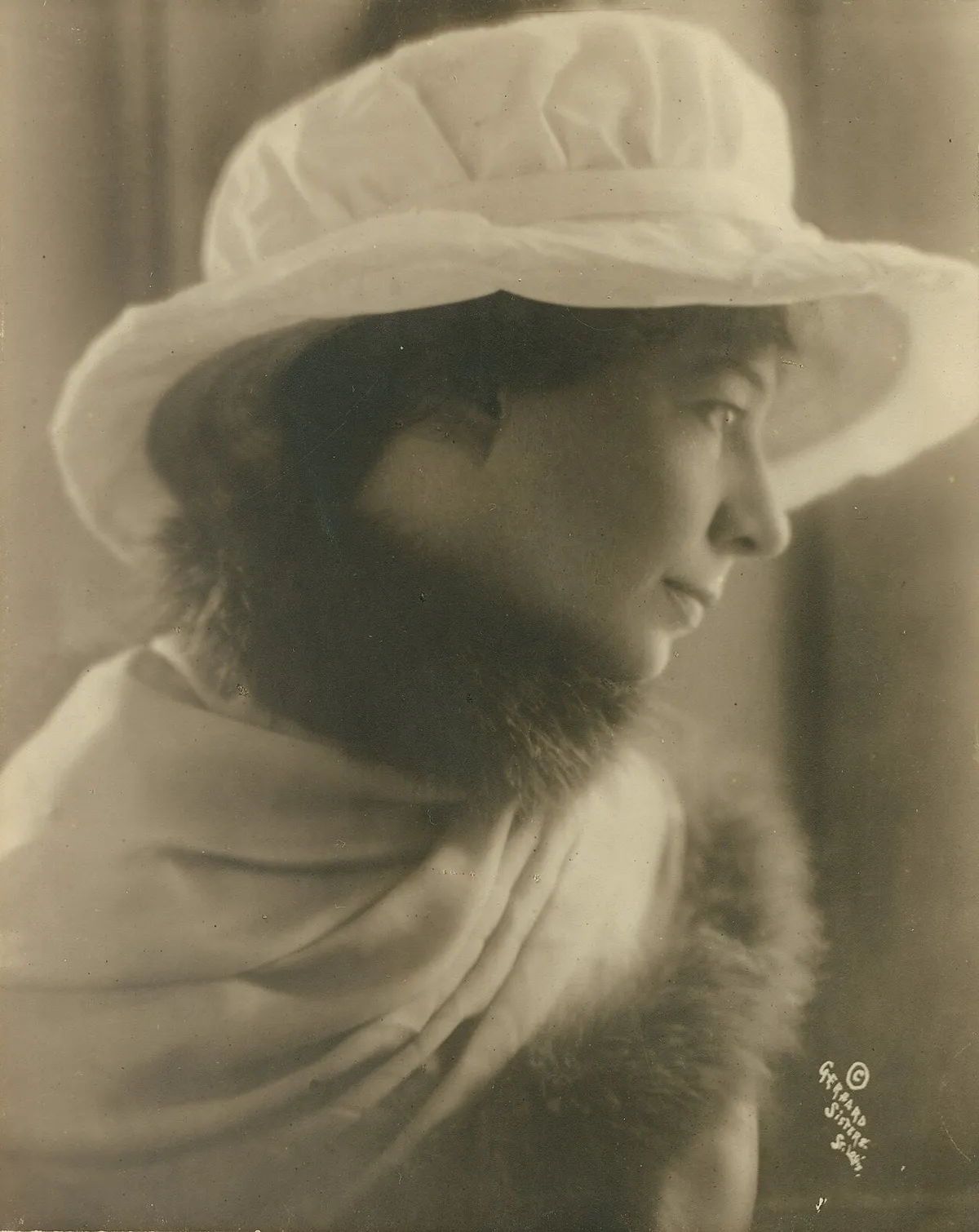
Sara Teasdale
Debt
What do I owe to you
Who loved me deep and long?
You never gave my spirit wings
Or gave my heart a song.
But oh, to him I loved,
Who loved me not at all,
I owe the open gate
That led through heaven's wall.
Read more →
Who loved me deep and long?
You never gave my spirit wings
Or gave my heart a song.
But oh, to him I loved,
Who loved me not at all,
I owe the open gate
That led through heaven's wall.
513

Rabindranath Tagore
Maya
That I should make much of myself and turn it on all sides,
thus casting colored shadows on thy radiance
---such is thy Maya.
Thou settest a barrier in thine own being
and then callest thy severed self in myriad notes.
This thy self-separation has taken body in me.
The poignant song is echoed through all the sky in many-coloued tears
and smiles, alarms and hopes; waves rise up and sink again,
dreams break and form.
In me is thy own defeat of self.
This screen that thou hast raised is painted with innumerable figures
with the brush of the night and the day.
Behind it thy seat is woven in wondrous mysteries of curves,
casting away all barren lines of straightness.
The great pageant of thee and me has overspread the sky.
With the tune of thee and me all the air is vibrant,
and all ages pass with the hiding and seeking of thee and me.
Read more →
thus casting colored shadows on thy radiance
---such is thy Maya.
Thou settest a barrier in thine own being
and then callest thy severed self in myriad notes.
This thy self-separation has taken body in me.
The poignant song is echoed through all the sky in many-coloued tears
and smiles, alarms and hopes; waves rise up and sink again,
dreams break and form.
In me is thy own defeat of self.
This screen that thou hast raised is painted with innumerable figures
with the brush of the night and the day.
Behind it thy seat is woven in wondrous mysteries of curves,
casting away all barren lines of straightness.
The great pageant of thee and me has overspread the sky.
With the tune of thee and me all the air is vibrant,
and all ages pass with the hiding and seeking of thee and me.
507

Ezra Pound
Sennin Poem By Kakuhaku
The red and green kingfishers
flash between the orchids and clover,
One bird casts its gleam on another.
Green vines hang through the high forest,
They weave a whole roof to the mountain,
The lone man sits with shut speech,
He purrs and pats the clear strings.
He throws his heart up through the sky,
He bites through the flower pistil
and brings up a fine fountain.
The red-pine-tree god looks at him and wonders.
He rides through the purple smoke to visit the sennin,
He takes 'Floating Hill' by the sleeve,
He claps his hand on the back of the great water sennin.
But you, you dam'd crowd of gnats,
Can you even tell the age of a turtle?
Read more →
flash between the orchids and clover,
One bird casts its gleam on another.
Green vines hang through the high forest,
They weave a whole roof to the mountain,
The lone man sits with shut speech,
He purrs and pats the clear strings.
He throws his heart up through the sky,
He bites through the flower pistil
and brings up a fine fountain.
The red-pine-tree god looks at him and wonders.
He rides through the purple smoke to visit the sennin,
He takes 'Floating Hill' by the sleeve,
He claps his hand on the back of the great water sennin.
But you, you dam'd crowd of gnats,
Can you even tell the age of a turtle?
507
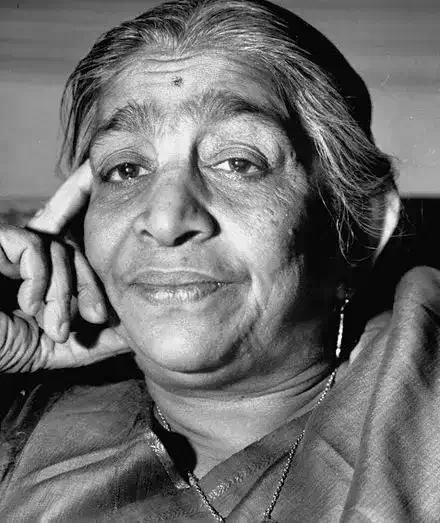
Sarojini Naidu
Cradle Song
FROM groves of spice,
O'er fields of rice,
Athwart the lotus-stream,
I bring for you,
Aglint with dew
A little lovely dream.
Sweet, shut your eyes,
The wild fire-fiies
Dance through the fairy neem;
From the poppy-bole
For you I stole
A little lovely dream.
Dear eyes, good-night,
In golden light
The stars around you gleam;
On you I press
With soft caress
A little lovely dream.
Read more →
O'er fields of rice,
Athwart the lotus-stream,
I bring for you,
Aglint with dew
A little lovely dream.
Sweet, shut your eyes,
The wild fire-fiies
Dance through the fairy neem;
From the poppy-bole
For you I stole
A little lovely dream.
Dear eyes, good-night,
In golden light
The stars around you gleam;
On you I press
With soft caress
A little lovely dream.
510
Ezra Pound
Marvoil
A poor clerk I, 'Arnaut the less' they call me,
And because I have small mind to sit
Day long, long day cooped on a stool
A-jumbling o' figures for Maitre Jacques Polin,
I ha' taken to rambling the South here.
The Vicomte of Beziers's not such a bad lot.
I made rimes to his lady this three year:
Vers and canzone, till that damn'd son of Aragon,
Alfonso the half-bald, took to hanging
His helmet at Beziers.
Then came what might come, to wit: three men and one woman,
Beziers off at Mont-Ausier, I and his lady
Singing the stars in the turrets of Beziers,
And one lean Aragonese cursing the seneschal
To the end that you see, friends:
Aragon cursing in Aragon, Beziers busy at Beziers
Bored to an inch of extinction,
Tibors all tongue and temper at Mont-Ausier,
Me! in this damn'd inn of Avignon,
Stringing long verse for the Burlatz;
All for one half-bald, knock-knee'd king of the Aragonese,
Alfonso, Quattro, poke-nose.
And if when I am dead
They take the trouble to tear out this wall here,
They'11 know more of Arnaut of Marvoil
Than half his canzoni say of him.
As for will and testament I leave none,
Save this: ‘Vers and canzone to the Countess of Beziers
In return for the first kiss she gave me.'
May her eyes and her cheek be fair
To all men except the King of Aragon,
And may I come'speedily to Beziers
Whither my desire and my dream have preceded me.
O hole in the wall here! be thou my jongleur
As ne'er had I other, and when the wind blows,
Sing thou the grace of the Lady of Beziers,
For even as thou art hollow before I fill thee with this parchment,
So is my heart hollow when she filleth not mine eyes,
And so were my mind hollow, did she not fill utterly my thought.
Wherefore, O hole in the wall here,
When the wind blows sigh thou for my sorrow
That I have not the Countess of Beziers
Close in my arms here.
Even as thou shalt soon have this parchment.
O hole in the wall here, be thou my jongleur,
And though thou sighest my sorrow in the wind,
Keep yet my secret in thy breast here;
Even as I keep her image in my heart here.
Read more →
And because I have small mind to sit
Day long, long day cooped on a stool
A-jumbling o' figures for Maitre Jacques Polin,
I ha' taken to rambling the South here.
The Vicomte of Beziers's not such a bad lot.
I made rimes to his lady this three year:
Vers and canzone, till that damn'd son of Aragon,
Alfonso the half-bald, took to hanging
His helmet at Beziers.
Then came what might come, to wit: three men and one woman,
Beziers off at Mont-Ausier, I and his lady
Singing the stars in the turrets of Beziers,
And one lean Aragonese cursing the seneschal
To the end that you see, friends:
Aragon cursing in Aragon, Beziers busy at Beziers
Bored to an inch of extinction,
Tibors all tongue and temper at Mont-Ausier,
Me! in this damn'd inn of Avignon,
Stringing long verse for the Burlatz;
All for one half-bald, knock-knee'd king of the Aragonese,
Alfonso, Quattro, poke-nose.
And if when I am dead
They take the trouble to tear out this wall here,
They'11 know more of Arnaut of Marvoil
Than half his canzoni say of him.
As for will and testament I leave none,
Save this: ‘Vers and canzone to the Countess of Beziers
In return for the first kiss she gave me.'
May her eyes and her cheek be fair
To all men except the King of Aragon,
And may I come'speedily to Beziers
Whither my desire and my dream have preceded me.
O hole in the wall here! be thou my jongleur
As ne'er had I other, and when the wind blows,
Sing thou the grace of the Lady of Beziers,
For even as thou art hollow before I fill thee with this parchment,
So is my heart hollow when she filleth not mine eyes,
And so were my mind hollow, did she not fill utterly my thought.
Wherefore, O hole in the wall here,
When the wind blows sigh thou for my sorrow
That I have not the Countess of Beziers
Close in my arms here.
Even as thou shalt soon have this parchment.
O hole in the wall here, be thou my jongleur,
And though thou sighest my sorrow in the wind,
Keep yet my secret in thy breast here;
Even as I keep her image in my heart here.
511

Ella Wheeler Wilcox
From the Grave
When the first sere leaves of the year were falling,
I heard, with a heart that was strangely thrilled,
Out of the grave of a dead Past calling,
A voice I fancied forever stilled.
All through winter and spring and summer,
Silence hung over that grave like a pall,
But, borne on the breath of the last sad comer,
I listen again to the old-time call.
It is only a love of a by-gone season,
A senseless folly that mocked at me
A reckless passion that lacked all reason,
So I killed it, and hid it where none could see.
I smothered it first to stop its crying,
Then stabbed it through with a good sharp blade,
And cold and pallid I saw it lying,
And deep—ah' deep was the grave I made.
But now I know that there is no killing
A thing like Love, for it laughs at Death.
There is no hushing, there is no stilling
That which is part of your life and breath.
You may bury it deep, and leave behind you
The land, the people, that knew your slain;
It will push the sods from its grave, and find you
On wastes of water or desert plain.
You may hear but tongues of a foreign people,
You may list to sounds that are strange and new;
But, clear as a silver bell in a steeple,
That voice from the grave shall call to you.
You may rouse your pride, you may use your reason.
And seem for a space to slay Love so;
But, all in its own good time and season,
It will rise and follow wherever you go.
You shall sit sometimes, when the leaves are falling,
Alone with your heart, as I sit to-day,
And hear that voice from your dead Past calling
Out of the graves that you hid away.
Read more →
I heard, with a heart that was strangely thrilled,
Out of the grave of a dead Past calling,
A voice I fancied forever stilled.
All through winter and spring and summer,
Silence hung over that grave like a pall,
But, borne on the breath of the last sad comer,
I listen again to the old-time call.
It is only a love of a by-gone season,
A senseless folly that mocked at me
A reckless passion that lacked all reason,
So I killed it, and hid it where none could see.
I smothered it first to stop its crying,
Then stabbed it through with a good sharp blade,
And cold and pallid I saw it lying,
And deep—ah' deep was the grave I made.
But now I know that there is no killing
A thing like Love, for it laughs at Death.
There is no hushing, there is no stilling
That which is part of your life and breath.
You may bury it deep, and leave behind you
The land, the people, that knew your slain;
It will push the sods from its grave, and find you
On wastes of water or desert plain.
You may hear but tongues of a foreign people,
You may list to sounds that are strange and new;
But, clear as a silver bell in a steeple,
That voice from the grave shall call to you.
You may rouse your pride, you may use your reason.
And seem for a space to slay Love so;
But, all in its own good time and season,
It will rise and follow wherever you go.
You shall sit sometimes, when the leaves are falling,
Alone with your heart, as I sit to-day,
And hear that voice from your dead Past calling
Out of the graves that you hid away.
507

William Shakespeare
Fidele
FEAR no more the heat o' the sun,
Nor the furious winter's rages;
Thou thy worldly task hast done,
Home art gone, and ta'en thy wages:
Golden lads and girls all must,
As chimney-sweepers, come to dust.
Fear no more the frown o' the great,
Thou art past the tyrant's stroke;
Care no more to clothe and eat;
To thee the reed is as the oak:
The sceptre, learning, physic, must
All follow this, and come to dust.
Fear no more the lightning-flash,
Nor the all-dreaded thunder-stone;
Fear not slander, censure rash;
Thou hast finish'd joy and moan:
All lovers young, all lovers must
Consign to thee, and come to dust.
No exorciser harm thee!
Nor no witchcraft charm thee!
Ghost unlaid forbear thee!
Nothing ill come near thee!
Quiet consummation have;
And renowned be thy grave!
Read more →
Nor the furious winter's rages;
Thou thy worldly task hast done,
Home art gone, and ta'en thy wages:
Golden lads and girls all must,
As chimney-sweepers, come to dust.
Fear no more the frown o' the great,
Thou art past the tyrant's stroke;
Care no more to clothe and eat;
To thee the reed is as the oak:
The sceptre, learning, physic, must
All follow this, and come to dust.
Fear no more the lightning-flash,
Nor the all-dreaded thunder-stone;
Fear not slander, censure rash;
Thou hast finish'd joy and moan:
All lovers young, all lovers must
Consign to thee, and come to dust.
No exorciser harm thee!
Nor no witchcraft charm thee!
Ghost unlaid forbear thee!
Nothing ill come near thee!
Quiet consummation have;
And renowned be thy grave!
511

Christina Rossetti
Paradise: In A Symbol
Golden-winged, silver-winged,
Winged with flashing flame,
Such a flight of birds I saw,
Birds without a name:
Singing songs in their own tongue
(Song of songs) they came.
One to another calling,
Each answering each,
One to another calling
In their proper speech:
High above my head they wheeled,
Far out of reach.
On wings of flame they went and came
With a cadenced clang,
Their silver wings tinkled,
Their golden wings rang,
The wind it whistled through their wings
Where in Heaven they sang.
They flashed and they darted
Awhile before mine eyes,
Mounting, mounting, mounting still
In haste to scale the skies—
Birds without a nest on earth,
Birds of Paradise.
Where the moon riseth not,
Nor sun seeks the west,
There to sing their glory
Which they sing at rest,
There to sing their love-song
When they sing their best:
Not in any garden
That mortal foot hath trod,
Not in any flowering tree
That springs from earthly sod,
But in the garden where they dwell,
The Paradise of God.
Read more →
Winged with flashing flame,
Such a flight of birds I saw,
Birds without a name:
Singing songs in their own tongue
(Song of songs) they came.
One to another calling,
Each answering each,
One to another calling
In their proper speech:
High above my head they wheeled,
Far out of reach.
On wings of flame they went and came
With a cadenced clang,
Their silver wings tinkled,
Their golden wings rang,
The wind it whistled through their wings
Where in Heaven they sang.
They flashed and they darted
Awhile before mine eyes,
Mounting, mounting, mounting still
In haste to scale the skies—
Birds without a nest on earth,
Birds of Paradise.
Where the moon riseth not,
Nor sun seeks the west,
There to sing their glory
Which they sing at rest,
There to sing their love-song
When they sing their best:
Not in any garden
That mortal foot hath trod,
Not in any flowering tree
That springs from earthly sod,
But in the garden where they dwell,
The Paradise of God.
510
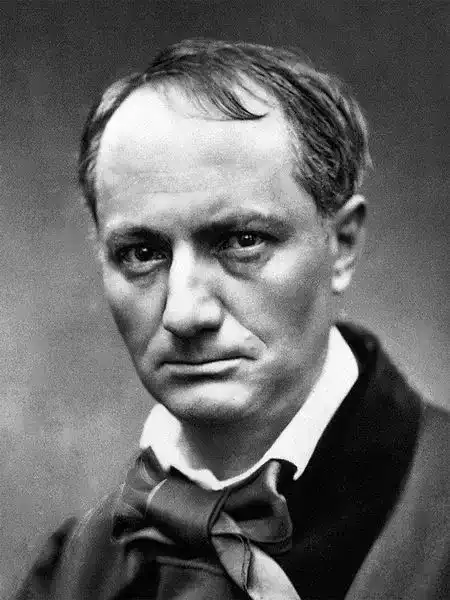
Charles Baudelaire
Overcast
Are they blue, gray or green? Mysterious eyes
(as if in fact you were looking through a mist)
in alternation tender, dreamy, grim
to match the shiftless pallor of the sky.
That's what you're like- these warm white afternoons
which make the ravished heart dissolve in tears,
the nerves, inexplicably overwrought,
outrage the dozing mind.
Not always, though-sometimes
you're like the horizon when the sun
ignites our cloudy autumn-how you glow!
A sodden countryside in sudden rout,
turned incandescent by a changing wind.
Dangerous woman-demoralizing days!
Will I adore your killing frost as much,
and in that implacable winter, when it comes,
discover pleasures sharper than iron and ice?
Read more →
(as if in fact you were looking through a mist)
in alternation tender, dreamy, grim
to match the shiftless pallor of the sky.
That's what you're like- these warm white afternoons
which make the ravished heart dissolve in tears,
the nerves, inexplicably overwrought,
outrage the dozing mind.
Not always, though-sometimes
you're like the horizon when the sun
ignites our cloudy autumn-how you glow!
A sodden countryside in sudden rout,
turned incandescent by a changing wind.
Dangerous woman-demoralizing days!
Will I adore your killing frost as much,
and in that implacable winter, when it comes,
discover pleasures sharper than iron and ice?
508
Rabindranath Tagore
The Gardener LV: It Was Mid-Day
It was mid-day when you went
away .
The sun was strong in the sky.
I had done my work and sat alone
on my balcony when you went away.
Fitful gusts came winnowing
through the smells of may distant
fields.
The doves cooed tireless in the shade,
and a bee strayed in my room humming
the news of many distant fields.
The village slept in the noonday
heat. The road lay deserted.
In sudden fits the rustling of the
leaves rose and died.
I gazed at the sky and wove in the
blue the letters of a name I had known,
while the village slept in the noonday
heat.
I had forgotten to braid my hair.
The languid breeze played with it upon
my cheek.
The river ran unruffled under the
shady bank.
The lazy white clouds did not move.
I had forgotten to braid my hair.
It was mid-day when you went
away.
The dust of the road was hot and
the fields panting.
The doves cooed among the dense
leaves.
I was alone in my balcony when you
went away.
Read more →
away .
The sun was strong in the sky.
I had done my work and sat alone
on my balcony when you went away.
Fitful gusts came winnowing
through the smells of may distant
fields.
The doves cooed tireless in the shade,
and a bee strayed in my room humming
the news of many distant fields.
The village slept in the noonday
heat. The road lay deserted.
In sudden fits the rustling of the
leaves rose and died.
I gazed at the sky and wove in the
blue the letters of a name I had known,
while the village slept in the noonday
heat.
I had forgotten to braid my hair.
The languid breeze played with it upon
my cheek.
The river ran unruffled under the
shady bank.
The lazy white clouds did not move.
I had forgotten to braid my hair.
It was mid-day when you went
away.
The dust of the road was hot and
the fields panting.
The doves cooed among the dense
leaves.
I was alone in my balcony when you
went away.
510
Safo
To Evening
O HESPERUS! Thou bringest all things home;
All that the garish day hath scattered wide;
The sheep, the goat, back to the welcome fold;
Thou bring'st the child, too, to his mother's side
Read more →
All that the garish day hath scattered wide;
The sheep, the goat, back to the welcome fold;
Thou bring'st the child, too, to his mother's side
509
Safo
Tonight I've watched
Tonight I've watched
the moon and then
the Pleiades
go down
The night is now
half-gone; youth
goes; I am
in bed alone
Read more →
the moon and then
the Pleiades
go down
The night is now
half-gone; youth
goes; I am
in bed alone
508

Robert Frost
Stars
How countlessly they congregate
O'er our tumultuous snow,
Which flows in shapes as tall as trees
When wintry winds do blow!--
As if with keenness for our fate,
Our faltering few steps on
To white rest, and a place of rest
Invisible at dawn,--
And yet with neither love nor hate,
Those stars like some snow-white
Minerva's snow-white marble eyes
Without the gift of sight.
Read more →
O'er our tumultuous snow,
Which flows in shapes as tall as trees
When wintry winds do blow!--
As if with keenness for our fate,
Our faltering few steps on
To white rest, and a place of rest
Invisible at dawn,--
And yet with neither love nor hate,
Those stars like some snow-white
Minerva's snow-white marble eyes
Without the gift of sight.
510
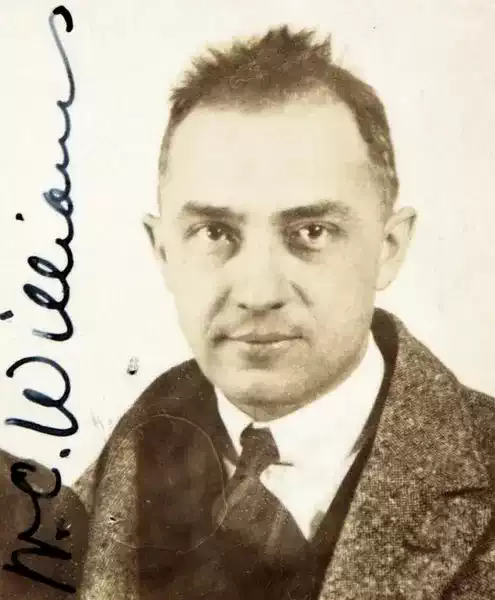
William Carlos Williams
From Asphodel, That Greeny Flower
Of asphodel, that greeny flower,
like a buttercup
upon its branching stemsave
that it's green and wooden-
I come, my sweet,
to sing to you.
We lived long together
a life filled,
if you will,
with flowers. So that
I was cheered
when I came first to know
that there were flowers also
in hell.
Today
I'm filled with the fading memory of those flowers
that we both loved,
even to this poor
colorless thing-
I saw it
when I was a childlittle
prized among the living
but the dead see,
asking among themselves:
What do I remember
that was shaped
as this thing is shaped?
while our eyes fill
with tears.
Of love, abiding love
it will be telling
though too weak a wash of crimson
colors it
to make it wholly credible.
There is something
something urgent
I have to say to you
and you alone
but it must wait
while I drink in
the joy of your approach,
perhaps for the last time.
And so
with fear in my heart
I drag it out
and keep on talking
for I dare not stop.
Listen while I talk on
against time.
It will not be
for long.
I have forgot
and yet I see clearly enough
something
central to the sky
which ranges round it.
An odor
springs from it!
A sweetest odor!
Honeysuckle! And now
there comes the buzzing of a bee!
and a whole flood
of sister memories!
Only give me time,
time to recall them
before I shall speak out.
Give me time,
time.
When I was a boy
I kept a book
to which, from time
to time,
I added pressed flowers
until, after a time,
I had a good collection.
The asphodel,
forebodingly,
among them.
I bring you,
reawakened,
a memory of those flowers.
They were sweet
when I pressed them
and retained
something of their sweetness
a long time.
It is a curious odor,
a moral odor,
that brings me
near to you.
The color
was the first to go.
There had come to me
a challenge,
your dear self,
mortal as I was,
the lily's throat
to the hummingbird!
Endless wealth,
I thought,
held out its arms to me.
A thousand tropics
in an apple blossom.
The generous earth itself
gave us lief.
The whole world
became my garden!
But the sea
which no one tends
is also a garden
when the sun strikes it
and the waves
are wakened.
I have seen it
and so have you
when it puts all flowers
to shame.
Too, there are the starfish
stiffened by the sun
and other sea wrack
and weeds. We knew that
along with the rest of it
for we were born by the sea,
knew its rose hedges
to the very water's brink.
There the pink mallow grows
and in their season
strawberries
and there, later,
we went to gather
the wild plum.
I cannot say
that I have gone to hell
for your love
but often
found myself there
in your pursuit.
I do not like it
and wanted to be
in heaven. Hear me out.
Do not turn away.
I have learned much in my life
from books
and out of them
about love.
Death
is not the end of it.
There is a hierarchy
which can be attained,
I think,
in its service.
Its guerdon
is a fairy flower;
a cat of twenty lives.
If no one came to try it
the world
would be the loser.
It has been
for you and me
as one who watches a storm
come in over the water.
We have stood
from year to year
before the spectacle of our lives
with joined hands.
The storm unfolds.
Lightning
plays about the edges of the clouds.
The sky to the north
is placid,
blue in the afterglow
as the storm piles up.
It is a flower
that will soon reach
the apex of its bloom.
We danced,
in our minds,
and read a book together.
You remember?
It was a serious book.
And so books
entered our lives.
The sea! The sea!
Always
when I think of the sea
there comes to mind
the Iliad
and Helen's public fault
that bred it.
Were it not for that
there would have been
no poem but the world
if we had remembered,
those crimson petals
spilled among the stones,
would have called it simply
murder.
The sexual orchid that bloomed then
sending so many
disinterested
men to their graves
has left its memory
to a race of fools
or heroes
if silence is a virtue.
The sea alone
with its multiplicity
holds any hope.
The storm
has proven abortive
but we remain
after the thoughts it roused
to
re-cement our lives.
It is the mind
the mind
that must be cured
short of death's
intervention,
and the will becomes again
a garden. The poem
is complex and the place made
in our lives
for the poem.
Silence can be complex too,
but you do not get far
with silence.
Begin again.
It is like Homer's
catalogue of ships:
it fills up the time.
I speak in figures,
well enough, the dresses
you wear are figures also,
we could not meet
otherwise. When I speak
of flowers
it is to recall
that at one time
we were young.
All women are not Helen,
I know that,
but have Helen in their hearts.
My sweet,
you have it also, therefore
I love you
and could not love you otherwise.
Imagine you saw
a field made up of women
all silver-white.
What should you do
but love them?
The storm bursts
or fades! it is not
the end of the world.
Love is something else,
or so I thought it,
a garden which expands,
though I knew you as a woman
and never thought otherwise,
until the whole sea
has been taken up
and all its gardens.
It was the love of love,
the love that swallows up all else,
a grateful love,
a love of nature, of people,
of animals,
a love engendering
gentleness and goodness
that moved me
and that I saw in you.
I should have known,
though I did not,
that the lily-of-the-valley
is a flower makes many ill
who whiff it.
We had our children,
rivals in the general onslaught.
I put them aside
though I cared for them.
as well as any man
could care for his children
according to my lights.
You understand
I had to meet you
after the event
and have still to meet you.
Love
to which you too shall bow
along with mea
flower
a weakest flower
shall be our trust
and not because
we are too feeble
to do otherwise
but because
at the height of my power
I risked what I had to do,
therefore to prove
that we love each other
while my very bones sweated
that I could not cry to you
in the act.
Of asphodel, that greeny flower,
I come, my sweet,
to sing to you!
My heart rouses
thinking to bring you news
of something
that concerns you
and concerns many men. Look at
what passes for the new.
You will not find it there but in
despised poems.
It is difficult
to get the news from poems
yet men die miserably every day
for lack
of what is found there.
Hear me out
for I too am concerned
and every man
who wants to die at peace in his bed
besides.
Read more →
like a buttercup
upon its branching stemsave
that it's green and wooden-
I come, my sweet,
to sing to you.
We lived long together
a life filled,
if you will,
with flowers. So that
I was cheered
when I came first to know
that there were flowers also
in hell.
Today
I'm filled with the fading memory of those flowers
that we both loved,
even to this poor
colorless thing-
I saw it
when I was a childlittle
prized among the living
but the dead see,
asking among themselves:
What do I remember
that was shaped
as this thing is shaped?
while our eyes fill
with tears.
Of love, abiding love
it will be telling
though too weak a wash of crimson
colors it
to make it wholly credible.
There is something
something urgent
I have to say to you
and you alone
but it must wait
while I drink in
the joy of your approach,
perhaps for the last time.
And so
with fear in my heart
I drag it out
and keep on talking
for I dare not stop.
Listen while I talk on
against time.
It will not be
for long.
I have forgot
and yet I see clearly enough
something
central to the sky
which ranges round it.
An odor
springs from it!
A sweetest odor!
Honeysuckle! And now
there comes the buzzing of a bee!
and a whole flood
of sister memories!
Only give me time,
time to recall them
before I shall speak out.
Give me time,
time.
When I was a boy
I kept a book
to which, from time
to time,
I added pressed flowers
until, after a time,
I had a good collection.
The asphodel,
forebodingly,
among them.
I bring you,
reawakened,
a memory of those flowers.
They were sweet
when I pressed them
and retained
something of their sweetness
a long time.
It is a curious odor,
a moral odor,
that brings me
near to you.
The color
was the first to go.
There had come to me
a challenge,
your dear self,
mortal as I was,
the lily's throat
to the hummingbird!
Endless wealth,
I thought,
held out its arms to me.
A thousand tropics
in an apple blossom.
The generous earth itself
gave us lief.
The whole world
became my garden!
But the sea
which no one tends
is also a garden
when the sun strikes it
and the waves
are wakened.
I have seen it
and so have you
when it puts all flowers
to shame.
Too, there are the starfish
stiffened by the sun
and other sea wrack
and weeds. We knew that
along with the rest of it
for we were born by the sea,
knew its rose hedges
to the very water's brink.
There the pink mallow grows
and in their season
strawberries
and there, later,
we went to gather
the wild plum.
I cannot say
that I have gone to hell
for your love
but often
found myself there
in your pursuit.
I do not like it
and wanted to be
in heaven. Hear me out.
Do not turn away.
I have learned much in my life
from books
and out of them
about love.
Death
is not the end of it.
There is a hierarchy
which can be attained,
I think,
in its service.
Its guerdon
is a fairy flower;
a cat of twenty lives.
If no one came to try it
the world
would be the loser.
It has been
for you and me
as one who watches a storm
come in over the water.
We have stood
from year to year
before the spectacle of our lives
with joined hands.
The storm unfolds.
Lightning
plays about the edges of the clouds.
The sky to the north
is placid,
blue in the afterglow
as the storm piles up.
It is a flower
that will soon reach
the apex of its bloom.
We danced,
in our minds,
and read a book together.
You remember?
It was a serious book.
And so books
entered our lives.
The sea! The sea!
Always
when I think of the sea
there comes to mind
the Iliad
and Helen's public fault
that bred it.
Were it not for that
there would have been
no poem but the world
if we had remembered,
those crimson petals
spilled among the stones,
would have called it simply
murder.
The sexual orchid that bloomed then
sending so many
disinterested
men to their graves
has left its memory
to a race of fools
or heroes
if silence is a virtue.
The sea alone
with its multiplicity
holds any hope.
The storm
has proven abortive
but we remain
after the thoughts it roused
to
re-cement our lives.
It is the mind
the mind
that must be cured
short of death's
intervention,
and the will becomes again
a garden. The poem
is complex and the place made
in our lives
for the poem.
Silence can be complex too,
but you do not get far
with silence.
Begin again.
It is like Homer's
catalogue of ships:
it fills up the time.
I speak in figures,
well enough, the dresses
you wear are figures also,
we could not meet
otherwise. When I speak
of flowers
it is to recall
that at one time
we were young.
All women are not Helen,
I know that,
but have Helen in their hearts.
My sweet,
you have it also, therefore
I love you
and could not love you otherwise.
Imagine you saw
a field made up of women
all silver-white.
What should you do
but love them?
The storm bursts
or fades! it is not
the end of the world.
Love is something else,
or so I thought it,
a garden which expands,
though I knew you as a woman
and never thought otherwise,
until the whole sea
has been taken up
and all its gardens.
It was the love of love,
the love that swallows up all else,
a grateful love,
a love of nature, of people,
of animals,
a love engendering
gentleness and goodness
that moved me
and that I saw in you.
I should have known,
though I did not,
that the lily-of-the-valley
is a flower makes many ill
who whiff it.
We had our children,
rivals in the general onslaught.
I put them aside
though I cared for them.
as well as any man
could care for his children
according to my lights.
You understand
I had to meet you
after the event
and have still to meet you.
Love
to which you too shall bow
along with mea
flower
a weakest flower
shall be our trust
and not because
we are too feeble
to do otherwise
but because
at the height of my power
I risked what I had to do,
therefore to prove
that we love each other
while my very bones sweated
that I could not cry to you
in the act.
Of asphodel, that greeny flower,
I come, my sweet,
to sing to you!
My heart rouses
thinking to bring you news
of something
that concerns you
and concerns many men. Look at
what passes for the new.
You will not find it there but in
despised poems.
It is difficult
to get the news from poems
yet men die miserably every day
for lack
of what is found there.
Hear me out
for I too am concerned
and every man
who wants to die at peace in his bed
besides.
507

John Clare
A vision
I lost the love of heaven above,
I spurned the lust of earth below,
I felt the sweets of fancied love
And hell itself my only foe.
I lost earth's joys but felt the glow
Of heaven's flame abound in me
Till loveliness and I did grow
The bard of immortality.
I loved but woman fell away
I hid me from her faded fame,
I snatched the sun's eternal ray
And wrote till earth was but a name
In every language upon earth,
On every shore, o'er every sea,
I give my name immortal birth
And kept my spirit with the free.
Read more →
I spurned the lust of earth below,
I felt the sweets of fancied love
And hell itself my only foe.
I lost earth's joys but felt the glow
Of heaven's flame abound in me
Till loveliness and I did grow
The bard of immortality.
I loved but woman fell away
I hid me from her faded fame,
I snatched the sun's eternal ray
And wrote till earth was but a name
In every language upon earth,
On every shore, o'er every sea,
I give my name immortal birth
And kept my spirit with the free.
505

William Blake
Jerusalem: I see the Four-fold Man, The Humanity in deadly sleep
I see the Four-fold Man, The Humanity in deadly sleep
And its fallen Emanation, the Spectre and its cruel Shadow.
I see the Past, Present and Future existing all at once
Before me. O Divine Spirit, sustain me on thy wings,
That I may awake Albion from his long and cold repose;
For Bacon and Newton, sheath'd in dismal steel, their terrors hang
Like iron scourges over Albion: reasonings like vast serpents
Infold around my limbs, bruising my minute articulations.
I turn my eyes to the schools and universities of Europe
And there behold the Loom of Locke, whose Woof rages dire,
Wash'd by the Water-wheels of Newton: black the cloth
In heavy wreaths folds over every nation: cruel works
Of many Wheels I view, wheel without wheel, with cogs tyrannic
Moving by compulsion each other, not as those in Eden, which,
Wheel within wheel, in freedom revolve in harmony and peace.
Read more →
And its fallen Emanation, the Spectre and its cruel Shadow.
I see the Past, Present and Future existing all at once
Before me. O Divine Spirit, sustain me on thy wings,
That I may awake Albion from his long and cold repose;
For Bacon and Newton, sheath'd in dismal steel, their terrors hang
Like iron scourges over Albion: reasonings like vast serpents
Infold around my limbs, bruising my minute articulations.
I turn my eyes to the schools and universities of Europe
And there behold the Loom of Locke, whose Woof rages dire,
Wash'd by the Water-wheels of Newton: black the cloth
In heavy wreaths folds over every nation: cruel works
Of many Wheels I view, wheel without wheel, with cogs tyrannic
Moving by compulsion each other, not as those in Eden, which,
Wheel within wheel, in freedom revolve in harmony and peace.
505

Alfred Lord Tennyson
The Splendor Falls
The splendor falls on castle walls
And snowy summits old in story:
The long light shakes across the lakes
And the wild cataract leaps in glory.
Blow, bugle, blow, set the wild echoes flying,
Blow, bugle; answer, echoes dying, dying, dying.
O hark, O hear! how thin and clear,
And thinner, clearer, farther going!
O sweet and far from cliff and scar
The horns of Elfland faintly blowing!
Blow, let us hear the purple glens replying,
Blow, bugle; answer, echoes dying, dying, dying.
O love they die in yon rich sky,
They faint on hill or field, or river:
Our echoes roll from soul to soul,
And grow forever and forever.
Blow, bugle, blow, set the wild echoes flying,
And answer, echoes, answer, dying, dying, dying.
Read more →
And snowy summits old in story:
The long light shakes across the lakes
And the wild cataract leaps in glory.
Blow, bugle, blow, set the wild echoes flying,
Blow, bugle; answer, echoes dying, dying, dying.
O hark, O hear! how thin and clear,
And thinner, clearer, farther going!
O sweet and far from cliff and scar
The horns of Elfland faintly blowing!
Blow, let us hear the purple glens replying,
Blow, bugle; answer, echoes dying, dying, dying.
O love they die in yon rich sky,
They faint on hill or field, or river:
Our echoes roll from soul to soul,
And grow forever and forever.
Blow, bugle, blow, set the wild echoes flying,
And answer, echoes, answer, dying, dying, dying.
503
Rabindranath Tagore
Untimely Leave
No more noisy, loud words from me---such is my master's will.
Henceforth I deal in whispers.
The speech of my heart will be carried on in murmurings of a song.
Men hasten to the King's market. All the buyers and sellers are there.
But I have my untimely leave in the middle of the day, in the thick of work.
Let then the flowers come out in my garden, though it is not their time;
and let the midday bees strike up their lazy hum.
Full many an hour have I spent in the strife of the good and the evil,
but now it is the pleasure of my playmate of the empty days to draw my heart on to
him;
and I know not why is this sudden call to what useless inconsequence!
Read more →
Henceforth I deal in whispers.
The speech of my heart will be carried on in murmurings of a song.
Men hasten to the King's market. All the buyers and sellers are there.
But I have my untimely leave in the middle of the day, in the thick of work.
Let then the flowers come out in my garden, though it is not their time;
and let the midday bees strike up their lazy hum.
Full many an hour have I spent in the strife of the good and the evil,
but now it is the pleasure of my playmate of the empty days to draw my heart on to
him;
and I know not why is this sudden call to what useless inconsequence!
506
Alfred Lord Tennyson
In Memoriam A. H. H.: 82. I wage not any feud with death
I wage not any feud with Death
For changes wrought on form and face;
No lower life that earth's embrace
May breed with him, can fright my faith.
Eternal process moving on,
From state to state the spirit walks;
And these are but the shatter'd stalks,
Or ruin'd chrysalis of one.
Nor blame I Death, because he bare
The use of virtue out of earth:
I know transplanted human worth
Will bloom to profit, otherwhere.
For this alone on Death I wreak
The wrath that garners in my heart;
He put our lives so far apart
We cannot hear each other speak.
Read more →
For changes wrought on form and face;
No lower life that earth's embrace
May breed with him, can fright my faith.
Eternal process moving on,
From state to state the spirit walks;
And these are but the shatter'd stalks,
Or ruin'd chrysalis of one.
Nor blame I Death, because he bare
The use of virtue out of earth:
I know transplanted human worth
Will bloom to profit, otherwhere.
For this alone on Death I wreak
The wrath that garners in my heart;
He put our lives so far apart
We cannot hear each other speak.
503

William Butler Yeats
The Two Trees
BELOVED, gaze in thine own heart,
The holy tree is growing there;
From joy the holy branches start,
And all the trembling flowers they bear.
The changing colours of its fruit
Have dowered the stars with metry light;
The surety of its hidden root
Has planted quiet in the night;
The shaking of its leafy head
Has given the waves their melody,
And made my lips and music wed,
Murmuring a wizard song for thee.
There the Joves a circle go,
The flaming circle of our days,
Gyring, spiring to and fro
In those great ignorant leafy ways;
Remembering all that shaken hair
And how the winged sandals dart,
Thine eyes grow full of tender care:
Beloved, gaze in thine own heart.
Gaze no more in the bitter glass
The demons, with their subtle guile.
Lift up before us when they pass,
Or only gaze a little while;
For there a fatal image grows
That the stormy night receives,
Roots half hidden under snows,
Broken boughs and blackened leaves.
For ill things turn to barrenness
In the dim glass the demons hold,
The glass of outer weariness,
Made when God slept in times of old.
There, through the broken branches, go
The ravens of unresting thought;
Flying, crying, to and fro,
Cruel claw and hungry throat,
Or else they stand and sniff the wind,
And shake their ragged wings; alas!
Thy tender eyes grow all unkind:
Gaze no more in the bitter glass.
Read more →
The holy tree is growing there;
From joy the holy branches start,
And all the trembling flowers they bear.
The changing colours of its fruit
Have dowered the stars with metry light;
The surety of its hidden root
Has planted quiet in the night;
The shaking of its leafy head
Has given the waves their melody,
And made my lips and music wed,
Murmuring a wizard song for thee.
There the Joves a circle go,
The flaming circle of our days,
Gyring, spiring to and fro
In those great ignorant leafy ways;
Remembering all that shaken hair
And how the winged sandals dart,
Thine eyes grow full of tender care:
Beloved, gaze in thine own heart.
Gaze no more in the bitter glass
The demons, with their subtle guile.
Lift up before us when they pass,
Or only gaze a little while;
For there a fatal image grows
That the stormy night receives,
Roots half hidden under snows,
Broken boughs and blackened leaves.
For ill things turn to barrenness
In the dim glass the demons hold,
The glass of outer weariness,
Made when God slept in times of old.
There, through the broken branches, go
The ravens of unresting thought;
Flying, crying, to and fro,
Cruel claw and hungry throat,
Or else they stand and sniff the wind,
And shake their ragged wings; alas!
Thy tender eyes grow all unkind:
Gaze no more in the bitter glass.
506
Alfred Lord Tennyson
The Palace of Art
I built my soul a lordly pleasure-house,
Wherein at ease for aye to dwell.
I said, "O Soul, make merry and carouse,
Dear soul, for all is well."
A huge crag-platform, smooth as burnish'd brass
I chose. The ranged ramparts bright
From level meadow-bases of deep grass
Suddenly scaled the light.
Thereon I built it firm. Of ledge or shelf
The rock rose clear, or winding stair.
My soul would live alone unto herself
In her high palace there.
And "while the world runs round and round," I said,
"Reign thou apart, a quiet king,
Still as, while Saturn whirls, his steadfast shade
Sleeps on his luminous ring."
To which my soul made answer readily:
"Trust me, in bliss I shall abide
In this great mansion, that is built for me,
So royal-rich and wide."* * * * *
Four courts I made, East, West and South and North,
In each a squared lawn, wherefrom
The golden gorge of dragons spouted forth
A flood of fountain-foam.
And round the cool green courts there ran a row
Of cloisters, branch'd like mighty woods,
Echoing all night to that sonorous flow
Of spouted fountain-floods.
And round the roofs a gilded gallery
That lent broad verge to distant lands,
Far as the wild swan wings, to where the sky
Dipt down to sea and sands.
From those four jets four currents in one swell
Across the mountain stream'd below
In misty folds, that floating as they fell
Lit up a torrent-bow.
And high on every peak a statue seem'd
To hang on tiptoe, tossing up
A cloud of incense of all odour steam'd
From out a golden cup.
So that she thought, "And who shall gaze upon
My palace with unblinded eyes,
While this great bow will waver in the sun,
And that sweet incense rise?"
For that sweet incense rose and never fail'd,
And, while day sank or mounted higher,
The light aërial gallery, golden-rail'd,
Burnt like a fringe of fire.
Likewise the deep-set windows, stain'd and traced,
Would seem slow-flaming crimson fires
From shadow'd grots of arches interlaced,
And tipt with frost-like spires.* * * * *
Full of long-sounding corridors it was,
That over-vaulted grateful gloom,
Thro' which the livelong day my soul did pass,
Well-pleased, from room to room.
Full of great rooms and small the palace stood,
All various, each a perfect whole
From living Nature, fit for every mood
And change of my still soul.
For some were hung with arras green and blue,
Showing a gaudy summer-morn,
Where with puff'd cheek the belted hunter blew
His wreathed bugle-horn.
One seem'd all dark and red--a tract of sand,
And some one pacing there alone,
Who paced for ever in a glimmering land,
Lit with a low large moon.
One show'd an iron coast and angry waves.
You seem'd to hear them climb and fall
And roar rock-thwarted under bellowing caves,
Beneath the windy wall.
And one, a full-fed river winding slow
By herds upon an endless plain,
The ragged rims of thunder brooding low,
With shadow-streaks of rain.
And one, the reapers at their sultry toil.
In front they bound the sheaves. Behind
Were realms of upland, prodigal in oil,
And hoary to the wind.
And one a foreground black with stones and slags,
Beyond, a line of heights, and higher
All barr'd with long white cloud the scornful crags,
And highest, snow and fire.
And one, an English home--gray twilight pour'd
On dewy pastures, dewy trees,
Softer than sleep--all things in order stored,
A haunt of ancient Peace.
Nor these alone, but every landscape fair,
As fit for every mood of mind,
Or gay, or grave, or sweet, or stern, was there,
Not less than truth design'd.* * * * *
Or the maid-mother by a crucifix,
In tracts of pasture sunny-warm,
Beneath branch-work of costly sardonyx
Sat smiling, babe in arm.
Or in a clear-wall'd city on the sea,
Near gilded organ-pipes, her hair
Wound with white roses, slept St. Cecily;
An angel look'd at her.
Or thronging all one porch of Paradise
A group of Houris bow'd to see
The dying Islamite, with hands and eyes
That said, We wait for thee.
Or mythic Uther's deeply-wounded son
In some fair space of sloping greens
Lay, dozing in the vale of Avalon,
And watch'd by weeping queens.
Or hollowing one hand against his ear,
To list a foot-fall, ere he saw
The wood-nymph, stay'd the Ausonian king to hear
Of wisdom and of law.
Or over hills with peaky tops engrail'd,
And many a tract of palm and rice,
The throne of Indian Cama slowly sail'd
A summer fann'd with spice.
Or sweet Europa's mantle blew unclasp'd,
From off her shoulder backward borne:
From one hand droop'd a crocus: one hand grasp'd
The mild bull's golden horn.
Or else flush'd Ganymede, his rosy thigh
Half-buried in the Eagle's down,
Sole as a flying star shot thro' the sky
Above the pillar'd town.
Nor these alone; but every legend fair
Which the supreme Caucasian mind
Carved out of Nature for itself, was there,
Not less than life, design'd.* * * * *
Then in the towers I placed great bells that swung,
Moved of themselves, with silver sound;
And with choice paintings of wise men I hung
The royal dais round.
For there was Milton like a seraph strong,
Beside him Shakespeare bland and mild;
And there the world-worn Dante grasp'd his song,
And somewhat grimly smiled.
And there the Ionian father of the rest;
A million wrinkles carved his skin;
A hundred winters snow'd upon his breast,
From cheek and throat and chin.
Above, the fair hall-ceiling stately-set
Many an arch high up did lift,
And angels rising and descending met
With interchange of gift.
Below was all mosaic choicely plann'd
With cycles of the human tale
Of this wide world, the times of every land
So wrought, they will not fail.
The people here, a beast of burden slow,
Toil'd onward, prick'd with goads and stings;
Here play'd, a tiger, rolling to and fro
The heads and crowns of kings;
Here rose, an athlete, strong to break or bind
All force in bonds that might endure,
And here once more like some sick man declined,
And trusted any cure.
But over these she trod: and those great bells
Began to chime. She took her throne:
She sat betwixt the shining Oriels,
To sing her songs alone.
And thro' the topmost Oriels' coloured flame
Two godlike faces gazed below;
Plato the wise, and large brow'd Verulam,
The first of those who know.
And all those names, that in their motion were
Full-welling fountain-heads of change,
Betwixt the slender shafts were blazon'd fair
In diverse raiment strange:
Thro' which the lights, rose, amber, emerald, blue,
Flush'd in her temples and her eyes,
And from her lips, as morn from Memnon, drew
Rivers of melodies.
No nightingale delighteth to prolong
Her low preamble all alone,
More than my soul to hear her echo'd song
Throb thro' the ribbed stone;
Singing and murmuring in her feastful mirth,
Joying to feel herself alive,
Lord over Nature, Lord of the visible earth,
Lord of the senses five;
Communing with herself: "All these are mine,
And let the world have peace or wars,
'T is one to me." She--when young night divine
Crown'd dying day with stars,
Making sweet close of his delicious toils-Lit
light in wreaths and anadems,
And pure quintessences of precious oils
In hollow'd moons of gems,
To mimic heaven; and clapt her hands and cried,
"I marvel if my still delight
In this great house so royal-rich, and wide,
Be flatter'd to the height.
"O all things fair to sate my various eyes!
O shapes and hues that please me well!
O silent faces of the Great and Wise,
My Gods, with whom I dwell!
"O God-like isolation which art mine,
I can but count thee perfect gain,
What time I watch the darkening droves of swine
That range on yonder plain.
"In filthy sloughs they roll a prurient skin,
They graze and wallow, breed and sleep;
And oft some brainless devil enters in,
And drives them to the deep."
Then of the moral instinct would she prate
And of the rising from the dead,
As hers by right of full accomplish'd Fate;
And at the last she said:
"I take possession of man's mind and deed.
I care not what the sects may brawl.
I sit as God holding no form of creed,
But contemplating all."* * * * *
Full oft the riddle of the painful earth
Flash'd thro' her as she sat alone,
Yet not the less held she her solemn mirth,
And intellectual throne.
And so she throve and prosper'd; so three years
She prosper'd: on the fourth she fell,
Like Herod, when the shout was in his ears,
Struck thro' with pangs of hell.
Lest she should fail and perish utterly,
God, before whom ever lie bare
The abysmal deeps of Personality,
Plagued her with sore despair.
When she would think, where'er she turn'd her sight
The airy hand confusion wrought,
Wrote, "Mene, mene," and divided quite
The kingdom of her thought.
Deep dread and loathing of her solitude
Fell on her, from which mood was born
Scorn of herself; again, from out that mood
Laughter at her self-scorn.
"What! is not this my place of strength," she said,
"My spacious mansion built for me,
Whereof the strong foundation-stones were laid
Since my first memory?"
But in dark corners of her palace stood
Uncertain shapes; and unawares
On white-eyed phantasms weeping tears of blood,
And horrible nightmares,
And hollow shades enclosing hearts of flame,
And, with dim fretted foreheads all,
On corpses three-months-old at noon she came,
That stood against the wall.
A spot of dull stagnation, without light
Or power of movement, seem'd my soul,
'Mid onward-sloping motions infinite
Making for one sure goal.
A still salt pool, lock'd in with bars of sand,
Left on the shore, that hears all night
The plunging seas draw backward from the land
Their moon-led waters white.
A star that with the choral starry dance
Join'd not, but stood, and standing saw
The hollow orb of moving Circumstance
Roll'd round by one fix'd law.
Back on herself her serpent pride had curl'd.
"No voice," she shriek'd in that lone hall,
"No voice breaks thro' the stillness of this world:
One deep, deep silence all!"
She, mouldering with the dull earth's mouldering sod,
Inwrapt tenfold in slothful shame,
Lay there exiled from eternal God,
Lost to her place and name;
And death and life she hated equally,
And nothing saw, for her despair,
But dreadful time, dreadful eternity,
No comfort anywhere;
Remaining utterly confused with fears,
And ever worse with growing time,
And ever unrelieved by dismal tears,
And all alone in crime:
Shut up as in a crumbling tomb, girt round
With blackness as a solid wall,
Far off she seem'd to hear the dully sound
Of human footsteps fall.
As in strange lands a traveller walking slow,
In doubt and great perplexity,
A little before moon-rise hears the low
Moan of an unknown sea;
And knows not if it be thunder, or a sound
Of rocks thrown down, or one deep cry
Of great wild beasts; then thinketh, "I have found
A new land, but I die."
She howl'd aloud, "I am on fire within.
There comes no murmur of reply.
What is it that will take away my sin,
And save me lest I die?"
So when four years were wholly finished,
She threw her royal robes away.
"Make me a cottage in the vale," she said,
"Where I may mourn and pray.
"Yet pull not down my palace towers, that are
So lightly, beautifully built:
Perchance I may return with others there
When I have purged my guilt."
Read more →
Wherein at ease for aye to dwell.
I said, "O Soul, make merry and carouse,
Dear soul, for all is well."
A huge crag-platform, smooth as burnish'd brass
I chose. The ranged ramparts bright
From level meadow-bases of deep grass
Suddenly scaled the light.
Thereon I built it firm. Of ledge or shelf
The rock rose clear, or winding stair.
My soul would live alone unto herself
In her high palace there.
And "while the world runs round and round," I said,
"Reign thou apart, a quiet king,
Still as, while Saturn whirls, his steadfast shade
Sleeps on his luminous ring."
To which my soul made answer readily:
"Trust me, in bliss I shall abide
In this great mansion, that is built for me,
So royal-rich and wide."* * * * *
Four courts I made, East, West and South and North,
In each a squared lawn, wherefrom
The golden gorge of dragons spouted forth
A flood of fountain-foam.
And round the cool green courts there ran a row
Of cloisters, branch'd like mighty woods,
Echoing all night to that sonorous flow
Of spouted fountain-floods.
And round the roofs a gilded gallery
That lent broad verge to distant lands,
Far as the wild swan wings, to where the sky
Dipt down to sea and sands.
From those four jets four currents in one swell
Across the mountain stream'd below
In misty folds, that floating as they fell
Lit up a torrent-bow.
And high on every peak a statue seem'd
To hang on tiptoe, tossing up
A cloud of incense of all odour steam'd
From out a golden cup.
So that she thought, "And who shall gaze upon
My palace with unblinded eyes,
While this great bow will waver in the sun,
And that sweet incense rise?"
For that sweet incense rose and never fail'd,
And, while day sank or mounted higher,
The light aërial gallery, golden-rail'd,
Burnt like a fringe of fire.
Likewise the deep-set windows, stain'd and traced,
Would seem slow-flaming crimson fires
From shadow'd grots of arches interlaced,
And tipt with frost-like spires.* * * * *
Full of long-sounding corridors it was,
That over-vaulted grateful gloom,
Thro' which the livelong day my soul did pass,
Well-pleased, from room to room.
Full of great rooms and small the palace stood,
All various, each a perfect whole
From living Nature, fit for every mood
And change of my still soul.
For some were hung with arras green and blue,
Showing a gaudy summer-morn,
Where with puff'd cheek the belted hunter blew
His wreathed bugle-horn.
One seem'd all dark and red--a tract of sand,
And some one pacing there alone,
Who paced for ever in a glimmering land,
Lit with a low large moon.
One show'd an iron coast and angry waves.
You seem'd to hear them climb and fall
And roar rock-thwarted under bellowing caves,
Beneath the windy wall.
And one, a full-fed river winding slow
By herds upon an endless plain,
The ragged rims of thunder brooding low,
With shadow-streaks of rain.
And one, the reapers at their sultry toil.
In front they bound the sheaves. Behind
Were realms of upland, prodigal in oil,
And hoary to the wind.
And one a foreground black with stones and slags,
Beyond, a line of heights, and higher
All barr'd with long white cloud the scornful crags,
And highest, snow and fire.
And one, an English home--gray twilight pour'd
On dewy pastures, dewy trees,
Softer than sleep--all things in order stored,
A haunt of ancient Peace.
Nor these alone, but every landscape fair,
As fit for every mood of mind,
Or gay, or grave, or sweet, or stern, was there,
Not less than truth design'd.* * * * *
Or the maid-mother by a crucifix,
In tracts of pasture sunny-warm,
Beneath branch-work of costly sardonyx
Sat smiling, babe in arm.
Or in a clear-wall'd city on the sea,
Near gilded organ-pipes, her hair
Wound with white roses, slept St. Cecily;
An angel look'd at her.
Or thronging all one porch of Paradise
A group of Houris bow'd to see
The dying Islamite, with hands and eyes
That said, We wait for thee.
Or mythic Uther's deeply-wounded son
In some fair space of sloping greens
Lay, dozing in the vale of Avalon,
And watch'd by weeping queens.
Or hollowing one hand against his ear,
To list a foot-fall, ere he saw
The wood-nymph, stay'd the Ausonian king to hear
Of wisdom and of law.
Or over hills with peaky tops engrail'd,
And many a tract of palm and rice,
The throne of Indian Cama slowly sail'd
A summer fann'd with spice.
Or sweet Europa's mantle blew unclasp'd,
From off her shoulder backward borne:
From one hand droop'd a crocus: one hand grasp'd
The mild bull's golden horn.
Or else flush'd Ganymede, his rosy thigh
Half-buried in the Eagle's down,
Sole as a flying star shot thro' the sky
Above the pillar'd town.
Nor these alone; but every legend fair
Which the supreme Caucasian mind
Carved out of Nature for itself, was there,
Not less than life, design'd.* * * * *
Then in the towers I placed great bells that swung,
Moved of themselves, with silver sound;
And with choice paintings of wise men I hung
The royal dais round.
For there was Milton like a seraph strong,
Beside him Shakespeare bland and mild;
And there the world-worn Dante grasp'd his song,
And somewhat grimly smiled.
And there the Ionian father of the rest;
A million wrinkles carved his skin;
A hundred winters snow'd upon his breast,
From cheek and throat and chin.
Above, the fair hall-ceiling stately-set
Many an arch high up did lift,
And angels rising and descending met
With interchange of gift.
Below was all mosaic choicely plann'd
With cycles of the human tale
Of this wide world, the times of every land
So wrought, they will not fail.
The people here, a beast of burden slow,
Toil'd onward, prick'd with goads and stings;
Here play'd, a tiger, rolling to and fro
The heads and crowns of kings;
Here rose, an athlete, strong to break or bind
All force in bonds that might endure,
And here once more like some sick man declined,
And trusted any cure.
But over these she trod: and those great bells
Began to chime. She took her throne:
She sat betwixt the shining Oriels,
To sing her songs alone.
And thro' the topmost Oriels' coloured flame
Two godlike faces gazed below;
Plato the wise, and large brow'd Verulam,
The first of those who know.
And all those names, that in their motion were
Full-welling fountain-heads of change,
Betwixt the slender shafts were blazon'd fair
In diverse raiment strange:
Thro' which the lights, rose, amber, emerald, blue,
Flush'd in her temples and her eyes,
And from her lips, as morn from Memnon, drew
Rivers of melodies.
No nightingale delighteth to prolong
Her low preamble all alone,
More than my soul to hear her echo'd song
Throb thro' the ribbed stone;
Singing and murmuring in her feastful mirth,
Joying to feel herself alive,
Lord over Nature, Lord of the visible earth,
Lord of the senses five;
Communing with herself: "All these are mine,
And let the world have peace or wars,
'T is one to me." She--when young night divine
Crown'd dying day with stars,
Making sweet close of his delicious toils-Lit
light in wreaths and anadems,
And pure quintessences of precious oils
In hollow'd moons of gems,
To mimic heaven; and clapt her hands and cried,
"I marvel if my still delight
In this great house so royal-rich, and wide,
Be flatter'd to the height.
"O all things fair to sate my various eyes!
O shapes and hues that please me well!
O silent faces of the Great and Wise,
My Gods, with whom I dwell!
"O God-like isolation which art mine,
I can but count thee perfect gain,
What time I watch the darkening droves of swine
That range on yonder plain.
"In filthy sloughs they roll a prurient skin,
They graze and wallow, breed and sleep;
And oft some brainless devil enters in,
And drives them to the deep."
Then of the moral instinct would she prate
And of the rising from the dead,
As hers by right of full accomplish'd Fate;
And at the last she said:
"I take possession of man's mind and deed.
I care not what the sects may brawl.
I sit as God holding no form of creed,
But contemplating all."* * * * *
Full oft the riddle of the painful earth
Flash'd thro' her as she sat alone,
Yet not the less held she her solemn mirth,
And intellectual throne.
And so she throve and prosper'd; so three years
She prosper'd: on the fourth she fell,
Like Herod, when the shout was in his ears,
Struck thro' with pangs of hell.
Lest she should fail and perish utterly,
God, before whom ever lie bare
The abysmal deeps of Personality,
Plagued her with sore despair.
When she would think, where'er she turn'd her sight
The airy hand confusion wrought,
Wrote, "Mene, mene," and divided quite
The kingdom of her thought.
Deep dread and loathing of her solitude
Fell on her, from which mood was born
Scorn of herself; again, from out that mood
Laughter at her self-scorn.
"What! is not this my place of strength," she said,
"My spacious mansion built for me,
Whereof the strong foundation-stones were laid
Since my first memory?"
But in dark corners of her palace stood
Uncertain shapes; and unawares
On white-eyed phantasms weeping tears of blood,
And horrible nightmares,
And hollow shades enclosing hearts of flame,
And, with dim fretted foreheads all,
On corpses three-months-old at noon she came,
That stood against the wall.
A spot of dull stagnation, without light
Or power of movement, seem'd my soul,
'Mid onward-sloping motions infinite
Making for one sure goal.
A still salt pool, lock'd in with bars of sand,
Left on the shore, that hears all night
The plunging seas draw backward from the land
Their moon-led waters white.
A star that with the choral starry dance
Join'd not, but stood, and standing saw
The hollow orb of moving Circumstance
Roll'd round by one fix'd law.
Back on herself her serpent pride had curl'd.
"No voice," she shriek'd in that lone hall,
"No voice breaks thro' the stillness of this world:
One deep, deep silence all!"
She, mouldering with the dull earth's mouldering sod,
Inwrapt tenfold in slothful shame,
Lay there exiled from eternal God,
Lost to her place and name;
And death and life she hated equally,
And nothing saw, for her despair,
But dreadful time, dreadful eternity,
No comfort anywhere;
Remaining utterly confused with fears,
And ever worse with growing time,
And ever unrelieved by dismal tears,
And all alone in crime:
Shut up as in a crumbling tomb, girt round
With blackness as a solid wall,
Far off she seem'd to hear the dully sound
Of human footsteps fall.
As in strange lands a traveller walking slow,
In doubt and great perplexity,
A little before moon-rise hears the low
Moan of an unknown sea;
And knows not if it be thunder, or a sound
Of rocks thrown down, or one deep cry
Of great wild beasts; then thinketh, "I have found
A new land, but I die."
She howl'd aloud, "I am on fire within.
There comes no murmur of reply.
What is it that will take away my sin,
And save me lest I die?"
So when four years were wholly finished,
She threw her royal robes away.
"Make me a cottage in the vale," she said,
"Where I may mourn and pray.
"Yet pull not down my palace towers, that are
So lightly, beautifully built:
Perchance I may return with others there
When I have purged my guilt."
503
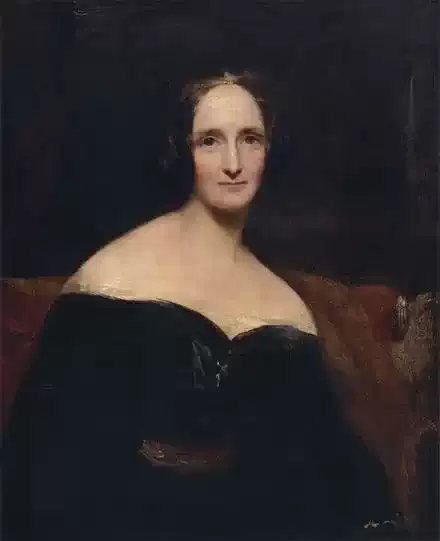
Percy Bysshe Shelley
To Jane
The keen stars were twinkling
And the fair moon was rising among them,
Dear Jane:
The guitar was tinkling,
But the notes were not sweet till you sung them
Again.
As the moon's soft splendor
O'er the faint cold starlight of heaven
Is thrown,
So your voice most tender
To the strings without soul had then given
Its own.
The stars will awaken,
Though the moon sleep a full hour later,
Tonight;
No leaf will be shaken
Whilst the dews of your melody scatter
Delight.
Though the sound overpowers,
Sing again, with your dear voice revealing
A tone
Of some world far from ours
Where music and moonlight and feeling
Are one.
Read more →
And the fair moon was rising among them,
Dear Jane:
The guitar was tinkling,
But the notes were not sweet till you sung them
Again.
As the moon's soft splendor
O'er the faint cold starlight of heaven
Is thrown,
So your voice most tender
To the strings without soul had then given
Its own.
The stars will awaken,
Though the moon sleep a full hour later,
Tonight;
No leaf will be shaken
Whilst the dews of your melody scatter
Delight.
Though the sound overpowers,
Sing again, with your dear voice revealing
A tone
Of some world far from ours
Where music and moonlight and feeling
Are one.
504
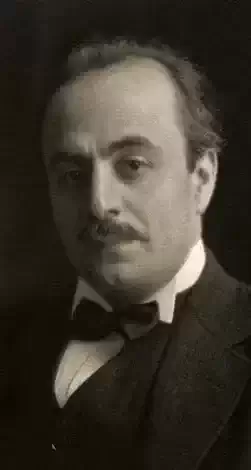
Khalil Gibran
The Beauty of Death XIV
Part One - The Calling
Let me sleep, for my soul is intoxicated with love and
Let me rest, for my spirit has had its bounty of days and nights;
Light the candles and burn the incense around my bed, and
Scatter leaves of jasmine and roses over my body;
Embalm my hair with frankincense and sprinkle my feet with perfume,
And read what the hand of Death has written on my forehead.
Let me rest in the arms of Slumber, for my open eyes are tired;
Let the silver-stringed lyre quiver and soothe my spirit;
Weave from the harp and lute a veil around my withering heart.
Sing of the past as you behold the dawn of hope in my eyes, for
It's magic meaning is a soft bed upon which my heart rests.
Dry your tears, my friends, and raise your heads as the flowers
Raise their crowns to greet the dawn.
Look at the bride of Death standing like a column of light
Between my bed and the infinite;
Hold your breath and listen with me to the beckoning rustle of
Her white wings.
Come close and bid me farewell; touch my eyes with smiling lips.
Let the children grasp my hands with soft and rosy fingers;
Let the ages place their veined hands upon my head and bless me;
Let the virgins come close and see the shadow of God in my eyes,
And hear the echo of His will racing with my breath.
Part Two - The Ascending
I have passed a mountain peak and my soul is soaring in the
Firmament of complete and unbound freedom;
I am far, far away, my companions, and the clouds are
Hiding the hills from my eyes.
The valleys are becoming flooded with an ocean of silence, and the
Hands of oblivion are engulfing the roads and the houses;
The prairies and fields are disappearing behind a white specter
That looks like the spring cloud, yellow as the candlelight
And red as the twilight.
The songs of the waves and the hymns of the streams
Are scattered, and the voices of the throngs reduced to silence;
And I can hear naught but the music of Eternity
In exact harmony with the spirit's desires.
I am cloaked in full whiteness;
I am in comfort; I am in peace.
Part Three - The Remains
Unwrap me from this white linen shroud and clothe me
With leaves of jasmine and lilies;
Take my body from the ivory casket and let it rest
Upon pillows of orange blossoms.
Lament me not, but sing songs of youth and joy;
Shed not tears upon me, but sing of harvest and the winepress;
Utter no sigh of agony, but draw upon my face with your
Finger the symbol of Love and Joy.
Disturb not the air's tranquility with chanting and requiems,
But let your hearts sing with me the song of Eternal Life;
Mourn me not with apparel of black,
But dress in color and rejoice with me;
Talk not of my departure with sighs in your hearts; close
Your eyes and you will see me with you forevermore.
Place me upon clusters of leaves and
Carry my upon your friendly shoulders and
Walk slowly to the deserted forest.
Take me not to the crowded burying ground lest my slumber
Be disrupted by the rattling of bones and skulls.
Carry me to the cypress woods and dig my grave where violets
And poppies grow not in the other's shadow;
Let my grave be deep so that the flood will not
Carry my bones to the open valley;
Let my grace be wide, so that the twilight shadows
Will come and sit by me.
Take from me all earthly raiment and place me deep in my
Mother Earth; and place me with care upon my mother's breast.
Cover me with soft earth, and let each handful be mixed
With seeds of jasmine, lilies and myrtle; and when they
Grow above me, and thrive on my body's element they will
Breathe the fragrance of my heart into space;
And reveal even to the sun the secret of my peace;
And sail with the breeze and comfort the wayfarer.
Leave me then, friends - leave me and depart on mute feet,
As the silence walks in the deserted valley;
Leave me to God and disperse yourselves slowly, as the almond
And apple blossoms disperse under the vibration of Nisan's breeze.
Go back to the joy of your dwellings and you will find there
That which Death cannot remove from you and me.
Leave with place, for what you see here is far away in meaning
From the earthly world. Leave me.
Read more →
Let me sleep, for my soul is intoxicated with love and
Let me rest, for my spirit has had its bounty of days and nights;
Light the candles and burn the incense around my bed, and
Scatter leaves of jasmine and roses over my body;
Embalm my hair with frankincense and sprinkle my feet with perfume,
And read what the hand of Death has written on my forehead.
Let me rest in the arms of Slumber, for my open eyes are tired;
Let the silver-stringed lyre quiver and soothe my spirit;
Weave from the harp and lute a veil around my withering heart.
Sing of the past as you behold the dawn of hope in my eyes, for
It's magic meaning is a soft bed upon which my heart rests.
Dry your tears, my friends, and raise your heads as the flowers
Raise their crowns to greet the dawn.
Look at the bride of Death standing like a column of light
Between my bed and the infinite;
Hold your breath and listen with me to the beckoning rustle of
Her white wings.
Come close and bid me farewell; touch my eyes with smiling lips.
Let the children grasp my hands with soft and rosy fingers;
Let the ages place their veined hands upon my head and bless me;
Let the virgins come close and see the shadow of God in my eyes,
And hear the echo of His will racing with my breath.
Part Two - The Ascending
I have passed a mountain peak and my soul is soaring in the
Firmament of complete and unbound freedom;
I am far, far away, my companions, and the clouds are
Hiding the hills from my eyes.
The valleys are becoming flooded with an ocean of silence, and the
Hands of oblivion are engulfing the roads and the houses;
The prairies and fields are disappearing behind a white specter
That looks like the spring cloud, yellow as the candlelight
And red as the twilight.
The songs of the waves and the hymns of the streams
Are scattered, and the voices of the throngs reduced to silence;
And I can hear naught but the music of Eternity
In exact harmony with the spirit's desires.
I am cloaked in full whiteness;
I am in comfort; I am in peace.
Part Three - The Remains
Unwrap me from this white linen shroud and clothe me
With leaves of jasmine and lilies;
Take my body from the ivory casket and let it rest
Upon pillows of orange blossoms.
Lament me not, but sing songs of youth and joy;
Shed not tears upon me, but sing of harvest and the winepress;
Utter no sigh of agony, but draw upon my face with your
Finger the symbol of Love and Joy.
Disturb not the air's tranquility with chanting and requiems,
But let your hearts sing with me the song of Eternal Life;
Mourn me not with apparel of black,
But dress in color and rejoice with me;
Talk not of my departure with sighs in your hearts; close
Your eyes and you will see me with you forevermore.
Place me upon clusters of leaves and
Carry my upon your friendly shoulders and
Walk slowly to the deserted forest.
Take me not to the crowded burying ground lest my slumber
Be disrupted by the rattling of bones and skulls.
Carry me to the cypress woods and dig my grave where violets
And poppies grow not in the other's shadow;
Let my grave be deep so that the flood will not
Carry my bones to the open valley;
Let my grace be wide, so that the twilight shadows
Will come and sit by me.
Take from me all earthly raiment and place me deep in my
Mother Earth; and place me with care upon my mother's breast.
Cover me with soft earth, and let each handful be mixed
With seeds of jasmine, lilies and myrtle; and when they
Grow above me, and thrive on my body's element they will
Breathe the fragrance of my heart into space;
And reveal even to the sun the secret of my peace;
And sail with the breeze and comfort the wayfarer.
Leave me then, friends - leave me and depart on mute feet,
As the silence walks in the deserted valley;
Leave me to God and disperse yourselves slowly, as the almond
And apple blossoms disperse under the vibration of Nisan's breeze.
Go back to the joy of your dwellings and you will find there
That which Death cannot remove from you and me.
Leave with place, for what you see here is far away in meaning
From the earthly world. Leave me.
505