
Soul
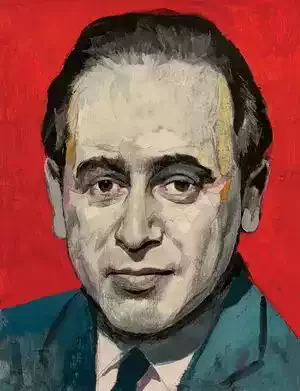
Paul Celan
The Triumph Of Achilles
In the story of Patroclus
no one survives, not even Achilles
who was nearly a god.
Patroclus resembled him; they wore
the same armor.
Always in these friendships
one serves the other, one is less than the other:
the hierarchy
is always apparant, though the legends
cannot be trusted-their
source is the survivor,
the one who has been abandoned.
What were the Greek ships on fire
compared to this loss?
In his tent, Achilles
grieved with his whole being
and the gods saw
he was a man already dead, a victim
of the part that loved,
the part that was mortal.
Read more →
no one survives, not even Achilles
who was nearly a god.
Patroclus resembled him; they wore
the same armor.
Always in these friendships
one serves the other, one is less than the other:
the hierarchy
is always apparant, though the legends
cannot be trusted-their
source is the survivor,
the one who has been abandoned.
What were the Greek ships on fire
compared to this loss?
In his tent, Achilles
grieved with his whole being
and the gods saw
he was a man already dead, a victim
of the part that loved,
the part that was mortal.
505

Ezra Pound
In Durance
(1907)
1 am homesick after mine own kind,
Oh I know that there are folk about me, friendly faces,
But I am homesick after mine own kind.
'These sell our pictures'! Oh well,
They reach me not, touch me some edge or that,
But reach me not and all my life's become
One flame, that reaches not beyond
My heart's own hearth,
Or hides among the ashes there for thee.
Thee'? Oh, 'Thee' is who cometh first
Out of mine own soul-kin,
For I am homesick after mine own kind
And ordinary people touch me not.
And I am homesick
After mine own kind that know, and feel
And have some breath for beauty and the arts.
Aye, I am wistful for my kin of the spirit
And have none about me save in the shadows
When come they, surging of power, 'DAEMON,'
'Quasi KALOUN.' S.T. says Beauty is most that, a
'calling to the soul'.
Well then, so call they, the swirlers out of the mist of my soul,
They that come mewards, bearing old magic.
But for all that, I am homesick after mine own kind
And would meet kindred even as I am,
Flesh-shrouded bearing the secret.
'All they that with strange sadness'
Have the earth in mockery, and are kind to all,
My fellows, aye I know the glory
Of th' unbounded ones, but ye, that hide
As I hide most the while
And burst forth to the windows only whiles or whiles
For love, or hope or beauty or for power,
Then smoulder, with the lids half closed
And are untouched by echoes of the world.
Oh ye, my fellows: with the seas between us some be,
Purple and sapphire for the silver shafts
Of sun and spray all shattered at the bows;
And some the hills hold off,
The little hills to east of us, though here we
Have damp and plain to be our shutting in.
And yet my soul sings ‘Up!' and we are one.
Yea thou, and Thou, and THOU, and all my kin
To whom my breast and arms are ever warm,
For that I love ye as the wind the trees
That holds their blossoms and their leaves in cure
And calls the utmost singing from the boughs
That Hhout him, save the aspen, were as dumb
Still shade, and bade no whisper speak the birds of how
'Beyond, beyond, beyond, there lies . . .'
Read more →
1 am homesick after mine own kind,
Oh I know that there are folk about me, friendly faces,
But I am homesick after mine own kind.
'These sell our pictures'! Oh well,
They reach me not, touch me some edge or that,
But reach me not and all my life's become
One flame, that reaches not beyond
My heart's own hearth,
Or hides among the ashes there for thee.
Thee'? Oh, 'Thee' is who cometh first
Out of mine own soul-kin,
For I am homesick after mine own kind
And ordinary people touch me not.
And I am homesick
After mine own kind that know, and feel
And have some breath for beauty and the arts.
Aye, I am wistful for my kin of the spirit
And have none about me save in the shadows
When come they, surging of power, 'DAEMON,'
'Quasi KALOUN.' S.T. says Beauty is most that, a
'calling to the soul'.
Well then, so call they, the swirlers out of the mist of my soul,
They that come mewards, bearing old magic.
But for all that, I am homesick after mine own kind
And would meet kindred even as I am,
Flesh-shrouded bearing the secret.
'All they that with strange sadness'
Have the earth in mockery, and are kind to all,
My fellows, aye I know the glory
Of th' unbounded ones, but ye, that hide
As I hide most the while
And burst forth to the windows only whiles or whiles
For love, or hope or beauty or for power,
Then smoulder, with the lids half closed
And are untouched by echoes of the world.
Oh ye, my fellows: with the seas between us some be,
Purple and sapphire for the silver shafts
Of sun and spray all shattered at the bows;
And some the hills hold off,
The little hills to east of us, though here we
Have damp and plain to be our shutting in.
And yet my soul sings ‘Up!' and we are one.
Yea thou, and Thou, and THOU, and all my kin
To whom my breast and arms are ever warm,
For that I love ye as the wind the trees
That holds their blossoms and their leaves in cure
And calls the utmost singing from the boughs
That Hhout him, save the aspen, were as dumb
Still shade, and bade no whisper speak the birds of how
'Beyond, beyond, beyond, there lies . . .'
503

William Wordsworth
The Complaint Of a Forsaken Indian Woman
Before I see another day,
Oh let my body die away!
In sleep I heard the northern gleams;
The stars, they were among my dreams;
In rustling conflict through the skies,
I heard, I saw the flashes drive,
And yet they are upon my eyes,
And yet I am alive;
Before I see another day,
Oh let my body die away!
My fire is dead: it knew no pain;
Yet is it dead, and I remain:
All stiff with ice the ashes lie;
And they are dead, and I will die.
When I was well, I wished to live,
For clothes, for warmth, for food, and fire;
But they to me no joy can give,
No pleasure now, and no desire.
Then here contented will I lie
Alone, I cannot fear to die.
Alas! ye might have dragged me on
Another day, a single one!
Too soon I yielded to despair;
Why did ye listen to my prayer
When ye were gone my limb were stronger;
And oh, how grievously I rue,
That, afterward, a little longer,
My friends, I did not follow you!
For strong and without pain I lay,
Dear friends, when ye were gone away.
My Child! they gave thee to another,
A woman who was not thy mother.
When from my arms my Babe they took,
On me how strangely did he look !
Through his whole body something ran,
A most strange working did I see;
---As if he strove to be a man,
That he might pull the sledge for me:
And then he stretched his arm, how wild!
Oh mercy! like a helpless child.
My little joy! my little pride!
In two day more I must have died.
Then do not weep and grieve for me;
I feel I must have died with thee.
O wind, that o'er my head art flying
The way my friends their course did bend,
I should not feel the pain of dying,
Could I with thee a message end;
Too soon, my friend, ye went away;
For I had many thing to say.
I'll follow you across the snow;
Ye travel heavily and slow;
In spite of all my weary pain
I'll look upon your tent again.
---My fire is dead, and snowy white
The water which beside it stood:
The wolf has come to me to-night,
And he has stolen away my food.
Forever left alone am I;
Then wherefore should I fear to die ?
Young as I am, my course is run,
I shall not see another sun;
I cannot lift my limb to know
If they have any life or no.
My poor forsaken child, if I
For once could have thee close to me,
With happy heart I then would die,
And my last thought would happy be;
But thou, dear Babe, art far away,
Nor shall I see another day.
Read more →
Oh let my body die away!
In sleep I heard the northern gleams;
The stars, they were among my dreams;
In rustling conflict through the skies,
I heard, I saw the flashes drive,
And yet they are upon my eyes,
And yet I am alive;
Before I see another day,
Oh let my body die away!
My fire is dead: it knew no pain;
Yet is it dead, and I remain:
All stiff with ice the ashes lie;
And they are dead, and I will die.
When I was well, I wished to live,
For clothes, for warmth, for food, and fire;
But they to me no joy can give,
No pleasure now, and no desire.
Then here contented will I lie
Alone, I cannot fear to die.
Alas! ye might have dragged me on
Another day, a single one!
Too soon I yielded to despair;
Why did ye listen to my prayer
When ye were gone my limb were stronger;
And oh, how grievously I rue,
That, afterward, a little longer,
My friends, I did not follow you!
For strong and without pain I lay,
Dear friends, when ye were gone away.
My Child! they gave thee to another,
A woman who was not thy mother.
When from my arms my Babe they took,
On me how strangely did he look !
Through his whole body something ran,
A most strange working did I see;
---As if he strove to be a man,
That he might pull the sledge for me:
And then he stretched his arm, how wild!
Oh mercy! like a helpless child.
My little joy! my little pride!
In two day more I must have died.
Then do not weep and grieve for me;
I feel I must have died with thee.
O wind, that o'er my head art flying
The way my friends their course did bend,
I should not feel the pain of dying,
Could I with thee a message end;
Too soon, my friend, ye went away;
For I had many thing to say.
I'll follow you across the snow;
Ye travel heavily and slow;
In spite of all my weary pain
I'll look upon your tent again.
---My fire is dead, and snowy white
The water which beside it stood:
The wolf has come to me to-night,
And he has stolen away my food.
Forever left alone am I;
Then wherefore should I fear to die ?
Young as I am, my course is run,
I shall not see another sun;
I cannot lift my limb to know
If they have any life or no.
My poor forsaken child, if I
For once could have thee close to me,
With happy heart I then would die,
And my last thought would happy be;
But thou, dear Babe, art far away,
Nor shall I see another day.
506
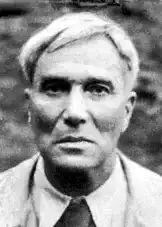
Boris Pasternak
The shiv'ring piano, foaming at the mouth
The shiv'ring piano, foaming at the mouth,
Will wrench you by its ravings, discompose you.
'My darling,' you will murmur. 'No!' I'll shout.
'To music?!' Yet can two be ever closer
Than in the dusk, while tossing vibrant chords
Into the fireplace, like journals, tome by tome?
Oh, understanding wonderful, just nod,
And you will know I do not claim to own
Your soul and body. You may go where'er
You want. To others. Werther has been written
Already. Death these days is in the air.
One opens up one's veins much like a window.
Read more →
Will wrench you by its ravings, discompose you.
'My darling,' you will murmur. 'No!' I'll shout.
'To music?!' Yet can two be ever closer
Than in the dusk, while tossing vibrant chords
Into the fireplace, like journals, tome by tome?
Oh, understanding wonderful, just nod,
And you will know I do not claim to own
Your soul and body. You may go where'er
You want. To others. Werther has been written
Already. Death these days is in the air.
One opens up one's veins much like a window.
501

William Butler Yeats
To The Rose Upon The Rood Of Time
Red Rose, proud Rose, sad Rose of all my days!
Come near me, while I sing the ancient ways:
Cuchulain battling with the bitter tide;
The Druid, grey, wood-nurtured, quiet-eyed,
Who cast round Fergus dreams, and ruin untold;
And thine own sadness, where of stars, grown old
In dancing silver-sandalled on the sea,
Sing in their high and lonely melody.
Come near, that no more blinded hy man's fate,
I find under the boughs of love and hate,
In all poor foolish things that live a day,
Eternal beauty wandering on her way.
Come near, come near, come near -- Ah, leave me still
A little space for the rose-breath to fill!
Lest I no more bear common things that crave;
The weak worm hiding down in its small cave,
The field-mouse running by me in the grass,
And heavy mortal hopes that toil and pass;
But seek alone to hear the strange things said
By God to the bright hearts of those long dead,
And learn to chaunt a tongue men do not know.
Come near; I would, before my time to go,
Sing of old Eire and the ancient ways:
Red Rose, proud Rose, sad Rose of all my days.
Read more →
Come near me, while I sing the ancient ways:
Cuchulain battling with the bitter tide;
The Druid, grey, wood-nurtured, quiet-eyed,
Who cast round Fergus dreams, and ruin untold;
And thine own sadness, where of stars, grown old
In dancing silver-sandalled on the sea,
Sing in their high and lonely melody.
Come near, that no more blinded hy man's fate,
I find under the boughs of love and hate,
In all poor foolish things that live a day,
Eternal beauty wandering on her way.
Come near, come near, come near -- Ah, leave me still
A little space for the rose-breath to fill!
Lest I no more bear common things that crave;
The weak worm hiding down in its small cave,
The field-mouse running by me in the grass,
And heavy mortal hopes that toil and pass;
But seek alone to hear the strange things said
By God to the bright hearts of those long dead,
And learn to chaunt a tongue men do not know.
Come near; I would, before my time to go,
Sing of old Eire and the ancient ways:
Red Rose, proud Rose, sad Rose of all my days.
502
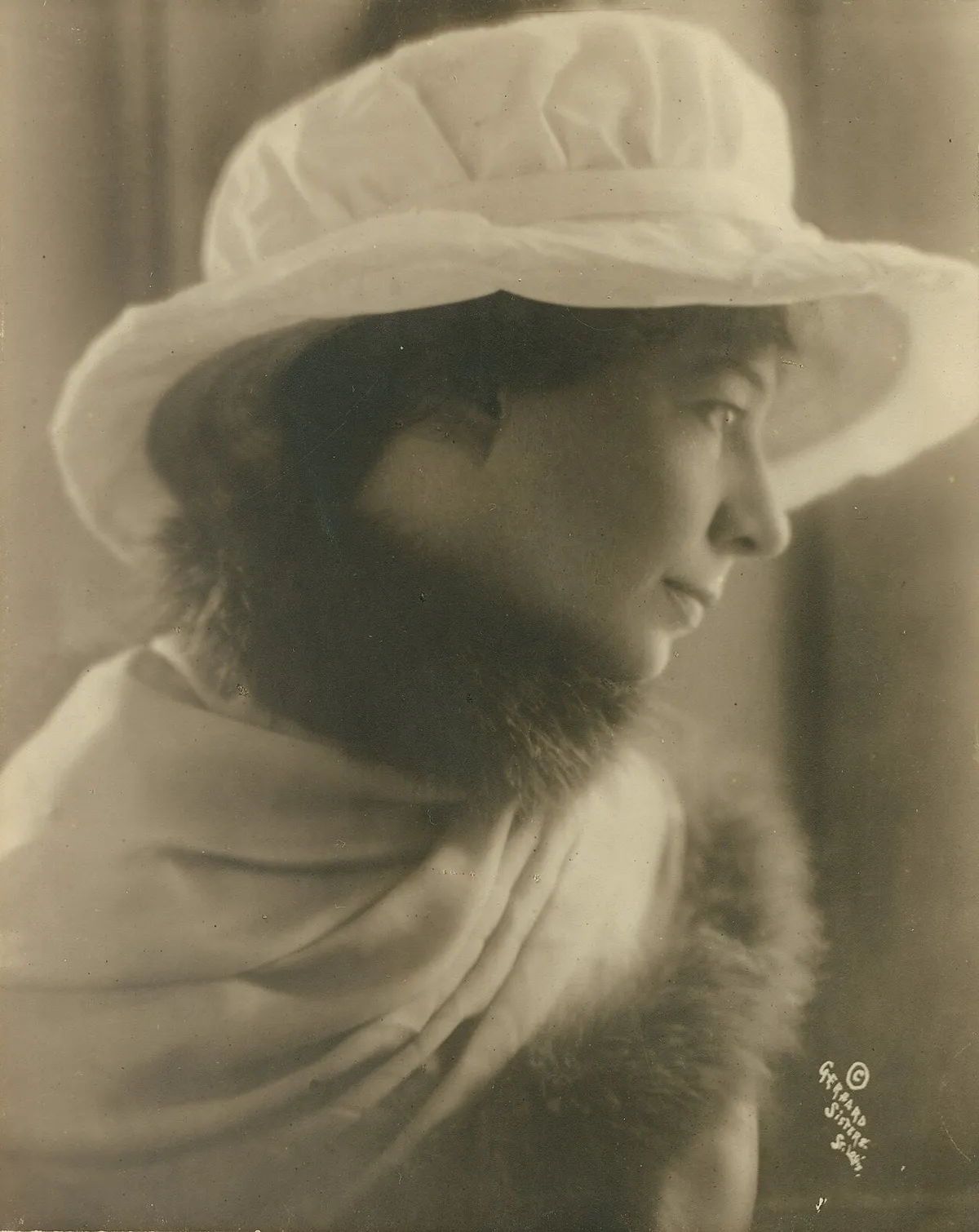
Sara Teasdale
Did You Never Know?
Did you never know, long ago, how much you loved me --
That your love would never lessen and never go?
You were young then, proud and fresh-hearted,
You were too young to know.
Fate is a wind, and red leaves fly before it
Far apart, far away in the gusty time of year --
Seldom we meet now, but when I hear you speaking,
I know your secret, my dear, my dear.
Read more →
That your love would never lessen and never go?
You were young then, proud and fresh-hearted,
You were too young to know.
Fate is a wind, and red leaves fly before it
Far apart, far away in the gusty time of year --
Seldom we meet now, but when I hear you speaking,
I know your secret, my dear, my dear.
506

John Keats
Ode To Apollo
1.
In thy western halls of gold
When thou sittest in thy state,
Bards, that erst sublimely told
Heroic deeds, and sang of fate,
With fervour seize their adamantine lyres,
Whose chords are solid rays, and twinkle radiant fires.
2.
Here Homer with his nervous arms
Strikes the twanging harp of war,
And even the western splendour warms,
While the trumpets sound afar:
But, what creates the most intense surprise,
His soul looks out through renovated eyes.
3.
Then, through thy Temple wide, melodious swells
The sweet majestic tone of Maro's lyre:
The soul delighted on each accent dwells,-Enraptur'd
dwells,--not daring to respire,
The while he tells of grief around a funeral pyre.
4.
'Tis awful silence then again;
Expectant stand the spheres;
Breathless the laurell'd peers,
Nor move, till ends the lofty strain,
Nor move till Milton's tuneful thunders cease,
And leave once more the ravish'd heavens in peace.
5.
Thou biddest Shakespeare wave his hand,
And quickly forward spring
The Passions--a terrific band--
And each vibrates the string
That with its tyrant temper best accords,
While from their Master's lips pour forth the inspiring words.
6.
A silver trumpet Spenser blows,
And, as its martial notes to silence flee,
From a virgin chorus flows
A hymn in praise of spotless Chastity.
'Tis still! Wild warblings from the Aeolian lyre
Enchantment softly breathe, and tremblingly expire.
7.
Next thy Tasso's ardent numbers
Float along the pleased air,
Calling youth from idle slumbers,
Rousing them from Pleasure's lair:-
Then o'er the strings his fingers gently move,
And melt the soul to pity and to love.
8.
But when Thou joinest with the Nine,
And all the powers of song combine,
We listen here on earth:
Thy dying tones that fill the air,
And charm the ear of evening fair,
From thee, great God of Bards, receive their heavenly birth.
Read more →
In thy western halls of gold
When thou sittest in thy state,
Bards, that erst sublimely told
Heroic deeds, and sang of fate,
With fervour seize their adamantine lyres,
Whose chords are solid rays, and twinkle radiant fires.
2.
Here Homer with his nervous arms
Strikes the twanging harp of war,
And even the western splendour warms,
While the trumpets sound afar:
But, what creates the most intense surprise,
His soul looks out through renovated eyes.
3.
Then, through thy Temple wide, melodious swells
The sweet majestic tone of Maro's lyre:
The soul delighted on each accent dwells,-Enraptur'd
dwells,--not daring to respire,
The while he tells of grief around a funeral pyre.
4.
'Tis awful silence then again;
Expectant stand the spheres;
Breathless the laurell'd peers,
Nor move, till ends the lofty strain,
Nor move till Milton's tuneful thunders cease,
And leave once more the ravish'd heavens in peace.
5.
Thou biddest Shakespeare wave his hand,
And quickly forward spring
The Passions--a terrific band--
And each vibrates the string
That with its tyrant temper best accords,
While from their Master's lips pour forth the inspiring words.
6.
A silver trumpet Spenser blows,
And, as its martial notes to silence flee,
From a virgin chorus flows
A hymn in praise of spotless Chastity.
'Tis still! Wild warblings from the Aeolian lyre
Enchantment softly breathe, and tremblingly expire.
7.
Next thy Tasso's ardent numbers
Float along the pleased air,
Calling youth from idle slumbers,
Rousing them from Pleasure's lair:-
Then o'er the strings his fingers gently move,
And melt the soul to pity and to love.
8.
But when Thou joinest with the Nine,
And all the powers of song combine,
We listen here on earth:
Thy dying tones that fill the air,
And charm the ear of evening fair,
From thee, great God of Bards, receive their heavenly birth.
504
Boris Pasternak
A Walts With a Tear in It
Ah, how I love it in these first few days,
Fresh from the forest and out of the snow,
Awkwardness obvious still in every bough,
When every silver thread lazily sways
And every cone begins slowly to glow
In candlelight—and the white sheet below
Hides its sore stump from our eyes.
It will not bat an eye if you heap gold
And jewels on it-this shyest of fays
In blue enamel and tinfoil enfolded
Creeps in your heart of hearts—and there it stays.
Ah, how I love it all in these first days,
All golden finery and silver shades!
All in the making-stars, flags, lanterns, flares,
There are no chocolates yet in bonbonnieres.
Even the candles are no candles—they
Look more like dull sticks of makeup by day.
This is an actress still lighting stage fright
In the tumult of her benefit night.
Ah, how I love her on this opening day,
Flushed in the coulisses before the play!
Apples to appletrees, and kicks to firtrees.
Only not this one—no kicks for the beauty.
She has a different purpose and duty.
She's the select one, receiver of favours.
Her evening party will go on forever.
Others may fear proverb s-this one does not.
Her fate is only a few firtrees' lot.
Golden and fiery, she will soar high,
Like an old prophet ascending the sky.
Ah, how I love it all in these first days,
When all the world chats and fusses and plays!
Read more →
Fresh from the forest and out of the snow,
Awkwardness obvious still in every bough,
When every silver thread lazily sways
And every cone begins slowly to glow
In candlelight—and the white sheet below
Hides its sore stump from our eyes.
It will not bat an eye if you heap gold
And jewels on it-this shyest of fays
In blue enamel and tinfoil enfolded
Creeps in your heart of hearts—and there it stays.
Ah, how I love it all in these first days,
All golden finery and silver shades!
All in the making-stars, flags, lanterns, flares,
There are no chocolates yet in bonbonnieres.
Even the candles are no candles—they
Look more like dull sticks of makeup by day.
This is an actress still lighting stage fright
In the tumult of her benefit night.
Ah, how I love her on this opening day,
Flushed in the coulisses before the play!
Apples to appletrees, and kicks to firtrees.
Only not this one—no kicks for the beauty.
She has a different purpose and duty.
She's the select one, receiver of favours.
Her evening party will go on forever.
Others may fear proverb s-this one does not.
Her fate is only a few firtrees' lot.
Golden and fiery, she will soar high,
Like an old prophet ascending the sky.
Ah, how I love it all in these first days,
When all the world chats and fusses and plays!
504
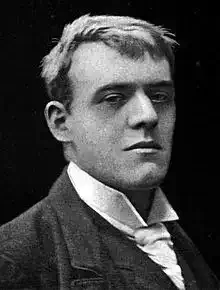
Hilaire Belloc
[Month of] November
November is that historied Emperor,
Conquered in age, but foot to foot with fate,
Who from his refuge high has heard the roar
Of squadrons in pursuit, and now, too late,
Stirrups the storm and calls the winds to war,
And arms the garrison of his last heirloom,
And shakes the sky to its extremest shore
With battle against irrevocable doom.
Till, driven and hurled from his strong citadels,
He flies in hurrying cloud and spurs him on,
Empty of lingerings, empty of farewells
And final benedictions, and is gone.
But in my garden all the trees have shed
Their legacies of the light, and all the flowers are dead.
Read more →
Conquered in age, but foot to foot with fate,
Who from his refuge high has heard the roar
Of squadrons in pursuit, and now, too late,
Stirrups the storm and calls the winds to war,
And arms the garrison of his last heirloom,
And shakes the sky to its extremest shore
With battle against irrevocable doom.
Till, driven and hurled from his strong citadels,
He flies in hurrying cloud and spurs him on,
Empty of lingerings, empty of farewells
And final benedictions, and is gone.
But in my garden all the trees have shed
Their legacies of the light, and all the flowers are dead.
502

Ella Wheeler Wilcox
Angel Or Demon
You call me an angel of love and of light,
A being of goodness and heavenly fire,
Sent out from God’s kingdom to guide you aright,
In paths where your spirits may mount and aspire.
You say that I glow like a star on its course,
Like a ray from the alter, a spark from the source.
Now list to my answer; let all the world hear it;
I speak unafraid what I know to be true:
A pure, faithful love is the creative spirit
Which makes women angels! I live in but you.
We are bound soul to soul by life’s holiest laws;
If I am an angel – why, you are the cause.
As my ship skims the sea, I look up from the deck.
Fair, firm at the wheel shines Love’s beautiful form,
And shall I curse the barque that last night went to wreck,
By the Pilot abandoned to darkness and storm?
My craft is no stauncher, she too had been lost –
Had the wheelman deserted, or slept at his post.
I laid down the wealth of my soul at your feet
(Some woman does this for some man every day) .
No desperate creature who walks in the street,
Has a wickeder heart that I might have, I say,
Had you wantonly misused the treasures you woon,
-As so many men with heart riches have done.
This flame from God’s altar, this holy love flame,
That burns like sweet incense for ever for you,
Might now be a wild conflagration of shame,
Had you tortured my heart, or been base or untrue.
For angels and devils are cast in one mould,
Till love guides them upward, or downward, I hold.
I tell you the women who make fervent wives
And sweet tender mothers, had Fate been less fair,
Are the women who might have abandoned their lives
To the madness that springs from and ends in despair.
As the fire on the hearth which sheds brightness around,
Neglected, may level the walls to the ground.
The world makes grave errors in judging these things,
Great good and great evil are born in one breast.
Love horns us and hoofs us – or gives us our wings,
And the best could be worst, as the worst could be best.
You must thank your own worth for what I grew to be,
For the demon lurked under the angel in me.
Read more →
A being of goodness and heavenly fire,
Sent out from God’s kingdom to guide you aright,
In paths where your spirits may mount and aspire.
You say that I glow like a star on its course,
Like a ray from the alter, a spark from the source.
Now list to my answer; let all the world hear it;
I speak unafraid what I know to be true:
A pure, faithful love is the creative spirit
Which makes women angels! I live in but you.
We are bound soul to soul by life’s holiest laws;
If I am an angel – why, you are the cause.
As my ship skims the sea, I look up from the deck.
Fair, firm at the wheel shines Love’s beautiful form,
And shall I curse the barque that last night went to wreck,
By the Pilot abandoned to darkness and storm?
My craft is no stauncher, she too had been lost –
Had the wheelman deserted, or slept at his post.
I laid down the wealth of my soul at your feet
(Some woman does this for some man every day) .
No desperate creature who walks in the street,
Has a wickeder heart that I might have, I say,
Had you wantonly misused the treasures you woon,
-As so many men with heart riches have done.
This flame from God’s altar, this holy love flame,
That burns like sweet incense for ever for you,
Might now be a wild conflagration of shame,
Had you tortured my heart, or been base or untrue.
For angels and devils are cast in one mould,
Till love guides them upward, or downward, I hold.
I tell you the women who make fervent wives
And sweet tender mothers, had Fate been less fair,
Are the women who might have abandoned their lives
To the madness that springs from and ends in despair.
As the fire on the hearth which sheds brightness around,
Neglected, may level the walls to the ground.
The world makes grave errors in judging these things,
Great good and great evil are born in one breast.
Love horns us and hoofs us – or gives us our wings,
And the best could be worst, as the worst could be best.
You must thank your own worth for what I grew to be,
For the demon lurked under the angel in me.
501

Kazi Nazrul Islam
My Dearest Nightingale
Please come back, come back to my empty bosom
The morning flowers wither away untimely
Mourning your loss
Won't you return to my empty bosom!
O, my dearest silly one,
Without your presence the moon turned pale
The river cries out in pain
Pleading you to return
O, the beautiful one
The trees search for you spreading out their branches
Up in the sky
The storm churns through the woods
Looking for you
Branches lay on the dirt in deep pain
O my restless one
When you return
Lotus will re-bloom
Your glance will make the gray sky
Turn azure again
O, my dear one, please return to my empty bosom!
Please return!
[Translation: Gulshan Ara]
Read more →
The morning flowers wither away untimely
Mourning your loss
Won't you return to my empty bosom!
O, my dearest silly one,
Without your presence the moon turned pale
The river cries out in pain
Pleading you to return
O, the beautiful one
The trees search for you spreading out their branches
Up in the sky
The storm churns through the woods
Looking for you
Branches lay on the dirt in deep pain
O my restless one
When you return
Lotus will re-bloom
Your glance will make the gray sky
Turn azure again
O, my dear one, please return to my empty bosom!
Please return!
[Translation: Gulshan Ara]
502

Lord Byron
To A Lady, Who Presented The Author With The Velvet Band Which Bound Her Tresses
This Band, which bound thy yellow hair,
Is mine, sweet girl! Thy pledge of love;
It claims my warmest, dearest care,
Like relics left of saints above.
Oh! I will wear it next my heart;
'Twill blind my soul in bonds to thee;
From me again 't will ne'er depart,
But mingle in the grave with me.
The dew I gather from thy lip
Is not so dear to me as this;
That I but for a moment sip,
And banquet on a transient bliss:
This will recall each youthful scene,
E'en when our lives are on the wane;
The leaves of Love will still be green
When Memory bids them bud again.
Oh! little lock of golden hue,
In gently waving ringlet curl'd
By the dear head on which you grow,
I would not lose you for a world.
Not though a thousand more adorn
The polish'd brow where once you shone,
Like rays which gild a cloudless morn,
Beneath Columbia's fervid zone.
Read more →
Is mine, sweet girl! Thy pledge of love;
It claims my warmest, dearest care,
Like relics left of saints above.
Oh! I will wear it next my heart;
'Twill blind my soul in bonds to thee;
From me again 't will ne'er depart,
But mingle in the grave with me.
The dew I gather from thy lip
Is not so dear to me as this;
That I but for a moment sip,
And banquet on a transient bliss:
This will recall each youthful scene,
E'en when our lives are on the wane;
The leaves of Love will still be green
When Memory bids them bud again.
Oh! little lock of golden hue,
In gently waving ringlet curl'd
By the dear head on which you grow,
I would not lose you for a world.
Not though a thousand more adorn
The polish'd brow where once you shone,
Like rays which gild a cloudless morn,
Beneath Columbia's fervid zone.
501

Walt Whitman
One Song, America, Before I Go
ONE song, America, before I go,
I'd sing, o'er all the rest, with trumpet sound,
For thee--the Future.
I'd sow a seed for thee of endless Nationality;
I'd fashion thy Ensemble, including Body and Soul;
I'd show, away ahead, thy real Union, and how it may be accomplish'd.
(The paths to the House I seek to make,
But leave to those to come, the House itself.)
Belief I sing--and Preparation;
As Life and Nature are not great with reference to the Present
only,
But greater still from what is yet to come,
Out of that formula for Thee I sing.
Read more →
I'd sing, o'er all the rest, with trumpet sound,
For thee--the Future.
I'd sow a seed for thee of endless Nationality;
I'd fashion thy Ensemble, including Body and Soul;
I'd show, away ahead, thy real Union, and how it may be accomplish'd.
(The paths to the House I seek to make,
But leave to those to come, the House itself.)
Belief I sing--and Preparation;
As Life and Nature are not great with reference to the Present
only,
But greater still from what is yet to come,
Out of that formula for Thee I sing.
497
William Butler Yeats
Towards Break Of Day
WAS it the double of my dream
The woman that by me lay
Dreamed, or did we halve a dream
Under the first cold gleam of day?
I thought: 'There is a waterfall
Upon Ben Bulben side
That all my childhood counted dear;
Were I to travel far and wide
I could not find a thing so dear.'
My memories had magnified
So many times childish delight.
I would have touched it like a child
But knew my finger could but have touched
Cold stone and water. I grew wild.
Even accusing Heaven because
It had set down among its laws:
Nothing that we love over-much
Is ponderable to our touch.
I dreamed towards break of day,
The cold blown spray in my nostril.
But she that beside me lay
Had watched in bitterer sleep
The marvellous stag of Arthur,
That lofty white stag, leap
From mountain steep to steep.
Read more →
The woman that by me lay
Dreamed, or did we halve a dream
Under the first cold gleam of day?
I thought: 'There is a waterfall
Upon Ben Bulben side
That all my childhood counted dear;
Were I to travel far and wide
I could not find a thing so dear.'
My memories had magnified
So many times childish delight.
I would have touched it like a child
But knew my finger could but have touched
Cold stone and water. I grew wild.
Even accusing Heaven because
It had set down among its laws:
Nothing that we love over-much
Is ponderable to our touch.
I dreamed towards break of day,
The cold blown spray in my nostril.
But she that beside me lay
Had watched in bitterer sleep
The marvellous stag of Arthur,
That lofty white stag, leap
From mountain steep to steep.
499

Rudyard Kipling
An American
The American Spirit speaks:
"If the Led Striker call it a strike,
Or the papers call it a war,
They know not much what I am like,
Nor what he is, my Avatar."
Through many roads, by me possessed,
He shambles forth in cosmic guise;
He is the Jester and the Jest,
And he the Text himself applies.
The Celt is in his heart and hand,
The Gaul is in his brain and nerve;
Where, cosmopolitanly planned,
He guards the Redskin's dry reserve.
His easy unswept hearth he lends
From Labrador to Guadeloupe;
Till, elbowed out by sloven friends,
He camps, at sufferance, on the stoop.
Calm-eyed he scoffs at sword and crown,
Or panic-blinded stabs and slays:
Blatant he bids the world bow down,
Or cringing begs a crust of praise;
Or, sombre-drunk, at mine and mart,
He dubs his dreary brethren Kings.
His hands are black with blood -- his heart
Leaps, as a babe's, at little things.
But, through the shift of mood and mood,
Mine ancient humour saves him whole --
The cynic devil in his blood
That bids him mock his hurrying soul;
That bids him flout the Law he makes,
That bids him make the Law he flouts,
Till, dazed by many doubts, he wakes
The drumming guns that -- have no doubts;
That checks him foolish -- hot and fond,
That chuckles through his deepest ire,
That gilds the slough of his despond
But dims the goal of his desire;
Inopportune, shrill-accented,
The acrid Asiatic mirth
That leaves him, careless 'mid his dead,
The scandal of the elder earth.
How shall he clear himself, how reach
Your bar or weighed defence prefer?
A brother hedged with alien speech
And lacking all interpreter.
Which knowledge vexes him a space;
But while Reproof around him rings,
He turns a keen untroubled face
Home, to the instant need of things.
Enslaved, illogical, elate,
He greets th' embarrassed Gods, nor fears
To shake the iron hand of Fate
Or match with Destiny for beers.
Lo, imperturbable he rules,
Unkempt, disreputable, vast --
And, in the teeth of all the schools,
I -- I shall save him at the last!
Read more →
"If the Led Striker call it a strike,
Or the papers call it a war,
They know not much what I am like,
Nor what he is, my Avatar."
Through many roads, by me possessed,
He shambles forth in cosmic guise;
He is the Jester and the Jest,
And he the Text himself applies.
The Celt is in his heart and hand,
The Gaul is in his brain and nerve;
Where, cosmopolitanly planned,
He guards the Redskin's dry reserve.
His easy unswept hearth he lends
From Labrador to Guadeloupe;
Till, elbowed out by sloven friends,
He camps, at sufferance, on the stoop.
Calm-eyed he scoffs at sword and crown,
Or panic-blinded stabs and slays:
Blatant he bids the world bow down,
Or cringing begs a crust of praise;
Or, sombre-drunk, at mine and mart,
He dubs his dreary brethren Kings.
His hands are black with blood -- his heart
Leaps, as a babe's, at little things.
But, through the shift of mood and mood,
Mine ancient humour saves him whole --
The cynic devil in his blood
That bids him mock his hurrying soul;
That bids him flout the Law he makes,
That bids him make the Law he flouts,
Till, dazed by many doubts, he wakes
The drumming guns that -- have no doubts;
That checks him foolish -- hot and fond,
That chuckles through his deepest ire,
That gilds the slough of his despond
But dims the goal of his desire;
Inopportune, shrill-accented,
The acrid Asiatic mirth
That leaves him, careless 'mid his dead,
The scandal of the elder earth.
How shall he clear himself, how reach
Your bar or weighed defence prefer?
A brother hedged with alien speech
And lacking all interpreter.
Which knowledge vexes him a space;
But while Reproof around him rings,
He turns a keen untroubled face
Home, to the instant need of things.
Enslaved, illogical, elate,
He greets th' embarrassed Gods, nor fears
To shake the iron hand of Fate
Or match with Destiny for beers.
Lo, imperturbable he rules,
Unkempt, disreputable, vast --
And, in the teeth of all the schools,
I -- I shall save him at the last!
499
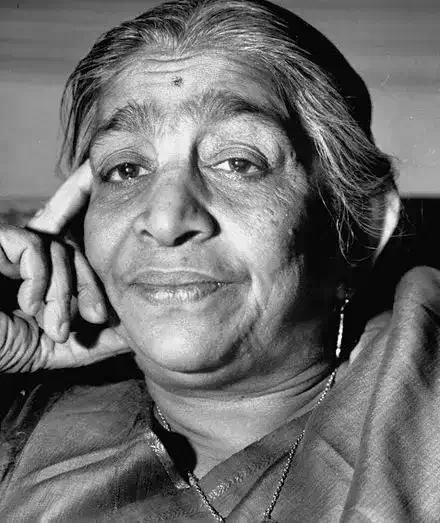
Sarojini Naidu
My Dead Dream
HAVE YOU found me, at last, O my Dream? Seven eons ago
You died and I buried you deep under forests of snow.
Why have you come hither? Who bade you awake from your sleep
And track me beyond the cerulean foam of the deep?
Would you tear from my lintels these sacred green garlands of leaves?
Would you scare the white, nested, wild pigeons of joy from my eaves?
Would you touch and defile with dead fingers the robes of my priest?
Would you weave your dim moan with the chantings of love at my feast?
Go back to your grave, O my Dream, under forests of snow,
Where a heart-riven child hid you once, seven eons ago.
Who bade you arise from your darkness? I bid you depart!
Profane not the shrines I have raised in the clefts of my heart.
Read more →
You died and I buried you deep under forests of snow.
Why have you come hither? Who bade you awake from your sleep
And track me beyond the cerulean foam of the deep?
Would you tear from my lintels these sacred green garlands of leaves?
Would you scare the white, nested, wild pigeons of joy from my eaves?
Would you touch and defile with dead fingers the robes of my priest?
Would you weave your dim moan with the chantings of love at my feast?
Go back to your grave, O my Dream, under forests of snow,
Where a heart-riven child hid you once, seven eons ago.
Who bade you arise from your darkness? I bid you depart!
Profane not the shrines I have raised in the clefts of my heart.
500
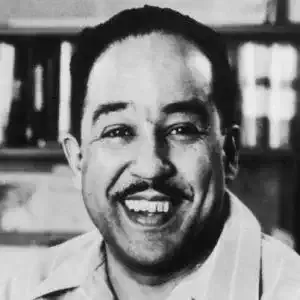
Langston Hughes
Helen Keller
She,
In the dark,
Found light
Brighter than many ever see.
She,
Within herself,
Found loveliness,
Through the soul's own mastery.
And now the world receives
From her dower:
The message of the strength
Of inner power.
Read more →
In the dark,
Found light
Brighter than many ever see.
She,
Within herself,
Found loveliness,
Through the soul's own mastery.
And now the world receives
From her dower:
The message of the strength
Of inner power.
499
Walt Whitman
God
THOUGHT of the Infinite--the All!
Be thou my God.
Lover Divine, and Perfect Comrade!
Waiting, content, invisible yet, but certain,
Be thou my God.
Thou--thou, the Ideal Man!
Fair, able, beautiful, content, and loving,
Complete in Body, and dilate in Spirit,
Be thou my God.
O Death--(for Life has served its turn;)
Opener and usher to the heavenly mansion!
Be thou my God.
Aught, aught, of mightiest, best, I see, conceive, or know,
(To break the stagnant tie--thee, thee to free, O Soul,)
Be thou my God.
Or thee, Old Cause, when'er advancing;
All great Ideas, the races' aspirations,
All that exalts, releases thee, my Soul!
All heroisms, deeds of rapt enthusiasts,
Be ye my Gods!
Or Time and Space!
Or shape of Earth, divine and wondrous!
Or shape in I myself--or some fair shape, I, viewing, worship,
Or lustrous orb of Sun, or star by night:
Be ye my Gods.
Read more →
Be thou my God.
Lover Divine, and Perfect Comrade!
Waiting, content, invisible yet, but certain,
Be thou my God.
Thou--thou, the Ideal Man!
Fair, able, beautiful, content, and loving,
Complete in Body, and dilate in Spirit,
Be thou my God.
O Death--(for Life has served its turn;)
Opener and usher to the heavenly mansion!
Be thou my God.
Aught, aught, of mightiest, best, I see, conceive, or know,
(To break the stagnant tie--thee, thee to free, O Soul,)
Be thou my God.
Or thee, Old Cause, when'er advancing;
All great Ideas, the races' aspirations,
All that exalts, releases thee, my Soul!
All heroisms, deeds of rapt enthusiasts,
Be ye my Gods!
Or Time and Space!
Or shape of Earth, divine and wondrous!
Or shape in I myself--or some fair shape, I, viewing, worship,
Or lustrous orb of Sun, or star by night:
Be ye my Gods.
499
Sara Teasdale
Open Windows
Out of the window a sea of green trees
Lift their soft boughs like the arms of a dancer,
They beckon and call me, "Come out in the sun!"
But I cannot answer.
I am alone with Weakness and Pain,
Sick abed and June is going,
I cannot keep her, she hurries by
With the silver-green of her garments blowing.
Men and women pass in the street
Glad of the shining sapphire weather,
But we know more of it than they,
Pain and I together.
They are the runners in the sun,
Breathless and blinded by the race,
But we are watchers in the shade
Who speak with Wonder face to face.
Read more →
Lift their soft boughs like the arms of a dancer,
They beckon and call me, "Come out in the sun!"
But I cannot answer.
I am alone with Weakness and Pain,
Sick abed and June is going,
I cannot keep her, she hurries by
With the silver-green of her garments blowing.
Men and women pass in the street
Glad of the shining sapphire weather,
But we know more of it than they,
Pain and I together.
They are the runners in the sun,
Breathless and blinded by the race,
But we are watchers in the shade
Who speak with Wonder face to face.
499
Sara Teasdale
Snowfall
"She can't be unhappy," you said,
"The smiles are like stars in her eyes,
And her laugh is thistledown
Around her low replies."
"Is she unhappy?" you said --
But who has ever known
Another's heartbreak --
All he can know is his own;
And she seems hushed to me,
As hushed as though
Her heart were a hunter's fire
Smothered in snow.
Read more →
"The smiles are like stars in her eyes,
And her laugh is thistledown
Around her low replies."
"Is she unhappy?" you said --
But who has ever known
Another's heartbreak --
All he can know is his own;
And she seems hushed to me,
As hushed as though
Her heart were a hunter's fire
Smothered in snow.
500
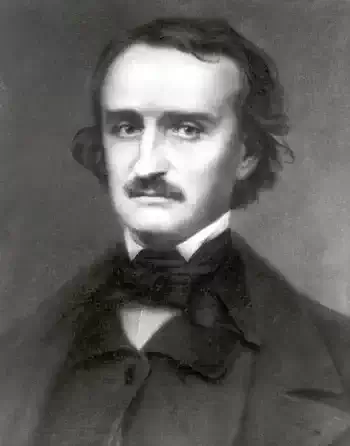
Edgar Allan Poe
The Conqueror Worm
Lo! 'tis a gala night
Within the lonesome latter years!
An angel throng, bewinged, bedight
In veils, and drowned in tears,
Sit in a theatre, to see
A play of hopes and fears,
While the orchestra breathes fitfully
The music of the spheres.
Mimes, in the form of God on high,
Mutter and mumble low,
And hither and thither fly
Mere
puppets they, who come and go
At bidding of vast formless things
That shift the scenery to and fro,
Flapping from out their Condor wings
Invisible Woe!
That motley drama- oh, be sure
It shall not be forgot!
With its Phantom chased for evermore,
By a crowd that seize it not,
Through a circle that ever returneth in
To the self-same spot,
And much of Madness, and more of Sin,
And Horror the soul of the plot.
But see, amid the mimic rout
A crawling shape intrude!
A blood-red thing that writhes from out
The scenic solitude!
It writhes!- it writhes!- with mortal pangs
The mimes become its food,
And seraphs sob at vermin fangs
In human gore imbued.
Out- out are the lights- out all!
And, over each quivering form,
The curtain, a funeral pall,
Comes down with the rush of a storm,
While the angels, all pallid and wan,
Uprising, unveiling, affirm
That the play is the tragedy, 'Man,'
And its hero the Conqueror Worm.
Read more →
Within the lonesome latter years!
An angel throng, bewinged, bedight
In veils, and drowned in tears,
Sit in a theatre, to see
A play of hopes and fears,
While the orchestra breathes fitfully
The music of the spheres.
Mimes, in the form of God on high,
Mutter and mumble low,
And hither and thither fly
Mere
puppets they, who come and go
At bidding of vast formless things
That shift the scenery to and fro,
Flapping from out their Condor wings
Invisible Woe!
That motley drama- oh, be sure
It shall not be forgot!
With its Phantom chased for evermore,
By a crowd that seize it not,
Through a circle that ever returneth in
To the self-same spot,
And much of Madness, and more of Sin,
And Horror the soul of the plot.
But see, amid the mimic rout
A crawling shape intrude!
A blood-red thing that writhes from out
The scenic solitude!
It writhes!- it writhes!- with mortal pangs
The mimes become its food,
And seraphs sob at vermin fangs
In human gore imbued.
Out- out are the lights- out all!
And, over each quivering form,
The curtain, a funeral pall,
Comes down with the rush of a storm,
While the angels, all pallid and wan,
Uprising, unveiling, affirm
That the play is the tragedy, 'Man,'
And its hero the Conqueror Worm.
498

Johann Wolfgang von Goethe
The Fisherman
THE waters rush'd, the waters rose,
A fisherman sat by,
While on his line in calm repose
He cast his patient eye.
And as he sat, and hearken'd there,
The flood was cleft in twain,
And, lo! a dripping mermaid fair
Sprang from the troubled main.
She sang to him, and spake the while:
"Why lurest thou my brood,
With human wit and human guile
From out their native flood?
Oh, couldst thou know how gladly dart
The fish across the sea,
Thou wouldst descend, e'en as thou art,
And truly happy be!
"Do not the sun and moon with grace
Their forms in ocean lave?
Shines not with twofold charms their face,
When rising from the wave?
The deep, deep heavens, then lure thee not,--
The moist yet radiant blue,--
Not thine own form,--to tempt thy lot
'Midst this eternal dew?"
The waters rush'd, the waters rose,
Wetting his naked feet;
As if his true love's words were those,
His heart with longing beat.
She sang to him, to him spake she,
His doom was fix'd, I ween;
Half drew she him, and half sank he,
And ne'er again was seen.
Read more →
A fisherman sat by,
While on his line in calm repose
He cast his patient eye.
And as he sat, and hearken'd there,
The flood was cleft in twain,
And, lo! a dripping mermaid fair
Sprang from the troubled main.
She sang to him, and spake the while:
"Why lurest thou my brood,
With human wit and human guile
From out their native flood?
Oh, couldst thou know how gladly dart
The fish across the sea,
Thou wouldst descend, e'en as thou art,
And truly happy be!
"Do not the sun and moon with grace
Their forms in ocean lave?
Shines not with twofold charms their face,
When rising from the wave?
The deep, deep heavens, then lure thee not,--
The moist yet radiant blue,--
Not thine own form,--to tempt thy lot
'Midst this eternal dew?"
The waters rush'd, the waters rose,
Wetting his naked feet;
As if his true love's words were those,
His heart with longing beat.
She sang to him, to him spake she,
His doom was fix'd, I ween;
Half drew she him, and half sank he,
And ne'er again was seen.
501

Emily Dickinson
So proud she was to die
So proud she was to die
It made us all ashamed
That what we cherished, so unknown
To her desire seemed.
So satisfied to go
Where none of us should be,
Immediately, that anguish stooped
Almost to jealousy.
Read more →
It made us all ashamed
That what we cherished, so unknown
To her desire seemed.
So satisfied to go
Where none of us should be,
Immediately, that anguish stooped
Almost to jealousy.
499
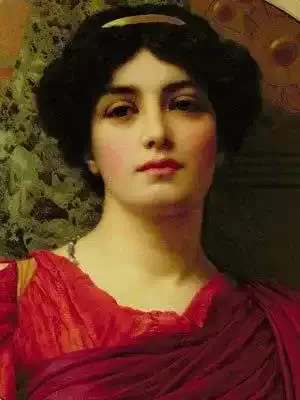
Safo
You know the place: then
You know the place: then
Leave Crete and come to us
waiting where the grove is
pleasantest, by precincts
sacred to you; incense
smokes on the altar, cold
streams murmur through the
apple branches, a young
rose thicket shades the ground
and quivering leaves pour
down deep sleep; in meadows
where horses have grown sleek
among spring flowers, dill
scents the air. Queen! Cyprian!
Fill our gold cups with love
stirred into clear nectar
Read more →
Leave Crete and come to us
waiting where the grove is
pleasantest, by precincts
sacred to you; incense
smokes on the altar, cold
streams murmur through the
apple branches, a young
rose thicket shades the ground
and quivering leaves pour
down deep sleep; in meadows
where horses have grown sleek
among spring flowers, dill
scents the air. Queen! Cyprian!
Fill our gold cups with love
stirred into clear nectar
501