
Soul

Dorothy Parker
Ballade Of A Great Weariness
There's little to have but the things I had,
There's little to bear but the things I bore.
There's nothing to carry and naught to add,
And glory to Heaven, I paid the score.
There's little to do but I did before,
There's little to learn but the things I know;
And this is the sum of a lasting lore:
Scratch a lover, and find a foe.
And couldn't it be I was young and mad
If ever my heart on my sleeve I wore?
There's many to claw at a heart unclad,
And little the wonder it ripped and tore.
There's one that'll join in their push and roar,
With stories to jabber, and stones to throw;
He'll fetch you a lesson that costs you sore:
Scratch a lover, and find a foe.
So little I'll offer to you, my lad;
It's little in loving I set my store.
There's many a maid would be flushed and glad,
And better you'll knock at a kindlier door.
I'll dig at my lettuce, and sweep my floor,
Forever, forever I'm done with woe.
And happen I'll whistle about my chore,
"Scratch a lover, and find a foe."
L'ENVOI
Oh, beggar or prince, no more, no more!
Be off and away with your strut and show.
The sweeter the apple, the blacker the core:
Scratch a lover, and find a foe!
Read more →
There's little to bear but the things I bore.
There's nothing to carry and naught to add,
And glory to Heaven, I paid the score.
There's little to do but I did before,
There's little to learn but the things I know;
And this is the sum of a lasting lore:
Scratch a lover, and find a foe.
And couldn't it be I was young and mad
If ever my heart on my sleeve I wore?
There's many to claw at a heart unclad,
And little the wonder it ripped and tore.
There's one that'll join in their push and roar,
With stories to jabber, and stones to throw;
He'll fetch you a lesson that costs you sore:
Scratch a lover, and find a foe.
So little I'll offer to you, my lad;
It's little in loving I set my store.
There's many a maid would be flushed and glad,
And better you'll knock at a kindlier door.
I'll dig at my lettuce, and sweep my floor,
Forever, forever I'm done with woe.
And happen I'll whistle about my chore,
"Scratch a lover, and find a foe."
L'ENVOI
Oh, beggar or prince, no more, no more!
Be off and away with your strut and show.
The sweeter the apple, the blacker the core:
Scratch a lover, and find a foe!
460

Ezra Pound
[Greek]
Be in me as the eternal moods
of the bleak wind, and not
As transient things are—
gaiety of flowers.
Have me in the strong loneliness
of sunless cliffs
And of gray waters.
Let the gods speak softly of us
In days hereafter,
the shadowy flowers of Orcus
Remember thee.
Read more →
of the bleak wind, and not
As transient things are—
gaiety of flowers.
Have me in the strong loneliness
of sunless cliffs
And of gray waters.
Let the gods speak softly of us
In days hereafter,
the shadowy flowers of Orcus
Remember thee.
461

William Wordsworth
By the Seaside
The sun is couched, the sea-fowl gone to rest,
And the wild storm hath somewhere found a nest;
Air slumbers--wave with wave no longer strives,
Only a heaving of the deep survives,
A tell-tale motion! soon will it be laid,
And by the tide alone the water swayed.
Stealthy withdrawings, interminglings mild
Of light with shade in beauty reconciled--
Such is the prospect far as sight can range,
The soothing recompence, the welcome change.
Where, now, the ships that drove before the blast,
Threatened by angry breakers as they passed;
And by a train of flying clouds bemocked;
Or, in the hollow surge, at anchor rocked
As on a bed of death? Some lodge in peace,
Saved by His care who bade the tempest cease;
And some, too heedless of past danger, court
Fresh gales to waft them to the far-off port
But near, or hanging sea and sky between,
Not one of all those winged powers is seen,
Seen in her course, nor 'mid this quiet heard;
Yet oh! how gladly would the air be stirred
By some acknowledgment of thanks and praise,
Soft in its temper as those vesper lays
Sung to the Virgin while accordant oars
Urge the slow bark along Calabrian shores;
A sea-born service through the mountains felt
Till into one loved vision all things melt:
Or like those hymns that soothe with graver sound
The gulfy coast of Norway iron-bound;
And, from the wide and open Baltic, rise
With punctual care, Lutherian harmonies.
Hush, not a voice is here! but why repine,
Now when the star of eve comes forth to shine
On British waters with that look benign?
Ye mariners, that plough your onward way,
Or in the haven rest, or sheltering bay,
May silent thanks at least to God be given
With a full heart; "our thoughts are 'heard' in heaven."
Read more →
And the wild storm hath somewhere found a nest;
Air slumbers--wave with wave no longer strives,
Only a heaving of the deep survives,
A tell-tale motion! soon will it be laid,
And by the tide alone the water swayed.
Stealthy withdrawings, interminglings mild
Of light with shade in beauty reconciled--
Such is the prospect far as sight can range,
The soothing recompence, the welcome change.
Where, now, the ships that drove before the blast,
Threatened by angry breakers as they passed;
And by a train of flying clouds bemocked;
Or, in the hollow surge, at anchor rocked
As on a bed of death? Some lodge in peace,
Saved by His care who bade the tempest cease;
And some, too heedless of past danger, court
Fresh gales to waft them to the far-off port
But near, or hanging sea and sky between,
Not one of all those winged powers is seen,
Seen in her course, nor 'mid this quiet heard;
Yet oh! how gladly would the air be stirred
By some acknowledgment of thanks and praise,
Soft in its temper as those vesper lays
Sung to the Virgin while accordant oars
Urge the slow bark along Calabrian shores;
A sea-born service through the mountains felt
Till into one loved vision all things melt:
Or like those hymns that soothe with graver sound
The gulfy coast of Norway iron-bound;
And, from the wide and open Baltic, rise
With punctual care, Lutherian harmonies.
Hush, not a voice is here! but why repine,
Now when the star of eve comes forth to shine
On British waters with that look benign?
Ye mariners, that plough your onward way,
Or in the haven rest, or sheltering bay,
May silent thanks at least to God be given
With a full heart; "our thoughts are 'heard' in heaven."
461

Rudyard Kipling
The Return
Peace is declared, and I return
To 'Ackneystadt, but not the same;
Things 'ave transpired which made me learn
The size and meanin' of the game.
I did no more than others did,
I don't know where the change began;
I started as a average kid,
I finished as a thinkin' man.
If England was what England seems
An' not the England of our dreams,
But only putty, brass, an' paint,
'Ow quick we'd drop 'er! But she ain't!
Before my gappin' mouth could speak
I 'eard it in my comrade's tone;
I saw it on my neighbour's cheek
Before I felt it flush my own.
An' last it come to me--not pride,
Nor yet conceit, but on the 'ole
(If such a term may be applied),
The makin's of a bloomin' soul.
Rivers at night that cluck an' jeer,
Plains which the moonshine turns to sea,
Mountains that never let you near,
An' stars to all eternity;
An' the quick-breathin' dark that fills
The 'ollows of the wilderness,
When the wind worries through the 'ills--
These may 'ave taught me more or less.
Towns without people, ten times took,
An' ten times left an' burned at last;
An' starvin' dogs that come to look
For owners when a column passed;
An' quiet, 'omesick talks between
Men, met by night, you never knew
Until--'is face--by shellfire seen--
Once--an' struck off. They taught me, too.
The day's lay-out--the mornin' sun
Beneath your 'at-brim as you sight;
The dinner-'ush from noon till one,
An' the full roar that lasts till night;
An' the pore dead that look so old
An' was so young an hour ago,
An' legs tied down before they're cold--
These are the things which make you know.
Also Time runnin' into years--
A thousand Places left be'ind--
An' Men from both two 'emispheres
Discussin' things of every kind;
So much more near than I 'ad known,
So much more great than I 'ad guessed--
An' me, like all the rest, alone--
But reachin' out to all the rest!
So 'ath it come to me--not pride,
Nor yet conceit, but on the 'ole
(If such a term may be applied),
The makin's of a bloomin' soul.
But now, discharged, I fall away
To do with little things again....
Gawd, 'oo knows all I cannot say,
Look after me in Thamesfontein!
If England was what England seems
An' not the England of our dreams,
But only putty, brass, an' paint,
'Ow quick we'd chuck 'er! But she ain't!
Read more →
To 'Ackneystadt, but not the same;
Things 'ave transpired which made me learn
The size and meanin' of the game.
I did no more than others did,
I don't know where the change began;
I started as a average kid,
I finished as a thinkin' man.
If England was what England seems
An' not the England of our dreams,
But only putty, brass, an' paint,
'Ow quick we'd drop 'er! But she ain't!
Before my gappin' mouth could speak
I 'eard it in my comrade's tone;
I saw it on my neighbour's cheek
Before I felt it flush my own.
An' last it come to me--not pride,
Nor yet conceit, but on the 'ole
(If such a term may be applied),
The makin's of a bloomin' soul.
Rivers at night that cluck an' jeer,
Plains which the moonshine turns to sea,
Mountains that never let you near,
An' stars to all eternity;
An' the quick-breathin' dark that fills
The 'ollows of the wilderness,
When the wind worries through the 'ills--
These may 'ave taught me more or less.
Towns without people, ten times took,
An' ten times left an' burned at last;
An' starvin' dogs that come to look
For owners when a column passed;
An' quiet, 'omesick talks between
Men, met by night, you never knew
Until--'is face--by shellfire seen--
Once--an' struck off. They taught me, too.
The day's lay-out--the mornin' sun
Beneath your 'at-brim as you sight;
The dinner-'ush from noon till one,
An' the full roar that lasts till night;
An' the pore dead that look so old
An' was so young an hour ago,
An' legs tied down before they're cold--
These are the things which make you know.
Also Time runnin' into years--
A thousand Places left be'ind--
An' Men from both two 'emispheres
Discussin' things of every kind;
So much more near than I 'ad known,
So much more great than I 'ad guessed--
An' me, like all the rest, alone--
But reachin' out to all the rest!
So 'ath it come to me--not pride,
Nor yet conceit, but on the 'ole
(If such a term may be applied),
The makin's of a bloomin' soul.
But now, discharged, I fall away
To do with little things again....
Gawd, 'oo knows all I cannot say,
Look after me in Thamesfontein!
If England was what England seems
An' not the England of our dreams,
But only putty, brass, an' paint,
'Ow quick we'd chuck 'er! But she ain't!
462

John Clare
Decay
O Poesy is on the wane,
For Fancy's visions all unfitting;
I hardly know her face again,
Nature herself seems on the flitting.
The fields grow old and common things,
The grass, the sky, the winds a-blowing;
And spots, where still a beauty clings,
Are sighing 'going! all a-going!'
O Poesy is on the wane,
I hardly know her face again.
The bank with brambles overspread,
And little molehills round about it,
Was more to me than laurel shades,
With paths of gravel finely clouted;
And streaking here and streaking there,
Through shaven grass and many a border,
With rutty lanes had no compare,
And heaths were in a richer order.
But Poesy is on the wane,
I hardly know her face again.
I sat beside the pasture stream,
When Beauty's self was sitting by,
The fields did more than Eden seem
Nor could I tell the reason why.
I often drank when not adry
To pledge her health in draughts divine;
Smiles made it nectar from the sky,
Love turned een water into wine.
O Poesy is on the wane,
I cannot find her face again.
The sun those mornings used to find,
Its clouds were other-country mountains,
And heaven looked downward on the mind,
Like groves, and rocks, and mottled fountains.
Those heavens are gone, the mountains grey
Turned mist--the sun, a homeless ranger,
Pursues alone his naked way,
Unnoticed like a very stranger.
O Poesy is on the wane,
Nor love nor joy is mine again.
Love's sun went down without a frown,
For very joy it used to grieve us;
I often think the West is gone,
Ah, cruel Time, to undeceive us.
The stream it is a common stream,
Where we on Sundays used to ramble,
The sky hangs oer a broken dream,
The bramble's dwindled to a bramble!
O Poesy is on the wane,
I cannot find her haunts again.
Mere withered stalks and fading trees,
And pastures spread with hills and rushes,
Are all my fading vision sees;
Gone, gone are rapture's flooding gushes!
When mushrooms they were fairy bowers,
Their marble pillars overswelling,
And Danger paused to pluck the flowers
That in their swarthy rings were dwelling.
Yes, Poesy is on the wane,
Nor joy nor fear is mine again.
Aye, Poesy hath passed away,
And Fancy's visions undeceive us;
The night hath ta'en the place of day,
And why should passing shadows grieve us?
I thought the flowers upon the hills
Were flowers from Adam's open gardens;
But I have had my summer thrills,
And I have had my heart's rewardings.
So Poesy is on the wane,
I hardly know her face again.
And Friendship it hath burned away,
Like to a very ember cooling,
A make-believe on April day
That sent the simple heart a-fooling;
Mere jesting in an earnest way,
Deceiving on and still deceiving;
And Hope is but a fancy-play,
And Joy the art of true believing;
For Poesy is on the wane,
O could I feel her faith again!
Read more →
For Fancy's visions all unfitting;
I hardly know her face again,
Nature herself seems on the flitting.
The fields grow old and common things,
The grass, the sky, the winds a-blowing;
And spots, where still a beauty clings,
Are sighing 'going! all a-going!'
O Poesy is on the wane,
I hardly know her face again.
The bank with brambles overspread,
And little molehills round about it,
Was more to me than laurel shades,
With paths of gravel finely clouted;
And streaking here and streaking there,
Through shaven grass and many a border,
With rutty lanes had no compare,
And heaths were in a richer order.
But Poesy is on the wane,
I hardly know her face again.
I sat beside the pasture stream,
When Beauty's self was sitting by,
The fields did more than Eden seem
Nor could I tell the reason why.
I often drank when not adry
To pledge her health in draughts divine;
Smiles made it nectar from the sky,
Love turned een water into wine.
O Poesy is on the wane,
I cannot find her face again.
The sun those mornings used to find,
Its clouds were other-country mountains,
And heaven looked downward on the mind,
Like groves, and rocks, and mottled fountains.
Those heavens are gone, the mountains grey
Turned mist--the sun, a homeless ranger,
Pursues alone his naked way,
Unnoticed like a very stranger.
O Poesy is on the wane,
Nor love nor joy is mine again.
Love's sun went down without a frown,
For very joy it used to grieve us;
I often think the West is gone,
Ah, cruel Time, to undeceive us.
The stream it is a common stream,
Where we on Sundays used to ramble,
The sky hangs oer a broken dream,
The bramble's dwindled to a bramble!
O Poesy is on the wane,
I cannot find her haunts again.
Mere withered stalks and fading trees,
And pastures spread with hills and rushes,
Are all my fading vision sees;
Gone, gone are rapture's flooding gushes!
When mushrooms they were fairy bowers,
Their marble pillars overswelling,
And Danger paused to pluck the flowers
That in their swarthy rings were dwelling.
Yes, Poesy is on the wane,
Nor joy nor fear is mine again.
Aye, Poesy hath passed away,
And Fancy's visions undeceive us;
The night hath ta'en the place of day,
And why should passing shadows grieve us?
I thought the flowers upon the hills
Were flowers from Adam's open gardens;
But I have had my summer thrills,
And I have had my heart's rewardings.
So Poesy is on the wane,
I hardly know her face again.
And Friendship it hath burned away,
Like to a very ember cooling,
A make-believe on April day
That sent the simple heart a-fooling;
Mere jesting in an earnest way,
Deceiving on and still deceiving;
And Hope is but a fancy-play,
And Joy the art of true believing;
For Poesy is on the wane,
O could I feel her faith again!
461

William Butler Yeats
Brown Penny
I WHISPERED, 'I am too young,'
And then, 'I am old enough';
Wherefore I threw a penny
To find out if I might love.
'Go and love, go and love, young man,
If the lady be young and fair.'
Ah, penny, brown penny, brown penny,
I am looped in the loops of her hair.
O love is the crooked thing,
There is nobody wise enough
To find out all that is in it,
For he would be thinking of love
Till the stars had run away
And the shadows eaten the moon.
Ah, penny, brown penny, brown penny,
One cannot begin it too soon.
Read more →
And then, 'I am old enough';
Wherefore I threw a penny
To find out if I might love.
'Go and love, go and love, young man,
If the lady be young and fair.'
Ah, penny, brown penny, brown penny,
I am looped in the loops of her hair.
O love is the crooked thing,
There is nobody wise enough
To find out all that is in it,
For he would be thinking of love
Till the stars had run away
And the shadows eaten the moon.
Ah, penny, brown penny, brown penny,
One cannot begin it too soon.
462

Walt Whitman
Years Of The Modern
YEARS of the modern! years of the unperform'd!
Your horizon rises--I see it parting away for more august dramas;
I see not America only--I see not only Liberty's nation, but other
nations preparing;
I see tremendous entrances and exits--I see new combinations--I see
the solidarity of races;
I see that force advancing with irresistible power on the world's
stage;
(Have the old forces, the old wars, played their parts? are the acts
suitable to them closed?)
I see Freedom, completely arm'd, and victorious, and very haughty,
with Law on one side, and Peace on the other,
A stupendous Trio, all issuing forth against the idea of caste;
--What historic denouements are these we so rapidly approach?
I see men marching and countermarching by swift millions;
I see the frontiers and boundaries of the old aristocracies broken;
I see the landmarks of European kings removed;
I see this day the People beginning their landmarks, (all others give
way;)
--Never were such sharp questions ask'd as this day;
Never was average man, his soul, more energetic, more like a God;
Lo! how he urges and urges, leaving the masses no rest;
His daring foot is on land and sea everywhere--he colonizes the
Pacific, the archipelagoes;
With the steam-ship, the electric telegraph, the newspaper, the
wholesale engines of war,
With these, and the world-spreading factories, he interlinks all
geography, all lands;
--What whispers are these, O lands, running ahead of you, passing
under the seas?
Are all nations communing? is there going to be but one heart to the
globe?
Is humanity forming, en-masse?--for lo! tyrants tremble, crowns grow
dim;
The earth, restive, confronts a new era, perhaps a general divine
war;
No one knows what will happen next--such portents fill the days and
nights;
Years prophetical! the space ahead as I walk, as I vainly try to
pierce it, is full of phantoms;
Unborn deeds, things soon to be, project their shapes around me;
This incredible rush and heat--this strange extatic fever of dreams,
O years!
Your dreams, O year, how they penetrate through me! (I know not
whether I sleep or wake!)
The perform'd America and Europe grow dim, retiring in shadow behind
me,
The unperform'd, more gigantic than ever, advance, advance upon
me.
Read more →
Your horizon rises--I see it parting away for more august dramas;
I see not America only--I see not only Liberty's nation, but other
nations preparing;
I see tremendous entrances and exits--I see new combinations--I see
the solidarity of races;
I see that force advancing with irresistible power on the world's
stage;
(Have the old forces, the old wars, played their parts? are the acts
suitable to them closed?)
I see Freedom, completely arm'd, and victorious, and very haughty,
with Law on one side, and Peace on the other,
A stupendous Trio, all issuing forth against the idea of caste;
--What historic denouements are these we so rapidly approach?
I see men marching and countermarching by swift millions;
I see the frontiers and boundaries of the old aristocracies broken;
I see the landmarks of European kings removed;
I see this day the People beginning their landmarks, (all others give
way;)
--Never were such sharp questions ask'd as this day;
Never was average man, his soul, more energetic, more like a God;
Lo! how he urges and urges, leaving the masses no rest;
His daring foot is on land and sea everywhere--he colonizes the
Pacific, the archipelagoes;
With the steam-ship, the electric telegraph, the newspaper, the
wholesale engines of war,
With these, and the world-spreading factories, he interlinks all
geography, all lands;
--What whispers are these, O lands, running ahead of you, passing
under the seas?
Are all nations communing? is there going to be but one heart to the
globe?
Is humanity forming, en-masse?--for lo! tyrants tremble, crowns grow
dim;
The earth, restive, confronts a new era, perhaps a general divine
war;
No one knows what will happen next--such portents fill the days and
nights;
Years prophetical! the space ahead as I walk, as I vainly try to
pierce it, is full of phantoms;
Unborn deeds, things soon to be, project their shapes around me;
This incredible rush and heat--this strange extatic fever of dreams,
O years!
Your dreams, O year, how they penetrate through me! (I know not
whether I sleep or wake!)
The perform'd America and Europe grow dim, retiring in shadow behind
me,
The unperform'd, more gigantic than ever, advance, advance upon
me.
462
Rudyard Kipling
The Only Son
She dropped the bar, she shot the bolt, she fed the fire anew
For she heard a whimper under the sill and a great grey paw came through.
The fresh flame comforted the hut and shone on the roof-beam,
And the Only Son lay down again and dreamed that he dreamed a dream.
The last ash fell from the withered log with the click of a falling spark,
And the Only Son woke up again, and called across the dark:--
"Now was I born of womankind and laid in a mother's breast?
For I have dreamed of a shaggy hide whereon I went to rest.
And was I born of womankind and laid on a father's arm?
For I have dreamed of clashing teeth that guarded me from harm.
And was I born an Only Son and did I play alone?
For I have dreamed of comrades twain that bit me to the bone.
And did I break the barley-cake and steep it in the tyre?
For I have dreamed of a youngling kid new-riven from the byre:
For I have dreamed of a midnight sky and a midnight call to blood
And red-mouthed shadows racing by, that thrust me from my food.
'Tis an hour yet and an hour yet to the rising of the moon,
But I can see the black roof-tree as plain as it were noon.
'Tis a league and a league to the Lena Falls where the trooping blackbuck go;
But I can hear the little fawn that bleats behind the doe.
'Tis a league and a league to the Lena Falls where the crop and the upland meet,
But I Can smell the wet dawn-wind that wakes the sprouting wheat.
Unbar the door. I may not bide, but I must out and see
If those are wolves that wait outside or my own kin to me!"
. . . . .
She loosed the bar, she slid the bolt, she opened the door anon,
And a grey bitch-wolf came out of the dark and fawned on the Only Son!
Read more →
For she heard a whimper under the sill and a great grey paw came through.
The fresh flame comforted the hut and shone on the roof-beam,
And the Only Son lay down again and dreamed that he dreamed a dream.
The last ash fell from the withered log with the click of a falling spark,
And the Only Son woke up again, and called across the dark:--
"Now was I born of womankind and laid in a mother's breast?
For I have dreamed of a shaggy hide whereon I went to rest.
And was I born of womankind and laid on a father's arm?
For I have dreamed of clashing teeth that guarded me from harm.
And was I born an Only Son and did I play alone?
For I have dreamed of comrades twain that bit me to the bone.
And did I break the barley-cake and steep it in the tyre?
For I have dreamed of a youngling kid new-riven from the byre:
For I have dreamed of a midnight sky and a midnight call to blood
And red-mouthed shadows racing by, that thrust me from my food.
'Tis an hour yet and an hour yet to the rising of the moon,
But I can see the black roof-tree as plain as it were noon.
'Tis a league and a league to the Lena Falls where the trooping blackbuck go;
But I can hear the little fawn that bleats behind the doe.
'Tis a league and a league to the Lena Falls where the crop and the upland meet,
But I Can smell the wet dawn-wind that wakes the sprouting wheat.
Unbar the door. I may not bide, but I must out and see
If those are wolves that wait outside or my own kin to me!"
. . . . .
She loosed the bar, she slid the bolt, she opened the door anon,
And a grey bitch-wolf came out of the dark and fawned on the Only Son!
462
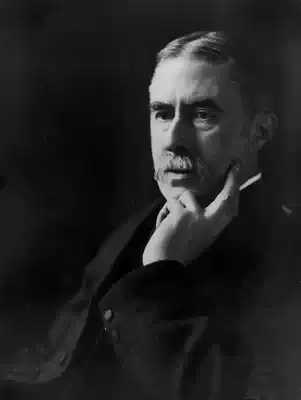
Alfred Edward Housman
The rainy Pleiads wester
The rainy Pleiads wester,
Orion plunges prone,
The stroke of midnight ceases
And I lie down alone.
The rainy Pleiads wester,
And seek beyond the sea
The head that I shall dream of
That will not dream of me.
Read more →
Orion plunges prone,
The stroke of midnight ceases
And I lie down alone.
The rainy Pleiads wester,
And seek beyond the sea
The head that I shall dream of
That will not dream of me.
461
Walt Whitman
When I Heard At The Close Of The Day
WHEN I heard at the close of the day how my name had been receiv'd
with plaudits in the capitol, still it was not a happy night
for me that follow'd;
And else, when I carous'd, or when my plans were accomplish'd, still
I was not happy;
But the day when I rose at dawn from the bed of perfect health,
refresh'd, singing, inhaling the ripe breath of autumn,
When I saw the full moon in the west grow pale and disappear in the
morning light,
When I wander'd alone over the beach, and undressing, bathed,
laughing with the cool waters, and saw the sun rise,
And when I thought how my dear friend, my lover, was on his way
coming, O then I was happy;
O then each breath tasted sweeter--and all that day my food nourish'd
me more--and the beautiful day pass'd well,
And the next came with equal joy--and with the next, at evening, came
my friend;
And that night, while all was still, I heard the waters roll slowly
continually up the shores,
I heard the hissing rustle of the liquid and sands, as directed to
me, whispering, to congratulate me,
For the one I love most lay sleeping by me under the same cover in
the cool night,
In the stillness, in the autumn moonbeams, his face was inclined
toward me,
And his arm lay lightly around my breast--and that night I was happy.
Read more →
with plaudits in the capitol, still it was not a happy night
for me that follow'd;
And else, when I carous'd, or when my plans were accomplish'd, still
I was not happy;
But the day when I rose at dawn from the bed of perfect health,
refresh'd, singing, inhaling the ripe breath of autumn,
When I saw the full moon in the west grow pale and disappear in the
morning light,
When I wander'd alone over the beach, and undressing, bathed,
laughing with the cool waters, and saw the sun rise,
And when I thought how my dear friend, my lover, was on his way
coming, O then I was happy;
O then each breath tasted sweeter--and all that day my food nourish'd
me more--and the beautiful day pass'd well,
And the next came with equal joy--and with the next, at evening, came
my friend;
And that night, while all was still, I heard the waters roll slowly
continually up the shores,
I heard the hissing rustle of the liquid and sands, as directed to
me, whispering, to congratulate me,
For the one I love most lay sleeping by me under the same cover in
the cool night,
In the stillness, in the autumn moonbeams, his face was inclined
toward me,
And his arm lay lightly around my breast--and that night I was happy.
461

Lord Byron
To Caroline: When I Hear That You Express An Affection So Warm
When I hear that you express an affection so warm,
Ne'er think, my beloved, that I do not believe;
For your lip would the soul of suspicion disarm,
And your eye beams a ray which can never deceive.
Yet, still, this fond bosom regrets, while adoring,
That love, like the leaf, must fall into the sear;
That age will come on, when remembrance, deploring,
Contemplates the scenes of her youth with a tear;
That the time must arrive, when, no longer retaining
Their auburn, those locks must wave thin to the breeze,
When a few silver hairs of those tresses remaining
Prove nature a prey to decay and disease.
'Tis this, my beloved, which spreads gloom o'er my features,
Though I ne'er shall presume to arraign the decree,
Which God has proclaim'd as the fate of his creatures,
In the death which will one day deprive you of me.
Mistake not, sweet sceptic, the cause of emotion,
No doubt can the mind of your lover invade;
He worships each look with such faithful devotion,
A smile can enchant, or a tear can dissuade.
But as death, my beloved, soon or late shall o'ertake us,
And our breasts, which alive with such sympathy glow,
Will sleep in the grave till the blast shall awake us,
When calling the dead, in earth's bosom laid low,
Oh! then let us drain, while we may, draughts of pleasure,
Which from passion like ours may unceasingly flow;
Let us pass round the cup of love's bliss in full measure,
And quaff the contents as our nectar below.
1805
Read more →
Ne'er think, my beloved, that I do not believe;
For your lip would the soul of suspicion disarm,
And your eye beams a ray which can never deceive.
Yet, still, this fond bosom regrets, while adoring,
That love, like the leaf, must fall into the sear;
That age will come on, when remembrance, deploring,
Contemplates the scenes of her youth with a tear;
That the time must arrive, when, no longer retaining
Their auburn, those locks must wave thin to the breeze,
When a few silver hairs of those tresses remaining
Prove nature a prey to decay and disease.
'Tis this, my beloved, which spreads gloom o'er my features,
Though I ne'er shall presume to arraign the decree,
Which God has proclaim'd as the fate of his creatures,
In the death which will one day deprive you of me.
Mistake not, sweet sceptic, the cause of emotion,
No doubt can the mind of your lover invade;
He worships each look with such faithful devotion,
A smile can enchant, or a tear can dissuade.
But as death, my beloved, soon or late shall o'ertake us,
And our breasts, which alive with such sympathy glow,
Will sleep in the grave till the blast shall awake us,
When calling the dead, in earth's bosom laid low,
Oh! then let us drain, while we may, draughts of pleasure,
Which from passion like ours may unceasingly flow;
Let us pass round the cup of love's bliss in full measure,
And quaff the contents as our nectar below.
1805
459
Ezra Pound
Coda
O My songs,
Why do you look so eagerly and so curiously into
people's faces,
Will you find your lost dead among them?
Read more →
Why do you look so eagerly and so curiously into
people's faces,
Will you find your lost dead among them?
460
Walt Whitman
Song of Myself, XI
Twenty-eight young men bathe by the shore,
Twenty-eight young men and all so friendly;
Twenty-eight years of womanly life and all so lonesome.
She owns the fine house by the rise of the bank,
She hides handsome and richly drest aft the blinds of the window.
Which of the young men does she like the best?
Ah the homeliest of them is beautiful to her.
Where are you off to, lady? for I see you,
You splash in the water there, yet stay stock still in your room.
Dancing and laughing along the beach came the twenty-ninth bather,
The rest did not see her, but she saw them and loved them.
The beards of the young men glisten'd with wet, it ran from their long
hair,
Little streams pass'd over their bodies.
An unseen hand also pass'd over their bodies,
It descended trembling from their temples and ribs.
The young men float on their backs, their white bellies bulge to the sun,
they do not ask who seizes fast to them,
They do not know who puffs and declines with the pendant and bending
arch,
They do not think whom they souse with spray.
Read more →
Twenty-eight young men and all so friendly;
Twenty-eight years of womanly life and all so lonesome.
She owns the fine house by the rise of the bank,
She hides handsome and richly drest aft the blinds of the window.
Which of the young men does she like the best?
Ah the homeliest of them is beautiful to her.
Where are you off to, lady? for I see you,
You splash in the water there, yet stay stock still in your room.
Dancing and laughing along the beach came the twenty-ninth bather,
The rest did not see her, but she saw them and loved them.
The beards of the young men glisten'd with wet, it ran from their long
hair,
Little streams pass'd over their bodies.
An unseen hand also pass'd over their bodies,
It descended trembling from their temples and ribs.
The young men float on their backs, their white bellies bulge to the sun,
they do not ask who seizes fast to them,
They do not know who puffs and declines with the pendant and bending
arch,
They do not think whom they souse with spray.
462

Ella Wheeler Wilcox
Contentment
If any line that I ever penned,
Or any word I have spoken,
Has comforted heart of foe or friend In
any way, why my life, I'll say,
Has reaped the reward of labour,
If aught I have said, or written, has made
Gladder the heart o' my neighbour.
If any deed that I ever did
Lightened a sad heart's sorrow,
If I have lifted a drooping lid
Up to the bright to-morrow,
Though the world knows not, nor gives me a thought,
Nor ever can know, nor praise me,
Yet still I shall say, to my heart alway,
That my life and labour repay me.
If in any way I have helped a soul,
Or given a spirit pleasure,
Then my cup of joy, I shall think is full
With an overflowing measure.
Though never an eye, but the one on high
Looks on my kindly action,
Yet, O my heart, we shall think of our part
In the drama, with satisfaction.
Read more →
Or any word I have spoken,
Has comforted heart of foe or friend In
any way, why my life, I'll say,
Has reaped the reward of labour,
If aught I have said, or written, has made
Gladder the heart o' my neighbour.
If any deed that I ever did
Lightened a sad heart's sorrow,
If I have lifted a drooping lid
Up to the bright to-morrow,
Though the world knows not, nor gives me a thought,
Nor ever can know, nor praise me,
Yet still I shall say, to my heart alway,
That my life and labour repay me.
If in any way I have helped a soul,
Or given a spirit pleasure,
Then my cup of joy, I shall think is full
With an overflowing measure.
Though never an eye, but the one on high
Looks on my kindly action,
Yet, O my heart, we shall think of our part
In the drama, with satisfaction.
460
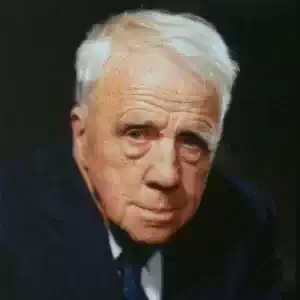
Robert Frost
Reluctance
Out through the fields and the woods And over the walls I have wended; I have
climbed the hills of view And looked at the world, and descended; I have come by the
highway home, And lo, it is ended. The leaves are all dead on the group, Save those
that the oak is keeping To ravel them one by one And let them go scraping and
creeping Out over the crusted snow, When others are sleeping. And the dead leaves
lie huddled and still, No longer blown hither and thither; The last long aster is gone;
The flowers of the witch-hazel wither; The heart is still aching to seek, But the feel
question 'Whither?' Ah, when to the heart of man Was it ever less than a treason To
go with the drift of things, To yield with a grace to reason, And bow and accept the end
Of a love or a season?
Read more →
climbed the hills of view And looked at the world, and descended; I have come by the
highway home, And lo, it is ended. The leaves are all dead on the group, Save those
that the oak is keeping To ravel them one by one And let them go scraping and
creeping Out over the crusted snow, When others are sleeping. And the dead leaves
lie huddled and still, No longer blown hither and thither; The last long aster is gone;
The flowers of the witch-hazel wither; The heart is still aching to seek, But the feel
question 'Whither?' Ah, when to the heart of man Was it ever less than a treason To
go with the drift of things, To yield with a grace to reason, And bow and accept the end
Of a love or a season?
460
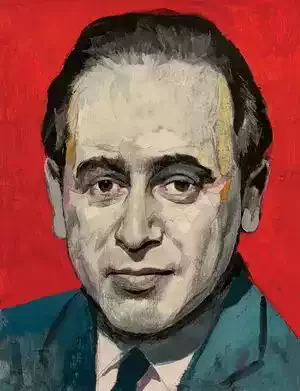
Paul Celan
In Front of a Candle
I formed the holder of gold,
as you told me to mother,
gold, out of which She comes,
a shade, to me, in the middle
of fracturing hours,
your
being-dead’s daughter.
Slender in shape,
a thin, almond-eyed shadow,
her mouth and her sex
danced round by creatures from sleep,
out of the cave of the gold,
she rises up,
to the summit of Now.
With night-dark-shrouded
lips,
I speak the Prayer:
In the name of the Three
who fight with each other, until
heaven reaches down into the graveyard of feeling,
in the name of the Three, whose rings
gleam on my finger, whenever
I loose the hair of the trees into the abyss,
so that the richer floods rush down through the deeps
in the name of the first of the Three
who shrieked,
when he was called on to live,
where his word went before him,
in the name of the second, who watched it and wept,
in the name of the third, who piles
white stones in the middle –
I say you are free
of the amen that overpowers us,
of the ice-filled light at its rim,
there, where tower-high it enters the sea,
there, where the grey one, the dove
picks at the names
this side and that side of dying:
You still, you still, you still,
a dead woman’s child,
sealed to the No of my yearning,
wedded to a cleft in time
to which the mother-word led me,
so that a single spasm
would pass through the hand
that now, and now, grasps at my heart!
Read more →
as you told me to mother,
gold, out of which She comes,
a shade, to me, in the middle
of fracturing hours,
your
being-dead’s daughter.
Slender in shape,
a thin, almond-eyed shadow,
her mouth and her sex
danced round by creatures from sleep,
out of the cave of the gold,
she rises up,
to the summit of Now.
With night-dark-shrouded
lips,
I speak the Prayer:
In the name of the Three
who fight with each other, until
heaven reaches down into the graveyard of feeling,
in the name of the Three, whose rings
gleam on my finger, whenever
I loose the hair of the trees into the abyss,
so that the richer floods rush down through the deeps
in the name of the first of the Three
who shrieked,
when he was called on to live,
where his word went before him,
in the name of the second, who watched it and wept,
in the name of the third, who piles
white stones in the middle –
I say you are free
of the amen that overpowers us,
of the ice-filled light at its rim,
there, where tower-high it enters the sea,
there, where the grey one, the dove
picks at the names
this side and that side of dying:
You still, you still, you still,
a dead woman’s child,
sealed to the No of my yearning,
wedded to a cleft in time
to which the mother-word led me,
so that a single spasm
would pass through the hand
that now, and now, grasps at my heart!
460

Johann Wolfgang von Goethe
Wedding Night
Far from the feasting, in the bedroom
Sits loyal Amor and quakes with dread:
What if the guests become too zestful,
Break the peace of the bridal bed?
A mystical and holy shimmer
Flows from his pale flames of gold;
For you both a whirl of incense
Readies pleasures manifold.
How throbs your heart as chiming timepiece
Chases noisy guests away;
Any moment, lips you burn for
Nought will utter, nought gainsay.
You hasten with her to the temple,
There to consummate your bliss;
The guardian holds aloft his flambeau,
Still and small as a taper is.
How she trembles with your kisses,
Bosom, lips, and cheeks, and brow:
His severities are shivers,
Your derring-do is duty now.
Quick, Amor helps you undress her,
He has half your enterprise;
Roguish, then, but also modest,
He'll be closing both his eyes.
Read more →
Sits loyal Amor and quakes with dread:
What if the guests become too zestful,
Break the peace of the bridal bed?
A mystical and holy shimmer
Flows from his pale flames of gold;
For you both a whirl of incense
Readies pleasures manifold.
How throbs your heart as chiming timepiece
Chases noisy guests away;
Any moment, lips you burn for
Nought will utter, nought gainsay.
You hasten with her to the temple,
There to consummate your bliss;
The guardian holds aloft his flambeau,
Still and small as a taper is.
How she trembles with your kisses,
Bosom, lips, and cheeks, and brow:
His severities are shivers,
Your derring-do is duty now.
Quick, Amor helps you undress her,
He has half your enterprise;
Roguish, then, but also modest,
He'll be closing both his eyes.
459
Dorothy Parker
Light Of Love
Joy stayed with me a night --
Young and free and fair --
And in the morning light
He left me there.
Then Sorrow came to stay,
And lay upon my breast
He walked with me in the day.
And knew me best.
I'll never be a bride,
Nor yet celibate,
So I'm living now with Pride --
A cold bedmate.
He must not hear nor see,
Nor could he forgive
That Sorrow still visits me
Each day I live.
Read more →
Young and free and fair --
And in the morning light
He left me there.
Then Sorrow came to stay,
And lay upon my breast
He walked with me in the day.
And knew me best.
I'll never be a bride,
Nor yet celibate,
So I'm living now with Pride --
A cold bedmate.
He must not hear nor see,
Nor could he forgive
That Sorrow still visits me
Each day I live.
460

Elizabeth Barrett Browning
Sonnet 28 - My letters! all dead paper, mute and white!
XXVIII
My letters! all dead paper, mute and white!
And yet they seem alive and quivering
Against my tremulous hands which loose the string
And let them drop down on my knee to-night.
This said,-he wished to have me in his sight
Once, as a friend: this fixed a day in spring
To come and touch my hand . . . a simple thing,
Yet I wept for it!-this, . . . the paper's light . . .
Said, Dear, I love thee; and I sank and quailed
As if God's future thundered on my past.
This said, I am thine-and so its ink has paled
With Iying at my heart that beat too fast.
And this . . . O Love, thy words have ill availed
If, what this said, I dared repeat at last!
Read more →
My letters! all dead paper, mute and white!
And yet they seem alive and quivering
Against my tremulous hands which loose the string
And let them drop down on my knee to-night.
This said,-he wished to have me in his sight
Once, as a friend: this fixed a day in spring
To come and touch my hand . . . a simple thing,
Yet I wept for it!-this, . . . the paper's light . . .
Said, Dear, I love thee; and I sank and quailed
As if God's future thundered on my past.
This said, I am thine-and so its ink has paled
With Iying at my heart that beat too fast.
And this . . . O Love, thy words have ill availed
If, what this said, I dared repeat at last!
460
Dorothy Parker
Epitaph for a Darling Lady
All her hours were yellow sands,
Blown in foolish whorls and tassels;
Slipping warmly through her hands;
Patted into little castles.
Shiny day on shiny day
Tumble in a rainbow clutter,
As she flipped them all away,
Sent them spinning down the gutter.
Leave for her a red young rose,
Go your way, and save your pity;
She is happy, for she knows
That her dust is very pretty.
Read more →
Blown in foolish whorls and tassels;
Slipping warmly through her hands;
Patted into little castles.
Shiny day on shiny day
Tumble in a rainbow clutter,
As she flipped them all away,
Sent them spinning down the gutter.
Leave for her a red young rose,
Go your way, and save your pity;
She is happy, for she knows
That her dust is very pretty.
458
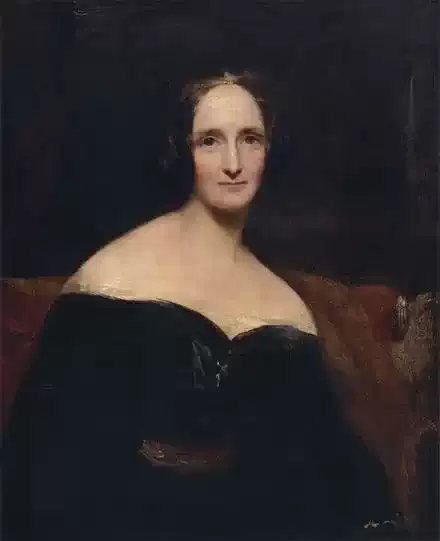
Percy Bysshe Shelley
The Two Spirits: An Allegory
FIRST SPIRIT
O thou, who plum'd with strong desire
Wouldst float above the earth, beware!
A Shadow tracks thy flight of fire--
Night is coming!
Bright are the regions of the air,
And among the winds and beams
It were delight to wander there--
Night is coming!SECOND SPIRIT
The deathless stars are bright above;
If I would cross the shade of night,
Within my heart is the lamp of love,
And that is day!
And the moon will smile with gentle light
On my golden plumes where'er they move;
The meteors will linger round my flight,
And make night day.FIRST SPIRIT
But if the whirlwinds of darkness waken
Hail, and lightning, and stormy rain;
See, the bounds of the air are shaken--
Night is coming!
The red swift clouds of the hurricane
Yon declining sun have overtaken,
The clash of the hail sweeps over the plain--
Night is coming!SECOND SPIRIT
I see the light, and I hear the sound;
I'll sail on the flood of the tempest dark,
With the calm within and the light around
Which makes night day:
And thou, when the gloom is deep and stark,
Look from thy dull earth, slumber-bound,
My moon-like flight thou then mayst mark
On high, far away.----
Some say there is a precipice
Where one vast pine is frozen to ruin
O'er piles of snow and chasms of ice
Mid Alpine mountains;
And that the languid storm pursuing
That winged shape, for ever flies
Round those hoar branches, aye renewing
Its aëry fountains.
Some say when nights are dry and dear,
And the death-dews sleep on the morass,
Sweet whispers are heard by the traveller,
Which make night day:
And a silver shape like his early love doth pass
Upborne by her wild and glittering hair,
And when he awakes on the fragrant grass,
He finds night day.
Read more →
O thou, who plum'd with strong desire
Wouldst float above the earth, beware!
A Shadow tracks thy flight of fire--
Night is coming!
Bright are the regions of the air,
And among the winds and beams
It were delight to wander there--
Night is coming!SECOND SPIRIT
The deathless stars are bright above;
If I would cross the shade of night,
Within my heart is the lamp of love,
And that is day!
And the moon will smile with gentle light
On my golden plumes where'er they move;
The meteors will linger round my flight,
And make night day.FIRST SPIRIT
But if the whirlwinds of darkness waken
Hail, and lightning, and stormy rain;
See, the bounds of the air are shaken--
Night is coming!
The red swift clouds of the hurricane
Yon declining sun have overtaken,
The clash of the hail sweeps over the plain--
Night is coming!SECOND SPIRIT
I see the light, and I hear the sound;
I'll sail on the flood of the tempest dark,
With the calm within and the light around
Which makes night day:
And thou, when the gloom is deep and stark,
Look from thy dull earth, slumber-bound,
My moon-like flight thou then mayst mark
On high, far away.----
Some say there is a precipice
Where one vast pine is frozen to ruin
O'er piles of snow and chasms of ice
Mid Alpine mountains;
And that the languid storm pursuing
That winged shape, for ever flies
Round those hoar branches, aye renewing
Its aëry fountains.
Some say when nights are dry and dear,
And the death-dews sleep on the morass,
Sweet whispers are heard by the traveller,
Which make night day:
And a silver shape like his early love doth pass
Upborne by her wild and glittering hair,
And when he awakes on the fragrant grass,
He finds night day.
456

Sara Teasdale
Houses of Dreams
You took my empty dreams
And filled them every one
With tenderness and nobleness,
April and the sun.
The old empty dreams
Where my thoughts would throng
Are far too full of happiness
To even hold a song.
Oh, the empty dreams were dim
And the empty dreams were wide,
They were sweet and shadowy houses
Where my thoughts could hide.
But you took my dreams away
And you made them all come true --
My thoughts have no place now to play,
And nothing now to do.
Read more →
And filled them every one
With tenderness and nobleness,
April and the sun.
The old empty dreams
Where my thoughts would throng
Are far too full of happiness
To even hold a song.
Oh, the empty dreams were dim
And the empty dreams were wide,
They were sweet and shadowy houses
Where my thoughts could hide.
But you took my dreams away
And you made them all come true --
My thoughts have no place now to play,
And nothing now to do.
459
Rudyard Kipling
Hadramauti
Who knows the heart of the Christian? How does he reason?
What are his measures and balances? Which is his season
For laughter, forbearance or bloodshed, and what devils move him
When he arises to smite us? I do not love him.
He invites the derision of strangers—he enters all places.
Booted, bareheaded he enters. With shouts and embraces
He asks of us news of the household whom we reckon nameless.
Certainly Allah created him forty-fold shameless!
So it is not in the Desert. One came to me weeping—
The Avenger of Blood on his track—I took him in keeping.
Demanding not whom he had slain, I refreshed him, I fed him
As he were even a brother. But Eblis had bred him.
He was the son of an ape, ill at ease in his clothing.
He talked with his head, hands and feet. I endured him with loathing.
Whatever his spirit conceived his countenance showed it
As a frog shows in a mud-puddle. Yet I abode it!
I fingered my beard and was dumb, in silence confronting him.
His soul was too shallow for silence, e'en with Death hunting him.
I said: "'Tis his weariness speaks," but, when he had rested,
He chirped in my face like some sparrow, and, presently, jested!
Wherefore slew I that stranger? He brought me dishonour.
I saddled my mare, Bijli, I set him upon her.
I gave him rice and goat's flesh. He bared me to laughter.
When he was gone from my tent, swift I followed after,
Taking my sword in my hand. The hot wine had filled him.
Under the stars he mocked me—therefore I killed him!
Read more →
What are his measures and balances? Which is his season
For laughter, forbearance or bloodshed, and what devils move him
When he arises to smite us? I do not love him.
He invites the derision of strangers—he enters all places.
Booted, bareheaded he enters. With shouts and embraces
He asks of us news of the household whom we reckon nameless.
Certainly Allah created him forty-fold shameless!
So it is not in the Desert. One came to me weeping—
The Avenger of Blood on his track—I took him in keeping.
Demanding not whom he had slain, I refreshed him, I fed him
As he were even a brother. But Eblis had bred him.
He was the son of an ape, ill at ease in his clothing.
He talked with his head, hands and feet. I endured him with loathing.
Whatever his spirit conceived his countenance showed it
As a frog shows in a mud-puddle. Yet I abode it!
I fingered my beard and was dumb, in silence confronting him.
His soul was too shallow for silence, e'en with Death hunting him.
I said: "'Tis his weariness speaks," but, when he had rested,
He chirped in my face like some sparrow, and, presently, jested!
Wherefore slew I that stranger? He brought me dishonour.
I saddled my mare, Bijli, I set him upon her.
I gave him rice and goat's flesh. He bared me to laughter.
When he was gone from my tent, swift I followed after,
Taking my sword in my hand. The hot wine had filled him.
Under the stars he mocked me—therefore I killed him!
456
Ella Wheeler Wilcox
Only A Sad Mistake
Only a blunder-a sad mistake;
All my own fault and mine alone.
The saddest error a heart can make;
I was so young, or I would have known.
Only his rare, sweet, tender smile;
Only a lingering touch of his hand.
I think I was dreaming all the while,
The reason I did not understand.
Yet, somewhere, I've read men woo this way;
That eyes speak, sometimes, before the tongue.
And I was sure he would speak some day;
Pardon the folly-I was so young.
Was I, say-for now I am old!
So old, it seems like a hundred years
Since I felt my heart growing hard and cold
With a pain too bitter and deep for tears.
I saw him lean over the stranger's chair,
With a warm, new light in his beautiful eyes;
And I woke from my dreaming, then and there,
And went out of my self-made Paradise.
He never loved me-I know, I see!
Such sad, sad blunders as young hearts make.
She did not win him away from me,
For he was not mine. It was my mistake.
A woman should wait for a man to speak
Before she dreams of his love, I own;
But I was a girl-girls' hearts are weak;
And the pain, like the fault, is mine alone.
Read more →
All my own fault and mine alone.
The saddest error a heart can make;
I was so young, or I would have known.
Only his rare, sweet, tender smile;
Only a lingering touch of his hand.
I think I was dreaming all the while,
The reason I did not understand.
Yet, somewhere, I've read men woo this way;
That eyes speak, sometimes, before the tongue.
And I was sure he would speak some day;
Pardon the folly-I was so young.
Was I, say-for now I am old!
So old, it seems like a hundred years
Since I felt my heart growing hard and cold
With a pain too bitter and deep for tears.
I saw him lean over the stranger's chair,
With a warm, new light in his beautiful eyes;
And I woke from my dreaming, then and there,
And went out of my self-made Paradise.
He never loved me-I know, I see!
Such sad, sad blunders as young hearts make.
She did not win him away from me,
For he was not mine. It was my mistake.
A woman should wait for a man to speak
Before she dreams of his love, I own;
But I was a girl-girls' hearts are weak;
And the pain, like the fault, is mine alone.
458