
Soul

Walt Whitman
Leaves Of Grass. A Carol Of Harvest For 1867
A SONG of the good green grass!
A song no more of the city streets;
A song of farms--a song of the soil of fields.
A song with the smell of sun-dried hay, where the nimble pitchers
handle the pitch-fork;
A song tasting of new wheat, and of fresh-husk'd maize.
For the lands, and for these passionate days, and for myself,
Now I awhile return to thee, O soil of Autumn fields,
Reclining on thy breast, giving myself to thee,
Answering the pulses of thy sane and equable heart,
Tuning a verse for thee.
O Earth, that hast no voice, confide to me a voice!
O harvest of my lands! O boundless summer growths!
O lavish, brown, parturient earth! O infinite, teeming womb!
A verse to seek, to see, to narrate thee.
Ever upon this stage,
Is acted God's calm, annual drama,
Gorgeous processions, songs of birds,
Sunrise, that fullest feeds and freshens most the soul,
The heaving sea, the waves upon the shore, the musical, strong waves,
The woods, the stalwart trees, the slender, tapering trees,
The flowers, the grass, the lilliput, countless armies of the grass,
The heat, the showers, the measureless pasturages,
The scenery of the snows, the winds' free orchestra,
The stretching, light-hung roof of clouds--the clear cerulean, and
the bulging, silvery fringes,
The high dilating stars, the placid, beckoning stars,
The moving flocks and herds, the plains and emerald meadows,
The shows of all the varied lands, and all the growths and products.
Fecund America! To-day,
Thou art all over set in births and joys!
Thou groan'st with riches! thy wealth clothes thee as with a swathing
garment!
Thou laughest loud with ache of great possessions!
A myriad-twining life, like interlacing vines, binds all thy vast
demesne!
As some huge ship, freighted to water's edge, thou ridest into port!
As rain falls from the heaven, and vapors rise from earth, so have
the precious values fallen upon thee, and risen out of thee!
Thou envy of the globe! thou miracle!
Thou, bathed, choked, swimming in plenty!
Thou lucky Mistress of the tranquil barns!
Thou Prairie Dame that sittest in the middle, and lookest out upon
thy world, and lookest East, and lookest West!
Dispensatress, that by a word givest a thousand miles--that giv'st a
million farms, and missest nothing!
Thou All-Acceptress--thou Hospitable--(thou only art hospitable, as
God is hospitable.)
When late I sang, sad was my voice;
Sad were the shows around me, with deafening noises of hatred, and
smoke of conflict;
In the midst of the armies, the Heroes, I stood,
Or pass'd with slow step through the wounded and dying.
But now I sing not War,
Nor the measur'd march of soldiers, nor the tents of camps,
Nor the regiments hastily coming up, deploying in line of battle.
No more the dead and wounded;
No more the sad, unnatural shows of War.
Ask'd room those flush'd immortal ranks? the first forth-stepping
armies?
Ask room, alas, the ghastly ranks--the armies dread that follow'd.
(Pass--pass, ye proud brigades!
So handsome, dress'd in blue--with your tramping, sinewy legs;
With your shoulders young and strong--with your knapsacks and your
muskets;
--How elate I stood and watch'd you, where, starting off, you
march'd!
Pass;--then rattle, drums, again!
Scream, you steamers on the river, out of whistles loud and shrill,
your salutes!
For an army heaves in sight--O another gathering army!
Swarming, trailing on the rear--O you dread, accruing army!
O you regiments so piteous, with your mortal diarrhoea! with your
fever!
O my land's maimed darlings! with the plenteous bloody bandage and
the crutch!
Lo! your pallid army follow'd!)
But on these days of brightness,
On the far-stretching beauteous landscape, the roads and lanes, the
high-piled farm-wagons, and the fruits and barns,
Shall the dead intrude?
Ah, the dead to me mar not--they fit well in Nature;
They fit very well in the landscape, under the trees and grass,
And along the edge of the sky, in the horizon's far margin.
Nor do I forget you, departed;
Nor in winter or summer, my lost ones;
But most, in the open air, as now, when my soul is rapt and at
peace--like pleasing phantoms,
Your dear memories, rising, glide silently by me.
I saw the day, the return of the Heroes;
(Yet the Heroes never surpass'd, shall never return;
Them, that day, I saw not.)
I saw the interminable Corps--I saw the processions of armies,
I saw them approaching, defiling by, with divisions,
Streaming northward, their work done, camping awhile in clusters of
mighty camps.
No holiday soldiers!--youthful, yet veterans;
Worn, swart, handsome, strong, of the stock of homestead and
workshop,
Harden'd of many a long campaign and sweaty march,
Inured on many a hard-fought, bloody field.
80
A pause--the armies wait;
A million flush'd, embattled conquerors wait;
The world, too, waits--then, soft as breaking night, and sure as
dawn,
They melt--they disappear.
Exult, indeed, O lands! victorious lands!
Not there your victory, on those red, shuddering fields;
But here and hence your victory.
Melt, melt away, ye armies! disperse, ye blue-clad soldiers!
Resolve ye back again--give up, for good, your deadly arms;
Other the arms, the fields henceforth for you, or South or North, or
East or West,
With saner wars--sweet wars--life-giving wars.
Loud, O my throat, and clear, O soul!
The season of thanks, and the voice of full-yielding;
The chant of joy and power for boundless fertility.
All till'd and untill'd fields expand before me;
I see the true arenas of my race--or first, or last,
Man's innocent and strong arenas.
I see the Heroes at other toils;
I see, well-wielded in their hands, the better weapons.
I see where America, Mother of All,
Well-pleased, with full-spanning eye, gazes forth, dwells long,
And counts the varied gathering of the products.
Busy the far, the sunlit panorama;
Prairie, orchard, and yellow grain of the North,
Cotton and rice of the South, and Louisianian cane;
Open, unseeded fallows, rich fields of clover and timothy,
Kine and horses feeding, and droves of sheep and swine,
And many a stately river flowing, and many a jocund brook,
And healthy uplands with their herby-perfumed breezes,
And the good green grass--that delicate miracle, the ever-recurring
grass.
Toil on, Heroes! harvest the products!
Not alone on those warlike fields, the Mother of All,
With dilated form and lambent eyes, watch'd you.
Toil on, Heroes! toil well! Handle the weapons well!
The Mother of All--yet here, as ever, she watches you.
Well-pleased, America, thou beholdest,
Over the fields of the West, those crawling monsters,
The human-divine inventions, the labor-saving implements:
Beholdest, moving in every direction, imbued as with life, the
revolving hay-rakes,
The steam-power reaping-machines, and the horse-power machines,
The engines, thrashers of grain, and cleaners of grain, well
separating the straw--the nimble work of the patent pitch-fork;
Beholdest the newer saw-mill, the southern cotton-gin, and the ricecleanser.
Beneath thy look, O Maternal,
With these, and else, and with their own strong hands, the Heroes
harvest.
All gather, and all harvest;
(Yet but for thee, O Powerful! not a scythe might swing, as now, in
security;
Not a maize-stalk dangle, as now, its silken tassels in peace.)
Under Thee only they harvest--even but a wisp of hay, under thy great
face, only;
Harvest the wheat of Ohio, Illinois, Wisconsin--every barbed spear,
under thee;
Harvest the maize of Missouri, Kentucky, Tennessee--each ear in its
light-green sheath,
Gather the hay to its myriad mows, in the odorous, tranquil barns,
Oats to their bins--the white potato, the buckwheat of Michigan, to
theirs;
Gather the cotton in Mississippi or Alabama--dig and hoard the
golden, the sweet potato of Georgia and the Carolinas,
Clip the wool of California or Pennsylvania,
Cut the flax in the Middle States, or hemp, or tobacco in the
Borders,
Pick the pea and the bean, or pull apples from the trees, or bunches
of grapes from the vines,
Or aught that ripens in all These States, or North or South,
Under the beaming sun, and under Thee.
Read more →
A song no more of the city streets;
A song of farms--a song of the soil of fields.
A song with the smell of sun-dried hay, where the nimble pitchers
handle the pitch-fork;
A song tasting of new wheat, and of fresh-husk'd maize.
For the lands, and for these passionate days, and for myself,
Now I awhile return to thee, O soil of Autumn fields,
Reclining on thy breast, giving myself to thee,
Answering the pulses of thy sane and equable heart,
Tuning a verse for thee.
O Earth, that hast no voice, confide to me a voice!
O harvest of my lands! O boundless summer growths!
O lavish, brown, parturient earth! O infinite, teeming womb!
A verse to seek, to see, to narrate thee.
Ever upon this stage,
Is acted God's calm, annual drama,
Gorgeous processions, songs of birds,
Sunrise, that fullest feeds and freshens most the soul,
The heaving sea, the waves upon the shore, the musical, strong waves,
The woods, the stalwart trees, the slender, tapering trees,
The flowers, the grass, the lilliput, countless armies of the grass,
The heat, the showers, the measureless pasturages,
The scenery of the snows, the winds' free orchestra,
The stretching, light-hung roof of clouds--the clear cerulean, and
the bulging, silvery fringes,
The high dilating stars, the placid, beckoning stars,
The moving flocks and herds, the plains and emerald meadows,
The shows of all the varied lands, and all the growths and products.
Fecund America! To-day,
Thou art all over set in births and joys!
Thou groan'st with riches! thy wealth clothes thee as with a swathing
garment!
Thou laughest loud with ache of great possessions!
A myriad-twining life, like interlacing vines, binds all thy vast
demesne!
As some huge ship, freighted to water's edge, thou ridest into port!
As rain falls from the heaven, and vapors rise from earth, so have
the precious values fallen upon thee, and risen out of thee!
Thou envy of the globe! thou miracle!
Thou, bathed, choked, swimming in plenty!
Thou lucky Mistress of the tranquil barns!
Thou Prairie Dame that sittest in the middle, and lookest out upon
thy world, and lookest East, and lookest West!
Dispensatress, that by a word givest a thousand miles--that giv'st a
million farms, and missest nothing!
Thou All-Acceptress--thou Hospitable--(thou only art hospitable, as
God is hospitable.)
When late I sang, sad was my voice;
Sad were the shows around me, with deafening noises of hatred, and
smoke of conflict;
In the midst of the armies, the Heroes, I stood,
Or pass'd with slow step through the wounded and dying.
But now I sing not War,
Nor the measur'd march of soldiers, nor the tents of camps,
Nor the regiments hastily coming up, deploying in line of battle.
No more the dead and wounded;
No more the sad, unnatural shows of War.
Ask'd room those flush'd immortal ranks? the first forth-stepping
armies?
Ask room, alas, the ghastly ranks--the armies dread that follow'd.
(Pass--pass, ye proud brigades!
So handsome, dress'd in blue--with your tramping, sinewy legs;
With your shoulders young and strong--with your knapsacks and your
muskets;
--How elate I stood and watch'd you, where, starting off, you
march'd!
Pass;--then rattle, drums, again!
Scream, you steamers on the river, out of whistles loud and shrill,
your salutes!
For an army heaves in sight--O another gathering army!
Swarming, trailing on the rear--O you dread, accruing army!
O you regiments so piteous, with your mortal diarrhoea! with your
fever!
O my land's maimed darlings! with the plenteous bloody bandage and
the crutch!
Lo! your pallid army follow'd!)
But on these days of brightness,
On the far-stretching beauteous landscape, the roads and lanes, the
high-piled farm-wagons, and the fruits and barns,
Shall the dead intrude?
Ah, the dead to me mar not--they fit well in Nature;
They fit very well in the landscape, under the trees and grass,
And along the edge of the sky, in the horizon's far margin.
Nor do I forget you, departed;
Nor in winter or summer, my lost ones;
But most, in the open air, as now, when my soul is rapt and at
peace--like pleasing phantoms,
Your dear memories, rising, glide silently by me.
I saw the day, the return of the Heroes;
(Yet the Heroes never surpass'd, shall never return;
Them, that day, I saw not.)
I saw the interminable Corps--I saw the processions of armies,
I saw them approaching, defiling by, with divisions,
Streaming northward, their work done, camping awhile in clusters of
mighty camps.
No holiday soldiers!--youthful, yet veterans;
Worn, swart, handsome, strong, of the stock of homestead and
workshop,
Harden'd of many a long campaign and sweaty march,
Inured on many a hard-fought, bloody field.
80
A pause--the armies wait;
A million flush'd, embattled conquerors wait;
The world, too, waits--then, soft as breaking night, and sure as
dawn,
They melt--they disappear.
Exult, indeed, O lands! victorious lands!
Not there your victory, on those red, shuddering fields;
But here and hence your victory.
Melt, melt away, ye armies! disperse, ye blue-clad soldiers!
Resolve ye back again--give up, for good, your deadly arms;
Other the arms, the fields henceforth for you, or South or North, or
East or West,
With saner wars--sweet wars--life-giving wars.
Loud, O my throat, and clear, O soul!
The season of thanks, and the voice of full-yielding;
The chant of joy and power for boundless fertility.
All till'd and untill'd fields expand before me;
I see the true arenas of my race--or first, or last,
Man's innocent and strong arenas.
I see the Heroes at other toils;
I see, well-wielded in their hands, the better weapons.
I see where America, Mother of All,
Well-pleased, with full-spanning eye, gazes forth, dwells long,
And counts the varied gathering of the products.
Busy the far, the sunlit panorama;
Prairie, orchard, and yellow grain of the North,
Cotton and rice of the South, and Louisianian cane;
Open, unseeded fallows, rich fields of clover and timothy,
Kine and horses feeding, and droves of sheep and swine,
And many a stately river flowing, and many a jocund brook,
And healthy uplands with their herby-perfumed breezes,
And the good green grass--that delicate miracle, the ever-recurring
grass.
Toil on, Heroes! harvest the products!
Not alone on those warlike fields, the Mother of All,
With dilated form and lambent eyes, watch'd you.
Toil on, Heroes! toil well! Handle the weapons well!
The Mother of All--yet here, as ever, she watches you.
Well-pleased, America, thou beholdest,
Over the fields of the West, those crawling monsters,
The human-divine inventions, the labor-saving implements:
Beholdest, moving in every direction, imbued as with life, the
revolving hay-rakes,
The steam-power reaping-machines, and the horse-power machines,
The engines, thrashers of grain, and cleaners of grain, well
separating the straw--the nimble work of the patent pitch-fork;
Beholdest the newer saw-mill, the southern cotton-gin, and the ricecleanser.
Beneath thy look, O Maternal,
With these, and else, and with their own strong hands, the Heroes
harvest.
All gather, and all harvest;
(Yet but for thee, O Powerful! not a scythe might swing, as now, in
security;
Not a maize-stalk dangle, as now, its silken tassels in peace.)
Under Thee only they harvest--even but a wisp of hay, under thy great
face, only;
Harvest the wheat of Ohio, Illinois, Wisconsin--every barbed spear,
under thee;
Harvest the maize of Missouri, Kentucky, Tennessee--each ear in its
light-green sheath,
Gather the hay to its myriad mows, in the odorous, tranquil barns,
Oats to their bins--the white potato, the buckwheat of Michigan, to
theirs;
Gather the cotton in Mississippi or Alabama--dig and hoard the
golden, the sweet potato of Georgia and the Carolinas,
Clip the wool of California or Pennsylvania,
Cut the flax in the Middle States, or hemp, or tobacco in the
Borders,
Pick the pea and the bean, or pull apples from the trees, or bunches
of grapes from the vines,
Or aught that ripens in all These States, or North or South,
Under the beaming sun, and under Thee.
456
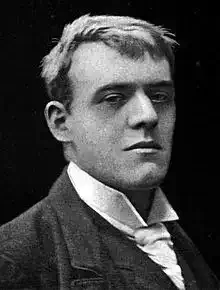
Hilaire Belloc
The Birds
When Jesus Christ was four years old
The angels brought Him toys of gold,
Which no man ever had bought or sold.
And yet with these He would not play.
He made Him small fowl out of clay,
And blessed them till they flew away:
Tu creasti Domine
Jesus Christ, Thou child so wise,
Bless mine hands and fill mine eyes,
And bring my soul to Paradise.
Read more →
The angels brought Him toys of gold,
Which no man ever had bought or sold.
And yet with these He would not play.
He made Him small fowl out of clay,
And blessed them till they flew away:
Tu creasti Domine
Jesus Christ, Thou child so wise,
Bless mine hands and fill mine eyes,
And bring my soul to Paradise.
457

Rudyard Kipling
Hymn to Physical Pain
Dread Mother of Forgetfulness
Who, when Thy reign begins,
Wipest away the Soul's distress,
And memory of her sins.
The trusty Worm that dieth not--
The steadfast Fire also,
By Thy contrivance are forgot
In a completer woe.
Thine are the lidless eyes of night
That stare upon our tears,
Through certain hours which in our sight
Exceed a thousand years:
Thine is the thickness of the Dark
That presses in our pain,
As Thine the Dawn that bids us mark
Life's grinning face again.
Thine is the weariness outworn
No promise shall relieve,
That says at eve, "Would God 'twere morn"
At morn, "Would God 'twere eve!"
And when Thy tender mercies cease
And life unvexed is due,
Instant upon the false release
The Worm and Fire renew.
Wherefore we praise Thee in the deep,
And on our beds we pray
For Thy return that Thou may'st keep
The Pains of Hell at bay!
Read more →
Who, when Thy reign begins,
Wipest away the Soul's distress,
And memory of her sins.
The trusty Worm that dieth not--
The steadfast Fire also,
By Thy contrivance are forgot
In a completer woe.
Thine are the lidless eyes of night
That stare upon our tears,
Through certain hours which in our sight
Exceed a thousand years:
Thine is the thickness of the Dark
That presses in our pain,
As Thine the Dawn that bids us mark
Life's grinning face again.
Thine is the weariness outworn
No promise shall relieve,
That says at eve, "Would God 'twere morn"
At morn, "Would God 'twere eve!"
And when Thy tender mercies cease
And life unvexed is due,
Instant upon the false release
The Worm and Fire renew.
Wherefore we praise Thee in the deep,
And on our beds we pray
For Thy return that Thou may'st keep
The Pains of Hell at bay!
455
Rudyard Kipling
To Wolcott Balestier
Beyond the path of the outmost sun through utter darkness hurled --
Further than ever comet flared or vagrant star-dust swirled --
Live such as fought and sailed and ruled and loved and made our world.
They are purged of pride because they died, they know the worth of their bays,
They sit at wine with the Maidens Nine and the Gods of the Elder Days,
It is their will to serve or be still as fitteth our Father's praise.
'Tis theirs to sweep through the ringing deep where Azrael's outposts are,
Or buffet a path through the Pit's red wrath when God goes out to war,
Or hang with the reckless Seraphim on the rein of a red-maned star.
They take their mirth in the joy of the Earth --
they dare not grieve for her pain --
They know of toil and the end of toil, they know God's law is plain,
So they whistle the Devil to make them sport who know that Sin is vain.
And ofttimes cometh our wise Lord God, master of every trade,
And tells them tales of His daily toil, of Edens newly made;
And they rise to their feet as He passes by, gentlemen unafraid.
To these who are cleansed of base Desire, Sorrow and Lust and Shame --
Gods for they knew the hearts of men, men for they stooped to Fame,
Borne on the breath that men call Death, my brother's spirit came.
He scarce had need to doff his pride or slough the dross of Earth --
E'en as he trod that day to God so walked he from his birth,
In simpleness and gentleness and honour and clean mirth.
So cup to lip in fellowship they gave him welcome high
And made him place at the banquet board -- the Strong Men ranged thereby,
Who had done his work and held his peace and had no fear to die.
Beyond the loom of the last lone star, through open darkness hurled,
Further than rebel comet dared or hiving star-swarm swirled,
Sits he with those that praise our God for that they served His world.
Read more →
Further than ever comet flared or vagrant star-dust swirled --
Live such as fought and sailed and ruled and loved and made our world.
They are purged of pride because they died, they know the worth of their bays,
They sit at wine with the Maidens Nine and the Gods of the Elder Days,
It is their will to serve or be still as fitteth our Father's praise.
'Tis theirs to sweep through the ringing deep where Azrael's outposts are,
Or buffet a path through the Pit's red wrath when God goes out to war,
Or hang with the reckless Seraphim on the rein of a red-maned star.
They take their mirth in the joy of the Earth --
they dare not grieve for her pain --
They know of toil and the end of toil, they know God's law is plain,
So they whistle the Devil to make them sport who know that Sin is vain.
And ofttimes cometh our wise Lord God, master of every trade,
And tells them tales of His daily toil, of Edens newly made;
And they rise to their feet as He passes by, gentlemen unafraid.
To these who are cleansed of base Desire, Sorrow and Lust and Shame --
Gods for they knew the hearts of men, men for they stooped to Fame,
Borne on the breath that men call Death, my brother's spirit came.
He scarce had need to doff his pride or slough the dross of Earth --
E'en as he trod that day to God so walked he from his birth,
In simpleness and gentleness and honour and clean mirth.
So cup to lip in fellowship they gave him welcome high
And made him place at the banquet board -- the Strong Men ranged thereby,
Who had done his work and held his peace and had no fear to die.
Beyond the loom of the last lone star, through open darkness hurled,
Further than rebel comet dared or hiving star-swarm swirled,
Sits he with those that praise our God for that they served His world.
456
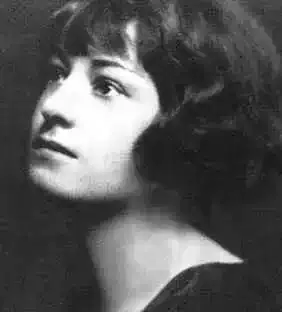
Dorothy Parker
Somebody's Song
This is what I vow;
He shall have my heart to keep,
Sweetly will we stir and sleep,
All the years, as now.
Swift the measured sands may run;
Love like this is never done;
He and I are welded one:
This is what I vow.
This is what I pray:
Keep him by me tenderly;
Keep him sweet in pride of me,
Ever and a day;
Keep me from the old distress;
Let me, for our happiness,
Be the one to love the less:
This is what I pray.
This is what I know:
Lovers' oaths are thin as rain;
Love's a harbinger of pain
Would it were not so!
Ever is my heart a-thirst,
Ever is my love accurst;
He is neither last nor first:
This is what I know.
Read more →
He shall have my heart to keep,
Sweetly will we stir and sleep,
All the years, as now.
Swift the measured sands may run;
Love like this is never done;
He and I are welded one:
This is what I vow.
This is what I pray:
Keep him by me tenderly;
Keep him sweet in pride of me,
Ever and a day;
Keep me from the old distress;
Let me, for our happiness,
Be the one to love the less:
This is what I pray.
This is what I know:
Lovers' oaths are thin as rain;
Love's a harbinger of pain
Would it were not so!
Ever is my heart a-thirst,
Ever is my love accurst;
He is neither last nor first:
This is what I know.
456

Claude Mckay
Baptism
Into the furnace let me go alone;
Stay you without in terror of the heat.
I will go naked in--for thus ''tis sweet--
Into the weird depths of the hottest zone.
I will not quiver in the frailest bone,
You will not note a flicker of defeat;
My heart shall tremble not its fate to meet,
My mouth give utterance to any moan.
The yawning oven spits forth fiery spears;
Red aspish tongues shout wordlessly my name.
Desire destroys, consumes my mortal fears,
Transforming me into a shape of flame.
I will come out, back to your world of tears,
A stronger soul within a finer frame.
Read more →
Stay you without in terror of the heat.
I will go naked in--for thus ''tis sweet--
Into the weird depths of the hottest zone.
I will not quiver in the frailest bone,
You will not note a flicker of defeat;
My heart shall tremble not its fate to meet,
My mouth give utterance to any moan.
The yawning oven spits forth fiery spears;
Red aspish tongues shout wordlessly my name.
Desire destroys, consumes my mortal fears,
Transforming me into a shape of flame.
I will come out, back to your world of tears,
A stronger soul within a finer frame.
455

William Butler Yeats
The Wanderings of Oisin: Book III
Fled foam underneath us, and round us, a wandering and milky smoke,
High as the Saddle-girth, covering away from our glances the tide;
And those that fled, and that followed, from the foam-pale distance broke;
The immortal desire of Immortals we saw in their faces, and sighed.
I mused on the chase with the Fenians, and Bran, Sceolan, Lomair,
And never a song sang Niamh, and over my finger-tips
Came now the sliding of tears and sweeping of mist-cold hair,
And now the warmth of sighs, and after the quiver of lips.
Were we days long or hours long in riding, when, rolled in a grisly peace,
An isle lay level before us, with dripping hazel and oak?
And we stood on a sea's edge we saw not; for whiter than new-washed fleece
Fled foam underneath us, and round us, a wandering and milky smoke.
And we rode on the plains of the sea's edge; the sea's edge barren and grey,
Grey sand on the green of the grasses and over the dripping trees,
Dripping and doubling landward, as though they would hasten away,
Like an army of old men longing for rest from the moan of the seas.
But the trees grew taller and closer, immense in their wrinkling bark;
Dropping; a murmurous dropping; old silence and that one sound;
For no live creatures lived there, no weasels moved in the dark:
Long sighs arose in our spirits, beneath us bubbled the ground.
And the ears of the horse went sinking away in the hollow night,
For, as drift from a sailor slow drowning the gleams of the world and the sun,
Ceased on our hands and our faces, on hazel and oak leaf, the light,
And the stars were blotted above us, and the whole of the world was one.
Till the horse gave a whinny; for, cumbrous with stems of the hazel and oak,
A valley flowed down from his hoofs, and there in the long grass lay,
Under the starlight and shadow, a monstrous slumbering folk,
Their naked and gleaming bodies poured out and heaped in the way.
And by them were arrow and war-axe, arrow and shield and blade;
And dew-blanched horns, in whose hollow a child of three years old
Could sleep on a couch of rushes, and all inwrought and inlaid,
And more comely than man can make them with bronze and silver and gold.
And each of the huge white creatures was huger than fourscore men;
The tops of their ears were feathered, their hands were the claws of birds,
And, shaking the plumes of the grasses and the leaves of the mural glen,
The breathing came from those bodies, long warless, grown whiter than curds.
The wood was so Spacious above them, that He who has stars for His flocks
Could fondle the leaves with His fingers, nor go from His dew-cumbered skies;
So long were they sleeping, the owls had builded their nests in their locks,
Filling the fibrous dimness with long generations of eyes.
And over the limbs and the valley the slow owls wandered and came,
Now in a place of star-fire, and now in a shadow-place wide;
And the chief of the huge white creatures, his knees in the soft star-flame,
Lay loose in a place of shadow: we drew the reins by his side.
Golden the nails of his bird-clawS, flung loosely along the dim ground;
In one was a branch soft-shining with bells more many than sighs
In midst of an old man's bosom; owls ruffling and pacing around
Sidled their bodies against him, filling the shade with their eyes.
And my gaze was thronged with the sleepers; no, not since the world began,
In realms where the handsome were many, nor in glamours by demons flung,
Have faces alive with such beauty been known to the salt eye of man,
Yet weary with passions that faded when the sevenfold seas were young.
And I gazed on the bell-branch, sleep's forebear, far sung by the Sennachies.
I saw how those slumbererS, grown weary, there camping in grasses deep,
Of wars with the wide world and pacing the shores of the wandering seas,
Laid hands on the bell-branch and swayed it, and fed of unhuman sleep.
Snatching the horn of Niamh, I blew a long lingering note.
Came sound from those monstrous sleepers, a sound like the stirring of flies.
He, shaking the fold of his lips, and heaving the pillar of his throat,
Watched me with mournful wonder out of the wells of his eyes.
I cried, 'Come out of the shadow, king of the nails of gold!
And tell of your goodly household and the goodly works of your hands,
That we may muse in the starlight and talk of the battles of old;
Your questioner, Oisin, is worthy, he comes from the Fenian lands.'
Half open his eyes were, and held me, dull with the smoke of their dreams;
His lips moved slowly in answer, no answer out of them came;
Then he swayed in his fingers the bell-branch, slow dropping a sound in faint streams
Softer than snow-flakes in April and piercing the marrow like flame.
Wrapt in the wave of that music, with weariness more than of earth,
The moil of my centuries filled me; and gone like a sea-covered stone
Were the memories of the whole of my sorrow and the memories of the whole of my
mirth,
And a softness came from the starlight and filled me full to the bone.
In the roots of the grasses, the sorrels, I laid my body as low;
And the pearl-pale Niamh lay by me, her brow on the midst of my breast;
And the horse was gone in the distance, and years after years 'gan flow;
Square leaves of the ivy moved over us, binding us down to our rest.
And, man of the many white croziers, a century there I forgot
How the fetlocks drip blocd in the battle, when the fallen on fallen lie rolled;
How the falconer follows the falcon in the weeds of the heron's plot,
And the name of the demon whose hammer made Conchubar's sword-blade of old.
And, man of the many white croziers, a century there I forgot
That the spear-shaft is made out of ashwood, the shield out of osier and hide;
How the hammers spring on the anvil, on the spearhead's burning spot;
How the slow, blue-eyed oxen of Finn low sadly at evening tide.
But in dreams, mild man of the croziers, driving the dust with their throngs,
Moved round me, of seamen or landsmen, all who are winter tales;
Came by me the kings of the Red Branch, with roaring of laughter and songs,
Or moved as they moved once, love-making or piercing the tempest with sails.
Came Blanid, Mac Nessa, tall Fergus who feastward of old time slunk,
Cook Barach, the traitor; and warward, the spittle on his beard never dry,
Dark Balor, as old as a forest, car-borne, his mighty head sunk
Helpless, men lifting the lids of his weary and death making eye.
And by me, in soft red raiment, the Fenians moved in loud streams,
And Grania, walking and smiling, sewed with her needle of bone.
So lived I and lived not, so wrought I and wrought not, with creatures of dreams,
In a long iron sleep, as a fish in the water goes dumb as a stone.
At times our slumber was lightened. When the sun was on silver or gold;
When brushed with the wings of the owls, in the dimness they love going by;
When a glow-worm was green on a grass-leaf, lured from his lair in the mould;
Half wakening, we lifted our eyelids, and gazed on the grass with a sigh.
So watched I when, man of the croziers, at the heel of a century fell,
Weak, in the midst of the meadow, from his miles in the midst of the air,
A starling like them that forgathered 'neath a moon waking white as a shell
When the Fenians made foray at morning with Bran, Sceolan, Lomair.
I awoke: the strange horse without summons out of the distance ran,
Thrusting his nose to my shoulder; he knew in his bosom deep
That once more moved in my bosom the ancient sadness of man,
And that I would leave the Immortals, their dimness, their dews dropping sleep.
O, had you seen beautiful Niamh grow white as the waters are white,
Lord of the croziers, you even had lifted your hands and wept:
But, the bird in my fingers, I mounted, remembering alone that delight
Of twilight and slumber were gone, and that hoofs impatiently stept.
I died, 'O Niamh! O white one! if only a twelve-houred day,
I must gaze on the beard of Finn, and move where the old men and young
In the Fenians' dwellings of wattle lean on the chessboards and play,
Ah, sweet to me now were even bald Conan's slanderous tongue!
'Like me were some galley forsaken far off in Meridian isle,
Remembering its long-oared companions, sails turning to threadbare rags;
No more to crawl on the seas with long oars mile after mile,
But to be amid shooting of flies and flowering of rushes and flags.'
Their motionless eyeballs of spirits grown mild with mysterious thought,
Watched her those seamless faces from the valley's glimmering girth;
As she murmured, 'O wandering Oisin, the strength of the bell-branch is naught,
For there moves alive in your fingers the fluttering sadness of earth.
'Then go through the lands in the saddle and see what the mortals do,
And softly come to your Niamh over the tops of the tide;
But weep for your Niamh, O Oisin, weep; for if only your shoe
Brush lightly as haymouse earth's pebbles, you will come no more to my side.
'O flaming lion of the world, O when will you turn to your rest?'
I saw from a distant saddle; from the earth she made her moan:
'I would die like a small withered leaf in the autumn, for breast unto breast
We shall mingle no more, nor our gazes empty their sweetness lone
'In the isles of the farthest seas where only the spirits come.
Were the winds less soft than the breath of a pigeon who sleeps on her nest,
Nor lost in the star-fires and odours the sound of the sea's vague drum?
O flaming lion of the world, O when will you turn to your rest?'
The wailing grew distant; I rode by the woods of the wrinkling bark,
Where ever is murmurous dropping, old silence and that one sound;
For no live creatures live there, no weasels move in the dark:
In a reverie forgetful of all things, over the bubbling' ground.
And I rode by the plains of the sea's edge, where all is barren and grey,
Grey sand on the green of the grasses and over the dripping trees,
Dripping and doubling landward, as though they would hasten away',
Like an army of old men longing for rest from the moan of the seas.
And the winds made the sands on the sea's edge turning and turning go,
As my mind made the names of the Fenians. Far from the hazel and oak,
I rode away on the surges, where, high aS the saddle-bow,
Fled foam underneath me, and round me, a wandering and milky smoke.
Long fled the foam-flakes around me, the winds fled out of the vast,
Snatching the bird in secret; nor knew I, embosomed apart,
When they froze the cloth on my body like armour riveted fast,
For Remembrance, lifting her leanness, keened in the gates of my heart.
Till, fattening the winds of the morning, an odour of new-mown hay
Came, and my forehead fell low, and my tears like berries fell down;
Later a sound came, half lost in the sound of a shore far away,
From the great grass-barnacle calling, and later the shore-weeds brown.
If I were as I once was, the strong hoofs crushing the sand and the shells,
Coming out of the sea as the dawn comes, a chaunt of love on my lips,
Not coughing, my head on my knees, and praying, and wroth with the bells,
I would leave no saint's head on his body from Rachlin to Bera of ships.
Making way from the kindling surges, I rode on a bridle-path
Much wondering to see upon all hands, of wattles and woodwork made,
Your bell-mounted churches, and guardless the sacred cairn and the mth,
And a small and a feeble populace stooping with mattock and spade,
Or weeding or ploughing with faces a-shining with much-toil wet;
While in this place and that place, with bodies unglorious, their chieftains stood,
Awaiting in patience the straw-death, croziered one, caught in your net:
Went the laughter of scorn from my mouth like the roaring of wind in a wood.
And before I went by them so huge and so speedy with eyes so bright,
Came after the hard gaze of youth, or an old man lifted his head:
And I rode and I rode, and I cried out, 'The Fenians hunt wolves in the night,
So sleep thee by daytime.' A voice cried, 'The Fenians a long time are dead.'
A whitebeard stood hushed on the pathway, the flesh of his face as dried grass,
And in folds round his eyes and his mouth, he sad as a child without milk-
And the dreams of the islands were gone, and I knew how men sorrow and pass,
And their hound, and their horse, and their love, and their eyes that glimmer like silk.
And wrapping my face in my hair, I murmured, 'In old age they ceased';
And my tears were larger than berries, and I murmured, 'Where white clouds lie spread
On Crevroe or broad Knockfefin, with many of old they feast
On the floors of the gods.' He cried, 'No, the gods a long time are dead.'
And lonely and longing for Niamh, I shivered and turned me about,
The heart in me longing to leap like a grasshopper into her heart;
I turned and rode to the westward, and followed the sea's old shout
Till I saw where Maeve lies sleeping till starlight and midnight part.
And there at the foot of the mountain, two carried a sack full of sand,
They bore it with staggering and sweating, but fell with their burden at length.
Leaning down from the gem-studded saddle, I flung it five yards with my hand,
With a sob for men waxing so weakly, a sob for the Fenians' old strength.
The rest you have heard of, O croziered man; how, when divided the girth,
I fell on the path, and the horse went away like a summer fly;
And my years three hundred fell on me, and I rose, and walked on the earth,
A creeping old man, full of sleep, with the spittle on his beard never dry'.
How the men of the sand-sack showed me a church with its belfry in air;
Sorry place, where for swing of the war-axe in my dim eyes the crozier gleams;
What place have Caoilte and Conan, and Bran, Sceolan, Lomair?
Speak, you too are old with your memories, an old man surrounded with dreams.
S. Patrick. Where the flesh of the footsole clingeth on the burning stones is their place;
Where the demons whip them with wires on the burning stones of wide Hell,
Watching the blessed ones move far off, and the smile on God's face,
Between them a gateway of brass, and the howl of the angels who fell.
Oisin. Put the staff in my hands; for I go to the Fenians, O cleric, to chaunt
The war-songs that roused them of old; they will rise, making clouds with their Breath,
Innumerable, singing, exultant; the clay underneath them shall pant,
And demons be broken in pieces, and trampled beneath them in death.
And demons afraid in their darkness; deep horror of eyes and of wings,
Afraid, their ears on the earth laid, shall listen and rise up and weep;
Hearing the shaking of shields and the quiver of stretched bowstrings,
Hearing Hell loud with a murmur, as shouting and mocking we sweep.
We will tear out the flaming stones, and batter the gateway of brass
And enter, and none sayeth 'No' when there enters the strongly armed guest;
Make clean as a broom cleans, and march on as oxen move over young grass;
Then feast, making converse of wars, and of old wounds, and turn to our rest.
S. Patrick. On the flaming stones, without refuge, the limbs of the Fenians are tost;
None war on the masters of Hell, who could break up the world in their rage;
But kneel and wear out the flags and pray for your soul that is lost
Through the demon love of its youth and its godless and passionate age.
Oisin. Ah me! to be Shaken with coughing and broken with old age and pain,
Without laughter, a show unto children, alone with remembrance and fear;
All emptied of purple hours as a beggar's cloak in the rain,
As a hay-cock out on the flood, or a wolf sucked under a weir.
It were sad to gaze on the blessed and no man I loved of old there;
I throw down the chain of small stones! when life in my body has ceased,
I will go to Caoilte, and Conan, and Bran, Sceolan, Lomair,
And dwell in the house of the Fenians, be they in flames or at feast.
Read more →
High as the Saddle-girth, covering away from our glances the tide;
And those that fled, and that followed, from the foam-pale distance broke;
The immortal desire of Immortals we saw in their faces, and sighed.
I mused on the chase with the Fenians, and Bran, Sceolan, Lomair,
And never a song sang Niamh, and over my finger-tips
Came now the sliding of tears and sweeping of mist-cold hair,
And now the warmth of sighs, and after the quiver of lips.
Were we days long or hours long in riding, when, rolled in a grisly peace,
An isle lay level before us, with dripping hazel and oak?
And we stood on a sea's edge we saw not; for whiter than new-washed fleece
Fled foam underneath us, and round us, a wandering and milky smoke.
And we rode on the plains of the sea's edge; the sea's edge barren and grey,
Grey sand on the green of the grasses and over the dripping trees,
Dripping and doubling landward, as though they would hasten away,
Like an army of old men longing for rest from the moan of the seas.
But the trees grew taller and closer, immense in their wrinkling bark;
Dropping; a murmurous dropping; old silence and that one sound;
For no live creatures lived there, no weasels moved in the dark:
Long sighs arose in our spirits, beneath us bubbled the ground.
And the ears of the horse went sinking away in the hollow night,
For, as drift from a sailor slow drowning the gleams of the world and the sun,
Ceased on our hands and our faces, on hazel and oak leaf, the light,
And the stars were blotted above us, and the whole of the world was one.
Till the horse gave a whinny; for, cumbrous with stems of the hazel and oak,
A valley flowed down from his hoofs, and there in the long grass lay,
Under the starlight and shadow, a monstrous slumbering folk,
Their naked and gleaming bodies poured out and heaped in the way.
And by them were arrow and war-axe, arrow and shield and blade;
And dew-blanched horns, in whose hollow a child of three years old
Could sleep on a couch of rushes, and all inwrought and inlaid,
And more comely than man can make them with bronze and silver and gold.
And each of the huge white creatures was huger than fourscore men;
The tops of their ears were feathered, their hands were the claws of birds,
And, shaking the plumes of the grasses and the leaves of the mural glen,
The breathing came from those bodies, long warless, grown whiter than curds.
The wood was so Spacious above them, that He who has stars for His flocks
Could fondle the leaves with His fingers, nor go from His dew-cumbered skies;
So long were they sleeping, the owls had builded their nests in their locks,
Filling the fibrous dimness with long generations of eyes.
And over the limbs and the valley the slow owls wandered and came,
Now in a place of star-fire, and now in a shadow-place wide;
And the chief of the huge white creatures, his knees in the soft star-flame,
Lay loose in a place of shadow: we drew the reins by his side.
Golden the nails of his bird-clawS, flung loosely along the dim ground;
In one was a branch soft-shining with bells more many than sighs
In midst of an old man's bosom; owls ruffling and pacing around
Sidled their bodies against him, filling the shade with their eyes.
And my gaze was thronged with the sleepers; no, not since the world began,
In realms where the handsome were many, nor in glamours by demons flung,
Have faces alive with such beauty been known to the salt eye of man,
Yet weary with passions that faded when the sevenfold seas were young.
And I gazed on the bell-branch, sleep's forebear, far sung by the Sennachies.
I saw how those slumbererS, grown weary, there camping in grasses deep,
Of wars with the wide world and pacing the shores of the wandering seas,
Laid hands on the bell-branch and swayed it, and fed of unhuman sleep.
Snatching the horn of Niamh, I blew a long lingering note.
Came sound from those monstrous sleepers, a sound like the stirring of flies.
He, shaking the fold of his lips, and heaving the pillar of his throat,
Watched me with mournful wonder out of the wells of his eyes.
I cried, 'Come out of the shadow, king of the nails of gold!
And tell of your goodly household and the goodly works of your hands,
That we may muse in the starlight and talk of the battles of old;
Your questioner, Oisin, is worthy, he comes from the Fenian lands.'
Half open his eyes were, and held me, dull with the smoke of their dreams;
His lips moved slowly in answer, no answer out of them came;
Then he swayed in his fingers the bell-branch, slow dropping a sound in faint streams
Softer than snow-flakes in April and piercing the marrow like flame.
Wrapt in the wave of that music, with weariness more than of earth,
The moil of my centuries filled me; and gone like a sea-covered stone
Were the memories of the whole of my sorrow and the memories of the whole of my
mirth,
And a softness came from the starlight and filled me full to the bone.
In the roots of the grasses, the sorrels, I laid my body as low;
And the pearl-pale Niamh lay by me, her brow on the midst of my breast;
And the horse was gone in the distance, and years after years 'gan flow;
Square leaves of the ivy moved over us, binding us down to our rest.
And, man of the many white croziers, a century there I forgot
How the fetlocks drip blocd in the battle, when the fallen on fallen lie rolled;
How the falconer follows the falcon in the weeds of the heron's plot,
And the name of the demon whose hammer made Conchubar's sword-blade of old.
And, man of the many white croziers, a century there I forgot
That the spear-shaft is made out of ashwood, the shield out of osier and hide;
How the hammers spring on the anvil, on the spearhead's burning spot;
How the slow, blue-eyed oxen of Finn low sadly at evening tide.
But in dreams, mild man of the croziers, driving the dust with their throngs,
Moved round me, of seamen or landsmen, all who are winter tales;
Came by me the kings of the Red Branch, with roaring of laughter and songs,
Or moved as they moved once, love-making or piercing the tempest with sails.
Came Blanid, Mac Nessa, tall Fergus who feastward of old time slunk,
Cook Barach, the traitor; and warward, the spittle on his beard never dry,
Dark Balor, as old as a forest, car-borne, his mighty head sunk
Helpless, men lifting the lids of his weary and death making eye.
And by me, in soft red raiment, the Fenians moved in loud streams,
And Grania, walking and smiling, sewed with her needle of bone.
So lived I and lived not, so wrought I and wrought not, with creatures of dreams,
In a long iron sleep, as a fish in the water goes dumb as a stone.
At times our slumber was lightened. When the sun was on silver or gold;
When brushed with the wings of the owls, in the dimness they love going by;
When a glow-worm was green on a grass-leaf, lured from his lair in the mould;
Half wakening, we lifted our eyelids, and gazed on the grass with a sigh.
So watched I when, man of the croziers, at the heel of a century fell,
Weak, in the midst of the meadow, from his miles in the midst of the air,
A starling like them that forgathered 'neath a moon waking white as a shell
When the Fenians made foray at morning with Bran, Sceolan, Lomair.
I awoke: the strange horse without summons out of the distance ran,
Thrusting his nose to my shoulder; he knew in his bosom deep
That once more moved in my bosom the ancient sadness of man,
And that I would leave the Immortals, their dimness, their dews dropping sleep.
O, had you seen beautiful Niamh grow white as the waters are white,
Lord of the croziers, you even had lifted your hands and wept:
But, the bird in my fingers, I mounted, remembering alone that delight
Of twilight and slumber were gone, and that hoofs impatiently stept.
I died, 'O Niamh! O white one! if only a twelve-houred day,
I must gaze on the beard of Finn, and move where the old men and young
In the Fenians' dwellings of wattle lean on the chessboards and play,
Ah, sweet to me now were even bald Conan's slanderous tongue!
'Like me were some galley forsaken far off in Meridian isle,
Remembering its long-oared companions, sails turning to threadbare rags;
No more to crawl on the seas with long oars mile after mile,
But to be amid shooting of flies and flowering of rushes and flags.'
Their motionless eyeballs of spirits grown mild with mysterious thought,
Watched her those seamless faces from the valley's glimmering girth;
As she murmured, 'O wandering Oisin, the strength of the bell-branch is naught,
For there moves alive in your fingers the fluttering sadness of earth.
'Then go through the lands in the saddle and see what the mortals do,
And softly come to your Niamh over the tops of the tide;
But weep for your Niamh, O Oisin, weep; for if only your shoe
Brush lightly as haymouse earth's pebbles, you will come no more to my side.
'O flaming lion of the world, O when will you turn to your rest?'
I saw from a distant saddle; from the earth she made her moan:
'I would die like a small withered leaf in the autumn, for breast unto breast
We shall mingle no more, nor our gazes empty their sweetness lone
'In the isles of the farthest seas where only the spirits come.
Were the winds less soft than the breath of a pigeon who sleeps on her nest,
Nor lost in the star-fires and odours the sound of the sea's vague drum?
O flaming lion of the world, O when will you turn to your rest?'
The wailing grew distant; I rode by the woods of the wrinkling bark,
Where ever is murmurous dropping, old silence and that one sound;
For no live creatures live there, no weasels move in the dark:
In a reverie forgetful of all things, over the bubbling' ground.
And I rode by the plains of the sea's edge, where all is barren and grey,
Grey sand on the green of the grasses and over the dripping trees,
Dripping and doubling landward, as though they would hasten away',
Like an army of old men longing for rest from the moan of the seas.
And the winds made the sands on the sea's edge turning and turning go,
As my mind made the names of the Fenians. Far from the hazel and oak,
I rode away on the surges, where, high aS the saddle-bow,
Fled foam underneath me, and round me, a wandering and milky smoke.
Long fled the foam-flakes around me, the winds fled out of the vast,
Snatching the bird in secret; nor knew I, embosomed apart,
When they froze the cloth on my body like armour riveted fast,
For Remembrance, lifting her leanness, keened in the gates of my heart.
Till, fattening the winds of the morning, an odour of new-mown hay
Came, and my forehead fell low, and my tears like berries fell down;
Later a sound came, half lost in the sound of a shore far away,
From the great grass-barnacle calling, and later the shore-weeds brown.
If I were as I once was, the strong hoofs crushing the sand and the shells,
Coming out of the sea as the dawn comes, a chaunt of love on my lips,
Not coughing, my head on my knees, and praying, and wroth with the bells,
I would leave no saint's head on his body from Rachlin to Bera of ships.
Making way from the kindling surges, I rode on a bridle-path
Much wondering to see upon all hands, of wattles and woodwork made,
Your bell-mounted churches, and guardless the sacred cairn and the mth,
And a small and a feeble populace stooping with mattock and spade,
Or weeding or ploughing with faces a-shining with much-toil wet;
While in this place and that place, with bodies unglorious, their chieftains stood,
Awaiting in patience the straw-death, croziered one, caught in your net:
Went the laughter of scorn from my mouth like the roaring of wind in a wood.
And before I went by them so huge and so speedy with eyes so bright,
Came after the hard gaze of youth, or an old man lifted his head:
And I rode and I rode, and I cried out, 'The Fenians hunt wolves in the night,
So sleep thee by daytime.' A voice cried, 'The Fenians a long time are dead.'
A whitebeard stood hushed on the pathway, the flesh of his face as dried grass,
And in folds round his eyes and his mouth, he sad as a child without milk-
And the dreams of the islands were gone, and I knew how men sorrow and pass,
And their hound, and their horse, and their love, and their eyes that glimmer like silk.
And wrapping my face in my hair, I murmured, 'In old age they ceased';
And my tears were larger than berries, and I murmured, 'Where white clouds lie spread
On Crevroe or broad Knockfefin, with many of old they feast
On the floors of the gods.' He cried, 'No, the gods a long time are dead.'
And lonely and longing for Niamh, I shivered and turned me about,
The heart in me longing to leap like a grasshopper into her heart;
I turned and rode to the westward, and followed the sea's old shout
Till I saw where Maeve lies sleeping till starlight and midnight part.
And there at the foot of the mountain, two carried a sack full of sand,
They bore it with staggering and sweating, but fell with their burden at length.
Leaning down from the gem-studded saddle, I flung it five yards with my hand,
With a sob for men waxing so weakly, a sob for the Fenians' old strength.
The rest you have heard of, O croziered man; how, when divided the girth,
I fell on the path, and the horse went away like a summer fly;
And my years three hundred fell on me, and I rose, and walked on the earth,
A creeping old man, full of sleep, with the spittle on his beard never dry'.
How the men of the sand-sack showed me a church with its belfry in air;
Sorry place, where for swing of the war-axe in my dim eyes the crozier gleams;
What place have Caoilte and Conan, and Bran, Sceolan, Lomair?
Speak, you too are old with your memories, an old man surrounded with dreams.
S. Patrick. Where the flesh of the footsole clingeth on the burning stones is their place;
Where the demons whip them with wires on the burning stones of wide Hell,
Watching the blessed ones move far off, and the smile on God's face,
Between them a gateway of brass, and the howl of the angels who fell.
Oisin. Put the staff in my hands; for I go to the Fenians, O cleric, to chaunt
The war-songs that roused them of old; they will rise, making clouds with their Breath,
Innumerable, singing, exultant; the clay underneath them shall pant,
And demons be broken in pieces, and trampled beneath them in death.
And demons afraid in their darkness; deep horror of eyes and of wings,
Afraid, their ears on the earth laid, shall listen and rise up and weep;
Hearing the shaking of shields and the quiver of stretched bowstrings,
Hearing Hell loud with a murmur, as shouting and mocking we sweep.
We will tear out the flaming stones, and batter the gateway of brass
And enter, and none sayeth 'No' when there enters the strongly armed guest;
Make clean as a broom cleans, and march on as oxen move over young grass;
Then feast, making converse of wars, and of old wounds, and turn to our rest.
S. Patrick. On the flaming stones, without refuge, the limbs of the Fenians are tost;
None war on the masters of Hell, who could break up the world in their rage;
But kneel and wear out the flags and pray for your soul that is lost
Through the demon love of its youth and its godless and passionate age.
Oisin. Ah me! to be Shaken with coughing and broken with old age and pain,
Without laughter, a show unto children, alone with remembrance and fear;
All emptied of purple hours as a beggar's cloak in the rain,
As a hay-cock out on the flood, or a wolf sucked under a weir.
It were sad to gaze on the blessed and no man I loved of old there;
I throw down the chain of small stones! when life in my body has ceased,
I will go to Caoilte, and Conan, and Bran, Sceolan, Lomair,
And dwell in the house of the Fenians, be they in flames or at feast.
459
William Butler Yeats
In Memory of Major Robert Gregory
Now that we're almost settled in our house
I'll name the friends that cannot sup with us
Beside a fire of turf in th' ancient tower,
And having talked to some late hour
Climb up the narrow winding stairs to bed:
Discoverers of forgotten truth
Or mere companions of my youth,
All, all are in my thoughts to-night being dead.
Always we'd have the new friend meet the old
And we are hurt if either friend seem cold,
And there is salt to lengthen out the smart
In the affections of our heart,
And quarrels are blown up upon that head;
But not a friend that I would bring
This night can set us quarrelling,
For all that come into my mind are dead.
Lionel Johnson comes the first to mind,
That loved his learning better than mankind.
Though courteous to the worst; much falling he
Brooded upon sanctity
Till all his Greek and Latin learning seemed
A long blast upon the horn that brought
A little nearer to his thought
A measureless consummation that he dreamed.
And that enquiring man John Synge comes next,
That dying chose the living world for text
And never could have rested in the tomb
But that, long travelling, he had come
Towards nightfall upon certain set apart
In a most desolate stony place,
Towards nightfall upon a race
Passionate and simple like his heart.
And then I think of old George Pollexfen,
In muscular youth well known to Mayo men
For horsemanship at meets or at racecourses,
That could have shown how pure-bred horses
And solid men, for all their passion, live
But as the outrageous stars incline
By opposition, square and trine;
Having grown sluggish and contemplative.
They were my close companions many a year.
A portion of my mind and life, as it were,
And now their breathless faces seem to look
Out of some old picture-book;
I am accustomed to their lack of breath,
But not that my dear friend's dear son,
Our Sidney and our perfect man,
Could share in that discourtesy of death.
For all things the delighted eye now sees
Were loved by him: the old storm-broken trees
That cast their shadows upon road and bridge;
The tower set on the stream's edge;
The ford where drinking cattle make a stir
Nightly, and startled by that sound
The water-hen must change her ground;
He might have been your heartiest welcomer.
When with the Galway foxhounds he would ride
From Castle Taylor to the Roxborough side
Or Esserkelly plain, few kept his pace;
At Mooneen he had leaped a place
So perilous that half the astonished meet
Had shut their eyes; and where was it
He rode a race without a bit?
And yet his mind outran the horses' feet.
We dreamed that a great painter had been born
To cold Clare rock and Galway rock and thorn,
To that stern colour and that delicate line
That are our secret discipline
Wherein the gazing heart doubles her might.
Soldier, scholar, horseman, he,
And yet he had the intensity
To have published all to be a world's delight.
What other could so well have counselled us
In all lovely intricacies of a house
As he that practised or that understood
All work in metal or in wood,
In moulded plaster or in carven stone?
Soldier, scholar, horseman, he,
And all he did done perfectly
As though he had but that one trade alone.
Some burn damp faggots, others may consume
The entire combustible world in one small room
As though dried straw, and if we turn about
The bare chimney is gone black out
Because the work had finished in that flare.
Soldier, scholar, horseman, he,
As 'twere all life's epitome.
What made us dream that he could comb grey hair?
I had thought, seeing how bitter is that wind
That shakes the shutter, to have brought to mind
All those that manhood tried, or childhood loved
Or boyish intellect approved,
With some appropriatc commentary on each;
Until imagination brought
A fitter welcome; but a thought
Of that late death took all my heart for speech.
Read more →
I'll name the friends that cannot sup with us
Beside a fire of turf in th' ancient tower,
And having talked to some late hour
Climb up the narrow winding stairs to bed:
Discoverers of forgotten truth
Or mere companions of my youth,
All, all are in my thoughts to-night being dead.
Always we'd have the new friend meet the old
And we are hurt if either friend seem cold,
And there is salt to lengthen out the smart
In the affections of our heart,
And quarrels are blown up upon that head;
But not a friend that I would bring
This night can set us quarrelling,
For all that come into my mind are dead.
Lionel Johnson comes the first to mind,
That loved his learning better than mankind.
Though courteous to the worst; much falling he
Brooded upon sanctity
Till all his Greek and Latin learning seemed
A long blast upon the horn that brought
A little nearer to his thought
A measureless consummation that he dreamed.
And that enquiring man John Synge comes next,
That dying chose the living world for text
And never could have rested in the tomb
But that, long travelling, he had come
Towards nightfall upon certain set apart
In a most desolate stony place,
Towards nightfall upon a race
Passionate and simple like his heart.
And then I think of old George Pollexfen,
In muscular youth well known to Mayo men
For horsemanship at meets or at racecourses,
That could have shown how pure-bred horses
And solid men, for all their passion, live
But as the outrageous stars incline
By opposition, square and trine;
Having grown sluggish and contemplative.
They were my close companions many a year.
A portion of my mind and life, as it were,
And now their breathless faces seem to look
Out of some old picture-book;
I am accustomed to their lack of breath,
But not that my dear friend's dear son,
Our Sidney and our perfect man,
Could share in that discourtesy of death.
For all things the delighted eye now sees
Were loved by him: the old storm-broken trees
That cast their shadows upon road and bridge;
The tower set on the stream's edge;
The ford where drinking cattle make a stir
Nightly, and startled by that sound
The water-hen must change her ground;
He might have been your heartiest welcomer.
When with the Galway foxhounds he would ride
From Castle Taylor to the Roxborough side
Or Esserkelly plain, few kept his pace;
At Mooneen he had leaped a place
So perilous that half the astonished meet
Had shut their eyes; and where was it
He rode a race without a bit?
And yet his mind outran the horses' feet.
We dreamed that a great painter had been born
To cold Clare rock and Galway rock and thorn,
To that stern colour and that delicate line
That are our secret discipline
Wherein the gazing heart doubles her might.
Soldier, scholar, horseman, he,
And yet he had the intensity
To have published all to be a world's delight.
What other could so well have counselled us
In all lovely intricacies of a house
As he that practised or that understood
All work in metal or in wood,
In moulded plaster or in carven stone?
Soldier, scholar, horseman, he,
And all he did done perfectly
As though he had but that one trade alone.
Some burn damp faggots, others may consume
The entire combustible world in one small room
As though dried straw, and if we turn about
The bare chimney is gone black out
Because the work had finished in that flare.
Soldier, scholar, horseman, he,
As 'twere all life's epitome.
What made us dream that he could comb grey hair?
I had thought, seeing how bitter is that wind
That shakes the shutter, to have brought to mind
All those that manhood tried, or childhood loved
Or boyish intellect approved,
With some appropriatc commentary on each;
Until imagination brought
A fitter welcome; but a thought
Of that late death took all my heart for speech.
457
William Butler Yeats
The White Birds
I WOULD that we were, my beloved, white birds on the foam of the sea!
We tire of the flame of the meteor, before it can fade and flee;
And the flame of the blue star of twilight, hung low on the rim of the sky,
Has awaked in our hearts, my beloved, a sadness that may not die.
A weariness comes from those dreamers, dew-dabbled, the lily and rose;
Ah, dream not of them, my beloved, the flame of the meteor that goes,
Or the flame of the blue star that lingers hung low in the fall of the dew:
For I would we were changed to white birds on the wandering foam: I and you!
I am haunted by numberless islands, and many a Danaan shore,
Where Time would surely forget us, and Sorrow come near us no more;
Soon far from the rose and the lily and fret of the flames would we be,
Were we only white birds, my beloved, buoyed out on the foam of the sea!
Read more →
We tire of the flame of the meteor, before it can fade and flee;
And the flame of the blue star of twilight, hung low on the rim of the sky,
Has awaked in our hearts, my beloved, a sadness that may not die.
A weariness comes from those dreamers, dew-dabbled, the lily and rose;
Ah, dream not of them, my beloved, the flame of the meteor that goes,
Or the flame of the blue star that lingers hung low in the fall of the dew:
For I would we were changed to white birds on the wandering foam: I and you!
I am haunted by numberless islands, and many a Danaan shore,
Where Time would surely forget us, and Sorrow come near us no more;
Soon far from the rose and the lily and fret of the flames would we be,
Were we only white birds, my beloved, buoyed out on the foam of the sea!
457

Ella Wheeler Wilcox
The Little White Hearse
Somebody’s baby was buried to-day –
The empty white hearse from the grave rumbled back,
And the morning somehow seemed less smiling and gay
As I paused on the sidewalk while it crossed on its way,
And a shadow seemed drawn o’er the sun’s golden track.
Somebody’s baby was laid out to rest,
White as a snowdrop, and fair to behold,
And the soft little hands were crossed over the breast,
And those hands and the lips and the eyelids were pressed
With kisses as hot as the eyelids were cold.
Somebody saw it go out of her sight,
Under the coffin lid – out through the door;
Somebody finds only darkness and blight
All through the glory of summer-sun light;
Somebody’s baby will waken no more.
Somebody’s sorrow is making me weep:
I know not her name, but I echo her cry,
For the dearly bought baby she longed so to keep,
The baby that rode to its long-lasting sleep
In the little white hearse that went rumbling by.
I know not her name, but her sorrow I know;
While I paused on the crossing I lived it once more,
And back to my heart surged that river of woe
That but in the breast of a mother can flow;
For the little white hearse has been, too, at my door.
Read more →
The empty white hearse from the grave rumbled back,
And the morning somehow seemed less smiling and gay
As I paused on the sidewalk while it crossed on its way,
And a shadow seemed drawn o’er the sun’s golden track.
Somebody’s baby was laid out to rest,
White as a snowdrop, and fair to behold,
And the soft little hands were crossed over the breast,
And those hands and the lips and the eyelids were pressed
With kisses as hot as the eyelids were cold.
Somebody saw it go out of her sight,
Under the coffin lid – out through the door;
Somebody finds only darkness and blight
All through the glory of summer-sun light;
Somebody’s baby will waken no more.
Somebody’s sorrow is making me weep:
I know not her name, but I echo her cry,
For the dearly bought baby she longed so to keep,
The baby that rode to its long-lasting sleep
In the little white hearse that went rumbling by.
I know not her name, but her sorrow I know;
While I paused on the crossing I lived it once more,
And back to my heart surged that river of woe
That but in the breast of a mother can flow;
For the little white hearse has been, too, at my door.
458

John Keats
Staffa
Not Aladdin magian
Ever such a work began;
Not the wizard of the Dee
Ever such a dream could see;
Not St. John, in Patmos' Isle,
In the passion of his toil,
When he saw the churches seven,
Golden aisl'd, built up in heaven,
Gaz'd at such a rugged wonder.
As I stood its roofing under
Lo! I saw one sleeping there,
On the marble cold and bare.
While the surges wash'd his feet,
And his garments white did beat.
Drench'd about the sombre rocks,
On his neck his well-grown locks,
Lifted dry above the main,
Were upon the curl again.
'What is this? and what art thou?'
Whisper'd I, and touch'd his brow;
'What art thou? and what is this?'
Whisper'd I, and strove to kiss
The spirit's hand, to wake his eyes;
Up he started in a trice:
'I am Lycidas,' said he,
'Fam'd in funeral minstrely!
This was architectur'd thus
By the great Oceanus!--
Here his mighty waters play
Hollow organs all the day;
Here by turns his dolphins all,
Finny palmers great and small,
Come to pay devotion due--
Each a mouth of pearls must strew.
Many a mortal of these days,
Dares to pass our sacred ways,
Dares to touch audaciously
This Cathedral of the Sea!
I have been the pontiff-priest
Where the waters never rest,
Where a fledgy sea-bird choir
Soars for ever; holy fire
I have hid from mortal man;
Proteus is my Sacristan.
But the dulled eye of mortal
Hath pass'd beyond the rocky portal;
So for ever will I leave
Such a taint, and soon unweave
All the magic of the place.'
* * * * * *
So saying, with a Spirit's glance
He dived!
Read more →
Ever such a work began;
Not the wizard of the Dee
Ever such a dream could see;
Not St. John, in Patmos' Isle,
In the passion of his toil,
When he saw the churches seven,
Golden aisl'd, built up in heaven,
Gaz'd at such a rugged wonder.
As I stood its roofing under
Lo! I saw one sleeping there,
On the marble cold and bare.
While the surges wash'd his feet,
And his garments white did beat.
Drench'd about the sombre rocks,
On his neck his well-grown locks,
Lifted dry above the main,
Were upon the curl again.
'What is this? and what art thou?'
Whisper'd I, and touch'd his brow;
'What art thou? and what is this?'
Whisper'd I, and strove to kiss
The spirit's hand, to wake his eyes;
Up he started in a trice:
'I am Lycidas,' said he,
'Fam'd in funeral minstrely!
This was architectur'd thus
By the great Oceanus!--
Here his mighty waters play
Hollow organs all the day;
Here by turns his dolphins all,
Finny palmers great and small,
Come to pay devotion due--
Each a mouth of pearls must strew.
Many a mortal of these days,
Dares to pass our sacred ways,
Dares to touch audaciously
This Cathedral of the Sea!
I have been the pontiff-priest
Where the waters never rest,
Where a fledgy sea-bird choir
Soars for ever; holy fire
I have hid from mortal man;
Proteus is my Sacristan.
But the dulled eye of mortal
Hath pass'd beyond the rocky portal;
So for ever will I leave
Such a taint, and soon unweave
All the magic of the place.'
* * * * * *
So saying, with a Spirit's glance
He dived!
455
William Butler Yeats
The Ballad Of The Foxhunter
'Lay me in a cushioned chair;
Carry me, ye four,
With cushions here and cushions there,
To see the world once more.
'To stable and to kennel go;
Bring what is there to bring;
Lead my Lollard to and fro,
Or gently in a ring.
'Put the chair upon the grass:
Bring Rody and his hounds,
That I may contented pass
From these earthly bounds.'
His eyelids droop, his head falls low,
His old eyes cloud with dreams;
The sun upon all things that grow
Falls in sleepy streams.
Brown Lollard treads upon the lawn,
And to the armchair goes,
And now the old man's dreams are gone,
He smooths the long brown nose.
And now moves many a pleasant tongue
Upon his wasted hands,
For leading aged hounds and young
The huntsman near him stands.
'Huntsmam Rody, blow the horn,
Make the hills reply.'
The huntsman loosens on the morn
A gay wandering cry.
Fire is in the old man's eyes,
His fingers move and sway,
And when the wandering music dies
They hear him feebly say,
'Huntsman Rody, blow the horn,
Make the hills reply.'
'I cannot blow upon my horn,
I can but weep and sigh.'
Servants round his cushioned place
Are with new sorrow wrung;
Hounds are gazing on his face,
Aged hounds and young.
One blind hound only lies apart
On the sun-smitten grass;
He holds deep commune with his heart:
The moments pass and pass:
The blind hound with a mournful din
Lifts slow his wintry head;
The servants bear the body in;
The hounds wail for the dead.
Read more →
Carry me, ye four,
With cushions here and cushions there,
To see the world once more.
'To stable and to kennel go;
Bring what is there to bring;
Lead my Lollard to and fro,
Or gently in a ring.
'Put the chair upon the grass:
Bring Rody and his hounds,
That I may contented pass
From these earthly bounds.'
His eyelids droop, his head falls low,
His old eyes cloud with dreams;
The sun upon all things that grow
Falls in sleepy streams.
Brown Lollard treads upon the lawn,
And to the armchair goes,
And now the old man's dreams are gone,
He smooths the long brown nose.
And now moves many a pleasant tongue
Upon his wasted hands,
For leading aged hounds and young
The huntsman near him stands.
'Huntsmam Rody, blow the horn,
Make the hills reply.'
The huntsman loosens on the morn
A gay wandering cry.
Fire is in the old man's eyes,
His fingers move and sway,
And when the wandering music dies
They hear him feebly say,
'Huntsman Rody, blow the horn,
Make the hills reply.'
'I cannot blow upon my horn,
I can but weep and sigh.'
Servants round his cushioned place
Are with new sorrow wrung;
Hounds are gazing on his face,
Aged hounds and young.
One blind hound only lies apart
On the sun-smitten grass;
He holds deep commune with his heart:
The moments pass and pass:
The blind hound with a mournful din
Lifts slow his wintry head;
The servants bear the body in;
The hounds wail for the dead.
459
Ella Wheeler Wilcox
As You Go Through Life
Don’t look for the flaws as you go through life;
And even when you find them,
It is wise and kind to be somewhat blind
And look for the virtue behind them.
For the cloudiest night has a hint of light
Somewhere in its shadows hiding;
It is better by far to hunt for a star,
Than the spots on the sun abiding.
The current of life runs ever away
To the bosom of God’s great ocean.
Don’t set your force ‘gainst the river’s course
And think to alter its motion.
Don’t waste a curse on the universe –
Remember it lived before you.
Don’t butt at the storm with your puny form,
But bend and let it go o’er you.
The world will never adjust itself
To suit your whims to the letter.
Some things must go wrong your whole life long,
And the sooner you know it the better.
It is folly to fight with the Infinite,
And go under at last in the wrestle;
The wiser man shapes into God’s plan
As water shapes into a vessel.
Read more →
And even when you find them,
It is wise and kind to be somewhat blind
And look for the virtue behind them.
For the cloudiest night has a hint of light
Somewhere in its shadows hiding;
It is better by far to hunt for a star,
Than the spots on the sun abiding.
The current of life runs ever away
To the bosom of God’s great ocean.
Don’t set your force ‘gainst the river’s course
And think to alter its motion.
Don’t waste a curse on the universe –
Remember it lived before you.
Don’t butt at the storm with your puny form,
But bend and let it go o’er you.
The world will never adjust itself
To suit your whims to the letter.
Some things must go wrong your whole life long,
And the sooner you know it the better.
It is folly to fight with the Infinite,
And go under at last in the wrestle;
The wiser man shapes into God’s plan
As water shapes into a vessel.
456

Lord Byron
To Thyrza: And Thou Art Dead, As Young And Fair
And thou art dead, as young and fair
As aught of mortal birth;
And form so soft, and charms so rare,
Too soon return'd to Earth!
Though Earth received them in her bed
And o'er the spot the crowd may tread
In carelessness or mirth,
There is an eye which could not brook
A moment on that grave to look.
I will not ask where thou liest low,
Nor gaze upon the spot;
There flowers or weeds at will may grow,
So I behold them not:
It is enough for me to prove
That what I loved, and long must love,
Like common earth can rot;
To me there needs no stone to tell,
'Tis Nothing that I loved so well.
Yet did I love thee to the last
As fervently as thou,
Who didst not change through all the past,
And cans't not alter now.
The love where Death has set his seal,
Nor age can chill, nor rival steal,
Nor falsehood disavow:
And, what were worse, thou canst not see
Or wrong, or change, or fault in me.
The better days of life were ours;
The worst can be but mine:
The sun that cheers, the storm that lowers,
Shall never more be thine.
The silence of that dreamless sleep
I envy now too much to weep;
Nor need I to repine,
That all those charms have pass'd away
I might have watch'd through long decay.
The flower in ripen'd bloom unmatch'd
Must fall the earliest prey;
Though by no hand untimely snatch'd,
The leaves must drop away:
And yet it were a greater grief
To watch it withering, leaf by leaf,
Than see it pluck'd today;
Since earthly eye but ill can bear
To trace the change to foul from fair.
I know not if I could have borne
To see thy beauties fade;
The night that followed such a morn
Had worn a deeper shade:
Thy day without a cloud hath passed
And thou wert lovely to the last;
Extinguish'd, not decay'd;
As stars that shoot along the sky
Shine brightest as they fall from high.
As once I wept, if I could weep,
My tears might well be shed,
To think I was not near to keep
One vigil o'er thy bed;
To gaze, how fondly! on thy face,
To fold thee in a faint embrace,
Uphold thy drooping head;
And show that love, however vain,
Nor thou nor I can feel again.
Yet how much less it were to gain,
Though thou hast left me free,
The loveliest things that still remain,
Than thus remember thee!
The all of thine that cannot die
Through dark and dread Eternity
Returns again to me,
And more thy buried love endears
Than aught except its living years.
Read more →
As aught of mortal birth;
And form so soft, and charms so rare,
Too soon return'd to Earth!
Though Earth received them in her bed
And o'er the spot the crowd may tread
In carelessness or mirth,
There is an eye which could not brook
A moment on that grave to look.
I will not ask where thou liest low,
Nor gaze upon the spot;
There flowers or weeds at will may grow,
So I behold them not:
It is enough for me to prove
That what I loved, and long must love,
Like common earth can rot;
To me there needs no stone to tell,
'Tis Nothing that I loved so well.
Yet did I love thee to the last
As fervently as thou,
Who didst not change through all the past,
And cans't not alter now.
The love where Death has set his seal,
Nor age can chill, nor rival steal,
Nor falsehood disavow:
And, what were worse, thou canst not see
Or wrong, or change, or fault in me.
The better days of life were ours;
The worst can be but mine:
The sun that cheers, the storm that lowers,
Shall never more be thine.
The silence of that dreamless sleep
I envy now too much to weep;
Nor need I to repine,
That all those charms have pass'd away
I might have watch'd through long decay.
The flower in ripen'd bloom unmatch'd
Must fall the earliest prey;
Though by no hand untimely snatch'd,
The leaves must drop away:
And yet it were a greater grief
To watch it withering, leaf by leaf,
Than see it pluck'd today;
Since earthly eye but ill can bear
To trace the change to foul from fair.
I know not if I could have borne
To see thy beauties fade;
The night that followed such a morn
Had worn a deeper shade:
Thy day without a cloud hath passed
And thou wert lovely to the last;
Extinguish'd, not decay'd;
As stars that shoot along the sky
Shine brightest as they fall from high.
As once I wept, if I could weep,
My tears might well be shed,
To think I was not near to keep
One vigil o'er thy bed;
To gaze, how fondly! on thy face,
To fold thee in a faint embrace,
Uphold thy drooping head;
And show that love, however vain,
Nor thou nor I can feel again.
Yet how much less it were to gain,
Though thou hast left me free,
The loveliest things that still remain,
Than thus remember thee!
The all of thine that cannot die
Through dark and dread Eternity
Returns again to me,
And more thy buried love endears
Than aught except its living years.
455
Ella Wheeler Wilcox
Over The Alley
Here in my office I sit and write
Hour on hour, and day on day,
With no one to speak to from morn till night,
Though I have a neighbour just over the way.
Across the alley that yawns between
A maiden sits sewing the whole day long;
A face more lovely is seldom seen
In hall or castle or country throng.
Her curling tresses are golden brown;
Her eyes, I think, are violet blue,
Though her long, thick lashes are always down,
Jealously hiding the orbs from view;
Her neck is slender, and round, and white,
And this way and that way her soft hair blows,
As there in the window from morn till night,
She sits in her beauty, and sings and sews.
And I in my office chair, lounge and dream,
In an idle way, of a sweet 'might be, '
While the maid at her window sews her seam,
With never a glance or a thought for me.
Perhaps she is angry because I look
So long and so often across the way,
Over the top of my ledger-book;
But those stolen glances brighten the day.
And I am blameless of any wrong; She
is the transgressor, by sitting there
And making my eyes turn oft and long
To a face so delicate, pure and fair.
Work is forgotten; the page lies clean,
Untouched by the pen, while hours go by.
Oh, maid of the pensive air and mien!
Give me one glance of your violet eye.
Drop your thimble or spool of thread
Down in the alley, I pray, my sweet,
Or the comb or ribbon from that fair head,
That I may follow with nimble feet;
For how can I tell you my heart has gone
Across the alley, and lingers there,
Till I know your name, my beautiful one?
How could I venture, and how could I dare?
Just one day longer I'll wait and dream,
And then, if you grant me no other way,
I shall write you a letter: 'Maid of the seam,
You have stolen my property; now give pay,
Beautiful robber and charming thief!
Give me one glance for the deed you've done.'
Thus shall I tell you my loss and grief,
Over the alley, my beautiful one.
Read more →
Hour on hour, and day on day,
With no one to speak to from morn till night,
Though I have a neighbour just over the way.
Across the alley that yawns between
A maiden sits sewing the whole day long;
A face more lovely is seldom seen
In hall or castle or country throng.
Her curling tresses are golden brown;
Her eyes, I think, are violet blue,
Though her long, thick lashes are always down,
Jealously hiding the orbs from view;
Her neck is slender, and round, and white,
And this way and that way her soft hair blows,
As there in the window from morn till night,
She sits in her beauty, and sings and sews.
And I in my office chair, lounge and dream,
In an idle way, of a sweet 'might be, '
While the maid at her window sews her seam,
With never a glance or a thought for me.
Perhaps she is angry because I look
So long and so often across the way,
Over the top of my ledger-book;
But those stolen glances brighten the day.
And I am blameless of any wrong; She
is the transgressor, by sitting there
And making my eyes turn oft and long
To a face so delicate, pure and fair.
Work is forgotten; the page lies clean,
Untouched by the pen, while hours go by.
Oh, maid of the pensive air and mien!
Give me one glance of your violet eye.
Drop your thimble or spool of thread
Down in the alley, I pray, my sweet,
Or the comb or ribbon from that fair head,
That I may follow with nimble feet;
For how can I tell you my heart has gone
Across the alley, and lingers there,
Till I know your name, my beautiful one?
How could I venture, and how could I dare?
Just one day longer I'll wait and dream,
And then, if you grant me no other way,
I shall write you a letter: 'Maid of the seam,
You have stolen my property; now give pay,
Beautiful robber and charming thief!
Give me one glance for the deed you've done.'
Thus shall I tell you my loss and grief,
Over the alley, my beautiful one.
456
Paul Celan
Ice, Eden
There is a Land that’s Lost,
Moon waxes in its Reeds,
and all that’s turned to frost
with us, burns there and sees.
It sees, for it has Eyes,
Earths they are, and bright.
Night, Night, Alkalis.
It sees, this Child of Sight.
It sees, it sees, we see,
I see you, you too see.
Ice will rise again before
This Hour shall cease to be.
Read more →
Moon waxes in its Reeds,
and all that’s turned to frost
with us, burns there and sees.
It sees, for it has Eyes,
Earths they are, and bright.
Night, Night, Alkalis.
It sees, this Child of Sight.
It sees, it sees, we see,
I see you, you too see.
Ice will rise again before
This Hour shall cease to be.
456
William Butler Yeats
Three Marching Songs
REMEMBER all those renowned generations,
They left their bodies to fatten the wolves,
They left their homesteads to fatten the foxes,
Fled to far countries, or sheltered themselves
In cavern, crevice, or hole,
Defending Ireland's soul.
Be still, be still, what can be said?
My father sang that song,
But time amends old wrong,
All that is finished, let it fade.
Remember all those renowned generations,
Remember all that have sunk in their blood,
Remember all that have died on the scaffold,
Remember all that have fled, that have stood,
Stood, took death like a tune
On an old,tambourine.
Be still, be still, what can be said?
My father sang that song,
But time amends old wrong,
And all that's finished, let it fade.
Fail, and that history turns into rubbish,
All that great past to a trouble of fools;
Those that come after shall mock at O'Donnell,
Mock at the memory of both O'Neills,
Mock Emmet, mock Parnell,
All the renown that fell.
Be still, be still, what can be said?
My father sang that song,
but time amends old wrong,
And all that's finished, let it fade.
The soldier takes pride in saluting his Captain,
The devotee proffers a knee to his Lord,
Some back a mare thrown from a thoroughbred,,
Troy backed its Helen; Troy died and adored;
Great nations blossom above;
A slave bows down to a slave.
What marches through the mountain pass?
No, no, my son, not yet;
That is an airy spot,
And no man knows what treads the grass.
We know what rascal might has defiled,
The lofty innocence that it has slain,
Were we not born in the peasant's cot
Where men forgive if the belly gain?
More dread the life that we live,
How can the mind forgive?
What marches down the mountain pass?
No, no, my son, not yet;
That is an airy spot,
And no man knows what treads the grass.
What if there's nothing up there at the top?
Where are the captains that govern mankind?
What tears down a tree that has nothing within it?
A blast of the wind, O a marching wind,
March wind, and any old tune.
March, march, and how does it run?
What marches down the mountain pass?
No, no, my son, not yet;
That is an airy spot,
And no man knows what treads the grass.
III
Grandfather sang it under the gallows:
'Hear, gentlemen, ladies, and all mankind:
Money is good and a girl might be better,
But good strong blows are delights to the mind.'
There, standing on the cart,
He sang it from his heart.
<1Robbers had taken his old tambourine,
But he took down the moon
And rattled out a tunc;
Robbers had taken his old tambourinc.>1
'A girl I had, but she followed another,
Money I had, and it went in the night,
Strong drink I had, and it brought me to sorrow,
But a good strong cause and blows are delight.'
All there caught up the tune:
'Oh, on, my darling man.'
Robbers had taken his old tambourine,
But he took down the moon
And rattled out a tune;>1
Robbers had taken his old tambourine.
'Money is good and a girl might be better,
No matter what happens and who takes the fall,
But a good strong cause' -- the rope gave a jerk there,
No more sang he, for his throat was too small;
But he kicked before he died,
He did it out of pride.
<1Robbers had taken his old tambourine,
But he took down the moon
And rattled out a tune;
Robbers had taken his old tambourine.
Read more →
They left their bodies to fatten the wolves,
They left their homesteads to fatten the foxes,
Fled to far countries, or sheltered themselves
In cavern, crevice, or hole,
Defending Ireland's soul.
Be still, be still, what can be said?
My father sang that song,
But time amends old wrong,
All that is finished, let it fade.
Remember all those renowned generations,
Remember all that have sunk in their blood,
Remember all that have died on the scaffold,
Remember all that have fled, that have stood,
Stood, took death like a tune
On an old,tambourine.
Be still, be still, what can be said?
My father sang that song,
But time amends old wrong,
And all that's finished, let it fade.
Fail, and that history turns into rubbish,
All that great past to a trouble of fools;
Those that come after shall mock at O'Donnell,
Mock at the memory of both O'Neills,
Mock Emmet, mock Parnell,
All the renown that fell.
Be still, be still, what can be said?
My father sang that song,
but time amends old wrong,
And all that's finished, let it fade.
The soldier takes pride in saluting his Captain,
The devotee proffers a knee to his Lord,
Some back a mare thrown from a thoroughbred,,
Troy backed its Helen; Troy died and adored;
Great nations blossom above;
A slave bows down to a slave.
What marches through the mountain pass?
No, no, my son, not yet;
That is an airy spot,
And no man knows what treads the grass.
We know what rascal might has defiled,
The lofty innocence that it has slain,
Were we not born in the peasant's cot
Where men forgive if the belly gain?
More dread the life that we live,
How can the mind forgive?
What marches down the mountain pass?
No, no, my son, not yet;
That is an airy spot,
And no man knows what treads the grass.
What if there's nothing up there at the top?
Where are the captains that govern mankind?
What tears down a tree that has nothing within it?
A blast of the wind, O a marching wind,
March wind, and any old tune.
March, march, and how does it run?
What marches down the mountain pass?
No, no, my son, not yet;
That is an airy spot,
And no man knows what treads the grass.
III
Grandfather sang it under the gallows:
'Hear, gentlemen, ladies, and all mankind:
Money is good and a girl might be better,
But good strong blows are delights to the mind.'
There, standing on the cart,
He sang it from his heart.
<1Robbers had taken his old tambourine,
But he took down the moon
And rattled out a tunc;
Robbers had taken his old tambourinc.>1
'A girl I had, but she followed another,
Money I had, and it went in the night,
Strong drink I had, and it brought me to sorrow,
But a good strong cause and blows are delight.'
All there caught up the tune:
'Oh, on, my darling man.'
Robbers had taken his old tambourine,
But he took down the moon
And rattled out a tune;>1
Robbers had taken his old tambourine.
'Money is good and a girl might be better,
No matter what happens and who takes the fall,
But a good strong cause' -- the rope gave a jerk there,
No more sang he, for his throat was too small;
But he kicked before he died,
He did it out of pride.
<1Robbers had taken his old tambourine,
But he took down the moon
And rattled out a tune;
Robbers had taken his old tambourine.
453
Alfred Edward Housman
The Laws of God, The Laws of Man
The laws of God, the laws of man,
He may keep that will and can;
Not I: let God and man decree
Laws for themselves and not for me;
And if my ways are not as theirs
Let them mind their own affairs.
Their deeds I judge and much condemn,
Yet when did I make laws for them?
Please yourselves, say I, and they
Need only look the other way.
But no, they will not; they must still
Wrest their neighbor to their will,
And make me dance as they desire
With jail and gallows and hell-fire.
And how am I to face the odds
Of man's bedevilment and God's?
I, a stranger and afraid
In a world I never made.
They will be master, right or wrong;
Though both are foolish, both are strong.
And since, my soul, we cannot fly
To Saturn nor to Mercury,
Keep we must, if keep we can,
These foreign laws of God and man.
Read more →
He may keep that will and can;
Not I: let God and man decree
Laws for themselves and not for me;
And if my ways are not as theirs
Let them mind their own affairs.
Their deeds I judge and much condemn,
Yet when did I make laws for them?
Please yourselves, say I, and they
Need only look the other way.
But no, they will not; they must still
Wrest their neighbor to their will,
And make me dance as they desire
With jail and gallows and hell-fire.
And how am I to face the odds
Of man's bedevilment and God's?
I, a stranger and afraid
In a world I never made.
They will be master, right or wrong;
Though both are foolish, both are strong.
And since, my soul, we cannot fly
To Saturn nor to Mercury,
Keep we must, if keep we can,
These foreign laws of God and man.
453
Sara Teasdale
The Crystal Gazer
I shall gather myself into my self again,
I shall take my scattered selves and make them one.
I shall fuse them into a polished crystal ball
Where I can see the moon and the flashing sun.
I Shall sit like a sibyl, hour after hour intent.
Watching the future come and the present go -
And the little shifting pictures of people rushing
In tiny self-importance to and fro.
Read more →
I shall take my scattered selves and make them one.
I shall fuse them into a polished crystal ball
Where I can see the moon and the flashing sun.
I Shall sit like a sibyl, hour after hour intent.
Watching the future come and the present go -
And the little shifting pictures of people rushing
In tiny self-importance to and fro.
454

Elizabeth Barrett Browning
Sonnet 04 - Thou hast thy calling to some palace-floor
IV
Thou hast thy calling to some palace-floor,
Most gracious singer of high poems! where
The dancers will break footing, from the care
Of watching up thy pregnant lips for more.
And dost thou lift this house's latch too poor
For hand of thine? and canst thou think and bear
To let thy music drop here unaware
In folds of golden fulness at my door?
Look up and see the casement broken in,
The bats and owlets builders in the roof!
My cricket chirps against thy mandolin.
Hush, call no echo up in further proof
Of desolation! there 's a voice within
That weeps . . . as thou must sing . . . alone, aloof
Read more →
Thou hast thy calling to some palace-floor,
Most gracious singer of high poems! where
The dancers will break footing, from the care
Of watching up thy pregnant lips for more.
And dost thou lift this house's latch too poor
For hand of thine? and canst thou think and bear
To let thy music drop here unaware
In folds of golden fulness at my door?
Look up and see the casement broken in,
The bats and owlets builders in the roof!
My cricket chirps against thy mandolin.
Hush, call no echo up in further proof
Of desolation! there 's a voice within
That weeps . . . as thou must sing . . . alone, aloof
454

Alfred Lord Tennyson
Sir Launcelot and Queen Guinevere
LIKE souls that balance joy and pain,
With tears and smiles from heaven again
The maiden Spring upon the plain
Came in a sun-lit fall of rain.
In crystal vapour everywhere
Blue isles of heaven laugh'd between,
And far, in forest-deeps unseen,
The topmost elm-tree gather'd green
From draughts of balmy air.
Sometimes the linnet piped his song:
Sometimes the throstle whistled strong:
Sometimes the sparhawk, wheel'd along,
Hush'd all the groves from fear of wrong:
By grassy capes with fuller sound
In curves the yellowing river ran,
And drooping chestnut-buds began
To spread into the perfect fan,
Above the teeming ground.
Then, in the boyhood of the year,
Sir Launcelot and Queen Guinevere
Rode thro' the coverts of the deer,
With blissful treble ringing clear.
She seem'd a part of joyous Spring:
A gown of grass-green silk she wore,
Buckled with golden clasps before;
A light-green tuft of plumes she bore
Closed in a golden ring.
Now on some twisted ivy-net,
Now by some tinkling rivulet,
In mosses mixt with violet
Her cream-white mule his pastern set:
And fleeter now she skimm'd the plains
Than she whose elfin prancer springs
By night to eery warblings,
When all the glimmering moorland rings
With jingling bridle-reins.
As she fled fast thro' sun and shade,
The happy winds upon her play'd,
Blowing the ringlet from the braid:
She look'd so lovely, as she sway'd
The rein with dainty finger-tips,
A man had given all other bliss,
And all his worldly worth for this,
To waste his whole heart in one kiss
Upon her perfect lips.
Read more →
With tears and smiles from heaven again
The maiden Spring upon the plain
Came in a sun-lit fall of rain.
In crystal vapour everywhere
Blue isles of heaven laugh'd between,
And far, in forest-deeps unseen,
The topmost elm-tree gather'd green
From draughts of balmy air.
Sometimes the linnet piped his song:
Sometimes the throstle whistled strong:
Sometimes the sparhawk, wheel'd along,
Hush'd all the groves from fear of wrong:
By grassy capes with fuller sound
In curves the yellowing river ran,
And drooping chestnut-buds began
To spread into the perfect fan,
Above the teeming ground.
Then, in the boyhood of the year,
Sir Launcelot and Queen Guinevere
Rode thro' the coverts of the deer,
With blissful treble ringing clear.
She seem'd a part of joyous Spring:
A gown of grass-green silk she wore,
Buckled with golden clasps before;
A light-green tuft of plumes she bore
Closed in a golden ring.
Now on some twisted ivy-net,
Now by some tinkling rivulet,
In mosses mixt with violet
Her cream-white mule his pastern set:
And fleeter now she skimm'd the plains
Than she whose elfin prancer springs
By night to eery warblings,
When all the glimmering moorland rings
With jingling bridle-reins.
As she fled fast thro' sun and shade,
The happy winds upon her play'd,
Blowing the ringlet from the braid:
She look'd so lovely, as she sway'd
The rein with dainty finger-tips,
A man had given all other bliss,
And all his worldly worth for this,
To waste his whole heart in one kiss
Upon her perfect lips.
451
William Butler Yeats
The Magi
NOW as at all times I can see in the mind's eye,
In their stiff, painted clothes, the pale unsatisfied ones
Appear and disappear in the blue depth of the sky
With all their ancient faces like rain-beaten stones,
And all their helms of Silver hovering side by side,
And all their eyes still fixed, hoping to find once more,
Being by Calvary's turbulence unsatisfied,
The uncontrollable mystery on the bestial floor.
Read more →
In their stiff, painted clothes, the pale unsatisfied ones
Appear and disappear in the blue depth of the sky
With all their ancient faces like rain-beaten stones,
And all their helms of Silver hovering side by side,
And all their eyes still fixed, hoping to find once more,
Being by Calvary's turbulence unsatisfied,
The uncontrollable mystery on the bestial floor.
454

Henry Wadsworth Longfellow
A Gleam of Sunshine
This is the place. Stand still, my steed,
Let me review the scene,
And summon from the shadowy Past
The forms that once have been.
The Past and Present here unite
Beneath Time's flowing tide,
Like footprints hidden by a brook,
But seen on either side.
Here runs the highway to the town;
There the green lane descends,
Through which I walked to church with thee,
O gentlest of my friends!
The shadow of the linden-trees
Lay moving on the grass;
Between them and the moving boughs,
A shadow, thou didst pass.
Thy dress was like the lilies,
And thy heart as pure as they:
One of God's holy messengers
Did walk with me that day.
I saw the branches of the trees
Bend down thy touch to meet,
The clover-blossoms in the grass
Rise up to kiss thy feet,
"Sleep, sleep to-day, tormenting cares,
Of earth and folly born!"
Solemnly sang the village choir
On that sweet Sabbath morn.
Through the closed blinds the golden sun
Poured in a dusty beam,
Like the celestial ladder seen
By Jacob in his dream.
And ever and anon, the wind,
Sweet-scented with the hay,
Turned o'er the hymn-book's fluttering leaves
That on the window lay.
Long was the good man's sermon,
Yet it seemed not so to me;
For he spake of Ruth the beautiful,
And still I thought of thee.
Long was the prayer he uttered,
Yet it seemed not so to me;
For in my heart I prayed with him,
And still I thought of thee.
But now, alas! the place seems changed;
Thou art no longer here:
Part of the sunshine of the scene
With thee did disappear.
Though thoughts, deep-rooted in my heart,
Like pine-trees dark and high,
Subdue the light of noon, and breathe
A low and ceaseless sigh;
This memory brightens o'er the past,
As when the sun, concealed
Behind some cloud that near us hangs
Shines on a distant field.
Read more →
Let me review the scene,
And summon from the shadowy Past
The forms that once have been.
The Past and Present here unite
Beneath Time's flowing tide,
Like footprints hidden by a brook,
But seen on either side.
Here runs the highway to the town;
There the green lane descends,
Through which I walked to church with thee,
O gentlest of my friends!
The shadow of the linden-trees
Lay moving on the grass;
Between them and the moving boughs,
A shadow, thou didst pass.
Thy dress was like the lilies,
And thy heart as pure as they:
One of God's holy messengers
Did walk with me that day.
I saw the branches of the trees
Bend down thy touch to meet,
The clover-blossoms in the grass
Rise up to kiss thy feet,
"Sleep, sleep to-day, tormenting cares,
Of earth and folly born!"
Solemnly sang the village choir
On that sweet Sabbath morn.
Through the closed blinds the golden sun
Poured in a dusty beam,
Like the celestial ladder seen
By Jacob in his dream.
And ever and anon, the wind,
Sweet-scented with the hay,
Turned o'er the hymn-book's fluttering leaves
That on the window lay.
Long was the good man's sermon,
Yet it seemed not so to me;
For he spake of Ruth the beautiful,
And still I thought of thee.
Long was the prayer he uttered,
Yet it seemed not so to me;
For in my heart I prayed with him,
And still I thought of thee.
But now, alas! the place seems changed;
Thou art no longer here:
Part of the sunshine of the scene
With thee did disappear.
Though thoughts, deep-rooted in my heart,
Like pine-trees dark and high,
Subdue the light of noon, and breathe
A low and ceaseless sigh;
This memory brightens o'er the past,
As when the sun, concealed
Behind some cloud that near us hangs
Shines on a distant field.
452
Lord Byron
On A Nun
Of two fair virgins, modest, though admired,
Heaven made us happy; and now, wretched sires,
Heaven for a nobler doom their worth desires,
And gazing upon either, both required.
Mine, while the torch of Hymen newly fired
Becomes extinguish'd, soon too
soon expires:
But thine, within the closing grate retired,
Eternal captive, to her God aspires.
But thou at least from out the jealous door,
Which shuts between your never meeting
eyes,
May'st hear her sweet and pious voice once more:
I to the marble, where my daughter lies,
Rush, the
swoln flood of bitterness I pour,
And knock, and knock, and knock but none replies.
Read more →
Heaven made us happy; and now, wretched sires,
Heaven for a nobler doom their worth desires,
And gazing upon either, both required.
Mine, while the torch of Hymen newly fired
Becomes extinguish'd, soon too
soon expires:
But thine, within the closing grate retired,
Eternal captive, to her God aspires.
But thou at least from out the jealous door,
Which shuts between your never meeting
eyes,
May'st hear her sweet and pious voice once more:
I to the marble, where my daughter lies,
Rush, the
swoln flood of bitterness I pour,
And knock, and knock, and knock but none replies.
453