
Soul
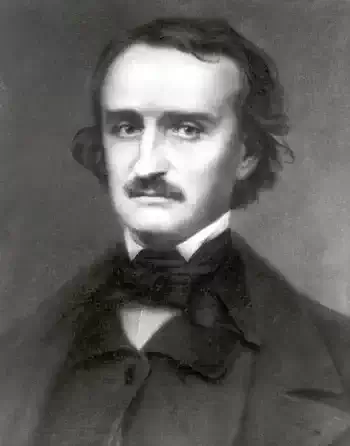
Edgar Allan Poe
The Coliseum
Lone ampitheatre ! Grey Coliseum !
Type of the antique Rome ! Rich reliquary
Of lofty contemplation left to Time
By buried centuries of pomp and power !
At length, at length — after so many days
Of weary pilgrimage, and burning thirst,
(Thirst for the springs of love [lore] that in thee lie,)
I kneel, an altered, and an humble man,
Amid thy shadows, and so drink within
My very soul thy grandeur, gloom, and glory.
Vastness ! and Age ! and Memories of Eld !
Silence and Desolation! and dim Night!
Gaunt vestibules! and phantom-peopled aisles !
I feel ye now: I feel ye in your strength!
O spells more sure then [than] e'er Judæan king
Taught in the gardens of Gethsemane !
O charms more potent than the rapt Chaldee
Ever drew down from out the quiet stars !
Here, where a hero fell, a column falls :
Here, where the mimic eagle glared in gold,
A midnight vigil holds the swarthy bat:
Here, where the dames of Rome their yellow hair
Wav'd to the wind, now wave the reed and thistle :
Here, where on ivory couch the Cæsar sate,
On bed of moss lies gloating the foul adder :
Here, where on golden throne the monarch loll'd,
Glides spectre-like unto his marble home,
Lit by the wan light of the horned moon,
The swift and silent lizard of the stones.
These crumbling walls; these tottering arcades ;
These mouldering plinths; these sad, and blacken'd shafts ;
These vague entablatures; this broken frieze ;
These shattered cornices; this wreck; this ruin ;
These stones, alas! — these grey stones — are they all ;
All of the great and the colossal left
By the corrosive hours to Fate and me ?
"Not all," — the echoes answer me; "not all :
Prophetic sounds, and loud, arise forever
From us, and from all ruin, unto the wise,
As in old days from Memnon to the sun.
We rule the hearts of mightiest men: — we rule
With a despotic sway all giant minds.
We are not desolate — we pallid stones ;
Not all our power is gone; not all our Fame ;
Not all the magic of our high renown ;
Not all the wonder that encircles us ;
Not all the mysteries that in us lie;
Not all the memories that hang upon,
And cling around about us now and ever,
And clothe us in a robe of more than glory."
1833
Read more →
Type of the antique Rome ! Rich reliquary
Of lofty contemplation left to Time
By buried centuries of pomp and power !
At length, at length — after so many days
Of weary pilgrimage, and burning thirst,
(Thirst for the springs of love [lore] that in thee lie,)
I kneel, an altered, and an humble man,
Amid thy shadows, and so drink within
My very soul thy grandeur, gloom, and glory.
Vastness ! and Age ! and Memories of Eld !
Silence and Desolation! and dim Night!
Gaunt vestibules! and phantom-peopled aisles !
I feel ye now: I feel ye in your strength!
O spells more sure then [than] e'er Judæan king
Taught in the gardens of Gethsemane !
O charms more potent than the rapt Chaldee
Ever drew down from out the quiet stars !
Here, where a hero fell, a column falls :
Here, where the mimic eagle glared in gold,
A midnight vigil holds the swarthy bat:
Here, where the dames of Rome their yellow hair
Wav'd to the wind, now wave the reed and thistle :
Here, where on ivory couch the Cæsar sate,
On bed of moss lies gloating the foul adder :
Here, where on golden throne the monarch loll'd,
Glides spectre-like unto his marble home,
Lit by the wan light of the horned moon,
The swift and silent lizard of the stones.
These crumbling walls; these tottering arcades ;
These mouldering plinths; these sad, and blacken'd shafts ;
These vague entablatures; this broken frieze ;
These shattered cornices; this wreck; this ruin ;
These stones, alas! — these grey stones — are they all ;
All of the great and the colossal left
By the corrosive hours to Fate and me ?
"Not all," — the echoes answer me; "not all :
Prophetic sounds, and loud, arise forever
From us, and from all ruin, unto the wise,
As in old days from Memnon to the sun.
We rule the hearts of mightiest men: — we rule
With a despotic sway all giant minds.
We are not desolate — we pallid stones ;
Not all our power is gone; not all our Fame ;
Not all the magic of our high renown ;
Not all the wonder that encircles us ;
Not all the mysteries that in us lie;
Not all the memories that hang upon,
And cling around about us now and ever,
And clothe us in a robe of more than glory."
1833
1,572
Edgar Allan Poe
To One in Paradise
Thou wast all that to me, love,
For which my soul did pine-
A green isle in the sea, love,
A fountain and a shrine,
All wreathed with fairy fruits and flowers,
And all the flowers were mine.
Ah, dream too bright to last!
Ah, starry Hope! that didst arise
But to be overcast!
A voice from out the Future cries,
"Onward!"- but o'er the Past
(Dim gulf!) my spirit hovering lies
Mute, motionless, aghast!
For, alas! alas! with me
The light of life is o'er!
"No more-- no more-- no more,"
(Such language holds the solemn sea
To the sands upon the shore)
Shall bloom the thunder-blasted tree
Or the stricken eagle soar!
And all my hours are trances,
And all my nightly dreams
Are where thy dark eye glances,
And where thy footstep gleams-
In what ethereal dances,
By what Italian streams.
Alas! for that accursed time
They bore thee o'er the billow,
From Love to titled age and crime,
And an unholy pillow!--
From me, and from our misty clime,
Where weeps the silver willow!
1834
Read more →
For which my soul did pine-
A green isle in the sea, love,
A fountain and a shrine,
All wreathed with fairy fruits and flowers,
And all the flowers were mine.
Ah, dream too bright to last!
Ah, starry Hope! that didst arise
But to be overcast!
A voice from out the Future cries,
"Onward!"- but o'er the Past
(Dim gulf!) my spirit hovering lies
Mute, motionless, aghast!
For, alas! alas! with me
The light of life is o'er!
"No more-- no more-- no more,"
(Such language holds the solemn sea
To the sands upon the shore)
Shall bloom the thunder-blasted tree
Or the stricken eagle soar!
And all my hours are trances,
And all my nightly dreams
Are where thy dark eye glances,
And where thy footstep gleams-
In what ethereal dances,
By what Italian streams.
Alas! for that accursed time
They bore thee o'er the billow,
From Love to titled age and crime,
And an unholy pillow!--
From me, and from our misty clime,
Where weeps the silver willow!
1834
1,370
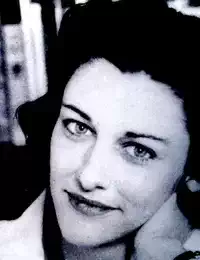
Anne Sexton
Sylvias Death
O Sylvia, Sylvia,
with a dead box of stones and spoons,
with two children, two meteors
wandering loose in a tiny playroom,
with your mouth into the sheet,
into the roofbeam, into the dumb prayer,
(Sylvia, Sylvia
where did you go
after you wrote me
from Devonshire
about raising potatoes
and keeping bees?)
what did you stand by,
just how did you lie down into?
Thief --
how did you crawl into,
crawl down alone
into the death I wanted so badly and for so long,
the death we said we both outgrew,
the one we wore on our skinny breasts,
the one we talked of so often each time
we downed three extra dry martinis in Boston,
the death that talked of analysts and cures,
the death that talked like brides with plots,
the death we drank to,
the motives and the quiet deed?
(In Boston
the dying
ride in cabs,
yes death again,
that ride home
with our boy.)
O Sylvia, I remember the sleepy drummer
who beat on our eyes with an old story,
how we wanted to let him come
like a sadist or a New York fairy
to do his job,
a necessity, a window in a wall or a crib,
and since that time he waited
under our heart, our cupboard,
and I see now that we store him up
year after year, old suicides
and I know at the news of your death
a terrible taste for it, like salt,
(And me,
me too.
And now, Sylvia,
you again
with death again,
that ride home
with our boy.)
And I say only
with my arms stretched out into that stone place,
what is your death
but an old belonging,
a mole that fell out
of one of your poems?
(O friend,
while the moons bad,
and the kings gone,
and the queens at her wits end
the bar fly ought to sing!)
O tiny mother,
you too!
O funny duchess!
O blonde thing!
February 17, 1963
Read more →
with a dead box of stones and spoons,
with two children, two meteors
wandering loose in a tiny playroom,
with your mouth into the sheet,
into the roofbeam, into the dumb prayer,
(Sylvia, Sylvia
where did you go
after you wrote me
from Devonshire
about raising potatoes
and keeping bees?)
what did you stand by,
just how did you lie down into?
Thief --
how did you crawl into,
crawl down alone
into the death I wanted so badly and for so long,
the death we said we both outgrew,
the one we wore on our skinny breasts,
the one we talked of so often each time
we downed three extra dry martinis in Boston,
the death that talked of analysts and cures,
the death that talked like brides with plots,
the death we drank to,
the motives and the quiet deed?
(In Boston
the dying
ride in cabs,
yes death again,
that ride home
with our boy.)
O Sylvia, I remember the sleepy drummer
who beat on our eyes with an old story,
how we wanted to let him come
like a sadist or a New York fairy
to do his job,
a necessity, a window in a wall or a crib,
and since that time he waited
under our heart, our cupboard,
and I see now that we store him up
year after year, old suicides
and I know at the news of your death
a terrible taste for it, like salt,
(And me,
me too.
And now, Sylvia,
you again
with death again,
that ride home
with our boy.)
And I say only
with my arms stretched out into that stone place,
what is your death
but an old belonging,
a mole that fell out
of one of your poems?
(O friend,
while the moons bad,
and the kings gone,
and the queens at her wits end
the bar fly ought to sing!)
O tiny mother,
you too!
O funny duchess!
O blonde thing!
February 17, 1963
1,382

Henry Wadsworth Longfellow
By The Seaside : The Evening Star
Lo! in the paintedoriel of the West,
Whose panes the sunken sun incarnadines,
Like a fair lady at her casement, shines
The evening star, the star of love and rest!
And then anon she doth herself divest
Of all her radiant garments, and reclines
Behind the sombre screen of yonder pines,
With slumber and soft dreams of love oppressed.
O my beloved, my sweet Hesperus!
My morning and my evening star of love!
My best and gentlest lady! even thus,
As that fair planet in the sky above,
Dost thou retire unto thy rest at night,
And from thy darkened window fades the light.
Read more →
Whose panes the sunken sun incarnadines,
Like a fair lady at her casement, shines
The evening star, the star of love and rest!
And then anon she doth herself divest
Of all her radiant garments, and reclines
Behind the sombre screen of yonder pines,
With slumber and soft dreams of love oppressed.
O my beloved, my sweet Hesperus!
My morning and my evening star of love!
My best and gentlest lady! even thus,
As that fair planet in the sky above,
Dost thou retire unto thy rest at night,
And from thy darkened window fades the light.
1,240
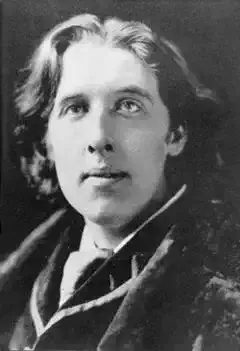
Oscar Wilde
Soneto: Helas!
To drift with every passion till my soul
Is a stringed lute on which can winds can play,
Is it for this that I have given away
Mine ancient wisdom and austere control?
Methinks my life is a twice-written scroll
Scrawled over on some boyish holiday
With idle songs for pipe and virelay,
Which do but mar the secret of the whole.
Surely there was a time I might have trod
The sunlit heights, and from life's dissonance
Struck one clear chord to reach the ears of God:
Is that time dead? lo! with a little rod
I did but touch the honey of romance -
And must I lose a soul's inheritance?
Read more →
Is a stringed lute on which can winds can play,
Is it for this that I have given away
Mine ancient wisdom and austere control?
Methinks my life is a twice-written scroll
Scrawled over on some boyish holiday
With idle songs for pipe and virelay,
Which do but mar the secret of the whole.
Surely there was a time I might have trod
The sunlit heights, and from life's dissonance
Struck one clear chord to reach the ears of God:
Is that time dead? lo! with a little rod
I did but touch the honey of romance -
And must I lose a soul's inheritance?
1,398
Oscar Wilde
Desespoir
The seasons send their ruin as they go,
For in the spring the narciss shows its head
Nor withers till the rose has flamed to red,
And in the autumn purple violets blow,
And the slim crocus stirs the winter snow;
Wherefore yon leafless trees will bloom again
And this grey land grow green with summer rain
And send up cowslips for some boy to mow.
But what of life whose bitter hungry sea
Flows at our heels, and gloom of sunless night
Covers the days which never more return?
Ambition, love and all the thoughts that burn
We lose too soon, and only find delight
In withered husks of some dead memory.
Read more →
For in the spring the narciss shows its head
Nor withers till the rose has flamed to red,
And in the autumn purple violets blow,
And the slim crocus stirs the winter snow;
Wherefore yon leafless trees will bloom again
And this grey land grow green with summer rain
And send up cowslips for some boy to mow.
But what of life whose bitter hungry sea
Flows at our heels, and gloom of sunless night
Covers the days which never more return?
Ambition, love and all the thoughts that burn
We lose too soon, and only find delight
In withered husks of some dead memory.
1,306
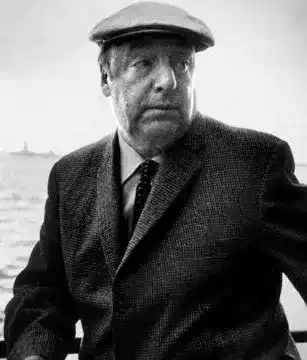
Pablo Neruda
XVII (I do not love you...)
I do not love you as if you were salt-rose, or topaz,
or the arrow of carnations the fire shoots off.
I love you as certain dark things are to be loved,
in secret, between the shadow and the soul.
I love you as the plant that never blooms
but carries in itself the light of hidden flowers;
thanks to your love a certain solid fragrance,
risen from the earth, lives darkly in my body.
I love you without knowing how, or when, or from where.
I love you straightforwardly, without complexities or pride;
so I love you because I know no other way
than this: where I does not exist, nor you,
so close that your hand on my chest is my hand,
so close that your eyes close as I fall asleep.
Translated by Stephen Tapscott
Anonymous Submission
Read more →
or the arrow of carnations the fire shoots off.
I love you as certain dark things are to be loved,
in secret, between the shadow and the soul.
I love you as the plant that never blooms
but carries in itself the light of hidden flowers;
thanks to your love a certain solid fragrance,
risen from the earth, lives darkly in my body.
I love you without knowing how, or when, or from where.
I love you straightforwardly, without complexities or pride;
so I love you because I know no other way
than this: where I does not exist, nor you,
so close that your hand on my chest is my hand,
so close that your eyes close as I fall asleep.
Translated by Stephen Tapscott
Anonymous Submission
1,620

William Wordsworth
Lucy iv
THREE years she grew in sun and shower;
Then Nature said, 'A lovelier flower
On earth was never sown;
This child I to myself will take;
She shall be mine, and I will make
A lady of my own.
"Myself will to my darling be
Both law and impulse: and with me
The girl, in rock and plain,
In earth and heaven, in glade and bower,
Shall feel an overseeing power
To kindle or restrain.
'She shall be sportive as the fawn
That wild with glee across the lawn
Or up the mountain springs;
And hers shall be the breathing balm,
And hers the silence and the calm
Of mute insensate things.
'The floating clouds their state shall lend
To her; for her the willow bend;
Nor shall she fail to see
Even in the motions of the storm
Grace that shall mould the maiden's form
By silent sympathy.
'The stars of midnight shall be dear
To her; and she shall lean her ear
In many a secret place
Where rivulets dance their wayward round,
And beauty born of murmuring sound
Shall pass into her face.
'And vital feelings of delight
Shall rear her form to stately height,
Her virgin bosom swell;
Such thoughts to Lucy I will give
While she and I together live
Here in this happy dell.'
Thus Nature spake--The work was done--
How soon my Lucy's race was run!
She died, and left to me
This heath, this calm, and quiet scene;
The memory of what has been,
And never more will be.
Read more →
Then Nature said, 'A lovelier flower
On earth was never sown;
This child I to myself will take;
She shall be mine, and I will make
A lady of my own.
"Myself will to my darling be
Both law and impulse: and with me
The girl, in rock and plain,
In earth and heaven, in glade and bower,
Shall feel an overseeing power
To kindle or restrain.
'She shall be sportive as the fawn
That wild with glee across the lawn
Or up the mountain springs;
And hers shall be the breathing balm,
And hers the silence and the calm
Of mute insensate things.
'The floating clouds their state shall lend
To her; for her the willow bend;
Nor shall she fail to see
Even in the motions of the storm
Grace that shall mould the maiden's form
By silent sympathy.
'The stars of midnight shall be dear
To her; and she shall lean her ear
In many a secret place
Where rivulets dance their wayward round,
And beauty born of murmuring sound
Shall pass into her face.
'And vital feelings of delight
Shall rear her form to stately height,
Her virgin bosom swell;
Such thoughts to Lucy I will give
While she and I together live
Here in this happy dell.'
Thus Nature spake--The work was done--
How soon my Lucy's race was run!
She died, and left to me
This heath, this calm, and quiet scene;
The memory of what has been,
And never more will be.
1,322
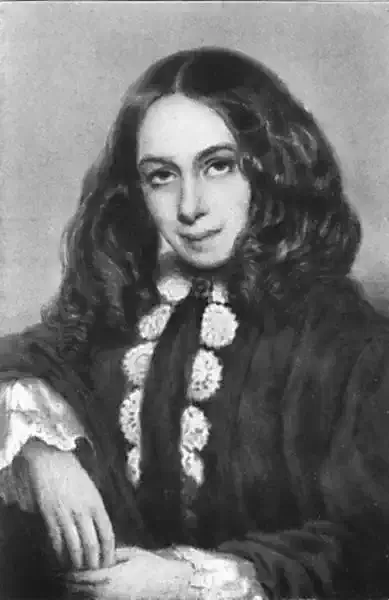
Elizabeth Barrett Browning
Sonnet VI: Go From Me
Go from me. Yet I feel that I shall stand
Henceforth in thy shadow. Nevermore
Alone upon the threshold of my door
Of individual life, I shall command
The uses of my soul, nor lift my hand
Serenely in the sunshine as before,
Without the sense of that which I forbore--
Thy touch upon the palm. The widest land
Doom takes to part us, leaves thy heart in mine
With pulses that beat double. What I do
And what I dream include thee, as the wine
Must taste of its own grapes. And when I sue
God for myself, He hears that name of thine,
And sees within my eyes the tears of two.
Read more →
Henceforth in thy shadow. Nevermore
Alone upon the threshold of my door
Of individual life, I shall command
The uses of my soul, nor lift my hand
Serenely in the sunshine as before,
Without the sense of that which I forbore--
Thy touch upon the palm. The widest land
Doom takes to part us, leaves thy heart in mine
With pulses that beat double. What I do
And what I dream include thee, as the wine
Must taste of its own grapes. And when I sue
God for myself, He hears that name of thine,
And sees within my eyes the tears of two.
1,304
Elizabeth Barrett Browning
Sonnet VIII: What Can I Give Thee Back
What can I give thee back, O liberal
And princely giver, who hast brought the gold
And purple of thine heart, unstained, untold,
And laid them on the outside of the wall
For such as I to take or leave withal,
In unexpected largesse? am I cold,
Ungrateful, that for these most manifold
High gifts, I render nothing back at all?
Not so; not cold,--but very poor instead.
Ask God who knows. For frequent tears have run
The colours from my life, and left so dead
And pale a stuff, it were not fitly done
To give the same as pillow to thy head.
Go farther! let it serve to trample on.
Read more →
And princely giver, who hast brought the gold
And purple of thine heart, unstained, untold,
And laid them on the outside of the wall
For such as I to take or leave withal,
In unexpected largesse? am I cold,
Ungrateful, that for these most manifold
High gifts, I render nothing back at all?
Not so; not cold,--but very poor instead.
Ask God who knows. For frequent tears have run
The colours from my life, and left so dead
And pale a stuff, it were not fitly done
To give the same as pillow to thy head.
Go farther! let it serve to trample on.
1,285
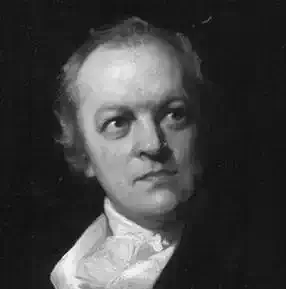
William Blake
From Milton: And did those feet
And did those feet in ancient time
Walk upon England's mountains green?
And was the holy Lamb of God
On England's pleasant pastures seen?
And did the Countenance Divine
Shine forth upon our clouded hills?
And was Jerusalem builded here,
Among these dark Satanic Mills?
Bring me my Bow of burning gold:
Bring me my Arrows of desire:
Bring me my Spear:O clouds unfold!
Bring me my Chariot of fire!
I will not cease from Mental Fight,
Nor shall my Sword sleep in my hand,
Till we have built Jerusalem
In England's green & pleasant Land.
Read more →
Walk upon England's mountains green?
And was the holy Lamb of God
On England's pleasant pastures seen?
And did the Countenance Divine
Shine forth upon our clouded hills?
And was Jerusalem builded here,
Among these dark Satanic Mills?
Bring me my Bow of burning gold:
Bring me my Arrows of desire:
Bring me my Spear:O clouds unfold!
Bring me my Chariot of fire!
I will not cease from Mental Fight,
Nor shall my Sword sleep in my hand,
Till we have built Jerusalem
In England's green & pleasant Land.
1,292
Elizabeth Barrett Browning
Sonnet XXXIV: With the Same Heart
With the same heart, I said, I'll answer thee
As those, when thou shalt call me by my name--
Lo, the vain promise! is the same, the same,
Perplexed and ruffled by life's strategy?
When called before, I told how hastily
I dropped my flowers or brake off from a game,
To run and answer with the smile that came
At play last moment, and went on with me
Through my obedience. When I answer now,
I drop a grave thought, break from solitude;
Yet still my heart goes to thee--ponder how--
Not as to a single good, but all my good!
Lay thy hand on it, best one, and allow
That no child's foot could run as fast as this blood.
Read more →
As those, when thou shalt call me by my name--
Lo, the vain promise! is the same, the same,
Perplexed and ruffled by life's strategy?
When called before, I told how hastily
I dropped my flowers or brake off from a game,
To run and answer with the smile that came
At play last moment, and went on with me
Through my obedience. When I answer now,
I drop a grave thought, break from solitude;
Yet still my heart goes to thee--ponder how--
Not as to a single good, but all my good!
Lay thy hand on it, best one, and allow
That no child's foot could run as fast as this blood.
1,354
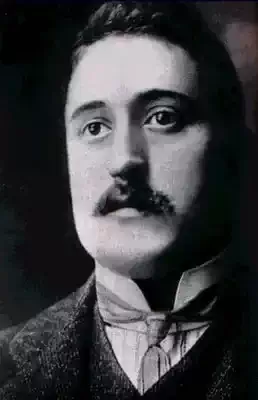
Guillaume Apollinaire
Vitam Impendere Amori
(Vitam Impendere Amori: To Threaten Life for Love)
Love is dead within your arms
Do you remember his encounter
He’s dead you restore the charms
He returns at your encounter
Another spring of springs gone past
I think of all its tenderness
Farewell season done at last
You’ll return as tenderly
****
In the evening light that’s faded
Where our several loves brush by
Your memory lies enchained
Far from our shades that die
O hands bound by memory
Burning like a funeral pyre
Where the last black Phoenix
Perfection comes to respire
Link by link the chain wears thin
Deriding us your memory
Flies ah hear it you who rail
I kneel again at your feet
****
You’ve not surprised my secret yet
Already the cortège moves on
But left to us is the regret
of there being no connivance none
The rose floats at the water’s edge
The maskers have passed by in crowds
It trembles in me like a bell
This heavy secret you ask now
****
Evening falls and in the garden
Women tell their histories
to Night that not without disdain
spills their dark hair’s mysteries
Little children little children
Your wings have flown away
But you rose that defend yourself
Throw your unrivalled scents away
For now’s the hour of petty theft
Of plumes of flowers and of tresses
Gather the fountain jets so free
Of whom the roses are mistresses
****
You descended through the water clear
I drowned my self so in your glance
The soldier passes she leans down
Turns and breaks away a branch
You float on nocturnal waves
The flame is my own heart reversed
Coloured as that comb’s tortoiseshell
The wave that bathes you mirrors well
****
O my abandoned youth is dead
Like a garland faded
Here the season comes again
Of suspicion and disdain
The landscape’s formed of canvasses
A false stream of blood flows down
And under the tree the stars glow fresh
The only passer by’s a clown
The glass in the frame has cracked
An air defined uncertainly
Hovers between sound and thought
Between ‘to be’ and memory
O my abandoned youth is dead
Like a garland faded
Here the season comes again
Of suspicion and disdain
Read more →
Love is dead within your arms
Do you remember his encounter
He’s dead you restore the charms
He returns at your encounter
Another spring of springs gone past
I think of all its tenderness
Farewell season done at last
You’ll return as tenderly
****
In the evening light that’s faded
Where our several loves brush by
Your memory lies enchained
Far from our shades that die
O hands bound by memory
Burning like a funeral pyre
Where the last black Phoenix
Perfection comes to respire
Link by link the chain wears thin
Deriding us your memory
Flies ah hear it you who rail
I kneel again at your feet
****
You’ve not surprised my secret yet
Already the cortège moves on
But left to us is the regret
of there being no connivance none
The rose floats at the water’s edge
The maskers have passed by in crowds
It trembles in me like a bell
This heavy secret you ask now
****
Evening falls and in the garden
Women tell their histories
to Night that not without disdain
spills their dark hair’s mysteries
Little children little children
Your wings have flown away
But you rose that defend yourself
Throw your unrivalled scents away
For now’s the hour of petty theft
Of plumes of flowers and of tresses
Gather the fountain jets so free
Of whom the roses are mistresses
****
You descended through the water clear
I drowned my self so in your glance
The soldier passes she leans down
Turns and breaks away a branch
You float on nocturnal waves
The flame is my own heart reversed
Coloured as that comb’s tortoiseshell
The wave that bathes you mirrors well
****
O my abandoned youth is dead
Like a garland faded
Here the season comes again
Of suspicion and disdain
The landscape’s formed of canvasses
A false stream of blood flows down
And under the tree the stars glow fresh
The only passer by’s a clown
The glass in the frame has cracked
An air defined uncertainly
Hovers between sound and thought
Between ‘to be’ and memory
O my abandoned youth is dead
Like a garland faded
Here the season comes again
Of suspicion and disdain
1,477
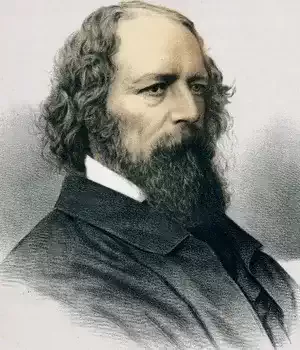
Alfred Lord Tennyson
Summer Night
NOW sleeps the crimson petal, now the white;
Nor waves the cypress in the palace walk;
Nor winks the gold fin in the porphyry font:
The firefly wakens: waken thou with me.
Now droops the milk-white peacock like a ghost,
And like a ghost she glimmers on to me.
Now lies the Earth all Danaë to the stars,
And all thy heart lies open unto me.
Now slides the silent meteor on, and leaves
A shining furrow, as thy thoughts in me.
Now folds the lily all her sweetness up,
And slips into the bosom of the lake:
So fold thyself, my dearest, thou, and slip
Into my bosom and be lost in me.
Read more →
Nor waves the cypress in the palace walk;
Nor winks the gold fin in the porphyry font:
The firefly wakens: waken thou with me.
Now droops the milk-white peacock like a ghost,
And like a ghost she glimmers on to me.
Now lies the Earth all Danaë to the stars,
And all thy heart lies open unto me.
Now slides the silent meteor on, and leaves
A shining furrow, as thy thoughts in me.
Now folds the lily all her sweetness up,
And slips into the bosom of the lake:
So fold thyself, my dearest, thou, and slip
Into my bosom and be lost in me.
1,390
Edgar Allan Poe
To Helen
Helen, thy beauty is to me
Like those Nicean barks of yore,
That gently, o'er a perfum'd sea,
The weary way-worn wanderer bore
To his own native shore.
On desperate seas long wont to roam,
Thy hyacinth hair, thy classic face,
Thy Naiad airs have brought me home
To the beauty of fair Greece,
And the grandeur of old Rome.
Lo ! in that little window-niche
How statue-like I see thee stand!
The folded scroll within thy hand —
A Psyche from the regions which
Are Holy land !
1831
Read more →
Like those Nicean barks of yore,
That gently, o'er a perfum'd sea,
The weary way-worn wanderer bore
To his own native shore.
On desperate seas long wont to roam,
Thy hyacinth hair, thy classic face,
Thy Naiad airs have brought me home
To the beauty of fair Greece,
And the grandeur of old Rome.
Lo ! in that little window-niche
How statue-like I see thee stand!
The folded scroll within thy hand —
A Psyche from the regions which
Are Holy land !
1831
1,571
Elizabeth Barrett Browning
Sonnet III
Unlike are we, unlike, O princely Heart !
Unlike our uses and our destinies.
Our ministering two angels look surprise
On one another, as they strike athwart
Their wings in passing. Thou, bethink thee, art
A guest for queens to social pageantries,
With gages from a hundred brighter eyes
Than tears even can make mine, to play thy part
Of chief musician. What hast thou to do
With looking from the lattice-lights at me,
A poor, tired, wandering singer, singing through
The dark, and leaning up a cypress tree ?
The chrism is on thine head,--on mine, the dew,--
And Death must dig the level where these agree.
Read more →
Unlike our uses and our destinies.
Our ministering two angels look surprise
On one another, as they strike athwart
Their wings in passing. Thou, bethink thee, art
A guest for queens to social pageantries,
With gages from a hundred brighter eyes
Than tears even can make mine, to play thy part
Of chief musician. What hast thou to do
With looking from the lattice-lights at me,
A poor, tired, wandering singer, singing through
The dark, and leaning up a cypress tree ?
The chrism is on thine head,--on mine, the dew,--
And Death must dig the level where these agree.
1,396
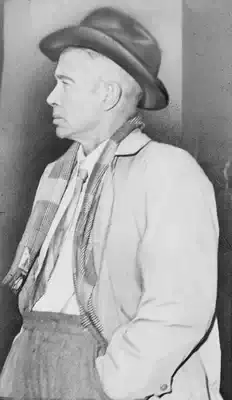
E. E. Cummings
somewhere i have never travelled, gladly beyond
somewhere i have never travelled,gladly beyond
any experience,your eyes have their silence:
in your most frail gesture are things which enclose me,
or which i cannot touch because they are too near
your slightest look will easily unclose me
though i have closed myself as fingers,
you open always petal by petal myself as Spring opens
(touching skilfully,mysteriously)her first rose
or if your wish be to close me, i and
my life will shut very beautifully ,suddenly,
as when the heart of this flower imagines
the snow carefully everywhere descending;
nothing which we are to perceive in this world equals
the power of your intense fragility:whose texture
compels me with the color of its countries,
rendering death and forever with each breathing
(i do not know what it is about you that closes
and opens;only something in me understands
the voice of your eyes is deeper than all roses)
nobody,not even the rain,has such small hands
Read more →
any experience,your eyes have their silence:
in your most frail gesture are things which enclose me,
or which i cannot touch because they are too near
your slightest look will easily unclose me
though i have closed myself as fingers,
you open always petal by petal myself as Spring opens
(touching skilfully,mysteriously)her first rose
or if your wish be to close me, i and
my life will shut very beautifully ,suddenly,
as when the heart of this flower imagines
the snow carefully everywhere descending;
nothing which we are to perceive in this world equals
the power of your intense fragility:whose texture
compels me with the color of its countries,
rendering death and forever with each breathing
(i do not know what it is about you that closes
and opens;only something in me understands
the voice of your eyes is deeper than all roses)
nobody,not even the rain,has such small hands
1,282

Theodore Roethke
The Waking
I wake to sleep, and take my waking slow.
I feel my fate in what I cannot fear.
I learn by going where I have to go.
We think by feeling. What is there to know?
I hear my being dance from ear to ear.
I wake to sleep, and take my waking slow.
Of those so close beside me, which are you?
God bless the Ground! I shall walk softly there,
And learn by going where I have to go.
Light takes the Tree; but who can tell us how?
The lowly worm climbs up a winding stair;
I wake to sleep, and take my waking slow.
Great Nature has another thing to do
To you and me, so take the lively air,
And, lovely, learn by going where to go.
This shaking keeps me steady. I should know.
What falls away is always. And is near.
I wake to sleep, and take my waking slow.
I learn by going where I have to go.
Read more →
I feel my fate in what I cannot fear.
I learn by going where I have to go.
We think by feeling. What is there to know?
I hear my being dance from ear to ear.
I wake to sleep, and take my waking slow.
Of those so close beside me, which are you?
God bless the Ground! I shall walk softly there,
And learn by going where I have to go.
Light takes the Tree; but who can tell us how?
The lowly worm climbs up a winding stair;
I wake to sleep, and take my waking slow.
Great Nature has another thing to do
To you and me, so take the lively air,
And, lovely, learn by going where to go.
This shaking keeps me steady. I should know.
What falls away is always. And is near.
I wake to sleep, and take my waking slow.
I learn by going where I have to go.
1,306
Elizabeth Barrett Browning
Sonnet XXXII: The First Time
The first time that the sun rose on thine oath
To love me, I looked forward to the moon
To slacken all those bonds which seemed too soon
And quickly tied to make a lasting troth.
Quick-loving hearts, I thought, may quickly loathe;
And, looking on myself, I seemed not one
For such man's love!--more like an out-of-tune
Worn viol, a good singer would be wroth
To spoil his song with, and which, snatched in haste,
Is laid down at the first ill-sounding note.
I did not wrong myself so, but I placed
A wrong on thee. For perfect strains may float
'Neath master-hands, from instruments defaced,--
And great souls, at one stroke, may do and doat.
Read more →
To love me, I looked forward to the moon
To slacken all those bonds which seemed too soon
And quickly tied to make a lasting troth.
Quick-loving hearts, I thought, may quickly loathe;
And, looking on myself, I seemed not one
For such man's love!--more like an out-of-tune
Worn viol, a good singer would be wroth
To spoil his song with, and which, snatched in haste,
Is laid down at the first ill-sounding note.
I did not wrong myself so, but I placed
A wrong on thee. For perfect strains may float
'Neath master-hands, from instruments defaced,--
And great souls, at one stroke, may do and doat.
1,242

Derek Walcott
The Saddhu Of Couva
When sunset, a brass gong,
vibrate through Couva,
is then I see my soul, swiftly unsheathed,
like a white cattle bird growing more small
over the ocean of the evening canes,
and I sit quiet, waiting for it to return
like a hog-cattle blistered with mud,
because, for my spirit, India is too far.
And to that gong
sometimes bald clouds in saffron robes assemble
sacred to the evening,
sacred even to Ramlochan,
singing Indian hits from his jute hammock
while evening strokes the flanks
and silver horns of his maroon taxi,
as the mosquitoes whine their evening mantras,
my friend Anopheles, on the sitar,
and the fireflies making every dusk Divali.
I knot my head with a cloud,
my white mustache bristle like horns,
my hands are brittle as the pages of Ramayana.
Once the sacred monkeys multiplied like branches
in the ancient temples: I did not miss them,
because these fields sang of Bengal,
behind Ramlochan Repairs there was Uttar Pradesh;
but time roars in my ears like a river,
old age is a conflagration
as fierce as the cane fires of crop time.
I will pass through these people like a cloud,
they will see a white bird beating the evening sea
of the canes behind Couva,
and who will point it as my soul unsheathed?
Naither the bridegroom in beads,
nor the bride in her veils,
their sacred language on the cinema hoardings.
I talked too damn much on the Couva Village Council.
I talked too softly, I was always drowned
by the loudspeakers in front of the stores
or the loudspeakers with the greatest pictures.
I am best suited to stalk like a white cattle bird
on legs like sticks, with sticking to the Path
between the canes on a district road at dusk.
Playing the Elder. There are no more elders.
Is only old people.
My friends spit on the government.
I do not think is just the government.
Suppose all the gods too old,
Suppose they dead and they burning them,
supposing when some cane cutter
start chopping up snakes with a cutlass
he is severing the snake-armed god,
and suppose some hunter has caught
Hanuman in his mischief in a monkey cage.
Suppose all the gods were killed by electric light?
Sunset, a bonfire, roars in my ears;
embers of brown swallows dart and cry,
like women distracted,
around its cremation.
I ascend to my bed of sweet sandalwood.
Read more →
vibrate through Couva,
is then I see my soul, swiftly unsheathed,
like a white cattle bird growing more small
over the ocean of the evening canes,
and I sit quiet, waiting for it to return
like a hog-cattle blistered with mud,
because, for my spirit, India is too far.
And to that gong
sometimes bald clouds in saffron robes assemble
sacred to the evening,
sacred even to Ramlochan,
singing Indian hits from his jute hammock
while evening strokes the flanks
and silver horns of his maroon taxi,
as the mosquitoes whine their evening mantras,
my friend Anopheles, on the sitar,
and the fireflies making every dusk Divali.
I knot my head with a cloud,
my white mustache bristle like horns,
my hands are brittle as the pages of Ramayana.
Once the sacred monkeys multiplied like branches
in the ancient temples: I did not miss them,
because these fields sang of Bengal,
behind Ramlochan Repairs there was Uttar Pradesh;
but time roars in my ears like a river,
old age is a conflagration
as fierce as the cane fires of crop time.
I will pass through these people like a cloud,
they will see a white bird beating the evening sea
of the canes behind Couva,
and who will point it as my soul unsheathed?
Naither the bridegroom in beads,
nor the bride in her veils,
their sacred language on the cinema hoardings.
I talked too damn much on the Couva Village Council.
I talked too softly, I was always drowned
by the loudspeakers in front of the stores
or the loudspeakers with the greatest pictures.
I am best suited to stalk like a white cattle bird
on legs like sticks, with sticking to the Path
between the canes on a district road at dusk.
Playing the Elder. There are no more elders.
Is only old people.
My friends spit on the government.
I do not think is just the government.
Suppose all the gods too old,
Suppose they dead and they burning them,
supposing when some cane cutter
start chopping up snakes with a cutlass
he is severing the snake-armed god,
and suppose some hunter has caught
Hanuman in his mischief in a monkey cage.
Suppose all the gods were killed by electric light?
Sunset, a bonfire, roars in my ears;
embers of brown swallows dart and cry,
like women distracted,
around its cremation.
I ascend to my bed of sweet sandalwood.
1,237
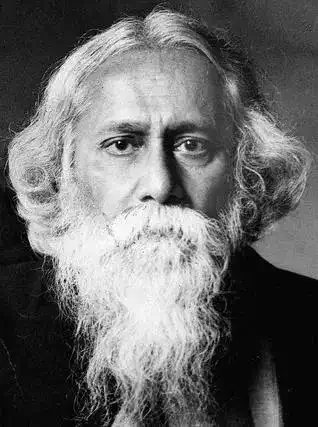
Rabindranath Tagore
The Lotus
On the day when the lotus bloomed, alas, my mind was straying,
and I knew it not. My basket was empty and the flower remained unheeded.
Only now and again a sadness fell upon me, and I started up from my
dream and felt a sweet trace of a strange fragrance in the south wind.
That vague sweetness made my heart ache with longing and it seemed to
me that is was the eager breath of the summer seeking for its completion.
I knew not then that it was so near, that it was mine, and that this
perfect sweetness had blossomed in the depth of my own heart.
Read more →
and I knew it not. My basket was empty and the flower remained unheeded.
Only now and again a sadness fell upon me, and I started up from my
dream and felt a sweet trace of a strange fragrance in the south wind.
That vague sweetness made my heart ache with longing and it seemed to
me that is was the eager breath of the summer seeking for its completion.
I knew not then that it was so near, that it was mine, and that this
perfect sweetness had blossomed in the depth of my own heart.
1,248
Edgar Allan Poe
Beloved Physician
The pulse beats ten and intermits;
God nerve the soul that ne'er forgets
In calm or storm, by night or day,
Its steady toil, its loyalty.
[. . . ]
[. . . ]
The pulse beats ten and intermits;
God shield the soul that ne'er forgets.
[. . . ]
[. . . ]
The pulse beats ten and intermits;
God guide the soul that ne'er forgets.
[. . . ]
[. . . ] so tired, so weary,
The soft head bows, the sweet eyes close,
The faithful heart yields to repose.
Read more →
God nerve the soul that ne'er forgets
In calm or storm, by night or day,
Its steady toil, its loyalty.
[. . . ]
[. . . ]
The pulse beats ten and intermits;
God shield the soul that ne'er forgets.
[. . . ]
[. . . ]
The pulse beats ten and intermits;
God guide the soul that ne'er forgets.
[. . . ]
[. . . ] so tired, so weary,
The soft head bows, the sweet eyes close,
The faithful heart yields to repose.
1,295
Derek Walcott
Love After Love
The time will come
when, with elation
you will greet yourself arriving
at your own door, in your own mirror
and each will smile at the other's welcome,
and say, sit here. Eat.
You will love again the stranger who was your self.
Give wine. Give bread. Give back your heart
to itself, to the stranger who has loved you
all your life, whom you ignored
for another, who knows you by heart.
Take down the love letters from the bookshelf,
the photographs, the desperate notes,
peel your own image from the mirror.
Sit. Feast on your life.
Read more →
when, with elation
you will greet yourself arriving
at your own door, in your own mirror
and each will smile at the other's welcome,
and say, sit here. Eat.
You will love again the stranger who was your self.
Give wine. Give bread. Give back your heart
to itself, to the stranger who has loved you
all your life, whom you ignored
for another, who knows you by heart.
Take down the love letters from the bookshelf,
the photographs, the desperate notes,
peel your own image from the mirror.
Sit. Feast on your life.
1,260

John Keats
Bards of Passion and of Mirth, written on the Blank Page before Beaumont and
Fletcher's Tragi-Comedy 'The Fair Maid of the Inn'
BARDS of Passion and of Mirth,
Ye have left your souls on earth!
Have ye souls in heaven too,
Doubled-lived in regions new?
Yes, and those of heaven commune
With the spheres of sun and moon;
With the noise of fountains wondrous,
And the parle of voices thund'rous;
With the whisper of heaven's trees
And one another, in soft ease
Seated on Elysian lawns
Browsed by none but Dian's fawns;
Underneath large blue-bells tented,
Where the daisies are rose-scented,
And the rose herself has got
Perfume which on earth is not;
Where the nightingale doth sing
Not a senseless, tranced thing,
But divine melodious truth;
Philosophic numbers smooth;
Tales and golden histories
Of heaven and its mysteries.
Thus ye live on high, and then
On the earth ye live again;
And the souls ye left behind you
Teach us, here, the way to find you,
Where your other souls are joying,
Never slumber'd, never cloying.
Here, your earth-born souls still speak
To mortals, of their little week;
Of their sorrows and delights;
Of their passions and their spites;
Of their glory and their shame;
What doth strengthen and what maim.
Thus ye teach us, every day,
Wisdom, though fled far away.
Bards of Passion and of Mirth,
Ye have left your souls on earth!
Ye have souls in heaven too,
Double-lived in regions new!
Read more →
BARDS of Passion and of Mirth,
Ye have left your souls on earth!
Have ye souls in heaven too,
Doubled-lived in regions new?
Yes, and those of heaven commune
With the spheres of sun and moon;
With the noise of fountains wondrous,
And the parle of voices thund'rous;
With the whisper of heaven's trees
And one another, in soft ease
Seated on Elysian lawns
Browsed by none but Dian's fawns;
Underneath large blue-bells tented,
Where the daisies are rose-scented,
And the rose herself has got
Perfume which on earth is not;
Where the nightingale doth sing
Not a senseless, tranced thing,
But divine melodious truth;
Philosophic numbers smooth;
Tales and golden histories
Of heaven and its mysteries.
Thus ye live on high, and then
On the earth ye live again;
And the souls ye left behind you
Teach us, here, the way to find you,
Where your other souls are joying,
Never slumber'd, never cloying.
Here, your earth-born souls still speak
To mortals, of their little week;
Of their sorrows and delights;
Of their passions and their spites;
Of their glory and their shame;
What doth strengthen and what maim.
Thus ye teach us, every day,
Wisdom, though fled far away.
Bards of Passion and of Mirth,
Ye have left your souls on earth!
Ye have souls in heaven too,
Double-lived in regions new!
1,434