
Soul

Emily Dickinson
With thee, in the Desert
With thee, in the Desert-
With thee in the thirst-
With thee in the Tamarind wood-
Leopard breathes-at last!
Read more →
355

Henry Wadsworth Longfellow
Ultima Thule: Robert Burns
I see amid the fields of Ayr
A ploughman, who, in foul and fair,
Sings at his task
So clear, we know not if it is
The laverock's song we hear, or his,
Nor care to ask.
For him the ploughing of those fields
A more ethereal harvest yields
Than sheaves of grain;
Songs flush with purple bloom the rye,
The plover's call, the curlew's cry,
Sing in his brain.
Touched by his hand, the wayside weed
Becomes a flower; the lowliest reed
Beside the stream
Is clothed with beauty; gorse and grass
And heather, where his footsteps pass,
The brighter seem.
He sings of love, whose flame illumes
The darkness of lone cottage rooms;
He feels the force,
The treacherous undertow and stress
Of wayward passions, and no less
The keen remorse.
At moments, wrestling with his fate,
His voice is harsh, but not with hate;
The brushwood, hung
Above the tavern door, lets fall
Its bitter leaf, its drop of gall
Upon his tongue.
But still the music of his song
Rises o'er all, elate and strong;
Its master-chords
Are Manhood, Freedom, Brotherhood,
Its discords but an interlude
Between the words.
And then to die so young and leave
Unfinished what he might achieve!
Yet better sure
Is this, than wandering up and down
An old man in a country town,
Infirm and poor.
For now he haunts his native land
As an immortal youth; his hand
Guides every plough;
He sits beside each ingle-nook,
His voice is in each rushing brook,
Each rustling bough.
His presence haunts this room to-night,
A form of mingled mist and light
From that far coast.
Welcome beneath this roof of mine!
Welcome! this vacant chair is thine,
Dear guest and ghost!
Read more →
355
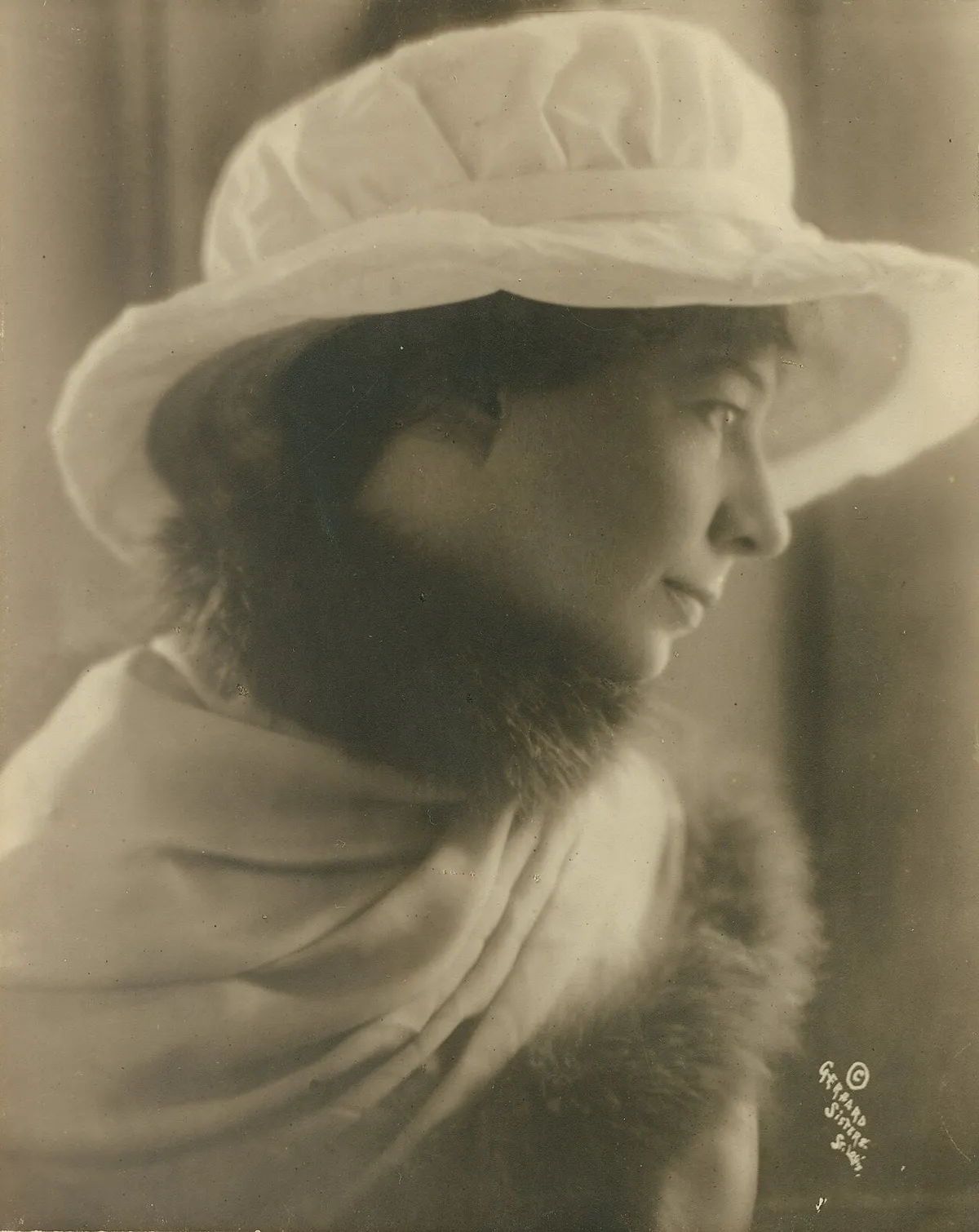
Sara Teasdale
Epitaph
Serene descent, as a red leaf's descending
When there is neither wind nor noise of rain,
But only autum air and the unending
Drawing of all things to the earth again.
So be it, let the snow fall deep and cover
All that was drunken once with light and air.
The earth will not regret her tireless lover,
Nor he awake to know she does not care.
Read more →
354
Emily Dickinson
Bereaved of all, I went abroad
Bereaved of all, I went abroad-
No less bereaved was I
Upon a New Peninsula-
The Grave preceded me-
Obtained my Lodgings, ere myself-
And when I sought my Bed-
The Grave it was reposed upon
The Pillow for my Head-
I waked to find it first awake-
I rose-It followed me-
I tried to drop it in the Crowd-
To lose it in the Sea-
In Cups of artificial Drowse
To steep its shape away-
The Grave-was finished-but the Spade
Remained in Memory-
Read more →
354

William Butler Yeats
Are You Content?
I CALL on those that call me son,
Grandson, or great-grandson,
On uncles, aunts, great-uncles or great-aunts,
To judge what I have done.
Have I, that put it into words,
Spoilt what old loins have sent?
Eyes spiritualised by death can judge,
I cannot, but I am not content.
He that in Sligo at Drumcliff
Set up the old stone Cross,
That red-headed rector in County Down,
A good man on a horse,
Sandymount Corbets, that notable man
Old William pollexfen,
The smuggler Middleton, Butlers far back,
Half legendary men.
Infirm and aged I might stay
In some good company,
I who have always hated work,
Smiling at the sea,
Or demonstrate in my own life
What Robert Browning meant
By an old hunter talking with Gods;
But I am not content.
Read more →
355

Ogden Nash
Old Dr. Valentine To His Son
Your hopeless patients will live,
Your healthy patients will die.
I have only this word to give:
Wonder, and find out why
Read more →
356
Henry Van Dyke
Love in a Look
Let me but feel thy look's embrace,
Transparent, pure, and warm,
And I'll not ask to touch thy face,
Or fold thee with mine arm.
For in thine eyes a girl doth rise,
Arrayed in candid bliss,
And draws me to her with a charm
More close than any kiss.
A loving-cup of golden wine,
Songs of a silver brook,
And fragrant breaths of eglantine,
Are mingled in thy look.
More fair they are than any star,
Thy topaz eyes divine --
And deep within their trysting-nook
Thy spirit blends with mine.
Read more →
354
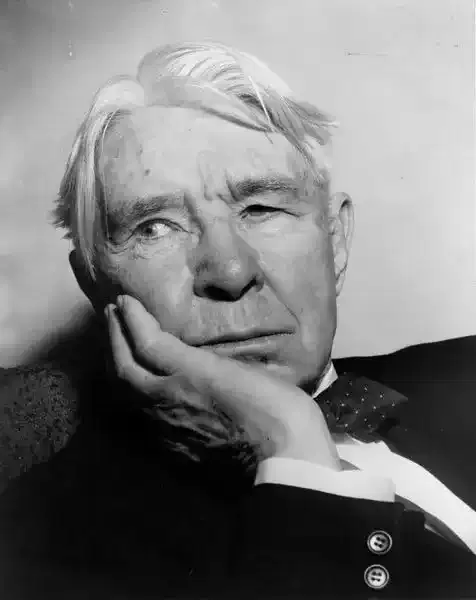
Carl Sandburg
It Is Much
Women of night life amid the lights
Where the line of your full, round throats
Matches in gleam the glint of your eyes
And the ring of your heart-deep laughter:
It is much to be warm and sure of to-morrow.
Women of night life along the shadows,
Lean at your throats and skulking the walls,
Gaunt as a bitch worn to the bone,
Under the paint of your smiling faces:
It is much to be warm and sure of to-morrow.
Read more →
354
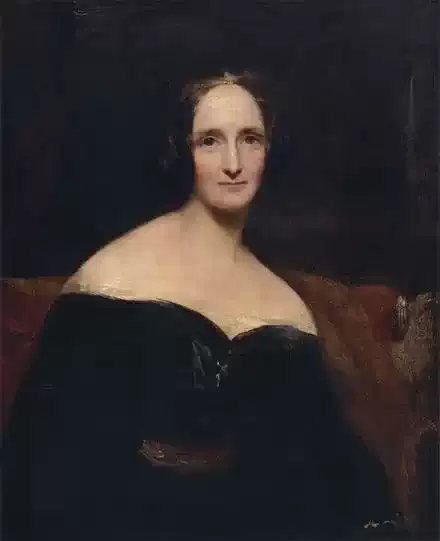
Percy Bysshe Shelley
Music, When Soft Voices Die
Music, when soft voices die,
Vibrates in the memory;
Odours, when sweet violets sicken,
Live within the sense they quicken.
Rose leaves, when the rose is dead,
Are heaped for the beloved's bed;
And so thy thoughts, when thou art gone,
Love itself shall slumber on.
Read more →
355
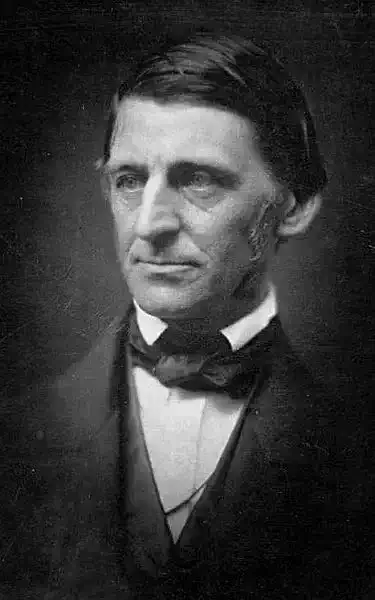
Ralph Waldo Emerson
The Problem
I like the church; I like a cowl;
I love a prophet of the soul;
And on my heart monastic aisles
Fall like sweet strains, or pensive smiles;
Yet not for all his faith can see
Would I that cowlèd churchman be.
Why should the vest on him allure,
Which I could not on me endure?
Not from a vain or shallow thought
His awful Jove young Phidias brought;
Never from lips of cunning fell
The thrilling Delphic oracle;
Out from the heart of nature rolled
The burdens of the Bible old;
The litanies of nations came,
Like the volcano's tongue of flame,
Up from the burning core below,--
The canticles of love and woe:
The hand that rounded Peter's dome
And groined the aisles of Christian Rome
Wrought in a sad sincerity;
Himself from God he could not free;
He builded better than he knew;--
The conscious stone to beauty grew.
Knowst thou what wove yon wood bird's nest
Of leaves and feathers from her breast?
Or how the fish outbuilt her shell,
Painting with morn each annual cell?
Or how the sacred pine tree adds
To her old leaves new myriads?
Such and so grew these holy piles,
Whilst love and terror laid the tiles.
Earth proudly wears the Parthenon,
As the best gem upon her zone,
And Morning opes with haste her lids
To gaze upon the Pyramids;
O'er England's abbeys bends the sky,
As on its friends, with kindred eye;
For out of Thought's interior sphere
These wonders rose to upper air;
And Nature gladly gave them place,
Adopted them into her race,
And granted them an equal date
With Andes and with Ararat.
These temples grew as grows the grass;
Art might obey, but not surpass.
The passive Master lent his hand
To the vast soul that o'er him planned;
And the same power that reared the shrine
Bestrode the tribes that knelt within.
Ever the fiery Pentecost
Girds with one flame the countless host,
Trances the heart through chanting choirs,
And through the priest the mind inspires.
The word unto the prophet spoken
Was writ on tables yet unbroken;
The word by seers or sibyls told,
In groves of oak, or fames of gold,
Still floats upon the morning wind,
Still whispters to the willing mind.
One accent of the Holy Ghost
The heedless world hath never lost.
I know what say the fathers wise,--
The Book itself before me lies,
Old Chrysostom, best Augustine,
And he who blent both in his line,
The younger Golden Lips or mines,
Taylor, the Shakespeare of divines.
His words are music in my ear.
I see his cowlèd portrait dear;
And yet, for all his faith could see,
I would not the good bishop be.
Read more →
356
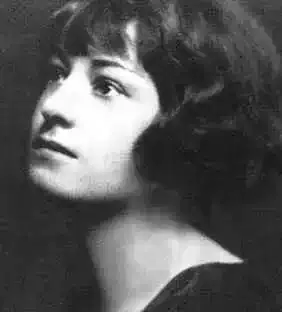
Dorothy Parker
The New Love
If it shine or if it rain,
Little will I care or know.
Days, like drops upon a pane,
Slip, and join, and go.
At my door's another lad;
Here's his flower in my hair.
If he see me pale and sad,
Will he see me fair?
I sit looking at the floor.
Little will I think or say
If he seek another door;
Even if he stay.
Read more →
355
Dorothy Parker
Little Words
When you are gone, there is nor bloom nor leaf,
Nor singing sea at night, nor silver birds;
And I can only stare, and shape my grief
In little words.
I cannot conjure loveliness, to drown
The bitter woe that racks my cords apart.
The weary pen that sets my sorrow down
Feeds at my heart.
There is no mercy in the shifting year,
No beauty wraps me tenderly about.
I turn to little words- so you, my dear,
Can spell them out.
Read more →
354
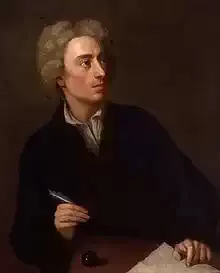
Alexander Pope
Sappho to Phaon (Ovid Heroid XV)
Say, lovely youth, that dost my heart command,
Can Phaon's eyes forget his Sappho's hand?
Must then her name the wretched writer prove,
To thy remembrance lost, as to thy love?
Ask not the cause that I new numbers choose,
The Lute neglected, and the Lyric muse;
Love taught my tears in adder notes to flow,
And tun'd my heart to Elegies of woe,
I burn, I burn, as when thro' ripen'd corn
By driving winds the spreading flames are borne!
Phaon to Aetna's scorching fields retires,
While I consume with more than Aetna's fires!
No more my soul a charm in music finds,
Music has charms alone for peaceful minds.
Soft scenes of solitude no more can please,
Love enters there, and I'm my own disease.
No more the Lesbian dames my passion move,
Once the dear objects of my guilty love;
All other loves are lost in only thine,
Ah youth ungrateful to a flame like mine!
Whom would not all those blooming charms surprize,
Those heav'nly looks, and dear deluding eyes?
The harp and bow would you like Phoebus bear,
A brighter Phoebus Phaon might appear;
Would you with ivy wreath your flowing hair,
Not Bacchus' self with Phaon could compare:
Yet Phoebus lov'd, and Bacchus felt the flame,
One Daphne warm'd, and one the Cretan dame,
Nymphs that in verse no more could rival me,
That ev'n those Gods contend in charms with thee.
The Muses teach me all their softest lays,
And the wide world resounds with Sappho's praise.
Tho' great Alcaeus more sublimely sings,
And strikes with bolder rage the sounding strings,
No less renown attends the moving lyre,
Which Venus tunes, and all her loves inspire;
To me what nature has in charms deny'd,
Is well by wit's more lasting flames supply'd.
Tho' short my stature, yet my name extends
To heav'n itself, and earth's remotest ends.
Brown as I am, an Ethiopian dame
Inspir'd young Perseus with a gen'rous flame;
Turtles and doves of diff'ring hues unite,
And glossy jet is pair'd with shining white.
If to no charms thou wilt thy heart resign,
But such as merit, such as equal thine,
By none, alas! by none thou canst be mov'd,
Phaon alone by Phaon must be lov'd!
Yet once thy Sappho could thy cares employ,
Once in her arms you center'd all your joy:
No time the dear remembrance can remove,
For oh! how vast a memory has love!
My music, then, you could for ever hear,
And all my words were music to your ear;
You stopp'd with kisses my enchanting tongue,
And found my kisses sweeter than my song.
In all I pleas'd, but most in what was best;
And the last joy was dearer than the rest.
Then with each word, each glance, each motion fir'd,
You still enjoy'd, and yet you still desir'd,
'Till all dissolving in the trance we lay,
And in tumultuous raptures died away.
The fair Sicilians now thy soul inflame;
Why was I born, ye Gods, a Lesbian dame?
But ah beware, Sicilian nymphs! nor boast
That wand'ring heart which I so lately lost;
Nor be with all those tempting words abus'd,
Those tempting words were all to Sappho us'd.
And you that rule Sicilia's happy plains,
Have pity, Venus, on your Poet's pains!
Shall fortune still in one sad tenor run,
And still increase the woes so soon begun?
Inur'd to sorrow from my tender years,
My parent's ashes drank my early tears:
My brother next, neglecting wealth and fame,
Ignobly burn'd in a destructive flame:
An infant daughter late my griefs increas'd,
And all a mother's cares distract my breast.
Alas, what more could fate itself impose,
But thee, the last and greatest of my woes?
No more my robes in waving purple flow,
Nor on my hand the sparkling di'monds glow;
No more my locks in ringlets curl'd diffuse
The costly sweetness of Arabian dews,
Nor braids of gold the varied tresses bind,
That fly disorder'd with the wanton wind,
For whom should Sappho use such arts as these?
He's gone, whom only she desir'd to please!
Cupid's light darts my tender bosom move,
Still is there cause for Sappho still to love:
So from my birth the Sisters fix'd my doom,
And gave to Venus all my life to come;
Or while my Muse in melting notes complains,
My yielding heart keeps measure to my strains.
By charms like thine which all my soul have won,
Who might not - ah! who would not be undone?
For those Aurora Cephalus might scorn,
And with fresh blushes paint the conscious morn.
For those might Cynthia lengthen Phaon's sleep,
And bit Endymion nightly tend his sheep.
Venus for those had rapt thee to the skies,
But Mars on thee might look with Venus' eyes.
O scarce a youth, yet scarce a tender boy!
O useful time for lovers to employ!
Pride of thy age, and glory of thy race,
Come to these arms, and melt in this embrace!
The vows you never will return, receive;
And take at least the love you will not give.
See, while I write, my words are lost in tears;
The less my sense, the more my love appears.
Sure 'twas not much to bid one kind adieu,
(At least to feign was never hard to you)
Farewell, my Lesbian love, you might have said,
Or coldly thus, Farewell, oh Lesbian maid!
No tear did you, no parting kiss receive,
Nor knew I then how much I was to grieve.
No lover's gift your Sappho could confer,
And wrongs and woes were all you left with her.
No charge I gave you, and no charge could give,
But this, Be mindful of our loves, and live.
Now by the Nine, those pow'rs ador'd by me,
And Love, the God that ever waits on thee,
When first I heard (from whom I hardly knew)
That you were fled, and all my joys with you,
Like some sad statue, speechless, pale I stood,
Grief chill'd my breast, and stopp'd my freezing blood;
No sigh to rise, no tear had powr to flow,
Fix'd in a stupid lethargy of woe:
But when its way th' impetuous passion found,
I rend my tresses, and my breast I wound,
I rave, then weep, I curse, and then complain,
Now swell to rage, no melt in tears again.
Not fiercer pangs distract the mournful dame,
Whose first-born infant feeds the fun'ral flame.
My scornful brother with a smile appears,
Insults my woes, and triumphs in my tears;
His hated image ever haunts my eyes,
And why this grief? thy daughter lives, he cries.
Stung with my Love, and furious with despair,
All torn my garments, and my bosom bare,
My woes, thy crimes, I to the world proclaim;
Such inconsistent things are love and shame!
'Tis thou art all my care and my delight,
My daily longing, and my dream by night:
Oh night more pleasing than the brightest day,
When fancy gives what absence takes away,
And, dress'd in all its visionary charms,
Restores my fair deserter to my arms!
Then round your neck in wanton wreaths I twine,
Then you, methinks, as fondly circle mine:
A thousand tender words I hear and speak;
A thousand melting kisses give, and take:
Then fiercer joys, I blush to mention these,
Yet while I blush, confess how much they please.
But when, with day, the sweet delusions fly,
And all things wake to life and joy, but I,
As if once more forsaken, I complain,
And close my eyes to dream of you again;
Then frantic rise, and like some Fury rove
Thro' lonely plains, and thro' the silent grove,
As if the silent grove, and lonely plains,
That knew my pleasures, could relieve my pains.
I view the Grotto, once the scene of love,
The rocks around, the hanging roofs above,
That charm'd me more, with native moss o'ergrown,
Than Phyrgian marble, or the Parian stone.
I find the shades that veil'd our joys before;
But, Phaon gone, those shades delight no more.
Here the press'd herbs with bending tops betray
Where oft entwin'd in am'rous folds we lay;
I kiss that earth which once was press'd by you,
And all with tears the with'ring herbs bedew.
For thee the fading trees appear to mourn,
And birds defer their songs till thy return;
Night shades the grove,s and all in silence lie,
All but the mournful Philomel and I:
With mournful Philomel I join my strain,
Of Tereus she, of Phaeon I complain.
A spring there is, whose silver waters show,
Clear as a glass, the shining sands below:
A flow'ry Lotos spreads its arms above,
Shades all the banks, and seems itself a grove;
Eternal greens the mossy margin grace,
Watch'd by the sylvan Genius of the place.
Here as I lay, and swell'd with tears the flood,
Before my sight a wat'ry Virgin stood:
She stood and cry'd, 'O you that love in vain!
'Fly hence, and seek the fair Leucadian main;
'There stands a rock, from whose impending steep
'Apollo's fane surveys the rolling deep;
'There injur'd lovers, leaping from above,
'Their flames extinguish, and forget to love.
'Deucalion once, with hopeless fury burn'd,
'In vain he lov'd, relentless Pyrrha scorn'd;
'But when from hence he plung'd into the main,
'Deucalion scorn'd, and Pyrrha lov'd in vain.
Haste, Sappho, haste, from high Leucadia throw
'Thy wretched weight, nor dread the deeps below!'
She spoke, and vanish'd with the voice - I rise,
And silent tears fall trickling from my eyes.
I go, ye Nymphs! those rocks and seas to prove;
How much I fear, but ah, how much I love!
I go, ye Nymphs! where furious love inspires;
Let female fears submit to female fires.
To rocks and seas I fly from Phaon's hate,
And hope from seas and rocks a milder fate.
Ye gentle gales, beneath my body blow,
And softly lay me on the waves below!
And thou, kind Love, my sinking limbs sustain,
Spread thy soft wings, and waft me o'er the main,
Nor let a Lover's death the guiltless flood profane!
On Phoebus' shrine my harp I'll then bestow,
And this Inscription shall be plac'd below.
'Here she who sung, to him that did inspire,
'Sappho to Phoebus consecrates her Lyre;
'What suits with Sappho, Phoebus, suits with thee;
The Gift, the giver, and the God agree.'
But why, alas, relentless youth, ah why
To distant seas must tender Sappho fly?
Thy charms than those may far more pow'rful be,
And Phoebus' self is less a God to me.
Ah! canst thou doom me to the rocks and sea,
O far more faithless and more hard than they?
Ah! canst thou rather see this tender breast
Dash'd on these rocks than to thy bosom prest?
This breast which once, in vain! you lik'd so well;
Where Loves play'd, and where the Muses dwell.
Alas! the Muses now no more inspire,
Untun'd my lute, and silent is my lyre,
My languid numbers have forgot to flow,
And fancy sinks beneath a weight of woe.
Ye Lesbian virgins, and ye Lesbian dames,
Themes of my verse, and objects of my flames,
No more your groves with my glad songs shall ring,
No more these hands shall touch the trembling string:
My Phaon's fled, and I those arts resign
(Wretch that I am, to call that Phaon mine!)
Return, fair youth, return, and bring along
Joy to my soul, and vigour to my song:
Absent from thee, the Poet's flame expires;
But ah! how fiercely burn the Lover's fires!
Gods! can no pray'rs, no sighs, no numbers move
One savage heart, or teach it how to love?
The winds my pray'rs, my sighs, my numbers bear,
The flying winds have lost them all in air!
Oh when, alas! shall more auspicious gales
To these fond eyes restore thy welcome sails?
If you return - ah why these long delays?
Poor Sappho dies while careless Phaon stays.
O launch thy bark, secure of prosp'rous gales;
Cupid for thee shall spread the swelling gales;
I you will fly - (yet ah! what cause can be,
Too cruel youth, that you should fly from me?)
If not from Phaon I must hope for ease,
Ah let me seek it from the raging seas:
To raging seas unpity'd I'll remove,
And either cease to live or cease to love!
Read more →
355

Ella Wheeler Wilcox
What Would It Be?
Now what were the words of Jesus,
And what would He pause and say,
If we were to meet in home or street,
The Lord of the world to-day?
Oh, I think He would pause and say:
'Go on with your chosen labour;
Speak only good of your neighbour;
Widen your farms, and lay down your arms,
Or dig up the soil with each sabre.'
Now what were the answer of Jesus
If we should ask for a creed,
To carry us straight to the wonderful gate
When soul from body is freed?
Oh, I think He would give us this creed:
'Praise God whatever betide you;
Cast joy on the lives beside you;
Better the earth, by growing in worth,
With love as the law to guide you.'
Now what were the answer of Jesus
If we should ask Him to tell
Of the last great goal of the homing soul
Where each of us hopes to dwell?
Oh, I think it is this He would tell:
'The soul is the builder-then wake it;
The mind is the kingdom-then take it;
And thought upon thought let Eden be wrought,
For heaven will be what you make it.'
Read more →
355
Carl Sandburg
Nocturne in a Deserted Brickyard
Stuff of the moon
Runs on the lapping sand
Out to the longest shadows.
Under the curving willows,
And round the creep of the wave line,
Fluxions of yellow and dusk on the waters
Make a wide dreaming pansy of an old pond in the night.
Read more →
353
William Butler Yeats
The Ragged Wood
O HURRY where by water among the trees
The delicate-stepping stag and his lady sigh,
When they have but looked upon their images --
Would none had ever loved but you and I!
Or have you heard that sliding silver-shoed
Pale silver-proud queen-woman of the sky,
When the sun looked out of his golden hood? --
O that none ever loved but you and I!
O hurty to the ragged wood, for there
I will drive all those lovers out and cry --
O my share of the world, O yellow hair!
No one has ever loved but you and I.
Read more →
354

Robert Browning
Song
I.
Nay but you, who do not love her,
Is she not pure gold, my mistress?
Holds earth aught---speak truth---above her?
Aught like this tress, see, and this tress,
And this last fairest tress of all,
So fair, see, ere I let it fall?
II.
Because, you spend your lives in praising;
To praise, you search the wide world over:
Then why not witness, calmly gazing,
If earth holds aught---speak truth---above her?
Above this tress, and this, I touch
But cannot praise, I love so much!
Read more →
356
Henry Wadsworth Longfellow
Forsaken. (From The German)
Something the heart must have to cherish,
Must love and joy and sorrow learn,
Something with passion clasp, or perish,
And in itself to ashes burn.
So to this child my heart is clinging,
And its frank eyes, with look intense,
Me from a world of sin are bringing
Back to a world of innocence.
Disdain must thou endure for ever;
Strong may thy heart in danger be!
Thou shalt not fail! but ah, be never
False as thy father was to me.
Never will I forsake thee, faithless,
And thou thy mother ne'er forsake,
Until her lips are white and breathless,
Until in death her eyes shall break.
Read more →
355
Robert Browning
A Toccata Of Galuppi's
I.
Oh Galuppi, Baldassaro, this is very sad to find!
I can hardly misconceive you; it would prove me deaf and blind;
But although I take your meaning, 'tis with such a heavy mind!
II.
Here you come with all your music, and here's all the good it brings.
What, they lived once thus at Venice where the merchants were the kings,
Where Saint Mark's is, where the Doges used to wed the sea with rings?
III.
Ay, because the sea's the street there; and 'tis arched by ... what you call
... Shylock's bridge with houses on it, where they kept the carnival:
I was never out of England---it's as if I saw it all.
IV.
Did young people take their pleasure when the sea was warm in May?
Balls and masks begun at midnight, burning ever to mid-day,
When they made up fresh adventures for the morrow, do you say?
V.
Was a lady such a lady, cheeks so round and lips so red,---
On her neck the small face buoyant, like a bell-flower on its bed,
O'er the breast's superb abundance where a man might base his head?
VI.
Well, and it was graceful of them---they'd break talk off and afford
---She, to bite her mask's black velvet---he, to finger on his sword,
While you sat and played Toccatas, stately at the clavichord?
VII.
What? Those lesser thirds so plaintive, sixths diminished, sigh on sigh,
Told them something? Those suspensions, those solutions---``Must we die?''
Those commiserating sevenths---``Life might last! we can but try!''
VIII.
``Were you happy?''---``Yes.''---``And are you still as happy?''---``Yes. And you?''
---``Then, more kisses!''---``Did _I_ stop them, when a million seemed so few?''
Hark, the dominant's persistence till it must be answered to!
IX.
So, an octave struck the answer. Oh, they praised you, I dare say!
``Brave Galuppi! that was music! good alike at grave and gay!
``I can always leave off talking when I hear a master play!''
X.
Then they left you for their pleasure: till in due time, one by one,
Some with lives that came to nothing, some with deeds as well undone,
Death stepped tacitly and took them where they never see the sun.
XI.
But when I sit down to reason, think to take my stand nor swerve,
While I triumph o'er a secret wrung from nature's close reserve,
In you come with your cold music till I creep thro' every nerve.
XII.
Yes, you, like a ghostly cricket, creaking where a house was burned:
``Dust and ashes, dead and done with, Venice spent what Venice earned.
``The soul, doubtless, is immortal---where a soul can be discerned.
XIII.
``Yours for instance: you know physics, something of geology,
``Mathematics are your pastime; souls shall rise in their degree;
``Butterflies may dread extinction,---you'll not die, it cannot be!
XIV.
``As for Venice and her people, merely born to bloom and drop,
``Here on earth they bore their fruitage, mirth and folly were the crop:
``What of soul was left, I wonder, when the kissing had to stop?
XV.
``Dust and ashes!'' So you creak it, and I want the heart to scold.
Dear dead women, with such hair, too---what's become of all the gold
Used to hang and brush their bosoms? I feel chilly and grown old.
* . An overture---a touch piece.
Read more →
353
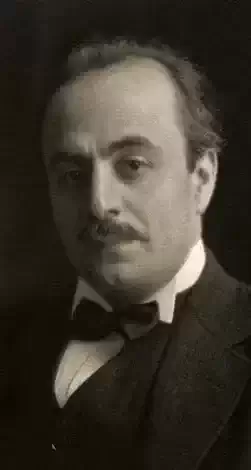
Khalil Gibran
A Poet's Death is His Life IV
The dark wings of night enfolded the city upon which Nature had spread a pure white
garment of snow; and men deserted the streets for their houses in search of warmth,
while the north wind probed in contemplation of laying waste the gardens. There in the
suburb stood an old hut heavily laden with snow and on the verge of falling. In a dark
recess of that hovel was a poor bed in which a dying youth was lying, staring at the
dim light of his oil lamp, made to flicker by the entering winds. He a man in the spring
of life who foresaw fully that the peaceful hour of freeing himself from the clutches of
life was fast nearing. He was awaiting Death's visit gratefully, and upon his pale face
appeared the dawn of hope; and on his lops a sorrowful smile; and in his eyes
forgiveness.
He was poet perishing from hunger in the city of living rich. He was placed in the
earthly world to enliven the heart of man with his beautiful and profound sayings. He
as noble soul, sent by the Goddess of Understanding to soothe and make gentle the
human spirit. But alas! He gladly bade the cold earth farewell without receiving a smile
from its strange occupants.
He was breathing his last and had no one at his bedside save the oil lamp, his only
companion, and some parchments upon which he had inscribed his heart's feeling. As
he salvaged the remnants of his withering strength he lifted his hands heavenward; he
moved his eyes hopelessly, as if wanting to penetrate the ceiling in order to see the
stars from behind the veil clouds.
And he said, "Come, oh beautiful Death; my soul is longing for you. Come close to me
and unfasten the irons life, for I am weary of dragging them. Come, oh sweet Death,
and deliver me from my neighbors who looked upon me as a stranger because I
interpret to them the language of the angels. Hurry, oh peaceful Death, and carry me
from these multitudes who left me in the dark corner of oblivion because I do not bleed
the weak as they do. Come, oh gentle Death, and enfold me under your white wings,
for my fellowmen are not in want of me. Embrace me, oh Death, full of love and
mercy; let your lips touch my lips which never tasted a mother's kiss, not touched a
sister's cheeks, not caresses a sweetheart's fingertips. Come and take me, by beloved
Death."
Then, at the bedside of the dying poet appeared an angel who possessed a
supernatural and divine beauty, holding in her hand a wreath of lilies. She embraced
him and closed his eyes so he could see no more, except with the eye of his spirit. She
impressed a deep and long and gently withdrawn kiss that left and eternal smile of
fulfillment upon his lips. Then the hovel became empty and nothing was lest save
parchments and papers which the poet had strewn with bitter futility.
Hundreds of years later, when the people of the city arose from the diseases slumber
of ignorance and saw the dawn of knowledge, they erected a monument in the most
beautiful garden of the city and celebrated a feast every year in honor of that poet,
whose writings had freed them. Oh, how cruel is man's ignorance!
Read more →
353
Henry Wadsworth Longfellow
Flower-De-Luce: To-Morrow
'Tis late at night, and in the realm of sleep
My little lambs are folded like the flocks;
From room to room I hear the wakeful clocks
Challenge the passing hour, like guards that keep
Their solitary watch on tower and steep;
Far off I hear the crowing of the cocks,
And through the opening door that time unlocks
Feel the fresh breathing of To-morrow creep.
To-morrow! the mysterious, unknown guest,
Who cries to me: 'Remember Barmecide,
And tremble to be happy with the rest.'
And I make answer: 'I am satisfied;
I dare not ask; I know not what is best;
God hath already said what shall betide.'
Read more →
351
Carl Sandburg
Child Moon
The child's wonder
At the old moon
Comes back nightly.
She points her finger
To the far silent yellow thing
Shining through the branches
Filtering on the leaves a golden sand,
Crying with her little tongue, “See the moon!”
And in her bed fading to sleep
With babblings of the moon on her little mouth.
Read more →
351
Khalil Gibran
Reason and Passion XV
And the priestess spoke again and said: "Speak to us of Reason and Passion."
And he answered saying:
Your soul is oftentimes a battlefield, upon which your reason and your judgment wage
war against passion and your appetite.
Would that I could be the peacemaker in your soul, that I might turn the discord and
the rivalry of your elements into oneness and melody.
But how shall I, unless you yourselves be also the peacemakers, nay, the lovers of all
your elements?
Your reason and your passion are the rudder and the sails of your seafaring soul.
If either your sails or our rudder be broken, you can but toss and drift, or else be held
at a standstill in mid-seas.
For reason, ruling alone, is a force confining; and passion, unattended, is a flame that
burns to its own destruction.
Therefore let your soul exalt your reason to the height of passion; that it may sing;
And let it direct your passion with reason, that your passion may live through its own
daily resurrection, and like the phoenix rise above its own ashes.
I would have you consider your judgment and your appetite even as you would two
loved guests in your house.
Surely you would not honour one guest above the other; for he who is more mindful of
one loses the love and the faith of both.
Among the hills, when you sit in the cool shade of the white poplars, sharing the peace
and serenity of distant fields and meadows - then let your heart say in silence, "God
rests in reason."
And when the storm comes, and the mighty wind shakes the forest, and thunder and
lightning proclaim the majesty of the sky, - then let your heart say in awe, "God moves
in passion."
And since you are a breath In God's sphere, and a leaf in God's forest, you too should
rest in reason and move in passion.
Read more →
351
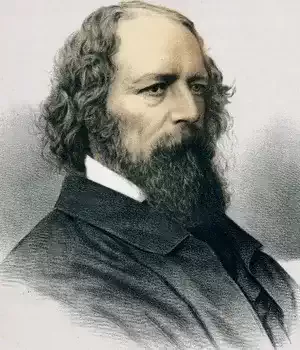
Alfred Lord Tennyson
Ask Me No More
Ask me no more: the moon may draw the sea;
The cloud may stoop from heaven and take the shape,
With fold to fold, of mountain or of cape;
But O too fond, when have I answer'd thee?
Ask me no more.
Ask me no more: what answer should I give?
I love not hollow cheek or faded eye:
Yet, O my friend, I will not have thee die!
Ask me no more, lest I should bid thee live;
Ask me no more.
Ask me no more: thy fate and mine are seal'd:
I strove against the stream and all in vain:
Let the great river take me to the main:
No more, dear love, for at a touch I yield;
Ask me no more.
Read more →
352