

Poems in this topic
Others
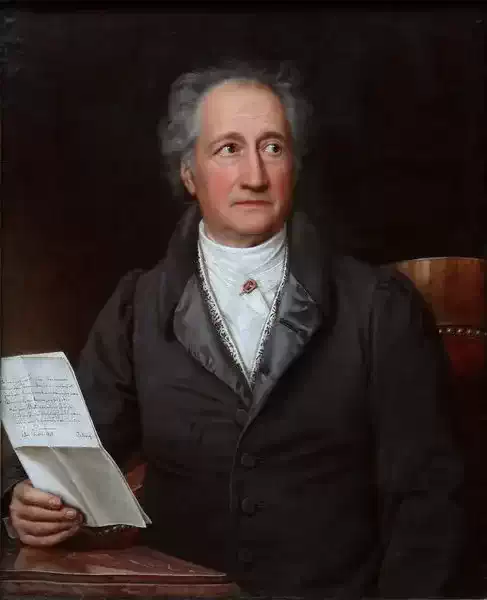
Johann Wolfgang von Goethe
A Parable
A Parable
I PICKED a rustic nosegay lately,
And bore it homewards, musing greatly;
When, heated by my hand, I found
The heads all drooping tow'rd the ground.
I plac'd them in a well-cool'd glass,
And what a wonder came to pass
The heads soon raised themselves once more.
The stalks were blooming as before,
And all were in as good a case
As when they left their native place.
So felt I, when I wond'ring heard
My song to foreign tongues transferr'd.
I PICKED a rustic nosegay lately,
And bore it homewards, musing greatly;
When, heated by my hand, I found
The heads all drooping tow'rd the ground.
I plac'd them in a well-cool'd glass,
And what a wonder came to pass
The heads soon raised themselves once more.
The stalks were blooming as before,
And all were in as good a case
As when they left their native place.
So felt I, when I wond'ring heard
My song to foreign tongues transferr'd.
437
Johann Wolfgang von Goethe
A Legacy
A Legacy
No living atom comes at last to naught!
Active in each is still the eternal Thought:
Hold fast to Being if thou wouldst be blest.
Being is without end; for changeless laws
Bind that from which the All its glory draws
Of living treasures endlessly possessed.
Unto the wise of old this truth was known,
Such wisdom knit their noble souls in one;
Then hold thou still the lore of ancient days!
To that high power thou ow'st it, son of man,
By whose decree the earth its circuit ran
And all the planets went their various ways.
Then inward turn at once thy searching eyes;
Thence shalt thou see the central truth arise
From which no lofty soul goes e'er astray;
There shalt thou miss no needful guiding sign-
For conscience lives, and still its light divine
Shall be the sun of all thy moral day.
Next shalt thou trust thy senses' evidence,
And fear from them no treacherous offence
While the mind's watchful eye thy road commands:
With lively pleasure contemplate the scene
And roam securely, teachable, serene,
At will throughout a world of fruitful lands.
Enjoy in moderation all life gives:
Where it rejoices in each thing that lives
Let reason be thy guide and make thee see.
Then shall the distant past be present still,
The future, ere it comes, thy vision fill-
Each single moment touch eternity.
Then at the last shalt thou achieve thy quest,
And in one final, firm conviction rest:
What bears for thee true fruit alone is true.
Prove all things, watch the movement of the world
As down the various ways its tribes are whirled;
Take thou thy stand among the chosen few.
Thus hath it been of old; in solitude
The artist shaped what thing to him seemed good,
The wise man hearkened to his own soul's voice.
Thus also shalt thou find thy greatest bliss;
To lead where the elect shall follow-this
And this alone is worth a hero's choice.
No living atom comes at last to naught!
Active in each is still the eternal Thought:
Hold fast to Being if thou wouldst be blest.
Being is without end; for changeless laws
Bind that from which the All its glory draws
Of living treasures endlessly possessed.
Unto the wise of old this truth was known,
Such wisdom knit their noble souls in one;
Then hold thou still the lore of ancient days!
To that high power thou ow'st it, son of man,
By whose decree the earth its circuit ran
And all the planets went their various ways.
Then inward turn at once thy searching eyes;
Thence shalt thou see the central truth arise
From which no lofty soul goes e'er astray;
There shalt thou miss no needful guiding sign-
For conscience lives, and still its light divine
Shall be the sun of all thy moral day.
Next shalt thou trust thy senses' evidence,
And fear from them no treacherous offence
While the mind's watchful eye thy road commands:
With lively pleasure contemplate the scene
And roam securely, teachable, serene,
At will throughout a world of fruitful lands.
Enjoy in moderation all life gives:
Where it rejoices in each thing that lives
Let reason be thy guide and make thee see.
Then shall the distant past be present still,
The future, ere it comes, thy vision fill-
Each single moment touch eternity.
Then at the last shalt thou achieve thy quest,
And in one final, firm conviction rest:
What bears for thee true fruit alone is true.
Prove all things, watch the movement of the world
As down the various ways its tribes are whirled;
Take thou thy stand among the chosen few.
Thus hath it been of old; in solitude
The artist shaped what thing to him seemed good,
The wise man hearkened to his own soul's voice.
Thus also shalt thou find thy greatest bliss;
To lead where the elect shall follow-this
And this alone is worth a hero's choice.
485
Johann Wolfgang von Goethe
A Legacy
A Legacy
No living atom comes at last to naught!
Active in each is still the eternal Thought:
Hold fast to Being if thou wouldst be blest.
Being is without end; for changeless laws
Bind that from which the All its glory draws
Of living treasures endlessly possessed.
Unto the wise of old this truth was known,
Such wisdom knit their noble souls in one;
Then hold thou still the lore of ancient days!
To that high power thou ow'st it, son of man,
By whose decree the earth its circuit ran
And all the planets went their various ways.
Then inward turn at once thy searching eyes;
Thence shalt thou see the central truth arise
From which no lofty soul goes e'er astray;
There shalt thou miss no needful guiding sign-
For conscience lives, and still its light divine
Shall be the sun of all thy moral day.
Next shalt thou trust thy senses' evidence,
And fear from them no treacherous offence
While the mind's watchful eye thy road commands:
With lively pleasure contemplate the scene
And roam securely, teachable, serene,
At will throughout a world of fruitful lands.
Enjoy in moderation all life gives:
Where it rejoices in each thing that lives
Let reason be thy guide and make thee see.
Then shall the distant past be present still,
The future, ere it comes, thy vision fill-
Each single moment touch eternity.
Then at the last shalt thou achieve thy quest,
And in one final, firm conviction rest:
What bears for thee true fruit alone is true.
Prove all things, watch the movement of the world
As down the various ways its tribes are whirled;
Take thou thy stand among the chosen few.
Thus hath it been of old; in solitude
The artist shaped what thing to him seemed good,
The wise man hearkened to his own soul's voice.
Thus also shalt thou find thy greatest bliss;
To lead where the elect shall follow-this
And this alone is worth a hero's choice.
No living atom comes at last to naught!
Active in each is still the eternal Thought:
Hold fast to Being if thou wouldst be blest.
Being is without end; for changeless laws
Bind that from which the All its glory draws
Of living treasures endlessly possessed.
Unto the wise of old this truth was known,
Such wisdom knit their noble souls in one;
Then hold thou still the lore of ancient days!
To that high power thou ow'st it, son of man,
By whose decree the earth its circuit ran
And all the planets went their various ways.
Then inward turn at once thy searching eyes;
Thence shalt thou see the central truth arise
From which no lofty soul goes e'er astray;
There shalt thou miss no needful guiding sign-
For conscience lives, and still its light divine
Shall be the sun of all thy moral day.
Next shalt thou trust thy senses' evidence,
And fear from them no treacherous offence
While the mind's watchful eye thy road commands:
With lively pleasure contemplate the scene
And roam securely, teachable, serene,
At will throughout a world of fruitful lands.
Enjoy in moderation all life gives:
Where it rejoices in each thing that lives
Let reason be thy guide and make thee see.
Then shall the distant past be present still,
The future, ere it comes, thy vision fill-
Each single moment touch eternity.
Then at the last shalt thou achieve thy quest,
And in one final, firm conviction rest:
What bears for thee true fruit alone is true.
Prove all things, watch the movement of the world
As down the various ways its tribes are whirled;
Take thou thy stand among the chosen few.
Thus hath it been of old; in solitude
The artist shaped what thing to him seemed good,
The wise man hearkened to his own soul's voice.
Thus also shalt thou find thy greatest bliss;
To lead where the elect shall follow-this
And this alone is worth a hero's choice.
485
Johann Wolfgang von Goethe
A Legacy
A Legacy
No living atom comes at last to naught!
Active in each is still the eternal Thought:
Hold fast to Being if thou wouldst be blest.
Being is without end; for changeless laws
Bind that from which the All its glory draws
Of living treasures endlessly possessed.
Unto the wise of old this truth was known,
Such wisdom knit their noble souls in one;
Then hold thou still the lore of ancient days!
To that high power thou ow'st it, son of man,
By whose decree the earth its circuit ran
And all the planets went their various ways.
Then inward turn at once thy searching eyes;
Thence shalt thou see the central truth arise
From which no lofty soul goes e'er astray;
There shalt thou miss no needful guiding sign-
For conscience lives, and still its light divine
Shall be the sun of all thy moral day.
Next shalt thou trust thy senses' evidence,
And fear from them no treacherous offence
While the mind's watchful eye thy road commands:
With lively pleasure contemplate the scene
And roam securely, teachable, serene,
At will throughout a world of fruitful lands.
Enjoy in moderation all life gives:
Where it rejoices in each thing that lives
Let reason be thy guide and make thee see.
Then shall the distant past be present still,
The future, ere it comes, thy vision fill-
Each single moment touch eternity.
Then at the last shalt thou achieve thy quest,
And in one final, firm conviction rest:
What bears for thee true fruit alone is true.
Prove all things, watch the movement of the world
As down the various ways its tribes are whirled;
Take thou thy stand among the chosen few.
Thus hath it been of old; in solitude
The artist shaped what thing to him seemed good,
The wise man hearkened to his own soul's voice.
Thus also shalt thou find thy greatest bliss;
To lead where the elect shall follow-this
And this alone is worth a hero's choice.
No living atom comes at last to naught!
Active in each is still the eternal Thought:
Hold fast to Being if thou wouldst be blest.
Being is without end; for changeless laws
Bind that from which the All its glory draws
Of living treasures endlessly possessed.
Unto the wise of old this truth was known,
Such wisdom knit their noble souls in one;
Then hold thou still the lore of ancient days!
To that high power thou ow'st it, son of man,
By whose decree the earth its circuit ran
And all the planets went their various ways.
Then inward turn at once thy searching eyes;
Thence shalt thou see the central truth arise
From which no lofty soul goes e'er astray;
There shalt thou miss no needful guiding sign-
For conscience lives, and still its light divine
Shall be the sun of all thy moral day.
Next shalt thou trust thy senses' evidence,
And fear from them no treacherous offence
While the mind's watchful eye thy road commands:
With lively pleasure contemplate the scene
And roam securely, teachable, serene,
At will throughout a world of fruitful lands.
Enjoy in moderation all life gives:
Where it rejoices in each thing that lives
Let reason be thy guide and make thee see.
Then shall the distant past be present still,
The future, ere it comes, thy vision fill-
Each single moment touch eternity.
Then at the last shalt thou achieve thy quest,
And in one final, firm conviction rest:
What bears for thee true fruit alone is true.
Prove all things, watch the movement of the world
As down the various ways its tribes are whirled;
Take thou thy stand among the chosen few.
Thus hath it been of old; in solitude
The artist shaped what thing to him seemed good,
The wise man hearkened to his own soul's voice.
Thus also shalt thou find thy greatest bliss;
To lead where the elect shall follow-this
And this alone is worth a hero's choice.
485
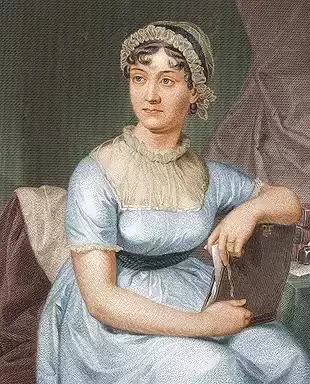
Jane Austen
When Stretch'd on One's Bed
When Stretch'd on One's Bed
When stretch'd on one's bed
With a fierce-throbbing head,
Which preculdes alike thought or repose,
How little one cares
For the grandest affairs
That may busy the world as it goes!
How little one feels
For the waltzes and reels
Of our Dance-loving friends at a Ball!
How slight one's concern
To conjecture or learn
What their flounces or hearts may befall.
How little one minds
If a company dines
On the best that the Season affords!
How short is one's muse
O'er the Sauces and Stews,
Or the Guests, be they Beggars or Lords.
How little the Bells,
Ring they Peels, toll they Knells,
Can attract our attention or Ears!
The Bride may be married,
The Corse may be carried
And touch nor our hopes nor our fears.
Our own bodily pains
Ev'ry faculty chains;
We can feel on no subject besides.
Tis in health and in ease
We the power must seize
For our friends and our souls to provide.
When stretch'd on one's bed
With a fierce-throbbing head,
Which preculdes alike thought or repose,
How little one cares
For the grandest affairs
That may busy the world as it goes!
How little one feels
For the waltzes and reels
Of our Dance-loving friends at a Ball!
How slight one's concern
To conjecture or learn
What their flounces or hearts may befall.
How little one minds
If a company dines
On the best that the Season affords!
How short is one's muse
O'er the Sauces and Stews,
Or the Guests, be they Beggars or Lords.
How little the Bells,
Ring they Peels, toll they Knells,
Can attract our attention or Ears!
The Bride may be married,
The Corse may be carried
And touch nor our hopes nor our fears.
Our own bodily pains
Ev'ry faculty chains;
We can feel on no subject besides.
Tis in health and in ease
We the power must seize
For our friends and our souls to provide.
175
Jane Austen
Mock Panegyric on a Young Friend
Mock Panegyric on a Young Friend
In measured verse I'll now rehearse
The charms of lovely Anna:
And, first, her mind is unconfined
Like any vast savannah.
Ontario's lake may fitly speak
Her fancy's ample bound:
Its circuit may, on strict survey
Five hundred miles be found.
Her wit descends on foes and friends
Like famed Niagara's fall;
And travellers gaze in wild amaze,
And listen, one and all.
Her judgment sound, thick, black, profound,
Like transatlantic groves,
Dispenses aid, and friendly shade
To all that in it roves.
If thus her mind to be defined
America exhausts,
And all that's grand in that great land
In similes it costs --
Oh how can I her person try
To image and portray?
How paint the face, the form how trace,
In which those virtues lay?
Another world must be unfurled,
Another language known,
Ere tongue or sound can publish round
Her charms of flesh and bone.
In measured verse I'll now rehearse
The charms of lovely Anna:
And, first, her mind is unconfined
Like any vast savannah.
Ontario's lake may fitly speak
Her fancy's ample bound:
Its circuit may, on strict survey
Five hundred miles be found.
Her wit descends on foes and friends
Like famed Niagara's fall;
And travellers gaze in wild amaze,
And listen, one and all.
Her judgment sound, thick, black, profound,
Like transatlantic groves,
Dispenses aid, and friendly shade
To all that in it roves.
If thus her mind to be defined
America exhausts,
And all that's grand in that great land
In similes it costs --
Oh how can I her person try
To image and portray?
How paint the face, the form how trace,
In which those virtues lay?
Another world must be unfurled,
Another language known,
Ere tongue or sound can publish round
Her charms of flesh and bone.
180
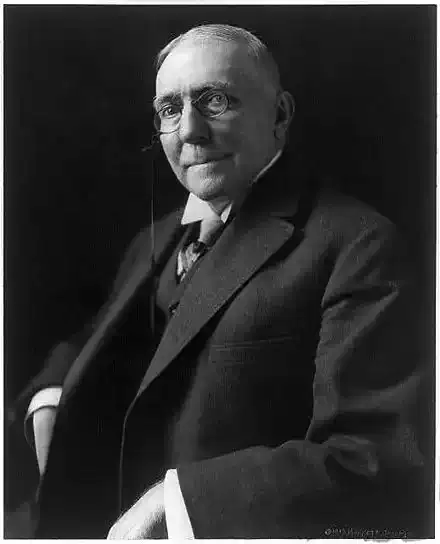
James Whitcomb Riley
With Hale Affection And Abiding Faith These Rhymes And Pictures Are
With Hale Affection And Abiding Faith These Rhymes And Pictures Are
Inscribed To The Children Everywhere
_He owns the bird-songs of the hills--
The laughter of the April rills;
And his are all the diamonds set
In Morning's dewy coronet,--
And his the Dusk's first minted stars
That twinkle through the pasture-bars
And litter all the skies at night
With glittering scraps of silver light;--
The rainbow's bar, from rim to rim,
In beaten gold, belongs to him._
Inscribed To The Children Everywhere
_He owns the bird-songs of the hills--
The laughter of the April rills;
And his are all the diamonds set
In Morning's dewy coronet,--
And his the Dusk's first minted stars
That twinkle through the pasture-bars
And litter all the skies at night
With glittering scraps of silver light;--
The rainbow's bar, from rim to rim,
In beaten gold, belongs to him._
269
James Whitcomb Riley
While The Musician Played
While The Musician Played
O it was but a dream I had
While the musician played!--
And here the sky, and here the glad
Old ocean kissed the glade--
And here the laughing ripples ran,
And here the roses grew
That threw a kiss to every man
That voyaged with the crew.
Our silken sails in lazy folds
Drooped in the breathless breeze:
As o'er a field of marigolds
Our eyes swam o'er the seas;
While here the eddies lisped and purled
Around the island's rim,
And up from out the underworld
We saw the mermen swim.
And it was dawn and middle-day
And midnight--for the moon
On silver rounds across the bay
Had climbed the skies of June--
And there the glowing, glorious king
Of day ruled o'er his realm,
With stars of midnight glittering
About his diadem.
The seagull reeled on languid wing
In circles round the mast,
We heard the songs the sirens sing
As we went sailing past;
And up and down the golden sands
A thousand fairy throngs
Flung at us from their flashing hands
The echoes of their songs.
O it was but a dream I had
While the musician played--
For here the sky, and here the glad
Old ocean kissed the glade;
And here the laughing ripples ran,
And here the roses grew
That threw a kiss to every man
That voyaged with the crew.
O it was but a dream I had
While the musician played!--
And here the sky, and here the glad
Old ocean kissed the glade--
And here the laughing ripples ran,
And here the roses grew
That threw a kiss to every man
That voyaged with the crew.
Our silken sails in lazy folds
Drooped in the breathless breeze:
As o'er a field of marigolds
Our eyes swam o'er the seas;
While here the eddies lisped and purled
Around the island's rim,
And up from out the underworld
We saw the mermen swim.
And it was dawn and middle-day
And midnight--for the moon
On silver rounds across the bay
Had climbed the skies of June--
And there the glowing, glorious king
Of day ruled o'er his realm,
With stars of midnight glittering
About his diadem.
The seagull reeled on languid wing
In circles round the mast,
We heard the songs the sirens sing
As we went sailing past;
And up and down the golden sands
A thousand fairy throngs
Flung at us from their flashing hands
The echoes of their songs.
O it was but a dream I had
While the musician played--
For here the sky, and here the glad
Old ocean kissed the glade;
And here the laughing ripples ran,
And here the roses grew
That threw a kiss to every man
That voyaged with the crew.
281
James Whitcomb Riley
When June Is Here
When June Is Here
When June is here--what art have we to sing
The whiteness of the lilies midst the green
Of noon-tranced lawns? Or flash of roses seen
Like redbirds' wings? Or earliest ripening
Prince-Harvest apples, where the cloyed bees cling
Round winey juices oozing down between
The peckings of the robin, while we lean
In under-grasses, lost in marveling.
Or the cool term of morning, and the stir
Of odorous breaths from wood and meadow walks,
The bobwhite's liquid yodel, and the whir
Of sudden flight; and, where the milkmaid talks
Across the bars, on tilted barley-stalks
The dewdrops' glint in webs of gossamer.
When June is here--what art have we to sing
The whiteness of the lilies midst the green
Of noon-tranced lawns? Or flash of roses seen
Like redbirds' wings? Or earliest ripening
Prince-Harvest apples, where the cloyed bees cling
Round winey juices oozing down between
The peckings of the robin, while we lean
In under-grasses, lost in marveling.
Or the cool term of morning, and the stir
Of odorous breaths from wood and meadow walks,
The bobwhite's liquid yodel, and the whir
Of sudden flight; and, where the milkmaid talks
Across the bars, on tilted barley-stalks
The dewdrops' glint in webs of gossamer.
340
James Whitcomb Riley
What The Wind Said
What The Wind Said
'I muse to-day, in a listless way,
In the gleam of a summer land;
I close my eyes as a lover may
At the touch of his sweetheart's hand,
And I hear these things in the whisperings
Of the zephyrs round me fanned':--
I am the Wind, and I rule mankind,
And I hold a sovereign reign
Over the lands, as God designed,
And the waters they contain:
Lo! the bound of the wide world round
Falleth in my domain!
I was born on a stormy morn
In a kingdom walled with snow,
Whose crystal cities laugh to scorn
The proudest the world can show;
And the daylight's glare is frozen there
In the breath of the blasts that blow.
Life to me was a jubilee
From the first of my youthful days:
Clinking my icy toys with glee--
Playing my childish plays;
Filling my hands with the silver sands
To scatter a thousand ways:
Chasing the flakes that the Polar shakes
From his shaggy coat of white,
Or hunting the trace of the track he makes
And sweeping it from sight,
As he turned to glare from the slippery stair
Of the iceberg's farthest height.
Till I grew so strong that I strayed ere long
From my home of ice and chill;
With an eager heart and a merry song
I traveled the snows until
I heard the thaws in the ice-crag's jaws
Crunched with a hungry will;
And the angry crash of the waves that dash
Themselves on the jagged shore
Where the splintered masts of the ice-wrecks flash,
And the frightened breakers roar
In wild unrest on the ocean's breast
For a thousand leagues or more.
And the grand old sea invited me
With a million beckoning hands,
And I spread my wings for a flight as free
As ever a sailor plans
When his thoughts are wild and his heart beguiled
With the dreams of foreign lands.
I passed a ship on its homeward trip,
With a weary and toil-worn crew;
And I kissed their flag with a welcome lip,
And so glad a gale I blew
That the sailors quaffed their grog and laughed
At the work I made them do.
I drifted by where sea-groves lie
Like brides in the fond caress
Of the warm sunshine and the tender sky--
Where the ocean, passionless
And tranquil, lies like a child whose eyes
Are blurred with drowsiness.
I drank the air and the perfume there,
And bathed in a fountain's spray;
And I smoothed the wings and the plumage rare
Of a bird for his roundelay,
And fluttered a rag from a signal-crag
For a wretched castaway.
With a sea-gull resting on my breast,
I launched on a madder flight:
And I lashed the waves to a wild unrest,
And howled with a fierce delight
Till the daylight slept; and I wailed and wept
Like a fretful babe all night.
For I heard the boom of a gun strike doom;
And the gleam of a blood-red star
Glared at me through the mirk and gloom
From the lighthouse tower afar;
And I held my breath at the shriek of death
That came from the harbor bar.
For I am the Wind, and I rule mankind,
And I hold a sovereign reign
Over the lands, as God designed,
And the waters they contain:
Lo! the bound of the wide world round
Falleth in my domain!
I journeyed on, when the night was gone,
O'er a coast of oak and pine;
And I followed a path that a stream had drawn
Through a land of vale and vine,
And here and there was a village fair
In a nest of shade and shine.
I passed o'er lakes where the sunshine shakes
And shivers his golden lance
On the glittering shield of the wave that breaks
Where the fish-boats dip and dance,
And the trader sails where the mist unveils
The glory of old romance.
I joyed to stand where the jeweled hand
Of the maiden-morning lies
On the tawny brow of the mountain-land.
Where the eagle shrieks and cries,
And holds his throne to himself alone
From the light of human eyes.
Adown deep glades where the forest shades
Are dim as the dusk of day--
Where only the foot of the wild beast wades,
Or the Indian dares to stray,
As the blacksnakes glide through the reeds and hide
In the swamp-depths grim and gray.
And I turned and fled from the place of dread
To the far-off haunts of men.
'In the city's heart is rest,' I said,--
But I found it not, and when
I saw but care and vice reign there
I was filled with wrath again:
And I blew a spark in the midnight dark
Till it flashed to an angry flame
And scarred the sky with a lurid mark
As red as the blush of shame:
And a hint of hell was the dying yell
That up from the ruins came.
The bells went wild, and the black smoke piled
Its pillars against the night,
Till I gathered them, like flocks defiled,
And scattered them left and right,
While the holocaust's red tresses tossed
As a maddened Fury's might.
'Ye overthrown!' did I jeer and groan-'
Ho! who is your master?--say!--
Ye shapes that writhe in the slag and moan
Your slow-charred souls away--
Ye worse than worst of things accurst--
Ye dead leaves of a day!'
I am the Wind, and I rule mankind,
And I hold a sovereign reign
Over the lands, as God designed,
And the waters they contain:
Lo! the bound of the wide world round
Falleth in my domain!
. . . . . . .
'I wake, as one from a dream half done,
And gaze with a dazzled eye
On an autumn leaf like a scrap of sun
That the wind goes whirling by,
While afar I hear, with a chill of fear,
The winter storm-king sigh.'
'I muse to-day, in a listless way,
In the gleam of a summer land;
I close my eyes as a lover may
At the touch of his sweetheart's hand,
And I hear these things in the whisperings
Of the zephyrs round me fanned':--
I am the Wind, and I rule mankind,
And I hold a sovereign reign
Over the lands, as God designed,
And the waters they contain:
Lo! the bound of the wide world round
Falleth in my domain!
I was born on a stormy morn
In a kingdom walled with snow,
Whose crystal cities laugh to scorn
The proudest the world can show;
And the daylight's glare is frozen there
In the breath of the blasts that blow.
Life to me was a jubilee
From the first of my youthful days:
Clinking my icy toys with glee--
Playing my childish plays;
Filling my hands with the silver sands
To scatter a thousand ways:
Chasing the flakes that the Polar shakes
From his shaggy coat of white,
Or hunting the trace of the track he makes
And sweeping it from sight,
As he turned to glare from the slippery stair
Of the iceberg's farthest height.
Till I grew so strong that I strayed ere long
From my home of ice and chill;
With an eager heart and a merry song
I traveled the snows until
I heard the thaws in the ice-crag's jaws
Crunched with a hungry will;
And the angry crash of the waves that dash
Themselves on the jagged shore
Where the splintered masts of the ice-wrecks flash,
And the frightened breakers roar
In wild unrest on the ocean's breast
For a thousand leagues or more.
And the grand old sea invited me
With a million beckoning hands,
And I spread my wings for a flight as free
As ever a sailor plans
When his thoughts are wild and his heart beguiled
With the dreams of foreign lands.
I passed a ship on its homeward trip,
With a weary and toil-worn crew;
And I kissed their flag with a welcome lip,
And so glad a gale I blew
That the sailors quaffed their grog and laughed
At the work I made them do.
I drifted by where sea-groves lie
Like brides in the fond caress
Of the warm sunshine and the tender sky--
Where the ocean, passionless
And tranquil, lies like a child whose eyes
Are blurred with drowsiness.
I drank the air and the perfume there,
And bathed in a fountain's spray;
And I smoothed the wings and the plumage rare
Of a bird for his roundelay,
And fluttered a rag from a signal-crag
For a wretched castaway.
With a sea-gull resting on my breast,
I launched on a madder flight:
And I lashed the waves to a wild unrest,
And howled with a fierce delight
Till the daylight slept; and I wailed and wept
Like a fretful babe all night.
For I heard the boom of a gun strike doom;
And the gleam of a blood-red star
Glared at me through the mirk and gloom
From the lighthouse tower afar;
And I held my breath at the shriek of death
That came from the harbor bar.
For I am the Wind, and I rule mankind,
And I hold a sovereign reign
Over the lands, as God designed,
And the waters they contain:
Lo! the bound of the wide world round
Falleth in my domain!
I journeyed on, when the night was gone,
O'er a coast of oak and pine;
And I followed a path that a stream had drawn
Through a land of vale and vine,
And here and there was a village fair
In a nest of shade and shine.
I passed o'er lakes where the sunshine shakes
And shivers his golden lance
On the glittering shield of the wave that breaks
Where the fish-boats dip and dance,
And the trader sails where the mist unveils
The glory of old romance.
I joyed to stand where the jeweled hand
Of the maiden-morning lies
On the tawny brow of the mountain-land.
Where the eagle shrieks and cries,
And holds his throne to himself alone
From the light of human eyes.
Adown deep glades where the forest shades
Are dim as the dusk of day--
Where only the foot of the wild beast wades,
Or the Indian dares to stray,
As the blacksnakes glide through the reeds and hide
In the swamp-depths grim and gray.
And I turned and fled from the place of dread
To the far-off haunts of men.
'In the city's heart is rest,' I said,--
But I found it not, and when
I saw but care and vice reign there
I was filled with wrath again:
And I blew a spark in the midnight dark
Till it flashed to an angry flame
And scarred the sky with a lurid mark
As red as the blush of shame:
And a hint of hell was the dying yell
That up from the ruins came.
The bells went wild, and the black smoke piled
Its pillars against the night,
Till I gathered them, like flocks defiled,
And scattered them left and right,
While the holocaust's red tresses tossed
As a maddened Fury's might.
'Ye overthrown!' did I jeer and groan-'
Ho! who is your master?--say!--
Ye shapes that writhe in the slag and moan
Your slow-charred souls away--
Ye worse than worst of things accurst--
Ye dead leaves of a day!'
I am the Wind, and I rule mankind,
And I hold a sovereign reign
Over the lands, as God designed,
And the waters they contain:
Lo! the bound of the wide world round
Falleth in my domain!
. . . . . . .
'I wake, as one from a dream half done,
And gaze with a dazzled eye
On an autumn leaf like a scrap of sun
That the wind goes whirling by,
While afar I hear, with a chill of fear,
The winter storm-king sigh.'
364
James Whitcomb Riley
We to Sigh Instead of Sing
We to Sigh Instead of Sing
"Rain and Rain! and rain and rain!"
Yesterday we muttered
Grimly as the grim refrain
That the thunders uttered:
All the heavens under cloud --
All the sunshine sleeping;
All the grasses limply bowed
With their weight of weeping.
Sigh and sigh! and sigh and sigh!
Never end of sighing;
Rain and rain for our reply --
Hopes half-drowned and dying;
Peering through the window-pane,
Naught but endless raining --
Endless sighing, and, as vain,
Endlessly conmplaining.
Shine and shine! and shine and shine!
Ah! to-day the splendor!--
All this glory yours and mine --
God! but God is tender!
We to sigh instead of sing,
Yesterday in sorrow,
While the lord was fashioning
This for our To-morrow!
"Rain and Rain! and rain and rain!"
Yesterday we muttered
Grimly as the grim refrain
That the thunders uttered:
All the heavens under cloud --
All the sunshine sleeping;
All the grasses limply bowed
With their weight of weeping.
Sigh and sigh! and sigh and sigh!
Never end of sighing;
Rain and rain for our reply --
Hopes half-drowned and dying;
Peering through the window-pane,
Naught but endless raining --
Endless sighing, and, as vain,
Endlessly conmplaining.
Shine and shine! and shine and shine!
Ah! to-day the splendor!--
All this glory yours and mine --
God! but God is tender!
We to sigh instead of sing,
Yesterday in sorrow,
While the lord was fashioning
This for our To-morrow!
313
James Whitcomb Riley
We Must Believe
We Must Believe
_'Lord, I believe: help Thou mine unbelief.'_
We must believe--
Being from birth endowed with love and trust--
Born unto loving;--and how simply just
That love--that faith!--even in the blossom-face
The babe drops dreamward in its resting-place,
Intuitively conscious of the sure
Awakening to rapture ever pure
And sweet and saintly as the mother's own,
Or the awed father's, as his arms are thrown
O'er wife and child, to round about them weave
And wind and bind them as one harvest-sheaf
Of love--to cleave to, and _forever_ cleave....
Lord, I believe:
Help Thou mine unbelief.
We must believe--
Impelled since infancy to seek some clear
Fulfillment, still withheld all seekers here;--
For never have we seen perfection nor
The glory we are ever seeking for:
But we _have_ seen--all mortal souls as one--
Have seen its _promise_, in the morning sun--
Its blest assurance, in the stars of night;--
The ever-dawning of the dark to light;--
The tears down-falling from all eyes that grieve--
The eyes uplifting from all deeps of grief,
Yearning for what at last we shall receive....
Lord, I believe:
Help Thou mine unbelief.
We must believe--
For still all unappeased our hunger goes,
From life's first waking, to its last repose:
The briefest life of any babe, or man
Outwearing even the allotted span,
Is each a life unfinished--incomplete:
For these, then, of th' outworn, or unworn feet
Denied one toddling step--O there must be
Some fair, green, flowery pathway endlessly
Winding through lands Elysian! Lord, receive
And lead each as Thine Own Child--even the Chief
Of us who didst Immortal life achieve....
Lord, I believe:
Help Thou mine unbelief.
_'Lord, I believe: help Thou mine unbelief.'_
We must believe--
Being from birth endowed with love and trust--
Born unto loving;--and how simply just
That love--that faith!--even in the blossom-face
The babe drops dreamward in its resting-place,
Intuitively conscious of the sure
Awakening to rapture ever pure
And sweet and saintly as the mother's own,
Or the awed father's, as his arms are thrown
O'er wife and child, to round about them weave
And wind and bind them as one harvest-sheaf
Of love--to cleave to, and _forever_ cleave....
Lord, I believe:
Help Thou mine unbelief.
We must believe--
Impelled since infancy to seek some clear
Fulfillment, still withheld all seekers here;--
For never have we seen perfection nor
The glory we are ever seeking for:
But we _have_ seen--all mortal souls as one--
Have seen its _promise_, in the morning sun--
Its blest assurance, in the stars of night;--
The ever-dawning of the dark to light;--
The tears down-falling from all eyes that grieve--
The eyes uplifting from all deeps of grief,
Yearning for what at last we shall receive....
Lord, I believe:
Help Thou mine unbelief.
We must believe--
For still all unappeased our hunger goes,
From life's first waking, to its last repose:
The briefest life of any babe, or man
Outwearing even the allotted span,
Is each a life unfinished--incomplete:
For these, then, of th' outworn, or unworn feet
Denied one toddling step--O there must be
Some fair, green, flowery pathway endlessly
Winding through lands Elysian! Lord, receive
And lead each as Thine Own Child--even the Chief
Of us who didst Immortal life achieve....
Lord, I believe:
Help Thou mine unbelief.
276
James Whitcomb Riley
Wash Lowry's Reminiscence
Wash Lowry's Reminiscence
And you're the poet of this concern?
I've seed your name in print
A dozen times, but I'll be dern
I'd 'a' never 'a' took the hint
O' the size you are--fer I'd pictured you
A kind of a tallish man-Dark-
complected and sallor too,
And on the consumpted plan.
'Stid o' that you're little and small,
With a milk-and-water face-'
Thout no snap in your eyes at all,
Er nothin' to suit the case!
Kind o'look like a--I don't know--
One o' these fair-ground chaps
That runs a thingamajig to blow,
Er a candy-stand perhaps.
'Ll I've allus thought that poetry
Was a sort of a--some disease--
Fer I knowed a poet once, and he
Was techy and hard to please,
And moody-like, and kindo' sad
And didn't seem to mix
With other folks--like his health was bad,
Er his liver out o' fix.
Used to teach fer a livelihood-There's
folks in Pipe Crick yit
Remembers him--and he was good
At cipherin' I'll admit--
And posted up in G'ography
But when it comes to tact,
And gittin' along with the school, you see,
He fizzled, and that's a fact!
Boarded with us fer fourteen months
And in all that time I'll say
We never catched him a-sleepin' once
Er idle a single day.
But shucks! It made him worse and worse
A-writin' rhymes and stuff,
And the school committee used to furse
'At the school warn't good enough.
He warn't as strict as he ought to been,
And never was known to whip,
Or even to keep a scholard in
At work at his penmanship;
'Stid o' that he'd learn 'em notes,
And have 'em every day,
Spilin' hymns and a-splittin' th'oats
With his 'Do-sol-fa-me-ra!'
Tel finally it was jest agreed
We'd have to let him go,
And we all felt bad--we did indeed,
When we come to tell him so;
Fer I remember, he turned so white,
And smiled so sad, somehow,
I someway felt it wasn't right,
And I'm shore it wasn't now!
He hadn't no complaints at all--
He bid the school adieu,
And all o' the scholards great and small
Was mighty sorry too!
And when he closed that afternoon
They sung some lines that he
Had writ a purpose, to some old tune
That suited the case, you see.
And then he lingered and delayed
And wouldn't go away--
And shet himself in his room and stayed
A-writin' from day to day;
And kep' a-gittin' stranger still,
And thinner all the time,
You know, as any feller will
On nothin' else but rhyme.
He didn't seem adzactly right,
Er like he was crossed in love,
He'd work away night after night,
And walk the floor above;
We'd hear him read and talk, and sing
So lonesome-like and low,
My woman's cried like ever'thing-'
Way in the night, you know.
And when at last he tuck to bed
He'd have his ink and pen;
'So's he could coat the muse' he said,
'He'd die contented then';
And jest before he past away
He read with dyin' gaze
The epitaph that stands to-day
To show you where he lays.
And ever sence then I've allus thought
That poetry's some disease,
And them like you that's got it ought
To watch their q's and p's ;
And leave the sweets of rhyme, to sup
On the wholesome draughts of toil,
And git your health recruited up
By plowin' in rougher soil.
And you're the poet of this concern?
I've seed your name in print
A dozen times, but I'll be dern
I'd 'a' never 'a' took the hint
O' the size you are--fer I'd pictured you
A kind of a tallish man-Dark-
complected and sallor too,
And on the consumpted plan.
'Stid o' that you're little and small,
With a milk-and-water face-'
Thout no snap in your eyes at all,
Er nothin' to suit the case!
Kind o'look like a--I don't know--
One o' these fair-ground chaps
That runs a thingamajig to blow,
Er a candy-stand perhaps.
'Ll I've allus thought that poetry
Was a sort of a--some disease--
Fer I knowed a poet once, and he
Was techy and hard to please,
And moody-like, and kindo' sad
And didn't seem to mix
With other folks--like his health was bad,
Er his liver out o' fix.
Used to teach fer a livelihood-There's
folks in Pipe Crick yit
Remembers him--and he was good
At cipherin' I'll admit--
And posted up in G'ography
But when it comes to tact,
And gittin' along with the school, you see,
He fizzled, and that's a fact!
Boarded with us fer fourteen months
And in all that time I'll say
We never catched him a-sleepin' once
Er idle a single day.
But shucks! It made him worse and worse
A-writin' rhymes and stuff,
And the school committee used to furse
'At the school warn't good enough.
He warn't as strict as he ought to been,
And never was known to whip,
Or even to keep a scholard in
At work at his penmanship;
'Stid o' that he'd learn 'em notes,
And have 'em every day,
Spilin' hymns and a-splittin' th'oats
With his 'Do-sol-fa-me-ra!'
Tel finally it was jest agreed
We'd have to let him go,
And we all felt bad--we did indeed,
When we come to tell him so;
Fer I remember, he turned so white,
And smiled so sad, somehow,
I someway felt it wasn't right,
And I'm shore it wasn't now!
He hadn't no complaints at all--
He bid the school adieu,
And all o' the scholards great and small
Was mighty sorry too!
And when he closed that afternoon
They sung some lines that he
Had writ a purpose, to some old tune
That suited the case, you see.
And then he lingered and delayed
And wouldn't go away--
And shet himself in his room and stayed
A-writin' from day to day;
And kep' a-gittin' stranger still,
And thinner all the time,
You know, as any feller will
On nothin' else but rhyme.
He didn't seem adzactly right,
Er like he was crossed in love,
He'd work away night after night,
And walk the floor above;
We'd hear him read and talk, and sing
So lonesome-like and low,
My woman's cried like ever'thing-'
Way in the night, you know.
And when at last he tuck to bed
He'd have his ink and pen;
'So's he could coat the muse' he said,
'He'd die contented then';
And jest before he past away
He read with dyin' gaze
The epitaph that stands to-day
To show you where he lays.
And ever sence then I've allus thought
That poetry's some disease,
And them like you that's got it ought
To watch their q's and p's ;
And leave the sweets of rhyme, to sup
On the wholesome draughts of toil,
And git your health recruited up
By plowin' in rougher soil.
303
James Whitcomb Riley
Wash Lowry's Reminiscence
Wash Lowry's Reminiscence
And you're the poet of this concern?
I've seed your name in print
A dozen times, but I'll be dern
I'd 'a' never 'a' took the hint
O' the size you are--fer I'd pictured you
A kind of a tallish man-Dark-
complected and sallor too,
And on the consumpted plan.
'Stid o' that you're little and small,
With a milk-and-water face-'
Thout no snap in your eyes at all,
Er nothin' to suit the case!
Kind o'look like a--I don't know--
One o' these fair-ground chaps
That runs a thingamajig to blow,
Er a candy-stand perhaps.
'Ll I've allus thought that poetry
Was a sort of a--some disease--
Fer I knowed a poet once, and he
Was techy and hard to please,
And moody-like, and kindo' sad
And didn't seem to mix
With other folks--like his health was bad,
Er his liver out o' fix.
Used to teach fer a livelihood-There's
folks in Pipe Crick yit
Remembers him--and he was good
At cipherin' I'll admit--
And posted up in G'ography
But when it comes to tact,
And gittin' along with the school, you see,
He fizzled, and that's a fact!
Boarded with us fer fourteen months
And in all that time I'll say
We never catched him a-sleepin' once
Er idle a single day.
But shucks! It made him worse and worse
A-writin' rhymes and stuff,
And the school committee used to furse
'At the school warn't good enough.
He warn't as strict as he ought to been,
And never was known to whip,
Or even to keep a scholard in
At work at his penmanship;
'Stid o' that he'd learn 'em notes,
And have 'em every day,
Spilin' hymns and a-splittin' th'oats
With his 'Do-sol-fa-me-ra!'
Tel finally it was jest agreed
We'd have to let him go,
And we all felt bad--we did indeed,
When we come to tell him so;
Fer I remember, he turned so white,
And smiled so sad, somehow,
I someway felt it wasn't right,
And I'm shore it wasn't now!
He hadn't no complaints at all--
He bid the school adieu,
And all o' the scholards great and small
Was mighty sorry too!
And when he closed that afternoon
They sung some lines that he
Had writ a purpose, to some old tune
That suited the case, you see.
And then he lingered and delayed
And wouldn't go away--
And shet himself in his room and stayed
A-writin' from day to day;
And kep' a-gittin' stranger still,
And thinner all the time,
You know, as any feller will
On nothin' else but rhyme.
He didn't seem adzactly right,
Er like he was crossed in love,
He'd work away night after night,
And walk the floor above;
We'd hear him read and talk, and sing
So lonesome-like and low,
My woman's cried like ever'thing-'
Way in the night, you know.
And when at last he tuck to bed
He'd have his ink and pen;
'So's he could coat the muse' he said,
'He'd die contented then';
And jest before he past away
He read with dyin' gaze
The epitaph that stands to-day
To show you where he lays.
And ever sence then I've allus thought
That poetry's some disease,
And them like you that's got it ought
To watch their q's and p's ;
And leave the sweets of rhyme, to sup
On the wholesome draughts of toil,
And git your health recruited up
By plowin' in rougher soil.
And you're the poet of this concern?
I've seed your name in print
A dozen times, but I'll be dern
I'd 'a' never 'a' took the hint
O' the size you are--fer I'd pictured you
A kind of a tallish man-Dark-
complected and sallor too,
And on the consumpted plan.
'Stid o' that you're little and small,
With a milk-and-water face-'
Thout no snap in your eyes at all,
Er nothin' to suit the case!
Kind o'look like a--I don't know--
One o' these fair-ground chaps
That runs a thingamajig to blow,
Er a candy-stand perhaps.
'Ll I've allus thought that poetry
Was a sort of a--some disease--
Fer I knowed a poet once, and he
Was techy and hard to please,
And moody-like, and kindo' sad
And didn't seem to mix
With other folks--like his health was bad,
Er his liver out o' fix.
Used to teach fer a livelihood-There's
folks in Pipe Crick yit
Remembers him--and he was good
At cipherin' I'll admit--
And posted up in G'ography
But when it comes to tact,
And gittin' along with the school, you see,
He fizzled, and that's a fact!
Boarded with us fer fourteen months
And in all that time I'll say
We never catched him a-sleepin' once
Er idle a single day.
But shucks! It made him worse and worse
A-writin' rhymes and stuff,
And the school committee used to furse
'At the school warn't good enough.
He warn't as strict as he ought to been,
And never was known to whip,
Or even to keep a scholard in
At work at his penmanship;
'Stid o' that he'd learn 'em notes,
And have 'em every day,
Spilin' hymns and a-splittin' th'oats
With his 'Do-sol-fa-me-ra!'
Tel finally it was jest agreed
We'd have to let him go,
And we all felt bad--we did indeed,
When we come to tell him so;
Fer I remember, he turned so white,
And smiled so sad, somehow,
I someway felt it wasn't right,
And I'm shore it wasn't now!
He hadn't no complaints at all--
He bid the school adieu,
And all o' the scholards great and small
Was mighty sorry too!
And when he closed that afternoon
They sung some lines that he
Had writ a purpose, to some old tune
That suited the case, you see.
And then he lingered and delayed
And wouldn't go away--
And shet himself in his room and stayed
A-writin' from day to day;
And kep' a-gittin' stranger still,
And thinner all the time,
You know, as any feller will
On nothin' else but rhyme.
He didn't seem adzactly right,
Er like he was crossed in love,
He'd work away night after night,
And walk the floor above;
We'd hear him read and talk, and sing
So lonesome-like and low,
My woman's cried like ever'thing-'
Way in the night, you know.
And when at last he tuck to bed
He'd have his ink and pen;
'So's he could coat the muse' he said,
'He'd die contented then';
And jest before he past away
He read with dyin' gaze
The epitaph that stands to-day
To show you where he lays.
And ever sence then I've allus thought
That poetry's some disease,
And them like you that's got it ought
To watch their q's and p's ;
And leave the sweets of rhyme, to sup
On the wholesome draughts of toil,
And git your health recruited up
By plowin' in rougher soil.
303
James Whitcomb Riley
Tom Van Arden
Tom Van Arden
Tom Van Arden, my old friend,
Our warm fellowship is one
Far too old to comprehend
Where its bond was first begun:
Mirage-like before my gaze
Gleams a land of other days,
Where two truant boys, astray,
Dream their lazy lives away.
There's a vision, in the guise
Of Midsummer, where the Past
Like a weary beggar lies
In the shadow Time has cast;
And as blends the bloom of trees
With the drowsy hum of bees,
Fragrant thoughts and murmurs blend,
Tom Van Arden, my old friend.
Tom Van Arden, my old friend,
All the pleasures we have known
Thrill me now as I extend
This old hand and grasp your own--
Feeling, in the rude caress,
All affection's tenderness;
Feeling, though the touch be rough,
Our old souls are soft enough.
So we'll make a mellow hour:
Fill your pipe, and taste the wine--
Warp your face, if it be sour,
I can spare a smile from mine;
If it sharpen up your wit,
Let me feel the edge of it--
I have eager ears to lend,
Tom Van Arden, my old friend.
Tom Van Arden, my old friend,
Are we 'lucky dogs,' indeed?
Are we all that we pretend
In the jolly life we lead?--
Bachelors, we must confess,
Boast of 'single blessedness'
To the world, but not alone-Man's
best sorrow is his own!
And the saddest truth is this,--
Life to us has never proved
What we tasted in the kiss
Of the women we have loved:
Vainly we congratulate
Our escape from such a fate
As their lying lips could send,
Tom Van Arden, my old friend!
Tom Van Arden, my old friend,
Hearts, like fruit upon the stem,
Ripen sweetest, I contend,
As the frost falls over them:
Your regard for me to-day
Makes November taste of May,
And through every vein of rhyme
Pours the blood of summer-time.
When our souls are cramped with youth
Happiness seems far away
In the future, while, in truth,
We look back on it to-day
Through our tears, nor dare to boast,-'
Better to have loved and lost!'
Broken hearts are hard to mend,
Tom Van Arden, my old friend.
Tom Van Arden, my old friend,
I grow prosy, and you tire;
Fill the glasses while I bend
To prod up the failing fire. . . .
You are restless:--I presume
There's a dampness in the room.--
Much of warmth our nature begs,
With rheumatics in our legs! . . .
Humph! the legs we used to fling
Limber-jointed in the dance,
When we heard the fiddle ring
Up the curtain of Romance,
And in crowded public halls
Played with hearts like jugglers' balls.--
FEATS OF MOUNTEBANKS, DEPEND!--
Tom Van Arden, my old friend.
Tom Van Arden, my old friend,
Pardon, then, this theme of mine:
While the firelight leaps to lend
Higher color to the wine,--
I propose a health to those
Who have HOMES, and home's repose,
Wife- and child-love without end!
. . . Tom Van Arden, my old friend.
Tom Van Arden, my old friend,
Our warm fellowship is one
Far too old to comprehend
Where its bond was first begun:
Mirage-like before my gaze
Gleams a land of other days,
Where two truant boys, astray,
Dream their lazy lives away.
There's a vision, in the guise
Of Midsummer, where the Past
Like a weary beggar lies
In the shadow Time has cast;
And as blends the bloom of trees
With the drowsy hum of bees,
Fragrant thoughts and murmurs blend,
Tom Van Arden, my old friend.
Tom Van Arden, my old friend,
All the pleasures we have known
Thrill me now as I extend
This old hand and grasp your own--
Feeling, in the rude caress,
All affection's tenderness;
Feeling, though the touch be rough,
Our old souls are soft enough.
So we'll make a mellow hour:
Fill your pipe, and taste the wine--
Warp your face, if it be sour,
I can spare a smile from mine;
If it sharpen up your wit,
Let me feel the edge of it--
I have eager ears to lend,
Tom Van Arden, my old friend.
Tom Van Arden, my old friend,
Are we 'lucky dogs,' indeed?
Are we all that we pretend
In the jolly life we lead?--
Bachelors, we must confess,
Boast of 'single blessedness'
To the world, but not alone-Man's
best sorrow is his own!
And the saddest truth is this,--
Life to us has never proved
What we tasted in the kiss
Of the women we have loved:
Vainly we congratulate
Our escape from such a fate
As their lying lips could send,
Tom Van Arden, my old friend!
Tom Van Arden, my old friend,
Hearts, like fruit upon the stem,
Ripen sweetest, I contend,
As the frost falls over them:
Your regard for me to-day
Makes November taste of May,
And through every vein of rhyme
Pours the blood of summer-time.
When our souls are cramped with youth
Happiness seems far away
In the future, while, in truth,
We look back on it to-day
Through our tears, nor dare to boast,-'
Better to have loved and lost!'
Broken hearts are hard to mend,
Tom Van Arden, my old friend.
Tom Van Arden, my old friend,
I grow prosy, and you tire;
Fill the glasses while I bend
To prod up the failing fire. . . .
You are restless:--I presume
There's a dampness in the room.--
Much of warmth our nature begs,
With rheumatics in our legs! . . .
Humph! the legs we used to fling
Limber-jointed in the dance,
When we heard the fiddle ring
Up the curtain of Romance,
And in crowded public halls
Played with hearts like jugglers' balls.--
FEATS OF MOUNTEBANKS, DEPEND!--
Tom Van Arden, my old friend.
Tom Van Arden, my old friend,
Pardon, then, this theme of mine:
While the firelight leaps to lend
Higher color to the wine,--
I propose a health to those
Who have HOMES, and home's repose,
Wife- and child-love without end!
. . . Tom Van Arden, my old friend.
272
James Whitcomb Riley
To Robert Burns
To Robert Burns
Sweet Singer that I loe the maist
O' ony, sin' wi' eager haste
I smacket bairn-lips ower the taste
O' hinnied sang,
I hail thee, though a blessed ghaist
In Heaven lang!
For weel I ken, nae cantie phrase,
Nor courtly airs, nor lairdly ways,
Could gar me freer blame, or praise,
Or proffer hand,
Where 'Rantin' Robbie' and his lays
Thegither stand.
And sae these hamely lines I send,
Wi' jinglin' words at ilka end,
In echo o' the sangs that wend
Frae thee to me
Like simmer-brooks, wi mony a bend
O' wimplin' glee.
In fancy, as wi' dewy een,
I part the clouds aboon the scene
Where thou wast born, and peer atween,
I see nae spot
In a' the Hielands half sae green
And unforgot?
I see nae storied castle-hall,
Wi' banners flauntin' ower the wall
And serf and page in ready call,
Sae grand to me
As ane puir cotter's hut, wi' all
Its poverty.
There where the simple daisy grew
Sae bonnie sweet, and modest too,
Thy liltin' filled its wee head fu'
O' sic a grace,
It aye is weepin' tears o' dew
Wi' droopit face.
Frae where the heather bluebells fling
Their sangs o' fragrance to the Spring,
To where the lavrock soars to sing,
Still lives thy strain,
For' a' the birds are twittering
Sangs like thine ain.
And aye, by light o' sun or moon,
By banks o' Ayr, or Bonnie Doon,
The waters lilt nae tender tune
But sweeter seems
Because they poured their limpid rune
Through a' thy dreams.
Wi' brimmin' lip, and laughin' ee,
Thou shookest even Grief wi' glee,
Yet had nae niggart sympathy
Where Sorrow bowed,
But gavest a' thy tears as free
As a' thy gowd.
And sae it is we be thy name
To see bleeze up wi' sic a flame,
That a' pretentious stars o' fame
Maun blink asklent,
To see how simple worth may shame
Their brightest glent.
Sweet Singer that I loe the maist
O' ony, sin' wi' eager haste
I smacket bairn-lips ower the taste
O' hinnied sang,
I hail thee, though a blessed ghaist
In Heaven lang!
For weel I ken, nae cantie phrase,
Nor courtly airs, nor lairdly ways,
Could gar me freer blame, or praise,
Or proffer hand,
Where 'Rantin' Robbie' and his lays
Thegither stand.
And sae these hamely lines I send,
Wi' jinglin' words at ilka end,
In echo o' the sangs that wend
Frae thee to me
Like simmer-brooks, wi mony a bend
O' wimplin' glee.
In fancy, as wi' dewy een,
I part the clouds aboon the scene
Where thou wast born, and peer atween,
I see nae spot
In a' the Hielands half sae green
And unforgot?
I see nae storied castle-hall,
Wi' banners flauntin' ower the wall
And serf and page in ready call,
Sae grand to me
As ane puir cotter's hut, wi' all
Its poverty.
There where the simple daisy grew
Sae bonnie sweet, and modest too,
Thy liltin' filled its wee head fu'
O' sic a grace,
It aye is weepin' tears o' dew
Wi' droopit face.
Frae where the heather bluebells fling
Their sangs o' fragrance to the Spring,
To where the lavrock soars to sing,
Still lives thy strain,
For' a' the birds are twittering
Sangs like thine ain.
And aye, by light o' sun or moon,
By banks o' Ayr, or Bonnie Doon,
The waters lilt nae tender tune
But sweeter seems
Because they poured their limpid rune
Through a' thy dreams.
Wi' brimmin' lip, and laughin' ee,
Thou shookest even Grief wi' glee,
Yet had nae niggart sympathy
Where Sorrow bowed,
But gavest a' thy tears as free
As a' thy gowd.
And sae it is we be thy name
To see bleeze up wi' sic a flame,
That a' pretentious stars o' fame
Maun blink asklent,
To see how simple worth may shame
Their brightest glent.
314
James Whitcomb Riley
To Robert Burns
To Robert Burns
Sweet Singer that I loe the maist
O' ony, sin' wi' eager haste
I smacket bairn-lips ower the taste
O' hinnied sang,
I hail thee, though a blessed ghaist
In Heaven lang!
For weel I ken, nae cantie phrase,
Nor courtly airs, nor lairdly ways,
Could gar me freer blame, or praise,
Or proffer hand,
Where 'Rantin' Robbie' and his lays
Thegither stand.
And sae these hamely lines I send,
Wi' jinglin' words at ilka end,
In echo o' the sangs that wend
Frae thee to me
Like simmer-brooks, wi mony a bend
O' wimplin' glee.
In fancy, as wi' dewy een,
I part the clouds aboon the scene
Where thou wast born, and peer atween,
I see nae spot
In a' the Hielands half sae green
And unforgot?
I see nae storied castle-hall,
Wi' banners flauntin' ower the wall
And serf and page in ready call,
Sae grand to me
As ane puir cotter's hut, wi' all
Its poverty.
There where the simple daisy grew
Sae bonnie sweet, and modest too,
Thy liltin' filled its wee head fu'
O' sic a grace,
It aye is weepin' tears o' dew
Wi' droopit face.
Frae where the heather bluebells fling
Their sangs o' fragrance to the Spring,
To where the lavrock soars to sing,
Still lives thy strain,
For' a' the birds are twittering
Sangs like thine ain.
And aye, by light o' sun or moon,
By banks o' Ayr, or Bonnie Doon,
The waters lilt nae tender tune
But sweeter seems
Because they poured their limpid rune
Through a' thy dreams.
Wi' brimmin' lip, and laughin' ee,
Thou shookest even Grief wi' glee,
Yet had nae niggart sympathy
Where Sorrow bowed,
But gavest a' thy tears as free
As a' thy gowd.
And sae it is we be thy name
To see bleeze up wi' sic a flame,
That a' pretentious stars o' fame
Maun blink asklent,
To see how simple worth may shame
Their brightest glent.
Sweet Singer that I loe the maist
O' ony, sin' wi' eager haste
I smacket bairn-lips ower the taste
O' hinnied sang,
I hail thee, though a blessed ghaist
In Heaven lang!
For weel I ken, nae cantie phrase,
Nor courtly airs, nor lairdly ways,
Could gar me freer blame, or praise,
Or proffer hand,
Where 'Rantin' Robbie' and his lays
Thegither stand.
And sae these hamely lines I send,
Wi' jinglin' words at ilka end,
In echo o' the sangs that wend
Frae thee to me
Like simmer-brooks, wi mony a bend
O' wimplin' glee.
In fancy, as wi' dewy een,
I part the clouds aboon the scene
Where thou wast born, and peer atween,
I see nae spot
In a' the Hielands half sae green
And unforgot?
I see nae storied castle-hall,
Wi' banners flauntin' ower the wall
And serf and page in ready call,
Sae grand to me
As ane puir cotter's hut, wi' all
Its poverty.
There where the simple daisy grew
Sae bonnie sweet, and modest too,
Thy liltin' filled its wee head fu'
O' sic a grace,
It aye is weepin' tears o' dew
Wi' droopit face.
Frae where the heather bluebells fling
Their sangs o' fragrance to the Spring,
To where the lavrock soars to sing,
Still lives thy strain,
For' a' the birds are twittering
Sangs like thine ain.
And aye, by light o' sun or moon,
By banks o' Ayr, or Bonnie Doon,
The waters lilt nae tender tune
But sweeter seems
Because they poured their limpid rune
Through a' thy dreams.
Wi' brimmin' lip, and laughin' ee,
Thou shookest even Grief wi' glee,
Yet had nae niggart sympathy
Where Sorrow bowed,
But gavest a' thy tears as free
As a' thy gowd.
And sae it is we be thy name
To see bleeze up wi' sic a flame,
That a' pretentious stars o' fame
Maun blink asklent,
To see how simple worth may shame
Their brightest glent.
314
James Whitcomb Riley
To My Good Master
To My Good Master
In fancy, always, at thy desk, thrown wide,
Thy most betreasured books ranged neighborly--
The rarest rhymes of every land and sea
And curious tongue--thine old face glorified,--
Thou haltest thy glib quill, and, laughing-eyed,
Givest hale welcome even unto me,
Profaning thus thine attic's sanctity,
To briefly visit, yet to still abide
Enthralled there of thy sorcery of wit,
And thy songs' most exceeding dear conceits.
O lips, cleft to the ripe core of all sweets,
With poems, like nectar, issuing therefrom,
Thy gentle utterances do overcome
My listening heart and all the love of it!
In fancy, always, at thy desk, thrown wide,
Thy most betreasured books ranged neighborly--
The rarest rhymes of every land and sea
And curious tongue--thine old face glorified,--
Thou haltest thy glib quill, and, laughing-eyed,
Givest hale welcome even unto me,
Profaning thus thine attic's sanctity,
To briefly visit, yet to still abide
Enthralled there of thy sorcery of wit,
And thy songs' most exceeding dear conceits.
O lips, cleft to the ripe core of all sweets,
With poems, like nectar, issuing therefrom,
Thy gentle utterances do overcome
My listening heart and all the love of it!
308
James Whitcomb Riley
The Watches Of The Night
The Watches Of The Night
O the waiting in the watches of the night!
In the darkness, desolation, and contrition and affright;
The awful hush that holds us shut away from all delight:
The ever weary memory that ever weary goes
Recounting ever over every aching loss it knows--
The ever weary eyelids gasping ever for repose--
In the dreary, weary watches of the night!
Dark--stifling dark--the watches of the night!
With tingling nerves at tension, how the blackness flashes white
With spectral visitations smitten past the inner sight!--
What shuddering sense of wrongs we've wrought
that may not be redressed--
Of tears we did not brush away--of lips we left unpressed,
And hands that we let fall, with all their loyalty unguessed!
Ah! the empty, empty watches of the night!
What solace in the watches of the night?--
What frailest staff of hope to stay--what faintest shaft of light?
Do we _dream_ and dare _believe_ it, that by never weight of right
Of our own poor weak deservings, we shall win the dawn at last--
Our famished souls find freedom from this penance for the past,
In a faith that leaps and lightens from the gloom
that flees aghast--
Shall we survive the watches of the night?
One leads us through the watches of the night--
By the ceaseless intercession of our loved ones lost to sight
He is with us through all trials, in His mercy and His might;--
With our mothers there about Him, all our sorrow disappears,
Till the silence of our sobbing is the prayer the Master hears,
And His hand is laid upon us with the tenderness of tears
In the waning of the watches of the night.
O the waiting in the watches of the night!
In the darkness, desolation, and contrition and affright;
The awful hush that holds us shut away from all delight:
The ever weary memory that ever weary goes
Recounting ever over every aching loss it knows--
The ever weary eyelids gasping ever for repose--
In the dreary, weary watches of the night!
Dark--stifling dark--the watches of the night!
With tingling nerves at tension, how the blackness flashes white
With spectral visitations smitten past the inner sight!--
What shuddering sense of wrongs we've wrought
that may not be redressed--
Of tears we did not brush away--of lips we left unpressed,
And hands that we let fall, with all their loyalty unguessed!
Ah! the empty, empty watches of the night!
What solace in the watches of the night?--
What frailest staff of hope to stay--what faintest shaft of light?
Do we _dream_ and dare _believe_ it, that by never weight of right
Of our own poor weak deservings, we shall win the dawn at last--
Our famished souls find freedom from this penance for the past,
In a faith that leaps and lightens from the gloom
that flees aghast--
Shall we survive the watches of the night?
One leads us through the watches of the night--
By the ceaseless intercession of our loved ones lost to sight
He is with us through all trials, in His mercy and His might;--
With our mothers there about Him, all our sorrow disappears,
Till the silence of our sobbing is the prayer the Master hears,
And His hand is laid upon us with the tenderness of tears
In the waning of the watches of the night.
319
James Whitcomb Riley
The Wife-Blessed
The Wife-Blessed
I.
In youth he wrought, with eyes ablur,
Lorn-faced and long of hair--
In youth--in youth he painted her
A sister of the air--
Could clasp her not, but felt the stir
Of pinions everywhere.
II.
She lured his gaze, in braver days,
And tranced him sirenwise;
And he did paint her, through a haze
Of sullen paradise,
With scars of kisses on her face
And embers in her eyes.
III.
And now--nor dream nor wild conceit--
Though faltering, as before--
Through tears he paints her, as is meet,
Tracing the dear face o'er
With lilied patience meek and sweet
As Mother Mary wore.
I.
In youth he wrought, with eyes ablur,
Lorn-faced and long of hair--
In youth--in youth he painted her
A sister of the air--
Could clasp her not, but felt the stir
Of pinions everywhere.
II.
She lured his gaze, in braver days,
And tranced him sirenwise;
And he did paint her, through a haze
Of sullen paradise,
With scars of kisses on her face
And embers in her eyes.
III.
And now--nor dream nor wild conceit--
Though faltering, as before--
Through tears he paints her, as is meet,
Tracing the dear face o'er
With lilied patience meek and sweet
As Mother Mary wore.
259
James Whitcomb Riley
The Wife-Blessed
The Wife-Blessed
I.
In youth he wrought, with eyes ablur,
Lorn-faced and long of hair--
In youth--in youth he painted her
A sister of the air--
Could clasp her not, but felt the stir
Of pinions everywhere.
II.
She lured his gaze, in braver days,
And tranced him sirenwise;
And he did paint her, through a haze
Of sullen paradise,
With scars of kisses on her face
And embers in her eyes.
III.
And now--nor dream nor wild conceit--
Though faltering, as before--
Through tears he paints her, as is meet,
Tracing the dear face o'er
With lilied patience meek and sweet
As Mother Mary wore.
I.
In youth he wrought, with eyes ablur,
Lorn-faced and long of hair--
In youth--in youth he painted her
A sister of the air--
Could clasp her not, but felt the stir
Of pinions everywhere.
II.
She lured his gaze, in braver days,
And tranced him sirenwise;
And he did paint her, through a haze
Of sullen paradise,
With scars of kisses on her face
And embers in her eyes.
III.
And now--nor dream nor wild conceit--
Though faltering, as before--
Through tears he paints her, as is meet,
Tracing the dear face o'er
With lilied patience meek and sweet
As Mother Mary wore.
259
James Whitcomb Riley
The Treasure Of The Wise Man
The Treasure Of The Wise Man
O the night was dark and the night was late,
And the robbers came to rob him;
And they picked the locks of his palace-gate,
The robbers that came to rob him--
They picked the locks of his palace-gate,
Seized his jewels and gems of state,
His coffers of gold and his priceless plate,--
The robbers that came to rob him.
But loud laughed he in the morning red!--
For of what had the robbers robbed him?--
Ho! hidden safe, as he slept in bed,
When the robbers came to rob him,--
They robbed him not of a golden shred
Of the childish dreams in his wise old head-'
And they're welcome to all things else,' he said,
When the robbers came to rob him.
O the night was dark and the night was late,
And the robbers came to rob him;
And they picked the locks of his palace-gate,
The robbers that came to rob him--
They picked the locks of his palace-gate,
Seized his jewels and gems of state,
His coffers of gold and his priceless plate,--
The robbers that came to rob him.
But loud laughed he in the morning red!--
For of what had the robbers robbed him?--
Ho! hidden safe, as he slept in bed,
When the robbers came to rob him,--
They robbed him not of a golden shred
Of the childish dreams in his wise old head-'
And they're welcome to all things else,' he said,
When the robbers came to rob him.
313
James Whitcomb Riley
The Shower
The Shower
The landscape, like the awed face of a child,
Grew curiously blurred; a hush of death
Fell on the fields, and in the darkened wild
The zephyr held its breath.
No wavering glamour-work of light and shade
Dappled the shivering surface of the brook;
The frightened ripples in their ambuscade
Of willows thrilled and shook.
The sullen day grew darker, and anon
Dim flashes of pent anger lit the sky;
With rumbling wheels of wrath came rolling on
The storm's artillery.
The cloud above put on its blackest frown,
And then, as with a vengeful cry of pain,
The lightning snatched it, ripped and flung it down
In ravelled shreds of rain:
While I, transfigured by some wondrous art,
Bowed with the thirsty lilies to the sod,
My empty soul brimmed over, and my heart
Drenched with the love of God.
The landscape, like the awed face of a child,
Grew curiously blurred; a hush of death
Fell on the fields, and in the darkened wild
The zephyr held its breath.
No wavering glamour-work of light and shade
Dappled the shivering surface of the brook;
The frightened ripples in their ambuscade
Of willows thrilled and shook.
The sullen day grew darker, and anon
Dim flashes of pent anger lit the sky;
With rumbling wheels of wrath came rolling on
The storm's artillery.
The cloud above put on its blackest frown,
And then, as with a vengeful cry of pain,
The lightning snatched it, ripped and flung it down
In ravelled shreds of rain:
While I, transfigured by some wondrous art,
Bowed with the thirsty lilies to the sod,
My empty soul brimmed over, and my heart
Drenched with the love of God.
299
James Whitcomb Riley
The Sermon Of The Rose
The Sermon Of The Rose
Wilful we are in our infirmity
Of childish questioning and discontent.
Whate'er befalls us is divinely meant--
Thou Truth the clearer for thy mystery!
Make us to meet what is or is to be
With fervid welcome, knowing it is sent
To serve us in some way full excellent,
Though we discern it all belatedly.
The rose buds, and the rose blooms and the rose
Bows in the dews, and in its fulness, lo,
Is in the lover's hand,--then on the breast
Of her he loves,--and there dies.--And who knows
Which fate of all a rose may undergo
Is fairest, dearest, sweetest, loveliest?
Nay, we are children: we will not mature.
A blessed gift must seem a theft; and tears
Must storm our eyes when but a joy appears
In drear disguise of sorrow; and how poor
We seem when we are richest,--most secure
Against all poverty the lifelong years
We yet must waste in childish doubts and fears
That, in despite of reason, still endure!
Alas! the sermon of the rose we will
Not wisely ponder; nor the sobs of grief
Lulled into sighs of rapture; nor the cry
Of fierce defiance that again is still.
Be patient--patient with our frail belief,
And stay it yet a little ere we die.
O opulent life of ours, though dispossessed
Of treasure after treasure! Youth most fair
Went first, but left its priceless coil of hair--
Moaned over sleepless nights, kissed and caressed
Through drip and blur of tears the tenderest.
And next went Love--the ripe rose glowing there
Her very sister!... It is here; but where
Is she, of all the world the first and best?
And yet how sweet the sweet earth after rain--
How sweet the sunlight on the garden wall
Across the roses--and how sweetly flows
The limpid yodel of the brook again!
And yet--and yet how sweeter after all,
The smouldering sweetness of a dead red rose!
Wilful we are in our infirmity
Of childish questioning and discontent.
Whate'er befalls us is divinely meant--
Thou Truth the clearer for thy mystery!
Make us to meet what is or is to be
With fervid welcome, knowing it is sent
To serve us in some way full excellent,
Though we discern it all belatedly.
The rose buds, and the rose blooms and the rose
Bows in the dews, and in its fulness, lo,
Is in the lover's hand,--then on the breast
Of her he loves,--and there dies.--And who knows
Which fate of all a rose may undergo
Is fairest, dearest, sweetest, loveliest?
Nay, we are children: we will not mature.
A blessed gift must seem a theft; and tears
Must storm our eyes when but a joy appears
In drear disguise of sorrow; and how poor
We seem when we are richest,--most secure
Against all poverty the lifelong years
We yet must waste in childish doubts and fears
That, in despite of reason, still endure!
Alas! the sermon of the rose we will
Not wisely ponder; nor the sobs of grief
Lulled into sighs of rapture; nor the cry
Of fierce defiance that again is still.
Be patient--patient with our frail belief,
And stay it yet a little ere we die.
O opulent life of ours, though dispossessed
Of treasure after treasure! Youth most fair
Went first, but left its priceless coil of hair--
Moaned over sleepless nights, kissed and caressed
Through drip and blur of tears the tenderest.
And next went Love--the ripe rose glowing there
Her very sister!... It is here; but where
Is she, of all the world the first and best?
And yet how sweet the sweet earth after rain--
How sweet the sunlight on the garden wall
Across the roses--and how sweetly flows
The limpid yodel of the brook again!
And yet--and yet how sweeter after all,
The smouldering sweetness of a dead red rose!
320