

Poems in this topic
Money and Wealth

Christina Rossetti
My Dream
My Dream
Hear now a curious dream I dreamed last night
Each word whereof is weighed and sifted truth.
I stood beside Euphrates while it swelled
Like overflowing Jordan in its youth:
It waxed and coloured sensibly to sight;
Till out of myriad pregnant waves there welled
Young crocodiles, a gaunt blunt-featured crew,
Fresh-hatched perhaps and daubed with birthday dew.
The rest if I should tell, I fear my friend
My closest friend would deem the facts untrue;
And therefore it were wisely left untold;
Yet if you will, why, hear it to the end.
Each crocodile was girt with massive gold
And polished stones that with their wearers grew:
But one there was who waxed beyond the rest,
Wore kinglier girdle and a kingly crown,
Whilst crowns and orbs and sceptres starred his breast.
All gleamed compact and green with scale on scale,
But special burnishment adorned his mail
And special terror weighed upon his frown;
His punier brethren quaked before his tail,
Broad as a rafter, potent as a flail.
So he grew lord and master of his kin:
But who shall tell the tale of all their woes?
An execrable appetite arose,
He battened on them, crunched, and sucked them in.
He knew no law, he feared no binding law,
But ground them with inexorable jaw:
The luscious fat distilled upon his chin,
Exuded from his nostrils and his eyes,
While still like hungry death he fed his maw;
Till every minor crocodile being dead
And buried too, himself gorged to the full,
He slept with breath oppressed and unstrung claw.
Oh marvel passing strange which next I saw:
In sleep he dwindled to the common size,
And all the empire faded from his coat.
Then from far off a winged vessel came,
Swift as a swallow, subtle as a flame:
I know not what it bore of freight or host,
But white it was as an avenging ghost.
It levelled strong Euphrates in its course;
Supreme yet weightless as an idle mote
It seemed to tame the waters without force
Till not a murmur swelled or billow beat:
Lo, as the purple shadow swept the sands,
The prudent crocodile rose on his feet
And shed appropriate tears and wrung his hands.
What can it mean? you ask. I answer not
For meaning, but myself must echo, What?
And tell it as I saw it on the spot.
Hear now a curious dream I dreamed last night
Each word whereof is weighed and sifted truth.
I stood beside Euphrates while it swelled
Like overflowing Jordan in its youth:
It waxed and coloured sensibly to sight;
Till out of myriad pregnant waves there welled
Young crocodiles, a gaunt blunt-featured crew,
Fresh-hatched perhaps and daubed with birthday dew.
The rest if I should tell, I fear my friend
My closest friend would deem the facts untrue;
And therefore it were wisely left untold;
Yet if you will, why, hear it to the end.
Each crocodile was girt with massive gold
And polished stones that with their wearers grew:
But one there was who waxed beyond the rest,
Wore kinglier girdle and a kingly crown,
Whilst crowns and orbs and sceptres starred his breast.
All gleamed compact and green with scale on scale,
But special burnishment adorned his mail
And special terror weighed upon his frown;
His punier brethren quaked before his tail,
Broad as a rafter, potent as a flail.
So he grew lord and master of his kin:
But who shall tell the tale of all their woes?
An execrable appetite arose,
He battened on them, crunched, and sucked them in.
He knew no law, he feared no binding law,
But ground them with inexorable jaw:
The luscious fat distilled upon his chin,
Exuded from his nostrils and his eyes,
While still like hungry death he fed his maw;
Till every minor crocodile being dead
And buried too, himself gorged to the full,
He slept with breath oppressed and unstrung claw.
Oh marvel passing strange which next I saw:
In sleep he dwindled to the common size,
And all the empire faded from his coat.
Then from far off a winged vessel came,
Swift as a swallow, subtle as a flame:
I know not what it bore of freight or host,
But white it was as an avenging ghost.
It levelled strong Euphrates in its course;
Supreme yet weightless as an idle mote
It seemed to tame the waters without force
Till not a murmur swelled or billow beat:
Lo, as the purple shadow swept the sands,
The prudent crocodile rose on his feet
And shed appropriate tears and wrung his hands.
What can it mean? you ask. I answer not
For meaning, but myself must echo, What?
And tell it as I saw it on the spot.
200
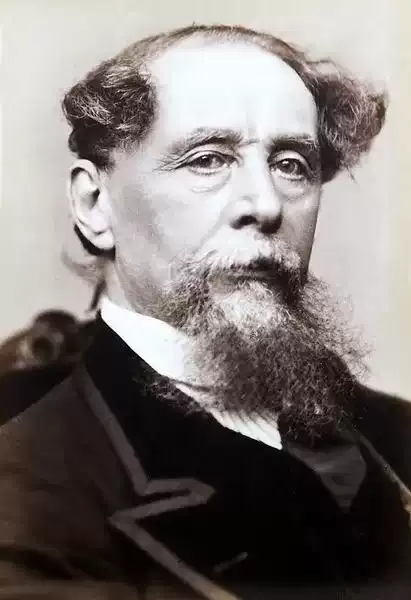
Charles Dickens
A fine Old English Gentleman
A fine Old English Gentleman
I'll sing you a new ballad, and I'll warrant it first-rate,
Of the days of that old gentleman who had that old estate;
When they spent the public money at a bountiful old rate
On ev'ry mistress, pimp, and scamp, at ev'ry noble gate,
In the fine old English Tory times;
Soon may they come again!
The good old laws were garnished well with gibbets, whips, and chains,
With fine old English penalties, and fine old English pains,
With rebel heads, and seas of blood once hot in rebel veins;
For all these things were requisite to guard the rich old gains
Of the fine old English Tory times;
Soon may they come again!
This brave old code, like Argus, had a hundred watchful eyes,
And ev'ry English peasant had his good old English spies,
To tempt his starving discontent with fine old English lies,
Then call the good old Yeomanry to stop his peevish cries,
In the fine old English Tory times;
Soon may they come again!
The good old times for cutting throats that cried out in their need,
The good old times for hunting men who held their fathers' creed,
The good old times when William Pitt, as all good men agreed,
Came down direct from Paradise at more than railroad speed. . . .
Oh the fine old English Tory times;
When will they come again!
In those rare days, the press was seldom known to snarl or bark,
But sweetly sang of men in pow'r, like any tuneful lark;
Grave judges, too, to all their evil deeds were in the dark;
And not a man in twenty score knew how to make his mark.
Oh the fine old English Tory times;
Soon may they come again!
Those were the days for taxes, and for war's infernal din;
For scarcity of bread, that fine old dowagers might win;
For shutting men of letters up, through iron bars to grin,
Because they didn't think the Prince was altogether thin,
In the fine old English Tory times;
Soon may they come again!
But Tolerance, though slow in flight, is strong-wing'd in the main;
That night must come on these fine days, in course of time was plain;
The pure old spirit struggled, but Its struggles were in vain;
A nation's grip was on it, and it died in choking pain,
With the fine old English Tory days,
All of the olden time.
The bright old day now dawns again; the cry runs through the land,
In England there shall be dear bread -- in Ireland, sword and brand;
And poverty, and ignorance, shall swell the rich and grand,
So, rally round the rulers with the gentle iron hand,
Of the fine old English Tory days; Hail to the coming time!
I'll sing you a new ballad, and I'll warrant it first-rate,
Of the days of that old gentleman who had that old estate;
When they spent the public money at a bountiful old rate
On ev'ry mistress, pimp, and scamp, at ev'ry noble gate,
In the fine old English Tory times;
Soon may they come again!
The good old laws were garnished well with gibbets, whips, and chains,
With fine old English penalties, and fine old English pains,
With rebel heads, and seas of blood once hot in rebel veins;
For all these things were requisite to guard the rich old gains
Of the fine old English Tory times;
Soon may they come again!
This brave old code, like Argus, had a hundred watchful eyes,
And ev'ry English peasant had his good old English spies,
To tempt his starving discontent with fine old English lies,
Then call the good old Yeomanry to stop his peevish cries,
In the fine old English Tory times;
Soon may they come again!
The good old times for cutting throats that cried out in their need,
The good old times for hunting men who held their fathers' creed,
The good old times when William Pitt, as all good men agreed,
Came down direct from Paradise at more than railroad speed. . . .
Oh the fine old English Tory times;
When will they come again!
In those rare days, the press was seldom known to snarl or bark,
But sweetly sang of men in pow'r, like any tuneful lark;
Grave judges, too, to all their evil deeds were in the dark;
And not a man in twenty score knew how to make his mark.
Oh the fine old English Tory times;
Soon may they come again!
Those were the days for taxes, and for war's infernal din;
For scarcity of bread, that fine old dowagers might win;
For shutting men of letters up, through iron bars to grin,
Because they didn't think the Prince was altogether thin,
In the fine old English Tory times;
Soon may they come again!
But Tolerance, though slow in flight, is strong-wing'd in the main;
That night must come on these fine days, in course of time was plain;
The pure old spirit struggled, but Its struggles were in vain;
A nation's grip was on it, and it died in choking pain,
With the fine old English Tory days,
All of the olden time.
The bright old day now dawns again; the cry runs through the land,
In England there shall be dear bread -- in Ireland, sword and brand;
And poverty, and ignorance, shall swell the rich and grand,
So, rally round the rulers with the gentle iron hand,
Of the fine old English Tory days; Hail to the coming time!
902
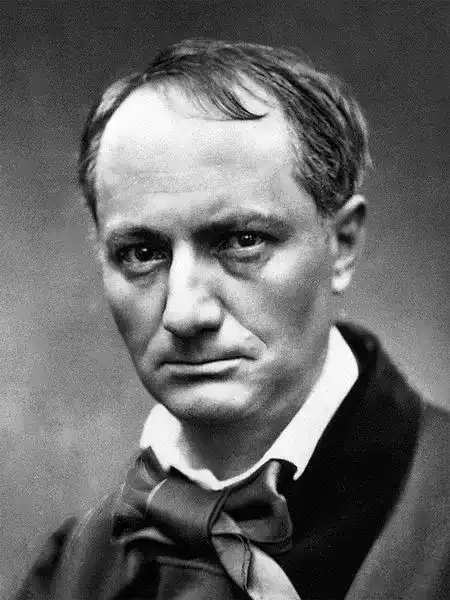
Charles Baudelaire
The Venal Muse
The Venal Muse
O muse of my heart, lover of palaces,
Will you bring, when January lets loose its sleet
And its black evenings without solace,
An ember to warm my violet feet?
What will revive your bruised shoulders,
The nocturnal rays that pierce the shutters?
When you cannot feel your palace, just your empty billfold,
How will you harvest the gold of azure vaults and gutters?
You should, to earn your bread today
Like a choir boy with a censer to wave,
Sings hymns with feeling but without belief.
Or, a starving rip-off artist, selling your charm
And your laughter shades the tears so no one sees the harm
In bringing to bloom an ordinary rat, a vulgar thief.
Translated by William A. Sigler
Submitted by Ryan McGuire
O muse of my heart, lover of palaces,
Will you bring, when January lets loose its sleet
And its black evenings without solace,
An ember to warm my violet feet?
What will revive your bruised shoulders,
The nocturnal rays that pierce the shutters?
When you cannot feel your palace, just your empty billfold,
How will you harvest the gold of azure vaults and gutters?
You should, to earn your bread today
Like a choir boy with a censer to wave,
Sings hymns with feeling but without belief.
Or, a starving rip-off artist, selling your charm
And your laughter shades the tears so no one sees the harm
In bringing to bloom an ordinary rat, a vulgar thief.
Translated by William A. Sigler
Submitted by Ryan McGuire
754
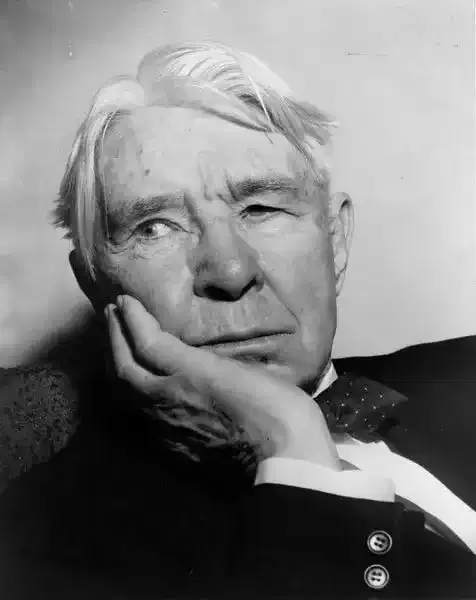
Carl Sandburg
The Shovel Man
The Shovel Man
On the street
Slung on his shoulder is a handle half way across,
Tied in a big knot on the scoop of cast iron
Are the overalls faded from sun and rain in the ditches;
Spatter of dry clay sticking yellow on his left sleeve
And a flimsy shirt open at the throat,
I know him for a shovel man,
A dago working for a dollar six bits a day
And a dark-eyed woman in the old country dreams of
him for one of the world's ready men with a pair
of fresh lips and a kiss better than all the wild
grapes that ever grew in Tuscany.
On the street
Slung on his shoulder is a handle half way across,
Tied in a big knot on the scoop of cast iron
Are the overalls faded from sun and rain in the ditches;
Spatter of dry clay sticking yellow on his left sleeve
And a flimsy shirt open at the throat,
I know him for a shovel man,
A dago working for a dollar six bits a day
And a dark-eyed woman in the old country dreams of
him for one of the world's ready men with a pair
of fresh lips and a kiss better than all the wild
grapes that ever grew in Tuscany.
366
Carl Sandburg
The Noon Hour
The Noon Hour
She sits in the dust at the walls
And makes cigars,
Bending at the bench
With fingers wage-anxious,
Changing her sweat for the day’s pay.
Now the noon hour has come,
And she leans with her bare arms
On the window-sill over the river,
Leans and feels at her throat
Cool-moving things out of the free open ways:
At her throat and eyes and nostrils
The touch and the blowing cool
Of great free ways beyond the walls.
She sits in the dust at the walls
And makes cigars,
Bending at the bench
With fingers wage-anxious,
Changing her sweat for the day’s pay.
Now the noon hour has come,
And she leans with her bare arms
On the window-sill over the river,
Leans and feels at her throat
Cool-moving things out of the free open ways:
At her throat and eyes and nostrils
The touch and the blowing cool
Of great free ways beyond the walls.
360
Carl Sandburg
The Right To Grief
The Right To Grief
To Certain Poets About to Die
Take your fill of intimate remorse, perfumed sorrow,
Over the dead child of a millionaire,
And the pity of Death refusing any check on the bank
Which the millionaire might order his secretary to
scratch off
And get cashed.
Very well,
You for your grief and I for mine.
Let me have a sorrow my own if I want to.
I shall cry over the dead child of a stockyards hunky.
His job is sweeping blood off the floor.
He gets a dollar seventy cents a day when he works
And it's many tubs of blood he shoves out with a broom
day by day.
Now his three year old daughter
Is in a white coffin that cost him a week's wages.
Every Saturday night he will pay the undertaker fifty
cents till the debt is wiped out.
The hunky and his wife and the kids
Cry over the pinched face almost at peace in the white box.
They remember it was scrawny and ran up high doctor bills.
They are glad it is gone for the rest of the family now
will have more to eat and wear.
Yet before the majesty of Death they cry around the coffin
And wipe their eyes with red bandanas and sob when
the priest says, "God have mercy on us all."
I have a right to feel my throat choke about this.
You take your grief and I mine--see?
To-morrow there is no funeral and the hunky goes back
to his job sweeping blood off the floor at a dollar
seventy cents a day.
All he does all day long is keep on shoving hog blood
ahead of him with a broom.
To Certain Poets About to Die
Take your fill of intimate remorse, perfumed sorrow,
Over the dead child of a millionaire,
And the pity of Death refusing any check on the bank
Which the millionaire might order his secretary to
scratch off
And get cashed.
Very well,
You for your grief and I for mine.
Let me have a sorrow my own if I want to.
I shall cry over the dead child of a stockyards hunky.
His job is sweeping blood off the floor.
He gets a dollar seventy cents a day when he works
And it's many tubs of blood he shoves out with a broom
day by day.
Now his three year old daughter
Is in a white coffin that cost him a week's wages.
Every Saturday night he will pay the undertaker fifty
cents till the debt is wiped out.
The hunky and his wife and the kids
Cry over the pinched face almost at peace in the white box.
They remember it was scrawny and ran up high doctor bills.
They are glad it is gone for the rest of the family now
will have more to eat and wear.
Yet before the majesty of Death they cry around the coffin
And wipe their eyes with red bandanas and sob when
the priest says, "God have mercy on us all."
I have a right to feel my throat choke about this.
You take your grief and I mine--see?
To-morrow there is no funeral and the hunky goes back
to his job sweeping blood off the floor at a dollar
seventy cents a day.
All he does all day long is keep on shoving hog blood
ahead of him with a broom.
345
Carl Sandburg
The Mayor of Gary
The Mayor of Gary
I asked the mayor of Gary about the 12-hour day and the 7-day week.
And the mayor of Gary answered more workmen steal time on the job in Gary than any
other place in the United States.
"Go into the plants and you will see men sitting around doing nothing--machinery does
everything," said the mayor of Gary when I asked him about the 12-hour day and the
7-day week.
And he wore cool cream pants, the Mayor of Gary, and white shoes, and a barber had
fixed him up with a shampoo and a shave and he was east and imperturbable though
the government weather bureau thermometer said 96 and children were soaking their
heads at bubbling fountains on the street corners.
And I said good-bye to the Mayor of Gary and I went out from the city hall and turned
the corner into Broadway.
And I saw workmen wearing leather shoes scruffed with fire and cinders, and pitted
with little holes from running molten steel,
And some had bunches of specialized muscles around their shoulder blades hard as pig
iron, muscles of their forearms were sheet steel and they looked to me like men who
had been somewhere.
I asked the mayor of Gary about the 12-hour day and the 7-day week.
And the mayor of Gary answered more workmen steal time on the job in Gary than any
other place in the United States.
"Go into the plants and you will see men sitting around doing nothing--machinery does
everything," said the mayor of Gary when I asked him about the 12-hour day and the
7-day week.
And he wore cool cream pants, the Mayor of Gary, and white shoes, and a barber had
fixed him up with a shampoo and a shave and he was east and imperturbable though
the government weather bureau thermometer said 96 and children were soaking their
heads at bubbling fountains on the street corners.
And I said good-bye to the Mayor of Gary and I went out from the city hall and turned
the corner into Broadway.
And I saw workmen wearing leather shoes scruffed with fire and cinders, and pitted
with little holes from running molten steel,
And some had bunches of specialized muscles around their shoulder blades hard as pig
iron, muscles of their forearms were sheet steel and they looked to me like men who
had been somewhere.
410
Carl Sandburg
Mill-Doors
Mill-Doors
You never come back.
I say good-by when I see you going in the doors,
The hopeless open doors that call and wait
And take you then for—how many cents a day?
How many cents for the sleepy eyes and fingers?
I say good-by because I know they tap your wrists,
In the dark, in the silence, day by day,
And all the blood of you drop by drop,
And you are old before you are young.
You never come back.
You never come back.
I say good-by when I see you going in the doors,
The hopeless open doors that call and wait
And take you then for—how many cents a day?
How many cents for the sleepy eyes and fingers?
I say good-by because I know they tap your wrists,
In the dark, in the silence, day by day,
And all the blood of you drop by drop,
And you are old before you are young.
You never come back.
318
Carl Sandburg
It Is Much
It Is Much
Women of night life amid the lights
Where the line of your full, round throats
Matches in gleam the glint of your eyes
And the ring of your heart-deep laughter:
It is much to be warm and sure of to-morrow.
Women of night life along the shadows,
Lean at your throats and skulking the walls,
Gaunt as a bitch worn to the bone,
Under the paint of your smiling faces:
It is much to be warm and sure of to-morrow.
Women of night life amid the lights
Where the line of your full, round throats
Matches in gleam the glint of your eyes
And the ring of your heart-deep laughter:
It is much to be warm and sure of to-morrow.
Women of night life along the shadows,
Lean at your throats and skulking the walls,
Gaunt as a bitch worn to the bone,
Under the paint of your smiling faces:
It is much to be warm and sure of to-morrow.
351
Carl Sandburg
Ice Handler
Ice Handler
I know an ice handler who wears a flannel shirt with pearl buttons the size of a dollar,
And he lugs a hundred-pound hunk into a saloon ice-box, helps himself to cold ham
and rye bread,
Tells the bartender it’s hotter than yesterday and will be hotter yet to-morrow, by
Jesus,
And is on his way with his head in the air and a hard pair of fists.
He spends a dollar or so every Saturday night on a two hundred pound woman who
washes dishes in the Hotel Morrison.
He remembers when the union was organized he broke the noses of two scabs and
loosened the nuts so the wheels came off six different wagons one morning, and he
came around and watched the ice melt in the street.
All he was sorry for was one of the scabs bit him on the knuckles of the right hand so
they bled when he came around to the saloon to tell the boys about it.
I know an ice handler who wears a flannel shirt with pearl buttons the size of a dollar,
And he lugs a hundred-pound hunk into a saloon ice-box, helps himself to cold ham
and rye bread,
Tells the bartender it’s hotter than yesterday and will be hotter yet to-morrow, by
Jesus,
And is on his way with his head in the air and a hard pair of fists.
He spends a dollar or so every Saturday night on a two hundred pound woman who
washes dishes in the Hotel Morrison.
He remembers when the union was organized he broke the noses of two scabs and
loosened the nuts so the wheels came off six different wagons one morning, and he
came around and watched the ice melt in the street.
All he was sorry for was one of the scabs bit him on the knuckles of the right hand so
they bled when he came around to the saloon to tell the boys about it.
346
Carl Sandburg
Government
Government
The Government -- I heard about the Government and
I went out to find it. I said I would look closely at
it when I saw it.
Then I saw a policeman dragging a drunken man to
the callaboose. It was the Government in action.
I saw a ward alderman slip into an office one morning
and talk with a judge. Later in the day the judge
dismissed a case against a pickpocket who was a
live ward worker for the alderman. Again I saw
this was the Government, doing things.
I saw militiamen level their rifles at a crowd of
workingmen who were trying to get other workingmen
to stay away from a shop where there was a strike
on. Government in action.
Everywhere I saw that Government is a thing made of
men, that Government has blood and bones, it is
many mouths whispering into many ears, sending
telegrams, aiming rifles, writing orders, saying
"yes" and "no."
Government dies as the men who form it die and are laid
away in their graves and the new Government that
comes after is human, made of heartbeats of blood,
ambitions, lusts, and money running through it all,
money paid and money taken, and money covered
up and spoken of with hushed voices.
A Government is just as secret and mysterious and sensitive
as any human sinner carrying a load of germs,
traditions and corpuscles handed down from
fathers and mothers away back.
The Government -- I heard about the Government and
I went out to find it. I said I would look closely at
it when I saw it.
Then I saw a policeman dragging a drunken man to
the callaboose. It was the Government in action.
I saw a ward alderman slip into an office one morning
and talk with a judge. Later in the day the judge
dismissed a case against a pickpocket who was a
live ward worker for the alderman. Again I saw
this was the Government, doing things.
I saw militiamen level their rifles at a crowd of
workingmen who were trying to get other workingmen
to stay away from a shop where there was a strike
on. Government in action.
Everywhere I saw that Government is a thing made of
men, that Government has blood and bones, it is
many mouths whispering into many ears, sending
telegrams, aiming rifles, writing orders, saying
"yes" and "no."
Government dies as the men who form it die and are laid
away in their graves and the new Government that
comes after is human, made of heartbeats of blood,
ambitions, lusts, and money running through it all,
money paid and money taken, and money covered
up and spoken of with hushed voices.
A Government is just as secret and mysterious and sensitive
as any human sinner carrying a load of germs,
traditions and corpuscles handed down from
fathers and mothers away back.
286
Carl Sandburg
Clark Street Bridge
Clark Street Bridge
Dust of the feet
And dust of the wheels,
Wagons and people going,
All day feet and wheels.
Now. . .
. . Only stars and mist
A lonely policeman,
Two cabaret dancers,
Stars and mist again,
No more feet or wheels,
No more dust and wagons.
Voices of dollars
And drops of blood
. . . . .
Voices of broken hearts,
. . Voices singing, singing,
. . Silver voices, singing,
Softer than the stars,
Softer than the mist.
Dust of the feet
And dust of the wheels,
Wagons and people going,
All day feet and wheels.
Now. . .
. . Only stars and mist
A lonely policeman,
Two cabaret dancers,
Stars and mist again,
No more feet or wheels,
No more dust and wagons.
Voices of dollars
And drops of blood
. . . . .
Voices of broken hearts,
. . Voices singing, singing,
. . Silver voices, singing,
Softer than the stars,
Softer than the mist.
354
Carl Sandburg
Broadway
Broadway
I shall never forget you, Broadway
Your golden and calling lights.
I’ll remember you long,
Tall-walled river of rush and play.
Hearts that know you hate you
And lips that have given you laughter
Have gone to their ashes of life and its roses,
Cursing the dreams that were lost
In the dust of your harsh and trampled stones.
I shall never forget you, Broadway
Your golden and calling lights.
I’ll remember you long,
Tall-walled river of rush and play.
Hearts that know you hate you
And lips that have given you laughter
Have gone to their ashes of life and its roses,
Cursing the dreams that were lost
In the dust of your harsh and trampled stones.
372
Carl Sandburg
'Boes
'Boes
I waited today for a freight train to pass.
Cattle cars with steers butting their horns against the
bars, went by.
And a half a dozen hoboes stood on bumpers between
cars.
Well, the cattle are respectable, I thought.
Every steer has its transportation paid for by the farmer
sending it to market,
While the hoboes are law-breakers in riding a railroad
train without a ticket.
It reminded me of ten days I spent in the Allegheny
County jail in Pittsburgh.
I got ten days even though I was a veteran of the
Spanish-American war.
Cooped in the same cell with me was an old man, a
bricklayer and a booze-fighter.
But it just happened he, too, was a veteran soldier, and
he had fought to preserve the Union and free the
niggers.
We were three in all, the other being a Lithuanian who
got drunk on pay day at the steel works and got to
fighting a policeman;
All the clothes he had was a shirt, pants and shoes-somebody
got his hat and coat and what money he
had left over when he got drunk.
I waited today for a freight train to pass.
Cattle cars with steers butting their horns against the
bars, went by.
And a half a dozen hoboes stood on bumpers between
cars.
Well, the cattle are respectable, I thought.
Every steer has its transportation paid for by the farmer
sending it to market,
While the hoboes are law-breakers in riding a railroad
train without a ticket.
It reminded me of ten days I spent in the Allegheny
County jail in Pittsburgh.
I got ten days even though I was a veteran of the
Spanish-American war.
Cooped in the same cell with me was an old man, a
bricklayer and a booze-fighter.
But it just happened he, too, was a veteran soldier, and
he had fought to preserve the Union and free the
niggers.
We were three in all, the other being a Lithuanian who
got drunk on pay day at the steel works and got to
fighting a policeman;
All the clothes he had was a shirt, pants and shoes-somebody
got his hat and coat and what money he
had left over when he got drunk.
377
Carl Sandburg
A Coin
A Coin
Your western heads here cast on money,
You are the two that fade away together,
Partners in the mist.
Lunging buffalo shoulder,
Lean Indian face,
We who come after where you are gone
Salute your forms on the new nickel.
You are
To us:
The past.
Runners
On the prairie:
Good-by.
Your western heads here cast on money,
You are the two that fade away together,
Partners in the mist.
Lunging buffalo shoulder,
Lean Indian face,
We who come after where you are gone
Salute your forms on the new nickel.
You are
To us:
The past.
Runners
On the prairie:
Good-by.
362
Carl Sandburg
A Father To His Son
A Father To His Son
A father sees his son nearing manhood.
What shall he tell that son?
'Life is hard; be steel; be a rock.'
And this might stand him for the storms
and serve him for humdrum monotony
and guide him among sudden betrayals
and tighten him for slack moments.
'Life is a soft loam; be gentle; go easy.'
And this too might serve him.
Brutes have been gentled where lashes failed.
The growth of a frail flower in a path up
has sometimes shattered and split a rock.
A tough will counts. So does desire.
So does a rich soft wanting.
Without rich wanting nothing arrives.
Tell him too much money has killed men
and left them dead years before burial:
the quest of lucre beyond a few easy needs
has twisted good enough men
sometimes into dry thwarted worms.
Tell him time as a stuff can be wasted.
Tell him to be a fool every so often
and to have no shame over having been a fool
yet learning something out of every folly
hoping to repeat none of the cheap follies
thus arriving at intimate understanding
of a world numbering many fools.
Tell him to be alone often and get at himself
and above all tell himself no lies about himself
whatever the white lies and protective fronts
he may use against other people.
Tell him solitude is creative if he is strong
and the final decisions are made in silent rooms.
Tell him to be different from other people
if it comes natural and easy being different.
Let him have lazy days seeking his deeper motives.
Let him seek deep for where he is born natural.
Then he may understand Shakespeare
and the Wright brothers, Pasteur, Pavlov,
Michael Faraday and free imaginations
Bringing changes into a world resenting change.
He will be lonely enough
to have time for the work
he knows as his own.
A father sees his son nearing manhood.
What shall he tell that son?
'Life is hard; be steel; be a rock.'
And this might stand him for the storms
and serve him for humdrum monotony
and guide him among sudden betrayals
and tighten him for slack moments.
'Life is a soft loam; be gentle; go easy.'
And this too might serve him.
Brutes have been gentled where lashes failed.
The growth of a frail flower in a path up
has sometimes shattered and split a rock.
A tough will counts. So does desire.
So does a rich soft wanting.
Without rich wanting nothing arrives.
Tell him too much money has killed men
and left them dead years before burial:
the quest of lucre beyond a few easy needs
has twisted good enough men
sometimes into dry thwarted worms.
Tell him time as a stuff can be wasted.
Tell him to be a fool every so often
and to have no shame over having been a fool
yet learning something out of every folly
hoping to repeat none of the cheap follies
thus arriving at intimate understanding
of a world numbering many fools.
Tell him to be alone often and get at himself
and above all tell himself no lies about himself
whatever the white lies and protective fronts
he may use against other people.
Tell him solitude is creative if he is strong
and the final decisions are made in silent rooms.
Tell him to be different from other people
if it comes natural and easy being different.
Let him have lazy days seeking his deeper motives.
Let him seek deep for where he is born natural.
Then he may understand Shakespeare
and the Wright brothers, Pasteur, Pavlov,
Michael Faraday and free imaginations
Bringing changes into a world resenting change.
He will be lonely enough
to have time for the work
he knows as his own.
393
Boris Pasternak
Feasts
Feasts
I drink the gall of skies in autumn, tuberoses'
Sweet bitterness in your betrayals burning stream;
I drink the gall of nights, of crowded parties' noises,
Of sobbing virgin verse, and of a throbbing dream.
We fiends of studious fight a battle everlasting
Against our daily bread - can't stand the sober mood.
The troubled wind of nights is merely a toastmaster
Whose toasts, as like as not, will do no one much good.
Heredity and death are our guests at table.
A quiet dawn will paint bright-red the tops of trees.
An anapaest, like mice, will on the bread-plate scrabble,
And Cinderella will rush in to change her dress.
The floors have all been swept, and everything is dainty,
And like a child's sweet kiss, breathes quietly my verse,
And Cinderella flees-by cab on days of plenty,
And on shanks' pony when the last small coin is lost.
I drink the gall of skies in autumn, tuberoses'
Sweet bitterness in your betrayals burning stream;
I drink the gall of nights, of crowded parties' noises,
Of sobbing virgin verse, and of a throbbing dream.
We fiends of studious fight a battle everlasting
Against our daily bread - can't stand the sober mood.
The troubled wind of nights is merely a toastmaster
Whose toasts, as like as not, will do no one much good.
Heredity and death are our guests at table.
A quiet dawn will paint bright-red the tops of trees.
An anapaest, like mice, will on the bread-plate scrabble,
And Cinderella will rush in to change her dress.
The floors have all been swept, and everything is dainty,
And like a child's sweet kiss, breathes quietly my verse,
And Cinderella flees-by cab on days of plenty,
And on shanks' pony when the last small coin is lost.
522
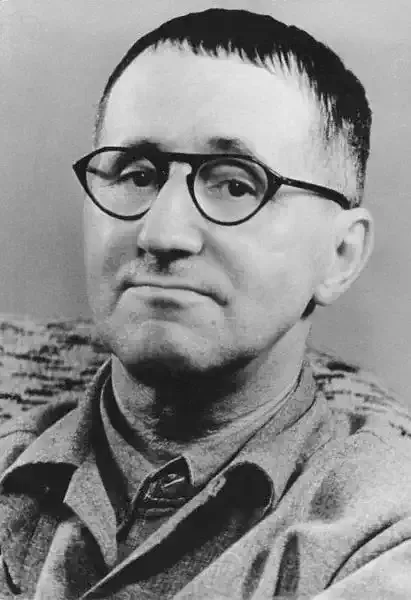
Bertolt Brecht
Alabama Song
Alabama Song
Show me the way to the next whisky bar
Oh, don't ask why, oh, don't ask why
Show me the way to the next whisky bar
Oh, don't ask why, oh, don't ask why
For if we don't find the next whisky bar
I tell you we must die
I tell you we must die
I tell you
I tell you
I tell you we must die
Oh, moon of Alabama
We now must say say good-bye
We've lost our good old mamma
And must have whisky
Oh, you know why.
Show me the way to the next pretty girl
Oh, don't ask why, oh, don't ask why
Show me the way to the next pretty girl
Oh don't ask why, oh, don't ask why
For if we don't find the next pretty girl
I tell you we must die
I tell you we must die
I tell you
I tell you
I tell you we must die
Oh, moon of Alabama
We now must say good-bye
We've lost our good old mamma
And must have a girl
Oh, you know why.
Show me the way to the next little dollar
Oh, don't ask why, oh, don't ask why
Show me the way to the next little dollar
Oh, don't ask why, oh, don't ask why
For if we don't find the next little dollar
I tell you we must die
I tell you we must die
I tell you
I tell you
I tell you we must die
Oh, moon of Alabama
We now must say good-bye
We've lost our good old mamma
And must have dollars
Oh, you know why.
Show me the way to the next whisky bar
Oh, don't ask why, oh, don't ask why
Show me the way to the next whisky bar
Oh, don't ask why, oh, don't ask why
For if we don't find the next whisky bar
I tell you we must die
I tell you we must die
I tell you
I tell you
I tell you we must die
Oh, moon of Alabama
We now must say say good-bye
We've lost our good old mamma
And must have whisky
Oh, you know why.
Show me the way to the next pretty girl
Oh, don't ask why, oh, don't ask why
Show me the way to the next pretty girl
Oh don't ask why, oh, don't ask why
For if we don't find the next pretty girl
I tell you we must die
I tell you we must die
I tell you
I tell you
I tell you we must die
Oh, moon of Alabama
We now must say good-bye
We've lost our good old mamma
And must have a girl
Oh, you know why.
Show me the way to the next little dollar
Oh, don't ask why, oh, don't ask why
Show me the way to the next little dollar
Oh, don't ask why, oh, don't ask why
For if we don't find the next little dollar
I tell you we must die
I tell you we must die
I tell you
I tell you
I tell you we must die
Oh, moon of Alabama
We now must say good-bye
We've lost our good old mamma
And must have dollars
Oh, you know why.
741
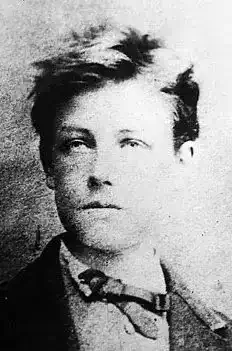
Arthur Rimbaud
Young Greedyguts
Young Greedyguts
Cap of silk moiré, little wand of ivory,
Clothes very dark.
Paul watches the cupboard,
sticks out little tongue at pear,
Prepares, gives a poke, and squitters.
Original French
Jeune goinfre
Casquette
De moire,
Quéquette
D'ivoire,
Toilette
Très noire,
Paul guette
L'armoire,
Projette
Languette
Sur poire,
S'apprête
Baguette,
Et foire.
Cap of silk moiré, little wand of ivory,
Clothes very dark.
Paul watches the cupboard,
sticks out little tongue at pear,
Prepares, gives a poke, and squitters.
Original French
Jeune goinfre
Casquette
De moire,
Quéquette
D'ivoire,
Toilette
Très noire,
Paul guette
L'armoire,
Projette
Languette
Sur poire,
S'apprête
Baguette,
Et foire.
582
Arthur Rimbaud
Le Forgeron (The Blacksmith)
Le Forgeron (The Blacksmith)
Le bras sur un marteau gigantesque, effrayant
D'ivresse et de grandeur, le front large, riant
Comme un clairon d'airain, avec toute sa bouche,
Et prenant ce gros-là dans son regard farouche,
Le Forgeron parlait à Louis Seize, un jour
Que le Peuple était là, se tordant tout autour,
Et sur les lambris d'or traînait sa veste sale.
Or le bon roi, debout sur son ventre, était pâle
Pâle comme un vaincu qu'on prend pour le gibet,
Et, soumis comme un chien, jamais ne regimbait,
Car ce maraud de forge aux énormes épaules
Lui disait de vieux mots et des choses si drôles,
Que cela l'empoignait au front, comme cela !
'Donc, Sire, tu sais bien, nous chantions tra la la
Et nous piquions les boeufs vers les sillons des autres :
Le Chanoine au soleil disait ses patenôtres
Sur des chapelets clairs grenés de pièces d'or.
Le Seigneur, à cheval, passait, sonnant du cor,
Et l'un avec la hart, l'autre avec la cravache,
Nous fouaillaient ; Hébétés comme des yeux de vache,
Nos yeux ne pleuraient pas : nous allions ! nous allions !
Et quand nous avions mis le pays en sillons,
Quand nous avions laissé dans cette terre noire
Un peu de notre chair... nous avions un pourboire :
-Nous venions voir flamber nos taudis dans la nuit ;
Nos enfants y faisaient un gâteau fort bien cuit !...
'Oh ! je ne me plains pas. Je te dis mes bêtises :
-C'est entre nous. J'admets que tu me contredises...
Or, n'est-ce pas joyeux de voir, au mois de juin
Dans les granges entrer des voitures de foin
Enormes ? De sentir l'odeur de ce qui pousse,
Des vergers quand il pleut un peu, de l'herbe rousse ?
De voir les champs de blé, les épis pleins de grain,
De penser que cela prépare bien du pain ?...
-Oui, l'on pourrait, plus fort, au fourneau qui s'allume,
Chanter joyeusement en martelant l'enclume,
Si l'on était certain qu'on pourrait prendre un peu,
Étant homme, à la fin !, de ce que donne Dieu !...
-Mais voilà, c'est toujours la même vieille histoire !
'... Oh ! je sais, maintenant ! Moi, je ne peux plus croire,
Quand j'ai deux bonnes mains, mon front et mon marteau,
Qu'un homme vienne là, dague sous le manteau
Et me dise : Maraud, ensemence ma terre ;
Que l'on arrive encor, quand ce serait la guerre,
Me prendre mon garçon comme cela, chez moi !...
-Moi, je serais un homme, et toi tu serais roi,
Tu me dirais : Je veux ! - Tu vois bien, c'est stupide !...
Tu crois que j'aime à voir ta baraque splendide,
Tes officiers dorés, tes mille chenapans,
Tes palsembleu bâtards tournant comme des paons ?
Ils ont rempli ton nid de l'odeur de nos filles,
Et de petits billets pour nous mettre aux Bastilles,
Et nous dirions : C'est bien : les pauvres à genoux !...
Nous dorerions ton Louvre en donnant nos gros sous,
Et tu te soûlerais, tu ferais belle fête,
Et tes Messieurs riraient, les reins sur notre tête !...
'Non ! Ces saletés-là datent de nos papas !
Oh ! Le Peuple n'est plus une putain ! Trois pas,
Et, tous, nous avons mis ta Bastille en poussière !
Cette bête suait du sang à chaque pierre...
Et c'était dégoûtant, la Bastille debout
Avec ses murs lépreux qui nous rappelaient tout
Et, toujours, nous tenaient enfermés dans leur ombre !
-Citoyen ! citoyen ! c'était le passé sombre
Qui croulait, qui râlait, quand nous prîmes la tour !
Nous avions quelque chose au coeur comme l'amour :
Nous avions embrassé nos fils sur nos poitrines,
Et, comme des chevaux, en soufflant des narines,
Nous marchions, nous chantions, et ça nous battait là,
Nous allions au soleil, front haut, comme cela,
Dans Paris accourant devant nos vestes sales !...
Enfin ! Nous nous sentions hommes ! Nous étions pâles,
Sire ; nous étions soûls de terribles espoirs,
Et quand nous fûmes là, devant les donjons noirs,
Agitant nos clairons et nos feuilles de chêne,
Les piques à la main ; nous n'eûmes pas de haine :
-Nous nous sentions si forts ! nous voulions être doux !
'Et depuis ce jour-là, nous sommes comme fous...
Le flot des ouvriers a monté dans la rue
Et ces maudits s'en vont, foule toujours accrue,
Comme des revenants, aux portes des richards !...
Moi, je cours avec eux assommer les mouchards,
Et je vais dans Paris le marteau sur l'épaule,
Farouche, à chaque coin balayant quelque drôle,
Et, si tu me riais au nez, je te tuerais !...
-Puis, tu dois y compter, tu te feras des frais
Avec tes avocats, qui prennent nos requêtes
Pour se les renvoyer comme sur des raquettes,
Et, tout bas, les malins ! Nous traitant de gros sots !
Pour mitonner des lois, ranger des de petits pots
Pleins de menus décrets, de méchantes droguailles,
S'amuser à couper proprement quelques tailles,
Puis se boucher le nez quand nous passons près d'eux,
- Ces chers avocassiers qui nous trouvent crasseux ! -
Pour débiter là-bas des milliers de sornettes
Et ne rien redouter sinon les baïonnettes,
Nous en avons assez, de tous ces cerveaux plats !
Ils embêtent le peuple !... Ah ! ce sont là les plats
Que tu nous sers, bourgeois, quand nous sommes féroces,
Quand nous cassons déjà les sceptres et les crosses !...'
Puis il le prend au bras, arrache le velours
Des rideaux, et lui montre, en bas, les larges cours
Où fourmille, où fourmille, où se lève la foule,
La foule épouvantable avec des bruits de houle,
Hurlant comme une chienne, hurlant comme une mer,
Avec ses bâtons forts et ses piques de fer,
Ses clameurs, ses grands cris de halles et de bouges,
Tas sombre de haillons taché de bonnets rouges !
L'Homme, par la fenêtre ouverte, montre tout
Au Roi pâle, suant qui chancelle debout,
Malade à regarder cela !...
spacespacespacespacespacespacespacespace'C'est la Crapule,
Sire ! ça bave aux murs, ça roule, ça pullule...
-Puisqu'ils ne mangent pas, Sire, ce sont les gueux !
-Je suis un forgeron : ma femme est avec eux :
Folle ! Elle vient chercher du pain aux Tuileries :
-On ne veut pas de nous dans les boulangeries !...
J'ai trois petits ; -Je suis crapule ! - Je connais
Des vieilles qui s'en vont pleurant sous leurs bonnets,
Parce qu'on leur a pris leur garçon ou leur fille :
-C'est la crapule. - Un homme était à la bastille,
D'autres étaient forçats ; c'étaient des citoyens
Honnêtes ; Libérés, ils sont comme des chiens ;
On les insulte ! Alors, ils ont là quelque chose
Qui leur fait mal, allez ! C'est terrible, et c'est cause
Que, se sentant brisés, que, se sentant damnés,
Ils viennent maintenant hurler sous votre nez !...
-Crapules : - Là-dedans sont des filles, infâmes
Parce que -, sachant bien que c'est faible, les femmes,
Messeigneurs de la cour, que ça veut toujours bien, -
Vous leur avez sali leur âme, comme rien !
Vos belles, aujourd'hui, sont là : - C'est la Crapule...
'Oh ! tous les Malheureux, tout ceux dont le dos brûle
Sous le soleil féroce, et qui vont, et qui vont,
Et dans ce travail-là sentent crever leur front,
Chapeau bas, mes bourgeois ! Oh ! ceux-là sont les hommes !
-Nous sommes Ouvriers ! Sire, Ouvriers ! - nous sommes
Pour les grands temps nouveaux où l'on voudra savoir,
Où l'homme forgera du matin jusqu'au soir,
Où, lentement vainqueur, il chassera les choses
Poursuivant les grands buts, cherchant les grandes causes,
Et montera sur Tout comme sur un cheval !
Oh ! nous sommes contents, nous aurons bien du mal !
-Tout ce qu'on ne sait pas, c'est peut-être terrible.
Nous pendrons nos marteaux, nous passerons au crible
Tout ce que nous savons, puis, Frères, en avant !...
-Nous faisons quelquefois ce grand rêve émouvant
De vivre simplement, ardemment, sans rien dire
De mauvais, travaillant sous l'auguste sourire
D'une femme qu'on aime avec un noble amour !
Et l'on travaillerait fièrement tout le jour,
Ecoutant le devoir comme un clairon qui sonne :
Et l'on se trouverait fort heureux, et personne,
Oh ! personne ! surtout, ne vous ferait plier !...
On aurait un fusil au-dessus du foyer....
'Oh ! mais ! l'air est tout plein d'une odeur de bataille !
Que te disais-je donc ? Je suis de la canaille !'
Translation by A. S. Kline
His hand on a gigantic hammer, terrifying
In size and drunkenness, vast-browed, laughing
Like a bronze trumpet, his whole mouth displayed,
Devouring the fat man, now, with his wild gaze,
The Blacksmith spoke with Louis, with the king,
The People there, all around him, cavorting,
Trailing their dirty coats down gilded panels.
But the dear king, belly upright, was pallid,
Pale as the victim led to the guillotine,
Submissive like a dog, cowed by the scene,
Since that wide-shouldered forge-black soul
Spoke of things past and other things so droll,
He had him by the short hairs, just like that!
‘Now, Sir, you know how we’d sing tra-la-la,
And drive the ox down other people’s furrows:
The Canon spun paternosters in the shadows
On rosaries bright with golden coins adorned,
Some Lord, astride, passed blowing on his horn,
One with the noose, another with whip-blows
Lashed us on. – Dazed like the eyes of cows,
Our eyes no longer wept; on and on we went,
And when we’d ploughed a whole continent,
When we had left behind in that black soil
A little of our own flesh…to reward our toil:
They’d set alight our hovels in the night;
Our little ones made burnt cakes alright.
…Oh, I’m not complaining! All my follies,
They’re between us. I’ll let you contradict.
But, isn’t it fine to see, in the month of June,
The enormous hay-wains entering the barns?
To smell the odour of burgeoning things,
The orchards in fine rain, the oats reddening?
To see wheat, wheat, ears filled with grain,
To think it promises us good bread again?...
Oh! You’d go to the forge, be more cheerful,
Sing and hammer joyfully at the anvil,
If you were sure to gain a little in the end –
Being, in fact, a man – of what God intends!
– But there it is, always the same old story!...
But now I know! I don’t credit it any more,
Owning two strong hands, a head, a hammer,
That a man in a cloak, wearing a dagger
Can say: go and sow my land, there, fellow;
Or that another, if maybe war should follow,
Can take my son like that, from where I’m living!
– Suppose I were a man, and you a king,
You’d say: I will it!... – What stupidity.
You think your splendid barn pleases me,
Your gilded servants, your thousand rogues,
Your fancy bastards, peacocks in a row:
Filling your nest with our daughters’ odour,
Warrants to the Bastille for us, moreover
That we should say: fine: make the poor poorer!
We’ll give you our last sous to gild the Louvre!
While you get drunk and enjoy the feast,
– And they all laugh, riding our backs beneath!
No. Those puerilities were our fathers!
The People is no one’s whore now, three steps further
And then, we razed your Bastille to the ground.
That monster sweated blood from every mound,
Was an abomination, that Bastille standing,
With leprous walls its every story yielding,
And, we forever held fast in its shadow!
– Citizen! That was the past, its sorrow,
That broke, and died, when we stormed the tower!
We had something in our hearts like true ardour.
We had clutched our children to our breast.
And like chargers, snorting at the contest,
We went, proud and strong, beating here inside…
We marched in the sun – like this – heads high
Into Paris! They greeted us in our ragged clothes.
At last! We felt ourselves Men! We were sallow,
Sire, drunk, and pallid with terrifying hopes:
And there, in front of those black prison slopes,
Waving our bugles and our sprigs of oak,
Pikes in our fists; did we feel hatred, no!
– We felt such strength we wanted to be gentle! ...
And since that day, we have proved elementals!
A mass of workers sprang up in the street,
And, cursed, are gone, a swelling crowd replete
With ghostly shades, to haunt the rich man’s gate.
I, I run with them, and set informers straight:
I scour Paris, dark-faced, wild, hammer on shoulder,
Sweeping something droll out of every corner,
And, if you smile at me, then I’ll do for you!
– Well, count on it: all this is going to cost you
And your men in black, culling our requests
To bat them about on their racquets all in jest,
And whisper, the rascals, softly: “Oh, what sots!”
To cook up laws, and stick up little pots,
Filled with cute pink decrees, and sugar pills,
Cutting us down to size, to amuse themselves,
Then they hold their noses when we pass by,
– Our kind representatives who hate the sty! –
Fearful of nothing, nothing, but bayonets….
That’s fine. Enough of snuff and lorgnettes!
We’ve had our fill, here, of those dull heads
And bellies of gods. Ah! That’s the bread
You serve us, bourgeoisie, while we rage here,
While we shatter the sceptre and the crozier!...’
He takes his arm, tears back the velvet curtain
And shows the vast courtyards beneath them,
Where the mob swarms, and seethes, where rise,
Out of the frightful mob those storm-filled cries,
Howling as bitches howl, or like the sea,
With their knotted stakes, their pikes of steel,
With the clamour of their market-halls and slums,
A ragged mass of blood-stained caps, and drums:
The Man, through the open window, shows all
To the pale sweating king, reeling, about to fall,
Sick at the sight of it!
‘Those are the Scum, Sire.
Licking the walls, seething, rising higher:
– But then they’ve not eaten, Sire, these beggars!
I’m a blacksmith: my wife, madwoman, is there!
She thinks she’ll get bread at the Tuileries!
– They’ll have none of us in the bakeries.
I’ve three youngsters. I’m scum, too – I know
Old women weeping under their bonnets so
Because they’ve taken a daughter or a son:
One man was in the Bastille – oh, they’re scum –
Another the galleys: both honest citizens.
Freed, they’re treated like dogs, these men:
Insulted! Then, they have something here
That hurts them, see! It’s terrible, it’s clear
They feel broken, feel themselves damned,
There, screaming beneath you where you stand!
Scum. – Down there girls, infamous, shriek,
Because – well, you knew girls were weak –
Gentlemen of the court – gave all you sought –
You’d spit on their souls, as if they were naught!
Now, your pretty ones are there. They’re scum.
Oh, all the Wretched, whose backs, in the fierce sun
Burn, and yet they still work on and on,
Feeling their heads burst with their exertion,
Hats off, you bourgeoisie! Those are Men.
We are the Workers, Sire! Workers! And then
We’re for the great new age, of knowledge, light,
When Man will forge from morning to night,
Pursuing great effects, chasing great causes,
When he will tame things, slowly victorious,
And like a horse, mount the mighty All!
Oh! Splendour of the forges! And no more
Evil, then! – What’s unknown, its terror maybe
We’ll know! – Hammer in hand, let’s sieve freely
All that we know: then, Brothers, we’ll go on!
Sometimes we dream that dream’s vast emotion
Of the simple ardent life, where you revile
All evil, working beneath the august smile,
Of a woman you love with love’s nobility:
And all day long you labour on proudly,
Hearing the clarion call of duty sounding!
And you feel so happy; and nothing, nothing,
Oh, above all, no-one makes you kneel!
Over the fireplace, there, you’d have a rifle…
Oh! But the air is filled with the scent of battle.
What did I say? I too am one of the rascals!
And there are still sharks and informers.
But we are free! With our moments of terror
When we feel we are great, so great! Just now
I was talking of peaceful work, of how…
Look at that sky! – Too small for us, you see,
If we feared the heat, we’d live on our knees!
Look at that sky! – I’ll return to the crowd,
To the vast fearful mob who cry aloud
And roll your cannon through the cobbles’ sty;
– Oh! We will wash them clean when we die!
– And if, against our cries and our vengeance,
The claws of old gilded kings, all over France,
Urge on their regiments in full battle-dress,
Well then, you lot? Shit to those dogs, no less!’
– He shoulders his hammer once more.
The crowd
Feels soul-drunk close to that man, and now
Through the great courtyard, all those rooms,
Where Paris pants and the voices boom,
A shudder shakes the immense populace.
Then, with his broad hand, its grimy grace
Gilded, while the pot-bellied king sweats,
The Blacksmith set his red cap on that head!
Le bras sur un marteau gigantesque, effrayant
D'ivresse et de grandeur, le front large, riant
Comme un clairon d'airain, avec toute sa bouche,
Et prenant ce gros-là dans son regard farouche,
Le Forgeron parlait à Louis Seize, un jour
Que le Peuple était là, se tordant tout autour,
Et sur les lambris d'or traînait sa veste sale.
Or le bon roi, debout sur son ventre, était pâle
Pâle comme un vaincu qu'on prend pour le gibet,
Et, soumis comme un chien, jamais ne regimbait,
Car ce maraud de forge aux énormes épaules
Lui disait de vieux mots et des choses si drôles,
Que cela l'empoignait au front, comme cela !
'Donc, Sire, tu sais bien, nous chantions tra la la
Et nous piquions les boeufs vers les sillons des autres :
Le Chanoine au soleil disait ses patenôtres
Sur des chapelets clairs grenés de pièces d'or.
Le Seigneur, à cheval, passait, sonnant du cor,
Et l'un avec la hart, l'autre avec la cravache,
Nous fouaillaient ; Hébétés comme des yeux de vache,
Nos yeux ne pleuraient pas : nous allions ! nous allions !
Et quand nous avions mis le pays en sillons,
Quand nous avions laissé dans cette terre noire
Un peu de notre chair... nous avions un pourboire :
-Nous venions voir flamber nos taudis dans la nuit ;
Nos enfants y faisaient un gâteau fort bien cuit !...
'Oh ! je ne me plains pas. Je te dis mes bêtises :
-C'est entre nous. J'admets que tu me contredises...
Or, n'est-ce pas joyeux de voir, au mois de juin
Dans les granges entrer des voitures de foin
Enormes ? De sentir l'odeur de ce qui pousse,
Des vergers quand il pleut un peu, de l'herbe rousse ?
De voir les champs de blé, les épis pleins de grain,
De penser que cela prépare bien du pain ?...
-Oui, l'on pourrait, plus fort, au fourneau qui s'allume,
Chanter joyeusement en martelant l'enclume,
Si l'on était certain qu'on pourrait prendre un peu,
Étant homme, à la fin !, de ce que donne Dieu !...
-Mais voilà, c'est toujours la même vieille histoire !
'... Oh ! je sais, maintenant ! Moi, je ne peux plus croire,
Quand j'ai deux bonnes mains, mon front et mon marteau,
Qu'un homme vienne là, dague sous le manteau
Et me dise : Maraud, ensemence ma terre ;
Que l'on arrive encor, quand ce serait la guerre,
Me prendre mon garçon comme cela, chez moi !...
-Moi, je serais un homme, et toi tu serais roi,
Tu me dirais : Je veux ! - Tu vois bien, c'est stupide !...
Tu crois que j'aime à voir ta baraque splendide,
Tes officiers dorés, tes mille chenapans,
Tes palsembleu bâtards tournant comme des paons ?
Ils ont rempli ton nid de l'odeur de nos filles,
Et de petits billets pour nous mettre aux Bastilles,
Et nous dirions : C'est bien : les pauvres à genoux !...
Nous dorerions ton Louvre en donnant nos gros sous,
Et tu te soûlerais, tu ferais belle fête,
Et tes Messieurs riraient, les reins sur notre tête !...
'Non ! Ces saletés-là datent de nos papas !
Oh ! Le Peuple n'est plus une putain ! Trois pas,
Et, tous, nous avons mis ta Bastille en poussière !
Cette bête suait du sang à chaque pierre...
Et c'était dégoûtant, la Bastille debout
Avec ses murs lépreux qui nous rappelaient tout
Et, toujours, nous tenaient enfermés dans leur ombre !
-Citoyen ! citoyen ! c'était le passé sombre
Qui croulait, qui râlait, quand nous prîmes la tour !
Nous avions quelque chose au coeur comme l'amour :
Nous avions embrassé nos fils sur nos poitrines,
Et, comme des chevaux, en soufflant des narines,
Nous marchions, nous chantions, et ça nous battait là,
Nous allions au soleil, front haut, comme cela,
Dans Paris accourant devant nos vestes sales !...
Enfin ! Nous nous sentions hommes ! Nous étions pâles,
Sire ; nous étions soûls de terribles espoirs,
Et quand nous fûmes là, devant les donjons noirs,
Agitant nos clairons et nos feuilles de chêne,
Les piques à la main ; nous n'eûmes pas de haine :
-Nous nous sentions si forts ! nous voulions être doux !
'Et depuis ce jour-là, nous sommes comme fous...
Le flot des ouvriers a monté dans la rue
Et ces maudits s'en vont, foule toujours accrue,
Comme des revenants, aux portes des richards !...
Moi, je cours avec eux assommer les mouchards,
Et je vais dans Paris le marteau sur l'épaule,
Farouche, à chaque coin balayant quelque drôle,
Et, si tu me riais au nez, je te tuerais !...
-Puis, tu dois y compter, tu te feras des frais
Avec tes avocats, qui prennent nos requêtes
Pour se les renvoyer comme sur des raquettes,
Et, tout bas, les malins ! Nous traitant de gros sots !
Pour mitonner des lois, ranger des de petits pots
Pleins de menus décrets, de méchantes droguailles,
S'amuser à couper proprement quelques tailles,
Puis se boucher le nez quand nous passons près d'eux,
- Ces chers avocassiers qui nous trouvent crasseux ! -
Pour débiter là-bas des milliers de sornettes
Et ne rien redouter sinon les baïonnettes,
Nous en avons assez, de tous ces cerveaux plats !
Ils embêtent le peuple !... Ah ! ce sont là les plats
Que tu nous sers, bourgeois, quand nous sommes féroces,
Quand nous cassons déjà les sceptres et les crosses !...'
Puis il le prend au bras, arrache le velours
Des rideaux, et lui montre, en bas, les larges cours
Où fourmille, où fourmille, où se lève la foule,
La foule épouvantable avec des bruits de houle,
Hurlant comme une chienne, hurlant comme une mer,
Avec ses bâtons forts et ses piques de fer,
Ses clameurs, ses grands cris de halles et de bouges,
Tas sombre de haillons taché de bonnets rouges !
L'Homme, par la fenêtre ouverte, montre tout
Au Roi pâle, suant qui chancelle debout,
Malade à regarder cela !...
spacespacespacespacespacespacespacespace'C'est la Crapule,
Sire ! ça bave aux murs, ça roule, ça pullule...
-Puisqu'ils ne mangent pas, Sire, ce sont les gueux !
-Je suis un forgeron : ma femme est avec eux :
Folle ! Elle vient chercher du pain aux Tuileries :
-On ne veut pas de nous dans les boulangeries !...
J'ai trois petits ; -Je suis crapule ! - Je connais
Des vieilles qui s'en vont pleurant sous leurs bonnets,
Parce qu'on leur a pris leur garçon ou leur fille :
-C'est la crapule. - Un homme était à la bastille,
D'autres étaient forçats ; c'étaient des citoyens
Honnêtes ; Libérés, ils sont comme des chiens ;
On les insulte ! Alors, ils ont là quelque chose
Qui leur fait mal, allez ! C'est terrible, et c'est cause
Que, se sentant brisés, que, se sentant damnés,
Ils viennent maintenant hurler sous votre nez !...
-Crapules : - Là-dedans sont des filles, infâmes
Parce que -, sachant bien que c'est faible, les femmes,
Messeigneurs de la cour, que ça veut toujours bien, -
Vous leur avez sali leur âme, comme rien !
Vos belles, aujourd'hui, sont là : - C'est la Crapule...
'Oh ! tous les Malheureux, tout ceux dont le dos brûle
Sous le soleil féroce, et qui vont, et qui vont,
Et dans ce travail-là sentent crever leur front,
Chapeau bas, mes bourgeois ! Oh ! ceux-là sont les hommes !
-Nous sommes Ouvriers ! Sire, Ouvriers ! - nous sommes
Pour les grands temps nouveaux où l'on voudra savoir,
Où l'homme forgera du matin jusqu'au soir,
Où, lentement vainqueur, il chassera les choses
Poursuivant les grands buts, cherchant les grandes causes,
Et montera sur Tout comme sur un cheval !
Oh ! nous sommes contents, nous aurons bien du mal !
-Tout ce qu'on ne sait pas, c'est peut-être terrible.
Nous pendrons nos marteaux, nous passerons au crible
Tout ce que nous savons, puis, Frères, en avant !...
-Nous faisons quelquefois ce grand rêve émouvant
De vivre simplement, ardemment, sans rien dire
De mauvais, travaillant sous l'auguste sourire
D'une femme qu'on aime avec un noble amour !
Et l'on travaillerait fièrement tout le jour,
Ecoutant le devoir comme un clairon qui sonne :
Et l'on se trouverait fort heureux, et personne,
Oh ! personne ! surtout, ne vous ferait plier !...
On aurait un fusil au-dessus du foyer....
'Oh ! mais ! l'air est tout plein d'une odeur de bataille !
Que te disais-je donc ? Je suis de la canaille !'
Translation by A. S. Kline
His hand on a gigantic hammer, terrifying
In size and drunkenness, vast-browed, laughing
Like a bronze trumpet, his whole mouth displayed,
Devouring the fat man, now, with his wild gaze,
The Blacksmith spoke with Louis, with the king,
The People there, all around him, cavorting,
Trailing their dirty coats down gilded panels.
But the dear king, belly upright, was pallid,
Pale as the victim led to the guillotine,
Submissive like a dog, cowed by the scene,
Since that wide-shouldered forge-black soul
Spoke of things past and other things so droll,
He had him by the short hairs, just like that!
‘Now, Sir, you know how we’d sing tra-la-la,
And drive the ox down other people’s furrows:
The Canon spun paternosters in the shadows
On rosaries bright with golden coins adorned,
Some Lord, astride, passed blowing on his horn,
One with the noose, another with whip-blows
Lashed us on. – Dazed like the eyes of cows,
Our eyes no longer wept; on and on we went,
And when we’d ploughed a whole continent,
When we had left behind in that black soil
A little of our own flesh…to reward our toil:
They’d set alight our hovels in the night;
Our little ones made burnt cakes alright.
…Oh, I’m not complaining! All my follies,
They’re between us. I’ll let you contradict.
But, isn’t it fine to see, in the month of June,
The enormous hay-wains entering the barns?
To smell the odour of burgeoning things,
The orchards in fine rain, the oats reddening?
To see wheat, wheat, ears filled with grain,
To think it promises us good bread again?...
Oh! You’d go to the forge, be more cheerful,
Sing and hammer joyfully at the anvil,
If you were sure to gain a little in the end –
Being, in fact, a man – of what God intends!
– But there it is, always the same old story!...
But now I know! I don’t credit it any more,
Owning two strong hands, a head, a hammer,
That a man in a cloak, wearing a dagger
Can say: go and sow my land, there, fellow;
Or that another, if maybe war should follow,
Can take my son like that, from where I’m living!
– Suppose I were a man, and you a king,
You’d say: I will it!... – What stupidity.
You think your splendid barn pleases me,
Your gilded servants, your thousand rogues,
Your fancy bastards, peacocks in a row:
Filling your nest with our daughters’ odour,
Warrants to the Bastille for us, moreover
That we should say: fine: make the poor poorer!
We’ll give you our last sous to gild the Louvre!
While you get drunk and enjoy the feast,
– And they all laugh, riding our backs beneath!
No. Those puerilities were our fathers!
The People is no one’s whore now, three steps further
And then, we razed your Bastille to the ground.
That monster sweated blood from every mound,
Was an abomination, that Bastille standing,
With leprous walls its every story yielding,
And, we forever held fast in its shadow!
– Citizen! That was the past, its sorrow,
That broke, and died, when we stormed the tower!
We had something in our hearts like true ardour.
We had clutched our children to our breast.
And like chargers, snorting at the contest,
We went, proud and strong, beating here inside…
We marched in the sun – like this – heads high
Into Paris! They greeted us in our ragged clothes.
At last! We felt ourselves Men! We were sallow,
Sire, drunk, and pallid with terrifying hopes:
And there, in front of those black prison slopes,
Waving our bugles and our sprigs of oak,
Pikes in our fists; did we feel hatred, no!
– We felt such strength we wanted to be gentle! ...
And since that day, we have proved elementals!
A mass of workers sprang up in the street,
And, cursed, are gone, a swelling crowd replete
With ghostly shades, to haunt the rich man’s gate.
I, I run with them, and set informers straight:
I scour Paris, dark-faced, wild, hammer on shoulder,
Sweeping something droll out of every corner,
And, if you smile at me, then I’ll do for you!
– Well, count on it: all this is going to cost you
And your men in black, culling our requests
To bat them about on their racquets all in jest,
And whisper, the rascals, softly: “Oh, what sots!”
To cook up laws, and stick up little pots,
Filled with cute pink decrees, and sugar pills,
Cutting us down to size, to amuse themselves,
Then they hold their noses when we pass by,
– Our kind representatives who hate the sty! –
Fearful of nothing, nothing, but bayonets….
That’s fine. Enough of snuff and lorgnettes!
We’ve had our fill, here, of those dull heads
And bellies of gods. Ah! That’s the bread
You serve us, bourgeoisie, while we rage here,
While we shatter the sceptre and the crozier!...’
He takes his arm, tears back the velvet curtain
And shows the vast courtyards beneath them,
Where the mob swarms, and seethes, where rise,
Out of the frightful mob those storm-filled cries,
Howling as bitches howl, or like the sea,
With their knotted stakes, their pikes of steel,
With the clamour of their market-halls and slums,
A ragged mass of blood-stained caps, and drums:
The Man, through the open window, shows all
To the pale sweating king, reeling, about to fall,
Sick at the sight of it!
‘Those are the Scum, Sire.
Licking the walls, seething, rising higher:
– But then they’ve not eaten, Sire, these beggars!
I’m a blacksmith: my wife, madwoman, is there!
She thinks she’ll get bread at the Tuileries!
– They’ll have none of us in the bakeries.
I’ve three youngsters. I’m scum, too – I know
Old women weeping under their bonnets so
Because they’ve taken a daughter or a son:
One man was in the Bastille – oh, they’re scum –
Another the galleys: both honest citizens.
Freed, they’re treated like dogs, these men:
Insulted! Then, they have something here
That hurts them, see! It’s terrible, it’s clear
They feel broken, feel themselves damned,
There, screaming beneath you where you stand!
Scum. – Down there girls, infamous, shriek,
Because – well, you knew girls were weak –
Gentlemen of the court – gave all you sought –
You’d spit on their souls, as if they were naught!
Now, your pretty ones are there. They’re scum.
Oh, all the Wretched, whose backs, in the fierce sun
Burn, and yet they still work on and on,
Feeling their heads burst with their exertion,
Hats off, you bourgeoisie! Those are Men.
We are the Workers, Sire! Workers! And then
We’re for the great new age, of knowledge, light,
When Man will forge from morning to night,
Pursuing great effects, chasing great causes,
When he will tame things, slowly victorious,
And like a horse, mount the mighty All!
Oh! Splendour of the forges! And no more
Evil, then! – What’s unknown, its terror maybe
We’ll know! – Hammer in hand, let’s sieve freely
All that we know: then, Brothers, we’ll go on!
Sometimes we dream that dream’s vast emotion
Of the simple ardent life, where you revile
All evil, working beneath the august smile,
Of a woman you love with love’s nobility:
And all day long you labour on proudly,
Hearing the clarion call of duty sounding!
And you feel so happy; and nothing, nothing,
Oh, above all, no-one makes you kneel!
Over the fireplace, there, you’d have a rifle…
Oh! But the air is filled with the scent of battle.
What did I say? I too am one of the rascals!
And there are still sharks and informers.
But we are free! With our moments of terror
When we feel we are great, so great! Just now
I was talking of peaceful work, of how…
Look at that sky! – Too small for us, you see,
If we feared the heat, we’d live on our knees!
Look at that sky! – I’ll return to the crowd,
To the vast fearful mob who cry aloud
And roll your cannon through the cobbles’ sty;
– Oh! We will wash them clean when we die!
– And if, against our cries and our vengeance,
The claws of old gilded kings, all over France,
Urge on their regiments in full battle-dress,
Well then, you lot? Shit to those dogs, no less!’
– He shoulders his hammer once more.
The crowd
Feels soul-drunk close to that man, and now
Through the great courtyard, all those rooms,
Where Paris pants and the voices boom,
A shudder shakes the immense populace.
Then, with his broad hand, its grimy grace
Gilded, while the pot-bellied king sweats,
The Blacksmith set his red cap on that head!
640

Anonymous
Bah, Bah, Black Sheep
Bah, Bah, Black Sheep
Bah, bah, black sheep,
Have you any wool?
Yes, marry have I,
Three bags full;
One for my master,
One for my dame,
But none for the little boy
Who cries in the lane.
Bah, bah, black sheep,
Have you any wool?
Yes, marry have I,
Three bags full;
One for my master,
One for my dame,
But none for the little boy
Who cries in the lane.
229
Anonymous
My bag and me they sundered us,
My bag and me they sundered us,
’Twas stuffed from string to sauleen,
My bag of bags they sundered us!
Yourself and I, mo stóreen,
At every hour of night and day,
Through road and lane and bohreen
Without complaint we made our way,
Till one sore day a carman
In pity took us from the road,
And faced us towards Dungarvan
Where mortal sin hath firm abode.
An allalu mo wauleen,
Without a hole or rent in it,
’Twas stuffed from string to sauleen,
My half-year’s rent was pent in it!
My curses attend Dungarvan,
Her boats, her borough, and her fish,
May every woe that mars man
Come dancing down upon her dish!
For all the rogues behind you,
From Slaney’s bank to Shannon’s tide,
Are but poor scholars, mind you,
To the rogues you’d meet in Abbeyside!
An allalu mo wauleen,
My little bag I treasured it,
’Twas stuffed from string to sauleen,
A thousand times I measured it!
’Twas stuffed from string to sauleen,
My bag of bags they sundered us!
Yourself and I, mo stóreen,
At every hour of night and day,
Through road and lane and bohreen
Without complaint we made our way,
Till one sore day a carman
In pity took us from the road,
And faced us towards Dungarvan
Where mortal sin hath firm abode.
An allalu mo wauleen,
Without a hole or rent in it,
’Twas stuffed from string to sauleen,
My half-year’s rent was pent in it!
My curses attend Dungarvan,
Her boats, her borough, and her fish,
May every woe that mars man
Come dancing down upon her dish!
For all the rogues behind you,
From Slaney’s bank to Shannon’s tide,
Are but poor scholars, mind you,
To the rogues you’d meet in Abbeyside!
An allalu mo wauleen,
My little bag I treasured it,
’Twas stuffed from string to sauleen,
A thousand times I measured it!
201
Anonymous
Ubi sunt qui ante nos fuerunt?
Ubi sunt qui ante nos fuerunt?
Were beth they that biforen us weren,
Houndes ladden and havekes beren,
And hadden feld and wode?
The riche levedies in hoere bour,
That wereden gold in hoere tressour,
With hoere brightte rode;
Eten and drounken, and maden hem glad;
Hoere lif was al with gamen i-lad,
Men kneleden hem biforen;
They beren hem wel swithe heye;
And in a twincling of an eye
Hoere soules weren forloren.
Were is that lawhing and that song,
That trayling and that proude gong,
Tho havekes and tho houndes?
Al that joye is went away,
That wele is comen to weylaway,
To manye harde stoundes.
Hoere paradis they nomen here,
And nou they lyen in helle i-fere;
The fuir hit brennes hevere:
Long is ay, and long is o,
Long is wy, and long is wo;
Thennes ne cometh they nevere.
Were beth they that biforen us weren,
Houndes ladden and havekes beren,
And hadden feld and wode?
The riche levedies in hoere bour,
That wereden gold in hoere tressour,
With hoere brightte rode;
Eten and drounken, and maden hem glad;
Hoere lif was al with gamen i-lad,
Men kneleden hem biforen;
They beren hem wel swithe heye;
And in a twincling of an eye
Hoere soules weren forloren.
Were is that lawhing and that song,
That trayling and that proude gong,
Tho havekes and tho houndes?
Al that joye is went away,
That wele is comen to weylaway,
To manye harde stoundes.
Hoere paradis they nomen here,
And nou they lyen in helle i-fere;
The fuir hit brennes hevere:
Long is ay, and long is o,
Long is wy, and long is wo;
Thennes ne cometh they nevere.
235
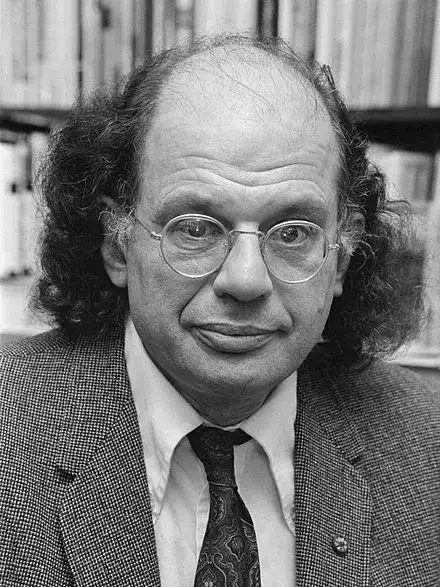
Allen Ginsberg
Paterson
Paterson
What do I want in these rooms papered with visions of money?
How much can I make by cutting my hair? If I put new heels on my shoes,
bathe my body reeking of masturbation and sweat, layer upon layer of excrement
dried in employment bureaus, magazine hallways, statistical cubicles, factory
stairways,
cloakrooms of the smiling gods of psychiatry;
if in antechambers I face the presumption of department store supervisory employees,
old clerks in their asylums of fat, the slobs and dumbbells of the ego with money and
power
to hire and fire and make and break and fart and justify their reality of wrath and
rumor of wrath to wrath-weary man,
what war I enter and for what a prize! the dead prick of commonplace obsession,
harridan vision of electricity at night and daylight misery of thumb-sucking rage.
I would rather go mad, gone down the dark road to Mexico, heroin dripping in my
veins,
eyes and ears full of marijuana,
eating the god Peyote on the floor of a mudhut on the border
or laying in a hotel room over the body of some suffering man or woman;
rather jar my body down the road, crying by a diner in the Western sun;
rather crawl on my naked belly over the tincans of Cincinnati;
rather drag a rotten railroad tie to a Golgotha in the Rockies;
rather, crowned with thorns in Galveston, nailed hand and foot in Los Angeles, raised
up to die in Denver,
pierced in the side in Chicago, perished and tombed in New Orleans and resurrected in
1958 somewhere on Garret Mountain,
come down roaring in a blaze of hot cars and garbage,
streetcorner Evangel in front of City I-Tall, surrounded by statues of agonized lions,
with a mouthful of shit, and the hair rising on my scalp,
screaming and dancing in praise of Eternity annihilating the sidewalk, annihilating
reality,
screaming and dancing against the orchestra in the destructible ballroom of the world,
blood streaming from my belly and shoulders
flooding the city with its hideous ecstasy, rolling over the pavements and highways
by the bayoux and forests and derricks leaving my flesh and my bones hanging on the
trees.
What do I want in these rooms papered with visions of money?
How much can I make by cutting my hair? If I put new heels on my shoes,
bathe my body reeking of masturbation and sweat, layer upon layer of excrement
dried in employment bureaus, magazine hallways, statistical cubicles, factory
stairways,
cloakrooms of the smiling gods of psychiatry;
if in antechambers I face the presumption of department store supervisory employees,
old clerks in their asylums of fat, the slobs and dumbbells of the ego with money and
power
to hire and fire and make and break and fart and justify their reality of wrath and
rumor of wrath to wrath-weary man,
what war I enter and for what a prize! the dead prick of commonplace obsession,
harridan vision of electricity at night and daylight misery of thumb-sucking rage.
I would rather go mad, gone down the dark road to Mexico, heroin dripping in my
veins,
eyes and ears full of marijuana,
eating the god Peyote on the floor of a mudhut on the border
or laying in a hotel room over the body of some suffering man or woman;
rather jar my body down the road, crying by a diner in the Western sun;
rather crawl on my naked belly over the tincans of Cincinnati;
rather drag a rotten railroad tie to a Golgotha in the Rockies;
rather, crowned with thorns in Galveston, nailed hand and foot in Los Angeles, raised
up to die in Denver,
pierced in the side in Chicago, perished and tombed in New Orleans and resurrected in
1958 somewhere on Garret Mountain,
come down roaring in a blaze of hot cars and garbage,
streetcorner Evangel in front of City I-Tall, surrounded by statues of agonized lions,
with a mouthful of shit, and the hair rising on my scalp,
screaming and dancing in praise of Eternity annihilating the sidewalk, annihilating
reality,
screaming and dancing against the orchestra in the destructible ballroom of the world,
blood streaming from my belly and shoulders
flooding the city with its hideous ecstasy, rolling over the pavements and highways
by the bayoux and forests and derricks leaving my flesh and my bones hanging on the
trees.
700