

Poems in this topic
Rain and Storms
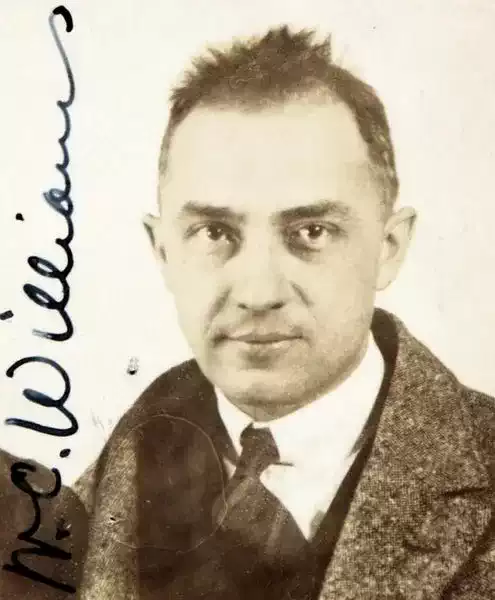
William Carlos Williams
The Dark Day
The Dark Day
A three-day-long rain from the east--
an terminable talking, talking
of no consequence--patter, patter, patter.
Hand in hand little winds
blow the thin streams aslant.
Warm. Distance cut off. Seclusion.
A few passers-by, drawn in upon themselves,
hurry from one place to another.
Winds of the white poppy! there is no escape!--
An interminable talking, talking,
talking . . .it has happened before.
Backward, backward, backward.
A three-day-long rain from the east--
an terminable talking, talking
of no consequence--patter, patter, patter.
Hand in hand little winds
blow the thin streams aslant.
Warm. Distance cut off. Seclusion.
A few passers-by, drawn in upon themselves,
hurry from one place to another.
Winds of the white poppy! there is no escape!--
An interminable talking, talking,
talking . . .it has happened before.
Backward, backward, backward.
473
William Carlos Williams
Blizzard
Blizzard
Snow falls:
years of anger following
hours that float idly down --
the blizzard
drifts its weight
deeper and deeper for three days
or sixty years, eh? Then
the sun! a clutter of
yellow and blue flakes --
Hairy looking trees stand out
in long alleys
over a wild solitude.
The man turns and there --
his solitary track stretched out
upon the world.
Snow falls:
years of anger following
hours that float idly down --
the blizzard
drifts its weight
deeper and deeper for three days
or sixty years, eh? Then
the sun! a clutter of
yellow and blue flakes --
Hairy looking trees stand out
in long alleys
over a wild solitude.
The man turns and there --
his solitary track stretched out
upon the world.
295
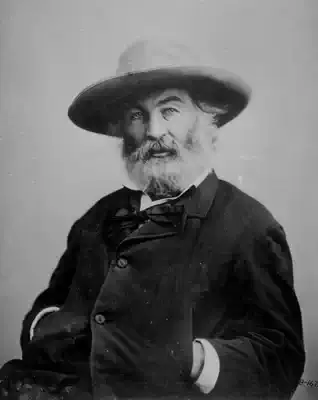
Walt Whitman
Patroling Barnegat
Patroling Barnegat
WILD, wild the storm, and the sea high running,
Steady the roar of the gale, with incessant undertone muttering,
Shouts of demoniac laughter fitfully piercing and pealing,
Waves, air, midnight, their savagest trinity lashing,
Out in the shadows there milk-white combs careering,
On beachy slush and sand spirts of snow fierce slanting,
Where through the murk the easterly death-wind breasting,
Through cutting swirl and spray watchful and firm advancing,
(That in the distance! is that a wreck? is the red signal flaring?)
Slush and sand of the beach tireless till daylight wending, 10
Steadily, slowly, through hoarse roar never remitting,
Along the midnight edge by those milk-white combs careering,
A group of dim, weird forms, struggling, the night confronting,
That savage trinity warily watching.
WILD, wild the storm, and the sea high running,
Steady the roar of the gale, with incessant undertone muttering,
Shouts of demoniac laughter fitfully piercing and pealing,
Waves, air, midnight, their savagest trinity lashing,
Out in the shadows there milk-white combs careering,
On beachy slush and sand spirts of snow fierce slanting,
Where through the murk the easterly death-wind breasting,
Through cutting swirl and spray watchful and firm advancing,
(That in the distance! is that a wreck? is the red signal flaring?)
Slush and sand of the beach tireless till daylight wending, 10
Steadily, slowly, through hoarse roar never remitting,
Along the midnight edge by those milk-white combs careering,
A group of dim, weird forms, struggling, the night confronting,
That savage trinity warily watching.
406
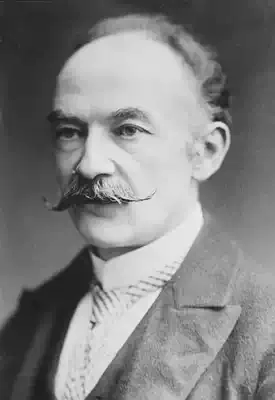
Thomas Hardy
An Autumn Rain-Scene
An Autumn Rain-Scene
There trudges one to a merry-making
With sturdy swing,
On whom the rain comes down.
To fetch the saving medicament
Is another bent,
On whom the rain comes down.
One slowly drives his herd to the stall
Ere ill befall,
On whom the rain comes down.
This bears his missives of life and death
With quickening breath,
On whom the rain comes down.
One watches for signals of wreck or war
From the hill afar,
On whom the rain comes down.
No care if he gain a shelter or none,
Unhired moves on,
On whom the rain comes down.
And another knows nought of its chilling fall
Upon him aat all,
On whom the rain comes down.
October
There trudges one to a merry-making
With sturdy swing,
On whom the rain comes down.
To fetch the saving medicament
Is another bent,
On whom the rain comes down.
One slowly drives his herd to the stall
Ere ill befall,
On whom the rain comes down.
This bears his missives of life and death
With quickening breath,
On whom the rain comes down.
One watches for signals of wreck or war
From the hill afar,
On whom the rain comes down.
No care if he gain a shelter or none,
Unhired moves on,
On whom the rain comes down.
And another knows nought of its chilling fall
Upon him aat all,
On whom the rain comes down.
October
323

Siegfried Sassoon
Storm and Sunlight
Storm and Sunlight
I
In barns we crouch, and under stacks of straw,
Harking the storm that rides a hurtling legion
Up the arched sky, and speeds quick heels of panic
With growling thunder loosed in fork and clap
That echoes crashing thro’ the slumbrous vault.
The whispering woodlands darken: vulture Gloom
Stoops, menacing the skeltering flocks of Light,
Where the gaunt shepherd shakes his gleaming staff
And foots with angry tidings down the slope.
Drip, drip; the rain steals in through soaking thatch
By cob-webbed rafters to the dusty floor.
Drums shatter in the tumult; wrathful Chaos
Points pealing din to the zenith, then resolves
Terror in wonderment with rich collapse.
II
Now from drenched eaves a swallow darts to skim
The crystal stillness of an air unveiled
To tremulous blue. Raise your bowed heads, and let
Your horns adore the sky, ye patient kine!
Haste, flashing brooks! Small, chuckling rills, rejoice!
Be open-eyed for Heaven, ye pools of peace!
Shine, rain-bow hills! Dream on, fair glimpsèd vale
In haze of drifting gold! And all sweet birds,
Sing out your raptures to the radiant leaves!
And ye, close huddling Men, come forth to stand
A moment simple in the gaze of God
That sweeps along your pastures! Breathe his might!
Lift your blind faces to be filled with day,
And share his benediction with the flowers.
I
In barns we crouch, and under stacks of straw,
Harking the storm that rides a hurtling legion
Up the arched sky, and speeds quick heels of panic
With growling thunder loosed in fork and clap
That echoes crashing thro’ the slumbrous vault.
The whispering woodlands darken: vulture Gloom
Stoops, menacing the skeltering flocks of Light,
Where the gaunt shepherd shakes his gleaming staff
And foots with angry tidings down the slope.
Drip, drip; the rain steals in through soaking thatch
By cob-webbed rafters to the dusty floor.
Drums shatter in the tumult; wrathful Chaos
Points pealing din to the zenith, then resolves
Terror in wonderment with rich collapse.
II
Now from drenched eaves a swallow darts to skim
The crystal stillness of an air unveiled
To tremulous blue. Raise your bowed heads, and let
Your horns adore the sky, ye patient kine!
Haste, flashing brooks! Small, chuckling rills, rejoice!
Be open-eyed for Heaven, ye pools of peace!
Shine, rain-bow hills! Dream on, fair glimpsèd vale
In haze of drifting gold! And all sweet birds,
Sing out your raptures to the radiant leaves!
And ye, close huddling Men, come forth to stand
A moment simple in the gaze of God
That sweeps along your pastures! Breathe his might!
Lift your blind faces to be filled with day,
And share his benediction with the flowers.
119

Sarah Teasdale
White Fog
White Fog
Heaven-invading hills are drowned
In wide moving waves of mist,
Phlox before my door are wound
In dripping wreaths of amethyst.
Ten feet away the solid earth
Changes into melting cloud,
There is a hush of pain and mirth,
No bird has heart to speak aloud.
Here in a world without a sky,
Without the ground, without the sea,
The one unchanging thing is I,
Myself remains to comfort me.
Heaven-invading hills are drowned
In wide moving waves of mist,
Phlox before my door are wound
In dripping wreaths of amethyst.
Ten feet away the solid earth
Changes into melting cloud,
There is a hush of pain and mirth,
No bird has heart to speak aloud.
Here in a world without a sky,
Without the ground, without the sea,
The one unchanging thing is I,
Myself remains to comfort me.
366
Sarah Teasdale
A Winter Night
A Winter Night
My window-pane is starred with frost,
The world is bitter cold to-night,
The moon is cruel, and the wind
Is like a two-edged sword to smite.
God pity all the homeless ones,
The beggars pacing to and fro,
God pity all the poor to-night
Who walk the lamp-lit streets of snow.
My room is like a bit of June,
Warm and close-curtained fold on fold,
But somewhere, like a homeless child,
My heart is crying in the cold.
My window-pane is starred with frost,
The world is bitter cold to-night,
The moon is cruel, and the wind
Is like a two-edged sword to smite.
God pity all the homeless ones,
The beggars pacing to and fro,
God pity all the poor to-night
Who walk the lamp-lit streets of snow.
My room is like a bit of June,
Warm and close-curtained fold on fold,
But somewhere, like a homeless child,
My heart is crying in the cold.
425
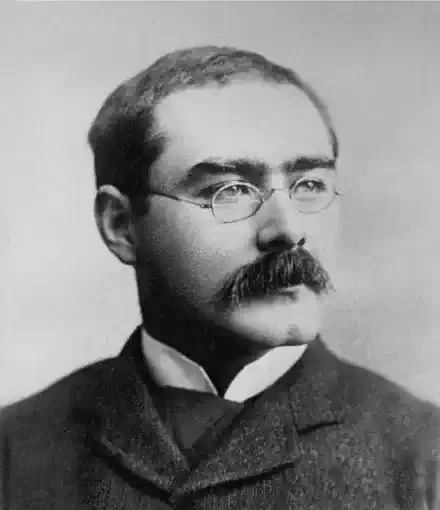
Rudyard Kipling
The Floods
The Floods
The rain it rains without a stay
In the hills above us, in the hills;
And presently the floods break way
Whose strength is in the hills.
The trees they suck from every cloud,
The valley brooks they roar aloud--
Bank-high for the lowlands, lowlands,
Lowlands under the hills!
The first wood down is sere and small,
From the hills--the brishings off the hills;
And then come by the bats and all
We cut last year in the hills;
And then the roots we tried to cleave
But found too tough and had to leave--
Polting through the lowlands, lowlands,
Lowlands under the hills!
The eye shall look, the ear shall hark
To the hills, the doings in the hills,
And rivers mating in the dark
With tokens from the hills.
Now what is weak will! surely go,
And what is strong must prove it so--
Stand Fast in the lowlands, lowlands,
Lowlands under the hills!
The floods they shall not be afraid--
Nor the hills above 'em, nor the hills--
Of any fence which man has made
Betwixt him and the hills.
The waters shall not reckon twice
For any work of man's device,
But bid it down to the lowlands, lowlands,
Lowlands under the hills!
The floods shall sweep corruption clean--
By the hills, the blessing of the hills--
That more the meadows may be green
New-mended from the hills.
The crops and cattle shall increase,
Nor little children shall not cease.
Go--plough the lowlands, lowlands,
Lowlands under the hills!
The rain it rains without a stay
In the hills above us, in the hills;
And presently the floods break way
Whose strength is in the hills.
The trees they suck from every cloud,
The valley brooks they roar aloud--
Bank-high for the lowlands, lowlands,
Lowlands under the hills!
The first wood down is sere and small,
From the hills--the brishings off the hills;
And then come by the bats and all
We cut last year in the hills;
And then the roots we tried to cleave
But found too tough and had to leave--
Polting through the lowlands, lowlands,
Lowlands under the hills!
The eye shall look, the ear shall hark
To the hills, the doings in the hills,
And rivers mating in the dark
With tokens from the hills.
Now what is weak will! surely go,
And what is strong must prove it so--
Stand Fast in the lowlands, lowlands,
Lowlands under the hills!
The floods they shall not be afraid--
Nor the hills above 'em, nor the hills--
Of any fence which man has made
Betwixt him and the hills.
The waters shall not reckon twice
For any work of man's device,
But bid it down to the lowlands, lowlands,
Lowlands under the hills!
The floods shall sweep corruption clean--
By the hills, the blessing of the hills--
That more the meadows may be green
New-mended from the hills.
The crops and cattle shall increase,
Nor little children shall not cease.
Go--plough the lowlands, lowlands,
Lowlands under the hills!
636

Robert W. Service
A Song Of Winter Weather
A Song Of Winter Weather
It isn't the foe that we fear;
It isn't the bullets that whine;
It isn't the business career
Of a shell, or the bust of a mine;
It isn't the snipers who seek
To nip our young hopes in the bud:
No, it isn't the guns,
And it isn't the Huns -
It's the MUD,
MUD,
MUD.
It isn't the melee we mind.
That often is rather good fun.
It isn't the shrapnel we find
Obtrusive when rained by the ton;
It isn't the bounce of the bombs
That gives us a positive pain:
It's the strafing we get
When the weather is wet -It's
the RAIN,
RAIN,
RAIN.
It isn't because we lack grit
We shrink from the horrors of war.
We don't mind the battle a bit;
In fact that is what we are for;
It isn't the rum-jars and things
Make us wish we were back in the fold:
It's the fingers that freeze
In the boreal breeze -
It's the COLD,
COLD,
COLD.
Oh, the rain, the mud, and the cold,
The cold, the mud, and the rain;
With weather at zero it's hard for a hero
From language that's rude to refrain.
With porridgy muck to the knees,
With sky that's a-pouring a flood,
Sure the worst of our foes
Are the pains and the woes
Of the RAIN,
THE COLD,
AND THE MUD.
It isn't the foe that we fear;
It isn't the bullets that whine;
It isn't the business career
Of a shell, or the bust of a mine;
It isn't the snipers who seek
To nip our young hopes in the bud:
No, it isn't the guns,
And it isn't the Huns -
It's the MUD,
MUD,
MUD.
It isn't the melee we mind.
That often is rather good fun.
It isn't the shrapnel we find
Obtrusive when rained by the ton;
It isn't the bounce of the bombs
That gives us a positive pain:
It's the strafing we get
When the weather is wet -It's
the RAIN,
RAIN,
RAIN.
It isn't because we lack grit
We shrink from the horrors of war.
We don't mind the battle a bit;
In fact that is what we are for;
It isn't the rum-jars and things
Make us wish we were back in the fold:
It's the fingers that freeze
In the boreal breeze -
It's the COLD,
COLD,
COLD.
Oh, the rain, the mud, and the cold,
The cold, the mud, and the rain;
With weather at zero it's hard for a hero
From language that's rude to refrain.
With porridgy muck to the knees,
With sky that's a-pouring a flood,
Sure the worst of our foes
Are the pains and the woes
Of the RAIN,
THE COLD,
AND THE MUD.
321
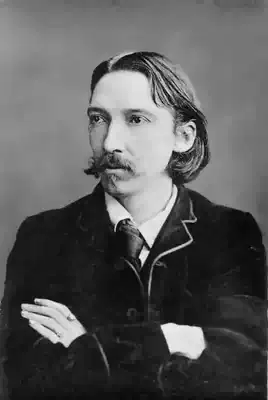
Robert Louis Stevenson
Rain
Rain
The rain is raining all around,
It falls on field and tree,
It rains on the umbrellas here,
And on the ships at sea.
The rain is raining all around,
It falls on field and tree,
It rains on the umbrellas here,
And on the ships at sea.
550
Robert Louis Stevenson
It Blows A Snowing Gale
It Blows A Snowing Gale
IT blows a snowing gale in the winter of the year;
The boats are on the sea and the crews are on the pier.
The needle of the vane, it is veering to and fro,
A flash of sun is on the veering of the vane.
Autumn leaves and rain,
The passion of the gale.
IT blows a snowing gale in the winter of the year;
The boats are on the sea and the crews are on the pier.
The needle of the vane, it is veering to and fro,
A flash of sun is on the veering of the vane.
Autumn leaves and rain,
The passion of the gale.
270
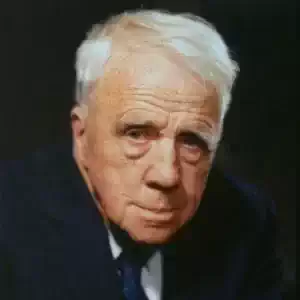
Robert Frost
One Step Backward Taken
One Step Backward Taken
Not only sands and gravels
Were once more on their travels,
But gulping muddy gallons
Great boulders off their balance
Bumped heads together dully
And started down the gully.
Whole capes caked off in slices.
I felt my standpoint shaken
In the universal crisis.
But with one step backward taken
I saved myself from going.
A world torn loose went by me.
Then the rain stopped and the blowing,
And the sun came out to dry me.
Not only sands and gravels
Were once more on their travels,
But gulping muddy gallons
Great boulders off their balance
Bumped heads together dully
And started down the gully.
Whole capes caked off in slices.
I felt my standpoint shaken
In the universal crisis.
But with one step backward taken
I saved myself from going.
A world torn loose went by me.
Then the rain stopped and the blowing,
And the sun came out to dry me.
365
Robert Frost
A Line-Storm Song
A Line-Storm Song
The line-storm clouds fly tattered and swift,
The road is forlorn all day,
Where a myriad snowy quartz stones lift,
And the hoof-prints vanish away.
The roadside flowers, too wet for the bee,
Expend their bloom in vain.
Come over the hills and far with me,
And be my love in the rain.
The birds have less to say for themselves
In the wood-world’s torn despair
Than now these numberless years the elves,
Although they are no less there:
All song of the woods is crushed like some
Wild, easily shattered rose.
Come, be my love in the wet woods; come,
Where the boughs rain when it blows.
There is the gale to urge behind
And bruit our singing down,
And the shallow waters aflutter with wind
From which to gather your gown.
What matter if we go clear to the west,
And come not through dry-shod?
For wilding brooch shall wet your breast
The rain-fresh goldenrod.
Oh, never this whelming east wind swells
But it seems like the sea’s return
To the ancient lands where it left the shells
Before the age of the fern;
And it seems like the time when after doubt
Our love came back amain.
Oh, come forth into the storm and rout
And be my love in the rain.
The line-storm clouds fly tattered and swift,
The road is forlorn all day,
Where a myriad snowy quartz stones lift,
And the hoof-prints vanish away.
The roadside flowers, too wet for the bee,
Expend their bloom in vain.
Come over the hills and far with me,
And be my love in the rain.
The birds have less to say for themselves
In the wood-world’s torn despair
Than now these numberless years the elves,
Although they are no less there:
All song of the woods is crushed like some
Wild, easily shattered rose.
Come, be my love in the wet woods; come,
Where the boughs rain when it blows.
There is the gale to urge behind
And bruit our singing down,
And the shallow waters aflutter with wind
From which to gather your gown.
What matter if we go clear to the west,
And come not through dry-shod?
For wilding brooch shall wet your breast
The rain-fresh goldenrod.
Oh, never this whelming east wind swells
But it seems like the sea’s return
To the ancient lands where it left the shells
Before the age of the fern;
And it seems like the time when after doubt
Our love came back amain.
Oh, come forth into the storm and rout
And be my love in the rain.
758
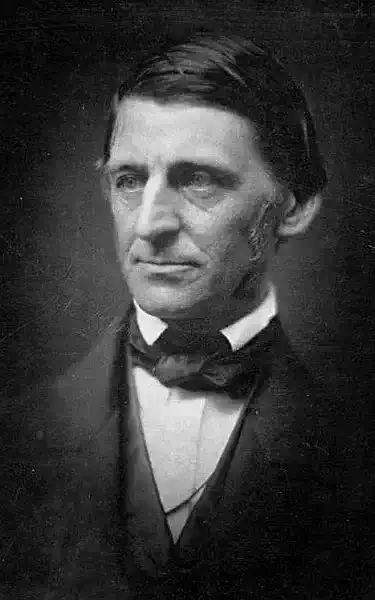
Ralph Waldo Emerson
The Snow-Storm
The Snow-Storm
Announced by all the trumpets of the sky,
Arrives the snow, and, driving o'er the fields,
Seems nowhere to alight: the whited air
Hides hill and woods, the river, and the heaven,
And veils the farmhouse at the garden's end.
The sled and traveller stopped, the courier's feet
Delated, all friends shut out, the housemates sit
Around the radiant fireplace, enclosed
In a tumultuous privacy of storm.
Come see the north wind's masonry.
Out of an unseen quarry evermore
Furnished with tile, the fierce artificer
Curves his white bastions with projected roof
Round every windward stake, or tree, or door.
Speeding, the myriad-handed, his wild work
So fanciful, so savage, nought cares he
For number or proportion. Mockingly,
On coop or kennel he hangs Parian wreaths;
A swan-like form invests the hiddden thorn;
Fills up the famer's lane from wall to wall,
Maugre the farmer's sighs; and at the gate
A tapering turret overtops the work.
And when his hours are numbered, and the world
Is all his own, retiring, as he were not,
Leaves, when the sun appears, astonished Art
To mimic in slow structures, stone by stone,
Built in an age, the mad wind's night-work,
The frolic architecture of the snow.
Announced by all the trumpets of the sky,
Arrives the snow, and, driving o'er the fields,
Seems nowhere to alight: the whited air
Hides hill and woods, the river, and the heaven,
And veils the farmhouse at the garden's end.
The sled and traveller stopped, the courier's feet
Delated, all friends shut out, the housemates sit
Around the radiant fireplace, enclosed
In a tumultuous privacy of storm.
Come see the north wind's masonry.
Out of an unseen quarry evermore
Furnished with tile, the fierce artificer
Curves his white bastions with projected roof
Round every windward stake, or tree, or door.
Speeding, the myriad-handed, his wild work
So fanciful, so savage, nought cares he
For number or proportion. Mockingly,
On coop or kennel he hangs Parian wreaths;
A swan-like form invests the hiddden thorn;
Fills up the famer's lane from wall to wall,
Maugre the farmer's sighs; and at the gate
A tapering turret overtops the work.
And when his hours are numbered, and the world
Is all his own, retiring, as he were not,
Leaves, when the sun appears, astonished Art
To mimic in slow structures, stone by stone,
Built in an age, the mad wind's night-work,
The frolic architecture of the snow.
320
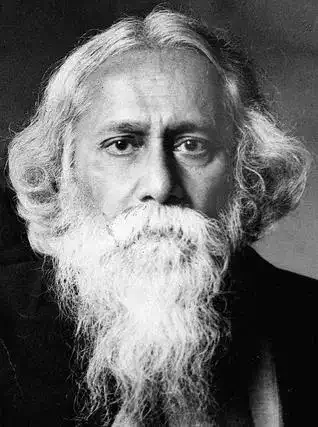
Rabindranath Tagore
The Rainy Day
The Rainy Day
Sullen clouds are gathering fast over the black fringe of the
forest.
O child, do not go out!
The palm trees in a row by the lake are smiting their heads
against the dismal sky; the crows with their dragged wings are
silent on the tamarind branches, and the eastern bank of the river
is haunted by a deepening gloom.
Our cow is lowing loud, ties at the fence.
O child, wait here till I bring her into the stall.
Men have crowded into the flooded field to catch the fishes
as they escape from the overflowing ponds; the rain-water is
running in rills through the narrow lanes like a laughing boy who
has run away from his mother to tease her.
Listen, someone is shouting for the boatman at the ford.
O child, the daylight is dim, and the crossing at the ferry
is closed.
The sky seems to ride fast upon the madly rushing rain; the
water in the river is loud and impatient; women have hastened home
early from the Ganges with their filled pitchers.
The evening lamps must be made ready.
O child, do not go out!
The road to the market is desolate, the lane to the river is
slippery. The wind is roaring and struggling among the bamboo
branches like a wild beast tangled in a net.
Sullen clouds are gathering fast over the black fringe of the
forest.
O child, do not go out!
The palm trees in a row by the lake are smiting their heads
against the dismal sky; the crows with their dragged wings are
silent on the tamarind branches, and the eastern bank of the river
is haunted by a deepening gloom.
Our cow is lowing loud, ties at the fence.
O child, wait here till I bring her into the stall.
Men have crowded into the flooded field to catch the fishes
as they escape from the overflowing ponds; the rain-water is
running in rills through the narrow lanes like a laughing boy who
has run away from his mother to tease her.
Listen, someone is shouting for the boatman at the ford.
O child, the daylight is dim, and the crossing at the ferry
is closed.
The sky seems to ride fast upon the madly rushing rain; the
water in the river is loud and impatient; women have hastened home
early from the Ganges with their filled pitchers.
The evening lamps must be made ready.
O child, do not go out!
The road to the market is desolate, the lane to the river is
slippery. The wind is roaring and struggling among the bamboo
branches like a wild beast tangled in a net.
633
Rabindranath Tagore
Lover's Gifts XVI: She Dwelt Here by the Pool
Lover's Gifts XVI: She Dwelt Here by the Pool
She dwelt here by the pool with its landing-stairs in ruins. Many
an evening she had watched the moon made dizzy by the shaking of
bamboo leaves, and on many a rainy day the smell of the wet earth
had come to her over the young shoots of rice.
Her pet name is known here among those date-palm groves and
in the courtyards where girls sit and talk while stitching their
winter quilts. The water in this pool keeps in its depth the memory
of her swimming limbs, and her wet feet had left their marks, day
after day, on the footpath leading to the village.
The women who come to-day with their vessels to the water have
all seen her smile over simple jests, and the old peasant, taking
his bullocks to their bath, used to stop at her door every day to
greet her.
Many a sailing-boat passes by this village; many a traveller
takes rest beneath that banyan tree; the ferry-boat crosses to
yonder ford carrying crowds to the market; but they never notice
this spot by the village road, near the pool with its ruined
landing-stairs,-where dwelt she whom I love.
She dwelt here by the pool with its landing-stairs in ruins. Many
an evening she had watched the moon made dizzy by the shaking of
bamboo leaves, and on many a rainy day the smell of the wet earth
had come to her over the young shoots of rice.
Her pet name is known here among those date-palm groves and
in the courtyards where girls sit and talk while stitching their
winter quilts. The water in this pool keeps in its depth the memory
of her swimming limbs, and her wet feet had left their marks, day
after day, on the footpath leading to the village.
The women who come to-day with their vessels to the water have
all seen her smile over simple jests, and the old peasant, taking
his bullocks to their bath, used to stop at her door every day to
greet her.
Many a sailing-boat passes by this village; many a traveller
takes rest beneath that banyan tree; the ferry-boat crosses to
yonder ford carrying crowds to the market; but they never notice
this spot by the village road, near the pool with its ruined
landing-stairs,-where dwelt she whom I love.
503
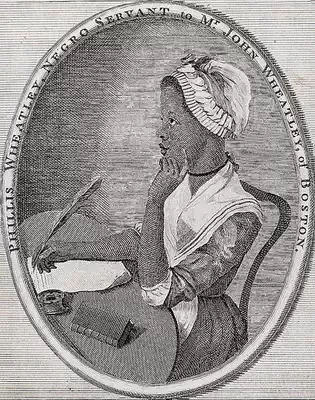
Phillis Wheatley
To A Lady On Her Remarkable Preservation In A Hurrican In North-Carolina
To A Lady On Her Remarkable Preservation In A Hurrican In North-Carolina
THOUGH thou did'st hear the tempest from afar,
And felt'st the horrors of the wat'ry war,
To me unknown, yet on this peaceful shore
Methinks I hear the storm tumultuous roar,
And how stern Boreas with impetuous hand
Compell'd the Nereids to usurp the land.
Reluctant rose the daughters of the main,
And slow ascending glided o'er the plain,
Till AEolus in his rapid chariot drove
In gloomy grandeur from the vault above:
Furious he comes. His winged sons obey
Their frantic sire, and madden all the sea.
The billows rave, the wind's fierce tyrant roars,
And with his thund'ring terrors shakes the shores:
Broken by waves the vessel's frame is rent,
And strows with planks the wat'ry element.
But thee, Maria, a kind Nereid's shield
Preserv'd from sinking, and thy form upheld:
And sure some heav'nly oracle design'd
At that dread crisis to instruct thy mind
Things of eternal consequence to weigh,
And to thine heart just feelings to convey
Of things above, and of the future doom,
And what the births of the dread world to come.
From tossing seas I welcome thee to land.
"Resign her, Nereid," 'twas thy God's command.
Thy spouse late buried, as thy fears conceiv'd,
Again returns, thy fears are all reliev'd:
Thy daughter blooming with superior grace
Again thou see'st, again thine arms embrace;
O come, and joyful show thy spouse his heir,
And what the blessings of maternal care!
THOUGH thou did'st hear the tempest from afar,
And felt'st the horrors of the wat'ry war,
To me unknown, yet on this peaceful shore
Methinks I hear the storm tumultuous roar,
And how stern Boreas with impetuous hand
Compell'd the Nereids to usurp the land.
Reluctant rose the daughters of the main,
And slow ascending glided o'er the plain,
Till AEolus in his rapid chariot drove
In gloomy grandeur from the vault above:
Furious he comes. His winged sons obey
Their frantic sire, and madden all the sea.
The billows rave, the wind's fierce tyrant roars,
And with his thund'ring terrors shakes the shores:
Broken by waves the vessel's frame is rent,
And strows with planks the wat'ry element.
But thee, Maria, a kind Nereid's shield
Preserv'd from sinking, and thy form upheld:
And sure some heav'nly oracle design'd
At that dread crisis to instruct thy mind
Things of eternal consequence to weigh,
And to thine heart just feelings to convey
Of things above, and of the future doom,
And what the births of the dread world to come.
From tossing seas I welcome thee to land.
"Resign her, Nereid," 'twas thy God's command.
Thy spouse late buried, as thy fears conceiv'd,
Again returns, thy fears are all reliev'd:
Thy daughter blooming with superior grace
Again thou see'st, again thine arms embrace;
O come, and joyful show thy spouse his heir,
And what the blessings of maternal care!
257
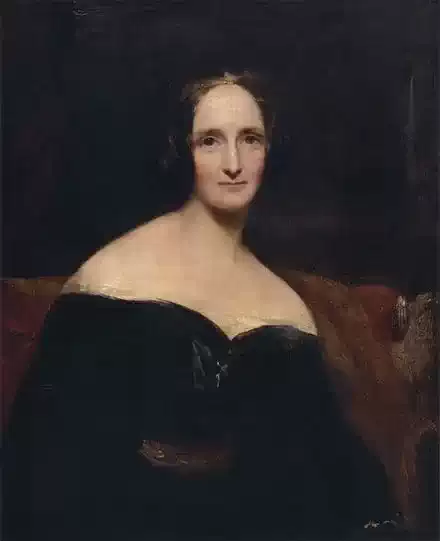
Percy Bysshe Shelley
The Fitful Alternations of the Rain
The Fitful Alternations of the Rain
The fitful alternations of the rain,
When the chill wind, languid as with pain
Of its own heavy moisture, here and there
Drives through the gray and beamless atmosphere
The fitful alternations of the rain,
When the chill wind, languid as with pain
Of its own heavy moisture, here and there
Drives through the gray and beamless atmosphere
426
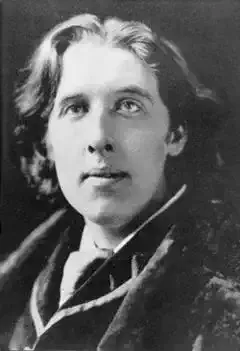
Oscar Wilde
La Mer
La Mer
A white mist drifts across the shrouds,
A wild moon in this wintry sky
Gleams like an angry lion's eye
Out of a mane of tawny clouds.
The muffled steersman at the wheel
Is but a shadow in the gloom; -
And in the throbbing engine-room
Leap the long rods of polished steel.
The shattered storm has left its trace
Upon this huge and heaving dome,
For the thin threads of yellow foam
Float on the waves like ravelled lace.
A white mist drifts across the shrouds,
A wild moon in this wintry sky
Gleams like an angry lion's eye
Out of a mane of tawny clouds.
The muffled steersman at the wheel
Is but a shadow in the gloom; -
And in the throbbing engine-room
Leap the long rods of polished steel.
The shattered storm has left its trace
Upon this huge and heaving dome,
For the thin threads of yellow foam
Float on the waves like ravelled lace.
238
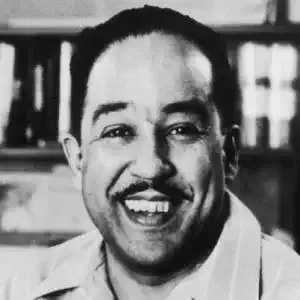
Langston Hughes
April Rain Song
April Rain Song
Let the rain kiss you
Let the rain beat upon your head with silver liquid drops
Let the rain sing you a lullaby
The rain makes still pools on the sidewalk
The rain makes running pools in the gutter
The rain plays a little sleep song on our roof at night
And I love the rain.
Let the rain kiss you
Let the rain beat upon your head with silver liquid drops
Let the rain sing you a lullaby
The rain makes still pools on the sidewalk
The rain makes running pools in the gutter
The rain plays a little sleep song on our roof at night
And I love the rain.
401
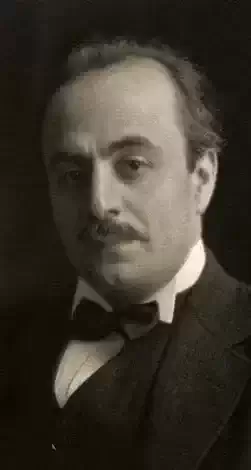
Khalil Gibran
The Widow and Her Son XXI
The Widow and Her Son XXI
Night fell over North Lebanon and snow was covering the villages surrounded by the
Kadeesha Valley, giving the fields and prairies the appearance of a great sheet of
parchment upon which the furious Nature was recording her many deeds. Men came
home from the streets while silence engulfed the night.
In a lone house near those villages lived a woman who sat by her fireside spinning
wool, and at her side was her only child, staring now at the fire and then at his mother.
A terrible roar of thunder shook the house and the little boy shook with fright. He threw
his arms about his mother, seeking protection from Nature in her affection. She took
him to her bosom and kissed him; then she say him on her lap and said, "Do not fear,
my son, for Nature is but comparing her great power to man's weakness. There is a
Supreme Being beyond the falling snow and the heavy clouds and the blowing wind,
and He knows the needs of the earth, for He made it; and He looks upon the weak with
merciful eyes.
"Be brave, my boy. Nature smiles in Spring and laughs in Summer and yawns in
Autumn, but now she is weeping; and with her tears she waters life, hidden under the
earth.
"Sleep, my dear child; your father is viewing us from Eternity. The snow and thunder
bring us closer to him at this time.
"Sleep, my beloved, for this white blanket which makes us cold, keeps the seeds warm,
and these war-like things will produce beautiful flowers when Nisan comes.
"Thus, my child, man cannot reap love until after sad and revealing separation, and
bitter patience, and desperate hardship. Sleep, my little boy; sweet dreams will find
your soul who is unafraid of the terrible darkness of night and the biting frost."
The little boy looked upon his mother with sleep-laden eyes and said, "Mother, my eyes
are heavy, but I cannot go to bed without saying my prayer."
The woman looked at his angelic face, her vision blurred by misted eyes, and said,
"Repeat with me, my boy - 'God, have mercy on the poor and protect them from the
winter; warm their thin-clad bodies with Thy merciful hands; look upon the orphans
who are sleeping in wretched houses, suffering from hunger and cold. Hear, oh Lord,
the call of widows who are helpless and shivering with fear for their young. Open, oh
Lord, the hearts of all humans, that they may see the misery of the weak. Have mercy
upon the sufferers who knock on doors, and lead the wayfarers into warm places.
Watch, oh Lord, over the little birds and protect the trees and fields from the anger of
the storm; for Thou art merciful and full of love.'"
As Slumber captured the boy's spirit, his mother placed him in the bed and kissed his
eyes with quivering lips. Then she went back and sat by the hearth, spinning the wool
to make him raiment.
Night fell over North Lebanon and snow was covering the villages surrounded by the
Kadeesha Valley, giving the fields and prairies the appearance of a great sheet of
parchment upon which the furious Nature was recording her many deeds. Men came
home from the streets while silence engulfed the night.
In a lone house near those villages lived a woman who sat by her fireside spinning
wool, and at her side was her only child, staring now at the fire and then at his mother.
A terrible roar of thunder shook the house and the little boy shook with fright. He threw
his arms about his mother, seeking protection from Nature in her affection. She took
him to her bosom and kissed him; then she say him on her lap and said, "Do not fear,
my son, for Nature is but comparing her great power to man's weakness. There is a
Supreme Being beyond the falling snow and the heavy clouds and the blowing wind,
and He knows the needs of the earth, for He made it; and He looks upon the weak with
merciful eyes.
"Be brave, my boy. Nature smiles in Spring and laughs in Summer and yawns in
Autumn, but now she is weeping; and with her tears she waters life, hidden under the
earth.
"Sleep, my dear child; your father is viewing us from Eternity. The snow and thunder
bring us closer to him at this time.
"Sleep, my beloved, for this white blanket which makes us cold, keeps the seeds warm,
and these war-like things will produce beautiful flowers when Nisan comes.
"Thus, my child, man cannot reap love until after sad and revealing separation, and
bitter patience, and desperate hardship. Sleep, my little boy; sweet dreams will find
your soul who is unafraid of the terrible darkness of night and the biting frost."
The little boy looked upon his mother with sleep-laden eyes and said, "Mother, my eyes
are heavy, but I cannot go to bed without saying my prayer."
The woman looked at his angelic face, her vision blurred by misted eyes, and said,
"Repeat with me, my boy - 'God, have mercy on the poor and protect them from the
winter; warm their thin-clad bodies with Thy merciful hands; look upon the orphans
who are sleeping in wretched houses, suffering from hunger and cold. Hear, oh Lord,
the call of widows who are helpless and shivering with fear for their young. Open, oh
Lord, the hearts of all humans, that they may see the misery of the weak. Have mercy
upon the sufferers who knock on doors, and lead the wayfarers into warm places.
Watch, oh Lord, over the little birds and protect the trees and fields from the anger of
the storm; for Thou art merciful and full of love.'"
As Slumber captured the boy's spirit, his mother placed him in the bed and kissed his
eyes with quivering lips. Then she went back and sat by the hearth, spinning the wool
to make him raiment.
347

Jonathan Swift
A Description of a City Shower
A Description of a City Shower
Careful Observers may fortel the Hour
(By sure Prognosticks) when to dread a Show'r:
While Rain depends, the pensive Cat gives o'er
Her Frolicks, and pursues her Tail no more.
Returning Home at Night, you'll find the Sink
Strike your offended Sense with double Stink.
If you be wise, then go not far to Dine,
You spend in Coach-hire more than save in Wine.
A coming Show'r your shooting Corns presage,
Old Aches throb, your hollow Tooth will rage.
Sauntring in Coffee-house is Dulman seen;
He damns the Climate, and complains of Spleen.
Mean while the South rising with dabbled Wings,
A Sable Cloud a-thwart the Welkin flings,
That swill'd more Liquor than it could contain,
And like a Drunkard gives it up again.
Brisk Susan whips her Linen from the Rope,
While the first drizzling Show'r is born aslope,
Such is that Sprinkling which some careless Quean
Flirts on you from her Mop, but not so clean.
You fly, invoke the Gods; then turning, stop
To rail; she singing, still whirls on her Mop.
Not yet, the Dust had shun'd th'unequal Strife,
But aided by the Wind, fought still for Life;
And wafted with its Foe by violent Gust,
'Twas doubtful which was Rain, and which was Dust.
Ah! where must needy Poet seek for Aid,
When Dust and Rain at once his Coat invade;
Sole Coat, where Dust cemented by the Rain,
Erects the Nap, and leaves a cloudy Stain.
Now in contiguous Drops the Flood comes down,
Threat'ning with Deloge this Devoted Town.
To Shops in Crouds the dagled Females fly,
Pretend to cheapen Goods, but nothing buy.
The Templer spruce, while ev'ry Spout's a-broach,
Stays till 'tis fair, yet seems to call a Coach.
The tuck'd-up Sempstress walks with hasty Strides,
While Streams run down her oil'd Umbrella's Sides.
Here various Kinds by various Fortunes led,
Commence Acquaintance underneath a Shed.
Triumphant Tories, and desponding Whigs,
Forget their Fewds, and join to save their Wigs.
Box'd in a Chair the Beau impatient sits,
While Spouts run clatt'ring o'er the Roof by Fits;
And ever and anon with frightful Din
The Leather sounds, he trembles from within.
So when Troy Chair-men bore the Wooden Steed,
Pregnant with Greeks, impatient to be freed,
(Those Bully Greeks, who, as the Moderns do,
Instead of paying Chair-men, run them thro'.)
Laoco'n struck the Outside with his Spear,
And each imprison'd Hero quak'd for Fear.
Now from all Parts the swelling Kennels flow,
And bear their Trophies with them as they go:
Filth of all Hues and Odours seem to tell
What Streets they sail'd from, by the Sight and Smell.
They, as each Torrent drives, with rapid Force
From Smithfield, or St.Pulchre's shape their Course,
And in huge Confluent join at Snow-Hill Ridge,
Fall from the Conduit prone to Holborn-Bridge.
Sweepings from Butchers Stalls, Dung, Guts, and Blood,
Drown'd Puppies, stinking Sprats, all drench'd in Mud,
Dead Cats and Turnips-Tops come tumbling down the Flood.
Careful Observers may fortel the Hour
(By sure Prognosticks) when to dread a Show'r:
While Rain depends, the pensive Cat gives o'er
Her Frolicks, and pursues her Tail no more.
Returning Home at Night, you'll find the Sink
Strike your offended Sense with double Stink.
If you be wise, then go not far to Dine,
You spend in Coach-hire more than save in Wine.
A coming Show'r your shooting Corns presage,
Old Aches throb, your hollow Tooth will rage.
Sauntring in Coffee-house is Dulman seen;
He damns the Climate, and complains of Spleen.
Mean while the South rising with dabbled Wings,
A Sable Cloud a-thwart the Welkin flings,
That swill'd more Liquor than it could contain,
And like a Drunkard gives it up again.
Brisk Susan whips her Linen from the Rope,
While the first drizzling Show'r is born aslope,
Such is that Sprinkling which some careless Quean
Flirts on you from her Mop, but not so clean.
You fly, invoke the Gods; then turning, stop
To rail; she singing, still whirls on her Mop.
Not yet, the Dust had shun'd th'unequal Strife,
But aided by the Wind, fought still for Life;
And wafted with its Foe by violent Gust,
'Twas doubtful which was Rain, and which was Dust.
Ah! where must needy Poet seek for Aid,
When Dust and Rain at once his Coat invade;
Sole Coat, where Dust cemented by the Rain,
Erects the Nap, and leaves a cloudy Stain.
Now in contiguous Drops the Flood comes down,
Threat'ning with Deloge this Devoted Town.
To Shops in Crouds the dagled Females fly,
Pretend to cheapen Goods, but nothing buy.
The Templer spruce, while ev'ry Spout's a-broach,
Stays till 'tis fair, yet seems to call a Coach.
The tuck'd-up Sempstress walks with hasty Strides,
While Streams run down her oil'd Umbrella's Sides.
Here various Kinds by various Fortunes led,
Commence Acquaintance underneath a Shed.
Triumphant Tories, and desponding Whigs,
Forget their Fewds, and join to save their Wigs.
Box'd in a Chair the Beau impatient sits,
While Spouts run clatt'ring o'er the Roof by Fits;
And ever and anon with frightful Din
The Leather sounds, he trembles from within.
So when Troy Chair-men bore the Wooden Steed,
Pregnant with Greeks, impatient to be freed,
(Those Bully Greeks, who, as the Moderns do,
Instead of paying Chair-men, run them thro'.)
Laoco'n struck the Outside with his Spear,
And each imprison'd Hero quak'd for Fear.
Now from all Parts the swelling Kennels flow,
And bear their Trophies with them as they go:
Filth of all Hues and Odours seem to tell
What Streets they sail'd from, by the Sight and Smell.
They, as each Torrent drives, with rapid Force
From Smithfield, or St.Pulchre's shape their Course,
And in huge Confluent join at Snow-Hill Ridge,
Fall from the Conduit prone to Holborn-Bridge.
Sweepings from Butchers Stalls, Dung, Guts, and Blood,
Drown'd Puppies, stinking Sprats, all drench'd in Mud,
Dead Cats and Turnips-Tops come tumbling down the Flood.
231
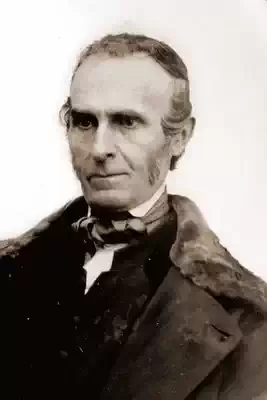
John Greenleaf Whittier
The Wreck Of Rivermouth
The Wreck Of Rivermouth
Rivermouth Rocks are fair to see,
By dawn or sunset shone across,
When the ebb of the sea has left them free,
To dry their fringes of gold-green moss
For there the river comes winding down,
From salt sea-meadows and uplands brown,
And waves on the outer rocks afoam
Shout to its waters, 'Welcome home!'
And fair are the sunny isles in view
East of the grisly Head of the Boar,
And Agamenticus lifts its blue
Disk of a cloud the woodlands o'er;
And southerly, when the tide is down,
'Twixt white sea-waves and sand-hills brown,
The beach-birds dance and the gray gulls wheel
Over a floor of burnished steel.
Once, in the old Colonial days,
Two hundred years ago and more,
A boat sailed down through the winding ways
Of Hampton River to that low shore,
Full of a goodly company
Sailing out on the summer sea,
Veering to catch the land-breeze light,
With the Boar to left and the Rocks to right.
In Hampton meadows, where mowers laid
Their scythes to the swaths of salted grass,
'Ah, well-a-day! our hay must be made!'
A young man sighed, who saw them pass.
Loud laughed his fellows to see him stand
Whetting his scythe with a listless hand,
Hearing a voice in a far-off song,
Watching a white hand beckoning long.
'Fie on the witch!' cried a merry girl,
As they rounded the point where Goody Cole
Sat by her door with her wheel atwirl,
A bent and blear-eyed poor old soul.
'Oho!' she muttered, 'ye 're brave to-day!
But I hear the little waves laugh and say,
'The broth will be cold that waits at home;
For it 's one to go, but another to come!''
'She's cursed,' said the skipper; 'speak her fair:
I'm scary always to see her shake
Her wicked head, with its wild gray hair,
And nose like a hawk, and eyes like a snake.'
But merrily still, with laugh and shout,
From Hampton River the boat sailed out,
Till the huts and the flakes on Star seemed nigh,
And they lost the scent of the pines of Rye.
They dropped their lines in the lazy tide,
Drawing up haddock and mottled cod;
They saw not the Shadow that walked beside,
They heard not the feet with silence shod.
But thicker and thicker a hot mist grew,
Shot by the lightnings through and through;
And muffled growls, like the growl of a beast,
Ran along the sky from west to east.
Then the skipper looked from the darkening sea
Up to the dimmed and wading sun;
But he spake like a brave man cheerily,
'Yet there is time for our homeward run.'
Veering and tacking, they backward wore;
And just as a breath-from the woods ashore
Blew out to whisper of danger past,
The wrath of the storm came down at last!
The skipper hauled at the heavy sail
'God be our help!' he only cried,
As the roaring gale, like the stroke of a flail,
Smote the boat on its starboard side.
The Shoalsmen looked, but saw alone
Dark films of rain-cloud slantwise blown,
Wild rocks lit up by the lightning's glare,
The strife and torment of sea and air.
Goody Cole looked out from her door
The Isles of Shoals were drowned and gone,
Scarcely she saw the Head of the Boar
Toss the foam from tusks of stone.
She clasped her hands with a grip of pain,
The tear on her cheek was not of rain
'They are lost,' she muttered, 'boat and crew!
Lord, forgive me! my words were true!'
Suddenly seaward swept the squall;
The low sun smote through cloudy rack;
The Shoals stood clear in the light, and all
The trend of the coast lay hard and black.
But far and wide as eye could reach,
No life was seen upon wave or beach;
The boat that went out at morning never
Sailed back again into Hampton River.
O mower, lean on thy bended snath,
Look from the meadows green and low
The wind of the sea is a waft of death,
The waves are singing a song of woe!
By silent river, by moaning sea,
Long and vain shall thy watching be
Never again shall the sweet voice call,
Never the white hand rise and fall!
O Rivermouth Rocks, how sad a sight
Ye saw in the light of breaking day
Dead faces looking up cold and white
From sand and seaweed where they lay.
The mad old witch-wife wailed and wept,
And cursed the tide as it backward crept
'Crawl back, crawl back, blue water-snake
Leave your dead for the hearts that break!'
Solemn it was in that old day
In Hampton town and its log-built church,
Where side by side the coffins lay
And the mourners stood in aisle and porch.
In the singing-seats young eyes were dim,
The voices faltered that raised the hymn,
And Father Dalton, grave and stern,
Sobbed through his prayer and wept in turn.
But his ancient colleague did not pray;
Under the weight of his fourscore years
He stood apart with the iron-gray
Of his strong brows knitted to hide his tears;
And a fair-faced woman of doubtful fame,
Linking her own with his honored name,
Subtle as sin, at his side withstood
The felt reproach of her neighborhood.
Apart with them, like them forbid,
Old Goody Cole looked drearily round,
As, two by two, with their faces hid,
The mourners walked to the burying-ground.
She let the staff from her clasped hands fall
'Lord, forgive us! we're sinners all!'
And the voice of the old man answered her
'Amen!' said Father Bachiler.
So, as I sat upon Appledore
In the calm of a closing summer day,
And the broken lines of Hampton shore
In purple mist of cloudland lay,
The Rivermouth Rocks their story told;
And waves aglow with sunset gold,
Rising and breaking in steady chime,
Beat the rhythm and kept the time.
And the sunset paled, and warmed once more
With a softer, tenderer after-glow;
In the east was moon-rise, with boats off-shore
And sails in the distance drifting slow.
The beacon glimmered from Portsmouth bar,
The White Isle kindled its great red star;
And life and death in my old-time lay
Mingled in peace like the night and day!
. . . . .
'Well!' said the Man of Books, 'your story
Is really not ill told in verse.
As the Celt said of purgatory,
One might go farther and fare worse.'
The Reader smiled; and once again
With steadier voice took up his strain,
While the fair singer from the neighboring tent
Drew near, and at his side a graceful listener bent.
Rivermouth Rocks are fair to see,
By dawn or sunset shone across,
When the ebb of the sea has left them free,
To dry their fringes of gold-green moss
For there the river comes winding down,
From salt sea-meadows and uplands brown,
And waves on the outer rocks afoam
Shout to its waters, 'Welcome home!'
And fair are the sunny isles in view
East of the grisly Head of the Boar,
And Agamenticus lifts its blue
Disk of a cloud the woodlands o'er;
And southerly, when the tide is down,
'Twixt white sea-waves and sand-hills brown,
The beach-birds dance and the gray gulls wheel
Over a floor of burnished steel.
Once, in the old Colonial days,
Two hundred years ago and more,
A boat sailed down through the winding ways
Of Hampton River to that low shore,
Full of a goodly company
Sailing out on the summer sea,
Veering to catch the land-breeze light,
With the Boar to left and the Rocks to right.
In Hampton meadows, where mowers laid
Their scythes to the swaths of salted grass,
'Ah, well-a-day! our hay must be made!'
A young man sighed, who saw them pass.
Loud laughed his fellows to see him stand
Whetting his scythe with a listless hand,
Hearing a voice in a far-off song,
Watching a white hand beckoning long.
'Fie on the witch!' cried a merry girl,
As they rounded the point where Goody Cole
Sat by her door with her wheel atwirl,
A bent and blear-eyed poor old soul.
'Oho!' she muttered, 'ye 're brave to-day!
But I hear the little waves laugh and say,
'The broth will be cold that waits at home;
For it 's one to go, but another to come!''
'She's cursed,' said the skipper; 'speak her fair:
I'm scary always to see her shake
Her wicked head, with its wild gray hair,
And nose like a hawk, and eyes like a snake.'
But merrily still, with laugh and shout,
From Hampton River the boat sailed out,
Till the huts and the flakes on Star seemed nigh,
And they lost the scent of the pines of Rye.
They dropped their lines in the lazy tide,
Drawing up haddock and mottled cod;
They saw not the Shadow that walked beside,
They heard not the feet with silence shod.
But thicker and thicker a hot mist grew,
Shot by the lightnings through and through;
And muffled growls, like the growl of a beast,
Ran along the sky from west to east.
Then the skipper looked from the darkening sea
Up to the dimmed and wading sun;
But he spake like a brave man cheerily,
'Yet there is time for our homeward run.'
Veering and tacking, they backward wore;
And just as a breath-from the woods ashore
Blew out to whisper of danger past,
The wrath of the storm came down at last!
The skipper hauled at the heavy sail
'God be our help!' he only cried,
As the roaring gale, like the stroke of a flail,
Smote the boat on its starboard side.
The Shoalsmen looked, but saw alone
Dark films of rain-cloud slantwise blown,
Wild rocks lit up by the lightning's glare,
The strife and torment of sea and air.
Goody Cole looked out from her door
The Isles of Shoals were drowned and gone,
Scarcely she saw the Head of the Boar
Toss the foam from tusks of stone.
She clasped her hands with a grip of pain,
The tear on her cheek was not of rain
'They are lost,' she muttered, 'boat and crew!
Lord, forgive me! my words were true!'
Suddenly seaward swept the squall;
The low sun smote through cloudy rack;
The Shoals stood clear in the light, and all
The trend of the coast lay hard and black.
But far and wide as eye could reach,
No life was seen upon wave or beach;
The boat that went out at morning never
Sailed back again into Hampton River.
O mower, lean on thy bended snath,
Look from the meadows green and low
The wind of the sea is a waft of death,
The waves are singing a song of woe!
By silent river, by moaning sea,
Long and vain shall thy watching be
Never again shall the sweet voice call,
Never the white hand rise and fall!
O Rivermouth Rocks, how sad a sight
Ye saw in the light of breaking day
Dead faces looking up cold and white
From sand and seaweed where they lay.
The mad old witch-wife wailed and wept,
And cursed the tide as it backward crept
'Crawl back, crawl back, blue water-snake
Leave your dead for the hearts that break!'
Solemn it was in that old day
In Hampton town and its log-built church,
Where side by side the coffins lay
And the mourners stood in aisle and porch.
In the singing-seats young eyes were dim,
The voices faltered that raised the hymn,
And Father Dalton, grave and stern,
Sobbed through his prayer and wept in turn.
But his ancient colleague did not pray;
Under the weight of his fourscore years
He stood apart with the iron-gray
Of his strong brows knitted to hide his tears;
And a fair-faced woman of doubtful fame,
Linking her own with his honored name,
Subtle as sin, at his side withstood
The felt reproach of her neighborhood.
Apart with them, like them forbid,
Old Goody Cole looked drearily round,
As, two by two, with their faces hid,
The mourners walked to the burying-ground.
She let the staff from her clasped hands fall
'Lord, forgive us! we're sinners all!'
And the voice of the old man answered her
'Amen!' said Father Bachiler.
So, as I sat upon Appledore
In the calm of a closing summer day,
And the broken lines of Hampton shore
In purple mist of cloudland lay,
The Rivermouth Rocks their story told;
And waves aglow with sunset gold,
Rising and breaking in steady chime,
Beat the rhythm and kept the time.
And the sunset paled, and warmed once more
With a softer, tenderer after-glow;
In the east was moon-rise, with boats off-shore
And sails in the distance drifting slow.
The beacon glimmered from Portsmouth bar,
The White Isle kindled its great red star;
And life and death in my old-time lay
Mingled in peace like the night and day!
. . . . .
'Well!' said the Man of Books, 'your story
Is really not ill told in verse.
As the Celt said of purgatory,
One might go farther and fare worse.'
The Reader smiled; and once again
With steadier voice took up his strain,
While the fair singer from the neighboring tent
Drew near, and at his side a graceful listener bent.
353
John Greenleaf Whittier
Snow-Bound: A Winter Idyl
Snow-Bound: A Winter Idyl
To the Memory of the Household It Describes
This Poem is Dedicated by the Author:
"As the Spirits of Darkness be stronger in the dark, so Good Spirits,which be Angels of
Light, are augmented not only by the Divine lightof the Sun, but also by our common
Wood Fire: and as the CelestialFire drives away dark spirits, so also this our Fire of
Wood doth thesame." -- Cor. Agrippa, Occult Philosophy,
Book I.ch. v.
"Announced by all the trumpets of the sky,
Arrives the snow, and, driving o'er the fields,
Seems nowhere to alight: the whited air
Hides hills and woods, the river and the heaven,
And veils the farm-house at the garden's end.
The sled and traveller stopped, the courier's feet
Delayed, all friends shut out, the housemates sit
Around the radiant fireplace, enclosed
In a tumultuous privacy of Storm." EMERSON, The Snow Storm.
The sun that brief December day
Rose cheerless over hills of gray,
And, darkly circled, gave at noon
A sadder light than waning moon.
Slow tracing down the thickening sky
Its mute and ominous prophecy,
A portent seeming less than threat,
It sank from sight before it set.
A chill no coat, however stout,
Of homespun stuff could quite shut out,
A hard, dull bitterness of cold,
That checked, mid-vein, the circling race
Of life-blood in the sharpened face,
The coming of the snow-storm told.
The wind blew east; we heard the roar
Of Ocean on his wintry shore,
And felt the strong pulse throbbing there
Beat with low rhythm our inland air.
Meanwhile we did our nightly chores, -Brought
in the wood from out of doors,
Littered the stalls, and from the mows
Raked down the herd's-grass for the cows;
Heard the horse whinnying for his corn;
And, sharply clashing horn on horn,
Impatient down the stanchion rows
The cattle shake their walnut bows;
While, peering from his early perch
Upon the scaffold's pole of birch,
The cock his crested helmet bent
And down his querulous challenge sent.
Unwarmed by any sunset light
The gray day darkened into night,
A night made hoary with the swarm
And whirl-dance of the blinding storm,
As zigzag, wavering to and fro,
Crossed and recrossed the wingëd snow:
And ere the early bedtime came
The white drift piled the window-frame,
And through the glass the clothes-line posts
Looked in like tall and sheeted ghosts.
So all night long the storm roared on:
The morning broke without a sun;
In tiny spherule traced with lines
Of Nature's geometric signs,
In starry flake, and pellicle,
All day the hoary meteor fell;
And, when the second morning shone,
We looked upon a world unknown,
On nothing we could call our own.
Around the glistening wonder bent
The blue walls of the firmament,
No cloud above, no earth below, -A
universe of sky and snow!
The old familiar sights of ours
Took marvellous shapes; strange domes and towers
Rose up where sty or corn-crib stood,
Or garden-wall, or belt of wood;
A smooth white mound the brush-pile showed,
A fenceless drift what once was road;
The bridle-post an old man sat
With loose-flung coat and high cocked hat;
The well-curb had a Chinese roof;
And even the long sweep, high aloof,
In its slant spendor, seemed to tell
Of Pisa's leaning miracle.
A prompt, decisive man, no breath
Our father wasted: "Boys, a path!"
Well pleased, (for when did farmer boy
Count such a summons less than joy?)
Our buskins on our feet we drew;
With mittened hands, and caps drawn low,
To guard our necks and ears from snow,
We cut the solid whiteness through.
And, where the drift was deepest, made
A tunnel walled and overlaid
With dazzling crystal: we had read
Of rare Aladdin's wondrous cave,
And to our own his name we gave,
With many a wish the luck were ours
To test his lamp's supernal powers.
We reached the barn with merry din,
And roused the prisoned brutes within.
The old horse thrust his long head out,
And grave with wonder gazed about;
The cock his lusty greeting said,
And forth his speckled harem led;
The oxen lashed their tails, and hooked,
And mild reproach of hunger looked;
The hornëd patriarch of the sheep,
Like Egypt's Amun roused from sleep,
Shook his sage head with gesture mute,
And emphasized with stamp of foot.
All day the gusty north-wind bore
The loosening drift its breath before;
Low circling round its southern zone,
The sun through dazzling snow-mist shone.
No church-bell lent its Christian tone
To the savage air, no social smoke
Curled over woods of snow-hung oak.
A solitude made more intense
By dreary-voicëd elements,
The shrieking of the mindless wind,
The moaning tree-boughs swaying blind,
And on the glass the unmeaning beat
Of ghostly finger-tips of sleet.
Beyond the circle of our hearth
No welcome sound of toil or mirth
Unbound the spell, and testified
Of human life and thought outside.
We minded that the sharpest ear
The buried brooklet could not hear,
The music of whose liquid lip
Had been to us companionship,
And, in our lonely life, had grown
To have an almost human tone.
As night drew on, and, from the crest
Of wooded knolls that ridged the west,
The sun, a snow-blown traveller, sank
From sight beneath the smothering bank,
We piled, with care, our nightly stack
Of wood against the chimney-back, -The
oaken log, green, huge, and thick,
And on its top the stout back-stick;
The knotty forestick laid apart,
And filled between with curious art
The ragged brush; then, hovering near,
We watched the first red blaze appear,
Heard the sharp crackle, caught the gleam
On whitewashed wall and sagging beam,
Until the old, rude-furnished room
Burst, flower-like, into rosy bloom;
While radiant with a mimic flame
Outside the sparkling drift became,
And through the bare-boughed lilac-tree
Our own warm hearth seemed blazing free.
The crane and pendent trammels showed,
The Turks' heads on the andirons glowed;
While childish fancy, prompt to tell
The meaning of the miracle,
Whispered the old rhyme: "Under the tree,
When fire outdoors burns merrily,
There the witches are making tea."
The moon above the eastern wood
Shone at its full; the hill-range stood
Transfigured in the silver flood,
Its blown snows flashing cold and keen,
Dead white, save where some sharp ravine
Took shadow, or the sombre green
Of hemlocks turned to pitchy black
Against the whiteness at their back.
For such a world and such a night
Most fitting that unwarming light,
Which only seemed where'er it fell
To make the coldness visible.
Shut in from all the world without,
We sat the clean-winged hearth about,
Content to let the north-wind roar
In baffled rage at pane and door,
While the red logs before us beat
The frost-line back with tropic heat;
And ever, when a louder blast
Shook beam and rafter as it passed,
The merrier up its roaring draught
The great throat of the chimney laughed;
The house-dog on his paws outspread
Laid to the fire his drowsy head,
The cat's dark silhouette on the wall
A couchant tiger's seemed to fall;
And, for the winter fireside meet,
Between the andirons' straddling feet,
The mug of cider simmered slow,
The apples sputtered in a row,
And, close at hand, the basket stood
With nuts from brown October's wood.
What matter how the night behaved?
What matter how the north-wind raved?
Blow high, blow low, not all its snow
Could quench our hearth-fire's ruddy glow.
O Time and Change! -- with hair as gray
As was my sire's that winter day,
How strange it seems, with so much gone
Of life and love, to still live on!
Ah, brother! only I and thou
Are left of all that circle now, -The
dear home faces whereupon
That fitful firelight paled and shone.
Henceforward, listen as we will,
The voices of that hearth are still;
Look where we may, the wide earth o'er,
Those lighted faces smile no more.
We tread the paths their feet have worn,
We sit beneath their orchard trees,
We hear, like them, the hum of bees
And rustle of the bladed corn;
We turn the pages that they read,
Their written words we linger o'er,
But in the sun they cast no shade,
No voice is heard, no sign is made,
No step is on the conscious floor!
Yet Love will dream, and Faith will trust,
(Since He who knows our need is just,)
That somehow, somewhere, meet we must.
Alas for him who never sees
The stars shine through his cypress-trees!
Who, hopeless, lays his dead away,
Nor looks to see the breaking day
Across the mournful marbles play!
Who hath not learned, in hours of faith,
The truth to flesh and sense unknown,
That Life is ever lord of Death,
And Love can never lose its own!
We sped the time with stories old,
Wrought puzzles out, and riddles told,
Or stammered from our school-book lore
"The Chief of Gambia's golden shore."
How often since, when all the land
Was clay in Slavery's shaping hand,
As if a far-blown trumpet stirred
The languorous sin-sick air, I heard:
"Does not the voice of reason cry,
Claim the first right which Nature gave,
From the red scourge of bondage to fly,
Nor deign to live a burdened slave!"
Our father rode again his ride
On Memphremagog's wooded side;
Sat down again to moose and samp
In trapper's hut and Indian camp;
Lived o'er the old idyllic ease
Beneath St. François' hemlock-trees;
Again for him the moonlight shone
On Norman cap and bodiced zone;
Again he heard the violin play
Which led the village dance away.
And mingled in its merry whirl
The grandam and the laughing girl.
Or, nearer home, our steps he led
Where Salisbury's level marshes spread
Mile-wide as flies the laden bee;
Where merry mowers, hale and strong,
Swept, scythe on scythe, their swaths along
The low green prairies of the sea.
We shared the fishing off Boar's Head,
And round the rocky Isles of Shoals
The hake-broil on the drift-wood coals;
The chowder on the sand-beach made,
Dipped by the hungry, steaming hot,
With spoons of clam-shell from the pot.
We heard the tales of witchcraft old,
And dream and sign and marvel told
To sleepy listeners as they lay
Stretched idly on the salted hay,
Adrift along the winding shores,
When favoring breezes deigned to blow
The square sail of the gundelow
And idle lay the useless oars.
Our mother, while she turned her wheel
Or run the new-knit stocking-heel,
Told how the Indian hordes came down
At midnight on Concheco town,
And how her own great-uncle bore
His cruel scalp-mark to fourscore.
Recalling, in her fitting phrase,
So rich and picturesque and free
(The common unrhymed poetry
Of simple life and country ways,)
The story of her early days, --
She made us welcome to her home;
Old hearths grew wide to give us room;
We stole with her a frightened look
At the gray wizard's conjuring-book,
The fame whereof went far and wide
Through all the simple country side;
We heard the hawks at twilight play,
The boat-horn on Piscataqua,
The loon's weird laughter far away;
We fished her little trout-brook, knew
What flowers in wood and meadow grew,
What sunny hillsides autumn-brown
She climbed to shake the ripe nuts down,
Saw where in sheltered cove and bay,
The ducks' black squadron anchored lay,
And heard the wild-geese calling loud
Beneath the gray November cloud.
Then, haply, with a look more grave,
And soberer tone, some tale she gave
From painful Sewel's ancient tome,
Beloved in every Quaker home,
Of faith fire-winged by martyrdom,
Or Chalkley's Journal, old and quaint, -Gentlest
of skippers, rare sea-saint! -Who,
when the dreary calms prevailed,
And water-butt and bread-cask failed,
And cruel, hungry eyes pursued
His portly presence mad for food,
With dark hints muttered under breath
Of casting lots for life or death,
Offered, if Heaven withheld supplies,
To be himself the sacrifice.
Then, suddenly, as if to save
The good man from his living grave,
A ripple on the water grew,
A school of porpoise flashed in view.
"Take, eat," he said, "and be content;
These fishes in my stead are sent
By Him who gave the tangled ram
To spare the child of Abraham."
Our uncle, innocent of books,
Was rich in lore of fields and brooks,
The ancient teachers never dumb
Of Nature's unhoused lyceum.
In moons and tides and weather wise,
He read the clouds as prophecies,
And foul or fair could well divine,
By many an occult hint and sign,
Holding the cunning-warded keys
To all the woodcraft mysteries;
Himself to Nature's heart so near
That all her voices in his ear
Of beast or bird had meanings clear,
Like Apollonius of old,
Who knew the tales the sparrows told,
Or Hermes, who interpreted
What the sage cranes of Nilus said;
A simple, guileless, childlike man,
Content to live where life began;
Strong only on his native grounds,
The little world of sights and sounds
Whose girdle was the parish bounds,
Whereof his fondly partial pride
The common features magnified,
As Surrey hills to mountains grew
In White of Selborne's loving view, -He
told how teal and loon he shot,
And how the eagle's eggs he got,
The feats on pond and river done,
The prodigies of rod and gun;
Till, warming with the tales he told,
Forgotten was the outside cold,
The bitter wind unheeded blew,
From ripening corn the pigeons flew,
The partridge drummed i' the wood, the mink
Went fishing down the river-brink.
In fields with bean or clover gray,
The woodchuck, like a hermit gray,
Peered from the doorway of his cell;
The muskrat plied the mason's trade,
And tier by tier his mud-walls laid;
And from the shagbark overhead
The grizzled squirrel dropped his shell.
Next, the dear aunt, whose smile of cheer
And voice in dreams I see and hear, -The
sweetest woman ever Fate
Perverse denied a household mate,
Who, lonely, homeless, not the less
Found peace in love's unselfishness,
And welcome wheresoe'er she went,
A calm and gracious element,
Whose presence seemed the sweet income
And womanly atmosphere of home, -Called
up her girlhood memories,
The huskings and the apple-bees,
The sleigh-rides and the summer sails,
Weaving through all the poor details
And homespun warp of circumstance
A golden woof-thread of romance.
For well she kept her genial mood
And simple faith of maidenhood;
Before her still a cloud-land lay,
The mirage loomed across her way;
The morning dew, that dries so soon
With others, glistened at her noon;
Through years of toil and soil and care,
From glossy tress to thin gray hair,
All unprofaned she held apart
The virgin fancies of the heart.
Be shame to him of woman born
Who hath for such but thought of scorn.
There, too, our elder sister plied
Her evening task the stand beside;
A full, rich nature, free to trust,
Truthful and almost sternly just,
Impulsive, earnest, prompt to act,
And make her generous thought a fact,
Keeping with many a light disguise
The secret of self-sacrifice.
O heart sore-tried! thou hast the best
That Heaven itself could give thee, -- rest,
Rest from all bitter thoughts and things!
How many a poor one's blessing went
With thee beneath the low green tent
Whose curtain never outward swings!
As one who held herself a part
Of all she saw, and let her heart
Against the household bosom lean,
Upon the motley-braided mat
Our youngest and our dearest sat,
Lifting her large, sweet, asking eyes,
Now bathed in the unfading green
And holy peace of Paradise.
Oh, looking from some heavenly hill,
Or from the shade of saintly palms,
Or silver reach of river calms,
Do those large eyes behold me still?
With me one little year ago: --
The chill weight of the winter snow
For months upon her grave has lain;
And now, when summer south-winds blow
And brier and harebell bloom again,
I tread the pleasant paths we trod,
I see the violet-sprinkled sod
Whereon she leaned, too frail and weak
The hillside flowers she loved to seek,
Yet following me where'er I went
With dark eyes full of love's content.
The birds are glad; the brier-rose fills
The air with sweetness; all the hills
Stretch green to June's unclouded sky;
But still I wait with ear and eye
For something gone which should be nigh,
A loss in all familiar things,
In flower that blooms, and bird that sings.
And yet, dear heart! remembering thee,
Am I not richer than of old?
Safe in thy immortality,
What change can reach the wealth I hold?
What chance can mar the pearl and gold
Thy love hath left in trust with me?
And while in life's late afternoon,
Where cool and long the shadows grow,
I walk to meet the night that soon
Shall shape and shadow overflow,
I cannot feel that thou art far,
Since near at need the angels are;
And when the sunset gates unbar,
Shall I not see thee waiting stand,
And, white against the evening star,
The welcome of thy beckoning hand?
Brisk wielder of the birch and rule,
The master of the district school
Held at the fire his favored place,
Its warm glow lit a laughing face
Fresh-hued and fair, where scarce appeared
The uncertain prophecy of beard.
He teased the mitten-blinded cat,
Played cross-pins on my uncle's hat,
Sang songs, and told us what befalls
In classic Dartmouth's college halls.
Born the wild Northern hills among,
From whence his yeoman father wrung
By patient toil subsistence scant,
Not competence and yet not want,
He early gained the power to pay
His cheerful, self-reliant way;
Could doff at ease his scholar's gown
To peddle wares from town to town;
Or through the long vacation's reach
In lonely lowland districts teach,
Where all the droll experience found
At stranger hearths in boarding round,
The moonlit skater's keen delight,
The sleigh-drive through the frosty night,
The rustic party, with its rough
Accompaniment of blind-man's-buff,
And whirling-plate, and forfeits paid,
His winter task a pastime made.
Happy the snow-locked homes wherein
He tuned his merry violin,
Or played the athlete in the barn,
Or held the good dame's winding-yarn,
Or mirth-provoking versions told
Of classic legends rare and old,
Wherein the scenes of Greece and Rome
Had all the commonplace of home,
And little seemed at best the odds
'Twixt Yankee pedlers and old gods;
Where Pindus-born Arachthus took
The guise of any grist-mill brook,
And dread Olympus at his will
Became a huckleberry hill.
A careless boy that night he seemed;
But at his desk he had the look
And air of one who wisely schemed,
And hostage from the future took
In trainëd thought and lore of book.
Large-brained, clear-eyed, of such as he
Shall Freedom's young apostles be,
Who, following in War's bloody trail,
Shall every lingering wrong assail;
All chains from limb and spirit strike,
Uplift the black and white alike;
Scatter before their swift advance
The darkness and the ignorance,
The pride, the lust, the squalid sloth,
Which nurtured Treason's monstrous growth,
Made murder pastime, and the hell
Of prison-torture possible;
The cruel lie of caste refute,
Old forms remould, and substitute
For Slavery's lash the freeman's will,
For blind routine, wise-handed skill;
A school-house plant on every hill,
Stretching in radiate nerve-lines thence
The quick wires of intelligence;
Till North and South together brought
Shall own the same electric thought,
In peace a common flag salute,
And, side by side in labor's free
And unresentful rivalry,
Harvest the fields wherein they fought.
Another guest that winter night
Flashed back from lustrous eyes the light.
Unmarked by time, and yet not young,
The honeyed music of her tongue
And words of meekness scarcely told
A nature passionate and bold,
Strong, self-concentred, spurning guide,
Its milder features dwarfed beside
Her unbent will's majestic pride.
She sat among us, at the best,
A not unfeared, half-welcome guest,
Rebuking with her cultured phrase
Our homeliness of words and ways.
A certain pard-like, treacherous grace
Swayed the lithe limbs and drooped the lash,
Lent the white teeth their dazzling flash;
And under low brows, black with night,
Rayed out at times a dangerous light;
The sharp heat-lightnings of her face
Presaging ill to him whom Fate
Condemned to share her love or hate.
A woman tropical, intense
In thought and act, in soul and sense,
She blended in a like degree
The vixen and the devotee,
Revealing with each freak or feint
The temper of Petruchio's Kate,
The raptures of Siena's saint.
Her tapering hand and rounded wrist
Had facile power to form a fist;
The warm, dark languish of her eyes
Was never safe from wrath's surprise.
Brows saintly calm and lips devout
Knew every change of scowl and pout;
And the sweet voice had notes more high
And shrill for social battle-cry.
Since then what old cathedral town
Has missed her pilgrim staff and gown,
What convent-gate has held its lock
Against the challenge of her knock!
Through Smyrna's plague-hushed thoroughfares,
Up sea-set Malta's rocky stairs,
Gray olive slopes of hills that hem
Thy tombs and shrines, Jerusalem,
Or startling on her desert throne
The crazy Queen of Lebanon
With claims fantastic as her own,
Her tireless feet have held their way;
And still, unrestful, bowed, and gray,
She watches under Eastern skies,
With hope each day renewed and fresh,
The Lord's quick coming in the flesh,
Whereof she dreams and prophesies!
Where'er her troubled path may be,
The Lord's sweet pity with her go!
The outward wayward life we see,
The hidden springs we may not know.
Nor is it given us to discern
What threads the fatal sisters spun,
Through what ancestral years has run
The sorrow with the woman born,
What forged her cruel chain of moods,
What set her feet in solitudes,
And held the love within her mute,
What mingled madness in the blood,
A life-long discord and annoy,
Water of tears with oil of joy,
And hid within the folded bud
Perversities of flower and fruit.
It is not ours to separate
The tangled skein of will and fate,
To show what metes and bounds should stand
Upon the soul's debatable land,
And between choice and Providence
Divide the circle of events;
But He who knows our frame is just,
Merciful and compassionate,
And full of sweet assurances
And hope for all the language is,
That He remembereth we are dust!
At last the great logs, crumbling low,
Sent out a dull and duller glow,
The bull's-eye watch that hung in view,
Ticking its weary circuit through,
Pointed with mutely warning sign
Its black hand to the hour of nine.
That sign the pleasant circle broke:
My uncle ceased his pipe to smoke,
Knocked from its bowl the refuse gray,
And laid it tenderly away;
Then roused himself to safely cover
The dull red brands with ashes over.
And while, with care, our mother laid
The work aside, her steps she stayed
One moment, seeking to express
Her grateful sense of happiness
For food and shelter, warmth and health,
And love's contentment more than wealth,
With simple wishes (not the weak,
Vain prayers which no fulfilment seek,
But such as warm the generous heart,
O'er-prompt to do with Heaven its part)
That none might lack, that bitter night,
For bread and clothing, warmth and light.
Within our beds awhile we heard
The wind that round the gables roared,
With now and then a ruder shock,
Which made our very bedsteads rock.
We heard the loosened clapboards tost,
The board-nails snapping in the frost;
And on us, through the unplastered wall,
Felt the light sifted snow-flakes fall.
But sleep stole on, as sleep will do
When hearts are light and life is new;
Faint and more faint the murmurs grew,
Till in the summer-land of dreams
They softened to the sound of streams,
Low stir of leaves, and dip of oars,
And lapsing waves on quiet shores.
Next morn we wakened with the shout
Of merry voices high and clear;
And saw the teamsters drawing near
To break the drifted highways out.
Down the long hillside treading slow
We saw the half-buried oxen go,
Shaking the snow from heads uptost,
Their straining nostrils white with frost.
Before our door the straggling train
Drew up, an added team to gain.
The elders threshed their hands a-cold,
Passed, with the cider-mug, their jokes
From lip to lip; the younger folks
Down the loose snow-banks, wrestling, rolled,
Then toiled again the cavalcade
O'er windy hill, through clogged ravine,
And woodland paths that wound between
Low drooping pine-boughs winter-weighed.
From every barn a team afoot,
At every house a new recruit,
Where, drawn by Nature's subtlest law,
Haply the watchful young men saw
Sweet doorway pictures of the curls
And curious eyes of merry girls,
Lifting their hands in mock defence
Against the snow-ball's compliments,
And reading in each missive tost
The charm with Eden never lost.
We heard once more the sleigh-bells' sound;
And, following where the teamsters led,
The wise old Doctor went his round,
Just pausing at our door to say,
In the brief autocratic way
Of one who, prompt at Duty's call,
Was free to urge her claim on all,
That some poor neighbor sick abed
At night our mother's aid would need.
For, one in generous thought and deed,
What mattered in the sufferer's sight
The Quaker matron's inward light,
The Doctor's mail of Calvin's creed?
All hearts confess the saints elect
Who, twain in faith, in love agree,
And melt not in an acid sect
The Christian pearl of charity!
So days went on: a week had passed
Since the great world was heard from last.
The Almanac we studied o'er,
Read and reread our little store
Of books and pamphlets, scarce a score;
One harmless novel, mostly hid
From younger eyes, a book forbid,
And poetry, (or good or bad,
A single book was all we had,)
Where Ellwood's meek, drab-skirted Muse,
A stranger to the heathen Nine,
Sang, with a somewhat nasal whine,
The wars of David and the Jews.
At last the floundering carrier bore
The village paper to our door.
Lo! broadening outward as we read,
To warmer zones the horizon spread
In panoramic length unrolled
We saw the marvels that it told.
Before us passed the painted Creeks,
And daft McGregor on his raids
In Costa Rica's everglades.
And up Taygetos winding slow
Rode Ypsilanti's Mainote Greeks,
A Turk's head at each saddle-bow!
Welcome to us its week-old news,
Its corner for the rustic Muse,
Its monthly gauge of snow and rain,
Its record, mingling in a breath
The wedding bell and dirge of death:
Jest, anecdote, and love-lorn tale,
The latest culprit sent to jail;
Its hue and cry of stolen and lost,
Its vendue sales and goods at cost,
And traffic calling loud for gain.
We felt the stir of hall and street,
The pulse of life that round us beat;
The chill embargo of the snow
Was melted in the genial glow;
Wide swung again our ice-locked door,
And all the world was ours once more!
Clasp, Angel of the backword look
And folded wings of ashen gray
And voice of echoes far away,
The brazen covers of thy book;
The weird palimpsest old and vast,
Wherein thou hid'st the spectral past;
Where, closely mingling, pale and glow
The characters of joy and woe;
The monographs of outlived years,
Or smile-illumed or dim with tears,
Green hills of life that slope to death,
And haunts of home, whose vistaed trees
Shade off to mournful cypresses
With the white amaranths underneath.
Even while I look, I can but heed
The restless sands' incessant fall,
Importunate hours that hours succeed,
Each clamorous with its own sharp need,
And duty keeping pace with all.
Shut down and clasp with heavy lids;
I hear again the voice that bids
The dreamer leave his dream midway
For larger hopes and graver fears:
Life greatens in these later years,
The century's aloe flowers to-day!
Yet, haply, in some lull of life,
Some Truce of God which breaks its strife,
The worldling's eyes shall gather dew,
Dreaming in throngful city ways
Of winter joys his boyhood knew;
And dear and early friends -- the few
Who yet remain -- shall pause to view
These Flemish pictures of old days;
Sit with me by the homestead hearth,
And stretch the hands of memory forth
To warm them at the wood-fire's blaze!
And thanks untraced to lips unknown
Shall greet me like the odors blown
From unseen meadows newly mown,
Or lilies floating in some pond,
Wood-fringed, the wayside gaze beyond;
The traveller owns the grateful sense
Of sweetness near, he knows not whence,
And, pausing, takes with forehead bare
The benediction of the air.
To the Memory of the Household It Describes
This Poem is Dedicated by the Author:
"As the Spirits of Darkness be stronger in the dark, so Good Spirits,which be Angels of
Light, are augmented not only by the Divine lightof the Sun, but also by our common
Wood Fire: and as the CelestialFire drives away dark spirits, so also this our Fire of
Wood doth thesame." -- Cor. Agrippa, Occult Philosophy,
Book I.ch. v.
"Announced by all the trumpets of the sky,
Arrives the snow, and, driving o'er the fields,
Seems nowhere to alight: the whited air
Hides hills and woods, the river and the heaven,
And veils the farm-house at the garden's end.
The sled and traveller stopped, the courier's feet
Delayed, all friends shut out, the housemates sit
Around the radiant fireplace, enclosed
In a tumultuous privacy of Storm." EMERSON, The Snow Storm.
The sun that brief December day
Rose cheerless over hills of gray,
And, darkly circled, gave at noon
A sadder light than waning moon.
Slow tracing down the thickening sky
Its mute and ominous prophecy,
A portent seeming less than threat,
It sank from sight before it set.
A chill no coat, however stout,
Of homespun stuff could quite shut out,
A hard, dull bitterness of cold,
That checked, mid-vein, the circling race
Of life-blood in the sharpened face,
The coming of the snow-storm told.
The wind blew east; we heard the roar
Of Ocean on his wintry shore,
And felt the strong pulse throbbing there
Beat with low rhythm our inland air.
Meanwhile we did our nightly chores, -Brought
in the wood from out of doors,
Littered the stalls, and from the mows
Raked down the herd's-grass for the cows;
Heard the horse whinnying for his corn;
And, sharply clashing horn on horn,
Impatient down the stanchion rows
The cattle shake their walnut bows;
While, peering from his early perch
Upon the scaffold's pole of birch,
The cock his crested helmet bent
And down his querulous challenge sent.
Unwarmed by any sunset light
The gray day darkened into night,
A night made hoary with the swarm
And whirl-dance of the blinding storm,
As zigzag, wavering to and fro,
Crossed and recrossed the wingëd snow:
And ere the early bedtime came
The white drift piled the window-frame,
And through the glass the clothes-line posts
Looked in like tall and sheeted ghosts.
So all night long the storm roared on:
The morning broke without a sun;
In tiny spherule traced with lines
Of Nature's geometric signs,
In starry flake, and pellicle,
All day the hoary meteor fell;
And, when the second morning shone,
We looked upon a world unknown,
On nothing we could call our own.
Around the glistening wonder bent
The blue walls of the firmament,
No cloud above, no earth below, -A
universe of sky and snow!
The old familiar sights of ours
Took marvellous shapes; strange domes and towers
Rose up where sty or corn-crib stood,
Or garden-wall, or belt of wood;
A smooth white mound the brush-pile showed,
A fenceless drift what once was road;
The bridle-post an old man sat
With loose-flung coat and high cocked hat;
The well-curb had a Chinese roof;
And even the long sweep, high aloof,
In its slant spendor, seemed to tell
Of Pisa's leaning miracle.
A prompt, decisive man, no breath
Our father wasted: "Boys, a path!"
Well pleased, (for when did farmer boy
Count such a summons less than joy?)
Our buskins on our feet we drew;
With mittened hands, and caps drawn low,
To guard our necks and ears from snow,
We cut the solid whiteness through.
And, where the drift was deepest, made
A tunnel walled and overlaid
With dazzling crystal: we had read
Of rare Aladdin's wondrous cave,
And to our own his name we gave,
With many a wish the luck were ours
To test his lamp's supernal powers.
We reached the barn with merry din,
And roused the prisoned brutes within.
The old horse thrust his long head out,
And grave with wonder gazed about;
The cock his lusty greeting said,
And forth his speckled harem led;
The oxen lashed their tails, and hooked,
And mild reproach of hunger looked;
The hornëd patriarch of the sheep,
Like Egypt's Amun roused from sleep,
Shook his sage head with gesture mute,
And emphasized with stamp of foot.
All day the gusty north-wind bore
The loosening drift its breath before;
Low circling round its southern zone,
The sun through dazzling snow-mist shone.
No church-bell lent its Christian tone
To the savage air, no social smoke
Curled over woods of snow-hung oak.
A solitude made more intense
By dreary-voicëd elements,
The shrieking of the mindless wind,
The moaning tree-boughs swaying blind,
And on the glass the unmeaning beat
Of ghostly finger-tips of sleet.
Beyond the circle of our hearth
No welcome sound of toil or mirth
Unbound the spell, and testified
Of human life and thought outside.
We minded that the sharpest ear
The buried brooklet could not hear,
The music of whose liquid lip
Had been to us companionship,
And, in our lonely life, had grown
To have an almost human tone.
As night drew on, and, from the crest
Of wooded knolls that ridged the west,
The sun, a snow-blown traveller, sank
From sight beneath the smothering bank,
We piled, with care, our nightly stack
Of wood against the chimney-back, -The
oaken log, green, huge, and thick,
And on its top the stout back-stick;
The knotty forestick laid apart,
And filled between with curious art
The ragged brush; then, hovering near,
We watched the first red blaze appear,
Heard the sharp crackle, caught the gleam
On whitewashed wall and sagging beam,
Until the old, rude-furnished room
Burst, flower-like, into rosy bloom;
While radiant with a mimic flame
Outside the sparkling drift became,
And through the bare-boughed lilac-tree
Our own warm hearth seemed blazing free.
The crane and pendent trammels showed,
The Turks' heads on the andirons glowed;
While childish fancy, prompt to tell
The meaning of the miracle,
Whispered the old rhyme: "Under the tree,
When fire outdoors burns merrily,
There the witches are making tea."
The moon above the eastern wood
Shone at its full; the hill-range stood
Transfigured in the silver flood,
Its blown snows flashing cold and keen,
Dead white, save where some sharp ravine
Took shadow, or the sombre green
Of hemlocks turned to pitchy black
Against the whiteness at their back.
For such a world and such a night
Most fitting that unwarming light,
Which only seemed where'er it fell
To make the coldness visible.
Shut in from all the world without,
We sat the clean-winged hearth about,
Content to let the north-wind roar
In baffled rage at pane and door,
While the red logs before us beat
The frost-line back with tropic heat;
And ever, when a louder blast
Shook beam and rafter as it passed,
The merrier up its roaring draught
The great throat of the chimney laughed;
The house-dog on his paws outspread
Laid to the fire his drowsy head,
The cat's dark silhouette on the wall
A couchant tiger's seemed to fall;
And, for the winter fireside meet,
Between the andirons' straddling feet,
The mug of cider simmered slow,
The apples sputtered in a row,
And, close at hand, the basket stood
With nuts from brown October's wood.
What matter how the night behaved?
What matter how the north-wind raved?
Blow high, blow low, not all its snow
Could quench our hearth-fire's ruddy glow.
O Time and Change! -- with hair as gray
As was my sire's that winter day,
How strange it seems, with so much gone
Of life and love, to still live on!
Ah, brother! only I and thou
Are left of all that circle now, -The
dear home faces whereupon
That fitful firelight paled and shone.
Henceforward, listen as we will,
The voices of that hearth are still;
Look where we may, the wide earth o'er,
Those lighted faces smile no more.
We tread the paths their feet have worn,
We sit beneath their orchard trees,
We hear, like them, the hum of bees
And rustle of the bladed corn;
We turn the pages that they read,
Their written words we linger o'er,
But in the sun they cast no shade,
No voice is heard, no sign is made,
No step is on the conscious floor!
Yet Love will dream, and Faith will trust,
(Since He who knows our need is just,)
That somehow, somewhere, meet we must.
Alas for him who never sees
The stars shine through his cypress-trees!
Who, hopeless, lays his dead away,
Nor looks to see the breaking day
Across the mournful marbles play!
Who hath not learned, in hours of faith,
The truth to flesh and sense unknown,
That Life is ever lord of Death,
And Love can never lose its own!
We sped the time with stories old,
Wrought puzzles out, and riddles told,
Or stammered from our school-book lore
"The Chief of Gambia's golden shore."
How often since, when all the land
Was clay in Slavery's shaping hand,
As if a far-blown trumpet stirred
The languorous sin-sick air, I heard:
"Does not the voice of reason cry,
Claim the first right which Nature gave,
From the red scourge of bondage to fly,
Nor deign to live a burdened slave!"
Our father rode again his ride
On Memphremagog's wooded side;
Sat down again to moose and samp
In trapper's hut and Indian camp;
Lived o'er the old idyllic ease
Beneath St. François' hemlock-trees;
Again for him the moonlight shone
On Norman cap and bodiced zone;
Again he heard the violin play
Which led the village dance away.
And mingled in its merry whirl
The grandam and the laughing girl.
Or, nearer home, our steps he led
Where Salisbury's level marshes spread
Mile-wide as flies the laden bee;
Where merry mowers, hale and strong,
Swept, scythe on scythe, their swaths along
The low green prairies of the sea.
We shared the fishing off Boar's Head,
And round the rocky Isles of Shoals
The hake-broil on the drift-wood coals;
The chowder on the sand-beach made,
Dipped by the hungry, steaming hot,
With spoons of clam-shell from the pot.
We heard the tales of witchcraft old,
And dream and sign and marvel told
To sleepy listeners as they lay
Stretched idly on the salted hay,
Adrift along the winding shores,
When favoring breezes deigned to blow
The square sail of the gundelow
And idle lay the useless oars.
Our mother, while she turned her wheel
Or run the new-knit stocking-heel,
Told how the Indian hordes came down
At midnight on Concheco town,
And how her own great-uncle bore
His cruel scalp-mark to fourscore.
Recalling, in her fitting phrase,
So rich and picturesque and free
(The common unrhymed poetry
Of simple life and country ways,)
The story of her early days, --
She made us welcome to her home;
Old hearths grew wide to give us room;
We stole with her a frightened look
At the gray wizard's conjuring-book,
The fame whereof went far and wide
Through all the simple country side;
We heard the hawks at twilight play,
The boat-horn on Piscataqua,
The loon's weird laughter far away;
We fished her little trout-brook, knew
What flowers in wood and meadow grew,
What sunny hillsides autumn-brown
She climbed to shake the ripe nuts down,
Saw where in sheltered cove and bay,
The ducks' black squadron anchored lay,
And heard the wild-geese calling loud
Beneath the gray November cloud.
Then, haply, with a look more grave,
And soberer tone, some tale she gave
From painful Sewel's ancient tome,
Beloved in every Quaker home,
Of faith fire-winged by martyrdom,
Or Chalkley's Journal, old and quaint, -Gentlest
of skippers, rare sea-saint! -Who,
when the dreary calms prevailed,
And water-butt and bread-cask failed,
And cruel, hungry eyes pursued
His portly presence mad for food,
With dark hints muttered under breath
Of casting lots for life or death,
Offered, if Heaven withheld supplies,
To be himself the sacrifice.
Then, suddenly, as if to save
The good man from his living grave,
A ripple on the water grew,
A school of porpoise flashed in view.
"Take, eat," he said, "and be content;
These fishes in my stead are sent
By Him who gave the tangled ram
To spare the child of Abraham."
Our uncle, innocent of books,
Was rich in lore of fields and brooks,
The ancient teachers never dumb
Of Nature's unhoused lyceum.
In moons and tides and weather wise,
He read the clouds as prophecies,
And foul or fair could well divine,
By many an occult hint and sign,
Holding the cunning-warded keys
To all the woodcraft mysteries;
Himself to Nature's heart so near
That all her voices in his ear
Of beast or bird had meanings clear,
Like Apollonius of old,
Who knew the tales the sparrows told,
Or Hermes, who interpreted
What the sage cranes of Nilus said;
A simple, guileless, childlike man,
Content to live where life began;
Strong only on his native grounds,
The little world of sights and sounds
Whose girdle was the parish bounds,
Whereof his fondly partial pride
The common features magnified,
As Surrey hills to mountains grew
In White of Selborne's loving view, -He
told how teal and loon he shot,
And how the eagle's eggs he got,
The feats on pond and river done,
The prodigies of rod and gun;
Till, warming with the tales he told,
Forgotten was the outside cold,
The bitter wind unheeded blew,
From ripening corn the pigeons flew,
The partridge drummed i' the wood, the mink
Went fishing down the river-brink.
In fields with bean or clover gray,
The woodchuck, like a hermit gray,
Peered from the doorway of his cell;
The muskrat plied the mason's trade,
And tier by tier his mud-walls laid;
And from the shagbark overhead
The grizzled squirrel dropped his shell.
Next, the dear aunt, whose smile of cheer
And voice in dreams I see and hear, -The
sweetest woman ever Fate
Perverse denied a household mate,
Who, lonely, homeless, not the less
Found peace in love's unselfishness,
And welcome wheresoe'er she went,
A calm and gracious element,
Whose presence seemed the sweet income
And womanly atmosphere of home, -Called
up her girlhood memories,
The huskings and the apple-bees,
The sleigh-rides and the summer sails,
Weaving through all the poor details
And homespun warp of circumstance
A golden woof-thread of romance.
For well she kept her genial mood
And simple faith of maidenhood;
Before her still a cloud-land lay,
The mirage loomed across her way;
The morning dew, that dries so soon
With others, glistened at her noon;
Through years of toil and soil and care,
From glossy tress to thin gray hair,
All unprofaned she held apart
The virgin fancies of the heart.
Be shame to him of woman born
Who hath for such but thought of scorn.
There, too, our elder sister plied
Her evening task the stand beside;
A full, rich nature, free to trust,
Truthful and almost sternly just,
Impulsive, earnest, prompt to act,
And make her generous thought a fact,
Keeping with many a light disguise
The secret of self-sacrifice.
O heart sore-tried! thou hast the best
That Heaven itself could give thee, -- rest,
Rest from all bitter thoughts and things!
How many a poor one's blessing went
With thee beneath the low green tent
Whose curtain never outward swings!
As one who held herself a part
Of all she saw, and let her heart
Against the household bosom lean,
Upon the motley-braided mat
Our youngest and our dearest sat,
Lifting her large, sweet, asking eyes,
Now bathed in the unfading green
And holy peace of Paradise.
Oh, looking from some heavenly hill,
Or from the shade of saintly palms,
Or silver reach of river calms,
Do those large eyes behold me still?
With me one little year ago: --
The chill weight of the winter snow
For months upon her grave has lain;
And now, when summer south-winds blow
And brier and harebell bloom again,
I tread the pleasant paths we trod,
I see the violet-sprinkled sod
Whereon she leaned, too frail and weak
The hillside flowers she loved to seek,
Yet following me where'er I went
With dark eyes full of love's content.
The birds are glad; the brier-rose fills
The air with sweetness; all the hills
Stretch green to June's unclouded sky;
But still I wait with ear and eye
For something gone which should be nigh,
A loss in all familiar things,
In flower that blooms, and bird that sings.
And yet, dear heart! remembering thee,
Am I not richer than of old?
Safe in thy immortality,
What change can reach the wealth I hold?
What chance can mar the pearl and gold
Thy love hath left in trust with me?
And while in life's late afternoon,
Where cool and long the shadows grow,
I walk to meet the night that soon
Shall shape and shadow overflow,
I cannot feel that thou art far,
Since near at need the angels are;
And when the sunset gates unbar,
Shall I not see thee waiting stand,
And, white against the evening star,
The welcome of thy beckoning hand?
Brisk wielder of the birch and rule,
The master of the district school
Held at the fire his favored place,
Its warm glow lit a laughing face
Fresh-hued and fair, where scarce appeared
The uncertain prophecy of beard.
He teased the mitten-blinded cat,
Played cross-pins on my uncle's hat,
Sang songs, and told us what befalls
In classic Dartmouth's college halls.
Born the wild Northern hills among,
From whence his yeoman father wrung
By patient toil subsistence scant,
Not competence and yet not want,
He early gained the power to pay
His cheerful, self-reliant way;
Could doff at ease his scholar's gown
To peddle wares from town to town;
Or through the long vacation's reach
In lonely lowland districts teach,
Where all the droll experience found
At stranger hearths in boarding round,
The moonlit skater's keen delight,
The sleigh-drive through the frosty night,
The rustic party, with its rough
Accompaniment of blind-man's-buff,
And whirling-plate, and forfeits paid,
His winter task a pastime made.
Happy the snow-locked homes wherein
He tuned his merry violin,
Or played the athlete in the barn,
Or held the good dame's winding-yarn,
Or mirth-provoking versions told
Of classic legends rare and old,
Wherein the scenes of Greece and Rome
Had all the commonplace of home,
And little seemed at best the odds
'Twixt Yankee pedlers and old gods;
Where Pindus-born Arachthus took
The guise of any grist-mill brook,
And dread Olympus at his will
Became a huckleberry hill.
A careless boy that night he seemed;
But at his desk he had the look
And air of one who wisely schemed,
And hostage from the future took
In trainëd thought and lore of book.
Large-brained, clear-eyed, of such as he
Shall Freedom's young apostles be,
Who, following in War's bloody trail,
Shall every lingering wrong assail;
All chains from limb and spirit strike,
Uplift the black and white alike;
Scatter before their swift advance
The darkness and the ignorance,
The pride, the lust, the squalid sloth,
Which nurtured Treason's monstrous growth,
Made murder pastime, and the hell
Of prison-torture possible;
The cruel lie of caste refute,
Old forms remould, and substitute
For Slavery's lash the freeman's will,
For blind routine, wise-handed skill;
A school-house plant on every hill,
Stretching in radiate nerve-lines thence
The quick wires of intelligence;
Till North and South together brought
Shall own the same electric thought,
In peace a common flag salute,
And, side by side in labor's free
And unresentful rivalry,
Harvest the fields wherein they fought.
Another guest that winter night
Flashed back from lustrous eyes the light.
Unmarked by time, and yet not young,
The honeyed music of her tongue
And words of meekness scarcely told
A nature passionate and bold,
Strong, self-concentred, spurning guide,
Its milder features dwarfed beside
Her unbent will's majestic pride.
She sat among us, at the best,
A not unfeared, half-welcome guest,
Rebuking with her cultured phrase
Our homeliness of words and ways.
A certain pard-like, treacherous grace
Swayed the lithe limbs and drooped the lash,
Lent the white teeth their dazzling flash;
And under low brows, black with night,
Rayed out at times a dangerous light;
The sharp heat-lightnings of her face
Presaging ill to him whom Fate
Condemned to share her love or hate.
A woman tropical, intense
In thought and act, in soul and sense,
She blended in a like degree
The vixen and the devotee,
Revealing with each freak or feint
The temper of Petruchio's Kate,
The raptures of Siena's saint.
Her tapering hand and rounded wrist
Had facile power to form a fist;
The warm, dark languish of her eyes
Was never safe from wrath's surprise.
Brows saintly calm and lips devout
Knew every change of scowl and pout;
And the sweet voice had notes more high
And shrill for social battle-cry.
Since then what old cathedral town
Has missed her pilgrim staff and gown,
What convent-gate has held its lock
Against the challenge of her knock!
Through Smyrna's plague-hushed thoroughfares,
Up sea-set Malta's rocky stairs,
Gray olive slopes of hills that hem
Thy tombs and shrines, Jerusalem,
Or startling on her desert throne
The crazy Queen of Lebanon
With claims fantastic as her own,
Her tireless feet have held their way;
And still, unrestful, bowed, and gray,
She watches under Eastern skies,
With hope each day renewed and fresh,
The Lord's quick coming in the flesh,
Whereof she dreams and prophesies!
Where'er her troubled path may be,
The Lord's sweet pity with her go!
The outward wayward life we see,
The hidden springs we may not know.
Nor is it given us to discern
What threads the fatal sisters spun,
Through what ancestral years has run
The sorrow with the woman born,
What forged her cruel chain of moods,
What set her feet in solitudes,
And held the love within her mute,
What mingled madness in the blood,
A life-long discord and annoy,
Water of tears with oil of joy,
And hid within the folded bud
Perversities of flower and fruit.
It is not ours to separate
The tangled skein of will and fate,
To show what metes and bounds should stand
Upon the soul's debatable land,
And between choice and Providence
Divide the circle of events;
But He who knows our frame is just,
Merciful and compassionate,
And full of sweet assurances
And hope for all the language is,
That He remembereth we are dust!
At last the great logs, crumbling low,
Sent out a dull and duller glow,
The bull's-eye watch that hung in view,
Ticking its weary circuit through,
Pointed with mutely warning sign
Its black hand to the hour of nine.
That sign the pleasant circle broke:
My uncle ceased his pipe to smoke,
Knocked from its bowl the refuse gray,
And laid it tenderly away;
Then roused himself to safely cover
The dull red brands with ashes over.
And while, with care, our mother laid
The work aside, her steps she stayed
One moment, seeking to express
Her grateful sense of happiness
For food and shelter, warmth and health,
And love's contentment more than wealth,
With simple wishes (not the weak,
Vain prayers which no fulfilment seek,
But such as warm the generous heart,
O'er-prompt to do with Heaven its part)
That none might lack, that bitter night,
For bread and clothing, warmth and light.
Within our beds awhile we heard
The wind that round the gables roared,
With now and then a ruder shock,
Which made our very bedsteads rock.
We heard the loosened clapboards tost,
The board-nails snapping in the frost;
And on us, through the unplastered wall,
Felt the light sifted snow-flakes fall.
But sleep stole on, as sleep will do
When hearts are light and life is new;
Faint and more faint the murmurs grew,
Till in the summer-land of dreams
They softened to the sound of streams,
Low stir of leaves, and dip of oars,
And lapsing waves on quiet shores.
Next morn we wakened with the shout
Of merry voices high and clear;
And saw the teamsters drawing near
To break the drifted highways out.
Down the long hillside treading slow
We saw the half-buried oxen go,
Shaking the snow from heads uptost,
Their straining nostrils white with frost.
Before our door the straggling train
Drew up, an added team to gain.
The elders threshed their hands a-cold,
Passed, with the cider-mug, their jokes
From lip to lip; the younger folks
Down the loose snow-banks, wrestling, rolled,
Then toiled again the cavalcade
O'er windy hill, through clogged ravine,
And woodland paths that wound between
Low drooping pine-boughs winter-weighed.
From every barn a team afoot,
At every house a new recruit,
Where, drawn by Nature's subtlest law,
Haply the watchful young men saw
Sweet doorway pictures of the curls
And curious eyes of merry girls,
Lifting their hands in mock defence
Against the snow-ball's compliments,
And reading in each missive tost
The charm with Eden never lost.
We heard once more the sleigh-bells' sound;
And, following where the teamsters led,
The wise old Doctor went his round,
Just pausing at our door to say,
In the brief autocratic way
Of one who, prompt at Duty's call,
Was free to urge her claim on all,
That some poor neighbor sick abed
At night our mother's aid would need.
For, one in generous thought and deed,
What mattered in the sufferer's sight
The Quaker matron's inward light,
The Doctor's mail of Calvin's creed?
All hearts confess the saints elect
Who, twain in faith, in love agree,
And melt not in an acid sect
The Christian pearl of charity!
So days went on: a week had passed
Since the great world was heard from last.
The Almanac we studied o'er,
Read and reread our little store
Of books and pamphlets, scarce a score;
One harmless novel, mostly hid
From younger eyes, a book forbid,
And poetry, (or good or bad,
A single book was all we had,)
Where Ellwood's meek, drab-skirted Muse,
A stranger to the heathen Nine,
Sang, with a somewhat nasal whine,
The wars of David and the Jews.
At last the floundering carrier bore
The village paper to our door.
Lo! broadening outward as we read,
To warmer zones the horizon spread
In panoramic length unrolled
We saw the marvels that it told.
Before us passed the painted Creeks,
And daft McGregor on his raids
In Costa Rica's everglades.
And up Taygetos winding slow
Rode Ypsilanti's Mainote Greeks,
A Turk's head at each saddle-bow!
Welcome to us its week-old news,
Its corner for the rustic Muse,
Its monthly gauge of snow and rain,
Its record, mingling in a breath
The wedding bell and dirge of death:
Jest, anecdote, and love-lorn tale,
The latest culprit sent to jail;
Its hue and cry of stolen and lost,
Its vendue sales and goods at cost,
And traffic calling loud for gain.
We felt the stir of hall and street,
The pulse of life that round us beat;
The chill embargo of the snow
Was melted in the genial glow;
Wide swung again our ice-locked door,
And all the world was ours once more!
Clasp, Angel of the backword look
And folded wings of ashen gray
And voice of echoes far away,
The brazen covers of thy book;
The weird palimpsest old and vast,
Wherein thou hid'st the spectral past;
Where, closely mingling, pale and glow
The characters of joy and woe;
The monographs of outlived years,
Or smile-illumed or dim with tears,
Green hills of life that slope to death,
And haunts of home, whose vistaed trees
Shade off to mournful cypresses
With the white amaranths underneath.
Even while I look, I can but heed
The restless sands' incessant fall,
Importunate hours that hours succeed,
Each clamorous with its own sharp need,
And duty keeping pace with all.
Shut down and clasp with heavy lids;
I hear again the voice that bids
The dreamer leave his dream midway
For larger hopes and graver fears:
Life greatens in these later years,
The century's aloe flowers to-day!
Yet, haply, in some lull of life,
Some Truce of God which breaks its strife,
The worldling's eyes shall gather dew,
Dreaming in throngful city ways
Of winter joys his boyhood knew;
And dear and early friends -- the few
Who yet remain -- shall pause to view
These Flemish pictures of old days;
Sit with me by the homestead hearth,
And stretch the hands of memory forth
To warm them at the wood-fire's blaze!
And thanks untraced to lips unknown
Shall greet me like the odors blown
From unseen meadows newly mown,
Or lilies floating in some pond,
Wood-fringed, the wayside gaze beyond;
The traveller owns the grateful sense
Of sweetness near, he knows not whence,
And, pausing, takes with forehead bare
The benediction of the air.
318
Page 1
Next