

Poems in this topic
Rain and Storms

John Clare
Night Wind
Night Wind
Darkness like midnight from the sobbing woods
Clamours with dismal tidings of the rain
Roaring as rivers breaking loose in floods
To spread and foam and deluge all the plain
The cotter listens at his door again
Half doubting whether it be floods or wind
And through the thickening darkness looks affraid
Thinking of roads that travel has to find
Through night's black depths in danger's garb arrayed
And the loud glabber round the flaze soon stops
When hushed to silence by a lifted hand
Of fearing dame who hears the noise in dread
And thinks a deluge comes to drown the land
Nor dares she go to bed untill the tempest drops
Darkness like midnight from the sobbing woods
Clamours with dismal tidings of the rain
Roaring as rivers breaking loose in floods
To spread and foam and deluge all the plain
The cotter listens at his door again
Half doubting whether it be floods or wind
And through the thickening darkness looks affraid
Thinking of roads that travel has to find
Through night's black depths in danger's garb arrayed
And the loud glabber round the flaze soon stops
When hushed to silence by a lifted hand
Of fearing dame who hears the noise in dread
And thinks a deluge comes to drown the land
Nor dares she go to bed untill the tempest drops
438
John Clare
November
November
The landscape sleeps in mist from morn till noon;
And, if the sun looks through, 'tis with a face
Beamless and pale and round, as if the moon,
When done the journey of her nightly race,
Had found him sleeping, and supplied his place.
For days the shepherds in the fields may be,
Nor mark a patch of sky - blindfold they trace,
The plains, that seem without a bush or tree,
Whistling aloud by guess, to flocks they cannot see.
The timid hare seems half its fears to lose,
Crouching and sleeping 'neath its grassy lair,
And scarcely startles, tho' the shepherd goes
Close by its home, and dogs are barking there;
The wild colt only turns around to stare
At passer by, then knaps his hide again;
And moody crows beside the road forbear
To fly, tho' pelted by the passing swain;
Thus day seems turn'd to night, and tries to wake in vain.
The owlet leaves her hiding-place at noon,
And flaps her grey wings in the doubling light;
The hoarse jay screams to see her out so soon,
And small birds chirp and startle with affright;
Much doth it scare the superstitious wight,
Who dreams of sorry luck, and sore dismay;
While cow-boys think the day a dream of night,
And oft grow fearful on their lonely way,
Fancying that ghosts may wake, and leave their graves by day.
Yet but awhile the slumbering weather flings
Its murky prison round - then winds wake loud;
With sudden stir the startled forest sings
Winter's returning song - cloud races cloud,
And the horizon throws away its shroud,
Sweeping a stretching circle from the eye;
Storms upon storms in quick succession crowd,
And o'er the sameness of the purple sky
Heaven paints, with hurried hand, wild hues of every dye.
At length it comes along the forest oaks,
With sobbing ebbs, and uproar gathering high;
The scared, hoarse raven on its cradle croaks,
And stockdove-flocks in hurried terrors fly,
While the blue hawk hangs o'er them in the sky.-
The hedger hastens from the storm begun,
To seek a shelter that may keep him dry;
And foresters low bent, the wind to shun,
Scarce hear amid the strife the poacher's muttering gun.
The ploughman hears its humming rage begin,
And hies for shelter from his naked toil;
Buttoning his doublet closer to his chin,
He bends and scampers o'er the elting soil,
While clouds above him in wild fury boil,
And winds drive heavily the beating rain;
He turns his back to catch his breath awhile,
Then ekes his speed and faces it again,
To seek the shepherd's hut beside the rushy plain.
The boy, that scareth from the spiry wheat
The melancholy crow - in hurry weaves,
Beneath an ivied tree, his sheltering seat,
Of rushy flags and sedges tied in sheaves,
Or from the field a shock of stubble thieves.
There he doth dithering sit, and entertain
His eyes with marking the storm-driven leaves;
Oft spying nests where he spring eggs had ta'en,
And wishing in his heart 'twas summer-time again.
Thus wears the month along, in checker'd moods,
Sunshine and shadows, tempests loud, and calms;
One hour dies silent o'er the sleepy woods,
The next wakes loud with unexpected storms;
A dreary nakedness the field deforms -
Yet many a rural sound, and rural sight,
Lives in the village still about the farms,
Where toil's rude uproar hums from morn till night
Noises, in which the ears of Industry delight.
At length the stir of rural labour's still,
And Industry her care awhile forgoes;
When Winter comes in earnest to fulfil
His yearly task, at bleak November's close,
And stops the plough, and hides the field in snows;
When frost locks up the stream in chill delay,
And mellows on the hedge the jetty sloes,
For little birds - then Toil hath time for play,
And nought but threshers' flails awake the dreary day.
The landscape sleeps in mist from morn till noon;
And, if the sun looks through, 'tis with a face
Beamless and pale and round, as if the moon,
When done the journey of her nightly race,
Had found him sleeping, and supplied his place.
For days the shepherds in the fields may be,
Nor mark a patch of sky - blindfold they trace,
The plains, that seem without a bush or tree,
Whistling aloud by guess, to flocks they cannot see.
The timid hare seems half its fears to lose,
Crouching and sleeping 'neath its grassy lair,
And scarcely startles, tho' the shepherd goes
Close by its home, and dogs are barking there;
The wild colt only turns around to stare
At passer by, then knaps his hide again;
And moody crows beside the road forbear
To fly, tho' pelted by the passing swain;
Thus day seems turn'd to night, and tries to wake in vain.
The owlet leaves her hiding-place at noon,
And flaps her grey wings in the doubling light;
The hoarse jay screams to see her out so soon,
And small birds chirp and startle with affright;
Much doth it scare the superstitious wight,
Who dreams of sorry luck, and sore dismay;
While cow-boys think the day a dream of night,
And oft grow fearful on their lonely way,
Fancying that ghosts may wake, and leave their graves by day.
Yet but awhile the slumbering weather flings
Its murky prison round - then winds wake loud;
With sudden stir the startled forest sings
Winter's returning song - cloud races cloud,
And the horizon throws away its shroud,
Sweeping a stretching circle from the eye;
Storms upon storms in quick succession crowd,
And o'er the sameness of the purple sky
Heaven paints, with hurried hand, wild hues of every dye.
At length it comes along the forest oaks,
With sobbing ebbs, and uproar gathering high;
The scared, hoarse raven on its cradle croaks,
And stockdove-flocks in hurried terrors fly,
While the blue hawk hangs o'er them in the sky.-
The hedger hastens from the storm begun,
To seek a shelter that may keep him dry;
And foresters low bent, the wind to shun,
Scarce hear amid the strife the poacher's muttering gun.
The ploughman hears its humming rage begin,
And hies for shelter from his naked toil;
Buttoning his doublet closer to his chin,
He bends and scampers o'er the elting soil,
While clouds above him in wild fury boil,
And winds drive heavily the beating rain;
He turns his back to catch his breath awhile,
Then ekes his speed and faces it again,
To seek the shepherd's hut beside the rushy plain.
The boy, that scareth from the spiry wheat
The melancholy crow - in hurry weaves,
Beneath an ivied tree, his sheltering seat,
Of rushy flags and sedges tied in sheaves,
Or from the field a shock of stubble thieves.
There he doth dithering sit, and entertain
His eyes with marking the storm-driven leaves;
Oft spying nests where he spring eggs had ta'en,
And wishing in his heart 'twas summer-time again.
Thus wears the month along, in checker'd moods,
Sunshine and shadows, tempests loud, and calms;
One hour dies silent o'er the sleepy woods,
The next wakes loud with unexpected storms;
A dreary nakedness the field deforms -
Yet many a rural sound, and rural sight,
Lives in the village still about the farms,
Where toil's rude uproar hums from morn till night
Noises, in which the ears of Industry delight.
At length the stir of rural labour's still,
And Industry her care awhile forgoes;
When Winter comes in earnest to fulfil
His yearly task, at bleak November's close,
And stops the plough, and hides the field in snows;
When frost locks up the stream in chill delay,
And mellows on the hedge the jetty sloes,
For little birds - then Toil hath time for play,
And nought but threshers' flails awake the dreary day.
414
John Clare
Bantry Bay
Bantry Bay
On the eighteenth of October we lay in Bantry Bay,
All ready to set sail, with a fresh and steady gale:
A fortnight and nine days we in the harbour lay,
And no breeze ever reached us or strained a single sail.
Three ships of war had we, and the great guns loaded all;
But our ships were dead and beaten that had never feared a foe.
The winds becalmed around us cared for no cannon ball;
They locked us in the harbour and would not let us go.
On the nineteenth of October, by eleven of the clock,
The sky turned black as midnight and a sudden storm came on--
Awful and sudden--and the cables felt the shock;
Our anchors they all broke away and every sheet was gone.
The guns fired off amid the strife, but little hope had we;
The billows broke above the ship and left us all below.
The crew with one consent cried 'Bear further out to sea,'
But the waves obeyed no sailor's call, and we knew not where to go.
She foundered on a rock, while we clambered up the shrouds,
And staggered like a mountain drunk, wedged in the waves almost.
The red hot boiling billows foamed in the stooping clouds,
And in that fatal tempest the whole ship's crew were lost.
Have pity for poor mariners, ye landsmen, in a storm.
O think what they endure at sea while safe at home you stay.
All ye that sleep on beds at night in houses dry and warm,
O think upon the whole ship's crew, all lost at Bantry Bay.
On the eighteenth of October we lay in Bantry Bay,
All ready to set sail, with a fresh and steady gale:
A fortnight and nine days we in the harbour lay,
And no breeze ever reached us or strained a single sail.
Three ships of war had we, and the great guns loaded all;
But our ships were dead and beaten that had never feared a foe.
The winds becalmed around us cared for no cannon ball;
They locked us in the harbour and would not let us go.
On the nineteenth of October, by eleven of the clock,
The sky turned black as midnight and a sudden storm came on--
Awful and sudden--and the cables felt the shock;
Our anchors they all broke away and every sheet was gone.
The guns fired off amid the strife, but little hope had we;
The billows broke above the ship and left us all below.
The crew with one consent cried 'Bear further out to sea,'
But the waves obeyed no sailor's call, and we knew not where to go.
She foundered on a rock, while we clambered up the shrouds,
And staggered like a mountain drunk, wedged in the waves almost.
The red hot boiling billows foamed in the stooping clouds,
And in that fatal tempest the whole ship's crew were lost.
Have pity for poor mariners, ye landsmen, in a storm.
O think what they endure at sea while safe at home you stay.
All ye that sleep on beds at night in houses dry and warm,
O think upon the whole ship's crew, all lost at Bantry Bay.
403
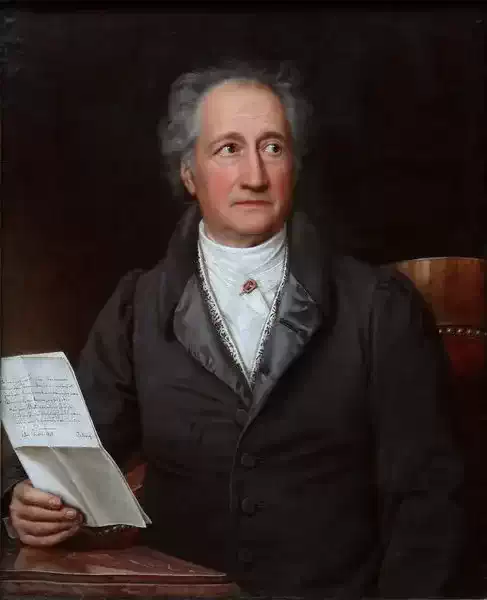
Johann Wolfgang von Goethe
Three Palinodias - 03 Rain And Rainbow
Three Palinodias - 03 Rain And Rainbow
DURING a heavy storm it chanced
That from his room a cockney glanced
At the fierce tempest as it broke,
While to his neighbour thus he spoke:
"The thunder has our awe inspired,
Our barns by lightning have been fired,--
Our sins to punish, I suppose;
But in return, to soothe our woes,
See how the rain in torrents fell,
Making the harvest promise well!
But it's a rainbow that I spy
Extending o'er the dark-grey sky?
With it I'm sure we may dispense,
The colour'd cheat! The vain pretence!"
Dame Iris straightway thus replied:
"Dost dare my beauty to deride?
In realms of space God station'd me
A type of better worlds to be
To eyes that from life's sorrows rove
In cheerful hope to Heav'n above,
And, through the mists that hover here
God and his precepts blest revere.
Do thou, then, grovel like the swine,
And to the ground thy snout confine,
But suffer the enlighten'd eye
To feast upon my majesty."
DURING a heavy storm it chanced
That from his room a cockney glanced
At the fierce tempest as it broke,
While to his neighbour thus he spoke:
"The thunder has our awe inspired,
Our barns by lightning have been fired,--
Our sins to punish, I suppose;
But in return, to soothe our woes,
See how the rain in torrents fell,
Making the harvest promise well!
But it's a rainbow that I spy
Extending o'er the dark-grey sky?
With it I'm sure we may dispense,
The colour'd cheat! The vain pretence!"
Dame Iris straightway thus replied:
"Dost dare my beauty to deride?
In realms of space God station'd me
A type of better worlds to be
To eyes that from life's sorrows rove
In cheerful hope to Heav'n above,
And, through the mists that hover here
God and his precepts blest revere.
Do thou, then, grovel like the swine,
And to the ground thy snout confine,
But suffer the enlighten'd eye
To feast upon my majesty."
415
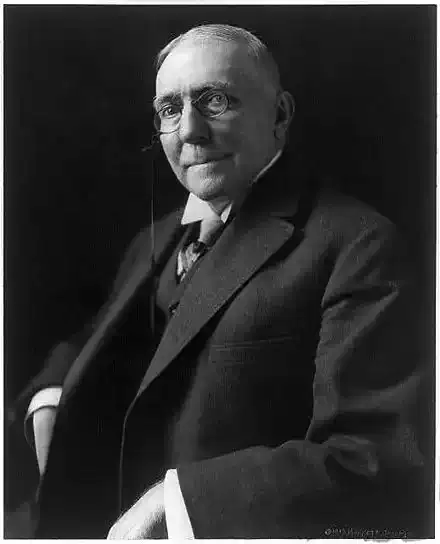
James Whitcomb Riley
We to Sigh Instead of Sing
We to Sigh Instead of Sing
"Rain and Rain! and rain and rain!"
Yesterday we muttered
Grimly as the grim refrain
That the thunders uttered:
All the heavens under cloud --
All the sunshine sleeping;
All the grasses limply bowed
With their weight of weeping.
Sigh and sigh! and sigh and sigh!
Never end of sighing;
Rain and rain for our reply --
Hopes half-drowned and dying;
Peering through the window-pane,
Naught but endless raining --
Endless sighing, and, as vain,
Endlessly conmplaining.
Shine and shine! and shine and shine!
Ah! to-day the splendor!--
All this glory yours and mine --
God! but God is tender!
We to sigh instead of sing,
Yesterday in sorrow,
While the lord was fashioning
This for our To-morrow!
"Rain and Rain! and rain and rain!"
Yesterday we muttered
Grimly as the grim refrain
That the thunders uttered:
All the heavens under cloud --
All the sunshine sleeping;
All the grasses limply bowed
With their weight of weeping.
Sigh and sigh! and sigh and sigh!
Never end of sighing;
Rain and rain for our reply --
Hopes half-drowned and dying;
Peering through the window-pane,
Naught but endless raining --
Endless sighing, and, as vain,
Endlessly conmplaining.
Shine and shine! and shine and shine!
Ah! to-day the splendor!--
All this glory yours and mine --
God! but God is tender!
We to sigh instead of sing,
Yesterday in sorrow,
While the lord was fashioning
This for our To-morrow!
313
James Whitcomb Riley
The Shower
The Shower
The landscape, like the awed face of a child,
Grew curiously blurred; a hush of death
Fell on the fields, and in the darkened wild
The zephyr held its breath.
No wavering glamour-work of light and shade
Dappled the shivering surface of the brook;
The frightened ripples in their ambuscade
Of willows thrilled and shook.
The sullen day grew darker, and anon
Dim flashes of pent anger lit the sky;
With rumbling wheels of wrath came rolling on
The storm's artillery.
The cloud above put on its blackest frown,
And then, as with a vengeful cry of pain,
The lightning snatched it, ripped and flung it down
In ravelled shreds of rain:
While I, transfigured by some wondrous art,
Bowed with the thirsty lilies to the sod,
My empty soul brimmed over, and my heart
Drenched with the love of God.
The landscape, like the awed face of a child,
Grew curiously blurred; a hush of death
Fell on the fields, and in the darkened wild
The zephyr held its breath.
No wavering glamour-work of light and shade
Dappled the shivering surface of the brook;
The frightened ripples in their ambuscade
Of willows thrilled and shook.
The sullen day grew darker, and anon
Dim flashes of pent anger lit the sky;
With rumbling wheels of wrath came rolling on
The storm's artillery.
The cloud above put on its blackest frown,
And then, as with a vengeful cry of pain,
The lightning snatched it, ripped and flung it down
In ravelled shreds of rain:
While I, transfigured by some wondrous art,
Bowed with the thirsty lilies to the sod,
My empty soul brimmed over, and my heart
Drenched with the love of God.
299
James Whitcomb Riley
The Rainy Morning
The Rainy Morning
The dawn of the day was dreary,
And the lowering clouds o'erhead
Wept in a silent sorrow
Where the sweet sunshine lay dead;
And a wind came out of the eastward
Like an endless sigh of pain,
And the leaves fell down in the pathway
And writhed in the falling rain.
I had tried in a brave endeavor
To chord my harp with the sun,
But the strings would slacken ever,
And the task was a weary one:
And so, like a child impatient
And sick of a discontent,
I bowed in a shower of tear-drops
And mourned with the instrument.
And lo! as I bowed, the splendor
Of the sun bent over me,
With a touch as warm and tender
As a father's hand might be:
And, even as I felt its presence,
My clouded soul grew bright,
And the tears, like the rain of morning,
Melted in mists of light.
The dawn of the day was dreary,
And the lowering clouds o'erhead
Wept in a silent sorrow
Where the sweet sunshine lay dead;
And a wind came out of the eastward
Like an endless sigh of pain,
And the leaves fell down in the pathway
And writhed in the falling rain.
I had tried in a brave endeavor
To chord my harp with the sun,
But the strings would slacken ever,
And the task was a weary one:
And so, like a child impatient
And sick of a discontent,
I bowed in a shower of tear-drops
And mourned with the instrument.
And lo! as I bowed, the splendor
Of the sun bent over me,
With a touch as warm and tender
As a father's hand might be:
And, even as I felt its presence,
My clouded soul grew bright,
And the tears, like the rain of morning,
Melted in mists of light.
319
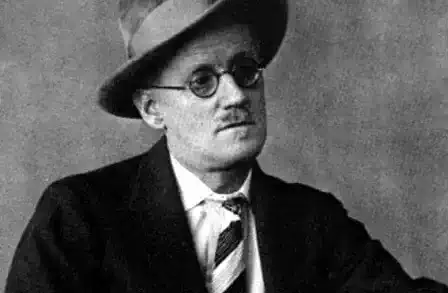
James Joyce
Rain Has Fallen All the Day
Rain Has Fallen All the Day
Rain has fallen all the day.
O come among the laden trees:
The leaves lie thick upon the way
Of memories.
Staying a little by the way
Of memories shall we depart.
Come, my beloved, where I may
Speak to your heart.
Rain has fallen all the day.
O come among the laden trees:
The leaves lie thick upon the way
Of memories.
Staying a little by the way
Of memories shall we depart.
Come, my beloved, where I may
Speak to your heart.
183
James Joyce
Flood
Flood
Goldbrown upon the sated flood
The rockvine clusters lift and sway;
Vast wings above the lambent waters brood
Of sullen day.
A waste of waters ruthlessly
Sways and uplifts its weedy mane
Where brooding day stares down upon the sea
In dull disdain.
Uplift and sway, O golden vine,
Your clustered fruits to love's full flood,
Lambent and vast and ruthless as is thine
Incertitude!
Goldbrown upon the sated flood
The rockvine clusters lift and sway;
Vast wings above the lambent waters brood
Of sullen day.
A waste of waters ruthlessly
Sways and uplifts its weedy mane
Where brooding day stares down upon the sea
In dull disdain.
Uplift and sway, O golden vine,
Your clustered fruits to love's full flood,
Lambent and vast and ruthless as is thine
Incertitude!
192


Horácio
BkIII:XVII The Approaching Storm
BkIII:XVII The Approaching Storm
Aelius, noble descendant of ancient
Lamus (and they say the Lamiae of old
were named from him, the ancestral line,
through all of our recorded history):
you come from him, the original founder,
who, it’s said, first held the walls of Formiae
and Latium’s River Liris where
it floods the shores of the nymph, Marica,
he the lord, far and wide. Tomorrow a storm
sent from the East, will fill all the woodland grove
with leaves, and the sands with useless weed,
unless the raven, old prophet of rain,
is wrong. Pile up the dry firewood while you can:
tomorrow, with your servants, released from their
labours, cheer your spirit with neat wine,
and a little pig, only two months old.
Aelius, noble descendant of ancient
Lamus (and they say the Lamiae of old
were named from him, the ancestral line,
through all of our recorded history):
you come from him, the original founder,
who, it’s said, first held the walls of Formiae
and Latium’s River Liris where
it floods the shores of the nymph, Marica,
he the lord, far and wide. Tomorrow a storm
sent from the East, will fill all the woodland grove
with leaves, and the sands with useless weed,
unless the raven, old prophet of rain,
is wrong. Pile up the dry firewood while you can:
tomorrow, with your servants, released from their
labours, cheer your spirit with neat wine,
and a little pig, only two months old.
223
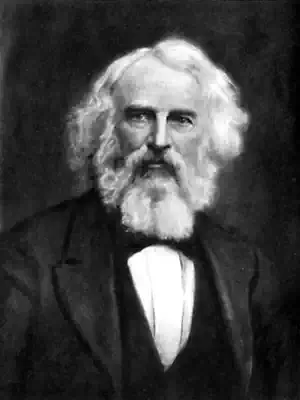
Henry Wadsworth Longfellow
Tales Of A Wayside Inn : Part 2. Prelude
Tales Of A Wayside Inn : Part 2. Prelude
A cold, uninterrupted rain,
That washed each southern window-pane,
And made a river of the road;
A sea of mist that overflowed
The house, the barns, the gilded vane,
And drowned the upland and the plain,
Through which the oak-trees, broad and high,
Like phantom ships went drifting by;
And, hidden behind a watery screen,
The sun unseen, or only seen
As a faint pallor in the sky;--
Thus cold and colorless and gray,
The morn of that autumnal day,
As if reluctant to begin,
Dawned on the silent Sudbury Inn,
And all the guests that in it lay.
Full late they slept. They did not hear
The challenge of Sir Chanticleer,
Who on the empty threshing-floor,
Disdainful of the rain outside,
Was strutting with a martial stride,
As if upon his thigh he wore
The famous broadsword of the Squire,
And said, 'Behold me, and admire!'
Only the Poet seemed to hear,
In drowse or dream, more near and near
Across the border-land of sleep,
The blowing of a blithesome horn,
That laughed the dismal day to scorn;
A splash of hoofs and rush of wheels
Through sand and mire like stranding keels,
As from the road with sudden sweep
The Mail drove up the little steep,
And stopped beside the tavern door;
A moment stopped, and then again
With crack of whip and bark of dog
Plunged forward through the sea of fog,
And all was silent as before,--
All silent save the dripping rain.
Then one by one the guests came down,
And greeted with a smile the Squire,
Who sat before the parlor fire,
Reading the paper fresh from town.
First the Sicilian, like a bird,
Before his form appeared, was heard
Whistling and singing down the stair;
Then came the Student, with a look
As placid as a meadow-brook;
The Theologian, still perplexed
With thoughts of this world and the next;
The Poet then, as one who seems
Walking in visions and in dreams;
Then the Musician, like a fair
Hyperion from whose golden hair
The radiance of the morning streams;
And last the aromatic Jew
Of Alicant, who, as he threw
The door wide open, on the air
Breathed round about him a perfume
Of damask roses in full bloom,
Making a garden of the room.
The breakfast ended, each pursued
The promptings of his various mood;
Beside the fire in silence smoked
The taciturn, impassive Jew,
Lost in a pleasant revery;
While, by his gravity provoked,
His portrait the Sicilian drew,
And wrote beneath it 'Edrehi,
At the Red Horse in Sudbury.'
By far the busiest of them all,
The Theologian in the hall
Was feeding robins in a cage,--
Two corpulent and lazy birds,
Vagrants and pilferers at best,
If one might trust the hostler's words,
Chief instrument of their arrest;
Two poets of the Golden Age,
Heirs of a boundless heritage
Of fields and orchards, east and west,
And sunshine of long summer days,
Though outlawed now and dispossessed!--
Such was the Theologian's phrase.
Meanwhile the Student held discourse
With the Musician, on the source
Of all the legendary lore
Among the nations, scattered wide
Like silt and seaweed by the force
And fluctuation of the tide;
The tale repeated o'er and o'er,
With change of place and change of name,
Disguised, transformed, and yet the same
We've heard a hundred times before.
The Poet at the window mused,
And saw, as in a dream confused,
The countenance of the Sun, discrowned,
And haggard with a pale despair,
And saw the cloud-rack trail and drift
Before it, and the trees uplift
Their leafless branches, and the air
Filled with the arrows of the rain,
And heard amid the mist below,
Like voices of distress and pain,
That haunt the thoughts of men insane,
The fateful cawings of the crow.
Then down the road, with mud besprent,
And drenched with rain from head to hoof,
The rain-drops dripping from his mane
And tail as from a pent-house roof,
A jaded horse, his head down bent,
Passed slowly, limping as he went.
The young Sicilian--who had grown
Impatient longer to abide
A prisoner, greatly mortified
To see completely overthrown
His plans for angling in the brook,
And, leaning o'er the bridge of stone,
To watch the speckled trout glide by,
And float through the inverted sky,
Still round and round the baited hook--
Now paced the room with rapid stride,
And, pausing at the Poet's side,
Looked forth, and saw the wretched steed,
And said: 'Alas for human greed,
That with cold hand and stony eye
Thus turns an old friend out to die,
Or beg his food from gate to gate!
This brings a tale into my mind,
Which, if you are not disinclined
To listen, I will now relate.'
All gave assent; all wished to hear,
Not without many a jest and jeer,
The story of a spavined steed;
And even the Student with the rest
Put in his pleasant little jest
Out of Malherbe, that Pegasus
Is but a horse that with all speed
Bears poets to the hospital;
While the Sicilian, self-possessed,
After a moment's interval
Began his simple story thus.
A cold, uninterrupted rain,
That washed each southern window-pane,
And made a river of the road;
A sea of mist that overflowed
The house, the barns, the gilded vane,
And drowned the upland and the plain,
Through which the oak-trees, broad and high,
Like phantom ships went drifting by;
And, hidden behind a watery screen,
The sun unseen, or only seen
As a faint pallor in the sky;--
Thus cold and colorless and gray,
The morn of that autumnal day,
As if reluctant to begin,
Dawned on the silent Sudbury Inn,
And all the guests that in it lay.
Full late they slept. They did not hear
The challenge of Sir Chanticleer,
Who on the empty threshing-floor,
Disdainful of the rain outside,
Was strutting with a martial stride,
As if upon his thigh he wore
The famous broadsword of the Squire,
And said, 'Behold me, and admire!'
Only the Poet seemed to hear,
In drowse or dream, more near and near
Across the border-land of sleep,
The blowing of a blithesome horn,
That laughed the dismal day to scorn;
A splash of hoofs and rush of wheels
Through sand and mire like stranding keels,
As from the road with sudden sweep
The Mail drove up the little steep,
And stopped beside the tavern door;
A moment stopped, and then again
With crack of whip and bark of dog
Plunged forward through the sea of fog,
And all was silent as before,--
All silent save the dripping rain.
Then one by one the guests came down,
And greeted with a smile the Squire,
Who sat before the parlor fire,
Reading the paper fresh from town.
First the Sicilian, like a bird,
Before his form appeared, was heard
Whistling and singing down the stair;
Then came the Student, with a look
As placid as a meadow-brook;
The Theologian, still perplexed
With thoughts of this world and the next;
The Poet then, as one who seems
Walking in visions and in dreams;
Then the Musician, like a fair
Hyperion from whose golden hair
The radiance of the morning streams;
And last the aromatic Jew
Of Alicant, who, as he threw
The door wide open, on the air
Breathed round about him a perfume
Of damask roses in full bloom,
Making a garden of the room.
The breakfast ended, each pursued
The promptings of his various mood;
Beside the fire in silence smoked
The taciturn, impassive Jew,
Lost in a pleasant revery;
While, by his gravity provoked,
His portrait the Sicilian drew,
And wrote beneath it 'Edrehi,
At the Red Horse in Sudbury.'
By far the busiest of them all,
The Theologian in the hall
Was feeding robins in a cage,--
Two corpulent and lazy birds,
Vagrants and pilferers at best,
If one might trust the hostler's words,
Chief instrument of their arrest;
Two poets of the Golden Age,
Heirs of a boundless heritage
Of fields and orchards, east and west,
And sunshine of long summer days,
Though outlawed now and dispossessed!--
Such was the Theologian's phrase.
Meanwhile the Student held discourse
With the Musician, on the source
Of all the legendary lore
Among the nations, scattered wide
Like silt and seaweed by the force
And fluctuation of the tide;
The tale repeated o'er and o'er,
With change of place and change of name,
Disguised, transformed, and yet the same
We've heard a hundred times before.
The Poet at the window mused,
And saw, as in a dream confused,
The countenance of the Sun, discrowned,
And haggard with a pale despair,
And saw the cloud-rack trail and drift
Before it, and the trees uplift
Their leafless branches, and the air
Filled with the arrows of the rain,
And heard amid the mist below,
Like voices of distress and pain,
That haunt the thoughts of men insane,
The fateful cawings of the crow.
Then down the road, with mud besprent,
And drenched with rain from head to hoof,
The rain-drops dripping from his mane
And tail as from a pent-house roof,
A jaded horse, his head down bent,
Passed slowly, limping as he went.
The young Sicilian--who had grown
Impatient longer to abide
A prisoner, greatly mortified
To see completely overthrown
His plans for angling in the brook,
And, leaning o'er the bridge of stone,
To watch the speckled trout glide by,
And float through the inverted sky,
Still round and round the baited hook--
Now paced the room with rapid stride,
And, pausing at the Poet's side,
Looked forth, and saw the wretched steed,
And said: 'Alas for human greed,
That with cold hand and stony eye
Thus turns an old friend out to die,
Or beg his food from gate to gate!
This brings a tale into my mind,
Which, if you are not disinclined
To listen, I will now relate.'
All gave assent; all wished to hear,
Not without many a jest and jeer,
The story of a spavined steed;
And even the Student with the rest
Put in his pleasant little jest
Out of Malherbe, that Pegasus
Is but a horse that with all speed
Bears poets to the hospital;
While the Sicilian, self-possessed,
After a moment's interval
Began his simple story thus.
306

Henry Lawson
Ballad Of The Drover
Ballad Of The Drover
Across the stony ridges,
Across the rolling plain,
Young Harry Dale, the drover,
Comes riding home again.
And well his stock-horse bears him,
And light of heart is he,
And stoutly his old pack-horse
Is trotting by his knee.
Up Queensland way with cattle
He travelled regions vast;
And many months have vanished
Since home-folk saw him last.
He hums a song of someone
He hopes to marry soon;
And hobble-chains and camp-ware
Keep jingling to the tune.
Beyond the hazy dado
Against the lower skies
And yon blue line of ranges
The homestead station lies.
And thitherward the drover
Jogs through the lazy noon,
While hobble-chains and camp-ware
Are jingling to a tune.
An hour has filled the heavens
With storm-clouds inky black;
At times the lightning trickles
Around the drover's track;
But Harry pushes onward,
His horses' strength he tries,
In hope to reach the river
Before the flood shall rise.
The thunder from above him
Goes rolling o'er the plain;
And down on thirsty pastures
In torrents falls the rain.
And every creek and gully
Sends forth its little flood,
Till the river runs a banker,
All stained with yellow mud.
Now Harry speaks to Rover,
The best dog on the plains,
And to his hardy horses,
And strokes their shaggy manes;
`We've breasted bigger rivers
When floods were at their height
Nor shall this gutter stop us
From getting home to-night!'
The thunder growls a warning,
The ghastly lightnings gleam,
As the drover turns his horses
To swim the fatal stream.
But, oh! the flood runs stronger
Than e'er it ran before;
The saddle-horse is failing,
And only half-way o'er!
When flashes next the lightning,
The flood's grey breast is blank,
And a cattle dog and pack-horse
Are struggling up the bank.
But in the lonely homestead
The girl will wait in vain He'll
never pass the stations
In charge of stock again.
The faithful dog a moment
Sits panting on the bank,
And then swims through the current
To where his master sank.
And round and round in circles
He fights with failing strength,
Till, borne down by the waters,
The old dog sinks at length.
Across the flooded lowlands
And slopes of sodden loam
The pack-horse struggles onward,
To take dumb tidings home.
And mud-stained, wet, and weary,
Through ranges dark goes he;
While hobble-chains and tinware
Are sounding eerily.
The floods are in the ocean,
The stream is clear again,
And now a verdant carpet
Is stretched across the plain.
But someone's eyes are saddened,
And someone's heart still bleeds
In sorrow for the drover
Who sleeps among the reeds.
Across the stony ridges,
Across the rolling plain,
Young Harry Dale, the drover,
Comes riding home again.
And well his stock-horse bears him,
And light of heart is he,
And stoutly his old pack-horse
Is trotting by his knee.
Up Queensland way with cattle
He travelled regions vast;
And many months have vanished
Since home-folk saw him last.
He hums a song of someone
He hopes to marry soon;
And hobble-chains and camp-ware
Keep jingling to the tune.
Beyond the hazy dado
Against the lower skies
And yon blue line of ranges
The homestead station lies.
And thitherward the drover
Jogs through the lazy noon,
While hobble-chains and camp-ware
Are jingling to a tune.
An hour has filled the heavens
With storm-clouds inky black;
At times the lightning trickles
Around the drover's track;
But Harry pushes onward,
His horses' strength he tries,
In hope to reach the river
Before the flood shall rise.
The thunder from above him
Goes rolling o'er the plain;
And down on thirsty pastures
In torrents falls the rain.
And every creek and gully
Sends forth its little flood,
Till the river runs a banker,
All stained with yellow mud.
Now Harry speaks to Rover,
The best dog on the plains,
And to his hardy horses,
And strokes their shaggy manes;
`We've breasted bigger rivers
When floods were at their height
Nor shall this gutter stop us
From getting home to-night!'
The thunder growls a warning,
The ghastly lightnings gleam,
As the drover turns his horses
To swim the fatal stream.
But, oh! the flood runs stronger
Than e'er it ran before;
The saddle-horse is failing,
And only half-way o'er!
When flashes next the lightning,
The flood's grey breast is blank,
And a cattle dog and pack-horse
Are struggling up the bank.
But in the lonely homestead
The girl will wait in vain He'll
never pass the stations
In charge of stock again.
The faithful dog a moment
Sits panting on the bank,
And then swims through the current
To where his master sank.
And round and round in circles
He fights with failing strength,
Till, borne down by the waters,
The old dog sinks at length.
Across the flooded lowlands
And slopes of sodden loam
The pack-horse struggles onward,
To take dumb tidings home.
And mud-stained, wet, and weary,
Through ranges dark goes he;
While hobble-chains and tinware
Are sounding eerily.
The floods are in the ocean,
The stream is clear again,
And now a verdant carpet
Is stretched across the plain.
But someone's eyes are saddened,
And someone's heart still bleeds
In sorrow for the drover
Who sleeps among the reeds.
292
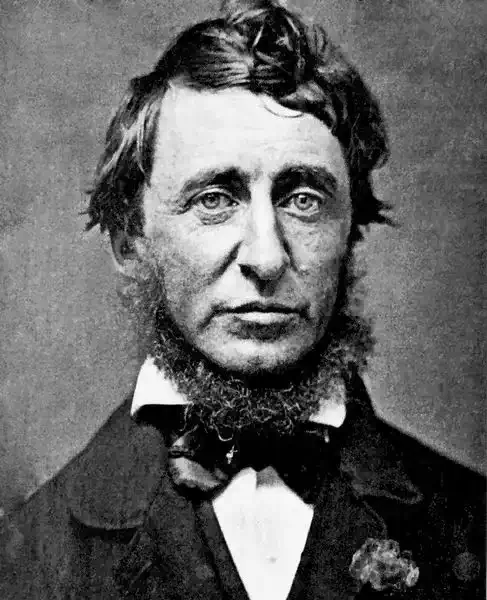
Henry David Thoreau
Mist
Mist
Low-anchored cloud,
Newfoundland air,
Fountain head and source of rivers,
Dew-cloth, dream drapery,
And napkin spread by fays;
Drifting meadow of the air,
Where bloom the dasied banks and violets,
And in whose fenny labyrinth
The bittern booms and heron wades;
Spirit of the lake and seas and rivers,
Bear only purfumes and the scent
Of healing herbs to just men's fields!
Low-anchored cloud,
Newfoundland air,
Fountain head and source of rivers,
Dew-cloth, dream drapery,
And napkin spread by fays;
Drifting meadow of the air,
Where bloom the dasied banks and violets,
And in whose fenny labyrinth
The bittern booms and heron wades;
Spirit of the lake and seas and rivers,
Bear only purfumes and the scent
Of healing herbs to just men's fields!
230
Henry David Thoreau
Low-Anchored Cloud
Low-Anchored Cloud
Low-anchored cloud,
Newfoundland air,
Fountain-head and source of rivers,
Dew-cloth, dream-drapery,
And napkin spread by fays;
Drifting meadow of the air,
Where bloom the daisied banks and violets,
And in whose fenny labyrinth
The bittern booms and heron wades;
Spirit of lakes and seas and rivers,
Bear only perfumes and the scent
Of healing herbs to just men's fields!
Low-anchored cloud,
Newfoundland air,
Fountain-head and source of rivers,
Dew-cloth, dream-drapery,
And napkin spread by fays;
Drifting meadow of the air,
Where bloom the daisied banks and violets,
And in whose fenny labyrinth
The bittern booms and heron wades;
Spirit of lakes and seas and rivers,
Bear only perfumes and the scent
Of healing herbs to just men's fields!
276
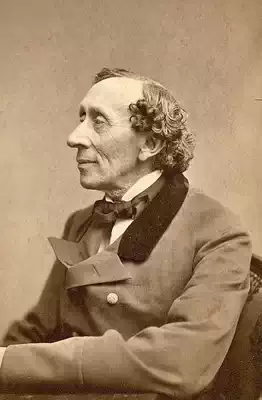
Hans Christian Andersen
August
August
'Blomsten dufter, for at brydes!
Frugten modnes, for at nydes!
-Lev og nyd! trara! trara!'
*
Ja, Øieblikket ene er det just,
Der med sit friske Grønt din Vandring smykker,
Thi nyd det, som den duftende August,
Der mellem Vaaren og din Vinter bygger.
See Dig omkring, flyv ei saa vildt afsted,
Fra Livets Sol det gaaer til Gravens Skygge,
Og Sorgen sidder nok paa Hesten med,
Thi pluk hver Frugt, der skabtes for din Lykke.
Hvad Hjertet har, det har Du, søde Trøst!
Det Tabte findes ikke ved at græde;
Nei nyd! thi Livet er en evig Høst,
Og Øieblikket er saa riigt paa Glæde.
Heden trykker; Østens Varme blunder lidt hos os i Dag!
Som en ægte persisk Fyrste, vil jeg strække mig i Mag.
Grøften er mit Hovedgjærde, smukt den staaer med Kaprifol',
Egetræets grønne Grene skjærme mod den stærke Sol.
Flagrende, men luftig lette Skygardiner hænge ned;
Teppet, hvorpaa jeg har lagt mig, er et broget Blomsterbed.
Kløver, Rølleker, Papaver spille i den grønne Grund,
Og med modne Hindbær hænger Grenen lige ved min Mund.
Nyde, drømme, søde Lykke! see, ved Blomstens Hjerte tyst,
Ligger Bien sødt beruset, Blomst og Bie er Bryst ved Bryst.
Sommerfuglen lystigt flagrer, kysser hvert et broget Blad,
Synger ei, men hvidsker stille Kjærligheds - den veed nok, hvad! -
Ha! en kjølig Luftning zittrer gjennem Skovens grønne Tag,
Høit paa Himlen staaer et Bjergland, Uveirsskyer Lag ved Lag;
Nu, som Kjæmpeseil de svulme, nu er det en Klippehal,
Hør det stærke Echo ruller gjennem Bjergets dybe Dal.
Hver en Fugl sig bange skjuler, og et Gys i Skoven gaaer,
Mens i store Kredse Svalen Jorden med sin Vinge slaaer.
Skyen brister, Regnen strømmer, den betage vil mit Syn!
Himlen viser Flamme-Tanker, Videt gnistrer Lyn paa Lyn.
-I det lille lave Skovhuus staaer jeg, til det er forbi,
Men da Ruderne er knækked', ei for Regn jeg bliver fri;
Konen sidder paa en Træstol, dier Barnet, søde Lyst!
See, de butted' runde Fingre lægger det paa hendes Bryst!
Stormen rusker stærkt i Taget, flyver nu til Markens Neeg,
Favner dem og knækker Axet i sin Elskovs vilde Leeg.
Tys, nu sagtnes det derude, Himlen bliver atter blaa,
Hele Skoven, alle Blomster dobbelt duftende jo staae,
Og paa Horizonten Solen synker ned saa luerød,
Den sit vilde Flamme-Hjerte lægger nu i Bølgens Skjød.
Vindens kjøle, milde Luftning tørrer atter Blomstens Kind,
Høstfolk gaae nu hjem fra Marken, synge høit med muntert Sind.
Pigerne skal over Stænten, tør man ikke see derpaa? -
Skjørtet hænger fast ved Gjærdet, saa de Andre hjelpe maae.
See, hvor alle Blomster nikke! hvad de tænke, veed jeg klart,
Kunde man forstaae Mimiken, hørte man vist noget rart.
Fuglene.
Qvivit! qvivit! det gaaer afsted,
Nu oppe, nu dernede!
Mit Liv er Sang og Kjærlighed,
Mit Huus en Børnerede!
Ungersvenden.
Snart sover Alt, ja Stort og Smaat,
Paa Græs og grønne Grene,
Men jeg - ak! det er ikke godt,
At Mennesket er ene!
O, gid jeg var af Jern og Staal!
Mit Hjerte let kan faae det!
Det er mig ligesom en Aal,
Jeg kan ei holde paa det!
Hver en Luftning sover paa det grønne Blad,
Stille drømmer Blomsten midt i Duggens Bad.
Seer Du, Maanen kommer hist, hvor Krattet groer?
Lavt paa Horizonten staaer den rund og stor.
Ved den sorte Granskov Søen gjør en Bugt,
Klart i Vandet speiler Krattet sig saa smukt.
Tys! sig noget rører! mon en Fugl der fløi?
Nei, det er to Piger, stille! gjør ei Støi.
Barnligt, uskyldsglade, gaae de Arm i Arm.
Ha! de kaste Klædet fra den hvide Barm;
Høit de løfte Armen! see det smækre Liv!
-O, nu blev' de borte bag det høie Siv!
Jeg kan ikke see dem, det var dog saa smukt!
Men der har vi Maanen over Søens Bugt.
Den kan staae og see dem, høit fra Skyens Vold,
Den kan see dem begge, og er dog saa kold! -
Hør, med Eet det pladsked', see en Ring saa bred!
Hele Søen bæver jo af Salighed.
Hver en Blomst ved Bredden lukker Øiet op,
Og de stolte Graner bøie deres Top!
Alt er Duft og Længsel, Natten er saa tys,
Søen dem omfavner, giver Kys paa Kys,
Trykker sig saa salig op til Bryst og Arm,
Aldrig dog den svulme kan som deres Barm.
Aldrig nogen Morgen den i Solens Skjær
Rødmet har saa deiligt frisk, som Kinden her!
Ingen Tid den viiste Himlen os saa klar,
Som den Uskylds-Himmel, den i disse har. -
Nu med Vandet, Pigen paa den anden slaaer,
Om de runde Skuldre falder deres Haar;
Maaneskinnet viser det saa tykt og stort -
Men der gik jo Maanen! - det var grusomt gjort! -
Fiskeren.
Aakanden har sit Bæger lukt,
Den under Fladen svømmer;
I Vandet Maanen staaer saa smukt,
Det er det Blomsten drømmer:
At begge to
Dernede boe;
Hvad kan man ei i Drømme troe?
Jo,jo!
Jægeren.
Blomsten dufter, for at brydes,
Frugten modnes, for at nydes,
Ender Livet, var det da
Dog et jublende: 'Trara!'
Echo svarer, hør! 'ja, ja!
Lev og nyd, trara, trara!'
'Blomsten dufter, for at brydes!
Frugten modnes, for at nydes!
-Lev og nyd! trara! trara!'
*
Ja, Øieblikket ene er det just,
Der med sit friske Grønt din Vandring smykker,
Thi nyd det, som den duftende August,
Der mellem Vaaren og din Vinter bygger.
See Dig omkring, flyv ei saa vildt afsted,
Fra Livets Sol det gaaer til Gravens Skygge,
Og Sorgen sidder nok paa Hesten med,
Thi pluk hver Frugt, der skabtes for din Lykke.
Hvad Hjertet har, det har Du, søde Trøst!
Det Tabte findes ikke ved at græde;
Nei nyd! thi Livet er en evig Høst,
Og Øieblikket er saa riigt paa Glæde.
Heden trykker; Østens Varme blunder lidt hos os i Dag!
Som en ægte persisk Fyrste, vil jeg strække mig i Mag.
Grøften er mit Hovedgjærde, smukt den staaer med Kaprifol',
Egetræets grønne Grene skjærme mod den stærke Sol.
Flagrende, men luftig lette Skygardiner hænge ned;
Teppet, hvorpaa jeg har lagt mig, er et broget Blomsterbed.
Kløver, Rølleker, Papaver spille i den grønne Grund,
Og med modne Hindbær hænger Grenen lige ved min Mund.
Nyde, drømme, søde Lykke! see, ved Blomstens Hjerte tyst,
Ligger Bien sødt beruset, Blomst og Bie er Bryst ved Bryst.
Sommerfuglen lystigt flagrer, kysser hvert et broget Blad,
Synger ei, men hvidsker stille Kjærligheds - den veed nok, hvad! -
Ha! en kjølig Luftning zittrer gjennem Skovens grønne Tag,
Høit paa Himlen staaer et Bjergland, Uveirsskyer Lag ved Lag;
Nu, som Kjæmpeseil de svulme, nu er det en Klippehal,
Hør det stærke Echo ruller gjennem Bjergets dybe Dal.
Hver en Fugl sig bange skjuler, og et Gys i Skoven gaaer,
Mens i store Kredse Svalen Jorden med sin Vinge slaaer.
Skyen brister, Regnen strømmer, den betage vil mit Syn!
Himlen viser Flamme-Tanker, Videt gnistrer Lyn paa Lyn.
-I det lille lave Skovhuus staaer jeg, til det er forbi,
Men da Ruderne er knækked', ei for Regn jeg bliver fri;
Konen sidder paa en Træstol, dier Barnet, søde Lyst!
See, de butted' runde Fingre lægger det paa hendes Bryst!
Stormen rusker stærkt i Taget, flyver nu til Markens Neeg,
Favner dem og knækker Axet i sin Elskovs vilde Leeg.
Tys, nu sagtnes det derude, Himlen bliver atter blaa,
Hele Skoven, alle Blomster dobbelt duftende jo staae,
Og paa Horizonten Solen synker ned saa luerød,
Den sit vilde Flamme-Hjerte lægger nu i Bølgens Skjød.
Vindens kjøle, milde Luftning tørrer atter Blomstens Kind,
Høstfolk gaae nu hjem fra Marken, synge høit med muntert Sind.
Pigerne skal over Stænten, tør man ikke see derpaa? -
Skjørtet hænger fast ved Gjærdet, saa de Andre hjelpe maae.
See, hvor alle Blomster nikke! hvad de tænke, veed jeg klart,
Kunde man forstaae Mimiken, hørte man vist noget rart.
Fuglene.
Qvivit! qvivit! det gaaer afsted,
Nu oppe, nu dernede!
Mit Liv er Sang og Kjærlighed,
Mit Huus en Børnerede!
Ungersvenden.
Snart sover Alt, ja Stort og Smaat,
Paa Græs og grønne Grene,
Men jeg - ak! det er ikke godt,
At Mennesket er ene!
O, gid jeg var af Jern og Staal!
Mit Hjerte let kan faae det!
Det er mig ligesom en Aal,
Jeg kan ei holde paa det!
Hver en Luftning sover paa det grønne Blad,
Stille drømmer Blomsten midt i Duggens Bad.
Seer Du, Maanen kommer hist, hvor Krattet groer?
Lavt paa Horizonten staaer den rund og stor.
Ved den sorte Granskov Søen gjør en Bugt,
Klart i Vandet speiler Krattet sig saa smukt.
Tys! sig noget rører! mon en Fugl der fløi?
Nei, det er to Piger, stille! gjør ei Støi.
Barnligt, uskyldsglade, gaae de Arm i Arm.
Ha! de kaste Klædet fra den hvide Barm;
Høit de løfte Armen! see det smækre Liv!
-O, nu blev' de borte bag det høie Siv!
Jeg kan ikke see dem, det var dog saa smukt!
Men der har vi Maanen over Søens Bugt.
Den kan staae og see dem, høit fra Skyens Vold,
Den kan see dem begge, og er dog saa kold! -
Hør, med Eet det pladsked', see en Ring saa bred!
Hele Søen bæver jo af Salighed.
Hver en Blomst ved Bredden lukker Øiet op,
Og de stolte Graner bøie deres Top!
Alt er Duft og Længsel, Natten er saa tys,
Søen dem omfavner, giver Kys paa Kys,
Trykker sig saa salig op til Bryst og Arm,
Aldrig dog den svulme kan som deres Barm.
Aldrig nogen Morgen den i Solens Skjær
Rødmet har saa deiligt frisk, som Kinden her!
Ingen Tid den viiste Himlen os saa klar,
Som den Uskylds-Himmel, den i disse har. -
Nu med Vandet, Pigen paa den anden slaaer,
Om de runde Skuldre falder deres Haar;
Maaneskinnet viser det saa tykt og stort -
Men der gik jo Maanen! - det var grusomt gjort! -
Fiskeren.
Aakanden har sit Bæger lukt,
Den under Fladen svømmer;
I Vandet Maanen staaer saa smukt,
Det er det Blomsten drømmer:
At begge to
Dernede boe;
Hvad kan man ei i Drømme troe?
Jo,jo!
Jægeren.
Blomsten dufter, for at brydes,
Frugten modnes, for at nydes,
Ender Livet, var det da
Dog et jublende: 'Trara!'
Echo svarer, hør! 'ja, ja!
Lev og nyd, trara, trara!'
386
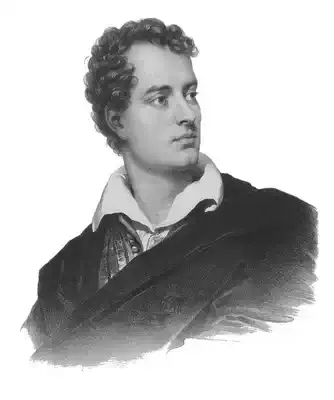
Lord Byron
Stanzas Composed During A Thunderstorm
Stanzas Composed During A Thunderstorm
Chill and mirk is the nightly blast,
Where Pindus' mountains rise,
And angry clouds are pouring fast
The vengeance of the skies.
Our guides are gone, our hope is lost,
And lightnings, as they play,
But show where rocks our path have crost,
Or gild the torrent's spray.
Is yon a cot I saw, though low?
When lightning broke the gloom
How welcome were its shade!ah,
no!
'Tis but a Turkish tomb.
Through sounds of foaming waterfalls,
I hear a voice exclaim
My wayworn
countryman, who calls
On distant England's name.
A shot is firedby
foe or friend?
Another'
tis to tell
The mountainpeasants
to descend,
And lead us where they dwell.
Oh! who in such a night will dare
To tempt the wilderness?
And who 'mid thunderpeals
can hear
Our signal of distress?
And who that heard our shouts would rise
To try the dubious road?
Nor rather deem from nightly cries
That outlaws were abroad.
Clouds burst, skies flash, oh, dreadful hour!
More fiercely pours the storm!
Yet here one thought has still the power
To keep my bosom warm.
While wandering through each broken path,
O'er brake and craggy brow;
While elements exhaust their wrath,
Sweet Florence, where art thou?
Not on the sea, not on the seaThy
bark hath long been gone:
Oh, may the storm that pours on me,
Bow down my head alone!
Full swiftly blew the swift Siroc,
When last I pressed thy lip;
And long ere now, with foaming shock,
Impelled thy gallant ship.
Now thou art safe; nay, long ere now
Hast trod the shore of Spain;
'Twere hard if aught so fair as thou
Should linger on the main.
And since I now remember thee
In darkness and in dread,
As in those hours of revelry
Which Mirth and Music sped;
Do thou, amid the fair white walls,
If Cadiz yet be free,
At times from out her latticed halls
Look o'er the dark blue sea;
Then think upon Calypso's isles,
Endeared by days gone by;
To others give a thousand smiles,
To me a single sigh.
And when the admiring circle mark
The paleness of thy face,
A halfformed
tear, a transient spark
Of melancholy grace,
Again thou'lt smile, and blushing shun
Some coxcomb's raillery;
Nor own for once thou thought'st on one,
Who ever thinks on thee.
Though smile and sigh alike are vain,
When severed hearts repine
My spirit flies o'er Mount and Main
And mourns in search of thine.
Chill and mirk is the nightly blast,
Where Pindus' mountains rise,
And angry clouds are pouring fast
The vengeance of the skies.
Our guides are gone, our hope is lost,
And lightnings, as they play,
But show where rocks our path have crost,
Or gild the torrent's spray.
Is yon a cot I saw, though low?
When lightning broke the gloom
How welcome were its shade!ah,
no!
'Tis but a Turkish tomb.
Through sounds of foaming waterfalls,
I hear a voice exclaim
My wayworn
countryman, who calls
On distant England's name.
A shot is firedby
foe or friend?
Another'
tis to tell
The mountainpeasants
to descend,
And lead us where they dwell.
Oh! who in such a night will dare
To tempt the wilderness?
And who 'mid thunderpeals
can hear
Our signal of distress?
And who that heard our shouts would rise
To try the dubious road?
Nor rather deem from nightly cries
That outlaws were abroad.
Clouds burst, skies flash, oh, dreadful hour!
More fiercely pours the storm!
Yet here one thought has still the power
To keep my bosom warm.
While wandering through each broken path,
O'er brake and craggy brow;
While elements exhaust their wrath,
Sweet Florence, where art thou?
Not on the sea, not on the seaThy
bark hath long been gone:
Oh, may the storm that pours on me,
Bow down my head alone!
Full swiftly blew the swift Siroc,
When last I pressed thy lip;
And long ere now, with foaming shock,
Impelled thy gallant ship.
Now thou art safe; nay, long ere now
Hast trod the shore of Spain;
'Twere hard if aught so fair as thou
Should linger on the main.
And since I now remember thee
In darkness and in dread,
As in those hours of revelry
Which Mirth and Music sped;
Do thou, amid the fair white walls,
If Cadiz yet be free,
At times from out her latticed halls
Look o'er the dark blue sea;
Then think upon Calypso's isles,
Endeared by days gone by;
To others give a thousand smiles,
To me a single sigh.
And when the admiring circle mark
The paleness of thy face,
A halfformed
tear, a transient spark
Of melancholy grace,
Again thou'lt smile, and blushing shun
Some coxcomb's raillery;
Nor own for once thou thought'st on one,
Who ever thinks on thee.
Though smile and sigh alike are vain,
When severed hearts repine
My spirit flies o'er Mount and Main
And mourns in search of thine.
529

Emily Jane Brontë
Mild the mist upon the hill
Mild the mist upon the hill
Mild the mist upon the hill
Telling not of storms tomorrow;
No, the day has wept its fill,
Spent its store of silent sorrow.
O, I'm gone back to the days of youth,
I am a child once more,
And 'neath my father's sheltering roof
And near the old hall door
I watch this cloudy evening fall
After a day of rain;
Blue mists, sweet mists of summer pall
The horizon's mountain chain.
The damp stands on the long green grass
As thick as morning's tears,
And dreamy scents of fragrance pass
That breathe of other years.
Mild the mist upon the hill
Telling not of storms tomorrow;
No, the day has wept its fill,
Spent its store of silent sorrow.
O, I'm gone back to the days of youth,
I am a child once more,
And 'neath my father's sheltering roof
And near the old hall door
I watch this cloudy evening fall
After a day of rain;
Blue mists, sweet mists of summer pall
The horizon's mountain chain.
The damp stands on the long green grass
As thick as morning's tears,
And dreamy scents of fragrance pass
That breathe of other years.
1,281
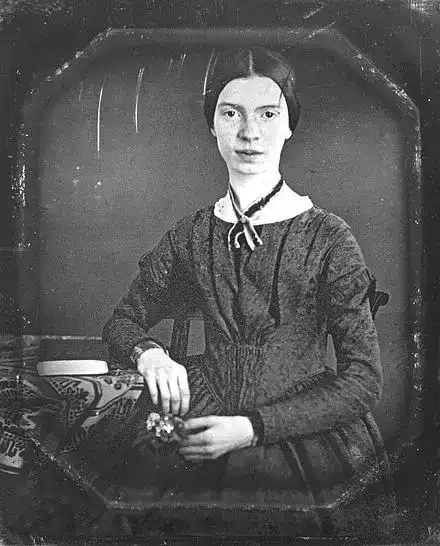
Emily Dickinson
The wind begun to rock the grass
The wind begun to rock the grass
The wind begun to rock the grass
With threatening tunes and low,--
He flung a menace at the earth,
A menace at the sky.
The leaves unhooked themselves from trees
And started all abroad;
The dust did scoop itself like hands
And throw away the road.
The wagons quickened on the streets,
The thunder hurried slow;
The lightning showed a yellow beak,
And then a livid claw.
The birds put up the bars to nests,
The cattle fled to barns;
There came one drop of giant rain,
And then, as if the hands
That held the dams had parted hold,
The waters wrecked the sky
But overlooked my father's house,
lust quartering a tree.
The wind begun to rock the grass
With threatening tunes and low,--
He flung a menace at the earth,
A menace at the sky.
The leaves unhooked themselves from trees
And started all abroad;
The dust did scoop itself like hands
And throw away the road.
The wagons quickened on the streets,
The thunder hurried slow;
The lightning showed a yellow beak,
And then a livid claw.
The birds put up the bars to nests,
The cattle fled to barns;
There came one drop of giant rain,
And then, as if the hands
That held the dams had parted hold,
The waters wrecked the sky
But overlooked my father's house,
lust quartering a tree.
288
Emily Dickinson
Summer Shower
Summer Shower
A drop fell on the apple tree,
Another on the roof;
A half a dozen kissed the eaves,
And made the gables laugh.
A few went out to help the brook,
That went to help the sea.
Myself conjectured, Were they pearls,
What necklaces could be!
The dust replaced in hoisted roads,
The birds jocoser sung;
The sunshine threw his hat away,
The orchards spangles hung.
The breezes brought dejected lutes,
And bathed them in the glee;
The East put out a single flag,
And signed the fete away.
A drop fell on the apple tree,
Another on the roof;
A half a dozen kissed the eaves,
And made the gables laugh.
A few went out to help the brook,
That went to help the sea.
Myself conjectured, Were they pearls,
What necklaces could be!
The dust replaced in hoisted roads,
The birds jocoser sung;
The sunshine threw his hat away,
The orchards spangles hung.
The breezes brought dejected lutes,
And bathed them in the glee;
The East put out a single flag,
And signed the fete away.
247
Emily Dickinson
It struck me every day
It struck me every day
It struck me every day
The lightning was as new
As if the cloud that instant slit
And let the fire through.
It burned me in the night,
It blistered in my dream;
It sickened fresh upon my sight
With every morning's beam.
I thought that storm was brief,-The
maddest, quickest by;
But Nature lost the date of this,
And left it in the sky.
It struck me every day
The lightning was as new
As if the cloud that instant slit
And let the fire through.
It burned me in the night,
It blistered in my dream;
It sickened fresh upon my sight
With every morning's beam.
I thought that storm was brief,-The
maddest, quickest by;
But Nature lost the date of this,
And left it in the sky.
323
Emily Dickinson
An awful Tempest mashed the air
An awful Tempest mashed the air
198
An awful Tempest mashed the air-
The clouds were gaunt, and few-
A Black-as of a Spectre's Cloak
Hid Heaven and Earth from view.
The creatures chuckled on the Roofs-
And whistled in the air-
And shook their fists-
And gnashed their teeth-
And swung their frenzied hair.
The morning lit-the Birds arose-
The Monster's faded eyes
Turned slowly to his native coast-
And peace-was Paradise!
198
An awful Tempest mashed the air-
The clouds were gaunt, and few-
A Black-as of a Spectre's Cloak
Hid Heaven and Earth from view.
The creatures chuckled on the Roofs-
And whistled in the air-
And shook their fists-
And gnashed their teeth-
And swung their frenzied hair.
The morning lit-the Birds arose-
The Monster's faded eyes
Turned slowly to his native coast-
And peace-was Paradise!
294
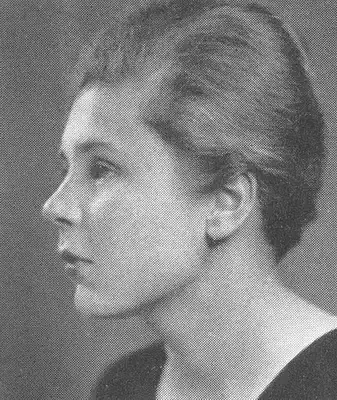
Elizabeth Bishop
Squatter's Children
Squatter's Children
On the unbreathing sides of hills
they play, a specklike girl and boy,
alone, but near a specklike house.
The Sun's suspended eye
blinks casually, and then they wade
gigantic waves of light and shade.
A dancing yellow spot, a pup,
attends them. Clouds are piling up;
a storm piles up behind the house.
The children play at digging holes.
The ground is hard; they try to use
one of their father's tools,
a mattock with a broken haft
the two of them can scarcely lift.
It drops and clangs. Their laughter spreads
effulgence in the thunderheads,
Weak flashes of inquiry
direct as is the puppy's bark.
But to their little, soluble,
unwarrantable ark,
apparently the rain's reply
consists of echolalia,
and Mother's voice, ugly as sin,
keeps calling to them to come in.
Children, the threshold of the storm
has slid beneath your muddy shoes;
wet and beguiled, you stand among
the mansions you may choose
out of a bigger house than yours,
whose lawfulness endures.
It's soggy documents retain
your rights in rooms of falling rain.
On the unbreathing sides of hills
they play, a specklike girl and boy,
alone, but near a specklike house.
The Sun's suspended eye
blinks casually, and then they wade
gigantic waves of light and shade.
A dancing yellow spot, a pup,
attends them. Clouds are piling up;
a storm piles up behind the house.
The children play at digging holes.
The ground is hard; they try to use
one of their father's tools,
a mattock with a broken haft
the two of them can scarcely lift.
It drops and clangs. Their laughter spreads
effulgence in the thunderheads,
Weak flashes of inquiry
direct as is the puppy's bark.
But to their little, soluble,
unwarrantable ark,
apparently the rain's reply
consists of echolalia,
and Mother's voice, ugly as sin,
keeps calling to them to come in.
Children, the threshold of the storm
has slid beneath your muddy shoes;
wet and beguiled, you stand among
the mansions you may choose
out of a bigger house than yours,
whose lawfulness endures.
It's soggy documents retain
your rights in rooms of falling rain.
642
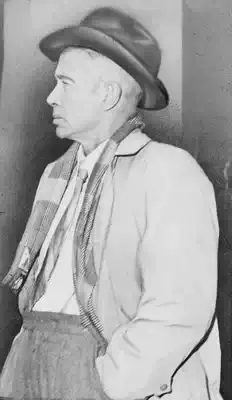
E. E. Cummings
i have found what you are like
i have found what you are like
i have found what you are like
the rain
(Who feathers frightened fields
with the superior dust-of-sleep. wields
easily the pale club of the wind
and swirled justly souls of flower strike
the air in utterable coolness
deeds of gren thrilling light
with thinned
newfragile yellows
lurch and press
--in the woods
which
stutter
and
sing
And the coolness of your smile is
stirringofbirds between my arms;but
i should rather than anything
have(almost when hugeness will shut
quietly)almost,
your kiss
i have found what you are like
the rain
(Who feathers frightened fields
with the superior dust-of-sleep. wields
easily the pale club of the wind
and swirled justly souls of flower strike
the air in utterable coolness
deeds of gren thrilling light
with thinned
newfragile yellows
lurch and press
--in the woods
which
stutter
and
sing
And the coolness of your smile is
stirringofbirds between my arms;but
i should rather than anything
have(almost when hugeness will shut
quietly)almost,
your kiss
550