

Poems in this topic
Desire
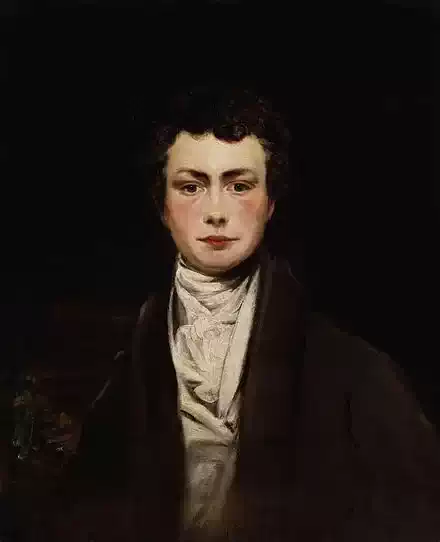
Thomas Moore
Thee, Thee, Only Thee
Thee, Thee, Only Thee
The dawning of morn, the daylight's sinking,
The night's long hours still find me thinking
Of thee, thee, only thee.
When friends are met, and goblets crown'd,
And smiles are near, that once enchanted,
Unreach'd by all that sunshine round,
My soul, like some dark spot, is haunted
By thee, thee, only thee.
Whatever in fame's high path could waken
My spirit once, is now forsaken
For thee, thee, only thee.
Like shores, by which some headlong bark
To the ocean hurries, resting never,
Life's scenes go by me, bright or dark,
I know not, heed not, hastening ever
To thee, thee, only thee.
I have not a joy but of thy bringing,
And pain itself seems sweet when springing
From thee, thee, only thee.
Like spells, that nought on earth can break,
Till lips, that know the charm, have spoken,
This heart, howe'er the world may wake
Its grief, its scorn, can but be broken
By thee, thee, only thee.
The dawning of morn, the daylight's sinking,
The night's long hours still find me thinking
Of thee, thee, only thee.
When friends are met, and goblets crown'd,
And smiles are near, that once enchanted,
Unreach'd by all that sunshine round,
My soul, like some dark spot, is haunted
By thee, thee, only thee.
Whatever in fame's high path could waken
My spirit once, is now forsaken
For thee, thee, only thee.
Like shores, by which some headlong bark
To the ocean hurries, resting never,
Life's scenes go by me, bright or dark,
I know not, heed not, hastening ever
To thee, thee, only thee.
I have not a joy but of thy bringing,
And pain itself seems sweet when springing
From thee, thee, only thee.
Like spells, that nought on earth can break,
Till lips, that know the charm, have spoken,
This heart, howe'er the world may wake
Its grief, its scorn, can but be broken
By thee, thee, only thee.
203
Thomas Moore
The Time I've Lost In Wooing
The Time I've Lost In Wooing
The time I've lost in wooing,
In watching and pursuing
The light that lies
In woman's eyes,
Has been my heart's undoing.
Tho' Wisdom oft has sought me,
I scorn'd the lore she brought me,
My only books
Were women's looks,
And folly's all they taught me.
Her smile when Beauty granted,
I hung with gaze enchanted,
Like him the Sprite
Whom maids by night
Oft meet in glen that's haunted.
Like him, too, Beauty won me;
But when the spell was on me,
If once their ray
Was turn'd away,
O! winds could not outrun me.
And are those follies going?
And is my proud heart growing
Too cold or wise
For brillant eyes
Again to set it glowing?
No -- vain, alas! th' endeavour
From bonds so sweet to sever: --
Poor Wisdom's chance
Against a glance
Is now as weak as ever.
The time I've lost in wooing,
In watching and pursuing
The light that lies
In woman's eyes,
Has been my heart's undoing.
Tho' Wisdom oft has sought me,
I scorn'd the lore she brought me,
My only books
Were women's looks,
And folly's all they taught me.
Her smile when Beauty granted,
I hung with gaze enchanted,
Like him the Sprite
Whom maids by night
Oft meet in glen that's haunted.
Like him, too, Beauty won me;
But when the spell was on me,
If once their ray
Was turn'd away,
O! winds could not outrun me.
And are those follies going?
And is my proud heart growing
Too cold or wise
For brillant eyes
Again to set it glowing?
No -- vain, alas! th' endeavour
From bonds so sweet to sever: --
Poor Wisdom's chance
Against a glance
Is now as weak as ever.
307
Thomas Moore
Quantum Est Quod Desit
Quantum Est Quod Desit
'Twas a new feeling - something more
Than we had dar'd to own before,
Which then we hid not;
We saw it in each other's eye,
And wish'd in every broken sigh
To speak, but did not!
She felt my lips' impassion'd touch;
'Twas the first time I dar'd so much,
And yet, she chid not;
But whisper'd o'er my burning brow,
'Oh! do you doubt I love you now?'
Sweet soul! I did not!
Warmly I felt her bosom thrill,
I prest it closer, closer still,
Though gently bid not;
Till - oh! the world hath seldom heard
Of lovers, who so nearly err'd,
And yet who - did not!
'Twas a new feeling - something more
Than we had dar'd to own before,
Which then we hid not;
We saw it in each other's eye,
And wish'd in every broken sigh
To speak, but did not!
She felt my lips' impassion'd touch;
'Twas the first time I dar'd so much,
And yet, she chid not;
But whisper'd o'er my burning brow,
'Oh! do you doubt I love you now?'
Sweet soul! I did not!
Warmly I felt her bosom thrill,
I prest it closer, closer still,
Though gently bid not;
Till - oh! the world hath seldom heard
Of lovers, who so nearly err'd,
And yet who - did not!
164
Thomas Moore
Nay, Tell Me Not, Dear
Nay, Tell Me Not, Dear
Nay, tell me not, dear, that the goblet drowns
One charm of feeling, one fond regret;
Believe me, a few of thy angry frowns
Are all I've sunk in its bright wave yet.
Ne'er hath a beam
Been lost in the stream
That ever was shed from thy form or soul;
The spell of those eyes,
The balm of thy sighs,
Still float on the surface, and hallow by bowl.
Then fancy not, dearest, that wine can steal
One blissful dream of the heart from me;
Like founts that awaken the pilgrim's zeal,
The bowl but brightens my love for thee.
They tell us the Love in his fairy bower
Had two blush-roses, of birth divine;
He sprinkled the one with a rainbow's shower,
But bathed the other with mantling wine.
Soon did the buds
That drunk of the floods
Distill'd by the rainbow decline and fade;
While those which the tide
Of ruby had dyed
All blush'd into beauty, like thee, sweet maid!
Then fancy not, dearest, that wine can steal
One blissful dream of the heart from me;
Like founts that awaken the pilgrim's zeal,
The bowl but brightens my love for thee.
Nay, tell me not, dear, that the goblet drowns
One charm of feeling, one fond regret;
Believe me, a few of thy angry frowns
Are all I've sunk in its bright wave yet.
Ne'er hath a beam
Been lost in the stream
That ever was shed from thy form or soul;
The spell of those eyes,
The balm of thy sighs,
Still float on the surface, and hallow by bowl.
Then fancy not, dearest, that wine can steal
One blissful dream of the heart from me;
Like founts that awaken the pilgrim's zeal,
The bowl but brightens my love for thee.
They tell us the Love in his fairy bower
Had two blush-roses, of birth divine;
He sprinkled the one with a rainbow's shower,
But bathed the other with mantling wine.
Soon did the buds
That drunk of the floods
Distill'd by the rainbow decline and fade;
While those which the tide
Of ruby had dyed
All blush'd into beauty, like thee, sweet maid!
Then fancy not, dearest, that wine can steal
One blissful dream of the heart from me;
Like founts that awaken the pilgrim's zeal,
The bowl but brightens my love for thee.
196
Thomas Moore
Love and the Novice
Love and the Novice
"Here we dwell, in holiest bowers,
Where angels of light o'er our orisans bend;
Where sighs of devotion and breathings of flowers
To heaven in mingled odour ascend.
Do not disturb our calm, oh Love!
So like is thy form to the cherubs above,
It well might deceive such hearts as ours."
Love stood near the Novice and listen'd,
And Love is no novice in taking a hint;
His laughing blue eyes soon with piety glisten'd;
His rosy wing turn'd to heaven's own tint.
"Who would have thought," the urchin cries,
"That Love could so well, so gravely disguise
His wandering wings, and wounding eyes?"
Love now warms thee, waking and sleeping,
Young Novice, to him all thy orisons rise.
He tinges the heavenly fount with his weeping,
He brightens the censer's flame with his sighs.
Love is the Saint enshrined in thy breast,
And angels themselves would admit such a guest,
If he came to them clothed in Piety's vest.
"Here we dwell, in holiest bowers,
Where angels of light o'er our orisans bend;
Where sighs of devotion and breathings of flowers
To heaven in mingled odour ascend.
Do not disturb our calm, oh Love!
So like is thy form to the cherubs above,
It well might deceive such hearts as ours."
Love stood near the Novice and listen'd,
And Love is no novice in taking a hint;
His laughing blue eyes soon with piety glisten'd;
His rosy wing turn'd to heaven's own tint.
"Who would have thought," the urchin cries,
"That Love could so well, so gravely disguise
His wandering wings, and wounding eyes?"
Love now warms thee, waking and sleeping,
Young Novice, to him all thy orisons rise.
He tinges the heavenly fount with his weeping,
He brightens the censer's flame with his sighs.
Love is the Saint enshrined in thy breast,
And angels themselves would admit such a guest,
If he came to them clothed in Piety's vest.
202
Thomas Moore
Did Not
Did Not
'Twas a new feeling - something more
Than we had dared to own before,
Which then we hid not;
We saw it in each other's eye,
And wished, in every half-breathed sigh,
To speak, but did not.
She felt my lips' impassioned touch -
'Twas the first time I dared so much,
And yet she chid not;
But whispered o'er my burning brow,
'Oh, do you doubt I love you now?'
Sweet soul! I did not.
Warmly I felt her bosom thrill,
I pressed it closer, closer still,
Though gently bid not;
Till - oh! the world hath seldom heard
Of lovers, who so nearly erred,
And yet, who did not.
'Twas a new feeling - something more
Than we had dared to own before,
Which then we hid not;
We saw it in each other's eye,
And wished, in every half-breathed sigh,
To speak, but did not.
She felt my lips' impassioned touch -
'Twas the first time I dared so much,
And yet she chid not;
But whispered o'er my burning brow,
'Oh, do you doubt I love you now?'
Sweet soul! I did not.
Warmly I felt her bosom thrill,
I pressed it closer, closer still,
Though gently bid not;
Till - oh! the world hath seldom heard
Of lovers, who so nearly erred,
And yet, who did not.
239
Thomas Moore
Desmond's Song
Desmond's Song
By the Feal's wave benighted,
No star in the skies,
To thy door by Love lighted,
I first saw those eyes.
Some voice whisper'd o'er me,
As the threshold I cross'd,
There was ruin before me,
If I loved, I was lost.
Love came, and brought sorrow
Too soon in his train;
Yet so sweet, that to-morrow
'Twere welcome again.
Though misery's full measure
My portion should be,
I would drain it with pleasure,
If pour'd out by thee.
You, who call it dishonour
To bow to this flame,
If you've eyes, look but on her,
And blush while you blame.
Hath the pearl less whiteness
Because of its birth?
Hath the violet less brightness
For growing near earth?
No -- Man for his glory
To ancestry flies;
But Woman's bright story
Is told in her eyes.
While the Monarch but traces
Through mortals his line,
Beauty, born of the Graces,
Ranks next to Divine!
By the Feal's wave benighted,
No star in the skies,
To thy door by Love lighted,
I first saw those eyes.
Some voice whisper'd o'er me,
As the threshold I cross'd,
There was ruin before me,
If I loved, I was lost.
Love came, and brought sorrow
Too soon in his train;
Yet so sweet, that to-morrow
'Twere welcome again.
Though misery's full measure
My portion should be,
I would drain it with pleasure,
If pour'd out by thee.
You, who call it dishonour
To bow to this flame,
If you've eyes, look but on her,
And blush while you blame.
Hath the pearl less whiteness
Because of its birth?
Hath the violet less brightness
For growing near earth?
No -- Man for his glory
To ancestry flies;
But Woman's bright story
Is told in her eyes.
While the Monarch but traces
Through mortals his line,
Beauty, born of the Graces,
Ranks next to Divine!
208
Thomas Moore
An Argument
An Argument
I've oft been told by learned friars,
That wishing and the crime are one,
And Heaven punishes desires
As much as if the deed were done.
If wishing damns us, you and I
Are damned to all our heart's content;
Come, then, at least we may enjoy
Some pleasure for our punishment!
I've oft been told by learned friars,
That wishing and the crime are one,
And Heaven punishes desires
As much as if the deed were done.
If wishing damns us, you and I
Are damned to all our heart's content;
Come, then, at least we may enjoy
Some pleasure for our punishment!
189
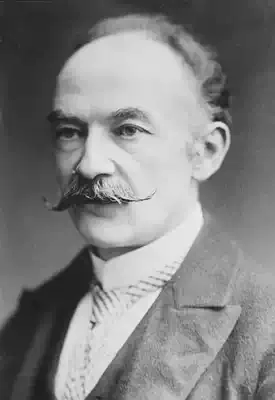
Thomas Hardy
The Supplanter: A Tale
The Supplanter: A Tale
I
He bends his travel-tarnished feet
To where she wastes in clay:
From day-dawn until eve he fares
Along the wintry way;
From day-dawn until eve repairs
Unto her mound to pray.
II
"Are these the gravestone shapes that meet
My forward-straining view?
Or forms that cross a window-blind
In circle, knot, and queue:
Gay forms, that cross and whirl and wind
To music throbbing through?" -
III
"The Keeper of the Field of Tombs
Dwells by its gateway-pier;
He celebrates with feast and dance
His daughter's twentieth year:
He celebrates with wine of France
The birthday of his dear." -
IV
"The gates are shut when evening glooms:
Lay down your wreath, sad wight;
To-morrow is a time more fit
For placing flowers aright:
The morning is the time for it;
Come, wake with us to-night!" -
V
He grounds his wreath, and enters in,
And sits, and shares their cheer. -
"I fain would foot with you, young man,
Before all others here;
I fain would foot it for a span
With such a cavalier!"
VI
She coaxes, clasps, nor fails to win
His first-unwilling hand:
The merry music strikes its staves,
The dancers quickly band;
And with the damsel of the graves
He duly takes his stand.
VII
"You dance divinely, stranger swain,
Such grace I've never known.
O longer stay! Breathe not adieu
And leave me here alone!
O longer stay: to her be true
Whose heart is all your own!" -
VIII
"I mark a phantom through the pane,
That beckons in despair,
Its mouth all drawn with heavy moan -
Her to whom once I sware!" -
"Nay; 'tis the lately carven stone
Of some strange girl laid there!" -
IX
"I see white flowers upon the floor
Betrodden to a clot;
My wreath were they?"--"Nay; love me much,
Swear you'll forget me not!
'Twas but a wreath! Full many such
Are brought here and forgot."
* * *
X
The watches of the night grow hoar,
He rises ere the sun;
"Now could I kill thee here!" he says,
"For winning me from one
Who ever in her living days
Was pure as cloistered nun!"
XI
She cowers, and he takes his track
Afar for many a mile,
For evermore to be apart
From her who could beguile
His senses by her burning heart,
And win his love awhile.
XII
A year: and he is travelling back
To her who wastes in clay;
From day-dawn until eve he fares
Along the wintry way,
From day-dawn until eve repairs
Unto her mound to pray.
XIII
And there he sets him to fulfil
His frustrate first intent:
And lay upon her bed, at last,
The offering earlier meant:
When, on his stooping figure, ghast
And haggard eyes are bent.
XIV
"O surely for a little while
You can be kind to me!
For do you love her, do you hate,
She knows not--cares not she:
Only the living feel the weight
Of loveless misery!
XV
"I own my sin; I've paid its cost,
Being outcast, shamed, and bare:
I give you daily my whole heart,
Your babe my tender care,
I pour you prayers; and aye to part
Is more than I can bear!"
XVI
He turns--unpitying, passion-tossed;
"I know you not!" he cries,
"Nor know your child. I knew this maid,
But she's in Paradise!"
And swiftly in the winter shade
He breaks from her and flies.
I
He bends his travel-tarnished feet
To where she wastes in clay:
From day-dawn until eve he fares
Along the wintry way;
From day-dawn until eve repairs
Unto her mound to pray.
II
"Are these the gravestone shapes that meet
My forward-straining view?
Or forms that cross a window-blind
In circle, knot, and queue:
Gay forms, that cross and whirl and wind
To music throbbing through?" -
III
"The Keeper of the Field of Tombs
Dwells by its gateway-pier;
He celebrates with feast and dance
His daughter's twentieth year:
He celebrates with wine of France
The birthday of his dear." -
IV
"The gates are shut when evening glooms:
Lay down your wreath, sad wight;
To-morrow is a time more fit
For placing flowers aright:
The morning is the time for it;
Come, wake with us to-night!" -
V
He grounds his wreath, and enters in,
And sits, and shares their cheer. -
"I fain would foot with you, young man,
Before all others here;
I fain would foot it for a span
With such a cavalier!"
VI
She coaxes, clasps, nor fails to win
His first-unwilling hand:
The merry music strikes its staves,
The dancers quickly band;
And with the damsel of the graves
He duly takes his stand.
VII
"You dance divinely, stranger swain,
Such grace I've never known.
O longer stay! Breathe not adieu
And leave me here alone!
O longer stay: to her be true
Whose heart is all your own!" -
VIII
"I mark a phantom through the pane,
That beckons in despair,
Its mouth all drawn with heavy moan -
Her to whom once I sware!" -
"Nay; 'tis the lately carven stone
Of some strange girl laid there!" -
IX
"I see white flowers upon the floor
Betrodden to a clot;
My wreath were they?"--"Nay; love me much,
Swear you'll forget me not!
'Twas but a wreath! Full many such
Are brought here and forgot."
* * *
X
The watches of the night grow hoar,
He rises ere the sun;
"Now could I kill thee here!" he says,
"For winning me from one
Who ever in her living days
Was pure as cloistered nun!"
XI
She cowers, and he takes his track
Afar for many a mile,
For evermore to be apart
From her who could beguile
His senses by her burning heart,
And win his love awhile.
XII
A year: and he is travelling back
To her who wastes in clay;
From day-dawn until eve he fares
Along the wintry way,
From day-dawn until eve repairs
Unto her mound to pray.
XIII
And there he sets him to fulfil
His frustrate first intent:
And lay upon her bed, at last,
The offering earlier meant:
When, on his stooping figure, ghast
And haggard eyes are bent.
XIV
"O surely for a little while
You can be kind to me!
For do you love her, do you hate,
She knows not--cares not she:
Only the living feel the weight
Of loveless misery!
XV
"I own my sin; I've paid its cost,
Being outcast, shamed, and bare:
I give you daily my whole heart,
Your babe my tender care,
I pour you prayers; and aye to part
Is more than I can bear!"
XVI
He turns--unpitying, passion-tossed;
"I know you not!" he cries,
"Nor know your child. I knew this maid,
But she's in Paradise!"
And swiftly in the winter shade
He breaks from her and flies.
197
Thomas Hardy
Heiress And Architect
Heiress And Architect
For A. W. B.
SHE sought the Studios, beckoning to her side
An arch-designer, for she planned to build.
He was of wise contrivance, deeply skilled
In every intervolve of high and wide--
Well fit to be her guide.
"Whatever it be,"
Responded he,
With cold, clear voice, and cold, clear view,
"In true accord with prudent fashionings
For such vicissitudes as living brings,
And thwarting not the law of stable things,
That will I do."
"Shape me," she said, "high walls with tracery
And open ogive-work, that scent and hue
Of buds, and travelling bees, may come in through,
The note of birds, and singings of the sea,
For these are much to me."
"An idle whim!"
Broke forth from him
Whom nought could warm to gallantries:
"Cede all these buds and birds, the zephyr's call,
And scents, and hues, and things that falter all,
And choose as best the close and surly wall,
For winter's freeze."
"Then frame," she cried, "wide fronts of crystal glass,
That I may show my laughter and my light--
Light like the sun's by day, the stars' by night--
Till rival heart-queens, envying, wail, 'Alas,
Her glory!' as they pass."
"O maid misled!"
He sternly said,
Whose facile foresight pierced her dire;
"Where shall abide the soul when, sick of glee,
It shrinks, and hides, and prays no eye may see?
Those house them best who house for secrecy,
For you will tire."
"A little chamber, then, with swan and dove
Ranged thickly, and engrailed with rare device
Of reds and purples, for a Paradise
Wherein my Love may greet me, I my Love,
When he shall know thereof?"
"This, too, is ill,"
He answered still,
The man who swayed her like a shade.
"An hour will come when sight of such sweet nook
Would bring a bitterness too sharp to brook,
When brighter eyes have won away his look;
For you will fade."
Then said she faintly: "O, contrive some way--
Some narrow winding turret, quite mine own,
To reach a loft where I may grieve alone!
It is a slight thing; hence do not, I pray,
This last dear fancy slay!"
"Such winding ways
Fit not your days,"
Said he, the man of measuring eye;
"I must even fashion as my rule declares,
To wit: Give space (since life ends unawares)
To hale a coffined corpse adown the stairs;
For you will die."
For A. W. B.
SHE sought the Studios, beckoning to her side
An arch-designer, for she planned to build.
He was of wise contrivance, deeply skilled
In every intervolve of high and wide--
Well fit to be her guide.
"Whatever it be,"
Responded he,
With cold, clear voice, and cold, clear view,
"In true accord with prudent fashionings
For such vicissitudes as living brings,
And thwarting not the law of stable things,
That will I do."
"Shape me," she said, "high walls with tracery
And open ogive-work, that scent and hue
Of buds, and travelling bees, may come in through,
The note of birds, and singings of the sea,
For these are much to me."
"An idle whim!"
Broke forth from him
Whom nought could warm to gallantries:
"Cede all these buds and birds, the zephyr's call,
And scents, and hues, and things that falter all,
And choose as best the close and surly wall,
For winter's freeze."
"Then frame," she cried, "wide fronts of crystal glass,
That I may show my laughter and my light--
Light like the sun's by day, the stars' by night--
Till rival heart-queens, envying, wail, 'Alas,
Her glory!' as they pass."
"O maid misled!"
He sternly said,
Whose facile foresight pierced her dire;
"Where shall abide the soul when, sick of glee,
It shrinks, and hides, and prays no eye may see?
Those house them best who house for secrecy,
For you will tire."
"A little chamber, then, with swan and dove
Ranged thickly, and engrailed with rare device
Of reds and purples, for a Paradise
Wherein my Love may greet me, I my Love,
When he shall know thereof?"
"This, too, is ill,"
He answered still,
The man who swayed her like a shade.
"An hour will come when sight of such sweet nook
Would bring a bitterness too sharp to brook,
When brighter eyes have won away his look;
For you will fade."
Then said she faintly: "O, contrive some way--
Some narrow winding turret, quite mine own,
To reach a loft where I may grieve alone!
It is a slight thing; hence do not, I pray,
This last dear fancy slay!"
"Such winding ways
Fit not your days,"
Said he, the man of measuring eye;
"I must even fashion as my rule declares,
To wit: Give space (since life ends unawares)
To hale a coffined corpse adown the stairs;
For you will die."
271
Thomas Hardy
From Victor Hugo
From Victor Hugo
Child, were I king, I'd yield my royal rule,
My chariot, sceptre, vassal-service due,
My crown, my porphyry-basined waters cool,
My fleets, whereto the sea is but a pool,
For a glance from you!
Love, were I God, the earth and its heaving airs,
Angels, the demons abject under me,
Vast chaos with its teeming womby lairs,
Time, space, all would I give--aye, upper spheres,
For a kiss from thee!
Child, were I king, I'd yield my royal rule,
My chariot, sceptre, vassal-service due,
My crown, my porphyry-basined waters cool,
My fleets, whereto the sea is but a pool,
For a glance from you!
Love, were I God, the earth and its heaving airs,
Angels, the demons abject under me,
Vast chaos with its teeming womby lairs,
Time, space, all would I give--aye, upper spheres,
For a kiss from thee!
175
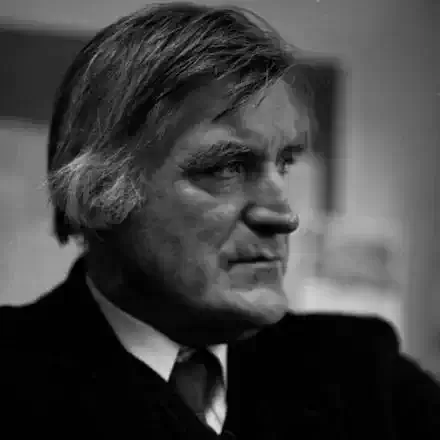
Ted Hughes
Macaw and Little Miss
Macaw and Little Miss
In a cage of wire-ribs
The size of a man's head, the macaw bristles in a staring
Combustion, suffers the stoking devils of his eyes.
In the old lady's parlour, where an aspidistra succumbs
To the musk of faded velvet, he hangs in clear flames,
Like a torturer's iron instrument preparing
With dense slow shudderings of greens, yellows, blues,
Crimsoning into the barbs:
Or like the smouldering head that hung
In Killdevil's brass kitchen, in irons, who had been
Volcano swearing to vomit the world away in black ash,
And would, one day; or a fugitive aristocrat
From some thunderous mythological hierarchy, caught
By a little boy with a crust and a bent pin,
Or snare of horsehair set for a song-thrush,
And put in a cage to sing.
The old lady who feeds him seeds
Has a grand-daughter. The girl calls him 'Poor Polly', pokes fun.
'Jolly Mop.' But lies under every full moon,
The spun glass of her body bared and so gleam-still
Her brimming eyes do not tremble or spill
The dream where the warrior comes, lightning and iron,
Smashing and burning and rending towards her loin:
Deep into her pillow her silence pleads.
All day he stares at his furnace
With eyes red-raw, but when she comes they close.
'Polly. Pretty Poll', she cajoles, and rocks him gently.
She caresses, whispers kisses. The blue lids stay shut.
She strikes the cage in a tantrum and swirls out:
Instantly beak, wings, talons crash
The bars in conflagration and frenzy,
And his shriek shakes the house.
In a cage of wire-ribs
The size of a man's head, the macaw bristles in a staring
Combustion, suffers the stoking devils of his eyes.
In the old lady's parlour, where an aspidistra succumbs
To the musk of faded velvet, he hangs in clear flames,
Like a torturer's iron instrument preparing
With dense slow shudderings of greens, yellows, blues,
Crimsoning into the barbs:
Or like the smouldering head that hung
In Killdevil's brass kitchen, in irons, who had been
Volcano swearing to vomit the world away in black ash,
And would, one day; or a fugitive aristocrat
From some thunderous mythological hierarchy, caught
By a little boy with a crust and a bent pin,
Or snare of horsehair set for a song-thrush,
And put in a cage to sing.
The old lady who feeds him seeds
Has a grand-daughter. The girl calls him 'Poor Polly', pokes fun.
'Jolly Mop.' But lies under every full moon,
The spun glass of her body bared and so gleam-still
Her brimming eyes do not tremble or spill
The dream where the warrior comes, lightning and iron,
Smashing and burning and rending towards her loin:
Deep into her pillow her silence pleads.
All day he stares at his furnace
With eyes red-raw, but when she comes they close.
'Polly. Pretty Poll', she cajoles, and rocks him gently.
She caresses, whispers kisses. The blue lids stay shut.
She strikes the cage in a tantrum and swirls out:
Instantly beak, wings, talons crash
The bars in conflagration and frenzy,
And his shriek shakes the house.
396

Siegfried Sassoon
Parted
Parted
Sleepless I listen to the surge and drone
And drifting roar of the town’s undertone;
Till through quiet falling rain I hear the bells
Tolling and chiming their brief tune that tells
Day’s midnight end. And from the day that’s over
No flashes of delight I can recover;
But only dreary winter streets, and faces
Of people moving in loud clanging places:
And I in my loneliness, longing for you...
For all I did to-day, and all I’ll do
To-morrow, in this city of intense
Arteried activities that throb and strive,
Is but a beating down of that suspense
Which holds me from your arms.
I am alive
Only that I may find you at the end
Of these slow-striking hours I toil to spend,
Putting each one behind me, knowing but this—
That all my days are turning toward your kiss;
That all expectancy awaits the deep
Consoling passion of your eyes, that keep
Their radiance for my coming, and their peace
For when I find in you my love’s release.
Sleepless I listen to the surge and drone
And drifting roar of the town’s undertone;
Till through quiet falling rain I hear the bells
Tolling and chiming their brief tune that tells
Day’s midnight end. And from the day that’s over
No flashes of delight I can recover;
But only dreary winter streets, and faces
Of people moving in loud clanging places:
And I in my loneliness, longing for you...
For all I did to-day, and all I’ll do
To-morrow, in this city of intense
Arteried activities that throb and strive,
Is but a beating down of that suspense
Which holds me from your arms.
I am alive
Only that I may find you at the end
Of these slow-striking hours I toil to spend,
Putting each one behind me, knowing but this—
That all my days are turning toward your kiss;
That all expectancy awaits the deep
Consoling passion of your eyes, that keep
Their radiance for my coming, and their peace
For when I find in you my love’s release.
100
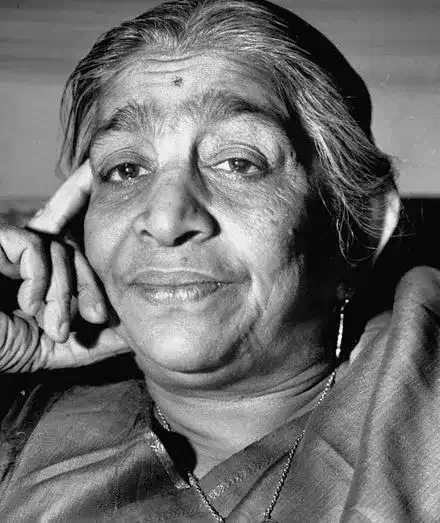
Sarojini Naidu
The Song Of Princess Zeb-Un-Nissa In Praise Of Her Own Beauty
The Song Of Princess Zeb-Un-Nissa In Praise Of Her Own Beauty
WHEN from my cheek I lift my veil,
The roses turn with envy pale,
And from their pierced hearts, rich with pain,
Send forth their fragrance like a wail.
Or if perchance one perfumed tress
Be lowered to the wind's caress,
The honeyed hyacinths complain,
And languish in a sweet distress.
And, when I pause, still groves among,
(Such loveliness is mine) a throng
Of nightingales awake and strain
Their souls into a quivering song.
WHEN from my cheek I lift my veil,
The roses turn with envy pale,
And from their pierced hearts, rich with pain,
Send forth their fragrance like a wail.
Or if perchance one perfumed tress
Be lowered to the wind's caress,
The honeyed hyacinths complain,
And languish in a sweet distress.
And, when I pause, still groves among,
(Such loveliness is mine) a throng
Of nightingales awake and strain
Their souls into a quivering song.
452
Sarojini Naidu
Indian Love Song
Indian Love Song
She
LIKE a serpent to the calling voice of flutes,
Glides my heart into thy fingers, O my Love!
Where the night-wind, like a lover, leans above
His jasmine-gardens and sirisha-bowers;
And on ripe boughs of many-coloured fruits
Bright parrots cluster like vermilion flowers.
He
Like the perfume in the petals of a rose,
Hides thy heart within my bosom, O my love!
Like a garland, like a jewel, like a dove
That hangs its nest in the asoka-tree.
Lie still, O love, until the morning sows
Her tents of gold on fields of ivory.
She
LIKE a serpent to the calling voice of flutes,
Glides my heart into thy fingers, O my Love!
Where the night-wind, like a lover, leans above
His jasmine-gardens and sirisha-bowers;
And on ripe boughs of many-coloured fruits
Bright parrots cluster like vermilion flowers.
He
Like the perfume in the petals of a rose,
Hides thy heart within my bosom, O my love!
Like a garland, like a jewel, like a dove
That hangs its nest in the asoka-tree.
Lie still, O love, until the morning sows
Her tents of gold on fields of ivory.
865
Sarojini Naidu
Humayun To Zobeida (From the Urdu)
Humayun To Zobeida (From the Urdu)
You flaunt your beauty in the rose, your glory in the dawn,
Your sweetness in the nightingale, your white- ness in the swan.
You haunt my waking like a dream, my slumber like a moon,
Pervade me like a musky scent, possess me like a tune.
Yet, when I crave of you, my sweet, one tender moment's grace,
You cry, "I sit behind the veil, I cannot show my face."
Shall any foolish veil divide my longing from my bliss?
Shall any fragile curtain hide your beauty from my kiss?
What war is this of Thee and Me? Give o'er the wanton strife,
You are the heart within my heart, the life within my life.
You flaunt your beauty in the rose, your glory in the dawn,
Your sweetness in the nightingale, your white- ness in the swan.
You haunt my waking like a dream, my slumber like a moon,
Pervade me like a musky scent, possess me like a tune.
Yet, when I crave of you, my sweet, one tender moment's grace,
You cry, "I sit behind the veil, I cannot show my face."
Shall any foolish veil divide my longing from my bliss?
Shall any fragile curtain hide your beauty from my kiss?
What war is this of Thee and Me? Give o'er the wanton strife,
You are the heart within my heart, the life within my life.
351
Sarojini Naidu
Ecstasy
Ecstasy
Cover mine eyes, O my Love!
Mine eyes that are weary of bliss
As of light that is poignant and strong
O silence my lips with a kiss,
My lips that are weary of song!
Shelter my soul, O my love!
My soul is bent low with the pain
And the burden of love, like the grace
Of a flower that is smitten with rain:
O shelter my soul from thy face!
Cover mine eyes, O my Love!
Mine eyes that are weary of bliss
As of light that is poignant and strong
O silence my lips with a kiss,
My lips that are weary of song!
Shelter my soul, O my love!
My soul is bent low with the pain
And the burden of love, like the grace
Of a flower that is smitten with rain:
O shelter my soul from thy face!
370
Sarojini Naidu
A Rajput Love Song
A Rajput Love Song
(Parvati at her lattice)
O Love! were you a basil-wreath to twine
among my tresses,
A jewelled clasp of shining gold to bind around my sleeve,
O Love! were you the keora's soul that haunts
my silken raiment,
A bright, vermilion tassel in the girdles that I weave;
O Love! were you the scented fan
that lies upon my pillow,
A sandal lute, or silver lamp that burns before my shrine,
Why should I fear the jealous dawn
that spreads with cruel laughter,
Sad veils of separation between your face and mine?
Haste, O wild-bee hours, to the gardens of the sun set!
Fly, wild-parrot day, to the orchards of the west!
Come, O tender night, with your sweet,
consoling darkness,
And bring me my Beloved to the shelter of my breast!
(Amar Singh in the saddle)
O Love! were you the hooded hawk upon my hand
that flutters,
Its collar-band of gleaming bells atinkle as I ride,
O Love! were you a turban-spray or
floating heron-feather,
The radiant, swift, unconquered sword
that swingeth at my side;
O Love! were you a shield against the
arrows of my foemen,
An amulet of jade against the perils of the way,
How should the drum-beats of the dawn
divide me from your bosom,
Or the union of the midnight be ended with the day?
Haste, O wild-deer hours, to the meadows of the sunset!
Fly, wild stallion day, to the pastures of the west!
Come, O tranquil night, with your soft,
consenting darkness,
And bear me to the fragrance of my Beloved's breast!
(Parvati at her lattice)
O Love! were you a basil-wreath to twine
among my tresses,
A jewelled clasp of shining gold to bind around my sleeve,
O Love! were you the keora's soul that haunts
my silken raiment,
A bright, vermilion tassel in the girdles that I weave;
O Love! were you the scented fan
that lies upon my pillow,
A sandal lute, or silver lamp that burns before my shrine,
Why should I fear the jealous dawn
that spreads with cruel laughter,
Sad veils of separation between your face and mine?
Haste, O wild-bee hours, to the gardens of the sun set!
Fly, wild-parrot day, to the orchards of the west!
Come, O tender night, with your sweet,
consoling darkness,
And bring me my Beloved to the shelter of my breast!
(Amar Singh in the saddle)
O Love! were you the hooded hawk upon my hand
that flutters,
Its collar-band of gleaming bells atinkle as I ride,
O Love! were you a turban-spray or
floating heron-feather,
The radiant, swift, unconquered sword
that swingeth at my side;
O Love! were you a shield against the
arrows of my foemen,
An amulet of jade against the perils of the way,
How should the drum-beats of the dawn
divide me from your bosom,
Or the union of the midnight be ended with the day?
Haste, O wild-deer hours, to the meadows of the sunset!
Fly, wild stallion day, to the pastures of the west!
Come, O tranquil night, with your soft,
consenting darkness,
And bear me to the fragrance of my Beloved's breast!
560

Sarah Teasdale
The Tree of Song
The Tree of Song
I sang my songs for the rest,
For you I am still;
The tree of my song is bare
On its shining hill.
For you came like a lordly wind,
And the leaves were whirled
Far as forgotten things
Past the rim of the world.
The tree of my song stands bare
Against the blue --
I gave my songs to the rest,
Myself to you.
I sang my songs for the rest,
For you I am still;
The tree of my song is bare
On its shining hill.
For you came like a lordly wind,
And the leaves were whirled
Far as forgotten things
Past the rim of the world.
The tree of my song stands bare
Against the blue --
I gave my songs to the rest,
Myself to you.
426
Sarah Teasdale
Spring Night
Spring Night
The park is filled with night and fog,
The veils are drawn about the world,
The drowsy lights along the paths
Are dim and pearled.
Gold and gleaming the empty streets,
Gold and gleaming the misty lake,
The mirrored lights like sunken swords,
Glimmer and shake.
Oh, is it not enough to be
Here with this beauty over me?
My throat should ache with praise, and I
Should kneel in joy beneath the sky.
O, beauty, are you not enough?
Why am I crying after love,
With youth, a singing voice, and eyes
To take earth's wonder with surprise?
Why have I put off my pride,
Why am I unsatisfied, --
I, for whom the pensive night
Binds her cloudy hair with light, --
I, for whom all beauty burns
Like incense in a million urns?
O beauty, are you not enough?
Why am I crying after love?
The park is filled with night and fog,
The veils are drawn about the world,
The drowsy lights along the paths
Are dim and pearled.
Gold and gleaming the empty streets,
Gold and gleaming the misty lake,
The mirrored lights like sunken swords,
Glimmer and shake.
Oh, is it not enough to be
Here with this beauty over me?
My throat should ache with praise, and I
Should kneel in joy beneath the sky.
O, beauty, are you not enough?
Why am I crying after love,
With youth, a singing voice, and eyes
To take earth's wonder with surprise?
Why have I put off my pride,
Why am I unsatisfied, --
I, for whom the pensive night
Binds her cloudy hair with light, --
I, for whom all beauty burns
Like incense in a million urns?
O beauty, are you not enough?
Why am I crying after love?
473
Sarah Teasdale
Four Winds
Four Winds
"Four winds blowing through the sky,
You have seen poor maidens die,
Tell me then what I shall do
That my lover may be true."
Said the wind from out the south,
"Lay no kiss upon his mouth,"
And the wind from out the west,
"Wound the heart within his breast,"
And the wind from out the east,
"Send him empty from the feast,"
And the wind from out the north,
"In the tempest thrust him forth;
When thou art more cruel than he,
Then will Love be kind to thee."
"Four winds blowing through the sky,
You have seen poor maidens die,
Tell me then what I shall do
That my lover may be true."
Said the wind from out the south,
"Lay no kiss upon his mouth,"
And the wind from out the west,
"Wound the heart within his breast,"
And the wind from out the east,
"Send him empty from the feast,"
And the wind from out the north,
"In the tempest thrust him forth;
When thou art more cruel than he,
Then will Love be kind to thee."
448
Sarah Teasdale
Come
Come
Come, when the pale moon like a petal
Floats in the pearly dusk of spring,
Come with arms outstretched to take me,
Come with lips pursed up to cling.
Come, for life is a frail moth flying,
Caught in the web of the years that pass,
And soon we two, so warm and eager,
Will be as the gray stones in the grass.
Come, when the pale moon like a petal
Floats in the pearly dusk of spring,
Come with arms outstretched to take me,
Come with lips pursed up to cling.
Come, for life is a frail moth flying,
Caught in the web of the years that pass,
And soon we two, so warm and eager,
Will be as the gray stones in the grass.
506
Sarah Teasdale
Barter
Barter
Life has loveliness to sell,
All beautiful and splendid things,
Blue waves whitened on a cliff,
Soaring fire that sways and sings,
And children's faces looking up
Holding wonder like a cup.
Life has loveliness to sell,
Music like a curve of gold,
Scent of pine trees in the rain,
Eyes that love you, arms that hold,
And for your spirit's still delight,
Holy thoughts that star the night.
Spend all you have for loveliness,
Buy it and never count the cost;
For one white singing hour of peace
Count many a year of strife well lost,
And for a breath of ecstasy
Give all you have been, or could be.
Life has loveliness to sell,
All beautiful and splendid things,
Blue waves whitened on a cliff,
Soaring fire that sways and sings,
And children's faces looking up
Holding wonder like a cup.
Life has loveliness to sell,
Music like a curve of gold,
Scent of pine trees in the rain,
Eyes that love you, arms that hold,
And for your spirit's still delight,
Holy thoughts that star the night.
Spend all you have for loveliness,
Buy it and never count the cost;
For one white singing hour of peace
Count many a year of strife well lost,
And for a breath of ecstasy
Give all you have been, or could be.
658
Sarah Teasdale
After Parting
After Parting
Oh, I have sown my love so wide
That he will find it everywhere;
It will awake him in the night,
It will enfold him in the air.
I set my shadow in his sight
And I have winged it with desire,
That it may be a cloud by day,
And in the night a shaft of fire.
Oh, I have sown my love so wide
That he will find it everywhere;
It will awake him in the night,
It will enfold him in the air.
I set my shadow in his sight
And I have winged it with desire,
That it may be a cloud by day,
And in the night a shaft of fire.
395