

Poems in this topic
Pain and Despair
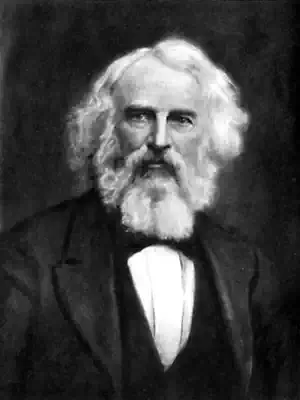
Henry Wadsworth Longfellow
The Angel And The Child. (From Jean Reboul, The Baker Of Nismes)
The Angel And The Child. (From Jean Reboul, The Baker Of Nismes)
An angel with a radiant face,
Above a cradle bent to look,
Seemed his own image there to trace,
As in the waters of a brook.
'Dear child! who me resemblest so,'
It whispered, 'come, O come with me!
Happy together let us go,
The earth unworthy is of thee!
'Here none to perfect bliss attain;
The soul in pleasure suffering lies;
Joy hath an undertone of pain,
And even the happiest hours their sighs.
'Fear doth at every portal knock;
Never a day serene and pure
From the o'ershadowing tempest's shock
Hath made the morrow's dawn secure.
'What then, shall sorrows and shall fears
Come to disturb so pure a brow?
And with the bitterness of tears
These eyes of azure troubled grow?
'Ah no! into the fields of space,
Away shalt thou escape with me;
And Providence will grant thee grace
Of all the days that were to be.
'Let no one in thy dwelling cower,
In sombre vestments draped and veiled;
But let them welcome thy last hour,
As thy first moments once they hailed.
'Without a cloud be there each brow;
There let the grave no shadow cast;
When one is pure as thou art now,
The fairest day is still the last.'
And waving wide his wings of white,
The angel, at these words, had sped
Towards the eternal realms of light!--
Poor mother! see, thy son is dead!
An angel with a radiant face,
Above a cradle bent to look,
Seemed his own image there to trace,
As in the waters of a brook.
'Dear child! who me resemblest so,'
It whispered, 'come, O come with me!
Happy together let us go,
The earth unworthy is of thee!
'Here none to perfect bliss attain;
The soul in pleasure suffering lies;
Joy hath an undertone of pain,
And even the happiest hours their sighs.
'Fear doth at every portal knock;
Never a day serene and pure
From the o'ershadowing tempest's shock
Hath made the morrow's dawn secure.
'What then, shall sorrows and shall fears
Come to disturb so pure a brow?
And with the bitterness of tears
These eyes of azure troubled grow?
'Ah no! into the fields of space,
Away shalt thou escape with me;
And Providence will grant thee grace
Of all the days that were to be.
'Let no one in thy dwelling cower,
In sombre vestments draped and veiled;
But let them welcome thy last hour,
As thy first moments once they hailed.
'Without a cloud be there each brow;
There let the grave no shadow cast;
When one is pure as thou art now,
The fairest day is still the last.'
And waving wide his wings of white,
The angel, at these words, had sped
Towards the eternal realms of light!--
Poor mother! see, thy son is dead!
374
Henry Wadsworth Longfellow
Tales Of A Wayside Inn : Part 1. Interlude V.
Tales Of A Wayside Inn : Part 1. Interlude V.
A strain of music closed the tale,
A low, monotonous, funeral wail,
That with its cadence, wild and sweet,
Made the long Saga more complete.
'Thank God,' the Theologian said,
'The reign of violence is dead,
Or dying surely from the world;
While Love triumphant reigns instead,
And in a brighter sky o'erhead
His blessed banners are unfurled.
And most of all thank God for this:
The war and waste of clashing creeds
Now end in words, and not in deeds,
And no one suffers loss, or bleeds,
For thoughts that men call heresies.
'I stand without here in the porch,
I hear the bell's melodious din,
I hear the organ peal within,
I hear the prayer, with words that scorch
Like sparks from an inverted torch,
I hear the sermon upon sin,
With threatenings of the last account.
And all, translated in the air,
Reach me but as our dear Lord's Prayer,
And as the Sermon on the Mount.
'Must it be Calvin, and not Christ?
Must it be Athanasian creeds,
Or holy water, books, and beads?
Must struggling souls remain content
With councils and decrees of Trent?
And can it be enough for these
The Christian Church the year embalms
With evergreens and boughs of palms,
And fills the air with litanies?
'I know that yonder Pharisee
Thanks God that he is not like me;
In my humiliation dressed,
I only stand and beat my breast,
And pray for human charity.
'Not to one church alone, but seven,
The voice prophetic spake from heaven;
And unto each the promise came,
Diversified, but still the same;
For him that overcometh are
The new name written on the stone,
The raiment white, the crown, the throne,
And I will give him the Morning Star!
'Ah! to how many Faith has been
No evidence of things unseen,
But a dim shadow, that recasts
The creed of the Phantasiasts,
For whom no Man of Sorrows died,
For whom the Tragedy Divine
Was but a symbol and a sign,
And Christ a phantom crucified!
'For others a diviner creed
Is living in the life they lead.
The passing of their beautiful feet
Blesses the pavement of the street
And all their looks and words repeat
Old Fuller's saying, wise and sweet,
Not as a vulture, but a dove,
The Holy Ghost came from above.
'And this brings back to me a tale
So sad the hearer well may quail,
And question if such things can be;
Yet in the chronicles of Spain
Down the dark pages runs this stain,
And naught can wash them white again,
So fearful is the tragedy.'
A strain of music closed the tale,
A low, monotonous, funeral wail,
That with its cadence, wild and sweet,
Made the long Saga more complete.
'Thank God,' the Theologian said,
'The reign of violence is dead,
Or dying surely from the world;
While Love triumphant reigns instead,
And in a brighter sky o'erhead
His blessed banners are unfurled.
And most of all thank God for this:
The war and waste of clashing creeds
Now end in words, and not in deeds,
And no one suffers loss, or bleeds,
For thoughts that men call heresies.
'I stand without here in the porch,
I hear the bell's melodious din,
I hear the organ peal within,
I hear the prayer, with words that scorch
Like sparks from an inverted torch,
I hear the sermon upon sin,
With threatenings of the last account.
And all, translated in the air,
Reach me but as our dear Lord's Prayer,
And as the Sermon on the Mount.
'Must it be Calvin, and not Christ?
Must it be Athanasian creeds,
Or holy water, books, and beads?
Must struggling souls remain content
With councils and decrees of Trent?
And can it be enough for these
The Christian Church the year embalms
With evergreens and boughs of palms,
And fills the air with litanies?
'I know that yonder Pharisee
Thanks God that he is not like me;
In my humiliation dressed,
I only stand and beat my breast,
And pray for human charity.
'Not to one church alone, but seven,
The voice prophetic spake from heaven;
And unto each the promise came,
Diversified, but still the same;
For him that overcometh are
The new name written on the stone,
The raiment white, the crown, the throne,
And I will give him the Morning Star!
'Ah! to how many Faith has been
No evidence of things unseen,
But a dim shadow, that recasts
The creed of the Phantasiasts,
For whom no Man of Sorrows died,
For whom the Tragedy Divine
Was but a symbol and a sign,
And Christ a phantom crucified!
'For others a diviner creed
Is living in the life they lead.
The passing of their beautiful feet
Blesses the pavement of the street
And all their looks and words repeat
Old Fuller's saying, wise and sweet,
Not as a vulture, but a dove,
The Holy Ghost came from above.
'And this brings back to me a tale
So sad the hearer well may quail,
And question if such things can be;
Yet in the chronicles of Spain
Down the dark pages runs this stain,
And naught can wash them white again,
So fearful is the tragedy.'
289
Henry Wadsworth Longfellow
Sundown
Sundown
The summer sun is sinking low;
Only the tree-tops redden and glow:
Only the weathercock on the spire
Of the neighboring church is a flame of fire;
All is in shadow below.
O beautiful, awful summer day,
What hast thou given, what taken away?
Life and death, and love and hate,
Homes made happy or desolate,
Hearts made sad or gay!
On the road of life one mile-stone more!
In the book of life one leaf turned o'er!
Like a red seal is the setting sun
On the good and the evil men have done,--
Naught can to-day restore!
The summer sun is sinking low;
Only the tree-tops redden and glow:
Only the weathercock on the spire
Of the neighboring church is a flame of fire;
All is in shadow below.
O beautiful, awful summer day,
What hast thou given, what taken away?
Life and death, and love and hate,
Homes made happy or desolate,
Hearts made sad or gay!
On the road of life one mile-stone more!
In the book of life one leaf turned o'er!
Like a red seal is the setting sun
On the good and the evil men have done,--
Naught can to-day restore!
282
Henry Wadsworth Longfellow
Something Left Undone
Something Left Undone
Labor with what zeal we will,
Something still remains undone,
Something uncompleted still
Waits the rising of the sun.
By the bedside, on the stair,
At the threshhold, near the gates,
With its menace or its prayer,
Like a medicant it waits;
Waits, and will not go away;
Waits, and will not be gainsaid;
By the cares of yesterday
Each to-day is heavier made;
Till at length the burden seems
Greater than our strength can bear,
Heavy as the weight of dreams
Pressing on us everywhere.
And we stand from day to day,
Like the dwarfs of times gone by,
Who, as Northern legends say,
On their shoulders held the sky.
Labor with what zeal we will,
Something still remains undone,
Something uncompleted still
Waits the rising of the sun.
By the bedside, on the stair,
At the threshhold, near the gates,
With its menace or its prayer,
Like a medicant it waits;
Waits, and will not go away;
Waits, and will not be gainsaid;
By the cares of yesterday
Each to-day is heavier made;
Till at length the burden seems
Greater than our strength can bear,
Heavy as the weight of dreams
Pressing on us everywhere.
And we stand from day to day,
Like the dwarfs of times gone by,
Who, as Northern legends say,
On their shoulders held the sky.
299
Henry Wadsworth Longfellow
Sleep
Sleep
Lull me to sleep, ye winds, whose fitful sound
Seems from some faint Aeolian harp-string caught;
Seal up the hundred wakeful eyes of thought
As Hermes with his lyre in sleep profound
The hundred wakeful eyes of Argus bound;
For I am weary, and am overwrought
With too much toil, with too much care distraught,
And with the iron crown of anguish crowned.
Lay thy soft hand upon my brow and cheek,
O peaceful Sleep! until from pain released
I breathe again uninterrupted breath!
Ah, with what subtle meaning did the Greek
Call thee the lesser mystery at the feast
Whereof the greater mystery is death!
Lull me to sleep, ye winds, whose fitful sound
Seems from some faint Aeolian harp-string caught;
Seal up the hundred wakeful eyes of thought
As Hermes with his lyre in sleep profound
The hundred wakeful eyes of Argus bound;
For I am weary, and am overwrought
With too much toil, with too much care distraught,
And with the iron crown of anguish crowned.
Lay thy soft hand upon my brow and cheek,
O peaceful Sleep! until from pain released
I breathe again uninterrupted breath!
Ah, with what subtle meaning did the Greek
Call thee the lesser mystery at the feast
Whereof the greater mystery is death!
363
Henry Wadsworth Longfellow
Prometheus, Or, The Poet's Forethought. (Birds Of Passage. Flight The First)
Prometheus, Or, The Poet's Forethought. (Birds Of Passage. Flight The First)
Of Prometheus, how undaunted
On Olympus' shining bastions
His audacious foot he planted,
Myths are told and songs are chanted,
Full of promptings and suggestions.
Beautiful is the tradition
Of that flight through heavenly portals,
The old classic superstition
Of the theft and the transmission
Of the fire of the Immortals!
First the deed of noble daring,
Born of heavenward aspiration,
Then the fire with mortals sharing,
Then the vulture,--the despairing
Cry of pain on crags Caucasian.
All is but a symbol painted
Of the Poet, Prophet, Seer;
Only those are crowned and sainted
Who with grief have been acquainted,
Making nations nobler, freer.
In their feverish exultations,
In their triumph and their yearning,
In their passionate pulsations,
In their words among the nations,
The Promethean fire is burning.
Shall it, then, be unavailing,
All this toil for human culture?
Through the cloud-rack, dark and trailing,
Must they see above them sailing
O'er life's barren crags the vulture?
Such a fate as this was Dante's,
By defeat and exile maddened;
Thus were Milton and Cervantes,
Nature's priests and Corybantes,
By affliction touched and saddened.
But the glories so transcendent
That around their memories cluster,
And, on all their steps attendant,
Make their darkened lives resplendent
With such gleams of inward lustre!
All the melodies mysterious,
Through the dreary darkness chanted;
Thoughts in attitudes imperious,
Voices soft, and deep, and serious,
Words that whispered, songs that haunted!
All the soul in rapt suspension,
All the quivering, palpitating
Chords of life in utmost tension,
With the fervor of invention,
With the rapture of creating!
Ah, Prometheus! heaven-scaling!
In such hours of exultation
Even the faintest heart, unquailing,
Might behold the vulture sailing
Round the cloudy crags Caucasian!
Though to all there is not given
Strength for such sublime endeavor,
Thus to scale the walls of heaven,
And to leaven with fiery leaven
All the hearts of men forever;
Yet all bards, whose hearts unblighted
Honor and believe the presage,
Hold aloft their torches lighted,
Gleaming through the realms benighted,
As they onward bear the message!
Of Prometheus, how undaunted
On Olympus' shining bastions
His audacious foot he planted,
Myths are told and songs are chanted,
Full of promptings and suggestions.
Beautiful is the tradition
Of that flight through heavenly portals,
The old classic superstition
Of the theft and the transmission
Of the fire of the Immortals!
First the deed of noble daring,
Born of heavenward aspiration,
Then the fire with mortals sharing,
Then the vulture,--the despairing
Cry of pain on crags Caucasian.
All is but a symbol painted
Of the Poet, Prophet, Seer;
Only those are crowned and sainted
Who with grief have been acquainted,
Making nations nobler, freer.
In their feverish exultations,
In their triumph and their yearning,
In their passionate pulsations,
In their words among the nations,
The Promethean fire is burning.
Shall it, then, be unavailing,
All this toil for human culture?
Through the cloud-rack, dark and trailing,
Must they see above them sailing
O'er life's barren crags the vulture?
Such a fate as this was Dante's,
By defeat and exile maddened;
Thus were Milton and Cervantes,
Nature's priests and Corybantes,
By affliction touched and saddened.
But the glories so transcendent
That around their memories cluster,
And, on all their steps attendant,
Make their darkened lives resplendent
With such gleams of inward lustre!
All the melodies mysterious,
Through the dreary darkness chanted;
Thoughts in attitudes imperious,
Voices soft, and deep, and serious,
Words that whispered, songs that haunted!
All the soul in rapt suspension,
All the quivering, palpitating
Chords of life in utmost tension,
With the fervor of invention,
With the rapture of creating!
Ah, Prometheus! heaven-scaling!
In such hours of exultation
Even the faintest heart, unquailing,
Might behold the vulture sailing
Round the cloudy crags Caucasian!
Though to all there is not given
Strength for such sublime endeavor,
Thus to scale the walls of heaven,
And to leaven with fiery leaven
All the hearts of men forever;
Yet all bards, whose hearts unblighted
Honor and believe the presage,
Hold aloft their torches lighted,
Gleaming through the realms benighted,
As they onward bear the message!
281
Henry Wadsworth Longfellow
Ovid In Exile, At Tomis, In Bessarabia, Near The Mouths Of The Danube
Ovid In Exile, At Tomis, In Bessarabia, Near The Mouths Of The Danube
(Tristia, Book III. Elegy X.)
Should any one there in Rome remember Ovid the exile,
And, without me, my name still in the city survive;
Tell him that under stars which never set in the ocean
I am existing still, here in a barbarous land.
Fierce Sarmatians encompass me round, and the Bessi and Getae;
Names how unworthy to be sung by a genius like mine!
Yet when the air is warm, intervening Ister defends us:
He, as he flows, repels inroads of war with his waves.
But when the dismal winter reveals its hideous aspect,
When all the earth becomes white with a marble-like frost;
And when Boreas is loosed, and the snow hurled under Arcturus,
Then these nations, in sooth, shudder and shiver with cold.
Deep lies the snow, and neither the sun nor the rain can dissolve
it;
Boreas hardens it still, makes it forever remain.
Hence, ere the first ha-s melted away, another succeeds it,
And two years it is wont, in many places, to lie.
And so great is the power of the Northwind awakened, it levels
Lofty towers with the ground, roofs uplifted bears off.
Wrapped in skins, and with trousers sewed, they contend with the
weather,
And their faces alone of the whole body are seen.
Often their tresses, when shaken, with pendent icicles tinkle,
And their whitened beards shine with the gathering frost.
Wines consolidate stand, preserving the form of the vessels;
No more draughts of wine,--pieces presented they drink.
Why should I tell you how all the rivers are frozen and solid,
And from out of the lake frangible water is dug?
Ister,--no narrower stream than the river that bears the
papyrus,--
Which through its many mouths mingles its waves with the deep;
Ister, with hardening winds, congeals its cerulean waters,
Under a roof of ice, winding its way to the sea.
There where ships have sailed, men go on foot; and the billows,
Solid made by the frost, hoof-beats of horses indent.
Over unwonted bridges, with water gliding beneath them,
The Sarmatian steers drag their barbarian carts.
Scarcely shall I be believed; yet when naught is gained by a
falsehood,
Absolute credence then should to a witness be given.
I have beheld the vast Black Sea of ice all compacted,
And a slippery crust pressing its motionless tides.
'Tis not enough to have seen, I have trodden this indurate
ocean;
Dry shod passed my foot over its uppermost wave.
If thou hadst had of old such a sea as this is, Leander!
Then thy death had not been charged as a crime to the Strait.
Nor can the curved dolphins uplift themselves from the water;
All their struggles to rise merciless winter prevents;
And though Boreas sound with roar of wings in commotion,
In the blockaded gulf never a wave will there be;
And the ships will stand hemmed in by the frost, as in marble,
Nor will the oar have power through the stiff waters to cleave.
Fast-bound in the ice have I seen the fishes adhering,
Yet notwithstanding this some of them still were alive.
Hence, if the savage strength of omnipotent Boreas freezes
Whether the salt-sea wave, whether the refluent stream,-
Straightway,--the Ister made level by arid blasts of the North-wind,--
Comes the barbaric foe borne on his swift-footed steed;
Foe, that powerful made by his steed and his far-flying arrows,
All the neighboring land void of inhabitants makes.
Some take flight, and none being left to defend their possessions,
Unprotected, their goods pillage and plunder become;
Cattle and creaking carts, the little wealth of the country,
And what riches beside indigent peasants possess.
Some as captives are driven along, their hands bound behind them,
Looking backward in vain toward their Lares and lands.
Others, transfixed with barbed arrows, in agony perish,
For the swift arrow-heads all have in poison been dipped.
What they cannot carry or lead away they demolish,
And the hostile flames burn up the innocent cots.
Even when there is peace, the fear of war is impending;
None, with the ploughshare pressed, furrows the soil any more.
Either this region sees, or fears a foe that it sees not,
And the sluggish land slumbers in utter neglect.
No sweet grape lies hidden here in the shade of its vine-leaves,
No fermenting must fills and o'erflows the deep vats.
Apples the region denies; nor would Acontius have found here
Aught upon which to write words for his mistress to read.
Naked and barren plains without leaves or trees we behold here,--
Places, alas! unto which no happy man would repair.
Since then this mighty orb lies open so wide upon all sides,
Has this region been found only my prison to be?
(Tristia, Book III. Elegy XII.)
Now the zephyrs diminish the cold, and the year being ended,
Winter Maeotian seems longer than ever before;
And the Ram that bore unsafely the burden of Helle,
Now makes the hours of the day equal with those of the night.
Now the boys and the laughing girls the violet gather,
Which the fields bring forth, nobody sowing the seed.
Now the meadows are blooming with flowers of various colors,
And with untaught throats carol the garrulous birds.
Now the swallow, to shun the crime of her merciless mother,
Under the rafters builds cradles and dear little homes;
And the blade that lay hid, covered up in the furrows of Ceres,
Now from the tepid ground raises its delicate head.
Where there is ever a vine, the bud shoots forth from the tendrils,
But from the Getic shore distant afar is the vine!
Where there is ever a tree, on the tree the branches are swelling,
But from the Getic land distant afar is the tree!
Now it is holiday there in Rome, and to games in due order
Give place the windy wars of the vociferous bar.
Now they are riding the horses; with light arms now they are playing,
Now with the ball, and now round rolls the swift-flying hoop:
Now, when the young athlete with flowing oil is anointed,
He in the Virgin's Fount bathes, over-wearied, his limbs.
Thrives the stage; and applause, with voices at variance, thunders,
And the Theatres three for the three Forums resound.
Four times happy is he, and times without number is happy,
Who the city of Rome, uninterdicted, enjoys.
But all I see is the snow in the vernal sunshine dissolving,
And the waters no more delved from the indurate lake.
Nor is the sea now frozen, nor as before o'er the Ister
Comes the Sarmatian boor driving his stridulous cart.
Hitherward, nevertheless, some keels already are steering,
And on this Pontic shore alien vessels will be.
Eagerly shall I run to the sailor, and, having saluted,
Who he may be, I shall ask; wherefore and whence he hath come.
Strange indeed will it be, if he come not from regions adjacent,
And incautious unless ploughing the neighboring sea.
Rarely a mariner over the deep from Italy passes,
Rarely he comes to these shores, wholly of harbors devoid.
Whether he knoweth Greek, or whether in Latin he speaketh,
Surely on this account he the more welcome will be.
Also perchance from the mouth of the Strait and the waters Propontic,
Unto the steady South-wind, some one is spreading his sails.
Whosoever he is, the news he can faithfully tell me,
Which may become a part and an approach to the truth.
He, I pray, may he able to tell me the triumphs of Caesar,
Which he has heard of, and vows paid to the Latian Jove;
And that thy sorrowful head, Germania, thou, the rebellious,
Under the feet, at last, of the Great Captain hast laid.
Whoso shall tell me these things, that not to have seen will afflict me,
Forthwith unto my house welcomed as guest shall he be.
Woe is me! Is the house of Ovid in Scythian lands now?
And doth punishment now give me its place for a home?
Grant, ye gods, that Caesar make this not my house and my homestead,
But decree it to be only the inn of my pain.
(Tristia, Book III. Elegy X.)
Should any one there in Rome remember Ovid the exile,
And, without me, my name still in the city survive;
Tell him that under stars which never set in the ocean
I am existing still, here in a barbarous land.
Fierce Sarmatians encompass me round, and the Bessi and Getae;
Names how unworthy to be sung by a genius like mine!
Yet when the air is warm, intervening Ister defends us:
He, as he flows, repels inroads of war with his waves.
But when the dismal winter reveals its hideous aspect,
When all the earth becomes white with a marble-like frost;
And when Boreas is loosed, and the snow hurled under Arcturus,
Then these nations, in sooth, shudder and shiver with cold.
Deep lies the snow, and neither the sun nor the rain can dissolve
it;
Boreas hardens it still, makes it forever remain.
Hence, ere the first ha-s melted away, another succeeds it,
And two years it is wont, in many places, to lie.
And so great is the power of the Northwind awakened, it levels
Lofty towers with the ground, roofs uplifted bears off.
Wrapped in skins, and with trousers sewed, they contend with the
weather,
And their faces alone of the whole body are seen.
Often their tresses, when shaken, with pendent icicles tinkle,
And their whitened beards shine with the gathering frost.
Wines consolidate stand, preserving the form of the vessels;
No more draughts of wine,--pieces presented they drink.
Why should I tell you how all the rivers are frozen and solid,
And from out of the lake frangible water is dug?
Ister,--no narrower stream than the river that bears the
papyrus,--
Which through its many mouths mingles its waves with the deep;
Ister, with hardening winds, congeals its cerulean waters,
Under a roof of ice, winding its way to the sea.
There where ships have sailed, men go on foot; and the billows,
Solid made by the frost, hoof-beats of horses indent.
Over unwonted bridges, with water gliding beneath them,
The Sarmatian steers drag their barbarian carts.
Scarcely shall I be believed; yet when naught is gained by a
falsehood,
Absolute credence then should to a witness be given.
I have beheld the vast Black Sea of ice all compacted,
And a slippery crust pressing its motionless tides.
'Tis not enough to have seen, I have trodden this indurate
ocean;
Dry shod passed my foot over its uppermost wave.
If thou hadst had of old such a sea as this is, Leander!
Then thy death had not been charged as a crime to the Strait.
Nor can the curved dolphins uplift themselves from the water;
All their struggles to rise merciless winter prevents;
And though Boreas sound with roar of wings in commotion,
In the blockaded gulf never a wave will there be;
And the ships will stand hemmed in by the frost, as in marble,
Nor will the oar have power through the stiff waters to cleave.
Fast-bound in the ice have I seen the fishes adhering,
Yet notwithstanding this some of them still were alive.
Hence, if the savage strength of omnipotent Boreas freezes
Whether the salt-sea wave, whether the refluent stream,-
Straightway,--the Ister made level by arid blasts of the North-wind,--
Comes the barbaric foe borne on his swift-footed steed;
Foe, that powerful made by his steed and his far-flying arrows,
All the neighboring land void of inhabitants makes.
Some take flight, and none being left to defend their possessions,
Unprotected, their goods pillage and plunder become;
Cattle and creaking carts, the little wealth of the country,
And what riches beside indigent peasants possess.
Some as captives are driven along, their hands bound behind them,
Looking backward in vain toward their Lares and lands.
Others, transfixed with barbed arrows, in agony perish,
For the swift arrow-heads all have in poison been dipped.
What they cannot carry or lead away they demolish,
And the hostile flames burn up the innocent cots.
Even when there is peace, the fear of war is impending;
None, with the ploughshare pressed, furrows the soil any more.
Either this region sees, or fears a foe that it sees not,
And the sluggish land slumbers in utter neglect.
No sweet grape lies hidden here in the shade of its vine-leaves,
No fermenting must fills and o'erflows the deep vats.
Apples the region denies; nor would Acontius have found here
Aught upon which to write words for his mistress to read.
Naked and barren plains without leaves or trees we behold here,--
Places, alas! unto which no happy man would repair.
Since then this mighty orb lies open so wide upon all sides,
Has this region been found only my prison to be?
(Tristia, Book III. Elegy XII.)
Now the zephyrs diminish the cold, and the year being ended,
Winter Maeotian seems longer than ever before;
And the Ram that bore unsafely the burden of Helle,
Now makes the hours of the day equal with those of the night.
Now the boys and the laughing girls the violet gather,
Which the fields bring forth, nobody sowing the seed.
Now the meadows are blooming with flowers of various colors,
And with untaught throats carol the garrulous birds.
Now the swallow, to shun the crime of her merciless mother,
Under the rafters builds cradles and dear little homes;
And the blade that lay hid, covered up in the furrows of Ceres,
Now from the tepid ground raises its delicate head.
Where there is ever a vine, the bud shoots forth from the tendrils,
But from the Getic shore distant afar is the vine!
Where there is ever a tree, on the tree the branches are swelling,
But from the Getic land distant afar is the tree!
Now it is holiday there in Rome, and to games in due order
Give place the windy wars of the vociferous bar.
Now they are riding the horses; with light arms now they are playing,
Now with the ball, and now round rolls the swift-flying hoop:
Now, when the young athlete with flowing oil is anointed,
He in the Virgin's Fount bathes, over-wearied, his limbs.
Thrives the stage; and applause, with voices at variance, thunders,
And the Theatres three for the three Forums resound.
Four times happy is he, and times without number is happy,
Who the city of Rome, uninterdicted, enjoys.
But all I see is the snow in the vernal sunshine dissolving,
And the waters no more delved from the indurate lake.
Nor is the sea now frozen, nor as before o'er the Ister
Comes the Sarmatian boor driving his stridulous cart.
Hitherward, nevertheless, some keels already are steering,
And on this Pontic shore alien vessels will be.
Eagerly shall I run to the sailor, and, having saluted,
Who he may be, I shall ask; wherefore and whence he hath come.
Strange indeed will it be, if he come not from regions adjacent,
And incautious unless ploughing the neighboring sea.
Rarely a mariner over the deep from Italy passes,
Rarely he comes to these shores, wholly of harbors devoid.
Whether he knoweth Greek, or whether in Latin he speaketh,
Surely on this account he the more welcome will be.
Also perchance from the mouth of the Strait and the waters Propontic,
Unto the steady South-wind, some one is spreading his sails.
Whosoever he is, the news he can faithfully tell me,
Which may become a part and an approach to the truth.
He, I pray, may he able to tell me the triumphs of Caesar,
Which he has heard of, and vows paid to the Latian Jove;
And that thy sorrowful head, Germania, thou, the rebellious,
Under the feet, at last, of the Great Captain hast laid.
Whoso shall tell me these things, that not to have seen will afflict me,
Forthwith unto my house welcomed as guest shall he be.
Woe is me! Is the house of Ovid in Scythian lands now?
And doth punishment now give me its place for a home?
Grant, ye gods, that Caesar make this not my house and my homestead,
But decree it to be only the inn of my pain.
271
Henry Wadsworth Longfellow
Jugurtha
Jugurtha
How cold are thy baths, Apollo!
Cried the African monarch, the splendid,
As down to his death in the hollow
Dark dungeons of Rome he descended,
Uncrowned, unthroned, unattended;
How cold are thy baths, Apollo!
How cold are thy baths, Apollo!
Cried the Poet, unknown, unbefriended,
As the vision, that lured him to follow,
With the mist and the darkness blended,
And the dream of his life was ended;
How cold are thy baths, Apollo!
How cold are thy baths, Apollo!
Cried the African monarch, the splendid,
As down to his death in the hollow
Dark dungeons of Rome he descended,
Uncrowned, unthroned, unattended;
How cold are thy baths, Apollo!
How cold are thy baths, Apollo!
Cried the Poet, unknown, unbefriended,
As the vision, that lured him to follow,
With the mist and the darkness blended,
And the dream of his life was ended;
How cold are thy baths, Apollo!
405
Henry Wadsworth Longfellow
Haunted Houses. (Birds Of Passage. Flight The First)
Haunted Houses. (Birds Of Passage. Flight The First)
All houses wherein men have lived and died
Are haunted houses. Through the open doors
The harmless phantoms on their errands glide,
With feet that make no sound upon the floors.
We meet them at the doorway, on the stair,
Along the passages they come and go,
Impalpable impressions on the air,
A sense of something moving to and fro.
There are more guests at table, than the hosts
Invited; the illuminated hall
Is thronged with quiet, inoffensive ghosts,
As silent as the pictures on the wall.
The stranger at my fireside cannot see
The forms I see, nor hear the sounds I hear;
He but perceives what is; while unto me
All that has been is visible and clear.
We have no title-deeds to house or lands;
Owners and occupants of earlier dates
From graves forgotten stretch their dusty hands,
And hold in mortmain still their old estates.
The spirit-world around this world of sense
Floats like an atmosphere, and everywhere
Wafts through these earthly mists and vapors dense
A vital breath of more ethereal air.
Our little lives are kept in equipoise
By opposite attractions and desires;
The struggle of the instinct that enjoys,
And the more noble instinct that aspires.
These perturbations, this perpetual jar
Of earthly wants and aspirations high,
Come from the influence of an unseen star,
An undiscovered planet in our sky.
And as the moon from some dark gate of cloud
Throws o'er the sea a floating bridge of light,
Across whose trembling planks our fancies crowd
Into the realm of mystery and night,--
So from the world of spirits there descends
A bridge of light, connecting it with this,
O'er whose unsteady floor, that sways and bends,
Wander our thoughts above the dark abyss.
All houses wherein men have lived and died
Are haunted houses. Through the open doors
The harmless phantoms on their errands glide,
With feet that make no sound upon the floors.
We meet them at the doorway, on the stair,
Along the passages they come and go,
Impalpable impressions on the air,
A sense of something moving to and fro.
There are more guests at table, than the hosts
Invited; the illuminated hall
Is thronged with quiet, inoffensive ghosts,
As silent as the pictures on the wall.
The stranger at my fireside cannot see
The forms I see, nor hear the sounds I hear;
He but perceives what is; while unto me
All that has been is visible and clear.
We have no title-deeds to house or lands;
Owners and occupants of earlier dates
From graves forgotten stretch their dusty hands,
And hold in mortmain still their old estates.
The spirit-world around this world of sense
Floats like an atmosphere, and everywhere
Wafts through these earthly mists and vapors dense
A vital breath of more ethereal air.
Our little lives are kept in equipoise
By opposite attractions and desires;
The struggle of the instinct that enjoys,
And the more noble instinct that aspires.
These perturbations, this perpetual jar
Of earthly wants and aspirations high,
Come from the influence of an unseen star,
An undiscovered planet in our sky.
And as the moon from some dark gate of cloud
Throws o'er the sea a floating bridge of light,
Across whose trembling planks our fancies crowd
Into the realm of mystery and night,--
So from the world of spirits there descends
A bridge of light, connecting it with this,
O'er whose unsteady floor, that sways and bends,
Wander our thoughts above the dark abyss.
616
Henry Wadsworth Longfellow
Garfield
Garfield
'E venni dal martirio a questa pace.'
These words the poet heard in Paradise,
Uttered by one who, bravely dying here,
In the true faith was living in that sphere
Where the celestial cross of sacrifice
Spread its protecting arms athwart the skies;
And set thereon, like jewels crystal clear,
The souls magnanimous, that knew not fear,
Flashed their effulgence on his dazzled eyes.
Ah me! how dark the discipline of pain,
Were not the suffering followed by the sense
Of infinite rest and infinite release!
This is our consolation; and again
A great soul cries to us in our suspense,
'I came from martyrdom unto this peace!'
'E venni dal martirio a questa pace.'
These words the poet heard in Paradise,
Uttered by one who, bravely dying here,
In the true faith was living in that sphere
Where the celestial cross of sacrifice
Spread its protecting arms athwart the skies;
And set thereon, like jewels crystal clear,
The souls magnanimous, that knew not fear,
Flashed their effulgence on his dazzled eyes.
Ah me! how dark the discipline of pain,
Were not the suffering followed by the sense
Of infinite rest and infinite release!
This is our consolation; and again
A great soul cries to us in our suspense,
'I came from martyrdom unto this peace!'
371
Henry Wadsworth Longfellow
Forsaken. (From The German)
Forsaken. (From The German)
Something the heart must have to cherish,
Must love and joy and sorrow learn,
Something with passion clasp, or perish,
And in itself to ashes burn.
So to this child my heart is clinging,
And its frank eyes, with look intense,
Me from a world of sin are bringing
Back to a world of innocence.
Disdain must thou endure for ever;
Strong may thy heart in danger be!
Thou shalt not fail! but ah, be never
False as thy father was to me.
Never will I forsake thee, faithless,
And thou thy mother ne'er forsake,
Until her lips are white and breathless,
Until in death her eyes shall break.
Something the heart must have to cherish,
Must love and joy and sorrow learn,
Something with passion clasp, or perish,
And in itself to ashes burn.
So to this child my heart is clinging,
And its frank eyes, with look intense,
Me from a world of sin are bringing
Back to a world of innocence.
Disdain must thou endure for ever;
Strong may thy heart in danger be!
Thou shalt not fail! but ah, be never
False as thy father was to me.
Never will I forsake thee, faithless,
And thou thy mother ne'er forsake,
Until her lips are white and breathless,
Until in death her eyes shall break.
338
Henry Wadsworth Longfellow
Consolation. (To M. Duperrier, Gentleman Of Aix In Provence, On The Death Of
Consolation. (To M. Duperrier, Gentleman Of Aix In Provence, On The Death Of
His Daughter)
Will then, Duperrier, thy sorrow be eternal?
And shall the sad discourse
Whispered within thy heart, by tenderness paternal,
Only augment its force?
Thy daughter's mournful fate, into the tomb descending
By death's frequented ways,
Has it become to thee a labyrinth never ending,
Where thy lost reason strays?
I know the charms that made her youth a benediction:
Nor should I be content,
As a censorious friend, to solace thine affliction
By her disparagement.
But she was of the world, which fairest things exposes
To fates the most forlorn;
A rose, she too hath lived as long as live the roses,
The space of one brief morn.
* * * * *
Death has his rigorous laws, unparalleled, unfeeling;
All prayers to him are vain;
Cruel, he stops his ears, and, deaf to our appealing,
He leaves us to complain.
The poor man in his hut, with only thatch for cover,
Unto these laws must bend;
The sentinel that guards the barriers of the Louvre
Cannot our kings defend.
To murmur against death, in petulant defiance,
Is never for the best;
To will what God doth will, that is the only science
That gives us any rest.
His Daughter)
Will then, Duperrier, thy sorrow be eternal?
And shall the sad discourse
Whispered within thy heart, by tenderness paternal,
Only augment its force?
Thy daughter's mournful fate, into the tomb descending
By death's frequented ways,
Has it become to thee a labyrinth never ending,
Where thy lost reason strays?
I know the charms that made her youth a benediction:
Nor should I be content,
As a censorious friend, to solace thine affliction
By her disparagement.
But she was of the world, which fairest things exposes
To fates the most forlorn;
A rose, she too hath lived as long as live the roses,
The space of one brief morn.
* * * * *
Death has his rigorous laws, unparalleled, unfeeling;
All prayers to him are vain;
Cruel, he stops his ears, and, deaf to our appealing,
He leaves us to complain.
The poor man in his hut, with only thatch for cover,
Unto these laws must bend;
The sentinel that guards the barriers of the Louvre
Cannot our kings defend.
To murmur against death, in petulant defiance,
Is never for the best;
To will what God doth will, that is the only science
That gives us any rest.
283
Henry Wadsworth Longfellow
By The Fireside : Resignation
By The Fireside : Resignation
There is no flock, however watched and tended,
But one dead lamb is there!
There is no fireside, howsoe'er defended,
But has one vacant chair!
The air is full of farewells to the dying,
And mournings for the dead;
The heart of Rachel, for her children crying,
Will not be comforted!
Let us be patient! These severe afflictions
Not from the ground arise,
But oftentimes celestial benedictions
Assume this dark disguise.
We see but dimly through the mists and vapors;
Amid these earthly damps
What seem to us but sad, funereal tapers
May be heaven's distant lamps.
There is no Death! What seems so is transition;
This life of mortal breath
Is but a suburb of the life elysian,
Whose portal we call Death.
She is not dead,--the child of our affection,--
But gone unto that school
Where she no longer needs our poor protection,
And Christ himself doth rule.
In that great cloister's stillness and seclusion,
By guardian angels led,
Safe from temptation, safe from sin's pollution,
She lives, whom we call dead.
Day after day we think what she is doing
In those bright realms of air;
Year after year, her tender steps pursuing,
Behold her grown more fair.
Thus do we walk with her, and keep unbroken
The bond which nature gives,
Thinking that our remembrance, though unspoken,
May reach her where she lives.
Not as a child shall we again behold her;
For when with raptures wild
In our embraces we again enfold her,
She will not be a child;
But a fair maiden, in her Father's mansion,
Clothed with celestial grace;
And beautiful with all the soul's expansion
Shall we behold her face.
And though at times impetuous with emotion
And anguish long suppressed,
The swelling heart heaves moaning like the ocean,
That cannot be at rest,--
We will be patient, and assuage the feeling
We may not wholly stay;
By silence sanctifying, not concealing,
The grief that must have way.
There is no flock, however watched and tended,
But one dead lamb is there!
There is no fireside, howsoe'er defended,
But has one vacant chair!
The air is full of farewells to the dying,
And mournings for the dead;
The heart of Rachel, for her children crying,
Will not be comforted!
Let us be patient! These severe afflictions
Not from the ground arise,
But oftentimes celestial benedictions
Assume this dark disguise.
We see but dimly through the mists and vapors;
Amid these earthly damps
What seem to us but sad, funereal tapers
May be heaven's distant lamps.
There is no Death! What seems so is transition;
This life of mortal breath
Is but a suburb of the life elysian,
Whose portal we call Death.
She is not dead,--the child of our affection,--
But gone unto that school
Where she no longer needs our poor protection,
And Christ himself doth rule.
In that great cloister's stillness and seclusion,
By guardian angels led,
Safe from temptation, safe from sin's pollution,
She lives, whom we call dead.
Day after day we think what she is doing
In those bright realms of air;
Year after year, her tender steps pursuing,
Behold her grown more fair.
Thus do we walk with her, and keep unbroken
The bond which nature gives,
Thinking that our remembrance, though unspoken,
May reach her where she lives.
Not as a child shall we again behold her;
For when with raptures wild
In our embraces we again enfold her,
She will not be a child;
But a fair maiden, in her Father's mansion,
Clothed with celestial grace;
And beautiful with all the soul's expansion
Shall we behold her face.
And though at times impetuous with emotion
And anguish long suppressed,
The swelling heart heaves moaning like the ocean,
That cannot be at rest,--
We will be patient, and assuage the feeling
We may not wholly stay;
By silence sanctifying, not concealing,
The grief that must have way.
357
Henry Wadsworth Longfellow
Beatrice. (From Dante. Purgatorio, XXX., XXXI.)
Beatrice. (From Dante. Purgatorio, XXX., XXXI.)
Even as the Blessed, at the final summons,
Shall rise up quickened, each one from his grave,
Wearing again the garments of the flesh,
So, upon that celestial chariot,
A hundred rose
ad vocem tanti senis
,
Ministers and messengers of life eternal.
They all were saying, '
Benedictus qui venis
,'
And scattering flowers above and round about,
'
Manibus o date lilia plenis
.'
Oft have I seen, at the approach of day,
The orient sky all stained with roseate hues,
And the other heaven with light serene adorned,
And the sun's face uprising, overshadowed,
So that, by temperate influence of vapors,
The eye sustained his aspect for long while;
Thus in the bosom of a cloud of flowers,
Which from those hands angelic were thrown up,
And down descended inside and without,
With crown of olive o'er a snow-white veil,
Appeared a lady, under a green mantle,
Vested in colors of the living flame.
. . . . . .
Even as the snow, among the living rafters
Upon the back of ltaly, congeals,
Blown on and beaten by Sclavonian winds,
And then, dissolving, filters through itself,
Whene'er the land, that loses shadow, breathes,
Like as a taper melts before a fire,
Even such I was, without a sigh or tear,
Before the song of those who chime forever
After the chiming of the eternal spheres;
But, when I heard in those sweet melodies
Compassion for me, more than had they said,
'O wherefore, lady, dost thou thus consume him?'
The ice, that was about my heart congealed,
To air and water changed, and, in my anguish,
Through lips and eyes came gushing from my breast.
. . . . . .
Confusion and dismay, together mingled,
Forced such a feeble 'Yes!' out of my mouth,
To understand it one had need of sight.
Even as a cross-bow breaks, when 't is discharged,
Too tensely drawn the bow-string and the bow,
And with less force the arrow hits the mark;
So I gave way beneath this heavy burden,
Gushing forth into bitter tears and sighs,
And the voice, fainting, flagged upon its passage.
Even as the Blessed, at the final summons,
Shall rise up quickened, each one from his grave,
Wearing again the garments of the flesh,
So, upon that celestial chariot,
A hundred rose
ad vocem tanti senis
,
Ministers and messengers of life eternal.
They all were saying, '
Benedictus qui venis
,'
And scattering flowers above and round about,
'
Manibus o date lilia plenis
.'
Oft have I seen, at the approach of day,
The orient sky all stained with roseate hues,
And the other heaven with light serene adorned,
And the sun's face uprising, overshadowed,
So that, by temperate influence of vapors,
The eye sustained his aspect for long while;
Thus in the bosom of a cloud of flowers,
Which from those hands angelic were thrown up,
And down descended inside and without,
With crown of olive o'er a snow-white veil,
Appeared a lady, under a green mantle,
Vested in colors of the living flame.
. . . . . .
Even as the snow, among the living rafters
Upon the back of ltaly, congeals,
Blown on and beaten by Sclavonian winds,
And then, dissolving, filters through itself,
Whene'er the land, that loses shadow, breathes,
Like as a taper melts before a fire,
Even such I was, without a sigh or tear,
Before the song of those who chime forever
After the chiming of the eternal spheres;
But, when I heard in those sweet melodies
Compassion for me, more than had they said,
'O wherefore, lady, dost thou thus consume him?'
The ice, that was about my heart congealed,
To air and water changed, and, in my anguish,
Through lips and eyes came gushing from my breast.
. . . . . .
Confusion and dismay, together mingled,
Forced such a feeble 'Yes!' out of my mouth,
To understand it one had need of sight.
Even as a cross-bow breaks, when 't is discharged,
Too tensely drawn the bow-string and the bow,
And with less force the arrow hits the mark;
So I gave way beneath this heavy burden,
Gushing forth into bitter tears and sighs,
And the voice, fainting, flagged upon its passage.
340
Henry Wadsworth Longfellow
Allah. (From The German Of Mahlmann)
Allah. (From The German Of Mahlmann)
Allah gives light in darkness,
Allah gives rest in pain,
Cheeks that are white with weeping
Allah paints red again.
The flowers and the blossoms wither,
Years vanish with flying fleet;
But my heart will live on forever,
That here in sadness beat.
Gladly to Allah's dwelling
Yonder would I take flight;
There will the darkness vanish,
There will my eyes have sight.
Allah gives light in darkness,
Allah gives rest in pain,
Cheeks that are white with weeping
Allah paints red again.
The flowers and the blossoms wither,
Years vanish with flying fleet;
But my heart will live on forever,
That here in sadness beat.
Gladly to Allah's dwelling
Yonder would I take flight;
There will the darkness vanish,
There will my eyes have sight.
361
Henry Van Dyke
If All the Skies
If All the Skies
If all the skies were sunshine,
Our faces would be fain
To feel once more upon them
The cooling splash of rain.
If all the world were music,
Our hearts would often long
For one sweet strain of silence,
To break the endless song.
If life were always merry,
Our souls would seek relief,
And rest from weary laughter
In the quiet arms of grief.
If all the skies were sunshine,
Our faces would be fain
To feel once more upon them
The cooling splash of rain.
If all the world were music,
Our hearts would often long
For one sweet strain of silence,
To break the endless song.
If life were always merry,
Our souls would seek relief,
And rest from weary laughter
In the quiet arms of grief.
268

Henry Lawson
The Wreck Of The `Derry Castle'
The Wreck Of The `Derry Castle'
Day of ending for beginnings!
Ocean hath another innings,
Ocean hath another score;
And the surges sing his winnings,
And the surges shout his winnings,
And the surges shriek his winnings,
All along the sullen shore.
Sing another dirge in wailing,
For another vessel sailing
With the shadow-ships at sea;
Shadow-ships for ever sinking -Shadow-
ships whose pumps are clinking,
And whose thirsty holds are drinking
Pledges to Eternity.
Pray for souls of ghastly, sodden
Corpses, floating round untrodden
Cliffs, where nought but sea-drift strays;
Souls of dead men, in whose faces
Of humanity no trace is --
Not a mark to show their races -
Floating round for days and days.
. . . . .
Ocean's salty tongues are licking
Round the faces of the drowned,
And a cruel blade seems sticking
Through my heart and turning round.
Heaven! shall HIS ghastly, sodden
Corpse float round for days and days?
Shall it dash 'neath cliffs untrodden,
Rocks where nought but sea-drift strays?
God in heaven! hide the floating,
Falling, rising, face from me;
God in heaven! stay the gloating,
Mocking singing of the sea!
Day of ending for beginnings!
Ocean hath another innings,
Ocean hath another score;
And the surges sing his winnings,
And the surges shout his winnings,
And the surges shriek his winnings,
All along the sullen shore.
Sing another dirge in wailing,
For another vessel sailing
With the shadow-ships at sea;
Shadow-ships for ever sinking -Shadow-
ships whose pumps are clinking,
And whose thirsty holds are drinking
Pledges to Eternity.
Pray for souls of ghastly, sodden
Corpses, floating round untrodden
Cliffs, where nought but sea-drift strays;
Souls of dead men, in whose faces
Of humanity no trace is --
Not a mark to show their races -
Floating round for days and days.
. . . . .
Ocean's salty tongues are licking
Round the faces of the drowned,
And a cruel blade seems sticking
Through my heart and turning round.
Heaven! shall HIS ghastly, sodden
Corpse float round for days and days?
Shall it dash 'neath cliffs untrodden,
Rocks where nought but sea-drift strays?
God in heaven! hide the floating,
Falling, rising, face from me;
God in heaven! stay the gloating,
Mocking singing of the sea!
202
Henry Lawson
The Women of the Town
The Women of the Town
It is up from out the alleys, from the alleys dark and vile—
It is up from out the alleys I have struggled for a while—
Just to breathe the breath of Heaven ere my devil drags me down,
And to sing a song of pity for the women of the town.
Johnnies in the private bar room, weak and silly, vain and blind—
Even they would shrink and shudder if they knew the hell behind,
And the meanest wouldn’t grumble when he’s bilked of half-a-crown
If he knew as much as I do of the women of the town.
For I see the end too plainly of the golden-headed star
Who is smiling like an angel in the gilded private bar—
Drifting to the third-rate houses, drifting, sinking lower down
Till she raves in some foul parlour with the women of the town.
To the dingy beer-stained parlour all day long the outcasts come—
Draggled, dirty, bleared, repulsive, shameless, aye, and rotten some—
They have sold their bodies and would sell their souls for drink to drown
Memories of wrong that haunt them—haunt the women of the town.
I have seen the haunting terror of the ‘horrors’ in their eyes,
Heard them cry to Christ to help them as the mansoul never cries,
While the smirking landlord listened with a grin or with a frown.
Oh, they suffer hell in drinking, do the women of the town.
I have known too well, God help me! to what depths a man can sink,
Sacrificing wife and children, fame and honour, all for drink.
Deeper, deeper sink the women, for the veriest drunken clown
Has his feet upon the shoulders of the women of the town.
There’s a heavy cloud that’s lying on my spirit like a pall—
’Tis the horror and injustice and the hopelessness of all—
There’s the love of one for ever that no sea of sin can drown,
And she loves a brute, God help her! does the woman of the town.
O my sisters, O my sisters, I am powerless to aid;
’Tis a world of prostitution, it is business, it is trade,
And they profit from the brewer and the smirking landlord down
To the bully and the bludger, on the women of the town.
Oh, the heart of one great poet* called to heaven in a line—
Crying, ‘Mary, pity women!’—You have whiter souls than mine.
And if in the grand Hereafter there is one shall wear a crown—
For the hell that men made for her—’tis the Woman of the Town.
It is up from out the alleys, from the alleys dark and vile—
It is up from out the alleys I have struggled for a while—
Just to breathe the breath of Heaven ere my devil drags me down,
And to sing a song of pity for the women of the town.
Johnnies in the private bar room, weak and silly, vain and blind—
Even they would shrink and shudder if they knew the hell behind,
And the meanest wouldn’t grumble when he’s bilked of half-a-crown
If he knew as much as I do of the women of the town.
For I see the end too plainly of the golden-headed star
Who is smiling like an angel in the gilded private bar—
Drifting to the third-rate houses, drifting, sinking lower down
Till she raves in some foul parlour with the women of the town.
To the dingy beer-stained parlour all day long the outcasts come—
Draggled, dirty, bleared, repulsive, shameless, aye, and rotten some—
They have sold their bodies and would sell their souls for drink to drown
Memories of wrong that haunt them—haunt the women of the town.
I have seen the haunting terror of the ‘horrors’ in their eyes,
Heard them cry to Christ to help them as the mansoul never cries,
While the smirking landlord listened with a grin or with a frown.
Oh, they suffer hell in drinking, do the women of the town.
I have known too well, God help me! to what depths a man can sink,
Sacrificing wife and children, fame and honour, all for drink.
Deeper, deeper sink the women, for the veriest drunken clown
Has his feet upon the shoulders of the women of the town.
There’s a heavy cloud that’s lying on my spirit like a pall—
’Tis the horror and injustice and the hopelessness of all—
There’s the love of one for ever that no sea of sin can drown,
And she loves a brute, God help her! does the woman of the town.
O my sisters, O my sisters, I am powerless to aid;
’Tis a world of prostitution, it is business, it is trade,
And they profit from the brewer and the smirking landlord down
To the bully and the bludger, on the women of the town.
Oh, the heart of one great poet* called to heaven in a line—
Crying, ‘Mary, pity women!’—You have whiter souls than mine.
And if in the grand Hereafter there is one shall wear a crown—
For the hell that men made for her—’tis the Woman of the Town.
255
Henry Lawson
The Water Lily
The Water Lily
A lonely young wife
In her dreaming discerns
A lily-decked pool
With a border of ferns,
And a beautiful child,
With butterfly wings,
Trips down to the edge of the water and sings:
‘Come, mamma! come!
‘Quick! follow me—
‘Step out on the leaves of the water-lily!’
And the lonely young wife,
Her heart beating wild,
Cries, ‘Wait till I come,
‘Till I reach you, my child!’
But the beautiful child
With butterfly wings
Steps out on the leaves of the lily and sings:
‘Come, mamma! come!
‘Quick! follow me!
‘And step on the leaves of the water-lily!
And the wife in her dreaming
Steps out on the stream,
But the lily leaves sink
And she wakes from her dream.
Ah, the waking is sad,
For the tears that it brings,
And she knows ’tis her dead baby’s spirit that sings:
‘Come, mamma! come!
‘Quick! follow me!
‘Step out on the leaves of the water-lily!’
A lonely young wife
In her dreaming discerns
A lily-decked pool
With a border of ferns,
And a beautiful child,
With butterfly wings,
Trips down to the edge of the water and sings:
‘Come, mamma! come!
‘Quick! follow me—
‘Step out on the leaves of the water-lily!’
And the lonely young wife,
Her heart beating wild,
Cries, ‘Wait till I come,
‘Till I reach you, my child!’
But the beautiful child
With butterfly wings
Steps out on the leaves of the lily and sings:
‘Come, mamma! come!
‘Quick! follow me!
‘And step on the leaves of the water-lily!
And the wife in her dreaming
Steps out on the stream,
But the lily leaves sink
And she wakes from her dream.
Ah, the waking is sad,
For the tears that it brings,
And she knows ’tis her dead baby’s spirit that sings:
‘Come, mamma! come!
‘Quick! follow me!
‘Step out on the leaves of the water-lily!’
270
Henry Lawson
The Voice from Over Yonder
The Voice from Over Yonder
“Did she care as much as I did
When our paths of Fate divided?
Was the love, then, all onesided—
Did she understand or care?”
Slowly fall the moments leaden,
And the silence seems to deaden—
And a voice from over yonder answers sadly: “I’ve been there.”
“Have you tramped the streets of cities
Poor? And do you know what it is—
While no mortal cares or pities—
To have drifted past ambition;
To have sunk below despair?
Doomed to slave and stint and borrow;
Ever haunted in your sorrow
By the spectre of To-morrow?”
And the voice from over yonder answers sadly: “I’ve been there.”
“Surely in the wide Hereafter
There’s a land of love and laughter?
Say: Is this life all we live for—
Say it! think it, if you dare!
Have you ever thought or wondered
Why the Man and God were sundered?
Do you think the Maker blundered?”
And the voice, in mocking accents, answered only: “I’ve been there.”
“Did she care as much as I did
When our paths of Fate divided?
Was the love, then, all onesided—
Did she understand or care?”
Slowly fall the moments leaden,
And the silence seems to deaden—
And a voice from over yonder answers sadly: “I’ve been there.”
“Have you tramped the streets of cities
Poor? And do you know what it is—
While no mortal cares or pities—
To have drifted past ambition;
To have sunk below despair?
Doomed to slave and stint and borrow;
Ever haunted in your sorrow
By the spectre of To-morrow?”
And the voice from over yonder answers sadly: “I’ve been there.”
“Surely in the wide Hereafter
There’s a land of love and laughter?
Say: Is this life all we live for—
Say it! think it, if you dare!
Have you ever thought or wondered
Why the Man and God were sundered?
Do you think the Maker blundered?”
And the voice, in mocking accents, answered only: “I’ve been there.”
285
Henry Lawson
The Secret Whisky Cure
The Secret Whisky Cure
’Tis no tale of heroism, ’tis no tale of storm and strife,
But of ordinary boozing, and of dull domestic life—
Of the everlasting friction that most husbands must endure—
Tale of nagging and of drinking—and a secret whisky cure.
Name of Jones—perhaps you know him—small house-agent here in town—
(Friend of Smith, you know him also—likewise Robinson and Brown),
Just a hopeless little husband, whose deep sorrows were obscure,
And a bitter nagging Missis—and death seemed the only cure.
’Twas a common sordid marriage, and there’s little new to tell—
Save the pub to him was Heaven and his own home was a hell:
With the office in between them—purgatory to be sure—
And, as far as Jones could make out—well, there wasn’t any cure.
’Twas drink and nag—or nag and drink—whichever you prefer—
Till at last she couldn’t stand him any more than he could her.
Friends and relatives assisted, telling her (with motives pure)
That a legal separation was the only earthly cure.
So she went and saw a lawyer, who, in accents soft and low,
Asked her firstly if her husband had a bank account or no;
But he hadn’t and she hadn’t, they in fact were very poor,
So he bowed her out suggesting she should try some liquor cure.
She saw a drink cure advertised in the Sydney Bulletin—
Cure for brandy, cure for whisky, cure for rum and beer and gin,
And it could be given secret, it was tasteless, swift and sure—
So she purchased half a gallon of that Secret Whisky Cure.
And she put some in his coffee, smiling sweetly all the while,
And he started for the office rather puzzled by the smile—
Smile or frown he’d have a whisky, and you’ll say he was a boor—
But perhaps his wife had given him an overdose of Cure.
And he met a friend he hadn’t seen for seven years or more—
It was just upon the threshold of a private bar-room door—
And they coalised and entered straight away, you may be sure—
But of course they hadn’t reckoned with a Secret Whisky Cure.
Jones, he drank, turned pale, and, gasping, hurried out the back way quick,
Where, to his old chum’s amazement, he was violently sick;
Then they interviewed the landlord, but he swore the drink was pure—
It was only the beginning of the Secret Whisky Cure.
For Jones couldn’t stand the smell of even special whisky blends,
And shunned bar-rooms to the sorrow of his trusty drinking friends:
And they wondered, too, what evil genius had chanced to lure
Him from paths of booze and friendship—never dreaming of a Cure.
He had noticed, too, with terror that a something turned his feet,
When a pub was near, and swung him to the other side the street,
Till he thought the devils had him, and his person they’d immure
In a lunatic asylum where there wasn’t any Cure.
He consulted several doctors who were puzzled by the case—
As they mostly are, but never tell the patient to his face—
Some advised him ‘Try the Mountains for this malady obscure:’
But there wasn’t one could diagnose a Secret Whisky Cure.
And his wife, when he was sober?—Well, she nagged him all the more!
And he couldn’t drown his sorrow in the pewter as of yore:
So he shot himself at Manly and was sat upon by Woore,
And found rest amongst the spirits from the Secret Whisky Cure.
And the moral?—well, ’tis funny—or ’tis woman’s way with men—
She’s remarried to a publican who whacks her now and then,
And they get on fairly happy, he’s a brute and he’s a boor,
But she’s never tried her second with a Secret Whisky Cure.
’Tis no tale of heroism, ’tis no tale of storm and strife,
But of ordinary boozing, and of dull domestic life—
Of the everlasting friction that most husbands must endure—
Tale of nagging and of drinking—and a secret whisky cure.
Name of Jones—perhaps you know him—small house-agent here in town—
(Friend of Smith, you know him also—likewise Robinson and Brown),
Just a hopeless little husband, whose deep sorrows were obscure,
And a bitter nagging Missis—and death seemed the only cure.
’Twas a common sordid marriage, and there’s little new to tell—
Save the pub to him was Heaven and his own home was a hell:
With the office in between them—purgatory to be sure—
And, as far as Jones could make out—well, there wasn’t any cure.
’Twas drink and nag—or nag and drink—whichever you prefer—
Till at last she couldn’t stand him any more than he could her.
Friends and relatives assisted, telling her (with motives pure)
That a legal separation was the only earthly cure.
So she went and saw a lawyer, who, in accents soft and low,
Asked her firstly if her husband had a bank account or no;
But he hadn’t and she hadn’t, they in fact were very poor,
So he bowed her out suggesting she should try some liquor cure.
She saw a drink cure advertised in the Sydney Bulletin—
Cure for brandy, cure for whisky, cure for rum and beer and gin,
And it could be given secret, it was tasteless, swift and sure—
So she purchased half a gallon of that Secret Whisky Cure.
And she put some in his coffee, smiling sweetly all the while,
And he started for the office rather puzzled by the smile—
Smile or frown he’d have a whisky, and you’ll say he was a boor—
But perhaps his wife had given him an overdose of Cure.
And he met a friend he hadn’t seen for seven years or more—
It was just upon the threshold of a private bar-room door—
And they coalised and entered straight away, you may be sure—
But of course they hadn’t reckoned with a Secret Whisky Cure.
Jones, he drank, turned pale, and, gasping, hurried out the back way quick,
Where, to his old chum’s amazement, he was violently sick;
Then they interviewed the landlord, but he swore the drink was pure—
It was only the beginning of the Secret Whisky Cure.
For Jones couldn’t stand the smell of even special whisky blends,
And shunned bar-rooms to the sorrow of his trusty drinking friends:
And they wondered, too, what evil genius had chanced to lure
Him from paths of booze and friendship—never dreaming of a Cure.
He had noticed, too, with terror that a something turned his feet,
When a pub was near, and swung him to the other side the street,
Till he thought the devils had him, and his person they’d immure
In a lunatic asylum where there wasn’t any Cure.
He consulted several doctors who were puzzled by the case—
As they mostly are, but never tell the patient to his face—
Some advised him ‘Try the Mountains for this malady obscure:’
But there wasn’t one could diagnose a Secret Whisky Cure.
And his wife, when he was sober?—Well, she nagged him all the more!
And he couldn’t drown his sorrow in the pewter as of yore:
So he shot himself at Manly and was sat upon by Woore,
And found rest amongst the spirits from the Secret Whisky Cure.
And the moral?—well, ’tis funny—or ’tis woman’s way with men—
She’s remarried to a publican who whacks her now and then,
And they get on fairly happy, he’s a brute and he’s a boor,
But she’s never tried her second with a Secret Whisky Cure.
312
Henry Lawson
The Pride That Comes After
The Pride That Comes After
It knows it all, it knows it all,
The world of groans and laughter,
It sneers of pride before a fall,
But the bitter pride comes after:
So leave me and I’ll seek you not,
So seek me and you’ll find me—
But till I know your hand-grip’s true
I’ll stand with hands behind me.
It knows it all, it knows it all,
The world of lies and sorrow—
It prates of pride before a fall,
And of the humble morrow;
But shame and blame are but a name,
Oh, heart that’s hurt past curing!
We’ll drink to-night the sinner’s pride,
The pride that’s most enduring.
They know it all, they know it all,
The curs that pass the sentence.
They preach of pride before a fall
And bitter black repentance:
So leave me when my star is set,
I’ll glory that you leave me,
While one has pride to love me yet
There’s nought on earth shall grieve me.
It knows it all, it knows it all,
The world of groans and laughter,
It sneers of pride before a fall,
But the bitter pride comes after:
So leave me and I’ll seek you not,
So seek me and you’ll find me—
But till I know your hand-grip’s true
I’ll stand with hands behind me.
It knows it all, it knows it all,
The world of lies and sorrow—
It prates of pride before a fall,
And of the humble morrow;
But shame and blame are but a name,
Oh, heart that’s hurt past curing!
We’ll drink to-night the sinner’s pride,
The pride that’s most enduring.
They know it all, they know it all,
The curs that pass the sentence.
They preach of pride before a fall
And bitter black repentance:
So leave me when my star is set,
I’ll glory that you leave me,
While one has pride to love me yet
There’s nought on earth shall grieve me.
250
Henry Lawson
The Lily of St Leonards
The Lily of St Leonards
’TIS sunrise over Watson,
Where I sailed out to sea,
On that wild run to London
That wrecked and ruined me.
The beauty of the morning
On bluff and point and bay,
But the Lily of St Leonards
Was fairer than the day.
O Lily of St Leonards!
And I was mad to roam—
She died with loving words for me
Three days ere I came home.
As fair as lily whiteness,
As pure as lily gold,
And bright with childlike brightness
And wise as worlds of old.
Her heart for all was beating
And all hearts were her own—
Like sunshine through the Lily
Her purity was shown.
O Lily of St Leonards!
My night is on the track,
’Tis well you never lived to see
The wreck that I came back.
A leaden sky shuts over
A sobbing leaden sea,
For the Lily of St Leonards
Is never more for me.
I seek the wharf of Outward
Where the deck no longer thrills
Where she stood with great tears starting
Like the lights on dark wet hills.
The world was all before me
The laurels on my brow—
’Twas the world-star of the rovers,
’Tis the Star of Exile now.
’TIS sunrise over Watson,
Where I sailed out to sea,
On that wild run to London
That wrecked and ruined me.
The beauty of the morning
On bluff and point and bay,
But the Lily of St Leonards
Was fairer than the day.
O Lily of St Leonards!
And I was mad to roam—
She died with loving words for me
Three days ere I came home.
As fair as lily whiteness,
As pure as lily gold,
And bright with childlike brightness
And wise as worlds of old.
Her heart for all was beating
And all hearts were her own—
Like sunshine through the Lily
Her purity was shown.
O Lily of St Leonards!
My night is on the track,
’Tis well you never lived to see
The wreck that I came back.
A leaden sky shuts over
A sobbing leaden sea,
For the Lily of St Leonards
Is never more for me.
I seek the wharf of Outward
Where the deck no longer thrills
Where she stood with great tears starting
Like the lights on dark wet hills.
The world was all before me
The laurels on my brow—
’Twas the world-star of the rovers,
’Tis the Star of Exile now.
344
Henry Lawson
The Drunkard's Vision
The Drunkard's Vision
A public parlour in the slums,
The haunt of vice and villainy,
Where things are said unfit to hear,
And things are done unfit to see;
’Mid ribald jest and reckless song,
That mock at all that’s pure and right,
The drunkard drinks the whole day long,
And raves through half the dreadful night.
And in the morning now he sits,
With staring eyes and trembling limb;
The harbour in the sunlight laughs,
But morning is as night to him.
And, staring blankly at the wall,
He sees the tragedy complete—
He sees the man he used to be
Go striding proudly up the street.
He turns the corner with a swing,
And, at the vine-framed cottage gate,
The father sees, with laughing eyes,
His little son and daughter wait:
They race to meet him as he comes—
And—Oh! this memory is worst—
Her dimpled arms go round his neck,
She pants, ‘I dot my daddy first!’
He sees his bright-eyed little wife;
He sees the cottage neat and clean—
He sees the wrecking of his life
And all the things that might have been!
And, sunk in hopeless, black despair,
That drink no more has power to drown,
Upon the beer-stained table there
The drunkard’s ruined head goes down.
But even I, a fearful wreck,
Have drifted long before the storm:
I know, when all seems lost on earth,
How hard it can be to reform.
I, too, have sinned, and we have both
Drunk to the dregs the bitter cup—
Give me your hand, Oh brother mine,
And even I might help you up.
A public parlour in the slums,
The haunt of vice and villainy,
Where things are said unfit to hear,
And things are done unfit to see;
’Mid ribald jest and reckless song,
That mock at all that’s pure and right,
The drunkard drinks the whole day long,
And raves through half the dreadful night.
And in the morning now he sits,
With staring eyes and trembling limb;
The harbour in the sunlight laughs,
But morning is as night to him.
And, staring blankly at the wall,
He sees the tragedy complete—
He sees the man he used to be
Go striding proudly up the street.
He turns the corner with a swing,
And, at the vine-framed cottage gate,
The father sees, with laughing eyes,
His little son and daughter wait:
They race to meet him as he comes—
And—Oh! this memory is worst—
Her dimpled arms go round his neck,
She pants, ‘I dot my daddy first!’
He sees his bright-eyed little wife;
He sees the cottage neat and clean—
He sees the wrecking of his life
And all the things that might have been!
And, sunk in hopeless, black despair,
That drink no more has power to drown,
Upon the beer-stained table there
The drunkard’s ruined head goes down.
But even I, a fearful wreck,
Have drifted long before the storm:
I know, when all seems lost on earth,
How hard it can be to reform.
I, too, have sinned, and we have both
Drunk to the dregs the bitter cup—
Give me your hand, Oh brother mine,
And even I might help you up.
222