

Poems in this topic
Pain and Despair
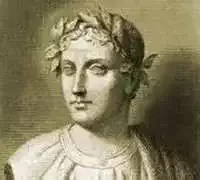
Horácio
BkIII:X Cruel One
BkIII:X Cruel One
If you drank the water of furthest Don, Lyce,
married to some fierce husband, you’d still expose me
to the wailing winds of your native North country,
stretched out here by your cruel door.
Hear how the frame creaks, how the trees that are planted
inside your beautiful garden moan in the wind,
and how Jupiter’s pure power and divinity
ices over the fallen snow.
Set aside your disdain, it’s hateful to Venus,
lest the rope fly off, while the wheel is still turning:
you’re no Penelope, resistant to suitors,
nor born of Etruscan parents.
O, spare your suppliants, though nothing moves you,
not gifts, not my prayers, not your lover’s pallor,
that’s tinged with violet, nor your husband smitten
with a Pierian mistress,
you, no more pliant than an unbending oak-tree,
no gentler in spirit than a Moorish serpent.
My body won’t always put up with your threshold,
or the rain that falls from the sky.
If you drank the water of furthest Don, Lyce,
married to some fierce husband, you’d still expose me
to the wailing winds of your native North country,
stretched out here by your cruel door.
Hear how the frame creaks, how the trees that are planted
inside your beautiful garden moan in the wind,
and how Jupiter’s pure power and divinity
ices over the fallen snow.
Set aside your disdain, it’s hateful to Venus,
lest the rope fly off, while the wheel is still turning:
you’re no Penelope, resistant to suitors,
nor born of Etruscan parents.
O, spare your suppliants, though nothing moves you,
not gifts, not my prayers, not your lover’s pallor,
that’s tinged with violet, nor your husband smitten
with a Pierian mistress,
you, no more pliant than an unbending oak-tree,
no gentler in spirit than a Moorish serpent.
My body won’t always put up with your threshold,
or the rain that falls from the sky.
270
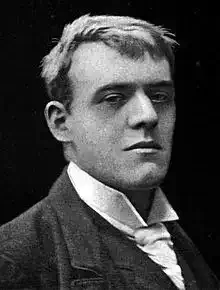
Hilaire Belloc
The Loser
The Loser
He lost his money first of all
And losing that is half the story-
And later on he tried a fall
With fate, in things less transitory
He lost his heart-and found it dead(
His one and only true discovery),
And after that he lost his head,
And lost his chances of recovery.
He lost his honour bit by bit
Until the thing was out of question.
He worried so at losing it,
He lost his sleep and his digestion.
He lost his temper- and for good-
The remnants of his reputation,
His taste in wine, his choice of food,
And then, in rapid culmination,
His certitudes, his sense of truth,
His memory, his self control,
The love that graced his early youth,
And lastly his immortal soul.
He lost his money first of all
And losing that is half the story-
And later on he tried a fall
With fate, in things less transitory
He lost his heart-and found it dead(
His one and only true discovery),
And after that he lost his head,
And lost his chances of recovery.
He lost his honour bit by bit
Until the thing was out of question.
He worried so at losing it,
He lost his sleep and his digestion.
He lost his temper- and for good-
The remnants of his reputation,
His taste in wine, his choice of food,
And then, in rapid culmination,
His certitudes, his sense of truth,
His memory, his self control,
The love that graced his early youth,
And lastly his immortal soul.
469
Hilaire Belloc
Lord Lundy
Lord Lundy
Who was too Freely Moved to Tears, and thereby ruined his Political Career
Lord Lundy from his earliest years
Was far too freely moved to Tears.
For instance if his Mother said,
"Lundy! It's time to go to Bed!"
He bellowed like a Little Turk.
Or if his father Lord Dunquerque
Said "Hi!" in a Commanding Tone,
"Hi, Lundy! Leave the Cat alone!"
Lord Lundy, letting go its tail,
Would raise so terrible a wail
As moved His Grandpapa the Duke
To utter the severe rebuke:
"When I, Sir! was a little Boy,
An Animal was not a Toy!"
His father's Elder Sister, who
Was married to a Parvenoo,
Confided to Her Husband, Drat!
The Miserable, Peevish Brat!
Why don't they drown the Little Beast?"
Suggestions which, to say the least,
Are not what we expect to hear
From Daughters of an English Peer.
His Grandmamma, His Mother's Mother,
Who had some dignity or other,
The Garter, or no matter what,
I can't remember all the Lot!
Said "Oh! That I were Brisk and Spry
To give him that for which to cry!"
(An empty wish, alas! For she
Was Blind and nearly ninety-three).
The Dear Old Butler thought-but there!
I really neither know nor care
For what the Dear Old Butler thought!
In my opinion, Butlers ought
To know their place, and not to play
The Old Retainer night and day.
I'm getting tired and so are you,
Let's cut the poem into two!
Second Part
It happened to Lord Lundy then,
As happens to so many men:
Towards the age of twenty-six,
They shoved him into politics;
In which profession he commanded
The Income that his rank demanded
In turn as Secretary for
India, the Colonies, and War.
But very soon his friends began
To doubt is he were quite the man:
Thus if a member rose to say
(As members do from day to day),
"Arising out of that reply . . .!"
Lord Lundy would begin to cry.
A Hint at harmless little jobs
Would shake him with convulsive sobs.
While as for Revelations, these
Would simply bring him to his knees,
And leave him whimpering like a child.
It drove his colleagues raving wild!
They let him sink from Post to Post,
From fifteen hundred at the most
To eight, and barely six--and then
To be Curator of Big Ben!. . .
And finally there came a Threat
To oust him from the Cabinet!
The Duke -- his aged grand-sire -- bore
The shame till he could bear no more.
He rallied his declining powers,
Summoned the youth to Brackley Towers,
And bitterly addressed him thus-"
Sir! you have disappointed us!
We had intended you to be
The next Prime Minister but three:
The stocks were sold; the Press was squared:
The Middle Class was quite prepared.
But as it is! . . . My language fails!
Go out and govern New South Wales!"
The Aged Patriot groaned and died:
And gracious! how Lord Lundy cried!
Who was too Freely Moved to Tears, and thereby ruined his Political Career
Lord Lundy from his earliest years
Was far too freely moved to Tears.
For instance if his Mother said,
"Lundy! It's time to go to Bed!"
He bellowed like a Little Turk.
Or if his father Lord Dunquerque
Said "Hi!" in a Commanding Tone,
"Hi, Lundy! Leave the Cat alone!"
Lord Lundy, letting go its tail,
Would raise so terrible a wail
As moved His Grandpapa the Duke
To utter the severe rebuke:
"When I, Sir! was a little Boy,
An Animal was not a Toy!"
His father's Elder Sister, who
Was married to a Parvenoo,
Confided to Her Husband, Drat!
The Miserable, Peevish Brat!
Why don't they drown the Little Beast?"
Suggestions which, to say the least,
Are not what we expect to hear
From Daughters of an English Peer.
His Grandmamma, His Mother's Mother,
Who had some dignity or other,
The Garter, or no matter what,
I can't remember all the Lot!
Said "Oh! That I were Brisk and Spry
To give him that for which to cry!"
(An empty wish, alas! For she
Was Blind and nearly ninety-three).
The Dear Old Butler thought-but there!
I really neither know nor care
For what the Dear Old Butler thought!
In my opinion, Butlers ought
To know their place, and not to play
The Old Retainer night and day.
I'm getting tired and so are you,
Let's cut the poem into two!
Second Part
It happened to Lord Lundy then,
As happens to so many men:
Towards the age of twenty-six,
They shoved him into politics;
In which profession he commanded
The Income that his rank demanded
In turn as Secretary for
India, the Colonies, and War.
But very soon his friends began
To doubt is he were quite the man:
Thus if a member rose to say
(As members do from day to day),
"Arising out of that reply . . .!"
Lord Lundy would begin to cry.
A Hint at harmless little jobs
Would shake him with convulsive sobs.
While as for Revelations, these
Would simply bring him to his knees,
And leave him whimpering like a child.
It drove his colleagues raving wild!
They let him sink from Post to Post,
From fifteen hundred at the most
To eight, and barely six--and then
To be Curator of Big Ben!. . .
And finally there came a Threat
To oust him from the Cabinet!
The Duke -- his aged grand-sire -- bore
The shame till he could bear no more.
He rallied his declining powers,
Summoned the youth to Brackley Towers,
And bitterly addressed him thus-"
Sir! you have disappointed us!
We had intended you to be
The next Prime Minister but three:
The stocks were sold; the Press was squared:
The Middle Class was quite prepared.
But as it is! . . . My language fails!
Go out and govern New South Wales!"
The Aged Patriot groaned and died:
And gracious! how Lord Lundy cried!
451
Hilaire Belloc
Is there any reward?
Is there any reward?
Is there any reward?
I'm beginning to doubt it.
I am broken and bored,
Is there any reward
Reassure me, Good Lord,
And inform me about it.
Is there any reward?
I'm beginning to doubt it.
Is there any reward?
I'm beginning to doubt it.
I am broken and bored,
Is there any reward
Reassure me, Good Lord,
And inform me about it.
Is there any reward?
I'm beginning to doubt it.
463
Hilaire Belloc
Her Final Role
Her Final Role
This man's desire; that other's hopeless end;
A third's capricious tyrant: and my friend.
This man's desire; that other's hopeless end;
A third's capricious tyrant: and my friend.
405
Hilaire Belloc
[Month of] December
[Month of] December
Hoar Time about the house betakes him slow,
Seeking an entry for his weariness.
And in that dreadful company distress
And the sad night with silent footsteps go.
On my poor fire the brands are scarce aglow,
And in the woods without what memories press
Where, waning in the trees from less to less,
Mysterious bangs the hom6d moon and low.
For now December, full of aged care,
Comes in upon the yea and weakly grieves;
Mumbling his lost desires and his despair; .
And with mad trembling hand still interweaves,
The dank sear flower-stalks tangled in his hair,
While round about him whirl the rotten leaves.
Hoar Time about the house betakes him slow,
Seeking an entry for his weariness.
And in that dreadful company distress
And the sad night with silent footsteps go.
On my poor fire the brands are scarce aglow,
And in the woods without what memories press
Where, waning in the trees from less to less,
Mysterious bangs the hom6d moon and low.
For now December, full of aged care,
Comes in upon the yea and weakly grieves;
Mumbling his lost desires and his despair; .
And with mad trembling hand still interweaves,
The dank sear flower-stalks tangled in his hair,
While round about him whirl the rotten leaves.
478
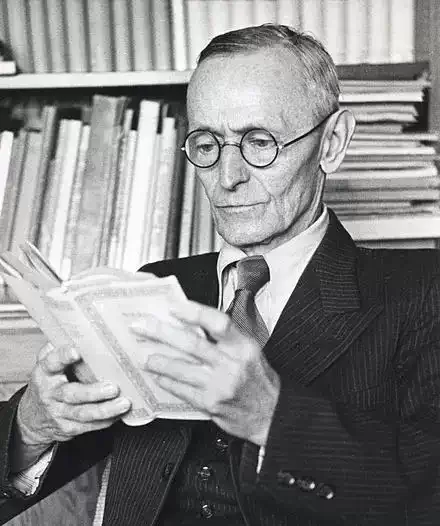
Hermann Hesse
How Heavy The Days
How Heavy The Days
How heavy the days are.
There's not a fire that can warm me,
Not a sun to laugh with me,
Everything bare,
Everything cold and merciless,
And even the beloved, clear
Stars look desolately down,
Since I learned in my heart that
Love can die.
Translated by James Wright
Submitted by Holt
How heavy the days are.
There's not a fire that can warm me,
Not a sun to laugh with me,
Everything bare,
Everything cold and merciless,
And even the beloved, clear
Stars look desolately down,
Since I learned in my heart that
Love can die.
Translated by James Wright
Submitted by Holt
575
Hermann Hesse
In Secret We Thirst
In Secret We Thirst
Graceful, spiritual,
with the gentleness of arabesques
our life is similar
to the existence of fairies
that spin in soft cadence
around nothingness
to which we sacrifice
the here and now
Dreams of beauty, youthful joy
like a breath in pure harmony
with the depth of your young surface
where sparkles the longing for the night
for blood and barbarity
In the emptiness, spinning, without aims or needs
dance free our lives
always ready for the game
yet, secretly, we thirst for reality
for the conceiving, for the birth
we are thirst for sorrows and death
Graceful, spiritual,
with the gentleness of arabesques
our life is similar
to the existence of fairies
that spin in soft cadence
around nothingness
to which we sacrifice
the here and now
Dreams of beauty, youthful joy
like a breath in pure harmony
with the depth of your young surface
where sparkles the longing for the night
for blood and barbarity
In the emptiness, spinning, without aims or needs
dance free our lives
always ready for the game
yet, secretly, we thirst for reality
for the conceiving, for the birth
we are thirst for sorrows and death
633
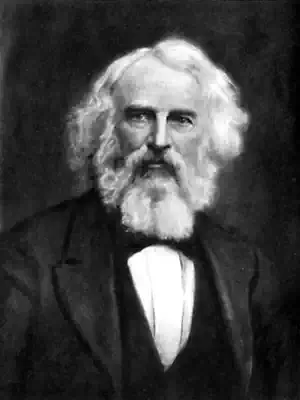
Henry Wadsworth Longfellow
Wanderer's Night Songs. (From Goethe)
Wanderer's Night Songs. (From Goethe)
I.
Thou that from the heavens art,
Every pain and sorrow stillest,
And the doubly wretched heart
Doubly with refreshment fillest,
I am weary with contending!
Why this rapture and unrest?
Peace descending
Come ah, come into my breast!
II.
O'er all the hill-tops
Is quiet now,
In all the tree-tops
Hearest thou
Hardly a breath;
The birds are asleep in the trees:
Wait; soon like these
Thou too shalt rest.
I.
Thou that from the heavens art,
Every pain and sorrow stillest,
And the doubly wretched heart
Doubly with refreshment fillest,
I am weary with contending!
Why this rapture and unrest?
Peace descending
Come ah, come into my breast!
II.
O'er all the hill-tops
Is quiet now,
In all the tree-tops
Hearest thou
Hardly a breath;
The birds are asleep in the trees:
Wait; soon like these
Thou too shalt rest.
323
Henry Wadsworth Longfellow
Voices Of The Night : L'Envoi
Voices Of The Night : L'Envoi
Ye voices, that arose
After the Evening's close,
And whispered to my restless heart repose!
Go, breathe it in the ear
Of all who doubt and fear,
And say to them, 'Be of good cheer!'
Ye sounds, so low and calm,
That in the groves of balm
Seemed to me like an angel's psalm!
Go, mingle yet once more
With the perpetual roar
Of the pine forest dark and hoar!
Tongues of the dead, not lost
But speaking from deaths frost,
Like fiery tongues at Pentecost!
Glimmer, as funeral lamps,
Amid the chills and damps
Of the vast plain where Death encamps!
Ye voices, that arose
After the Evening's close,
And whispered to my restless heart repose!
Go, breathe it in the ear
Of all who doubt and fear,
And say to them, 'Be of good cheer!'
Ye sounds, so low and calm,
That in the groves of balm
Seemed to me like an angel's psalm!
Go, mingle yet once more
With the perpetual roar
Of the pine forest dark and hoar!
Tongues of the dead, not lost
But speaking from deaths frost,
Like fiery tongues at Pentecost!
Glimmer, as funeral lamps,
Amid the chills and damps
Of the vast plain where Death encamps!
254
Henry Wadsworth Longfellow
Vittoria Colonna
Vittoria Colonna
Once more, once more, Inarimé,
I see thy purple hills!--once more
I hear the billows of the bay
Wash the white pebbles on thy shore.
High o'er the sea-surge and the sands,
Like a great galleon wrecked and cast
Ashore by storms, thy castle stands,
A mouldering landmark of the Past.
Upon its terrace-walk I see
A phantom gliding to and fro;
It is Colonna,--it is she
Who lived and loved so long ago.
Pescara's beautiful young wife,
The type of perfect womanhood,
Whose life was love, the life of life,
That time and change and death withstood.
For death, that breaks the marriage band
In others, only closer pressed
The wedding-ring upon her hand
And closer locked and barred her breast.
She knew the life-long martyrdom,
The weariness, the endless pain
Of waiting for some one to come
Who nevermore would come again.
The shadows of the chestnut trees,
The odor of the orange blooms,
The song of birds, and, more than these,
The silence of deserted rooms;
The respiration of the sea,
The soft caresses of the air,
All things in nature seemed to be
But ministers of her despair;
Till the o'erburdened heart, so long
Imprisoned in itself, found vent
And voice in one impassioned song
Of inconsolable lament.
Then as the sun, though hidden from sight,
Transmutes to gold the leaden mist,
Her life was interfused with light,
From realms that, though unseen, exist,
Inarimé! Inarimé!
Thy castle on the crags above
In dust shall crumble and decay,
But not the memory of her love.
Once more, once more, Inarimé,
I see thy purple hills!--once more
I hear the billows of the bay
Wash the white pebbles on thy shore.
High o'er the sea-surge and the sands,
Like a great galleon wrecked and cast
Ashore by storms, thy castle stands,
A mouldering landmark of the Past.
Upon its terrace-walk I see
A phantom gliding to and fro;
It is Colonna,--it is she
Who lived and loved so long ago.
Pescara's beautiful young wife,
The type of perfect womanhood,
Whose life was love, the life of life,
That time and change and death withstood.
For death, that breaks the marriage band
In others, only closer pressed
The wedding-ring upon her hand
And closer locked and barred her breast.
She knew the life-long martyrdom,
The weariness, the endless pain
Of waiting for some one to come
Who nevermore would come again.
The shadows of the chestnut trees,
The odor of the orange blooms,
The song of birds, and, more than these,
The silence of deserted rooms;
The respiration of the sea,
The soft caresses of the air,
All things in nature seemed to be
But ministers of her despair;
Till the o'erburdened heart, so long
Imprisoned in itself, found vent
And voice in one impassioned song
Of inconsolable lament.
Then as the sun, though hidden from sight,
Transmutes to gold the leaden mist,
Her life was interfused with light,
From realms that, though unseen, exist,
Inarimé! Inarimé!
Thy castle on the crags above
In dust shall crumble and decay,
But not the memory of her love.
369
Henry Wadsworth Longfellow
Village Blacksmith, The
Village Blacksmith, The
Under a spreading chestnut tree
The village smithy stands;
The Smith, a mighty man is he,
With large and sinewy hands;
And the muscles of his brawny arms
Are strong as iron bands.
His hair is crisp, and black, and long,
His face is like the tan;
His brow is wet with honest sweat,
He earns whate'er he can
And looks the whole world in the face
For he owes not any man.
Week in, week out, from morn till night,
You can hear his bellows blow;
You can hear him swing his heavy sledge,
With measured beat and slow,
Like a sexton ringing the village bell,
When the evening sun is low.
And children coming home from school
Look in at the open door;
They love to see the flaming furge,
And hear the bellows roar,
And catch the burning sparks that fly
Like chaff from a threshing floor.
He goes on Sunday to the church
and sits among his boys;
He hears the parson pray and preach.
He hears his daughter's voice
singing in the village choir,
And it makes his heart rejoice.
It sounds to him like her mother's voice,
Singing in Paradise!
He needs must think of her once more,
How in the grave she lies;
And with his hard, rough hand he wipes
A tear out of his eyes.
Toiling, rejoicing,-sorrowing,
Onward through life he goes;
Each morning sees some task begin,
Each evening sees it close;
Something attempted, something done,
Has earned a night's repose.
Thanks, thanks to thee, my worthy friend
For the lesson thou hast taught!
Thus at the flaming forge of life
Our fortunes must be wrought;
Thus on its sounding anvil shaped
Each burning deed and thought!
Under a spreading chestnut tree
The village smithy stands;
The Smith, a mighty man is he,
With large and sinewy hands;
And the muscles of his brawny arms
Are strong as iron bands.
His hair is crisp, and black, and long,
His face is like the tan;
His brow is wet with honest sweat,
He earns whate'er he can
And looks the whole world in the face
For he owes not any man.
Week in, week out, from morn till night,
You can hear his bellows blow;
You can hear him swing his heavy sledge,
With measured beat and slow,
Like a sexton ringing the village bell,
When the evening sun is low.
And children coming home from school
Look in at the open door;
They love to see the flaming furge,
And hear the bellows roar,
And catch the burning sparks that fly
Like chaff from a threshing floor.
He goes on Sunday to the church
and sits among his boys;
He hears the parson pray and preach.
He hears his daughter's voice
singing in the village choir,
And it makes his heart rejoice.
It sounds to him like her mother's voice,
Singing in Paradise!
He needs must think of her once more,
How in the grave she lies;
And with his hard, rough hand he wipes
A tear out of his eyes.
Toiling, rejoicing,-sorrowing,
Onward through life he goes;
Each morning sees some task begin,
Each evening sees it close;
Something attempted, something done,
Has earned a night's repose.
Thanks, thanks to thee, my worthy friend
For the lesson thou hast taught!
Thus at the flaming forge of life
Our fortunes must be wrought;
Thus on its sounding anvil shaped
Each burning deed and thought!
718
Henry Wadsworth Longfellow
Ultima Thule: Jugurtha
Ultima Thule: Jugurtha
How cold are thy baths, Apollo!
Cried the African monarch, the splendid,
As down to his death in the hollow
Dark dungeons of Rome he descended,
Uncrowned, unthroned, unattended;
How cold are thy baths, Apollo!
How cold are thy baths, Apollo!
Cried the Poet, unknown, unbefriended,
As the vision, that lured him to follow,
With the mist and the darkness blended,
And the dream of his life was ended;
How cold are thy baths, Apollo!
How cold are thy baths, Apollo!
Cried the African monarch, the splendid,
As down to his death in the hollow
Dark dungeons of Rome he descended,
Uncrowned, unthroned, unattended;
How cold are thy baths, Apollo!
How cold are thy baths, Apollo!
Cried the Poet, unknown, unbefriended,
As the vision, that lured him to follow,
With the mist and the darkness blended,
And the dream of his life was ended;
How cold are thy baths, Apollo!
256
Henry Wadsworth Longfellow
The Song Of Hiawatha XX: The Famine
The Song Of Hiawatha XX: The Famine
Oh the long and dreary Winter!
Oh the cold and cruel Winter!
Ever thicker, thicker, thicker
Froze the ice on lake and river,
Ever deeper, deeper, deeper
Fell the snow o'er all the landscape,
Fell the covering snow, and drifted
Through the forest, round the village.
Hardly from his buried wigwam
Could the hunter force a passage;
With his mittens and his snow-shoes
Vainly walked he through the forest,
Sought for bird or beast and found none,
Saw no track of deer or rabbit,
In the snow beheld no footprints,
In the ghastly, gleaming forest
Fell, and could not rise from weakness,
Perished there from cold and hunger.
Oh the famine and the fever!
Oh the wasting of the famine!
Oh the blasting of the fever!
Oh the wailing of the children!
Oh the anguish of the women!
All the earth was sick and famished;
Hungry was the air around them,
Hungry was the sky above them,
And the hungry stars in heaven
Like the eyes of wolves glared at them!
Into Hiawatha's wigwam
Came two other guests, as silent
As the ghosts were, and as gloomy,
Waited not to be invited
Did not parley at the doorway
Sat there without word of welcome
In the seat of Laughing Water;
Looked with haggard eyes and hollow
At the face of Laughing Water.
And the foremost said: 'Behold me!
I am Famine, Bukadawin!'
And the other said: 'Behold me!
I am Fever, Ahkosewin!'
And the lovely Minnehaha
Shuddered as they looked upon her,
Shuddered at the words they uttered,
Lay down on her bed in silence,
Hid her face, but made no answer;
Lay there trembling, freezing, burning
At the looks they cast upon her,
At the fearful words they uttered.
Forth into the empty forest
Rushed the maddened Hiawatha;
In his heart was deadly sorrow,
In his face a stony firmness;
On his brow the sweat of anguish
Started, but it froze and fell not.
Wrapped in furs and armed for hunting,
With his mighty bow of ash-tree,
With his quiver full of arrows,
With his mittens, Minjekahwun,
Into the vast and vacant forest
On his snow-shoes strode he forward.
'Gitche Manito, the Mighty!'
Cried he with his face uplifted
In that bitter hour of anguish,
'Give your children food, O father!
Give us food, or we must perish!
Give me food for Minnehaha,
For my dying Minnehaha!'
Through the far-resounding forest,
Through the forest vast and vacant
Rang that cry of desolation,
But there came no other answer
Than the echo of his crying,
Than the echo of the woodlands,
'Minnehaha! Minnehaha!'
All day long roved Hiawatha
In that melancholy forest,
Through the shadow of whose thickets,
In the pleasant days of Summer,
Of that ne'er forgotten Summer,
He had brought his young wife homeward
From the land of the Dacotahs;
When the birds sang in the thickets,
And the streamlets laughed and glistened,
And the air was full of fragrance,
And the lovely Laughing Water
Said with voice that did not tremble,
'I will follow you, my husband!'
In the wigwam with Nokomis,
With those gloomy guests that watched her,
With the Famine and the Fever,
She was lying, the Beloved,
She, the dying Minnehaha.
'Hark!' she said; 'I hear a rushing,
Hear a roaring and a rushing,
Hear the Falls of Minnehaha
Calling to me from a distance!'
'No, my child!' said old Nokomis,
'`T is the night-wind in the pine-trees!'
'Look!' she said; 'I see my father
Standing lonely at his doorway,
Beckoning to me from his wigwam
In the land of the Dacotahs!'
'No, my child!' said old Nokomis.
'`T is the smoke, that waves and beckons!'
'Ah!' said she, 'the eyes of Pauguk
Glare upon me in the darkness,
I can feel his icy fingers
Clasping mine amid the darkness!
Hiawatha! Hiawatha!'
And the desolate Hiawatha,
Far away amid the forest,
Miles away among the mountains,
Heard that sudden cry of anguish,
Heard the voice of Minnehaha
Calling to him in the darkness,
'Hiawatha! Hiawatha!'
Over snow-fields waste and pathless,
Under snow-encumbered branches,
Homeward hurried Hiawatha,
Empty-handed, heavy-hearted,
Heard Nokomis moaning, wailing:
'Wahonowin! Wahonowin!
Would that I had perished for you,
Would that I were dead as you are!
Wahonowin!. Wahonowin!'
And he rushed into the wigwam,
Saw the old Nokomis slowly
Rocking to and fro and moaning,
Saw his lovely Minnehaha
Lying dead and cold before him,
And his bursting heart within him
Uttered such a cry of anguish,
That the forest moaned and shuddered,
That the very stars in heaven
Shook and trembled with his anguish.
Then he sat down, still and speechless,
On the bed of Minnehaha,
At the feet of Laughing Water,
At those willing feet, that never
More would lightly run to meet him,
Never more would lightly follow.
With both hands his face he covered,
Seven long days and nights he sat there,
As if in a swoon he sat there,
Speechless, motionless, unconscious
Of the daylight or the darkness.
Then they buried Minnehaha;
In the snow a grave they made her
In the forest deep and darksome
Underneath the moaning hemlocks;
Clothed her in her richest garments
Wrapped her in her robes of ermine,
Covered her with snow, like ermine;
Thus they buried Minnehaha.
And at night a fire was lighted,
On her grave four times was kindled,
For her soul upon its journey
To the Islands of the Blessed.
From his doorway Hiawatha
Saw it burning In the forest,
Lighting up the gloomy hemlocks;
From his sleepless bed uprising,
From the bed of Minnehaha,
Stood and watched it at the doorway,
That it might not be extinguished,
Might not leave her in the darkness.
'Farewell!' said he, 'Minnehaha!
Farewell, O my Laughing Water!
All my heart is buried with you,
All my thoughts go onward with you!
Come not back again to labor,
Come not back again to suffer,
Where the Famine and the Fever
Wear the heart and waste the body.
Soon my task will be completed,
Soon your footsteps I shall follow
To the Islands of the Blessed,
To the Kingdom of Ponemah,
To the Land of the Hereafter!'
Oh the long and dreary Winter!
Oh the cold and cruel Winter!
Ever thicker, thicker, thicker
Froze the ice on lake and river,
Ever deeper, deeper, deeper
Fell the snow o'er all the landscape,
Fell the covering snow, and drifted
Through the forest, round the village.
Hardly from his buried wigwam
Could the hunter force a passage;
With his mittens and his snow-shoes
Vainly walked he through the forest,
Sought for bird or beast and found none,
Saw no track of deer or rabbit,
In the snow beheld no footprints,
In the ghastly, gleaming forest
Fell, and could not rise from weakness,
Perished there from cold and hunger.
Oh the famine and the fever!
Oh the wasting of the famine!
Oh the blasting of the fever!
Oh the wailing of the children!
Oh the anguish of the women!
All the earth was sick and famished;
Hungry was the air around them,
Hungry was the sky above them,
And the hungry stars in heaven
Like the eyes of wolves glared at them!
Into Hiawatha's wigwam
Came two other guests, as silent
As the ghosts were, and as gloomy,
Waited not to be invited
Did not parley at the doorway
Sat there without word of welcome
In the seat of Laughing Water;
Looked with haggard eyes and hollow
At the face of Laughing Water.
And the foremost said: 'Behold me!
I am Famine, Bukadawin!'
And the other said: 'Behold me!
I am Fever, Ahkosewin!'
And the lovely Minnehaha
Shuddered as they looked upon her,
Shuddered at the words they uttered,
Lay down on her bed in silence,
Hid her face, but made no answer;
Lay there trembling, freezing, burning
At the looks they cast upon her,
At the fearful words they uttered.
Forth into the empty forest
Rushed the maddened Hiawatha;
In his heart was deadly sorrow,
In his face a stony firmness;
On his brow the sweat of anguish
Started, but it froze and fell not.
Wrapped in furs and armed for hunting,
With his mighty bow of ash-tree,
With his quiver full of arrows,
With his mittens, Minjekahwun,
Into the vast and vacant forest
On his snow-shoes strode he forward.
'Gitche Manito, the Mighty!'
Cried he with his face uplifted
In that bitter hour of anguish,
'Give your children food, O father!
Give us food, or we must perish!
Give me food for Minnehaha,
For my dying Minnehaha!'
Through the far-resounding forest,
Through the forest vast and vacant
Rang that cry of desolation,
But there came no other answer
Than the echo of his crying,
Than the echo of the woodlands,
'Minnehaha! Minnehaha!'
All day long roved Hiawatha
In that melancholy forest,
Through the shadow of whose thickets,
In the pleasant days of Summer,
Of that ne'er forgotten Summer,
He had brought his young wife homeward
From the land of the Dacotahs;
When the birds sang in the thickets,
And the streamlets laughed and glistened,
And the air was full of fragrance,
And the lovely Laughing Water
Said with voice that did not tremble,
'I will follow you, my husband!'
In the wigwam with Nokomis,
With those gloomy guests that watched her,
With the Famine and the Fever,
She was lying, the Beloved,
She, the dying Minnehaha.
'Hark!' she said; 'I hear a rushing,
Hear a roaring and a rushing,
Hear the Falls of Minnehaha
Calling to me from a distance!'
'No, my child!' said old Nokomis,
'`T is the night-wind in the pine-trees!'
'Look!' she said; 'I see my father
Standing lonely at his doorway,
Beckoning to me from his wigwam
In the land of the Dacotahs!'
'No, my child!' said old Nokomis.
'`T is the smoke, that waves and beckons!'
'Ah!' said she, 'the eyes of Pauguk
Glare upon me in the darkness,
I can feel his icy fingers
Clasping mine amid the darkness!
Hiawatha! Hiawatha!'
And the desolate Hiawatha,
Far away amid the forest,
Miles away among the mountains,
Heard that sudden cry of anguish,
Heard the voice of Minnehaha
Calling to him in the darkness,
'Hiawatha! Hiawatha!'
Over snow-fields waste and pathless,
Under snow-encumbered branches,
Homeward hurried Hiawatha,
Empty-handed, heavy-hearted,
Heard Nokomis moaning, wailing:
'Wahonowin! Wahonowin!
Would that I had perished for you,
Would that I were dead as you are!
Wahonowin!. Wahonowin!'
And he rushed into the wigwam,
Saw the old Nokomis slowly
Rocking to and fro and moaning,
Saw his lovely Minnehaha
Lying dead and cold before him,
And his bursting heart within him
Uttered such a cry of anguish,
That the forest moaned and shuddered,
That the very stars in heaven
Shook and trembled with his anguish.
Then he sat down, still and speechless,
On the bed of Minnehaha,
At the feet of Laughing Water,
At those willing feet, that never
More would lightly run to meet him,
Never more would lightly follow.
With both hands his face he covered,
Seven long days and nights he sat there,
As if in a swoon he sat there,
Speechless, motionless, unconscious
Of the daylight or the darkness.
Then they buried Minnehaha;
In the snow a grave they made her
In the forest deep and darksome
Underneath the moaning hemlocks;
Clothed her in her richest garments
Wrapped her in her robes of ermine,
Covered her with snow, like ermine;
Thus they buried Minnehaha.
And at night a fire was lighted,
On her grave four times was kindled,
For her soul upon its journey
To the Islands of the Blessed.
From his doorway Hiawatha
Saw it burning In the forest,
Lighting up the gloomy hemlocks;
From his sleepless bed uprising,
From the bed of Minnehaha,
Stood and watched it at the doorway,
That it might not be extinguished,
Might not leave her in the darkness.
'Farewell!' said he, 'Minnehaha!
Farewell, O my Laughing Water!
All my heart is buried with you,
All my thoughts go onward with you!
Come not back again to labor,
Come not back again to suffer,
Where the Famine and the Fever
Wear the heart and waste the body.
Soon my task will be completed,
Soon your footsteps I shall follow
To the Islands of the Blessed,
To the Kingdom of Ponemah,
To the Land of the Hereafter!'
342
Henry Wadsworth Longfellow
The Siege Of Kazan. (Tartar Song, From The Prose Version Of Chodzko)
The Siege Of Kazan. (Tartar Song, From The Prose Version Of Chodzko)
Black are the moors before Kazan,
And their stagnant waters smell of blood:
I said in my heart, with horse and man,
I will swim across this shallow flood.
Under the feet of Argamack,
Like new moons were the shoes he bare,
Silken trappings hung on his back,
In a talisman on his neck, a prayer.
My warriors, thought I, are following me;
But when I looked behind, alas!
Not one of all the band could I see,
All had sunk in the black morass!
Where are our shallow fords? and where
The power of Kazan with its fourfold gates?
From the prison windows our maidens fair
Talk of us still through the iron grates.
We cannot hear them; for horse and man
Lie buried deep in the dark abyss!
Ah! the black day hath come down on Kazan!
Ah! was ever a grief like this?
Black are the moors before Kazan,
And their stagnant waters smell of blood:
I said in my heart, with horse and man,
I will swim across this shallow flood.
Under the feet of Argamack,
Like new moons were the shoes he bare,
Silken trappings hung on his back,
In a talisman on his neck, a prayer.
My warriors, thought I, are following me;
But when I looked behind, alas!
Not one of all the band could I see,
All had sunk in the black morass!
Where are our shallow fords? and where
The power of Kazan with its fourfold gates?
From the prison windows our maidens fair
Talk of us still through the iron grates.
We cannot hear them; for horse and man
Lie buried deep in the dark abyss!
Ah! the black day hath come down on Kazan!
Ah! was ever a grief like this?
404
Henry Wadsworth Longfellow
The Slave In The Dismal Swamp
The Slave In The Dismal Swamp
In dark fens of the Dismal Swamp
The hunted Negro lay;
He saw the fire of the midnight camp,
And heard at times a horse's tramp
And a bloodhound's distant bay.
Where will-o'-the-wisps and glow-worms shine,
In bulrush and in brake;
Where waving mosses shroud the pine,
And the cedar grows, and the poisonous vine
Is spotted like the snake;
Where hardly a human foot could pass,
Or a human heart would dare,
On the quaking turf of the green morass
He crouched in the rank and tangled grass,
Like a wild beast in his lair.
A poor old slave, infirm and lame;
Great scars deformed his face;
On his forehead he bore the brand of shame,
And the rags, that hid his mangled frame,
Were the livery of disgrace.
All things above were bright and fair,
All things were glad and free;
Lithe squirrels darted here and there,
And wild birds filled the echoing air
With songs of Liberty!
On him alone was the doom of pain,
From the morning of his birth;
On him alone the curse of Cain
Fell, like a flail on the garnered grain,
And struck him to the earth!
In dark fens of the Dismal Swamp
The hunted Negro lay;
He saw the fire of the midnight camp,
And heard at times a horse's tramp
And a bloodhound's distant bay.
Where will-o'-the-wisps and glow-worms shine,
In bulrush and in brake;
Where waving mosses shroud the pine,
And the cedar grows, and the poisonous vine
Is spotted like the snake;
Where hardly a human foot could pass,
Or a human heart would dare,
On the quaking turf of the green morass
He crouched in the rank and tangled grass,
Like a wild beast in his lair.
A poor old slave, infirm and lame;
Great scars deformed his face;
On his forehead he bore the brand of shame,
And the rags, that hid his mangled frame,
Were the livery of disgrace.
All things above were bright and fair,
All things were glad and free;
Lithe squirrels darted here and there,
And wild birds filled the echoing air
With songs of Liberty!
On him alone was the doom of pain,
From the morning of his birth;
On him alone the curse of Cain
Fell, like a flail on the garnered grain,
And struck him to the earth!
314
Henry Wadsworth Longfellow
The Revenge of Rain-in-the-Face
The Revenge of Rain-in-the-Face
In that desolate land and lone,
Where the Big Horn and Yellowstone
Roar down their mountain path,
By their fires the Sioux Chiefs
Muttered their woes and griefs
And the menace of their wrath.
"Revenge!" cried Rain-in-the-Face,
"Revenue upon all the race
Of the White Chief with yellow hair!"
And the mountains dark and high
From their crags re-echoed the cry
Of his anger and despair.
In the meadow, spreading wide
By woodland and riverside
The Indian village stood;
All was silent as a dream,
Save the rushing a of the stream
And the blue-jay in the wood.
In his war paint and his beads,
Like a bison among the reeds,
In ambush the Sitting Bull
Lay with three thousand braves
Crouched in the clefts and caves,
Savage, unmerciful!
Into the fatal snare
The White Chief with yellow hair
And his three hundred men
Dashed headlong, sword in hand;
But of that gallant band
Not one returned again.
The sudden darkness of death
Overwhelmed them like the breath
And smoke of a furnace fire:
By the river's bank, and between
The rocks of the ravine,
They lay in their bloody attire.
But the foemen fled in the night,
And Rain-in-the-Face, in his flight
Uplifted high in air
As a ghastly trophy, bore
The brave heart, that beat no more,
Of the White Chief with yellow hair.
Whose was the right and the wrong?
Sing it, O funeral song,
With a voice that is full of tears,
And say that our broken faith
Wrought all this ruin and scathe,
In the Year of a Hundred Years.
In that desolate land and lone,
Where the Big Horn and Yellowstone
Roar down their mountain path,
By their fires the Sioux Chiefs
Muttered their woes and griefs
And the menace of their wrath.
"Revenge!" cried Rain-in-the-Face,
"Revenue upon all the race
Of the White Chief with yellow hair!"
And the mountains dark and high
From their crags re-echoed the cry
Of his anger and despair.
In the meadow, spreading wide
By woodland and riverside
The Indian village stood;
All was silent as a dream,
Save the rushing a of the stream
And the blue-jay in the wood.
In his war paint and his beads,
Like a bison among the reeds,
In ambush the Sitting Bull
Lay with three thousand braves
Crouched in the clefts and caves,
Savage, unmerciful!
Into the fatal snare
The White Chief with yellow hair
And his three hundred men
Dashed headlong, sword in hand;
But of that gallant band
Not one returned again.
The sudden darkness of death
Overwhelmed them like the breath
And smoke of a furnace fire:
By the river's bank, and between
The rocks of the ravine,
They lay in their bloody attire.
But the foemen fled in the night,
And Rain-in-the-Face, in his flight
Uplifted high in air
As a ghastly trophy, bore
The brave heart, that beat no more,
Of the White Chief with yellow hair.
Whose was the right and the wrong?
Sing it, O funeral song,
With a voice that is full of tears,
And say that our broken faith
Wrought all this ruin and scathe,
In the Year of a Hundred Years.
369
Henry Wadsworth Longfellow
The Poets
The Poets
O ye dead Poets, who are living still
Immortal in your verse, though life be fled,
And ye, O living Poets, who are dead
Though ye are living, if neglect can kill,
Tell me if in the darkest hours of ill,
With drops of anguish falling fast and red
From the sharp crown of thorns upon your head
Ye were not glad your errand to fulfill?
Yes; for the gift and ministry of Song
Have something in them so divinely sweet,
It can assuage the bitterness of wrong;
Not in the clamour of the crowded street,
Not in the shouts and plaudits of the throng,
But in ourselves, are triumph and defeat.
O ye dead Poets, who are living still
Immortal in your verse, though life be fled,
And ye, O living Poets, who are dead
Though ye are living, if neglect can kill,
Tell me if in the darkest hours of ill,
With drops of anguish falling fast and red
From the sharp crown of thorns upon your head
Ye were not glad your errand to fulfill?
Yes; for the gift and ministry of Song
Have something in them so divinely sweet,
It can assuage the bitterness of wrong;
Not in the clamour of the crowded street,
Not in the shouts and plaudits of the throng,
But in ourselves, are triumph and defeat.
417
Henry Wadsworth Longfellow
The Jewish Cemetery at Newport
The Jewish Cemetery at Newport
How strange it seems! These Hebrews in their graves,
Close by the street of this fair seaport town,
Silent beside the never-silent waves,
At rest in all this moving up and down!
The trees are white with dust, that o'er their sleep
Wave their broad curtains in the southwind's breath,
While underneath these leafy tents they keep
The long, mysterious Exodus of Death.
And these sepulchral stones, so old and brown,
That pave with level flags their burial-place,
Seem like the tablets of the Law, thrown down
And broken by Moses at the mountain's base.
The very names recorded here are strange,
Of foreign accent, and of different climes;
Alvares and Rivera interchange
With Abraham and Jacob of old times.
"Blessed be God! for he created Death!"
The mourner said, "and Death is rest and peace!"
Then added, in the certainty of faith,
"And giveth Life that nevermore shall cease."
Closed are the portals of their Synagogue,
No Psalms of David now the silence break,
No Rabbi reads the ancient Decalogue
In the grand dialect the Prophets spake.
Gone are the living, but the dead remain,
And not neglected; for a hand unseen,
Scattering its bounty, like a summer rain,
Still keeps their graves and their remembrance green.
How came they here? What burst of Christian hate,
What persecution, merciless and blind,
Drove o'er the sea -that desert desolate -
These Ishmaels and Hagars of mankind?
They lived in narrow streets and lanes obscure,
Ghetto and Judenstrass, in mirk and mire;
Taught in the school of patience to endure
The life of anguish and the death of fire.
All their lives long, with the unleavened bread
And bitter herbs of exile and its fears,
The wasting famine of the heart they fed,
And slaked its thirst with marah of their tears.
Anathema maranatha! was the cry
That rang from town to town, from street to street:
At every gate the accursed Mordecai
Was mocked and jeered, and spurned by Christian feet.
Pride and humiliation hand in hand
Walked with them through the world where'er they went;
Trampled and beaten were they as the sand,
And yet unshaken as the continent.
For in the background figures vague and vast
Of patriarchs and of prophets rose sublime,
And all the great traditions of the Past
They saw reflected in the coming time.
And thus forever with reverted look
The mystic volume of the world they read,
Spelling it backward, like a Hebrew book,
Till life became a Legend of the Dead.
But ah! what once has been shall be no more!
The groaning earth in travail and in pain
Brings forth its races, but does not restore,
And the dead nations never rise again.
How strange it seems! These Hebrews in their graves,
Close by the street of this fair seaport town,
Silent beside the never-silent waves,
At rest in all this moving up and down!
The trees are white with dust, that o'er their sleep
Wave their broad curtains in the southwind's breath,
While underneath these leafy tents they keep
The long, mysterious Exodus of Death.
And these sepulchral stones, so old and brown,
That pave with level flags their burial-place,
Seem like the tablets of the Law, thrown down
And broken by Moses at the mountain's base.
The very names recorded here are strange,
Of foreign accent, and of different climes;
Alvares and Rivera interchange
With Abraham and Jacob of old times.
"Blessed be God! for he created Death!"
The mourner said, "and Death is rest and peace!"
Then added, in the certainty of faith,
"And giveth Life that nevermore shall cease."
Closed are the portals of their Synagogue,
No Psalms of David now the silence break,
No Rabbi reads the ancient Decalogue
In the grand dialect the Prophets spake.
Gone are the living, but the dead remain,
And not neglected; for a hand unseen,
Scattering its bounty, like a summer rain,
Still keeps their graves and their remembrance green.
How came they here? What burst of Christian hate,
What persecution, merciless and blind,
Drove o'er the sea -that desert desolate -
These Ishmaels and Hagars of mankind?
They lived in narrow streets and lanes obscure,
Ghetto and Judenstrass, in mirk and mire;
Taught in the school of patience to endure
The life of anguish and the death of fire.
All their lives long, with the unleavened bread
And bitter herbs of exile and its fears,
The wasting famine of the heart they fed,
And slaked its thirst with marah of their tears.
Anathema maranatha! was the cry
That rang from town to town, from street to street:
At every gate the accursed Mordecai
Was mocked and jeered, and spurned by Christian feet.
Pride and humiliation hand in hand
Walked with them through the world where'er they went;
Trampled and beaten were they as the sand,
And yet unshaken as the continent.
For in the background figures vague and vast
Of patriarchs and of prophets rose sublime,
And all the great traditions of the Past
They saw reflected in the coming time.
And thus forever with reverted look
The mystic volume of the world they read,
Spelling it backward, like a Hebrew book,
Till life became a Legend of the Dead.
But ah! what once has been shall be no more!
The groaning earth in travail and in pain
Brings forth its races, but does not restore,
And the dead nations never rise again.
286
Henry Wadsworth Longfellow
The Good Shepherd (From The Spanish Of Lope De Vega)
The Good Shepherd (From The Spanish Of Lope De Vega)
Shepherd! who with thine amorous sylvan songs
Hast broken the slumber that encompassed me,
Who mad'st thy crook from the accursed tree,
On which thy powerful arms were stretched so long!
Lead me to mercy's ever-flowing fountains;
For thou my shepherd, guard, and guide shalt be ;
I will obey thy voice, and wait to see
Thy feet all beautiful upon the mountains.
Hear, Shepherd! thou who for thy flock art dying,
Oh, wash away these scarlet sins, for thou
Rejoicest at the contrite sinner's vow.
Oh, wait! to thee my weary soul is crying,
Wait for me! Yet why ask it, when I see,
With feet nailed to the cross, thou'rt waiting still for me?
Shepherd! who with thine amorous sylvan songs
Hast broken the slumber that encompassed me,
Who mad'st thy crook from the accursed tree,
On which thy powerful arms were stretched so long!
Lead me to mercy's ever-flowing fountains;
For thou my shepherd, guard, and guide shalt be ;
I will obey thy voice, and wait to see
Thy feet all beautiful upon the mountains.
Hear, Shepherd! thou who for thy flock art dying,
Oh, wash away these scarlet sins, for thou
Rejoicest at the contrite sinner's vow.
Oh, wait! to thee my weary soul is crying,
Wait for me! Yet why ask it, when I see,
With feet nailed to the cross, thou'rt waiting still for me?
237
Henry Wadsworth Longfellow
The Ghosts
The Ghosts
Never stoops the soaring vulture
On his quarry in the desert,
On the sick or wounded bison,
But another vulture, watching
From his high aerial look-out,
Sees the downward plunge, and follows;
And a third pursues the second,
Coming from the invisible ether,
First a speck, and then a vulture,
Till the air is dark with pinions.
So disasters come not singly;
But as if they watched and waited,
Scanning one another's motions,
When the first descends, the others
Follow, follow, gathering flock-wise
Round their victim, sick and wounded,
First a shadow, then a sorrow,
Till the air is dark with anguish.
Now, o'er all the dreary North-land,
Mighty Peboan, the Winter,
Breathing on the lakes and rivers,
Into stone had changed their waters.
From his hair he shook the snow-flakes,
Till the plains were strewn with whiteness,
One uninterrupted level,
As if, stooping, the Creator
With his hand had smoothed them over.
Through the forest, wide and wailing,
Roamed the hunter on his snow-shoes;
In the village worked the women,
Pounded maize, or dressed the deer-skin;
And the young men played together
On the ice the noisy ball-play,
On the plain the dance of snow-shoes.
One dark evening, after sundown,
In her wigwam Laughing Water
Sat with old Nokomis, waiting
For the steps of Hiawatha
Homeward from the hunt returning.
On their faces gleamed the firelight,
Painting them with streaks of crimson,
In the eyes of old Nokomis
Glimmered like the watery moonlight,
In the eyes of Laughing Water
Glistened like the sun in water;
And behind them crouched their shadows
In the corners of the wigwam,
And the smoke In wreaths above them
Climbed and crowded through the smoke-flue.
Then the curtain of the doorway
From without was slowly lifted;
Brighter glowed the fire a moment,
And a moment swerved the smoke-wreath,
As two women entered softly,
Passed the doorway uninvited,
Without word of salutation,
Without sign of recognition,
Sat down in the farthest corner,
Crouching low among the shadows.
From their aspect and their garments,
Strangers seemed they in the village;
Very pale and haggard were they,
As they sat there sad and silent,
Trembling, cowering with the shadows.
Was it the wind above the smoke-flue,
Muttering down into the wigwam?
Was it the owl, the Koko-koho,
Hooting from the dismal forest?
Sure a voice said in the silence:
"These are corpses clad in garments,
These are ghosts that come to haunt you,
From the kingdom of Ponemah,
From the land of the Hereafter!"
Homeward now came Hiawatha
From his hunting in the forest,
With the snow upon his tresses,
And the red deer on his shoulders.
At the feet of Laughing Water
Down he threw his lifeless burden;
Nobler, handsomer she thought him,
Than when first he came to woo her,
First threw down the deer before her,
As a token of his wishes,
As a promise of the future.
Then he turned and saw the strangers,
Cowering, crouching with the shadows;
Said within himself, "Who are they?
What strange guests has Minnehaha?"
But he questioned not the strangers,
Only spake to bid them welcome
To his lodge, his food, his fireside.
When the evening meal was ready,
And the deer had been divided,
Both the pallid guests, the strangers,
Springing from among the shadows,
Seized upon the choicest portions,
Seized the white fat of the roebuck,
Set apart for Laughing Water,
For the wife of Hiawatha;
Without asking, without thanking,
Eagerly devoured the morsels,
Flitted back among the shadows
In the corner of the wigwam.
Not a word spake Hiawatha,
Not a motion made Nokomis,
Not a gesture Laughing Water;
Not a change came o'er their features;
Only Minnehaha softly
Whispered, saying, "They are famished;
Let them do what best delights them;
Let them eat, for they are famished."
Many a daylight dawned and darkened,
Many a night shook off the daylight
As the pine shakes off the snow-flakes
From the midnight of its branches;
Day by day the guests unmoving
Sat there silent in the wigwam;
But by night, in storm or starlight,
Forth they went into the forest,
Bringing fire-wood to the wigwam,
Bringing pine-cones for the burning,
Always sad and always silent.
And whenever Hiawatha
Came from fishing or from hunting,
When the evening meal was ready,
And the food had been divided,
Gliding from their darksome corner,
Came the pallid guests, the strangers,
Seized upon the choicest portions
Set aside for Laughing Water,
And without rebuke or question
Flitted back among the shadows.
Never once had Hiawatha
By a word or look reproved them;
Never once had old Nokomis
Made a gesture of impatience;
Never once had Laughing Water
Shown resentment at the outrage.
All had they endured in silence,
That the rights of guest and stranger,
That the virtue of free-giving,
By a look might not be lessened,
By a word might not be broken.
Once at midnight Hiawatha,
Ever wakeful, ever watchful,
In the wigwam, dimly lighted
By the brands that still were burning,
By the glimmering, flickering firelight
Heard a sighing, oft repeated,
From his couch rose Hiawatha,
From his shaggy hides of bison,
Pushed aside the deer-skin curtain,
Saw the pallid guests, the shadows,
Sitting upright on their couches,
Weeping in the silent midnight.
And he said: "O guests! why is it
That your hearts are so afflicted,
That you sob so in the midnight?
Has perchance the old Nokomis,
Has my wife, my Minnehaha,
Wronged or grieved you by unkindness,
Failed in hospitable duties?"
Then the shadows ceased from weeping,
Ceased from sobbing and lamenting,
And they said, with gentle voices:
"We are ghosts of the departed,
Souls of those who once were with you.
From the realms of Chibiabos
Hither have we come to try you,
Hither have we come to warn you.
"Cries of grief and lamentation
Reach us in the Blessed Islands;
Cries of anguish from the living,
Calling back their friends departed,
Sadden us with useless sorrow.
Therefore have we come to try you;
No one knows us, no one heeds us.
We are but a burden to you,
And we see that the departed
Have no place among the living.
"Think of this, O Hiawatha!
Speak of it to all the people,
That henceforward and forever
They no more with lamentations
Sadden the souls of the departed
In the Islands of the Blessed.
"Do not lay such heavy burdens
In the graves of those you bury,
Not such weight of furs and wampum,
Not such weight of pots and kettles,
For the spirits faint beneath them.
Only give them food to carry,
Only give them fire to light them.
"Four days is the spirit's journey
To the land of ghosts and shadows,
Four its lonely night encampments;
Four times must their fires be lighted.
Therefore, when the dead are buried,
Let a fire, as night approaches,
Four times on the grave be kindled,
That the soul upon its journey
May not lack the cheerful firelight,
May not grope about in darkness.
"Farewell, noble Hiawatha!
We have put you to the trial,
To the proof have put your patience,
By the insult of our presence,
By the outrage of our actions.
We have found you great and noble.
Fail not in the greater trial,
Faint not In the harder struggle."
When they ceased, a sudden darkness
Fell and filled the silent wigwam.
Hiawatha heard a rustle
As of garments trailing by him,
Heard the curtain of the doorway
Lifted by a hand he saw not,
Felt the cold breath of the night air,
For a moment saw the starlight;
But he saw the ghosts no longer,
Saw no more the wandering spirits
From the kingdom of Ponemah,
From the land of the Hereafter.
Never stoops the soaring vulture
On his quarry in the desert,
On the sick or wounded bison,
But another vulture, watching
From his high aerial look-out,
Sees the downward plunge, and follows;
And a third pursues the second,
Coming from the invisible ether,
First a speck, and then a vulture,
Till the air is dark with pinions.
So disasters come not singly;
But as if they watched and waited,
Scanning one another's motions,
When the first descends, the others
Follow, follow, gathering flock-wise
Round their victim, sick and wounded,
First a shadow, then a sorrow,
Till the air is dark with anguish.
Now, o'er all the dreary North-land,
Mighty Peboan, the Winter,
Breathing on the lakes and rivers,
Into stone had changed their waters.
From his hair he shook the snow-flakes,
Till the plains were strewn with whiteness,
One uninterrupted level,
As if, stooping, the Creator
With his hand had smoothed them over.
Through the forest, wide and wailing,
Roamed the hunter on his snow-shoes;
In the village worked the women,
Pounded maize, or dressed the deer-skin;
And the young men played together
On the ice the noisy ball-play,
On the plain the dance of snow-shoes.
One dark evening, after sundown,
In her wigwam Laughing Water
Sat with old Nokomis, waiting
For the steps of Hiawatha
Homeward from the hunt returning.
On their faces gleamed the firelight,
Painting them with streaks of crimson,
In the eyes of old Nokomis
Glimmered like the watery moonlight,
In the eyes of Laughing Water
Glistened like the sun in water;
And behind them crouched their shadows
In the corners of the wigwam,
And the smoke In wreaths above them
Climbed and crowded through the smoke-flue.
Then the curtain of the doorway
From without was slowly lifted;
Brighter glowed the fire a moment,
And a moment swerved the smoke-wreath,
As two women entered softly,
Passed the doorway uninvited,
Without word of salutation,
Without sign of recognition,
Sat down in the farthest corner,
Crouching low among the shadows.
From their aspect and their garments,
Strangers seemed they in the village;
Very pale and haggard were they,
As they sat there sad and silent,
Trembling, cowering with the shadows.
Was it the wind above the smoke-flue,
Muttering down into the wigwam?
Was it the owl, the Koko-koho,
Hooting from the dismal forest?
Sure a voice said in the silence:
"These are corpses clad in garments,
These are ghosts that come to haunt you,
From the kingdom of Ponemah,
From the land of the Hereafter!"
Homeward now came Hiawatha
From his hunting in the forest,
With the snow upon his tresses,
And the red deer on his shoulders.
At the feet of Laughing Water
Down he threw his lifeless burden;
Nobler, handsomer she thought him,
Than when first he came to woo her,
First threw down the deer before her,
As a token of his wishes,
As a promise of the future.
Then he turned and saw the strangers,
Cowering, crouching with the shadows;
Said within himself, "Who are they?
What strange guests has Minnehaha?"
But he questioned not the strangers,
Only spake to bid them welcome
To his lodge, his food, his fireside.
When the evening meal was ready,
And the deer had been divided,
Both the pallid guests, the strangers,
Springing from among the shadows,
Seized upon the choicest portions,
Seized the white fat of the roebuck,
Set apart for Laughing Water,
For the wife of Hiawatha;
Without asking, without thanking,
Eagerly devoured the morsels,
Flitted back among the shadows
In the corner of the wigwam.
Not a word spake Hiawatha,
Not a motion made Nokomis,
Not a gesture Laughing Water;
Not a change came o'er their features;
Only Minnehaha softly
Whispered, saying, "They are famished;
Let them do what best delights them;
Let them eat, for they are famished."
Many a daylight dawned and darkened,
Many a night shook off the daylight
As the pine shakes off the snow-flakes
From the midnight of its branches;
Day by day the guests unmoving
Sat there silent in the wigwam;
But by night, in storm or starlight,
Forth they went into the forest,
Bringing fire-wood to the wigwam,
Bringing pine-cones for the burning,
Always sad and always silent.
And whenever Hiawatha
Came from fishing or from hunting,
When the evening meal was ready,
And the food had been divided,
Gliding from their darksome corner,
Came the pallid guests, the strangers,
Seized upon the choicest portions
Set aside for Laughing Water,
And without rebuke or question
Flitted back among the shadows.
Never once had Hiawatha
By a word or look reproved them;
Never once had old Nokomis
Made a gesture of impatience;
Never once had Laughing Water
Shown resentment at the outrage.
All had they endured in silence,
That the rights of guest and stranger,
That the virtue of free-giving,
By a look might not be lessened,
By a word might not be broken.
Once at midnight Hiawatha,
Ever wakeful, ever watchful,
In the wigwam, dimly lighted
By the brands that still were burning,
By the glimmering, flickering firelight
Heard a sighing, oft repeated,
From his couch rose Hiawatha,
From his shaggy hides of bison,
Pushed aside the deer-skin curtain,
Saw the pallid guests, the shadows,
Sitting upright on their couches,
Weeping in the silent midnight.
And he said: "O guests! why is it
That your hearts are so afflicted,
That you sob so in the midnight?
Has perchance the old Nokomis,
Has my wife, my Minnehaha,
Wronged or grieved you by unkindness,
Failed in hospitable duties?"
Then the shadows ceased from weeping,
Ceased from sobbing and lamenting,
And they said, with gentle voices:
"We are ghosts of the departed,
Souls of those who once were with you.
From the realms of Chibiabos
Hither have we come to try you,
Hither have we come to warn you.
"Cries of grief and lamentation
Reach us in the Blessed Islands;
Cries of anguish from the living,
Calling back their friends departed,
Sadden us with useless sorrow.
Therefore have we come to try you;
No one knows us, no one heeds us.
We are but a burden to you,
And we see that the departed
Have no place among the living.
"Think of this, O Hiawatha!
Speak of it to all the people,
That henceforward and forever
They no more with lamentations
Sadden the souls of the departed
In the Islands of the Blessed.
"Do not lay such heavy burdens
In the graves of those you bury,
Not such weight of furs and wampum,
Not such weight of pots and kettles,
For the spirits faint beneath them.
Only give them food to carry,
Only give them fire to light them.
"Four days is the spirit's journey
To the land of ghosts and shadows,
Four its lonely night encampments;
Four times must their fires be lighted.
Therefore, when the dead are buried,
Let a fire, as night approaches,
Four times on the grave be kindled,
That the soul upon its journey
May not lack the cheerful firelight,
May not grope about in darkness.
"Farewell, noble Hiawatha!
We have put you to the trial,
To the proof have put your patience,
By the insult of our presence,
By the outrage of our actions.
We have found you great and noble.
Fail not in the greater trial,
Faint not In the harder struggle."
When they ceased, a sudden darkness
Fell and filled the silent wigwam.
Hiawatha heard a rustle
As of garments trailing by him,
Heard the curtain of the doorway
Lifted by a hand he saw not,
Felt the cold breath of the night air,
For a moment saw the starlight;
But he saw the ghosts no longer,
Saw no more the wandering spirits
From the kingdom of Ponemah,
From the land of the Hereafter.
374
Henry Wadsworth Longfellow
The Demoniac of Gadara
The Demoniac of Gadara
A GADARENE.
He hath escaped, hath plucked his chains asunder,
And broken his fetters; always night and day
Is in the mountains here, and in the tombs,
Crying aloud, and cutting himself with stones,
Exceeding fierce, so that no man can tame him!
THE DEMONIAC from above, unseen.
O Aschmedai! O Aschmedai, have pity!
A GADARENE.
Listen! It is his voice! Go warn the people
Just landing from the lake!
THE DEMONIAC.
O Aschmedai!
Thou angel of the bottomless pit, have pity!
It was enough to hurl King Solomon,
On whom be peace! two hundred leagues away
Into the country, and to make him scullion
In the kitchen of the King of Maschkemen!
Why dost thou hurl me here among these rocks,
And cut me with these stones?
A GADARENE.
He raves and mutters
He knows not what.
THE DEMONIAC, appearing from a tomb among the rocks.
The wild cock Tarnegal
Singeth to me, and bids me to the banquet,
Where all the Jews shall come; for they have slain
Behemoth the great ox, who daily cropped
A thousand hills for food, and at a draught
Drank up the river Jordan, and have slain
The huge Leviathan, and stretched his skin
Upon the high walls of Jerusalem,
And made them shine from one end of the world
Unto the other; and the fowl Barjuchne,
Whose outspread wings eclipse the sun, and make
Midnight at noon o'er all the continents!
And we shall drink the wine of Paradise
From Adam's cellars.
A GADARENE.
O thou unclean spirit!
THE DEMONIAC, hurling down a stone.
This is the wonderful Barjuchne's egg,
That fell out of her nest, and broke to pieces
And swept away three hundred cedar-trees,
And threescore villages!--Rabbi Eliezer,
How thou didst sin there in that seaport town
When thou hadst carried safe thy chest of silver
Over the seven rivers for her sake!
I too have sinned beyond the reach of pardon.
Ye hills and mountains, pray for mercy on me!
Ye stars and planets, pray for mercy on me!
Ye sun and moon, oh pray for mercy on me!
CHRISTUS and his disciples pass.
A GADARENE.
There is a man here of Decapolis,
Who hath an unclean spirit; so that none
Can pass this way. He lives among the tombs
Up there upon the cliffs, and hurls down stones
On those who pass beneath.
CHRISTUS.
Come out of him,
Thou unclean spirit!
THE DEMONIAC.
What have I to do
With thee, thou Son of God? Do not torment us.
CHRISTUS.
What is thy name?
THE DEMONIAC.
Legion; for we are many.
Cain, the first murderer; and the King Belshazzar,
And Evil Merodach of Babylon,
And Admatha, the death-cloud, prince of Persia
And Aschmedai the angel of the pit,
And many other devils. We are Legion.
Send us not forth beyond Decapolis;
Command us not to go into the deep!
There is a herd of swine here in the pastures,
Let us go into them.
CHRISTUS.
Come out of him,
Thou unclean spirit!
A GADARENE.
See how stupefied,
How motionless he stands! He cries no more;
He seems bewildered and in silence stares
As one who, walking in his sleep, awakes
And knows not where he is, and looks about him,
And at his nakedness, and is ashamed.
THE DEMONIAC.
Why am I here alone among the tombs?
What have they done to me, that I am naked?
Ah, woe is me!
CHRISTUS.
Go home unto thy friends
And tell them how great things the Lord hath done
For thee, and how He had compassion on thee!
A SWINEHERD, running.
The herds! the herd! O most unlucky day!
They were all feeding quiet in the sun,
When suddenly they started, and grew savage
As the wild boars of Tabor, and together
Rushed down a precipice into the sea!
They are all drowned!
PETER.
Thus righteously are punished
The apostate Jews, that eat the flesh of swine,
And broth of such abominable things!
GREEKS OF GADARA.
We sacrifice a sow unto Demeter
At the beginning of harvest and another
To Dionysus at the vintage-time.
Therefore we prize our herds of swine, and count them
Not as unclean, but as things consecrate
To the immortal gods. O great magician,
Depart out of our coasts; let us alone,
We are afraid of thee.
PETER.
Let us depart;
For they that sanctify and purify
Themselves in gardens, eating flesh of swine.
And the abomination, and the mouse,
Shall be consumed together, saith the Lord!
A GADARENE.
He hath escaped, hath plucked his chains asunder,
And broken his fetters; always night and day
Is in the mountains here, and in the tombs,
Crying aloud, and cutting himself with stones,
Exceeding fierce, so that no man can tame him!
THE DEMONIAC from above, unseen.
O Aschmedai! O Aschmedai, have pity!
A GADARENE.
Listen! It is his voice! Go warn the people
Just landing from the lake!
THE DEMONIAC.
O Aschmedai!
Thou angel of the bottomless pit, have pity!
It was enough to hurl King Solomon,
On whom be peace! two hundred leagues away
Into the country, and to make him scullion
In the kitchen of the King of Maschkemen!
Why dost thou hurl me here among these rocks,
And cut me with these stones?
A GADARENE.
He raves and mutters
He knows not what.
THE DEMONIAC, appearing from a tomb among the rocks.
The wild cock Tarnegal
Singeth to me, and bids me to the banquet,
Where all the Jews shall come; for they have slain
Behemoth the great ox, who daily cropped
A thousand hills for food, and at a draught
Drank up the river Jordan, and have slain
The huge Leviathan, and stretched his skin
Upon the high walls of Jerusalem,
And made them shine from one end of the world
Unto the other; and the fowl Barjuchne,
Whose outspread wings eclipse the sun, and make
Midnight at noon o'er all the continents!
And we shall drink the wine of Paradise
From Adam's cellars.
A GADARENE.
O thou unclean spirit!
THE DEMONIAC, hurling down a stone.
This is the wonderful Barjuchne's egg,
That fell out of her nest, and broke to pieces
And swept away three hundred cedar-trees,
And threescore villages!--Rabbi Eliezer,
How thou didst sin there in that seaport town
When thou hadst carried safe thy chest of silver
Over the seven rivers for her sake!
I too have sinned beyond the reach of pardon.
Ye hills and mountains, pray for mercy on me!
Ye stars and planets, pray for mercy on me!
Ye sun and moon, oh pray for mercy on me!
CHRISTUS and his disciples pass.
A GADARENE.
There is a man here of Decapolis,
Who hath an unclean spirit; so that none
Can pass this way. He lives among the tombs
Up there upon the cliffs, and hurls down stones
On those who pass beneath.
CHRISTUS.
Come out of him,
Thou unclean spirit!
THE DEMONIAC.
What have I to do
With thee, thou Son of God? Do not torment us.
CHRISTUS.
What is thy name?
THE DEMONIAC.
Legion; for we are many.
Cain, the first murderer; and the King Belshazzar,
And Evil Merodach of Babylon,
And Admatha, the death-cloud, prince of Persia
And Aschmedai the angel of the pit,
And many other devils. We are Legion.
Send us not forth beyond Decapolis;
Command us not to go into the deep!
There is a herd of swine here in the pastures,
Let us go into them.
CHRISTUS.
Come out of him,
Thou unclean spirit!
A GADARENE.
See how stupefied,
How motionless he stands! He cries no more;
He seems bewildered and in silence stares
As one who, walking in his sleep, awakes
And knows not where he is, and looks about him,
And at his nakedness, and is ashamed.
THE DEMONIAC.
Why am I here alone among the tombs?
What have they done to me, that I am naked?
Ah, woe is me!
CHRISTUS.
Go home unto thy friends
And tell them how great things the Lord hath done
For thee, and how He had compassion on thee!
A SWINEHERD, running.
The herds! the herd! O most unlucky day!
They were all feeding quiet in the sun,
When suddenly they started, and grew savage
As the wild boars of Tabor, and together
Rushed down a precipice into the sea!
They are all drowned!
PETER.
Thus righteously are punished
The apostate Jews, that eat the flesh of swine,
And broth of such abominable things!
GREEKS OF GADARA.
We sacrifice a sow unto Demeter
At the beginning of harvest and another
To Dionysus at the vintage-time.
Therefore we prize our herds of swine, and count them
Not as unclean, but as things consecrate
To the immortal gods. O great magician,
Depart out of our coasts; let us alone,
We are afraid of thee.
PETER.
Let us depart;
For they that sanctify and purify
Themselves in gardens, eating flesh of swine.
And the abomination, and the mouse,
Shall be consumed together, saith the Lord!
653
Henry Wadsworth Longfellow
The Chamber Over The Gate
The Chamber Over The Gate
Is it so far from thee
Thou canst no longer see,
In the Chamber over the Gate,
That old man desolate,
Weeping and wailing sore
For his son, who is no more?
O Absalom, my son!
Is it so long ago
That cry of human woe
From the walled city came,
Calling on his dear name,
That it has died away
In the distance of to-day?
O Absalom, my son!
There is no far or near,
There is neither there nor here,
There is neither soon nor late,
In that Chamber over the Gate,
Nor any long ago
To that cry of human woe,
O Absalom, my son!
From the ages that are past
The voice sounds like a blast,
Over seas that wreck and drown,
Over tumult of traffic and town;
And from ages yet to be
Come the echoes back to me,
O Absalom, my son!
Somewhere at every hour
The watchman on the tower
Looks forth, and sees the fleet
Approach of the hurrying feet
Of messengers, that bear
The tidings of despair.
O Absalom, my son!
He goes forth from the door
Who shall return no more.
With him our joy departs;
The light goes out in our hearts;
In the Chamber over the Gate
We sit disconsolate.
O Absalom, my son!
That 't is a common grief
Bringeth but slight relief;
Ours is the bitterest loss,
Ours is the heaviest cross;
And forever the cry will be
'Would God I had died for thee,
O Absalom, my son!'
Is it so far from thee
Thou canst no longer see,
In the Chamber over the Gate,
That old man desolate,
Weeping and wailing sore
For his son, who is no more?
O Absalom, my son!
Is it so long ago
That cry of human woe
From the walled city came,
Calling on his dear name,
That it has died away
In the distance of to-day?
O Absalom, my son!
There is no far or near,
There is neither there nor here,
There is neither soon nor late,
In that Chamber over the Gate,
Nor any long ago
To that cry of human woe,
O Absalom, my son!
From the ages that are past
The voice sounds like a blast,
Over seas that wreck and drown,
Over tumult of traffic and town;
And from ages yet to be
Come the echoes back to me,
O Absalom, my son!
Somewhere at every hour
The watchman on the tower
Looks forth, and sees the fleet
Approach of the hurrying feet
Of messengers, that bear
The tidings of despair.
O Absalom, my son!
He goes forth from the door
Who shall return no more.
With him our joy departs;
The light goes out in our hearts;
In the Chamber over the Gate
We sit disconsolate.
O Absalom, my son!
That 't is a common grief
Bringeth but slight relief;
Ours is the bitterest loss,
Ours is the heaviest cross;
And forever the cry will be
'Would God I had died for thee,
O Absalom, my son!'
300
Henry Wadsworth Longfellow
The Black Knight. (From The German Of Uhland)
The Black Knight. (From The German Of Uhland)
'Twas Pentecost, the Feast of Gladness,
When woods and fields put off all sadness,
Thus began the King and spake:
So from the halls
Of ancient Hofburgh's walls,
A luxuriant Spring shall break.
Drums and trumpets echo loudly,
Wave the crimson banners proudly,
From balcony the King looked on;
In the play of spears,
Fell all the cavaliers,
Before the monarch's stalwart son.
To the barrier of the fight
Rode at last a sable Knight.
Sir Knight! your name and scutcheon say!
Should I speak it here,
Ye would stand aghast with fear;
I am a Prince of mighty sway!
When he rode into the lists,
The arch of heaven grew black with mists,
And the castle 'gan to rock.
At the first blow,
Fell the youth from saddle-bow,
Hardly rises from the shock.
Pipe and viol call the dances,
Torch-light through the high hall glances;
Waves a mighty shadow in;
With manner bland
Doth ask the maiden's hand,
Doth with her the dance begin;
Danced in sable iron sark,
Danced a measure weird and dark,
Coldly clasped her limbs around.
From breast and hair
Down fall from her the fair
Flowerets, faded, to the ground.
To the sumptuous banquet came
Every Knight and every Dame.
'Twixt son and daughter all distraught,
With mournful mind
The ancient King reclined,
Gazed at them in silent thought.
Pale the children both did look,
But the guest a beaker took;
Golden wine will make you whole!
The children drank,
Gave many a courteous thank;
Oh, that draught was very cool!
Each the father's breast embraces,
Son and daughter; and their faces
Colourless grow utterly.
Whichever way
Looks the fear-struck father grey,
He beholds his children die.
Woe! the blessed children both
Takest thou in the joy of youth;
Take me, too, the joyless father!
Spake the grim Guest,
From his hollow, cavernous breast,
Roses in the spring I gather!
'Twas Pentecost, the Feast of Gladness,
When woods and fields put off all sadness,
Thus began the King and spake:
So from the halls
Of ancient Hofburgh's walls,
A luxuriant Spring shall break.
Drums and trumpets echo loudly,
Wave the crimson banners proudly,
From balcony the King looked on;
In the play of spears,
Fell all the cavaliers,
Before the monarch's stalwart son.
To the barrier of the fight
Rode at last a sable Knight.
Sir Knight! your name and scutcheon say!
Should I speak it here,
Ye would stand aghast with fear;
I am a Prince of mighty sway!
When he rode into the lists,
The arch of heaven grew black with mists,
And the castle 'gan to rock.
At the first blow,
Fell the youth from saddle-bow,
Hardly rises from the shock.
Pipe and viol call the dances,
Torch-light through the high hall glances;
Waves a mighty shadow in;
With manner bland
Doth ask the maiden's hand,
Doth with her the dance begin;
Danced in sable iron sark,
Danced a measure weird and dark,
Coldly clasped her limbs around.
From breast and hair
Down fall from her the fair
Flowerets, faded, to the ground.
To the sumptuous banquet came
Every Knight and every Dame.
'Twixt son and daughter all distraught,
With mournful mind
The ancient King reclined,
Gazed at them in silent thought.
Pale the children both did look,
But the guest a beaker took;
Golden wine will make you whole!
The children drank,
Gave many a courteous thank;
Oh, that draught was very cool!
Each the father's breast embraces,
Son and daughter; and their faces
Colourless grow utterly.
Whichever way
Looks the fear-struck father grey,
He beholds his children die.
Woe! the blessed children both
Takest thou in the joy of youth;
Take me, too, the joyless father!
Spake the grim Guest,
From his hollow, cavernous breast,
Roses in the spring I gather!
302