

Poems in this topic
Gratitude
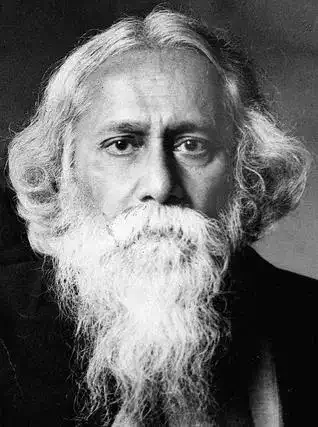
Rabindranath Tagore
Defamation
Defamation
Whey are those tears in your eyes, my child?
How horrid of them to be always scolding you for nothing!
You have stained your fingers and face with ink while writingis
that why they call you dirty?
O, fie! Would they dare to call the full moon dirty because
it has smudged its face with ink?
For every little trifle they blame you, my child. They are
ready to find fault for nothing.
You tore your clothes while playing-is that why they call you
untidy?
O, fie! What would they call an autumn morning that smiles
through its ragged clouds?
Take no heed of what they say to you, my child.
They make a long list of your misdeeds.
Everybody knows how you love sweet things-is that why they
call you greedy?
O, fie! What then would they call us who love you?
Whey are those tears in your eyes, my child?
How horrid of them to be always scolding you for nothing!
You have stained your fingers and face with ink while writingis
that why they call you dirty?
O, fie! Would they dare to call the full moon dirty because
it has smudged its face with ink?
For every little trifle they blame you, my child. They are
ready to find fault for nothing.
You tore your clothes while playing-is that why they call you
untidy?
O, fie! What would they call an autumn morning that smiles
through its ragged clouds?
Take no heed of what they say to you, my child.
They make a long list of your misdeeds.
Everybody knows how you love sweet things-is that why they
call you greedy?
O, fie! What then would they call us who love you?
592
Rabindranath Tagore
Colored Toys
Colored Toys
When I bring to you colored toys, my child,
I understand why there is such a play of colors on clouds, on water,
and why flowers are painted in tints
---when I give colored toys to you, my child.
When I sing to make you dance
I truly now why there is music in leaves,
and why waves send their chorus of voices to the heart of the listening earth
---when I sing to make you dance.
When I bring sweet things to your greedy hands
I know why there is honey in the cup of the flowers
and why fruits are secretly filled with sweet juice
---when I bring sweet things to your greedy hands.
When I kiss your face to make you smile, my darling,
I surely understand what pleasure streams from the sky in morning light,
and what delight that is that is which the summer breeze brings to my body
---when I kiss you to make you smile.
When I bring to you colored toys, my child,
I understand why there is such a play of colors on clouds, on water,
and why flowers are painted in tints
---when I give colored toys to you, my child.
When I sing to make you dance
I truly now why there is music in leaves,
and why waves send their chorus of voices to the heart of the listening earth
---when I sing to make you dance.
When I bring sweet things to your greedy hands
I know why there is honey in the cup of the flowers
and why fruits are secretly filled with sweet juice
---when I bring sweet things to your greedy hands.
When I kiss your face to make you smile, my darling,
I surely understand what pleasure streams from the sky in morning light,
and what delight that is that is which the summer breeze brings to my body
---when I kiss you to make you smile.
578
Rabindranath Tagore
A Moments Indulgence
A Moments Indulgence
I ask for a moment's indulgence to sit by thy side. The works
that I have in hand I will finish afterwards.
Away from the sight of thy face my heart knows no rest nor respite,
and my work becomes an endless toil in a shoreless sea of toil.
Today the summer has come at my window with its sighs and murmurs; and
the bees are plying their minstrelsy at the court of the flowering grove.
Now it is time to sit quite, face to face with thee, and to sing
dedication of life in this silent and overflowing leisure.
I ask for a moment's indulgence to sit by thy side. The works
that I have in hand I will finish afterwards.
Away from the sight of thy face my heart knows no rest nor respite,
and my work becomes an endless toil in a shoreless sea of toil.
Today the summer has come at my window with its sighs and murmurs; and
the bees are plying their minstrelsy at the court of the flowering grove.
Now it is time to sit quite, face to face with thee, and to sing
dedication of life in this silent and overflowing leisure.
575

Phillis Wheatley
To the Rt. Hon. William, Earl of Dartmouth
To the Rt. Hon. William, Earl of Dartmouth
Hail, happy day, when, smiling like the morn,
Fair Freedom rose New-England to adorn:
The northern clime beneath her genial ray,
Dartmouth, congratulates thy blissful sway:
Elate with hope her race no longer mourns,
Each soul expands, each grateful bosom burns,
While in thine hand with pleasure we behold
The silken reins, and Freedom's charms unfold.
Long lost to realms beneath the northern skies
She shines supreme, while hated faction dies:
Soon as appear'd the Goddess long desir'd,
Sick at the view, she languish'd and expir'd;
Thus from the splendors of the morning light
The owl in sadness seeks the caves of night.
No more, America, in mournful strain
Of wrongs, and grievance unredress'd complain,
No longer shalt thou dread the iron chain,
Which wanton Tyranny with lawless hand
Had made, and with it meant t' enslave the land.
Should you, my lord, while you peruse my song,
Wonder from whence my love of Freedom sprung,
Whence flow these wishes for the common good,
By feeling hearts alone best understood,
I, young in life, by seeming cruel fate
Was snatch'd from Afric's fancy'd happy seat:
What pangs excruciating must molest,
What sorrows labour in my parent's breast?
Steel'd was that soul and by no misery mov'd
That from a father seiz'd his babe belov'd:
Such, such my case. And can I then but pray
Others may never feel tyrannic sway?
For favours past, great Sir, our thanks are due,
And thee we ask thy favours to renew,
Since in thy pow'r, as in thy will before,
To sooth the griefs, which thou did'st once deplore.
May heav'nly grace the sacred sanction give
To all thy works, and thou for ever live
Not only on the wings of fleeting Fame,
Though praise immortal crowns the patriot's name,
But to conduct to heav'ns refulgent fane,
May fiery coursers sweep th' ethereal plain,
And bear thee upwards to that blest abode,
Where, like the prophet, thou shalt find thy God.
Hail, happy day, when, smiling like the morn,
Fair Freedom rose New-England to adorn:
The northern clime beneath her genial ray,
Dartmouth, congratulates thy blissful sway:
Elate with hope her race no longer mourns,
Each soul expands, each grateful bosom burns,
While in thine hand with pleasure we behold
The silken reins, and Freedom's charms unfold.
Long lost to realms beneath the northern skies
She shines supreme, while hated faction dies:
Soon as appear'd the Goddess long desir'd,
Sick at the view, she languish'd and expir'd;
Thus from the splendors of the morning light
The owl in sadness seeks the caves of night.
No more, America, in mournful strain
Of wrongs, and grievance unredress'd complain,
No longer shalt thou dread the iron chain,
Which wanton Tyranny with lawless hand
Had made, and with it meant t' enslave the land.
Should you, my lord, while you peruse my song,
Wonder from whence my love of Freedom sprung,
Whence flow these wishes for the common good,
By feeling hearts alone best understood,
I, young in life, by seeming cruel fate
Was snatch'd from Afric's fancy'd happy seat:
What pangs excruciating must molest,
What sorrows labour in my parent's breast?
Steel'd was that soul and by no misery mov'd
That from a father seiz'd his babe belov'd:
Such, such my case. And can I then but pray
Others may never feel tyrannic sway?
For favours past, great Sir, our thanks are due,
And thee we ask thy favours to renew,
Since in thy pow'r, as in thy will before,
To sooth the griefs, which thou did'st once deplore.
May heav'nly grace the sacred sanction give
To all thy works, and thou for ever live
Not only on the wings of fleeting Fame,
Though praise immortal crowns the patriot's name,
But to conduct to heav'ns refulgent fane,
May fiery coursers sweep th' ethereal plain,
And bear thee upwards to that blest abode,
Where, like the prophet, thou shalt find thy God.
223
Phillis Wheatley
To the King's Most Excellent Majesty,
To the King's Most Excellent Majesty,
Your subjects hope, dread Sire--
The crown upon your brows may flourish long,
And that your arm may in your God be strong!
O may your sceptre num'rous nations sway,
And all with love and readiness obey!
But how shall we the British king reward!
Rule thou in peace, our father, and our lord!
Midst the remembrance of thy favours past,
The meanest peasants most admire the last
May George, beloved by all the nations round,
Live with heav'ns choicest constant blessings crown'd!
Great God, direct, and guard him from on high,
And from his head let ev'ry evil fly!
And may each clime with equal gladness see
A monarch's smile can set his subjects free!
Your subjects hope, dread Sire--
The crown upon your brows may flourish long,
And that your arm may in your God be strong!
O may your sceptre num'rous nations sway,
And all with love and readiness obey!
But how shall we the British king reward!
Rule thou in peace, our father, and our lord!
Midst the remembrance of thy favours past,
The meanest peasants most admire the last
May George, beloved by all the nations round,
Live with heav'ns choicest constant blessings crown'd!
Great God, direct, and guard him from on high,
And from his head let ev'ry evil fly!
And may each clime with equal gladness see
A monarch's smile can set his subjects free!
214
Phillis Wheatley
To the Honourable T.H. Esq on the Death of His Daughter
To the Honourable T.H. Esq on the Death of His Daughter
While deep you mourn beneath the cypress-shade
The hand of Death, and your dear daughter laid
In dust, whose absence gives your tears to flow,
And racks your bosom with incessant woe,
Let Recollection take a tender part,
Assuage the raging tortures of your heart,
Still the wild tempest of tumultuous grief,
And pour the heav'nly nectar of relief:
Suspend the sigh, dear Sir, and check the groan,
Divinely bright your daughter's Virtues shone:
How free from scornful pride her gentle mind,
Which ne'er its aid to indigence declin'd!
Expanding free, it sought the means to prove
Unfailing charity, unbounded love!
She unreluctant flies to see no more
Her dear-lov'd parents on earth's dusky shore:
Impatient heav'n's resplendent goal to gain,
She with swift progress cuts the azure plain,
Where grief subsides, where changes are no more,
And life's tumultuous billows cease to roar;
She leaves her earthly mansion for the skies,
Where new creations feast her wond'ring eyes.
To heav'n's high mandate cheerfully resign'd
She mounts, and leaves the rolling globe behind;
She, who late wish'd that Leonard might return,
Has ceas'd to languish, and forgot to mourn;
To the same high empyreal mansions come,
She joins her spouse, and smiles upon the tomb:
And thus I hear her from the realms above:
"Lo! this the kingdom of celestial love!
"Could ye, fond parents, see our present bliss,
"How soon would you each sigh, each fear dismiss?
"Amidst unutter'd pleasures whilst I play
"In the fair sunshine of celestial day,
"As far as grief affects an happy soul
"So far doth grief my better mind control,
"To see on earth my aged parents mourn,
"And secret wish for T-----! to return:
"Let brighter scenes your ev'ning-hours employ:
"Converse with heav'n, and taste the promis'd joy"
While deep you mourn beneath the cypress-shade
The hand of Death, and your dear daughter laid
In dust, whose absence gives your tears to flow,
And racks your bosom with incessant woe,
Let Recollection take a tender part,
Assuage the raging tortures of your heart,
Still the wild tempest of tumultuous grief,
And pour the heav'nly nectar of relief:
Suspend the sigh, dear Sir, and check the groan,
Divinely bright your daughter's Virtues shone:
How free from scornful pride her gentle mind,
Which ne'er its aid to indigence declin'd!
Expanding free, it sought the means to prove
Unfailing charity, unbounded love!
She unreluctant flies to see no more
Her dear-lov'd parents on earth's dusky shore:
Impatient heav'n's resplendent goal to gain,
She with swift progress cuts the azure plain,
Where grief subsides, where changes are no more,
And life's tumultuous billows cease to roar;
She leaves her earthly mansion for the skies,
Where new creations feast her wond'ring eyes.
To heav'n's high mandate cheerfully resign'd
She mounts, and leaves the rolling globe behind;
She, who late wish'd that Leonard might return,
Has ceas'd to languish, and forgot to mourn;
To the same high empyreal mansions come,
She joins her spouse, and smiles upon the tomb:
And thus I hear her from the realms above:
"Lo! this the kingdom of celestial love!
"Could ye, fond parents, see our present bliss,
"How soon would you each sigh, each fear dismiss?
"Amidst unutter'd pleasures whilst I play
"In the fair sunshine of celestial day,
"As far as grief affects an happy soul
"So far doth grief my better mind control,
"To see on earth my aged parents mourn,
"And secret wish for T-----! to return:
"Let brighter scenes your ev'ning-hours employ:
"Converse with heav'n, and taste the promis'd joy"
243
Phillis Wheatley
To Maecenas
To Maecenas
MAECENAS, you, beneath the myrtle shade,
Read o'er what poets sung, and shepherds play'd.
What felt those poets but you feel the same?
Does not your soul possess the sacred flame?
Their noble strains your equal genius shares
In softer language, and diviner airs.
While Homer paints, lo! circumfus'd in air,
Celestial Gods in mortal forms appear;
Swift as they move hear each recess rebound,
Heav'n quakes, earth trembles, and the shores resound.
Great Sire of verse, before my mortal eyes,
The lightnings blaze across the vaulted skies,
And, as the thunder shakes the heav'nly plains,
A deep felt horror thrills through all my veins.
When gentler strains demand thy graceful song,
The length'ning line moves languishing along.
When great Patroclus courts Achilles' aid,
The grateful tribute of my tears is paid;
Prone on the shore he feels the pangs of love,
And stern Pelides tend'rest passions move.
Great Maro's strain in heav'nly numbers flows,
The Nine inspire, and all the bosom glows.
O could I rival thine and Virgil's page,
Or claim the Muses with the Mantuan Sage;
Soon the same beauties should my mind adorn,
And the same ardors in my soul should burn:
Then should my song in bolder notes arise,
And all my numbers pleasingly surprise;
But here I sit, and mourn a grov'ling mind,
That fain would mount, and ride upon the wind.
Not you, my friend, these plaintive strains become,
Not you, whose bosom is the Muses home;
When they from tow'ring Helicon retire,
They fan in you the bright immortal fire,
But I less happy, cannot raise the song,
The fault'ring music dies upon my tongue.
The happier Terence* all the choir inspir'd,
His soul replenish'd, and his bosom fir'd;
But say, ye Muses, why this partial grace,
To one alone of Afric's sable race;
From age to age transmitting thus his name
With the finest glory in the rolls of fame?
Thy virtues, great Maecenas! shall be sung
In praise of him, from whom those virtues sprung:
While blooming wreaths around thy temples spread,
I'll snatch a laurel from thine honour'd head,
While you indulgent smile upon the deed.
*He was an African by birth.
As long as Thames in streams majestic flows,
Or Naiads in their oozy beds repose
While Phoebus reigns above the starry train
While bright Aurora purples o'er the main,
So long, great Sir, the muse thy praise shall sing,
So long thy praise shal' make Parnassus ring:
Then grant, Maecenas, thy paternal rays,
Hear me propitious, and defend my lays.
MAECENAS, you, beneath the myrtle shade,
Read o'er what poets sung, and shepherds play'd.
What felt those poets but you feel the same?
Does not your soul possess the sacred flame?
Their noble strains your equal genius shares
In softer language, and diviner airs.
While Homer paints, lo! circumfus'd in air,
Celestial Gods in mortal forms appear;
Swift as they move hear each recess rebound,
Heav'n quakes, earth trembles, and the shores resound.
Great Sire of verse, before my mortal eyes,
The lightnings blaze across the vaulted skies,
And, as the thunder shakes the heav'nly plains,
A deep felt horror thrills through all my veins.
When gentler strains demand thy graceful song,
The length'ning line moves languishing along.
When great Patroclus courts Achilles' aid,
The grateful tribute of my tears is paid;
Prone on the shore he feels the pangs of love,
And stern Pelides tend'rest passions move.
Great Maro's strain in heav'nly numbers flows,
The Nine inspire, and all the bosom glows.
O could I rival thine and Virgil's page,
Or claim the Muses with the Mantuan Sage;
Soon the same beauties should my mind adorn,
And the same ardors in my soul should burn:
Then should my song in bolder notes arise,
And all my numbers pleasingly surprise;
But here I sit, and mourn a grov'ling mind,
That fain would mount, and ride upon the wind.
Not you, my friend, these plaintive strains become,
Not you, whose bosom is the Muses home;
When they from tow'ring Helicon retire,
They fan in you the bright immortal fire,
But I less happy, cannot raise the song,
The fault'ring music dies upon my tongue.
The happier Terence* all the choir inspir'd,
His soul replenish'd, and his bosom fir'd;
But say, ye Muses, why this partial grace,
To one alone of Afric's sable race;
From age to age transmitting thus his name
With the finest glory in the rolls of fame?
Thy virtues, great Maecenas! shall be sung
In praise of him, from whom those virtues sprung:
While blooming wreaths around thy temples spread,
I'll snatch a laurel from thine honour'd head,
While you indulgent smile upon the deed.
*He was an African by birth.
As long as Thames in streams majestic flows,
Or Naiads in their oozy beds repose
While Phoebus reigns above the starry train
While bright Aurora purples o'er the main,
So long, great Sir, the muse thy praise shall sing,
So long thy praise shal' make Parnassus ring:
Then grant, Maecenas, thy paternal rays,
Hear me propitious, and defend my lays.
227
Phillis Wheatley
To His Honour the Lieutenant-Governor
To His Honour the Lieutenant-Governor
All-Conquering Death! by thy resistless pow'r,
Hope's tow'ring plumage falls to rise no more!
Of scenes terrestrial how the glories fly,
Forget their splendors, and submit to die!
Who ere escap'd thee, but the saint of old
Beyond the flood in sacred annals told,
And the great sage, whom fiery coursers drew
To heav'n's bright portals from Elisha's view;
Wond'ring he gaz'd at the refulgent car,
Then snatch'd the mantle floating on the air.
From Death these only could exemption boast,
And without dying gain'd th' immortal coast.
Not falling millions sate the tyrant's mind,
Nor can the victor's progress be confin'd.
But cease thy strife with Death, fond Nature, cease:
He leads the virtuous to the realms of peace;
His to conduct to the immortal plains,
Where heav'n's Supreme in bliss and glory reigns.
There sits, illustrious Sir, thy beauteous spouse;
A gem-blaz'd circle beaming on her brows.
Hail'd with acclaim among the heav'nly choirs,
Her soul new-kindling with seraphic fires,
To notes divine she tunes the vocal strings,
While heav'n's high concave with the music rings.
Virtue's rewards can mortal pencil paint?
No--all descriptive arts, and eloquence are faint;
Nor canst thou, Oliver, assent refuse
To heav'nly tidings from the Afric muse.
As soon may change thy laws, eternal fate,
As the saint miss the glories I relate;
Or her Benevolence forgotten lie,
Which wip'd the trick'ling tear from Misry's eye.
Three amiable Daughters who died when just arrived to Womens Estate.
Whene'er the adverse winds were known to blow,
When loss to loss * ensu'd, and woe to woe,
Calm and serene beneath her father's hand
She sat resign'd to the divine command.
No longer then, great Sir, her death deplore,
And let us hear the mournful sigh no more,
Restrain the sorrow streaming from thine eye,
Be all thy future moments crown'd with joy!
Nor let thy wishes be to earth confin'd,
But soaring high pursue th' unbodied mind.
Forgive the muse, forgive th' advent'rous lays,
That fain thy soul to heav'nly scenes would raise.
All-Conquering Death! by thy resistless pow'r,
Hope's tow'ring plumage falls to rise no more!
Of scenes terrestrial how the glories fly,
Forget their splendors, and submit to die!
Who ere escap'd thee, but the saint of old
Beyond the flood in sacred annals told,
And the great sage, whom fiery coursers drew
To heav'n's bright portals from Elisha's view;
Wond'ring he gaz'd at the refulgent car,
Then snatch'd the mantle floating on the air.
From Death these only could exemption boast,
And without dying gain'd th' immortal coast.
Not falling millions sate the tyrant's mind,
Nor can the victor's progress be confin'd.
But cease thy strife with Death, fond Nature, cease:
He leads the virtuous to the realms of peace;
His to conduct to the immortal plains,
Where heav'n's Supreme in bliss and glory reigns.
There sits, illustrious Sir, thy beauteous spouse;
A gem-blaz'd circle beaming on her brows.
Hail'd with acclaim among the heav'nly choirs,
Her soul new-kindling with seraphic fires,
To notes divine she tunes the vocal strings,
While heav'n's high concave with the music rings.
Virtue's rewards can mortal pencil paint?
No--all descriptive arts, and eloquence are faint;
Nor canst thou, Oliver, assent refuse
To heav'nly tidings from the Afric muse.
As soon may change thy laws, eternal fate,
As the saint miss the glories I relate;
Or her Benevolence forgotten lie,
Which wip'd the trick'ling tear from Misry's eye.
Three amiable Daughters who died when just arrived to Womens Estate.
Whene'er the adverse winds were known to blow,
When loss to loss * ensu'd, and woe to woe,
Calm and serene beneath her father's hand
She sat resign'd to the divine command.
No longer then, great Sir, her death deplore,
And let us hear the mournful sigh no more,
Restrain the sorrow streaming from thine eye,
Be all thy future moments crown'd with joy!
Nor let thy wishes be to earth confin'd,
But soaring high pursue th' unbodied mind.
Forgive the muse, forgive th' advent'rous lays,
That fain thy soul to heav'nly scenes would raise.
211
Phillis Wheatley
To A Lady On Her Coming To North-America With Her Son, For The Recovery
To A Lady On Her Coming To North-America With Her Son, For The Recovery
Of Her Health
INDULGENT muse! my grov'ling mind inspire,
And fill my bosom with celestial fire.
See from Jamaica's fervid shore she moves,
Like the fair mother of the blooming loves,
When from above the Goddess with her hand
Fans the soft breeze, and lights upon the land;
Thus she on Neptune's wat'ry realm reclin'd
Appear'd, and thus invites the ling'ring wind.
"Arise, ye winds, America explore,
"Waft me, ye gales, from this malignant shore;
"The Northern milder climes I long to greet,
"There hope that health will my arrival meet."
Soon as she spoke in my ideal view
The winds assented, and the vessel flew.
Madam, your spouse bereft of wife and son,
In the grove's dark recesses pours his moan;
Each branch, wide-spreading to the ambient sky,
Forgets its verdure, and submits to die.
From thence I turn, and leave the sultry plain,
And swift pursue thy passage o'er the main:
The ship arrives before the fav'ring wind,
And makes the Philadelphian port assign'd,
Thence I attend you to Bostonia's arms,
Where gen'rous friendship ev'ry bosom warms:
Thrice welcome here! may health revive again,
Bloom on thy cheek, and bound in ev'ry vein!
Then back return to gladden ev'ry heart,
And give your spouse his soul's far dearer part,
Receiv'd again with what a sweet surprise,
The tear in transport starting from his eyes!
While his attendant son with blooming grace
Springs to his father's ever dear embrace.
With shouts of joy Jamaica's rocks resound,
With shouts of joy the country rings around.
Of Her Health
INDULGENT muse! my grov'ling mind inspire,
And fill my bosom with celestial fire.
See from Jamaica's fervid shore she moves,
Like the fair mother of the blooming loves,
When from above the Goddess with her hand
Fans the soft breeze, and lights upon the land;
Thus she on Neptune's wat'ry realm reclin'd
Appear'd, and thus invites the ling'ring wind.
"Arise, ye winds, America explore,
"Waft me, ye gales, from this malignant shore;
"The Northern milder climes I long to greet,
"There hope that health will my arrival meet."
Soon as she spoke in my ideal view
The winds assented, and the vessel flew.
Madam, your spouse bereft of wife and son,
In the grove's dark recesses pours his moan;
Each branch, wide-spreading to the ambient sky,
Forgets its verdure, and submits to die.
From thence I turn, and leave the sultry plain,
And swift pursue thy passage o'er the main:
The ship arrives before the fav'ring wind,
And makes the Philadelphian port assign'd,
Thence I attend you to Bostonia's arms,
Where gen'rous friendship ev'ry bosom warms:
Thrice welcome here! may health revive again,
Bloom on thy cheek, and bound in ev'ry vein!
Then back return to gladden ev'ry heart,
And give your spouse his soul's far dearer part,
Receiv'd again with what a sweet surprise,
The tear in transport starting from his eyes!
While his attendant son with blooming grace
Springs to his father's ever dear embrace.
With shouts of joy Jamaica's rocks resound,
With shouts of joy the country rings around.
209
Phillis Wheatley
One Being Brought From Africa To America
One Being Brought From Africa To America
'TWAS mercy brought me from my Pagan land,
Taught my benighted soul to understand
That there's a God, that there's a Saviour too:
Once I redemption neither sought now knew,
Some view our sable race with scornful eye,
'Their colour is a diabolic die.'
Remember, Christians, Negroes, black as Cain,
May be refin'd, and join th' angelic train.
'TWAS mercy brought me from my Pagan land,
Taught my benighted soul to understand
That there's a God, that there's a Saviour too:
Once I redemption neither sought now knew,
Some view our sable race with scornful eye,
'Their colour is a diabolic die.'
Remember, Christians, Negroes, black as Cain,
May be refin'd, and join th' angelic train.
401
Phillis Wheatley
On the Death of the Rev. Mr. George Whitefield,
On the Death of the Rev. Mr. George Whitefield,
Hail, happy saint, on thine immortal throne,
Possest of glory, life, and bliss unknown;
We hear no more the music of thy tongue,
Thy wonted auditories cease to throng.
Thy sermons in unequall'd accents flow'd,
And ev'ry bosom with devotion glow'd;
Thou didst in strains of eloquence refin'd
Inflame the heart, and captivate the mind.
Unhappy we the setting sun deplore,
So glorious once, but ah! it shines no more.
Behold the prophet in his tow'ring flight!
He leaves the earth for heav'n's unmeasur'd height,
And worlds unknown receive him from our sight.
There Whitefield wings with rapid course his way,
And sails to Zion through vast seas of day.
Thy pray'rs, great saint, and thine incessant cries
Have pierc'd the bosom of thy native skies.
Thou moon hast seen, and all the stars of light,
How he has wrestled with his God by night.
He pray'd that grace in ev'ry heart might dwell,
He long'd to see America excell;
He charg'd its youth that ev'ry grace divine
Should with full lustre in their conduct shine;
That Saviour, which his soul did first receive,
The greatest gift that ev'n a God can give,
He freely offer'd to the num'rous throng,
That on his lips with list'ning pleasure hung.
"Take him, ye wretched, for your only good,
"Take him ye starving sinners, for your food;
"Ye thirsty, come to this life-giving stream,
"Ye preachers, take him for your joyful theme;
"Take him my dear Americans, he said,
"Be your complaints on his kind bosom laid:
"Take him, ye Africans, he longs for you,
"Impartial Saviour is his title due:
"Wash'd in the fountain of redeeming blood,
"You shall be sons, and kings, and priests to God.
Great Countess, we Americans revere
Thy name, and mingle in thy grief sincere;
New England deeply feels, the Orphans mourn,
Their more than father will no more return.
But, though arrested by the hand of death,
Whitefield no more exerts his lab'ring breath,
Yet let us view him in th' eternal skies,
Let ev'ry heart to this bright vision rise;
While the tomb safe retains its sacred trust,
Till life divine re-animates his dust.
Hail, happy saint, on thine immortal throne,
Possest of glory, life, and bliss unknown;
We hear no more the music of thy tongue,
Thy wonted auditories cease to throng.
Thy sermons in unequall'd accents flow'd,
And ev'ry bosom with devotion glow'd;
Thou didst in strains of eloquence refin'd
Inflame the heart, and captivate the mind.
Unhappy we the setting sun deplore,
So glorious once, but ah! it shines no more.
Behold the prophet in his tow'ring flight!
He leaves the earth for heav'n's unmeasur'd height,
And worlds unknown receive him from our sight.
There Whitefield wings with rapid course his way,
And sails to Zion through vast seas of day.
Thy pray'rs, great saint, and thine incessant cries
Have pierc'd the bosom of thy native skies.
Thou moon hast seen, and all the stars of light,
How he has wrestled with his God by night.
He pray'd that grace in ev'ry heart might dwell,
He long'd to see America excell;
He charg'd its youth that ev'ry grace divine
Should with full lustre in their conduct shine;
That Saviour, which his soul did first receive,
The greatest gift that ev'n a God can give,
He freely offer'd to the num'rous throng,
That on his lips with list'ning pleasure hung.
"Take him, ye wretched, for your only good,
"Take him ye starving sinners, for your food;
"Ye thirsty, come to this life-giving stream,
"Ye preachers, take him for your joyful theme;
"Take him my dear Americans, he said,
"Be your complaints on his kind bosom laid:
"Take him, ye Africans, he longs for you,
"Impartial Saviour is his title due:
"Wash'd in the fountain of redeeming blood,
"You shall be sons, and kings, and priests to God.
Great Countess, we Americans revere
Thy name, and mingle in thy grief sincere;
New England deeply feels, the Orphans mourn,
Their more than father will no more return.
But, though arrested by the hand of death,
Whitefield no more exerts his lab'ring breath,
Yet let us view him in th' eternal skies,
Let ev'ry heart to this bright vision rise;
While the tomb safe retains its sacred trust,
Till life divine re-animates his dust.
221
Phillis Wheatley
On The Death Of Rev. Mr. George Whitefield
On The Death Of Rev. Mr. George Whitefield
HAIL, happy saint, on thine immortal throne,
Possest of glory, life, and bliss unknown;
We hear no more the music of thy tongue,
Thy wonted auditories cease to throng.
Thy sermons in unequall'd accents flow'd,
And ev'ry bosom with devotion glow'd;
Thou didst in strains of eloquence refin'd
Inflame the heart, and captivate the mind.
Unhappy we the setting sun deplore,
So glorious once, but ah! it shines no more.
Behold the prophet in his tow'ring flight!
He leaves the earth for heav'n's unmeasur'd height,
And worlds unknown receive him from our sight.
There Whitefield wings with rapid course his way,
And sails to Zion through vast seas of day.
Thy pray'rs, great saint, and thine incessant cries
Have pierc'd the bosom of thy native skies.
Thou moon hast seen, and all the stars of light,
How he has wrestled with his God by night.
He pray'd that grace in ev'ry heart might dwell,
He long'd to see America excell;
He charg'd its youth that ev'ry grace divine
Should with full lustre in their conduct shine;
That Saviour, which his soul did first receive,
The greatest gift that ev'n a God can give,
He freely offer'd to the num'rous throng,
That on his lips with list'ning pleasure hung.
"Take him, ye wretched, for your only good,
"Take him ye starving sinners, for your food;
"Ye thirsty, come to this life-giving stream,
"Ye preachers, take him for your joyful theme;
"Take him my dear Americans, he said,
"Be your complaints on his kind bosom laid:
"Take him, ye Africans, he longs for you,
"Impartial Saviour is his title due:
"Wash'd in the fountain of redeeming blood,
"You shall be sons, and kings, and priests to God."
Great Countess,* we Americans revere
Thy name, and mingle in thy grief sincere;
New England deeply feels, the Orphans mourn,
Their more than father will no more return.
But, though arrested by the hand of death,
Whitefield no more exerts his lab'ring breath,
Yet let us view him in th' eternal skies,
Let ev'ry heart to this bright vision rise;
While the tomb safe retains its sacred trust,
Till life divine re-animates his dust.
*The Countess of Huntingdon, to whom Mr. Whitefield was
Chaplain.
HAIL, happy saint, on thine immortal throne,
Possest of glory, life, and bliss unknown;
We hear no more the music of thy tongue,
Thy wonted auditories cease to throng.
Thy sermons in unequall'd accents flow'd,
And ev'ry bosom with devotion glow'd;
Thou didst in strains of eloquence refin'd
Inflame the heart, and captivate the mind.
Unhappy we the setting sun deplore,
So glorious once, but ah! it shines no more.
Behold the prophet in his tow'ring flight!
He leaves the earth for heav'n's unmeasur'd height,
And worlds unknown receive him from our sight.
There Whitefield wings with rapid course his way,
And sails to Zion through vast seas of day.
Thy pray'rs, great saint, and thine incessant cries
Have pierc'd the bosom of thy native skies.
Thou moon hast seen, and all the stars of light,
How he has wrestled with his God by night.
He pray'd that grace in ev'ry heart might dwell,
He long'd to see America excell;
He charg'd its youth that ev'ry grace divine
Should with full lustre in their conduct shine;
That Saviour, which his soul did first receive,
The greatest gift that ev'n a God can give,
He freely offer'd to the num'rous throng,
That on his lips with list'ning pleasure hung.
"Take him, ye wretched, for your only good,
"Take him ye starving sinners, for your food;
"Ye thirsty, come to this life-giving stream,
"Ye preachers, take him for your joyful theme;
"Take him my dear Americans, he said,
"Be your complaints on his kind bosom laid:
"Take him, ye Africans, he longs for you,
"Impartial Saviour is his title due:
"Wash'd in the fountain of redeeming blood,
"You shall be sons, and kings, and priests to God."
Great Countess,* we Americans revere
Thy name, and mingle in thy grief sincere;
New England deeply feels, the Orphans mourn,
Their more than father will no more return.
But, though arrested by the hand of death,
Whitefield no more exerts his lab'ring breath,
Yet let us view him in th' eternal skies,
Let ev'ry heart to this bright vision rise;
While the tomb safe retains its sacred trust,
Till life divine re-animates his dust.
*The Countess of Huntingdon, to whom Mr. Whitefield was
Chaplain.
254
Phillis Wheatley
A Farewell to America
A Farewell to America
I.
Adieu, New-England's smiling meads,
Adieu, the flow'ry plain:
I leave thine op'ning charms, O spring,
And tempt the roaring main.
II.
In vain for me the flow'rets rise,
And boast their gaudy pride,
While here beneath the northern skies
I mourn for health deny'd.
III.
Celestial maid of rosy hue,
O let me feel thy reign!
I languish till thy face I view,
Thy vanish'd joys regain.
IV.
Susanna mourns, nor can I bear
To see the crystal show'r,
Or mark the tender falling tear
At sad departure's hour;
V.
Not unregarding can I see
Her soul with grief opprest:
But let no sighs, no groans for me,
Steal from her pensive breast.
VI.
In vain the feather'd warblers sing,
In vain the garden blooms,
And on the bosom of the spring
Breathes out her sweet perfumes.
VII.
While for Britannia's distant shore
We sweep the liquid plain,
And with astonish'd eyes explore
The wide-extended main.
VIII.
Lo! Health appears! celestial dame!
Complacent and serene,
With Hebe's mantle o'er her Frame,
With soul-delighting mien.
IX.
To mark the vale where London lies
With misty vapours crown'd,
Which cloud Aurora's thousand dyes,
And veil her charms around.
X.
Why, Phoebus, moves thy car so slow?
So slow thy rising ray?
Give us the famous town to view,
Thou glorious king of day!
XI.
For thee, Britannia, I resign
New-England's smiling fields;
To view again her charms divine,
What joy the prospect yields!
XII.
But thou! Temptation hence away,
With all thy fatal train,
Nor once seduce my soul away,
By thine enchanting strain.
XIII.
Thrice happy they, whose heav'nly shield
Secures their souls from harms,
And fell Temptation on the field
Of all its pow'r disarms!
I.
Adieu, New-England's smiling meads,
Adieu, the flow'ry plain:
I leave thine op'ning charms, O spring,
And tempt the roaring main.
II.
In vain for me the flow'rets rise,
And boast their gaudy pride,
While here beneath the northern skies
I mourn for health deny'd.
III.
Celestial maid of rosy hue,
O let me feel thy reign!
I languish till thy face I view,
Thy vanish'd joys regain.
IV.
Susanna mourns, nor can I bear
To see the crystal show'r,
Or mark the tender falling tear
At sad departure's hour;
V.
Not unregarding can I see
Her soul with grief opprest:
But let no sighs, no groans for me,
Steal from her pensive breast.
VI.
In vain the feather'd warblers sing,
In vain the garden blooms,
And on the bosom of the spring
Breathes out her sweet perfumes.
VII.
While for Britannia's distant shore
We sweep the liquid plain,
And with astonish'd eyes explore
The wide-extended main.
VIII.
Lo! Health appears! celestial dame!
Complacent and serene,
With Hebe's mantle o'er her Frame,
With soul-delighting mien.
IX.
To mark the vale where London lies
With misty vapours crown'd,
Which cloud Aurora's thousand dyes,
And veil her charms around.
X.
Why, Phoebus, moves thy car so slow?
So slow thy rising ray?
Give us the famous town to view,
Thou glorious king of day!
XI.
For thee, Britannia, I resign
New-England's smiling fields;
To view again her charms divine,
What joy the prospect yields!
XII.
But thou! Temptation hence away,
With all thy fatal train,
Nor once seduce my soul away,
By thine enchanting strain.
XIII.
Thrice happy they, whose heav'nly shield
Secures their souls from harms,
And fell Temptation on the field
Of all its pow'r disarms!
411

Percy Bysshe Shelley
The Invitation
The Invitation
BEST and brightest, come away!
Fairer far than this fair Day,
Which, like thee to those in sorrow,
Comes to bid a sweet good-morrow
To the rough Year just awake
In its cradle on the brake.
The brightest hour of unborn Spring,
Through the winter wandering,
Found, it seems, the halcyon Morn
To hoar February born.
Bending from heaven, in azure mirth,
It kiss'd the forehead of the Earth;
And smiled upon the silent sea;
And bade the frozen streams be free;
And waked to music all their fountains;
And breathed upon the frozen mountains;
And like a prophetess of May
Strew'd flowers upon the barren way,
Making the wintry world appear
Like one on whom thou smilest, dear.
Away, away, from men and towns,
To the wild wood and the downs--
To the silent wilderness
Where the soul need not repress
Its music lest it should not find
An echo in another's mind,
While the touch of Nature's art
Harmonizes heart to heart.
I leave this notice on my door
For each accustom'd visitor:--
'I am gone into the fields
To take what this sweet hour yields.
Reflection, you may come to-morrow;
Sit by the fireside with Sorrow.
You with the unpaid bill, Despair,--
You, tiresome verse-reciter, Care,--
I will pay you in the grave,--
Death will listen to your stave.
Expectation too, be off!
To-day is for itself enough.
Hope, in pity mock not Woe
With smiles, nor follow where I go;
Long having lived on your sweet food,
At length I find one moment's good
After long pain: with all your love,
This you never told me of.'
Radiant Sister of the Day,
Awake! arise! and come away!
To the wild woods and the plains;
And the pools where winter rains
Image all their roof of leaves;
Where the pine its garland weaves
Of sapless green and ivy dun
Round stems that never kiss the sun;
Where the lawns and pastures be,
And the sandhills of the sea;
Where the melting hoar-frost wets
The daisy-star that never sets,
And wind-flowers, and violets
Which yet join not scent to hue,
Crown the pale year weak and new;
When the night is left behind
In the deep east, dun and blind,
And the blue noon is over us,
And the multitudinous
Billows murmur at our feet
Where the earth and ocean meet,
And all things seem only one
In the universal sun.
BEST and brightest, come away!
Fairer far than this fair Day,
Which, like thee to those in sorrow,
Comes to bid a sweet good-morrow
To the rough Year just awake
In its cradle on the brake.
The brightest hour of unborn Spring,
Through the winter wandering,
Found, it seems, the halcyon Morn
To hoar February born.
Bending from heaven, in azure mirth,
It kiss'd the forehead of the Earth;
And smiled upon the silent sea;
And bade the frozen streams be free;
And waked to music all their fountains;
And breathed upon the frozen mountains;
And like a prophetess of May
Strew'd flowers upon the barren way,
Making the wintry world appear
Like one on whom thou smilest, dear.
Away, away, from men and towns,
To the wild wood and the downs--
To the silent wilderness
Where the soul need not repress
Its music lest it should not find
An echo in another's mind,
While the touch of Nature's art
Harmonizes heart to heart.
I leave this notice on my door
For each accustom'd visitor:--
'I am gone into the fields
To take what this sweet hour yields.
Reflection, you may come to-morrow;
Sit by the fireside with Sorrow.
You with the unpaid bill, Despair,--
You, tiresome verse-reciter, Care,--
I will pay you in the grave,--
Death will listen to your stave.
Expectation too, be off!
To-day is for itself enough.
Hope, in pity mock not Woe
With smiles, nor follow where I go;
Long having lived on your sweet food,
At length I find one moment's good
After long pain: with all your love,
This you never told me of.'
Radiant Sister of the Day,
Awake! arise! and come away!
To the wild woods and the plains;
And the pools where winter rains
Image all their roof of leaves;
Where the pine its garland weaves
Of sapless green and ivy dun
Round stems that never kiss the sun;
Where the lawns and pastures be,
And the sandhills of the sea;
Where the melting hoar-frost wets
The daisy-star that never sets,
And wind-flowers, and violets
Which yet join not scent to hue,
Crown the pale year weak and new;
When the night is left behind
In the deep east, dun and blind,
And the blue noon is over us,
And the multitudinous
Billows murmur at our feet
Where the earth and ocean meet,
And all things seem only one
In the universal sun.
408
Percy Bysshe Shelley
Song Of Proserpine
Song Of Proserpine
Sacred Goddess, Mother Earth,
Thou from whose immortal bosom
Gods and men and beasts have birth,
Leaf and blade, and bud and blossom,
Breathe thine influence most divine
On thine own child, Proserpine.
If with mists of evening dew
Thou dost nourish these young flowers
Till they grow in scent and hue
Fairest children of the Hours,
Breathe thine influence most divine
On thine own child, Proserpine.
Sacred Goddess, Mother Earth,
Thou from whose immortal bosom
Gods and men and beasts have birth,
Leaf and blade, and bud and blossom,
Breathe thine influence most divine
On thine own child, Proserpine.
If with mists of evening dew
Thou dost nourish these young flowers
Till they grow in scent and hue
Fairest children of the Hours,
Breathe thine influence most divine
On thine own child, Proserpine.
366

Paul Laurence Dunbar
Signs of the Times
Signs of the Times
Air a-gittin' cool an' coolah,
Frost a-comin' in de night,
Hicka' nuts an' wa'nuts fallin',
Possum keepin' out o' sight.
Tu'key struttin' in de ba'nya'd,
Nary a step so proud ez his;
Keep on struttin', Mistah Tu'key,
Yo' do' know whut time it is.
Cidah press commence a-squeakin'
Eatin' apples sto'ed away,
Chillun swa'min' 'roun' lak ho'nets,
Huntin' aigs ermung de hay.
Mistah Tu'key keep on gobblin'
At de geese a-flyin' souf,
Oomph! dat bird do' know whut's comin';
Ef he did he'd shet his mouf.
Pumpkin gittin' good an' yallah
Mek me open up my eyes;
Seems lak it's a-lookin' at me
Jes' a-la'in' dah sayin' "Pies."
Tu'key gobbler gwine 'roun' blowin',
Gwine 'roun' gibbin' sass an' slack;
Keep on talkin', Mistah Tu'key,
You ain't seed no almanac.
Fa'mer walkin' th'oo de ba'nya'd
Seein' how things is comin' on,
Sees ef all de fowls is fatt'nin' --
Good times comin' sho's you bo'n.
Hyeahs dat tu'key gobbler braggin',
Den his face break in a smile --
Nebbah min', you sassy rascal,
He's gwine nab you atter while.
Choppin' suet in de kitchen,
Stonin' raisins in de hall,
Beef a-cookin' fu' de mince meat,
Spices groun' -- I smell 'em all.
Look hyeah, Tu'key, stop dat gobblin',
You ain' luned de sense ob feah,
You ol' fool, yo' naik's in dangah,
Do' you know Thanksgibbin's hyeah?
Air a-gittin' cool an' coolah,
Frost a-comin' in de night,
Hicka' nuts an' wa'nuts fallin',
Possum keepin' out o' sight.
Tu'key struttin' in de ba'nya'd,
Nary a step so proud ez his;
Keep on struttin', Mistah Tu'key,
Yo' do' know whut time it is.
Cidah press commence a-squeakin'
Eatin' apples sto'ed away,
Chillun swa'min' 'roun' lak ho'nets,
Huntin' aigs ermung de hay.
Mistah Tu'key keep on gobblin'
At de geese a-flyin' souf,
Oomph! dat bird do' know whut's comin';
Ef he did he'd shet his mouf.
Pumpkin gittin' good an' yallah
Mek me open up my eyes;
Seems lak it's a-lookin' at me
Jes' a-la'in' dah sayin' "Pies."
Tu'key gobbler gwine 'roun' blowin',
Gwine 'roun' gibbin' sass an' slack;
Keep on talkin', Mistah Tu'key,
You ain't seed no almanac.
Fa'mer walkin' th'oo de ba'nya'd
Seein' how things is comin' on,
Sees ef all de fowls is fatt'nin' --
Good times comin' sho's you bo'n.
Hyeahs dat tu'key gobbler braggin',
Den his face break in a smile --
Nebbah min', you sassy rascal,
He's gwine nab you atter while.
Choppin' suet in de kitchen,
Stonin' raisins in de hall,
Beef a-cookin' fu' de mince meat,
Spices groun' -- I smell 'em all.
Look hyeah, Tu'key, stop dat gobblin',
You ain' luned de sense ob feah,
You ol' fool, yo' naik's in dangah,
Do' you know Thanksgibbin's hyeah?
494
Paul Laurence Dunbar
Common Things
Common Things
I like to hear of wealth and gold,
And El Doradoes in their glory;
I like for silks and satins bold
To sweep and rustle through a story.
The nightingale is sweet of song;
The rare exotic smells divinely;
And knightly men who stride along,
The role heroic carry finely.
But then, upon the other hand,
Our minds have got a way of running
To things that aren't quite so grand,
Which, maybe, we are best in shunning.
For some of us still like to see
The poor man in his dwelling narrow,
The hollyhock, the bumblebee,
The meadow lark, and chirping sparrow.
We like the man who soars and sings
With high and lofty inspiration;
But he who sings of common things
Shall always share our admiration.
I like to hear of wealth and gold,
And El Doradoes in their glory;
I like for silks and satins bold
To sweep and rustle through a story.
The nightingale is sweet of song;
The rare exotic smells divinely;
And knightly men who stride along,
The role heroic carry finely.
But then, upon the other hand,
Our minds have got a way of running
To things that aren't quite so grand,
Which, maybe, we are best in shunning.
For some of us still like to see
The poor man in his dwelling narrow,
The hollyhock, the bumblebee,
The meadow lark, and chirping sparrow.
We like the man who soars and sings
With high and lofty inspiration;
But he who sings of common things
Shall always share our admiration.
527
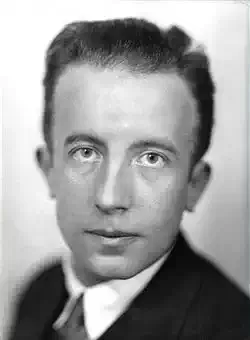
Paul Éluard
Other Children
Other Children
"Little child of my five senses
and of my tenderness."
Let us cradle our loves,
We will have good children.
Well cared for,
We will fear nothing on earth,
Happiness, good fortune, prudence,
Our loves
And this leap from age to age,
From the order of a child to that of an old man,
Will not diminish us.
(Confidence).
"Little child of my five senses
and of my tenderness."
Let us cradle our loves,
We will have good children.
Well cared for,
We will fear nothing on earth,
Happiness, good fortune, prudence,
Our loves
And this leap from age to age,
From the order of a child to that of an old man,
Will not diminish us.
(Confidence).
299
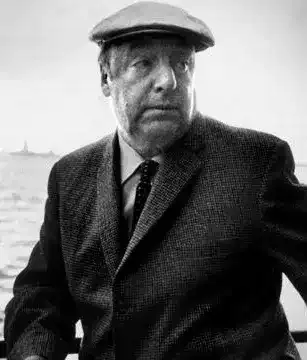
Pablo Neruda
Sonnet XXV
Sonnet XXV
Before I loved you, love, nothing was my own:
I wavered through the streets, among
Objects:
Nothing mattered or had a name:
The world was made of air, which waited.
I knew rooms full of ashes,
Tunnels where the moon lived,
Rough warehouses that growled 'get lost',
Questions that insisted in the sand.
Everything was empty, dead, mute,
Fallen abandoned, and decayed:
Inconceivably alien, it all
Belonged to someone else - to no one:
Till your beauty and your poverty
Filled the autumn plentiful with gifts.
Before I loved you, love, nothing was my own:
I wavered through the streets, among
Objects:
Nothing mattered or had a name:
The world was made of air, which waited.
I knew rooms full of ashes,
Tunnels where the moon lived,
Rough warehouses that growled 'get lost',
Questions that insisted in the sand.
Everything was empty, dead, mute,
Fallen abandoned, and decayed:
Inconceivably alien, it all
Belonged to someone else - to no one:
Till your beauty and your poverty
Filled the autumn plentiful with gifts.
599
Pablo Neruda
Ode to Salt
Ode to Salt
This salt
in the salt cellar
I once saw in the salt mines.
I know
you won't
believe me
but
it sings
salt sings, the skin
of the salt mines
sings
with a mouth smothered
by the earth.
I shivered in those
solitudes
when I heard
the voice
of
the salt
in the desert.
Near Antofagasta
the nitrous
pampa
resounds:
a
broken
voice,
a mournful
song.
In its caves
the salt moans, mountain
of buried light,
translucent cathedral,
crystal of the sea, oblivion
of the waves.
And then on every table
in the world,
salt,
we see your piquant
powder
sprinkling
vital light
upon
our food.
Preserver
of the ancient
holds of ships,
discoverer
on
the high seas,
earliest
sailor
of the unknown, shifting
byways of the foam.
Dust of the sea, in you
the tongue receives a kiss
from ocean night:
taste imparts to every seasoned
dish your ocean essence;
the smallest,
miniature
wave from the saltcellar
reveals to us
more than domestic whiteness;
in it, we taste finitude.
This salt
in the salt cellar
I once saw in the salt mines.
I know
you won't
believe me
but
it sings
salt sings, the skin
of the salt mines
sings
with a mouth smothered
by the earth.
I shivered in those
solitudes
when I heard
the voice
of
the salt
in the desert.
Near Antofagasta
the nitrous
pampa
resounds:
a
broken
voice,
a mournful
song.
In its caves
the salt moans, mountain
of buried light,
translucent cathedral,
crystal of the sea, oblivion
of the waves.
And then on every table
in the world,
salt,
we see your piquant
powder
sprinkling
vital light
upon
our food.
Preserver
of the ancient
holds of ships,
discoverer
on
the high seas,
earliest
sailor
of the unknown, shifting
byways of the foam.
Dust of the sea, in you
the tongue receives a kiss
from ocean night:
taste imparts to every seasoned
dish your ocean essence;
the smallest,
miniature
wave from the saltcellar
reveals to us
more than domestic whiteness;
in it, we taste finitude.
675
Pablo Neruda
Ode to My Socks
Ode to My Socks
Mara Mori brought me
a pair of socks
which she knitted herself
with her sheepherder's hands,
two socks as soft as rabbits.
I slipped my feet into them
as if they were two cases
knitted with threads of twilight and goatskin,
Violent socks,
my feet were two fish made of wool,
two long sharks
sea blue, shot through
by one golden thread,
two immense blackbirds,
two cannons,
my feet were honored in this way
by these heavenly socks.
They were so handsome for the first time
my feet seemed to me unacceptable
like two decrepit firemen,
firemen unworthy of that woven fire,
of those glowing socks.
Nevertheless, I resisted the sharp temptation
to save them somewhere as schoolboys
keep fireflies,
as learned men collect
sacred texts,
I resisted the mad impulse to put them
in a golden cage and each day give them
birdseed and pieces of pink melon.
Like explorers in the jungle
who hand over the very rare green deer
to the spit and eat it with remorse,
I stretched out my feet and pulled on
the magnificent socks and then my shoes.
The moral of my ode is this:
beauty is twice beauty
and what is good is doubly good
when it is a matter of two socks
made of wool in winter.
Mara Mori brought me
a pair of socks
which she knitted herself
with her sheepherder's hands,
two socks as soft as rabbits.
I slipped my feet into them
as if they were two cases
knitted with threads of twilight and goatskin,
Violent socks,
my feet were two fish made of wool,
two long sharks
sea blue, shot through
by one golden thread,
two immense blackbirds,
two cannons,
my feet were honored in this way
by these heavenly socks.
They were so handsome for the first time
my feet seemed to me unacceptable
like two decrepit firemen,
firemen unworthy of that woven fire,
of those glowing socks.
Nevertheless, I resisted the sharp temptation
to save them somewhere as schoolboys
keep fireflies,
as learned men collect
sacred texts,
I resisted the mad impulse to put them
in a golden cage and each day give them
birdseed and pieces of pink melon.
Like explorers in the jungle
who hand over the very rare green deer
to the spit and eat it with remorse,
I stretched out my feet and pulled on
the magnificent socks and then my shoes.
The moral of my ode is this:
beauty is twice beauty
and what is good is doubly good
when it is a matter of two socks
made of wool in winter.
631
Pablo Neruda
Ode To Bird Watching
Ode To Bird Watching
Now
Let's look for birds!
The tall iron branches
in the forest,
The dense
fertility on the ground.
The world
is wet.
A dewdrop or raindrop
shines,
a diminutive star
among the leaves.
The morning time
mother earth
is cool.
The air
is like a river
which shakes
the silence.
It smells of rosemary,
of space
and roots.
Overhead,
a crazy song.
It's a bird.
How
out of its throat
smaller than a finger
can there fall the waters
of its song?
Luminous ease!
Invisible
power
torrent
of music
in the leaves.
Sacred conversations!
Clean and fresh washed
is this
day resounding
like a green dulcimer.
I bury
my shoes
in the mud,
jump over rivulets.
A thorn
bites me and a gust
of air like a crystal
wave
splits up inside my chest.
Where
are the birds?
Maybe it was
that
rustling in the foliage
or that fleeting pellet
of brown velvet
or that displaced
perfume? That
leaf that let loose cinnamon smell
-was that a bird? That dust
from an irritated magnolia
or that fruit
which fell with a thump was
that a flight?
Oh, invisible little
critters
birds of the devil
with their ringing
with their useless feathers.
I only want
to caress them,
to see them resplendent.
I don't want
to see under glass
the embalmed lightning.
I want to see them living.
I want to touch their gloves
of real hide,
which they never forget in
the branches
and to converse with
them
sitting on my shoulders
although they may leave
me like certain statues
undeservedly whitewashed.
Impossible.
You can't touch them.
You can hear them
like a heavenly
rustle or movement.
They converse
with precision.
They repeat
their observations.
They brag
of how much they do.
They comment
on everything that exists.
They learn
certain sciences
like hydrography.
and by a sure science
they know
where there are harvests
of grain
Now
Let's look for birds!
The tall iron branches
in the forest,
The dense
fertility on the ground.
The world
is wet.
A dewdrop or raindrop
shines,
a diminutive star
among the leaves.
The morning time
mother earth
is cool.
The air
is like a river
which shakes
the silence.
It smells of rosemary,
of space
and roots.
Overhead,
a crazy song.
It's a bird.
How
out of its throat
smaller than a finger
can there fall the waters
of its song?
Luminous ease!
Invisible
power
torrent
of music
in the leaves.
Sacred conversations!
Clean and fresh washed
is this
day resounding
like a green dulcimer.
I bury
my shoes
in the mud,
jump over rivulets.
A thorn
bites me and a gust
of air like a crystal
wave
splits up inside my chest.
Where
are the birds?
Maybe it was
that
rustling in the foliage
or that fleeting pellet
of brown velvet
or that displaced
perfume? That
leaf that let loose cinnamon smell
-was that a bird? That dust
from an irritated magnolia
or that fruit
which fell with a thump was
that a flight?
Oh, invisible little
critters
birds of the devil
with their ringing
with their useless feathers.
I only want
to caress them,
to see them resplendent.
I don't want
to see under glass
the embalmed lightning.
I want to see them living.
I want to touch their gloves
of real hide,
which they never forget in
the branches
and to converse with
them
sitting on my shoulders
although they may leave
me like certain statues
undeservedly whitewashed.
Impossible.
You can't touch them.
You can hear them
like a heavenly
rustle or movement.
They converse
with precision.
They repeat
their observations.
They brag
of how much they do.
They comment
on everything that exists.
They learn
certain sciences
like hydrography.
and by a sure science
they know
where there are harvests
of grain
650
Pablo Neruda
La Reina (The Queen)
La Reina (The Queen)
I have named you queen.
There are taller than you, taller.
There are purer than you, purer.
There are lovelier than you, lovelier.
But you are the queen.
When you go through the streets
No one recognizes you.
No one sees your crystal crown, no one looks
At the carpet of red gold
That you tread as you pass,
The nonexistent carpet.
And when you appear
All the rivers sound
In my body, bells
Shake the sky,
And a hymn fills the world.
Only you and I,
Only you and I, my love,
Listen to me.
I have named you queen.
There are taller than you, taller.
There are purer than you, purer.
There are lovelier than you, lovelier.
But you are the queen.
When you go through the streets
No one recognizes you.
No one sees your crystal crown, no one looks
At the carpet of red gold
That you tread as you pass,
The nonexistent carpet.
And when you appear
All the rivers sound
In my body, bells
Shake the sky,
And a hymn fills the world.
Only you and I,
Only you and I, my love,
Listen to me.
619
Pablo Neruda
‘Perhaps not to be is to be without your being.’
‘Perhaps not to be is to be without your being.’
Perhaps not to be is to be without your being,
without your going, that cuts noon light
like a blue flower, without your passing
later through fog and stones,
without the torch you lift in your hand
that others may not see as golden,
that perhaps no one believed blossomed
the glowing origin of the rose,
without, in the end, your being, your coming
suddenly, inspiringly, to know my life,
blaze of the rose-tree, wheat of the breeze:
and it follows that I am, because you are:
it follows from ‘you are’, that I am, and we:
and, because of love, you will, I will,
We will, come to be.
Perhaps not to be is to be without your being,
without your going, that cuts noon light
like a blue flower, without your passing
later through fog and stones,
without the torch you lift in your hand
that others may not see as golden,
that perhaps no one believed blossomed
the glowing origin of the rose,
without, in the end, your being, your coming
suddenly, inspiringly, to know my life,
blaze of the rose-tree, wheat of the breeze:
and it follows that I am, because you are:
it follows from ‘you are’, that I am, and we:
and, because of love, you will, I will,
We will, come to be.
582