

Poems in this topic
War and Peace
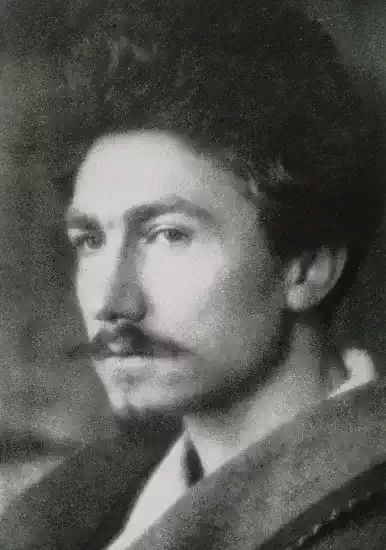
Ezra Pound
Lament of the Frontier Guard
Lament of the Frontier Guard
By the North Gate, the wind blows full of sand,
Lonely from the beginning of time until now!
Trees fall, the grass goes yellow with autumn.
I climb the towers and towers
to watch out the barbarous land:
Desolate castle, the sky, the wide desert.
There is no wall left to this village.
Bones white with a thousand frosts,
High heaps, covered with trees and grass;
Who brought this to pass?
Who has brought the flaming imperial anger?
Who has brought the army with drums and with kettle-drums?
Barbarous kings.
A gracious spring, turned to blood-ravenous autumn,
A turmoil of wars - men, spread over the middle kingdom,
Three hundred and sixty thousand,
And sorrow, sorrow like rain.
Sorrow to go, and sorrow, sorrow returning,
Desolate, desolate fields,
And no children of warfare upon them,
No longer the men for offence and defence.
Ah, how shall you know the dreary sorrow at the North Gate,
With Rihoku's name forgotten,
And we guardsmen fed to the tigers.
By Rihaku. [Li Po?]
By the North Gate, the wind blows full of sand,
Lonely from the beginning of time until now!
Trees fall, the grass goes yellow with autumn.
I climb the towers and towers
to watch out the barbarous land:
Desolate castle, the sky, the wide desert.
There is no wall left to this village.
Bones white with a thousand frosts,
High heaps, covered with trees and grass;
Who brought this to pass?
Who has brought the flaming imperial anger?
Who has brought the army with drums and with kettle-drums?
Barbarous kings.
A gracious spring, turned to blood-ravenous autumn,
A turmoil of wars - men, spread over the middle kingdom,
Three hundred and sixty thousand,
And sorrow, sorrow like rain.
Sorrow to go, and sorrow, sorrow returning,
Desolate, desolate fields,
And no children of warfare upon them,
No longer the men for offence and defence.
Ah, how shall you know the dreary sorrow at the North Gate,
With Rihoku's name forgotten,
And we guardsmen fed to the tigers.
By Rihaku. [Li Po?]
603
Ezra Pound
Alf’s Ninth Bit
Alf’s Ninth Bit
Listen, my children, and you shall hear
The midnight activities of Whats-his Name,
Scarcely a general now known to fame
Can tell you of that famous day and year.
When feeble Mr. Asquith, getting old,
The destinies of England were almost sold
To a Welsh shifter with an ogling eye,
And Whats-his-name attained nobility.
The Dashing Rupert of the pulping trade,
Rough from the virgin forests inviolate,
Thus rose in Albion, and tickled the State
And where he once set foot, right there he stayed.
Old 'Erb was doting, so the rumour ran,
Ahd Rupert ran the rumour round in wheels,
And David's harp let out heart-rending squeals:
'Find us a harpist ! ! DAVID is the man!!'
Dave was the man to sell the shot and shell,
And Basil was the Greek that rode around
On sea and land, with all convenience found
To sell, to sell, to sell, that's it, to SELL
Destroyers, bombs and spitting mitrailleuses.
He used to lunch with Balfour in those days
And if the papers seldom sang his praise,
The simple Britons never knew he was,
Until a narsty German told them so.
Listen, my children, and you shall hear
Of things that happened very long ago,
And scarcely heed one word of what you hear.
Bury it all, bury it all well deep,
And let the blighters start it all over again.
They'll trick you again and again, as you sleep;
But you shall know that these were the men,
Listen, my children, and you shall hear
The midnight activities of Whats-his Name,
Scarcely a general now known to fame
Can tell you of that famous day and year.
When feeble Mr. Asquith, getting old,
The destinies of England were almost sold
To a Welsh shifter with an ogling eye,
And Whats-his-name attained nobility.
The Dashing Rupert of the pulping trade,
Rough from the virgin forests inviolate,
Thus rose in Albion, and tickled the State
And where he once set foot, right there he stayed.
Old 'Erb was doting, so the rumour ran,
Ahd Rupert ran the rumour round in wheels,
And David's harp let out heart-rending squeals:
'Find us a harpist ! ! DAVID is the man!!'
Dave was the man to sell the shot and shell,
And Basil was the Greek that rode around
On sea and land, with all convenience found
To sell, to sell, to sell, that's it, to SELL
Destroyers, bombs and spitting mitrailleuses.
He used to lunch with Balfour in those days
And if the papers seldom sang his praise,
The simple Britons never knew he was,
Until a narsty German told them so.
Listen, my children, and you shall hear
Of things that happened very long ago,
And scarcely heed one word of what you hear.
Bury it all, bury it all well deep,
And let the blighters start it all over again.
They'll trick you again and again, as you sleep;
But you shall know that these were the men,
426
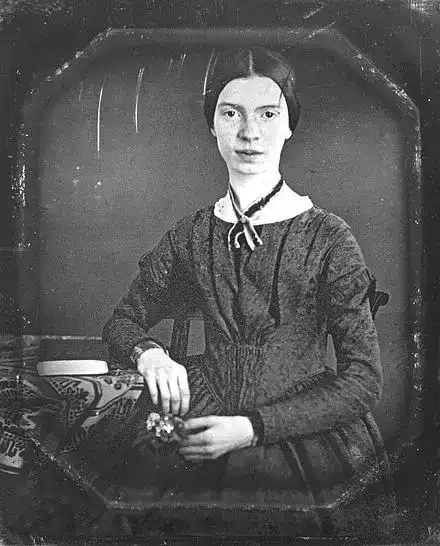
Emily Dickinson
When I was small, a Woman died
When I was small, a Woman died
596
When I was small, a Woman diedToday-
her Only Boy
Went up from the Potomac-
His face all Victory
To look at her-How slowly
The Seasons must have turned
Till Bullets clipt an Angle
And He passed quickly round-
If pride shall be in Paradise-
Ourself cannot decide-
Of their imperial Conduct-
No person testified-
But, proud in Apparition-
That Woman and her Boy
Pass back and forth, before my Brain
As even in the sky
I'm confident that Bravoes-
Perpetual break abroad
For Braveries, remote as this
In Scarlet Maryland-
596
When I was small, a Woman diedToday-
her Only Boy
Went up from the Potomac-
His face all Victory
To look at her-How slowly
The Seasons must have turned
Till Bullets clipt an Angle
And He passed quickly round-
If pride shall be in Paradise-
Ourself cannot decide-
Of their imperial Conduct-
No person testified-
But, proud in Apparition-
That Woman and her Boy
Pass back and forth, before my Brain
As even in the sky
I'm confident that Bravoes-
Perpetual break abroad
For Braveries, remote as this
In Scarlet Maryland-
268
Emily Dickinson
To fight aloud, is very brave
To fight aloud, is very brave
126
To fight aloud, is very brave-
But gallanter, I know
Who charge within the bosom
The Cavalry of Woe-
Who win, and nations do not see-
Who fall-and none observe-
Whose dying eyes, no Country
Regards with patriot love-
We trust, in plumed procession
For such, the Angels go-
Rank after Rank, with even feet-
And Uniforms of Snow.
126
To fight aloud, is very brave-
But gallanter, I know
Who charge within the bosom
The Cavalry of Woe-
Who win, and nations do not see-
Who fall-and none observe-
Whose dying eyes, no Country
Regards with patriot love-
We trust, in plumed procession
For such, the Angels go-
Rank after Rank, with even feet-
And Uniforms of Snow.
408
Emily Dickinson
My friend attacks my friend!
My friend attacks my friend!
118
My friend attacks my friend!
Oh Battle picturesque!
Then I turn Soldier too,
And he turns Satirist!
How martial is this place!
Had I a mighty gun
I think I'd shoot the human race
And then to glory run!
118
My friend attacks my friend!
Oh Battle picturesque!
Then I turn Soldier too,
And he turns Satirist!
How martial is this place!
Had I a mighty gun
I think I'd shoot the human race
And then to glory run!
365
Emily Dickinson
Bless God, he went as soldiers
Bless God, he went as soldiers
147
Bless God, he went as soldiers,
His musket on his breast-
Grant God, he charge the bravest
Of all the martial blest!
Please God, might I behold him
In epauletted white-
I should not fear the foe then-
I should not fear the fight!
147
Bless God, he went as soldiers,
His musket on his breast-
Grant God, he charge the bravest
Of all the martial blest!
Please God, might I behold him
In epauletted white-
I should not fear the foe then-
I should not fear the fight!
258
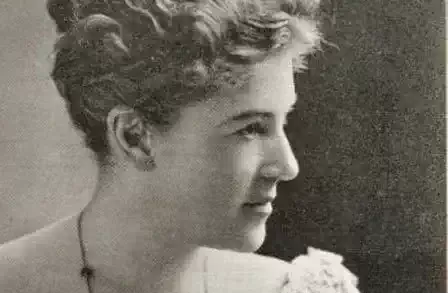
Ella Wheeler Wilcox
War
War
I
There is no picturesqueness and no glory,
No halo of romance, in war to-day.
It is a hideous thing; Time would turn grey
With horror, were he not already hoary
At sight of this vile monster, foul and gory.
Yet while sweet women perish as they pray,
And new-born babes are slaughtered, who dare say
'Halt!' till Right pens its 'Finis' to the story!
There is no pathway, but the path through blood,
Out of the horrors of this holocaust.
Hell has let loose its scalding crimson flood,
And he who stops to argue now is lost.
Not brooms of creeds, not Pacifistic words
Can stem the tide, but swords-uplifted swords!
II
Yet, after Peace has turned the clean white page
There shall be sorrow on the earth for years;
Abysmal grief, that has no eyes for tears,
And youth that hobbles through the earth like age.
But better to play this part upon life's stage
Than to aid structures that a tyrant rears,
To live a stalwart hireling torn with fears,
And shamed by feeding on a conqueror's wage.
Death, yea, a thousand deaths, were sweet in truth
Rather than such ignoble life. God gave
Being, and breath, and high resolve to youth
That it might be Wrong's master, not its slave.
Our road to Freedom is the road to guns!
Go, arm your sons! I say, Go, arm your sons!
III
Arm! arm! that mandate on each wind is whirled.
Let no man hesitate or look askance,
For from the devastated homes of France
And ruined Belgium the cry is hurled.
Why, Christ Himself would keep peace banners furled
Were He among us, till, with lifted lance,
He saw the hosts of Righteousness advance
To purify the Temples of the world.
There is no safety on the earth to-day
For any sacred thing, or clean, or fair;
Nor can there be, until men rise and slay
The hydra-headed monster in his lair.
War! horrid War! now Virtue's only friend;
Clasp hands with War, and battle to the end!
I
There is no picturesqueness and no glory,
No halo of romance, in war to-day.
It is a hideous thing; Time would turn grey
With horror, were he not already hoary
At sight of this vile monster, foul and gory.
Yet while sweet women perish as they pray,
And new-born babes are slaughtered, who dare say
'Halt!' till Right pens its 'Finis' to the story!
There is no pathway, but the path through blood,
Out of the horrors of this holocaust.
Hell has let loose its scalding crimson flood,
And he who stops to argue now is lost.
Not brooms of creeds, not Pacifistic words
Can stem the tide, but swords-uplifted swords!
II
Yet, after Peace has turned the clean white page
There shall be sorrow on the earth for years;
Abysmal grief, that has no eyes for tears,
And youth that hobbles through the earth like age.
But better to play this part upon life's stage
Than to aid structures that a tyrant rears,
To live a stalwart hireling torn with fears,
And shamed by feeding on a conqueror's wage.
Death, yea, a thousand deaths, were sweet in truth
Rather than such ignoble life. God gave
Being, and breath, and high resolve to youth
That it might be Wrong's master, not its slave.
Our road to Freedom is the road to guns!
Go, arm your sons! I say, Go, arm your sons!
III
Arm! arm! that mandate on each wind is whirled.
Let no man hesitate or look askance,
For from the devastated homes of France
And ruined Belgium the cry is hurled.
Why, Christ Himself would keep peace banners furled
Were He among us, till, with lifted lance,
He saw the hosts of Righteousness advance
To purify the Temples of the world.
There is no safety on the earth to-day
For any sacred thing, or clean, or fair;
Nor can there be, until men rise and slay
The hydra-headed monster in his lair.
War! horrid War! now Virtue's only friend;
Clasp hands with War, and battle to the end!
380
Ella Wheeler Wilcox
They Shall Not Win
They Shall Not Win
Whatever the strength of our foes is now,
Whatever it may have been,
This is our slogan, and this our vow-
They shall not win, they shall not win.
Though out of the darkness they call the aid
Of the evil forces of Sin,
We utter our slogan unafraid-
They shall not win, they shall not win.
We know we are right, and know they are wrong.
So to God above and within-
We make our vow and we sing our song
They shall not win, they shall not win.
It rises over the shriek of shell,
And over the cannons' din:
Our slogan shall scatter the hosts of Hell-
They shall not win, they shall not win.
Whatever the strength of our foes is now,
Whatever it may have been,
This is our slogan, and this our vow-
They shall not win, they shall not win.
Though out of the darkness they call the aid
Of the evil forces of Sin,
We utter our slogan unafraid-
They shall not win, they shall not win.
We know we are right, and know they are wrong.
So to God above and within-
We make our vow and we sing our song
They shall not win, they shall not win.
It rises over the shriek of shell,
And over the cannons' din:
Our slogan shall scatter the hosts of Hell-
They shall not win, they shall not win.
418
Ella Wheeler Wilcox
The Voice
The Voice
I dreamed a Voice, of one God-authorised,
Cried loudly thro’ the world, ‘Disarm! Disarm! ’
And there was consernation in the camps;
And men who strutted under braid and lace
Beat on their medalled breasts, and wailed,
‘Undone! ’
The word was echoed from a thousand hills,
And shop and mill, and factory and forge,
Where throve the awful industries of death,
Hushed into silence. Scrawled upon the doors,
The passer read, ‘Peace bids her children
Starve.’
But foolish women clasped their little sons
And wept for joy, not reasoning like men.
Again the Voice commanded: ‘Now go forth
And build a world for Progress and for Peace.
This world had waited since the earth was
Shaped;
But men were fighting, and they could not
Toil.
The needs of life outnumbered needs of death.
Leave death with God. Go forth, I say, and
Build.’
And then a sudden comprehensive joy
Shone in the eyes of men; and one who thought
Only of conquests and of victories
Woke from his gloomy reverie and cried,
‘Ay, come and build! I challenge all to try.
And I will make a world more beautiful
Then Eden was before the serpent came.’
And like a running flame on western wilds,
Ambition spread from mind to listening mind,
And lo! the looms were busy once again,
And all the earth resounded with men’s toil.
Vast palaces of Science graced the world;
Their banquet tables spread with feasts of truth
For all who hungered. Music kissed the air,
Once rent with boom of cannons. Statues gleamed
From wooded ways, where ambushed armies hid
In times of old. The sea and air were gay
With shining sails that soared from land to land.
A universal language of the world
Made nations kin, and poverty was known
But as a word marked ‘obsolete, ’ like war.
The arts were kindled with celestial fire;
New poets sang so Homer’s fame grew dim;
And brush and chisel gave the wondering race
Sublimer treasures than old Greece displayed.
Men differed still; fierce argument arose,
For men are human in this human sphere;
But unarmed Arbitration stood between
And Reason settled in a hundred hours
What War disputed for a hundred years.
Oh, that a Voice, of one God-authorised
Might cry to all mankind, Disarm! Disarm!
Remembered
His art was loving; Eres set his sign
Upon that youthful forehead, and he drew
The hearts of women, as the sun draws dew.
Love feeds love’s thirst as wine feeds love of wine;
Nor is there any potion from the vine
Which makes men drunken like the subtle brew
Of kisses crushed by kisses; and he grew
Inebriated with that draught divine.
Yet in his sober moments, when the sun
Of radiant summer paled to lonely fall,
And passion’s sea had grown an ebbing tide,
From out the many, Memory singled one
Full cup that seemed the sweetest of them all –
The warm red mouth that mocked him and denied.
I dreamed a Voice, of one God-authorised,
Cried loudly thro’ the world, ‘Disarm! Disarm! ’
And there was consernation in the camps;
And men who strutted under braid and lace
Beat on their medalled breasts, and wailed,
‘Undone! ’
The word was echoed from a thousand hills,
And shop and mill, and factory and forge,
Where throve the awful industries of death,
Hushed into silence. Scrawled upon the doors,
The passer read, ‘Peace bids her children
Starve.’
But foolish women clasped their little sons
And wept for joy, not reasoning like men.
Again the Voice commanded: ‘Now go forth
And build a world for Progress and for Peace.
This world had waited since the earth was
Shaped;
But men were fighting, and they could not
Toil.
The needs of life outnumbered needs of death.
Leave death with God. Go forth, I say, and
Build.’
And then a sudden comprehensive joy
Shone in the eyes of men; and one who thought
Only of conquests and of victories
Woke from his gloomy reverie and cried,
‘Ay, come and build! I challenge all to try.
And I will make a world more beautiful
Then Eden was before the serpent came.’
And like a running flame on western wilds,
Ambition spread from mind to listening mind,
And lo! the looms were busy once again,
And all the earth resounded with men’s toil.
Vast palaces of Science graced the world;
Their banquet tables spread with feasts of truth
For all who hungered. Music kissed the air,
Once rent with boom of cannons. Statues gleamed
From wooded ways, where ambushed armies hid
In times of old. The sea and air were gay
With shining sails that soared from land to land.
A universal language of the world
Made nations kin, and poverty was known
But as a word marked ‘obsolete, ’ like war.
The arts were kindled with celestial fire;
New poets sang so Homer’s fame grew dim;
And brush and chisel gave the wondering race
Sublimer treasures than old Greece displayed.
Men differed still; fierce argument arose,
For men are human in this human sphere;
But unarmed Arbitration stood between
And Reason settled in a hundred hours
What War disputed for a hundred years.
Oh, that a Voice, of one God-authorised
Might cry to all mankind, Disarm! Disarm!
Remembered
His art was loving; Eres set his sign
Upon that youthful forehead, and he drew
The hearts of women, as the sun draws dew.
Love feeds love’s thirst as wine feeds love of wine;
Nor is there any potion from the vine
Which makes men drunken like the subtle brew
Of kisses crushed by kisses; and he grew
Inebriated with that draught divine.
Yet in his sober moments, when the sun
Of radiant summer paled to lonely fall,
And passion’s sea had grown an ebbing tide,
From out the many, Memory singled one
Full cup that seemed the sweetest of them all –
The warm red mouth that mocked him and denied.
414
Ella Wheeler Wilcox
The Swan Of Dijon
The Swan Of Dijon
I was in Dijon when the war's wild blast
Was at its loudest; when there was no sound
From dawn to dawn, save soldiers marching past,
Or rattle of their wagons in the street.
When every engine whistle would repeat
Persistently, with meaning tense, profound,
'We carry men to slaughter' or 'we bring
Remnants of men back as war's offering.'
And there in Dijon, the out-gazing eye
Grew weary of the strife-suggesting scene;
But, searching, found one quiet spot hard by
Where war was not; a little lake whereon
Moved leisurely a stately, tranquil swan,
Majestic and imposing, yet serene.
I was in Dijon, when no sound or sight
Woke thoughts of peace, save this one speck of white,
Sailing 'neath skies of menace, unafraid
While silver fountains for his pleasure played.
Dear Swan of Dijon, it was your good part
To rest a tired heart.
I was in Dijon when the war's wild blast
Was at its loudest; when there was no sound
From dawn to dawn, save soldiers marching past,
Or rattle of their wagons in the street.
When every engine whistle would repeat
Persistently, with meaning tense, profound,
'We carry men to slaughter' or 'we bring
Remnants of men back as war's offering.'
And there in Dijon, the out-gazing eye
Grew weary of the strife-suggesting scene;
But, searching, found one quiet spot hard by
Where war was not; a little lake whereon
Moved leisurely a stately, tranquil swan,
Majestic and imposing, yet serene.
I was in Dijon, when no sound or sight
Woke thoughts of peace, save this one speck of white,
Sailing 'neath skies of menace, unafraid
While silver fountains for his pleasure played.
Dear Swan of Dijon, it was your good part
To rest a tired heart.
408
Ella Wheeler Wilcox
The Stevedores
The Stevedores
We are the army stevedores, lusty and virile and strong,
We are given the hardest work of the war, and the hours are long.
We handle the heavy boxes, and shovel the dirty coal;
While soldiers and sailors work in the light, we burrow below like a mole.
But somebody has to do this work, or the soldiers could not fight!
And whatever work is given a man, is good if he does it right.
We are the army stevedores, and we are volunteers.
We did not wait for the draft to come, to put aside our fears;
We flung them away on the winds of fate, at the very first call of our land,
And each of us offered a willing heart and the strength of a brawny hand.
We are the army stevedores, and work as we must and may,
The cross of honour will never be ours to proudly wear away.
But the men at the Front could never be there,
And the battles could not be won,
If the stevedores stopped in their dull routine
And left their work undone.
Somebody has to do this work, be glad that it isn't you!
We are the army stevedores-give us our due!
We are the army stevedores, lusty and virile and strong,
We are given the hardest work of the war, and the hours are long.
We handle the heavy boxes, and shovel the dirty coal;
While soldiers and sailors work in the light, we burrow below like a mole.
But somebody has to do this work, or the soldiers could not fight!
And whatever work is given a man, is good if he does it right.
We are the army stevedores, and we are volunteers.
We did not wait for the draft to come, to put aside our fears;
We flung them away on the winds of fate, at the very first call of our land,
And each of us offered a willing heart and the strength of a brawny hand.
We are the army stevedores, and work as we must and may,
The cross of honour will never be ours to proudly wear away.
But the men at the Front could never be there,
And the battles could not be won,
If the stevedores stopped in their dull routine
And left their work undone.
Somebody has to do this work, be glad that it isn't you!
We are the army stevedores-give us our due!
462
Ella Wheeler Wilcox
The Spirit Of Great Joan
The Spirit Of Great Joan
Back of each soldier who fights for France,
Aye, back of each woman and man
Who toils and prays through these long tense days.
Is the spirit of Great Joan.
For the love she gave, and the life she gave,
In the eyes of God sufficed
To crown her with light, and power, and might,
That made her second to Christ.
And so in that hour at the Marne she came,
To the seeing eyes of men;
And the blind of view still felt and knew
That her spirit had come again.
And she will come in each crucial hour
And joy shall follow despair,
For Joan sees her France on its knees
And she hears the voice of its prayer.
There is no hate in the heart of France,
But a mighty moral force
That takes its stand for her worshipped land,
And cannot be swerved from its course.
For this is the way with France to-day,
Her courage comes from faith,
And she bends her knee ere she straightens her arm;
In her forward rush toward death.
A jungle of beasts in the heart of the Hun-
War to the world laid bare.
And war has revealed, that France concealed,
Only the lion's lair.
A lioness fighting to save her own,
She fights as a lioness can,
And strength to the end shall the Unseen send,
In the spirit of Great Joan.
Back of each soldier who fights for France,
Aye, back of each woman and man
Who toils and prays through these long tense days.
Is the spirit of Great Joan.
For the love she gave, and the life she gave,
In the eyes of God sufficed
To crown her with light, and power, and might,
That made her second to Christ.
And so in that hour at the Marne she came,
To the seeing eyes of men;
And the blind of view still felt and knew
That her spirit had come again.
And she will come in each crucial hour
And joy shall follow despair,
For Joan sees her France on its knees
And she hears the voice of its prayer.
There is no hate in the heart of France,
But a mighty moral force
That takes its stand for her worshipped land,
And cannot be swerved from its course.
For this is the way with France to-day,
Her courage comes from faith,
And she bends her knee ere she straightens her arm;
In her forward rush toward death.
A jungle of beasts in the heart of the Hun-
War to the world laid bare.
And war has revealed, that France concealed,
Only the lion's lair.
A lioness fighting to save her own,
She fights as a lioness can,
And strength to the end shall the Unseen send,
In the spirit of Great Joan.
384
Ella Wheeler Wilcox
The Messenger
The Messenger
She rose up in the early dawn,
And white and silently she moved
About the house. Four men had gone
To battle for the land they loved,
And she, the mother and the wife,
Waited for tidings from the strife.
How still the house seemed! and her tread
Was like the footsteps of the dead.
The long day passed; the dark night came.
She had not seen a human face.
Some voice spoke suddenly her name.
How loud it echoed in that place,
Where, day on day, no sound was heard
But her own footsteps. 'Bring you word,'
She cried to whom she could not see,
'Word from the battle-plain to me?'
A soldier entered at the door,
And stood within the dim firelight;
'I bring you tidings of the four,'
He said, 'who left you for the fight.'
'God bless you, friend,' she cried, 'speak on!
For I can bear it. One is gone?'
'Ay, one is gone!' he said. 'Which one?'
'Dear lady, he, your eldest son.'
A deathly pallor shot across
Her withered face; she did not weep.
She said: 'It is a grievous loss,
But God gives His belovèd sleep.
What of the living-of the three?
And when can they come back to me?'
The soldier turned away his head:
'Lady, your husband, too, is dead.'
She put her hand upon her brow;
A wild, sharp pain was in her eyes.
'My husband! Oh, God, help me now!'
The soldier heard her shuddering sighs.
The task was harder than he thought.
'Your youngest son, dear madam, fought
Close at his father's side; both fell
Dead, by the bursting of a shell.'
She moved her lips and seemed to moan.
Her face had paled to ashen gray:
'Then one is left me-one alone,'
She said, 'of four who marched away.
Oh, overruling, All-wise God,
How can I pass beneath Thy rod!'
The soldier walked across the floor,
Paused at the window, at the door,
Wiped the cold dew-drops from his cheek
And sought the mourner's side again.
'Once more, dear lady, I must speak:
Your last remaining son was slain
Just at the closing of the fight,
'Twas he who sent me here to-night.'
'God knows,' the man said afterward,
'The fight itself was not so hard.'
She rose up in the early dawn,
And white and silently she moved
About the house. Four men had gone
To battle for the land they loved,
And she, the mother and the wife,
Waited for tidings from the strife.
How still the house seemed! and her tread
Was like the footsteps of the dead.
The long day passed; the dark night came.
She had not seen a human face.
Some voice spoke suddenly her name.
How loud it echoed in that place,
Where, day on day, no sound was heard
But her own footsteps. 'Bring you word,'
She cried to whom she could not see,
'Word from the battle-plain to me?'
A soldier entered at the door,
And stood within the dim firelight;
'I bring you tidings of the four,'
He said, 'who left you for the fight.'
'God bless you, friend,' she cried, 'speak on!
For I can bear it. One is gone?'
'Ay, one is gone!' he said. 'Which one?'
'Dear lady, he, your eldest son.'
A deathly pallor shot across
Her withered face; she did not weep.
She said: 'It is a grievous loss,
But God gives His belovèd sleep.
What of the living-of the three?
And when can they come back to me?'
The soldier turned away his head:
'Lady, your husband, too, is dead.'
She put her hand upon her brow;
A wild, sharp pain was in her eyes.
'My husband! Oh, God, help me now!'
The soldier heard her shuddering sighs.
The task was harder than he thought.
'Your youngest son, dear madam, fought
Close at his father's side; both fell
Dead, by the bursting of a shell.'
She moved her lips and seemed to moan.
Her face had paled to ashen gray:
'Then one is left me-one alone,'
She said, 'of four who marched away.
Oh, overruling, All-wise God,
How can I pass beneath Thy rod!'
The soldier walked across the floor,
Paused at the window, at the door,
Wiped the cold dew-drops from his cheek
And sought the mourner's side again.
'Once more, dear lady, I must speak:
Your last remaining son was slain
Just at the closing of the fight,
'Twas he who sent me here to-night.'
'God knows,' the man said afterward,
'The fight itself was not so hard.'
378
Ella Wheeler Wilcox
The Khaki Boys Who Were Not At The Front
The Khaki Boys Who Were Not At The Front
Oh! it is not just the men who face the guns,
Not the fighters at the Front alone, to-day
Who will bring the longed-for close to the bloody fray, for those
Could not carry on that fray without the ones
Who are working at war's problems far away.
You are all our splendid heroes in the strife,
And we class you with the warriors maimed and scarred,
Though you never have been near enough the battle din to hear,
While you laboured in the dull routine of life
In your khaki suits with sleeves that are not barred.
You have offered up yourselves to save the world;
You have felt the abnegation of the Christ:
And whatever work you do is a noble work and true;
Though it be not done with banners all unfurled,
You will find it has, in sight of God, sufficed.
While you carry back no medals when you go,
Not without you had the fighters borne war's brunt:
So just lift your heads uncowed, for your country will be proud
And its lasting love and honour will bestow
On the khaki boys who were not at the Front.
Oh! it is not just the men who face the guns,
Not the fighters at the Front alone, to-day
Who will bring the longed-for close to the bloody fray, for those
Could not carry on that fray without the ones
Who are working at war's problems far away.
You are all our splendid heroes in the strife,
And we class you with the warriors maimed and scarred,
Though you never have been near enough the battle din to hear,
While you laboured in the dull routine of life
In your khaki suits with sleeves that are not barred.
You have offered up yourselves to save the world;
You have felt the abnegation of the Christ:
And whatever work you do is a noble work and true;
Though it be not done with banners all unfurled,
You will find it has, in sight of God, sufficed.
While you carry back no medals when you go,
Not without you had the fighters borne war's brunt:
So just lift your heads uncowed, for your country will be proud
And its lasting love and honour will bestow
On the khaki boys who were not at the Front.
441
Ella Wheeler Wilcox
The Camp Fire
The Camp Fire
When night hung low and dew fell damp,
There fell athwart the shadows
The gleaming watchfires of the camp,
Like glow-worms on the meadows.
The sentinel his measured beat
With measured tread was keeping,
While like bronze statues at his feet
Lay tired soldiers, sleeping.
On some worn faces of the men
There crept a homesick yearning,
Which made it almost seem again,
The child-look was returning.
While on full many a youthful brow,
Till now to care a stranger,
The premature grave lines told how
They had grown old through danger.
One, in his slumber, laughed with joy,
The laughing echoes mocked him,
He thought beside his baby boy
He sat and gaily rocked him.
O pitying angels! Thou wert kind
To end this brief elysian,
He found what he no more could find
Save in a dreamer's vision.
The clear note of a mocking bird-
That star of sound-came falling
Down thro' the night; one, wakeful, heard
And answered to the calling,
And then upon the ear there broke
That sweet, pathetic measure,
That song that wakes-as then it woke,
Such mingled pain and pleasure.
One voice at first, and then the sound
Pulsed like a great bell's swinging,
'Tenting to-night on the old camp ground,'
The whole roused camp was singing.
The sense of warfare's discontent
Gave place to warfare's glory;
Right merrily the swift hours went
With song, and jest, and story.
They sang the song of Old John Brown,
Whose march goes on forever;
It made them thirsty for renown,
It fired them with endeavor.
So much of that great heart lives still,
So much of that great spirit-
His very name shoots like a thrill
Through all men when they hear it.
They found in tales of march and fight
New courage as they listened,
And while they watched the weird camp-light,
And while the still stars glistened,
Like some stern comrade's voice, there broke
And swept from hill to valley
'Til all the sleeping echoes woke,-
The bugle's call to rally!
'To arms! to arms! the foe is near!'
Ah, brave hearts were ye equal
To hearing through without one fear
The whole tale's bloody sequel?
The laurel wreath, the victor's cry,
These are not all of glory;
The gaping wound, the glazing eye,
They, too, are in the story.
And when again their tents were spread,
And by campfires they slumbered,
The missing faces of the dead
The living ones outnumbered.
And yet, their memories animate
The hearts that still survive them,
And holy seems the task, and great,
For one hour to revive them.
When night hung low and dew fell damp,
There fell athwart the shadows
The gleaming watchfires of the camp,
Like glow-worms on the meadows.
The sentinel his measured beat
With measured tread was keeping,
While like bronze statues at his feet
Lay tired soldiers, sleeping.
On some worn faces of the men
There crept a homesick yearning,
Which made it almost seem again,
The child-look was returning.
While on full many a youthful brow,
Till now to care a stranger,
The premature grave lines told how
They had grown old through danger.
One, in his slumber, laughed with joy,
The laughing echoes mocked him,
He thought beside his baby boy
He sat and gaily rocked him.
O pitying angels! Thou wert kind
To end this brief elysian,
He found what he no more could find
Save in a dreamer's vision.
The clear note of a mocking bird-
That star of sound-came falling
Down thro' the night; one, wakeful, heard
And answered to the calling,
And then upon the ear there broke
That sweet, pathetic measure,
That song that wakes-as then it woke,
Such mingled pain and pleasure.
One voice at first, and then the sound
Pulsed like a great bell's swinging,
'Tenting to-night on the old camp ground,'
The whole roused camp was singing.
The sense of warfare's discontent
Gave place to warfare's glory;
Right merrily the swift hours went
With song, and jest, and story.
They sang the song of Old John Brown,
Whose march goes on forever;
It made them thirsty for renown,
It fired them with endeavor.
So much of that great heart lives still,
So much of that great spirit-
His very name shoots like a thrill
Through all men when they hear it.
They found in tales of march and fight
New courage as they listened,
And while they watched the weird camp-light,
And while the still stars glistened,
Like some stern comrade's voice, there broke
And swept from hill to valley
'Til all the sleeping echoes woke,-
The bugle's call to rally!
'To arms! to arms! the foe is near!'
Ah, brave hearts were ye equal
To hearing through without one fear
The whole tale's bloody sequel?
The laurel wreath, the victor's cry,
These are not all of glory;
The gaping wound, the glazing eye,
They, too, are in the story.
And when again their tents were spread,
And by campfires they slumbered,
The missing faces of the dead
The living ones outnumbered.
And yet, their memories animate
The hearts that still survive them,
And holy seems the task, and great,
For one hour to revive them.
332
Ella Wheeler Wilcox
The Beautiful Blue Danube
The Beautiful Blue Danube
They drift down the hall together;
He smiles in her lifted eyes.
Like waves of that mighty river
The strains of the ‘Danube’ rise.
They float on its rhythmic measure,
Like leaves on a summer stream;
And here, in this scene of pleasure,
I bury my sweet dead dream.
Through the cloud of her dusky tresses,
Like a star, shines out her face;
And the form of his strong arm presses
Is sylph-like in its grace.
As a leaf on the bounding river
Is lost in the seething sea,
I know that for ever and ever
My dream is lost to me.
And still the viols are playing
That grand old wordless rhyme;
And still those two are swaying
In perfect tune and time.
If the great bassoons that mutter,
If the clarinets that blow,
Were given the chance to utter
The secret things they know.
Would the lists of the slain who slumber
On the Danube’s battle-plains
The unknown hosts outnumber
Who die ‘neath the ‘Danube’s’ strains?
Those fall where the cannons rattle,
‘Mid the rain of shot and shell;
But these, in a fiercer battle,
Find death in the music’s swell.
With the river’s roar of passion
Is blended the dying groan;
But here, in the halls of fashion,
Hearts break, and make no moan.
And the music, swelling and sweeping,
Like the river, knows it all;
But none are counting or keeping
The lists of those who fall.
They drift down the hall together;
He smiles in her lifted eyes.
Like waves of that mighty river
The strains of the ‘Danube’ rise.
They float on its rhythmic measure,
Like leaves on a summer stream;
And here, in this scene of pleasure,
I bury my sweet dead dream.
Through the cloud of her dusky tresses,
Like a star, shines out her face;
And the form of his strong arm presses
Is sylph-like in its grace.
As a leaf on the bounding river
Is lost in the seething sea,
I know that for ever and ever
My dream is lost to me.
And still the viols are playing
That grand old wordless rhyme;
And still those two are swaying
In perfect tune and time.
If the great bassoons that mutter,
If the clarinets that blow,
Were given the chance to utter
The secret things they know.
Would the lists of the slain who slumber
On the Danube’s battle-plains
The unknown hosts outnumber
Who die ‘neath the ‘Danube’s’ strains?
Those fall where the cannons rattle,
‘Mid the rain of shot and shell;
But these, in a fiercer battle,
Find death in the music’s swell.
With the river’s roar of passion
Is blended the dying groan;
But here, in the halls of fashion,
Hearts break, and make no moan.
And the music, swelling and sweeping,
Like the river, knows it all;
But none are counting or keeping
The lists of those who fall.
367
Ella Wheeler Wilcox
Ten Thousand Men A Day
Ten Thousand Men A Day
All the world was wearying,
All the world was sad;
Everything was shadow-filled;
Things were going bad.
Then a rumour stirred all hearts
As a wind stirs trees-
Ten thousand men a day
Coming over seas!
Soon we saw them marching by-
God! what a sight!-
Shoulders back, and heads erect,
Faces full of light.
Smiling like a morn in May,
Moving like a breeze,
Ten thousand men a day
Coming over seas.
Weary soldiers worn with war
Lifted up their eyes,
Shadows seemed to lift a bit,
Dawn was in the skies.
Hope sprang to troubled hearts,
Strength to tired knees:
Ten thousand men a day
Were coming over seas.
France and England swarmed with them,
Khaki-clad and young,
Filled with all the joy of life-
Into line they swung.
Waning valour rose anew
At the sight of these
Ten thousand men a day
Coming over seas.
Still they come-and still they come
In their strength and pride.
Victory with radiant mien
Marches on beside.
Victory is here to stay,
Every heart agrees,
With ten thousand men a day
Coming over seas.
All the world was wearying,
All the world was sad;
Everything was shadow-filled;
Things were going bad.
Then a rumour stirred all hearts
As a wind stirs trees-
Ten thousand men a day
Coming over seas!
Soon we saw them marching by-
God! what a sight!-
Shoulders back, and heads erect,
Faces full of light.
Smiling like a morn in May,
Moving like a breeze,
Ten thousand men a day
Coming over seas.
Weary soldiers worn with war
Lifted up their eyes,
Shadows seemed to lift a bit,
Dawn was in the skies.
Hope sprang to troubled hearts,
Strength to tired knees:
Ten thousand men a day
Were coming over seas.
France and England swarmed with them,
Khaki-clad and young,
Filled with all the joy of life-
Into line they swung.
Waning valour rose anew
At the sight of these
Ten thousand men a day
Coming over seas.
Still they come-and still they come
In their strength and pride.
Victory with radiant mien
Marches on beside.
Victory is here to stay,
Every heart agrees,
With ten thousand men a day
Coming over seas.
464
Ella Wheeler Wilcox
In France I Saw A Hill
In France I Saw A Hill
In France I saw a hill-a gentle slope
Rising above old tombs to greet the gleam
From soft spring skies. Beyond these skies dwells hope,
But those green graves bespeak a broken dream.
There was a row of narrow beds, new-made;
Each bore a starry banner and a cross.
And each the name of one who, ere he played
His rôle of warrior, met earth's final loss.
They were so young, so eager for the fray!
And thoughts of glory filled each boyish heart,
When over dangerous seas they sailed away
To face the foe and play some splendid part.
But in the tedious toil, the dull routine
Which must precede achievement on the field,
Disease, that secret enemy with mean
Sly tactics, forced them to disarm and yield.
So they were buried on that hill in France,
Before their ears had heard the battle din;
Before life gave them its dramatic chance-
A lasting fame, or glorious death to win.
Yet, looking up beyond their graves of green,
I seem to see them wearing band and star;
Men are rewarded in the Worlds Unseen
Not for the way they die, but what they are.
In France I saw a hill-a gentle slope
Rising above old tombs to greet the gleam
From soft spring skies. Beyond these skies dwells hope,
But those green graves bespeak a broken dream.
There was a row of narrow beds, new-made;
Each bore a starry banner and a cross.
And each the name of one who, ere he played
His rôle of warrior, met earth's final loss.
They were so young, so eager for the fray!
And thoughts of glory filled each boyish heart,
When over dangerous seas they sailed away
To face the foe and play some splendid part.
But in the tedious toil, the dull routine
Which must precede achievement on the field,
Disease, that secret enemy with mean
Sly tactics, forced them to disarm and yield.
So they were buried on that hill in France,
Before their ears had heard the battle din;
Before life gave them its dramatic chance-
A lasting fame, or glorious death to win.
Yet, looking up beyond their graves of green,
I seem to see them wearing band and star;
Men are rewarded in the Worlds Unseen
Not for the way they die, but what they are.
423
Ella Wheeler Wilcox
Come Back Clean
Come Back Clean
This is the song for a soldier
To sing as he rides from home
To the fields afar where the battles are
Or over the ocean's foam:
'Whatever the dangers waiting
In the lands I have not seen,
If I do not fall-if I come back at all,
Then I will come back clean.
'I may lie in the mud of the trenches,
I may reek with blood and mire,
But I will control, by the God in my soul,
The might of my man's desire.
I will fight my foe in the open,
But my sword shall be sharp and keen
For the foe within who would lure me to sin,
And I will come back clean.
'I may not leave for my children
Brave medals that I have worn,
But the blood in my veins shall leave no stains
On bride or on babes unborn;
And the scars that my body may carry
Shall not be from deeds obscene,
For my will shall say to the beast,
Obey
!
And I will come back clean.
'Oh, not on the fields of slaughter
And not in the prison-cell,
Or in hunger and cold is the story told
By war, of its darkest hell.
But the old, old sin of the senses
Can tell what that word may mean
To the soldiers' wives and to innocent lives,
And I will come back clean.'
This is the song for a soldier
To sing as he rides from home
To the fields afar where the battles are
Or over the ocean's foam:
'Whatever the dangers waiting
In the lands I have not seen,
If I do not fall-if I come back at all,
Then I will come back clean.
'I may lie in the mud of the trenches,
I may reek with blood and mire,
But I will control, by the God in my soul,
The might of my man's desire.
I will fight my foe in the open,
But my sword shall be sharp and keen
For the foe within who would lure me to sin,
And I will come back clean.
'I may not leave for my children
Brave medals that I have worn,
But the blood in my veins shall leave no stains
On bride or on babes unborn;
And the scars that my body may carry
Shall not be from deeds obscene,
For my will shall say to the beast,
Obey
!
And I will come back clean.
'Oh, not on the fields of slaughter
And not in the prison-cell,
Or in hunger and cold is the story told
By war, of its darkest hell.
But the old, old sin of the senses
Can tell what that word may mean
To the soldiers' wives and to innocent lives,
And I will come back clean.'
423
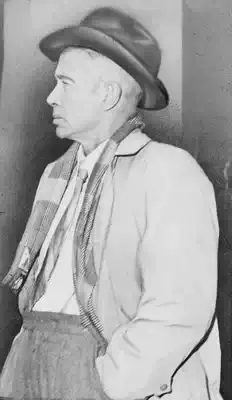
E. E. Cummings
i sing of Olaf glad and big
i sing of Olaf glad and big
i sing of Olaf glad and big
whose warmest heart recoiled at war:
a conscientious object-or
his wellbelovéd colonel (trig
westpointer most succinctly bred)
took erring Olaf soon in hand;
but-though an host of overjoyed
noncoms (first knocking on the head
him) do through icy waters roll
that helplessness which others stroke
with brushes recently employed
anent this muddy toiletbowl,
while kindred intellects evoke
allegiance per blunt instruments-
Olaf (being to all intents
a corpse and wanting any rag
upon what God unto him gave)
responds, without getting annoyed
"I will not kiss your fucking flag"
straightaway the silver bird looked grave
(departing hurriedly to shave)
but-though all kinds of officers
(a yearning nation's blueeyed pride)
their passive prey did kick and curse
until for wear their clarion
voices and boots were much the worse,
and egged the firstclassprivates on
his rectum wickedly to tease
by means of skillfully applied
bayonets roasted hot with heat-
Olaf (upon what were once knees)
does almost ceaselessly repeat
"there is some shit I will not eat"
our president,being of which
assertions duly notified
threw the yellowsonofabitch
into a dungeon,where he died
Christ (of His mercy infinite)
i pray to see;and Olaf,too
preponderatingly because
unless statistics lie he was
more brave than me:more blond than you
i sing of Olaf glad and big
whose warmest heart recoiled at war:
a conscientious object-or
his wellbelovéd colonel (trig
westpointer most succinctly bred)
took erring Olaf soon in hand;
but-though an host of overjoyed
noncoms (first knocking on the head
him) do through icy waters roll
that helplessness which others stroke
with brushes recently employed
anent this muddy toiletbowl,
while kindred intellects evoke
allegiance per blunt instruments-
Olaf (being to all intents
a corpse and wanting any rag
upon what God unto him gave)
responds, without getting annoyed
"I will not kiss your fucking flag"
straightaway the silver bird looked grave
(departing hurriedly to shave)
but-though all kinds of officers
(a yearning nation's blueeyed pride)
their passive prey did kick and curse
until for wear their clarion
voices and boots were much the worse,
and egged the firstclassprivates on
his rectum wickedly to tease
by means of skillfully applied
bayonets roasted hot with heat-
Olaf (upon what were once knees)
does almost ceaselessly repeat
"there is some shit I will not eat"
our president,being of which
assertions duly notified
threw the yellowsonofabitch
into a dungeon,where he died
Christ (of His mercy infinite)
i pray to see;and Olaf,too
preponderatingly because
unless statistics lie he was
more brave than me:more blond than you
698
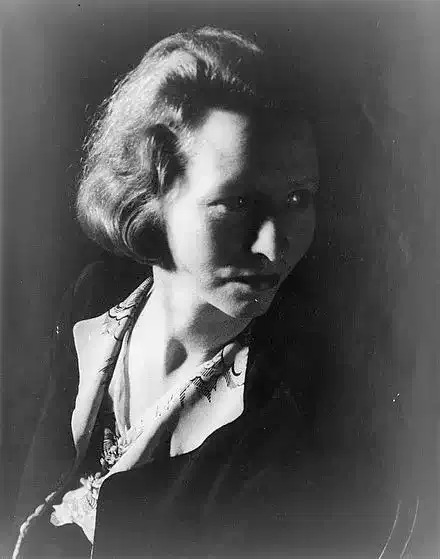
Edna St. Vincent Millay
Make Bright The Arrows
Make Bright The Arrows
Make bright the arrows
Gather the shields:
Conquest narrows
The peaceful fields.
Stock well the quiver
With arrows bright:
The bowman feared
Need never fight.
Make bright the arrows,
O peaceful and wise!
Gather the shields
Against surprise.
Make bright the arrows
Gather the shields:
Conquest narrows
The peaceful fields.
Stock well the quiver
With arrows bright:
The bowman feared
Need never fight.
Make bright the arrows,
O peaceful and wise!
Gather the shields
Against surprise.
345
Edna St. Vincent Millay
Conscientious Objector
Conscientious Objector
I shall die, but
that is all that I shall do for Death.
I hear him leading his horse out of the stall;
I hear the clatter on the barn-floor.
He is in haste; he has business in Cuba,
business in the Balkans, many calls to make this morning.
But I will not hold the bridle
while he clinches the girth.
And he may mount by himself:
I will not give him a leg up.
Though he flick my shoulders with his whip,
I will not tell him which way the fox ran.
With his hoof on my breast, I will not tell him where
the black boy hides in the swamp.
I shall die, but that is all that I shall do for Death;
I am not on his pay-roll.
I will not tell him the whereabout of my friends
nor of my enemies either.
Though he promise me much,
I will not map him the route to any man's door.
Am I a spy in the land of the living,
that I should deliver men to Death?
Brother, the password and the plans of our city
are safe with me; never through me Shall you be overcome.
I shall die, but
that is all that I shall do for Death.
I hear him leading his horse out of the stall;
I hear the clatter on the barn-floor.
He is in haste; he has business in Cuba,
business in the Balkans, many calls to make this morning.
But I will not hold the bridle
while he clinches the girth.
And he may mount by himself:
I will not give him a leg up.
Though he flick my shoulders with his whip,
I will not tell him which way the fox ran.
With his hoof on my breast, I will not tell him where
the black boy hides in the swamp.
I shall die, but that is all that I shall do for Death;
I am not on his pay-roll.
I will not tell him the whereabout of my friends
nor of my enemies either.
Though he promise me much,
I will not map him the route to any man's door.
Am I a spy in the land of the living,
that I should deliver men to Death?
Brother, the password and the plans of our city
are safe with me; never through me Shall you be overcome.
328
Edna St. Vincent Millay
Apostrophe To Man
Apostrophe To Man
(On reflecting that the world
is ready to go to war again)
Detestable race, continue to expunge yourself, die out.
Breed faster, crowd, encroach, sing hymns, build
bombing airplanes;
Make speeches, unveil statues, issue bonds, parade;
Convert again into explosives the bewildered ammonia
and the distracted cellulose;
Convert again into putrescent matter drawing flies
The hopeful bodies of the young; exhort,
Pray, pull long faces, be earnest,
be all but overcome, be photographed;
Confer, perfect your formulae, commercialize
Bacateria harmful to human tissue,
Put death on the market;
Breed, crowd, encroach,
expand, expunge yourself, die out,
Homo called sapiens.
(On reflecting that the world
is ready to go to war again)
Detestable race, continue to expunge yourself, die out.
Breed faster, crowd, encroach, sing hymns, build
bombing airplanes;
Make speeches, unveil statues, issue bonds, parade;
Convert again into explosives the bewildered ammonia
and the distracted cellulose;
Convert again into putrescent matter drawing flies
The hopeful bodies of the young; exhort,
Pray, pull long faces, be earnest,
be all but overcome, be photographed;
Confer, perfect your formulae, commercialize
Bacateria harmful to human tissue,
Put death on the market;
Breed, crowd, encroach,
expand, expunge yourself, die out,
Homo called sapiens.
415
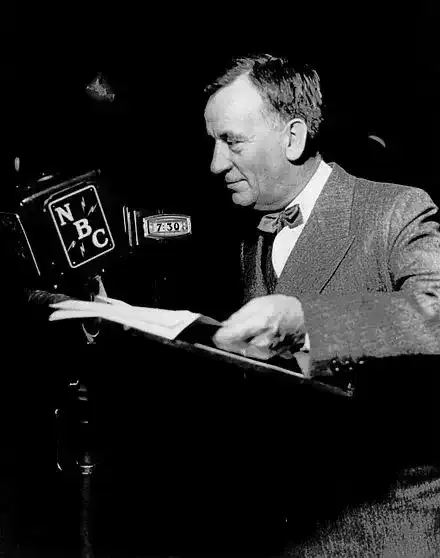
Edgar Albert Guest
The Wrist Watch Man
The Wrist Watch Man
He is marching dusty highways and he's riding bitter trails,
His eyes are clear and shining and his muscles hard as nails.
He is wearing Yankee khaki and a healthy coat of tan,
And the chap that we are backing is the Wrist Watch Man.
He's no parlour dude, a-prancing, he's no puny pacifist,
And it's not for affectation there's a watch upon his wrist.
He's a fine two-fisted scrapper, he is pure American,
And the backbone of the nation is the Wrist Watch Man.
He is marching with a rifle, he is digging in a trench,
He is swapping English phrases with a poilu for his French;
You will find him in the navy doing anything he can,
For at every post of duty is the Wrist Watch Man.
Oh, the time was that we chuckled at the soft and flabby chap
Who wore a little wrist watch that was fastened with a strap.
But the chuckles all have vanished, and with glory now we scan
The courage and the splendor of the Wrist Watch Man.
He is not the man we laughed at, not the one who won our jeers,
He's the man that we are proud of, he's the man that owns our cheers;
He's the finest of the finest, he's the bravest of the clan,
And I pray for God's protection for our Wrist Watch Man.
He is marching dusty highways and he's riding bitter trails,
His eyes are clear and shining and his muscles hard as nails.
He is wearing Yankee khaki and a healthy coat of tan,
And the chap that we are backing is the Wrist Watch Man.
He's no parlour dude, a-prancing, he's no puny pacifist,
And it's not for affectation there's a watch upon his wrist.
He's a fine two-fisted scrapper, he is pure American,
And the backbone of the nation is the Wrist Watch Man.
He is marching with a rifle, he is digging in a trench,
He is swapping English phrases with a poilu for his French;
You will find him in the navy doing anything he can,
For at every post of duty is the Wrist Watch Man.
Oh, the time was that we chuckled at the soft and flabby chap
Who wore a little wrist watch that was fastened with a strap.
But the chuckles all have vanished, and with glory now we scan
The courage and the splendor of the Wrist Watch Man.
He is not the man we laughed at, not the one who won our jeers,
He's the man that we are proud of, he's the man that owns our cheers;
He's the finest of the finest, he's the bravest of the clan,
And I pray for God's protection for our Wrist Watch Man.
641