

Poems in this topic
War and Peace
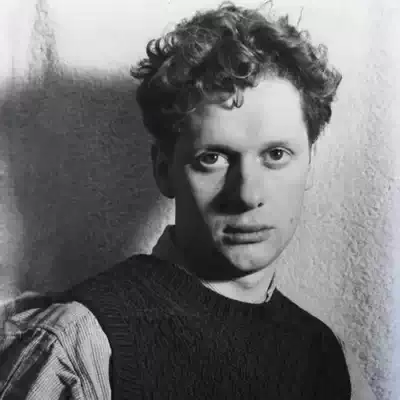
Dylan Thomas
The Hand That Signed the Paper
The Hand That Signed the Paper
The hand that signed the paper felled a city;
Five sovereign fingers taxed the breath,
Doubled the globe of dead and halved a country;
These five kings did a king to death.
The mighty hand leads to a sloping shoulder,
The finger joints are cramped with chalk;
A goose's quill has put an end to murder
That put an end to talk.
The hand that signed the treaty bred a fever,
And famine grew, and locusts came;
Great is the hand that holds dominion over
Man by a scribbled name.
The five kings count the dead but do not soften
The crusted wound nor pat the brow;
A hand rules pity as a hand rules heaven;
Hands have no tears to flow.
The hand that signed the paper felled a city;
Five sovereign fingers taxed the breath,
Doubled the globe of dead and halved a country;
These five kings did a king to death.
The mighty hand leads to a sloping shoulder,
The finger joints are cramped with chalk;
A goose's quill has put an end to murder
That put an end to talk.
The hand that signed the treaty bred a fever,
And famine grew, and locusts came;
Great is the hand that holds dominion over
Man by a scribbled name.
The five kings count the dead but do not soften
The crusted wound nor pat the brow;
A hand rules pity as a hand rules heaven;
Hands have no tears to flow.
274
Dylan Thomas
Holy Spring
Holy Spring
O
Out of a bed of love
When that immortal hospital made one more moove to soothe
The curless counted body,
And ruin and his causes
Over the barbed and shooting sea assumed an army
And swept into our wounds and houses,
I climb to greet the war in which I have no heart but only
That one dark I owe my light,
Call for confessor and wiser mirror but there is none
To glow after the god stoning night
And I am struck as lonely as a holy marker by the sun
No
Praise that the spring time is all
Gabriel and radiant shrubbery as the morning grows joyful
Out of the woebegone pyre
And the multitude's sultry tear turns cool on the weeping wall,
My arising prodgidal
Sun the father his quiver full of the infants of pure fire,
But blessed be hail and upheaval
That uncalm still it is sure alone to stand and sing
Alone in the husk of man's home
And the mother and toppling house of the holy spring,
If only for a last time.
O
Out of a bed of love
When that immortal hospital made one more moove to soothe
The curless counted body,
And ruin and his causes
Over the barbed and shooting sea assumed an army
And swept into our wounds and houses,
I climb to greet the war in which I have no heart but only
That one dark I owe my light,
Call for confessor and wiser mirror but there is none
To glow after the god stoning night
And I am struck as lonely as a holy marker by the sun
No
Praise that the spring time is all
Gabriel and radiant shrubbery as the morning grows joyful
Out of the woebegone pyre
And the multitude's sultry tear turns cool on the weeping wall,
My arising prodgidal
Sun the father his quiver full of the infants of pure fire,
But blessed be hail and upheaval
That uncalm still it is sure alone to stand and sing
Alone in the husk of man's home
And the mother and toppling house of the holy spring,
If only for a last time.
343
Dylan Thomas
Among Those Killed in the Dawn Raid Was a Man Aged a Hundred
Among Those Killed in the Dawn Raid Was a Man Aged a Hundred
When the morning was waking over the war
He put on his clothes and stepped out and he died,
The locks yawned loose and a blast blew them wide,
He dropped where he loved on the burst pavement stone
And the funeral grains of the slaughtered floor.
Tell his street on its back he stopped a sun
And the craters of his eyes grew springshots and fire
When all the keys shot from the locks, and rang.
Dig no more for the chains of his grey-haired heart.
The heavenly ambulance drawn by a wound
Assembling waits for the spade's ring on the cage.
O keep his bones away from the common cart,
The morning is flying on the wings of his age
And a hundred storks perch on the sun's right hand.
When the morning was waking over the war
He put on his clothes and stepped out and he died,
The locks yawned loose and a blast blew them wide,
He dropped where he loved on the burst pavement stone
And the funeral grains of the slaughtered floor.
Tell his street on its back he stopped a sun
And the craters of his eyes grew springshots and fire
When all the keys shot from the locks, and rang.
Dig no more for the chains of his grey-haired heart.
The heavenly ambulance drawn by a wound
Assembling waits for the spade's ring on the cage.
O keep his bones away from the common cart,
The morning is flying on the wings of his age
And a hundred storks perch on the sun's right hand.
265
Dylan Thomas
A Saint About To Fall
A Saint About To Fall
A saint about to fall,
The stained flats of heaven hit and razed
To the kissed kite hems of his shawl,
On the last street wave praised
The unwinding, song by rock,
Of the woven wall
Of his father's house in the sands,
The vanishing of the musical ship-work and the chucked bells,
The wound-down cough of the blood-counting clock
Behind a face of hands,
On the angelic etna of the last whirring featherlands,
Wind-heeled foot in the hole of a fireball,
Hymned his shrivelling flock,
On the last rick's tip by spilled wine-wells
Sang heaven hungry and the quick
Cut Christbread spitting vinegar and all
The mazes of his praise and envious tongue were worked in flames and shells.
Glory cracked like a flea.
The sun-leaved holy candlewoods
Drivelled down to one singeing tree
With a stub of black buds,
The sweet, fish-gilled boats bringing blood
Lurched through a scuttled sea
With a hold of leeches and straws,
Heaven fell with his fall and one crocked bell beat the left air.
O wake in me in my house in the mud
Of the crotch of the squawking shores,
Flicked from the carbolic city puzzle in a bed of sores
The scudding base of the familiar sky,
The lofty roots of the clouds.
From an odd room in a split house stare,
Milk in your mouth, at the sour floods
That bury the sweet street slowly, see
The skull of the earth is barbed with a war of burning brains and hair.
Strike in the time-bomb town,
Raise the live rafters of the eardrum,
Throw your fear a parcel of stone
Through the dark asylum,
Lapped among herods wail
As their blade marches in
That the eyes are already murdered,
The stocked heart is forced, and agony has another mouth to feed.
O wake to see, after a noble fall,
The old mud hatch again, the horrid
Woe drip from the dishrag hands and the pressed sponge of the forehead,
The breath draw back like a bolt through white oil
And a stranger enter like iron.
Cry joy that hits witchlike midwife second
Bullies into rough seas you so gentle
And makes with a flick of the thumb and sun
A thundering bullring of your silent and girl-circled island.
A saint about to fall,
The stained flats of heaven hit and razed
To the kissed kite hems of his shawl,
On the last street wave praised
The unwinding, song by rock,
Of the woven wall
Of his father's house in the sands,
The vanishing of the musical ship-work and the chucked bells,
The wound-down cough of the blood-counting clock
Behind a face of hands,
On the angelic etna of the last whirring featherlands,
Wind-heeled foot in the hole of a fireball,
Hymned his shrivelling flock,
On the last rick's tip by spilled wine-wells
Sang heaven hungry and the quick
Cut Christbread spitting vinegar and all
The mazes of his praise and envious tongue were worked in flames and shells.
Glory cracked like a flea.
The sun-leaved holy candlewoods
Drivelled down to one singeing tree
With a stub of black buds,
The sweet, fish-gilled boats bringing blood
Lurched through a scuttled sea
With a hold of leeches and straws,
Heaven fell with his fall and one crocked bell beat the left air.
O wake in me in my house in the mud
Of the crotch of the squawking shores,
Flicked from the carbolic city puzzle in a bed of sores
The scudding base of the familiar sky,
The lofty roots of the clouds.
From an odd room in a split house stare,
Milk in your mouth, at the sour floods
That bury the sweet street slowly, see
The skull of the earth is barbed with a war of burning brains and hair.
Strike in the time-bomb town,
Raise the live rafters of the eardrum,
Throw your fear a parcel of stone
Through the dark asylum,
Lapped among herods wail
As their blade marches in
That the eyes are already murdered,
The stocked heart is forced, and agony has another mouth to feed.
O wake to see, after a noble fall,
The old mud hatch again, the horrid
Woe drip from the dishrag hands and the pressed sponge of the forehead,
The breath draw back like a bolt through white oil
And a stranger enter like iron.
Cry joy that hits witchlike midwife second
Bullies into rough seas you so gentle
And makes with a flick of the thumb and sun
A thundering bullring of your silent and girl-circled island.
279
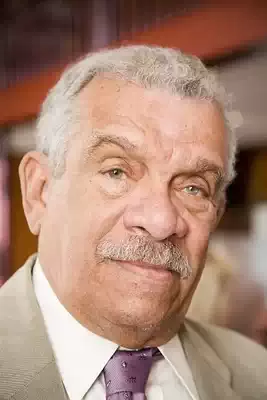
Derek Walcott
In The Virgins
In The Virgins
You can't put in the ground swell of the organ
from the Christiansted, St.Croix, Anglican Church
behind the paratrooper's voice: 'Turned cop
after Vietnam. I made thirty jumps.'
Bells punish the dead street and pigeons lurch
from the stone belfry, opening their chutes,
circling until the rings of ringing stop.
'Salud!' The paratrooper's glass is raised.
The congregation rises to its feet
like a patrol, with scuffling shoes and boots,
repeating orders as the organ thumps:
'Praise Ye the Lord. The Lord's name be praised.'
You cannot hear, beyond the quiet harbor,
the breakers cannonading on the bruised
horizon, or the charter engines gunning for
Buck Island. The only war here is a war
of silence between blue sky and sea,
and just one voice, the marching choir's, is raised
to draft new conscripts with the ancient cry
of 'Onward, Christian Soldiers,' into pews
half-empty still, or like a glass, half-full.
Pinning itself to a cornice, a gull
hangs like a medal from the serge-blue sky.
Are these boats all? Is the blue water all?
The rocks surpliced with lace where they are moored,
dinghy, catamaran, and racing yawl,
nodding to the ground swell of 'Praise the Lord'?
Wesley and Watts, their evangelical light
lanced down the mine shafts to our chapel pew,
its beam gritted with motes of anthracite
that drifted on us in our chapel benches:
from God's slow-grinding mills in Lancashire,
ash on the dead mired in Flanders' trenches,
as a gray drizzle now defiles the view
of this blue harbor, framed in windows where
two yellow palm fronds, jerked by the wind's rain,
agree like horses' necks, and nodding bear,
slow as a hearse, a haze of tasseled rain,
and, as the weather changes in a child,
the paradisal day outside grows dark,
the yachts flutter like moths in a gray jar,
the martial voices fade in thunder, while
across the harbor, like a timid lure,
a rainbow casts its seven-colored arc.
Tonight, now Sunday has been put to rest.
Altar lights ride the black glass where the yachts
stiffly repeat themselves and phosphoresce
with every ripple - the wide parking-lots
of tidal affluence - and every mast
sways the night's dial as its needle veers
to find the station which is truly peace.
Like neon lasers shot across the bars
discos blast out the music of the spheres,
and, one by one, science infects the stars.
You can't put in the ground swell of the organ
from the Christiansted, St.Croix, Anglican Church
behind the paratrooper's voice: 'Turned cop
after Vietnam. I made thirty jumps.'
Bells punish the dead street and pigeons lurch
from the stone belfry, opening their chutes,
circling until the rings of ringing stop.
'Salud!' The paratrooper's glass is raised.
The congregation rises to its feet
like a patrol, with scuffling shoes and boots,
repeating orders as the organ thumps:
'Praise Ye the Lord. The Lord's name be praised.'
You cannot hear, beyond the quiet harbor,
the breakers cannonading on the bruised
horizon, or the charter engines gunning for
Buck Island. The only war here is a war
of silence between blue sky and sea,
and just one voice, the marching choir's, is raised
to draft new conscripts with the ancient cry
of 'Onward, Christian Soldiers,' into pews
half-empty still, or like a glass, half-full.
Pinning itself to a cornice, a gull
hangs like a medal from the serge-blue sky.
Are these boats all? Is the blue water all?
The rocks surpliced with lace where they are moored,
dinghy, catamaran, and racing yawl,
nodding to the ground swell of 'Praise the Lord'?
Wesley and Watts, their evangelical light
lanced down the mine shafts to our chapel pew,
its beam gritted with motes of anthracite
that drifted on us in our chapel benches:
from God's slow-grinding mills in Lancashire,
ash on the dead mired in Flanders' trenches,
as a gray drizzle now defiles the view
of this blue harbor, framed in windows where
two yellow palm fronds, jerked by the wind's rain,
agree like horses' necks, and nodding bear,
slow as a hearse, a haze of tasseled rain,
and, as the weather changes in a child,
the paradisal day outside grows dark,
the yachts flutter like moths in a gray jar,
the martial voices fade in thunder, while
across the harbor, like a timid lure,
a rainbow casts its seven-colored arc.
Tonight, now Sunday has been put to rest.
Altar lights ride the black glass where the yachts
stiffly repeat themselves and phosphoresce
with every ripple - the wide parking-lots
of tidal affluence - and every mast
sways the night's dial as its needle veers
to find the station which is truly peace.
Like neon lasers shot across the bars
discos blast out the music of the spheres,
and, one by one, science infects the stars.
1,229
Derek Walcott
A Far Cry From Africa
A Far Cry From Africa
A wind is ruffling the tawny pelt
Of Africa, Kikuyu, quick as flies,
Batten upon the bloodstreams of the veldt.
Corpses are scattered through a paradise.
Only the worm, colonel of carrion, cries:
'Waste no compassion on these separate dead!'
Statistics justify and scholars seize
The salients of colonial policy.
What is that to the white child hacked in bed?
To savages, expendable as Jews?
Threshed out by beaters, the long rushes break
In a white dust of ibises whose cries
Have wheeled since civilizations dawn
>From the parched river or beast-teeming plain.
The violence of beast on beast is read
As natural law, but upright man
Seeks his divinity by inflicting pain.
Delirious as these worried beasts, his wars
Dance to the tightened carcass of a drum,
While he calls courage still that native dread
Of the white peace contracted by the dead.
Again brutish necessity wipes its hands
Upon the napkin of a dirty cause, again
A waste of our compassion, as with Spain,
The gorilla wrestles with the superman.
I who am poisoned with the blood of both,
Where shall I turn, divided to the vein?
I who have cursed
The drunken officer of British rule, how choose
Between this Africa and the English tongue I love?
Betray them both, or give back what they give?
How can I face such slaughter and be cool?
How can I turn from Africa and live?
A wind is ruffling the tawny pelt
Of Africa, Kikuyu, quick as flies,
Batten upon the bloodstreams of the veldt.
Corpses are scattered through a paradise.
Only the worm, colonel of carrion, cries:
'Waste no compassion on these separate dead!'
Statistics justify and scholars seize
The salients of colonial policy.
What is that to the white child hacked in bed?
To savages, expendable as Jews?
Threshed out by beaters, the long rushes break
In a white dust of ibises whose cries
Have wheeled since civilizations dawn
>From the parched river or beast-teeming plain.
The violence of beast on beast is read
As natural law, but upright man
Seeks his divinity by inflicting pain.
Delirious as these worried beasts, his wars
Dance to the tightened carcass of a drum,
While he calls courage still that native dread
Of the white peace contracted by the dead.
Again brutish necessity wipes its hands
Upon the napkin of a dirty cause, again
A waste of our compassion, as with Spain,
The gorilla wrestles with the superman.
I who am poisoned with the blood of both,
Where shall I turn, divided to the vein?
I who have cursed
The drunken officer of British rule, how choose
Between this Africa and the English tongue I love?
Betray them both, or give back what they give?
How can I face such slaughter and be cool?
How can I turn from Africa and live?
1,875
Derek Walcott
A City's Death By Fire
A City's Death By Fire
After that hot gospeller has levelled all but the churched sky,
I wrote the tale by tallow of a city's death by fire;
Under a candle's eye, that smoked in tears, I
Wanted to tell, in more than wax, of faiths that were snapped like wire.
All day I walked abroad among the rubbled tales,
Shocked at each wall that stood on the street like a liar;
Loud was the bird-rocked sky, and all the clouds were bales
Torn open by looting, and white, in spite of the fire.
By the smoking sea, where Christ walked, I asked, why
Should a man wax tears, when his wooden world fails?
In town, leaves were paper, but the hills were a flock of faiths;
To a boy who walked all day, each leaf was a green breath
Rebuilding a love I thought was dead as nails,
Blessing the death and the baptism by fire.
After that hot gospeller has levelled all but the churched sky,
I wrote the tale by tallow of a city's death by fire;
Under a candle's eye, that smoked in tears, I
Wanted to tell, in more than wax, of faiths that were snapped like wire.
All day I walked abroad among the rubbled tales,
Shocked at each wall that stood on the street like a liar;
Loud was the bird-rocked sky, and all the clouds were bales
Torn open by looting, and white, in spite of the fire.
By the smoking sea, where Christ walked, I asked, why
Should a man wax tears, when his wooden world fails?
In town, leaves were paper, but the hills were a flock of faiths;
To a boy who walked all day, each leaf was a green breath
Rebuilding a love I thought was dead as nails,
Blessing the death and the baptism by fire.
1,429

Claude Mckay
The Lynching
The Lynching
His Spirit in smoke ascended to high heaven.
His father, by the cruelest way of pain,
Had bidden him to his bosom once again;
The awful sin remained still unforgiven.
All night a bright and solitary star
(Perchance the one that ever guided him,
Yet gave him up at last to Fate's wild whim)
Hung pitifully o'er the swinging char.
Day dawned, and soon the mixed crowds came to view
The ghastly body swaying in the sun
The women thronged to look, but never a one
Showed sorrow in her eyes of steely blue;
And little lads, lynchers that were to be,
Danced round the dreadful thing in fiendish glee.
His Spirit in smoke ascended to high heaven.
His father, by the cruelest way of pain,
Had bidden him to his bosom once again;
The awful sin remained still unforgiven.
All night a bright and solitary star
(Perchance the one that ever guided him,
Yet gave him up at last to Fate's wild whim)
Hung pitifully o'er the swinging char.
Day dawned, and soon the mixed crowds came to view
The ghastly body swaying in the sun
The women thronged to look, but never a one
Showed sorrow in her eyes of steely blue;
And little lads, lynchers that were to be,
Danced round the dreadful thing in fiendish glee.
370
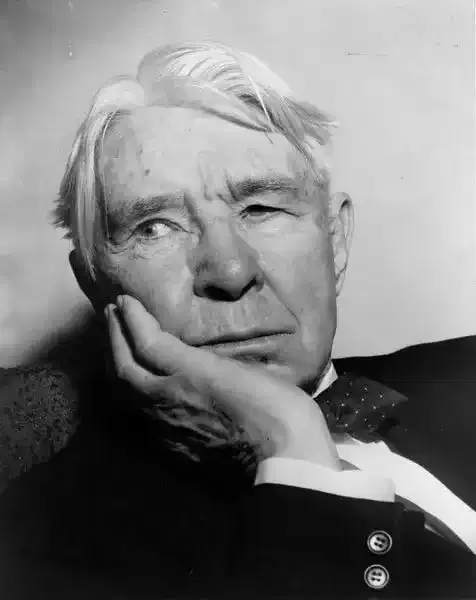
Carl Sandburg
Statistics
Statistics
Napoleon shifted,
Restless in the old sarcophagus
And murmured to a watchguard:
"Who goes there?"
"Twenty-one million men,
Soldiers, armies, guns,
Twenty-one million
Afoot, horseback,
In the air,
Under the sea."
And Napoleon turned to his sleep:
"It is not my world answering;
It is some dreamer who knows not
The world I marched in
From Calais to Moscow."
And he slept on
In the old sarcophagus
While the aeroplanes
Droned their motors
Between Napoleon's mausoleum
And the cool night stars.
Napoleon shifted,
Restless in the old sarcophagus
And murmured to a watchguard:
"Who goes there?"
"Twenty-one million men,
Soldiers, armies, guns,
Twenty-one million
Afoot, horseback,
In the air,
Under the sea."
And Napoleon turned to his sleep:
"It is not my world answering;
It is some dreamer who knows not
The world I marched in
From Calais to Moscow."
And he slept on
In the old sarcophagus
While the aeroplanes
Droned their motors
Between Napoleon's mausoleum
And the cool night stars.
408
Carl Sandburg
Salvage
Salvage
Guns on the battle lines have pounded now a year
between Brussels and Paris.
And, William Morris, when I read your old chapter on
the great arches and naves and little whimsical
corners of the Churches of Northern France--Brr-rr!
I'm glad you're a dead man, William Morris, I'm glad
you're down in the damp and mouldy, only a memory
instead of a living man--I'm glad you're gone.
You never lied to us, William Morris, you loved the
shape of those stones piled and carved for you to
dream over and wonder because workmen got joy
of life into them,
Workmen in aprons singing while they hammered, and
praying, and putting their songs and prayers into
the walls and roofs, the bastions and cornerstones
and gargoyles--all their children and kisses of
women and wheat and roses growing.
I say, William Morris, I'm glad you're gone, I'm glad
you're a dead man.
Guns on the battle lines have pounded a year now between
Brussels and Paris.
Guns on the battle lines have pounded now a year
between Brussels and Paris.
And, William Morris, when I read your old chapter on
the great arches and naves and little whimsical
corners of the Churches of Northern France--Brr-rr!
I'm glad you're a dead man, William Morris, I'm glad
you're down in the damp and mouldy, only a memory
instead of a living man--I'm glad you're gone.
You never lied to us, William Morris, you loved the
shape of those stones piled and carved for you to
dream over and wonder because workmen got joy
of life into them,
Workmen in aprons singing while they hammered, and
praying, and putting their songs and prayers into
the walls and roofs, the bastions and cornerstones
and gargoyles--all their children and kisses of
women and wheat and roses growing.
I say, William Morris, I'm glad you're gone, I'm glad
you're a dead man.
Guns on the battle lines have pounded a year now between
Brussels and Paris.
396
Carl Sandburg
Ready to Kill
Ready to Kill
Ten minutes now I have been looking at this.
I have gone by here before and wondered about it.
This is a bronze memorial of a famous general
Riding horseback with a flag and a sword and a revolver
on him.
I want to smash the whole thing into a pile of junk to be
hauled away to the scrap yard.
I put it straight to you,
After the farmer, the miner, the shop man, the factory
hand, the fireman and the teamster,
Have all been remembered with bronze memorials,
Shaping them on the job of getting all of us
Something to eat and something to wear,
When they stack a few silhouettes
Against the sky
Here in the park,
And show the real huskies that are doing the work of
the world, and feeding people instead of butchering them,
Then maybe I will stand here
And look easy at this general of the army holding a flag
in the air,
And riding like hell on horseback
Ready to kill anybody that gets in his way,
Ready to run the red blood and slush the bowels of men
all over the sweet new grass of the prairie.
Ten minutes now I have been looking at this.
I have gone by here before and wondered about it.
This is a bronze memorial of a famous general
Riding horseback with a flag and a sword and a revolver
on him.
I want to smash the whole thing into a pile of junk to be
hauled away to the scrap yard.
I put it straight to you,
After the farmer, the miner, the shop man, the factory
hand, the fireman and the teamster,
Have all been remembered with bronze memorials,
Shaping them on the job of getting all of us
Something to eat and something to wear,
When they stack a few silhouettes
Against the sky
Here in the park,
And show the real huskies that are doing the work of
the world, and feeding people instead of butchering them,
Then maybe I will stand here
And look easy at this general of the army holding a flag
in the air,
And riding like hell on horseback
Ready to kill anybody that gets in his way,
Ready to run the red blood and slush the bowels of men
all over the sweet new grass of the prairie.
391
Carl Sandburg
Our Prayer of Thanks
Our Prayer of Thanks
For the gladness here where the sun is shining at evening on the weeds at the river,
Our prayer of thanks.
For the laughter of children who tumble barefooted and bareheaded in the summer
grass,
Our prayer of thanks.
For the sunset and the stars, the women and the white arms that hold us,
Our prayer of thanks.
God,
If you are deaf and blind, if this is all lost to you,
God, if the dead in their coffins amid the silver handles on the edge of town, or the
reckless dead of war days thrown unknown in pits, if these dead are forever deaf and
blind and lost,
Our prayer of thanks.
God,
The game is all your way, the secrets and the signals and the system; and so for the
break of the game and the first play and the last.
Our prayer of thanks.
For the gladness here where the sun is shining at evening on the weeds at the river,
Our prayer of thanks.
For the laughter of children who tumble barefooted and bareheaded in the summer
grass,
Our prayer of thanks.
For the sunset and the stars, the women and the white arms that hold us,
Our prayer of thanks.
God,
If you are deaf and blind, if this is all lost to you,
God, if the dead in their coffins amid the silver handles on the edge of town, or the
reckless dead of war days thrown unknown in pits, if these dead are forever deaf and
blind and lost,
Our prayer of thanks.
God,
The game is all your way, the secrets and the signals and the system; and so for the
break of the game and the first play and the last.
Our prayer of thanks.
350
Carl Sandburg
Bronzes
Bronzes
I
The bronze General Grant riding a bronze horse in Lincoln
Park
Shrivels in the sun by day when the motor cars whirr
by in long processions going somewhere to keep appointment
for dinner and matineés and buying and
selling
Though in the dusk and nightfall when high waves are
piling
On the slabs of the promenade along the lake shore near
by
I have seen the general dare the combers come closer
And make to ride his bronze horse out into the hoofs
and guns of the storm.
II
I cross Lincoln Park on a winter night when the snow
is falling.
Lincoln in bronze stands among the white lines of snow,
his bronze forehead meeting soft echoes of the newsies
crying forty thousand men are dead along the
Yser, his bronze ears listening to the mumbled roar
of the city at his bronze feet.
A lithe Indian on a bronze pony, Shakespeare seated with
long legs in bronze, Garibaldi in a bronze cape, they
hold places in the cold, lonely snow to-night on their
pedestals and so they will hold them past midnight
and into the dawn.
I
The bronze General Grant riding a bronze horse in Lincoln
Park
Shrivels in the sun by day when the motor cars whirr
by in long processions going somewhere to keep appointment
for dinner and matineés and buying and
selling
Though in the dusk and nightfall when high waves are
piling
On the slabs of the promenade along the lake shore near
by
I have seen the general dare the combers come closer
And make to ride his bronze horse out into the hoofs
and guns of the storm.
II
I cross Lincoln Park on a winter night when the snow
is falling.
Lincoln in bronze stands among the white lines of snow,
his bronze forehead meeting soft echoes of the newsies
crying forty thousand men are dead along the
Yser, his bronze ears listening to the mumbled roar
of the city at his bronze feet.
A lithe Indian on a bronze pony, Shakespeare seated with
long legs in bronze, Garibaldi in a bronze cape, they
hold places in the cold, lonely snow to-night on their
pedestals and so they will hold them past midnight
and into the dawn.
384
Carl Sandburg
Ashurnatsirpal III
Ashurnatsirpal III
Three walls around the town of Tela when I came.
They expected everything of those walls;
Nobody in the town came out to kiss my feet.
I knocked the walls down, killed three thousand soldiers,
Took away cattle and sheep, took all the loot in sight,
And burned special captives.
Some of the soldiers—I cut off hands and feet.
Others—I cut off ears and fingers.
Some—I put out the eyes.
I made a pyramid of heads.
I strung heads on trees circling the town.
When I got through with it
There wasn’t much left of the town of Tela.
Three walls around the town of Tela when I came.
They expected everything of those walls;
Nobody in the town came out to kiss my feet.
I knocked the walls down, killed three thousand soldiers,
Took away cattle and sheep, took all the loot in sight,
And burned special captives.
Some of the soldiers—I cut off hands and feet.
Others—I cut off ears and fingers.
Some—I put out the eyes.
I made a pyramid of heads.
I strung heads on trees circling the town.
When I got through with it
There wasn’t much left of the town of Tela.
399
Carl Sandburg
Always The Mob
Always The Mob
Jesus emptied the devils of one man into forty hogs and the hogs took the edge of a
high rock and dropped off and down into the sea: a mob.
The sheep on the hills of Australia, blundering fourfooted in the sunset mist to the
dark, they go one way, they hunt one sleep, they find one pocket of grass for all.
Karnak? Pyramids? Sphinx paws tall as a coolie? Tombs kept for kings and sacred
cows? A mob.
Young roast pigs and naked dancing girls of Belshazzar, the room where a thousand sat
guzzling when a hand wrote: Mene, mene, tekel, upharsin? A mob.
The honeycomb of green that won the sun as the Hanging Gardens of Nineveh, flew to
its shape at the hands of a mob that followed the fingers of Nebuchadnezzar: a mob of
one hand and one plan.
Stones of a circle of hills at Athens, staircases of a mountain in Peru, scattered clans of
marble dragons in China: each a mob on the rim of a sunrise: hammers and wagons
have them now.
Locks and gates of Panama? The Union Pacific crossing deserts and tunneling
mountains? The Woolworth on land and the Titanic at sea? Lighthouses blinking a coast
line from Labrador to Key West? Pig iron bars piled on a barge whistling in a fog off
Sheboygan? A mob: hammers and wagons have them to-morrow.
The mob? A typhoon tearing loose an island from thousand-year moorings and
bastions, shooting a volcanic ash with a fire tongue that licks up cities and peoples.
Layers of worms eating rocks and forming loam and valley floors for potatoes, wheat,
watermelons.
The mob? A jag of lightning, a geyser, a gravel mass loosening…
The mob … kills or builds … the mob is Attila or Ghengis Khan, the mob is Napoleon,
Lincoln.
I am born in the mob—I die in the mob—the same goes for you—I don’t care who you
are.
I cross the sheets of fire in No Man’s land for you, my brother—I slip a steel tooth into
your throat, you my brother—I die for you and I kill you—It is a twisted and gnarled
thing, a crimson wool:
One more arch of stars,
In the night of our mist,
In the night of our tears.
Jesus emptied the devils of one man into forty hogs and the hogs took the edge of a
high rock and dropped off and down into the sea: a mob.
The sheep on the hills of Australia, blundering fourfooted in the sunset mist to the
dark, they go one way, they hunt one sleep, they find one pocket of grass for all.
Karnak? Pyramids? Sphinx paws tall as a coolie? Tombs kept for kings and sacred
cows? A mob.
Young roast pigs and naked dancing girls of Belshazzar, the room where a thousand sat
guzzling when a hand wrote: Mene, mene, tekel, upharsin? A mob.
The honeycomb of green that won the sun as the Hanging Gardens of Nineveh, flew to
its shape at the hands of a mob that followed the fingers of Nebuchadnezzar: a mob of
one hand and one plan.
Stones of a circle of hills at Athens, staircases of a mountain in Peru, scattered clans of
marble dragons in China: each a mob on the rim of a sunrise: hammers and wagons
have them now.
Locks and gates of Panama? The Union Pacific crossing deserts and tunneling
mountains? The Woolworth on land and the Titanic at sea? Lighthouses blinking a coast
line from Labrador to Key West? Pig iron bars piled on a barge whistling in a fog off
Sheboygan? A mob: hammers and wagons have them to-morrow.
The mob? A typhoon tearing loose an island from thousand-year moorings and
bastions, shooting a volcanic ash with a fire tongue that licks up cities and peoples.
Layers of worms eating rocks and forming loam and valley floors for potatoes, wheat,
watermelons.
The mob? A jag of lightning, a geyser, a gravel mass loosening…
The mob … kills or builds … the mob is Attila or Ghengis Khan, the mob is Napoleon,
Lincoln.
I am born in the mob—I die in the mob—the same goes for you—I don’t care who you
are.
I cross the sheets of fire in No Man’s land for you, my brother—I slip a steel tooth into
your throat, you my brother—I die for you and I kill you—It is a twisted and gnarled
thing, a crimson wool:
One more arch of stars,
In the night of our mist,
In the night of our tears.
381
Carl Sandburg
A.E.F.
A.E.F.
There will be a rusty gun on the wall, sweetheart,
The rifle grooves curling with flakes of rust.
A spider will make a silver string nest in the
darkest, warmest corner of it.
The trigger and the range-finder, they too will be rusty.
And no hands will polish the gun, and it will hang on the wall.
Forefingers and thumbs will point casually toward it.
It will be spoken among half-forgotten, whished-to-be-forgotten things.
They will tell the spider: Go on, you're doing good work.
There will be a rusty gun on the wall, sweetheart,
The rifle grooves curling with flakes of rust.
A spider will make a silver string nest in the
darkest, warmest corner of it.
The trigger and the range-finder, they too will be rusty.
And no hands will polish the gun, and it will hang on the wall.
Forefingers and thumbs will point casually toward it.
It will be spoken among half-forgotten, whished-to-be-forgotten things.
They will tell the spider: Go on, you're doing good work.
425
Carl Sandburg
A Million Young Work Men
A Million Young Work Men
A million young workmen straight and strong lay stiff on the grass and roads,
And the million are now under soil and their rottening flesh will in the years feed roots
of blood-red roses.
Yes, this million of young workmen slaughtered one another and never saw their red
hands.
And oh, it would have been a great job of killing and a new and beautiful thing under
the sun if the million knew why they hacked and tore each other to death.
The kings are grinning, the Kaiser and the czar—they are alive riding in leather-seated
motor cars, and they have their women and roses for ease, and they eat fresh-poached
eggs for breakfast, new butter on toast, sitting in tall water-tight houses reading the
news of war.
I dreamed a million ghosts of the young workmen rose in their shirts all soaked in
crimson … and yelled:
God damn the grinning kings, God damn the kaiser and the czar.
A million young workmen straight and strong lay stiff on the grass and roads,
And the million are now under soil and their rottening flesh will in the years feed roots
of blood-red roses.
Yes, this million of young workmen slaughtered one another and never saw their red
hands.
And oh, it would have been a great job of killing and a new and beautiful thing under
the sun if the million knew why they hacked and tore each other to death.
The kings are grinning, the Kaiser and the czar—they are alive riding in leather-seated
motor cars, and they have their women and roses for ease, and they eat fresh-poached
eggs for breakfast, new butter on toast, sitting in tall water-tight houses reading the
news of war.
I dreamed a million ghosts of the young workmen rose in their shirts all soaked in
crimson … and yelled:
God damn the grinning kings, God damn the kaiser and the czar.
391
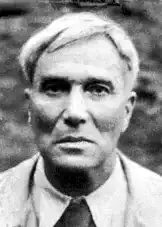
Boris Pasternak
Fairy Tale
Fairy Tale
Once, in times forgotten,
In a fairy place,
Through the steppe, a rider
Made his way apace.
While he sped to battle,
Nearing from the dim
Distance, a dark forest
Rose ahead of him.
Something kept repeating,
Seemed his heart to graze:
Tighten up the saddle,
Fear the watering-place.
But he did not listen.
Heeding but his will,
At full speed he bounded
Up the wooded hill;
Rode into a valley,
Turning from the mound,
Galloped through a meadow,
Skirted higher ground;
Reached a gloomy hollow,
Found a trail to trace
Down the woodland pathway
To the watering-place.
Deaf to voice of warning,
And without remorse,
Down the slope, the rider
Led his thirsty horse.
Where the stream grew shallow,
Winding through the glen,
Eerie flames lit up the
Entrance to a den.
Through thick clouds of crimson
Smoke above the spring,
An uncanny calling
Made the forest ring.
And the rider started,
And with peering eye
Urged his horse in answer
To the haunting cry.
Then he saw the dragon,
And he gripped his lance;
And his horse stood breathless
Fearing to advance.
Thrice around a maiden
Was the serpent wound;
Fire-breathing nostrils
Cast a glare around.
And the dragon's body
Moved his scaly neck,
At her shoulder snaking
Whiplike forth and back.
By that country's custom
Was a young and fair
Captive brought as ransom
To the dragon's lair.
This then was the tribute
That the people owed
To the worm-protection
For a poor abode.
Now the dragon hugged his
Victim in alarm,
And the coils grew tighter
Round her throat and arm.
Skyward looked the horseman
With imploring glance,
And for the impending
Fight he couched his lance.
Tightly closing eyelids.
Heights and cloudy spheres.
Rivers. Waters. Boulders.
Centuries and years.
Helmetless, the wounded
Lies, his life at stake.
With his hooves the charger
Tramples down the snake.
On the sand, together-
Dragon, steed, and lance;
In a swoon the rider,
The maiden-in a trance.
Blue the sky; soft breezes
Tender noon caress.
Who is she? A lady?
Peasant girl? Princess?
Now in joyous wonder
Cannot cease to weep;
Now again abandoned
To unending sleep.
Now, his strength returning,
Opens up his eyes;
Now anew the wounded
Limp and listless lies.
But their hearts are beating.
Waves surge up, die down;
Carry them, and waken,
And in slumber drown.
Tightly closing eyelids.
Heights and cloudy spheres.
Rivers. Waters. Boulders.
Centuries and years.
Once, in times forgotten,
In a fairy place,
Through the steppe, a rider
Made his way apace.
While he sped to battle,
Nearing from the dim
Distance, a dark forest
Rose ahead of him.
Something kept repeating,
Seemed his heart to graze:
Tighten up the saddle,
Fear the watering-place.
But he did not listen.
Heeding but his will,
At full speed he bounded
Up the wooded hill;
Rode into a valley,
Turning from the mound,
Galloped through a meadow,
Skirted higher ground;
Reached a gloomy hollow,
Found a trail to trace
Down the woodland pathway
To the watering-place.
Deaf to voice of warning,
And without remorse,
Down the slope, the rider
Led his thirsty horse.
Where the stream grew shallow,
Winding through the glen,
Eerie flames lit up the
Entrance to a den.
Through thick clouds of crimson
Smoke above the spring,
An uncanny calling
Made the forest ring.
And the rider started,
And with peering eye
Urged his horse in answer
To the haunting cry.
Then he saw the dragon,
And he gripped his lance;
And his horse stood breathless
Fearing to advance.
Thrice around a maiden
Was the serpent wound;
Fire-breathing nostrils
Cast a glare around.
And the dragon's body
Moved his scaly neck,
At her shoulder snaking
Whiplike forth and back.
By that country's custom
Was a young and fair
Captive brought as ransom
To the dragon's lair.
This then was the tribute
That the people owed
To the worm-protection
For a poor abode.
Now the dragon hugged his
Victim in alarm,
And the coils grew tighter
Round her throat and arm.
Skyward looked the horseman
With imploring glance,
And for the impending
Fight he couched his lance.
Tightly closing eyelids.
Heights and cloudy spheres.
Rivers. Waters. Boulders.
Centuries and years.
Helmetless, the wounded
Lies, his life at stake.
With his hooves the charger
Tramples down the snake.
On the sand, together-
Dragon, steed, and lance;
In a swoon the rider,
The maiden-in a trance.
Blue the sky; soft breezes
Tender noon caress.
Who is she? A lady?
Peasant girl? Princess?
Now in joyous wonder
Cannot cease to weep;
Now again abandoned
To unending sleep.
Now, his strength returning,
Opens up his eyes;
Now anew the wounded
Limp and listless lies.
But their hearts are beating.
Waves surge up, die down;
Carry them, and waken,
And in slumber drown.
Tightly closing eyelids.
Heights and cloudy spheres.
Rivers. Waters. Boulders.
Centuries and years.
577
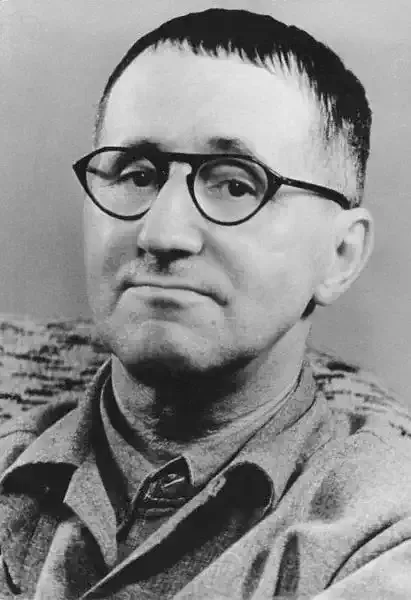
Bertolt Brecht
Not What Was Meant
Not What Was Meant
When the Academy of Arts demanded freedom
Of artistic expression from narrow-minded bureaucrats
There was a howl and a clamour in its immediate vicinity
But roaring above everything
Came a deafening thunder of applause
From beyond the Sector boundary.
Freedom! it roared. Freedom for the artists!
Freedom all round! Freedom for all!
Freedom for the exploiters! Freedom for the warmongers!
Freedom for the Ruhr cartels! Freedom for Hitler's generals!
Softly, my dear fellows...
The Judas kiss for the artists follows
Hard on the Judas kiss for the workers.
The arsonist with his bottle of petrol
Sneaks up grinning to
The Academy of Arts.
But it was not to embrace him, just
To knock the bottle out of his dirty hand that
We asked for elbow room.
Even the narrowest minds
In which peace is harboured
Are more welcome to the arts than the art lover
Who is also a lover of the art of war.
When the Academy of Arts demanded freedom
Of artistic expression from narrow-minded bureaucrats
There was a howl and a clamour in its immediate vicinity
But roaring above everything
Came a deafening thunder of applause
From beyond the Sector boundary.
Freedom! it roared. Freedom for the artists!
Freedom all round! Freedom for all!
Freedom for the exploiters! Freedom for the warmongers!
Freedom for the Ruhr cartels! Freedom for Hitler's generals!
Softly, my dear fellows...
The Judas kiss for the artists follows
Hard on the Judas kiss for the workers.
The arsonist with his bottle of petrol
Sneaks up grinning to
The Academy of Arts.
But it was not to embrace him, just
To knock the bottle out of his dirty hand that
We asked for elbow room.
Even the narrowest minds
In which peace is harboured
Are more welcome to the arts than the art lover
Who is also a lover of the art of war.
586
Bertolt Brecht
On Reading a Recent Greek Poet
On Reading a Recent Greek Poet
After the wailing had already begun
along the walls, their ruin certain,
the Trojans fidgeted with bits of wood
in the three-ply doors, itsy-bitsy
pieces of wood, fussing with them.
And began to get their nerve back and feel hopeful.
After the wailing had already begun
along the walls, their ruin certain,
the Trojans fidgeted with bits of wood
in the three-ply doors, itsy-bitsy
pieces of wood, fussing with them.
And began to get their nerve back and feel hopeful.
489
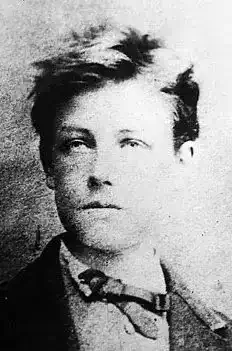
Arthur Rimbaud
The Rooks
The Rooks
Lord, when the meadowland is cold,
and when in the downcast hamlets the long Angeluses are silent..
down on Nature barren of flowers let
them sweep from the wide skies, the dear delightful rooks.
Strange army with your stern cries,
the cold winds are assaulting your nests!
You - along yellowed rivers, over the roads with their old Calvarys,
over ditches, over holes - disperse! And rally!
In your thousands, over the fields of France
where the day before yesterday's dead are sleeping,
wheel in the wintertime, won't you,
so that each traveler may remember!
Be, then, the one who calls men to duty,
O funeral black bird of ours!
But, ye saints of the sky,
at the oak tree top, the masthead lost in the enchanted twilight,
leave alone the warblers of May, for the sake of those whom,
in the depths of the wood,
in the undergrowth from which there is no escaping,
defeat without a future has enslaved.
Lord, when the meadowland is cold,
and when in the downcast hamlets the long Angeluses are silent..
down on Nature barren of flowers let
them sweep from the wide skies, the dear delightful rooks.
Strange army with your stern cries,
the cold winds are assaulting your nests!
You - along yellowed rivers, over the roads with their old Calvarys,
over ditches, over holes - disperse! And rally!
In your thousands, over the fields of France
where the day before yesterday's dead are sleeping,
wheel in the wintertime, won't you,
so that each traveler may remember!
Be, then, the one who calls men to duty,
O funeral black bird of ours!
But, ye saints of the sky,
at the oak tree top, the masthead lost in the enchanted twilight,
leave alone the warblers of May, for the sake of those whom,
in the depths of the wood,
in the undergrowth from which there is no escaping,
defeat without a future has enslaved.
586
Arthur Rimbaud
The Parisian Orgy
The Parisian Orgy
O cowards! There she is!
Pile out into the stations!
The sun with its fiery lungs blew clear
the boulevards that, one evening,
the Barbarians filled.
Here is the holy City, seated in the West! Come!
We'll stave off the return of the fires;
here are the quays, here are the boulevards,
here are the houses against the pale,
radiant blue-starred, one evening,
by the red flashes of bombs!
Hide the dead places with forests of planks!
Affrighted, the dying daylight freshens your looks.
Look at the red-headed troop of the wrigglers of hips:
be mad, you'll be comical, being haggard!
Pack of bitches on heat, eating poultices:
the cry from the houses of gold calls you!
Plunder! Eat! See the night of joy and deep twitchings
coming down on the street.
O desolate drinkers, Drink! When the light comes,
intense and crazed, to ransack round you the rustling luxuries,
you're not going to dribbe into your glasses
without motion or sound, with your eyes lost in white distances?
Knock it back: to the Queen whose buttocks cascade in folds!
Listen to the working of stupid tearing hiccups!
Listen to them leaping n the fiery night:
the panting idiots, the aged, the nonentities, the lackeys!
O hearts of filth, appalling mouths;
work harder, mouths of foul stenches!
Wine for these ignoble torpors, at these tables…
Your bellies are melting with shame, O Conquerors!
Open your nostrils to these superb nauseas!
Steep the tendons of your necks in strong poisons!
Laying his crossed hands on the napes of your childish necks,
the Poet says to you: 'O cowards! Be mad!
Because you are ransacking the guts of Woman,
you fear another convulsion from her, crying out,
and stifling your infamous perching on her breast with a horrible pressure.
Syphilitics, madmen, kings, puppets, ventriloquists!
What can you matter to Paris the whore?
Your souls or your bodies, your poisons or your rags?
She'll shake you off, you pox-rotten snarlers!
And when you are down, whimpering on your bellies,
your sides wrung, clamouring for your money back, distracted,
the red harlot with her breasts swelling
with battles will clench her hard fists,
far removed from your stupor!'
When your feet, Paris, danced so hard in anger!
When you had so many knife wounds; when you lay helpless,
still retaining in your clear eyes a little of the goodness
of the tawny spring; O city in pain;
O city almost dead, with your face and your two breasts
pointing towards the Future
which opens to your pallor its thousand million gates;
city whom the dark Past could bless:
Body galvanized back to life to suffer tremendous pains,
you are drinking in dreadful life once more!
You feel he ghastly pale worms flooding back in your veins,
the icy fingers prowling on your unclouded love!
And it does you no harm.
The worms, the pale worms, will obstruct your breath of Progress no more
than the Stryx could extinguish the eyes of the Caryatides,
from whose blue sills fell tears of sidereal gold.
Although it is frightful to see you again
covered in this fashion; although no city was ever made
into a more foul-smelling ulcer
on the face of green Nature, the Poet says to you:
'Your beauty is Marvelous!' The tempest sealed you in supreme poetry;
the huge stirring of strength comes to your aid;
your work comes to the boil, death groans, O chosen City!
Hoard in your heart the stridors of the ominous trumpet.
The Poet will take the sobs of the Infamous
the hate of the Galley-slaves, the clamour of the Damned;
and the beams of his love will scourge Womankind.
His verses will leap out: There's for you! There! Villains! -Society,
and everything, is restored: - the orgies are weeping
with dry sobs in the old brothels:
and on the reddened walls the gaslights in frenzy flare
balefully upwards to the wan blue skies!
O cowards! There she is!
Pile out into the stations!
The sun with its fiery lungs blew clear
the boulevards that, one evening,
the Barbarians filled.
Here is the holy City, seated in the West! Come!
We'll stave off the return of the fires;
here are the quays, here are the boulevards,
here are the houses against the pale,
radiant blue-starred, one evening,
by the red flashes of bombs!
Hide the dead places with forests of planks!
Affrighted, the dying daylight freshens your looks.
Look at the red-headed troop of the wrigglers of hips:
be mad, you'll be comical, being haggard!
Pack of bitches on heat, eating poultices:
the cry from the houses of gold calls you!
Plunder! Eat! See the night of joy and deep twitchings
coming down on the street.
O desolate drinkers, Drink! When the light comes,
intense and crazed, to ransack round you the rustling luxuries,
you're not going to dribbe into your glasses
without motion or sound, with your eyes lost in white distances?
Knock it back: to the Queen whose buttocks cascade in folds!
Listen to the working of stupid tearing hiccups!
Listen to them leaping n the fiery night:
the panting idiots, the aged, the nonentities, the lackeys!
O hearts of filth, appalling mouths;
work harder, mouths of foul stenches!
Wine for these ignoble torpors, at these tables…
Your bellies are melting with shame, O Conquerors!
Open your nostrils to these superb nauseas!
Steep the tendons of your necks in strong poisons!
Laying his crossed hands on the napes of your childish necks,
the Poet says to you: 'O cowards! Be mad!
Because you are ransacking the guts of Woman,
you fear another convulsion from her, crying out,
and stifling your infamous perching on her breast with a horrible pressure.
Syphilitics, madmen, kings, puppets, ventriloquists!
What can you matter to Paris the whore?
Your souls or your bodies, your poisons or your rags?
She'll shake you off, you pox-rotten snarlers!
And when you are down, whimpering on your bellies,
your sides wrung, clamouring for your money back, distracted,
the red harlot with her breasts swelling
with battles will clench her hard fists,
far removed from your stupor!'
When your feet, Paris, danced so hard in anger!
When you had so many knife wounds; when you lay helpless,
still retaining in your clear eyes a little of the goodness
of the tawny spring; O city in pain;
O city almost dead, with your face and your two breasts
pointing towards the Future
which opens to your pallor its thousand million gates;
city whom the dark Past could bless:
Body galvanized back to life to suffer tremendous pains,
you are drinking in dreadful life once more!
You feel he ghastly pale worms flooding back in your veins,
the icy fingers prowling on your unclouded love!
And it does you no harm.
The worms, the pale worms, will obstruct your breath of Progress no more
than the Stryx could extinguish the eyes of the Caryatides,
from whose blue sills fell tears of sidereal gold.
Although it is frightful to see you again
covered in this fashion; although no city was ever made
into a more foul-smelling ulcer
on the face of green Nature, the Poet says to you:
'Your beauty is Marvelous!' The tempest sealed you in supreme poetry;
the huge stirring of strength comes to your aid;
your work comes to the boil, death groans, O chosen City!
Hoard in your heart the stridors of the ominous trumpet.
The Poet will take the sobs of the Infamous
the hate of the Galley-slaves, the clamour of the Damned;
and the beams of his love will scourge Womankind.
His verses will leap out: There's for you! There! Villains! -Society,
and everything, is restored: - the orgies are weeping
with dry sobs in the old brothels:
and on the reddened walls the gaslights in frenzy flare
balefully upwards to the wan blue skies!
638
Arthur Rimbaud
The Famous Victory Of Saarbrucken
The Famous Victory Of Saarbrucken
At centre, the Emperor, blue-yellow, in apotheosis,
Gallops off, ramrod straight, on his fine gee-gee,
Very happy – since everything he sees is rosy,
Fierce as Zeus, and as gentle as a Daddy is:
The brave Infantrymen taking a nap, in vain,
Under the gilded drums and scarlet cannon,
Rise politely. One puts his tunic back on,
And, turns to the Chief, stunned by the big name!
On the right, another, leaning on his rifle butt,
Feeling the hair rise at the back of his neck,
Shouts: ‘Vive L’Empereur!!” – his neighbour’s mute…
A shako rises, like a black sun…– In the midst
The last, a simpleton in red and blue, lying on his gut
Gets up, and, – showing his arse – asks: “On what?”
At centre, the Emperor, blue-yellow, in apotheosis,
Gallops off, ramrod straight, on his fine gee-gee,
Very happy – since everything he sees is rosy,
Fierce as Zeus, and as gentle as a Daddy is:
The brave Infantrymen taking a nap, in vain,
Under the gilded drums and scarlet cannon,
Rise politely. One puts his tunic back on,
And, turns to the Chief, stunned by the big name!
On the right, another, leaning on his rifle butt,
Feeling the hair rise at the back of his neck,
Shouts: ‘Vive L’Empereur!!” – his neighbour’s mute…
A shako rises, like a black sun…– In the midst
The last, a simpleton in red and blue, lying on his gut
Gets up, and, – showing his arse – asks: “On what?”
609
Arthur Rimbaud
Parisian War Song
Parisian War Song
Spring is evidently here;
for the ascent of Thiers
and Picard from the green Estates lays
its splendours wide open! O May!
What delirious bare bums!
O Sevres Meudon, Bagneux, Asnieres,
listen now to the welcome arrivals
scattering springtime joys!
They have shakos, and sabers, and tom-toms,
and none of the old candleboxes;
and skiffs which have nev… nev..
are cutting the lake of bloodstained waters.
More than ever before, we roister,
as on to our ant-heaps come tumbling the yellow heads,
on these extraordinary dawns:
Theirs and Picards are Cupids;
and beheaders of sunflowers too;
they paint peaceful landscapes
(Corots) with insecticide (paraffin):
look how their tropes de-cockchafer the trees…
'They're familiars of the Great What's-his-name!...' -
And Favre, lying among the irisis,
blinks and weeps crocodile tears,
and sniffs his peppery sniff!
The Big City has hot cobblestones,
in spite of your showers of paraffin;
and decidedly we shall have to liven you up in your parts..
And the Rustics who take their ease in long squattings
will hear boughs breaking among the red rustlings.
Spring is evidently here;
for the ascent of Thiers
and Picard from the green Estates lays
its splendours wide open! O May!
What delirious bare bums!
O Sevres Meudon, Bagneux, Asnieres,
listen now to the welcome arrivals
scattering springtime joys!
They have shakos, and sabers, and tom-toms,
and none of the old candleboxes;
and skiffs which have nev… nev..
are cutting the lake of bloodstained waters.
More than ever before, we roister,
as on to our ant-heaps come tumbling the yellow heads,
on these extraordinary dawns:
Theirs and Picards are Cupids;
and beheaders of sunflowers too;
they paint peaceful landscapes
(Corots) with insecticide (paraffin):
look how their tropes de-cockchafer the trees…
'They're familiars of the Great What's-his-name!...' -
And Favre, lying among the irisis,
blinks and weeps crocodile tears,
and sniffs his peppery sniff!
The Big City has hot cobblestones,
in spite of your showers of paraffin;
and decidedly we shall have to liven you up in your parts..
And the Rustics who take their ease in long squattings
will hear boughs breaking among the red rustlings.
648