

Poems in this topic
Mother and Motherhood

Kazi Nazrul Islam
I Know Your Compassion Mother
I Know Your Compassion Mother
I know your compassion Mother and hence await better days.
I may meanwhile be battered with losses, want and debt.
You cause me pain only to take me to your Bosom.
Can any mother remain indifferent after inflicting pain on her child.
I know that you are more kind than hard-hearted
So the more you frighten me the closer r get to your Bosom.
There might be good reason for your chiding me.
Just because you make me weep and wince
I cannot say I have no mother.
[Original: Koruna tor jani mago; Translation: Abu Rushd]
I know your compassion Mother and hence await better days.
I may meanwhile be battered with losses, want and debt.
You cause me pain only to take me to your Bosom.
Can any mother remain indifferent after inflicting pain on her child.
I know that you are more kind than hard-hearted
So the more you frighten me the closer r get to your Bosom.
There might be good reason for your chiding me.
Just because you make me weep and wince
I cannot say I have no mother.
[Original: Koruna tor jani mago; Translation: Abu Rushd]
533
Kazi Nazrul Islam
The wide ocean of tears overflow,
The wide ocean of tears overflow,
His frantic thunder will make a
volcano burst forth
Mountain and ocean and sky and air
will encircle him in a cyclic dance,
for shame! Mother, why shouldst thou weep
plaintively like that?
Rather recite to me some lay heard
by thee from him.
And listening let me fall asleep on thy lap.
But who knocks at the door?
Is it the storm that strikes like him?
O West Wind' Wild West Wind!
Thy friend is on the other side of the sea.
He shall not come where I do exist.
Gone is he to that land where falleth not my shadow.
Why, still, from time to-time,
Do I feel inclined to call him?
To whom should I breathe what remains
still unsaid by me?
O Mother, my heart's anguish doth struggle
hard on the threshold of my boso
Adieu! Adieu! Speak to him of me
if thou dost meet him?
A King's offering can a beggar-maid.
ever refuse it?
I know. I know, Mother,
My offended lover, shall come again
In search of me at dead of night
to this door of our cottage,
Tell him then I am lost in darkness
in search of him alone!
[Translation: Abdul Hakim]
His frantic thunder will make a
volcano burst forth
Mountain and ocean and sky and air
will encircle him in a cyclic dance,
for shame! Mother, why shouldst thou weep
plaintively like that?
Rather recite to me some lay heard
by thee from him.
And listening let me fall asleep on thy lap.
But who knocks at the door?
Is it the storm that strikes like him?
O West Wind' Wild West Wind!
Thy friend is on the other side of the sea.
He shall not come where I do exist.
Gone is he to that land where falleth not my shadow.
Why, still, from time to-time,
Do I feel inclined to call him?
To whom should I breathe what remains
still unsaid by me?
O Mother, my heart's anguish doth struggle
hard on the threshold of my boso
Adieu! Adieu! Speak to him of me
if thou dost meet him?
A King's offering can a beggar-maid.
ever refuse it?
I know. I know, Mother,
My offended lover, shall come again
In search of me at dead of night
to this door of our cottage,
Tell him then I am lost in darkness
in search of him alone!
[Translation: Abdul Hakim]
495
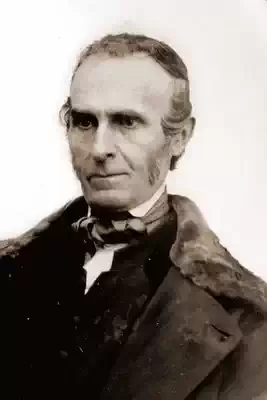
John Greenleaf Whittier
The Changeling ( From The Tent on the Beach )
The Changeling ( From The Tent on the Beach )
FOR the fairest maid in Hampton
They needed not to search,
Who saw young Anna favor
Come walking into church,-
Or bringing from the meadows,
At set of harvest-day,
The frolic of the blackbirds,
The sweetness of the hay.
Now the weariest of all mothers,
The saddest two years' bride,
She scowls in the face of her husband,
And spurns her child aside.
"Rake out the red coals, goodman,-For
there the child shall lie,
Till the black witch comes to fetch her
And both up chimney fly.
"It's never my own little daughter,
It's never my own," she said;
"The witches have stolen my Anna,
And left me an imp instead.
"Oh, fair and sweet was my baby,
Blue eyes, and hair of gold;
But this is ugly and wrinkled,
Cross, and cunning, and old.
"I hate the touch of her fingers,
I hate the feel of her skin;
It's not the milk from my bosom,
But my blood, that she sucks in.
"My face grows sharp with the torment;
Look! my arms are skin and bone!
Rake open the red coals, goodman,
And the witch shall have her own.
"She'll come when she hears it crying,
In the shape of an owl or bat,
And she'll bring us our darling Anna
In place of her screeching brat."
Then the goodman, Ezra Dalton,
Laid his hand upon her head:
Thy sorrow is great, O woman!
I sorrow with thee," he said.
"The paths to trouble are many
And never but one sure way
Leads out to the light beyond it:
My poor wife, let us pray."
Then he said to the great All-Father,
"Thy daughter is weak and blind;
Let her sight come back, and clothe her
Once more in her right mind.
"Lead her out of this evil shadow,
Out of these fancies wild;
Let the holy love of the mother
Turn again to her child.
"Make her lips like the lips of Mary
Kissing her blessed Son;
Let her hands, like the hands of Jesus,
Rest on her little one.
"Comfort the soul of thy handmaid,
Open her prison-door,
And thine shall be all the glory
And praise forevermore."
Then into the face of its mother
The baby looked up and smiled;
And the cloud of her soul was lifted,
And she knew her little child.
A beam of the slant west sunshine
Made the wan face almost fair,
Lit the blue eyes' patient wonder
And the rings of pale gold hair.
She kissed it on lip and forehead,
She kissed it on cheek and chink
And she bared her snow-white bosom
To the lips so pale and thin.
Oh, fair on her bridal morning
Was the maid who blushed and smiled,
But fairer to Ezra Dalton
Looked the mother of his child.
With more than a lover's fondness
He stooped to her worn young face,
And the nursing child and the mother
He folded in one embrace.
"Blessed be God!" he murmured.
"Blessed be God!" she said;
"For I see, who once was blinded,-I
live, who once was dead.
"Now mount and ride, my goodman,
As thou lovest thy own soul!
Woe's me, if my wicked fancies
Be the death of Goody Cole!"
His horse he saddled and bridled,
And into the night rode he,
Now through the great black woodland,
Now by the white-beached sea.
He rode through the silent clearings,
He came to the ferry wide,
And thrice he called to the boatman
Asleep on the other side.
He set his horse to the river,
He swam to Newbury town,
And he called up Justice Sewall
In his nightcap and his gown.
And the grave and worshipful justice
(Upon whose soul be peace!)
Set his name to the jailer's warrant
For Goodwife Cole's release.
Then through the night the hoof-beats
Went sounding like a flail;
And Goody Cole at cockcrow
Came forth from Ipswich jail.
.
FOR the fairest maid in Hampton
They needed not to search,
Who saw young Anna favor
Come walking into church,-
Or bringing from the meadows,
At set of harvest-day,
The frolic of the blackbirds,
The sweetness of the hay.
Now the weariest of all mothers,
The saddest two years' bride,
She scowls in the face of her husband,
And spurns her child aside.
"Rake out the red coals, goodman,-For
there the child shall lie,
Till the black witch comes to fetch her
And both up chimney fly.
"It's never my own little daughter,
It's never my own," she said;
"The witches have stolen my Anna,
And left me an imp instead.
"Oh, fair and sweet was my baby,
Blue eyes, and hair of gold;
But this is ugly and wrinkled,
Cross, and cunning, and old.
"I hate the touch of her fingers,
I hate the feel of her skin;
It's not the milk from my bosom,
But my blood, that she sucks in.
"My face grows sharp with the torment;
Look! my arms are skin and bone!
Rake open the red coals, goodman,
And the witch shall have her own.
"She'll come when she hears it crying,
In the shape of an owl or bat,
And she'll bring us our darling Anna
In place of her screeching brat."
Then the goodman, Ezra Dalton,
Laid his hand upon her head:
Thy sorrow is great, O woman!
I sorrow with thee," he said.
"The paths to trouble are many
And never but one sure way
Leads out to the light beyond it:
My poor wife, let us pray."
Then he said to the great All-Father,
"Thy daughter is weak and blind;
Let her sight come back, and clothe her
Once more in her right mind.
"Lead her out of this evil shadow,
Out of these fancies wild;
Let the holy love of the mother
Turn again to her child.
"Make her lips like the lips of Mary
Kissing her blessed Son;
Let her hands, like the hands of Jesus,
Rest on her little one.
"Comfort the soul of thy handmaid,
Open her prison-door,
And thine shall be all the glory
And praise forevermore."
Then into the face of its mother
The baby looked up and smiled;
And the cloud of her soul was lifted,
And she knew her little child.
A beam of the slant west sunshine
Made the wan face almost fair,
Lit the blue eyes' patient wonder
And the rings of pale gold hair.
She kissed it on lip and forehead,
She kissed it on cheek and chink
And she bared her snow-white bosom
To the lips so pale and thin.
Oh, fair on her bridal morning
Was the maid who blushed and smiled,
But fairer to Ezra Dalton
Looked the mother of his child.
With more than a lover's fondness
He stooped to her worn young face,
And the nursing child and the mother
He folded in one embrace.
"Blessed be God!" he murmured.
"Blessed be God!" she said;
"For I see, who once was blinded,-I
live, who once was dead.
"Now mount and ride, my goodman,
As thou lovest thy own soul!
Woe's me, if my wicked fancies
Be the death of Goody Cole!"
His horse he saddled and bridled,
And into the night rode he,
Now through the great black woodland,
Now by the white-beached sea.
He rode through the silent clearings,
He came to the ferry wide,
And thrice he called to the boatman
Asleep on the other side.
He set his horse to the river,
He swam to Newbury town,
And he called up Justice Sewall
In his nightcap and his gown.
And the grave and worshipful justice
(Upon whose soul be peace!)
Set his name to the jailer's warrant
For Goodwife Cole's release.
Then through the night the hoof-beats
Went sounding like a flail;
And Goody Cole at cockcrow
Came forth from Ipswich jail.
.
209
John Greenleaf Whittier
Hymn For The House Of Worship At Georgetown, Erected In Memory Of A
Hymn For The House Of Worship At Georgetown, Erected In Memory Of A
Mother
Thou dwellest not, O Lord of all
In temples which thy children raise;
Our work to thine is mean and small,
And brief to thy eternal days.
Forgive the weakness and the pride,
If marred thereby our gift may be,
For love, at least, has sanctified
The altar that we rear to thee.
The heart and not the hand has wrought
From sunken base to tower above
The image of a tender thought,
The memory of a deathless love!
And though should never sound of speech
Or organ echo from its wall,
Its stones would pious lessons teach,
Its shade in benedictions fall.
Here should the dove of peace be found,
And blessings and not curses given;
Nor strife profane, nor hatred wound,
The mingled loves of earth and heaven.
Thou, who didst soothe with dying breath
The dear one watching by Thy cross,
Forgetful of the pains of death
In sorrow for her mighty loss,
In memory of that tender claim,
O Mother-born, the offering take,
And make it worthy of Thy name,
And bless it for a mother's sake!
Mother
Thou dwellest not, O Lord of all
In temples which thy children raise;
Our work to thine is mean and small,
And brief to thy eternal days.
Forgive the weakness and the pride,
If marred thereby our gift may be,
For love, at least, has sanctified
The altar that we rear to thee.
The heart and not the hand has wrought
From sunken base to tower above
The image of a tender thought,
The memory of a deathless love!
And though should never sound of speech
Or organ echo from its wall,
Its stones would pious lessons teach,
Its shade in benedictions fall.
Here should the dove of peace be found,
And blessings and not curses given;
Nor strife profane, nor hatred wound,
The mingled loves of earth and heaven.
Thou, who didst soothe with dying breath
The dear one watching by Thy cross,
Forgetful of the pains of death
In sorrow for her mighty loss,
In memory of that tender claim,
O Mother-born, the offering take,
And make it worthy of Thy name,
And bless it for a mother's sake!
210
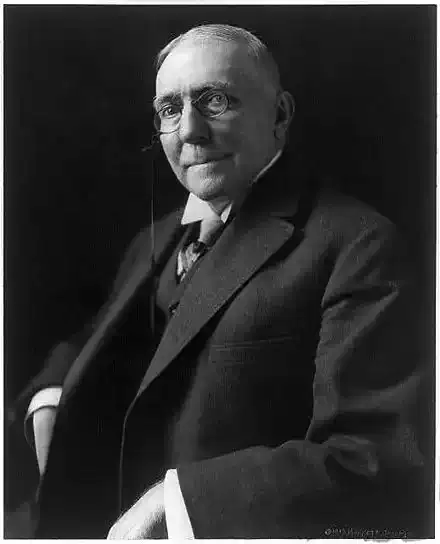
James Whitcomb Riley
When Mother Combed My Hair
When Mother Combed My Hair
When Memory, with gentle hand,
Has led me to that foreign land
Of childhood days, I long to be
Again the boy on bended knee,
With head a-bow, and drowsy smile
Hid in a mother's lap the while,
With tender touch and kindly care,
She bends above and combs my hair.
Ere threats of Time, or ghosts of cares
Had paled it to the hue it wears,
Its tangled threads of amber light
Fell o'er a forehead, fair and white,
That only knew the light caress
Of loving hands, or sudden press
Of kisses that were sifted there
The times when mother combed my hair.
But its last gleams of gold have slipped
Away; and Sorrow's manuscript
Is fashioned of the snowy brow--
So lined and underscored now
That you, to see it, scarce would guess
It e'er had felt the fond caress
Of loving lips, or known the care
Of those dear hands that combed my hair.
. . . . . . . .
I am so tired! Let me be
A moment at my mother's knee;
One moment--that I may forget
The trials waiting for me yet:
One moment free from every pain--
O! Mother! Comb my hair again!
And I will, oh, so humbly bow,
For I've a wife that combs it now.
When Memory, with gentle hand,
Has led me to that foreign land
Of childhood days, I long to be
Again the boy on bended knee,
With head a-bow, and drowsy smile
Hid in a mother's lap the while,
With tender touch and kindly care,
She bends above and combs my hair.
Ere threats of Time, or ghosts of cares
Had paled it to the hue it wears,
Its tangled threads of amber light
Fell o'er a forehead, fair and white,
That only knew the light caress
Of loving hands, or sudden press
Of kisses that were sifted there
The times when mother combed my hair.
But its last gleams of gold have slipped
Away; and Sorrow's manuscript
Is fashioned of the snowy brow--
So lined and underscored now
That you, to see it, scarce would guess
It e'er had felt the fond caress
Of loving lips, or known the care
Of those dear hands that combed my hair.
. . . . . . . .
I am so tired! Let me be
A moment at my mother's knee;
One moment--that I may forget
The trials waiting for me yet:
One moment free from every pain--
O! Mother! Comb my hair again!
And I will, oh, so humbly bow,
For I've a wife that combs it now.
254
James Whitcomb Riley
The Wife-Blessed
The Wife-Blessed
I.
In youth he wrought, with eyes ablur,
Lorn-faced and long of hair--
In youth--in youth he painted her
A sister of the air--
Could clasp her not, but felt the stir
Of pinions everywhere.
II.
She lured his gaze, in braver days,
And tranced him sirenwise;
And he did paint her, through a haze
Of sullen paradise,
With scars of kisses on her face
And embers in her eyes.
III.
And now--nor dream nor wild conceit--
Though faltering, as before--
Through tears he paints her, as is meet,
Tracing the dear face o'er
With lilied patience meek and sweet
As Mother Mary wore.
I.
In youth he wrought, with eyes ablur,
Lorn-faced and long of hair--
In youth--in youth he painted her
A sister of the air--
Could clasp her not, but felt the stir
Of pinions everywhere.
II.
She lured his gaze, in braver days,
And tranced him sirenwise;
And he did paint her, through a haze
Of sullen paradise,
With scars of kisses on her face
And embers in her eyes.
III.
And now--nor dream nor wild conceit--
Though faltering, as before--
Through tears he paints her, as is meet,
Tracing the dear face o'er
With lilied patience meek and sweet
As Mother Mary wore.
259

Jack Kerouac
th Chorus
th Chorus
I keep falling in love
with my mother,
I dont want to hurt her
-Of all people to hurt.
Every time I see her
she's grown older
But her uniform always
amazes me
For its Dutch simplicity
And the Doll she is,
The doll-like way
she stands
Bowlegged in my dreams,
Waiting to serve me.
And I am only an Apache
Smoking Hashi
In old Cabashy
By the Lamp.
I keep falling in love
with my mother,
I dont want to hurt her
-Of all people to hurt.
Every time I see her
she's grown older
But her uniform always
amazes me
For its Dutch simplicity
And the Doll she is,
The doll-like way
she stands
Bowlegged in my dreams,
Waiting to serve me.
And I am only an Apache
Smoking Hashi
In old Cabashy
By the Lamp.
266

Gwendolyn Brooks
A Penitent Considers Another Coming of Mary
A Penitent Considers Another Coming of Mary
For Reverend Theodore Richardson
If Mary came would Mary
Forgive, as Mothers may,
And sad and second Saviour
Furnish us today?
She would not shake her head and leave
This military air,
But ratify a modern hay,
And put her Baby there.
Mary would not punish men—
If Mary came again.
For Reverend Theodore Richardson
If Mary came would Mary
Forgive, as Mothers may,
And sad and second Saviour
Furnish us today?
She would not shake her head and leave
This military air,
But ratify a modern hay,
And put her Baby there.
Mary would not punish men—
If Mary came again.
290
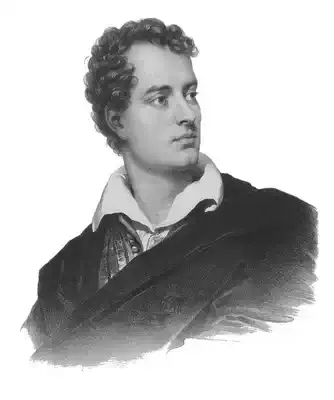
Lord Byron
Sonnet - to Genevra
Sonnet - to Genevra
Thy cheek is pale with thought, but not from woe,
And yet so lovely, that if Mirth could flush
Its rose of whiteness with the brightest blush,
My heart would wish away that ruder glow:
And dazzle not thy deepblue
eyesbut,
oh!
While gazing on them sterner eyes will gush,
And into mine my mother's weakness rush,
Soft as the last drops round Heaven's airy bow.
For, though thy long dark lashes low depending,
The soul of melancholy Gentleness
Gleams like a Seraph from the sky descending,
Above all pain, yet pitying all distress;
At once such majesty with sweetness blending,
I worship more, but cannot love thee less.
Thy cheek is pale with thought, but not from woe,
And yet so lovely, that if Mirth could flush
Its rose of whiteness with the brightest blush,
My heart would wish away that ruder glow:
And dazzle not thy deepblue
eyesbut,
oh!
While gazing on them sterner eyes will gush,
And into mine my mother's weakness rush,
Soft as the last drops round Heaven's airy bow.
For, though thy long dark lashes low depending,
The soul of melancholy Gentleness
Gleams like a Seraph from the sky descending,
Above all pain, yet pitying all distress;
At once such majesty with sweetness blending,
I worship more, but cannot love thee less.
657
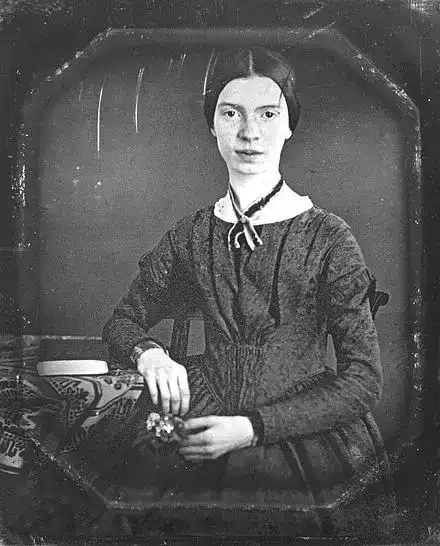
Emily Dickinson
Mama never forgets her birds
Mama never forgets her birds
164
Mama never forgets her birds,
Though in another tree-
She looks down just as often
And just as tenderly
As when her little mortal nest
With cunning care she wove-
If either of her "sparrows fall,"
She "notices," above.
164
Mama never forgets her birds,
Though in another tree-
She looks down just as often
And just as tenderly
As when her little mortal nest
With cunning care she wove-
If either of her "sparrows fall,"
She "notices," above.
363
Ella Wheeler Wilcox
The Little White Hearse
The Little White Hearse
Somebody’s baby was buried to-day –
The empty white hearse from the grave rumbled back,
And the morning somehow seemed less smiling and gay
As I paused on the sidewalk while it crossed on its way,
And a shadow seemed drawn o’er the sun’s golden track.
Somebody’s baby was laid out to rest,
White as a snowdrop, and fair to behold,
And the soft little hands were crossed over the breast,
And those hands and the lips and the eyelids were pressed
With kisses as hot as the eyelids were cold.
Somebody saw it go out of her sight,
Under the coffin lid – out through the door;
Somebody finds only darkness and blight
All through the glory of summer-sun light;
Somebody’s baby will waken no more.
Somebody’s sorrow is making me weep:
I know not her name, but I echo her cry,
For the dearly bought baby she longed so to keep,
The baby that rode to its long-lasting sleep
In the little white hearse that went rumbling by.
I know not her name, but her sorrow I know;
While I paused on the crossing I lived it once more,
And back to my heart surged that river of woe
That but in the breast of a mother can flow;
For the little white hearse has been, too, at my door.
Somebody’s baby was buried to-day –
The empty white hearse from the grave rumbled back,
And the morning somehow seemed less smiling and gay
As I paused on the sidewalk while it crossed on its way,
And a shadow seemed drawn o’er the sun’s golden track.
Somebody’s baby was laid out to rest,
White as a snowdrop, and fair to behold,
And the soft little hands were crossed over the breast,
And those hands and the lips and the eyelids were pressed
With kisses as hot as the eyelids were cold.
Somebody saw it go out of her sight,
Under the coffin lid – out through the door;
Somebody finds only darkness and blight
All through the glory of summer-sun light;
Somebody’s baby will waken no more.
Somebody’s sorrow is making me weep:
I know not her name, but I echo her cry,
For the dearly bought baby she longed so to keep,
The baby that rode to its long-lasting sleep
In the little white hearse that went rumbling by.
I know not her name, but her sorrow I know;
While I paused on the crossing I lived it once more,
And back to my heart surged that river of woe
That but in the breast of a mother can flow;
For the little white hearse has been, too, at my door.
449
Ella Wheeler Wilcox
Now I lay Me
Now I lay Me
When I pass from earth away,
Palsied though I be and gray,
May my spirit keep so young
That my failing, faltering tongue
Frames that prayer so dear to me
Taught me at my mother's knee:
'Now I lay me down to sleep,'
(Passing to Eternal rest
On the loving parent breast)
'I pray the Lord my soul to keep;'
(From all danger safe and calm
In the hollow of His palm
'If I should die before I wake,'
(Drifting with a bated breath
Out of slumber into death,)
'I pray the Lord my soul to take.'
(From the body's claim set free
Sheltered in the Great to be.)
Simple prayer of trust and truth
Taught me in my early youth-
Let my soul its beauty keep
When I lay me down to sleep.
When I pass from earth away,
Palsied though I be and gray,
May my spirit keep so young
That my failing, faltering tongue
Frames that prayer so dear to me
Taught me at my mother's knee:
'Now I lay me down to sleep,'
(Passing to Eternal rest
On the loving parent breast)
'I pray the Lord my soul to keep;'
(From all danger safe and calm
In the hollow of His palm
'If I should die before I wake,'
(Drifting with a bated breath
Out of slumber into death,)
'I pray the Lord my soul to take.'
(From the body's claim set free
Sheltered in the Great to be.)
Simple prayer of trust and truth
Taught me in my early youth-
Let my soul its beauty keep
When I lay me down to sleep.
468
Ella Wheeler Wilcox
My Vision
My Vision
Wherever my feet may wander
Wherever I chance to be,
There comes, with the coming of even' time
A vision sweet to me.
I see my mother sitting
In the old familiar place,
And she rocks to the tune her needles sing,
And thinks of an absent face.
I can hear the roar of the city
AAbout me now as I write;
But over an hundred miles of snow
My thought-steeds fly tonight,
To the dear little cozy cottage,
And the room where mother sits,
And slowly rocks in her easy chair
And thinks of me as she knits.
Sometimes with the merry dancers
When my feet are keeping time,
And my heart beats high, as young hearts will,
To the music's rhythmic chime.
My spirit slips over the distance
Over the glitter and whirl,
To my mother who sits, and rocks, and knits,
And thinks of her "little girl."
And when I listen to voices that flatter,
And smile, as women do,
To whispered words that may be sweet,
But are not always true;
I think of the sweet, quaint picture
Afar in quiet ways,
And I know one smile of my mother's eyes
Is better than all their praise.
And I know I can never wander
Far from the path of right,
Though snares are set for a woman's feet
In places that seem most bright.
For the vision is with me always,
Wherever I chance to be,
Of mother sitting, rocking, and knitting,
Thinking and praying for me.
Wherever my feet may wander
Wherever I chance to be,
There comes, with the coming of even' time
A vision sweet to me.
I see my mother sitting
In the old familiar place,
And she rocks to the tune her needles sing,
And thinks of an absent face.
I can hear the roar of the city
AAbout me now as I write;
But over an hundred miles of snow
My thought-steeds fly tonight,
To the dear little cozy cottage,
And the room where mother sits,
And slowly rocks in her easy chair
And thinks of me as she knits.
Sometimes with the merry dancers
When my feet are keeping time,
And my heart beats high, as young hearts will,
To the music's rhythmic chime.
My spirit slips over the distance
Over the glitter and whirl,
To my mother who sits, and rocks, and knits,
And thinks of her "little girl."
And when I listen to voices that flatter,
And smile, as women do,
To whispered words that may be sweet,
But are not always true;
I think of the sweet, quaint picture
Afar in quiet ways,
And I know one smile of my mother's eyes
Is better than all their praise.
And I know I can never wander
Far from the path of right,
Though snares are set for a woman's feet
In places that seem most bright.
For the vision is with me always,
Wherever I chance to be,
Of mother sitting, rocking, and knitting,
Thinking and praying for me.
445
Ella Wheeler Wilcox
Mother's Kisses
Mother's Kisses
Baby was playing and down he fell, down he fell, down he fell,
Mama will kiss him and make him well,
Oh! what a miracle this is!
Baby was running and stubbed his toe, stubbed his toe, stubbed his toe,
If mama will kiss him the pain will go-
Magical mother's kisses.
Once an angel fair and calm,
Brewed a wondrous soothing balm
From the sweet immortal flowers,
Growing in the heavenly bowers,
Then the mothers of the earth,
All were called and told its worth.
'But anoint your lips with this,'
Said the angel, 'and your kiss
Shall have magic in its touch.'
Now 'tis plain to see why such
Soothing balm for bruise or wound
In a mother's kiss is found.
Baby was playing and down he fell, down he fell, down he fell,
Mama will kiss him, and make him well,
Oh! what a miracle this is.
Baby was running and stubbed his toe, stubbed his toe, stubbed his toe,
If mama kisses him, pain will go-
Magical mother's kisses.
Baby was playing and down he fell, down he fell, down he fell,
Mama will kiss him and make him well,
Oh! what a miracle this is!
Baby was running and stubbed his toe, stubbed his toe, stubbed his toe,
If mama will kiss him the pain will go-
Magical mother's kisses.
Once an angel fair and calm,
Brewed a wondrous soothing balm
From the sweet immortal flowers,
Growing in the heavenly bowers,
Then the mothers of the earth,
All were called and told its worth.
'But anoint your lips with this,'
Said the angel, 'and your kiss
Shall have magic in its touch.'
Now 'tis plain to see why such
Soothing balm for bruise or wound
In a mother's kiss is found.
Baby was playing and down he fell, down he fell, down he fell,
Mama will kiss him, and make him well,
Oh! what a miracle this is.
Baby was running and stubbed his toe, stubbed his toe, stubbed his toe,
If mama kisses him, pain will go-
Magical mother's kisses.
424
Ella Wheeler Wilcox
Daft
Daft
In the warm yellow smile of the morning,
She stands at the lattice pane,
And watches the strong young binders
Stride down to the fields of grain.
And she counts them over and over
As they pass her cottage door:
Are they six, she counts them seven;
Are they seven, she counts one more.
When the sun swings high in the heavens,
And the reapers go shouting home,
She calls to the household, saying,
'Make haste! for the binders have come
And Johnnie will want his dinner He
was always a hungry child';
And they answer, 'Yes, it ia waiting';
Then tell you, 'Her brain is wild.'
Again, in the hush of the evening,
When the work of the day is done,
And the binders go singing homeward
In the last red rays of the sun,
She will sit at the threshold waiting,
And with her withered face lights with joy:
'Come, Johnnie, ' she says, as they pass her,
'Come into the house, my boy.'
Five summers ago her Johnnie
Went out in the smile of the morn,
Singing across the meadow,
Striding down through the corn -
He towered above the binders,
Walking on either side,
And the mother's heart within her
Swelled with exultant pride.
For he was the light of the household His
brown eyes were wells of truth,
And his face was the face of the morning,
Lit with its pure, fresh youth,
And his song rang out from the hilltops
Like the mellow blast of a horn,
And he strode o'er the fresh shorn meadows,
And down through the rows of corn.
But hushed were the voices of singing,
Hushed by the presence of death,
As back to the cottage they bore him In
the noontide's scorching breath,
For the heat of the sun had slain him,
Had smitten the heart in his breast,
And he who towered above them
Lay lower than all the rest.
The grain grows ripe in the sunshine,
And the summers ebb and flow,
And the binders stride to their labour
And sing as they come and go;
But never again from the hilltops
Echoes the voice like a horn;
Never up from the meadows,
Never back from the corn.
Yet the poor, crazed brain of the mother
Fancies him always near;
She is blest in her strange delusion,
For she knoweth no pain nor fear,
And always she counts the binders
As they pass by her cottage door;
Are they six, she counts them seven;
Are they seven, she counts one more.
In the warm yellow smile of the morning,
She stands at the lattice pane,
And watches the strong young binders
Stride down to the fields of grain.
And she counts them over and over
As they pass her cottage door:
Are they six, she counts them seven;
Are they seven, she counts one more.
When the sun swings high in the heavens,
And the reapers go shouting home,
She calls to the household, saying,
'Make haste! for the binders have come
And Johnnie will want his dinner He
was always a hungry child';
And they answer, 'Yes, it ia waiting';
Then tell you, 'Her brain is wild.'
Again, in the hush of the evening,
When the work of the day is done,
And the binders go singing homeward
In the last red rays of the sun,
She will sit at the threshold waiting,
And with her withered face lights with joy:
'Come, Johnnie, ' she says, as they pass her,
'Come into the house, my boy.'
Five summers ago her Johnnie
Went out in the smile of the morn,
Singing across the meadow,
Striding down through the corn -
He towered above the binders,
Walking on either side,
And the mother's heart within her
Swelled with exultant pride.
For he was the light of the household His
brown eyes were wells of truth,
And his face was the face of the morning,
Lit with its pure, fresh youth,
And his song rang out from the hilltops
Like the mellow blast of a horn,
And he strode o'er the fresh shorn meadows,
And down through the rows of corn.
But hushed were the voices of singing,
Hushed by the presence of death,
As back to the cottage they bore him In
the noontide's scorching breath,
For the heat of the sun had slain him,
Had smitten the heart in his breast,
And he who towered above them
Lay lower than all the rest.
The grain grows ripe in the sunshine,
And the summers ebb and flow,
And the binders stride to their labour
And sing as they come and go;
But never again from the hilltops
Echoes the voice like a horn;
Never up from the meadows,
Never back from the corn.
Yet the poor, crazed brain of the mother
Fancies him always near;
She is blest in her strange delusion,
For she knoweth no pain nor fear,
And always she counts the binders
As they pass by her cottage door;
Are they six, she counts them seven;
Are they seven, she counts one more.
434
Ella Wheeler Wilcox
Breaking The Day In Two
Breaking The Day In Two
When from dawn till noon seems one long day,
And from noon till night another,
Oh, then should a little boy come from play,
And creep into the arms of his mother.
Snugly creep and fall asleep,
O come, my baby, do;
Creep into my lap, and with a nap,
We'll break the day in two.
When the shadows slant for afternoon,
When the midday meal is over;
When the winds have sung themselves into a swoon,
And the bees drone in the clover.
Then hie to me, hie, for a lullaby-
Come, my baby, do;
Creep into my lap, and with a nap
We'll break the day in two.
We'll break it in two with a crooning song,
With a soft and soothing number;
For the day has no right to be so long
And keep my baby from slumber.
Then rock-a-by, rock, may white dreams flock
Like angels over you;
Baby's gone, and the deed is done
We've broken the day in two.
When from dawn till noon seems one long day,
And from noon till night another,
Oh, then should a little boy come from play,
And creep into the arms of his mother.
Snugly creep and fall asleep,
O come, my baby, do;
Creep into my lap, and with a nap,
We'll break the day in two.
When the shadows slant for afternoon,
When the midday meal is over;
When the winds have sung themselves into a swoon,
And the bees drone in the clover.
Then hie to me, hie, for a lullaby-
Come, my baby, do;
Creep into my lap, and with a nap
We'll break the day in two.
We'll break it in two with a crooning song,
With a soft and soothing number;
For the day has no right to be so long
And keep my baby from slumber.
Then rock-a-by, rock, may white dreams flock
Like angels over you;
Baby's gone, and the deed is done
We've broken the day in two.
382
Elizabeth Barrett Browning
Sonnet XVIII: I Never Gave a Lock of Hair
Sonnet XVIII: I Never Gave a Lock of Hair
I never gave a lock of hair away
To a man, dearest, except this to thee,
Which now upon my fingers thoughtfully,
I ring out to the full brown length and say
Take it. My day of youth went yesterday;
My hair no longer bounds to my foot's glee,
Nor plant I it from rose or myrtle-tree,
As girls do, any more: it only may
Now shade on two pale cheeks the mark of tears,
Taught drooping from the head that hangs aside
Through sorrow's trick. I thought the funeral-shears
Would take this first, but Love is justified,--
Take it thou,--finding pure, from all those years,
The kiss my mother left here when she died.
I never gave a lock of hair away
To a man, dearest, except this to thee,
Which now upon my fingers thoughtfully,
I ring out to the full brown length and say
Take it. My day of youth went yesterday;
My hair no longer bounds to my foot's glee,
Nor plant I it from rose or myrtle-tree,
As girls do, any more: it only may
Now shade on two pale cheeks the mark of tears,
Taught drooping from the head that hangs aside
Through sorrow's trick. I thought the funeral-shears
Would take this first, but Love is justified,--
Take it thou,--finding pure, from all those years,
The kiss my mother left here when she died.
424
Edgar Allan Poe
Sancta Maria
Sancta Maria
Sancta Maria! turn thine eyes -
Upon the sinner's sacrifice,
Of fervent prayer and humble love,
From thy holy throne above.
At morn - at noon - at twilight dim -
Maria! thou hast heard my hymn!
In joy and wo - in good and ill -
Mother of God, be with me still!
When the Hours flew brightly by,
And not a cloud obscured the sky,
My soul, lest it should truant be,
Thy grace did guide to thine and thee;
Now, when storms of Fate o'ercast
Darkly my Present and my Past,
Let my Future radiant shine
With sweet hopes of thee and thine!
Sancta Maria! turn thine eyes -
Upon the sinner's sacrifice,
Of fervent prayer and humble love,
From thy holy throne above.
At morn - at noon - at twilight dim -
Maria! thou hast heard my hymn!
In joy and wo - in good and ill -
Mother of God, be with me still!
When the Hours flew brightly by,
And not a cloud obscured the sky,
My soul, lest it should truant be,
Thy grace did guide to thine and thee;
Now, when storms of Fate o'ercast
Darkly my Present and my Past,
Let my Future radiant shine
With sweet hopes of thee and thine!
225
Dorothy Parker
The Gentlest Lady
The Gentlest Lady
They say He was a serious child,
And quiet in His ways;
They say the gentlest lady smiled
To hear the neighbors' praise.
The coffers of her heart would close
Upon their smaliest word.
Yet did they say, "How tall He grows!"
They thought she had not heard.
They say upon His birthday eve
She'd rock Him to His rest
As if she could not have Him leave
The shelter of her breast.
The poor must go in bitter thrift,
The poor must give in pain,
But ever did she get a gift
To greet His day again.
They say she'd kiss the Boy awake,
And hail Him gay and clear,
But oh, her heart was like to break
To count another year.
They say He was a serious child,
And quiet in His ways;
They say the gentlest lady smiled
To hear the neighbors' praise.
The coffers of her heart would close
Upon their smaliest word.
Yet did they say, "How tall He grows!"
They thought she had not heard.
They say upon His birthday eve
She'd rock Him to His rest
As if she could not have Him leave
The shelter of her breast.
The poor must go in bitter thrift,
The poor must give in pain,
But ever did she get a gift
To greet His day again.
They say she'd kiss the Boy awake,
And hail Him gay and clear,
But oh, her heart was like to break
To count another year.
396

D.H. Lawrence
The Virgin Mother
The Virgin Mother
My little love, my darling,
You were a doorway to me;
You let me out of the confines
Into this strange countrie,
Where people are crowded like thistles,
Yet are shapely and comely to see.
My little love, my dearest
Twice have you issued me,
Once from your womb, sweet mother,
Once from myself, to be
Free of all hearts, my darling,
Of each heart’s home-life free.
And so, my love, my mother,
I shall always be true to you;
Twice I am born, my dearest,
To life, and to death, in you;
And this is the life hereafter
Wherein I am true.
I kiss you good-bye, my darling,
Our ways are different now;
You are a seed in the night-time,
I am a man, to plough
The difficult glebe of the future
For God to endow.
I kiss you good-bye, my dearest,
It is finished between us here.
Oh, if I were calm as you are,
Sweet and still on your bier!
O God, if I had not to leave you
Alone, my dear!
Let the last word be uttered,
Oh grant the farewell is said!
Spare me the strength to leave you
Now you are dead.
I must go, but my soul lies helpless
Beside your bed.
My little love, my darling,
You were a doorway to me;
You let me out of the confines
Into this strange countrie,
Where people are crowded like thistles,
Yet are shapely and comely to see.
My little love, my dearest
Twice have you issued me,
Once from your womb, sweet mother,
Once from myself, to be
Free of all hearts, my darling,
Of each heart’s home-life free.
And so, my love, my mother,
I shall always be true to you;
Twice I am born, my dearest,
To life, and to death, in you;
And this is the life hereafter
Wherein I am true.
I kiss you good-bye, my darling,
Our ways are different now;
You are a seed in the night-time,
I am a man, to plough
The difficult glebe of the future
For God to endow.
I kiss you good-bye, my dearest,
It is finished between us here.
Oh, if I were calm as you are,
Sweet and still on your bier!
O God, if I had not to leave you
Alone, my dear!
Let the last word be uttered,
Oh grant the farewell is said!
Spare me the strength to leave you
Now you are dead.
I must go, but my soul lies helpless
Beside your bed.
242
D.H. Lawrence
Sorrow
Sorrow
Why does the thin grey strand
Floating up from the forgotten
Cigarette between my fingers,
Why does it trouble me?
Ah, you will understand;
When I carried my mother downstairs,
A few times only, at the beginning
Of her soft-foot malady,
I should find, for a reprimand
To my gaiety, a few long grey hairs
On the breast of my coat; and one by one
I let them float up the dark chimney.
Why does the thin grey strand
Floating up from the forgotten
Cigarette between my fingers,
Why does it trouble me?
Ah, you will understand;
When I carried my mother downstairs,
A few times only, at the beginning
Of her soft-foot malady,
I should find, for a reprimand
To my gaiety, a few long grey hairs
On the breast of my coat; and one by one
I let them float up the dark chimney.
239
D.H. Lawrence
Monologue of a Mother
Monologue of a Mother
This is the last of all, this is the last!
I must hold my hands, and turn my face to the fire,
I must watch my dead days fusing together in dross,
Shape after shape, and scene after scene from my past
Fusing to one dead mass in the sinking fire
Where the ash on the dying coals grows swiftly, like heavy moss.
Strange he is, my son, whom I have awaited like a loyer,
Strange to me like a captive in a foreign country, haunting
The confines and gazing out on the land where the wind is free;
White and gaunt, with wistful eyes that hover
Always on the distance, as if his soul were chaunting
The monotonous weird of departure away from me.
Like a strange white bird blown out of the frozen seas,
Like a bird from the far north blown with a broken wing
Into our sooty garden, he drags and beats
From place to place perpetually, seeking release
From me, from the hand of my love which creeps up, needing
His happiness, whilst he in displeasure retreats.
I must look away from him, for my faded eyes
Like a cringing dog at his heels offend him now,
Like a toothless hound pursuing him with my will,
Till he chafes at my crouching persistence, and a sharp spark flies
In my soul from under the sudden frown of his brow,
As he blenches and turns away, and my heart stands still.
This is the last, it will not be any more.
All my life I have borne the burden of myself,
All the long years of sitting in my husband’s house,
Never have I said to myself as he closed the door:
“Now I am caught!—You are hopelessly lost, O Self,
You are frightened with joy, my heart, like a frightened mouse.”
Three times have I offered myself, three times rejected.
It will not be any more. No more, my son, my son!
Never to know the glad freedom of obedience, since long ago
The angel of childhood kissed me and went. I expected
Another would take me,—and now, my son, O my son,
I must sit awhile and wait, and never know
The loss of myself, till death comes, who cannot fail.
Death, in whose service is nothing of gladness, takes me:
For the lips and the eyes of God are behind a veil.
And the thought of the lipless voice of the Father shakes me
With fear, and fills my eyes with the tears of desire,
And my heart rebels with anguish as night draws nigher.
This is the last of all, this is the last!
I must hold my hands, and turn my face to the fire,
I must watch my dead days fusing together in dross,
Shape after shape, and scene after scene from my past
Fusing to one dead mass in the sinking fire
Where the ash on the dying coals grows swiftly, like heavy moss.
Strange he is, my son, whom I have awaited like a loyer,
Strange to me like a captive in a foreign country, haunting
The confines and gazing out on the land where the wind is free;
White and gaunt, with wistful eyes that hover
Always on the distance, as if his soul were chaunting
The monotonous weird of departure away from me.
Like a strange white bird blown out of the frozen seas,
Like a bird from the far north blown with a broken wing
Into our sooty garden, he drags and beats
From place to place perpetually, seeking release
From me, from the hand of my love which creeps up, needing
His happiness, whilst he in displeasure retreats.
I must look away from him, for my faded eyes
Like a cringing dog at his heels offend him now,
Like a toothless hound pursuing him with my will,
Till he chafes at my crouching persistence, and a sharp spark flies
In my soul from under the sudden frown of his brow,
As he blenches and turns away, and my heart stands still.
This is the last, it will not be any more.
All my life I have borne the burden of myself,
All the long years of sitting in my husband’s house,
Never have I said to myself as he closed the door:
“Now I am caught!—You are hopelessly lost, O Self,
You are frightened with joy, my heart, like a frightened mouse.”
Three times have I offered myself, three times rejected.
It will not be any more. No more, my son, my son!
Never to know the glad freedom of obedience, since long ago
The angel of childhood kissed me and went. I expected
Another would take me,—and now, my son, O my son,
I must sit awhile and wait, and never know
The loss of myself, till death comes, who cannot fail.
Death, in whose service is nothing of gladness, takes me:
For the lips and the eyes of God are behind a veil.
And the thought of the lipless voice of the Father shakes me
With fear, and fills my eyes with the tears of desire,
And my heart rebels with anguish as night draws nigher.
238
D.H. Lawrence
A Baby Asleep after Pain
A Baby Asleep after Pain
As a drenched, drowned bee
Hangs numb and heavy from a bending flower,
So clings to me
My baby, her brown hair brushed with wet tears
And laid against her cheek;
Her soft white legs hanging heavily over my arm
Swinging heavily to my movements as I walk.
My sleeping baby hangs upon my life,
Like a burden she hangs on me.
She has always seemed so light,
But now she is wet with tears and numb with pain
Even her floating hair sinks heavily,
Reaching downwards;
As the wings of a drenched, drowned bee
Are a heaviness, and a weariness.
As a drenched, drowned bee
Hangs numb and heavy from a bending flower,
So clings to me
My baby, her brown hair brushed with wet tears
And laid against her cheek;
Her soft white legs hanging heavily over my arm
Swinging heavily to my movements as I walk.
My sleeping baby hangs upon my life,
Like a burden she hangs on me.
She has always seemed so light,
But now she is wet with tears and numb with pain
Even her floating hair sinks heavily,
Reaching downwards;
As the wings of a drenched, drowned bee
Are a heaviness, and a weariness.
177

Claude Mckay
My Mother
My Mother
I
Reg wished me to go with him to the field,
I paused because I did not want to go;
But in her quiet way she made me yield
Reluctantly, for she was breathing low.
Her hand she slowly lifted from her lap
And, smiling sadly in the old sweet way,
She pointed to the nail where hung my cap.
Her eyes said: I shall last another day.
But scarcely had we reached the distant place,
When o'er the hills we heard a faint bell ringing;
A boy came running up with frightened face;
We knew the fatal news that he was bringing.
I heard him listlessly, without a moan,
Although the only one I loved was gone.
II
The dawn departs, the morning is begun,
The trades come whispering from off the seas,
The fields of corn are golden in the sun,
The dark-brown tassels fluttering in the breeze;
The bell is sounding and the children pass,
Frog-leaping, skipping, shouting, laughing shrill,
Down the red road, over the pasture-grass,
Up to the school-house crumbling on the hill.
The older folk are at their peaceful toil,
Some pulling up the weeds, some plucking corn,
And others breaking up the sun-baked soil.
Float, faintly-scented breeze, at early morn
Over the earth where mortals sow and reap--
Beneath its breast my mother lies asleep.
I
Reg wished me to go with him to the field,
I paused because I did not want to go;
But in her quiet way she made me yield
Reluctantly, for she was breathing low.
Her hand she slowly lifted from her lap
And, smiling sadly in the old sweet way,
She pointed to the nail where hung my cap.
Her eyes said: I shall last another day.
But scarcely had we reached the distant place,
When o'er the hills we heard a faint bell ringing;
A boy came running up with frightened face;
We knew the fatal news that he was bringing.
I heard him listlessly, without a moan,
Although the only one I loved was gone.
II
The dawn departs, the morning is begun,
The trades come whispering from off the seas,
The fields of corn are golden in the sun,
The dark-brown tassels fluttering in the breeze;
The bell is sounding and the children pass,
Frog-leaping, skipping, shouting, laughing shrill,
Down the red road, over the pasture-grass,
Up to the school-house crumbling on the hill.
The older folk are at their peaceful toil,
Some pulling up the weeds, some plucking corn,
And others breaking up the sun-baked soil.
Float, faintly-scented breeze, at early morn
Over the earth where mortals sow and reap--
Beneath its breast my mother lies asleep.
421