

Poems in this topic
Sea, Rivers and Oceans
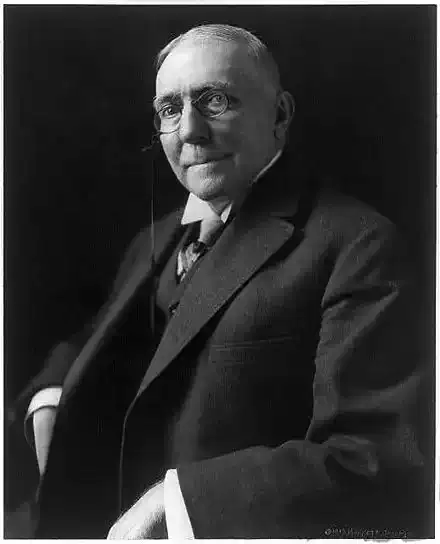
James Whitcomb Riley
While The Musician Played
While The Musician Played
O it was but a dream I had
While the musician played!--
And here the sky, and here the glad
Old ocean kissed the glade--
And here the laughing ripples ran,
And here the roses grew
That threw a kiss to every man
That voyaged with the crew.
Our silken sails in lazy folds
Drooped in the breathless breeze:
As o'er a field of marigolds
Our eyes swam o'er the seas;
While here the eddies lisped and purled
Around the island's rim,
And up from out the underworld
We saw the mermen swim.
And it was dawn and middle-day
And midnight--for the moon
On silver rounds across the bay
Had climbed the skies of June--
And there the glowing, glorious king
Of day ruled o'er his realm,
With stars of midnight glittering
About his diadem.
The seagull reeled on languid wing
In circles round the mast,
We heard the songs the sirens sing
As we went sailing past;
And up and down the golden sands
A thousand fairy throngs
Flung at us from their flashing hands
The echoes of their songs.
O it was but a dream I had
While the musician played--
For here the sky, and here the glad
Old ocean kissed the glade;
And here the laughing ripples ran,
And here the roses grew
That threw a kiss to every man
That voyaged with the crew.
O it was but a dream I had
While the musician played!--
And here the sky, and here the glad
Old ocean kissed the glade--
And here the laughing ripples ran,
And here the roses grew
That threw a kiss to every man
That voyaged with the crew.
Our silken sails in lazy folds
Drooped in the breathless breeze:
As o'er a field of marigolds
Our eyes swam o'er the seas;
While here the eddies lisped and purled
Around the island's rim,
And up from out the underworld
We saw the mermen swim.
And it was dawn and middle-day
And midnight--for the moon
On silver rounds across the bay
Had climbed the skies of June--
And there the glowing, glorious king
Of day ruled o'er his realm,
With stars of midnight glittering
About his diadem.
The seagull reeled on languid wing
In circles round the mast,
We heard the songs the sirens sing
As we went sailing past;
And up and down the golden sands
A thousand fairy throngs
Flung at us from their flashing hands
The echoes of their songs.
O it was but a dream I had
While the musician played--
For here the sky, and here the glad
Old ocean kissed the glade;
And here the laughing ripples ran,
And here the roses grew
That threw a kiss to every man
That voyaged with the crew.
280
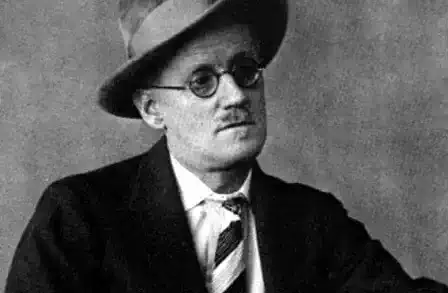
James Joyce
Flood
Flood
Goldbrown upon the sated flood
The rockvine clusters lift and sway;
Vast wings above the lambent waters brood
Of sullen day.
A waste of waters ruthlessly
Sways and uplifts its weedy mane
Where brooding day stares down upon the sea
In dull disdain.
Uplift and sway, O golden vine,
Your clustered fruits to love's full flood,
Lambent and vast and ruthless as is thine
Incertitude!
Goldbrown upon the sated flood
The rockvine clusters lift and sway;
Vast wings above the lambent waters brood
Of sullen day.
A waste of waters ruthlessly
Sways and uplifts its weedy mane
Where brooding day stares down upon the sea
In dull disdain.
Uplift and sway, O golden vine,
Your clustered fruits to love's full flood,
Lambent and vast and ruthless as is thine
Incertitude!
192
James Joyce
All Day I Hear the Noise of Waters
All Day I Hear the Noise of Waters
All day I hear the noise of waters
Making moan,
Sad as the sea-bird is when, going
Forth alone,
He hears the winds cry to the water's
Monotone.
The grey winds, the cold winds are blowing
Where I go.
I hear the noise of many waters
Far below.
All day, all night, I hear them flowing
To and fro.
All day I hear the noise of waters
Making moan,
Sad as the sea-bird is when, going
Forth alone,
He hears the winds cry to the water's
Monotone.
The grey winds, the cold winds are blowing
Where I go.
I hear the noise of many waters
Far below.
All day, all night, I hear them flowing
To and fro.
237
Hilaire Belloc
From: Dedicatory Ode
From: Dedicatory Ode
I will not try the reach again,
I will not set my sail alone,
To moor a boat bereft of men
At Yarnton's tiny docks of stone.
But I will sit beside the fire,
And put my hand before my eyes,
And trace, to fill my heart's desire,
The last of all our Odysseys.
The quiet evening kept her tryst:
Beneath an open sky we rode,
And passed into a wandering mist
Along the perfect Evenlode.
The tender Evenlode that makes
Her meadows hush to hear the sound
Of waters mingling in the brakes,
And binds my heart to English ground.
A lovely river, all alone,
She lingers in the hills and holds
A hundred little towns of stone,
Forgotten in the western wolds.
I will not try the reach again,
I will not set my sail alone,
To moor a boat bereft of men
At Yarnton's tiny docks of stone.
But I will sit beside the fire,
And put my hand before my eyes,
And trace, to fill my heart's desire,
The last of all our Odysseys.
The quiet evening kept her tryst:
Beneath an open sky we rode,
And passed into a wandering mist
Along the perfect Evenlode.
The tender Evenlode that makes
Her meadows hush to hear the sound
Of waters mingling in the brakes,
And binds my heart to English ground.
A lovely river, all alone,
She lingers in the hills and holds
A hundred little towns of stone,
Forgotten in the western wolds.
377
Hilaire Belloc
[Month of] March
[Month of] March
The north-cast wind has come from Norroway,
Roaring he came above the white waves' tips!
The foam of the loud sea was on his lips,
And all his hair was salt with falling spray.
Over the keen light of northern day
He cast his snow cloud's terrible eclipse;
Beyond our banks he suddenly struck the ships,
And left them labouring on his landward way.
The certain course that to my strength belongs
Drives him with gathering purpose and control
Until across Vendean flats he sees
Ocean, the eldest of his enemies.
Then wheels he for him, glorying in goal
And gives him challenge, bellowing battle songs.
The north-cast wind has come from Norroway,
Roaring he came above the white waves' tips!
The foam of the loud sea was on his lips,
And all his hair was salt with falling spray.
Over the keen light of northern day
He cast his snow cloud's terrible eclipse;
Beyond our banks he suddenly struck the ships,
And left them labouring on his landward way.
The certain course that to my strength belongs
Drives him with gathering purpose and control
Until across Vendean flats he sees
Ocean, the eldest of his enemies.
Then wheels he for him, glorying in goal
And gives him challenge, bellowing battle songs.
477
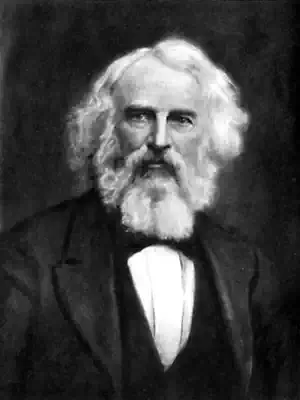
Henry Wadsworth Longfellow
Ultima Thule: The Tide Rises, The Tide Falls
Ultima Thule: The Tide Rises, The Tide Falls
The tide rises, the tide falls,
The twilight darkens, the curlew calls;
Along the sea-sands damp and brown
The traveller hastens toward the town,
And the tide rises, the tide falls.
Darkness settles on roofs and walls,
But the sea, the sea in the darkness calls;
The little waves, with their soft, white hands,
Efface the footprints in the sands,
And the tide rises, the tide falls.
The morning breaks; the steeds in their stalls
Stamp and neigh, as the hostler calls;
The day returns, but nevermore
Returns the traveller to the shore,
And the tide rises, the tide falls.
The tide rises, the tide falls,
The twilight darkens, the curlew calls;
Along the sea-sands damp and brown
The traveller hastens toward the town,
And the tide rises, the tide falls.
Darkness settles on roofs and walls,
But the sea, the sea in the darkness calls;
The little waves, with their soft, white hands,
Efface the footprints in the sands,
And the tide rises, the tide falls.
The morning breaks; the steeds in their stalls
Stamp and neigh, as the hostler calls;
The day returns, but nevermore
Returns the traveller to the shore,
And the tide rises, the tide falls.
218
Henry Wadsworth Longfellow
To The River Yvette. (Birds Of Passage. Flight The Fifth)
To The River Yvette. (Birds Of Passage. Flight The Fifth)
O lovely river of Yvette!
O darling river! like a bride,
Some dimpled, bashful, fair Lisette,
Thou goest to wed the Orge's tide.
Maincourt, and lordly Dampierre,
See and salute thee on thy way,
And, with a blessing and a prayer,
Ring the sweet bells of St. Forget.
The valley of Chevreuse in vain
Would hold thee in its fond embrace;
Thou glidest from its arms again
And hurriest on with swifter pace.
Thou wilt not stay; with restless feet,
Pursuing still thine onward flight,
Thou goest as one in haste to meet
Her sole desire, her heart's delight.
O lovely river of Yvette!
O darling stream! on balanced wings
The wood-birds sang the chansonnette
That here a wandering poet sings.
O lovely river of Yvette!
O darling river! like a bride,
Some dimpled, bashful, fair Lisette,
Thou goest to wed the Orge's tide.
Maincourt, and lordly Dampierre,
See and salute thee on thy way,
And, with a blessing and a prayer,
Ring the sweet bells of St. Forget.
The valley of Chevreuse in vain
Would hold thee in its fond embrace;
Thou glidest from its arms again
And hurriest on with swifter pace.
Thou wilt not stay; with restless feet,
Pursuing still thine onward flight,
Thou goest as one in haste to meet
Her sole desire, her heart's delight.
O lovely river of Yvette!
O darling stream! on balanced wings
The wood-birds sang the chansonnette
That here a wandering poet sings.
354
Henry Wadsworth Longfellow
The Terrestrial Paradise. (From Dante. Purgatorio, XXVIII.)
The Terrestrial Paradise. (From Dante. Purgatorio, XXVIII.)
Longing already to search in and round
The heavenly forest, dense and living-green,
Which tempered to the eyes the newborn day,
Withouten more delay I left the bank,
Crossing the level country slowly, slowly,
Over the soil, that everywhere breathed fragrance.
A gently-breathing air, that no mutation
Had in itself, smote me upon the forehead,
No heavier blow, than of a pleasant breeze,
Whereat the tremulous branches readily
Did all of them bow downward towards that side
Where its first shadow casts the Holy Mountain;
Yet not from their upright direction bent
So that the little birds upon their tops
Should cease the practice of their tuneful art;
But with full-throated joy, the hours of prime
Singing received they in the midst of foliage
That made monotonous burden to their rhymes,
Even as from branch to branch it gathering swells,
Through the pine forests on the shore of Chiassi,
When Aeolus unlooses the Sirocco.
Already my slow steps had led me on
Into the ancient wood so far, that I
Could see no more the place where I had entered.
And lo! my further course cut off a river,
Which, tow'rds the left hand, with its little waves,
Bent down the grass, that on its margin sprang.
All waters that on earth most limpid are,
Would seem to have within themselves some mixture,
Compared with that, which nothing doth conceal,
Although it moves on with a brown, brown current,
Under the shade perpetual, that never
Ray of the sun lets in, nor of the moon.
Longing already to search in and round
The heavenly forest, dense and living-green,
Which tempered to the eyes the newborn day,
Withouten more delay I left the bank,
Crossing the level country slowly, slowly,
Over the soil, that everywhere breathed fragrance.
A gently-breathing air, that no mutation
Had in itself, smote me upon the forehead,
No heavier blow, than of a pleasant breeze,
Whereat the tremulous branches readily
Did all of them bow downward towards that side
Where its first shadow casts the Holy Mountain;
Yet not from their upright direction bent
So that the little birds upon their tops
Should cease the practice of their tuneful art;
But with full-throated joy, the hours of prime
Singing received they in the midst of foliage
That made monotonous burden to their rhymes,
Even as from branch to branch it gathering swells,
Through the pine forests on the shore of Chiassi,
When Aeolus unlooses the Sirocco.
Already my slow steps had led me on
Into the ancient wood so far, that I
Could see no more the place where I had entered.
And lo! my further course cut off a river,
Which, tow'rds the left hand, with its little waves,
Bent down the grass, that on its margin sprang.
All waters that on earth most limpid are,
Would seem to have within themselves some mixture,
Compared with that, which nothing doth conceal,
Although it moves on with a brown, brown current,
Under the shade perpetual, that never
Ray of the sun lets in, nor of the moon.
314
Henry Wadsworth Longfellow
The Sound of the Sea
The Sound of the Sea
The sea awoke at midnight from its sleep,
And round the pebbly beaches far and wide
I heard the first wave of the rising tide
Rush onward with uninterrupted sweep;
A voice out of the silence of the deep,
A sound mysteriously multiplied
As of a cataract from the mountain's side,
Or roar of winds upon a wooded steep.
So comes to us at times, from the unknown
And inaccessible solitudes of being,
The rushing of the sea-tides of the soul;
And inspirations, that we deem our own,
Are some divine of foreshadowing and foreseeing
Of things beyond our reason or control.
The sea awoke at midnight from its sleep,
And round the pebbly beaches far and wide
I heard the first wave of the rising tide
Rush onward with uninterrupted sweep;
A voice out of the silence of the deep,
A sound mysteriously multiplied
As of a cataract from the mountain's side,
Or roar of winds upon a wooded steep.
So comes to us at times, from the unknown
And inaccessible solitudes of being,
The rushing of the sea-tides of the soul;
And inspirations, that we deem our own,
Are some divine of foreshadowing and foreseeing
Of things beyond our reason or control.
436
Henry Wadsworth Longfellow
The Sea Diver
The Sea Diver
My way is on the bright blue sea,
My sleep upon its rocking tide;
And many an eye has followed me
Where billows clasp the worn seaside.
My plumage bears the crimson blush,
When ocean by the sun is kissed!
When fades the evening's purple flush,
My dark wing cleaves the silver mist.
Full many a fathom down beneath
The bright arch of the splendid deep
My ear has heard the sea-shell breathe
O'er living myriads in their sleep.
They rested by the coral throne,
And by the pearly diadem;
Where the pale sea-grape had o'ergrown
The glorious dwellings made for them.
At night upon my storm-drench'd wing,
I poised above a helmless bark,
And soon I saw the shattered thing
Had passed away and left no mark.
And when the wind and storm were done,
a ship, that had rode out the gale,
Sunk down, without a signal-gun,
And none was left to tell the tale.
I saw the pomp of day depart--
The cloud resign its golden crown,
When to the ocean's beating heart
The sailor's wasted corse went down.
Peace be to those whose graves are made
Beneath the bright and silver sea!
Peace - that their relics there were laid
With no vain pride and pageantry.
My way is on the bright blue sea,
My sleep upon its rocking tide;
And many an eye has followed me
Where billows clasp the worn seaside.
My plumage bears the crimson blush,
When ocean by the sun is kissed!
When fades the evening's purple flush,
My dark wing cleaves the silver mist.
Full many a fathom down beneath
The bright arch of the splendid deep
My ear has heard the sea-shell breathe
O'er living myriads in their sleep.
They rested by the coral throne,
And by the pearly diadem;
Where the pale sea-grape had o'ergrown
The glorious dwellings made for them.
At night upon my storm-drench'd wing,
I poised above a helmless bark,
And soon I saw the shattered thing
Had passed away and left no mark.
And when the wind and storm were done,
a ship, that had rode out the gale,
Sunk down, without a signal-gun,
And none was left to tell the tale.
I saw the pomp of day depart--
The cloud resign its golden crown,
When to the ocean's beating heart
The sailor's wasted corse went down.
Peace be to those whose graves are made
Beneath the bright and silver sea!
Peace - that their relics there were laid
With no vain pride and pageantry.
403
Henry Wadsworth Longfellow
The Phantom Ship. (Birds Of Passage. Flight The First)
The Phantom Ship. (Birds Of Passage. Flight The First)
In Mather's Magnalia Christi,
Of the old colonial time,
May be found in prose the legend
That is here set down in rhyme.
A ship sailed from New Haven,
And the keen and frosty airs,
That filled her sails at parting,
Were heavy with good men's prayers.
'O Lord! if it be thy pleasure'--
Thus prayed the old divine-'
To bury our friends in the ocean,
Take them, for they are thine!'
But Master Lamberton muttered,
And under his breath said he,
'This ship is so crank and walty
I fear our grave she will be!'
And the ships that came from England,
When the winter months were gone,
Brought no tidings of this vessel
Nor of Master Lamberton.
This put the people to praying
That the Lord would let them hear
What in his greater wisdom
He had done with friends so dear.
And at last their prayers were answered:--
It was in the month of June,
An hour before the sunset
Of a windy afternoon,
When, steadily steering landward,
A ship was seen below,
And they knew it was Lamberton, Master,
Who sailed so long ago.
On she came, with a cloud of canvas,
Right against the wind that blew,
Until the eye could distinguish
The faces of the crew.
Then fell her straining topmasts,
Hanging tangled in the shrouds,
And her sails were loosened and lifted,
And blown away like clouds.
And the masts, with all their rigging,
Fell slowly, one by one,
And the hulk dilated and vanished,
As a sea-mist in the sun!
And the people who saw this marvel
Each said unto his friend,
That this was the mould of their vessel,
And thus her tragic end.
And the pastor of the village
Gave thanks to God in prayer,
That, to quiet their troubled spirits,
He had sent this Ship of Air.
In Mather's Magnalia Christi,
Of the old colonial time,
May be found in prose the legend
That is here set down in rhyme.
A ship sailed from New Haven,
And the keen and frosty airs,
That filled her sails at parting,
Were heavy with good men's prayers.
'O Lord! if it be thy pleasure'--
Thus prayed the old divine-'
To bury our friends in the ocean,
Take them, for they are thine!'
But Master Lamberton muttered,
And under his breath said he,
'This ship is so crank and walty
I fear our grave she will be!'
And the ships that came from England,
When the winter months were gone,
Brought no tidings of this vessel
Nor of Master Lamberton.
This put the people to praying
That the Lord would let them hear
What in his greater wisdom
He had done with friends so dear.
And at last their prayers were answered:--
It was in the month of June,
An hour before the sunset
Of a windy afternoon,
When, steadily steering landward,
A ship was seen below,
And they knew it was Lamberton, Master,
Who sailed so long ago.
On she came, with a cloud of canvas,
Right against the wind that blew,
Until the eye could distinguish
The faces of the crew.
Then fell her straining topmasts,
Hanging tangled in the shrouds,
And her sails were loosened and lifted,
And blown away like clouds.
And the masts, with all their rigging,
Fell slowly, one by one,
And the hulk dilated and vanished,
As a sea-mist in the sun!
And the people who saw this marvel
Each said unto his friend,
That this was the mould of their vessel,
And thus her tragic end.
And the pastor of the village
Gave thanks to God in prayer,
That, to quiet their troubled spirits,
He had sent this Ship of Air.
413
Henry Wadsworth Longfellow
Tales Of A Wayside Inn : Part 2. The Musician's Tale; The Ballad of Carmilhan -
Tales Of A Wayside Inn : Part 2. The Musician's Tale; The Ballad of Carmilhan -
IV.
And now along the horizon's edge
Mountains of cloud uprose,
Black as with forests underneath,
Above their sharp and jagged teeth
Were white as drifted snows.
Unseen behind them sank the sun,
But flushed each snowy peak
A little while with rosy light
That faded slowly from the sight
As blushes from the cheek.
Black grew the sky,--all black, all black;
The clouds were everywhere;
There was a feeling of suspense
In nature, a mysterious sense
Of terror in the air.
And all on board the Valdemar
Was still as still could be;
Save when the dismal ship-bell tolled,
As ever and anon she rolled,
And lurched into the sea.
The captain up and down the deck
Went striding to and fro;
Now watched the compass at the wheel,
Now lifted up his hand to feel
Which way the wind might blow.
And now he looked up at the sails,
And now upon the deep;
In every fibre of his frame
He felt the storm before it came,
He had no thought of sleep.
Eight bells! and suddenly abaft,
With a great rush of rain,
Making the ocean white with spume,
In darkness like the day of doom,
On came the hurricane.
The lightning flashed from cloud to cloud,
And rent the sky in two;
A jagged flame, a single jet
Of white fire, like a bayonet_
That pierced the eyeballs through.
Then all around was dark again,
And blacker than before;
But in that single flash of light
He had beheld a fearful sight,
And thought of the oath he swore.
For right ahead lay the Ship of the Dead,
The ghostly Carmilhan!
Her masts were stripped, her yards were bare,
And on her bowsprit, poised in air,
Sat the Klaboterman.
Her crew of ghosts was all on deck
Or clambering up the shrouds;
The boatswain's whistle, the captain's hail,
Were like the piping of the gale,
And thunder in the clouds.
And close behind the Carmilhan
There rose up from the sea,
As from a foundered ship of stone,
Three bare and splintered masts alone:
They were the Chimneys Three.
And onward dashed the Valdemar
And leaped into the dark;
A denser mist, a colder blast,
A little shudder, and she had passed
Right through the Phantom Bark.
She cleft in twain the shadowy hulk,
But cleft it unaware;
As when, careering to her nest,
The sea-gull severs with her breast
The unresisting air.
Again the lightning flashed; again
They saw the Carmilhan,
Whole as before in hull and spar;
But now on board of the Valdemar
Stood the Klaboterman.
And they all knew their doom was sealed;
They knew that death was near;
Some prayed who never prayed before,
And some they wept, and some they swore,
And some were mute with fear.
Then suddenly there came a shock,
And louder than wind or sea
A cry burst from the crew on deck,
As she dashed and crashed, a hopeless wreck,
Upon the Chimneys Three.
The storm and night were passed, the light
To streak the east began;
The cabin-boy, picked up at sea,
Survived the wreck, and only he,
To tell of the Carmilhan.
IV.
And now along the horizon's edge
Mountains of cloud uprose,
Black as with forests underneath,
Above their sharp and jagged teeth
Were white as drifted snows.
Unseen behind them sank the sun,
But flushed each snowy peak
A little while with rosy light
That faded slowly from the sight
As blushes from the cheek.
Black grew the sky,--all black, all black;
The clouds were everywhere;
There was a feeling of suspense
In nature, a mysterious sense
Of terror in the air.
And all on board the Valdemar
Was still as still could be;
Save when the dismal ship-bell tolled,
As ever and anon she rolled,
And lurched into the sea.
The captain up and down the deck
Went striding to and fro;
Now watched the compass at the wheel,
Now lifted up his hand to feel
Which way the wind might blow.
And now he looked up at the sails,
And now upon the deep;
In every fibre of his frame
He felt the storm before it came,
He had no thought of sleep.
Eight bells! and suddenly abaft,
With a great rush of rain,
Making the ocean white with spume,
In darkness like the day of doom,
On came the hurricane.
The lightning flashed from cloud to cloud,
And rent the sky in two;
A jagged flame, a single jet
Of white fire, like a bayonet_
That pierced the eyeballs through.
Then all around was dark again,
And blacker than before;
But in that single flash of light
He had beheld a fearful sight,
And thought of the oath he swore.
For right ahead lay the Ship of the Dead,
The ghostly Carmilhan!
Her masts were stripped, her yards were bare,
And on her bowsprit, poised in air,
Sat the Klaboterman.
Her crew of ghosts was all on deck
Or clambering up the shrouds;
The boatswain's whistle, the captain's hail,
Were like the piping of the gale,
And thunder in the clouds.
And close behind the Carmilhan
There rose up from the sea,
As from a foundered ship of stone,
Three bare and splintered masts alone:
They were the Chimneys Three.
And onward dashed the Valdemar
And leaped into the dark;
A denser mist, a colder blast,
A little shudder, and she had passed
Right through the Phantom Bark.
She cleft in twain the shadowy hulk,
But cleft it unaware;
As when, careering to her nest,
The sea-gull severs with her breast
The unresisting air.
Again the lightning flashed; again
They saw the Carmilhan,
Whole as before in hull and spar;
But now on board of the Valdemar
Stood the Klaboterman.
And they all knew their doom was sealed;
They knew that death was near;
Some prayed who never prayed before,
And some they wept, and some they swore,
And some were mute with fear.
Then suddenly there came a shock,
And louder than wind or sea
A cry burst from the crew on deck,
As she dashed and crashed, a hopeless wreck,
Upon the Chimneys Three.
The storm and night were passed, the light
To streak the east began;
The cabin-boy, picked up at sea,
Survived the wreck, and only he,
To tell of the Carmilhan.
300
Henry Wadsworth Longfellow
Tales Of A Wayside Inn : Part 2. The Musician's Tale; The Ballad of Carmilhan -
Tales Of A Wayside Inn : Part 2. The Musician's Tale; The Ballad of Carmilhan -
II.
The jolly skipper paused awhile,
And then again began;
'There is a Spectre Ship,' quoth he,
'A ship of the Dead that sails the sea,
And is called the Carmilhan.
'A ghostly ship, with a ghostly crew,
In tempests she appears;
And before the gale, or against the gale,
She sails without a rag of sail,
Without a helmsman steers.
'She haunts the Atlantic north and south,
But mostly the mid-sea,
Where three great rocks rise bleak and bare
Like furnace-chimneys in the air,
And are called the Chimneys Three.
'And ill betide the luckless ship
That meets the Carmilhan;
Over her decks the seas will leap,
She must go down into the deep,
And perish mouse and man.'
The captain of the Valdemar
Laughed loud with merry heart.
'I should like to see this ship,' said he;
'I should like to find these Chimneys Three,
That are marked down in the chart.
'I have sailed right over the spot,' he said
'With a good stiff breeze behind,
When the sea was blue, and the sky was clear,--
You can follow my course by these pinholes here,--
And never a rock could find.'
And then he swore a dreadful oath,
He swore by the Kingdoms Three,
That, should he meet the Carmilhan,
He would run her down, although he ran
Right into Eternity!
All this, while passing to and fro,
The cabin-boy had heard;
He lingered at the door to hear,
And drank in all with greedy ear,
And pondered every word.
He was a simple country lad,
But of a roving mind.
'Oh, it must be like heaven,' thought he,
'Those far-off foreign lands to see,
And fortune seek and find!'
But in the fo'castle, when he heard
The mariners blaspheme,
He thought of home, he thought of God,
And his mother under the churchyard sod,
And wished it were a dream.
One friend on board that ship had he;
T was the Klaboterman,
Who saw the Bible in his chest,
And made a sign upon his breast,
All evil things to ban.
II.
The jolly skipper paused awhile,
And then again began;
'There is a Spectre Ship,' quoth he,
'A ship of the Dead that sails the sea,
And is called the Carmilhan.
'A ghostly ship, with a ghostly crew,
In tempests she appears;
And before the gale, or against the gale,
She sails without a rag of sail,
Without a helmsman steers.
'She haunts the Atlantic north and south,
But mostly the mid-sea,
Where three great rocks rise bleak and bare
Like furnace-chimneys in the air,
And are called the Chimneys Three.
'And ill betide the luckless ship
That meets the Carmilhan;
Over her decks the seas will leap,
She must go down into the deep,
And perish mouse and man.'
The captain of the Valdemar
Laughed loud with merry heart.
'I should like to see this ship,' said he;
'I should like to find these Chimneys Three,
That are marked down in the chart.
'I have sailed right over the spot,' he said
'With a good stiff breeze behind,
When the sea was blue, and the sky was clear,--
You can follow my course by these pinholes here,--
And never a rock could find.'
And then he swore a dreadful oath,
He swore by the Kingdoms Three,
That, should he meet the Carmilhan,
He would run her down, although he ran
Right into Eternity!
All this, while passing to and fro,
The cabin-boy had heard;
He lingered at the door to hear,
And drank in all with greedy ear,
And pondered every word.
He was a simple country lad,
But of a roving mind.
'Oh, it must be like heaven,' thought he,
'Those far-off foreign lands to see,
And fortune seek and find!'
But in the fo'castle, when he heard
The mariners blaspheme,
He thought of home, he thought of God,
And his mother under the churchyard sod,
And wished it were a dream.
One friend on board that ship had he;
T was the Klaboterman,
Who saw the Bible in his chest,
And made a sign upon his breast,
All evil things to ban.
348
Henry Wadsworth Longfellow
Tales Of A Wayside Inn : Part 1. The Musician's Tale; The Saga of King Olaf
Tales Of A Wayside Inn : Part 1. The Musician's Tale; The Saga of King Olaf
XVIII. -- King Olaf And Earl Sigvald
On the gray sea-sands
King Olaf stands,
Northward and seaward
He points with his hands.
With eddy and whirl
The sea-tides curl,
Washing the sandals
Of Sigvald the Earl.
The mariners shout,
The ships swing about,
The yards are all hoisted,
The sails flutter out.
The war-horns are played,
The anchors are weighed,
Like moths in the distance
The sails flit and fade.
The sea is like lead
The harbor lies dead,
As a corse on the sea-shore,
Whose spirit has fled!
On that fatal day,
The histories say,
Seventy vessels
Sailed out of the bay.
But soon scattered wide
O'er the billows they ride,
While Sigvald and Olaf
Sail side by side.
Cried the Earl: 'Follow me!
I your pilot will be,
For I know all the channels
Where flows the deep sea!'
So into the strait
Where his foes lie in wait,
Gallant King Olaf
Sails to his fate!
Then the sea-fog veils
The ships and their sails;
Queen Sigrid the Haughty,
Thy vengeance prevails!
XVIII. -- King Olaf And Earl Sigvald
On the gray sea-sands
King Olaf stands,
Northward and seaward
He points with his hands.
With eddy and whirl
The sea-tides curl,
Washing the sandals
Of Sigvald the Earl.
The mariners shout,
The ships swing about,
The yards are all hoisted,
The sails flutter out.
The war-horns are played,
The anchors are weighed,
Like moths in the distance
The sails flit and fade.
The sea is like lead
The harbor lies dead,
As a corse on the sea-shore,
Whose spirit has fled!
On that fatal day,
The histories say,
Seventy vessels
Sailed out of the bay.
But soon scattered wide
O'er the billows they ride,
While Sigvald and Olaf
Sail side by side.
Cried the Earl: 'Follow me!
I your pilot will be,
For I know all the channels
Where flows the deep sea!'
So into the strait
Where his foes lie in wait,
Gallant King Olaf
Sails to his fate!
Then the sea-fog veils
The ships and their sails;
Queen Sigrid the Haughty,
Thy vengeance prevails!
347
Henry Wadsworth Longfellow
Sound Of The Sea, The
Sound Of The Sea, The
The sea awoke at midnight from its sleep,
And round the pebbly beaches far and wide
I heard the first wave of the rising tide
Rush onward with uninterrupted sweep;
A voice out of the silence of the deep,
A sound mysteriously multiplied
As of a cataract from the mountain's side,
Or roar of winds upon a wooded steep.
So comes to us at times, from the unknown
And inaccessible solitudes of being,
The rushing of the sea-tides of the soul;
And inspirations, that we deem our own,
Are some divine foreshadowing and foreseeing
Of things beyond our reason or control.
The sea awoke at midnight from its sleep,
And round the pebbly beaches far and wide
I heard the first wave of the rising tide
Rush onward with uninterrupted sweep;
A voice out of the silence of the deep,
A sound mysteriously multiplied
As of a cataract from the mountain's side,
Or roar of winds upon a wooded steep.
So comes to us at times, from the unknown
And inaccessible solitudes of being,
The rushing of the sea-tides of the soul;
And inspirations, that we deem our own,
Are some divine foreshadowing and foreseeing
Of things beyond our reason or control.
331
Henry Wadsworth Longfellow
My Lost Youth
My Lost Youth
Often I think of the beautiful town
That is seated by the sea;
Often in thought go up and down
The pleasant streets of that dear old town,
And my youth comes back to me.
And a verse of a Lapland song
Is haunting my memory still:
"A boy's will is the wind's will,
And the thoughts of youth are long, long thoughts."
I can see the shadowy lines of its trees,
And catch, in sudden gleams,
The sheen of the far-surrounding seas,
And islands that were the Hesperides
Of all my boyish dreams.
And the burden of that old song,
It murmurs and whispers still:
"A boy's will is the wind's will,
And the thoughts of youth are long, long thoughts."
I remember the black wharves and the ships,
And the sea-tides tossing free;
And Spanish sailors with bearded lips,
And the beauty and mystery of the ships,
And the magic of the sea.
And the voice of that wayward song
Is singing and saying still:
"A boy's will is the wind's will,
And the thoughts of youth are long, long thoughts."
I remember the bulwarks by the shore,
And the fort upon the hill;
The sunrise gun, with its hollow roar,
The drum-beat repeated o'er and o'er,
And the bugle wild and shrill.
And the music of that old song
Throbs in my memory still:
"A boy's will is the wind's will,
And the thoughts of youth are long, long thoughts."
I remember the sea-fight far away,
How it thundered o'er the tide!
And the dead captains, as they lay
In their graves, o'erlooking the tranquil bay
Where they in battle died.
And the sound of that mournful song
Goes through me with a thrill:
"A boy's will is the wind's will,
And the thoughts of youth are long, long thoughts."
I can see the breezy dome of groves,
The shadows of Deering's Woods;
And the friendships old and the early loves
Come back with a Sabbath sound, as of doves
In quiet neighborhoods.
And the verse of that sweet old song,
It flutters and murmurs still:
"A boy's will is the wind's will,
And the thoughts of youth are long, long thoughts."
I remember the gleams and glooms that dart
Across the school-boy's brain;
The song and the silence in the heart,
That in part are prophecies, and in part
Are longings wild and vain.
And the voice of that fitful song
Sings on, and is never still:
"A boy's will is the wind's will,
And the thoughts of youth are long, long thoughts."
There are things of which I may not speak;
There are dreams that cannot die;
There are thoughts that make the strong heart weak,
And bring a pallor into the cheek,
And a mist before the eye.
And the words of that fatal song
Come over me like a chill:
"A boy's will is the wind's will,
And the thoughts of youth are long, long thoughts."
Strange to me now are the forms I meet
When I visit the dear old town;
But the native air is pure and sweet,
And the trees that o'ershadow each well-known street,
As they balance up and down,
Are singing the beautiful song,
Are sighing and whispering still:
"A boy's will is the wind's will,
And the thoughts of youth are long, long thoughts."
And Deering's Woods are fresh and fair,
And with joy that is almost pain
My heart goes back to wander there,
And among the dreams of the days that were,
I find my lost youth again.
And the strange and beautiful song,
The groves are repeating it still:
"A boy's will is the wind's will,
And the thoughts of youth are long, long thoughts."
Often I think of the beautiful town
That is seated by the sea;
Often in thought go up and down
The pleasant streets of that dear old town,
And my youth comes back to me.
And a verse of a Lapland song
Is haunting my memory still:
"A boy's will is the wind's will,
And the thoughts of youth are long, long thoughts."
I can see the shadowy lines of its trees,
And catch, in sudden gleams,
The sheen of the far-surrounding seas,
And islands that were the Hesperides
Of all my boyish dreams.
And the burden of that old song,
It murmurs and whispers still:
"A boy's will is the wind's will,
And the thoughts of youth are long, long thoughts."
I remember the black wharves and the ships,
And the sea-tides tossing free;
And Spanish sailors with bearded lips,
And the beauty and mystery of the ships,
And the magic of the sea.
And the voice of that wayward song
Is singing and saying still:
"A boy's will is the wind's will,
And the thoughts of youth are long, long thoughts."
I remember the bulwarks by the shore,
And the fort upon the hill;
The sunrise gun, with its hollow roar,
The drum-beat repeated o'er and o'er,
And the bugle wild and shrill.
And the music of that old song
Throbs in my memory still:
"A boy's will is the wind's will,
And the thoughts of youth are long, long thoughts."
I remember the sea-fight far away,
How it thundered o'er the tide!
And the dead captains, as they lay
In their graves, o'erlooking the tranquil bay
Where they in battle died.
And the sound of that mournful song
Goes through me with a thrill:
"A boy's will is the wind's will,
And the thoughts of youth are long, long thoughts."
I can see the breezy dome of groves,
The shadows of Deering's Woods;
And the friendships old and the early loves
Come back with a Sabbath sound, as of doves
In quiet neighborhoods.
And the verse of that sweet old song,
It flutters and murmurs still:
"A boy's will is the wind's will,
And the thoughts of youth are long, long thoughts."
I remember the gleams and glooms that dart
Across the school-boy's brain;
The song and the silence in the heart,
That in part are prophecies, and in part
Are longings wild and vain.
And the voice of that fitful song
Sings on, and is never still:
"A boy's will is the wind's will,
And the thoughts of youth are long, long thoughts."
There are things of which I may not speak;
There are dreams that cannot die;
There are thoughts that make the strong heart weak,
And bring a pallor into the cheek,
And a mist before the eye.
And the words of that fatal song
Come over me like a chill:
"A boy's will is the wind's will,
And the thoughts of youth are long, long thoughts."
Strange to me now are the forms I meet
When I visit the dear old town;
But the native air is pure and sweet,
And the trees that o'ershadow each well-known street,
As they balance up and down,
Are singing the beautiful song,
Are sighing and whispering still:
"A boy's will is the wind's will,
And the thoughts of youth are long, long thoughts."
And Deering's Woods are fresh and fair,
And with joy that is almost pain
My heart goes back to wander there,
And among the dreams of the days that were,
I find my lost youth again.
And the strange and beautiful song,
The groves are repeating it still:
"A boy's will is the wind's will,
And the thoughts of youth are long, long thoughts."
337
Henry Wadsworth Longfellow
Milton
Milton
I pace the sounding sea-beach and behold
How the voluminous billows roll and run,
Upheaving and subsiding, while the sun
Shines through their sheeted emerald far unrolled,
And the ninth wave, slow gathering fold by fold
All its loose-flowing garments into one,
Plunges upon the shore, and floods the dun
Pale reach of sands, and changes them to gold.
So in majestic cadence rise and fall
The mighty undulations of thy song,
O sightless bard, England's Mæonides!
And ever and anon, high over all
Uplifted, a ninth wave superb and strong,
Floods all the soul with its melodious seas.
I pace the sounding sea-beach and behold
How the voluminous billows roll and run,
Upheaving and subsiding, while the sun
Shines through their sheeted emerald far unrolled,
And the ninth wave, slow gathering fold by fold
All its loose-flowing garments into one,
Plunges upon the shore, and floods the dun
Pale reach of sands, and changes them to gold.
So in majestic cadence rise and fall
The mighty undulations of thy song,
O sightless bard, England's Mæonides!
And ever and anon, high over all
Uplifted, a ninth wave superb and strong,
Floods all the soul with its melodious seas.
393
Henry Wadsworth Longfellow
Italian Scenery
Italian Scenery
Night rests in beauty on Mont Alto.
Beneath its shade the beauteous Arno sleeps
In vallombrosa's bosom, and dark trees
Bend with a calm and quiet shadow down
Upon the beauty of that silent river.
Still in the west a melancholy smile
Mantles the lips of day, and twilight pale
Moves like a spectre in the dusky sky,
While eve's sweet star on the fast-fading year
Smiles calmly. Music steals at intervals
Across the water, with a tremulous swell,
From out the upland dingle of tall firs;
And a faint footfall sounds, where, dim and dark,
Hangs the gray willow from the river's brink,
O'ershadowing its current. Slowly there
The lover's gondola drops down the stream,
Silent, save when its dipping oar is heard,
Or in its eddy sighs the rippling wave.
Mouldering and moss-grown through the lapse of years,
In motionless beauty stands the giant oak;
Whilst those that saw its green and flourishing youth
Are gone and are forgotten. Soft the fount,
Whose secret springs the star-light pale discloses,
Gushes in hollow music; and beyond
The broader river sweeps its silent way,
Mingling a silver current with that sea,
Whose waters have no tides, coming nor going.
On noiseless wing along that fair blue sea
The halcyon flits; and where the wearied storm
Left a loud moaning, all is peace again.
A calm is on the deep. The winds that came
O'er the dark sea-surge with a tremulous breathing,
And mourned on the dark cliff where weeds grew rank,
And to the autumnal death-dirge the deep sea
Heaved its long billows, with a cheerless song
Have passed away to the cold earth again,
Like a wayfaring mourner. Silently
Up from the calm sea's dim and distant verge,
Full and unveiled, the moon's broad disk emerges.
On Tivoli, and where the fairy hues
Of autumn glow upon Abruzzi's woods,
The silver light is spreading. Far above,
Encompassed with their thin, cold atmosphere,
The Apennines uplift their snowy brows,
Glowing with colder beauty, where unheard
The eagle screams in the fathomless, ether,
And stays his wearied wing. Here let us pause.
The spirit of these solitudes -- the soul
That dwells within these steep and difficult places--
Spearks a mysterious language to mine own,
And brings unutterable musings. Earth
Sleeps in the shades of nightfall, and the sea
Spreads like a thin blue haze beneath my feet;
Whilst the gray columns and the mouldering tombs
Of the Imperial City, hidden deep
Beneath the mantle of their shadows, rest.
My spirit looks on earth. A heavnly voice
Comes silently: 'Dreamer, is earth thy dwelling?
Lo! Nursed within that fair and fruitful bosom,
Which has sustained thy being, and within
The colder breast of Ocean, lie the germs
Of thine own dissolution! E'en the air,
That fans the clear blue sky, and gives thee strength,
Up from the sullen lake of mouldering reeds,
And the wide waste of forest, where the osier
Thrives in the damp and motionless atmosphere,
Shall bring the dire and wasting pestilence,
And blight they cheek. Dram thou of higher things:
This world is not thy home!' And yet my eye
Rests upon earth again. How beautiful,
Where wild Velino heaves its sullen aves
Down the high cliff of gray and shapeless granite,
Hung on the curling mist, the moonlight bow
Arches the perilous river! A soft light
Silvers the Albanian mountains, and the haze
That rests upon their summits mellows down
The austerer features of their beauty. Faint
And dim-discovered glow, the Sabine hills;
And, listening to the sea's monotonous shell,
High on the cliffs of Terracina stands
The castle of the royal Goth* in ruins.
But night is in her wane: day's early flush
Glows like a hectic on her fading cheek,
Wasting its beauty. And the opening dawn
With cheerful luster lights the royal city,
Where, with its proud tiara of dark towers,
It sleeps upon its own romantic bay.
Night rests in beauty on Mont Alto.
Beneath its shade the beauteous Arno sleeps
In vallombrosa's bosom, and dark trees
Bend with a calm and quiet shadow down
Upon the beauty of that silent river.
Still in the west a melancholy smile
Mantles the lips of day, and twilight pale
Moves like a spectre in the dusky sky,
While eve's sweet star on the fast-fading year
Smiles calmly. Music steals at intervals
Across the water, with a tremulous swell,
From out the upland dingle of tall firs;
And a faint footfall sounds, where, dim and dark,
Hangs the gray willow from the river's brink,
O'ershadowing its current. Slowly there
The lover's gondola drops down the stream,
Silent, save when its dipping oar is heard,
Or in its eddy sighs the rippling wave.
Mouldering and moss-grown through the lapse of years,
In motionless beauty stands the giant oak;
Whilst those that saw its green and flourishing youth
Are gone and are forgotten. Soft the fount,
Whose secret springs the star-light pale discloses,
Gushes in hollow music; and beyond
The broader river sweeps its silent way,
Mingling a silver current with that sea,
Whose waters have no tides, coming nor going.
On noiseless wing along that fair blue sea
The halcyon flits; and where the wearied storm
Left a loud moaning, all is peace again.
A calm is on the deep. The winds that came
O'er the dark sea-surge with a tremulous breathing,
And mourned on the dark cliff where weeds grew rank,
And to the autumnal death-dirge the deep sea
Heaved its long billows, with a cheerless song
Have passed away to the cold earth again,
Like a wayfaring mourner. Silently
Up from the calm sea's dim and distant verge,
Full and unveiled, the moon's broad disk emerges.
On Tivoli, and where the fairy hues
Of autumn glow upon Abruzzi's woods,
The silver light is spreading. Far above,
Encompassed with their thin, cold atmosphere,
The Apennines uplift their snowy brows,
Glowing with colder beauty, where unheard
The eagle screams in the fathomless, ether,
And stays his wearied wing. Here let us pause.
The spirit of these solitudes -- the soul
That dwells within these steep and difficult places--
Spearks a mysterious language to mine own,
And brings unutterable musings. Earth
Sleeps in the shades of nightfall, and the sea
Spreads like a thin blue haze beneath my feet;
Whilst the gray columns and the mouldering tombs
Of the Imperial City, hidden deep
Beneath the mantle of their shadows, rest.
My spirit looks on earth. A heavnly voice
Comes silently: 'Dreamer, is earth thy dwelling?
Lo! Nursed within that fair and fruitful bosom,
Which has sustained thy being, and within
The colder breast of Ocean, lie the germs
Of thine own dissolution! E'en the air,
That fans the clear blue sky, and gives thee strength,
Up from the sullen lake of mouldering reeds,
And the wide waste of forest, where the osier
Thrives in the damp and motionless atmosphere,
Shall bring the dire and wasting pestilence,
And blight they cheek. Dram thou of higher things:
This world is not thy home!' And yet my eye
Rests upon earth again. How beautiful,
Where wild Velino heaves its sullen aves
Down the high cliff of gray and shapeless granite,
Hung on the curling mist, the moonlight bow
Arches the perilous river! A soft light
Silvers the Albanian mountains, and the haze
That rests upon their summits mellows down
The austerer features of their beauty. Faint
And dim-discovered glow, the Sabine hills;
And, listening to the sea's monotonous shell,
High on the cliffs of Terracina stands
The castle of the royal Goth* in ruins.
But night is in her wane: day's early flush
Glows like a hectic on her fading cheek,
Wasting its beauty. And the opening dawn
With cheerful luster lights the royal city,
Where, with its proud tiara of dark towers,
It sleeps upon its own romantic bay.
355
Henry Wadsworth Longfellow
In The Harbour: To The Avon
In The Harbour: To The Avon
Flow on, sweet river! like his verse
Who lies beneath this sculptured hearse;
Nor wait beside the churchyard wall
For him who cannot hear thy call.
Thy playmate once; I see him now
A boy with sunshine on his brow,
And hear in Stratford's quiet street
The patter of his little feet.
I see him by thy shallow edge
Wading knee-deep amid the sedge;
And lost in thought, as if thy stream
Were the swift river of a dream.
He wonders whitherward it flows;
And fain would follow where it goes,
To the wide world, that shall erelong
Be filled with his melodious song.
Flow on, fair stream! That dream is o'er;
He stands upon another shore;
A vaster river near him flows,
And still he follows where it goes.
Flow on, sweet river! like his verse
Who lies beneath this sculptured hearse;
Nor wait beside the churchyard wall
For him who cannot hear thy call.
Thy playmate once; I see him now
A boy with sunshine on his brow,
And hear in Stratford's quiet street
The patter of his little feet.
I see him by thy shallow edge
Wading knee-deep amid the sedge;
And lost in thought, as if thy stream
Were the swift river of a dream.
He wonders whitherward it flows;
And fain would follow where it goes,
To the wide world, that shall erelong
Be filled with his melodious song.
Flow on, fair stream! That dream is o'er;
He stands upon another shore;
A vaster river near him flows,
And still he follows where it goes.
358
Henry Wadsworth Longfellow
In The Harbour: The City And The Sea
In The Harbour: The City And The Sea
The panting City cried to the Sea,
'I am faint with heat,--O breathe on me!'
And the Sea said, 'Lo, I breathe! but my breath
To some will be life, to others death!'
As to Prometheus, bringing ease
In pain, come the Oceanides,
So to the City, hot with the flame
Of the pitiless sun, the east wind came.
It came from the heaving breast of the deep,
Silent as dreams are, and sudden as sleep.
Life-giving, death-giving, which will it be;
O breath of the merciful, merciless Sea?
The panting City cried to the Sea,
'I am faint with heat,--O breathe on me!'
And the Sea said, 'Lo, I breathe! but my breath
To some will be life, to others death!'
As to Prometheus, bringing ease
In pain, come the Oceanides,
So to the City, hot with the flame
Of the pitiless sun, the east wind came.
It came from the heaving breast of the deep,
Silent as dreams are, and sudden as sleep.
Life-giving, death-giving, which will it be;
O breath of the merciful, merciless Sea?
318
Henry Wadsworth Longfellow
Flower-De-Luce: Palingenesis
Flower-De-Luce: Palingenesis
I lay upon the headland-height, and listened
To the incessant sobbing of the sea
In caverns under me,
And watched the waves, that tossed and fled and glistened,
Until the rolling meadows of amethyst
Melted away in mist.
Then suddenly, as one from sleep, I started;
For round about me all the sunny capes
Seemed peopled with the shapes
Of those whom I had known in days departed,
Apparelled in the loveliness which gleams
On faces seen in dreams.
A moment only, and the light and glory
Faded away, and the disconsolate shore
Stood lonely as before;
And the wild-roses of the promontory
Around me shuddered in the wind, and shed
Their petals of pale red.
There was an old belief that in the embers
Of all things their primordial form exists,
And cunning alchemists
Could re-create the rose with all its members
From its own ashes, but without the bloom,
Without the lost perfume.
Ah me! what wonder-working, occult science
Can from the ashes in our hearts once more
The rose of youth restore?
What craft of alchemy can bid defiance
To time and change, and for a single hour
Renew this phantom-flower?
'O, give me back,' I cried, 'the vanished splendors,
The breath of morn, and the exultant strife,
When the swift stream of life
Bounds o'er its rocky channel, and surrenders
The pond, with all its lilies, for the leap
Into the unknown deep!'
And the sea answered, with a lamentation,
Like some old prophet wailing, and it said,
'Alas! thy youth is dead!
It breathes no more, its heart has no pulsation;
In the dark places with the dead of old
It lies forever cold!'
Then said I, 'From its consecrated cerements
I will not drag this sacred dust again,
Only to give me pain;
But, still remembering all the lost endearments,
Go on my way, like one who looks before,
And turns to weep no more.'
Into what land of harvests, what plantations
Bright with autumnal foliage and the glow
Of sunsets burning low;
Beneath what midnight skies, whose constellations
Light up the spacious avenues between
This world and the unseen!
Amid what friendly greetings and caresses,
What households, though not alien, yet not mine,
What bowers of rest divine;
To what temptations in lone wildernesses,
What famine of the heart, what pain and loss,
The bearing of what cross!
I do not know; nor will I vainly question
Those pages of the mystic book which hold
The story still untold,
But without rash conjecture or suggestion
Turn its last leaves in reverence and good heed,
Until 'The End' I read.
I lay upon the headland-height, and listened
To the incessant sobbing of the sea
In caverns under me,
And watched the waves, that tossed and fled and glistened,
Until the rolling meadows of amethyst
Melted away in mist.
Then suddenly, as one from sleep, I started;
For round about me all the sunny capes
Seemed peopled with the shapes
Of those whom I had known in days departed,
Apparelled in the loveliness which gleams
On faces seen in dreams.
A moment only, and the light and glory
Faded away, and the disconsolate shore
Stood lonely as before;
And the wild-roses of the promontory
Around me shuddered in the wind, and shed
Their petals of pale red.
There was an old belief that in the embers
Of all things their primordial form exists,
And cunning alchemists
Could re-create the rose with all its members
From its own ashes, but without the bloom,
Without the lost perfume.
Ah me! what wonder-working, occult science
Can from the ashes in our hearts once more
The rose of youth restore?
What craft of alchemy can bid defiance
To time and change, and for a single hour
Renew this phantom-flower?
'O, give me back,' I cried, 'the vanished splendors,
The breath of morn, and the exultant strife,
When the swift stream of life
Bounds o'er its rocky channel, and surrenders
The pond, with all its lilies, for the leap
Into the unknown deep!'
And the sea answered, with a lamentation,
Like some old prophet wailing, and it said,
'Alas! thy youth is dead!
It breathes no more, its heart has no pulsation;
In the dark places with the dead of old
It lies forever cold!'
Then said I, 'From its consecrated cerements
I will not drag this sacred dust again,
Only to give me pain;
But, still remembering all the lost endearments,
Go on my way, like one who looks before,
And turns to weep no more.'
Into what land of harvests, what plantations
Bright with autumnal foliage and the glow
Of sunsets burning low;
Beneath what midnight skies, whose constellations
Light up the spacious avenues between
This world and the unseen!
Amid what friendly greetings and caresses,
What households, though not alien, yet not mine,
What bowers of rest divine;
To what temptations in lone wildernesses,
What famine of the heart, what pain and loss,
The bearing of what cross!
I do not know; nor will I vainly question
Those pages of the mystic book which hold
The story still untold,
But without rash conjecture or suggestion
Turn its last leaves in reverence and good heed,
Until 'The End' I read.
302
Henry Wadsworth Longfellow
By The Seaside : Twilight
By The Seaside : Twilight
The twilight is sad and cloudy,
The wind blows wild and free,
And like the wings of sea-birds
Flash the white caps of the sea.
But in the fisherman's cottage
There shines a ruddier light,
And a little face at the window
Peers out into the night.
Close, close it is pressed to the window,
As if those childish eyes
Were looking into the darkness,
To see some form arise.
And a woman's waving shadow
Is passing to and fro,
Now rising to the ceiling,
Now bowing and bending low.
What tale do the roaring ocean,
And the night-wind, bleak and wild,
As they beat at the crazy casement,
Tell to that little child?
And why do the roaring ocean,
And the night-wind, wild and bleak,
As they beat at the heart of the mother,
Drive the color from her cheek?
The twilight is sad and cloudy,
The wind blows wild and free,
And like the wings of sea-birds
Flash the white caps of the sea.
But in the fisherman's cottage
There shines a ruddier light,
And a little face at the window
Peers out into the night.
Close, close it is pressed to the window,
As if those childish eyes
Were looking into the darkness,
To see some form arise.
And a woman's waving shadow
Is passing to and fro,
Now rising to the ceiling,
Now bowing and bending low.
What tale do the roaring ocean,
And the night-wind, bleak and wild,
As they beat at the crazy casement,
Tell to that little child?
And why do the roaring ocean,
And the night-wind, wild and bleak,
As they beat at the heart of the mother,
Drive the color from her cheek?
366
Henry Wadsworth Longfellow
By The Seaside : The Lighthouse
By The Seaside : The Lighthouse
The rocky ledge runs far into the sea,
And on its outer point, some miles away,
The Lighthouse lifts its massive masonry,
A pillar of fire by night, of cloud by day.
Even at this distance I can see the tides,
Upheaving, break unheard along its base,
A speechless wrath, that rises and subsides
In the white lip and tremor of the face.
And as the evening darkens, lo! how bright,
Through the deep purple of the twilight air,
Beams forth the sudden radiance of its light
With strange, unearthly splendor in the glare!
Not one alone; from each projecting cape
And perilous reef along the ocean's verge,
Starts into life a dim, gigantic shape,
Holding its lantern o'er the restless surge.
Like the great giant Christopher it stands
Upon the brink of the tempestuous wave,
Wading far out among the rocks and sands,
The night-o'ertaken mariner to save.
And the great ships sail outward and return,
Bending and bowing o'er the billowy swells,
And ever joyful, as they see it burn,
They wave their silent welcomes and farewells.
They come forth from the darkness, and their sails
Gleam for a moment only in the blaze,
And eager faces, as the light unveils,
Gaze at the tower, and vanish while they gaze.
The mariner remembers when a child,
On his first voyage, he saw it fade and sink;
And when, returning from adventures wild,
He saw it rise again o'er ocean's brink.
Steadfast, serene, immovable, the same
Year after year, through all the silent night
Burns on forevermore that quenchless flame,
Shines on that inextinguishable light!
It sees the ocean to its bosom clasp
The rocks and sea-sand with the kiss of peace;
It sees the wild winds lift it in their grasp,
And hold it up, and shake it like a fleece.
The startled waves leap over it; the storm
Smites it with all the scourges of the rain,
And steadily against its solid form
Press the great shoulders of the hurricane.
The sea-bird wheeling round it, with the din
Of wings and winds and solitary cries,
Blinded and maddened by the light within,
Dashes himself against the glare, and dies.
A new Prometheus, chained upon the rock,
Still grasping in his hand the fire of Jove,
It does not hear the cry, nor heed the shock,
But hails the mariner with words of love.
'Sail on!' it says, 'sail on, ye stately ships!
And with your floating bridge the ocean span;
Be mine to guard this light from all eclipse,
Be yours to bring man nearer unto man!'
The rocky ledge runs far into the sea,
And on its outer point, some miles away,
The Lighthouse lifts its massive masonry,
A pillar of fire by night, of cloud by day.
Even at this distance I can see the tides,
Upheaving, break unheard along its base,
A speechless wrath, that rises and subsides
In the white lip and tremor of the face.
And as the evening darkens, lo! how bright,
Through the deep purple of the twilight air,
Beams forth the sudden radiance of its light
With strange, unearthly splendor in the glare!
Not one alone; from each projecting cape
And perilous reef along the ocean's verge,
Starts into life a dim, gigantic shape,
Holding its lantern o'er the restless surge.
Like the great giant Christopher it stands
Upon the brink of the tempestuous wave,
Wading far out among the rocks and sands,
The night-o'ertaken mariner to save.
And the great ships sail outward and return,
Bending and bowing o'er the billowy swells,
And ever joyful, as they see it burn,
They wave their silent welcomes and farewells.
They come forth from the darkness, and their sails
Gleam for a moment only in the blaze,
And eager faces, as the light unveils,
Gaze at the tower, and vanish while they gaze.
The mariner remembers when a child,
On his first voyage, he saw it fade and sink;
And when, returning from adventures wild,
He saw it rise again o'er ocean's brink.
Steadfast, serene, immovable, the same
Year after year, through all the silent night
Burns on forevermore that quenchless flame,
Shines on that inextinguishable light!
It sees the ocean to its bosom clasp
The rocks and sea-sand with the kiss of peace;
It sees the wild winds lift it in their grasp,
And hold it up, and shake it like a fleece.
The startled waves leap over it; the storm
Smites it with all the scourges of the rain,
And steadily against its solid form
Press the great shoulders of the hurricane.
The sea-bird wheeling round it, with the din
Of wings and winds and solitary cries,
Blinded and maddened by the light within,
Dashes himself against the glare, and dies.
A new Prometheus, chained upon the rock,
Still grasping in his hand the fire of Jove,
It does not hear the cry, nor heed the shock,
But hails the mariner with words of love.
'Sail on!' it says, 'sail on, ye stately ships!
And with your floating bridge the ocean span;
Be mine to guard this light from all eclipse,
Be yours to bring man nearer unto man!'
396
Henry Wadsworth Longfellow
By The Seaside : Sir Humphrey Gilbert
By The Seaside : Sir Humphrey Gilbert
Southward with fleet of ice
Sailed the corsair Death;
Wild and gast blew the blast,
And the east-wind was his breath.
His lordly ships of ice
Glisten in the sun;
On each side, like pennons wide,
Flashing crystal streamlets run.
His sails of white sea-mist
Dripped with silver rain;
But where he passed there were cast
Leaden shadows o'er the main.
Eastward from Campobello
Sir Humphrey Gilbert sailed;
Three days or more seaward he bore,
Then, alas! the land-wind failed.
Alas! the land-wind failed,
And ice-cold grew the night;
And nevermore, on sea or shore,
Should Sir Humphrey see the light.
He sat upon the deck,
The Book was in his hand;
'Do not fear! Heaven is as near,'
He said, 'by water as by land!'
In the first watch of the night,
Without a signal's sound,
Out of the sea, mysteriously,
The fleet of Death rose all around.
The moon and the evening star
Were hanging in the shrouds;
Every mast, as it passed,
Seemed to rake the passing clouds.
They grappled with their prize,
At midnight black and cold!
As of a rock was the shock;
Heavily the ground-swell rolled.
Southward through day and dark,
They drift in cold embrace,
With mist and rain, o'er the open main;
Yet there seems no change of place.
Southward, forever southward,
They drift through dark and day;
And like a dream, in the Gulf-Stream
Sinking, vanish all away.
Southward with fleet of ice
Sailed the corsair Death;
Wild and gast blew the blast,
And the east-wind was his breath.
His lordly ships of ice
Glisten in the sun;
On each side, like pennons wide,
Flashing crystal streamlets run.
His sails of white sea-mist
Dripped with silver rain;
But where he passed there were cast
Leaden shadows o'er the main.
Eastward from Campobello
Sir Humphrey Gilbert sailed;
Three days or more seaward he bore,
Then, alas! the land-wind failed.
Alas! the land-wind failed,
And ice-cold grew the night;
And nevermore, on sea or shore,
Should Sir Humphrey see the light.
He sat upon the deck,
The Book was in his hand;
'Do not fear! Heaven is as near,'
He said, 'by water as by land!'
In the first watch of the night,
Without a signal's sound,
Out of the sea, mysteriously,
The fleet of Death rose all around.
The moon and the evening star
Were hanging in the shrouds;
Every mast, as it passed,
Seemed to rake the passing clouds.
They grappled with their prize,
At midnight black and cold!
As of a rock was the shock;
Heavily the ground-swell rolled.
Southward through day and dark,
They drift in cold embrace,
With mist and rain, o'er the open main;
Yet there seems no change of place.
Southward, forever southward,
They drift through dark and day;
And like a dream, in the Gulf-Stream
Sinking, vanish all away.
305