

Poems in this topic
Anguish
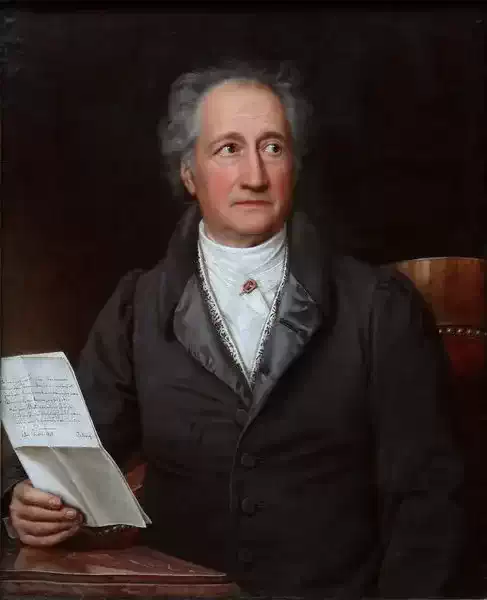
Johann Wolfgang von Goethe
Neither This Nor That
Neither This Nor That
IF thou to be a slave shouldst will,
Thou'lt get no pity, but fare ill;
And if a master thou wouldst be,
The world will view it angrily;
And if in status quo thou stay,
That thou art but a fool, they'll say.
IF thou to be a slave shouldst will,
Thou'lt get no pity, but fare ill;
And if a master thou wouldst be,
The world will view it angrily;
And if in status quo thou stay,
That thou art but a fool, they'll say.
386
Johann Wolfgang von Goethe
Morning Lament
Morning Lament
OH thou cruel deadly-lovely maiden,
Tell me what great sin have I committed,
That thou keep'st me to the rack thus fasten'd,
That thou hast thy solemn promise broken?
'Twas but yestere'en that thou with fondness
Press'd my hand, and these sweet accents murmured:
"Yes, I'll come, I'll come when morn approacheth,
Come, my friend, full surely to thy chamber."
On the latch I left my doors, unfasten'd,
Having first with care tried all the hinges,
And rejoic'd right well to find they creak'd not.
What a night of expectation pass'd I!
For I watch'd, and ev'ry chime I number'd;
If perchance I slept a few short moments,
Still my heart remain'd awake forever,
And awoke me from my gentle slumbers.
Yes, then bless'd I night's o'erhanging darkness,
That so calmly cover'd all things round me;
I enjoy'd the universal silence,
While I listen'd ever in the silence,
If perchance the slightest sounds were stirring.
"Had she only thoughts, my thoughts resembling,
Had she only feelings, like my feelings,
She would not await the dawn of morning.
But, ere this, would surely have been with me."
Skipp'd a kitten on the floor above me,
Scratch'd a mouse a panel in the corner,
Was there in the house the slightest motion,
Ever hoped I that I heard thy footstep,
Ever thought I that I heard thee coming.
And so lay I long, and ever longer,
And already was the daylight dawning,
And both here and there were signs of movement.
"Is it yon door? Were it my door only!"
In my bed I lean'd upon my elbow,
Looking tow'rd the door, now half-apparent,
If perchance it might not be in motion.
Both the wings upon the latch continued,
On the quiet hinges calmly hanging.
And the day grew bright and brighter ever;
And I heard my neighbour's door unbolted,
As he went to earn his daily wages,
And ere long I heard the waggons rumbling,
And the city gates were also open'd,
While the market-place, in ev'ry corner,
Teem'd with life and bustle and confusion.
In the house was going now and coming
Up and down the stairs, and doors were creaking
Backwards now, now forwards,--footsteps clatter'd
Yet, as though it were a thing all-living,
From my cherish'd hope I could not tear me.
When at length the sun, in hated splendour.
Fell upon my walls, upon my windows,
Up I sprang, and hasten'd to the garden,
There to blend my breath, so hot and yearning,
With the cool refreshing morning breezes,
And, it might be, even there to meet thee:
But I cannot find thee in the arbour,
Or the avenue of lofty lindens.
OH thou cruel deadly-lovely maiden,
Tell me what great sin have I committed,
That thou keep'st me to the rack thus fasten'd,
That thou hast thy solemn promise broken?
'Twas but yestere'en that thou with fondness
Press'd my hand, and these sweet accents murmured:
"Yes, I'll come, I'll come when morn approacheth,
Come, my friend, full surely to thy chamber."
On the latch I left my doors, unfasten'd,
Having first with care tried all the hinges,
And rejoic'd right well to find they creak'd not.
What a night of expectation pass'd I!
For I watch'd, and ev'ry chime I number'd;
If perchance I slept a few short moments,
Still my heart remain'd awake forever,
And awoke me from my gentle slumbers.
Yes, then bless'd I night's o'erhanging darkness,
That so calmly cover'd all things round me;
I enjoy'd the universal silence,
While I listen'd ever in the silence,
If perchance the slightest sounds were stirring.
"Had she only thoughts, my thoughts resembling,
Had she only feelings, like my feelings,
She would not await the dawn of morning.
But, ere this, would surely have been with me."
Skipp'd a kitten on the floor above me,
Scratch'd a mouse a panel in the corner,
Was there in the house the slightest motion,
Ever hoped I that I heard thy footstep,
Ever thought I that I heard thee coming.
And so lay I long, and ever longer,
And already was the daylight dawning,
And both here and there were signs of movement.
"Is it yon door? Were it my door only!"
In my bed I lean'd upon my elbow,
Looking tow'rd the door, now half-apparent,
If perchance it might not be in motion.
Both the wings upon the latch continued,
On the quiet hinges calmly hanging.
And the day grew bright and brighter ever;
And I heard my neighbour's door unbolted,
As he went to earn his daily wages,
And ere long I heard the waggons rumbling,
And the city gates were also open'd,
While the market-place, in ev'ry corner,
Teem'd with life and bustle and confusion.
In the house was going now and coming
Up and down the stairs, and doors were creaking
Backwards now, now forwards,--footsteps clatter'd
Yet, as though it were a thing all-living,
From my cherish'd hope I could not tear me.
When at length the sun, in hated splendour.
Fell upon my walls, upon my windows,
Up I sprang, and hasten'd to the garden,
There to blend my breath, so hot and yearning,
With the cool refreshing morning breezes,
And, it might be, even there to meet thee:
But I cannot find thee in the arbour,
Or the avenue of lofty lindens.
374
Johann Wolfgang von Goethe
In A Word
In A Word
THUS to be chain'd for ever, can I bear?
A very torment that, in truth, would be.
This very day my new resolve shall see.-I'll
not go near the lately-worshipp'd Fair.
Yet what excuse, my heart, can I prepare
In such a case, for not consulting thee?
But courage! while our sorrows utter we
In tones where love, grief, gladness have a share.
But see! the minstrel's bidding to obey,
Its melody pours forth the sounding lyre,
Yearning a sacrifice of love to bring.
Scarce wouldst thou think it--ready is the lay;
Well, but what then? Methought in the first fire
We to her presence flew, that lay to sing.
THUS to be chain'd for ever, can I bear?
A very torment that, in truth, would be.
This very day my new resolve shall see.-I'll
not go near the lately-worshipp'd Fair.
Yet what excuse, my heart, can I prepare
In such a case, for not consulting thee?
But courage! while our sorrows utter we
In tones where love, grief, gladness have a share.
But see! the minstrel's bidding to obey,
Its melody pours forth the sounding lyre,
Yearning a sacrifice of love to bring.
Scarce wouldst thou think it--ready is the lay;
Well, but what then? Methought in the first fire
We to her presence flew, that lay to sing.
296
Johann Wolfgang von Goethe
From Faust - VII. MARGARET, Placing Fresh Flowers In The Flower-Pots.
From Faust - VII. MARGARET, Placing Fresh Flowers In The Flower-Pots.
O THOU well-tried in grief,
Grant to thy child relief,
And view with mercy this unhappy one!
The sword within thy heart,
Speechless with bitter smart,
Thou Lookest up towards thy dying son.
Thou look'st to God on high,
And breathest many a sigh
O'er his and thy distress, thou holy One!
Who e'er can know
The depth of woe
Piercing my very bone?
The sorrows that my bosom fill,
Its trembling, its aye-yearning will,
Are known to thee, to thee alone!
Wherever I may go,
With woe, with woe, with woe,
My bosom sad is aching!
I scarce alone can creep,
I weep, I weep, I weep,
My very heart is breaking.
The flowers at my window
My falling tears bedewed,
When I, at dawn of morning,
For thee these flow'rets strewed.
When early to my chamber
The cheerful sunbeams stole,
I sat upon my pallet,
In agony of soul.
Help! rescue me from death and misery!
Oh, thou well-tried in grief,
Grant to thy child relief,
And view with mercy my deep agony!
O THOU well-tried in grief,
Grant to thy child relief,
And view with mercy this unhappy one!
The sword within thy heart,
Speechless with bitter smart,
Thou Lookest up towards thy dying son.
Thou look'st to God on high,
And breathest many a sigh
O'er his and thy distress, thou holy One!
Who e'er can know
The depth of woe
Piercing my very bone?
The sorrows that my bosom fill,
Its trembling, its aye-yearning will,
Are known to thee, to thee alone!
Wherever I may go,
With woe, with woe, with woe,
My bosom sad is aching!
I scarce alone can creep,
I weep, I weep, I weep,
My very heart is breaking.
The flowers at my window
My falling tears bedewed,
When I, at dawn of morning,
For thee these flow'rets strewed.
When early to my chamber
The cheerful sunbeams stole,
I sat upon my pallet,
In agony of soul.
Help! rescue me from death and misery!
Oh, thou well-tried in grief,
Grant to thy child relief,
And view with mercy my deep agony!
321
Johann Wolfgang von Goethe
From Faust - V. Margaret At Her Spinning-Wheel
From Faust - V. Margaret At Her Spinning-Wheel
MY heart is sad,
My peace is o'er;
I find it never
And nevermore.
When gone is he,
The grave I see;
The world's wide all
Is turned to gall.
Alas, my head
Is well-nigh crazed;
My feeble mind
Is sore amazed.
My heart is sad,
My peace is o'er;
I find it never
And nevermore.
For him from the window
Alone I spy;
For him alone
From home go I.
His lofty step,
His noble form,
His mouth's sweet smile,
His glances warm,
His voice so fraught
With magic bliss,
His hand's soft pressure,
And, ah, his kiss!
My heart is sad,
My peace is o'er;
I find it never
And nevermore.
My bosom yearns
For his form so fair;
Ah, could I clasp him
And hold him there!
My kisses sweet
Should stop his breath,
And 'neath his kisses
I'd sink in death!
MY heart is sad,
My peace is o'er;
I find it never
And nevermore.
When gone is he,
The grave I see;
The world's wide all
Is turned to gall.
Alas, my head
Is well-nigh crazed;
My feeble mind
Is sore amazed.
My heart is sad,
My peace is o'er;
I find it never
And nevermore.
For him from the window
Alone I spy;
For him alone
From home go I.
His lofty step,
His noble form,
His mouth's sweet smile,
His glances warm,
His voice so fraught
With magic bliss,
His hand's soft pressure,
And, ah, his kiss!
My heart is sad,
My peace is o'er;
I find it never
And nevermore.
My bosom yearns
For his form so fair;
Ah, could I clasp him
And hold him there!
My kisses sweet
Should stop his breath,
And 'neath his kisses
I'd sink in death!
324
Johann Wolfgang von Goethe
From Egmont
From Egmont
ACT I.
CLARA winds a skein, and sings with Brackenburg.
THE drum gives the signal!
Loud rings the shrill fife!
My love leads his troops on
Full arm'd for the strife,
While his hand grasps his lance
As they proudly advance.
My bosom pants wildly!
My blood hotly flows!
Oh had I a doublet,
A helmet, and hose!
Through the gate with bold footstep
I after him hied,--
Each province, each country
Explored by his side.
The coward foe trembled
Then rattled our shot:
What bliss e'er resembled
A soldier's glad lot!
ACT III.
CLARA sings.
Gladness
And sadness
And pensiveness blending
Yearning
And burning
In torment ne'er ending;
Sad unto death,
Proudly soaring above;
Happy alone
Is the soul that doth love!
ACT I.
CLARA winds a skein, and sings with Brackenburg.
THE drum gives the signal!
Loud rings the shrill fife!
My love leads his troops on
Full arm'd for the strife,
While his hand grasps his lance
As they proudly advance.
My bosom pants wildly!
My blood hotly flows!
Oh had I a doublet,
A helmet, and hose!
Through the gate with bold footstep
I after him hied,--
Each province, each country
Explored by his side.
The coward foe trembled
Then rattled our shot:
What bliss e'er resembled
A soldier's glad lot!
ACT III.
CLARA sings.
Gladness
And sadness
And pensiveness blending
Yearning
And burning
In torment ne'er ending;
Sad unto death,
Proudly soaring above;
Happy alone
Is the soul that doth love!
404
Johann Wolfgang von Goethe
Different Emotions On The Same Spot
Different Emotions On The Same Spot
THE MAIDEN.
I'VE seen him before me!
What rapture steals o'er me!
Oh heavenly sight!
He's coming to meet me;
Perplex'd, I retreat me,
With shame take to flight.
My mind seems to wander!
Ye rocks and trees yonder,
Conceal ye my rapture.
Conceal my delight!
THE YOUTH.
'Tis here I must find her,
'Twas here she enshrined her,
Here vanish'd from sight.
She came, as to meet me,
Then fearing to greet me,
With shame took to flight.
Is't hope? Do I wander?
Ye rocks and trees yonder,
Disclose ye the loved one,
Disclose my delight!
THE LANGUISHING.
O'er my sad, fate I sorrow,
To each dewy morrow,
Veil'd here from man's sight
By the many mistaken,
Unknown and forsaken,
Here I wing my flight!
Compassionate spirit!
Let none ever hear it,--
Conceal my affliction,
Conceal thy delight!
THE HUNTER.
To-day I'm rewarded;
Rich booty's afforded
By Fortune so bright.
My servant the pheasants,
And hares fit for presents
Takes homeward at night;
Here see I enraptured
In nets the birds captured!--
Long life to the hunter!
Long live his delight!
THE MAIDEN.
I'VE seen him before me!
What rapture steals o'er me!
Oh heavenly sight!
He's coming to meet me;
Perplex'd, I retreat me,
With shame take to flight.
My mind seems to wander!
Ye rocks and trees yonder,
Conceal ye my rapture.
Conceal my delight!
THE YOUTH.
'Tis here I must find her,
'Twas here she enshrined her,
Here vanish'd from sight.
She came, as to meet me,
Then fearing to greet me,
With shame took to flight.
Is't hope? Do I wander?
Ye rocks and trees yonder,
Disclose ye the loved one,
Disclose my delight!
THE LANGUISHING.
O'er my sad, fate I sorrow,
To each dewy morrow,
Veil'd here from man's sight
By the many mistaken,
Unknown and forsaken,
Here I wing my flight!
Compassionate spirit!
Let none ever hear it,--
Conceal my affliction,
Conceal thy delight!
THE HUNTER.
To-day I'm rewarded;
Rich booty's afforded
By Fortune so bright.
My servant the pheasants,
And hares fit for presents
Takes homeward at night;
Here see I enraptured
In nets the birds captured!--
Long life to the hunter!
Long live his delight!
337
Johann Wolfgang von Goethe
Book Of Timur - To Suleika
Book Of Timur - To Suleika
FITTING perfumes to prepare,
And to raise thy rapture high,
Must a thousand rosebuds fair
First in fiery torments die.
One small flask's contents to glean,
Whose sweet fragrance aye may live,
Slender as thy finger e'en,
Must a world its treasures give;
Yes, a world where life is moving,
Which, with impulse full and strong,
Could forbode the Bulbul's loving,
Sweet, and spirit-stirring song.
Since they thus have swell'd our joy,
Should such torments grieve us, then?
Doth not Timur's rule destroy
Myriad souls of living men?
FITTING perfumes to prepare,
And to raise thy rapture high,
Must a thousand rosebuds fair
First in fiery torments die.
One small flask's contents to glean,
Whose sweet fragrance aye may live,
Slender as thy finger e'en,
Must a world its treasures give;
Yes, a world where life is moving,
Which, with impulse full and strong,
Could forbode the Bulbul's loving,
Sweet, and spirit-stirring song.
Since they thus have swell'd our joy,
Should such torments grieve us, then?
Doth not Timur's rule destroy
Myriad souls of living men?
305
Johann Wolfgang von Goethe
Book Of Love - Love's Torments
Book Of Love - Love's Torments
LOVE's torments sought a place of rest,
Where all might drear and lonely be;
They found ere long my desert breast,
And nestled in its vacancy.
LOVE's torments sought a place of rest,
Where all might drear and lonely be;
They found ere long my desert breast,
And nestled in its vacancy.
303
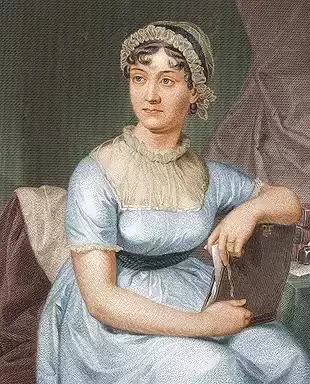
Jane Austen
When Stretch'd on One's Bed
When Stretch'd on One's Bed
When stretch'd on one's bed
With a fierce-throbbing head,
Which preculdes alike thought or repose,
How little one cares
For the grandest affairs
That may busy the world as it goes!
How little one feels
For the waltzes and reels
Of our Dance-loving friends at a Ball!
How slight one's concern
To conjecture or learn
What their flounces or hearts may befall.
How little one minds
If a company dines
On the best that the Season affords!
How short is one's muse
O'er the Sauces and Stews,
Or the Guests, be they Beggars or Lords.
How little the Bells,
Ring they Peels, toll they Knells,
Can attract our attention or Ears!
The Bride may be married,
The Corse may be carried
And touch nor our hopes nor our fears.
Our own bodily pains
Ev'ry faculty chains;
We can feel on no subject besides.
Tis in health and in ease
We the power must seize
For our friends and our souls to provide.
When stretch'd on one's bed
With a fierce-throbbing head,
Which preculdes alike thought or repose,
How little one cares
For the grandest affairs
That may busy the world as it goes!
How little one feels
For the waltzes and reels
Of our Dance-loving friends at a Ball!
How slight one's concern
To conjecture or learn
What their flounces or hearts may befall.
How little one minds
If a company dines
On the best that the Season affords!
How short is one's muse
O'er the Sauces and Stews,
Or the Guests, be they Beggars or Lords.
How little the Bells,
Ring they Peels, toll they Knells,
Can attract our attention or Ears!
The Bride may be married,
The Corse may be carried
And touch nor our hopes nor our fears.
Our own bodily pains
Ev'ry faculty chains;
We can feel on no subject besides.
Tis in health and in ease
We the power must seize
For our friends and our souls to provide.
174
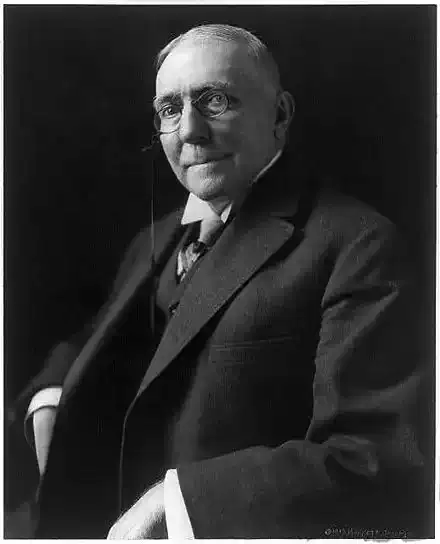
James Whitcomb Riley
Three Dead Friends
Three Dead Friends
Always suddenly they are gone--
The friends we trusted and held secure--
Suddenly we are gazing on,
Not a _smiling_ face, but the marble-pure
Dead mask of a face that nevermore
To a smile of ours will make reply--
The lips close-locked as the eyelids are-Gone--
swift as the flash of the molten ore
A meteor pours through a midnight sky,
Leaving it blind of a single star.
Tell us, O Death, Remorseless Might!
What is this old, unescapable ire
You wreak on us?--from the birth of light
Till the world be charred to a core of fire!
We do no evil thing to you--
We seek to evade you--that is all--
That is your will--you will not be known
Of men. What, then, would you have us do?--
Cringe, and wait till your vengeance fall,
And your graves be fed, and the trumpet blown?
You desire no friends; but _we_--O we
Need them so, as we falter here,
Fumbling through each new vacancy,
As each is stricken that we hold dear.
One you struck but a year ago;
And one not a month ago; and one-(
God's vast pity!)--and one lies now
Where the widow wails, in her nameless woe,
And the soldiers pace, with the sword and gun,
Where the comrade sleeps, with the laureled brow.
And what did the first?--that wayward soul,
Clothed of sorrow, yet nude of sin,
And with all hearts bowed in the strange control
Of the heavenly voice of his violin.
Why, it was music the way he _stood_,
So grand was the poise of the head and so
Full was the figure of majesty!--
One heard with the eyes, as a deaf man would,
And with all sense brimmed to the overflow
With tears of anguish and ecstasy.
And what did the girl, with the great warm light
Of genius sunning her eyes of blue,
With her heart so pure, and her soul so white--
What, O Death, did she do to you?
Through field and wood as a child she strayed,
As Nature, the dear sweet mother led;
While from her canvas, mirrored back,
Glimmered the stream through the everglade
Where the grapevine trailed from the trees to wed
Its likeness of emerald, blue and black.
And what did he, who, the last of these,
Faced you, with never a fear, O Death?
Did you hate _him_ that he loved the breeze,
And the morning dews, and the rose's breath?
Did you hate him that he answered not
Your hate again--but turned, instead,
His only hate on his country's wrongs?
Well--you possess him, dead!--but what
Of the good he wrought? With laureled head
He bides with us in his deeds and songs.
Laureled, first, that he bravely fought,
And forged a way to our flag's release;
Laureled, next--for the harp he taught
To wake glad songs in the days of peace--
Songs of the woodland haunts he held
As close in his love as they held their bloom
In their inmost bosoms of leaf and vine--
Songs that echoed, and pulsed and welled
Through the town's pent streets, and the sick child's room,
Pure as a shower in soft sunshine.
Claim them, Death; yet their fame endures,
What friend next will you rend from us
In that cold, pitiless way of yours,
And leave us a grief more dolorous?
Speak to us!--tell us, O Dreadful Power!--
Are we to have not a lone friend left?--
Since, frozen, sodden, or green the sod,--
In every second of every hour,
_Some one_, Death, you have left thus bereft,
Half inaudibly shrieks to God.
Always suddenly they are gone--
The friends we trusted and held secure--
Suddenly we are gazing on,
Not a _smiling_ face, but the marble-pure
Dead mask of a face that nevermore
To a smile of ours will make reply--
The lips close-locked as the eyelids are-Gone--
swift as the flash of the molten ore
A meteor pours through a midnight sky,
Leaving it blind of a single star.
Tell us, O Death, Remorseless Might!
What is this old, unescapable ire
You wreak on us?--from the birth of light
Till the world be charred to a core of fire!
We do no evil thing to you--
We seek to evade you--that is all--
That is your will--you will not be known
Of men. What, then, would you have us do?--
Cringe, and wait till your vengeance fall,
And your graves be fed, and the trumpet blown?
You desire no friends; but _we_--O we
Need them so, as we falter here,
Fumbling through each new vacancy,
As each is stricken that we hold dear.
One you struck but a year ago;
And one not a month ago; and one-(
God's vast pity!)--and one lies now
Where the widow wails, in her nameless woe,
And the soldiers pace, with the sword and gun,
Where the comrade sleeps, with the laureled brow.
And what did the first?--that wayward soul,
Clothed of sorrow, yet nude of sin,
And with all hearts bowed in the strange control
Of the heavenly voice of his violin.
Why, it was music the way he _stood_,
So grand was the poise of the head and so
Full was the figure of majesty!--
One heard with the eyes, as a deaf man would,
And with all sense brimmed to the overflow
With tears of anguish and ecstasy.
And what did the girl, with the great warm light
Of genius sunning her eyes of blue,
With her heart so pure, and her soul so white--
What, O Death, did she do to you?
Through field and wood as a child she strayed,
As Nature, the dear sweet mother led;
While from her canvas, mirrored back,
Glimmered the stream through the everglade
Where the grapevine trailed from the trees to wed
Its likeness of emerald, blue and black.
And what did he, who, the last of these,
Faced you, with never a fear, O Death?
Did you hate _him_ that he loved the breeze,
And the morning dews, and the rose's breath?
Did you hate him that he answered not
Your hate again--but turned, instead,
His only hate on his country's wrongs?
Well--you possess him, dead!--but what
Of the good he wrought? With laureled head
He bides with us in his deeds and songs.
Laureled, first, that he bravely fought,
And forged a way to our flag's release;
Laureled, next--for the harp he taught
To wake glad songs in the days of peace--
Songs of the woodland haunts he held
As close in his love as they held their bloom
In their inmost bosoms of leaf and vine--
Songs that echoed, and pulsed and welled
Through the town's pent streets, and the sick child's room,
Pure as a shower in soft sunshine.
Claim them, Death; yet their fame endures,
What friend next will you rend from us
In that cold, pitiless way of yours,
And leave us a grief more dolorous?
Speak to us!--tell us, O Dreadful Power!--
Are we to have not a lone friend left?--
Since, frozen, sodden, or green the sod,--
In every second of every hour,
_Some one_, Death, you have left thus bereft,
Half inaudibly shrieks to God.
311
James Whitcomb Riley
The Bat
The Bat
I.
Thou dread, uncanny thing,
With fuzzy breast and leathern wing,
In mad, zigzagging flight,
Notching the dusk, and buffeting
The black cheeks of the night,
With grim delight!
II.
What witch's hand unhasps
Thy keen claw-cornered wings
From under the barn roof, and flings
Thee forth, with chattering gasps,
To scud the air,
And nip the lady-bug, and tear
Her children's hearts out unaware?
III.
The glow-worm's glimmer, and the bright,
Sad pulsings of the fire-fly's light,
Are banquet lights to thee.
O less than bird, and worse than beast,
Thou Devil's self, or brat, at least,
Grate not thy teeth at me!
I.
Thou dread, uncanny thing,
With fuzzy breast and leathern wing,
In mad, zigzagging flight,
Notching the dusk, and buffeting
The black cheeks of the night,
With grim delight!
II.
What witch's hand unhasps
Thy keen claw-cornered wings
From under the barn roof, and flings
Thee forth, with chattering gasps,
To scud the air,
And nip the lady-bug, and tear
Her children's hearts out unaware?
III.
The glow-worm's glimmer, and the bright,
Sad pulsings of the fire-fly's light,
Are banquet lights to thee.
O less than bird, and worse than beast,
Thou Devil's self, or brat, at least,
Grate not thy teeth at me!
311
James Whitcomb Riley
Plain Sermons
Plain Sermons
I saw a man--and envied him beside--
Because of this world's goods he had great store;
But even as I envied him, he died,
And left me envious of him no more.
I saw another man--and envied still--
Because he was content with frugal lot;
But as I envied him, the rich man's will
Bequeathed him all, and envy I forgot.
Yet still another man I saw, and he
I envied for a calm and tranquil mind
That nothing fretted in the least degree--
Until, alas! I found that he was blind.
What vanity is envy! for I find
I have been rich in dross of thought, and poor
In that I was a fool, and lastly blind
For never having seen myself before!
I saw a man--and envied him beside--
Because of this world's goods he had great store;
But even as I envied him, he died,
And left me envious of him no more.
I saw another man--and envied still--
Because he was content with frugal lot;
But as I envied him, the rich man's will
Bequeathed him all, and envy I forgot.
Yet still another man I saw, and he
I envied for a calm and tranquil mind
That nothing fretted in the least degree--
Until, alas! I found that he was blind.
What vanity is envy! for I find
I have been rich in dross of thought, and poor
In that I was a fool, and lastly blind
For never having seen myself before!
327
James Whitcomb Riley
His Mother
His Mother
DEAD! my wayward boy--_my own_--
Not _the Law's!_ but _mine_--the good
God's free gift to me alone,
Sanctified by motherhood.
'Bad,' you say: Well, who is not?
'Brutal'--'with a heart of stone'--
And 'red-handed.'--Ah! the hot
Blood upon your own!
I come not, with downward eyes,
To plead for him shamedly,--
God did not apologize
When He gave the boy to me.
Simply, I make ready now
For _His_ verdict.--_You_ prepare--
You have killed us both--and how
Will you face us There!
DEAD! my wayward boy--_my own_--
Not _the Law's!_ but _mine_--the good
God's free gift to me alone,
Sanctified by motherhood.
'Bad,' you say: Well, who is not?
'Brutal'--'with a heart of stone'--
And 'red-handed.'--Ah! the hot
Blood upon your own!
I come not, with downward eyes,
To plead for him shamedly,--
God did not apologize
When He gave the boy to me.
Simply, I make ready now
For _His_ verdict.--_You_ prepare--
You have killed us both--and how
Will you face us There!
355
James Whitcomb Riley
Back From A Two-years' Sentence
Back From A Two-years' Sentence
Back from a two-years' sentence!
And though it had been ten,
You think, I were scarred no deeper
In the eyes of my fellow-men.
'My fellow-men--?' Sounds like a satire,
You think-- and I so allow,
Here in my home since childhood,
Yet more than a stranger now!
Pardon--! Not wholly a stranger--,
For I have a wife and child:
That woman has wept for two long years,
And yet last night she smiled--!
Smiled, as I leapt from the platform
Of the midnight train, and then--
All that I knew was that smile of hers,
And our babe in my arms again!
Back from a two-years' sentence--
But I've thought the whole thing through--,
A hint of it came when the bars swung back
And I looked straight up in the blue
Of the blessed skies with my hat off!
O-ho! I've a wife and child:
That woman has wept for two long years,
And yet last night she smiled!
Back from a two-years' sentence!
And though it had been ten,
You think, I were scarred no deeper
In the eyes of my fellow-men.
'My fellow-men--?' Sounds like a satire,
You think-- and I so allow,
Here in my home since childhood,
Yet more than a stranger now!
Pardon--! Not wholly a stranger--,
For I have a wife and child:
That woman has wept for two long years,
And yet last night she smiled--!
Smiled, as I leapt from the platform
Of the midnight train, and then--
All that I knew was that smile of hers,
And our babe in my arms again!
Back from a two-years' sentence--
But I've thought the whole thing through--,
A hint of it came when the bars swung back
And I looked straight up in the blue
Of the blessed skies with my hat off!
O-ho! I've a wife and child:
That woman has wept for two long years,
And yet last night she smiled!
268
James Whitcomb Riley
An Out-Worn Sappho
An Out-Worn Sappho
How tired I am! I sink down all alone
Here by the wayside of the Present. Lo,
Even as a child I hide my face and moan--
A little girl that may no farther go;
The path above me only seems to grow
More rugged, climbing still, and ever briered
With keener thorns of pain than these below;
And O the bleeding feet that falter so
And are so very tired!
Why, I have journeyed from the far-off Lands
Of Babyhood--where baby-lilies blew
Their trumpets in mine ears, and filled my hands
With treasures of perfume and honey-dew,
And where the orchard shadows ever drew
Their cool arms round me when my cheeks were fired
With too much joy, and lulled mine eyelids to,
And only let the starshine trickle through
In sprays, when I was tired!
Yet I remember, when the butterfly
Went flickering about me like a flame
That quenched itself in roses suddenly,
How oft I wished that _I_ might blaze the same,
And in some rose-wreath nestle with my name,
While all the world looked on it and admired.--
Poor moth!--Along my wavering flight toward fame
The winds drive backward, and my wings are lame
And broken, bruised and tired!
I hardly know the path from those old times;
I know at first it was a smoother one
Than this that hurries past me now, and climbs
So high, its far cliffs even hide the sun
And shroud in gloom my journey scarce begun.
I could not do quite all the world required--
I could not do quite all I should have done,
And in my eagerness I have outrun
My strength--and I am tired....
Just tired! But when of old I had the stay
Of mother-hands, O very sweet indeed
It was to dream that all the weary way
I should but follow where I now must lead--
For long ago they left me in my need,
And, groping on alone, I tripped and mired
Among rank grasses where the serpents breed
In knotted coils about the feet of speed.--
There first it was I tired.
And yet I staggered on, and bore my load
Right gallantly: The sun, in summer-time,
In lazy belts came slipping down the road
To woo me on, with many a glimmering rhyme
Rained from the golden rim of some fair clime,
That, hovering beyond the clouds, inspired
My failing heart with fancies so sublime
I half forgot my path of dust and grime,
Though I was growing tired.
And there were many voices cheering me:
I listened to sweet praises where the wind
Went laughing o'er my shoulders gleefully
And scattering my love-songs far behind;--
Until, at last, I thought the world so kind--
So rich in all my yearning soul desired--
So generous--so loyally inclined,
I grew to love and trust it.... I was blind--
Yea, blind as I was tired!
And yet one hand held me in creature-touch:
And O, how fair it was, how true and strong,
How it did hold my heart up like a crutch,
Till, in my dreams, I joyed to walk along
The toilsome way, contented with a song-'
Twas all of earthly things I had acquired,
And 'twas enough, I feigned, or right or wrong,
Since, binding me to man--a mortal thong--
It stayed me, growing tired....
Yea, I had e'en resigned me to the strait
Of earthly rulership--had bowed my head
Acceptant of the master-mind--the great
One lover--lord of all,--the perfected
Kiss-comrade of my soul;--had stammering said
My prayers to him;--all--all that he desired
I rendered sacredly as we were wed.-Nay--
nay!--'twas but a myth I worshipped.--
And--God of love!--how tired!
For, O my friends, to lose the latest grasp--
To feel the last hope slipping from its hold--
To feel the one fond hand within your clasp
Fall slack, and loosen with a touch so cold
Its pressure may not warm you as of old
Before the light of love had thus expired--
To know your tears are worthless, though they rolled
Their torrents out in molten drops of gold.-God's
pity! I am tired!
And I must rest.--Yet do not say 'She _died_,'
In speaking of me, sleeping here alone.
I kiss the grassy grave I sink beside,
And close mine eyes in slumber all mine own:
Hereafter I shall neither sob nor moan
Nor murmur one complaint;--all I desired,
And failed in life to find, will now be known--
So let me dream. Good night! And on the stone
Say simply: She was tired.
How tired I am! I sink down all alone
Here by the wayside of the Present. Lo,
Even as a child I hide my face and moan--
A little girl that may no farther go;
The path above me only seems to grow
More rugged, climbing still, and ever briered
With keener thorns of pain than these below;
And O the bleeding feet that falter so
And are so very tired!
Why, I have journeyed from the far-off Lands
Of Babyhood--where baby-lilies blew
Their trumpets in mine ears, and filled my hands
With treasures of perfume and honey-dew,
And where the orchard shadows ever drew
Their cool arms round me when my cheeks were fired
With too much joy, and lulled mine eyelids to,
And only let the starshine trickle through
In sprays, when I was tired!
Yet I remember, when the butterfly
Went flickering about me like a flame
That quenched itself in roses suddenly,
How oft I wished that _I_ might blaze the same,
And in some rose-wreath nestle with my name,
While all the world looked on it and admired.--
Poor moth!--Along my wavering flight toward fame
The winds drive backward, and my wings are lame
And broken, bruised and tired!
I hardly know the path from those old times;
I know at first it was a smoother one
Than this that hurries past me now, and climbs
So high, its far cliffs even hide the sun
And shroud in gloom my journey scarce begun.
I could not do quite all the world required--
I could not do quite all I should have done,
And in my eagerness I have outrun
My strength--and I am tired....
Just tired! But when of old I had the stay
Of mother-hands, O very sweet indeed
It was to dream that all the weary way
I should but follow where I now must lead--
For long ago they left me in my need,
And, groping on alone, I tripped and mired
Among rank grasses where the serpents breed
In knotted coils about the feet of speed.--
There first it was I tired.
And yet I staggered on, and bore my load
Right gallantly: The sun, in summer-time,
In lazy belts came slipping down the road
To woo me on, with many a glimmering rhyme
Rained from the golden rim of some fair clime,
That, hovering beyond the clouds, inspired
My failing heart with fancies so sublime
I half forgot my path of dust and grime,
Though I was growing tired.
And there were many voices cheering me:
I listened to sweet praises where the wind
Went laughing o'er my shoulders gleefully
And scattering my love-songs far behind;--
Until, at last, I thought the world so kind--
So rich in all my yearning soul desired--
So generous--so loyally inclined,
I grew to love and trust it.... I was blind--
Yea, blind as I was tired!
And yet one hand held me in creature-touch:
And O, how fair it was, how true and strong,
How it did hold my heart up like a crutch,
Till, in my dreams, I joyed to walk along
The toilsome way, contented with a song-'
Twas all of earthly things I had acquired,
And 'twas enough, I feigned, or right or wrong,
Since, binding me to man--a mortal thong--
It stayed me, growing tired....
Yea, I had e'en resigned me to the strait
Of earthly rulership--had bowed my head
Acceptant of the master-mind--the great
One lover--lord of all,--the perfected
Kiss-comrade of my soul;--had stammering said
My prayers to him;--all--all that he desired
I rendered sacredly as we were wed.-Nay--
nay!--'twas but a myth I worshipped.--
And--God of love!--how tired!
For, O my friends, to lose the latest grasp--
To feel the last hope slipping from its hold--
To feel the one fond hand within your clasp
Fall slack, and loosen with a touch so cold
Its pressure may not warm you as of old
Before the light of love had thus expired--
To know your tears are worthless, though they rolled
Their torrents out in molten drops of gold.-God's
pity! I am tired!
And I must rest.--Yet do not say 'She _died_,'
In speaking of me, sleeping here alone.
I kiss the grassy grave I sink beside,
And close mine eyes in slumber all mine own:
Hereafter I shall neither sob nor moan
Nor murmur one complaint;--all I desired,
And failed in life to find, will now be known--
So let me dream. Good night! And on the stone
Say simply: She was tired.
290
James Whitcomb Riley
A Feel In The Chris'mas-Air
A Feel In The Chris'mas-Air
They's a kind o' _feel_ in the air, to me.
When the Chris'mas-times sets in.
That's about as much of a mystery
As ever I've run ag'in!--
Fer instunce, now, whilse I gain in weight
And gineral health, I swear
They's a _goneness_ somers I can't quite state--
A kind o' _feel_ in the air.
They's a feel in the Chris'mas-air goes right
To the spot where a man _lives_ at!--
It gives a feller a' appetite--
They ain't no doubt about _that_!--
And yit they's _somepin_'--I don't know what--
That follers me, here and there,
And ha'nts and worries and spares me not--
A kind o' feel in the air!
They's a _feel_, as I say, in the air that's jest
As blame-don sad as sweet!--
In the same ra-sho as I feel the best
And am spryest on my feet,
They's allus a kind o' sort of a' _ache_
That I can't lo-cate no-where;--
But it comes with _Chris'mas_, and no mistake!--
A kind o' feel in the air.
Is it the racket the childern raise?-W'y,
_no_!--God bless 'em!--_no_!--
Is it the eyes and the cheeks ablaze--
Like my _own_ wuz, long ago?--
Is it the bleat o' the whistle and beat
O' the little toy-drum and blare
O' the horn?--_No! no!_--it is jest the sweet--
The sad-sweet feel in the air.
They's a kind o' _feel_ in the air, to me.
When the Chris'mas-times sets in.
That's about as much of a mystery
As ever I've run ag'in!--
Fer instunce, now, whilse I gain in weight
And gineral health, I swear
They's a _goneness_ somers I can't quite state--
A kind o' _feel_ in the air.
They's a feel in the Chris'mas-air goes right
To the spot where a man _lives_ at!--
It gives a feller a' appetite--
They ain't no doubt about _that_!--
And yit they's _somepin_'--I don't know what--
That follers me, here and there,
And ha'nts and worries and spares me not--
A kind o' feel in the air!
They's a _feel_, as I say, in the air that's jest
As blame-don sad as sweet!--
In the same ra-sho as I feel the best
And am spryest on my feet,
They's allus a kind o' sort of a' _ache_
That I can't lo-cate no-where;--
But it comes with _Chris'mas_, and no mistake!--
A kind o' feel in the air.
Is it the racket the childern raise?-W'y,
_no_!--God bless 'em!--_no_!--
Is it the eyes and the cheeks ablaze--
Like my _own_ wuz, long ago?--
Is it the bleat o' the whistle and beat
O' the little toy-drum and blare
O' the horn?--_No! no!_--it is jest the sweet--
The sad-sweet feel in the air.
298
James Whitcomb Riley
A Dream
A Dream
I dreamed I was a spider;
A big, fat, hungry spider;
A lusty, rusty spider
With a dozen palsied limbs;
With a dozen limbs that dangled
Where three wretched flies were tangled
And their buzzing wings were strangled
In the middle of their hymns.
And I mocked them like a demon--
A demoniacal demon
Who delights to be a demon
For the sake of sin alone;
And with fondly false embraces
Did I weave my mystic laces
Round their horror-stricken faces
Till I muffled every groan.
And I smiled to see them weeping,
For to see an insect weeping,
Sadly, sorrowfully weeping,
Fattens every spider's mirth;
And to note a fly's heart quaking,
And with anguish ever aching
Till you see it slowly breaking
Is the sweetest thing on earth.
I experienced a pleasure,
Such a highly-flavored pleasure,
Such intoxicating pleasure,
That I drank of it like wine;
And my mortal soul engages
That no spider on the pages
Of the history of ages
Felt a rapture more divine.
I careened around and capered--
Madly, mystically capered--
For three days and nights I capered
Round my web in wild delight;
Till with fierce ambition burning,
And an inward thirst and yearning
I hastened my returning
With a fiendish appetite.
And I found my victims dying,
'Ha!' they whispered, 'we are dying!'
Faintly whispered, 'we are dying,
And our earthly course is run.'
And the scene was so impressing
That I breathed a special blessing,
As I killed them with caressing
And devoured them one by one.
I dreamed I was a spider;
A big, fat, hungry spider;
A lusty, rusty spider
With a dozen palsied limbs;
With a dozen limbs that dangled
Where three wretched flies were tangled
And their buzzing wings were strangled
In the middle of their hymns.
And I mocked them like a demon--
A demoniacal demon
Who delights to be a demon
For the sake of sin alone;
And with fondly false embraces
Did I weave my mystic laces
Round their horror-stricken faces
Till I muffled every groan.
And I smiled to see them weeping,
For to see an insect weeping,
Sadly, sorrowfully weeping,
Fattens every spider's mirth;
And to note a fly's heart quaking,
And with anguish ever aching
Till you see it slowly breaking
Is the sweetest thing on earth.
I experienced a pleasure,
Such a highly-flavored pleasure,
Such intoxicating pleasure,
That I drank of it like wine;
And my mortal soul engages
That no spider on the pages
Of the history of ages
Felt a rapture more divine.
I careened around and capered--
Madly, mystically capered--
For three days and nights I capered
Round my web in wild delight;
Till with fierce ambition burning,
And an inward thirst and yearning
I hastened my returning
With a fiendish appetite.
And I found my victims dying,
'Ha!' they whispered, 'we are dying!'
Faintly whispered, 'we are dying,
And our earthly course is run.'
And the scene was so impressing
That I breathed a special blessing,
As I killed them with caressing
And devoured them one by one.
297
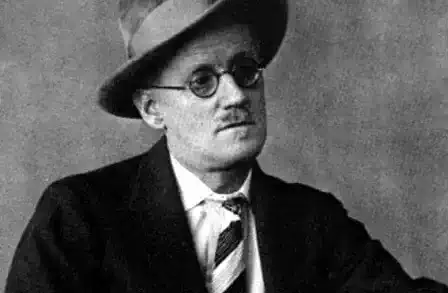
James Joyce
Dear Heart, Why Will You Use Me So?
Dear Heart, Why Will You Use Me So?
Dear heart, why will you use me so?
Dear eyes that gently me upbraid,
Still are you beautiful -- - but O,
How is your beauty raimented!
Through the clear mirror of your eyes,
Through the soft sigh of kiss to kiss,
Desolate winds assail with cries
The shadowy garden where love is.
And soon shall love dissolved be
When over us the wild winds blow -- -
But you, dear love, too dear to me,
Alas! why will you use me so?
Dear heart, why will you use me so?
Dear eyes that gently me upbraid,
Still are you beautiful -- - but O,
How is your beauty raimented!
Through the clear mirror of your eyes,
Through the soft sigh of kiss to kiss,
Desolate winds assail with cries
The shadowy garden where love is.
And soon shall love dissolved be
When over us the wild winds blow -- -
But you, dear love, too dear to me,
Alas! why will you use me so?
207

Jack Kerouac
Trees
Trees
But a tree has
a long suffering shapeIs
spread in half
by 2 limbed fate
Rises from gray rain
pavements
To traffic in the bleak
brown air
Of cities radar television
nameless dumb &numb mis connicumb
Throwing twigs the
color of ink To white souled
heaven, with
A reality of its own uses
But a tree has
a long suffering shapeIs
spread in half
by 2 limbed fate
Rises from gray rain
pavements
To traffic in the bleak
brown air
Of cities radar television
nameless dumb &numb mis connicumb
Throwing twigs the
color of ink To white souled
heaven, with
A reality of its own uses
382
Jack Kerouac
th Chorus
th Chorus
The wheel of the quivering meat
conception
Turns in the void expelling human beings,
Pigs, turtles, frogs, insects, nits,
Mice, lice, lizards, rats, roan
Racinghorses, poxy bucolic pigtics,
Horrible unnameable lice of vultures,
Murderous attacking dog-armies
Of Africa, Rhinos roaming in the
jungle,
Vast boars and huge gigantic bull
Elephants, rams, eagles, condors,
Pones and Porcupines and Pills-
All the endless conception of living
beings
Gnashing everywhere in Consciousness
Throughout the ten directions of space
Occupying all the quarters in & out,
From supermicroscopic no-bug
To huge Galaxy Lightyear Bowell
Illuminating the sky of one Mind-
Poor!
I wish I was free
of that slaving meat wheel
and safe in heaven dead.
The wheel of the quivering meat
conception
Turns in the void expelling human beings,
Pigs, turtles, frogs, insects, nits,
Mice, lice, lizards, rats, roan
Racinghorses, poxy bucolic pigtics,
Horrible unnameable lice of vultures,
Murderous attacking dog-armies
Of Africa, Rhinos roaming in the
jungle,
Vast boars and huge gigantic bull
Elephants, rams, eagles, condors,
Pones and Porcupines and Pills-
All the endless conception of living
beings
Gnashing everywhere in Consciousness
Throughout the ten directions of space
Occupying all the quarters in & out,
From supermicroscopic no-bug
To huge Galaxy Lightyear Bowell
Illuminating the sky of one Mind-
Poor!
I wish I was free
of that slaving meat wheel
and safe in heaven dead.
345
Horácio
BkIII:XX The Conflict
BkIII:XX The Conflict
Pyrrhus, you can’t see how dangerous it is
to touch the Gaetulian lioness’ cub?
Soon you’ll be running from all that hard fighting,
a spiritless thief,
while she goes searching for lovely Nearchus,
through obstructive crowds of young men: ah, surely
the fight will be great, whether the prize is yours,
or, more likely, hers.
Meanwhile, as you produce your swift arrows, as
she is sharpening her fearsome teeth, the battle’s
fine judge is said to have trampled the palm leaf,
beneath his bare foot,
and he’s cooling his shoulders, draped in perfumed
hair, in the gentle breeze, just like Nireus,
or like Ganymede, who was snatched away from
Ida rich in streams.
Pyrrhus, you can’t see how dangerous it is
to touch the Gaetulian lioness’ cub?
Soon you’ll be running from all that hard fighting,
a spiritless thief,
while she goes searching for lovely Nearchus,
through obstructive crowds of young men: ah, surely
the fight will be great, whether the prize is yours,
or, more likely, hers.
Meanwhile, as you produce your swift arrows, as
she is sharpening her fearsome teeth, the battle’s
fine judge is said to have trampled the palm leaf,
beneath his bare foot,
and he’s cooling his shoulders, draped in perfumed
hair, in the gentle breeze, just like Nireus,
or like Ganymede, who was snatched away from
Ida rich in streams.
266
Horácio
BkI:XXIV A Lament For Quintilius
BkI:XXIV A Lament For Quintilius
What limit, or restraint, should we show at the loss
of so dear a life? Melpomene, teach me, Muse,
a song of mourning, you, whom the Father granted
a clear voice, the sound of the lyre.
Does endless sleep lie heavy on Quintilius,
now? When will Honour, and unswerving Loyalty,
that is sister to Justice, and our naked Truth,
ever discover his equal?
Many are the good men who weep for his dying,
none of them, Virgil, weep more profusely than you.
Piously, you ask the gods for him, alas, in vain:
not so was he given to us.
Even if you played on the Thracian lyre, listened
to by the trees, more sweetly than Orpheus could,
would life then return, to that empty phantom,
once Mercury, with fearsome wand,
who won’t simply re-open the gates of Fate
at our bidding, has gathered him to the dark throng?
It is hard: but patience makes more tolerable
whatever wrong’s to be righted.
What limit, or restraint, should we show at the loss
of so dear a life? Melpomene, teach me, Muse,
a song of mourning, you, whom the Father granted
a clear voice, the sound of the lyre.
Does endless sleep lie heavy on Quintilius,
now? When will Honour, and unswerving Loyalty,
that is sister to Justice, and our naked Truth,
ever discover his equal?
Many are the good men who weep for his dying,
none of them, Virgil, weep more profusely than you.
Piously, you ask the gods for him, alas, in vain:
not so was he given to us.
Even if you played on the Thracian lyre, listened
to by the trees, more sweetly than Orpheus could,
would life then return, to that empty phantom,
once Mercury, with fearsome wand,
who won’t simply re-open the gates of Fate
at our bidding, has gathered him to the dark throng?
It is hard: but patience makes more tolerable
whatever wrong’s to be righted.
234
Horácio
BkI:V Treacherous Girl
BkI:V Treacherous Girl
What slender boy, Pyrrha, drowned in liquid perfume,
urges you on, there, among showers of roses,
deep down in some pleasant cave?
For whom did you tie up your hair,
with simple elegance? How often he’ll cry at
the changes of faith and of gods, ah, he’ll wonder,
surprised by roughening water,
surprised by the darkening storms,
who enjoys you now and believes you’re golden,
who thinks you’ll always be single and lovely,
ignoring the treacherous
breeze. Wretched are those you dazzle
while still untried. As for me the votive tablet
that hangs on the temple wall reveals, suspended,
my dripping clothes, for the god,
who holds power over the sea.
What slender boy, Pyrrha, drowned in liquid perfume,
urges you on, there, among showers of roses,
deep down in some pleasant cave?
For whom did you tie up your hair,
with simple elegance? How often he’ll cry at
the changes of faith and of gods, ah, he’ll wonder,
surprised by roughening water,
surprised by the darkening storms,
who enjoys you now and believes you’re golden,
who thinks you’ll always be single and lovely,
ignoring the treacherous
breeze. Wretched are those you dazzle
while still untried. As for me the votive tablet
that hangs on the temple wall reveals, suspended,
my dripping clothes, for the god,
who holds power over the sea.
279