

Poems in this topic
Longing and Absence
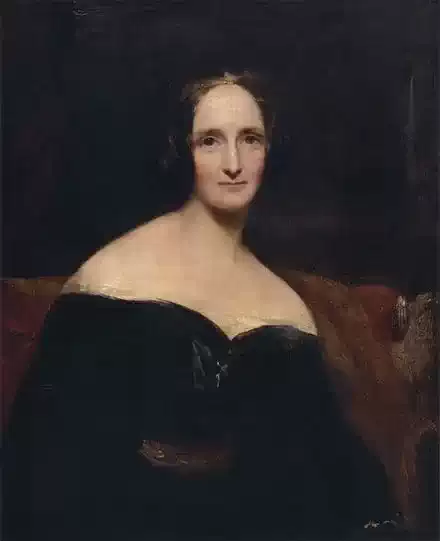
Percy Bysshe Shelley
On A Dead Violet
On A Dead Violet
The odor from the flower is gone
Which like thy kisses breathed on me;
The color from the flower is flown
Which glowed of thee and only thee!
A shrivelled, lifeless, vacant form,
It lies on my abandoned breast;
And mocks the heart, which yet is warm,
With cold and silent rest.
I weep--my tears revive it not;
I sigh--it breathes no more on me:
Its mute and uncomplaining lot
Is such as mine should be.
The odor from the flower is gone
Which like thy kisses breathed on me;
The color from the flower is flown
Which glowed of thee and only thee!
A shrivelled, lifeless, vacant form,
It lies on my abandoned breast;
And mocks the heart, which yet is warm,
With cold and silent rest.
I weep--my tears revive it not;
I sigh--it breathes no more on me:
Its mute and uncomplaining lot
Is such as mine should be.
1,043
1
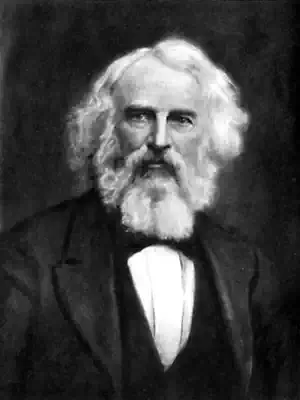
Henry Wadsworth Longfellow
Serenade from “The Spanish Student”
Serenade from “The Spanish Student”
STARS of the summer night!
Far in yon azure deeps,
Hide, hide your golden light!
She sleeps!
My lady sleeps!
Sleeps!
Moon of the summer night!
Far down yon western steeps,
Sink, sink in silver light!
She sleeps!
My lady sleeps!
Sleeps!
Wind of the summer night!
Where yonder woodbine creeps,
Fold, fold thy pinions light!
She sleeps!
My lady sleeps!
Sleeps!
Dreams of the summer night!
Tell her, her lover keeps
Watch! while in slumbers light
She sleeps!
My lady sleeps!
Sleeps!
STARS of the summer night!
Far in yon azure deeps,
Hide, hide your golden light!
She sleeps!
My lady sleeps!
Sleeps!
Moon of the summer night!
Far down yon western steeps,
Sink, sink in silver light!
She sleeps!
My lady sleeps!
Sleeps!
Wind of the summer night!
Where yonder woodbine creeps,
Fold, fold thy pinions light!
She sleeps!
My lady sleeps!
Sleeps!
Dreams of the summer night!
Tell her, her lover keeps
Watch! while in slumbers light
She sleeps!
My lady sleeps!
Sleeps!
980
1
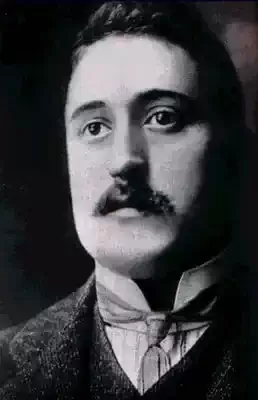
Guillaume Apollinaire
Shadow
Shadow
Here you are beside me again
Memories of my companions killed in the war
The olive-branch of time
Memories that make only a single memory
As a hundred skins make only a single coat
As these thousands of wounds make only a single
newspaper article
Impalpable and ark presence who have assumed
the changing shape of my shadow
an Indian on the watch through all Eternity
shadow you creep beside me
but you do not hear me any more
you will not know any more the divine poems I sing
but I hear you still and see you still
Destinies
Multiple shadows may the sun preserve you
You who love me so much that you will never leave me
And who dance in the sun without stirring the dust
Shadow ink of the sun
Signature of my light
Holder of sorrows
A god that condescends.
Here you are beside me again
Memories of my companions killed in the war
The olive-branch of time
Memories that make only a single memory
As a hundred skins make only a single coat
As these thousands of wounds make only a single
newspaper article
Impalpable and ark presence who have assumed
the changing shape of my shadow
an Indian on the watch through all Eternity
shadow you creep beside me
but you do not hear me any more
you will not know any more the divine poems I sing
but I hear you still and see you still
Destinies
Multiple shadows may the sun preserve you
You who love me so much that you will never leave me
And who dance in the sun without stirring the dust
Shadow ink of the sun
Signature of my light
Holder of sorrows
A god that condescends.
1,250
1
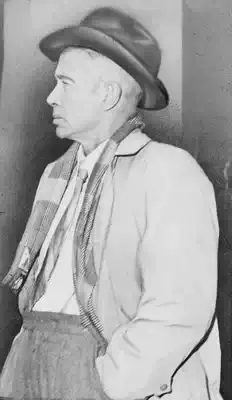
E. E. Cummings
I Am A Beggar Always
I Am A Beggar Always
i am a beggar always
who begs in your mind
(slightly smiling, patient, unspeaking
with a sign on his
chest
BLIND)yes i
am this person of whom somehow
you are never wholly rid(and who
does not ask for more than
just enough dreams to
live on)
after all, kid
you might as well
toss him a few thoughts
a little love preferably,
anything which you can't
pass off on other people: for
instance a
plugged promise
the he will maybe (hearing something
fall into his hat)go wandering
after it with fingers;till having
found
what was thrown away
himself
taptaptaps out of your brain, hopes, life
to(carefully turning a
corner)never bother you any more
Anonymous submission.
i am a beggar always
who begs in your mind
(slightly smiling, patient, unspeaking
with a sign on his
chest
BLIND)yes i
am this person of whom somehow
you are never wholly rid(and who
does not ask for more than
just enough dreams to
live on)
after all, kid
you might as well
toss him a few thoughts
a little love preferably,
anything which you can't
pass off on other people: for
instance a
plugged promise
the he will maybe (hearing something
fall into his hat)go wandering
after it with fingers;till having
found
what was thrown away
himself
taptaptaps out of your brain, hopes, life
to(carefully turning a
corner)never bother you any more
Anonymous submission.
1,430
1
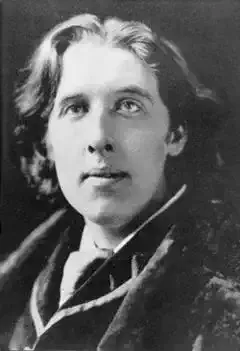
Oscar Wilde
Soneto: The New Remorse
The sin was mine; I did not understand.
So now is music prisoned in her cave,
Save where some ebbing desultory wave
Frets with its restless whirls this meagre strand.
And in the withered hollow of this land
Hath Summer dug herself so deep a grave,
That hardly can the leaden willow crave
One silver blossom from keen Winter's hand.
But who is this who cometh by the shore?
(Nay, love, look up and wonder!) Who is this
Who cometh in dyed garments from the South?
It is thy new-found Lord, and he shall kiss
The yet unravished roses of thy mouth,
And I shall weep and worship, as before.
So now is music prisoned in her cave,
Save where some ebbing desultory wave
Frets with its restless whirls this meagre strand.
And in the withered hollow of this land
Hath Summer dug herself so deep a grave,
That hardly can the leaden willow crave
One silver blossom from keen Winter's hand.
But who is this who cometh by the shore?
(Nay, love, look up and wonder!) Who is this
Who cometh in dyed garments from the South?
It is thy new-found Lord, and he shall kiss
The yet unravished roses of thy mouth,
And I shall weep and worship, as before.
672
Oscar Wilde
Soneto: On the Sale by Auction of Keats' Love Letters
These are the letters which Endymion wrote
To one he loved in secret, and apart.
And now the brawlers of the auction mart
Bargain and bid for each poor blotted note,
Ay! for each separate pulse of passion quote
The merchant's price. I think they love not art
Who break the crystal of a poet's heart
That small and sickly eyes may glare and gloat.
Is it not said that many years ago,
In a far Eastern town, some soldiers ran
With torches through the midnight, and began
To wrangle for mean raiment, and to throw
Dice for the garments of a wretched man,
Not knowing the God's wonder, or His woe?
To one he loved in secret, and apart.
And now the brawlers of the auction mart
Bargain and bid for each poor blotted note,
Ay! for each separate pulse of passion quote
The merchant's price. I think they love not art
Who break the crystal of a poet's heart
That small and sickly eyes may glare and gloat.
Is it not said that many years ago,
In a far Eastern town, some soldiers ran
With torches through the midnight, and began
To wrangle for mean raiment, and to throw
Dice for the garments of a wretched man,
Not knowing the God's wonder, or His woe?
656
Oscar Wilde
Under The Balcony
O beautiful star with the crimson mouth!
O moon with the brows of gold!
Rise up, rise up, from the odorous south!
And light for my love her way,
Lest her little feet should stray
On the windy hill and the wold!
O beautiful star with the crimson mouth!
O moon with the brows of gold!
O ship that shakes on the desolate sea!
O ship with the wet, white sail!
Put in, put in, to the port to me!
For my love and I would go
To the land where the daffodils blow
In the heart of a violet dale!
O ship that shakes on the desolate sea!
O ship with the wet, white sail!
O rapturous bird with the low, sweet note!
O bird that sits on the spray!
Sing on, sing on, from your soft brown throat!
And my love in her little bed
Will listen, and lift her head
From the pillow, and come my way!
O rapturous bird with the low, sweet note!
O bird that sits on the spray!
O blossom that hangs in the tremulous air!
O blossom with lips of snow!
Come down, come down, for my love to wear!
You will die on her head in a crown,
You will die in a fold of her gown,
To her little light heart you will go!
O blossom that hangs in the tremulous air!
O blossom with lips of snow!
O moon with the brows of gold!
Rise up, rise up, from the odorous south!
And light for my love her way,
Lest her little feet should stray
On the windy hill and the wold!
O beautiful star with the crimson mouth!
O moon with the brows of gold!
O ship that shakes on the desolate sea!
O ship with the wet, white sail!
Put in, put in, to the port to me!
For my love and I would go
To the land where the daffodils blow
In the heart of a violet dale!
O ship that shakes on the desolate sea!
O ship with the wet, white sail!
O rapturous bird with the low, sweet note!
O bird that sits on the spray!
Sing on, sing on, from your soft brown throat!
And my love in her little bed
Will listen, and lift her head
From the pillow, and come my way!
O rapturous bird with the low, sweet note!
O bird that sits on the spray!
O blossom that hangs in the tremulous air!
O blossom with lips of snow!
Come down, come down, for my love to wear!
You will die on her head in a crown,
You will die in a fold of her gown,
To her little light heart you will go!
O blossom that hangs in the tremulous air!
O blossom with lips of snow!
734
Oscar Wilde
Serenade (For Music)
The western wind is blowing fair
Across the dark AEgean sea,
And at the secret marble stair
My Tyrian galley waits for thee.
Come down! the purple sail is spread,
The watchman sleeps within the town,
O leave thy lily-flowered bed,
O Lady mine come down, come down!
She will not come, I know her well,
Of lover's vows she hath no care,
And little good a man can tell
Of one so cruel and so fair.
True love is but a woman's toy,
They never know the lover's pain,
And I who loved as loves a boy
Must love in vain, must love in vain.
O noble pilot, tell me true,
Is that the sheen of golden hair?
Or is it but the tangled dew
That binds the passion-flowers there?
Good sailor come and tell me now
Is that my Lady's lily hand?
Or is it but the gleaming prow,
Or is it but the silver sand?
No! no! 'tis not the tangled dew,
'Tis not the silver-fretted sand,
It is my own dear Lady true
With golden hair and lily hand!
O noble pilot, steer for Troy,
Good sailor, ply the labouring oar,
This is the Queen of life and joy
Whom we must bear from Grecian shore!
The waning sky grows faint and blue,
It wants an hour still of day,
Aboard! aboard! my gallant crew,
O Lady mine, away! away!
O noble pilot, steer for Troy,
Good sailor, ply the labouring oar,
O loved as only loves a boy!
O loved for ever evermore!
Across the dark AEgean sea,
And at the secret marble stair
My Tyrian galley waits for thee.
Come down! the purple sail is spread,
The watchman sleeps within the town,
O leave thy lily-flowered bed,
O Lady mine come down, come down!
She will not come, I know her well,
Of lover's vows she hath no care,
And little good a man can tell
Of one so cruel and so fair.
True love is but a woman's toy,
They never know the lover's pain,
And I who loved as loves a boy
Must love in vain, must love in vain.
O noble pilot, tell me true,
Is that the sheen of golden hair?
Or is it but the tangled dew
That binds the passion-flowers there?
Good sailor come and tell me now
Is that my Lady's lily hand?
Or is it but the gleaming prow,
Or is it but the silver sand?
No! no! 'tis not the tangled dew,
'Tis not the silver-fretted sand,
It is my own dear Lady true
With golden hair and lily hand!
O noble pilot, steer for Troy,
Good sailor, ply the labouring oar,
This is the Queen of life and joy
Whom we must bear from Grecian shore!
The waning sky grows faint and blue,
It wants an hour still of day,
Aboard! aboard! my gallant crew,
O Lady mine, away! away!
O noble pilot, steer for Troy,
Good sailor, ply the labouring oar,
O loved as only loves a boy!
O loved for ever evermore!
1,593
Oscar Wilde
Her Voice
The wild bee reels from bough to bough
With his furry coat and his gauzy wing,
Now in a lily-cup, and now
Setting a jacinth bell a-swing,
In his wandering;
Sit closer love: it was here I trow
I made that vow,
Swore that two lives should be like one
As long as the sea-gull loved the sea,
As long as the sunflower sought the sun, -
It shall be, I said, for eternity
'Twixt you and me!
Dear friend, those times are over and done;
Love's web is spun.
Look upward where the poplar trees
Sway and sway in the summer air,
Here in the valley never a breeze
Scatters the thistledown, but there
Great winds blow fair
From the mighty murmuring mystical seas,
And the wave-lashed leas.
Look upward where the white gull screams,
What does it see that we do not see?
Is that a star? or the lamp that gleams
On some outward voyaging argosy, -
Ah! can it be
We have lived our lives in a land of dreams!
How sad it seems.
Sweet, there is nothing left to say
But this, that love is never lost,
Keen winter stabs the breasts of May
Whose crimson roses burst his frost,
Ships tempest-tossed
Will find a harbour in some bay,
And so we may.
And there is nothing left to do
But to kiss once again, and part,
Nay, there is nothing we should rue,
I have my beauty, - you your Art,
Nay, do not start,
One world was not enough for two
Like me and you.
With his furry coat and his gauzy wing,
Now in a lily-cup, and now
Setting a jacinth bell a-swing,
In his wandering;
Sit closer love: it was here I trow
I made that vow,
Swore that two lives should be like one
As long as the sea-gull loved the sea,
As long as the sunflower sought the sun, -
It shall be, I said, for eternity
'Twixt you and me!
Dear friend, those times are over and done;
Love's web is spun.
Look upward where the poplar trees
Sway and sway in the summer air,
Here in the valley never a breeze
Scatters the thistledown, but there
Great winds blow fair
From the mighty murmuring mystical seas,
And the wave-lashed leas.
Look upward where the white gull screams,
What does it see that we do not see?
Is that a star? or the lamp that gleams
On some outward voyaging argosy, -
Ah! can it be
We have lived our lives in a land of dreams!
How sad it seems.
Sweet, there is nothing left to say
But this, that love is never lost,
Keen winter stabs the breasts of May
Whose crimson roses burst his frost,
Ships tempest-tossed
Will find a harbour in some bay,
And so we may.
And there is nothing left to do
But to kiss once again, and part,
Nay, there is nothing we should rue,
I have my beauty, - you your Art,
Nay, do not start,
One world was not enough for two
Like me and you.
675
Oscar Wilde
Endymion
The apple trees are hung with gold,
And birds are loud in Arcady,
The sheep lie bleating in the fold,
The wild goat runs across the wold,
But yesterday his love he told,
I know he will come back to me.
O rising moon! O Lady moon!
Be you my lover's sentinel,
You cannot choose but know him well,
For he is shod with purple shoon,
You cannot choose but know my love,
For he a shepherd's crook doth bear,
And he is soft as any dove,
And brown and curly is his hair.
The turtle now has ceased to call
Upon her crimson-footed groom,
The grey wolf prowls about the stall,
The lily's singing seneschal
Sleeps in the lily-bell, and all
The violet hills are lost in gloom.
O risen moon! O holy moon!
Stand on the top of Helice,
And if my own true love you see,
Ah! if you see the purple shoon,
The hazel crook, the lad's brown hair,
The goat-skin wrapped about his arm,
Tell him that I am waiting where
The rushlight glimmers in the Farm.
The falling dew is cold and chill,
And no bird sings in Arcady,
The little fauns have left the hill,
Even the tired daffodil
Has closed its gilded doors, and still
My lover comes not back to me.
False moon! False moon! O waning moon!
Where is my own true lover gone,
Where are the lips vermilion,
The shepherd's crook, the purple shoon?
Why spread that silver pavilion,
Why wear that veil of drifting mist?
Ah! thou hast young Endymion
Thou hast the lips that should be kissed!
And birds are loud in Arcady,
The sheep lie bleating in the fold,
The wild goat runs across the wold,
But yesterday his love he told,
I know he will come back to me.
O rising moon! O Lady moon!
Be you my lover's sentinel,
You cannot choose but know him well,
For he is shod with purple shoon,
You cannot choose but know my love,
For he a shepherd's crook doth bear,
And he is soft as any dove,
And brown and curly is his hair.
The turtle now has ceased to call
Upon her crimson-footed groom,
The grey wolf prowls about the stall,
The lily's singing seneschal
Sleeps in the lily-bell, and all
The violet hills are lost in gloom.
O risen moon! O holy moon!
Stand on the top of Helice,
And if my own true love you see,
Ah! if you see the purple shoon,
The hazel crook, the lad's brown hair,
The goat-skin wrapped about his arm,
Tell him that I am waiting where
The rushlight glimmers in the Farm.
The falling dew is cold and chill,
And no bird sings in Arcady,
The little fauns have left the hill,
Even the tired daffodil
Has closed its gilded doors, and still
My lover comes not back to me.
False moon! False moon! O waning moon!
Where is my own true lover gone,
Where are the lips vermilion,
The shepherd's crook, the purple shoon?
Why spread that silver pavilion,
Why wear that veil of drifting mist?
Ah! thou hast young Endymion
Thou hast the lips that should be kissed!
746
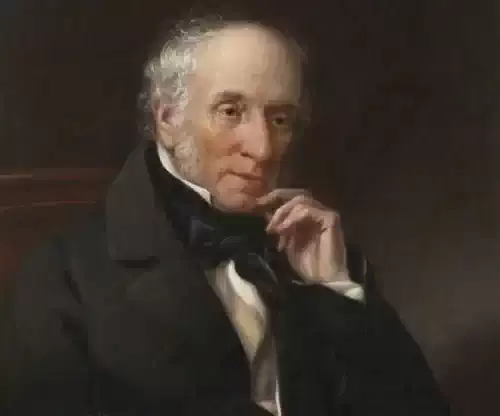
William Wordsworth
'Tis Said, That Some Have Died For Love
'Tis Said, That Some Have Died For Love
'Tis said, that some have died for love:
And here and there a churchyard grave is found
In the cold north's unhallowed ground,
Because the wretched man himself had slain,
His love was such a grievous pain.
And there is one whom I five years have known;
He dwells alone
Upon Helvellyn's side:
He loved--the pretty Barbara died;
And thus he makes his moan:
Three years had Barbara in her grave been laid
When thus his moan he made:
"Oh, move, thou Cottage, from behind that oak!
Or let the aged tree uprooted lie,
That in some other way yon smoke
May mount into the sky!
The clouds pass on; they from the heavens depart.
I look--the sky is empty space;
I know not what I trace;
But when I cease to look, my hand is on my heart.
"Oh! what a weight is in these shades! Ye leaves,
That murmur once so dear, when will it cease?
Your sound my heart of rest bereaves,
It robs my heart of peace.
Thou Thrush, that singest loud--and loud and free,
Into yon row of willows flit,
Upon that alder sit;
Or sing another song, or choose another tree.
"Roll back, sweet Rill! back to thy mountain-bounds,
And there for ever be thy waters chained!
For thou dost haunt the air with sounds
That cannot be sustained;
If still beneath that pine-tree's ragged bough
Headlong yon waterfall must come,
Oh let it then be dumb!
Be anything, sweet Rill, but that which thou art now.
"Thou Eglantine, so bright with sunny showers,
Proud as a rainbow spanning half the vale,
Thou one fair shrub, oh! shed thy flowers,
And stir not in the gale.
For thus to see thee nodding in the air,
To see thy arch thus stretch and bend,
Thus rise and thus descend,--
Disturbs me till the sight is more than I can dear."
The Man who makes this feverish complaint
Is one of giant stature, who could dance
Equipped from head to foot in iron mail.
Ah gentle Love! if ever thought was thine
To store up kindred hours for me, thy face
Turn from me, gentle Love! nor let me walk
Within the sound of Emma's voice, nor know
Such happiness as I have known to-day.
'Tis said, that some have died for love:
And here and there a churchyard grave is found
In the cold north's unhallowed ground,
Because the wretched man himself had slain,
His love was such a grievous pain.
And there is one whom I five years have known;
He dwells alone
Upon Helvellyn's side:
He loved--the pretty Barbara died;
And thus he makes his moan:
Three years had Barbara in her grave been laid
When thus his moan he made:
"Oh, move, thou Cottage, from behind that oak!
Or let the aged tree uprooted lie,
That in some other way yon smoke
May mount into the sky!
The clouds pass on; they from the heavens depart.
I look--the sky is empty space;
I know not what I trace;
But when I cease to look, my hand is on my heart.
"Oh! what a weight is in these shades! Ye leaves,
That murmur once so dear, when will it cease?
Your sound my heart of rest bereaves,
It robs my heart of peace.
Thou Thrush, that singest loud--and loud and free,
Into yon row of willows flit,
Upon that alder sit;
Or sing another song, or choose another tree.
"Roll back, sweet Rill! back to thy mountain-bounds,
And there for ever be thy waters chained!
For thou dost haunt the air with sounds
That cannot be sustained;
If still beneath that pine-tree's ragged bough
Headlong yon waterfall must come,
Oh let it then be dumb!
Be anything, sweet Rill, but that which thou art now.
"Thou Eglantine, so bright with sunny showers,
Proud as a rainbow spanning half the vale,
Thou one fair shrub, oh! shed thy flowers,
And stir not in the gale.
For thus to see thee nodding in the air,
To see thy arch thus stretch and bend,
Thus rise and thus descend,--
Disturbs me till the sight is more than I can dear."
The Man who makes this feverish complaint
Is one of giant stature, who could dance
Equipped from head to foot in iron mail.
Ah gentle Love! if ever thought was thine
To store up kindred hours for me, thy face
Turn from me, gentle Love! nor let me walk
Within the sound of Emma's voice, nor know
Such happiness as I have known to-day.
390
William Wordsworth
The Russian Fugitive
The Russian Fugitive
I
ENOUGH of rose-bud lips, and eyes
Like harebells bathed in dew,
Of cheek that with carnation vies,
And veins of violet hue;
Earth wants not beauty that may scorn
A likening to frail flowers;
Yea, to the stars, if they were born
For seasons and for hours.
Through Moscow's gates, with gold unbarred,
Stepped One at dead of night,
Whom such high beauty could not guard
From meditated blight;
By stealth she passed, and fled as fast
As doth the hunted fawn,
Nor stopped, till in the dappling east
Appeared unwelcome dawn.
Seven days she lurked in brake and field,
Seven nights her course renewed,
Sustained by what her scrip might yield,
Or berries of the wood;
At length, in darkness travelling on,
When lowly doors were shut,
The haven of her hope she won,
Her foster-mother's hut.
'To put your love to dangerous proof
I come,' said she, 'from far;
For I have left my Father's roof,
In terror of the czar.'
No answer did the Matron give,
No second look she cast,
But hung upon the fugitive,
Embracing and embraced.
She led the Lady to a seat
Beside the glimmering fire,
Bathed duteously her wayworn feet,
Prevented each desire:---
The cricket chirped, the house-dog dozed,
And on that simple bed,
Where she in childhood had reposed,
Now rests her weary head.
When she, whose couch had been the sod,
Whose curtain, pine or thorn,
Had breathed a sigh of thanks to God,
Who comforts the forlorn;
While over her the Matron bent
Sleep sealed her eyes, and stole
Feeling from limbs with travel spent,
And trouble from the soul.
Refreshed, the Wanderer rose at morn,
And soon again was dight
In those unworthy vestments worn
Through long and perilous flight;
And 'O beloved Nurse,' she said,
'My thanks with silent tears
Have unto Heaven and You been paid:
Now listen to my fears !
'Have you forgot'---and here she smiled---
'The babbling flatteries
You lavished on me when a child
Disporting round your knees?
I was your lambkin, and your bird,
Your star, your gem, your flower;
Light words, that were more lightly heard
In many a cloudless hour!
'The blossom you so fondly praised
Is come to bitter fruit;
A mighty One upon me gazed;
I spurned his lawless suit,
And must be hidden from his wrath:
You, Foster-father dear,
Will guide me in my forward path;
I may not tarry here!
'I cannot bring to utter woe
Your proved fidelity.'---
'Dear Child, sweet Mistress, say not so!
For you we both would die.'
'Nay, nay, I come with semblance feigned
And cheek embrowned by art;
Yet, being inwardly unstained,
With courage will depart.'
'But whither would you, could you, flee?
A poor Man's counsel take;
The Holy Virgin gives to me
A thought for your dear sake;
Rest, shielded by our Lady's grace,
And soon shall you be led
Forth to a safe abiding-place,
Where never foot doth tread.'
II
THE dwelling of this faithful pair
In a straggling village stood,
For One who breathed unquiet air
A dangerous neighbourhood;
But wide around lay forest ground
With thickets rough and blind;
And pine-trees made a heavy shade
Impervious to the wind.
And there, sequestered from the eight,
Was spread a treacherous swamp,
On which the noonday sun shed light
As from a lonely lamp;
And midway in the unsafe morass,
A single Island rose
Of firm dry ground, with healthful grass
Adorned, and shady boughs.
The Woodman knew, for such the craft
This Russian vassal plied,
That never fowler's gun, nor shaft
Of archer, there was tried;
A sanctuary seemed the spot
From all intrusion free;
And there he planned an artful Cot
For perfect secrecy.
With earnest pains unchecked by dread
Of Power's far-stretching hand,
The bold good Man his labor sped
At nature's pure command;
Heart-soothed, and busy as a wren,
While, in a hollow nook,
She moulds her sight-eluding den
Above a murmuring brook.
His task accomplished to his mind,
The twain ere break of day
Creep forth, and through the forest wind
Their solitary way;
Few words they speak, nor dare to slack
Their pace from mile to mile,
Till they have crossed the quaking marsh,
And reached the lonely Isle.
The sun above the pine-trees showed
A bright and cheerful face;
And Ina looked for her abode,
The promised hiding-place;
She sought in vain, the Woodman smiled;
No threshold could be seen,
Nor roof, nor window;Ñall seemed wild
As it had ever been.
Advancing, you might guess an hour,
The front with such nice care
Is masked, 'if house it be or bower,'
But in they entered are;
As shaggy as were wall and roof
With branches intertwined,
So smooth was all within, air-proof,
And delicately lined:
And hearth was there, and maple dish,
And cups in seemly rows,
And couch---all ready to a wish
For nurture or repose;
And Heaven doth to her virtue grant
That here she may abide
In solitude, with every want
By cautious love supplied.
No queen, before a shouting crowd,
Led on in bridal state,
E'er struggled with a heart so proud,
Entering her palace gate:
Rejoiced to bid the world farewell,
No saintly anchoress
E'er took possession of her cell
With deeper thankfulness.
'Father of all, upon thy care
And mercy am I thrown;
Be thou my safeguard!'---such her prayer
When she was left alone,
Kneeling amid the wilderness
When joy had passed away,
And smiles, fond efforts of distress
To hide what they betray!
The prayer is heard, the Saints have seen,
Diffused through form and face,
Resolves devotedly serene;
That monumental grace
Of Faith, which doth all passions tame
That Reason should control;
And shows in the untrembling frame
A statue of the soul.
III
'TIS sung in ancient minstrelsy
That Phoebus wont to wear
The leaves of any pleasant tree
Around his golden hair;
Till Daphne, desperate with pursuit
Of his imperious love,
At her own prayer transformed, took root,
A laurel in the grove.
Then did the Penitent adorn
His brow with laurel green;
And 'mid his bright locks never shorn
No meaner leaf was seen;
And poets sage, through every age,
About their temples wound
The bay; and conquerors thanked the Gods,
With laurel chaplets crowned,
Into the mists of fabling Time
So far runs back the praise
Of Beauty, that disdains to climb
Along forbidden ways;
That scorns temptation; power defies
Where mutual love is not;
And to the tomb for rescue flies
When life would be a blot.
To this fair Votaress, a fate
More mild doth Heaven ordain
Upon her Island desolate;
And word, not breathed in vain,
Might tell what intercourse she found,
Her silence to endear;
What birds she tamed, what flowers the ground
Sent forth her peace to cheer.
To one mute Presence, above all,
Her soothed affections clung,
A picture on the cabin wall
By Russian usage hung---
The Mother-maid, whose countenance bright
With love abridged the day;
And, communed with by taper light,
Chased spectral fears away.
And oft as either Guardian came,
The joy in that retreat
Might any common friendship shame,
So high their heart would beat;
And to the lone Recluse, whate'er
They brought, each visiting
Was like the crowding of the year
With a new burst of spring.
But, when she of her Parents thought,
The pang was hard to bear;
And, if with all things not enwrought,
That trouble still is near.
Before her flight she had not dared
Their constancy to prove,
Too much the heroic Daughter feared
The weakness of their love.
Dark is the past to them, and dark
The future still must be,
Till pitying Saints conduct her bark
Into a safer sea---
Or gentle Nature close her eyes,
And set her Spirit free
From the altar of this sacrifice,
In vestal purity.
Yet, when above the forest-glooms
The white swans southward passed,
High as the pitch of their swift plume
Her fancy rode the blast;
And bore her toward the fields of France
Her Father's native land,
To mingle in the rustic dance,
The happiest of the band!
Of those beloved fields she oft
Had heard her Father tell
In phrase that now with echoes soft
Haunted her lonely cell;
She saw the hereditary bowers,
She heard the ancestral stream;
The Kremlin and its haughty towers
Forgotten like a dream !
IV
THE ever-changing Moon had traced
Twelve times her monthly round,
When through the unfrequented Waste
Was heard a startling sound;
A shout thrice sent from one who chased
At speed a wounded deer,
Bounding through branches interlaced,
And where the wood was clear.
The fainting creature took the marsh,
And toward the Island fled,
While plovers screamed with tumult harsh
Above his antlered head;
This, Ina saw; and, pale with fear,
Shrunk to her citadel;
The desperate deer rushed on, and near
The tangled covert fell.
Across the marsh, the game in view,
The Hunter followed fast,
Nor paused, till o'er the stag he blew
A death-proclaiming blast;
Then, resting on her upright mind,
Came forth the Maid---'In me
Behold,' she said, ' a stricken Hind
Pursued by destiny!
'From your deportment, Sir! I deem
That you have worn a sword,
And will not hold in light esteem
A suffering woman's word;
There is my covert, there perchance
I might have lain concealed,
My fortunes hid, my countenance
Not even to you revealed.
'Tears might be shed, and I might pray,
Crouching and terrified,
That what has been unveiled to day,
You would in mystery hide;
But I will not defile with dust
The knee that bend to adore
The God in heaven;---attend, be just;
This ask I, and no more!
'I speak not of the winter's cold,
For summer's heat exchanged,
While I have lodged in this rough hold,
From social life estranged;
Nor yet of trouble and alarms:
High Heaven is my defence;
And every season has soft arms
For injured Innocence.
'From Moscow to the Wilderness
It was my choice to come,
Lest virtue should be harborless,
And honor want a home;
And happy were I, if the Czar
Retain his lawless will,
To end life here like this poor deer,
Or a lamb on a green hill.'
'Are you the Maid,' the Stranger cried,
'From Gallic parents sprung,
Whose vanishing was rumored wide,
Sad theme for every tongue;
Who foiled an Emperor's eager quest?
You, Lady, forced to wear
These rude habiliments, and rest
Your head in this dark lair!'
But wonder, pity, soon were quelled;
And in her face and mien
The soul's pure brightness she beheld
Without a veil between:
He loved, he hoped,---a holy flame
Kindled 'mid rapturous tears;
The passion of a moment came
As on the wings of years.
'Such bounty is no gift of chance,'
Exclaimed he; 'righteous Heaven,
Preparing your deliverance,
To me the charge hath given.
The Czar full oft in words, and deeds
Is stormy and self-willed;
But, when the Lady Catherine pleads,
His violence is stilled.
'Leave open to my wish the course,
And I to her will go;
From that humane and heavenly source,
Good, only good, can flow.''
Faint sanction given, the Cavalier
Was eager to depart,
Though question followed question, dear
To the Maiden's filial heart.
Light was his step,---his hopes, more light,
Kept pace with his desires;
And the fifth morning gave him sight
Of Moscow's glittering spires.
He sued:---heart-smitten by the wrong,
To the lorn Fugitive
The Emperor sent a pledge as strong
As sovereign power could give.
O more than mighty change! If e'er
Amazement rose to pain,
And joy's excess produced a fear
Of something void and vain;
'Twas when the Parents, who had mourned
So long the lost as dead,
Beheld their only Child returned,
The household floor to tread.
Soon gratitude gave way to love
Within the Maiden's breast:
Delivered and Deliverer move
In bridal garments drest;
Meek Catherine had her own reward;
The Czar bestowed a dower;
And universal Moscow shared
The triumph of that hour.
Flowers strewed the ground; the nuptial feast
Was held with costly state;
And there, 'mid many a noble guest,
The foster-parent sate;
Encouraged by the imperial eye,
They shrank not into shade;
Great as their bliss, the honor high
To them and nature paid!
I
ENOUGH of rose-bud lips, and eyes
Like harebells bathed in dew,
Of cheek that with carnation vies,
And veins of violet hue;
Earth wants not beauty that may scorn
A likening to frail flowers;
Yea, to the stars, if they were born
For seasons and for hours.
Through Moscow's gates, with gold unbarred,
Stepped One at dead of night,
Whom such high beauty could not guard
From meditated blight;
By stealth she passed, and fled as fast
As doth the hunted fawn,
Nor stopped, till in the dappling east
Appeared unwelcome dawn.
Seven days she lurked in brake and field,
Seven nights her course renewed,
Sustained by what her scrip might yield,
Or berries of the wood;
At length, in darkness travelling on,
When lowly doors were shut,
The haven of her hope she won,
Her foster-mother's hut.
'To put your love to dangerous proof
I come,' said she, 'from far;
For I have left my Father's roof,
In terror of the czar.'
No answer did the Matron give,
No second look she cast,
But hung upon the fugitive,
Embracing and embraced.
She led the Lady to a seat
Beside the glimmering fire,
Bathed duteously her wayworn feet,
Prevented each desire:---
The cricket chirped, the house-dog dozed,
And on that simple bed,
Where she in childhood had reposed,
Now rests her weary head.
When she, whose couch had been the sod,
Whose curtain, pine or thorn,
Had breathed a sigh of thanks to God,
Who comforts the forlorn;
While over her the Matron bent
Sleep sealed her eyes, and stole
Feeling from limbs with travel spent,
And trouble from the soul.
Refreshed, the Wanderer rose at morn,
And soon again was dight
In those unworthy vestments worn
Through long and perilous flight;
And 'O beloved Nurse,' she said,
'My thanks with silent tears
Have unto Heaven and You been paid:
Now listen to my fears !
'Have you forgot'---and here she smiled---
'The babbling flatteries
You lavished on me when a child
Disporting round your knees?
I was your lambkin, and your bird,
Your star, your gem, your flower;
Light words, that were more lightly heard
In many a cloudless hour!
'The blossom you so fondly praised
Is come to bitter fruit;
A mighty One upon me gazed;
I spurned his lawless suit,
And must be hidden from his wrath:
You, Foster-father dear,
Will guide me in my forward path;
I may not tarry here!
'I cannot bring to utter woe
Your proved fidelity.'---
'Dear Child, sweet Mistress, say not so!
For you we both would die.'
'Nay, nay, I come with semblance feigned
And cheek embrowned by art;
Yet, being inwardly unstained,
With courage will depart.'
'But whither would you, could you, flee?
A poor Man's counsel take;
The Holy Virgin gives to me
A thought for your dear sake;
Rest, shielded by our Lady's grace,
And soon shall you be led
Forth to a safe abiding-place,
Where never foot doth tread.'
II
THE dwelling of this faithful pair
In a straggling village stood,
For One who breathed unquiet air
A dangerous neighbourhood;
But wide around lay forest ground
With thickets rough and blind;
And pine-trees made a heavy shade
Impervious to the wind.
And there, sequestered from the eight,
Was spread a treacherous swamp,
On which the noonday sun shed light
As from a lonely lamp;
And midway in the unsafe morass,
A single Island rose
Of firm dry ground, with healthful grass
Adorned, and shady boughs.
The Woodman knew, for such the craft
This Russian vassal plied,
That never fowler's gun, nor shaft
Of archer, there was tried;
A sanctuary seemed the spot
From all intrusion free;
And there he planned an artful Cot
For perfect secrecy.
With earnest pains unchecked by dread
Of Power's far-stretching hand,
The bold good Man his labor sped
At nature's pure command;
Heart-soothed, and busy as a wren,
While, in a hollow nook,
She moulds her sight-eluding den
Above a murmuring brook.
His task accomplished to his mind,
The twain ere break of day
Creep forth, and through the forest wind
Their solitary way;
Few words they speak, nor dare to slack
Their pace from mile to mile,
Till they have crossed the quaking marsh,
And reached the lonely Isle.
The sun above the pine-trees showed
A bright and cheerful face;
And Ina looked for her abode,
The promised hiding-place;
She sought in vain, the Woodman smiled;
No threshold could be seen,
Nor roof, nor window;Ñall seemed wild
As it had ever been.
Advancing, you might guess an hour,
The front with such nice care
Is masked, 'if house it be or bower,'
But in they entered are;
As shaggy as were wall and roof
With branches intertwined,
So smooth was all within, air-proof,
And delicately lined:
And hearth was there, and maple dish,
And cups in seemly rows,
And couch---all ready to a wish
For nurture or repose;
And Heaven doth to her virtue grant
That here she may abide
In solitude, with every want
By cautious love supplied.
No queen, before a shouting crowd,
Led on in bridal state,
E'er struggled with a heart so proud,
Entering her palace gate:
Rejoiced to bid the world farewell,
No saintly anchoress
E'er took possession of her cell
With deeper thankfulness.
'Father of all, upon thy care
And mercy am I thrown;
Be thou my safeguard!'---such her prayer
When she was left alone,
Kneeling amid the wilderness
When joy had passed away,
And smiles, fond efforts of distress
To hide what they betray!
The prayer is heard, the Saints have seen,
Diffused through form and face,
Resolves devotedly serene;
That monumental grace
Of Faith, which doth all passions tame
That Reason should control;
And shows in the untrembling frame
A statue of the soul.
III
'TIS sung in ancient minstrelsy
That Phoebus wont to wear
The leaves of any pleasant tree
Around his golden hair;
Till Daphne, desperate with pursuit
Of his imperious love,
At her own prayer transformed, took root,
A laurel in the grove.
Then did the Penitent adorn
His brow with laurel green;
And 'mid his bright locks never shorn
No meaner leaf was seen;
And poets sage, through every age,
About their temples wound
The bay; and conquerors thanked the Gods,
With laurel chaplets crowned,
Into the mists of fabling Time
So far runs back the praise
Of Beauty, that disdains to climb
Along forbidden ways;
That scorns temptation; power defies
Where mutual love is not;
And to the tomb for rescue flies
When life would be a blot.
To this fair Votaress, a fate
More mild doth Heaven ordain
Upon her Island desolate;
And word, not breathed in vain,
Might tell what intercourse she found,
Her silence to endear;
What birds she tamed, what flowers the ground
Sent forth her peace to cheer.
To one mute Presence, above all,
Her soothed affections clung,
A picture on the cabin wall
By Russian usage hung---
The Mother-maid, whose countenance bright
With love abridged the day;
And, communed with by taper light,
Chased spectral fears away.
And oft as either Guardian came,
The joy in that retreat
Might any common friendship shame,
So high their heart would beat;
And to the lone Recluse, whate'er
They brought, each visiting
Was like the crowding of the year
With a new burst of spring.
But, when she of her Parents thought,
The pang was hard to bear;
And, if with all things not enwrought,
That trouble still is near.
Before her flight she had not dared
Their constancy to prove,
Too much the heroic Daughter feared
The weakness of their love.
Dark is the past to them, and dark
The future still must be,
Till pitying Saints conduct her bark
Into a safer sea---
Or gentle Nature close her eyes,
And set her Spirit free
From the altar of this sacrifice,
In vestal purity.
Yet, when above the forest-glooms
The white swans southward passed,
High as the pitch of their swift plume
Her fancy rode the blast;
And bore her toward the fields of France
Her Father's native land,
To mingle in the rustic dance,
The happiest of the band!
Of those beloved fields she oft
Had heard her Father tell
In phrase that now with echoes soft
Haunted her lonely cell;
She saw the hereditary bowers,
She heard the ancestral stream;
The Kremlin and its haughty towers
Forgotten like a dream !
IV
THE ever-changing Moon had traced
Twelve times her monthly round,
When through the unfrequented Waste
Was heard a startling sound;
A shout thrice sent from one who chased
At speed a wounded deer,
Bounding through branches interlaced,
And where the wood was clear.
The fainting creature took the marsh,
And toward the Island fled,
While plovers screamed with tumult harsh
Above his antlered head;
This, Ina saw; and, pale with fear,
Shrunk to her citadel;
The desperate deer rushed on, and near
The tangled covert fell.
Across the marsh, the game in view,
The Hunter followed fast,
Nor paused, till o'er the stag he blew
A death-proclaiming blast;
Then, resting on her upright mind,
Came forth the Maid---'In me
Behold,' she said, ' a stricken Hind
Pursued by destiny!
'From your deportment, Sir! I deem
That you have worn a sword,
And will not hold in light esteem
A suffering woman's word;
There is my covert, there perchance
I might have lain concealed,
My fortunes hid, my countenance
Not even to you revealed.
'Tears might be shed, and I might pray,
Crouching and terrified,
That what has been unveiled to day,
You would in mystery hide;
But I will not defile with dust
The knee that bend to adore
The God in heaven;---attend, be just;
This ask I, and no more!
'I speak not of the winter's cold,
For summer's heat exchanged,
While I have lodged in this rough hold,
From social life estranged;
Nor yet of trouble and alarms:
High Heaven is my defence;
And every season has soft arms
For injured Innocence.
'From Moscow to the Wilderness
It was my choice to come,
Lest virtue should be harborless,
And honor want a home;
And happy were I, if the Czar
Retain his lawless will,
To end life here like this poor deer,
Or a lamb on a green hill.'
'Are you the Maid,' the Stranger cried,
'From Gallic parents sprung,
Whose vanishing was rumored wide,
Sad theme for every tongue;
Who foiled an Emperor's eager quest?
You, Lady, forced to wear
These rude habiliments, and rest
Your head in this dark lair!'
But wonder, pity, soon were quelled;
And in her face and mien
The soul's pure brightness she beheld
Without a veil between:
He loved, he hoped,---a holy flame
Kindled 'mid rapturous tears;
The passion of a moment came
As on the wings of years.
'Such bounty is no gift of chance,'
Exclaimed he; 'righteous Heaven,
Preparing your deliverance,
To me the charge hath given.
The Czar full oft in words, and deeds
Is stormy and self-willed;
But, when the Lady Catherine pleads,
His violence is stilled.
'Leave open to my wish the course,
And I to her will go;
From that humane and heavenly source,
Good, only good, can flow.''
Faint sanction given, the Cavalier
Was eager to depart,
Though question followed question, dear
To the Maiden's filial heart.
Light was his step,---his hopes, more light,
Kept pace with his desires;
And the fifth morning gave him sight
Of Moscow's glittering spires.
He sued:---heart-smitten by the wrong,
To the lorn Fugitive
The Emperor sent a pledge as strong
As sovereign power could give.
O more than mighty change! If e'er
Amazement rose to pain,
And joy's excess produced a fear
Of something void and vain;
'Twas when the Parents, who had mourned
So long the lost as dead,
Beheld their only Child returned,
The household floor to tread.
Soon gratitude gave way to love
Within the Maiden's breast:
Delivered and Deliverer move
In bridal garments drest;
Meek Catherine had her own reward;
The Czar bestowed a dower;
And universal Moscow shared
The triumph of that hour.
Flowers strewed the ground; the nuptial feast
Was held with costly state;
And there, 'mid many a noble guest,
The foster-parent sate;
Encouraged by the imperial eye,
They shrank not into shade;
Great as their bliss, the honor high
To them and nature paid!
293
William Wordsworth
The Complaint Of a Forsaken Indian Woman
The Complaint Of a Forsaken Indian Woman
Before I see another day,
Oh let my body die away!
In sleep I heard the northern gleams;
The stars, they were among my dreams;
In rustling conflict through the skies,
I heard, I saw the flashes drive,
And yet they are upon my eyes,
And yet I am alive;
Before I see another day,
Oh let my body die away!
My fire is dead: it knew no pain;
Yet is it dead, and I remain:
All stiff with ice the ashes lie;
And they are dead, and I will die.
When I was well, I wished to live,
For clothes, for warmth, for food, and fire;
But they to me no joy can give,
No pleasure now, and no desire.
Then here contented will I lie
Alone, I cannot fear to die.
Alas! ye might have dragged me on
Another day, a single one!
Too soon I yielded to despair;
Why did ye listen to my prayer
When ye were gone my limb were stronger;
And oh, how grievously I rue,
That, afterward, a little longer,
My friends, I did not follow you!
For strong and without pain I lay,
Dear friends, when ye were gone away.
My Child! they gave thee to another,
A woman who was not thy mother.
When from my arms my Babe they took,
On me how strangely did he look !
Through his whole body something ran,
A most strange working did I see;
---As if he strove to be a man,
That he might pull the sledge for me:
And then he stretched his arm, how wild!
Oh mercy! like a helpless child.
My little joy! my little pride!
In two day more I must have died.
Then do not weep and grieve for me;
I feel I must have died with thee.
O wind, that o'er my head art flying
The way my friends their course did bend,
I should not feel the pain of dying,
Could I with thee a message end;
Too soon, my friend, ye went away;
For I had many thing to say.
I'll follow you across the snow;
Ye travel heavily and slow;
In spite of all my weary pain
I'll look upon your tent again.
---My fire is dead, and snowy white
The water which beside it stood:
The wolf has come to me to-night,
And he has stolen away my food.
Forever left alone am I;
Then wherefore should I fear to die ?
Young as I am, my course is run,
I shall not see another sun;
I cannot lift my limb to know
If they have any life or no.
My poor forsaken child, if I
For once could have thee close to me,
With happy heart I then would die,
And my last thought would happy be;
But thou, dear Babe, art far away,
Nor shall I see another day.
Before I see another day,
Oh let my body die away!
In sleep I heard the northern gleams;
The stars, they were among my dreams;
In rustling conflict through the skies,
I heard, I saw the flashes drive,
And yet they are upon my eyes,
And yet I am alive;
Before I see another day,
Oh let my body die away!
My fire is dead: it knew no pain;
Yet is it dead, and I remain:
All stiff with ice the ashes lie;
And they are dead, and I will die.
When I was well, I wished to live,
For clothes, for warmth, for food, and fire;
But they to me no joy can give,
No pleasure now, and no desire.
Then here contented will I lie
Alone, I cannot fear to die.
Alas! ye might have dragged me on
Another day, a single one!
Too soon I yielded to despair;
Why did ye listen to my prayer
When ye were gone my limb were stronger;
And oh, how grievously I rue,
That, afterward, a little longer,
My friends, I did not follow you!
For strong and without pain I lay,
Dear friends, when ye were gone away.
My Child! they gave thee to another,
A woman who was not thy mother.
When from my arms my Babe they took,
On me how strangely did he look !
Through his whole body something ran,
A most strange working did I see;
---As if he strove to be a man,
That he might pull the sledge for me:
And then he stretched his arm, how wild!
Oh mercy! like a helpless child.
My little joy! my little pride!
In two day more I must have died.
Then do not weep and grieve for me;
I feel I must have died with thee.
O wind, that o'er my head art flying
The way my friends their course did bend,
I should not feel the pain of dying,
Could I with thee a message end;
Too soon, my friend, ye went away;
For I had many thing to say.
I'll follow you across the snow;
Ye travel heavily and slow;
In spite of all my weary pain
I'll look upon your tent again.
---My fire is dead, and snowy white
The water which beside it stood:
The wolf has come to me to-night,
And he has stolen away my food.
Forever left alone am I;
Then wherefore should I fear to die ?
Young as I am, my course is run,
I shall not see another sun;
I cannot lift my limb to know
If they have any life or no.
My poor forsaken child, if I
For once could have thee close to me,
With happy heart I then would die,
And my last thought would happy be;
But thou, dear Babe, art far away,
Nor shall I see another day.
241
William Wordsworth
Surprised by Joy
Surprised by Joy
Surprised By Joy
Surprised by joy — impatient as the Wind
I turned to share the transport--Oh! with whom
But Thee, deep buried in the silent tomb,
That spot which no vicissitude can find?
Love, faithful love, recalled thee to my mind--
But how could I forget thee? Through what power,
Even for the least division of an hour,
Have I been so beguiled as to be blind
To my most grievous loss?--That thought's return
Was the worst pang that sorrow ever bore,
Save one, one only, when I stood forlorn,
Knowing my heart's best treasure was no more;
That neither present time, nor years unborn
Could to my sight that heavenly face restore.
Surprised By Joy
Surprised by joy — impatient as the Wind
I turned to share the transport--Oh! with whom
But Thee, deep buried in the silent tomb,
That spot which no vicissitude can find?
Love, faithful love, recalled thee to my mind--
But how could I forget thee? Through what power,
Even for the least division of an hour,
Have I been so beguiled as to be blind
To my most grievous loss?--That thought's return
Was the worst pang that sorrow ever bore,
Save one, one only, when I stood forlorn,
Knowing my heart's best treasure was no more;
That neither present time, nor years unborn
Could to my sight that heavenly face restore.
201
William Wordsworth
Strange Fits Of Passion
Strange Fits Of Passion
STRANGE fits of passion have I known:
And I will dare to tell,
But in the lover's ear alone,
What once to me befell.
When she I loved looked every day
Fresh as a rose in June,
I to her cottage bent my way,
Beneath an evening-moon.
Upon the moon I fixed my eye,
All over the wide lea;
With quickening pace my horse drew nigh
Those paths so dear to me.
And now we reached the orchard-plot;
And, as we climbed the hill,
The sinking moon to Lucy's cot
Came near, and nearer still.
In one of those sweet dreams I slept,
Kind Nature's gentlest boon!
And all the while my eye I kept
On the descending moon.
My horse moved on; hoof after hoof
He raised, and never stopped:
When down behind the cottage roof,
At once, the bright moon dropped.
What fond and wayward thoughts will slide
Into a Lover's head!
'O mercy!' to myself I cried,
'If Lucy hould be dead!'
STRANGE fits of passion have I known:
And I will dare to tell,
But in the lover's ear alone,
What once to me befell.
When she I loved looked every day
Fresh as a rose in June,
I to her cottage bent my way,
Beneath an evening-moon.
Upon the moon I fixed my eye,
All over the wide lea;
With quickening pace my horse drew nigh
Those paths so dear to me.
And now we reached the orchard-plot;
And, as we climbed the hill,
The sinking moon to Lucy's cot
Came near, and nearer still.
In one of those sweet dreams I slept,
Kind Nature's gentlest boon!
And all the while my eye I kept
On the descending moon.
My horse moved on; hoof after hoof
He raised, and never stopped:
When down behind the cottage roof,
At once, the bright moon dropped.
What fond and wayward thoughts will slide
Into a Lover's head!
'O mercy!' to myself I cried,
'If Lucy hould be dead!'
327
William Wordsworth
Song at the Feast of Brougham Castle upon the Restoration o
Song at the Feast of Brougham Castle upon the Restoration o
, High in the breathless Hall the Minstrel sate,
And Emont's murmur mingled with the Song.--
The words of ancient time I thus translate,
A festal strain that hath been silent long:--
"From town to town, from tower to tower,
The red rose is a gladsome flower.
Her thirty years of winter past,
The red rose is revived at last;
She lifts her head for endless spring,
For everlasting blossoming:
Both roses flourish, red and white:
In love and sisterly delight
The two that were at strife are blended,
And all old troubles now are ended.--
Joy! joy to both! but most to her
Who is the flower of Lancaster!
Behold her how She smiles to-day
On this great throng, this bright array!
Fair greeting doth she send to all
From every corner of the hall;
But chiefly from above the board
Where sits in state our rightful Lord,
A Clifford to his own restored!
"They came with banner, spear, and shield;
And it was proved in Bosworth-field.
Not long the Avenger was withstood--
Earth helped him with the cry of blood:
St. George was for us, and the might
Of blessed Angels crowned the right.
Loud voice the Land has uttered forth,
We loudest in the faithful north:
Our fields rejoice, our mountains ring,
Our streams proclaim a welcoming;
Our strong-abodes and castles see
The glory of their loyalty.
"How glad is Skipton at this hour--
Though lonely, a deserted Tower;
Knight, squire, and yeoman, page and groom,
We have them at the feast of Brough'm.
How glad Pendragon--though the sleep
Of years be on her!--She shall reap
A taste of this great pleasure, viewing
As in a dream her own renewing.
Rejoiced is Brough, right glad, I deem,
Beside her little humble stream;
And she that keepeth watch and ward
Her statelier Eden's course to guard;
They both are happy at this hour,
Though each is but a lonely Tower:--
But here is perfect joy and pride
For one fair House by Emont's side,
This day, distinguished without peer,
To see her Master and to cheer--
Him, and his Lady-mother dear!
"Oh! it was a time forlorn
When the fatherless was born--
Give her wings that she may fly,
Or she sees her infant die!
Swords that are with slaughter wild
Hunt the Mother and the Child.
Who will take them from the light?
--Yonder is a man in sight--
Yonder is a house--but where?
No, they must not enter there.
To the caves, and to the brooks,
To the clouds of heaven she looks;
She is speechless, but her eyes
Pray in ghostly agonies.
Blissful Mary, Mother mild,
Maid and Mother undefiled,
Save a Mother and her Child!
"Now who is he that bounds with joy
On Carrock's side, a Shepherd-boy?
No thoughts hath he but thoughts that pass
Light as the wind along the grass.
Can this be He who hither came
In secret, like a smothered flame?
O'er whom such thankful tears were shed
For shelter, and a poor man's bread!
God loves the Child; and God hath willed
That those dear words should be fulfilled,
The Lady's words, when forced away
The last she to her Babe did say:
"My own, my own, thy fellow-guest
I may not be; but rest thee, rest,
For lowly shepherd's life is best!"
"Alas! when evil men are strong
No life is good, no pleasure long.
The Boy must part from Mosedale's groves,
And leave Blencathara's rugged coves,
And quit the flowers that summer brings
To Glenderamakin's lofty springs;
Must vanish, and his careless cheer
Be turned to heaviness and fear.
--Give Sir Lancelot Threlkeld praise!
Hear it, good man, old in days!
Thou tree of covert and of rest
For this young Bird that is distrest;
Among thy branches safe he lay,
And he was free to sport and play,
When falcons were abroad for prey.
"A recreant harp, that sings of fear
And heaviness in Clifford's ear!
I said, when evil men are strong,
No life is good, no pleasure long,
A weak and cowardly untruth!
Our Clifford was a happy Youth,
And thankful through a weary time,
That brought him up to manhood's prime.
--Again he wanders forth at will,
And tends a flock from hill to hill:
His garb is humble; ne'er was seen
Such garb with such a noble mien;
Among the shepherd-grooms no mate
Hath he, a Child of strength and state!
Yet lacks not friends for simple glee,
Nor yet for higher sympathy.
To his side the fallow-deer
Came and rested without fear;
The eagle, lord of land and sea,
Stooped down to pay him fealty;
And both the undying fish that swim
Through Bowscale-tarn did wait on him;
The pair were servants of his eye
In their immortality;
And glancing, gleaming, dark or bright,
Moved to and fro, for his delight.
He knew the rocks which Angels haunt
Upon the mountains visitant;
He hath kenned them taking wing:
And into caves where Faeries sing
He hath entered; and been told
By Voices how men lived of old.
Among the heavens his eye can see
The face of thing that is to be;
And, if that men report him right,
His tongue could whisper words of might.
--Now another day is come,
Fitter hope, and nobler doom;
He hath thrown aside his crook,
And hath buried deep his book;
Armour rusting in his halls
On the blood of Clifford calls,--
'Quell the Scot,' exclaims the Lance--
Bear me to the heart of France,
Is the longing of the Shield--
Tell thy name, thou trembling field;
Field of death, where'er thou be,
Groan thou with our victory!
Happy day, and mighty hour,
When our Shepherd, in his power,
Mailed and horsed, with lance and sword,
To his ancestors restored
Like a re-appearing Star,
Like a glory from afar
First shall head the flock of war!"
Alas! the impassioned minstrel did not know
How, by Heaven's grace, this Clifford's heart was framed:
How he, long forced in humble walks to go,
Was softened into feeling, soothed, and tamed.
Love had he found in huts where poor men lie;
His daily teachers had been woods and rills,
The silence that is in the starry sky,
The sleep that is among the lonely hills.
In him the savage virtue of the Race,
Revenge and all ferocious thoughts were dead:
Nor did he change; but kept in lofty place
The wisdom which adversity had bred.
Glad were the vales, and every cottage-hearth;
The Shepherd-lord was honoured more and more;
And, ages after he was laid in earth,
"The good Lord Clifford" was the name he bore.
, High in the breathless Hall the Minstrel sate,
And Emont's murmur mingled with the Song.--
The words of ancient time I thus translate,
A festal strain that hath been silent long:--
"From town to town, from tower to tower,
The red rose is a gladsome flower.
Her thirty years of winter past,
The red rose is revived at last;
She lifts her head for endless spring,
For everlasting blossoming:
Both roses flourish, red and white:
In love and sisterly delight
The two that were at strife are blended,
And all old troubles now are ended.--
Joy! joy to both! but most to her
Who is the flower of Lancaster!
Behold her how She smiles to-day
On this great throng, this bright array!
Fair greeting doth she send to all
From every corner of the hall;
But chiefly from above the board
Where sits in state our rightful Lord,
A Clifford to his own restored!
"They came with banner, spear, and shield;
And it was proved in Bosworth-field.
Not long the Avenger was withstood--
Earth helped him with the cry of blood:
St. George was for us, and the might
Of blessed Angels crowned the right.
Loud voice the Land has uttered forth,
We loudest in the faithful north:
Our fields rejoice, our mountains ring,
Our streams proclaim a welcoming;
Our strong-abodes and castles see
The glory of their loyalty.
"How glad is Skipton at this hour--
Though lonely, a deserted Tower;
Knight, squire, and yeoman, page and groom,
We have them at the feast of Brough'm.
How glad Pendragon--though the sleep
Of years be on her!--She shall reap
A taste of this great pleasure, viewing
As in a dream her own renewing.
Rejoiced is Brough, right glad, I deem,
Beside her little humble stream;
And she that keepeth watch and ward
Her statelier Eden's course to guard;
They both are happy at this hour,
Though each is but a lonely Tower:--
But here is perfect joy and pride
For one fair House by Emont's side,
This day, distinguished without peer,
To see her Master and to cheer--
Him, and his Lady-mother dear!
"Oh! it was a time forlorn
When the fatherless was born--
Give her wings that she may fly,
Or she sees her infant die!
Swords that are with slaughter wild
Hunt the Mother and the Child.
Who will take them from the light?
--Yonder is a man in sight--
Yonder is a house--but where?
No, they must not enter there.
To the caves, and to the brooks,
To the clouds of heaven she looks;
She is speechless, but her eyes
Pray in ghostly agonies.
Blissful Mary, Mother mild,
Maid and Mother undefiled,
Save a Mother and her Child!
"Now who is he that bounds with joy
On Carrock's side, a Shepherd-boy?
No thoughts hath he but thoughts that pass
Light as the wind along the grass.
Can this be He who hither came
In secret, like a smothered flame?
O'er whom such thankful tears were shed
For shelter, and a poor man's bread!
God loves the Child; and God hath willed
That those dear words should be fulfilled,
The Lady's words, when forced away
The last she to her Babe did say:
"My own, my own, thy fellow-guest
I may not be; but rest thee, rest,
For lowly shepherd's life is best!"
"Alas! when evil men are strong
No life is good, no pleasure long.
The Boy must part from Mosedale's groves,
And leave Blencathara's rugged coves,
And quit the flowers that summer brings
To Glenderamakin's lofty springs;
Must vanish, and his careless cheer
Be turned to heaviness and fear.
--Give Sir Lancelot Threlkeld praise!
Hear it, good man, old in days!
Thou tree of covert and of rest
For this young Bird that is distrest;
Among thy branches safe he lay,
And he was free to sport and play,
When falcons were abroad for prey.
"A recreant harp, that sings of fear
And heaviness in Clifford's ear!
I said, when evil men are strong,
No life is good, no pleasure long,
A weak and cowardly untruth!
Our Clifford was a happy Youth,
And thankful through a weary time,
That brought him up to manhood's prime.
--Again he wanders forth at will,
And tends a flock from hill to hill:
His garb is humble; ne'er was seen
Such garb with such a noble mien;
Among the shepherd-grooms no mate
Hath he, a Child of strength and state!
Yet lacks not friends for simple glee,
Nor yet for higher sympathy.
To his side the fallow-deer
Came and rested without fear;
The eagle, lord of land and sea,
Stooped down to pay him fealty;
And both the undying fish that swim
Through Bowscale-tarn did wait on him;
The pair were servants of his eye
In their immortality;
And glancing, gleaming, dark or bright,
Moved to and fro, for his delight.
He knew the rocks which Angels haunt
Upon the mountains visitant;
He hath kenned them taking wing:
And into caves where Faeries sing
He hath entered; and been told
By Voices how men lived of old.
Among the heavens his eye can see
The face of thing that is to be;
And, if that men report him right,
His tongue could whisper words of might.
--Now another day is come,
Fitter hope, and nobler doom;
He hath thrown aside his crook,
And hath buried deep his book;
Armour rusting in his halls
On the blood of Clifford calls,--
'Quell the Scot,' exclaims the Lance--
Bear me to the heart of France,
Is the longing of the Shield--
Tell thy name, thou trembling field;
Field of death, where'er thou be,
Groan thou with our victory!
Happy day, and mighty hour,
When our Shepherd, in his power,
Mailed and horsed, with lance and sword,
To his ancestors restored
Like a re-appearing Star,
Like a glory from afar
First shall head the flock of war!"
Alas! the impassioned minstrel did not know
How, by Heaven's grace, this Clifford's heart was framed:
How he, long forced in humble walks to go,
Was softened into feeling, soothed, and tamed.
Love had he found in huts where poor men lie;
His daily teachers had been woods and rills,
The silence that is in the starry sky,
The sleep that is among the lonely hills.
In him the savage virtue of the Race,
Revenge and all ferocious thoughts were dead:
Nor did he change; but kept in lofty place
The wisdom which adversity had bred.
Glad were the vales, and every cottage-hearth;
The Shepherd-lord was honoured more and more;
And, ages after he was laid in earth,
"The good Lord Clifford" was the name he bore.
232
William Wordsworth
She Dwelt Among Untrodden Ways
She Dwelt Among Untrodden Ways
SHE dwelt among the untrodden ways
Beside the springs of Dove,
Maid whom there were none to praise
And very few to love:
A violet by a mosy tone
Half hidden from the eye!
---Fair as a star, when only one
Is shining in the sky.
She lived unknown, and few could know
When Lucy ceased to be;
But she is in her grave, and, oh,
The difference to me!
SHE dwelt among the untrodden ways
Beside the springs of Dove,
Maid whom there were none to praise
And very few to love:
A violet by a mosy tone
Half hidden from the eye!
---Fair as a star, when only one
Is shining in the sky.
She lived unknown, and few could know
When Lucy ceased to be;
But she is in her grave, and, oh,
The difference to me!
210
William Wordsworth
Lucy ii
Lucy ii
SHE dwelt among the untrodden ways
Beside the springs of Dove,
A Maid whom there were none to praise
And very few to love:
A violet by a mossy stone
Half hidden from the eye!
Fair as a star, when only one
Is shining in the sky.
She lived unknown, and few could know
When Lucy ceased to be;
But she is in her grave, and oh,
The difference to me!
SHE dwelt among the untrodden ways
Beside the springs of Dove,
A Maid whom there were none to praise
And very few to love:
A violet by a mossy stone
Half hidden from the eye!
Fair as a star, when only one
Is shining in the sky.
She lived unknown, and few could know
When Lucy ceased to be;
But she is in her grave, and oh,
The difference to me!
136
William Wordsworth
Lament of Mary Queen of Scots, on The Eve of a New Year
Lament of Mary Queen of Scots, on The Eve of a New Year
Smile of the Moon!---for I so name
That silent greeting from above;
A gentle flash of light that came
From her whom drooping captives love;
Or art thou of still higher birth?
Thou that didst part the clouds of earth,
My torpor to reprove!
Bright boon of pitying Heaven!---alas,
I may not trust thy placid cheer!
Pondering that Time tonight will pass
The threshold of another year;
For years to me are sad and dull;
My very moments are too full
Of hopelessness and fear.
And yet, the soul-awakening gleam,
That struck perchance the farthest cone
Of Scotland's rocky wilds, did seem
To visit me, and me alone;
Me, unapproached by any friend,
Save those who to my sorrow lend
Tears due unto their own.
To night the church-tower bells will ring
Through these wide realms a festire peal;
To the new year a welcoming;
A tuneful offering for the weal
Of happy millions lulled in deep;
While I am forced to watch and weep,
By wounds that may not heal.
Born all too high, by wedlock raised
Still higherÑto be cast thus low!
Would that mine eyes had never gazed
On aught of more ambitious show
Than the sweet flowerets of the fields
---It is my royal state that yields
This bitterness of woe.
Yet how?---for I, if there be truth
In the world's voice, was passing fair;
And beauty, for confiding youth,
Those shocks of passion can prepare
That kill the bloom before its time;
And blanch, without the owner's crime,
The most resplendent hair.
Unblest distinction! showered on me
To bind a lingering life in chains:
All that could quit my grasp, or flee,
Is gone;---but not the subtle stains
Fixed in the spirit; for even here
Can I be proud that jealous fear
Of what I was remains.
A Woman rules my prison's key;
A sister Queen, against the bent
O£ law and holiest sympathy,
Detains me, doubtful of the event;
Great God, who feel'st for my distress,
My thoughts are all that I possess,
O keep them innocent!
Farewell desire of human aid,
Which abject mortals vainly court!
By friends deceived, by foes betrayed,
Of fears the prey, of hopes the sport;
Nought but the world-redeeming Cross
Is able to support my loss,
My burthen to support.
Hark! the death-note of the year
Sounded by the castle-clock!
From her sunk eyes a stagnant tear
Stole forth, unsettled by the shock;
But oft the woods renewed their green,
Ere the tired head of Scotland's Queen
Reposed upon the block!
Smile of the Moon!---for I so name
That silent greeting from above;
A gentle flash of light that came
From her whom drooping captives love;
Or art thou of still higher birth?
Thou that didst part the clouds of earth,
My torpor to reprove!
Bright boon of pitying Heaven!---alas,
I may not trust thy placid cheer!
Pondering that Time tonight will pass
The threshold of another year;
For years to me are sad and dull;
My very moments are too full
Of hopelessness and fear.
And yet, the soul-awakening gleam,
That struck perchance the farthest cone
Of Scotland's rocky wilds, did seem
To visit me, and me alone;
Me, unapproached by any friend,
Save those who to my sorrow lend
Tears due unto their own.
To night the church-tower bells will ring
Through these wide realms a festire peal;
To the new year a welcoming;
A tuneful offering for the weal
Of happy millions lulled in deep;
While I am forced to watch and weep,
By wounds that may not heal.
Born all too high, by wedlock raised
Still higherÑto be cast thus low!
Would that mine eyes had never gazed
On aught of more ambitious show
Than the sweet flowerets of the fields
---It is my royal state that yields
This bitterness of woe.
Yet how?---for I, if there be truth
In the world's voice, was passing fair;
And beauty, for confiding youth,
Those shocks of passion can prepare
That kill the bloom before its time;
And blanch, without the owner's crime,
The most resplendent hair.
Unblest distinction! showered on me
To bind a lingering life in chains:
All that could quit my grasp, or flee,
Is gone;---but not the subtle stains
Fixed in the spirit; for even here
Can I be proud that jealous fear
Of what I was remains.
A Woman rules my prison's key;
A sister Queen, against the bent
O£ law and holiest sympathy,
Detains me, doubtful of the event;
Great God, who feel'st for my distress,
My thoughts are all that I possess,
O keep them innocent!
Farewell desire of human aid,
Which abject mortals vainly court!
By friends deceived, by foes betrayed,
Of fears the prey, of hopes the sport;
Nought but the world-redeeming Cross
Is able to support my loss,
My burthen to support.
Hark! the death-note of the year
Sounded by the castle-clock!
From her sunk eyes a stagnant tear
Stole forth, unsettled by the shock;
But oft the woods renewed their green,
Ere the tired head of Scotland's Queen
Reposed upon the block!
294
William Wordsworth
Desideria
Desideria
SURPRISED by joy--impatient as the Wind
I turned to share the transport--O! with whom
But Thee, deep buried in the silent tomb,
That spot which no vicissitude can find?
Love, faithful love, recall'd thee to my mind--
But how could I forget thee? Through what power,
Even for the least division of an hour,
Have I been so beguiled as to be blind
To my most grievous loss?--That thought's return
Was the worst pang that sorrow ever bore,
Save one, one only, when I stood forlorn,
Knowing my heart's best treasure was no more;
That neither present time, nor years unborn
Could to my sight that heavenly face restore.
SURPRISED by joy--impatient as the Wind
I turned to share the transport--O! with whom
But Thee, deep buried in the silent tomb,
That spot which no vicissitude can find?
Love, faithful love, recall'd thee to my mind--
But how could I forget thee? Through what power,
Even for the least division of an hour,
Have I been so beguiled as to be blind
To my most grievous loss?--That thought's return
Was the worst pang that sorrow ever bore,
Save one, one only, when I stood forlorn,
Knowing my heart's best treasure was no more;
That neither present time, nor years unborn
Could to my sight that heavenly face restore.
350
William Wordsworth
A Complaint
A Complaint
There is a change--and I am poor;
Your love hath been, nor long ago,
A fountain at my fond heart's door,
Whose only business was to flow;
And flow it did; not taking heed
Of its own bounty, or my need.
What happy moments did I count!
Blest was I then all bliss above!
Now, for that consecrated fount
Of murmuring, sparkling, living love,
What have I? Shall I dare to tell?
A comfortless and hidden well.
A well of love--it may be deep--
I trust it is,--and never dry:
What matter? If the waters sleep
In silence and obscurity.
--Such change, and at the very door
Of my fond heart, hath made me poor.
There is a change--and I am poor;
Your love hath been, nor long ago,
A fountain at my fond heart's door,
Whose only business was to flow;
And flow it did; not taking heed
Of its own bounty, or my need.
What happy moments did I count!
Blest was I then all bliss above!
Now, for that consecrated fount
Of murmuring, sparkling, living love,
What have I? Shall I dare to tell?
A comfortless and hidden well.
A well of love--it may be deep--
I trust it is,--and never dry:
What matter? If the waters sleep
In silence and obscurity.
--Such change, and at the very door
Of my fond heart, hath made me poor.
266
William Wordsworth
Strange Fits of Passion Have I Known
"Strange Fits of Passion Have I Known"
Strange fits of passion have I known:
And I will dare to tell,
But in the lover's ear alone,
What once to me befell.
When she I loved looked every day
Fresh as a rose in June,
I to her cottage bent my way,
Beneath an evening-moon.
Upon the moon I fixed my eye,
All over the wide lea;
With quickening pace my horse drew nigh
Those paths so dear to me.
And now we reached the orchard-plot;
And, as we climbed the hill,
The sinking moon to Lucy's cot
Came near, and nearer still.
In one of those sweet dreams I slept,
Kind Nature's gentlest boon!
And all the while my eye I kept
On the descending moon.
My horse moved on; hoof after hoof
He raised, and never stopped:
When down behind the cottage roof,
At once, the bright moon dropped.
What fond and wayward thoughts will slide
Into a Lover's head!
"O mercy!" to myself I cried,
"If Lucy hould be dead!"
Strange fits of passion have I known:
And I will dare to tell,
But in the lover's ear alone,
What once to me befell.
When she I loved looked every day
Fresh as a rose in June,
I to her cottage bent my way,
Beneath an evening-moon.
Upon the moon I fixed my eye,
All over the wide lea;
With quickening pace my horse drew nigh
Those paths so dear to me.
And now we reached the orchard-plot;
And, as we climbed the hill,
The sinking moon to Lucy's cot
Came near, and nearer still.
In one of those sweet dreams I slept,
Kind Nature's gentlest boon!
And all the while my eye I kept
On the descending moon.
My horse moved on; hoof after hoof
He raised, and never stopped:
When down behind the cottage roof,
At once, the bright moon dropped.
What fond and wayward thoughts will slide
Into a Lover's head!
"O mercy!" to myself I cried,
"If Lucy hould be dead!"
311

William Shakespeare
Take, O take those Lips away
Take, O take those Lips away
TAKE, O take those lips away,
That so sweetly were forsworn;
And those eyes, the break of day,
Lights that do mislead the morn!
But my kisses bring again,
Bring again;
Seals of love, but seal'd in vain,
Seal'd in vain!
TAKE, O take those lips away,
That so sweetly were forsworn;
And those eyes, the break of day,
Lights that do mislead the morn!
But my kisses bring again,
Bring again;
Seals of love, but seal'd in vain,
Seal'd in vain!
244
William Shakespeare
Sonnets XXIX: When, in disgrace with fortune and men's eyes
Sonnets XXIX: When, in disgrace with fortune and men's eyes
When, in disgrace with fortune and men's eyes,
I all alone beweep my outcast state
And trouble deaf heaven with my bootless cries
And look upon myself and curse my fate,
Wishing me like to one more rich in hope,
Featur'd like him, like him with friends possess'd,
Desiring this man's art and that man's scope,
With what I most enjoy contented least;
Yet in these thoughts myself almost despising,
Haply I think on thee, and then my state,
Like to the lark at break of day arising
From sullen earth, sings hymns at heaven's gate;
For thy sweet love remember'd such wealth brings
That then I scorn to change my state with kings.
When, in disgrace with fortune and men's eyes,
I all alone beweep my outcast state
And trouble deaf heaven with my bootless cries
And look upon myself and curse my fate,
Wishing me like to one more rich in hope,
Featur'd like him, like him with friends possess'd,
Desiring this man's art and that man's scope,
With what I most enjoy contented least;
Yet in these thoughts myself almost despising,
Haply I think on thee, and then my state,
Like to the lark at break of day arising
From sullen earth, sings hymns at heaven's gate;
For thy sweet love remember'd such wealth brings
That then I scorn to change my state with kings.
271
Page 1
Next