

Poems in this topic
Serenity and Inner Peace
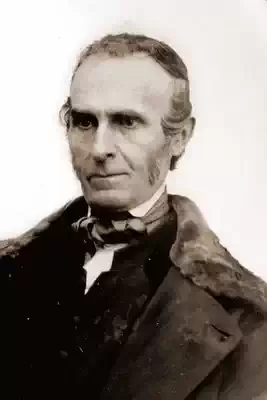
John Greenleaf Whittier
St. Martin's Summer
St. Martin's Summer
Though flowers have perished at the touch
Of Frost, the early comer,
I hail the season loved so much,
The good St. Martin's summer.
O gracious morn, with rose-red dawn,
And thin moon curving o'er it!
The old year's darling, latest born,
More loved than all before it!
How flamed the sunrise through the pines!
How stretched the birchen shadows,
Braiding in long, wind-wavered lines
The westward sloping meadows!
The sweet day, opening as a flower
Unfolds its petals tender,
Renews for us at noontide's hour
The summer's tempered splendor.
The birds are hushed; alone the wind,
That through the woodland searches,
The red-oak's lingering leaves can find,
And yellow plumes of larches.
But still the balsam-breathing pine
Invites no thought of sorrow,
No hint of loss from air like wine
The earth's content can borrow.
The summer and the winter here
Midway a truce are holding,
A soft, consenting atmosphere
Their tents of peace enfolding.
The silent woods, the lonely hills,
Rise solemn in their gladness;
The quiet that the valley fills
Is scarcely joy or sadness.
How strange! The autumn yesterday
In winter's grasp seemed dying;
On whirling winds from skies of gray
The early snow was flying.
And now, while over Nature's mood
There steals a soft relenting,
I will not mar the present good,
Forecasting or lamenting.
My autumn time and Nature's hold
A dreamy tryst together,
And, both grown old, about us fold
The golden-tissued weather.
I lean my heart against the day
To feel its bland caressing;
I will not let it pass away
Before it leaves its blessing.
God's angels come not as of old
The Syrian shepherds knew them;
In reddening dawns, in sunset gold,
And warm noon lights I view them.
Nor need there is, in times like this
When heaven to earth draws nearer,
Of wing or song as witnesses
To make their presence clearer.
O stream of life, whose swifter flow
Is of the end forewarning,
Methinks thy sundown afterglow
Seems less of night than morning!
Old cares grow light; aside I lay
The doubts and fears that troubled;
The quiet of the happy day
Within my soul is doubled.
That clouds must veil this fair sunshine
Not less a joy I find it;
Nor less yon warm horizon line
That winter lurks behind it.
The mystery of the untried days
I close my eyes from reading;
His will be done whose darkest ways
To light and life are leading!
Less drear the winter night shall be,
If memory cheer and hearten
Its heavy hours with thoughts of thee,
Sweet summer of St. Martin!
Though flowers have perished at the touch
Of Frost, the early comer,
I hail the season loved so much,
The good St. Martin's summer.
O gracious morn, with rose-red dawn,
And thin moon curving o'er it!
The old year's darling, latest born,
More loved than all before it!
How flamed the sunrise through the pines!
How stretched the birchen shadows,
Braiding in long, wind-wavered lines
The westward sloping meadows!
The sweet day, opening as a flower
Unfolds its petals tender,
Renews for us at noontide's hour
The summer's tempered splendor.
The birds are hushed; alone the wind,
That through the woodland searches,
The red-oak's lingering leaves can find,
And yellow plumes of larches.
But still the balsam-breathing pine
Invites no thought of sorrow,
No hint of loss from air like wine
The earth's content can borrow.
The summer and the winter here
Midway a truce are holding,
A soft, consenting atmosphere
Their tents of peace enfolding.
The silent woods, the lonely hills,
Rise solemn in their gladness;
The quiet that the valley fills
Is scarcely joy or sadness.
How strange! The autumn yesterday
In winter's grasp seemed dying;
On whirling winds from skies of gray
The early snow was flying.
And now, while over Nature's mood
There steals a soft relenting,
I will not mar the present good,
Forecasting or lamenting.
My autumn time and Nature's hold
A dreamy tryst together,
And, both grown old, about us fold
The golden-tissued weather.
I lean my heart against the day
To feel its bland caressing;
I will not let it pass away
Before it leaves its blessing.
God's angels come not as of old
The Syrian shepherds knew them;
In reddening dawns, in sunset gold,
And warm noon lights I view them.
Nor need there is, in times like this
When heaven to earth draws nearer,
Of wing or song as witnesses
To make their presence clearer.
O stream of life, whose swifter flow
Is of the end forewarning,
Methinks thy sundown afterglow
Seems less of night than morning!
Old cares grow light; aside I lay
The doubts and fears that troubled;
The quiet of the happy day
Within my soul is doubled.
That clouds must veil this fair sunshine
Not less a joy I find it;
Nor less yon warm horizon line
That winter lurks behind it.
The mystery of the untried days
I close my eyes from reading;
His will be done whose darkest ways
To light and life are leading!
Less drear the winter night shall be,
If memory cheer and hearten
Its heavy hours with thoughts of thee,
Sweet summer of St. Martin!
248

John Donne
Elegy IX: The Autumnal
Elegy IX: The Autumnal
No spring nor summer beauty hath such grace
As I have seen in one autumnal face.
Young beauties force our love, and that's a rape,
This doth but counsel, yet you cannot scape.
If 'twere a shame to love, here 'twere no shame;
Affection here takes reverence's name.
Were her first years the golden age? That's true,
But now she's gold oft tried and ever new.
That was her torrid and inflaming time,
This is her tolerable tropic clime.
Fair eyes, who asks more heat than comes from hence,
He in a fever wishes pestilence.
Call not these wrinkles, graves; if graves they were,
They were Love's graves, for else he is no where.
Yet lies not Love dead here, but here doth sit
Vow'd to this trench, like an anachorit;
And here till hers, which must be his death, come,
He doth not dig a grave, but build a tomb.
Here dwells he; though he sojourn ev'rywhere
In progress, yet his standing house is here:
Here where still evening is, not noon nor night,
Where no voluptuousness, yet all delight.
In all her words, unto all hearers fit,
You may at revels, you at council, sit.
This is Love's timber, youth his underwood;
There he, as wine in June, enrages blood,
Which then comes seasonabliest when our taste
And appetite to other things is past.
Xerxes' strange Lydian love, the platan tree,
Was lov'd for age, none being so large as she,
Or else because, being young, nature did bless
Her youth with age's glory, barrenness.
If we love things long sought, age is a thing
Which we are fifty years in compassing;
If transitory things, which soon decay,
Age must be loveliest at the latest day.
But name not winter faces, whose skin's slack,
Lank as an unthrift's purse, but a soul's sack;
Whose eyes seek light within, for all here's shade;
Whose mouths are holes, rather worn out than made;
Whose every tooth to a several place is gone,
To vex their souls at resurrection:
Name not these living death's-heads unto me,
For these, not ancient, but antique be.
I hate extremes, yet I had rather stay
With tombs than cradles, to wear out a day.
Since such love's natural lation is, may still
My love descend, and journey down the hill,
Not panting after growing beauties. So,
I shall ebb on with them who homeward go.
No spring nor summer beauty hath such grace
As I have seen in one autumnal face.
Young beauties force our love, and that's a rape,
This doth but counsel, yet you cannot scape.
If 'twere a shame to love, here 'twere no shame;
Affection here takes reverence's name.
Were her first years the golden age? That's true,
But now she's gold oft tried and ever new.
That was her torrid and inflaming time,
This is her tolerable tropic clime.
Fair eyes, who asks more heat than comes from hence,
He in a fever wishes pestilence.
Call not these wrinkles, graves; if graves they were,
They were Love's graves, for else he is no where.
Yet lies not Love dead here, but here doth sit
Vow'd to this trench, like an anachorit;
And here till hers, which must be his death, come,
He doth not dig a grave, but build a tomb.
Here dwells he; though he sojourn ev'rywhere
In progress, yet his standing house is here:
Here where still evening is, not noon nor night,
Where no voluptuousness, yet all delight.
In all her words, unto all hearers fit,
You may at revels, you at council, sit.
This is Love's timber, youth his underwood;
There he, as wine in June, enrages blood,
Which then comes seasonabliest when our taste
And appetite to other things is past.
Xerxes' strange Lydian love, the platan tree,
Was lov'd for age, none being so large as she,
Or else because, being young, nature did bless
Her youth with age's glory, barrenness.
If we love things long sought, age is a thing
Which we are fifty years in compassing;
If transitory things, which soon decay,
Age must be loveliest at the latest day.
But name not winter faces, whose skin's slack,
Lank as an unthrift's purse, but a soul's sack;
Whose eyes seek light within, for all here's shade;
Whose mouths are holes, rather worn out than made;
Whose every tooth to a several place is gone,
To vex their souls at resurrection:
Name not these living death's-heads unto me,
For these, not ancient, but antique be.
I hate extremes, yet I had rather stay
With tombs than cradles, to wear out a day.
Since such love's natural lation is, may still
My love descend, and journey down the hill,
Not panting after growing beauties. So,
I shall ebb on with them who homeward go.
283

John Clare
Wood Rides
Wood Rides
Who hath not felt the influence that so calms
The weary mind in summers sultry hours
When wandering thickest woods beneath the arms
Of ancient oaks and brushing nameless flowers
That verge the little ride who hath not made
A minutes waste of time and sat him down
Upon a pleasant swell to gaze awhile
On crowding ferns bluebells and hazel leaves
And showers of lady smocks so called by toil
When boys sprote gathering sit on stulps and weave
Garlands while barkmen pill the fallen tree
-Then mid the green variety to start
Who hath (not) met that mood from turmoil free
And felt a placid joy refreshed at heart
Who hath not felt the influence that so calms
The weary mind in summers sultry hours
When wandering thickest woods beneath the arms
Of ancient oaks and brushing nameless flowers
That verge the little ride who hath not made
A minutes waste of time and sat him down
Upon a pleasant swell to gaze awhile
On crowding ferns bluebells and hazel leaves
And showers of lady smocks so called by toil
When boys sprote gathering sit on stulps and weave
Garlands while barkmen pill the fallen tree
-Then mid the green variety to start
Who hath (not) met that mood from turmoil free
And felt a placid joy refreshed at heart
409
John Clare
The Old Cottagers
The Old Cottagers
The little cottage stood alone, the pride
Of solitude surrounded every side.
Bean fields in blossom almost reached the wall;
A garden with its hawthorn hedge was all
The space between.--Green light did pass
Through one small window, where a looking-glass
Placed in the parlour, richly there revealed
A spacious landscape and a blooming field.
The pasture cows that herded on the moor
Printed their footsteps to the very door,
Where little summer flowers with seasons blow
And scarcely gave the eldern leave to grow.
The cuckoo that one listens far away
Sung in the orchard trees for half the day;
And where the robin lives, the village guest,
In the old weedy hedge the leafy nest
Of the coy nightingale was yearly found,
Safe from all eyes as in the loneliest ground;
And little chats that in bean stalks will lie
A nest with cobwebs there will build, and fly
Upon the kidney bean that twines and towers
Up little poles in wreaths of scarlet flowers.
There a lone couple lived, secluded there
From all the world considers joy or care,
Lived to themselves, a long lone journey trod,
And through their Bible talked aloud to God;
While one small close and cow their wants maintained,
But little needing, and but little gained.
Their neighbour's name was peace, with her they went,
With tottering age, and dignified content,
Through a rich length of years and quiet days,
And filled the neighbouring village with their praise.
The little cottage stood alone, the pride
Of solitude surrounded every side.
Bean fields in blossom almost reached the wall;
A garden with its hawthorn hedge was all
The space between.--Green light did pass
Through one small window, where a looking-glass
Placed in the parlour, richly there revealed
A spacious landscape and a blooming field.
The pasture cows that herded on the moor
Printed their footsteps to the very door,
Where little summer flowers with seasons blow
And scarcely gave the eldern leave to grow.
The cuckoo that one listens far away
Sung in the orchard trees for half the day;
And where the robin lives, the village guest,
In the old weedy hedge the leafy nest
Of the coy nightingale was yearly found,
Safe from all eyes as in the loneliest ground;
And little chats that in bean stalks will lie
A nest with cobwebs there will build, and fly
Upon the kidney bean that twines and towers
Up little poles in wreaths of scarlet flowers.
There a lone couple lived, secluded there
From all the world considers joy or care,
Lived to themselves, a long lone journey trod,
And through their Bible talked aloud to God;
While one small close and cow their wants maintained,
But little needing, and but little gained.
Their neighbour's name was peace, with her they went,
With tottering age, and dignified content,
Through a rich length of years and quiet days,
And filled the neighbouring village with their praise.
367
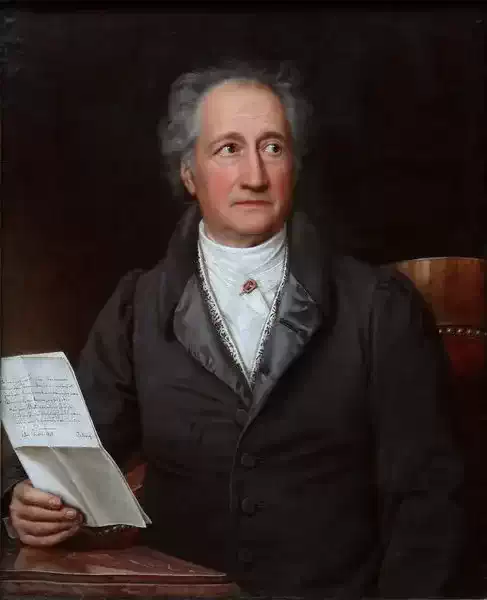
Johann Wolfgang von Goethe
The Rule Of Life
The Rule Of Life
IF thou wouldst live unruffled by care,
Let not the past torment thee e'er;
As little as possible be thou annoy'd,
And let the present be ever enjoy'd;
Ne'er let thy breast with hate be supplied,
And to God the future confide.
IF thou wouldst live unruffled by care,
Let not the past torment thee e'er;
As little as possible be thou annoy'd,
And let the present be ever enjoy'd;
Ne'er let thy breast with hate be supplied,
And to God the future confide.
392
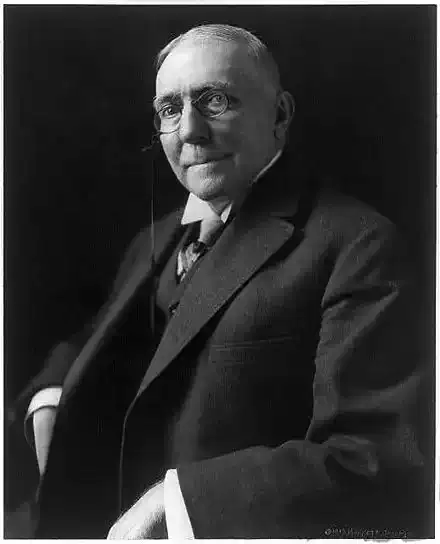
James Whitcomb Riley
He And I
He And I
Just drifting on together--
He and I--
As through the balmy weather
Of July
Drift two thistle-tufts imbedded
Each in each--by zephyrs wedded--
Touring upward, giddy-headed,
For the sky.
And, veering up and onward,
Do we seem
Forever drifting dawnward
In a dream,
Where we meet song-birds that know us,
And the winds their kisses blow us,
While the years flow far below us
Like a stream.
And we are happy--very--
He and I--
Aye, even glad and merry
Though on high
The heavens are sometimes shrouded
By the midnight storm, and clouded
Till the pallid moon is crowded
From the sky.
My spirit ne'er expresses
Any choice
But to clothe him with caresses
And rejoice;
And as he laughs, it is in
Such a tone the moonbeams glisten
And the stars come out to listen
To his voice.
And so, whate'er the weather,
He and I,--
With our lives linked thus together,
Float and fly
As two thistle-tufts imbedded
Each in each--by zephyrs wedded--
Touring upward, giddy-headed,
For the sky.
Just drifting on together--
He and I--
As through the balmy weather
Of July
Drift two thistle-tufts imbedded
Each in each--by zephyrs wedded--
Touring upward, giddy-headed,
For the sky.
And, veering up and onward,
Do we seem
Forever drifting dawnward
In a dream,
Where we meet song-birds that know us,
And the winds their kisses blow us,
While the years flow far below us
Like a stream.
And we are happy--very--
He and I--
Aye, even glad and merry
Though on high
The heavens are sometimes shrouded
By the midnight storm, and clouded
Till the pallid moon is crowded
From the sky.
My spirit ne'er expresses
Any choice
But to clothe him with caresses
And rejoice;
And as he laughs, it is in
Such a tone the moonbeams glisten
And the stars come out to listen
To his voice.
And so, whate'er the weather,
He and I,--
With our lives linked thus together,
Float and fly
As two thistle-tufts imbedded
Each in each--by zephyrs wedded--
Touring upward, giddy-headed,
For the sky.
317
James Whitcomb Riley
A Summer Afternoon
A Summer Afternoon
A languid atmosphere, a lazy breeze,
With labored respiration, moves the wheat
From distant reaches, till the golden seas
Break in crisp whispers at my feet.
My book, neglected of an idle mind,
Hides for a moment from the eyes of men;
Or lightly opened by a critic wind,
Affrightedly reviews itself again.
Off through the haze that dances in the shine
The warm sun showers in the open glade,
The forest lies, a silhouette design
Dimmed through and through with shade.
A dreamy day; and tranquilly I lie
At anchor from all storms of mental strain;
With absent vision, gazing at the sky,
"Like one that hears it rain."
The Katydid, so boisterous last night,
Clinging, inverted, in uneasy poise,
Beneath a wheat-blade, has forgotten quite
If "Katy DID or DIDN'T" make a noise.
The twitter, sometimes, of a wayward bird
That checks the song abruptly at the sound,
And mildly, chiding echoes that have stirred,
Sink into silence, all the more profound.
And drowsily I hear the plaintive strain
Of some poor dove . . . Why, I can scarcely keep
My heavy eyelids--there it is again-"
Coo-coo!"--I mustn't--"Coo-coo!"--fall asleep!
A languid atmosphere, a lazy breeze,
With labored respiration, moves the wheat
From distant reaches, till the golden seas
Break in crisp whispers at my feet.
My book, neglected of an idle mind,
Hides for a moment from the eyes of men;
Or lightly opened by a critic wind,
Affrightedly reviews itself again.
Off through the haze that dances in the shine
The warm sun showers in the open glade,
The forest lies, a silhouette design
Dimmed through and through with shade.
A dreamy day; and tranquilly I lie
At anchor from all storms of mental strain;
With absent vision, gazing at the sky,
"Like one that hears it rain."
The Katydid, so boisterous last night,
Clinging, inverted, in uneasy poise,
Beneath a wheat-blade, has forgotten quite
If "Katy DID or DIDN'T" make a noise.
The twitter, sometimes, of a wayward bird
That checks the song abruptly at the sound,
And mildly, chiding echoes that have stirred,
Sink into silence, all the more profound.
And drowsily I hear the plaintive strain
Of some poor dove . . . Why, I can scarcely keep
My heavy eyelids--there it is again-"
Coo-coo!"--I mustn't--"Coo-coo!"--fall asleep!
358
James Whitcomb Riley
A Passing Hail
A Passing Hail
Let us rest ourselves a bit!
Worry?-- wave your hand to it --
Kiss your finger-tips and smile
It farewell a little while.
Weary of the weary way
We have come from Yesterday,
Let us fret not, instead,
Of the wary way ahead.
Let us pause and catch our breath
On the hither side of death,
While we see the tender shoots
Of the grasses -- not the roots,--
While we yet look down -- not up --
To seek out the buttercup
And the daisy where they wave
O'er the green home of the grave.
Let us launch us smoothly on
The soft billows of the lawn,
And drift out across the main
Of our childish dreams again:
Voyage off, beneath the trees,
O'er the field's enchanted seas,
Where the lilies are our sails,
And our sea-gulls, nightingales:
Where no wilder storm shall beat
Than the wind that waves the wheat,
And no tempest-burst above
The old laughs we used to love:
Lose all troubles -- gain release,
Languor, and exceeding peace,
Cruising idly o'er the vast,
Calm mid-ocean of the Past.
Let us rest ourselves a bit!
Worry? -- Wave your hand to it --
Kiss your finger-tips and smile
It fare well a little while.
Let us rest ourselves a bit!
Worry?-- wave your hand to it --
Kiss your finger-tips and smile
It farewell a little while.
Weary of the weary way
We have come from Yesterday,
Let us fret not, instead,
Of the wary way ahead.
Let us pause and catch our breath
On the hither side of death,
While we see the tender shoots
Of the grasses -- not the roots,--
While we yet look down -- not up --
To seek out the buttercup
And the daisy where they wave
O'er the green home of the grave.
Let us launch us smoothly on
The soft billows of the lawn,
And drift out across the main
Of our childish dreams again:
Voyage off, beneath the trees,
O'er the field's enchanted seas,
Where the lilies are our sails,
And our sea-gulls, nightingales:
Where no wilder storm shall beat
Than the wind that waves the wheat,
And no tempest-burst above
The old laughs we used to love:
Lose all troubles -- gain release,
Languor, and exceeding peace,
Cruising idly o'er the vast,
Calm mid-ocean of the Past.
Let us rest ourselves a bit!
Worry? -- Wave your hand to it --
Kiss your finger-tips and smile
It fare well a little while.
328
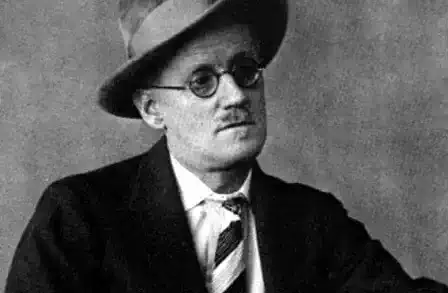
James Joyce
I Would in That Sweet Bosom Be
I Would in That Sweet Bosom Be
I would in that sweet bosom be
(O sweet it is and fair it is!)
Where no rude wind might visit me.
Because of sad austerities
I would in that sweet bosom be.
I would be ever in that heart
(O soft I knock and soft entreat her!)
Where only peace might be my part.
Austerities were all the sweeter
So I were ever in that heart.
I would in that sweet bosom be
(O sweet it is and fair it is!)
Where no rude wind might visit me.
Because of sad austerities
I would in that sweet bosom be.
I would be ever in that heart
(O soft I knock and soft entreat her!)
Where only peace might be my part.
Austerities were all the sweeter
So I were ever in that heart.
229

Jack Kerouac
How to Meditate
How to Meditate
-lights outfall,
hands a-clasped, into instantaneous
ecstasy like a shot of heroin or morphine,
the gland inside of my brain discharging
the good glad fluid (Holy Fluid) as
i hap-down and hold all my body parts
down to a deadstop trance-Healing
all my sicknesses-erasing all-not
even the shred of a 'I-hope-you' or a
Loony Balloon left in it, but the mind
blank, serene, thoughtless. When a thought
comes a-springing from afar with its heldforth
figure of image, you spoof it out,
you spuff it off, you fake it, and
it fades, and thought never comes-and
with joy you realize for the first time
'thinking's just like not thinking-
So I don't have to think
any
more'
-lights outfall,
hands a-clasped, into instantaneous
ecstasy like a shot of heroin or morphine,
the gland inside of my brain discharging
the good glad fluid (Holy Fluid) as
i hap-down and hold all my body parts
down to a deadstop trance-Healing
all my sicknesses-erasing all-not
even the shred of a 'I-hope-you' or a
Loony Balloon left in it, but the mind
blank, serene, thoughtless. When a thought
comes a-springing from afar with its heldforth
figure of image, you spoof it out,
you spuff it off, you fake it, and
it fades, and thought never comes-and
with joy you realize for the first time
'thinking's just like not thinking-
So I don't have to think
any
more'
310
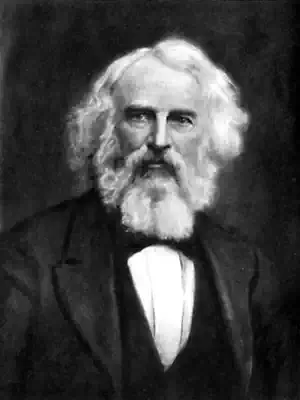
Henry Wadsworth Longfellow
Wanderer's Night Songs. (From Goethe)
Wanderer's Night Songs. (From Goethe)
I.
Thou that from the heavens art,
Every pain and sorrow stillest,
And the doubly wretched heart
Doubly with refreshment fillest,
I am weary with contending!
Why this rapture and unrest?
Peace descending
Come ah, come into my breast!
II.
O'er all the hill-tops
Is quiet now,
In all the tree-tops
Hearest thou
Hardly a breath;
The birds are asleep in the trees:
Wait; soon like these
Thou too shalt rest.
I.
Thou that from the heavens art,
Every pain and sorrow stillest,
And the doubly wretched heart
Doubly with refreshment fillest,
I am weary with contending!
Why this rapture and unrest?
Peace descending
Come ah, come into my breast!
II.
O'er all the hill-tops
Is quiet now,
In all the tree-tops
Hearest thou
Hardly a breath;
The birds are asleep in the trees:
Wait; soon like these
Thou too shalt rest.
323
Henry Wadsworth Longfellow
Ultima Thule: Night
Ultima Thule: Night
Into the darkness and the hush of night
Slowly the landscape sinks, and fades away,
And with it fade the phantoms of the day,
The ghosts of men and things, that haunt the light,
The crowd, the clamor, the pursuit, the flight,
The unprofitable splendor and display,
The agitations, and the cares that prey
Upon our hearts, all vanish out of sight.
The better life begins; the world no more
Molests us; all its records we erase
From the dull commonplace book of our lives,
That like a palimpsest is written o'er
With trivial incidents of time and place,
And lo! the ideal, hidden beneath, revives.
Into the darkness and the hush of night
Slowly the landscape sinks, and fades away,
And with it fade the phantoms of the day,
The ghosts of men and things, that haunt the light,
The crowd, the clamor, the pursuit, the flight,
The unprofitable splendor and display,
The agitations, and the cares that prey
Upon our hearts, all vanish out of sight.
The better life begins; the world no more
Molests us; all its records we erase
From the dull commonplace book of our lives,
That like a palimpsest is written o'er
With trivial incidents of time and place,
And lo! the ideal, hidden beneath, revives.
336
Henry Wadsworth Longfellow
Ultima Thule: Elegiac
Ultima Thule: Elegiac
Dark is the morning with mist; in the narrow mouth of the harbor
Motionless lies the sea, under its curtain of cloud;
Dreamily glimmer the sails of ships on the distant horizon,
Like to the towers of a town, built on the verge of the sea.
Slowly and stately and still, they sail forth into the ocean;
With them sail my thoughts over the limitless deep,
Farther and farther away, borne on by unsatisfied longings,
Unto Hesperian isles, unto Ausonian shores.
Now they have vanished away, have disappeared in the ocean;
Sunk are the towers of the town into the depths of the sea!
All have vanished but those that, moored in the neighboring
roadstead,
Sailless at anchor ride, looming so large in the mist.
Vanished, too, are the thoughts, the dim, unsatisfied longings;
Sunk are the turrets of cloud into the ocean of dreams;
While in a haven of rest my heart is riding at anchor,
Held by the chains of love, held by the anchors of trust!
Dark is the morning with mist; in the narrow mouth of the harbor
Motionless lies the sea, under its curtain of cloud;
Dreamily glimmer the sails of ships on the distant horizon,
Like to the towers of a town, built on the verge of the sea.
Slowly and stately and still, they sail forth into the ocean;
With them sail my thoughts over the limitless deep,
Farther and farther away, borne on by unsatisfied longings,
Unto Hesperian isles, unto Ausonian shores.
Now they have vanished away, have disappeared in the ocean;
Sunk are the towers of the town into the depths of the sea!
All have vanished but those that, moored in the neighboring
roadstead,
Sailless at anchor ride, looming so large in the mist.
Vanished, too, are the thoughts, the dim, unsatisfied longings;
Sunk are the turrets of cloud into the ocean of dreams;
While in a haven of rest my heart is riding at anchor,
Held by the chains of love, held by the anchors of trust!
327
Henry Wadsworth Longfellow
The Herons Of Elmwood. (Birds Of Passage. Flight The Fifth)
The Herons Of Elmwood. (Birds Of Passage. Flight The Fifth)
Warm and still is the summer night,
As here by the river's brink I wander;
White overhead are the stars, and white
The glimmering lamps on the hillside yonder.
Silent are all the sounds of day;
Nothing I hear but the chirp of crickets,
And the cry of the herons winging their way
O'er the poet's house in the Elmwood thickets.
Call to him, herons, as slowly you pass
To your roosts in the haunts of the exiled thrushes,
Sing him the song of the green morass;
And the tides that water the reeds and rushes.
Sing him the mystical Song of the Hern,
And the secret that baffles our utmost seeking;
For only a sound of lament we discern,
And cannot interpret the words you are speaking.
Sing of the air, and the wild delight
Of wings that uplift and winds that uphold you,
The joy of freedom, the rapture of flight
Through the drift of the floating mists that infold you.
Of the landscape lying so far below,
With its towns and rivers and desert places;
And the splendor of light above, and the glow
Of the limitless, blue, ethereal spaces.
Ask him if songs of the Troubadours,
Or of Minnesingers in old black-letter,
Sound in his ears more sweet than yours,
And if yours are not sweeter and wilder and better.
Sing to him, say to him, here at his gate,
Where the boughs of the stately elms are meeting,
Some one hath lingered to meditate,
And send him unseen this friendly greeting;
That many another hath done the same,
Though not by a sound was the silence broken;
The surest pledge of a deathless name
Is the silent homage of thoughts unspoken.
Warm and still is the summer night,
As here by the river's brink I wander;
White overhead are the stars, and white
The glimmering lamps on the hillside yonder.
Silent are all the sounds of day;
Nothing I hear but the chirp of crickets,
And the cry of the herons winging their way
O'er the poet's house in the Elmwood thickets.
Call to him, herons, as slowly you pass
To your roosts in the haunts of the exiled thrushes,
Sing him the song of the green morass;
And the tides that water the reeds and rushes.
Sing him the mystical Song of the Hern,
And the secret that baffles our utmost seeking;
For only a sound of lament we discern,
And cannot interpret the words you are speaking.
Sing of the air, and the wild delight
Of wings that uplift and winds that uphold you,
The joy of freedom, the rapture of flight
Through the drift of the floating mists that infold you.
Of the landscape lying so far below,
With its towns and rivers and desert places;
And the splendor of light above, and the glow
Of the limitless, blue, ethereal spaces.
Ask him if songs of the Troubadours,
Or of Minnesingers in old black-letter,
Sound in his ears more sweet than yours,
And if yours are not sweeter and wilder and better.
Sing to him, say to him, here at his gate,
Where the boughs of the stately elms are meeting,
Some one hath lingered to meditate,
And send him unseen this friendly greeting;
That many another hath done the same,
Though not by a sound was the silence broken;
The surest pledge of a deathless name
Is the silent homage of thoughts unspoken.
309
Henry Wadsworth Longfellow
Songo River. (Birds Of Passage. Flight The Fourth)
Songo River. (Birds Of Passage. Flight The Fourth)
Nowhere such a devious stream,
Save in fancy or in dream,
Winding slow through bush and brake,
Links together lake and lake.
Walled with woods or sandy shelf,
Ever doubling on itself
Flows the stream, so still and slow
That it hardly seems to flow.
Never errant knight of old,
Lost in woodland or on wold,
Such a winding path pursued
Through the sylvan solitude.
Never school-boy, in his quest
After hazel-nut or nest,
Through the forest in and out
Wandered loitering thus about.
In the mirror of its tide
Tangled thickets on each side
Hang inverted, and between
Floating cloud or sky serene.
Swift or swallow on the wing
Seems the only living thing,
Or the loon, that laughs and flies
Down to those reflected skies.
Silent stream! thy Indian name
Unfamiliar is to fame;
For thou hidest here alone,
Well content to be unknown.
But thy tranquil waters teach
Wisdom deep as human speech,
Moving without haste or noise
In unbroken equipoise.
Though thou turnest no busy mill,
And art ever calm and still,
Even thy silence seems to say
To the traveller on his way:-
'Traveller, hurrying from the heat
Of the city, stay thy feet!
Rest awhile, nor longer waste
Life with inconsiderate haste!
'Be not like a stream that brawls
Loud with shallow waterfalls,
But in quiet self-control
Link together soul and soul.'
Nowhere such a devious stream,
Save in fancy or in dream,
Winding slow through bush and brake,
Links together lake and lake.
Walled with woods or sandy shelf,
Ever doubling on itself
Flows the stream, so still and slow
That it hardly seems to flow.
Never errant knight of old,
Lost in woodland or on wold,
Such a winding path pursued
Through the sylvan solitude.
Never school-boy, in his quest
After hazel-nut or nest,
Through the forest in and out
Wandered loitering thus about.
In the mirror of its tide
Tangled thickets on each side
Hang inverted, and between
Floating cloud or sky serene.
Swift or swallow on the wing
Seems the only living thing,
Or the loon, that laughs and flies
Down to those reflected skies.
Silent stream! thy Indian name
Unfamiliar is to fame;
For thou hidest here alone,
Well content to be unknown.
But thy tranquil waters teach
Wisdom deep as human speech,
Moving without haste or noise
In unbroken equipoise.
Though thou turnest no busy mill,
And art ever calm and still,
Even thy silence seems to say
To the traveller on his way:-
'Traveller, hurrying from the heat
Of the city, stay thy feet!
Rest awhile, nor longer waste
Life with inconsiderate haste!
'Be not like a stream that brawls
Loud with shallow waterfalls,
But in quiet self-control
Link together soul and soul.'
355
Henry Wadsworth Longfellow
In The Harbour: Chimes
In The Harbour: Chimes
Sweet chimes! that in the loneliness of night
Salute the passing hour, and in the dark
And silent chambers of the household mark
The movements of the myriad orbs of light!
Through my closed eyelids, by the inner sight,
I see the constellations in the arc
Of their great circles moving on, and hark!
I almost hear them singing in their flight.
Better than sleep it is to lie awake,
O'er-canopied by the vast starry dome
Of the immeasurable sky; to feel
The slumbering world sink under us, and make
Hardly an eddy,--a mere rush of foam
On the great sea beneath a sinking keel.
Sweet chimes! that in the loneliness of night
Salute the passing hour, and in the dark
And silent chambers of the household mark
The movements of the myriad orbs of light!
Through my closed eyelids, by the inner sight,
I see the constellations in the arc
Of their great circles moving on, and hark!
I almost hear them singing in their flight.
Better than sleep it is to lie awake,
O'er-canopied by the vast starry dome
Of the immeasurable sky; to feel
The slumbering world sink under us, and make
Hardly an eddy,--a mere rush of foam
On the great sea beneath a sinking keel.
275
Henry Van Dyke
Peace
Peace
I
IN EXCELSIS
Two dwellings, Peace, are thine.
One is the mountain-height,
Uplifted in the loneliness of light
Beyond the realm of shadows,--fine,
And far, and clear,--where advent of the night
Means only glorious nearness of the stars,
And dawn, unhindered, breaks above the bars
That long the lower world in twilight keep.
Thou sleepest not, and hast no need of sleep,
For all thy cares and fears have dropped away;
The night's fatigue, the fever-fret of day,
Are far below thee; and earth's weary wars,
In vain expense of passion, pass
Before thy sight like visions in a glass,
Or like the wrinkles of the storm that creep
Across the sea and leave no trace
Of trouble on that immemorial face,--
So brief appear the conflicts, and so slight
The wounds men give, the things for which they fight.
Here hangs a fortress on the distant steep,--
A lichen clinging to the rock:
There sails a fleet upon the deep,--
A wandering flock
Of snow-winged gulls: and yonder, in the plain,
A marble palace shines,--a grain
Of mica glittering in the rain.
Beneath thy feet the clouds are rolled
By voiceless winds: and far between
The rolling clouds new shores and peaks are seen,
In shimmering robes of green and gold,
And faint aerial hue
That silent fades into the silent blue.
Thou, from thy mountain-hold,
All day, in tranquil wisdom, looking down
On distant scenes of human toil and strife,
All night, with eyes aware of loftier life,
Uplooking to the sky, where stars are sown,
Dost watch the everlasting fields grow white
Unto the harvest of the sons of light,
And welcome to thy dwelling-place sublime
The few strong souls that dare to climb
The slippery crags and find thee on the height.
II
DE PROFUNDIS
But in the depth thou hast another home,
For hearts less daring, or more frail.
Thou dwellest also in the shadowy vale;
And pilgrim-souls that roam
With weary feet o'er hill and dale,
Bearing the burden and the heat
Of toilful days,
Turn from the dusty ways
To find thee in thy green and still retreat.
Here is no vision wide outspread
Before the lonely and exalted seat
Of all-embracing knowledge. Here, instead,
A little garden, and a sheltered nook,
With outlooks brief and sweet
Across the meadows, and along the brook,--
A little stream that little knows
Of the great sea towards which it gladly flows,--
A little field that bears a little wheat
To make a portion of earth's daily bread.
The vast cloud-armies overhead
Are marshalled, and the wild wind blows
Its trumpet, but thou canst not tell
Whence the storm comes nor where it goes.
Nor dost thou greatly care, since all is well;
Thy daily task is done,
And though a lowly one,
Thou gavest it of thy best,
And art content to rest
In patience till its slow reward is won.
Not far thou lookest, but thy sight is clear;
Not much thou knowest, but thy faith is dear;
For life is love, and love is always near.
Here friendship lights the fire, and every heart,
Sure of itself and sure of all the rest,
Dares to be true, and gladly takes its part
In open converse, bringing forth its best:
Here is Sweet music, melting every chain
Of lassitude and pain:
And here, at last, is sleep, the gift of gifts,
The tender nurse, who lifts
The soul grown weary of the waking world,
And lays it, with its thoughts all furled,
Its fears forgotten, and its passions still,
On the deep bosom of the Eternal Will.
I
IN EXCELSIS
Two dwellings, Peace, are thine.
One is the mountain-height,
Uplifted in the loneliness of light
Beyond the realm of shadows,--fine,
And far, and clear,--where advent of the night
Means only glorious nearness of the stars,
And dawn, unhindered, breaks above the bars
That long the lower world in twilight keep.
Thou sleepest not, and hast no need of sleep,
For all thy cares and fears have dropped away;
The night's fatigue, the fever-fret of day,
Are far below thee; and earth's weary wars,
In vain expense of passion, pass
Before thy sight like visions in a glass,
Or like the wrinkles of the storm that creep
Across the sea and leave no trace
Of trouble on that immemorial face,--
So brief appear the conflicts, and so slight
The wounds men give, the things for which they fight.
Here hangs a fortress on the distant steep,--
A lichen clinging to the rock:
There sails a fleet upon the deep,--
A wandering flock
Of snow-winged gulls: and yonder, in the plain,
A marble palace shines,--a grain
Of mica glittering in the rain.
Beneath thy feet the clouds are rolled
By voiceless winds: and far between
The rolling clouds new shores and peaks are seen,
In shimmering robes of green and gold,
And faint aerial hue
That silent fades into the silent blue.
Thou, from thy mountain-hold,
All day, in tranquil wisdom, looking down
On distant scenes of human toil and strife,
All night, with eyes aware of loftier life,
Uplooking to the sky, where stars are sown,
Dost watch the everlasting fields grow white
Unto the harvest of the sons of light,
And welcome to thy dwelling-place sublime
The few strong souls that dare to climb
The slippery crags and find thee on the height.
II
DE PROFUNDIS
But in the depth thou hast another home,
For hearts less daring, or more frail.
Thou dwellest also in the shadowy vale;
And pilgrim-souls that roam
With weary feet o'er hill and dale,
Bearing the burden and the heat
Of toilful days,
Turn from the dusty ways
To find thee in thy green and still retreat.
Here is no vision wide outspread
Before the lonely and exalted seat
Of all-embracing knowledge. Here, instead,
A little garden, and a sheltered nook,
With outlooks brief and sweet
Across the meadows, and along the brook,--
A little stream that little knows
Of the great sea towards which it gladly flows,--
A little field that bears a little wheat
To make a portion of earth's daily bread.
The vast cloud-armies overhead
Are marshalled, and the wild wind blows
Its trumpet, but thou canst not tell
Whence the storm comes nor where it goes.
Nor dost thou greatly care, since all is well;
Thy daily task is done,
And though a lowly one,
Thou gavest it of thy best,
And art content to rest
In patience till its slow reward is won.
Not far thou lookest, but thy sight is clear;
Not much thou knowest, but thy faith is dear;
For life is love, and love is always near.
Here friendship lights the fire, and every heart,
Sure of itself and sure of all the rest,
Dares to be true, and gladly takes its part
In open converse, bringing forth its best:
Here is Sweet music, melting every chain
Of lassitude and pain:
And here, at last, is sleep, the gift of gifts,
The tender nurse, who lifts
The soul grown weary of the waking world,
And lays it, with its thoughts all furled,
Its fears forgotten, and its passions still,
On the deep bosom of the Eternal Will.
380
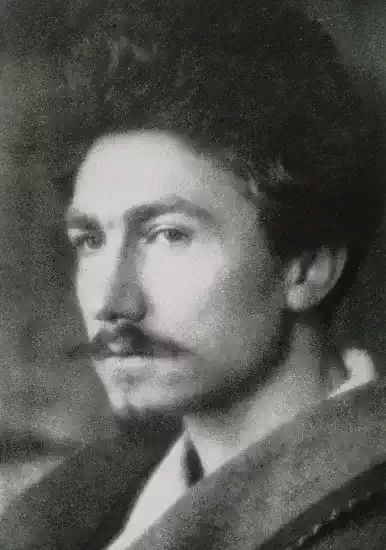
Ezra Pound
[Greek]
[Greek]
Be in me as the eternal moods
of the bleak wind, and not
As transient things are—
gaiety of flowers.
Have me in the strong loneliness
of sunless cliffs
And of gray waters.
Let the gods speak softly of us
In days hereafter,
the shadowy flowers of Orcus
Remember thee.
Be in me as the eternal moods
of the bleak wind, and not
As transient things are—
gaiety of flowers.
Have me in the strong loneliness
of sunless cliffs
And of gray waters.
Let the gods speak softly of us
In days hereafter,
the shadowy flowers of Orcus
Remember thee.
439
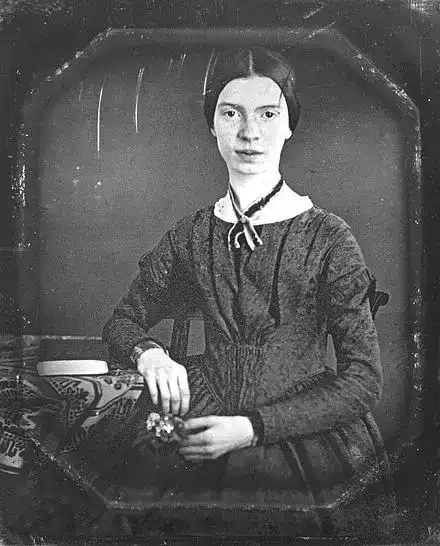
Emily Dickinson
Patience—has a quiet Outer
Patience—has a quiet Outer
926
Patience—has a quiet Outer—
Patience—Look within—
Is an Insect's futile forces
Infinites—between—
'Scaping one—against the other
Fruitlesser to fling—
Patience—is the Smile's exertion
Through the quivering—
926
Patience—has a quiet Outer—
Patience—Look within—
Is an Insect's futile forces
Infinites—between—
'Scaping one—against the other
Fruitlesser to fling—
Patience—is the Smile's exertion
Through the quivering—
217
Emily Dickinson
On this wondrous sea
On this wondrous sea
4
On this wondrous sea
Sailing silently,
Ho! Pilot, ho!
Knowest thou the shore
Where no breakers roar-
Where the storm is o'er?
In the peaceful west
Many the sails at rest-
The anchors fast-
Thither I pilot thee-
Land Ho! Eternity!
Ashore at last!
4
On this wondrous sea
Sailing silently,
Ho! Pilot, ho!
Knowest thou the shore
Where no breakers roar-
Where the storm is o'er?
In the peaceful west
Many the sails at rest-
The anchors fast-
Thither I pilot thee-
Land Ho! Eternity!
Ashore at last!
284
Emily Dickinson
It ceased to hurt me, though so slow
It ceased to hurt me, though so slow
584
It ceased to hurt me, though so slow
I could not feel the Anguish go-
But only knew by looking back-
That something-had benumbed the Track-
Nor when it altered, I could say,
For I had worn it, every day,
As constant as the Childish frock-
I hung upon the Peg, at night.
But not the Grief-that nestled close
As needles-ladies softly press
To Cushions Cheeks-
To keep their place-
Nor what consoled it, I could trace-
Except, whereas 'twas WildernessIt's
better-almost Peace-
584
It ceased to hurt me, though so slow
I could not feel the Anguish go-
But only knew by looking back-
That something-had benumbed the Track-
Nor when it altered, I could say,
For I had worn it, every day,
As constant as the Childish frock-
I hung upon the Peg, at night.
But not the Grief-that nestled close
As needles-ladies softly press
To Cushions Cheeks-
To keep their place-
Nor what consoled it, I could trace-
Except, whereas 'twas WildernessIt's
better-almost Peace-
309
Emily Dickinson
If I should die
If I should die
54
If I should die,
And you should live-
And time should gurgle on-
And morn should beam-
And noon should burn-
As it has usual done-
If Birds should build as early
And Bees as bustling go-
One might depart at option
From enterprise below!
'Tis sweet to know that stocks will stand
When we with Daisies lie-
That Commerce will continue-
And Trades as briskly fly-
It makes the parting tranquil
And keeps the soul serene-
That gentlemen so sprightly
Conduct the pleasing scene!
54
If I should die,
And you should live-
And time should gurgle on-
And morn should beam-
And noon should burn-
As it has usual done-
If Birds should build as early
And Bees as bustling go-
One might depart at option
From enterprise below!
'Tis sweet to know that stocks will stand
When we with Daisies lie-
That Commerce will continue-
And Trades as briskly fly-
It makes the parting tranquil
And keeps the soul serene-
That gentlemen so sprightly
Conduct the pleasing scene!
314
Ella Wheeler Wilcox
The Swan Of Dijon
The Swan Of Dijon
I was in Dijon when the war's wild blast
Was at its loudest; when there was no sound
From dawn to dawn, save soldiers marching past,
Or rattle of their wagons in the street.
When every engine whistle would repeat
Persistently, with meaning tense, profound,
'We carry men to slaughter' or 'we bring
Remnants of men back as war's offering.'
And there in Dijon, the out-gazing eye
Grew weary of the strife-suggesting scene;
But, searching, found one quiet spot hard by
Where war was not; a little lake whereon
Moved leisurely a stately, tranquil swan,
Majestic and imposing, yet serene.
I was in Dijon, when no sound or sight
Woke thoughts of peace, save this one speck of white,
Sailing 'neath skies of menace, unafraid
While silver fountains for his pleasure played.
Dear Swan of Dijon, it was your good part
To rest a tired heart.
I was in Dijon when the war's wild blast
Was at its loudest; when there was no sound
From dawn to dawn, save soldiers marching past,
Or rattle of their wagons in the street.
When every engine whistle would repeat
Persistently, with meaning tense, profound,
'We carry men to slaughter' or 'we bring
Remnants of men back as war's offering.'
And there in Dijon, the out-gazing eye
Grew weary of the strife-suggesting scene;
But, searching, found one quiet spot hard by
Where war was not; a little lake whereon
Moved leisurely a stately, tranquil swan,
Majestic and imposing, yet serene.
I was in Dijon, when no sound or sight
Woke thoughts of peace, save this one speck of white,
Sailing 'neath skies of menace, unafraid
While silver fountains for his pleasure played.
Dear Swan of Dijon, it was your good part
To rest a tired heart.
408
Elizabeth Bishop
Sonnet (1928)
Sonnet (1928)
I am in need of music that would flow
Over my fretful, feeling finger-tips,
Over my bitter-tainted, trembling lips,
With melody, deep, clear, and liquid-slow.
Oh, for the healing swaying, old and low,
Of some song sung to rest the tired dead,
A song to fall like water on my head,
And over quivering limbs, dream flushed to glow!
There is a magic made by melody:
A spell of rest, and quiet breath, and cool
Heart, that sinks through fading colors deep
To the subaqueous stillness of the sea,
And floats forever in a moon-green pool,
Held in the arms of rhythm and of sleep.
I am in need of music that would flow
Over my fretful, feeling finger-tips,
Over my bitter-tainted, trembling lips,
With melody, deep, clear, and liquid-slow.
Oh, for the healing swaying, old and low,
Of some song sung to rest the tired dead,
A song to fall like water on my head,
And over quivering limbs, dream flushed to glow!
There is a magic made by melody:
A spell of rest, and quiet breath, and cool
Heart, that sinks through fading colors deep
To the subaqueous stillness of the sea,
And floats forever in a moon-green pool,
Held in the arms of rhythm and of sleep.
633