

Poems in this topic
Work and Profession
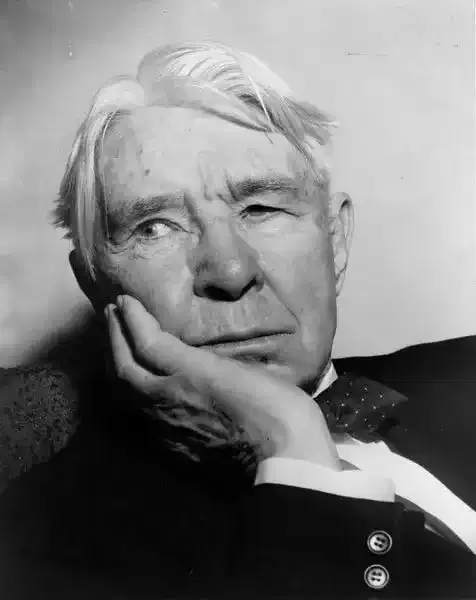
Carl Sandburg
Skyscraper
Skyscraper
By day the skyscraper looms in the smoke and sun and
has a soul.
Prairie and valley, streets of the city, pour people into
it and they mingle among its twenty floors and are
poured out again back to the streets, prairies and
valleys.
It is the men and women, boys and girls so poured in and
out all day that give the building a soul of dreams
and thoughts and memories.
(Dumped in the sea or fixed in a desert, who would care
for the building or speak its name or ask a policeman
the way to it?)
Elevators slide on their cables and tubes catch letters and
parcels and iron pipes carry gas and water in and
sewage out.
Wires climb with secrets, carry light and carry words,
and tell terrors and profits and loves--curses of men
grappling plans of business and questions of women
in plots of love.
Hour by hour the caissons reach down to the rock of the
earth and hold the building to a turning planet.
Hour by hour the girders play as ribs and reach out and
hold together the stone walls and floors.
Hour by hour the hand of the mason and the stuff of the
mortar clinch the pieces and parts to the shape an
architect voted.
Hour by hour the sun and the rain, the air and the rust,
and the press of time running into centuries, play
on the building inside and out and use it.
Men who sunk the pilings and mixed the mortar are laid
in graves where the wind whistles a wild song
without words
And so are men who strung the wires and fixed the pipes
and tubes and those who saw it rise floor by floor.
Souls of them all are here, even the hod carrier begging
at back doors hundreds of miles away and the bricklayer
who went to state's prison for shooting another
man while drunk.
(One man fell from a girder and broke his neck at the
end of a straight plunge--he is here--his soul has
gone into the stones of the building.)
On the office doors from tier to tier--hundreds of names
and each name standing for a face written across
with a dead child, a passionate lover, a driving
ambition for a million dollar business or a lobster's
ease of life.
Behind the signs on the doors they work and the walls
tell nothing from room to room.
Ten-dollar-a-week stenographers take letters from
corporation officers, lawyers, efficiency engineers,
and tons of letters go bundled from the building to all
ends of the earth.
Smiles and tears of each office girl go into the soul of
the building just the same as the master-men who
rule the building.
Hands of clocks turn to noon hours and each floor
empties its men and women who go away and eat
and come back to work.
Toward the end of the afternoon all work slackens and
all jobs go slower as the people feel day closing on
them.
One by one the floors are emptied. . . The uniformed
elevator men are gone. Pails clang. . . Scrubbers
work, talking in foreign tongues. Broom and water
and mop clean from the floors human dust and spit,
and machine grime of the day.
Spelled in electric fire on the roof are words telling
miles of houses and people where to buy a thing for
money. The sign speaks till midnight.
Darkness on the hallways. Voices echo. Silence
holds. . . Watchmen walk slow from floor to floor
and try the doors. Revolvers bulge from their hip
pockets. . . Steel safes stand in corners. Money
is stacked in them.
A young watchman leans at a window and sees the lights
of barges butting their way across a harbor, nets of
red and white lanterns in a railroad yard, and a span
of glooms splashed with lines of white and blurs of
crosses and clusters over the sleeping city.
By night the skyscraper looms in the smoke and the stars
and has a soul.
By day the skyscraper looms in the smoke and sun and
has a soul.
Prairie and valley, streets of the city, pour people into
it and they mingle among its twenty floors and are
poured out again back to the streets, prairies and
valleys.
It is the men and women, boys and girls so poured in and
out all day that give the building a soul of dreams
and thoughts and memories.
(Dumped in the sea or fixed in a desert, who would care
for the building or speak its name or ask a policeman
the way to it?)
Elevators slide on their cables and tubes catch letters and
parcels and iron pipes carry gas and water in and
sewage out.
Wires climb with secrets, carry light and carry words,
and tell terrors and profits and loves--curses of men
grappling plans of business and questions of women
in plots of love.
Hour by hour the caissons reach down to the rock of the
earth and hold the building to a turning planet.
Hour by hour the girders play as ribs and reach out and
hold together the stone walls and floors.
Hour by hour the hand of the mason and the stuff of the
mortar clinch the pieces and parts to the shape an
architect voted.
Hour by hour the sun and the rain, the air and the rust,
and the press of time running into centuries, play
on the building inside and out and use it.
Men who sunk the pilings and mixed the mortar are laid
in graves where the wind whistles a wild song
without words
And so are men who strung the wires and fixed the pipes
and tubes and those who saw it rise floor by floor.
Souls of them all are here, even the hod carrier begging
at back doors hundreds of miles away and the bricklayer
who went to state's prison for shooting another
man while drunk.
(One man fell from a girder and broke his neck at the
end of a straight plunge--he is here--his soul has
gone into the stones of the building.)
On the office doors from tier to tier--hundreds of names
and each name standing for a face written across
with a dead child, a passionate lover, a driving
ambition for a million dollar business or a lobster's
ease of life.
Behind the signs on the doors they work and the walls
tell nothing from room to room.
Ten-dollar-a-week stenographers take letters from
corporation officers, lawyers, efficiency engineers,
and tons of letters go bundled from the building to all
ends of the earth.
Smiles and tears of each office girl go into the soul of
the building just the same as the master-men who
rule the building.
Hands of clocks turn to noon hours and each floor
empties its men and women who go away and eat
and come back to work.
Toward the end of the afternoon all work slackens and
all jobs go slower as the people feel day closing on
them.
One by one the floors are emptied. . . The uniformed
elevator men are gone. Pails clang. . . Scrubbers
work, talking in foreign tongues. Broom and water
and mop clean from the floors human dust and spit,
and machine grime of the day.
Spelled in electric fire on the roof are words telling
miles of houses and people where to buy a thing for
money. The sign speaks till midnight.
Darkness on the hallways. Voices echo. Silence
holds. . . Watchmen walk slow from floor to floor
and try the doors. Revolvers bulge from their hip
pockets. . . Steel safes stand in corners. Money
is stacked in them.
A young watchman leans at a window and sees the lights
of barges butting their way across a harbor, nets of
red and white lanterns in a railroad yard, and a span
of glooms splashed with lines of white and blurs of
crosses and clusters over the sleeping city.
By night the skyscraper looms in the smoke and the stars
and has a soul.
318
Carl Sandburg
Prayers of Steel
Prayers of Steel
Lay me on an anvil, O God.
Beat me and hammer me into a crowbar.
Let me pry loose old walls.
Let me lift and loosen old foundations.
Lay me on an anvil, O God.
Beat me and hammer me into a steel spike.
Drive me into the girders that hold a skyscraper together.
Take red-hot rivets and fasten me into the central girders.
Let me be the great nail holding a skyscraper through blue nights into white stars.
Lay me on an anvil, O God.
Beat me and hammer me into a crowbar.
Let me pry loose old walls.
Let me lift and loosen old foundations.
Lay me on an anvil, O God.
Beat me and hammer me into a steel spike.
Drive me into the girders that hold a skyscraper together.
Take red-hot rivets and fasten me into the central girders.
Let me be the great nail holding a skyscraper through blue nights into white stars.
295
Carl Sandburg
Plowboy
Plowboy
After the last red sunset glimmer,
Black on the line of a low hill rise,
Formed into moving shadows, I saw
A plowboy and two horses lined against the gray,
Plowing in the dusk the last furrow.
The turf had a gleam of brown,
And smell of soil was in the air,
And, cool and moist, a haze of April.
I shall remember you long,
Plowboy and horses against the sky in shadow.
I shall remember you and the picture
You made for me,
Turning the turf in the dusk
And haze of an April gloaming.
After the last red sunset glimmer,
Black on the line of a low hill rise,
Formed into moving shadows, I saw
A plowboy and two horses lined against the gray,
Plowing in the dusk the last furrow.
The turf had a gleam of brown,
And smell of soil was in the air,
And, cool and moist, a haze of April.
I shall remember you long,
Plowboy and horses against the sky in shadow.
I shall remember you and the picture
You made for me,
Turning the turf in the dusk
And haze of an April gloaming.
351
Carl Sandburg
Pennsylvania
Pennsylvania
I have been in Pennsylvania,
In the Monongahela and Hocking Valleys.
In the blue Susquehanna
On a Saturday morning
I saw a mounted constabulary go by,
I saw boys playing marbles.
Spring and the hills laughed.
And in places
Along the Appalachian chain,
I saw steel arms handling coal and iron,
And I saw the white-cauliflower faces
Of miner's wives waiting for the men to come home from the day's work.
I made color studies in crimson and violet
Over the dust and domes of culm at sunset.
I have been in Pennsylvania,
In the Monongahela and Hocking Valleys.
In the blue Susquehanna
On a Saturday morning
I saw a mounted constabulary go by,
I saw boys playing marbles.
Spring and the hills laughed.
And in places
Along the Appalachian chain,
I saw steel arms handling coal and iron,
And I saw the white-cauliflower faces
Of miner's wives waiting for the men to come home from the day's work.
I made color studies in crimson and violet
Over the dust and domes of culm at sunset.
304
Carl Sandburg
Omaha
Omaha
Red barns and red heiffers spot the green
grass circles around Omaha--the farmers
haul tanks of cream and wagon-loads of
cheese.
Shale hogbacks across the river at Council
Bluffs--and shanties hang by an eyelash to
the hill slants back around Omaha.
A span of steel ties up the kin of Iowa and
Nebraska across the yellow, big-hoofed Missouri
River.
Omaha, the roughneck, feeds armies,
Eats and swears from a dirty face.
Omaha works to get the world a breakfast.
Red barns and red heiffers spot the green
grass circles around Omaha--the farmers
haul tanks of cream and wagon-loads of
cheese.
Shale hogbacks across the river at Council
Bluffs--and shanties hang by an eyelash to
the hill slants back around Omaha.
A span of steel ties up the kin of Iowa and
Nebraska across the yellow, big-hoofed Missouri
River.
Omaha, the roughneck, feeds armies,
Eats and swears from a dirty face.
Omaha works to get the world a breakfast.
309
Carl Sandburg
Old Timers
Old Timers
I am an ancient reluctant conscript.
On the soup wagons of Xerxes I was a cleaner of pans.
On the march of Miltiades' phalanx I had a haft and head;
I had a bristling gleaming spear-handle.
Red-headed Cæsar picked me for a teamster.
He said, "Go to work, you Tuscan bastard,
Rome calls for a man who can drive horses."
The units of conquest led by Charles the Twelfth,
The whirling whimsical Napoleonic columns:
They saw me one of the horseshoers.
I trimmed the feet of a white horse Bonaparte swept the night stars with.
Lincoln said, "Get into the game; your nation takes you."
And I drove a wagon and team and I had my arm shot off
At Spottsylvania Court House.
I am an ancient reluctant conscript.
I am an ancient reluctant conscript.
On the soup wagons of Xerxes I was a cleaner of pans.
On the march of Miltiades' phalanx I had a haft and head;
I had a bristling gleaming spear-handle.
Red-headed Cæsar picked me for a teamster.
He said, "Go to work, you Tuscan bastard,
Rome calls for a man who can drive horses."
The units of conquest led by Charles the Twelfth,
The whirling whimsical Napoleonic columns:
They saw me one of the horseshoers.
I trimmed the feet of a white horse Bonaparte swept the night stars with.
Lincoln said, "Get into the game; your nation takes you."
And I drove a wagon and team and I had my arm shot off
At Spottsylvania Court House.
I am an ancient reluctant conscript.
413
Carl Sandburg
Muckers
Muckers
Twenty men stand watching the muckers.
Stabbing the sides of the ditch
Where clay gleams yellow,
Driving the blades of their shovels
Deeper and deeper for the new gas mains
Wiping sweat off their faces
With red bandanas
The muckers work on .. pausing .. to pull
Their boots out of suckholes where they slosh.
Of the twenty looking on
Ten murmer, “O, its a hell of a job,”
Ten others, “Jesus, I wish I had the job.”
Twenty men stand watching the muckers.
Stabbing the sides of the ditch
Where clay gleams yellow,
Driving the blades of their shovels
Deeper and deeper for the new gas mains
Wiping sweat off their faces
With red bandanas
The muckers work on .. pausing .. to pull
Their boots out of suckholes where they slosh.
Of the twenty looking on
Ten murmer, “O, its a hell of a job,”
Ten others, “Jesus, I wish I had the job.”
406
Carl Sandburg
Mill-Doors
Mill-Doors
You never come back.
I say good-by when I see you going in the doors,
The hopeless open doors that call and wait
And take you then for—how many cents a day?
How many cents for the sleepy eyes and fingers?
I say good-by because I know they tap your wrists,
In the dark, in the silence, day by day,
And all the blood of you drop by drop,
And you are old before you are young.
You never come back.
You never come back.
I say good-by when I see you going in the doors,
The hopeless open doors that call and wait
And take you then for—how many cents a day?
How many cents for the sleepy eyes and fingers?
I say good-by because I know they tap your wrists,
In the dark, in the silence, day by day,
And all the blood of you drop by drop,
And you are old before you are young.
You never come back.
318
Carl Sandburg
Manual System
Manual System
Mary has a thingamajig clamped on her ears
And sits all day taking plugs out and sticking plugs in.
Flashes and flashes--voies and voices
calling for ears to put words in
Faces at the ends of wires asking for other faces
at the ends of other wires:
All day taking plugs out and sticking plugs in,
Mary has a thingamajig clamped on her ears.
Mary has a thingamajig clamped on her ears
And sits all day taking plugs out and sticking plugs in.
Flashes and flashes--voies and voices
calling for ears to put words in
Faces at the ends of wires asking for other faces
at the ends of other wires:
All day taking plugs out and sticking plugs in,
Mary has a thingamajig clamped on her ears.
363
Carl Sandburg
Localities
Localities
Wagon wheel gap is a place I never saw
And Red Horse Gulch and the chutes of Cripple Creek.
Red-shirted miners picking in the sluices,
Gamblers with red neckties in the night streets,
The fly-by-night towns of Bull Frog and Skiddoo,
The night-cool limestone white of Death Valley,
The straight drop of eight hundred feet
From a shelf road in the Hasiampa Valley:
Men and places they are I never saw.
I have seen three White Horse taverns,
One in Illinois, one in Pennsylvania,
One in a timber-hid road of Wisconsin.
I bought cheese and crackers
Between sun showers in a place called White Pigeon
Nestling with a blacksmith shop, a post-office,
And a berry-crate factory, where four roads cross.
On the Pecatonica River near Freeport
I have seen boys run barefoot in the leaves
Throwing clubs at the walnut trees
In the yellow-and-gold of autumn,
And there was a brown mash dry on the inside of their hands.
On the Cedar Fork Creek of Knox County
I know how the fingers of late October
Loosen the hazel nuts.
I know the brown eyes of half-open hulls.
I know boys named Lindquist, Swanson, Hildebrand.
I remember their cries when the nuts were ripe.
And some are in machine shops; some are in the navy;
And some are not on payrolls anywhere.
Their mothers are through waiting for them to come home.
Wagon wheel gap is a place I never saw
And Red Horse Gulch and the chutes of Cripple Creek.
Red-shirted miners picking in the sluices,
Gamblers with red neckties in the night streets,
The fly-by-night towns of Bull Frog and Skiddoo,
The night-cool limestone white of Death Valley,
The straight drop of eight hundred feet
From a shelf road in the Hasiampa Valley:
Men and places they are I never saw.
I have seen three White Horse taverns,
One in Illinois, one in Pennsylvania,
One in a timber-hid road of Wisconsin.
I bought cheese and crackers
Between sun showers in a place called White Pigeon
Nestling with a blacksmith shop, a post-office,
And a berry-crate factory, where four roads cross.
On the Pecatonica River near Freeport
I have seen boys run barefoot in the leaves
Throwing clubs at the walnut trees
In the yellow-and-gold of autumn,
And there was a brown mash dry on the inside of their hands.
On the Cedar Fork Creek of Knox County
I know how the fingers of late October
Loosen the hazel nuts.
I know the brown eyes of half-open hulls.
I know boys named Lindquist, Swanson, Hildebrand.
I remember their cries when the nuts were ripe.
And some are in machine shops; some are in the navy;
And some are not on payrolls anywhere.
Their mothers are through waiting for them to come home.
333
Carl Sandburg
Lawyer
Lawyer
When the jury files in to deliver a verdict after weeks of direct and cross examinations,
hot clashes
of lawyers and cool decisions of the judge,
There are points of high silence--twiddling of thumbs is at an end--bailiffs near
cuspidors take fresh
chews of tobacco and wait--and the clock has a chance for its ticking to be heard.
A lawyer for the defense clears his throat and holds himself ready if the word is "Guilty"
to enter
motion for a new trial, speaking in a soft voice, speaking in a voice slightly colored with
bitter wrongs
mingled with monumental patience, speaking with mythic Atlas shoulders of many
preposterous,
unjust circumstances.
When the jury files in to deliver a verdict after weeks of direct and cross examinations,
hot clashes
of lawyers and cool decisions of the judge,
There are points of high silence--twiddling of thumbs is at an end--bailiffs near
cuspidors take fresh
chews of tobacco and wait--and the clock has a chance for its ticking to be heard.
A lawyer for the defense clears his throat and holds himself ready if the word is "Guilty"
to enter
motion for a new trial, speaking in a soft voice, speaking in a voice slightly colored with
bitter wrongs
mingled with monumental patience, speaking with mythic Atlas shoulders of many
preposterous,
unjust circumstances.
409
Carl Sandburg
Ice Handler
Ice Handler
I know an ice handler who wears a flannel shirt with pearl buttons the size of a dollar,
And he lugs a hundred-pound hunk into a saloon ice-box, helps himself to cold ham
and rye bread,
Tells the bartender it’s hotter than yesterday and will be hotter yet to-morrow, by
Jesus,
And is on his way with his head in the air and a hard pair of fists.
He spends a dollar or so every Saturday night on a two hundred pound woman who
washes dishes in the Hotel Morrison.
He remembers when the union was organized he broke the noses of two scabs and
loosened the nuts so the wheels came off six different wagons one morning, and he
came around and watched the ice melt in the street.
All he was sorry for was one of the scabs bit him on the knuckles of the right hand so
they bled when he came around to the saloon to tell the boys about it.
I know an ice handler who wears a flannel shirt with pearl buttons the size of a dollar,
And he lugs a hundred-pound hunk into a saloon ice-box, helps himself to cold ham
and rye bread,
Tells the bartender it’s hotter than yesterday and will be hotter yet to-morrow, by
Jesus,
And is on his way with his head in the air and a hard pair of fists.
He spends a dollar or so every Saturday night on a two hundred pound woman who
washes dishes in the Hotel Morrison.
He remembers when the union was organized he broke the noses of two scabs and
loosened the nuts so the wheels came off six different wagons one morning, and he
came around and watched the ice melt in the street.
All he was sorry for was one of the scabs bit him on the knuckles of the right hand so
they bled when he came around to the saloon to tell the boys about it.
346
Carl Sandburg
Government
Government
The Government -- I heard about the Government and
I went out to find it. I said I would look closely at
it when I saw it.
Then I saw a policeman dragging a drunken man to
the callaboose. It was the Government in action.
I saw a ward alderman slip into an office one morning
and talk with a judge. Later in the day the judge
dismissed a case against a pickpocket who was a
live ward worker for the alderman. Again I saw
this was the Government, doing things.
I saw militiamen level their rifles at a crowd of
workingmen who were trying to get other workingmen
to stay away from a shop where there was a strike
on. Government in action.
Everywhere I saw that Government is a thing made of
men, that Government has blood and bones, it is
many mouths whispering into many ears, sending
telegrams, aiming rifles, writing orders, saying
"yes" and "no."
Government dies as the men who form it die and are laid
away in their graves and the new Government that
comes after is human, made of heartbeats of blood,
ambitions, lusts, and money running through it all,
money paid and money taken, and money covered
up and spoken of with hushed voices.
A Government is just as secret and mysterious and sensitive
as any human sinner carrying a load of germs,
traditions and corpuscles handed down from
fathers and mothers away back.
The Government -- I heard about the Government and
I went out to find it. I said I would look closely at
it when I saw it.
Then I saw a policeman dragging a drunken man to
the callaboose. It was the Government in action.
I saw a ward alderman slip into an office one morning
and talk with a judge. Later in the day the judge
dismissed a case against a pickpocket who was a
live ward worker for the alderman. Again I saw
this was the Government, doing things.
I saw militiamen level their rifles at a crowd of
workingmen who were trying to get other workingmen
to stay away from a shop where there was a strike
on. Government in action.
Everywhere I saw that Government is a thing made of
men, that Government has blood and bones, it is
many mouths whispering into many ears, sending
telegrams, aiming rifles, writing orders, saying
"yes" and "no."
Government dies as the men who form it die and are laid
away in their graves and the new Government that
comes after is human, made of heartbeats of blood,
ambitions, lusts, and money running through it all,
money paid and money taken, and money covered
up and spoken of with hushed voices.
A Government is just as secret and mysterious and sensitive
as any human sinner carrying a load of germs,
traditions and corpuscles handed down from
fathers and mothers away back.
286
Carl Sandburg
'Boes
'Boes
I waited today for a freight train to pass.
Cattle cars with steers butting their horns against the
bars, went by.
And a half a dozen hoboes stood on bumpers between
cars.
Well, the cattle are respectable, I thought.
Every steer has its transportation paid for by the farmer
sending it to market,
While the hoboes are law-breakers in riding a railroad
train without a ticket.
It reminded me of ten days I spent in the Allegheny
County jail in Pittsburgh.
I got ten days even though I was a veteran of the
Spanish-American war.
Cooped in the same cell with me was an old man, a
bricklayer and a booze-fighter.
But it just happened he, too, was a veteran soldier, and
he had fought to preserve the Union and free the
niggers.
We were three in all, the other being a Lithuanian who
got drunk on pay day at the steel works and got to
fighting a policeman;
All the clothes he had was a shirt, pants and shoes-somebody
got his hat and coat and what money he
had left over when he got drunk.
I waited today for a freight train to pass.
Cattle cars with steers butting their horns against the
bars, went by.
And a half a dozen hoboes stood on bumpers between
cars.
Well, the cattle are respectable, I thought.
Every steer has its transportation paid for by the farmer
sending it to market,
While the hoboes are law-breakers in riding a railroad
train without a ticket.
It reminded me of ten days I spent in the Allegheny
County jail in Pittsburgh.
I got ten days even though I was a veteran of the
Spanish-American war.
Cooped in the same cell with me was an old man, a
bricklayer and a booze-fighter.
But it just happened he, too, was a veteran soldier, and
he had fought to preserve the Union and free the
niggers.
We were three in all, the other being a Lithuanian who
got drunk on pay day at the steel works and got to
fighting a policeman;
All the clothes he had was a shirt, pants and shoes-somebody
got his hat and coat and what money he
had left over when he got drunk.
377
Carl Sandburg
Bricklayer Love
Bricklayer Love
I thought of killing myself because I am only a bricklayer
and you a woman who loves the man who runs a drug store.
I don't care like I used to; I lay bricks straighter than I
used to and I sing slower handling the trowel afternoons.
When the sun is in my eyes and the ladders are shaky and the
mortar boards go wrong, I think of you.
I thought of killing myself because I am only a bricklayer
and you a woman who loves the man who runs a drug store.
I don't care like I used to; I lay bricks straighter than I
used to and I sing slower handling the trowel afternoons.
When the sun is in my eyes and the ladders are shaky and the
mortar boards go wrong, I think of you.
360
Carl Sandburg
A Tall Man
A Tall Man
The mouth of this man is a gaunt strong mouth.
The head of this man is a gaunt strong head.
The jaws of this man are bone of the Rocky Mountains, the Appalachians.
The eyes of this man are chlorine of two sobbing oceans,
Foam, salt, green, wind, the changing unknown.
The neck of this man is pith of buffalo prairie, old longing and new beckoning of corn
belt or cotton belt,
Either a proud Sequoia trunk of the wilderness
Or huddling lumber of a sawmill waiting to be a roof.
Brother mystery to man and mob mystery,
Brother cryptic to lifted cryptic hands,
He is night and abyss, he is white sky of sun, he is the head of the people.
The heart of him the red drops of the people,
The wish of him the steady gray-eagle crag-hunting flights of the people.
Humble dust of a wheel-worn road,
Slashed sod under the iron-shining plow,
These of service in him, these and many cities, many borders, many wrangles between
Alaska and the Isthmus, between the Isthmus and the Horn, and east and west of
Omaha, and east and west of Paris, Berlin, Petrograd.
The blood in his right wrist and the blood in his left wrist run with the right wrist
wisdom of the many and the left wrist wisdom of the many.
It is the many he knows, the gaunt strong hunger of the many.
The mouth of this man is a gaunt strong mouth.
The head of this man is a gaunt strong head.
The jaws of this man are bone of the Rocky Mountains, the Appalachians.
The eyes of this man are chlorine of two sobbing oceans,
Foam, salt, green, wind, the changing unknown.
The neck of this man is pith of buffalo prairie, old longing and new beckoning of corn
belt or cotton belt,
Either a proud Sequoia trunk of the wilderness
Or huddling lumber of a sawmill waiting to be a roof.
Brother mystery to man and mob mystery,
Brother cryptic to lifted cryptic hands,
He is night and abyss, he is white sky of sun, he is the head of the people.
The heart of him the red drops of the people,
The wish of him the steady gray-eagle crag-hunting flights of the people.
Humble dust of a wheel-worn road,
Slashed sod under the iron-shining plow,
These of service in him, these and many cities, many borders, many wrangles between
Alaska and the Isthmus, between the Isthmus and the Horn, and east and west of
Omaha, and east and west of Paris, Berlin, Petrograd.
The blood in his right wrist and the blood in his left wrist run with the right wrist
wisdom of the many and the left wrist wisdom of the many.
It is the many he knows, the gaunt strong hunger of the many.
489
Boris Pasternak
On Early Trains
On Early Trains
This winter I was outside Moscow,
But when the time for work came round,
Through the blizzard, biting frost and snow,
I made the journey into town.
At the hour I stepped outside the door
Not a soul could be seen on the street,
And through the forest darkness drifted forth
The crunching echo of my tramping feet.
At the crossing I was greeted
By the willows of the vacant plot.
The constellations towered above the world
In the dark chill of January's pit.
And usually, there behind the yards,
The number forty or the early mail
Would overhaul me, pulling hard,
But the six forty-five was my own train.
Suddenly some invisible tentacles
Would draw into a circle lines of light,
As a massive searchlight hurtled past
On to the viaduct out of the night.
Once in the carriage's tuffy heat
I would allow myself to sink
Into the state of innate weakness
I imbibed with my mother's milk.
Through all the struggles of the past,
Through all the years of war and want,
I gazed on Russia'a unique face
In silent awe and wonderment.
Passing beyond this adoration,
I worshipped as I looked around
At countrywomen, students, workers
Living on the edge of town.
I could not see a single trace
Of servitude imposed by poverty.
Each new discomfort and each change
Was borne with lordly dignity.
Bunched close together in a group,
Boys and girls sat reading there,
Struck varied poses as they read,
Drinking in the words like vital air.
Moscow greeted us in darkness
Already lined with silver light,
As we emerged from underground,
Out of the ambiguity of night.
Our future pressed against the rails,
Flooding my senses as they went,
With floral soap's lingering trace
And honey-cakes' enticing scent.
This winter I was outside Moscow,
But when the time for work came round,
Through the blizzard, biting frost and snow,
I made the journey into town.
At the hour I stepped outside the door
Not a soul could be seen on the street,
And through the forest darkness drifted forth
The crunching echo of my tramping feet.
At the crossing I was greeted
By the willows of the vacant plot.
The constellations towered above the world
In the dark chill of January's pit.
And usually, there behind the yards,
The number forty or the early mail
Would overhaul me, pulling hard,
But the six forty-five was my own train.
Suddenly some invisible tentacles
Would draw into a circle lines of light,
As a massive searchlight hurtled past
On to the viaduct out of the night.
Once in the carriage's tuffy heat
I would allow myself to sink
Into the state of innate weakness
I imbibed with my mother's milk.
Through all the struggles of the past,
Through all the years of war and want,
I gazed on Russia'a unique face
In silent awe and wonderment.
Passing beyond this adoration,
I worshipped as I looked around
At countrywomen, students, workers
Living on the edge of town.
I could not see a single trace
Of servitude imposed by poverty.
Each new discomfort and each change
Was borne with lordly dignity.
Bunched close together in a group,
Boys and girls sat reading there,
Struck varied poses as they read,
Drinking in the words like vital air.
Moscow greeted us in darkness
Already lined with silver light,
As we emerged from underground,
Out of the ambiguity of night.
Our future pressed against the rails,
Flooding my senses as they went,
With floral soap's lingering trace
And honey-cakes' enticing scent.
597
Boris Pasternak
Humble home. But rum, and charcoal...
Humble home. But rum, and charcoal...
Humble home. But rum, and charcoal
Grog of sketches on the wall,
And the cell becomes a mansion,
And the garret is a hall.
No more waves of housecoats: questions,
Even footsteps disappear;
Glassy mica fills the latticed
Work-encompassed vault of air.
Voice, commanding as a levy,
Does not leave a thing immune,
Smelting, fusing… In his gullet
Flows the tin of molten spoons.
What is fame for him, and glory,
Name, position in the world,
When the sudden breath of fusion
Blends his words into the Word?
He will burn for it his chattels,
Friendship, reason, daily round.
On his desk-a glass, unfinished,
World forgotten, clock unwound.
Clustered stanzas change like seething
Wax at fortune-telling times.
He will bless the sleeping children
With the steam of molten rhymes.
Humble home. But rum, and charcoal
Grog of sketches on the wall,
And the cell becomes a mansion,
And the garret is a hall.
No more waves of housecoats: questions,
Even footsteps disappear;
Glassy mica fills the latticed
Work-encompassed vault of air.
Voice, commanding as a levy,
Does not leave a thing immune,
Smelting, fusing… In his gullet
Flows the tin of molten spoons.
What is fame for him, and glory,
Name, position in the world,
When the sudden breath of fusion
Blends his words into the Word?
He will burn for it his chattels,
Friendship, reason, daily round.
On his desk-a glass, unfinished,
World forgotten, clock unwound.
Clustered stanzas change like seething
Wax at fortune-telling times.
He will bless the sleeping children
With the steam of molten rhymes.
576

Billy Collins
The Best Cigarette
The Best Cigarette
There are many that I miss
having sent my last one out a car window
sparking along the road one night, years ago.
The heralded one, of course:
after sex, the two glowing tips
now the lights of a single ship;
at the end of a long dinner
with more wine to come
and a smoke ring coasting into the chandelier;
or on a white beach,
holding one with fingers still wet from a swim.
How bittersweet these punctuations
of flame and gesture;
but the best were on those mornings
when I would have a little something going
in the typewriter,
the sun bright in the windows,
maybe some Berlioz on in the background.
I would go into the kitchen for coffee
and on the way back to the page,
curled in its roller,
I would light one up and feel
its dry rush mix with the dark taste of coffee.
Then I would be my own locomotive,
trailing behind me as I returned to work
little puffs of smoke,
indicators of progress,
signs of industry and thought,
the signal that told the nineteenth century
it was moving forward.
That was the best cigarette,
when I would steam into the study
full of vaporous hope
and stand there,
the big headlamp of my face
pointed down at all the words in parallel lines.
There are many that I miss
having sent my last one out a car window
sparking along the road one night, years ago.
The heralded one, of course:
after sex, the two glowing tips
now the lights of a single ship;
at the end of a long dinner
with more wine to come
and a smoke ring coasting into the chandelier;
or on a white beach,
holding one with fingers still wet from a swim.
How bittersweet these punctuations
of flame and gesture;
but the best were on those mornings
when I would have a little something going
in the typewriter,
the sun bright in the windows,
maybe some Berlioz on in the background.
I would go into the kitchen for coffee
and on the way back to the page,
curled in its roller,
I would light one up and feel
its dry rush mix with the dark taste of coffee.
Then I would be my own locomotive,
trailing behind me as I returned to work
little puffs of smoke,
indicators of progress,
signs of industry and thought,
the signal that told the nineteenth century
it was moving forward.
That was the best cigarette,
when I would steam into the study
full of vaporous hope
and stand there,
the big headlamp of my face
pointed down at all the words in parallel lines.
288
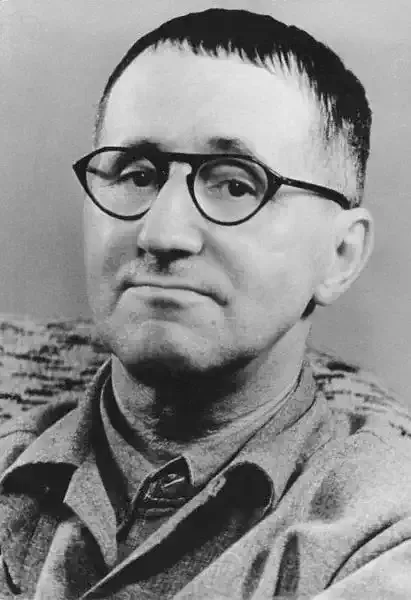
Bertolt Brecht
United Front Song
United Front Song
And because a man is human
He'll want to eat, and thanks a lot
But talk can't take the place of meat
or fill an empty pot.
So left, two, three!
So left, two, three!
Comrade, there's a place for you.
Take your stand in the workers united front
For you are a worker too.
And because a man is human
he won't care for a kick in the face.
He doesn't want slaves under him
Or above him a ruling class.
So left, two, three!
So left, two, three!
Comrade, there's a place for you.
Take your stand in the workers united front
For you are a worker too.
And because a worker's a worker
No one else will bring him liberty.
It's nobody's work but the worker' own
To set the worker free.
So left, two, three!
So left, two, three!
Comrade, there's a place for you.
Take your stand in the workers united front
For you are a worker too.
And because a man is human
He'll want to eat, and thanks a lot
But talk can't take the place of meat
or fill an empty pot.
So left, two, three!
So left, two, three!
Comrade, there's a place for you.
Take your stand in the workers united front
For you are a worker too.
And because a man is human
he won't care for a kick in the face.
He doesn't want slaves under him
Or above him a ruling class.
So left, two, three!
So left, two, three!
Comrade, there's a place for you.
Take your stand in the workers united front
For you are a worker too.
And because a worker's a worker
No one else will bring him liberty.
It's nobody's work but the worker' own
To set the worker free.
So left, two, three!
So left, two, three!
Comrade, there's a place for you.
Take your stand in the workers united front
For you are a worker too.
732
Bertolt Brecht
A Worker Reads History
A Worker Reads History
Who built the seven gates of Thebes?
The books are filled with names of kings.
Was it the kings who hauled the craggy blocks of stone?
And Babylon, so many times destroyed.
Who built the city up each time? In which of Lima's houses,
That city glittering with gold, lived those who built it?
In the evening when the Chinese wall was finished
Where did the masons go? Imperial Rome
Is full of arcs of triumph. Who reared them up? Over whom
Did the Caesars triumph? Byzantium lives in song.
Were all her dwellings palaces? And even in Atlantis of the legend
The night the seas rushed in,
The drowning men still bellowed for their slaves.
Young Alexander conquered India.
He alone?
Caesar beat the Gauls.
Was there not even a cook in his army?
Phillip of Spain wept as his fleet
was sunk and destroyed. Were there no other tears?
Frederick the Greek triumphed in the Seven Years War.
Who triumphed with him?
Each page a victory
At whose expense the victory ball?
Every ten years a great man,
Who paid the piper?
So many particulars.
So many questions.
Who built the seven gates of Thebes?
The books are filled with names of kings.
Was it the kings who hauled the craggy blocks of stone?
And Babylon, so many times destroyed.
Who built the city up each time? In which of Lima's houses,
That city glittering with gold, lived those who built it?
In the evening when the Chinese wall was finished
Where did the masons go? Imperial Rome
Is full of arcs of triumph. Who reared them up? Over whom
Did the Caesars triumph? Byzantium lives in song.
Were all her dwellings palaces? And even in Atlantis of the legend
The night the seas rushed in,
The drowning men still bellowed for their slaves.
Young Alexander conquered India.
He alone?
Caesar beat the Gauls.
Was there not even a cook in his army?
Phillip of Spain wept as his fleet
was sunk and destroyed. Were there no other tears?
Frederick the Greek triumphed in the Seven Years War.
Who triumphed with him?
Each page a victory
At whose expense the victory ball?
Every ten years a great man,
Who paid the piper?
So many particulars.
So many questions.
1,724
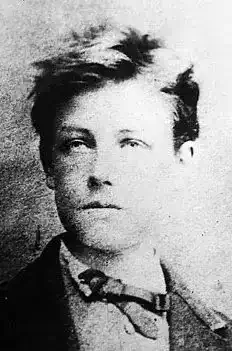
Arthur Rimbaud
The Customs Men
The Customs Men
Those who say Gord Struth; those who say Swelp Me pensioned
soldiers and sailors, the wreckage of Empire are
nothing, nothing at all, compared with the warriors of Excise
who slash the blue frontiers with their great axe-blows.
Pipes in their teeth, blades in their hands, deep, unruffled,
when darkness noses at the woods like a cow's muzzle, off they go,
leading their dogs, to hold their nocturnal and terrible revels!
They report the bacchantes to the laws of today.
They clap hands on the shoulders of Fausts and of Devils:
'Now then, none of that, you old dodgers! Put those bundles down!'
And, when his serene highness accosts the young,
the Customs Man holds fast to all contraband charms!
The Inferno for Offenders whom his hand has frisked!
Those who say Gord Struth; those who say Swelp Me pensioned
soldiers and sailors, the wreckage of Empire are
nothing, nothing at all, compared with the warriors of Excise
who slash the blue frontiers with their great axe-blows.
Pipes in their teeth, blades in their hands, deep, unruffled,
when darkness noses at the woods like a cow's muzzle, off they go,
leading their dogs, to hold their nocturnal and terrible revels!
They report the bacchantes to the laws of today.
They clap hands on the shoulders of Fausts and of Devils:
'Now then, none of that, you old dodgers! Put those bundles down!'
And, when his serene highness accosts the young,
the Customs Man holds fast to all contraband charms!
The Inferno for Offenders whom his hand has frisked!
555
Arthur Rimbaud
Cities Vagabonds
Cities Vagabonds
These are cities!
And this is the people for whom these
Alleghenys and Lebanons of dream have been raised!
Castles of wood and crystal move on tracks and invisible winches.
Old craters ringed with mammoth statues and
coppery palms roar melodiously in flames.
Festivals of love reverberate
from the canals suspended behind the castles.
Chimes echo through the gorges like a chase.
Corporations of giant singers assemble,
their vestments and oriflames
brilliant as the mountain-peaks.
On platforms in the midst of gulfs,
Rolands brazen their bravuras.
From abysmal catwalks and the rooftops of inns,
a burning sky hoists flags upon the masts.
The collapse of apotheosis
unites the heights to the depths
where seraphic shecentaurs
wind among the avalanches.
Above the plateaus of the highest reaches,
the sea, troubled by the perpetual birth of Venus
and loaded with choral fleets amid
an uproar of pearls and precious conches,
grows dark at times with mortal thunder.
On the slopes,
harvests of flowers
as big as our weapons
and goblets are bellowing.
Processions of Mabs in red-opaline scale the ravines.
On high, their feet in the waterfalls and briars,
stags give suck to Diana.
Bacchantes of the suburbs weep,
and the moon burns and howls.
Venus enters the caves
of the black-smiths and hermits.
Clusters of belfries repeat the ideas of the people.
Issues from castles of bone an unknown music.
In the boroughs legends
are born and enthusiasm germinate.
A paradise of storms collapses.
Savages dance without stopping the festival of night.
And, for one hour, I descended into the swarm
of a boulevard of Baghdad
where groups of peple were singing
the joy of the new work,
circulating under a heavy wind
without being able to escape those fabulous phantoms
of the mountains to which one must return.
What good arms, what wondrous hour
will restore to me that region
whence come my slumbers
and least movements?
These are cities!
And this is the people for whom these
Alleghenys and Lebanons of dream have been raised!
Castles of wood and crystal move on tracks and invisible winches.
Old craters ringed with mammoth statues and
coppery palms roar melodiously in flames.
Festivals of love reverberate
from the canals suspended behind the castles.
Chimes echo through the gorges like a chase.
Corporations of giant singers assemble,
their vestments and oriflames
brilliant as the mountain-peaks.
On platforms in the midst of gulfs,
Rolands brazen their bravuras.
From abysmal catwalks and the rooftops of inns,
a burning sky hoists flags upon the masts.
The collapse of apotheosis
unites the heights to the depths
where seraphic shecentaurs
wind among the avalanches.
Above the plateaus of the highest reaches,
the sea, troubled by the perpetual birth of Venus
and loaded with choral fleets amid
an uproar of pearls and precious conches,
grows dark at times with mortal thunder.
On the slopes,
harvests of flowers
as big as our weapons
and goblets are bellowing.
Processions of Mabs in red-opaline scale the ravines.
On high, their feet in the waterfalls and briars,
stags give suck to Diana.
Bacchantes of the suburbs weep,
and the moon burns and howls.
Venus enters the caves
of the black-smiths and hermits.
Clusters of belfries repeat the ideas of the people.
Issues from castles of bone an unknown music.
In the boroughs legends
are born and enthusiasm germinate.
A paradise of storms collapses.
Savages dance without stopping the festival of night.
And, for one hour, I descended into the swarm
of a boulevard of Baghdad
where groups of peple were singing
the joy of the new work,
circulating under a heavy wind
without being able to escape those fabulous phantoms
of the mountains to which one must return.
What good arms, what wondrous hour
will restore to me that region
whence come my slumbers
and least movements?
555

Anonymous
Pipe and Can
Pipe and Can
I
THE Indian weed withered quite;
Green at morn, cut down at night;
Shows thy decay: all flesh is hay:
Thus think, then drink Tobacco.
And when the smoke ascends on high,
Think thou behold'st the vanity
Of worldly stuff, gone with a puff:
Thus think, then drink Tobacco.
But when the pipe grows foul within,
Think of thy soul defiled with sin,
And that the fire doth it require:
Thus think, then drink Tobacco.
The ashes, that are left behind,
May serve to put thee still in mind
That unto dust return thou must:
Thus think, then drink Tobacco.
II
WHEN as the chill Charokko blows,
And Winter tells a heavy tale;
When pyes and daws and rooks and crows
Sit cursing of the frosts and snows;
Then give me ale.
Ale in a Saxon rumkin then,
Such as will make grimalkin prate;
Bids valour burgeon in tall men,
Quickens the poet's wit and pen,
Despises fate.
Ale, that the absent battle fights,
And frames the march of Swedish drum,
Disputes with princes, laws, and rights,
What 's done and past tells mortal wights,
And what 's to come.
Ale, that the plowman's heart up-keeps
And equals it with tyrants' thrones,
That wipes the eye that over-weeps,
And lulls in sure and dainty sleeps
Th' o'er-wearied bones.
Grandchild of Ceres, Bacchus' daughter,
Wine's emulous neighbour, though but stale,
Ennobling all the nymphs of water,
And filling each man's heart with laughter--
Ha! give me ale!
I
THE Indian weed withered quite;
Green at morn, cut down at night;
Shows thy decay: all flesh is hay:
Thus think, then drink Tobacco.
And when the smoke ascends on high,
Think thou behold'st the vanity
Of worldly stuff, gone with a puff:
Thus think, then drink Tobacco.
But when the pipe grows foul within,
Think of thy soul defiled with sin,
And that the fire doth it require:
Thus think, then drink Tobacco.
The ashes, that are left behind,
May serve to put thee still in mind
That unto dust return thou must:
Thus think, then drink Tobacco.
II
WHEN as the chill Charokko blows,
And Winter tells a heavy tale;
When pyes and daws and rooks and crows
Sit cursing of the frosts and snows;
Then give me ale.
Ale in a Saxon rumkin then,
Such as will make grimalkin prate;
Bids valour burgeon in tall men,
Quickens the poet's wit and pen,
Despises fate.
Ale, that the absent battle fights,
And frames the march of Swedish drum,
Disputes with princes, laws, and rights,
What 's done and past tells mortal wights,
And what 's to come.
Ale, that the plowman's heart up-keeps
And equals it with tyrants' thrones,
That wipes the eye that over-weeps,
And lulls in sure and dainty sleeps
Th' o'er-wearied bones.
Grandchild of Ceres, Bacchus' daughter,
Wine's emulous neighbour, though but stale,
Ennobling all the nymphs of water,
And filling each man's heart with laughter--
Ha! give me ale!
231