

Poems in this topic
Sadness and Melancholy

Robert W. Service
The Hat
The Hat
In city shop a hat I saw
That to my fancy seemed to strike,
I gave my wage to buy the straw,
And make myself a one the like.
I wore it to the village fair;
Oh proud I was, though poor was I.
The maids looked at me with a stare,
The lads looked at me with a sigh.
I wore it Sunday to the Mass.
The other girls wore handkerchiefs.
I saw them darkly watch and pass,
With sullen smiles, with hidden griefs.
And then with sobbing fear I fled,
But they waylayed me on the street,
And tore the hat from off my head,
And trampled it beneath their feet.
I sought the Church; my grief was wild,
And by my mother's grave I sat:
. . . I've never cried for clay-cold child,
As I wept for that ruined hat.
In city shop a hat I saw
That to my fancy seemed to strike,
I gave my wage to buy the straw,
And make myself a one the like.
I wore it to the village fair;
Oh proud I was, though poor was I.
The maids looked at me with a stare,
The lads looked at me with a sigh.
I wore it Sunday to the Mass.
The other girls wore handkerchiefs.
I saw them darkly watch and pass,
With sullen smiles, with hidden griefs.
And then with sobbing fear I fled,
But they waylayed me on the street,
And tore the hat from off my head,
And trampled it beneath their feet.
I sought the Church; my grief was wild,
And by my mother's grave I sat:
. . . I've never cried for clay-cold child,
As I wept for that ruined hat.
188
Robert W. Service
Poor Poet
Poor Poet
'A man should write to please himself,'
He proudly said.
Well, see his poems on the shelf,
Dusty, unread.
When he came to my shop each day,
So peaked and cold,
I'd sneak one of his books away
And say 'twas sold.
And then by chance he looked below,
And saw a stack
Of his own work,--speechless with woe
He came not back.
I hate to think he took to drink,
And passed away;
I have not heard of him a word
Unto this day.
A man must write to please himself,
Of all it's true;
But happy they who spurning pelf-Please
people too.
'A man should write to please himself,'
He proudly said.
Well, see his poems on the shelf,
Dusty, unread.
When he came to my shop each day,
So peaked and cold,
I'd sneak one of his books away
And say 'twas sold.
And then by chance he looked below,
And saw a stack
Of his own work,--speechless with woe
He came not back.
I hate to think he took to drink,
And passed away;
I have not heard of him a word
Unto this day.
A man must write to please himself,
Of all it's true;
But happy they who spurning pelf-Please
people too.
273
Robert W. Service
Music In The Bush
Music In The Bush
O'er the dark pines she sees the silver moon,
And in the west, all tremulous, a star;
And soothing sweet she hears the mellow tune
Of cow-bells jangled in the fields afar.
Quite listless, for her daily stent is done,
She stands, sad exile, at her rose-wreathed door,
And sends her love eternal with the sun
That goes to gild the land she'll see no more.
The grave, gaunt pines imprison her sad gaze,
All still the sky and darkling drearily;
She feels the chilly breath of dear, dead days
Come sifting through the alders eerily.
Oh, how the roses riot in their bloom!
The curtains stir as with an ancient pain;
Her old piano gleams from out the gloom
And waits and waits her tender touch in vain.
But now her hands like moonlight brush the keys
With velvet grace -- melodious delight;
And now a sad refrain from over seas
Goes sobbing on the bosom of the night;
And now she sings. (O! singer in the gloom,
Voicing a sorrow we can ne'er express,
Here in the Farness where we few have room
Unshamed to show our love and tenderness,
Our hearts will echo, till they beat no more,
That song of sadness and of motherland;
And, stretched in deathless love to England's shore,
Some day she'll hearken and she'll understand.)
A prima-donna in the shining past,
But now a mother growing old and gray,
She thinks of how she held a people fast
In thrall, and gleaned the triumphs of a day.
She sees a sea of faces like a dream;
She sees herself a queen of song once more;
She sees lips part in rapture, eyes agleam;
She sings as never once she sang before.
She sings a wild, sweet song that throbs with pain,
The added pain of life that transcends art --
A song of home, a deep, celestial strain,
The glorious swan-song of a dying heart.
A lame tramp comes along the railway track,
A grizzled dog whose day is nearly done;
He passes, pauses, then comes slowly back
And listens there -- an audience of one.
She sings -- her golden voice is passion-fraught,
As when she charmed a thousand eager ears;
He listens trembling, and she knows it not,
And down his hollow cheeks roll bitter tears.
She ceases and is still, as if to pray;
There is no sound, the stars are all alight --
Only a wretch who stumbles on his way,
Only a vagrant sobbing in the night.
O'er the dark pines she sees the silver moon,
And in the west, all tremulous, a star;
And soothing sweet she hears the mellow tune
Of cow-bells jangled in the fields afar.
Quite listless, for her daily stent is done,
She stands, sad exile, at her rose-wreathed door,
And sends her love eternal with the sun
That goes to gild the land she'll see no more.
The grave, gaunt pines imprison her sad gaze,
All still the sky and darkling drearily;
She feels the chilly breath of dear, dead days
Come sifting through the alders eerily.
Oh, how the roses riot in their bloom!
The curtains stir as with an ancient pain;
Her old piano gleams from out the gloom
And waits and waits her tender touch in vain.
But now her hands like moonlight brush the keys
With velvet grace -- melodious delight;
And now a sad refrain from over seas
Goes sobbing on the bosom of the night;
And now she sings. (O! singer in the gloom,
Voicing a sorrow we can ne'er express,
Here in the Farness where we few have room
Unshamed to show our love and tenderness,
Our hearts will echo, till they beat no more,
That song of sadness and of motherland;
And, stretched in deathless love to England's shore,
Some day she'll hearken and she'll understand.)
A prima-donna in the shining past,
But now a mother growing old and gray,
She thinks of how she held a people fast
In thrall, and gleaned the triumphs of a day.
She sees a sea of faces like a dream;
She sees herself a queen of song once more;
She sees lips part in rapture, eyes agleam;
She sings as never once she sang before.
She sings a wild, sweet song that throbs with pain,
The added pain of life that transcends art --
A song of home, a deep, celestial strain,
The glorious swan-song of a dying heart.
A lame tramp comes along the railway track,
A grizzled dog whose day is nearly done;
He passes, pauses, then comes slowly back
And listens there -- an audience of one.
She sings -- her golden voice is passion-fraught,
As when she charmed a thousand eager ears;
He listens trembling, and she knows it not,
And down his hollow cheeks roll bitter tears.
She ceases and is still, as if to pray;
There is no sound, the stars are all alight --
Only a wretch who stumbles on his way,
Only a vagrant sobbing in the night.
249
Robert W. Service
Missis Moriarty's Boy
Missis Moriarty's Boy
Missis Moriarty called last week, and says she to me, says she:
"Sure the heart of me's broken entirely now -- it's the fortunate woman you are;
You've still got your Dinnis to cheer up your home, but me Patsy boy where is he?
Lyin' alone, cold as a stone, kilt in the weariful wahr.
Oh, I'm seein' him now as I looked on him last, wid his hair all curly and bright,
And the wonderful, tenderful heart he had, and his eyes as he wint away,
Shinin' and lookin' down on me from the pride of his proper height:
Sure I'll remember me boy like that if I live to me dyin' day."
And just as she spoke them very same words me Dinnis came in at the door,
Came in from McGonigle's ould shebeen, came in from drinkin' his pay;
And Missis Moriarty looked at him, and she didn't say anny more,
And she wrapped her head in her ould black shawl, and she quietly wint away.
And what was I thinkin', I ask ye now, as I put me Dinnis to bed,
Wid him ravin' and cursin' one half of the night, as cold by his side I sat;
Was I thinkin' the poor ould woman she was wid her Patsy slaughtered and dead?
Was I weepin' for Missis Moriarty? I'm not so sure about that.
Missis Moriarty goes about wid a shinin' look on her face;
Wid her grey hair under her ould black shawl, and the eyes of her mother-mild;
Some say she's a little bit off her head; but annyway it's the case,
Her timper's so swate that you nivver would tell she'd be losin' her only child.
And I think, as I wait up ivery night for me Dinnis to come home blind,
And I'm hearin' his stumblin' foot on the stair along about half-past three:
Sure there's many a way of breakin' a heart, and I haven't made up me mind -Would
I be Missis Moriarty, or Missis Moriarty me?
Missis Moriarty called last week, and says she to me, says she:
"Sure the heart of me's broken entirely now -- it's the fortunate woman you are;
You've still got your Dinnis to cheer up your home, but me Patsy boy where is he?
Lyin' alone, cold as a stone, kilt in the weariful wahr.
Oh, I'm seein' him now as I looked on him last, wid his hair all curly and bright,
And the wonderful, tenderful heart he had, and his eyes as he wint away,
Shinin' and lookin' down on me from the pride of his proper height:
Sure I'll remember me boy like that if I live to me dyin' day."
And just as she spoke them very same words me Dinnis came in at the door,
Came in from McGonigle's ould shebeen, came in from drinkin' his pay;
And Missis Moriarty looked at him, and she didn't say anny more,
And she wrapped her head in her ould black shawl, and she quietly wint away.
And what was I thinkin', I ask ye now, as I put me Dinnis to bed,
Wid him ravin' and cursin' one half of the night, as cold by his side I sat;
Was I thinkin' the poor ould woman she was wid her Patsy slaughtered and dead?
Was I weepin' for Missis Moriarty? I'm not so sure about that.
Missis Moriarty goes about wid a shinin' look on her face;
Wid her grey hair under her ould black shawl, and the eyes of her mother-mild;
Some say she's a little bit off her head; but annyway it's the case,
Her timper's so swate that you nivver would tell she'd be losin' her only child.
And I think, as I wait up ivery night for me Dinnis to come home blind,
And I'm hearin' his stumblin' foot on the stair along about half-past three:
Sure there's many a way of breakin' a heart, and I haven't made up me mind -Would
I be Missis Moriarty, or Missis Moriarty me?
229
Robert W. Service
Mazie's Ghost
Mazie's Ghost
In London City I evade
For charming Burlington Arcade -
For thee in youth I met a maid
By name of Mazie,
Who lost no time in telling me
The Ritz put up a topping tea,
But having only shillings three
My smile was hazy.
:Instead," said I, "it might be sport
To take a bus to Hampton Court,"
(Her manner, I remarked, was short,)
But she assented.
We climbed on top, and all the way
I held her hand, I felt quite gay,
Bu Mazie, I regret to say,
Seemed discontented.
In fact we almost had a tiff.
It's true it rained and she was stiff,
And all she did was sneeze and sniff
And shudder coldly.
So I said: "Mazzie, there's the maze;
Let's frolic in its leafy ways,"
And buying tickets where one pays
I entered boldly.
The, as the game is, we were lots;
We dashed and darted, crissed and crossed,
But Mazie she got vexed and sauced
Me rather smartly.
There wasn't but us two about;
We hollered, no one heard our shout;
The rain poured down: "Oh let's get out,"
Cried Mazie tartly.
"Keep cool, says I. "You fool," says she;
"I'm sopping wet, I want my tea,
Please take me home," she wailed to me
In accents bitter.
Again we tried, this way and that,
Yet came to where we started at,
And Mazie acted like a cat,
A champion spitter.
She stomped and romped till all was blue,
Then sought herself to find the clue,
And when I saw her next 'twas through
A leafy screening;
"Come on, she cooed, "and join me here;
You'll take me to the Savoy, dear,
And Heidsieck shall our spirits cheer."
I got her meaning.
And yet I sought her everywhere;
I hurried here, I scurried there,
I took each likely lane, I swar,
As I surmised it:
The suddenly I saw once more,
Confronting me, the exit door,
And I was dashing through before
I realized it.
And there I spied a passing bus.
Thinks I: "It's mean to leave her thus,
But after all her fret and fuss
I can't abide her.
So I sped back to London town
And grubbed alone for half-a-crown,
On steak and kidney pie washed down
With sparkling cider.
But since I left that damsel fair,
The thought she may have perished there,
Of cold, starvation and dispair
Nigh drives me crazy.
So, stranger, if you should invade
The charming Burlington Arcade,
Tell me if you behold a shade,
Ghost of a most unhappy maid
By name of Mazie.
In London City I evade
For charming Burlington Arcade -
For thee in youth I met a maid
By name of Mazie,
Who lost no time in telling me
The Ritz put up a topping tea,
But having only shillings three
My smile was hazy.
:Instead," said I, "it might be sport
To take a bus to Hampton Court,"
(Her manner, I remarked, was short,)
But she assented.
We climbed on top, and all the way
I held her hand, I felt quite gay,
Bu Mazie, I regret to say,
Seemed discontented.
In fact we almost had a tiff.
It's true it rained and she was stiff,
And all she did was sneeze and sniff
And shudder coldly.
So I said: "Mazzie, there's the maze;
Let's frolic in its leafy ways,"
And buying tickets where one pays
I entered boldly.
The, as the game is, we were lots;
We dashed and darted, crissed and crossed,
But Mazie she got vexed and sauced
Me rather smartly.
There wasn't but us two about;
We hollered, no one heard our shout;
The rain poured down: "Oh let's get out,"
Cried Mazie tartly.
"Keep cool, says I. "You fool," says she;
"I'm sopping wet, I want my tea,
Please take me home," she wailed to me
In accents bitter.
Again we tried, this way and that,
Yet came to where we started at,
And Mazie acted like a cat,
A champion spitter.
She stomped and romped till all was blue,
Then sought herself to find the clue,
And when I saw her next 'twas through
A leafy screening;
"Come on, she cooed, "and join me here;
You'll take me to the Savoy, dear,
And Heidsieck shall our spirits cheer."
I got her meaning.
And yet I sought her everywhere;
I hurried here, I scurried there,
I took each likely lane, I swar,
As I surmised it:
The suddenly I saw once more,
Confronting me, the exit door,
And I was dashing through before
I realized it.
And there I spied a passing bus.
Thinks I: "It's mean to leave her thus,
But after all her fret and fuss
I can't abide her.
So I sped back to London town
And grubbed alone for half-a-crown,
On steak and kidney pie washed down
With sparkling cider.
But since I left that damsel fair,
The thought she may have perished there,
Of cold, starvation and dispair
Nigh drives me crazy.
So, stranger, if you should invade
The charming Burlington Arcade,
Tell me if you behold a shade,
Ghost of a most unhappy maid
By name of Mazie.
263
Robert W. Service
Maids In May
Maids In May
Three maids there were in meadow bright,
The eldest less then seven;
Their eyes were dancing with delight,
And innocent as Heaven.
Wild flowers they wound with tender glee,
Their cheeks with rapture rosy;
All radiant they smiled at me,
When I besought a posy.
She gave me a columbine,
And one a poppy brought me;
The tiniest, with eyes ashine,
A simple daisy sought me.
And as I went my sober way,
I heard their careless laughter;
Their hearts too happy with to-day
To care for what comes after.
. . . . . . .
That's long ago; they're gone, all three,
To walk amid the shadows;
Forgotten is their lyric glee
In still and sunny meadows.
For Columbine loved life too well,
And went adventure fairing;
And sank into the pit of hell,
And passed but little caring.
While Poppy was a poor man's wife,
And children had a-plenty;
And went, worn out with toil and strife
When she was five-and-twenty.
And Daisy died while yet a child,
As fragile blossoms perish,
When Winter winds are harsh and wild,
With none to shield and cherish.
Ah me! How fate is dark and dour
To little Children of the Poor.
Three maids there were in meadow bright,
The eldest less then seven;
Their eyes were dancing with delight,
And innocent as Heaven.
Wild flowers they wound with tender glee,
Their cheeks with rapture rosy;
All radiant they smiled at me,
When I besought a posy.
She gave me a columbine,
And one a poppy brought me;
The tiniest, with eyes ashine,
A simple daisy sought me.
And as I went my sober way,
I heard their careless laughter;
Their hearts too happy with to-day
To care for what comes after.
. . . . . . .
That's long ago; they're gone, all three,
To walk amid the shadows;
Forgotten is their lyric glee
In still and sunny meadows.
For Columbine loved life too well,
And went adventure fairing;
And sank into the pit of hell,
And passed but little caring.
While Poppy was a poor man's wife,
And children had a-plenty;
And went, worn out with toil and strife
When she was five-and-twenty.
And Daisy died while yet a child,
As fragile blossoms perish,
When Winter winds are harsh and wild,
With none to shield and cherish.
Ah me! How fate is dark and dour
To little Children of the Poor.
193
Robert W. Service
Florrie
Florrie
Because I was a wonton wild
And welcomed many a lover,
Who is the father of my child
I wish I could discover.
For though I know it is not right
In tender arms to tarry,
A barmaid has to be polite
To Tom and Dick and Harry.
My truest love was Poacher Jim:
I wish my babe was his'n.
Yet I can't father it on him
Because he was in prison.
As uniforms I like, I had
A soldier and a sailor;
Then there was Pete the painter lad,
And Timothy the tailor.
Though virtue hurt you vice ain't nice;
They say to err is human;
Alas! one pays a bitter price,
It's hell to be a woman.
Oh dear! Why was I born a lass
Who hated to say: No, sir.
I'd better in my sorry pass
Blame Mister Simms, the grocer.
Because I was a wonton wild
And welcomed many a lover,
Who is the father of my child
I wish I could discover.
For though I know it is not right
In tender arms to tarry,
A barmaid has to be polite
To Tom and Dick and Harry.
My truest love was Poacher Jim:
I wish my babe was his'n.
Yet I can't father it on him
Because he was in prison.
As uniforms I like, I had
A soldier and a sailor;
Then there was Pete the painter lad,
And Timothy the tailor.
Though virtue hurt you vice ain't nice;
They say to err is human;
Alas! one pays a bitter price,
It's hell to be a woman.
Oh dear! Why was I born a lass
Who hated to say: No, sir.
I'd better in my sorry pass
Blame Mister Simms, the grocer.
212
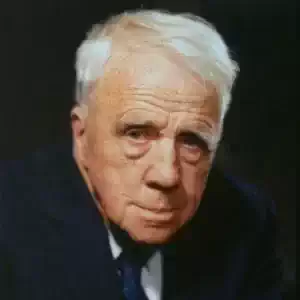
Robert Frost
My November Guest
My November Guest
My Sorrow, when she's here with me,
Thinks these dark days of autumn rain
Are beautiful as days can be;
She loves the bare, the withered tree;
She walks the sodden pasture lane.
Her pleasure will not let me stay.
She talks and I am fain to list:
She's glad the birds are gone away,
She's glad her simple worsted grey
Is silver now with clinging mist.
The desolate, deserted trees,
The faded earth, the heavy sky,
The beauties she so truly sees,
She thinks I have no eye for these,
And vexes me for reason why.
Not yesterday I learned to know
The love of bare November days
Before the coming of the snow,
But it were vain to tell her so,
And they are better for her praise
My Sorrow, when she's here with me,
Thinks these dark days of autumn rain
Are beautiful as days can be;
She loves the bare, the withered tree;
She walks the sodden pasture lane.
Her pleasure will not let me stay.
She talks and I am fain to list:
She's glad the birds are gone away,
She's glad her simple worsted grey
Is silver now with clinging mist.
The desolate, deserted trees,
The faded earth, the heavy sky,
The beauties she so truly sees,
She thinks I have no eye for these,
And vexes me for reason why.
Not yesterday I learned to know
The love of bare November days
Before the coming of the snow,
But it were vain to tell her so,
And they are better for her praise
535
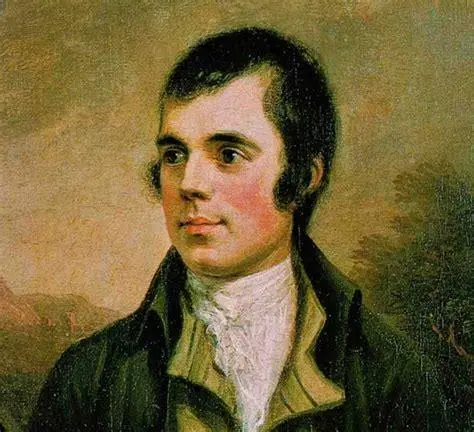
Robert Burns
Winter: A Dirge
Winter: A Dirge
The wintry west extends his blast,
And hail and rain does blaw;
Or the stormy north sends driving forth
The blinding sleet and snaw:
While, tumbling brown, the burn comes down,
And roars frae bank to brae;
And bird and beast in covert rest,
And pass the heartless day.
"The sweeping blast, the sky o'ercast,"
The joyless winter day
Let others fear, to me more dear
Than all the pride of May:
The tempest's howl, it soothes my soul,
My griefs it seems to join;
The leafless trees my fancy please,
Their fate resembles mine!
Thou Power Supreme, whose mighty scheme
These woes of mine fulfil,
Here firm I rest; they must be best,
Because they are Thy will!
Then all I want-O do Thou grant
This one request of mine!-
Since to enjoy Thou dost deny,
Assist me to resign.
The wintry west extends his blast,
And hail and rain does blaw;
Or the stormy north sends driving forth
The blinding sleet and snaw:
While, tumbling brown, the burn comes down,
And roars frae bank to brae;
And bird and beast in covert rest,
And pass the heartless day.
"The sweeping blast, the sky o'ercast,"
The joyless winter day
Let others fear, to me more dear
Than all the pride of May:
The tempest's howl, it soothes my soul,
My griefs it seems to join;
The leafless trees my fancy please,
Their fate resembles mine!
Thou Power Supreme, whose mighty scheme
These woes of mine fulfil,
Here firm I rest; they must be best,
Because they are Thy will!
Then all I want-O do Thou grant
This one request of mine!-
Since to enjoy Thou dost deny,
Assist me to resign.
276
Robert Burns
The Gloomy Night Is Gath'ring Fast
The Gloomy Night Is Gath'ring Fast
The gloomy night is gath'ring fast,
Loud roars the wild inconstant blast;
Yon murky cloud is filled with rain,
I see it driving o'er the plain;
The hunter now has left the moor,
The scatt'red coveys meet secure;
While here I wander, prest with care,
Along the lonely banks of Ayr.
The Autumn mourns her rip'ning corn
By early Winter's ravage torn;
Across her placid, azure sky,
She sees the scowling tempest fly;
Chill runs my blood to hear it rave:
I think upon the stormy wave,
Where many a danger I must dare,
Far from the bonie banks of Ayr.
'Tis not the surging billows' roar,
'Tis not the fatal, deadly shore;
Tho' death inev'ry shape appear,
The wretched have no more to fear:
But round my heart the ties are bound,
That heart transpierc'd with many a wound;
These bleed afresh, those ties I tear,
To leave the bonie banks of Ayr.
Farewell, old Coila's hills and dales,
Her heathy moors and winding vales;
The scenes where wretched Fancy roves,
Pursuing past, unhappy loves!
Farewell my friends! Farewell my foes!
My peace with these, my love with those--
The bursting tears my heart declare,
Farewell, my bonie banks of Ayr.
The gloomy night is gath'ring fast,
Loud roars the wild inconstant blast;
Yon murky cloud is filled with rain,
I see it driving o'er the plain;
The hunter now has left the moor,
The scatt'red coveys meet secure;
While here I wander, prest with care,
Along the lonely banks of Ayr.
The Autumn mourns her rip'ning corn
By early Winter's ravage torn;
Across her placid, azure sky,
She sees the scowling tempest fly;
Chill runs my blood to hear it rave:
I think upon the stormy wave,
Where many a danger I must dare,
Far from the bonie banks of Ayr.
'Tis not the surging billows' roar,
'Tis not the fatal, deadly shore;
Tho' death inev'ry shape appear,
The wretched have no more to fear:
But round my heart the ties are bound,
That heart transpierc'd with many a wound;
These bleed afresh, those ties I tear,
To leave the bonie banks of Ayr.
Farewell, old Coila's hills and dales,
Her heathy moors and winding vales;
The scenes where wretched Fancy roves,
Pursuing past, unhappy loves!
Farewell my friends! Farewell my foes!
My peace with these, my love with those--
The bursting tears my heart declare,
Farewell, my bonie banks of Ayr.
240
Robert Burns
Again Rejoicing Nature Sees
Again Rejoicing Nature Sees
Again rejoicing nature sees
Her robe assume its vernal hues,
Her leafy looks wave in the breeze,
All freshly steep'd in morning dews.
And maun I still on Menie doat,
And bear the scorn that's in her ee?
For it's jet, jet black, an' it's like a hawk,
An' it winna let a body be!
In vain to me the cowslips blaw,
In vain to me the vi'lets spring;
In vain to me, in glen or shaw,
The mavis and the lintwhite sing.
And maun I still...
The merry ploughboy cheers his team,
Wi' joy the tentie seedsman stalks,
But life to me 's a weary dream,
A dream of ane that never wauks.
And maun I still...
The wanton coot the water skims,
Among the reeds the ducklings cry,
The stately swan majestic swims,
And every thing is blest but I.
And maun I still...
The shepherd steeks his faulding slap,
And owre the moorlands whistles shill,
Wi' wild, unequal, wand'ring step,
I meet him on the dewy hill.
And maun I still...
And when the lark, 'tween light and dark,
Blythe waukens by the daisy's side,
And mounts and sings on fluttering wings,
A woe-worn ghaist I hameward glide.
And maun I still...
Come, Winter, with thine angry howl,
And raging bend the naked tree;
Thy gloom will soothe my cheerless soul,
When Nature all is sad like me!
And maun I still...
Again rejoicing nature sees
Her robe assume its vernal hues,
Her leafy looks wave in the breeze,
All freshly steep'd in morning dews.
And maun I still on Menie doat,
And bear the scorn that's in her ee?
For it's jet, jet black, an' it's like a hawk,
An' it winna let a body be!
In vain to me the cowslips blaw,
In vain to me the vi'lets spring;
In vain to me, in glen or shaw,
The mavis and the lintwhite sing.
And maun I still...
The merry ploughboy cheers his team,
Wi' joy the tentie seedsman stalks,
But life to me 's a weary dream,
A dream of ane that never wauks.
And maun I still...
The wanton coot the water skims,
Among the reeds the ducklings cry,
The stately swan majestic swims,
And every thing is blest but I.
And maun I still...
The shepherd steeks his faulding slap,
And owre the moorlands whistles shill,
Wi' wild, unequal, wand'ring step,
I meet him on the dewy hill.
And maun I still...
And when the lark, 'tween light and dark,
Blythe waukens by the daisy's side,
And mounts and sings on fluttering wings,
A woe-worn ghaist I hameward glide.
And maun I still...
Come, Winter, with thine angry howl,
And raging bend the naked tree;
Thy gloom will soothe my cheerless soul,
When Nature all is sad like me!
And maun I still...
246
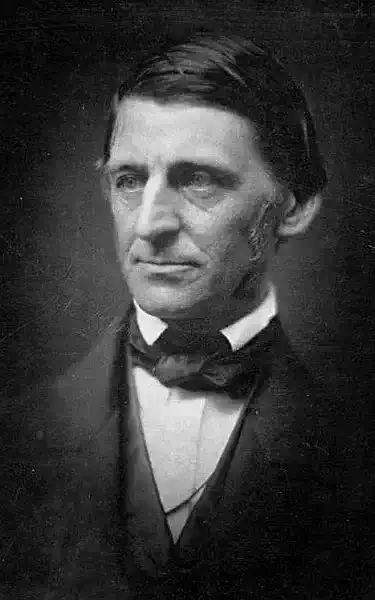
Ralph Waldo Emerson
Compensation
Compensation
Why should I keep holiday,
When other men have none?
Why but because when these are gay,
I sit and mourn alone.
And why when mirth unseals all tongues
Should mine alone be dumb?
Ah! late I spoke to silent throngs,
And now their hour is come.
Why should I keep holiday,
When other men have none?
Why but because when these are gay,
I sit and mourn alone.
And why when mirth unseals all tongues
Should mine alone be dumb?
Ah! late I spoke to silent throngs,
And now their hour is come.
276
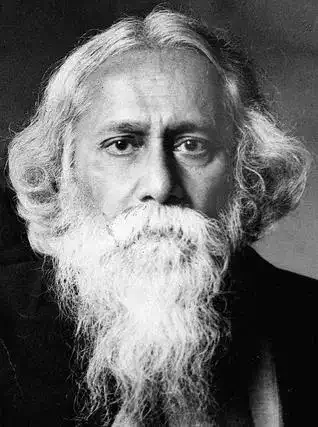
Rabindranath Tagore
The Gardener LXXVI: The Fair Was On
The Gardener LXXVI: The Fair Was On
The fair was on before the temple.
It had rained from the early morning
and the day came to its end.
Brighter than all the gladness of
the crowd was the bright smile of
a girl who bought for a farthing a
whistle of palm leaf.
The shrill joy of that whistle floated
above all laughter and noise.
An endless throng of people came
and jostled together. The road was
muddy, the river in flood, the field
under water in ceaseless rain.
Greater than all the troubles of
the crowd was a little boy's trouble-he
had not a farthing to buy a painted
stick.
His wistful eyes gazing at the shop
made this whole meeting of men so
pitiful.
The fair was on before the temple.
It had rained from the early morning
and the day came to its end.
Brighter than all the gladness of
the crowd was the bright smile of
a girl who bought for a farthing a
whistle of palm leaf.
The shrill joy of that whistle floated
above all laughter and noise.
An endless throng of people came
and jostled together. The road was
muddy, the river in flood, the field
under water in ceaseless rain.
Greater than all the troubles of
the crowd was a little boy's trouble-he
had not a farthing to buy a painted
stick.
His wistful eyes gazing at the shop
made this whole meeting of men so
pitiful.
502
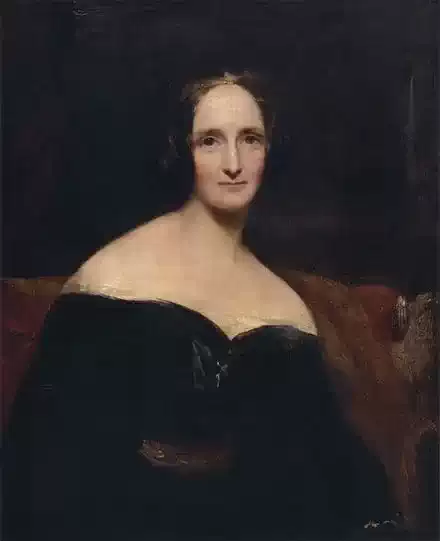
Percy Bysshe Shelley
Stanzas Written In Dejection Near Naples
Stanzas Written In Dejection Near Naples
The sun is warm, the sky is clear,
The waves are dancing fast and bright,
Blue isles and snowy mountains wear
The purple noon's transparent might,
The breath of the moist earth is light,
Around its unexpanded buds;
Like many a voice of one delight
The winds, the birds, the ocean floods,
The city's voice itself, is soft like Solitude's.
I see the deep's untrampled floor
With green and purple seaweeds strown;
I see the waves upon the shore,
Like light dissolved in star-showers, thrown:
I sit upon the sands alone,--
The lightning of the noontide ocean
Is flashing round me, and a tone
Arises from its measured motion,
How sweet! did any heart now share in my emotion.
Alas! I have nor hope nor health,
Nor peace within nor calm around,
Nor that content surpassing wealth
The sage in meditation found,
And walked with inward glory crowned--
Nor fame nor power, nor love, nor leisure,
Others I see whom these surround--
Smiling they live, and call life pleasure;--
To me that cup has been dealt in another measure.
Yet now despair itself is mild,
Even as the winds and waters are;
I could lie down like a tired child,
And weep away the life of care
Which I have born and yet must bear,
Till death like sleep might steal on me,
And I might feel in the warm air
My cheek grow cold, and hear the sea
Breathe o'er my dying brain its last monotony.
Some might lament that I were cold,
As I, when this sweet day is gone,
Which my lost heart, too soon grown old,
Insults with this untimely moan;
They might lament--for I am one
Whom men love not,--and yet regret,
Unlike this day, which, when the sun
Shall on its stainless glory set,
Will linger, though enjoyed, like joy in memory yet.
The sun is warm, the sky is clear,
The waves are dancing fast and bright,
Blue isles and snowy mountains wear
The purple noon's transparent might,
The breath of the moist earth is light,
Around its unexpanded buds;
Like many a voice of one delight
The winds, the birds, the ocean floods,
The city's voice itself, is soft like Solitude's.
I see the deep's untrampled floor
With green and purple seaweeds strown;
I see the waves upon the shore,
Like light dissolved in star-showers, thrown:
I sit upon the sands alone,--
The lightning of the noontide ocean
Is flashing round me, and a tone
Arises from its measured motion,
How sweet! did any heart now share in my emotion.
Alas! I have nor hope nor health,
Nor peace within nor calm around,
Nor that content surpassing wealth
The sage in meditation found,
And walked with inward glory crowned--
Nor fame nor power, nor love, nor leisure,
Others I see whom these surround--
Smiling they live, and call life pleasure;--
To me that cup has been dealt in another measure.
Yet now despair itself is mild,
Even as the winds and waters are;
I could lie down like a tired child,
And weep away the life of care
Which I have born and yet must bear,
Till death like sleep might steal on me,
And I might feel in the warm air
My cheek grow cold, and hear the sea
Breathe o'er my dying brain its last monotony.
Some might lament that I were cold,
As I, when this sweet day is gone,
Which my lost heart, too soon grown old,
Insults with this untimely moan;
They might lament--for I am one
Whom men love not,--and yet regret,
Unlike this day, which, when the sun
Shall on its stainless glory set,
Will linger, though enjoyed, like joy in memory yet.
379
Percy Bysshe Shelley
Lift Not The Painted Veil Which Those Who Live
Lift Not The Painted Veil Which Those Who Live
Lift not the painted veil which those who live
Call Life: though unreal shapes be pictured there,
And it but mimic all we would believe
With colours idly spread,--behind, lurk Fear
And Hope, twin Destinies; who ever weave
Their shadows, o'er the chasm, sightless and drear.
I knew one who had lifted it--he sought,
For his lost heart was tender, things to love,
But found them not, alas! nor was there aught
The world contains, the which he could approve.
Through the unheeding many he did move,
A splendour among shadows, a bright blot
Upon this gloomy scene, a Spirit that strove
For truth, and like the Preacher found it not.
Lift not the painted veil which those who live
Call Life: though unreal shapes be pictured there,
And it but mimic all we would believe
With colours idly spread,--behind, lurk Fear
And Hope, twin Destinies; who ever weave
Their shadows, o'er the chasm, sightless and drear.
I knew one who had lifted it--he sought,
For his lost heart was tender, things to love,
But found them not, alas! nor was there aught
The world contains, the which he could approve.
Through the unheeding many he did move,
A splendour among shadows, a bright blot
Upon this gloomy scene, a Spirit that strove
For truth, and like the Preacher found it not.
476
Percy Bysshe Shelley
Art Thou Pale For Weariness
Art Thou Pale For Weariness
Art thou pale for weariness
Of climbing heaven and gazing on the earth,
Wandering companionless
Among the stars that have a different birth,
And ever changing, like a joyless eye
That finds no object worth its constancy?
Art thou pale for weariness
Of climbing heaven and gazing on the earth,
Wandering companionless
Among the stars that have a different birth,
And ever changing, like a joyless eye
That finds no object worth its constancy?
515

Paul Laurence Dunbar
We Wear the Mask
We Wear the Mask
We wear the mask that grins and lies,
It hides our cheeks and shades our eyes,--
This debt we pay to human guile;
With torn and bleeding hearts we smile,
And mouth with myriad subtleties.
Why should the world be overwise,
In counting all our tears and sighs?
Nay, let them only see us, while
We wear the mask.
We smile, but, O great Christ, our cries
To thee from tortured souls arise.
We sing, but oh the clay is vile
Beneath our feet, and long the mile;
But let the world dream otherwise,
We wear the mask!
We wear the mask that grins and lies,
It hides our cheeks and shades our eyes,--
This debt we pay to human guile;
With torn and bleeding hearts we smile,
And mouth with myriad subtleties.
Why should the world be overwise,
In counting all our tears and sighs?
Nay, let them only see us, while
We wear the mask.
We smile, but, O great Christ, our cries
To thee from tortured souls arise.
We sing, but oh the clay is vile
Beneath our feet, and long the mile;
But let the world dream otherwise,
We wear the mask!
656
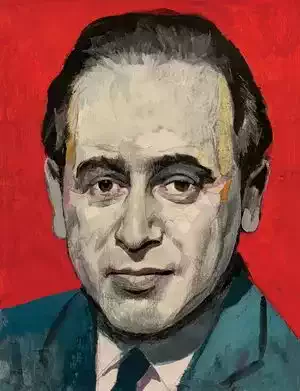
Paul Celan
Your Hand
Your Hand
Your hand full of hours, you came to me – and I said:
‘Your hair is not brown.’
You lifted it, lightly,
on to the balance of grief,
it was heavier than I.
They come to you on their ships, and make it their load,
then put it on sale in the markets of lust.
You smile at me from the deep.
I weep at you from the scale that’s still light.
I weep: Your hair is not brown.
They offer salt-waves of the sea,
and you give them spume.
You whisper: ‘They’re filling the world with me now,
and for you I’m still a hollow way in the heart!
You say: ‘Lay the leaf-work of years by you, it’s time,
that you came here and kissed me.
The leaf-work of years is brown, your hair is not brown.
Your hand full of hours, you came to me – and I said:
‘Your hair is not brown.’
You lifted it, lightly,
on to the balance of grief,
it was heavier than I.
They come to you on their ships, and make it their load,
then put it on sale in the markets of lust.
You smile at me from the deep.
I weep at you from the scale that’s still light.
I weep: Your hair is not brown.
They offer salt-waves of the sea,
and you give them spume.
You whisper: ‘They’re filling the world with me now,
and for you I’m still a hollow way in the heart!
You say: ‘Lay the leaf-work of years by you, it’s time,
that you came here and kissed me.
The leaf-work of years is brown, your hair is not brown.
411
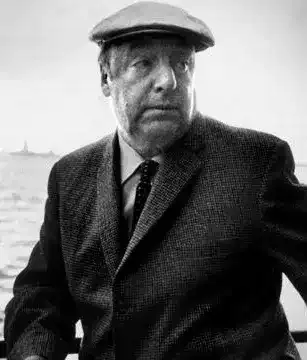
Pablo Neruda
Walking Around
Walking Around
It so happens I am sick of being a man.
And it happens that I walk into tailorshops and movie
houses
dried up, waterproof, like a swan made of felt
steering my way in a water of wombs and ashes.
The smell of barbershops makes me break into hoarse
sobs.
The only thing I want is to lie still like stones or wool.
The only thing I want is to see no more stores, no gardens,
no more goods, no spectacles, no elevators.
It so happens that I am sick of my feet and my nails
and my hair and my shadow.
It so happens I am sick of being a man.
Still it would be marvelous
to terrify a law clerk with a cut lily,
or kill a nun with a blow on the ear.
It would be great
to go through the streets with a green knife
letting out yells until I died of the cold.
I don't want to go on being a root in the dark,
insecure, stretched out, shivering with sleep,
going on down, into the moist guts of the earth,
taking in and thinking, eating every day.
I don't want so much misery.
I don't want to go on as a root and a tomb,
alone under the ground, a warehouse with corpses,
half frozen, dying of grief.
That's why Monday, when it sees me coming
with my convict face, blazes up like gasoline,
and it howls on its way like a wounded wheel,
and leaves tracks full of warm blood leading toward the
night.
And it pushes me into certain corners, into some moist
houses,
into hospitals where the bones fly out the window,
into shoeshops that smell like vinegar,
and certain streets hideous as cracks in the skin.
There are sulphur-colored birds, and hideous intestines
hanging over the doors of houses that I hate,
and there are false teeth forgotten in a coffeepot,
there are mirrors
that ought to have wept from shame and terror,
there are umbrellas everywhere, and venoms, and umbilical
cords.
I stroll along serenely, with my eyes, my shoes,
my rage, forgetting everything,
I walk by, going through office buildings and orthopedic
shops,
and courtyards with washing hanging from the line:
underwear, towels and shirts from which slow
dirty tears are falling.
Translated by Robert Bly
It so happens I am sick of being a man.
And it happens that I walk into tailorshops and movie
houses
dried up, waterproof, like a swan made of felt
steering my way in a water of wombs and ashes.
The smell of barbershops makes me break into hoarse
sobs.
The only thing I want is to lie still like stones or wool.
The only thing I want is to see no more stores, no gardens,
no more goods, no spectacles, no elevators.
It so happens that I am sick of my feet and my nails
and my hair and my shadow.
It so happens I am sick of being a man.
Still it would be marvelous
to terrify a law clerk with a cut lily,
or kill a nun with a blow on the ear.
It would be great
to go through the streets with a green knife
letting out yells until I died of the cold.
I don't want to go on being a root in the dark,
insecure, stretched out, shivering with sleep,
going on down, into the moist guts of the earth,
taking in and thinking, eating every day.
I don't want so much misery.
I don't want to go on as a root and a tomb,
alone under the ground, a warehouse with corpses,
half frozen, dying of grief.
That's why Monday, when it sees me coming
with my convict face, blazes up like gasoline,
and it howls on its way like a wounded wheel,
and leaves tracks full of warm blood leading toward the
night.
And it pushes me into certain corners, into some moist
houses,
into hospitals where the bones fly out the window,
into shoeshops that smell like vinegar,
and certain streets hideous as cracks in the skin.
There are sulphur-colored birds, and hideous intestines
hanging over the doors of houses that I hate,
and there are false teeth forgotten in a coffeepot,
there are mirrors
that ought to have wept from shame and terror,
there are umbrellas everywhere, and venoms, and umbilical
cords.
I stroll along serenely, with my eyes, my shoes,
my rage, forgetting everything,
I walk by, going through office buildings and orthopedic
shops,
and courtyards with washing hanging from the line:
underwear, towels and shirts from which slow
dirty tears are falling.
Translated by Robert Bly
1,052
Pablo Neruda
The Saddest Poem
The Saddest Poem
I can write the saddest poem of all tonight.
Write, for instance: "The night is full of stars,
and the stars, blue, shiver in the distance."
The night wind whirls in the sky and sings.
I can write the saddest poem of all tonight.
I loved her, and sometimes she loved me too.
On nights like this, I held her in my arms.
I kissed her so many times under the infinite sky.
She loved me, sometimes I loved her.
How could I not have loved her large, still eyes?
I can write the saddest poem of all tonight.
To think I don't have her. To feel that I've lost her.
To hear the immense night, more immense without her.
And the poem falls to the soul as dew to grass.
What does it matter that my love couldn't keep her.
The night is full of stars and she is not with me.
That's all. Far away, someone sings. Far away.
My soul is lost without her.
As if to bring her near, my eyes search for her.
My heart searches for her and she is not with me.
The same night that whitens the same trees.
We, we who were, we are the same no longer.
I no longer love her, true, but how much I loved her.
My voice searched the wind to touch her ear.
Someone else's. She will be someone else's. As she once
belonged to my kisses.
Her voice, her light body. Her infinite eyes.
I no longer love her, true, but perhaps I love her.
Love is so short and oblivion so long.
Because on nights like this I held her in my arms,
my soul is lost without her.
Although this may be the last pain she causes me,
and this may be the last poem I write for her.
I can write the saddest poem of all tonight.
Write, for instance: "The night is full of stars,
and the stars, blue, shiver in the distance."
The night wind whirls in the sky and sings.
I can write the saddest poem of all tonight.
I loved her, and sometimes she loved me too.
On nights like this, I held her in my arms.
I kissed her so many times under the infinite sky.
She loved me, sometimes I loved her.
How could I not have loved her large, still eyes?
I can write the saddest poem of all tonight.
To think I don't have her. To feel that I've lost her.
To hear the immense night, more immense without her.
And the poem falls to the soul as dew to grass.
What does it matter that my love couldn't keep her.
The night is full of stars and she is not with me.
That's all. Far away, someone sings. Far away.
My soul is lost without her.
As if to bring her near, my eyes search for her.
My heart searches for her and she is not with me.
The same night that whitens the same trees.
We, we who were, we are the same no longer.
I no longer love her, true, but how much I loved her.
My voice searched the wind to touch her ear.
Someone else's. She will be someone else's. As she once
belonged to my kisses.
Her voice, her light body. Her infinite eyes.
I no longer love her, true, but perhaps I love her.
Love is so short and oblivion so long.
Because on nights like this I held her in my arms,
my soul is lost without her.
Although this may be the last pain she causes me,
and this may be the last poem I write for her.
760
Pablo Neruda
Tell Me, Is The Rose Naked?
Tell Me, Is The Rose Naked?
Tell me, is the rose naked
Or is that her only dress?
Why do trees conceal
The splendor of their roots?
Who hears the regrets
Of the thieving automobile?
Is there anything in the world sadder
Than a train standing in the rain?
Tell me, is the rose naked
Or is that her only dress?
Why do trees conceal
The splendor of their roots?
Who hears the regrets
Of the thieving automobile?
Is there anything in the world sadder
Than a train standing in the rain?
512
Pablo Neruda
Saddest Poem
Saddest Poem
I can write the saddest poem of all tonight.
Write, for instance: "The night is full of stars,
and the stars, blue, shiver in the distance."
The night wind whirls in the sky and sings.
I can write the saddest poem of all tonight.
I loved her, and sometimes she loved me too.
On nights like this, I held her in my arms.
I kissed her so many times under the infinite sky.
She loved me, sometimes I loved her.
How could I not have loved her large, still eyes?
I can write the saddest poem of all tonight.
To think I don't have her. To feel that I've lost her.
To hear the immense night, more immense without her.
And the poem falls to the soul as dew to grass.
What does it matter that my love couldn't keep her.
The night is full of stars and she is not with me.
That's all. Far away, someone sings. Far away.
My soul is lost without her.
As if to bring her near, my eyes search for her.
My heart searches for her and she is not with me.
The same night that whitens the same trees.
We, we who were, we are the same no longer.
I no longer love her, true, but how much I loved her.
My voice searched the wind to touch her ear.
Someone else's. She will be someone else's. As she once
belonged to my kisses.
Her voice, her light body. Her infinite eyes.
I no longer love her, true, but perhaps I love her.
Love is so short and oblivion so long.
Because on nights like this I held her in my arms,
my soul is lost without her.
Although this may be the last pain she causes me,
and this may be the last poem I write for her.
I can write the saddest poem of all tonight.
Write, for instance: "The night is full of stars,
and the stars, blue, shiver in the distance."
The night wind whirls in the sky and sings.
I can write the saddest poem of all tonight.
I loved her, and sometimes she loved me too.
On nights like this, I held her in my arms.
I kissed her so many times under the infinite sky.
She loved me, sometimes I loved her.
How could I not have loved her large, still eyes?
I can write the saddest poem of all tonight.
To think I don't have her. To feel that I've lost her.
To hear the immense night, more immense without her.
And the poem falls to the soul as dew to grass.
What does it matter that my love couldn't keep her.
The night is full of stars and she is not with me.
That's all. Far away, someone sings. Far away.
My soul is lost without her.
As if to bring her near, my eyes search for her.
My heart searches for her and she is not with me.
The same night that whitens the same trees.
We, we who were, we are the same no longer.
I no longer love her, true, but how much I loved her.
My voice searched the wind to touch her ear.
Someone else's. She will be someone else's. As she once
belonged to my kisses.
Her voice, her light body. Her infinite eyes.
I no longer love her, true, but perhaps I love her.
Love is so short and oblivion so long.
Because on nights like this I held her in my arms,
my soul is lost without her.
Although this may be the last pain she causes me,
and this may be the last poem I write for her.
778
Pablo Neruda
From – Twenty Poems of Love
From – Twenty Poems of Love
I can write the saddest lines tonight.
Write for example: ‘The night is fractured
and they shiver, blue, those stars, in the distance’
The night wind turns in the sky and sings.
I can write the saddest lines tonight.
I loved her, sometimes she loved me too.
On nights like these I held her in my arms.
I kissed her greatly under the infinite sky.
She loved me, sometimes I loved her too.
How could I not have loved her huge, still eyes.
I can write the saddest lines tonight.
To think I don’t have her, to feel I have lost her.
Hear the vast night, vaster without her.
Lines fall on the soul like dew on the grass.
What does it matter that I couldn’t keep her.
The night is fractured and she is not with me.
That is all. Someone sings far off. Far off,
my soul is not content to have lost her.
As though to reach her, my sight looks for her.
My heart looks for her: she is not with me
The same night whitens, in the same branches.
We, from that time, we are not the same.
I don’t love her, that’s certain, but how I loved her.
My voice tried to find the breeze to reach her.
Another’s kisses on her, like my kisses.
Her voice, her bright body, infinite eyes.
I don’t love her, that’s certain, but perhaps I love her.
Love is brief: forgetting lasts so long.
Since, on these nights, I held her in my arms,
my soul is not content to have lost her.
Though this is the last pain she will make me suffer,
and these are the last lines I will write for her.
I can write the saddest lines tonight.
Write for example: ‘The night is fractured
and they shiver, blue, those stars, in the distance’
The night wind turns in the sky and sings.
I can write the saddest lines tonight.
I loved her, sometimes she loved me too.
On nights like these I held her in my arms.
I kissed her greatly under the infinite sky.
She loved me, sometimes I loved her too.
How could I not have loved her huge, still eyes.
I can write the saddest lines tonight.
To think I don’t have her, to feel I have lost her.
Hear the vast night, vaster without her.
Lines fall on the soul like dew on the grass.
What does it matter that I couldn’t keep her.
The night is fractured and she is not with me.
That is all. Someone sings far off. Far off,
my soul is not content to have lost her.
As though to reach her, my sight looks for her.
My heart looks for her: she is not with me
The same night whitens, in the same branches.
We, from that time, we are not the same.
I don’t love her, that’s certain, but how I loved her.
My voice tried to find the breeze to reach her.
Another’s kisses on her, like my kisses.
Her voice, her bright body, infinite eyes.
I don’t love her, that’s certain, but perhaps I love her.
Love is brief: forgetting lasts so long.
Since, on these nights, I held her in my arms,
my soul is not content to have lost her.
Though this is the last pain she will make me suffer,
and these are the last lines I will write for her.
525
Pablo Neruda
Clenched Soul
Clenched Soul
We have lost even this twilight.
No one saw us this evening hand in hand
while the blue night dropped on the world.
I have seen from my window
the fiesta of sunset in the distant mountain tops.
Sometimes a piece of sun
burned like a coin in my hand.
I remembered you with my soul clenched
in that sadness of mine that you know.
Where were you then?
Who else was there?
Saying what?
Why will the whole of love come on me suddenly
when I am sad and feel you are far away?
The book fell that always closed at twilight
and my blue sweater rolled like a hurt dog at my feet.
Always, always you recede through the evenings
toward the twilight erasing statues.
We have lost even this twilight.
No one saw us this evening hand in hand
while the blue night dropped on the world.
I have seen from my window
the fiesta of sunset in the distant mountain tops.
Sometimes a piece of sun
burned like a coin in my hand.
I remembered you with my soul clenched
in that sadness of mine that you know.
Where were you then?
Who else was there?
Saying what?
Why will the whole of love come on me suddenly
when I am sad and feel you are far away?
The book fell that always closed at twilight
and my blue sweater rolled like a hurt dog at my feet.
Always, always you recede through the evenings
toward the twilight erasing statues.
581