

Poems in this topic
Soul
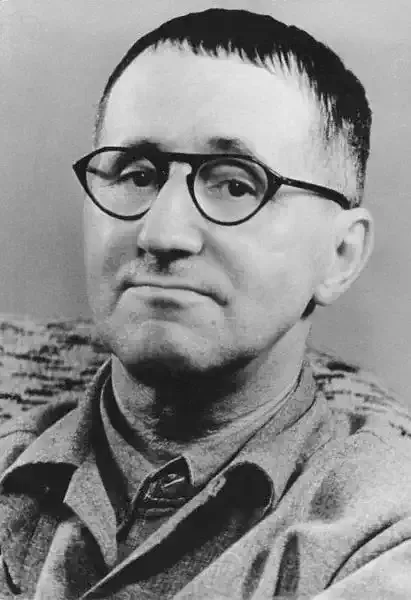
Bertolt Brecht
To Be Read in the Morning and at Night
To Be Read in the Morning and at Night
[Original]
Morgens und abends zu lesen
Der, den ich liebe
Hat mir gesagt
Daß er mich braucht.
Darum
Gebe ich auf mich acht
Sehe auf meinen Weg und
Fürchte von jedem Regentropfen
Daß er mich erschlagen könnte.
[Translation]
To read in the morning and at night
My love
Has told me
That he needs me.
That's why
I take good care of myself
Watch out where I'm going and
Fear that any drop of rain
Might kill me.
[Original]
Morgens und abends zu lesen
Der, den ich liebe
Hat mir gesagt
Daß er mich braucht.
Darum
Gebe ich auf mich acht
Sehe auf meinen Weg und
Fürchte von jedem Regentropfen
Daß er mich erschlagen könnte.
[Translation]
To read in the morning and at night
My love
Has told me
That he needs me.
That's why
I take good care of myself
Watch out where I'm going and
Fear that any drop of rain
Might kill me.
499
Bertolt Brecht
I Never Loved You More
I Never Loved You More
I never loved you more, ma soeur
Than as I walked away from you that evening.
The forest swallowed me, the blue forest, ma soeur
The blue forest and above it pale stars in the west.
I did not laugh, not one little bit, ma soeur
As I playfully walked towards a dark fate –
While the faces behind me
Slowly paled in the evening of the blue forest.
Everything was grand that one night, ma soeur
Never thereafter and never before –
I admit it: I was left with nothing but the big birds
And their hungry cries in the dark evening sky.
I never loved you more, ma soeur
Than as I walked away from you that evening.
The forest swallowed me, the blue forest, ma soeur
The blue forest and above it pale stars in the west.
I did not laugh, not one little bit, ma soeur
As I playfully walked towards a dark fate –
While the faces behind me
Slowly paled in the evening of the blue forest.
Everything was grand that one night, ma soeur
Never thereafter and never before –
I admit it: I was left with nothing but the big birds
And their hungry cries in the dark evening sky.
560
Bertolt Brecht
Ich habe dich nie je so geliebt...
Ich habe dich nie je so geliebt...
[Original]
Ich habe dich nie je so geliebt, ma soeur
Als wie ich fortging von dir in jenem Abendrot.
Der Wald schluckte mich, der blaue Wald, ma soeur
Über dem immer schon die bleichen Gestirne im Westen standen.
Ich lachte kein klein wenig, gar nicht, ma soeur
Der ich spielend dunklem Schicksal entgegenging -W&
auml;hrend schon die Gesichter hinter mir
Langsam im Abend des blauen Walds verblaßten.
Alles war schön an diesem einzigen Abend, ma soeur
Nachher nie wieder und nie zuvor --
Freilich: mir blieben nur mehr die großen Vögel
Die abends im dunklen Himmel Hunger haben.
[Translation]
I never loved you more, ma soeur
Than as I walked away from you that evening.
The forest swallowed me, the blue forest, ma soeur
The blue forest and above it pale stars in the west.
I did not laugh, not one little bit, ma soeur
As I playfully walked towards a dark fate --
While the faces behind me
Slowly paled in the evening of the blue forest.
Everything was grand that one night, ma soeur
Never thereafter and never before --
I admit it: I was left with nothing but the big birds
And their hungry cries in the dark evening sky.
[Original]
Ich habe dich nie je so geliebt, ma soeur
Als wie ich fortging von dir in jenem Abendrot.
Der Wald schluckte mich, der blaue Wald, ma soeur
Über dem immer schon die bleichen Gestirne im Westen standen.
Ich lachte kein klein wenig, gar nicht, ma soeur
Der ich spielend dunklem Schicksal entgegenging -W&
auml;hrend schon die Gesichter hinter mir
Langsam im Abend des blauen Walds verblaßten.
Alles war schön an diesem einzigen Abend, ma soeur
Nachher nie wieder und nie zuvor --
Freilich: mir blieben nur mehr die großen Vögel
Die abends im dunklen Himmel Hunger haben.
[Translation]
I never loved you more, ma soeur
Than as I walked away from you that evening.
The forest swallowed me, the blue forest, ma soeur
The blue forest and above it pale stars in the west.
I did not laugh, not one little bit, ma soeur
As I playfully walked towards a dark fate --
While the faces behind me
Slowly paled in the evening of the blue forest.
Everything was grand that one night, ma soeur
Never thereafter and never before --
I admit it: I was left with nothing but the big birds
And their hungry cries in the dark evening sky.
488
Bertolt Brecht
Future Generations (Translation of
Future Generations (Translation of
I confess this:
I have no hope.
The blind talk about an escape.
I see.
When the errors are consumed
The nothing will sit next to us
as our last companion.
Den Nachgeborenen
Ich gestehe es:
Ich habe keine Hoffnung.
Die Blinden reden von einem Ausweg.
Ich sehe.
Wenn die Irrtümer verbraucht sind
Sitzt als letzter Gesellschafter
Uns das Nichts gegenüber.
I confess this:
I have no hope.
The blind talk about an escape.
I see.
When the errors are consumed
The nothing will sit next to us
as our last companion.
Den Nachgeborenen
Ich gestehe es:
Ich habe keine Hoffnung.
Die Blinden reden von einem Ausweg.
Ich sehe.
Wenn die Irrtümer verbraucht sind
Sitzt als letzter Gesellschafter
Uns das Nichts gegenüber.
626
Bertolt Brecht
Fragen
Fragen
Schreib mir, was du anhast! Ist es warm?
Schreib mir, wie du liegst! Liegst du auch weich?
Schreib mir, wie du aussiehst! Ist´s noch gleich?
Schreib mir, was dir fehlt! Ist es mein Arm?
Schreib mir, wie´s dir geht! Verschont man dich?
Schreib mir, was sie treiben! Reicht dein Mut?
Schreib mir, was du tust! Ist es auch gut?
Schreib mir, woran denkst du? Bin es ich?
Freilich hab ich dir nur meine Fragen!
Und die Antwort hör ich, wie sie fällt!
Wenn du müd bist, kann ich dir nichts tragen.
Hungerst du, hab ich dir nichts zu Essen.
Und so bin ich grad wie aus der Welt
Nicht mehr da, als hätt ich dich vergessen.
Schreib mir, was du anhast! Ist es warm?
Schreib mir, wie du liegst! Liegst du auch weich?
Schreib mir, wie du aussiehst! Ist´s noch gleich?
Schreib mir, was dir fehlt! Ist es mein Arm?
Schreib mir, wie´s dir geht! Verschont man dich?
Schreib mir, was sie treiben! Reicht dein Mut?
Schreib mir, was du tust! Ist es auch gut?
Schreib mir, woran denkst du? Bin es ich?
Freilich hab ich dir nur meine Fragen!
Und die Antwort hör ich, wie sie fällt!
Wenn du müd bist, kann ich dir nichts tragen.
Hungerst du, hab ich dir nichts zu Essen.
Und so bin ich grad wie aus der Welt
Nicht mehr da, als hätt ich dich vergessen.
1,625
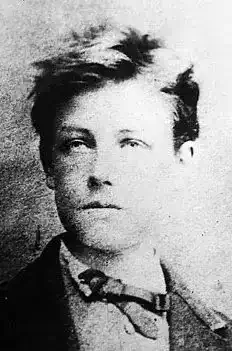
Arthur Rimbaud
Vigils
Vigils
I.
It is a repose in the light,
neither fever nor languor,
on a bed or on a meadow.
It is the friend neither violent nor weak.
The friend.
It is the beloved neither
tormenting nor tormented.
The beloved.
Air and the world not sought.
Life. --Was it really this?
--And the dream grew cold.
II.
The lighting comes round
to the crown post again.
From the two extremities of the room
-- decorations negligible
-- harmonic elevations join.
The wall opposite the watcher
is a psychological succession
of atmospheric sections of friezes,
bands, and geological accidents.
Intense quick dream
of sentimental groups
with people of all possible characters
amidst all possible appearances.
III.
The lamps and the rugs
of the vigil make the noise
of waves in the night,
along the hull and around the steerage.
The sea of the vigil, like Emily's breasts.
The hangings, halfway up,
undergrowth of emerald tinted lace,
where dart the vigil doves. . . . . . . . . . . . . . . . . . . .
The plaque of the black hearth,
real suns of seashores! ah! magic wells;
only sight of dawn, this time.
I.
It is a repose in the light,
neither fever nor languor,
on a bed or on a meadow.
It is the friend neither violent nor weak.
The friend.
It is the beloved neither
tormenting nor tormented.
The beloved.
Air and the world not sought.
Life. --Was it really this?
--And the dream grew cold.
II.
The lighting comes round
to the crown post again.
From the two extremities of the room
-- decorations negligible
-- harmonic elevations join.
The wall opposite the watcher
is a psychological succession
of atmospheric sections of friezes,
bands, and geological accidents.
Intense quick dream
of sentimental groups
with people of all possible characters
amidst all possible appearances.
III.
The lamps and the rugs
of the vigil make the noise
of waves in the night,
along the hull and around the steerage.
The sea of the vigil, like Emily's breasts.
The hangings, halfway up,
undergrowth of emerald tinted lace,
where dart the vigil doves. . . . . . . . . . . . . . . . . . . .
The plaque of the black hearth,
real suns of seashores! ah! magic wells;
only sight of dawn, this time.
569
Arthur Rimbaud
The Soul
The Soul
Eternal Undines, split the pure water.
Venus, sister of azure, stir up the clear wave.
Wandering Jews of Norway, tell me of snow;
old beloved exiles tell me of the sea.
Myself: No, no more of these pure drinks,
these water-flowers for glasses;
neither legends nor faces quench my thirst;
singer, your god-child is my thirst so mad,
a mouthless intimate hydra
which consumes and ravages.
Eternal Undines, split the pure water.
Venus, sister of azure, stir up the clear wave.
Wandering Jews of Norway, tell me of snow;
old beloved exiles tell me of the sea.
Myself: No, no more of these pure drinks,
these water-flowers for glasses;
neither legends nor faces quench my thirst;
singer, your god-child is my thirst so mad,
a mouthless intimate hydra
which consumes and ravages.
600
Arthur Rimbaud
The Sun Has Wept Rose
The Sun Has Wept Rose
The sun has wept rose in the shell of your ears,
The world has rolled white from your back,
Your thighs:
The sea has stained rust at the crimson of your breasts,
And Man had bled black at your sovereign side.
The sun has wept rose in the shell of your ears,
The world has rolled white from your back,
Your thighs:
The sea has stained rust at the crimson of your breasts,
And Man had bled black at your sovereign side.
916
Arthur Rimbaud
Sun And Flesh (Credo In Unam)
Sun And Flesh (Credo In Unam)
Birth of Venus
I
The Sun, the hearth of affection and life,
Pours burning love on the delighted earth,
And when you lie down in the valley, you can smell
How the earth is nubile and very full-blooded;
How its huge breast, heaved up by a soul,
Is, like God, made of love, and, like woman, of flesh,
And that it contains, big with sap and with sunlight,
The vast pullulation of all embryos!
And everything grows, and everything rises!
-O Venus, O Goddess!
I long for the days of antique youth,
Of lascivious satyrs, and animal fauns,
Gods who bit, mad with love, the bark of the boughs,
And among water-lilies kissed the Nymph with fair hair!
I long for the time when the sap of the world,
River water, the rose-coloured blood of green trees
Put into the veins of Pan a whole universe!
When the earth trembled, green,beneath his goat-feet;
When, softly kissing the fair Syrinx, his lips formed
Under heaven the great hymn of love;
When, standing on the plain, he heard round about him
Living Nature answer his call;
When the silent trees cradling the singing bird,
Earth cradling mankind, and the whole blue Ocean,
And all living creatures loved, loved in God!
I long for the time of great Cybele,
Who was said to travel, gigantically lovely,
In a great bronze chariot, through splendid cities;
Her twin breasts poured, through the vast deeps,
The pure streams of infinite life.
Mankind sucked joyfully at her blessed nipple,
Like a small child playing on her knees.
-Because he was strong, Man was gentle and chaste.
Misfortune! Now he says: I understand things,
And goes about with eyes shut and ears closed.
-And again, no more gods! no more gods! Man is King,
Man is God! But the great faith is Love!
Oh! if only man still drew sustenance from your nipple,
Great mother of gods and of men, Cybele;
If only he had not forsaken immortal Astarte
Who long ago, rising in the tremendous brightness
Of blue waters, flower-flesh perfumed by the wave,
Showed her rosy navel, towards which the foam came snowing
And , being a goddess with the great conquering black eyes,
Made the nightingale sing in the woods and love in men's hearts!
The Birth of Venus
II
I believe! I believe in you! divine mother,
Sea-born Aphrodite! - Oh! the path is bitter
Since the other God harnessed us to his cross;
Flesh, Marble, Flower, Venus, in you I believe!
-yes, Man is sad and ugly, sad under the vast sky.
He possesses clothes, because he is no longer chaste,
Because he has defiled his proud, godlike head
And because he has bent, like an idol in the furnace,
His Olympian form towards base slaveries!
Yes, even after death, in the form of pale skeletons
He wishes to live and insult the original beauty!
-And the Idol in whom you placed such maidenhood,
Woman, in whom you rendered our clay divine,
So that Man might bring light into his poor soul
And slowly ascend, in unbounded love,
From the earthly prison to the beauty of day,
Woman no longer knows even how to be a Courtesan!
-It's a fine farce! and the world snickers
At the sweet and sacred name of great Venus!
III
If only the times which have come and gone might come again!
-For Man is finished! Man has played all the parts!
In the broad daylight, wearied with breaking idols
He will revive, free of all his gods,
And, since he is of heaven, he will scan the heavens!
The Ideal, that eternal, invincible thought, which is
All; The living god within his fleshly clay,
Will rise, mount, burn beneath his brow!
An when you see him plumbing the whole horizon,
Despising old yokes, and free from all fear,
You will come and give him holy Redemption!
-Resplendent, radiant, from the bosom of the huge seas
You will rise up and give to the vast Universe
Infinite Love with its eternal smile!
The World will vibrate like an immense lyre
In the trembling of an infinite kiss!
-The World thirsts for love: you will come and slake its thirst.
....................................................
O! Man has raised his free, proud head!
And the sudden blaze of primordial beauty
Makes the god quiver in the altar of the flesh!
Happy in the present good, pale from the ill suffered,
Man wishes to plumb all depths, - and know all things! Thought,
So long a jade, and for so long oppressed,
Springs from his forehead! She will know Why!...
Let her but gallop free, and Man will find Faith!
-Why the blue silence, unfathomable space?
Why the golden stars, teeming like sands?
If one ascended forever, what would one see up there?
Does a sheperd drive this enormous flock
Of worlds on a journey through this horror of space?
And do all these worlds contained in the vast ether,
tremble at the tones of an eternal voice?
-And Man, can he see? can he say: I believe?
Is the langage of thought anymore than a dream?
If man is born so quickly, if life is so short
Whence does he come? Does he sink into the deep Ocean
Of Germs, of Foetuses, of Embryos, to the bottom
of the huge Crucible where Nature the Mother
Will resuscitate him, a living creature,
To love in the rose and to grow in the corn?...
We cannot know! - We are weighed down
With a cloak of ignorance, hemmed in by chimaeras!
Men like apes, dropped from our mothers' wombs,
Our feeble reason hides the infinite from us!
We wish to perceive: - and Doubt punishes us!
Doubt, dismal bird, beat us down with its wing...
-And the horizon rushes away in endless flight!...
.......................................................
The vast heaven is open! the mysteries lie dead
Before erect Man, who folds his strong arms
Among the vast splendour of abundant Nature!
He sings... and the woods sing, the river murmurs
A song full of happiness which rises towards the light!...
-it is Redemption! it is love! it is love!...
IV
O splendour of flesh! O ideal splendour!
O renewal of love, triumphal dawn
When, prostrating the Gods and the Heroes,
White Callipyge and little Eros
Covered with the snow of rose petals, will caress
Women and flowers beneath their lovely outstretched feet!
-O great Ariadne who pour out your tears
On the shore, as you see, out there on the waves,
The sail of Theseus flying white under the sun,
O sweet virgin child whom a night has broken,
Be silent! On his golden chariot studded with black grapes,
Lysios, who has been drawn through Phrygian fields
By lascivious tigers and russet panthers,
Reddens the dark mosses along the blue rivers.
-Zeus, the Bull, cradles on his neck like a child
The nude body of Europa who throws her white arm
Round the God's muscular neck which shivers in the wave.
Slowly he turns his dreamy eye towards her;
She, droops her pale flowerlike cheek
On the brow of Zeus; her eyes are closed; she is dying
In a divine kiss, and the murmuring waters
Strew the flowers of their golden foam on her hair.
-Between the oleander and the gaudy lotus tree
Slips amorously the great dreaming Swan
Enfloding Leda in the whiteness of his wing;
-And while Cypris goes by, strangely beautiful,
And, arching the marvellous curves of her back,
Proudly displays the golden vision of her big breasts
And snowy belly embroidered with black moss,
-Hercules, Tamer of beasts, in his Strength,
Robes his huge body with the lion's skin as with glory
And faces the horizons, his brow terrible and sweet!
Vaguely lit by the summer moon,
Erect, naked, dreaming in her pallor of gold
Streaked by the heavy wave of her long blue hair,
In the shadowy glade whenre stars spring in the moss,
The Dryade gazes up at the silent sky...
-White Selene, timidly, lets her veil float,
Over the feet of beautiful Endymion,
And throws him a kiss in a pale beam...
-The Spring sobs far off in a long ectasy...
Ii is the nymph who dreams with one elbow on her urn,
Of the handsome white stripling her wave has pressed against.
-A soft wind of love has passed in the night,
And in the sacred woods, amid the standing hair of the great trees,
Erect in majesty, the shadowly Marbles,
The Gods, on whose brows the Bullfinch has his nest,
-the Gods listen to Men, and to the infinite World!
Original French
Soleil et Chair
I
Le Soleil, le foyer de tendresse et de vie,
Verse l'amour brûlant à la terre ravie,
Et, quand on est couché sur la vallée, on sent
Que la terre est nubile et déborde de sang ;
Que son immense sein, soulevé par une âme,
Est d'amour comme Dieu, de chair comme la femme,
Et qu'il renferme, gros de sève et de rayons,
Le grand fourmillement de tous les embryons !
Et tout croît, et tout monte !
spacespacespacespacespacespace- O Vénus, ô Déesse !
Je regrette les temps de l'antique jeunesse,
Des satyres lascifs, des faunes animaux,
Dieux qui mordaient d'amour l'écorce des rameaux
Et dans les nénuphars baisaient la Nymphe blonde !
Je regrette les temps où la sève du monde,
L'eau du fleuve, le sang rose des arbres verts
Dans les veines de Pan mettaient un univers !.
Où le sol palpitait, vert, sous ses pieds de chèvre ;
Où, baisant mollement le clair syrinx, sa lèvre
Modulait sous le ciel le grand hymne d'amour ;
Où, debout sur la plaine, il entendait autour
Répondre à son appel la Nature vivante ;
Où les arbres muets, berçant l'oiseau qui chante,
La terre berçant l'homme, et tout l'Océan bleu
Et tous les animaux aimaient, aimaient en Dieu !
Soleil et Chair, Suite
Je regrette les temps de la grande Cybèle
Qu'on disait parcourir, gigantesquement belle,
Sur un grand char d'airain, les splendides cités ;
Son double sein versait dans les immensités
Le pur ruissellement de la vie infinie.
L'Homme suçait, heureux, sa mamelle bénie,
Comme un petit enfant, jouant sur ses genoux.
-Parce qu'il était fort, l'Homme était chaste et doux.
Misère ! Maintenant il dit : Je sais les choses,
Et va, les yeux fermés et les oreille closes.
-Et pourtant, plus de dieux ! plus de dieux ! l'Homme est Roi,
L'Homme est Dieu ! Mais l'Amour, voilà la grande Foi !
Oh ! si l'homme puisait encore à ta mamelle,
Grande mère des dieux et des hommes, Cybèle ;
S'il n'avait pas laissé l'immortelle Astarté
Qui jadis, émergeant dans l'immense clarté
Des flots bleus, fleur de chair que la vague parfume,
Montra son nombril rose où vint neiger l'écume,
Et fit chanter, Déesse aux grands yeux noirs vainqueurs,
Le rossignol aux bois et l'amour dans les coeurs !
II
Je crois en toi ! Je crois en toi ! divine mère,
Aphrodite marine ! - Oh ! la route est amère
Depuis que l'autre Dieu nous attelle à sa croix ;
Chair, Marbre, Fleur, Vénus, c'est en toi que je crois !
-Oui, l'Homme est triste et laid, triste sous le ciel vaste,
Il a des vêtements, parce qu'il n'est plus chaste,
Parce qu'il a sali son fier buste de Dieu,
Et qu'il a rabougri, comme une idole au feu,
Son corps Olympien aux servitudes sales !
Oui, même après la mort, dans les squelettes pâles
Il veut vivre, insultant la première beauté !
-Et l'Idole où tu mis tant de virginité,
Où tu divinisas notre argile, la Femme,
Afin que l'Homme pût éclairer sa pauvre âme
Et monter lentement, dans un immense amour,
De la prison terrestre à la beauté du jour,
La Femme ne sait plus même être Courtisane !
-C'est une bonne farce ! et le monde ricane
Au nom doux et sacré de la grande Vénus !
III
Si les temps revenaient, les temps qui sont venus !
-Car l'Homme a fini ! l'Homme a joué tous les rôles !
Au grand jour, fatigué de briser des idoles
Il ressuscitera, libre de tous ses Dieux,
Et, comme il est du ciel, il scrutera les cieux !
L'idéal, la pensée invincible, éternelle,
Tout ; le dieu qui vit, sous son argile charnelle,
Montera, montera, brûlera sous son front !
Et quand tu le verras sonder tout l'horizon,
Contempteur des vieux jougs, libre de toute crainte,
Tu viendras lui donner la Rédemption sainte !
-Splendide, radieuse, au sein des grandes mers
Tu surgiras, jetant sur le vaste Univers
L'Amour infini dans un infini sourire !
Le Monde vibrera comme une immense lyre
Dans le frémissement d'un immense baiser
-Le Monde a soif d'amour : tu viendras l'apaiser.
IV
O splendeur de la chair ! ô splendeur idéale !
O renouveau d'amour, aurore triomphale
Où, courbant à leurs pieds les Dieux et les Héros,
Kallipyge la blanche et le petit Éros
Effleureront, couverts de la neige des roses,
Les femmes et les fleurs sous leurs beaux pieds écloses !
-O grande Ariadné, qui jette tes sanglots
Sur la rive, en voyant fuir là-bas sur les flots
Blanche sous le soleil, la voile de Thésée,
O douce vierge enfant qu'une nuit a brisée,
Tais-toi ! Sur son char d'or brodé de noirs raisins,
Lysios, promené dans les champs Phrygiens
Par les tigres lascifs et les panthères rousses,
Le long des fleuves bleus rougit les sombres mousses.
-Zeus, Taureau, sur son cou berce comme une enfant
Le corps nu d'Europé, qui jette son bras blanc
Au cou nerveux du Dieu frissonnant dans la vague
Il tourne lentement vers elle son oeil vague ;
Elle, laisse traîner sa pâle joue en fleur
Au front de Zeus ; ses yeux sont fermés ; elle meurt
Dans un divin baiser, et le flot qui murmure
De son écume d'or fleurit sa chevelure.
-Entre le laurier-rose et le lotus jaseur
Glisse amoureusement le grand Cygne rêveur
Embrassant la Léda des blancheurs de son aile ;
-Et tandis que Cypris passe, étrangement belle,
Et, cambrant les rondeurs splendides de ses reins,
Étale fièrement l'or de ses larges seins
Et son ventre neigeux brodé de mousse noire,
-Héraclès, le Dompteur, qui, comme d'une gloire
Fort, ceint son vaste corps de la peau du lion,
S'avance, front terrible et doux, à l'horizon !
Par la lune d'été vaguement éclairée,
Debout, nue, et rêvant dans sa pâleur dorée
Que tache le flot lourd de ses longs cheveux bleus,
Dans la clairière sombre, où la mousse s'étoile,
La Dryade regarde au ciel silencieux....
-La blanche Séléné laisse flotter son voile,
Craintive, sur les pieds du bel Endymion,
Et lui jette un baiser dans un pâle rayon...
-La Source pleure au loin dans une longue extase...
C'est la nymphe qui rêve, un coude sur son vase,
Au beau jeune homme blanc que son onde a pressé.
-Une brise d'amour dans la nuit a passé,
Et, dans les bois sacrés, dans l'horreur des grands arbres,
Majestueusement debout, les sombres Marbres,
Les Dieux, au front desquels le Bouvreuil fait son nid,
-Les Dieux écoutent l'homme et le Monde infini !
Birth of Venus
I
The Sun, the hearth of affection and life,
Pours burning love on the delighted earth,
And when you lie down in the valley, you can smell
How the earth is nubile and very full-blooded;
How its huge breast, heaved up by a soul,
Is, like God, made of love, and, like woman, of flesh,
And that it contains, big with sap and with sunlight,
The vast pullulation of all embryos!
And everything grows, and everything rises!
-O Venus, O Goddess!
I long for the days of antique youth,
Of lascivious satyrs, and animal fauns,
Gods who bit, mad with love, the bark of the boughs,
And among water-lilies kissed the Nymph with fair hair!
I long for the time when the sap of the world,
River water, the rose-coloured blood of green trees
Put into the veins of Pan a whole universe!
When the earth trembled, green,beneath his goat-feet;
When, softly kissing the fair Syrinx, his lips formed
Under heaven the great hymn of love;
When, standing on the plain, he heard round about him
Living Nature answer his call;
When the silent trees cradling the singing bird,
Earth cradling mankind, and the whole blue Ocean,
And all living creatures loved, loved in God!
I long for the time of great Cybele,
Who was said to travel, gigantically lovely,
In a great bronze chariot, through splendid cities;
Her twin breasts poured, through the vast deeps,
The pure streams of infinite life.
Mankind sucked joyfully at her blessed nipple,
Like a small child playing on her knees.
-Because he was strong, Man was gentle and chaste.
Misfortune! Now he says: I understand things,
And goes about with eyes shut and ears closed.
-And again, no more gods! no more gods! Man is King,
Man is God! But the great faith is Love!
Oh! if only man still drew sustenance from your nipple,
Great mother of gods and of men, Cybele;
If only he had not forsaken immortal Astarte
Who long ago, rising in the tremendous brightness
Of blue waters, flower-flesh perfumed by the wave,
Showed her rosy navel, towards which the foam came snowing
And , being a goddess with the great conquering black eyes,
Made the nightingale sing in the woods and love in men's hearts!
The Birth of Venus
II
I believe! I believe in you! divine mother,
Sea-born Aphrodite! - Oh! the path is bitter
Since the other God harnessed us to his cross;
Flesh, Marble, Flower, Venus, in you I believe!
-yes, Man is sad and ugly, sad under the vast sky.
He possesses clothes, because he is no longer chaste,
Because he has defiled his proud, godlike head
And because he has bent, like an idol in the furnace,
His Olympian form towards base slaveries!
Yes, even after death, in the form of pale skeletons
He wishes to live and insult the original beauty!
-And the Idol in whom you placed such maidenhood,
Woman, in whom you rendered our clay divine,
So that Man might bring light into his poor soul
And slowly ascend, in unbounded love,
From the earthly prison to the beauty of day,
Woman no longer knows even how to be a Courtesan!
-It's a fine farce! and the world snickers
At the sweet and sacred name of great Venus!
III
If only the times which have come and gone might come again!
-For Man is finished! Man has played all the parts!
In the broad daylight, wearied with breaking idols
He will revive, free of all his gods,
And, since he is of heaven, he will scan the heavens!
The Ideal, that eternal, invincible thought, which is
All; The living god within his fleshly clay,
Will rise, mount, burn beneath his brow!
An when you see him plumbing the whole horizon,
Despising old yokes, and free from all fear,
You will come and give him holy Redemption!
-Resplendent, radiant, from the bosom of the huge seas
You will rise up and give to the vast Universe
Infinite Love with its eternal smile!
The World will vibrate like an immense lyre
In the trembling of an infinite kiss!
-The World thirsts for love: you will come and slake its thirst.
....................................................
O! Man has raised his free, proud head!
And the sudden blaze of primordial beauty
Makes the god quiver in the altar of the flesh!
Happy in the present good, pale from the ill suffered,
Man wishes to plumb all depths, - and know all things! Thought,
So long a jade, and for so long oppressed,
Springs from his forehead! She will know Why!...
Let her but gallop free, and Man will find Faith!
-Why the blue silence, unfathomable space?
Why the golden stars, teeming like sands?
If one ascended forever, what would one see up there?
Does a sheperd drive this enormous flock
Of worlds on a journey through this horror of space?
And do all these worlds contained in the vast ether,
tremble at the tones of an eternal voice?
-And Man, can he see? can he say: I believe?
Is the langage of thought anymore than a dream?
If man is born so quickly, if life is so short
Whence does he come? Does he sink into the deep Ocean
Of Germs, of Foetuses, of Embryos, to the bottom
of the huge Crucible where Nature the Mother
Will resuscitate him, a living creature,
To love in the rose and to grow in the corn?...
We cannot know! - We are weighed down
With a cloak of ignorance, hemmed in by chimaeras!
Men like apes, dropped from our mothers' wombs,
Our feeble reason hides the infinite from us!
We wish to perceive: - and Doubt punishes us!
Doubt, dismal bird, beat us down with its wing...
-And the horizon rushes away in endless flight!...
.......................................................
The vast heaven is open! the mysteries lie dead
Before erect Man, who folds his strong arms
Among the vast splendour of abundant Nature!
He sings... and the woods sing, the river murmurs
A song full of happiness which rises towards the light!...
-it is Redemption! it is love! it is love!...
IV
O splendour of flesh! O ideal splendour!
O renewal of love, triumphal dawn
When, prostrating the Gods and the Heroes,
White Callipyge and little Eros
Covered with the snow of rose petals, will caress
Women and flowers beneath their lovely outstretched feet!
-O great Ariadne who pour out your tears
On the shore, as you see, out there on the waves,
The sail of Theseus flying white under the sun,
O sweet virgin child whom a night has broken,
Be silent! On his golden chariot studded with black grapes,
Lysios, who has been drawn through Phrygian fields
By lascivious tigers and russet panthers,
Reddens the dark mosses along the blue rivers.
-Zeus, the Bull, cradles on his neck like a child
The nude body of Europa who throws her white arm
Round the God's muscular neck which shivers in the wave.
Slowly he turns his dreamy eye towards her;
She, droops her pale flowerlike cheek
On the brow of Zeus; her eyes are closed; she is dying
In a divine kiss, and the murmuring waters
Strew the flowers of their golden foam on her hair.
-Between the oleander and the gaudy lotus tree
Slips amorously the great dreaming Swan
Enfloding Leda in the whiteness of his wing;
-And while Cypris goes by, strangely beautiful,
And, arching the marvellous curves of her back,
Proudly displays the golden vision of her big breasts
And snowy belly embroidered with black moss,
-Hercules, Tamer of beasts, in his Strength,
Robes his huge body with the lion's skin as with glory
And faces the horizons, his brow terrible and sweet!
Vaguely lit by the summer moon,
Erect, naked, dreaming in her pallor of gold
Streaked by the heavy wave of her long blue hair,
In the shadowy glade whenre stars spring in the moss,
The Dryade gazes up at the silent sky...
-White Selene, timidly, lets her veil float,
Over the feet of beautiful Endymion,
And throws him a kiss in a pale beam...
-The Spring sobs far off in a long ectasy...
Ii is the nymph who dreams with one elbow on her urn,
Of the handsome white stripling her wave has pressed against.
-A soft wind of love has passed in the night,
And in the sacred woods, amid the standing hair of the great trees,
Erect in majesty, the shadowly Marbles,
The Gods, on whose brows the Bullfinch has his nest,
-the Gods listen to Men, and to the infinite World!
Original French
Soleil et Chair
I
Le Soleil, le foyer de tendresse et de vie,
Verse l'amour brûlant à la terre ravie,
Et, quand on est couché sur la vallée, on sent
Que la terre est nubile et déborde de sang ;
Que son immense sein, soulevé par une âme,
Est d'amour comme Dieu, de chair comme la femme,
Et qu'il renferme, gros de sève et de rayons,
Le grand fourmillement de tous les embryons !
Et tout croît, et tout monte !
spacespacespacespacespacespace- O Vénus, ô Déesse !
Je regrette les temps de l'antique jeunesse,
Des satyres lascifs, des faunes animaux,
Dieux qui mordaient d'amour l'écorce des rameaux
Et dans les nénuphars baisaient la Nymphe blonde !
Je regrette les temps où la sève du monde,
L'eau du fleuve, le sang rose des arbres verts
Dans les veines de Pan mettaient un univers !.
Où le sol palpitait, vert, sous ses pieds de chèvre ;
Où, baisant mollement le clair syrinx, sa lèvre
Modulait sous le ciel le grand hymne d'amour ;
Où, debout sur la plaine, il entendait autour
Répondre à son appel la Nature vivante ;
Où les arbres muets, berçant l'oiseau qui chante,
La terre berçant l'homme, et tout l'Océan bleu
Et tous les animaux aimaient, aimaient en Dieu !
Soleil et Chair, Suite
Je regrette les temps de la grande Cybèle
Qu'on disait parcourir, gigantesquement belle,
Sur un grand char d'airain, les splendides cités ;
Son double sein versait dans les immensités
Le pur ruissellement de la vie infinie.
L'Homme suçait, heureux, sa mamelle bénie,
Comme un petit enfant, jouant sur ses genoux.
-Parce qu'il était fort, l'Homme était chaste et doux.
Misère ! Maintenant il dit : Je sais les choses,
Et va, les yeux fermés et les oreille closes.
-Et pourtant, plus de dieux ! plus de dieux ! l'Homme est Roi,
L'Homme est Dieu ! Mais l'Amour, voilà la grande Foi !
Oh ! si l'homme puisait encore à ta mamelle,
Grande mère des dieux et des hommes, Cybèle ;
S'il n'avait pas laissé l'immortelle Astarté
Qui jadis, émergeant dans l'immense clarté
Des flots bleus, fleur de chair que la vague parfume,
Montra son nombril rose où vint neiger l'écume,
Et fit chanter, Déesse aux grands yeux noirs vainqueurs,
Le rossignol aux bois et l'amour dans les coeurs !
II
Je crois en toi ! Je crois en toi ! divine mère,
Aphrodite marine ! - Oh ! la route est amère
Depuis que l'autre Dieu nous attelle à sa croix ;
Chair, Marbre, Fleur, Vénus, c'est en toi que je crois !
-Oui, l'Homme est triste et laid, triste sous le ciel vaste,
Il a des vêtements, parce qu'il n'est plus chaste,
Parce qu'il a sali son fier buste de Dieu,
Et qu'il a rabougri, comme une idole au feu,
Son corps Olympien aux servitudes sales !
Oui, même après la mort, dans les squelettes pâles
Il veut vivre, insultant la première beauté !
-Et l'Idole où tu mis tant de virginité,
Où tu divinisas notre argile, la Femme,
Afin que l'Homme pût éclairer sa pauvre âme
Et monter lentement, dans un immense amour,
De la prison terrestre à la beauté du jour,
La Femme ne sait plus même être Courtisane !
-C'est une bonne farce ! et le monde ricane
Au nom doux et sacré de la grande Vénus !
III
Si les temps revenaient, les temps qui sont venus !
-Car l'Homme a fini ! l'Homme a joué tous les rôles !
Au grand jour, fatigué de briser des idoles
Il ressuscitera, libre de tous ses Dieux,
Et, comme il est du ciel, il scrutera les cieux !
L'idéal, la pensée invincible, éternelle,
Tout ; le dieu qui vit, sous son argile charnelle,
Montera, montera, brûlera sous son front !
Et quand tu le verras sonder tout l'horizon,
Contempteur des vieux jougs, libre de toute crainte,
Tu viendras lui donner la Rédemption sainte !
-Splendide, radieuse, au sein des grandes mers
Tu surgiras, jetant sur le vaste Univers
L'Amour infini dans un infini sourire !
Le Monde vibrera comme une immense lyre
Dans le frémissement d'un immense baiser
-Le Monde a soif d'amour : tu viendras l'apaiser.
IV
O splendeur de la chair ! ô splendeur idéale !
O renouveau d'amour, aurore triomphale
Où, courbant à leurs pieds les Dieux et les Héros,
Kallipyge la blanche et le petit Éros
Effleureront, couverts de la neige des roses,
Les femmes et les fleurs sous leurs beaux pieds écloses !
-O grande Ariadné, qui jette tes sanglots
Sur la rive, en voyant fuir là-bas sur les flots
Blanche sous le soleil, la voile de Thésée,
O douce vierge enfant qu'une nuit a brisée,
Tais-toi ! Sur son char d'or brodé de noirs raisins,
Lysios, promené dans les champs Phrygiens
Par les tigres lascifs et les panthères rousses,
Le long des fleuves bleus rougit les sombres mousses.
-Zeus, Taureau, sur son cou berce comme une enfant
Le corps nu d'Europé, qui jette son bras blanc
Au cou nerveux du Dieu frissonnant dans la vague
Il tourne lentement vers elle son oeil vague ;
Elle, laisse traîner sa pâle joue en fleur
Au front de Zeus ; ses yeux sont fermés ; elle meurt
Dans un divin baiser, et le flot qui murmure
De son écume d'or fleurit sa chevelure.
-Entre le laurier-rose et le lotus jaseur
Glisse amoureusement le grand Cygne rêveur
Embrassant la Léda des blancheurs de son aile ;
-Et tandis que Cypris passe, étrangement belle,
Et, cambrant les rondeurs splendides de ses reins,
Étale fièrement l'or de ses larges seins
Et son ventre neigeux brodé de mousse noire,
-Héraclès, le Dompteur, qui, comme d'une gloire
Fort, ceint son vaste corps de la peau du lion,
S'avance, front terrible et doux, à l'horizon !
Par la lune d'été vaguement éclairée,
Debout, nue, et rêvant dans sa pâleur dorée
Que tache le flot lourd de ses longs cheveux bleus,
Dans la clairière sombre, où la mousse s'étoile,
La Dryade regarde au ciel silencieux....
-La blanche Séléné laisse flotter son voile,
Craintive, sur les pieds du bel Endymion,
Et lui jette un baiser dans un pâle rayon...
-La Source pleure au loin dans une longue extase...
C'est la nymphe qui rêve, un coude sur son vase,
Au beau jeune homme blanc que son onde a pressé.
-Une brise d'amour dans la nuit a passé,
Et, dans les bois sacrés, dans l'horreur des grands arbres,
Majestueusement debout, les sombres Marbres,
Les Dieux, au front desquels le Bouvreuil fait son nid,
-Les Dieux écoutent l'homme et le Monde infini !
1,078
Arthur Rimbaud
Song Of The Highest Tower
Song Of The Highest Tower
Idle youth
Enslaved to everything,
By being too sensitive
I have wasted my life.
Ah ! Let the time come
When hearts are enamoured.
I said to myself : let be,
And let no one see you :
Do without the promise
Of higher joys.
Let nothing delay you,
Majestic retirement.
I have endured so long
That I have forgotten everything ;
Fear and suffering
Have flown to the skies.
And morbid thirst
Darkens my veins.
Thus the meadow
Given over to oblivion,
Grown up, and flowering
With frankincense and tares
To the wild buzzing
Of a hundred filthy flies.
Oh ! the thousand bereavements
Of the poor soul
Which possesses only the image
Of Our Lady ! Can one pray
To the Virgin Mary ?
Idle youth
Enslaved by everything,
By being too sensitive
I have wasted my life.
Ah ! Let the time come
When hearts are enamoured !
Idle youth
Enslaved to everything,
By being too sensitive
I have wasted my life.
Ah ! Let the time come
When hearts are enamoured.
I said to myself : let be,
And let no one see you :
Do without the promise
Of higher joys.
Let nothing delay you,
Majestic retirement.
I have endured so long
That I have forgotten everything ;
Fear and suffering
Have flown to the skies.
And morbid thirst
Darkens my veins.
Thus the meadow
Given over to oblivion,
Grown up, and flowering
With frankincense and tares
To the wild buzzing
Of a hundred filthy flies.
Oh ! the thousand bereavements
Of the poor soul
Which possesses only the image
Of Our Lady ! Can one pray
To the Virgin Mary ?
Idle youth
Enslaved by everything,
By being too sensitive
I have wasted my life.
Ah ! Let the time come
When hearts are enamoured !
793
Arthur Rimbaud
Sensation
Sensation
In the blue summer evenings, I will go along the paths,
And walk over the short grass, as I am pricked by the wheat:
Daydreaming I will feel the coolness on my feet.
I will let the wind bathe my bare head.
I will not speak, I will have no thoughts:
But infinite love will mount in my soul;
And I will go far, far off, like a gypsy,
Through the country side-joyous as if I were with a woman.
In the blue summer evenings, I will go along the paths,
And walk over the short grass, as I am pricked by the wheat:
Daydreaming I will feel the coolness on my feet.
I will let the wind bathe my bare head.
I will not speak, I will have no thoughts:
But infinite love will mount in my soul;
And I will go far, far off, like a gypsy,
Through the country side-joyous as if I were with a woman.
682
Arthur Rimbaud
Poets At Seven Years
Poets At Seven Years
And the mother, closing the work-book
Went off, proud, satisfied, not seeing,
In the blue eyes, under the lumpy brow,
The soul of her child given over to loathing.
All day he sweated obedience: very
Intelligent: yet dark habits, certain traits
Seemed to show bitter hypocrisies at work!
In the shadow of corridors with damp paper,
He stuck out his tongue in passing, two fists
In his groin, seeing specks under his shut lids.
A doorway open to evening: by the light
You’d see him, high up, groaning on the railing
Under a void of light hung from the roof. In summer,
Especially, vanquished, stupefied, stubborn,
He’d shut himself in the toilet’s coolness:
He could think in peace there, sacrificing his nostrils.
When the small garden cleansed of the smell of day,
Filled with light, behind the house, in winter,
Lying at the foot of a wall, buried in clay
Rubbing his dazzled eyes hard, for the visions,
He listened to the scabbed espaliers creaking.
Pity! His only companions were those children
Bare-headed and puny, eyes sunk in their cheeks,
Hiding thin fingers yellow and black with mud
Under old clothes soiled with excrement,
Who talked with the sweetness of the simple-minded!
And if his mother took fright, surprising him
At his vile compassions: the child’s deep
Tenderness overcame her astonishment.
All fine. She’d had the blue look, – that lies!
At seven he was making novels about life
In the great desert, where ravished Freedom shines,
Forests, suns, riverbanks, savannahs! – He used
Illustrated weeklies where he saw, blushing,
Smiling Italian girls, and Spanish women.
When the daughter of next door workers came by,
Eight years old – in Indian prints, brown-eyed,
A little brute, and jumped him from behind,
Shaking out her tresses, in a corner,
And he was under her, he bit her buttocks,
Since she never wore knickers:
– And, bruised by her fists and heels,
Carried the taste of her back to his room.
He feared the pallid December Sundays,
When, hair slicked back, at a mahogany table,
He read from a Bible with cabbage-green margins:
Dreams oppressed him each night in the alcove.
He didn’t love God: rather those men in the dusk,
Returning, black, in smocks, to the outer suburbs
Where the town-crier, with a triple drum beat,
Made the crowds laugh and murmur at the edicts.
– He dreamed of the amorous prairies, where
Luminous swells, pure odours, gold pubescences,
Stirred in the calm there, and then took flight!
And above all how he savoured sombre things,
When, in his bare room behind closed shutters,
High, and blue, and pierced with acrid damp,
He read his novel, mooned over endlessly,
Full of drowned forests, leaden ochre skies,
Flowers of flesh opening in star-filled woods,
Dizziness, epilepsies, defeats, compassion!
– While the street noises rumbled on below,
Lying alone on pieces of unbleached canvas,
With a violent presentiment of setting sail!
And the mother, closing the work-book
Went off, proud, satisfied, not seeing,
In the blue eyes, under the lumpy brow,
The soul of her child given over to loathing.
All day he sweated obedience: very
Intelligent: yet dark habits, certain traits
Seemed to show bitter hypocrisies at work!
In the shadow of corridors with damp paper,
He stuck out his tongue in passing, two fists
In his groin, seeing specks under his shut lids.
A doorway open to evening: by the light
You’d see him, high up, groaning on the railing
Under a void of light hung from the roof. In summer,
Especially, vanquished, stupefied, stubborn,
He’d shut himself in the toilet’s coolness:
He could think in peace there, sacrificing his nostrils.
When the small garden cleansed of the smell of day,
Filled with light, behind the house, in winter,
Lying at the foot of a wall, buried in clay
Rubbing his dazzled eyes hard, for the visions,
He listened to the scabbed espaliers creaking.
Pity! His only companions were those children
Bare-headed and puny, eyes sunk in their cheeks,
Hiding thin fingers yellow and black with mud
Under old clothes soiled with excrement,
Who talked with the sweetness of the simple-minded!
And if his mother took fright, surprising him
At his vile compassions: the child’s deep
Tenderness overcame her astonishment.
All fine. She’d had the blue look, – that lies!
At seven he was making novels about life
In the great desert, where ravished Freedom shines,
Forests, suns, riverbanks, savannahs! – He used
Illustrated weeklies where he saw, blushing,
Smiling Italian girls, and Spanish women.
When the daughter of next door workers came by,
Eight years old – in Indian prints, brown-eyed,
A little brute, and jumped him from behind,
Shaking out her tresses, in a corner,
And he was under her, he bit her buttocks,
Since she never wore knickers:
– And, bruised by her fists and heels,
Carried the taste of her back to his room.
He feared the pallid December Sundays,
When, hair slicked back, at a mahogany table,
He read from a Bible with cabbage-green margins:
Dreams oppressed him each night in the alcove.
He didn’t love God: rather those men in the dusk,
Returning, black, in smocks, to the outer suburbs
Where the town-crier, with a triple drum beat,
Made the crowds laugh and murmur at the edicts.
– He dreamed of the amorous prairies, where
Luminous swells, pure odours, gold pubescences,
Stirred in the calm there, and then took flight!
And above all how he savoured sombre things,
When, in his bare room behind closed shutters,
High, and blue, and pierced with acrid damp,
He read his novel, mooned over endlessly,
Full of drowned forests, leaden ochre skies,
Flowers of flesh opening in star-filled woods,
Dizziness, epilepsies, defeats, compassion!
– While the street noises rumbled on below,
Lying alone on pieces of unbleached canvas,
With a violent presentiment of setting sail!
817
Arthur Rimbaud
Ophelia
Ophelia
I
On the calm black water where the stars are sleeping
White Ophelia floats like a great lily ;
Floats very slowly, lying in her long veils…
-In the far-off woods you can hear them sound the mort.
For more than a thousand years sad Ophelia
Has passed, a white phantom, down the long black river.
For more than a thousand years her sweet madness
Has murmured its ballad to the evening breeze.
The wind kisses her breasts and unfolds in a wreath
Her great veils rising and falling with the waters ;
The shivering willows weep on her shoulder,
The rushes lean over her wide, dreaming brow.
The ruffled water-lilies are sighing around her ;
At times she rouses, in a slumbering alder,
Some nest from which escapes a small rustle of wings ;
-A mysterious anthem falls from the golden stars.
II
O pale Ophelia ! beautiful as snow !
Yes child, you died, carried off by a river !
-It was the winds descending from the great mountains of Norway
That spoke to you in low voices of better freedom.
It was a breath of wind, that, twisting your great hair,
Brought strange rumors to your dreaming mind ;
It was your heart listening to the song of Nature
In the groans of the tree and the sighs of the nights ;
It was the voice of mad seas, the great roar,
That shattered your child's heart, too human and too soft ;
It was a handsome pale knight, a poor madman
Who one April morning sate mute at your knees !
Heaven ! Love ! Freedom ! What a dream, oh poor crazed Girl !
You melted to him as snow does to a fire ;
Your great visions strangled your words
-And fearful Infinity terrified your blue eye !
III
-And the poet says that by starlight
You come seeking, in the night, the flowers that you picked
And that he has seen on the water, lying in her long veils
White Ophelia floating, like a great lily.
Ophélie
I
Sur l'onde calme et noire où dorment les étoiles
La blanche Ophélia flotte comme un grand lys,
Flotte très lentement, couchée en ses longs voiles…
-On entend dans les bois lointains des hallalis.
Voici plus de mille ans que la triste Ophélie
Passe, fantôme blanc, sur le long fleuve noir;
Voici plus de mille ans que sa douce folie
Murmure sa romance à la brise du soir.
Le vent baise ses seins et déploie en corolle
Ses grands voiles bercés mollement par les eaux;
Les saules frissonnants pleurent sur son épaule,
Sur son grand front rêveur s'inclinent les roseaux.
Les nénuphars froissés soupirent autour d'elle;
Elle éveille parfois, dans un aune qui dort,
Quelque nid, d'où s'échappe un petit frisson d'aile:
-Un chant mystérieux tombe des astres d'or.
II
O pâle Ophélia! belle comme la neige!
Oui, tu mourus, enfant, par un fleuve emporté!
-C'est que les vents tombant des grands monts de Norwège
T'avaient parlé tout bas de l'âpre liberté;
C'est qu'un souffle, tordant ta grande chevelure,
A ton esprit rêveur portait d'étranges bruits;
Que ton coeur écoutait le chant de la Nature
Dans les plaintes de l'arbre et les soupirs des nuits;
C'est que la voix des mers folles, immense râle,
Brisait ton sein d'enfant, trop humain et trop doux;
C'est qu'un matin d'avril, un beau cavalier pâle,
Un pauvre fou, s'assit muet à tes genoux!
Ciel! Amour! Liberté! Quel rêve, ô pauvre Folle!
Tu te fondais à lui comme une neige au feu:
Tes grandes visions étranglaient ta parole
-Et l'Infini terrible effara ton oeil bleu!
III
-Et le Poète dit qu'aux rayons des étoiles
Tu viens chercher, la nuit, les fleurs que tu cueillis,
Et qu'il a vu sur l'eau, couchée en ses longs voiles,
La blanche Ophélia flotter, comme un grand lys.
I
On the calm black water where the stars are sleeping
White Ophelia floats like a great lily ;
Floats very slowly, lying in her long veils…
-In the far-off woods you can hear them sound the mort.
For more than a thousand years sad Ophelia
Has passed, a white phantom, down the long black river.
For more than a thousand years her sweet madness
Has murmured its ballad to the evening breeze.
The wind kisses her breasts and unfolds in a wreath
Her great veils rising and falling with the waters ;
The shivering willows weep on her shoulder,
The rushes lean over her wide, dreaming brow.
The ruffled water-lilies are sighing around her ;
At times she rouses, in a slumbering alder,
Some nest from which escapes a small rustle of wings ;
-A mysterious anthem falls from the golden stars.
II
O pale Ophelia ! beautiful as snow !
Yes child, you died, carried off by a river !
-It was the winds descending from the great mountains of Norway
That spoke to you in low voices of better freedom.
It was a breath of wind, that, twisting your great hair,
Brought strange rumors to your dreaming mind ;
It was your heart listening to the song of Nature
In the groans of the tree and the sighs of the nights ;
It was the voice of mad seas, the great roar,
That shattered your child's heart, too human and too soft ;
It was a handsome pale knight, a poor madman
Who one April morning sate mute at your knees !
Heaven ! Love ! Freedom ! What a dream, oh poor crazed Girl !
You melted to him as snow does to a fire ;
Your great visions strangled your words
-And fearful Infinity terrified your blue eye !
III
-And the poet says that by starlight
You come seeking, in the night, the flowers that you picked
And that he has seen on the water, lying in her long veils
White Ophelia floating, like a great lily.
Ophélie
I
Sur l'onde calme et noire où dorment les étoiles
La blanche Ophélia flotte comme un grand lys,
Flotte très lentement, couchée en ses longs voiles…
-On entend dans les bois lointains des hallalis.
Voici plus de mille ans que la triste Ophélie
Passe, fantôme blanc, sur le long fleuve noir;
Voici plus de mille ans que sa douce folie
Murmure sa romance à la brise du soir.
Le vent baise ses seins et déploie en corolle
Ses grands voiles bercés mollement par les eaux;
Les saules frissonnants pleurent sur son épaule,
Sur son grand front rêveur s'inclinent les roseaux.
Les nénuphars froissés soupirent autour d'elle;
Elle éveille parfois, dans un aune qui dort,
Quelque nid, d'où s'échappe un petit frisson d'aile:
-Un chant mystérieux tombe des astres d'or.
II
O pâle Ophélia! belle comme la neige!
Oui, tu mourus, enfant, par un fleuve emporté!
-C'est que les vents tombant des grands monts de Norwège
T'avaient parlé tout bas de l'âpre liberté;
C'est qu'un souffle, tordant ta grande chevelure,
A ton esprit rêveur portait d'étranges bruits;
Que ton coeur écoutait le chant de la Nature
Dans les plaintes de l'arbre et les soupirs des nuits;
C'est que la voix des mers folles, immense râle,
Brisait ton sein d'enfant, trop humain et trop doux;
C'est qu'un matin d'avril, un beau cavalier pâle,
Un pauvre fou, s'assit muet à tes genoux!
Ciel! Amour! Liberté! Quel rêve, ô pauvre Folle!
Tu te fondais à lui comme une neige au feu:
Tes grandes visions étranglaient ta parole
-Et l'Infini terrible effara ton oeil bleu!
III
-Et le Poète dit qu'aux rayons des étoiles
Tu viens chercher, la nuit, les fleurs que tu cueillis,
Et qu'il a vu sur l'eau, couchée en ses longs voiles,
La blanche Ophélia flotter, comme un grand lys.
720
Arthur Rimbaud
O Seasons, O Chateaux
O Seasons, O Chateaux
1. (From: Fetes de la Patience)
O seasons, O chateaux,
Where is the flawless soul?
O seasons, O chateaux,
The magic study I pursued,
Of happiness, none can elude.
O may it live, each time
The Gallic cock makes rhyme.
Nothing else I desire,
It’s possessed my life entire.
That charm! It’s taken heart and soul
Scattered all my effort so.
Where’s the sense in what I say?
It makes the whole thing fly away!
O seasons, O chateaux!
O Seasons, O Chateaux
2. (From: Une Saison en Enfer)
O seasons, O chateaux!
Where is the flawless soul?
The magic study I pursued,
Of happiness, none can elude.
A health to it, each time
The Gallic cock makes rhyme.
Ah! There’s nothing I desire,
It’s possessed my life entire.
That charm has taken heart and soul
Scattered all my efforts so.
O seasons, O chateaux!
The hour of its flight, alas!
Will be the hour I pass.
O seasons, O chateaux!
1. (From: Fetes de la Patience)
O seasons, O chateaux,
Where is the flawless soul?
O seasons, O chateaux,
The magic study I pursued,
Of happiness, none can elude.
O may it live, each time
The Gallic cock makes rhyme.
Nothing else I desire,
It’s possessed my life entire.
That charm! It’s taken heart and soul
Scattered all my effort so.
Where’s the sense in what I say?
It makes the whole thing fly away!
O seasons, O chateaux!
O Seasons, O Chateaux
2. (From: Une Saison en Enfer)
O seasons, O chateaux!
Where is the flawless soul?
The magic study I pursued,
Of happiness, none can elude.
A health to it, each time
The Gallic cock makes rhyme.
Ah! There’s nothing I desire,
It’s possessed my life entire.
That charm has taken heart and soul
Scattered all my efforts so.
O seasons, O chateaux!
The hour of its flight, alas!
Will be the hour I pass.
O seasons, O chateaux!
564
Arthur Rimbaud
Lives
Lives
I.
O the enormous avenues of the Holy Land,
the temple terraces!
What has become of the Brahman
who explained the proverbs to me?
Of that time, of that place,
I can still see even the old women!
I remember silver hours and sunlight by the rivers,
the hand of the country on my shoulder
and our carresses standing on the spicy plains.--
A flight of scarlet pigeons thunders round my thoughts.
An exile here, I once had a stage on which
to play all the masterpieces of literature.
I would show you unheard-of riches.
I note the story of the treasures you discovered.
I see the outcome.
My wisdom is as scorned as chaos.
What is my nothingness
to the stupor that awaits you?
II.
I am the inventor more deserving far
than all those who have preceeded me;
a musician, moreover, who has discovered
something like the key of love.
At present, a country gentleman
of a bleak land with a sober sky,
I try to rouse myself with the memory
of my beggar childhood,
my apprenticeship or my arrival in wooden shoes,
of polemics, of five or six widowings, and of certain convivalities
when my level head kept me from rising
to the diapason of my comrades.
I do not regret my old portion of divine gaiety:
the sober air of this bleak countryside
feeds vigorously my dreadful skepticism.
But since this skepticism cannot,
henceforth be put to use, and since,
moreover, I am dedicated to a new torment,--
I expect to become a very vicious madman.
III.
In a loft, where I was shut in when I was twelve,
I got to know the world,
I illustrated the human comedy.
I learned history in a wine cellar.
In a northern city, at some nocturnal revel,
I met all the women of the old masters.
In an old arcade in Paris,
I was taught the classical sciences.
In a magnificent dwelling encircled by the entire Orient,
I accomplished my prodigious work
and spent my illustrious retreat.
I churned up my blood.
My duty has been remitted.
I must not even think of that anymore.
I am really from beyond
the tomb, and no commissions.
I.
O the enormous avenues of the Holy Land,
the temple terraces!
What has become of the Brahman
who explained the proverbs to me?
Of that time, of that place,
I can still see even the old women!
I remember silver hours and sunlight by the rivers,
the hand of the country on my shoulder
and our carresses standing on the spicy plains.--
A flight of scarlet pigeons thunders round my thoughts.
An exile here, I once had a stage on which
to play all the masterpieces of literature.
I would show you unheard-of riches.
I note the story of the treasures you discovered.
I see the outcome.
My wisdom is as scorned as chaos.
What is my nothingness
to the stupor that awaits you?
II.
I am the inventor more deserving far
than all those who have preceeded me;
a musician, moreover, who has discovered
something like the key of love.
At present, a country gentleman
of a bleak land with a sober sky,
I try to rouse myself with the memory
of my beggar childhood,
my apprenticeship or my arrival in wooden shoes,
of polemics, of five or six widowings, and of certain convivalities
when my level head kept me from rising
to the diapason of my comrades.
I do not regret my old portion of divine gaiety:
the sober air of this bleak countryside
feeds vigorously my dreadful skepticism.
But since this skepticism cannot,
henceforth be put to use, and since,
moreover, I am dedicated to a new torment,--
I expect to become a very vicious madman.
III.
In a loft, where I was shut in when I was twelve,
I got to know the world,
I illustrated the human comedy.
I learned history in a wine cellar.
In a northern city, at some nocturnal revel,
I met all the women of the old masters.
In an old arcade in Paris,
I was taught the classical sciences.
In a magnificent dwelling encircled by the entire Orient,
I accomplished my prodigious work
and spent my illustrious retreat.
I churned up my blood.
My duty has been remitted.
I must not even think of that anymore.
I am really from beyond
the tomb, and no commissions.
550
Arthur Rimbaud
L'Idole.. Sonnet Du Trou Du Cul
L'Idole.. Sonnet Du Trou Du Cul
Obscur et froncé comme un oeillet violet
Il respire, humblement tapi parmi la mousse.
Humide encor d'amour qui suit la fuite douce
Des Fesses blanches jusqu'au coeur de son ourlet.
Des filaments pareils à des larmes de lait
Ont pleuré, sous le vent cruel qui les repousse,
À travers de petits caillots de marne rousse
Pour s'aller perdre où la pente les appelait.
Mon Rêve s'aboucha souvent à sa ventouse ;
Mon âme, du coït matériel jalouse,
En fit son larmier fauve et son nid de sanglots.
C'est l'olive pâmée, et la flûte caline ;
C'est le tube où descend la céleste praline :
Chanaan féminin dans les moiteurs enclos !
Albert Mérat.
The Idol.
Sonnet to an Asshole
Dark and wrinkled like a purple pink
It breathes, nestling humbly among the still-damp
Froth of love that follows the gentle slope
Of the white buttocks to its crater's edge.
Filaments like tears of milk
Have wept in the cruel wind which pushes them back,
Across little clots of reddish marl
To lose themselves where the slope called them.
My dream has often kissed its opening;
My soul, jealous of physical coitus,
Has made this its fawn-coloured tear-bottle and its nest of sobs.
It is the rapturous olive and the wheedling flute,
The tube from which the heavenly burnt almond falls:
Feminine Canaan enclosed among moistures.
Albert Mérat.
P.V.-A.R.
Obscur et froncé comme un oeillet violet
Il respire, humblement tapi parmi la mousse.
Humide encor d'amour qui suit la fuite douce
Des Fesses blanches jusqu'au coeur de son ourlet.
Des filaments pareils à des larmes de lait
Ont pleuré, sous le vent cruel qui les repousse,
À travers de petits caillots de marne rousse
Pour s'aller perdre où la pente les appelait.
Mon Rêve s'aboucha souvent à sa ventouse ;
Mon âme, du coït matériel jalouse,
En fit son larmier fauve et son nid de sanglots.
C'est l'olive pâmée, et la flûte caline ;
C'est le tube où descend la céleste praline :
Chanaan féminin dans les moiteurs enclos !
Albert Mérat.
The Idol.
Sonnet to an Asshole
Dark and wrinkled like a purple pink
It breathes, nestling humbly among the still-damp
Froth of love that follows the gentle slope
Of the white buttocks to its crater's edge.
Filaments like tears of milk
Have wept in the cruel wind which pushes them back,
Across little clots of reddish marl
To lose themselves where the slope called them.
My dream has often kissed its opening;
My soul, jealous of physical coitus,
Has made this its fawn-coloured tear-bottle and its nest of sobs.
It is the rapturous olive and the wheedling flute,
The tube from which the heavenly burnt almond falls:
Feminine Canaan enclosed among moistures.
Albert Mérat.
P.V.-A.R.
748
Arthur Rimbaud
Genie
Genie
He is love and the present because he has opened our house
to winter's foam and to the sound of summer,
He who purified all that we drink and tea;
He is the charm of passing places,
the incarnate delight of all things that abide.
He is affection and the future,
the strength and love that we,
standing surrounded by anger and weariness,
See passing in the storm-filled sky and in banners of ecstasy.
He is love, perfect and rediscovered measure,
Reason, marvelous and unforeseen,
Eternity: beloved prime mover of the elements, of destinies.
We all know the terror of his yielding, and of ours:
Oh delight of our well-being, brilliance of our faculties,
selfish affection and passion for him, who loves us forever...
And we remember him, and he goes on his way...
And if Adoration departs, then it sounds, his promise sounds:
'Away with these ages and superstitions,
These couplings, these bodies of old!
All our age has submerged.' He will not go away,
will not come down again from some heave.
He will not fulfill the redemption of women's fury
nor the gaiety of men nor the rest of this sin:
For he is and he is loved, and so it is already done.
Oh, his breathing, the turn of his head when he runs:
Terrible speed of perfection in action and form!
Fecundity of spirit and vastness of the universe! His body!
Release so long desired, The splintering of grace before a new violence!
Oh, the sight, the sight of him!
All ancient genuflections, all sorrows are lifted as he passes.
The light of his day! All moving and sonorous
suffering dissolves in more intense music.
In his step there are vaster migrations than the old invasions were.
Oh, He and we! a pride more benevolent than charities lost.
Oh, world! and the shining song of new sorrows.
He has known us all and has loved us.
Let us discover how, this winter night, to hail him from cape to cape,
from the unquiet pole to the château,
from crowded cities to the empty coast,
from glance to glance, with our strength and our feelings exhausted,
To see him, and to send him once again away...
And beneath the tides and over high deserts of snow
To follow his image, his breathing, his body, the light of his day.
He is love and the present because he has opened our house
to winter's foam and to the sound of summer,
He who purified all that we drink and tea;
He is the charm of passing places,
the incarnate delight of all things that abide.
He is affection and the future,
the strength and love that we,
standing surrounded by anger and weariness,
See passing in the storm-filled sky and in banners of ecstasy.
He is love, perfect and rediscovered measure,
Reason, marvelous and unforeseen,
Eternity: beloved prime mover of the elements, of destinies.
We all know the terror of his yielding, and of ours:
Oh delight of our well-being, brilliance of our faculties,
selfish affection and passion for him, who loves us forever...
And we remember him, and he goes on his way...
And if Adoration departs, then it sounds, his promise sounds:
'Away with these ages and superstitions,
These couplings, these bodies of old!
All our age has submerged.' He will not go away,
will not come down again from some heave.
He will not fulfill the redemption of women's fury
nor the gaiety of men nor the rest of this sin:
For he is and he is loved, and so it is already done.
Oh, his breathing, the turn of his head when he runs:
Terrible speed of perfection in action and form!
Fecundity of spirit and vastness of the universe! His body!
Release so long desired, The splintering of grace before a new violence!
Oh, the sight, the sight of him!
All ancient genuflections, all sorrows are lifted as he passes.
The light of his day! All moving and sonorous
suffering dissolves in more intense music.
In his step there are vaster migrations than the old invasions were.
Oh, He and we! a pride more benevolent than charities lost.
Oh, world! and the shining song of new sorrows.
He has known us all and has loved us.
Let us discover how, this winter night, to hail him from cape to cape,
from the unquiet pole to the château,
from crowded cities to the empty coast,
from glance to glance, with our strength and our feelings exhausted,
To see him, and to send him once again away...
And beneath the tides and over high deserts of snow
To follow his image, his breathing, his body, the light of his day.
728
Arthur Rimbaud
Evening Prayer
Evening Prayer
I spend my life sitting - like an angel
in the hands of a barber - a deeply fluted beer mug
in my fist, belly and neck curved,
a Gambier pipe in my teeth, under the air
swelling with impalpable veils of smoke.
Like the warm excrements in an old dovecote,
a thousand dreams burn softly inside me,
and at times my sad heart is like sap-wood bled
on by the dark yellow gold of its sweats.
Then, when I have carefully swallowed my dreams,
I turn, having drunk thirty or forty tankards,
and gather myself together to relieve bitter need:
As sweetly as the Saviour of Hyssops
and of Cedar I piss towards dark skies,
very high and very far;
and receive the approval of the great heliotropes.
I spend my life sitting - like an angel
in the hands of a barber - a deeply fluted beer mug
in my fist, belly and neck curved,
a Gambier pipe in my teeth, under the air
swelling with impalpable veils of smoke.
Like the warm excrements in an old dovecote,
a thousand dreams burn softly inside me,
and at times my sad heart is like sap-wood bled
on by the dark yellow gold of its sweats.
Then, when I have carefully swallowed my dreams,
I turn, having drunk thirty or forty tankards,
and gather myself together to relieve bitter need:
As sweetly as the Saviour of Hyssops
and of Cedar I piss towards dark skies,
very high and very far;
and receive the approval of the great heliotropes.
645
Arthur Rimbaud
Drunken Morning
Drunken Morning
Oh, my Beautiful! Oh, my Good!
Hideous fanfare where yet I do not stumble!
Oh, rack of enchantments!
For the first time, hurrah for the unheard-of work,
For the marvelous body! For the first time!
It began with the laughter of children, and there it will end.
This poison will stay in our veins even when, as the fanfares depart,
We return to our former disharmony.
Oh, now, we who are so worthy of these tortures!
Let us re-create ourselves after that superhuman promise
Made to our souls and our bodies at their creation:
That promise, that madness!
Elegance, silence, violence!
They promised to bury in shadows the tree of good and evil,
To banish tyrannical honesty,
So that we might flourish in our very pure love.
It began with a certain disgust, and it ended -
Since we could not immediately seize upon eternity -
It ended in a scattering of perfumes.
Laughter of children, discretion of slaves, austerity of virgins,
Horror of faces and objects here below,
Be sacred in the memory of the evening past.
It began in utter boorishness, and now it ends
In angels of fire and ice.
Little drunken vigil, blessed!
If only for the mask you have left us!
Method, we believe in you! We never forgot that yesterday
You glorified all of our ages.
We have faith in poison.
We will give our lives completely, every day.
FOR THIS IS THE ASSASSIN'S HOUR.
(translated by Paul Schmidt)
Oh, my Beautiful! Oh, my Good!
Hideous fanfare where yet I do not stumble!
Oh, rack of enchantments!
For the first time, hurrah for the unheard-of work,
For the marvelous body! For the first time!
It began with the laughter of children, and there it will end.
This poison will stay in our veins even when, as the fanfares depart,
We return to our former disharmony.
Oh, now, we who are so worthy of these tortures!
Let us re-create ourselves after that superhuman promise
Made to our souls and our bodies at their creation:
That promise, that madness!
Elegance, silence, violence!
They promised to bury in shadows the tree of good and evil,
To banish tyrannical honesty,
So that we might flourish in our very pure love.
It began with a certain disgust, and it ended -
Since we could not immediately seize upon eternity -
It ended in a scattering of perfumes.
Laughter of children, discretion of slaves, austerity of virgins,
Horror of faces and objects here below,
Be sacred in the memory of the evening past.
It began in utter boorishness, and now it ends
In angels of fire and ice.
Little drunken vigil, blessed!
If only for the mask you have left us!
Method, we believe in you! We never forgot that yesterday
You glorified all of our ages.
We have faith in poison.
We will give our lives completely, every day.
FOR THIS IS THE ASSASSIN'S HOUR.
(translated by Paul Schmidt)
555
Arthur Rimbaud
Being Beauteous
Being Beauteous
Against a fall of snow, a Being Beauiful, and very tall.
Whistlings of death and circles of faint music
Make this adored body, swelling and trembling
Like a specter, rise...
Black and scarlet gashes burst in the gleaming flesh.
The true colors of life grow dark,
Shimmering and sperate
In the scaffolding, around the Vision.
Shiverings mutter and rise,
And the furious taste of these effects is charged
With deadly whistlings and the raucous music
That the world, far behind us, hurls at our mother of beauty...
She retreats, she rises up...
Oh! Our bones have put on new flesh, for love.
Oh ash-white face
Oh tousled hair
O crystal arms!
On this cannot I mean to destroy myself
In a swirling of trees and soft air!
Against a fall of snow, a Being Beauiful, and very tall.
Whistlings of death and circles of faint music
Make this adored body, swelling and trembling
Like a specter, rise...
Black and scarlet gashes burst in the gleaming flesh.
The true colors of life grow dark,
Shimmering and sperate
In the scaffolding, around the Vision.
Shiverings mutter and rise,
And the furious taste of these effects is charged
With deadly whistlings and the raucous music
That the world, far behind us, hurls at our mother of beauty...
She retreats, she rises up...
Oh! Our bones have put on new flesh, for love.
Oh ash-white face
Oh tousled hair
O crystal arms!
On this cannot I mean to destroy myself
In a swirling of trees and soft air!
855
Arthur Rimbaud
Antique
Antique
Gracious son of Pan! Around your forehead
crowned with flowerets
and with laurel, restlessly roll
those precious balls, your eyes.
Spotted with brown lees, your cheeks are hollow.
Your fangs gleam. Your breast is like a lyre,
tinklings circulate through your pale arms.
Your heart beats in that belly where sleeps the double sex.
Walk through the night, gently moving that thigh,
that second thigh, and that left leg.
Gracious son of Pan! Around your forehead
crowned with flowerets
and with laurel, restlessly roll
those precious balls, your eyes.
Spotted with brown lees, your cheeks are hollow.
Your fangs gleam. Your breast is like a lyre,
tinklings circulate through your pale arms.
Your heart beats in that belly where sleeps the double sex.
Walk through the night, gently moving that thigh,
that second thigh, and that left leg.
613

Anonymous
The Wakening, John Attye's First Book of Airs
The Wakening, John Attye's First Book of Airs
ON a time the amorous Silvy
Said to her shepherd, 'Sweet, how do ye?
Kiss me this once and then God be with ye,
My sweetest dear!
Kiss me this once and then God be with ye,
For now the morning draweth near.'
With that, her fairest bosom showing,
Op'ning her lips, rich perfumes blowing,
She said, 'Now kiss me and be going,
My sweetest dear!
Kiss me this once and then be going,
For now the morning draweth near.'
With that the shepherd waked from sleeping,
And spying where the day was peeping,
He said, 'Now take my soul in keeping,
My sweetest dear!
Kiss me and take my soul in keeping,
Since I must go, now day is near.'
ON a time the amorous Silvy
Said to her shepherd, 'Sweet, how do ye?
Kiss me this once and then God be with ye,
My sweetest dear!
Kiss me this once and then God be with ye,
For now the morning draweth near.'
With that, her fairest bosom showing,
Op'ning her lips, rich perfumes blowing,
She said, 'Now kiss me and be going,
My sweetest dear!
Kiss me this once and then be going,
For now the morning draweth near.'
With that the shepherd waked from sleeping,
And spying where the day was peeping,
He said, 'Now take my soul in keeping,
My sweetest dear!
Kiss me and take my soul in keeping,
Since I must go, now day is near.'
181
Anonymous
The Seven Virgins
The Seven Virgins
ALL under the leaves and the leaves of life
I met with virgins seven,
And one of them was Mary mild,
Our Lord's mother of Heaven.
'O what are you seeking, you seven fair maids,
All under the leaves of life?
Come tell, come tell, what seek you
All under the leaves of life?'
'We're seeking for no leaves, Thomas,
But for a friend of thine;
We're seeking for sweet Jesus Christ,
To be our guide and thine.'
'Go down, go down, to yonder town,
And sit in the gallery,
And there you'll see sweet Jesus Christ
Nail'd to a big yew-tree.'
So down they went to yonder town
As fast as foot could fall,
And many a grievous bitter tear
From the virgins' eyes did fall.
'O peace, Mother, O peace, Mother,
Your weeping doth me grieve:
I must suffer this,' He said,
'For Adam and for Eve.
'O Mother, take you John Evangelist
All for to be your son,
And he will comfort you sometimes,
Mother, as I have done.'
'O come, thou John Evangelist,
Thou'rt welcome unto me;
But more welcome my own dear Son,
Whom I nursed on my knee.'
Then He laid His head on His right shoulder,
Seeing death it struck Him nigh--
'The Holy Ghost be with your soul,
I die, Mother dear, I die.'
O the rose, the gentle rose,
And the fennel that grows so green!
God give us grace in every place
To pray for our king and queen.
Furthermore for our enemies all
Our prayers they should be strong:
Amen, good Lord; your charity
Is the ending of my song.
ALL under the leaves and the leaves of life
I met with virgins seven,
And one of them was Mary mild,
Our Lord's mother of Heaven.
'O what are you seeking, you seven fair maids,
All under the leaves of life?
Come tell, come tell, what seek you
All under the leaves of life?'
'We're seeking for no leaves, Thomas,
But for a friend of thine;
We're seeking for sweet Jesus Christ,
To be our guide and thine.'
'Go down, go down, to yonder town,
And sit in the gallery,
And there you'll see sweet Jesus Christ
Nail'd to a big yew-tree.'
So down they went to yonder town
As fast as foot could fall,
And many a grievous bitter tear
From the virgins' eyes did fall.
'O peace, Mother, O peace, Mother,
Your weeping doth me grieve:
I must suffer this,' He said,
'For Adam and for Eve.
'O Mother, take you John Evangelist
All for to be your son,
And he will comfort you sometimes,
Mother, as I have done.'
'O come, thou John Evangelist,
Thou'rt welcome unto me;
But more welcome my own dear Son,
Whom I nursed on my knee.'
Then He laid His head on His right shoulder,
Seeing death it struck Him nigh--
'The Holy Ghost be with your soul,
I die, Mother dear, I die.'
O the rose, the gentle rose,
And the fennel that grows so green!
God give us grace in every place
To pray for our king and queen.
Furthermore for our enemies all
Our prayers they should be strong:
Amen, good Lord; your charity
Is the ending of my song.
209