

Poems in this topic
Soul
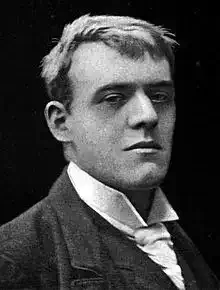
Hilaire Belloc
[Month of] December
[Month of] December
Hoar Time about the house betakes him slow,
Seeking an entry for his weariness.
And in that dreadful company distress
And the sad night with silent footsteps go.
On my poor fire the brands are scarce aglow,
And in the woods without what memories press
Where, waning in the trees from less to less,
Mysterious bangs the hom6d moon and low.
For now December, full of aged care,
Comes in upon the yea and weakly grieves;
Mumbling his lost desires and his despair; .
And with mad trembling hand still interweaves,
The dank sear flower-stalks tangled in his hair,
While round about him whirl the rotten leaves.
Hoar Time about the house betakes him slow,
Seeking an entry for his weariness.
And in that dreadful company distress
And the sad night with silent footsteps go.
On my poor fire the brands are scarce aglow,
And in the woods without what memories press
Where, waning in the trees from less to less,
Mysterious bangs the hom6d moon and low.
For now December, full of aged care,
Comes in upon the yea and weakly grieves;
Mumbling his lost desires and his despair; .
And with mad trembling hand still interweaves,
The dank sear flower-stalks tangled in his hair,
While round about him whirl the rotten leaves.
478
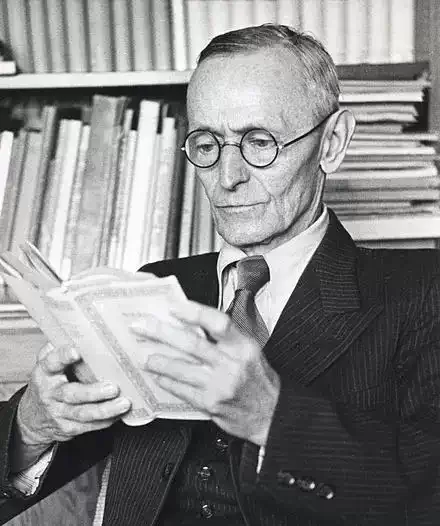
Hermann Hesse
Stages
Stages
As every flower fades and as all youth
Departs, so life at every stage,
So every virtue, so our grasp of truth,
Blooms in its day and may not last forever.
Since life may summon us at every age
Be ready, heart, for parting, new endeavor,
Be ready bravely and without remorse
To find new light that old ties cannot give.
In all beginnings dwells a magic force
For guarding us and helping us to live.
Serenely let us move to distant places
And let no sentiments of home detain us.
The Cosmic Spirit seeks not to restrain us
But lifts us stage by stage to wider spaces.
If we accept a home of our own making,
Familiar habit makes for indolence.
We must prepare for parting and leave-taking
Or else remain the slave of permanence.
Even the hour of our death may send
Us speeding on to fresh and newer spaces,
And life may summon us to newer races.
So be it, heart: bid farewell without end.
As every flower fades and as all youth
Departs, so life at every stage,
So every virtue, so our grasp of truth,
Blooms in its day and may not last forever.
Since life may summon us at every age
Be ready, heart, for parting, new endeavor,
Be ready bravely and without remorse
To find new light that old ties cannot give.
In all beginnings dwells a magic force
For guarding us and helping us to live.
Serenely let us move to distant places
And let no sentiments of home detain us.
The Cosmic Spirit seeks not to restrain us
But lifts us stage by stage to wider spaces.
If we accept a home of our own making,
Familiar habit makes for indolence.
We must prepare for parting and leave-taking
Or else remain the slave of permanence.
Even the hour of our death may send
Us speeding on to fresh and newer spaces,
And life may summon us to newer races.
So be it, heart: bid farewell without end.
910
Hermann Hesse
Lying In Grass
Lying In Grass
Is this everything now, the quick delusions of flowers,
And the down colors of the bright summer meadow,
The soft blue spread of heaven, the bees' song,
Is this everything only a god's
Groaning dream,
The cry of unconscious powers for deliverance?
The distant line of the mountain,
That beautifully and courageously rests in the blue,
Is this too only a convulsion,
Only the wild strain of fermenting nature,
Only grief, only agony, only meaningless fumbling,
Never resting, never a blessed movement?
No! Leave me alone, you impure dream
Of the world in suffering!
The dance of tiny insects cradles you in an evening radiance,
The bird's cry cradles you,
A breath of wind cools my forehead
With consolation.
Leave me alone, you unendurably old human grief!
Let it all be pain.
Let it all be suffering, let it be wretched-
But not this one sweet hour in the summer,
And not the fragrance of the red clover,
And not the deep tender pleasure
In my soul.
Translated by James Wright
Submitted by Holt
Is this everything now, the quick delusions of flowers,
And the down colors of the bright summer meadow,
The soft blue spread of heaven, the bees' song,
Is this everything only a god's
Groaning dream,
The cry of unconscious powers for deliverance?
The distant line of the mountain,
That beautifully and courageously rests in the blue,
Is this too only a convulsion,
Only the wild strain of fermenting nature,
Only grief, only agony, only meaningless fumbling,
Never resting, never a blessed movement?
No! Leave me alone, you impure dream
Of the world in suffering!
The dance of tiny insects cradles you in an evening radiance,
The bird's cry cradles you,
A breath of wind cools my forehead
With consolation.
Leave me alone, you unendurably old human grief!
Let it all be pain.
Let it all be suffering, let it be wretched-
But not this one sweet hour in the summer,
And not the fragrance of the red clover,
And not the deep tender pleasure
In my soul.
Translated by James Wright
Submitted by Holt
671
Hermann Hesse
In Secret We Thirst
In Secret We Thirst
Graceful, spiritual,
with the gentleness of arabesques
our life is similar
to the existence of fairies
that spin in soft cadence
around nothingness
to which we sacrifice
the here and now
Dreams of beauty, youthful joy
like a breath in pure harmony
with the depth of your young surface
where sparkles the longing for the night
for blood and barbarity
In the emptiness, spinning, without aims or needs
dance free our lives
always ready for the game
yet, secretly, we thirst for reality
for the conceiving, for the birth
we are thirst for sorrows and death
Graceful, spiritual,
with the gentleness of arabesques
our life is similar
to the existence of fairies
that spin in soft cadence
around nothingness
to which we sacrifice
the here and now
Dreams of beauty, youthful joy
like a breath in pure harmony
with the depth of your young surface
where sparkles the longing for the night
for blood and barbarity
In the emptiness, spinning, without aims or needs
dance free our lives
always ready for the game
yet, secretly, we thirst for reality
for the conceiving, for the birth
we are thirst for sorrows and death
633
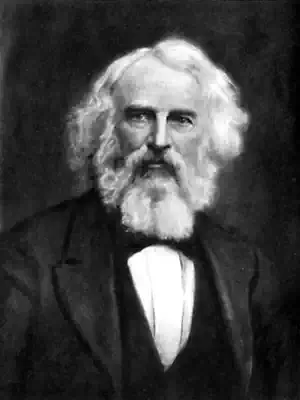
Henry Wadsworth Longfellow
Youth And Age. (Sonnet III.)
Youth And Age. (Sonnet III.)
Oh give me back the days when loose and free
To my blind passion were the curb and rein,
Oh give me back the angelic face again,
With which all virtue buried seems to be!
Oh give my panting footsteps back to me,
That are in age so slow and fraught with pain,
And fire and moisture in the heart and brain,
If thou wouldst have me burn and weep for thee!
If it be true thou livest alone, Amor,
On the sweet-bitter tears of human hearts,
In an old man thou canst not wake desire;
Souls that have almost reached the other shore
Of a diviner love should feel the darts,
And be as tinder to a holier fire.
Oh give me back the days when loose and free
To my blind passion were the curb and rein,
Oh give me back the angelic face again,
With which all virtue buried seems to be!
Oh give my panting footsteps back to me,
That are in age so slow and fraught with pain,
And fire and moisture in the heart and brain,
If thou wouldst have me burn and weep for thee!
If it be true thou livest alone, Amor,
On the sweet-bitter tears of human hearts,
In an old man thou canst not wake desire;
Souls that have almost reached the other shore
Of a diviner love should feel the darts,
And be as tinder to a holier fire.
420
Henry Wadsworth Longfellow
Weariness. (Birds Of Passage. Flight The Second)
Weariness. (Birds Of Passage. Flight The Second)
O little feet! that such long years
Must wander on through hopes and fears,
Must ache and bleed beneath your load;
I, nearer to the wayside inn
Where toil shall cease and rest begin,
Am weary, thinking of your road!
O little hands! that, weak or strong,
Have still to serve or rule so long,
Have still so long to give or ask;
I, who so much with book and pen
Have toiled among my fellow-men,
Am weary, thinking of your task.
O little hearts! that throb and beat
With such impatient, feverish heat,
Such limitless and strong desires;
Mine that so long has glowed and burned,
With passions into ashes turned
Now covers and conceals its fires.
O little souls! as pure and white
And crystalline as rays of light
Direct from heaven, their source divine;
Refracted through the mist of years,
How red my setting sun appears,
How lurid looks this soul of mine!
O little feet! that such long years
Must wander on through hopes and fears,
Must ache and bleed beneath your load;
I, nearer to the wayside inn
Where toil shall cease and rest begin,
Am weary, thinking of your road!
O little hands! that, weak or strong,
Have still to serve or rule so long,
Have still so long to give or ask;
I, who so much with book and pen
Have toiled among my fellow-men,
Am weary, thinking of your task.
O little hearts! that throb and beat
With such impatient, feverish heat,
Such limitless and strong desires;
Mine that so long has glowed and burned,
With passions into ashes turned
Now covers and conceals its fires.
O little souls! as pure and white
And crystalline as rays of light
Direct from heaven, their source divine;
Refracted through the mist of years,
How red my setting sun appears,
How lurid looks this soul of mine!
298
Henry Wadsworth Longfellow
Wanderer's Night Songs. (From Goethe)
Wanderer's Night Songs. (From Goethe)
I.
Thou that from the heavens art,
Every pain and sorrow stillest,
And the doubly wretched heart
Doubly with refreshment fillest,
I am weary with contending!
Why this rapture and unrest?
Peace descending
Come ah, come into my breast!
II.
O'er all the hill-tops
Is quiet now,
In all the tree-tops
Hearest thou
Hardly a breath;
The birds are asleep in the trees:
Wait; soon like these
Thou too shalt rest.
I.
Thou that from the heavens art,
Every pain and sorrow stillest,
And the doubly wretched heart
Doubly with refreshment fillest,
I am weary with contending!
Why this rapture and unrest?
Peace descending
Come ah, come into my breast!
II.
O'er all the hill-tops
Is quiet now,
In all the tree-tops
Hearest thou
Hardly a breath;
The birds are asleep in the trees:
Wait; soon like these
Thou too shalt rest.
323
Henry Wadsworth Longfellow
Voices Of The Night : Prelude
Voices Of The Night : Prelude
Pleasant it was, when woods were green,
And winds were soft and low,
To lie amid some sylvan scene,
Where, the long drooping boughs between
Shadows dark and sunlight sheen
Alternate come and go;
Or where the denser grove receives
No sunlight from above
But the dark foliage interweaves
In one unbroken roof of leaves,
Underneath whose sloping eaves
The shadows hardly move.
Beneath some patriarchal tree
I lay upon the ground;
His hoary arms uplifted he,
And all the broad leaves over me
Clapped their little hands in glee,
With one continuous sound;--
A slumberous sound,--a sound that brings
The feelings of a dream,--
As of innumerable wings,
As, when a bell no longer swings,
Faint the hollow murmur rings
O'er meadow, lake, and stream.
And dreams of that which cannot die,
Bright visins, came to me,
As lapped in thought I used to lie,
And gaze into the summer sky,
Where the sailing clouds went by,
Like ships upon the sea;
Dreams that the soul of youth engage
Ere Fancy has been quelled;
Old legends of the monkish page.
Traditions of the saint and sage,
Tales that have the rime of age,
And chronicles of Eld.
And, loving still these quaint old themes,
Even in the city's throng
I feel the freshness of the streams,
That, crossed by shades and sunny gleams,
Water the green land of dreams,
The holy land of song.
Therefore, at Pentecost, which brings
The Spring, clothed like a bride,
When nestling buds unfold their wings,
And bishop's-caps have golden rings,
Musing upon many things,
I sought the woodlands wide.
The green trees whispered low and mild,
It was a sound of joy!
They were my playmates when a child
And rocked me in their arms so wild!
Still they looked at me and smiled
As if I were a boy;
And ever whispered, mild and low,
'Come, be a child once more!'
And waved their long arms to and fro,
And beckoned solemnly and slow;
O, I could not choose but go
Into the woodlands hoar;
Into the blithe and breathing air,
Into the solemn wood.
Solemn and silent everywhere!
Nature with folded hands seemed there,
Kneeling at her evening prayer!
Like one in prayer I stood.
Before me rose an avenue
Of tall and sombrous pines;
Abroad their fan-like branches grew,
And, where the sunshine darted throught
Spread a vapor soft and blue,
In long and sloping lines.
And, falling on my weary brain,
Like a fast-falling shower,
The dreams of youth came back again,
Low lispings of the summer rain,
Dropping on the ripened grain,
As once upon the flower.
Visions of childhood! Stay, O stay!
Ye were so sweet and wild!
And distant voices seemed to say,
'It cannot be! They pass away!
Other themes demand thy lay;
Thou art no more a child!
'The land of Song within thee lies,
Watered by living springs;
The lids of Fancy's sleepless eyes
Are gates unto that Paradise;
Holy thoughts, like stars, arise,
Its clouds are angels' wings.
'Learn, that henceforth thy song shall be
Not mountains capped with snow,
Nor forests sounding like the sea,
Nor rivers flowing ceaselessly,
Where the woodlands bend to see
The bending heavens below.
'There is a forest where the din
Of iron branches sounds!
A mighty river roara between,
And whosoever looks therein,
Sees the heavens all black with sin,--
Sees not ita depths, nor bounds.
'Athwart the swinging branches cast,
Soft rays of sunshine pour;
Then comes the fearful wintry blast;
Our hopes, like withered leaves, fall fast;
Pallid lips say, 'It is past!
We can return no more!'
'Look, then, into thine heart, and write!
Yes, into Life's deep stream!
All forms of sorrow and delight,
All solemn Voices of the Night,
That can soothe thee, or affright,--
Be these henceforth thy theme.'
Pleasant it was, when woods were green,
And winds were soft and low,
To lie amid some sylvan scene,
Where, the long drooping boughs between
Shadows dark and sunlight sheen
Alternate come and go;
Or where the denser grove receives
No sunlight from above
But the dark foliage interweaves
In one unbroken roof of leaves,
Underneath whose sloping eaves
The shadows hardly move.
Beneath some patriarchal tree
I lay upon the ground;
His hoary arms uplifted he,
And all the broad leaves over me
Clapped their little hands in glee,
With one continuous sound;--
A slumberous sound,--a sound that brings
The feelings of a dream,--
As of innumerable wings,
As, when a bell no longer swings,
Faint the hollow murmur rings
O'er meadow, lake, and stream.
And dreams of that which cannot die,
Bright visins, came to me,
As lapped in thought I used to lie,
And gaze into the summer sky,
Where the sailing clouds went by,
Like ships upon the sea;
Dreams that the soul of youth engage
Ere Fancy has been quelled;
Old legends of the monkish page.
Traditions of the saint and sage,
Tales that have the rime of age,
And chronicles of Eld.
And, loving still these quaint old themes,
Even in the city's throng
I feel the freshness of the streams,
That, crossed by shades and sunny gleams,
Water the green land of dreams,
The holy land of song.
Therefore, at Pentecost, which brings
The Spring, clothed like a bride,
When nestling buds unfold their wings,
And bishop's-caps have golden rings,
Musing upon many things,
I sought the woodlands wide.
The green trees whispered low and mild,
It was a sound of joy!
They were my playmates when a child
And rocked me in their arms so wild!
Still they looked at me and smiled
As if I were a boy;
And ever whispered, mild and low,
'Come, be a child once more!'
And waved their long arms to and fro,
And beckoned solemnly and slow;
O, I could not choose but go
Into the woodlands hoar;
Into the blithe and breathing air,
Into the solemn wood.
Solemn and silent everywhere!
Nature with folded hands seemed there,
Kneeling at her evening prayer!
Like one in prayer I stood.
Before me rose an avenue
Of tall and sombrous pines;
Abroad their fan-like branches grew,
And, where the sunshine darted throught
Spread a vapor soft and blue,
In long and sloping lines.
And, falling on my weary brain,
Like a fast-falling shower,
The dreams of youth came back again,
Low lispings of the summer rain,
Dropping on the ripened grain,
As once upon the flower.
Visions of childhood! Stay, O stay!
Ye were so sweet and wild!
And distant voices seemed to say,
'It cannot be! They pass away!
Other themes demand thy lay;
Thou art no more a child!
'The land of Song within thee lies,
Watered by living springs;
The lids of Fancy's sleepless eyes
Are gates unto that Paradise;
Holy thoughts, like stars, arise,
Its clouds are angels' wings.
'Learn, that henceforth thy song shall be
Not mountains capped with snow,
Nor forests sounding like the sea,
Nor rivers flowing ceaselessly,
Where the woodlands bend to see
The bending heavens below.
'There is a forest where the din
Of iron branches sounds!
A mighty river roara between,
And whosoever looks therein,
Sees the heavens all black with sin,--
Sees not ita depths, nor bounds.
'Athwart the swinging branches cast,
Soft rays of sunshine pour;
Then comes the fearful wintry blast;
Our hopes, like withered leaves, fall fast;
Pallid lips say, 'It is past!
We can return no more!'
'Look, then, into thine heart, and write!
Yes, into Life's deep stream!
All forms of sorrow and delight,
All solemn Voices of the Night,
That can soothe thee, or affright,--
Be these henceforth thy theme.'
330
Henry Wadsworth Longfellow
Voices Of The Night : The Light Of Stars
Voices Of The Night : The Light Of Stars
The night is come, but not too soon;
And sinking silently,
All silently, the little moon
Drops down behind the sky.
There is no light in earth or heaven
But the cold light of stars;
And the first watch of night is given
To the red planet Mars.
Is it the tender star of love?
The star of love and dreams?
O no! from that blue tent above,
A hero's armor gleams.
And earnest thoughts within me rise,
When I behold afar,
Suspended in the evening skies,
The shield of that red star.
O star of strength! I see thee stand
And smile upon my pain;
Thou beckonest with thy mailed hand,
And I am strong again.
Within my breast there is no light
But the cold light of stars;
I give the first watch of the night
To the red planet Mars.
The star of the unconquered will,
He rises in my breast,
Serene, and resolute, and still,
And calm, and self-possessed.
And thou, too, whosoe'er thou art,
That readest this brief psalm,
As one by one thy hopes depart,
Be resolute and calm.
O fear not in a world like this,
And thou shalt know erelong,
Know how sublime a thing it is
To suffer and be strong.
The night is come, but not too soon;
And sinking silently,
All silently, the little moon
Drops down behind the sky.
There is no light in earth or heaven
But the cold light of stars;
And the first watch of night is given
To the red planet Mars.
Is it the tender star of love?
The star of love and dreams?
O no! from that blue tent above,
A hero's armor gleams.
And earnest thoughts within me rise,
When I behold afar,
Suspended in the evening skies,
The shield of that red star.
O star of strength! I see thee stand
And smile upon my pain;
Thou beckonest with thy mailed hand,
And I am strong again.
Within my breast there is no light
But the cold light of stars;
I give the first watch of the night
To the red planet Mars.
The star of the unconquered will,
He rises in my breast,
Serene, and resolute, and still,
And calm, and self-possessed.
And thou, too, whosoe'er thou art,
That readest this brief psalm,
As one by one thy hopes depart,
Be resolute and calm.
O fear not in a world like this,
And thou shalt know erelong,
Know how sublime a thing it is
To suffer and be strong.
245
Henry Wadsworth Longfellow
Voices Of The Night : Footsteps of Angels
Voices Of The Night : Footsteps of Angels
When the hours of Day are numbered,
And the voices of the Night
Wake the better soul, that slumbered,
To a holy, calm delight;
Ere the evening lamps are lighted,
And, like phantoms grim and tall,
Shadows from the fitful firelight
Dance upon the parlor wall;
Then the forms of the departed
Enter at the open door;
The beloved, the true-hearted,
Come to visit me once more;
He, the young and strong, who cherished
Noble longings for the strife,
By the roadside fell and perished,
Weary with the march of life!
They, the holy ones and weakly,
Who the cross of suffering bore,
Folded their pale hands so meekly,
Spake with us on earth no more!
And with them the Being Beauteous,
Who unto my youth was given,
More than all things else to love me,
And is now a saint in heaven.
With a slow and noiseless footstep
Comes that messenger divine,
Takes the vacant chair beside me,
Lays her gentle hand in mine.
And she sits and gazes at me
With those deep and tender eyes,
Like the stars, so still and saint-like,
Looking downward from the skies.
Uttered not, yet comprehended,
Is the spirit's voiceless prayer,
Soft rebukes, in blessings ended,
Breathing from her lips of air.
Oh, though oft depressed and lonely,
All my fears are laid aside,
If I but remember only
Such as these have lived and died!
When the hours of Day are numbered,
And the voices of the Night
Wake the better soul, that slumbered,
To a holy, calm delight;
Ere the evening lamps are lighted,
And, like phantoms grim and tall,
Shadows from the fitful firelight
Dance upon the parlor wall;
Then the forms of the departed
Enter at the open door;
The beloved, the true-hearted,
Come to visit me once more;
He, the young and strong, who cherished
Noble longings for the strife,
By the roadside fell and perished,
Weary with the march of life!
They, the holy ones and weakly,
Who the cross of suffering bore,
Folded their pale hands so meekly,
Spake with us on earth no more!
And with them the Being Beauteous,
Who unto my youth was given,
More than all things else to love me,
And is now a saint in heaven.
With a slow and noiseless footstep
Comes that messenger divine,
Takes the vacant chair beside me,
Lays her gentle hand in mine.
And she sits and gazes at me
With those deep and tender eyes,
Like the stars, so still and saint-like,
Looking downward from the skies.
Uttered not, yet comprehended,
Is the spirit's voiceless prayer,
Soft rebukes, in blessings ended,
Breathing from her lips of air.
Oh, though oft depressed and lonely,
All my fears are laid aside,
If I but remember only
Such as these have lived and died!
312
Henry Wadsworth Longfellow
Vittoria Colonna
Vittoria Colonna
Once more, once more, Inarimé,
I see thy purple hills!--once more
I hear the billows of the bay
Wash the white pebbles on thy shore.
High o'er the sea-surge and the sands,
Like a great galleon wrecked and cast
Ashore by storms, thy castle stands,
A mouldering landmark of the Past.
Upon its terrace-walk I see
A phantom gliding to and fro;
It is Colonna,--it is she
Who lived and loved so long ago.
Pescara's beautiful young wife,
The type of perfect womanhood,
Whose life was love, the life of life,
That time and change and death withstood.
For death, that breaks the marriage band
In others, only closer pressed
The wedding-ring upon her hand
And closer locked and barred her breast.
She knew the life-long martyrdom,
The weariness, the endless pain
Of waiting for some one to come
Who nevermore would come again.
The shadows of the chestnut trees,
The odor of the orange blooms,
The song of birds, and, more than these,
The silence of deserted rooms;
The respiration of the sea,
The soft caresses of the air,
All things in nature seemed to be
But ministers of her despair;
Till the o'erburdened heart, so long
Imprisoned in itself, found vent
And voice in one impassioned song
Of inconsolable lament.
Then as the sun, though hidden from sight,
Transmutes to gold the leaden mist,
Her life was interfused with light,
From realms that, though unseen, exist,
Inarimé! Inarimé!
Thy castle on the crags above
In dust shall crumble and decay,
But not the memory of her love.
Once more, once more, Inarimé,
I see thy purple hills!--once more
I hear the billows of the bay
Wash the white pebbles on thy shore.
High o'er the sea-surge and the sands,
Like a great galleon wrecked and cast
Ashore by storms, thy castle stands,
A mouldering landmark of the Past.
Upon its terrace-walk I see
A phantom gliding to and fro;
It is Colonna,--it is she
Who lived and loved so long ago.
Pescara's beautiful young wife,
The type of perfect womanhood,
Whose life was love, the life of life,
That time and change and death withstood.
For death, that breaks the marriage band
In others, only closer pressed
The wedding-ring upon her hand
And closer locked and barred her breast.
She knew the life-long martyrdom,
The weariness, the endless pain
Of waiting for some one to come
Who nevermore would come again.
The shadows of the chestnut trees,
The odor of the orange blooms,
The song of birds, and, more than these,
The silence of deserted rooms;
The respiration of the sea,
The soft caresses of the air,
All things in nature seemed to be
But ministers of her despair;
Till the o'erburdened heart, so long
Imprisoned in itself, found vent
And voice in one impassioned song
Of inconsolable lament.
Then as the sun, though hidden from sight,
Transmutes to gold the leaden mist,
Her life was interfused with light,
From realms that, though unseen, exist,
Inarimé! Inarimé!
Thy castle on the crags above
In dust shall crumble and decay,
But not the memory of her love.
369
Henry Wadsworth Longfellow
Voices Of The Night : A Psalm Of Life
Voices Of The Night : A Psalm Of Life
Tell me not, in mournful numbers,
Life is but an empty dream! -
For the soul is dead that slumbers,
And things are not what they seem.
Life is real! Life is earnest!
And the grave is not its goal;
Dust thou art, to dust returnest,
Was not spoken of the soul.
Not enjoyment, and not sorrow,
Is our destined end or way;
But to act, that each to-morrow
Find us farther than to-day.
Art is long, and Time is fleeting,
And our hearts, though stout and brave,
Still, like muffled drums, are beating
Funeral marches to the grave.
In the world's broad field of battle,
In the bivouac of Life,
Be not like dumb, driven cattle!
Be a hero in the strife!
Trust no Future, howe'er pleasant!
Let the dead Past bury its dead!
Act, - act in the living Present!
Heart within, and God o'erhead!
Lives of great men all remind us
We can make our lives sublime,
And, departing, leave behind us
Footprints on the sands of time;
Footprints, that perhaps another,
Sailing o'er life's solemn main,
A forlorn and shipwrecked brother,
Seeing, shall take heart again.
Let us, then, be up and doing,
With a heart for any fate;
Still achieving, still pursuing,
Learn to labor and to wait.
Tell me not, in mournful numbers,
Life is but an empty dream! -
For the soul is dead that slumbers,
And things are not what they seem.
Life is real! Life is earnest!
And the grave is not its goal;
Dust thou art, to dust returnest,
Was not spoken of the soul.
Not enjoyment, and not sorrow,
Is our destined end or way;
But to act, that each to-morrow
Find us farther than to-day.
Art is long, and Time is fleeting,
And our hearts, though stout and brave,
Still, like muffled drums, are beating
Funeral marches to the grave.
In the world's broad field of battle,
In the bivouac of Life,
Be not like dumb, driven cattle!
Be a hero in the strife!
Trust no Future, howe'er pleasant!
Let the dead Past bury its dead!
Act, - act in the living Present!
Heart within, and God o'erhead!
Lives of great men all remind us
We can make our lives sublime,
And, departing, leave behind us
Footprints on the sands of time;
Footprints, that perhaps another,
Sailing o'er life's solemn main,
A forlorn and shipwrecked brother,
Seeing, shall take heart again.
Let us, then, be up and doing,
With a heart for any fate;
Still achieving, still pursuing,
Learn to labor and to wait.
242
Henry Wadsworth Longfellow
Ultima Thule: The Poet And His Songs
Ultima Thule: The Poet And His Songs
As the birds come in the Spring,
We know not from where;
As the stars come at evening
From depths of the air;
As the rain comes from the cloud,
And the brook from the ground;
As suddenly, low or loud,
Out of silence a sound;
As the grape comes to the vine,
The fruit to the tree;
As the wind comes to the pine,
And the tide to the sea;
As come the white sails of ships
O'er the ocean's verge;
As comes the smile to the lips,
The foam to the surge;
So come to the Poet his songs,
All hitherward blown
From the misty realm, that belongs
To the vast Unknown.
His, and not his, are the lays
He sings; and their fame
Is his, and not his; and the praise
And the pride of a name.
For voices pursue him by day,
And haunt him by night,
And he listens, and needs must obey,
When the Angel says: 'Write!'
As the birds come in the Spring,
We know not from where;
As the stars come at evening
From depths of the air;
As the rain comes from the cloud,
And the brook from the ground;
As suddenly, low or loud,
Out of silence a sound;
As the grape comes to the vine,
The fruit to the tree;
As the wind comes to the pine,
And the tide to the sea;
As come the white sails of ships
O'er the ocean's verge;
As comes the smile to the lips,
The foam to the surge;
So come to the Poet his songs,
All hitherward blown
From the misty realm, that belongs
To the vast Unknown.
His, and not his, are the lays
He sings; and their fame
Is his, and not his; and the praise
And the pride of a name.
For voices pursue him by day,
And haunt him by night,
And he listens, and needs must obey,
When the Angel says: 'Write!'
337
Henry Wadsworth Longfellow
Ultima Thule: Night
Ultima Thule: Night
Into the darkness and the hush of night
Slowly the landscape sinks, and fades away,
And with it fade the phantoms of the day,
The ghosts of men and things, that haunt the light,
The crowd, the clamor, the pursuit, the flight,
The unprofitable splendor and display,
The agitations, and the cares that prey
Upon our hearts, all vanish out of sight.
The better life begins; the world no more
Molests us; all its records we erase
From the dull commonplace book of our lives,
That like a palimpsest is written o'er
With trivial incidents of time and place,
And lo! the ideal, hidden beneath, revives.
Into the darkness and the hush of night
Slowly the landscape sinks, and fades away,
And with it fade the phantoms of the day,
The ghosts of men and things, that haunt the light,
The crowd, the clamor, the pursuit, the flight,
The unprofitable splendor and display,
The agitations, and the cares that prey
Upon our hearts, all vanish out of sight.
The better life begins; the world no more
Molests us; all its records we erase
From the dull commonplace book of our lives,
That like a palimpsest is written o'er
With trivial incidents of time and place,
And lo! the ideal, hidden beneath, revives.
336
Henry Wadsworth Longfellow
Ultima Thule: Robert Burns
Ultima Thule: Robert Burns
I see amid the fields of Ayr
A ploughman, who, in foul and fair,
Sings at his task
So clear, we know not if it is
The laverock's song we hear, or his,
Nor care to ask.
For him the ploughing of those fields
A more ethereal harvest yields
Than sheaves of grain;
Songs flush with purple bloom the rye,
The plover's call, the curlew's cry,
Sing in his brain.
Touched by his hand, the wayside weed
Becomes a flower; the lowliest reed
Beside the stream
Is clothed with beauty; gorse and grass
And heather, where his footsteps pass,
The brighter seem.
He sings of love, whose flame illumes
The darkness of lone cottage rooms;
He feels the force,
The treacherous undertow and stress
Of wayward passions, and no less
The keen remorse.
At moments, wrestling with his fate,
His voice is harsh, but not with hate;
The brushwood, hung
Above the tavern door, lets fall
Its bitter leaf, its drop of gall
Upon his tongue.
But still the music of his song
Rises o'er all, elate and strong;
Its master-chords
Are Manhood, Freedom, Brotherhood,
Its discords but an interlude
Between the words.
And then to die so young and leave
Unfinished what he might achieve!
Yet better sure
Is this, than wandering up and down
An old man in a country town,
Infirm and poor.
For now he haunts his native land
As an immortal youth; his hand
Guides every plough;
He sits beside each ingle-nook,
His voice is in each rushing brook,
Each rustling bough.
His presence haunts this room to-night,
A form of mingled mist and light
From that far coast.
Welcome beneath this roof of mine!
Welcome! this vacant chair is thine,
Dear guest and ghost!
I see amid the fields of Ayr
A ploughman, who, in foul and fair,
Sings at his task
So clear, we know not if it is
The laverock's song we hear, or his,
Nor care to ask.
For him the ploughing of those fields
A more ethereal harvest yields
Than sheaves of grain;
Songs flush with purple bloom the rye,
The plover's call, the curlew's cry,
Sing in his brain.
Touched by his hand, the wayside weed
Becomes a flower; the lowliest reed
Beside the stream
Is clothed with beauty; gorse and grass
And heather, where his footsteps pass,
The brighter seem.
He sings of love, whose flame illumes
The darkness of lone cottage rooms;
He feels the force,
The treacherous undertow and stress
Of wayward passions, and no less
The keen remorse.
At moments, wrestling with his fate,
His voice is harsh, but not with hate;
The brushwood, hung
Above the tavern door, lets fall
Its bitter leaf, its drop of gall
Upon his tongue.
But still the music of his song
Rises o'er all, elate and strong;
Its master-chords
Are Manhood, Freedom, Brotherhood,
Its discords but an interlude
Between the words.
And then to die so young and leave
Unfinished what he might achieve!
Yet better sure
Is this, than wandering up and down
An old man in a country town,
Infirm and poor.
For now he haunts his native land
As an immortal youth; his hand
Guides every plough;
He sits beside each ingle-nook,
His voice is in each rushing brook,
Each rustling bough.
His presence haunts this room to-night,
A form of mingled mist and light
From that far coast.
Welcome beneath this roof of mine!
Welcome! this vacant chair is thine,
Dear guest and ghost!
348
Henry Wadsworth Longfellow
Ultima Thule: Elegiac
Ultima Thule: Elegiac
Dark is the morning with mist; in the narrow mouth of the harbor
Motionless lies the sea, under its curtain of cloud;
Dreamily glimmer the sails of ships on the distant horizon,
Like to the towers of a town, built on the verge of the sea.
Slowly and stately and still, they sail forth into the ocean;
With them sail my thoughts over the limitless deep,
Farther and farther away, borne on by unsatisfied longings,
Unto Hesperian isles, unto Ausonian shores.
Now they have vanished away, have disappeared in the ocean;
Sunk are the towers of the town into the depths of the sea!
All have vanished but those that, moored in the neighboring
roadstead,
Sailless at anchor ride, looming so large in the mist.
Vanished, too, are the thoughts, the dim, unsatisfied longings;
Sunk are the turrets of cloud into the ocean of dreams;
While in a haven of rest my heart is riding at anchor,
Held by the chains of love, held by the anchors of trust!
Dark is the morning with mist; in the narrow mouth of the harbor
Motionless lies the sea, under its curtain of cloud;
Dreamily glimmer the sails of ships on the distant horizon,
Like to the towers of a town, built on the verge of the sea.
Slowly and stately and still, they sail forth into the ocean;
With them sail my thoughts over the limitless deep,
Farther and farther away, borne on by unsatisfied longings,
Unto Hesperian isles, unto Ausonian shores.
Now they have vanished away, have disappeared in the ocean;
Sunk are the towers of the town into the depths of the sea!
All have vanished but those that, moored in the neighboring
roadstead,
Sailless at anchor ride, looming so large in the mist.
Vanished, too, are the thoughts, the dim, unsatisfied longings;
Sunk are the turrets of cloud into the ocean of dreams;
While in a haven of rest my heart is riding at anchor,
Held by the chains of love, held by the anchors of trust!
327
Henry Wadsworth Longfellow
To the River Charles
To the River Charles
River! that in silence windest
Through the meadows, bright and free,
Till at length thy rest thou findest
In the bosom of the sea!
Four long years of mingled feeling,
Half in rest, and half in strife,
I have seen thy waters stealing
Onward, like the stream of life.
Thou hast taught me, Silent River!
Many a lesson, deep and long;
Thou hast been a generous giver;
I can give thee but a song.
Oft in sadness and in illness,
I have watched thy current glide,
Till the beauty of its stillness
Overflowed me, like a tide.
And in better hours and brighter,
When I saw thy waters gleam,
I have felt my heart beat lighter,
And leap onward with thy stream.
Not for this alone I love thee,
Nor because thy waves of blue
From celestial seas above thee
Take their own celestial hue.
Where yon shadowy woodlands hide thee,
And thy waters disappear,
Friends I love have dwelt beside thee,
And have made thy margin dear.
More than this;--thy name reminds me
Of three friends, all true and tried;
And that name, like magic, binds me
Closer, closer to thy side.
Friends my soul with joy remembers!
How like quivering flames they start,
When I fan the living embers
On the hearth-stone of my heart!
'T is for this, thou Silent River!
That my spirit leans to thee;
Thou hast been a generous giver,
Take this idle song from me.
River! that in silence windest
Through the meadows, bright and free,
Till at length thy rest thou findest
In the bosom of the sea!
Four long years of mingled feeling,
Half in rest, and half in strife,
I have seen thy waters stealing
Onward, like the stream of life.
Thou hast taught me, Silent River!
Many a lesson, deep and long;
Thou hast been a generous giver;
I can give thee but a song.
Oft in sadness and in illness,
I have watched thy current glide,
Till the beauty of its stillness
Overflowed me, like a tide.
And in better hours and brighter,
When I saw thy waters gleam,
I have felt my heart beat lighter,
And leap onward with thy stream.
Not for this alone I love thee,
Nor because thy waves of blue
From celestial seas above thee
Take their own celestial hue.
Where yon shadowy woodlands hide thee,
And thy waters disappear,
Friends I love have dwelt beside thee,
And have made thy margin dear.
More than this;--thy name reminds me
Of three friends, all true and tried;
And that name, like magic, binds me
Closer, closer to thy side.
Friends my soul with joy remembers!
How like quivering flames they start,
When I fan the living embers
On the hearth-stone of my heart!
'T is for this, thou Silent River!
That my spirit leans to thee;
Thou hast been a generous giver,
Take this idle song from me.
377
Henry Wadsworth Longfellow
The Two Rivers
The Two Rivers
Slowly the hour-hand of the clock moves round;
So slowly that no human eye hath power
To see it move! Slowly in shine or shower
The painted ship above it, homeward bound,
Sails, but seems motionless, as if aground;
Yet both arrive at last; and in his tower
The slumberous watchman wakes and strikes the hour,
A mellow, measured, melancholy sound.
Midnight! the outpost of advancing day!
The frontier town and citadel of night!
The watershed of Time, from which the streams
Of Yesterday and To-morrow take their way,
One to the land of promise and of light,
One to the land of darkness and of dreams!
II.
O River of Yesterday, with current swift
Through chasms descending, and soon lost to sight,
I do not care to follow in their flight
The faded leaves, that on thy bosom drift!
O River of To-morrow, I uplift
Mine eyes, and thee I follow, as the night
Wanes into morning, and the dawning light
Broadens, and all the shadows fade and shift!
I follow, follow, where thy waters run
Through unfrequented, unfamiliar fields,
Fragrant with flowers and musical with song;
Still follow, follow; sure to meet the sun,
And confident, that what the future yields
Will be the right, unless myself be wrong.
III.
Yet not in vain, O River of Yesterday,
Through chasms of darkness to the deep descending,
I heard thee sobbing in the rain, and blending
Thy voice with other voices far away.
I called to thee, and yet thou wouldst not stay,
But turbulent, and with thyself contending,
And torrent-like thy force on pebbles spending,
Thou wouldst not listen to a poet's lay.
Thoughts, like a loud and sudden rush of wings,
Regrets and recollections of things past,
With hints and prophecies of things to be,
And inspirations, which, could they be things,
And stay with us, and we could hold them fast,
Were our good angels,--these I owe to thee.
IV.
And thou, O River of To-morrow, flowing
Between thy narrow adamantine walls,
But beautiful, and white with waterfalls,
And wreaths of mist, like hands the pathway showing;
I hear the trumpets of the morning blowing,
I hear thy mighty voice, that calls and calls,
And see, as Ossian saw in Morven's halls,
Mysterious phantoms, coming, beckoning, going!
It is the mystery of the unknown
That fascinates us; we are children still,
Wayward and wistful; with one hand we cling
To the familiar things we call our own,
And with the other, resolute of will,
Grope in the dark for what the day will bring.
Slowly the hour-hand of the clock moves round;
So slowly that no human eye hath power
To see it move! Slowly in shine or shower
The painted ship above it, homeward bound,
Sails, but seems motionless, as if aground;
Yet both arrive at last; and in his tower
The slumberous watchman wakes and strikes the hour,
A mellow, measured, melancholy sound.
Midnight! the outpost of advancing day!
The frontier town and citadel of night!
The watershed of Time, from which the streams
Of Yesterday and To-morrow take their way,
One to the land of promise and of light,
One to the land of darkness and of dreams!
II.
O River of Yesterday, with current swift
Through chasms descending, and soon lost to sight,
I do not care to follow in their flight
The faded leaves, that on thy bosom drift!
O River of To-morrow, I uplift
Mine eyes, and thee I follow, as the night
Wanes into morning, and the dawning light
Broadens, and all the shadows fade and shift!
I follow, follow, where thy waters run
Through unfrequented, unfamiliar fields,
Fragrant with flowers and musical with song;
Still follow, follow; sure to meet the sun,
And confident, that what the future yields
Will be the right, unless myself be wrong.
III.
Yet not in vain, O River of Yesterday,
Through chasms of darkness to the deep descending,
I heard thee sobbing in the rain, and blending
Thy voice with other voices far away.
I called to thee, and yet thou wouldst not stay,
But turbulent, and with thyself contending,
And torrent-like thy force on pebbles spending,
Thou wouldst not listen to a poet's lay.
Thoughts, like a loud and sudden rush of wings,
Regrets and recollections of things past,
With hints and prophecies of things to be,
And inspirations, which, could they be things,
And stay with us, and we could hold them fast,
Were our good angels,--these I owe to thee.
IV.
And thou, O River of To-morrow, flowing
Between thy narrow adamantine walls,
But beautiful, and white with waterfalls,
And wreaths of mist, like hands the pathway showing;
I hear the trumpets of the morning blowing,
I hear thy mighty voice, that calls and calls,
And see, as Ossian saw in Morven's halls,
Mysterious phantoms, coming, beckoning, going!
It is the mystery of the unknown
That fascinates us; we are children still,
Wayward and wistful; with one hand we cling
To the familiar things we call our own,
And with the other, resolute of will,
Grope in the dark for what the day will bring.
352
Henry Wadsworth Longfellow
The Three Silences Of Molinos
The Three Silences Of Molinos
Three Silences there are: the first of speech,
The second of desire, the third of thought;
This is the lore a Spanish monk, distraught
With dreams and visions, was the first to teach.
These Silences, commingling each with each,
Made up the perfect Silence, that he sought
And prayed for, and wherein at times he caught
Mysterious sounds from realms beyond our reach.
O thou, whose daily life anticipates
The life to come, and in whose thought and word
The spiritual world preponderates.
Hermit of Amesbury! thou too hast heard
Voices and melodies from beyond the gates,
And speakest only when thy soul is stirred!
Three Silences there are: the first of speech,
The second of desire, the third of thought;
This is the lore a Spanish monk, distraught
With dreams and visions, was the first to teach.
These Silences, commingling each with each,
Made up the perfect Silence, that he sought
And prayed for, and wherein at times he caught
Mysterious sounds from realms beyond our reach.
O thou, whose daily life anticipates
The life to come, and in whose thought and word
The spiritual world preponderates.
Hermit of Amesbury! thou too hast heard
Voices and melodies from beyond the gates,
And speakest only when thy soul is stirred!
296
Henry Wadsworth Longfellow
The Two Angels. (Birds Of Passage. Flight The First)
The Two Angels. (Birds Of Passage. Flight The First)
Two angels, one of Life and one of Death,
Passed o'er our village as the morning broke;
The dawn was on their faces, and beneath,
The sombre houses hearsed with plumes of smoke.
Their attitude and aspect were the same,
Alike their features and their robes of white;
But one was crowned with amaranth, as with flame,
And one with asphodels, like flakes of light.
I saw them pause on their celestial way;
Then said I, with deep fear and doubt oppressed,
'Beat not so loud, my heart, lest thou betray
The place where thy beloved are at rest!'
And he who wore the crown of asphodels,
Descending, at my door began to knock,
And my soul sank within me, as in wells
The waters sink before an earthquake's shock.
I recognized the nameless agony,
The terror and the tremor and the pain,
That oft before had filled or haunted me,
And now returned with threefold strength again.
The door I opened to my heavenly guest,
And listened, for I thought I heard God's voice;
And, knowing whatsoe'er he sent was best,
Dared neither to lament nor to rejoice.
Then with a smile, that filled the house with light,
'My errand is not Death, but Life,' he said;
And ere I answered, passing out of sight,
On his celestial embassy he sped.
'T was at thy door, O friend! and not at mine,
The angel with the amaranthine wreath,
Pausing, descended, and with voice divine,
Whispered a word that had a sound like Death.
Then fell upon the house a sudden gloom,
A shadow on those features fair and thin;
And softly, from that hushed and darkened room,
Two angels issued, where but one went in.
All is of God! If he but wave his hand,
The mists collect, the rain falls thick and loud,
Till, with a smile of light on sea and land,
Lo! he looks back from the departing cloud.
Angels of Life and Death alike are his;
Without his leave they pass no threshold o'er;
Who, then, would wish or dare, believing this,
Against his messengers to shut the door?
Two angels, one of Life and one of Death,
Passed o'er our village as the morning broke;
The dawn was on their faces, and beneath,
The sombre houses hearsed with plumes of smoke.
Their attitude and aspect were the same,
Alike their features and their robes of white;
But one was crowned with amaranth, as with flame,
And one with asphodels, like flakes of light.
I saw them pause on their celestial way;
Then said I, with deep fear and doubt oppressed,
'Beat not so loud, my heart, lest thou betray
The place where thy beloved are at rest!'
And he who wore the crown of asphodels,
Descending, at my door began to knock,
And my soul sank within me, as in wells
The waters sink before an earthquake's shock.
I recognized the nameless agony,
The terror and the tremor and the pain,
That oft before had filled or haunted me,
And now returned with threefold strength again.
The door I opened to my heavenly guest,
And listened, for I thought I heard God's voice;
And, knowing whatsoe'er he sent was best,
Dared neither to lament nor to rejoice.
Then with a smile, that filled the house with light,
'My errand is not Death, but Life,' he said;
And ere I answered, passing out of sight,
On his celestial embassy he sped.
'T was at thy door, O friend! and not at mine,
The angel with the amaranthine wreath,
Pausing, descended, and with voice divine,
Whispered a word that had a sound like Death.
Then fell upon the house a sudden gloom,
A shadow on those features fair and thin;
And softly, from that hushed and darkened room,
Two angels issued, where but one went in.
All is of God! If he but wave his hand,
The mists collect, the rain falls thick and loud,
Till, with a smile of light on sea and land,
Lo! he looks back from the departing cloud.
Angels of Life and Death alike are his;
Without his leave they pass no threshold o'er;
Who, then, would wish or dare, believing this,
Against his messengers to shut the door?
246
Henry Wadsworth Longfellow
The Sound of the Sea
The Sound of the Sea
The sea awoke at midnight from its sleep,
And round the pebbly beaches far and wide
I heard the first wave of the rising tide
Rush onward with uninterrupted sweep;
A voice out of the silence of the deep,
A sound mysteriously multiplied
As of a cataract from the mountain's side,
Or roar of winds upon a wooded steep.
So comes to us at times, from the unknown
And inaccessible solitudes of being,
The rushing of the sea-tides of the soul;
And inspirations, that we deem our own,
Are some divine of foreshadowing and foreseeing
Of things beyond our reason or control.
The sea awoke at midnight from its sleep,
And round the pebbly beaches far and wide
I heard the first wave of the rising tide
Rush onward with uninterrupted sweep;
A voice out of the silence of the deep,
A sound mysteriously multiplied
As of a cataract from the mountain's side,
Or roar of winds upon a wooded steep.
So comes to us at times, from the unknown
And inaccessible solitudes of being,
The rushing of the sea-tides of the soul;
And inspirations, that we deem our own,
Are some divine of foreshadowing and foreseeing
Of things beyond our reason or control.
436
Henry Wadsworth Longfellow
The Song Of Hiawatha XII: The Son Of The Evening Star
The Song Of Hiawatha XII: The Son Of The Evening Star
Can it be the sun descending
O'er the level plain of water?
Or the Red Swan floating, flying,
Wounded by the magic arrow,
Staining all the waves with crimson,
With the crimson of its life-blood,
Filling all the air with splendor,
With the splendor of its plumage?
Yes; it is the sun descending,
Sinking down into the water;
All the sky is stained with purple,
All the water flushed with crimson!
No; it is the Red Swan floating,
Diving down beneath the water;
To the sky its wings are lifted,
With its blood the waves are reddened!
Over it the Star of Evening
Melts and trembles through the purple,
Hangs suspended in the twilight.
No; it is a bead of wampum
On the robes of the Great Spirit
As he passes through the twilight,
Walks in silence through the heavens.
This with joy beheld Iagoo
And he said in haste: 'Behold it!
See the sacred Star of Evening!
You shall hear a tale of wonder,
Hear the story of Osseo,
Son of the Evening Star, Osseo!
'Once, in days no more remembered,
Ages nearer the beginning,
When the heavens were closer to us,
And the Gods were more familiar,
In the North-land lived a hunter,
With ten young and comely daughters,
Tall and lithe as wands of willow;
Only Oweenee, the youngest,
She the wilful and the wayward,
She the silent, dreamy maiden,
Was the fairest of the sisters.
'All these women married warriors,
Married brave and haughty husbands;
Only Oweenee, the youngest,
Laughed and flouted all her lovers,
All her young and handsome suitors,
And then married old Osseo,
Old Osseo, poor and ugly,
Broken with age and weak with coughing,
Always coughing like a squirrel.
'Ah, but beautiful within him
Was the spirit of Osseo,
From the Evening Star descended,
Star of Evening, Star of Woman,
Star of tenderness and passion!
All its fire was in his bosom,
All its beauty in his spirit,
All its mystery in his being,
All its splendor in his language!
'And her lovers, the rejected,
Handsome men with belts of wampum,
Handsome men with paint and feathers.
Pointed at her in derision,
Followed her with jest and laughter.
But she said: 'I care not for you,
Care not for your belts of wampum,
Care not for your paint and feathers,
Care not for your jests and laughter;
I am happy with Osseo!'
'Once to some great feast invited,
Through the damp and dusk of evening,
Walked together the ten sisters,
Walked together with their husbands;
Slowly followed old Osseo,
With fair Oweenee beside him;
All the others chatted gayly,
These two only walked in silence.
'At the western sky Osseo
Gazed intent, as if imploring,
Often stopped and gazed imploring
At the trembling Star of Evening,
At the tender Star of Woman;
And they heard him murmur softly,
'Ah, showain nemeshin, Nosa!
Pity, pity me, my father!'
'Listen!' said the eldest sister,
'He is praying to his father!
What a pity that the old man
Does not stumble in the pathway,
Does not break his neck by falling!'
And they laughed till all the forest
Rang with their unseemly laughter.
'On their pathway through the woodlands
Lay an oak, by storms uprooted,
Lay the great trunk of an oak-tree,
Buried half in leaves and mosses,
Mouldering, crumbling, huge and hollow.
And Osseo, when he saw it,
Gave a shout, a cry of anguish,
Leaped into its yawning cavern,
At one end went in an old man,
Wasted, wrinkled, old, and ugly;
From the other came a young man,
Tall and straight and strong and handsome.
'Thus Osseo was transfigured,
Thus restored to youth and beauty;
But, alas for good Osseo,
And for Oweenee, the faithful!
Strangely, too, was she transfigured.
Changed into a weak old woman,
With a staff she tottered onward,
Wasted, wrinkled, old, and ugly!
And the sisters and their husbands
Laughed until the echoing forest
Rang with their unseemly laughter.
'But Osseo turned not from her,
Walked with slower step beside her,
Took her hand, as brown and withered
As an oak-leaf is in Winter,
Called her sweetheart, Nenemoosha,
Soothed her with soft words of kindness,
Till they reached the lodge of feasting,
Till they sat down in the wigwam,
Sacred to the Star of Evening,
To the tender Star of Woman.
'Wrapt in visions, lost in dreaming,
At the banquet sat Osseo;
All were merry, all were happy,
All were joyous but Osseo.
Neither food nor drink he tasted,
Neither did he speak nor listen;
But as one bewildered sat he,
Looking dreamily and sadly,
First at Oweenee, then upward
At the gleaming sky above them.
'Then a voice was heard, a whisper,
Coming from the starry distance,
Coming from the empty vastness,
Low, and musical, and tender;
And the voice said: 'O Osseo!
O my son, my best beloved!
Broken are the spells that bound you,
All the charms of the magicians,
All the magic powers of evil;
Come to me; ascend, Osseo!
''Taste the food that stands before you:
It is blessed and enchanted,
It has magic virtues in it,
It will change you to a spirit.
All your bowls and all your kettles
Shall be wood and clay no longer;
But the bowls be changed to wampum,
And the kettles shall be silver;
They shall shine like shells of scarlet,
Like the fire shall gleam and glimmer.
''And the women shall no longer
Bear the dreary doom of labor,
But be changed to birds, and glisten
With the beauty of the starlight,
Painted with the dusky splendors
Of the skies and clouds of evening!'
'What Osseo heard as whispers,
What as words he comprehended,
Was but music to the others,
Music as of birds afar off,
Of the whippoorwill afar off,
Of the lonely Wawonaissa
Singing in the darksome forest.
'Then the lodge began to tremble,
Straight began to shake and tremble,
And they felt it rising, rising,
Slowly through the air ascending,
From the darkness of the tree-tops
Forth into the dewy starlight,
Till it passed the topmost branches;
And behold! the wooden dishes
All were changed to shells of scarlet!
And behold! the earthen kettles
All were changed to bowls of silver!
And the roof-poles of the wigwam
Were as glittering rods of silver,
And the roof of bark upon them
As the shining shards of beetles.
'Then Osseo gazed around him,
And he saw the nine fair sisters,
All the sisters and their husbands,
Changed to birds of various plumage.
Some were jays and some were magpies,
Others thrushes, others blackbirds;
And they hopped, and sang, and twittered,
Perked and fluttered all their feathers,
Strutted in their shining plumage,
And their tails like fans unfolded.
'Only Oweenee, the youngest,
Was not changed, but sat in silence,
Wasted, wrinkled, old, and ugly,
Looking sadly at the others;
Till Osseo, gazing upward,
Gave another cry of anguish,
Such a cry as he had uttered
By the oak-tree in the forest.
'Then returned her youth and beauty,
And her soiled and tattered garments
Were transformed to robes of ermine,
And her staff became a feather,
Yes, a shining silver feather!
'And again the wigwam trembled,
Swayed and rushed through airy currents,
Through transparent cloud and vapor,
And amid celestial splendors
On the Evening Star alighted,
As a snow-flake falls on snow-flake,
As a leaf drops on a river,
As the thistledown on water.
'Forth with cheerful words of welcome
Came the father of Osseo,
He with radiant locks of silver,
He with eyes serene and tender.
And he said: `My son, Osseo,
Hang the cage of birds you bring there,
Hang the cage with rods of silver,
And the birds with glistening feathers,
At the doorway of my wigwam.'
'At the door he hung the bird-cage,
And they entered in and gladly
Listened to Osseo's father,
Ruler of the Star of Evening,
As he said: `O my Osseo!
I have had compassion on you,
Given you back your youth and beauty,
Into birds of various plumage
Changed your sisters and their husbands;
Changed them thus because they mocked you
In the figure of the old man,
In that aspect sad and wrinkled,
Could not see your heart of passion,
Could not see your youth immortal;
Only Oweenee, the faithful,
Saw your naked heart and loved you.
'`In the lodge that glimmers yonder,
In the little star that twinkles
Through the vapors, on the left hand,
Lives the envious Evil Spirit,
The Wabeno, the magician,
Who transformed you to an old man.
Take heed lest his beams fall on you,
For the rays he darts around him
Are the power of his enchantment,
Are the arrows that he uses.'
'Many years, in peace and quiet,
On the peaceful Star of Evening
Dwelt Osseo with his father;
Many years, in song and flutter,
At the doorway of the wigwam,
Hung the cage with rods of silver,
And fair Oweenee, the faithful,
Bore a son unto Osseo,
With the beauty of his mother,
With the courage of his father.
'And the boy grew up and prospered,
And Osseo, to delight him,
Made him little bows and arrows,
Opened the great cage of silver,
And let loose his aunts and uncles,
All those birds with glossy feathers,
For his little son to shoot at.
'Round and round they wheeled and darted,
Filled the Evening Star with music,
With their songs of joy and freedom
Filled the Evening Star with splendor,
With the fluttering of their plumage;
Till the boy, the little hunter,
Bent his bow and shot an arrow,
Shot a swift and fatal arrow,
And a bird, with shining feathers,
At his feet fell wounded sorely.
'But, O wondrous transformation!
`T was no bird he saw before him,
`T was a beautiful young woman,
With the arrow in her bosom!
'When her blood fell on the planet,
On the sacred Star of Evening,
Broken was the spell of magic,
Powerless was the strange enchantment,
And the youth, the fearless bowman,
Suddenly felt himself descending,
Held by unseen hands, but sinking
Downward through the empty spaces,
Downward through the clouds and vapors,
Till he rested on an island,
On an island, green and grassy,
Yonder in the Big-Sea-Water.
'After him he saw descending
All the birds with shining feathers,
Fluttering, falling, wafted downward,
Like the painted leaves of Autumn;
And the lodge with poles of silver,
With its roof like wings of beetles,
Like the shining shards of beetles,
By the winds of heaven uplifted,
Slowly sank upon the island,
Bringing back the good Osseo,
Bringing Oweenee, the faithful.
'Then the birds, again transfigured,
Reassumed the shape of mortals,
Took their shape, but not their stature;
They remained as Little People,
Like the pygmies, the Puk-Wudjies,
And on pleasant nights of Summer,
When the Evening Star was shining,
Hand in hand they danced together
On the island's craggy headlands,
On the sand-beach low and level.
'Still their glittering lodge is seen there,
On the tranquil Summer evenings,
And upon the shore the fisher
Sometimes hears their happy voices,
Sees them dancing in the starlight !'
When the story was completed,
When the wondrous tale was ended,
Looking round upon his listeners,
Solemnly Iagoo added:
'There are great men, I have known such,
Whom their people understand not,
Whom they even make a jest of,
Scoff and jeer at in derision.
From the story of Osseo
Let us learn the fate of jesters!'
All the wedding guests delighted
Listened to the marvellous story,
Listened laughing and applauding,
And they whispered to each other:
'Does he mean himself, I wonder?
And are we the aunts and uncles?'
Then again sang Chibiabos,
Sang a song of love and longing,
In those accents sweet and tender,
In those tones of pensive sadness,
Sang a maiden's lamentation
For her lover, her Algonquin.
'When I think of my beloved,
Ah me! think of my beloved,
When my heart is thinking of him,
O my sweetheart, my Algonquin!
'Ah me! when I parted from him,
Round my neck he hung the wampum,
As a pledge, the snow-white wampum,
O my sweetheart, my Algonquin!
'`I will go with you, he whispered,
Ah me! to your native country;
Let me go with you, he whispered,
O my sweetheart, my Algonquin!
'Far away, away, I answered,
Very far away, I answered,
Ah me! is my native country,
O my sweetheart, my Algonquin!
'When I looked back to behold him,
Where we parted, to behold him,
After me he still was gazing,
O my sweetheart, my Algonquin!
'By the tree he still was standing,
By the fallen tree was standing,
That had dropped into the water,
O my sweetheart, my Algonquin!
'When I think of my beloved,
Ah me! think of my beloved,
When my heart is thinking of him,
O my sweetheart, my Algonquin!'
Such was Hiawatha's Wedding,
Such the dance of Pau-Puk-Keewis,
Such the story of Iagoo,
Such the songs of Chibiabos;
Thus the wedding banquet ended,
And the wedding guests departed,
Leaving Hiawatha happy
With the night and Minnehaha.
Can it be the sun descending
O'er the level plain of water?
Or the Red Swan floating, flying,
Wounded by the magic arrow,
Staining all the waves with crimson,
With the crimson of its life-blood,
Filling all the air with splendor,
With the splendor of its plumage?
Yes; it is the sun descending,
Sinking down into the water;
All the sky is stained with purple,
All the water flushed with crimson!
No; it is the Red Swan floating,
Diving down beneath the water;
To the sky its wings are lifted,
With its blood the waves are reddened!
Over it the Star of Evening
Melts and trembles through the purple,
Hangs suspended in the twilight.
No; it is a bead of wampum
On the robes of the Great Spirit
As he passes through the twilight,
Walks in silence through the heavens.
This with joy beheld Iagoo
And he said in haste: 'Behold it!
See the sacred Star of Evening!
You shall hear a tale of wonder,
Hear the story of Osseo,
Son of the Evening Star, Osseo!
'Once, in days no more remembered,
Ages nearer the beginning,
When the heavens were closer to us,
And the Gods were more familiar,
In the North-land lived a hunter,
With ten young and comely daughters,
Tall and lithe as wands of willow;
Only Oweenee, the youngest,
She the wilful and the wayward,
She the silent, dreamy maiden,
Was the fairest of the sisters.
'All these women married warriors,
Married brave and haughty husbands;
Only Oweenee, the youngest,
Laughed and flouted all her lovers,
All her young and handsome suitors,
And then married old Osseo,
Old Osseo, poor and ugly,
Broken with age and weak with coughing,
Always coughing like a squirrel.
'Ah, but beautiful within him
Was the spirit of Osseo,
From the Evening Star descended,
Star of Evening, Star of Woman,
Star of tenderness and passion!
All its fire was in his bosom,
All its beauty in his spirit,
All its mystery in his being,
All its splendor in his language!
'And her lovers, the rejected,
Handsome men with belts of wampum,
Handsome men with paint and feathers.
Pointed at her in derision,
Followed her with jest and laughter.
But she said: 'I care not for you,
Care not for your belts of wampum,
Care not for your paint and feathers,
Care not for your jests and laughter;
I am happy with Osseo!'
'Once to some great feast invited,
Through the damp and dusk of evening,
Walked together the ten sisters,
Walked together with their husbands;
Slowly followed old Osseo,
With fair Oweenee beside him;
All the others chatted gayly,
These two only walked in silence.
'At the western sky Osseo
Gazed intent, as if imploring,
Often stopped and gazed imploring
At the trembling Star of Evening,
At the tender Star of Woman;
And they heard him murmur softly,
'Ah, showain nemeshin, Nosa!
Pity, pity me, my father!'
'Listen!' said the eldest sister,
'He is praying to his father!
What a pity that the old man
Does not stumble in the pathway,
Does not break his neck by falling!'
And they laughed till all the forest
Rang with their unseemly laughter.
'On their pathway through the woodlands
Lay an oak, by storms uprooted,
Lay the great trunk of an oak-tree,
Buried half in leaves and mosses,
Mouldering, crumbling, huge and hollow.
And Osseo, when he saw it,
Gave a shout, a cry of anguish,
Leaped into its yawning cavern,
At one end went in an old man,
Wasted, wrinkled, old, and ugly;
From the other came a young man,
Tall and straight and strong and handsome.
'Thus Osseo was transfigured,
Thus restored to youth and beauty;
But, alas for good Osseo,
And for Oweenee, the faithful!
Strangely, too, was she transfigured.
Changed into a weak old woman,
With a staff she tottered onward,
Wasted, wrinkled, old, and ugly!
And the sisters and their husbands
Laughed until the echoing forest
Rang with their unseemly laughter.
'But Osseo turned not from her,
Walked with slower step beside her,
Took her hand, as brown and withered
As an oak-leaf is in Winter,
Called her sweetheart, Nenemoosha,
Soothed her with soft words of kindness,
Till they reached the lodge of feasting,
Till they sat down in the wigwam,
Sacred to the Star of Evening,
To the tender Star of Woman.
'Wrapt in visions, lost in dreaming,
At the banquet sat Osseo;
All were merry, all were happy,
All were joyous but Osseo.
Neither food nor drink he tasted,
Neither did he speak nor listen;
But as one bewildered sat he,
Looking dreamily and sadly,
First at Oweenee, then upward
At the gleaming sky above them.
'Then a voice was heard, a whisper,
Coming from the starry distance,
Coming from the empty vastness,
Low, and musical, and tender;
And the voice said: 'O Osseo!
O my son, my best beloved!
Broken are the spells that bound you,
All the charms of the magicians,
All the magic powers of evil;
Come to me; ascend, Osseo!
''Taste the food that stands before you:
It is blessed and enchanted,
It has magic virtues in it,
It will change you to a spirit.
All your bowls and all your kettles
Shall be wood and clay no longer;
But the bowls be changed to wampum,
And the kettles shall be silver;
They shall shine like shells of scarlet,
Like the fire shall gleam and glimmer.
''And the women shall no longer
Bear the dreary doom of labor,
But be changed to birds, and glisten
With the beauty of the starlight,
Painted with the dusky splendors
Of the skies and clouds of evening!'
'What Osseo heard as whispers,
What as words he comprehended,
Was but music to the others,
Music as of birds afar off,
Of the whippoorwill afar off,
Of the lonely Wawonaissa
Singing in the darksome forest.
'Then the lodge began to tremble,
Straight began to shake and tremble,
And they felt it rising, rising,
Slowly through the air ascending,
From the darkness of the tree-tops
Forth into the dewy starlight,
Till it passed the topmost branches;
And behold! the wooden dishes
All were changed to shells of scarlet!
And behold! the earthen kettles
All were changed to bowls of silver!
And the roof-poles of the wigwam
Were as glittering rods of silver,
And the roof of bark upon them
As the shining shards of beetles.
'Then Osseo gazed around him,
And he saw the nine fair sisters,
All the sisters and their husbands,
Changed to birds of various plumage.
Some were jays and some were magpies,
Others thrushes, others blackbirds;
And they hopped, and sang, and twittered,
Perked and fluttered all their feathers,
Strutted in their shining plumage,
And their tails like fans unfolded.
'Only Oweenee, the youngest,
Was not changed, but sat in silence,
Wasted, wrinkled, old, and ugly,
Looking sadly at the others;
Till Osseo, gazing upward,
Gave another cry of anguish,
Such a cry as he had uttered
By the oak-tree in the forest.
'Then returned her youth and beauty,
And her soiled and tattered garments
Were transformed to robes of ermine,
And her staff became a feather,
Yes, a shining silver feather!
'And again the wigwam trembled,
Swayed and rushed through airy currents,
Through transparent cloud and vapor,
And amid celestial splendors
On the Evening Star alighted,
As a snow-flake falls on snow-flake,
As a leaf drops on a river,
As the thistledown on water.
'Forth with cheerful words of welcome
Came the father of Osseo,
He with radiant locks of silver,
He with eyes serene and tender.
And he said: `My son, Osseo,
Hang the cage of birds you bring there,
Hang the cage with rods of silver,
And the birds with glistening feathers,
At the doorway of my wigwam.'
'At the door he hung the bird-cage,
And they entered in and gladly
Listened to Osseo's father,
Ruler of the Star of Evening,
As he said: `O my Osseo!
I have had compassion on you,
Given you back your youth and beauty,
Into birds of various plumage
Changed your sisters and their husbands;
Changed them thus because they mocked you
In the figure of the old man,
In that aspect sad and wrinkled,
Could not see your heart of passion,
Could not see your youth immortal;
Only Oweenee, the faithful,
Saw your naked heart and loved you.
'`In the lodge that glimmers yonder,
In the little star that twinkles
Through the vapors, on the left hand,
Lives the envious Evil Spirit,
The Wabeno, the magician,
Who transformed you to an old man.
Take heed lest his beams fall on you,
For the rays he darts around him
Are the power of his enchantment,
Are the arrows that he uses.'
'Many years, in peace and quiet,
On the peaceful Star of Evening
Dwelt Osseo with his father;
Many years, in song and flutter,
At the doorway of the wigwam,
Hung the cage with rods of silver,
And fair Oweenee, the faithful,
Bore a son unto Osseo,
With the beauty of his mother,
With the courage of his father.
'And the boy grew up and prospered,
And Osseo, to delight him,
Made him little bows and arrows,
Opened the great cage of silver,
And let loose his aunts and uncles,
All those birds with glossy feathers,
For his little son to shoot at.
'Round and round they wheeled and darted,
Filled the Evening Star with music,
With their songs of joy and freedom
Filled the Evening Star with splendor,
With the fluttering of their plumage;
Till the boy, the little hunter,
Bent his bow and shot an arrow,
Shot a swift and fatal arrow,
And a bird, with shining feathers,
At his feet fell wounded sorely.
'But, O wondrous transformation!
`T was no bird he saw before him,
`T was a beautiful young woman,
With the arrow in her bosom!
'When her blood fell on the planet,
On the sacred Star of Evening,
Broken was the spell of magic,
Powerless was the strange enchantment,
And the youth, the fearless bowman,
Suddenly felt himself descending,
Held by unseen hands, but sinking
Downward through the empty spaces,
Downward through the clouds and vapors,
Till he rested on an island,
On an island, green and grassy,
Yonder in the Big-Sea-Water.
'After him he saw descending
All the birds with shining feathers,
Fluttering, falling, wafted downward,
Like the painted leaves of Autumn;
And the lodge with poles of silver,
With its roof like wings of beetles,
Like the shining shards of beetles,
By the winds of heaven uplifted,
Slowly sank upon the island,
Bringing back the good Osseo,
Bringing Oweenee, the faithful.
'Then the birds, again transfigured,
Reassumed the shape of mortals,
Took their shape, but not their stature;
They remained as Little People,
Like the pygmies, the Puk-Wudjies,
And on pleasant nights of Summer,
When the Evening Star was shining,
Hand in hand they danced together
On the island's craggy headlands,
On the sand-beach low and level.
'Still their glittering lodge is seen there,
On the tranquil Summer evenings,
And upon the shore the fisher
Sometimes hears their happy voices,
Sees them dancing in the starlight !'
When the story was completed,
When the wondrous tale was ended,
Looking round upon his listeners,
Solemnly Iagoo added:
'There are great men, I have known such,
Whom their people understand not,
Whom they even make a jest of,
Scoff and jeer at in derision.
From the story of Osseo
Let us learn the fate of jesters!'
All the wedding guests delighted
Listened to the marvellous story,
Listened laughing and applauding,
And they whispered to each other:
'Does he mean himself, I wonder?
And are we the aunts and uncles?'
Then again sang Chibiabos,
Sang a song of love and longing,
In those accents sweet and tender,
In those tones of pensive sadness,
Sang a maiden's lamentation
For her lover, her Algonquin.
'When I think of my beloved,
Ah me! think of my beloved,
When my heart is thinking of him,
O my sweetheart, my Algonquin!
'Ah me! when I parted from him,
Round my neck he hung the wampum,
As a pledge, the snow-white wampum,
O my sweetheart, my Algonquin!
'`I will go with you, he whispered,
Ah me! to your native country;
Let me go with you, he whispered,
O my sweetheart, my Algonquin!
'Far away, away, I answered,
Very far away, I answered,
Ah me! is my native country,
O my sweetheart, my Algonquin!
'When I looked back to behold him,
Where we parted, to behold him,
After me he still was gazing,
O my sweetheart, my Algonquin!
'By the tree he still was standing,
By the fallen tree was standing,
That had dropped into the water,
O my sweetheart, my Algonquin!
'When I think of my beloved,
Ah me! think of my beloved,
When my heart is thinking of him,
O my sweetheart, my Algonquin!'
Such was Hiawatha's Wedding,
Such the dance of Pau-Puk-Keewis,
Such the story of Iagoo,
Such the songs of Chibiabos;
Thus the wedding banquet ended,
And the wedding guests departed,
Leaving Hiawatha happy
With the night and Minnehaha.
290
Henry Wadsworth Longfellow
The Slave In The Dismal Swamp
The Slave In The Dismal Swamp
In dark fens of the Dismal Swamp
The hunted Negro lay;
He saw the fire of the midnight camp,
And heard at times a horse's tramp
And a bloodhound's distant bay.
Where will-o'-the-wisps and glow-worms shine,
In bulrush and in brake;
Where waving mosses shroud the pine,
And the cedar grows, and the poisonous vine
Is spotted like the snake;
Where hardly a human foot could pass,
Or a human heart would dare,
On the quaking turf of the green morass
He crouched in the rank and tangled grass,
Like a wild beast in his lair.
A poor old slave, infirm and lame;
Great scars deformed his face;
On his forehead he bore the brand of shame,
And the rags, that hid his mangled frame,
Were the livery of disgrace.
All things above were bright and fair,
All things were glad and free;
Lithe squirrels darted here and there,
And wild birds filled the echoing air
With songs of Liberty!
On him alone was the doom of pain,
From the morning of his birth;
On him alone the curse of Cain
Fell, like a flail on the garnered grain,
And struck him to the earth!
In dark fens of the Dismal Swamp
The hunted Negro lay;
He saw the fire of the midnight camp,
And heard at times a horse's tramp
And a bloodhound's distant bay.
Where will-o'-the-wisps and glow-worms shine,
In bulrush and in brake;
Where waving mosses shroud the pine,
And the cedar grows, and the poisonous vine
Is spotted like the snake;
Where hardly a human foot could pass,
Or a human heart would dare,
On the quaking turf of the green morass
He crouched in the rank and tangled grass,
Like a wild beast in his lair.
A poor old slave, infirm and lame;
Great scars deformed his face;
On his forehead he bore the brand of shame,
And the rags, that hid his mangled frame,
Were the livery of disgrace.
All things above were bright and fair,
All things were glad and free;
Lithe squirrels darted here and there,
And wild birds filled the echoing air
With songs of Liberty!
On him alone was the doom of pain,
From the morning of his birth;
On him alone the curse of Cain
Fell, like a flail on the garnered grain,
And struck him to the earth!
314
Henry Wadsworth Longfellow
The Slave's Dream
The Slave's Dream
Beside the ungathered rice he lay,
His sickle in his hand;
His breast was bare, his matted hair
Was buried in the sand.
Again, in the mist and shadow of sleep,
He saw his Native Land.
Wide through the landscape of his dreams
The lordly Niger flowed;
Beneath the palm-trees on the plain
Once more a king he strode;
And heard the tinkling caravans
Descend the mountain-road.
He saw once more his dark-eyed queen
Among her children stand;
They clasped his neck, they kissed his cheeks,
They held him by the hand!--
A tear burst from the sleeper's lids
And fell into the sand.
And then at furious speed he rode
Along the Niger's bank;
His bridle-reins were golden chains,
And, with a martial clank,
At each leap he could feel his scabbard of steel
Smiting his stallion's flank.
Before him, like a blood-red flag,
The bright flamingoes flew;
>From morn till night he followed their flight,
O'er plains where the tamarind grew,
Till he saw the roofs of Caffre huts,
And the ocean rose to view.
At night he heard the lion roar,
And the hyena scream,
And the river-horse, as he crushed the reeds
Beside some hidden stream;
And it passed, like a glorious roll of drums,
Through the triumph of his dream.
The forests, with their myriad tongues,
Shouted of liberty;
And the Blast of the Desert cried aloud,
With a voice so wild and free,
That he started in his sleep and smiled
At their tempestuous glee.
He did not feel the driver's whip,
Nor the burning heat of day;
For Death had illumined the Land of Sleep,
And his lifeless body lay
A worn-out fetter, that the soul
Had broken and thrown away!
Beside the ungathered rice he lay,
His sickle in his hand;
His breast was bare, his matted hair
Was buried in the sand.
Again, in the mist and shadow of sleep,
He saw his Native Land.
Wide through the landscape of his dreams
The lordly Niger flowed;
Beneath the palm-trees on the plain
Once more a king he strode;
And heard the tinkling caravans
Descend the mountain-road.
He saw once more his dark-eyed queen
Among her children stand;
They clasped his neck, they kissed his cheeks,
They held him by the hand!--
A tear burst from the sleeper's lids
And fell into the sand.
And then at furious speed he rode
Along the Niger's bank;
His bridle-reins were golden chains,
And, with a martial clank,
At each leap he could feel his scabbard of steel
Smiting his stallion's flank.
Before him, like a blood-red flag,
The bright flamingoes flew;
>From morn till night he followed their flight,
O'er plains where the tamarind grew,
Till he saw the roofs of Caffre huts,
And the ocean rose to view.
At night he heard the lion roar,
And the hyena scream,
And the river-horse, as he crushed the reeds
Beside some hidden stream;
And it passed, like a glorious roll of drums,
Through the triumph of his dream.
The forests, with their myriad tongues,
Shouted of liberty;
And the Blast of the Desert cried aloud,
With a voice so wild and free,
That he started in his sleep and smiled
At their tempestuous glee.
He did not feel the driver's whip,
Nor the burning heat of day;
For Death had illumined the Land of Sleep,
And his lifeless body lay
A worn-out fetter, that the soul
Had broken and thrown away!
294