
Golden Gully

No one lives in Golden Gully, for its golden days are o’er,
And its clay shall never sully blucher-boots of diggers more,
For the diggers long have vanished — nought but broken shafts remain,
And the bush, by diggers banished, fast reclaims its own again.
Now, when dying Daylight slowly draws her fingers from the “Peak”,
The Weird Empress Melancholy rises from the reedy creek —
In the gap above the gully, while the dismal curlews scream
Loud to welcome her as ruler of the dreary night supreme —
Takes her throne, and by her presence fills the strange, uncertain air
With a ghostly phosphorescence of the horrors hidden there.
None would think, by camp-fire blazy, lighting fitfully the scene,
In the seasons that are hazy, how in seasons gone between,
Diggers yarned or joined in jolly ballads of the field and foam,
Or grew sad and melancholy over songs like “Home, Sweet Home” —
Songs of other times, demanding sullen tears that would not start,
Every digger understanding what was in his comrade’s heart.
It may seem to you a riddle how a poet’s fancies roam,
But methinks I hear a fiddle softly playing “Home, Sweet Home”
’Mid the trees, while meditative diggers round the camp-fire stand.
(Those were days before Australians learned to love their native land.)
Now the dismal curlew screeches round the shafts when night winds sough;
Startling murmurs, broken speeches, shake each twisted, tangled bough,
And whene’er the night comes dreary, darkened by the falling rain,
Voices, loud and dread and eerie, come again and come again —
Come like troubled souls forbidden rest until their tales are told —
Tales of deeds of darkness hidden in the whirl of days of gold —
Come like troubled spirits telling tales of dire and dread mishaps,
Kissing, falling, rising, swelling, dying in the dismal gaps.
When the coming daylight slowly lays her fingers on the “Peak”
Then the Empress Melancholy hurries off to swamps that reek.
But the scene is never cheery, be it sunshine, be it rain,
For the Gully keeps its dreary look till darkness comes again.
As you stand beside the broken shafts, where grass is growing thick,
You can almost hear a spoken word, or hear a thudding pick;
And your very soul seems sinking, foetid grows the morning air,
For you cannot help believing that there’s something buried there.
There’s a ring amid the saplings by a travelling circus worn,
That amused the noisy diggers e’er the rising race was born;
There’s a road where scrub encroaches that was once the main highway,
Over which two rival coaches dashed in glory twice a day;
Gone — all gone from Golden Gully, for its golden days are o’er,
And its clay shall never sully wheels of crowded coaches more.
More by Henry Lawson
The Free-Selector's Daughter
I met her on the Lachlan Side -A darling girl I thought her, And ere I left I swore I'd win The free-selector's daughter. I milked …
Read more →
Never, Never Land
By hut, homestead and shearing shed, By railroad, coach and track- By lonely graves where rest the dead, Up-Country and Out-Back: To w…
Read more →
Out Back
The old year went, and the new returned, in the withering weeks of drought, The cheque was spent that the shearer earned, and the sheds…
Read more →
The Federal City
OH! the folly, the waste, and the pity! Oh, the time that is flung behind! They are seeking a site for a city, whose eyes shall be alway…
Read more →
I'm nobody! Who are you?
I'm nobody! Who are you? Are you nobody, too? Then there's a pair of us -- don't tell! They'd banish -- you know! How dreary to be …
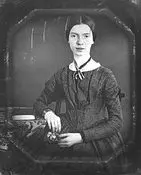 Emily Dickinson
Read more →
La Belle Dame Sans Merci (Original version )
Oh what can ail thee, knight-at-arms, Alone and palely loitering? The sedge has withered from the lake, And no birds sing. Oh what …
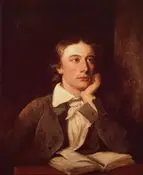 John Keats
Read more →
Sonnet 130: My mistress' eyes are nothing like the sun
My mistress' eyes are nothing like the sun; Coral is far more red than her lips' red; If snow be white, why then her breasts are dun; …
 William Shakespeare
Read more →
Crossing the Bar
Sunset and evening star, And one clear call for me! And may there be no moaning of the bar, When I put out to sea, But such a tide …
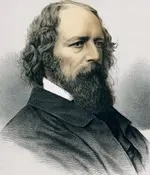 Alfred Lord Tennyson
Read more →
Emily Dickinson
Read more →
La Belle Dame Sans Merci (Original version )
Oh what can ail thee, knight-at-arms, Alone and palely loitering? The sedge has withered from the lake, And no birds sing. Oh what …
John Keats
Read more →
Sonnet 130: My mistress' eyes are nothing like the sun
My mistress' eyes are nothing like the sun; Coral is far more red than her lips' red; If snow be white, why then her breasts are dun; …
William Shakespeare
Read more →
Crossing the Bar
Sunset and evening star, And one clear call for me! And may there be no moaning of the bar, When I put out to sea, But such a tide …
Alfred Lord Tennyson
Read more →